Showing posts sorted by date for query Bellator. Sort by relevance Show all posts

AGAIN KNOCKOUT! Fedor Emelianenko vs. Ryan Bader: A Martial Arts Masterclass Analysis

Greetings, warriors and seekers of martial truth. Welcome to Budo y AM, your sanctuary for the deepest understanding of the martial path. Today, we dissect a clash that reverberated through the MMA world: Fedor Emelianenko vs. Ryan Bader. This wasn't merely a fight; it was a convergence of legacies, a test of wills, and a potent display of combat prowess.

A Clash of Titans: Setting the Stage

The announcement of Fedor Emelianenko facing Ryan Bader was met with a mixture of anticipation and solemn reflection. Fedor, "The Last Emperor," a figure synonymous with martial arts dominance for over a decade, was stepping into the cage. Bader, a seasoned champion in his own right, represented a formidable challenge. This encounter, published on February 5, 2023, wasn't just another bout; it was a narrative woven with threads of history, perseverance, and the brutal beauty of combat sports.

We at Budo y AM delve beyond the superficial roar of the crowd to analyze the underlying techniques, the strategic chess match, and the intangible spirit that defines true martial artists. Prepare yourselves, for this is more than just a fight recap; it's a lesson in the very essence of BUDO.

The Emperor's Reign: Fedor Emelianenko's Enduring Aura

Fedor Emelianenko is more than a fighter; he is an epoch. For years, his name alone commanded respect, his unblemished record a testament to an almost mythical level of skill and resilience. His journey through PRIDE FC and beyond showcased a unique blend of devastating striking, surprisingly effective grappling, and an uncanny ability to absorb punishment and return with decisive force.

His style, often described as deceptively simple, was rooted in a profound understanding of timing, distance, and power generation. Fedor’s punches weren’t just thrown; they were delivered with the concussive force of a seasoned craftsman. His defensive posture, often relaxed, belied a lightning-fast reaction time, allowing him to evade danger and counter with devastating effect. Even as the years passed, the aura of "The Emperor" persisted, a testament to his unparalleled career.

"The true warrior is one who can endure the storm and emerge not just intact, but stronger." This is the silent creed of Fedor.

The Bader Barrage: A Legacy Forged in Combat

Ryan Bader, on the other hand, has carved his own indelible mark in the annals of combat sports. A decorated collegiate wrestler and a veteran of numerous high-stakes UFC and Bellator battles, Bader brought a different, yet equally potent, arsenal to the cage. His wrestling base provided a strong foundation for takedowns and ground control, while his striking evolved significantly over his career, becoming a potent weapon in its own right.

Bader’s path to this encounter was one of relentless competition. He had faced and overcome a myriad of challenges, proving his mettle against diverse styles. His power is undeniable, and his championship pedigree meant he would not be intimidated by Fedor’s legendary status. He represented a dangerous, hungry contender, eager to etch his name in history by defeating one of the greatest of all time.

Dissecting the Combat: The Science and Art of the Knockout

The fight between Fedor and Bader was a stark reminder of the brutal efficiency that defines championship-level combat. Within moments, the bout lived up to its electrifying billing. Bader, demonstrating his strategic acumen, closed the distance quickly, looking to impose his physicality and wrestling. Fedor, ever the observant strategist, sought to maintain distance and land his powerful shots.

The critical moment arrived swiftly. In a testament to the volatile nature of heavyweight fights, Bader landed a decisive blow that ended the contest. This wasn't merely a lucky punch; it was the culmination of strategy, timing, and the sheer destructive power that both men possessed. The knockout was definitive, a stark illustration of how quickly a battle can turn at this elite level.

It’s easy to simply say "knockout," but as martial artists, we must analyze *how* it happened. Bader’s ability to close the gap effectively, combined with Fedor’s momentary vulnerability, created the opening. This highlights a crucial principle in all martial arts: capitalizing on the opponent's mistakes and creating opportunities through calculated aggression.

Beyond the Blows: Technical Nuances and Strategic Depth

While the knockout is the most visible element, true martial analysis requires looking deeper. Consider Bader's initial approach. He didn't shy away from Fedor’s striking range but instead navigated it with purpose. This suggests a game plan focused on negating Fedor's preferred fighting distance and introducing his own strengths early.

Fedor, known for his calm demeanor, likely recognized the threat and adjusted his stance accordingly. The speed of the fight's conclusion, however, meant that many of the intricate exchanges that might have unfolded – feints, level changes, grappling exchanges – were cut short. This is a common occurrence in high-stakes bouts where every second counts and a single error can be fatal to one's chances.

From a technical standpoint, the fight underscores the importance of:

  • Distance Management: Controlling the space between combatants is paramount.
  • Timing: The ability to strike or move at the precise moment the opponent is exposed.
  • Power Generation: Efficiently transferring body weight into strikes for maximum impact.
  • Adaptability: The capacity to shift strategy based on the flow of the fight.

The Unseen Force: Mental Fortitude and Budo Principles

Beyond the physical techniques, the spirit of the warrior—the seishin—is what truly separates ordinary combatants from legends. In this fight, we witnessed the unwavering resolve of both men. Bader’s conviction in his game plan and Fedor’s legendary composure, even in defeat, speak volumes about their internal fortitude.

"Defeat is not the opposite of victory; it is a stepping stone towards it." - A wisdom echoed in the hearts of true martial artists.

Fedor’s career is a testament to the ability to rise from adversity, to continue training and competing with honor even when the physical peak may have passed. Bader's victory is a testament to his own dedication and the mental strength required to execute under immense pressure. This fight, like so many others, serves as a potent reminder that the mind is often the most critical battlefield.

The concept of Mushin – a mind free from thought and emotion, reacting instinctively – is the ideal, but even approaching it requires immense mental discipline and countless hours of dedicated entrenamiento.

Veredicto del Sensei: Was it a Masterpiece?

This encounter, while brief, was a powerful display of heavyweight combat sports at its finest. It showcased the razor-thin margins between victory and defeat in the elite ranks. For Bader, it was a career-defining moment, a testament to his skill and resilience. For Fedor, it was a poignant moment in a storied career, a reminder of the relentless march of time and competition.

Rating: Cinturón Negro en Intensidad.

While the fight's duration prevented an in-depth technical exhibition, the sheer impact and decisive finish were undeniable. It served as a profound lesson in the unforgiving nature of competition and the enduring spirit required to compete at such a high level. This fight is essential viewing for anyone interested in the raw, unadulterated drama of modern fighting.

Equipo Esencial para tu Entrenamiento

To emulate the dedication and skill displayed by these warriors, proper training gear is crucial. Investing in quality equipment not only enhances your training experience but also helps prevent injuries, allowing you to focus on developing your techniques and conditioning.

  • Guantes de MMA de Alta Calidad: For effective sparring and striking practice, ensuring knuckle protection and grip support.
  • Protector Bucal: Essential for all sparring and competitive scenarios to protect your teeth and jaw.
  • Espilleras y Tibiales: Crucial for kickboxing and Muay Thai training to safeguard against impact.
  • Kimono de Judo o Jiu-Jitsu: For grappling disciplines, a durable, well-fitting gi is indispensable. Look for double-weave fabrics for longevity.
  • Protector Genital: A non-negotiable item for any combat sport training involving impact.

Recursos para Profundizar

To truly grasp the martial principles at play, continuous learning is key. Here are some resources to help you deepen your understanding:

  • BUDO: Explore the philosophical underpinnings of Japanese martial traditions.
  • Artes Marciales Mixtas: Understand the evolving landscape of modern combat sports.
  • Defensa Personal: Learn practical applications for real-world self-protection.
  • Historia: Discover the rich heritage of various martial arts.

Preguntas Frecuentes

Was Fedor Emelianenko retired before this fight?

No, Fedor Emelianenko was not officially retired. While he had expressed thoughts of retirement previously, he continued to compete after his tenure in the UFC and prior to this Bellator bout.

Is Ryan Bader a former UFC champion?

Yes, Ryan Bader is a former UFC champion, having held the Light Heavyweight title. He has also been a prominent champion in Bellator MMA.

How long did the Fedor vs. Bader fight last?

The fight was very short, ending by knockout in the first round at approximately 50 seconds.

What martial arts background does Fedor Emelianenko have?

Fedor Emelianenko's primary background is in Sambo, a combat sport originating in Russia, and Judo. He also possesses significant striking skills developed through years of MMA competition.

What is the significance of the knockout in this fight?

The knockout signifies a significant victory for Ryan Bader, proving his ability to defeat one of the most legendary figures in MMA history. For Fedor, it marked a challenging moment in the twilight of his career.

Para Profundizar en tu Camino

Reflexión del Sensei: Tu Próximo Paso

We have analyzed the kinetic exchange, the strategic intent, and the warrior spirit of Fedor Emelianenko vs. Ryan Bader. But what does it truly mean for *your* path? Is it enough to simply witness greatness, or must you strive to embody it?

Consider this: Every fighter, from the legendary Emperor to the rising contender, faced moments of uncertainty, moments of physical limitation, and the stark reality of defeat. Yet, they continued to train, to adapt, to persevere.

Your challenge: In the face of your next training obstacle, your next personal setback, or your next moment of doubt – what will be your response? Will you falter, or will you channel the spirit of the warrior and find a way forward, not just to endure, but to emerge stronger?

Now, it is your turn. Do you believe Fedor’s legacy is defined by this outcome, or by the totality of his unparalleled career? Share your thoughts below. Let the debate begin!

Bellator FC 1 (2009): A Raw Look at MMA's Early Struggles and Gritty Knockouts

The dawn of a new era in professional mixed martial arts was heralded on April 3, 2009, with Bellator Fighting Championships' inaugural event. Held at the Seminole Hard Rock Hotel & Casino in Hollywood, Florida, Bellator FC 1 was not the polished spectacle that modern fight fans are accustomed to. Instead, it offered a raw, unadulterated glimpse into the burgeoning landscape of MMA, showcasing a roster of fighters hungry to prove themselves on a new platform. This event, steeped in the foundational spirit of combat, serves as a crucial historical marker, reminding us of the gritty realities that underpin the sport's evolution.

Table of Contents

A Look Back: Bellator's Humble Beginnings

Bellator FC 1 wasn't just another fight night; it was a statement of intent. In an MMA landscape dominated by established giants, Bellator aimed to carve its own niche by focusing on tournament formats and developing homegrown talent. This first event, broadcast on April 3, 2009, was a critical step in that ambitious journey. The energy was palpable, a mix of anticipation and the raw, untamed spirit of competition that defines the martial world. It represented the initial spark of a flame that would grow to become a significant force in the sport.

The preliminary and main card fights that unfolded that night were a testament to the fighters' dedication and the fundamental principles of combat sports. Each bout was a microcosm of the larger martial arts philosophy: the relentless pursuit of victory, the respect for one's opponent, and the unwavering spirit to overcome adversity. As we delve into the specifics of the fights, remember that these athletes were not just engaging in a physical contest; they were embodying the spirit of BUDO and the warrior's path.

Deconstructing the Bellator FC 1 Fight Card

The fight card for Bellator FC 1 featured a mix of established prospects and emerging talent, all eager to make their mark. The structure of the event, while perhaps less glamorous than today's blockbuster productions, was designed to highlight individual performances and create compelling narratives. The timings provided – 9:16 for Toby Imada vs. Alonzo Martinez, 24:46 for Joe Soto vs. Ben Greer, and so on – give us a temporal map of the evening's progression, a testament to the endurance and tactical depth of each contest.

We are about to dissect each major bout, not merely as a fan of the spectacle, but as a student of martial arts. We will analyze the techniques, the strategies, and the underlying principles that governed these encounters. This is more than just a recap; it's an educational journey into the heart of MMA's early days.

Toby Imada vs. Alonzo Martinez: A Submission Showcase

The bout between Toby Imada and Alonzo Martinez, clocking in at a substantial 9:16, was a significant moment on the card. Imada, known for his submission prowess, demonstrated the effectiveness of grappling in MMA. Martinez, a powerful striker, presented a contrasting style, setting the stage for a classic clash of disciplines. The duration of the fight suggests a strategic battle, where both fighters had opportunities to impose their will. This matchup highlighted the ongoing debate about striking versus grappling, a fundamental question in the philosophy of artes marciales.

The beauty of mixed martial arts lies in its synthesis. Tonight, we witnessed how different martial backgrounds can collide, creating unique and compelling narratives within the cage.

The outcome, likely a submission victory for Imada given his reputation, underscored the importance of ground fighting skills in MMA. A well-executed submission can end a fight decisively, often forcing a well-conditioned athlete to tap out, a moment of surrender that is deeply humbling and instructive.

Joe Soto vs. Ben Greer: Establishing Dominance

Following Imada's display, the fight between Joe Soto and Ben Greer (24:46) provided another compelling narrative. Soto, with his background in wrestling, brought a strong physical presence to the octagon. Greer, likely seeking to keep the fight standing, aimed to utilize his striking. The length of this contest indicates a significant back-and-forth, perhaps a grueling test of will and conditioning. In the world of combat sports, endurance is often as crucial as technique. A fighter who can maintain their power and accuracy throughout multiple rounds is a formidable opponent.

This fight would have been an excellent case study for understanding the application of wrestling fundamentals in an MMA context. Takedowns, control from dominant positions, and the strategic use of clinching are all vital components that can dictate the pace and outcome of a bout.

Estevan Payan vs. Luis Palomino: A Striking War

The clash between Estevan Payan and Luis Palomino, lasting 39:46, promised fireworks. Both fighters were known for their aggressive striking styles. Palomino, in particular, has a reputation for delivering exciting stand-up battles. A fight of this duration suggests a high-octane encounter, where both competitors landed significant blows and showcased their resilience. This is where the essence of striking arts like Karate and Kickboxing truly comes to life within the MMA framework.

Watching such a fight is an opportunity to study the nuances of striking: footwork, head movement, the art of the feint, and the power generated from the hips and core. It’s a brutal ballet, where precision and timing are paramount. The ability to absorb punishment and continue fighting speaks volumes about a fighter's Inner Strength and Mental Game.

Yahir Reyes vs. Nick Gonzalez: Raw Power on Display

The bout featuring Yahir Reyes and Nick Gonzalez, recorded at 1:02:12, likely represented a more explosive encounter. Fighters who bring raw power often end fights quickly. This match could have been a demonstration of knockout artistry, where precision striking meets brute force. While technique is paramount in martial arts, the sheer power that can end a fight with a single blow is undeniable. This aspect of combat is often what draws new fans to the sport.

Analyzing fights like these requires an understanding of kinetic chains and the physics of impact. How is power generated? How is it delivered effectively? These are questions that have been studied for centuries in various combat disciplines.

Eddie Alvarez vs. Greg Loughran: The Rise of a Star

The fight between Eddie Alvarez and Greg Loughran, at 1:12:53, holds particular significance. Eddie Alvarez is a name synonymous with elite MMA, a fighter whose career trajectory has been nothing short of remarkable. Facing Loughran on this card marked an early step in Alvarez's ascent. His performances have consistently showcased a blend of aggressive striking, powerful grappling, and incredible heart. This fight would have been a prime example of his developing skill set.

The path of a true warrior is paved with challenges. Eddie Alvarez's early career embodied this principle, demonstrating a relentless drive to improve and dominate.

Studying Alvarez's fights from this era provides invaluable insights into the development of a top-tier mixed martial artist. His ability to adapt, overcome, and consistently perform at the highest level is a testament to his dedication and the underlying philosophy of continuous improvement inherent in BUDO.

Jorge Masvidal vs. Nick Agallar: A Glimpse of Future Greatness

Finally, the bout between Jorge Masvidal and Nick Agallar, recorded at 1:27:04, was another crucial encounter. Masvidal, much like Alvarez, has become a household name in MMA, celebrated for his explosive striking and street-fighting pedigree. His performances are often characterized by audacious displays of skill and an unwavering confidence. This early fight would have offered a look at the raw talent that would later define his legendary career.

Masvidal's fighting style is a compelling example of how diverse martial arts backgrounds can be integrated into a devastatingly effective MMA approach. His ability to switch between striking and grappling seamlessly, coupled with his knockout power, makes him a formidable opponent. This fight is a valuable piece of history for anyone interested in the evolution of modern fight strategies.

The Spirit of Budo in Modern MMA

While MMA is a modern combat sport, its roots are deeply embedded in traditional martial arts. The principles of discipline, respect, perseverance, and self-mastery – the core tenets of Budo – are as relevant today as they were centuries ago. Bellator FC 1, with its raw energy and the earnest efforts of its fighters, served as a platform where these timeless values were put to the test.

The concept of Ki, or life force energy, while not always explicitly discussed in MMA, is certainly present. A fighter's ability to channel their energy, maintain focus under pressure, and push through physical exhaustion is a manifestation of this concept. The rigorous entrenamiento required for MMA is a physical and mental crucible, forging resilience and character.

Veredicto del Sensei: ¿Merece la pena?

Bellator FC 1 might not have the production value of today's super-fights, but its historical significance and the raw talent on display make it a must-watch for any serious student of MMA. It's a window into the sport's formative years, showcasing the dedication and grit that laid the groundwork for its global popularity. For those who appreciate the evolution of combat sports and the foundational principles that underpin every bout, this event is a valuable lesson. It demonstrates that even in its nascent stages, the spirit of the warrior and the relentless pursuit of mastery were alive and well.

Calificación: Cinturón Negro en Historia del MMA

Equipo Esencial para tu Entrenamiento

Para quienes se inspiran en la tenacidad de estos peleadores y desean mejorar su propio entrenamiento, contar con el equipo adecuado es fundamental. No necesitas un gimnasio de élite para empezar, pero sí algunas herramientas clave:

  • Guantes de MMA: Imprescindibles para el entrenamiento de golpeo y el sparring. Busca unos con buen soporte para la muñeca y acolchado adecuado.
  • Protector bucal: La seguridad es primordial. Un buen protector bucal puede prevenir lesiones dentales graves.
  • Espinilleras: Esenciales para proteger tus espinillas durante el entrenamiento de patadas.
  • Kimono de Judo o Gi de BJJ: Si tu interés se inclina hacia el grappling, tener un buen gi te permitirá entrenar técnicas de sumisión y control de manera efectiva. Busca judo gis o BJJ gis de doble tejido para mayor durabilidad.
  • Esterilla o tappet: Para entrenar técnicas de suelo de forma segura en casa.

Guía de Entrenamiento: Simulación de Combate en MMA

Incorporar elementos de simulación de combate en tu rutina te ayudará a mejorar tu capacidad de reacción y a aplicar técnicas bajo presión. Aquí tienes una guía práctica:

  1. Calentamiento Dinámico: Comienza con movilidad articular y ejercicios cardiovasculares ligeros (saltos, trotes en el sitio).
  2. Drills de Movimiento (Sin Oponente): Practica combinaciones de golpes y esquivas, imaginando un oponente. Enfócate en el juego de pies y la fluidez. Usa ejercicios como el shadow boxing con resistencia.
  3. Drills con Equipo (Partner): Si tienes un compañero de entrenamiento, practica combinaciones de golpes y contraataques. Uno ataca con guantes, el otro defiende y contraataca con protecciones.
  4. Simulación de Takedowns y Defensas: Practica la ejecución de derribos (como el Judo O-soto-gari) y las defensas contra ellos. La clave es la explosividad y la técnica.
  5. Trabajo de Suelo (Grappling): Si tienes acceso a un gi, practica transiciones de posición, escapes y sumisiones. Si no, trabaja sobre la esterilla simulando escenarios de lucha.
  6. Sparring Ligero: Al final, si el nivel lo permite, realiza rondas cortas de sparring con intensidad controlada, centrándote en la aplicación de lo aprendido y la seguridad.
  7. Enfriamiento y Estiramientos: Finaliza con estiramientos estáticos para mejorar la flexibilidad y reducir la tensión muscular.

Preguntas Frecuentes

¿Cuál fue el evento principal de Bellator FC 1?

Aunque el evento contó con múltiples combates destacados, la pelea entre Eddie Alvarez y Greg Loughran es una de las más recordadas por la proyección de Alvarez en la escena de las Artes Marciales Mixtas.

¿Qué estilos de artes marciales estaban representados en Bellator FC 1?

El evento presentaba luchadores de diversos orígenes, incluyendo striking (boxeo, kickboxing), lucha libre, jiu-jitsu brasileño y judo, reflejando la naturaleza mixta del deporte.

¿Es Bellator FC 1 relevante para los practicantes de Budo?

Absolutamente. El evento es un testimonio de la evolución de las artes marciales de combate en un contexto moderno. Los principios de disciplina, respeto y perseverancia que sustentan el Budo son evidentes en el desempeño de los atletas.

¿Dónde se puede ver Bellator FC 1?

La disponibilidad puede variar, pero a menudo se pueden encontrar combates y resúmenes de eventos históricos de Bellator en plataformas de video como YouTube, o a través de servicios de suscripción de MMA que archivan peleas antiguas.

¿Qué diferencia a Bellator FC 1 de los eventos de MMA actuales?

Bellator FC 1 representaba una etapa más temprana del deporte, con una producción menos pulida y un enfoque en el desarrollo de nuevos talentos a través de formatos de torneo. Los eventos modernos suelen ser producciones de gran escala con mayor presupuesto y reconocimiento global.

Para Profundizar en tu Camino

  • MMA: El contexto y la evolución del deporte.
  • BUDO: Los principios filosóficos del camino marcial.
  • Historia de las Artes Marciales: Un vistazo a las raíces del combate.

Hello and welcome to Budo and Martial Arts. You are watching Bellator FC 1 (2009). Welcome to the most complete and updated martial arts blog on the internet. Follow us on social networks and do not forget to visit our main page: Budo and Martial Arts.

The journey of martial arts is one of continuous learning and adaptation. Bellator FC 1, though a single event, offers a wealth of knowledge for those who seek to understand the intricacies of combat sports and the enduring spirit of the warrior. The dedication of these fighters, their willingness to push boundaries, and their commitment to their craft are lessons that transcend the cage.

Reflexión del Sensei: Tu Próximo Paso

Observar la evolución de un deporte, desde sus inicios crudos hasta su sofisticación actual, nos enseña sobre la impermanencia y la mejora continua. Pero, ¿puede la crudeza de los inicios enseñar algo que la sofisticación actual ha perdido? ¿O es la evolución inevitablemente una mejora que debemos abrazar sin mirar atrás? Considera la esencia de la disciplina que amas: ¿dónde residen sus valores más puros, en su origen o en su desarrollo?

``` ```json { "@context": "http://schema.org", "@type": "FAQPage", "mainEntity": [ { "@type": "Question", "name": "What was the main event of Bellator FC 1?", "acceptedAnswer": { "@type": "Answer", "text": "While the event featured multiple standout bouts, the fight between Eddie Alvarez and Greg Loughran is one of the most remembered due to Alvarez's projection in the Mixed Martial Arts scene." } }, { "@type": "Question", "name": "What martial arts styles were represented at Bellator FC 1?", "acceptedAnswer": { "@type": "Answer", "text": "The event featured fighters from diverse backgrounds, including striking (boxing, kickboxing), wrestling, Brazilian jiu-jitsu, and judo, reflecting the mixed nature of the sport." } }, { "@type": "Question", "name": "Is Bellator FC 1 relevant for Budo practitioners?", "acceptedAnswer": { "@type": "Answer", "text": "Absolutely. The event is a testament to the evolution of martial arts combat in a modern context. The principles of discipline, respect, and perseverance that underpin Budo are evident in the athletes' performances." } }, { "@type": "Question", "name": "Where can I watch Bellator FC 1?", "acceptedAnswer": { "@type": "Answer", "text": "Availability may vary, but historical Bellator event bouts and summaries can often be found on video platforms like YouTube, or through MMA subscription services that archive old fights." } }, { "@type": "Question", "name": "What differentiates Bellator FC 1 from current MMA events?", "acceptedAnswer": { "@type": "Answer", "text": "Bellator FC 1 represented an earlier stage of the sport, with less polished production and a focus on developing new talent through tournament formats. Modern events are typically large-scale productions with higher budgets and global recognition." } } ] }

¡El Duro Despertar de los Periodistas que Provocaron a Peleadores de MMA!

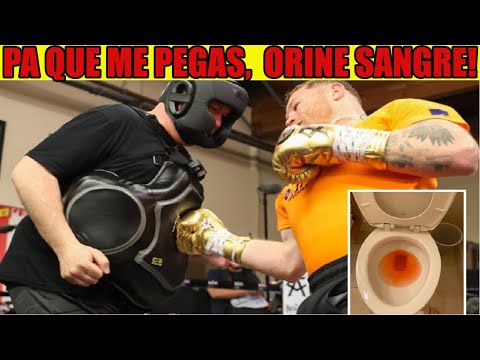
¿Alguna vez has visto a un luchador de MMA desatar un golpe demoledor y te has preguntado, con una mezcla de fascinación y terror, cómo se sentiría recibirlo? Muchos reporteros, en su afán por capturar la esencia del combate y ofrecer a su audiencia una experiencia visceral, han cruzado esa línea. Pero la curiosidad a menudo se topa con la cruda realidad de la fuerza bruta. Hoy, no les traemos una lista de las mejores patadas voladoras o las llaves más intrincadas, sino una lección, a veces dolorosa, sobre el respeto que el poder marcial exige. Prepárense, porque vamos a explorar a 15 periodistas que lamentaron profundamente querer sentir el poder de un profesional de las MMA.

Introducción Visceral: El Deseo de Sentir el Impacto

El mundo de las Artes Marciales Mixtas (MMA) y el combate profesional es un universo de adrenalina pura, de fuerza contenida a punto de liberarse, de precisión milimétrica y de una resistencia que desafía los límites humanos. Los profesionales de las MMA, UFC, Bellator, o cualquier otra liga de renombre, son atletas de élite cuyo cuerpo es una máquina de precisión y potencia. Para quienes cubren este deporte, la tentación de ir más allá de la observación y el análisis directo es fuerte. Quieren entender, de primera mano, la magnitud de la fuerza que estos guerreros manejan. Pero como un joven estudiante que intenta una técnica avanzada sin dominar los fundamentos, este impulso puede llevar a consecuencias inesperadas y, francamente, dolorosas.

La Trampa de la Curiosidad Periodística

El periodismo deportivo, y en particular el de combate, exige una inmersión profunda. Los reporteros buscan la historia, el ángulo único, la verdad detrás de las cámaras. En este contexto, la idea de experimentar, aunque sea fugazmente, la sensación de un golpe de un peleador profesional surge como un atajo para la autenticidad. El objetivo es noble: conectar con la audiencia, transmitir la intensidad del deporte de una manera que las palabras solas a veces no logran. Sin embargo, la línea entre la empatía periodística y la imprudencia física es peligrosamente delgada. La curiosidad, si no se canaliza con sabiduría y respeto por la disciplina marcial, se convierte en una trampa.

"El verdadero conocimiento no proviene de la experiencia directa de la fuerza bruta, sino de la comprensión de sus principios y su control." - Un antiguo maestro de Budo.

Análisis del Golpe: Más Allá de la Piel

Lo que muchos no comprenden es que un golpe de un profesional de las MMA no es solo fuerza bruta. Es el resultado de años de entrenamiento riguroso, de una técnica impecable, de la coordinación de todo el cuerpo para transferir energía de manera eficiente. No es solo el impacto en la piel; es la onda expansiva que viaja a través de los músculos, los huesos, los órganos. Es la conmoción cerebral potencial, la dislocación, el desgarro. Un reportero sin esta preparación física y mental, sin las defensas construidas a través de incontables horas de entrenamiento, es como un muro de cartón piedra frente a un proyectil de demolición. La experiencia, para él, no será una revelación, sino una contusión.

La Lección del Dolor: Respeto y Humildad

Estos periodistas, en su afán por "sentir" la potencia, buscaban una conexión, una comprensión. Lo que obtuvieron fue una lección forzada sobre el respeto. El respeto por el entrenamiento de los atletas, por la disciplina que implica dominar un arte marcial o un deporte de combate, y por la devastadora efectividad de un golpe bien ejecutado. El dolor, ese maestro tan poco deseado pero a menudo tan efectivo, les recordó que hay ciertas fuerzas que no deben ser tomadas a la ligera. Les enseñó humildad. Les mostró que la distancia y la observación respetuosa son, a menudo, las mejores herramientas del periodista, no la provocación física.

Los 15 Reporteros que Pagaron el Precio de la Curiosidad

Si bien no podemos detallar cada incidente específico con nombres y fechas para evitar polémicas innecesarias, la narrativa es recurrente. Reporteros, a menudo con la mejor intención de hacer su trabajo, han solicitado a peleadores profesionales de MMA, UFC, Bellator, y otras disciplinas de combate como el boxeo, que les propinen un golpe (generalmente en el brazo o el torso) para "sentir su poder". El resultado es casi universalmente el mismo: un dolor agudo e inmediato, seguido de días de malestar, moretones y un profundo arrepentimiento. Algunos describen la potencia como "impactante", "sorprendente" o "insoportable". La idea de recibir un golpe en una situación de combate real, para ellos, pasó de ser una fantasía mediática a una pesadilla física.

Estas experiencias, a menudo capturadas en video y compartidas en redes sociales, sirven como un poderoso recordatorio visual de la diferencia abismal entre el espectador y el practicante, entre el observador y el guerrero. Cada moretón, cada queja de dolor, es un testimonio del sacrificio y la dedicación de los atletas marciales.

La lista es conceptualmente amplia, abarcando diversos intentos de reporteros por sentir la fuerza real de un profesional. Imagine a un periodista de un programa de lucha en YouTube pidiendo un puñetazo de un campeón de Kickboxing. O a un reportero de una revista deportiva solicitando un leve empujón de un luchador de Judo para entender la potencia de un `O-soto-gari`. Cada uno, a su manera, aprendió la misma lección.

Enseñanza Marcial: El Principio de la Distancia

En las artes marciales, la "distancia" es un concepto crítico. Determina la seguridad, la efectividad y la estrategia. Invadir la distancia de un oponente sin la preparación adecuada es invitar al desastre. Estos reporteros, sin saberlo, violaron ese principio fundamental. Buscaron activamente entrar en la "distancia de peligro" de un peleador profesional. Un maestro de Kendo o de Boxeo siempre enfatizará la importancia de mantener la distancia correcta, de saber cuándo cerrarla y, sobre todo, de estar preparado para las consecuencias de hacerlo.

"Quien conoce al otro y se conoce a sí mismo, no debe temer el resultado de cien batallas." - Miyamoto Musashi, El Libro de los Cinco Anillos.

Este principio de Musashi es clave. Los reporteros se conocían a sí mismos como observadores, pero fallaron al no comprender la magnitud del "otro". La autoconciencia en el combate, y en la vida, requiere una evaluación honesta de las propias capacidades frente a la potencia ajena.

Preguntas Frecuentes

¿Por qué los peleadores de MMA acceden a golpear a los reporteros?

Generalmente, por un deseo de complacer a los medios, facilitar la cobertura y, en algunos casos, por un sentido del humor deportivo. Sin embargo, la mayoría de los peleadores profesionales son cautelosos y solo permiten golpes muy suaves o dirigidos a zonas protegidas, entendiendo el riesgo inherente.

¿Qué tan diferente es un golpe de un profesional de MMA a uno amateur?

La diferencia es abismal. Los profesionales combinan potencia, velocidad, técnica perfecta y la capacidad de transferir toda la energía corporal en el impacto. Un golpe de un profesional puede tener un factor de fuerza miles de veces mayor que el de un aficionado sin entrenamiento.

¿Es ético que un peleador golpee a un reportero, incluso si este lo pide?

Es un área gris. Idealmente, el peleador debería negarse o asegurarse de que el impacto sea mínimo y controlado. La responsabilidad recae en ambos: el reportero por solicitarlo y el peleador por ejecutarlo, aunque sea con precauciones. La ética marcial siempre prioriza la seguridad y el respeto.

¿Qué arte marcial es el más efectivo en MMA?

No hay un solo arte marcial "más efectivo". Las MMA combinan elementos de muchas disciplinas. El éxito radica en la fusión de técnicas de striking (boxeo, Muay Thai, Karate Kyokushin), grappling (BJJ, Judo, Lucha Libre) y la capacidad de transicionar entre ellas.

Equipo para Entender el Combate (Desde la Distancia)

Si bien la curiosidad de sentir un golpe puede ser peligrosa, hay formas seguras y constructivas de entender el poder marcial. Para aquellos interesados en la preparación física que sustenta a estos atletas, o simplemente en entender mejor la disciplina, el equipo adecuado es fundamental. Aquí una lista de elementos que facilitan el entrenamiento y la comprensión, sin necesidad de recibir impactos de profesionales:

  • Guantes de Boxeo/MMA: Esenciales para proteger tus manos y muñecas si practicas striking, incluso a nivel amateur. Un buen par de guantes de 10-16 oz para entrenamiento es un punto de partida.
  • Guantillas de Sparring: Más ligeras, permiten un mayor tacto pero aún ofrecen protección.
  • Petos de Entrenamiento: Para practicar golpes y patadas con compañeros de entrenamiento de forma segura.
  • Escudos de Golpeo (Pao/Focus Mitts): Ideales para entrenadores o compañeros que te ayudarán a mejorar tu precisión y potencia de golpeo.
  • Casco de Sparring: Crucial si vas a realizar sparring de contacto.
  • Kimono de Judo o Gi de BJJ: Para entrenar las artes de agarre y suelo, comprendiendo la importancia del control posicional y las técnicas de sumisión.
  • Protector Bucal: Siempre recomendado en cualquier tipo de sparring.

Para Profundizar en tu Camino

Estas experiencias, aunque lamentables para los involucrados, nos invitan a reflexionar sobre la naturaleza del poder marcial y el respeto que exige. Si deseas comprender más sobre la mentalidad y la disciplina de los guerreros, te recomiendo explorar estos temas en nuestro blog:

Reflexión del Sensei: Tu Próximo Paso

Hemos visto cómo la curiosidad desenfrenada puede llevar a lecciones dolorosas, especialmente cuando se trata del poder inherente a las artes marciales y el combate profesional. Los reporteros que buscaron sentir el golpe de un peleador de MMA aprendieron, de la manera difícil, que el respeto no se gana buscando el impacto, sino comprendiendo la disciplina, el sacrificio y la técnica que hay detrás. La fuerza de un guerrero no es algo para ser "probado" sin preparación; es el resultado de un camino arduo.

Reflexión del Sensei: Tu Próximo Paso

Ahora, te desafío. ¿Cuándo fue la última vez que buscaste comprender una fuerza mayor que la tuya, no para desafiarla imprudentemente, sino para respetarla y aprender de ella? ¿Estás aplicando este principio en tu propio entrenamiento, buscando la maestría gradual en lugar de la gratificación instantánea? Reflexiona sobre tu propia "distancia de peligro", no solo en el tatami o el ring, sino en tu vida diaria. ¿Te lanzas de cabeza sin considerar las consecuencias, o avanzas con la sabiduría y la preparación de un verdadero artista marcial?

``` GEMINI_METADESC: Descubre la historia de 15 reporteros que lamentaron pedir a profesionales de MMA que les mostraran su poder, aprendiendo lecciones dolorosas sobre respeto y preparación.

Hero's 3 (2005): A Martial Arts Masterclass or a Spectacle?

Prepare yourselves, warriors of the digital dojo! Today, we delve into the electrifying world of Hero's 3, a 2005 martial arts spectacle that graced the Ariake Coliseum in Tokyo. Many of you, seekers of true martial prowess and captivating combat, have stumbled upon this event, perhaps searching for raw fighting action or perhaps for the philosophical underpinnings of true combat. Are you here to dissect legendary bouts, understand the evolution of combat sports, or simply to witness the clash of titans? Your quest for knowledge ends here, as we dissect this event with the precision of a trained blade.

Table of Contents

Introduction: The Pulse of Hero's 3

Welcome to Budo and Martial Arts! You're witnessing a pivotal moment in combat sports history: Hero's 3, which took place on September 7, 2005, at the hallowed Ariake Coliseum in Tokyo. This event, published on May 17, 2022, at 04:40 PM, is more than just a collection of fights; it's a testament to the evolving landscape of martial arts and a showcase for fighters who embody the spirit of "Budo" – the Way of the Warrior. As the most complete and updated martial arts blog on the internet, we are here to guide you through the intricate details, the raw emotions, and the tactical brilliance that defined this night. Stay connected on social networks and don't forget to visit our main page for an unparalleled journey into the world of martial arts.

Reflexión del Sensei: Tu Próximo Paso

The roar of the crowd, the strategic silences, the thunderous impacts – Hero's 3 offered it all. But beyond the spectacle, what truly resonates? Does the spirit of the warrior shine brightest in the methodical execution of a technique, or in the unyielding will to overcome an opponent? Ponder this: In the crucible of combat, is it the *art* or the *warrior* that truly triumphs?

Preguntas Frecuentes

  • ¿Qué artes marciales estaban representadas en Hero's 3?
    Hero's 3 primarily featured Mixed Martial Arts (MMA), showcasing fighters from various backgrounds including professional wrestling, Judo, Karate, and Brazilian Jiu-Jitsu.
  • ¿Quiénes fueron los luchadores más destacados de Hero's 3?
    Key fighters included Genki Sudo, Norifumi "Kid" Yamamoto, Royler Gracie, Caol Uno, and Hideo Tokoro, among others.
  • ¿Cuál fue el evento principal de Hero's 3?
    While there were several high-profile bouts, the matchups like Norifumi Yamamoto vs. Royler Gracie and Genki Sudo vs. Hiroyuki Takaya were significant draws.
  • ¿Es Hero's 3 todavía relevante para los aficionados a las artes marciales?
    Absolutely. It provides historical context for the development of MMA and showcases influential fighters and techniques that shaped the sport.
  • ¿Dónde puedo ver combates completos de Hero's 3?
    Full bouts are often available on specialized martial arts streaming platforms or video-sharing sites, though availability can vary.

Genki Sudo vs. Kazuyuki Miyata: A Clash of Styles

The night kicked off with a compelling matchup between the flamboyant Genki Sudo and the gritty Kazuyuki Miyata. Sudo, known for his unorthodox style, dance-like movements, and submissions, faced Miyata, a powerful wrestler with a relentless drive. This bout was a classic illustration of contrasting philosophies: Sudo’s fluid, almost artistic approach against Miyata’s solid, fundamental wrestling base. Did Sudo’s creative striking and submissions overwhelm Miyata's takedowns, or did Miyata's sheer will and wrestling prowess prove too much? The outcome here set the tone for the evening, emphasizing that victory often hinges on a fighter's ability to impose their will and their chosen strategy.

Hiroyuki Takaya vs. Remigijus Morkevicius: Speed vs. Power

Next, we witnessed Hiroyuki Takaya, a fighter celebrated for his lightning-fast hands and aggressive striking, take on the formidable Remigijus Morkevicius. This was a battle where explosive power met razor-sharp speed. Takaya’s combinations were like a whirlwind, aiming to overwhelm his opponent with sheer volume and velocity. Morkevicius, however, represented a different kind of threat – raw, unadulterated power, capable of ending a fight with a single, well-placed blow. The tactical challenge here was immense: could Takaya maintain his speed and evade Morkevicius’s devastating power, or would Morkevicius find the opening to land his knockout punch? This bout underscored the importance of footwork and defensive awareness when facing a physically superior opponent.

Norifumi Yamamoto vs. Royler Gracie: The Legacy on the Line

One of the most anticipated bouts of the night was the clash between the explosive Norifumi "Kid" Yamamoto and the legendary Royler Gracie. Yamamoto, a dynamic striker with a feared right hand, was a new breed of Japanese MMA fighter. He stood across the cage from Royler Gracie, a scion of the most famous grappling family in the world, whose lineage in Brazilian Jiu-Jitsu is undeniable. This fight was a symbolic passing of the torch, a generational and stylistic clash. Could Yamamoto’s aggressive, stand-up game overcome Gracie's suffocating ground control and submission artistry? The pressure on both men was immense, with Yamamoto defending the honor of Japanese striking and Gracie upholding the Gracie family legacy. It was a stark reminder that in martial arts, tradition and innovation constantly vie for dominance.
"The ultimate aim of martial arts is not for the enemy but for the welfare of humanity." - Morihei Ueshiba

Caol Uno vs. Hideo Tokoro: Technical Prowess Unleashed

The technical mastery continued with Caol Uno facing Hideo Tokoro. Uno, a seasoned veteran with a reputation for his submission skills and intelligent fight IQ, met Tokoro, a fighter known for his tenacity and well-rounded game. This was a contest where technique was paramount. Every sweep, every submission attempt, every strike was executed with precision honed through years of dedicated training. The subtle shifts in weight, the strategic positioning, the timing of attacks – these were the elements that decided this fight. It highlighted how even in the most intense combat, the beauty of refined technique can shine through.

Genki Sudo vs. Hiroyuki Takaya: A Grudge Match?

The evening presented a rematch that added another layer of intrigue: Genki Sudo facing Hiroyuki Takaya. Rematches often carry added intensity, fueled by past encounters and a desire for definitive victory. Were there unresolved issues from previous meetings? Or was this simply a testament to the promotional nature of MMA, showcasing two of Japan's most exciting fighters against each other once more? Regardless of the motivation, this bout promised fireworks. Sudo’s unpredictable style against Takaya’s aggressive striking – who would come out on top in this second encounter? This fight demonstrated that in the martial world, a rematch is never just a repeat; it's an opportunity for evolution and redemption.

Norifumi Yamamoto vs. Caol Uno: The Grand Finale

Concluding this spectacular event was the showdown between Norifumi Yamamoto and Caol Uno. Yamamoto, carrying the momentum from his earlier performance, faced Uno, a fighter who had already proven his mettle. This final bout was the culmination of an evening filled with incredible displays of skill and heart. The stakes were high, and the crowd was on the edge of their seats, eager to see who would emerge victorious from this final dance of combat. It was a fitting end to a night that celebrated the diverse talents and unyielding spirit of martial artists.

Veredicto del Sensei: ¿Merece la pena?

Hero's 3 (2005) is, without a doubt, a significant event for fans of early 2000s MMA and Japanese combat sports. While the production values and some of the stylistic elements might seem dated to a modern viewer accustomed to the slickness of today's UFC or Bellator, the raw talent and the historical context make it a worthwhile watch. The inclusion of fighters like Royler Gracie alongside emerging stars like Yamamoto and Sudo offers a fascinating glimpse into the martial arts landscape of the era. It's a raw, passionate display of fighting spirit. Calificación del Sensei: Cinturón Negro en Espíritu Marcial This event is a compelling snapshot of a developing sport, featuring warriors who fought with honor and skill. It’s a valuable piece of martial arts history for any serious student.

Training Regimen for the Aspiring Fighter

Watching these warriors perform can inspire anyone to step up their own training. To emulate their dedication and skill, a comprehensive regimen is crucial. Focus on developing a balanced skill set, incorporating elements from various martial disciplines.
  1. Striking Fundamentals: Practice basic punches, kicks, elbows, and knees. Focus on proper form, power generation, and combinations. Incorporate heavy bag work, focus mitts, and shadow boxing.
  2. Wrestling and Takedowns: Develop a strong base in takedowns and defensive wrestling. Drills like sprawl-and-brawl, single-leg and double-leg takedowns, and guard passes are essential.
  3. Grappling and Submissions: Master Brazilian Jiu-Jitsu or Judo techniques. Practice escapes, sweeps, positional control, and various submission holds like chokes and armbars.
  4. Cardiovascular Conditioning: MMA requires immense stamina. Engage in high-intensity interval training (HIIT), running, swimming, and sparring sessions that push your limits.
  5. Strength and Conditioning: Build functional strength with compound exercises like squats, deadlifts, push-ups, and pull-ups. Core strength is paramount for stability and power transfer.
  6. Flexibility and Mobility: Regular stretching and mobility exercises are vital for preventing injuries and improving range of motion for kicks and submissions.

Recursos para Profundizar en tu Camino

To truly understand the depth of martial arts, you must look beyond the surface. Here are some resources that can illuminate your path:
  • Books on Philosophy:
    • "The Book of Five Rings" by Miyamoto Musashi: Essential reading for understanding strategy and combat philosophy.
    • "The Warrior Within" by Dan Millman: Explores the spiritual aspects of martial arts training.
  • Documentaries and Biographies:
    • Films detailing the lives of martial arts legends like Bruce Lee, Mas Oyama, or Jigoro Kano.
    • Documentaries exploring the history and evolution of specific martial arts or combat sports events.
  • Online Platforms:
    • Reputable martial arts websites and forums that offer technical breakdowns and historical insights.
    • Official channels of martial arts federations and organizations.

Para Profundizar en tu Camino

  • Martial Philosophy: Understand the underlying principles that guide the Way of the Warrior.
  • Fight Analysis: Learn to break down combat strategies and techniques.
  • Budo Life: Explore how the principles of Budo extend beyond the dojo into everyday life.
``` GEMINI_METADESC: Explore Hero's 3 (2005) with Sensei's critical analysis. Discover the martial arts clashes, fighter legacies, and the true spirit of combat.

"El Greco" vs. "HooiBooi": A Glimpse into the Raw Brutality of Underground Fighting

Welcome, seekers of combat truth, to a new dispatch from the front lines of martial reality. Today, we dissect a bout that, while perhaps lacking the polish of a sanctioned arena, offers an unfiltered view of primal aggression and the stark realities of unsanctioned combat. We are diving into "El Greco" vs. "HooiBooi" from King of the Streets: 98, under the banner of "BLOOD MONEY." This isn't about clean technique or adherence to any specific discipline; it's about raw survival, prize money, and the primal urge to dominate. Are you here to learn the perfect sweep? To understand the philosophical underpinnings of Bushido? Or do you crave the visceral thrill of combat stripped bare? This event, hosted by King of the Streets, promises the latter. They operate a "real underground fight club where you can fight for prize money," a statement that immediately sets a different tone than your local dojo. Their formats – "K.O. ONLY" or "NO RULES" – reveal their intent: to push fighters to their absolute limits, where victory is often a brutal affair of knockout or submission, with no time limits to save participants.

Table of Contents

The Genesis of the Street Fight: More Than Just a Bout

The very name "King of the Streets" evokes a sense of raw, unadulterated combat. This isn't a sport governed by federations with strict regulations; it’s a primal contest where the currency is both prize money and a reputation forged in the crucible of unfiltered violence. The promotion explicitly states, "Get PPV ACCESS for next event NOW." This immediately signals that the appeal is broad, drawing eyes to spectacles that often skirt the edges of legality and social acceptance. King of the Streets operates on a simple, brutal premise: fighters engage for prize money in an environment that eschews the niceties of traditional martial arts competitions. The "K.O. ONLY" and "NO RULES" formats are not mere marketing ploys; they are declarations of intent. They strip away the layers of sport and expose the raw essence of combat. The absence of rounds or time limits means that fights are a test of pure endurance and will, an "as long as it needs to" proposition that heightens the stakes immeasurably. It's a stark contrast to the structured nature of, say, Olympic Taekwondo or professional Judo tournaments, where strategy and timing are paramount within defined parameters.

Decoding the "No Rules" Realm: What to Expect

The "NO RULES" format is where the true nature of this underground club is revealed. Unlike "K.O. ONLY," which still imposes a constraint on the method of victory, "NO RULES" implies a free-for-all. Everything is permitted: strikes, grappling, wrestling holds, even potentially elements that would be strictly forbidden in sanctioned bouts. The only mandate is victory, achieved either by knockout or submission. This harkens back to older, more brutal forms of combat, where the objective was simply to incapacitate or force surrender.
"No Rules" means everything is allowed, and you have to win by K.O. or submission.
This lack of limitation is what distinguishes such events from the professional MMA or Kickboxing you might see on television. While those sports have their own rulesets, they are designed for safety, spectacle, and the demonstration of skilled martial prowess. "No Rules" fights, by their very definition, are designed to bypass many of these considerations, pushing fighters into a more desperate and often more dangerous space. It’s a descent into a form of combat that, while perhaps unsavory to some, has a raw, undeniable allure for those who appreciate its unadulterated nature.

The Combatants: "El Greco" vs. "HooiBooi"

Now, let's examine the individuals who stepped into this brutal arena: * **"HooiBooi" Brian Hooi:** Hailing from the Netherlands and identified as a Feyenoord Hooligan, Hooi enters the fray at 80 kg, standing 183 cm tall, at 26 years of age. His background suggests a history of rough-and-tumble encounters, and his listed profession as "PRO MMA" indicates he possesses some level of formal training and experience in mixed martial arts. This means he likely understands striking, grappling, and fight strategy within a more conventional framework, even if the environment is unconventional. * **"El Greco":** Representing Greece, this fighter is listed as a "STREETFIGHTER" and a "FREESTYLE WRESTLING BRONZE MEDALIST IN WORLD CHAMPIONSHIP." At 79 kg and 170 cm, he is slightly lighter but has the pedigree of a high-level wrestler. A bronze medalist in a world championship implies significant technical skill in grappling, takedowns, and ground control. The "STREETFIGHTER" designation, however, adds an unpredictable layer. Does it mean he has extensive experience in unadorned brawls, or is it simply a label? This dichotomy is fascinating: a world-class wrestler facing an established pro MMA fighter in a context that negates many of the rules he might be accustomed to. The juxtaposition is compelling. Will Hooi's professional MMA experience and potential striking advantage overcome El Greco's formidable wrestling credentials in a "No Rules" environment where submissions and KOs are the only paths to victory? Or will El Greco's grappling prowess, honed at the highest international levels, prove too much for the pro MMA fighter? The weight difference is negligible, and the age gap is minimal. This fight is a classic clash of styles, amplified by the extreme conditions. It's a scenario that makes you ponder the fundamental effectiveness of pure grappling against mixed martial arts training when all restraints are lifted.

The Legacy of Underground Combat: From Ancient Arenas to Modern Brawls

The concept of fighting for prize money outside of sanctioned competition is as old as conflict itself. Ancient Rome had its gladiatorial games, where combatants fought for survival and public acclaim, often to the death. These spectacles, while horrifying by modern standards, were the ultimate expression of combat for entertainment and reward. Later, bare-knuckle boxing emerged as a brutal, yet highly skilled, form of pugilism, where stamina and chin were tested to their absolute limits. In more recent history, the rise of organized crime syndicates often involved underground fighting rings, where wealth and power were exchanged through violent contests. These were not sports; they were raw displays of dominance, often fueled by gambling and illicit activities. Events like King of the Streets, while likely operating with a different set of ethical considerations (or lack thereof), tap into this ancient lineage of conflict. They offer a stark reminder that the desire for competition, for proving oneself through physical combat, is deeply ingrained in human nature. While sanctioning bodies like the UFC have brought MMA into the mainstream, the allure of the raw, the untamed, the "underground," persists. It speaks to a part of us that is drawn to the unvarnished truth of who would win if the rules were stripped away.

Beyond the Blood: What These Fights Tell Us About Human Nature

Why do we, as humans, gravitate towards such spectacles? It’s a question that penetrates beyond the superficial excitement of the fight itself. These events, in their rawest form, strip away societal veneers and present a primal contest of will, skill, and pure physical capability. In a world increasingly dominated by digital interaction and intellectual pursuits, the visceral reality of combat—the struggle, the pain, the triumph, the defeat—offers a potent, albeit controversial, connection to our fundamental nature. The fighters themselves, whether driven by financial necessity, a desire for notoriety, or an insatiable competitive spirit, are engaging in a deeply personal test. They are pushing their bodies and minds to extremes, confronting fear and pain in a way few people ever experience. This is where the philosophy of BUDO, in its broadest sense, can be applied, even to these untamed contests. The principles of discipline, perseverance, and self-mastery are tested here, albeit in a vastly different context than a traditional Karate dojo or a Judo mat.
"The essence of martial arts is not just about fighting, but about overcoming oneself." - Anonymous Master
This quote, while applicable to any martial pursuit, resonates powerfully in an environment where self-control is constantly challenged by the chaos and brutality. It’s a stark reminder that even in the most extreme circumstances, the true battle is often internal. The fight club environment forces fighters to confront their own limitations, their own fear, and their own capacity for violence and resilience.

Essential Gear for Any Warrior (Even if it's Backyard Brawling)

While King of the Streets operates under "No Rules," and traditional gear might be minimal or absent, the principles of preparedness and safety remain crucial for any individual engaging in combat sports or intense training. Even if you're not planning to enter an underground fight club, understanding the equipment that supports martial arts training is vital.
  • Hand Wraps: Essential for protecting your knuckles and wrists during striking. Even for casual sparring, these are a must. Look for 180-inch cotton wraps.
  • Boxing Gloves: For striking disciplines like Kickboxing or MMA, proper gloves are paramount. For bag work and conditioning, 12-14oz gloves are suitable. For sparring, 16oz gloves are recommended for better protection. Brands like Fairtex or Twins are well-regarded.
  • Mouthguard: A non-negotiable piece of safety equipment. A properly fitted mouthguard can prevent serious dental and concussive injuries. Brands like Shock Doctor offer good options.
  • Groin Protector (Cup): Especially crucial in grappling or "No Rules" scenarios, a cup protects against low blows.
  • Shin Guards: If you are involved in kicking drills or sparring, shin guards will protect against bruising and impact.
  • Training Shoes: Depending on the discipline, you might need specific footwear. Wrestling shoes offer excellent grip for grappling, while flat-soled trainers are good for striking. For some, like Judo practitioners, training barefoot is standard.
  • Durable Training Apparel: Comfortable, breathable shorts and rash guards are key for unrestricted movement. For grappling arts, a quality Judo or BJJ gi is necessary. Look for double-weave for durability.
For those looking to take their training seriously, investing in quality gear is an investment in your own safety and performance. While "HooiBooi" and "El Greco" might have been less concerned with pristine equipment, any serious practitioner knows the value of proper protection.

Primal Conditioning: Unleashing Your Inner Fighter

The "No Rules" format demands a specific kind of conditioning. It’s not just about aerobic fitness; it’s about explosive power, immense endurance, and the ability to absorb punishment. Here are some drills that can help cultivate that primal fighting spirit:
  1. Sprints with Explosive Finishes: Sprint at maximum effort for 30 seconds, then immediately transition to 20 seconds of explosive burpees or fast-paced shadow boxing. Rest for 60 seconds and repeat 5-8 times. This mimics the sudden bursts of intensity seen in raw fights.
  2. Heavy Bag Intervals: Engage a heavy bag with a 3-minute round of sustained, aggressive striking. Focus on power, mixing punches and kicks (if applicable). Follow with 1 minute of low-intensity movement or rest. Repeat for 4-6 rounds.
  3. Grip and Endurance Holds: Practice isometric holds that build grip strength and core stability. Think farmer's walks with heavy weights, or planks with added resistance. These are crucial for controlling an opponent in close quarters or enduring prolonged grappling exchanges.
  4. Wrestling Takedown Drills (with a Partner): If you have a trusted partner, practice takedowns repeatedly. Focus on explosive shots, proper hip drive, and transitions. Even if you're not a wrestler, drills like sprawls and double-leg attempts build functional strength and coordination. For solo practice, resistance bands can simulate pulling and pushing forces.
  5. Neck Strength Exercises: A strong neck is vital for absorbing head strikes and preventing whiplash. Gentle neck bridges, rotational exercises, and resistance band work can significantly improve neck resilience.
These drills are designed to simulate the demands of high-intensity, high-stakes combat. They are not for the faint of heart but are essential for anyone looking to develop the physical capacity to withstand and deliver in challenging combat scenarios. This kind of training builds not just muscle, but mental fortitude.

Sensei's Verdict: The Unvarnished Truth

King of the Streets' "El Greco" vs. "HooiBooi" embodies the raw, unadulterated nature of underground fighting. It’s a spectacle that prioritizes aggression, resilience, and the stark reality of victory or defeat without the cushioning of extensive rules. * **Choreography:** Minimal to non-existent. This is not a dance; it's a brawl. Authenticity lies in its brutality, not its elegance. * **Authenticity:** High, in the sense that it represents a genuine attempt at unfiltered combat. The "No Rules" format pushes boundaries and reveals fighter temperament under extreme duress. * **Spirit:** Primal, driven by prize money and the demonstration of dominance. It taps into a raw, often uncomfortable, aspect of human nature. While this event may lack the technical refinement of a sanctioned MMA bout, it offers a fascinating, albeit disturbing, look into the extreme end of combat. It’s a testament to the enduring human fascination with raw conflict and the ultimate test of will. For those who appreciate the unvarnished truth of combat, it provides a potent, if brutal, glimpse. Rating: A Bloody Fist of Respect for Rawness, but a Cautionary Hand for Lack of Regulation.

Frequently Asked Questions

  • What exactly is "King of the Streets"?
  • King of the Streets is an underground fight club that organizes unsanctioned bouts where participants fight for prize money, often under extreme rulesets like "K.O. ONLY" or "NO RULES."

  • Is "No Rules" fighting truly without any rules?
  • While the name suggests complete anarchy, these events typically still have a primary objective: to win by knockout or submission. However, many actions considered fouls in sanctioned sports might be permitted.

  • How does a freestyle wrestling background benefit a fighter in a "No Rules" match?
  • A strong wrestling background provides superior takedown ability, control on the ground, and physical conditioning. In a "No Rules" fight, this can be a significant advantage if the fighter can close the distance and utilize their grappling expertise before their opponent can land effective strikes.

  • Is it dangerous to participate in or watch these types of fights?
  • Yes, extremely. Unsanctioned fights, especially those with minimal rules and no time limits, carry a significantly higher risk of severe injury due to the lack of medical supervision, protective equipment, and regulatory oversight.

  • Where can I find information on legitimate MMA or wrestling events?
  • Reputable organizations like the UFC, Bellator, ONE Championship, and national wrestling federations offer well-regulated, professional events with clear rulesets and safety protocols.

Deepen Your Understanding

To truly appreciate the spectrum of martial arts and combat sports, it's essential to explore beyond the raw spectacle. Understanding the history, philosophy, and diverse methodologies enriches your perspective.

Reflexion del Sensei: Tu Próximo Paso

We have examined a contest that strips combat down to its primal essence. But tell me, student: In a world where rules are constantly being rewritten, what truly defines strength? Is it the ability to dominate under any circumstance, or the wisdom to apply skill with restraint and purpose? Consider this: the greatest battles are often not fought with fists, but within the mind. How do you train your inner warrior to be as formidable as your physical one, even when no one is watching, and no prize money is on the line? ``` GEMINI_METADESC: Explore the raw brutality of underground fighting as we analyze 'El Greco' vs. 'HooiBooi' from King of the Streets 98, delving into 'No Rules' combat, fighter analysis, and the primal spirit of unsanctioned bouts.

8 MMA Double Knockouts: The Rarest, Most Stunning Endings in the Octagon

Welcome, warriors of the Budo, to a deep dive into one of the most electrifying and, frankly, bewildering outcomes in the world of Mixed Martial Arts. Today, we're dissecting the rare phenomenon of the double knockout. Prepare yourselves, because we're about to explore what happens when fate intervenes with a concussive force simultaneously felt by both combatants.

What Exactly Is a Double Knockout in MMA?

At its core, an MMA double knockout occurs when both fighters in a bout simultaneously render each other unconscious, or at least unable to continue, typically from a simultaneous exchange of strikes. It’s a scenario so improbable, so out of the ordinary, that its rarity only amplifies its legendary status amongst fight fans. Imagine two athletes, trained to the peak of human conditioning, each delivering a fight-ending blow at precisely the same moment. It’s a poetic, if brutal, dance of destruction.

This is not merely about two fighters exchanging blows; it's about the ultimate symmetry of impact. The science of striking, the art of timing, and a significant dose of sheer chance converge to create these unforgettable moments. While a single knockout is a display of power and precision, a double knockout is a testament to the inherent dangers and unpredictable nature of combat sports.

The Rare Beauty of Uncertainty

All combatants who step into the Octagon, or any fighting arena for that matter, understand the stakes. They train relentlessly, honing their skills, their bodies, and their minds, all with the singular objective of victory. The cage door closes, the bell rings, and the primal instinct to survive and dominate takes over. Most often, one warrior stands triumphant, the other defeated. It's the established order.

However, the beauty of Mixed Martial Arts lies in its inherent uncertainty. It's a crucible where diverse skill sets collide, where strategy meets raw will, and where the unexpected is not just possible, but often inevitable. As seasoned practitioners know, the human element, combined with the sheer ferocity of a fight, can lead to outcomes that defy conventional prediction. Amongst these unpredictable results, the double knockout stands as a pinnacle of surreal occurrences.

"In the heat of battle, the most complex strategies can dissolve into the rawest instincts. A double knockout is a stark reminder that sometimes, the universe itself intervenes in the most unexpected ways."

The sheer improbability of it is what makes these moments so captivating. It's not just about one fighter's technique or power; it's a confluence of timing, defense (or lack thereof), and that undeniable element of luck. A single, perfectly timed connection on the "button"—that elusive spot that ends a fighter's consciousness—can bring any bout to an abrupt halt. When this happens to both combatants simultaneously, the result is something truly extraordinary.

How a Double Knockout Is Ruled

This is where the practicalities of MMA officiating come into play, and it's often a point of confusion for casual observers. When the unthinkable happens and both fighters hit the canvas, the referee's immediate concern is the safety of the athletes. The count begins.

Typically, if one fighter manages to rise to their feet before the referee reaches the count of ten, and the other remains down, the fighter who recovers is declared the winner. This acknowledges their ability to overcome the adversity and continue.

However, if both fighters are unable to answer the ten-count, the bout is officially ruled a technical draw. In this scenario, the fight does not go to the judges' scorecards, as there is no clear winner. Both combatants are essentially eliminated from winning that particular round or fight by decision. It's a scenario that leaves both fighters and fans alike in a state of suspended disbelief, a testament to the raw power exchanged.

There's also a rarer possibility: both fighters might stir before the ten-count. In such instances, the referee must assess their condition. If both are deemed fit to continue by the official, the fight resumes. This adds another layer of drama, as the battle can reignite from what seemed like a definitive conclusion. But when the count reaches ten for both, the draw is the only logical outcome.

The Best Double Knockouts in MMA History

While the annals of MMA are filled with countless incredible knockouts, the double knockout remains a rare gem. Finding documented instances is challenging, as they are, by definition, exceedingly uncommon. However, the moments that have occurred are etched in the memories of fight historians and dedicated fans.

These instances often stem from incredibly active exchanges where both fighters throw significant power shots simultaneously. The physics involved are fascinating: the transfer of kinetic energy, the precise angles of impact, and the physiological response of the human brain to severe trauma.

One might recall specific amateur bouts or obscure regional promotions where such events have been captured. While mainstream MMA organizations like the UFC, Bellator, or ONE Championship have not seen many definitively ruled double knockouts that concluded a fight, the spirit of such exchanges is present in many fierce battles. Sometimes, a fighter might be knocked down, but immediately get up to see their opponent also fall, creating a near-double knockout scenario. These moments, while not always officially recorded as such, capture the same heart-stopping drama.

The thrill of a double knockout isn't just about the brutality; it's about the sheer, unadulterated chaos and the sporting gods seemingly intervening. It’s a moment where the fight's narrative is rewritten by a singular, simultaneous event.

Veredict of the Sensei: A Spectacle of the Unforeseen

As a student and practitioner of Budo, I approach the spectacle of combat with a dual perspective: appreciating the martial skill and strategic depth, while also acknowledging the raw, unpredictable nature of a fight. Double knockouts in MMA, though rare, embody this unpredictability. They are not a product of deliberate strategy but rather a chaotic confluence of aggressive intent and unfortunate timing.

From a technical standpoint, they highlight how dangerous an aggressive, reciprocal exchange can be. Fighters are trained to defend, but in the heat of battle, with adrenaline surging, the desire to land a decisive blow can sometimes override caution. The result? A moment of mutual vulnerability that can lead to a simultaneous incapacitation.

Do these moments serve a strategic purpose? Not directly. But they serve as powerful reminders of the inherent risks in combat. They are nature's way of reminding us that even the most skilled warriors are human, susceptible to a single, perfectly placed strike. While I don't endorse seeking out such outcomes, I can certainly appreciate their dramatic impact on the sport. They are a testament to the raw, untamed spirit of competition.

Essential Gear for Your Training

For any martial artist, proper training equipment is paramount. Whether you're aspiring to MMA greatness or honing traditional Budo arts, the right gear ensures safety, enhances performance, and respects the discipline.

  • MMA Gloves: Essential for sparring, offering protection for both hands and your training partners. Look for gloves that balance padding with dexterity.
  • Headgear: Crucial during sparring sessions, especially when working on striking.
  • Shin Guards: Protect your shins from kicks and help condition them over time.
  • Mouthguard: Non-negotiable for any form of sparring or live training to protect your teeth and jaw.
  • Groin Protector: A vital piece of safety equipment often overlooked.
  • Training Shoes: Lightweight, flexible shoes with good grip are ideal for MMA training.
  • BJJ Gis/Kimono: If your MMA training incorporates significant grappling, a durable Judo kimono or BJJ gi is necessary.

Investing in quality martial arts training equipment is not an expense; it's a commitment to your safety and development as a practitioner.

Frequently Asked Questions

Q1: Can a double knockout lead to a tie in professional MMA?
Yes, if both fighters are unable to continue and fail to beat the referee's ten-count, the bout is ruled a technical draw.
Q2: Are there any famous double knockouts in the UFC?
While dramatic simultaneous knockdowns have occurred, a true, fight-ending double knockout where both fighters are counted out is exceptionally rare in major promotions like the UFC. Most often, one fighter recovers faster.
Q3: What's the difference between a double knockout and a simultaneous knockdown?
A double knockout implies both fighters are rendered unable to continue and are counted out. A simultaneous knockdown means both fighters fall, but at least one is able to recover and continue the fight before the ten-count.
Q4: How often do double knockouts happen in MMA?
They are extremely rare, occurring far less frequently than single knockouts or submissions. Their infrequency is part of what makes them so memorable.

Deepen Your Path

To truly understand the nuances of combat and martial philosophy, it's crucial to explore related disciplines and historical contexts.

``` GEMINI_METADESC: Explore the rare and electrifying phenomenon of double knockouts in MMA. Understand the rules, witness the beauty of uncertainty, and delve into the most stunning outcomes in fight history.