Showing posts sorted by date for query #UFC. Sort by relevance Show all posts

The Unseen Force: Deconstructing the 9 "Most Powerful" Martial Arts in the World

Introduction: Beyond the Hype

Hello, warriors, and welcome to Budo and Martial Arts. Today, we confront a question that ignites debates in dojos and online forums alike: "What are the most powerful martial arts in the world?" This is a question fraught with subjective interpretation, often fueled by cinematic portrayals and hyperbolic claims. As a Sensei who has dedicated a lifetime to the study and practice of various combat disciplines, I find such lists inherently flawed, yet undeniably intriguing. They force us to examine what "power" truly means in a martial context. Is it brute force? Effectiveness in sport? Lethality in self-defense? Or perhaps the depth of its philosophical underpinnings? We live in an age where information is abundant, yet wisdom can be scarce. The internet is awash with "Top 10" lists, but few delve into the substance behind the spectacle. My mission today is not merely to present another such list, but to dissect the very notion of power within the martial arts, analyzing the systems often cited, and challenging you to think critically. Prepare yourselves; this is not a passive viewing. This is a lesson.
"The supreme art of war is to subdue the enemy without fighting." - Sun Tzu, The Art of War

Deconstructing "Power": A Martial Perspective

The term "powerful" is a nebulous descriptor when applied to martial arts. In the realm of combat, power can manifest in several ways: * **Physical Power**: The ability to generate force through striking, grappling, or throws. This is often what the uninitiated associate with power, envisioning devastating punches or immovable stances. * **Technical Efficacy**: The efficiency and effectiveness of techniques under pressure. A technically sound practitioner can overcome a physically stronger but less skilled opponent. * **Strategic Acumen**: The ability to read an opponent, control distance, timing, and adapt to the flow of combat. This is the realm of the seasoned warrior. * **Mental Fortitude**: The resilience, discipline, and emotional control that allows one to perform under duress. This "inner strength" is often the most potent, yet least visible, form of power. * **Adaptability**: The capacity to apply principles across different scenarios, be it sport, self-defense, or even everyday challenges. A truly powerful martial art cultivates a holistic development of these facets. Focusing solely on one element, such as raw striking power, while neglecting others like mental resilience or technical adaptation, creates an incomplete and potentially vulnerable practitioner. The *true* power lies not in the style itself, but in the practitioner's mastery of its principles and their ability to integrate them.

The Contenders: A Critical Look

When lists of "powerful" martial arts emerge, certain styles consistently appear. Let's examine some common candidates through a critical lens, focusing on their strengths and potential limitations: 1. **Mixed Martial Arts (MMA)**: * **Core Principle**: The ultimate application of a wide range of combat skills. MMA is less a single art and more a sport that demands proficiency in striking (boxing, Muay Thai, Karate), grappling (Brazilian Jiu-Jitsu, Judo, wrestling), and the transitions between them. * **Power Defined**: Its power lies in its *comprehensiveness*. A skilled MMA fighter is a multi-disciplinary threat, capable of winning on the feet or on the ground. * **Critique**: While undeniably effective in its competitive context, MMA is a sport with rules. Its "power" is often defined within those parameters. Traditional martial arts principles like situational awareness outside a ring or the ethical application of force are not its primary focus. * **Keyword Integration**: #MMA, #ArtesMarcialesMixtas, #EntrenamientoDeMMA, #UFC, #CombateCuerpoACuerpo, #Grappling, #Kickboxing 2. **Brazilian Jiu-Jitsu (BJJ)**: * **Core Principle**: Ground fighting, leverage, and submission holds. BJJ emphasizes taking an opponent to the ground and neutralizing their size and strength advantages through joint locks and chokeholds. * **Power Defined**: Superiority in ground control and submission techniques. It can allow a smaller, weaker individual to defeat a larger, stronger one. * **Critique**: Its effectiveness is heavily reliant on the ability to get the fight to the ground. Against multiple opponents, or in situations where standing is critical, its advantage diminishes. The sport aspect also introduces rulesets that might not apply in a real-world confrontation. * **Keyword Integration**: #BJJ, #jiujitsu, #judo, #grappling, #LuchaEnPie (as a counterpoint), #SubmissionHolds, #GroundFighting 3. **Muay Thai (The Art of Eight Limbs)**: * **Core Principle**: Striking art utilizing punches, kicks, elbows, and knee strikes, combined with clinch work. * **Power Defined**: Devastating offensive striking power, conditioning, and clinch control. Its techniques are designed to inflict damage efficiently. * **Critique**: While a formidable striking art, it traditionally lacks ground fighting techniques. Its effectiveness in a purely ground-based scenario or against a skilled grappler without significant adaptation would be tested. * **Keyword Integration**: #MuayThai, #Striking, #ElbowStrikes, #KneeStrikes, #ClinchWork, #Kickboxing 4. **Boxing**: * **Core Principle**: Punching techniques, footwork, head movement, and defensive strategies. * **Power Defined**: Precision, speed, and concussive force in punches. Elite boxers possess exceptional hand-eye coordination and offensive timing. * **Critique**: Like Muay Thai, boxing is primarily a stand-up striking art and offers limited defense against kicks, takedowns, or ground attacks. * **Keyword Integration**: #Boxing, #PunchingTechniques, #Footwork, #HandEyeCoordination, #DefensaPersonal (as a contrast) 5. **Kyokushin Karate**: * **Core Principle**: Full-contact Karate emphasizing conditioning, powerful direct strikes, and a strong mental component. * **Power Defined**: Raw, uncompromising power through full-contact sparring and rigorous physical conditioning. It instills immense resilience and fighting spirit. * **Critique**: Traditional Kyokushin sparring often has rules against punches to the face and certain joint manipulations, which can differ from the dynamic of a street fight or MMA match. * **Keyword Integration**: #Kyokushin, #KarateKyokushin, #KarateSpirit, #FullContactKarate, #Conditioning, #BUDO 6. **Sambo**: * **Core Principle**: A Russian martial art and combat sport combining aspects of Judo, wrestling, and various folk styles. It emphasizes throws, takedowns, joint locks, and submissions. * **Power Defined**: Its strength lies in its blend of striking and grappling, offering a robust system for both standing and ground combat. * **Critique**: While comprehensive, its specific techniques and emphasis can vary between its sport and combat sambo variations. * **Keyword Integration**: #Sambo, #Judo, #Wrestling, #Grappling, #CombatSambo, #RussianMartialArts 7. **Wing Chun**: * **Core Principle**: A concept-based Chinese martial art emphasizing simultaneous blocking and striking, efficient close-range combat, and sensitivity training. * **Power Defined**: Economy of motion, directness, and centerline control. It's designed to overwhelm an opponent with rapid, efficient techniques from a close distance. * **Critique**: Often criticized for its limited effectiveness against longer-range attacks or skilled grapplers if the practitioner cannot close the distance effectively. Its traditional training methods can sometimes lack the dynamic pressure-testing found in modern combat sports. * **Keyword Integration**: #WingChun, #KungFu, #ChineseMartialArts, #CloseRangeCombat, #CenterlineControl, #ConceptBasedMartialArts 8. **Savate (French Boxing)**: * **Core Principle**: A unique striking art combining elegant kicking techniques with boxing punches. * **Power Defined**: Precision, agility, and powerful kicks delivered with athletic grace. It offers a dynamic mix of long and short-range striking. * **Critique**: While a complete striking system, it typically lacks extensive grappling or ground fighting components. * **Keyword Integration**: #Savate, #FrenchBoxing, #KickingTechniques, #Agility, #StrikingArt 9. **Krav Maga**: * **Core Principle**: A military self-defense system developed in Israel, focusing on practical, brutal, and efficient techniques designed for real-world confrontations. * **Power Defined**: Uncompromising effectiveness for survival. It emphasizes aggressive counter-attacks, targeting vulnerable points, and disengaging quickly. * **Critique**: As a self-defense system, it is not typically practiced as a sport and lacks the structured sparring and rule sets that hone technique against resisting opponents over extended periods. Its focus is purely on practical application, not on traditional martial arts philosophies or competitive development. * **Keyword Integration**: #KravMaga, #SelfDefense, #RealWorldCombat, #MilitarySelfDefense, #DefensaPersonal, #SurvivalSkills

Defining Effectiveness: From Dojo to Street

The true measure of a martial art's "power" depends on the context for which it's being evaluated. * **For Sport Competition**: MMA, BJJ, Boxing, Muay Thai, Judo, and Wrestling often rank high due to their established rule sets, competitive environments, and the rigorous testing of techniques against resisting opponents. * **For Self-Defense**: Systems like Krav Maga, or traditional arts with a strong emphasis on practical application (e.g., certain styles of Karate, Wing Chun, Aikido *when trained realistically*), might be considered "powerful." Their focus is on survival and neutralizing threats quickly. * **For Personal Development**: Arts that emphasize discipline, character building, and philosophical depth (e.g., traditional Karate, Taekwondo, Aikido, Judo, Kung Fu, Budo in general) offer profound "power" in shaping the individual. The debate often arises when people conflate these contexts. An art that excels in sport may not be ideal for street survival, and an art focused on philosophical development might not produce the most effective street fighter without adaptation.

The Foundation: Training and Philosophy

No matter the style, the *depth* of training and the *philosophy* behind it are paramount. A disciplined, consistent approach under skilled instruction is what transforms techniques into genuine skill.
"There are no good or bad martial arts. There are only good or bad martial artists." - Anonymous Master
The concept of **Ki** (or Qi), the vital life force, is central to many traditional Asian martial arts. While often misunderstood or sensationalized, it represents an underlying principle of energy, focus, and intention that, when cultivated, can enhance physical technique. Masters of **BUDO** and other traditional paths understand that true power emanates from a wellspring of disciplined practice, mental clarity, and an unwavering spirit. The rigorous **entrenamiento** required builds not just physical prowess, but **Fuerza** and **Resistencia** that transcend the physical.

Real-World Applicability: Fact vs. Fiction

The portrayal of martial arts in films often creates misconceptions. While visually stunning, fight choreography rarely reflects the chaos, brutality, and unpredictability of a real conflict. Arts that emphasize direct, simple, and overwhelming techniques often fare better in scenarios outside the ring. Consider the principle of **economy of motion**. In a life-or-death situation, wasted energy is a fatal flaw. Arts that teach practitioners to achieve maximum effect with minimum effort, like Wing Chun or elements of Judo's leverage, possess a practical power.

Essential Gear for Your Training Journey

Regardless of the martial art you choose, proper equipment is crucial for safe and effective training. Investing in quality gear not only enhances your practice but also demonstrates your commitment to the art.
  • Uniform (Gi/Kimono): For arts like Judo, Karate, or BJJ, a durable, well-fitting uniform is essential. Look for double-weave fabrics for Karate and BJJ if you anticipate intense sparring.
  • Gloves: For striking arts like Boxing, Muay Thai, or MMA training, well-padded gloves (e.g., 16oz for sparring) protect your hands and your training partners.
  • Mouthguard: A non-negotiable piece of safety equipment for any sparring situation.
  • Shin Guards: Important for arts involving significant kicking, like Muay Thai or Taekwondo.
  • Training Mats: For arts involving throws or ground work, mats provide necessary cushioning.
For those seeking to deepen their understanding of martial philosophy and history, consider exploring a curated selection of texts.

Recommended Resources for Deeper Study:

  • Books on Bushido: Understanding the warrior's code is fundamental to many East Asian martial traditions.
  • Biographies of Masters: Learning from the lives and experiences of legendary figures offers invaluable insights.
  • Historical Texts: Works like Miyamoto Musashi's "The Book of Five Rings" provide strategic and philosophical depth.

Frequently Asked Questions

  • Q: Is it possible for one martial art to be definitively "more powerful" than another?
    A: Power is context-dependent. An art effective in sport may not be in self-defense, and vice-versa. The practitioner's skill, dedication, and the specific application context are more critical than the art's label.
  • Q: How important is the physical aspect versus the mental aspect in martial arts?
    A: Both are crucial and interconnected. Physical training builds discipline and resilience, while mental fortitude allows you to apply techniques effectively under pressure. True mastery requires the integration of both.
  • Q: Should I choose a traditional martial art or a modern combat sport?
    A: This depends on your goals. If you seek self-defense and character development, traditional arts offer a strong foundation. If competitive prowess is your aim, combat sports provide the most direct path. Many find value in cross-training.
  • Q: What role does Ki (Qi) play in martial arts?
    A: Ki is often seen as the vital energy that, when cultivated through focused practice, enhances a practitioner's physical power, mental clarity, and overall presence. It's about harnessing internal energy for external expression.

The True Measure of Power

The question of the "most powerful" martial arts is a gateway to a deeper understanding, not a definitive answer. The true power resides not in a specific style, but in the diligent, consistent, and intelligent practice of any art that fosters discipline, resilience, adaptability, and a profound understanding of oneself and the dynamics of conflict.

The Sensei's Reflection: Your Next Step

The next time you witness a display of martial prowess, whether in film, competition, or real life, resist the urge to simply label it "powerful." Instead, ask yourself: What specific attributes are being demonstrated? How do these attributes serve the practitioner's goal? And, most importantly, how can these principles of power—physical, technical, strategic, and mental—be cultivated within your own journey? The answer lies not in the style, but in the cultivator.

For Deeper Exploration on Your Path

``` GEMINI_METADESC: Critically analyze the 9 "most powerful" martial arts. Sensei Budo & AM dissects MMA, BJJ, Muay Thai, Karate, Krav Maga & more, defining true power beyond hype for effective training and self-defense.

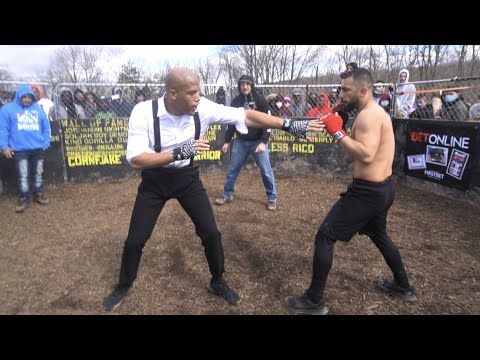
Streetbeefs: Un Análisis Crítico de la Violencia Ritualizada y el Espíritu Marcial

¿Es posible canalizar la ira y la agresión inherentes al ser humano en un entorno controlado, transformando la violencia destructiva en un espectáculo deportivo? Esta es la audaz premisa que impulsa a Streetbeefs, una organización que ha ganado notoriedad por organizar combates "callejeros" legalizados. Pero, ¿qué hay detrás de esta fachada de solución pacífica de conflictos? ¿Responde realmente a un espíritu marcial o es simplemente una versión moderna de las peleas de gallos humanas? En este análisis, desentrañaremos la filosofía, la práctica y el impacto de Streetbeefs, enfrentándolo a los principios fundamentales de las artes marciales.

Tabla de Contenidos

Introducción a Streetbeefs: El Patio Trasero de Satán

Streetbeefs se presenta como una alternativa a la violencia sin control, un "patio trasero" donde las disputas pueden resolverse a golpes, bajo supervisión y con reglas. El fundador, conocido como SCARFACE, quien fue objeto de un documental del New York Times y apareció en ESPN The Magazine, buscó ofrecer una salida para la agresión juvenil, evitando armas y la participación de grupos. La promesa es simple: guantes puestos, un oponente y la oportunidad de resolver diferencias sin consecuencias fatales o legales. Parecería una solución pragmática, pero ¿dónde reside el arte marcial en todo esto?
"Después de años de ver a la gente en mi área herirse gravemente por diversas disputas, decidí ofrecer una solución. Ven a SATANS BACKYARD y ponte guantes para resolver tu disputa." - SCARFACE, Fundador de Streetbeefs
La organización se jacta de ser 100% legal, con participantes mayores de 18 años, y de haber resuelto cientos de disputas. Presentan sus combates como entretenidos, algunos puramente deportivos y otros como la manifestación de "carne real". Pero la línea entre deporte y entretenimiento crudo se difumina rápidamente cuando el objetivo principal parece ser la viralidad y la explotación de la violencia para el consumo público.

La Filosofía Detrás de la Jaula

La filosofía declarada de Streetbeefs es ofrecer un "canal más seguro para hombres y mujeres jóvenes agresivos para resolver desacuerdos sin matarse o ir a la cárcel". Se describe como un club donde se forman vínculos y amistades duraderas. La intención, a primera vista, es noble: reducir la violencia real en las calles. Sin embargo, la ejecución plantea serias dudas. ¿Resolver una disputa con violencia física, incluso bajo reglas, es intrínsecamente marcial? Las artes marciales tradicionales, el *Budo*, se centran en el desarrollo integral del individuo: disciplina, respeto, autocontrol y la búsqueda de la perfección a través del esfuerzo constante. El *Budo* no es solo combate; es una filosofía de vida. Streetbeefs, por otro lado, parece enfocarse en el resultado inmediato: la resolución del conflicto a través de la fuerza.

Las etiquetas asociadas al contenido original, como #boxing, #mma, #streetbeefs, #backyardboxing, #combatsports, #ko, #knockout, #ufc, #mmafight, sugieren una fuerte inclinación hacia el espectáculo deportivo y la competición pura, a menudo despojada de la profundidad filosófica que caracteriza a las artes marciales más antiguas. La mención de Conor McGregor y Ryan Garcia, figuras del boxeo y MMA moderno, apunta a una conexión con el entretenimiento deportivo actual, más que con las tradiciones ancestrales.

Análisis Marcial: ¿Deporte o Brutalidad?

Desde una perspectiva estrictamente marcial, los combates de Streetbeefs presentan varias dicotomías. Por un lado, la presencia de reglas, un referee y el uso de guantes sugieren un intento de importar elementos del deporte de combate organizado. La idea de resolver una disputa física sin recurrir a armas improvisadas es, sin duda, preferible a la violencia callejera desenfrenada. Sin embargo, la falta de énfasis en la técnica depurada, la estrategia a largo plazo y el desarrollo del carácter del combatiente es palpable. Los combates de Streetbeefs a menudo se asemejan más a peleas crudas que a demostraciones de arte marcial. La "ira" y el "beef" (conflicto real) que los impulsan, si bien pueden generar intensidad, rara vez conducen a la maestría técnica.
¿Podemos considerar esto como Artes Marciales Mixtas (MMA) amateur? Si bien comparten el uso de guantes y un enfoque en el combate sin armas, el contexto y la intención difieren. El MMA competitivo se rige por un estricto código de conducta, un árbitro con autoridad absoluta y un sistema de puntuación que valora la técnica, el control y la estrategia. Los combates de Streetbeefs parecen tener un componente más visceral y menos estructurado, donde la victoria a menudo se logra por fuerza bruta o resistencia, más que por habilidad refinada.

El Espíritu del Budo Frente al Combate Callejero

El *Budo* es un camino, una disciplina que busca la autoperfección a través del entrenamiento marcial. Conceptos como *Mushin* (mente sin mente), *Zanshin* (conciencia prolongada) y *Reigi* (etiqueta y cortesía) son pilares fundamentales. El objetivo final no es la victoria sobre un oponente, sino la victoria sobre uno mismo. Streetbeefs, con su énfasis en "real beef" y la resolución de disputas, parece operar en un paradigma distinto. La motivación principal no parece ser el desarrollo personal, sino la resolución externa de un conflicto. Esto puede generar momentos de intensidad y hasta valentía, pero rara vez cultiva la humildad, la paciencia y el respeto que definen al verdadero artista marcial.
"Las artes marciales son para la autodefensa, para protegernos, no para atacar o para demostraciones vacías. El verdadero artista marcial es humilde y busca la paz." - Un principio inculcado por maestros de Karate tradicional.
La etiqueta #ki, aunque presente en el contenido original, parece un vestigio de un contexto marcial más profundo que no se refleja en la práctica de Streetbeefs. El *Ki* (energía vital) se cultiva a través de un entrenamiento disciplinado y enfocado, no a través de la pura agresividad.

Impacto Social y el Debate Ético

La viralidad de los videos de Streetbeefs plantea preguntas importantes sobre la glorificación de la violencia. Si bien ofrecen una alternativa a la violencia sin control, ¿están, inadvertidamente, normalizando y promoviendo la resolución de conflictos a través de la agresión física? El hecho de que sea legal y que atraiga a una audiencia considerable sugiere una demanda social de este tipo de entretenimiento. Sin embargo, desde una perspectiva ética y marcial, es crucial discernir entre un deporte controlado y una manifestación de violencia ritualizada. ¿Fomenta Streetbeefs el respeto mutuo o simplemente da rienda suelta a instintos primarios de una manera supervisada? Las redes sociales juegan un papel crucial en la difusión de este contenido, conectando a los espectadores con un universo de peleas, ko's y compilaciones que, si bien pueden ser entretenidas para algunos, palidecen en comparación con la profundidad del Budo o la disciplina del Judo.

Veredicto del Sensei: ¿Un Mal Necesario?

Streetbeefs opera en una zona gris. Por un lado, intenta abordar un problema real: la violencia callejera. Ofrece una alternativa estructurada a las peleas sin reglas, donde los participantes corren menos riesgo de sufrir heridas graves o enfrentarse a consecuencias legales severas. El uso de guantes y un árbitro son pasos positivos hacia la minimización de daños. Sin embargo, desde la perspectiva del arte marcial, Streetbeefs falla en muchos aspectos. Carece de la filosofía subyacente, el desarrollo del carácter y la búsqueda de la maestría técnica que definen a las disciplinas marciales tradicionales. Se inclina más hacia el espectáculo de combate bruto que hacia el *Budo*. **¿Merece la pena?** Para quienes buscan entretenimiento crudo y una resolución de conflictos visiblemente intensa, quizás sí. Pero para el practicante de artes marciales que busca crecimiento personal, disciplina y un camino hacia la automejora, Streetbeefs ofrece poco más que una distracción. **Calificación del Sensei:** Cinturón Negro en Espectáculo de Combate, Blanco en Espíritu Marcial.

Equipo Esencial para tu Entrenamiento

Si bien Streetbeefs puede no ser el pináculo del arte marcial, si buscas mejorar en disciplinas de combate, invertir en el equipo adecuado es fundamental. La seguridad y la efectividad en tu entrenamiento dependen de ello.
  • Guantes de Boxeo/MMA: Para sparring y combate. Asegúrate de que sean del peso adecuado para tu disciplina (ej: 14-16 oz para boxeo recreativo, 4-7 oz para MMA).
  • Protectores Bucales: Indispensables para proteger tus dientes y mandíbula durante cualquier tipo de contacto.
  • Vendajes para Manos: Protegen tus muñecas y nudillos durante entrenamientos intensos y combates.
  • Kimono/Traje de Entrenamiento: Para disciplinas como Judo, Jiu-Jitsu Brasileño (BJJ) o Karate, un buen kimono es esencial. Busca materiales resistentes y de doble tejido para mayor durabilidad.
  • Espinilleras y Guantes de Patada: Si practicas Kickboxing o Taekwondo, estos son vitales para la seguridad en los entrenamientos.
  • Casco de Sparring: Para proteger la cabeza de impactos directos durante sesiones de sparring intensas.
Invertir en buen equipo no solo protege tu cuerpo, sino que también te permite entrenar con mayor confianza y dedicación, acercándote a la maestría.

Guía de Entrenamiento: Desarrollando la Fuerza Mental

La fuerza física es solo una parte de la ecuación marcial. La verdadera maestría reside en la fortaleza mental. Aquí te presento un ejercicio práctico para cultivar la resiliencia y la concentración:
  1. Encuentra tu Santuario: Busca un lugar tranquilo donde no seas molestado. Puede ser tu habitación, un rincón del dojo o incluso un parque silencioso.
  2. Adopta una Postura Correcta: Siéntate en una posición cómoda pero erguida (loto, medio loto, o en una silla con la espalda recta). Relaja los hombros y deja que tus manos descansen sobre tus rodillas o muslos.
  3. Cierra los Ojos y Enfócate en la Respiración: Inicia respiraciones lentas y profundas, llenando tus pulmones y luego exhalando completamente. Siente el aire entrando y saliendo.
  4. Observa tus Pensamientos (Sin Juicio): Tu mente se llenará de pensamientos: preocupaciones, planes, recuerdos. No intentes reprimirlos. Simplemente obsérvalos como si fueran nubes pasando por el cielo.
  5. Regresa a la Respiración: Cada vez que te des cuenta de que te has distraído, gentilmente redirige tu atención de vuelta a tu respiración. Este acto de regreso es el entrenamiento de la fuerza mental.
  6. Aumenta el Tiempo Gradualmente: Comienza con 5 minutos y aumenta progresivamente hasta alcanzar 15-20 minutos. La constancia es la clave.
Este ejercicio, similar a la meditación Budo o al Zazen, entrena tu capacidad de concentración y te enseña a manejar la distracción, habilidades cruciales tanto en el dojo como en la vida.

Preguntas Frecuentes

¿Son seguros los combates de Streetbeefs?

Si bien Streetbeefs opera con reglas y supervisión, los combates implican un riesgo inherente de lesiones, como en cualquier actividad física de contacto. Se toman precauciones para minimizar los daños, pero las lesiones son posibles.

¿Es Streetbeefs una forma de arte marcial?

No, Streetbeefs no se considera un arte marcial. Es más bien un evento deportivo de combate amateur enfocado en resolver disputas, que utiliza algunas técnicas de deportes de combate como el boxeo y las MMA. Carece de la profundidad filosófica y el enfoque en el desarrollo del carácter que definen a las artes marciales tradicionales.

¿Quién es SCARFACE?

SCARFACE es el fundador de Streetbeefs. Fue el sujeto de un documental del New York Times y apareció en ESPN The Magazine, lo que ayudó a dar visibilidad a la organización.

¿Por qué se llama "Satans Backyard"?

El nombre "Satans Backyard" (El Patio Trasero de Satán) es una elección provocadora y de marca para la organización. Sugiere un entorno crudo y sin filtros donde se resuelven conflictos, alejándose de la santidad de un dojo tradicional.

Para Profundizar en tu Camino

Aquí tienes algunos recursos para expandir tu conocimiento y perspectiva sobre las artes marciales y el desarrollo personal:

Reflexión del Sensei: Tu Próximo Paso

Streetbeefs nos presenta un espejo, a menudo incómodo, de la violencia y la necesidad humana de resolver conflictos. Nos obliga a preguntarnos: ¿Cuándo se cruza la línea entre la expresión controlada de la agresividad y la simple brutalidad? ¿Es la legalización de las peleas callejeras una solución o simplemente una forma de entretenimiento que desvía la atención de las causas profundas de la violencia? Ahora te toca a ti. ¿Crees que organizaciones como Streetbeefs tienen un lugar en nuestra sociedad, ofreciendo una alternativa "más segura" a la violencia callejera? ¿O son una manifestación peligrosa de la glorificación de la agresión? Demuéstralo en los comentarios. El debate está abierto. ``` GEMINI_METADESC: Análisis profundo de Streetbeefs desde la perspectiva de un Sensei: ¿es deporte o violencia ritualizada? Explora la filosofía, el impacto y la comparación con las artes marciales tradicionales.

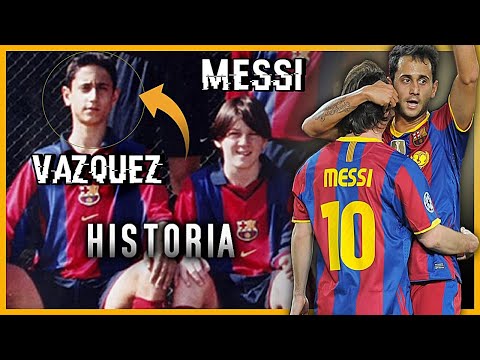
The Boy Who Was Better Than Messi: The Tragic Tale of Víctor Vázquez

The annals of sports are replete with tales of prodigious talent, flashes in the pan, and futures unfulfilled. Yet, few stories are as poignant, as laced with the bitter tang of what might have been, as that of Víctor Vázquez. We often speak of the "chosen ones," the athletes born with a gift so profound it seems almost divine. But what happens when that divine spark is snuffed out prematurely? This isn't a story of glorious victories and legendary status; it's a stark reminder of the fragility of talent and the cruel hand of fate. Today, we delve into the captivating, yet heartbreaking, narrative of a young footballer whose brilliance shone brighter than even Lionel Messi's in his formative years, only to be tragically cut short.

The Genesis of a Prodigy

Born in Barcelona in 1987, Víctor Vázquez was not merely a good young footballer; he was a phenomenon. Even before he was a teenager, whispers of his extraordinary skill echoed through the hallowed grounds of La Masia, FC Barcelona's famed youth academy. While a young Lionel Messi was also honing his craft, many observers at the time noted that Vázquez possessed a precociousness, a maturity of play, and an astonishing technical ability that set him apart. He was lauded for his vision, his dribbling, his precise passing, and a maturity on the ball that belied his tender years. He was, in essence, the "Niño Maravilla" – the Wonder Kid – long before that moniker was attached to others.

La Masia's Golden Boy

Vázquez rose through the ranks of La Masia with unparalleled ease. His performances were consistently exceptional, drawing comparisons not only to Messi but also to other footballing geniuses. He was the lynchpin of the youth teams, the player around whom tactics were built, the one who could unlock any defense. His understanding of the game, his ability to read plays, and his innate creativity made him a standout in an environment already saturated with talent. It seemed inevitable that he would follow in the footsteps of Barcelona's legends, gracing the Camp Nou and etching his name into footballing immortality.

The Cruel Twist of Fate

Yet, as is often the case in life, destiny had other plans. During a youth match, at the tender age of 16, a devastating injury struck. A severe knee injury, specifically a torn anterior cruciate ligament (ACL), not only sidelined him for an extended period but also proved to be a career-altering, and ultimately, career-ending blow. The road to recovery from such an injury is arduous for any athlete, but for a young player whose game was built on agility, speed, and explosive movement, the impact was catastrophic.

The Psychological Toll

The physical rehabilitation was only half the battle. The mental and emotional toll of seeing his dream slip away was immense. The pressure to return to his previous form, the fear of re-injury, and the sheer frustration of being unable to do what he loved most bore down on Vázquez. The football world, which had been eagerly awaiting his senior debut, watched as his trajectory flattened. While he attempted comebacks with various lower-league clubs, the explosive brilliance of his youth never fully returned. The "better than Messi" narrative, once a source of pride, became a painful echo of what could have been.

Life After the Dream

The story of Víctor Vázquez is not one that ends with trophies and accolades. It's a story of resilience in the face of profound disappointment. After his playing career concluded prematurely, Vázquez transitioned into coaching, a natural progression for someone with such an intrinsic understanding of the game. He began working with younger players, sharing his knowledge and passion, perhaps seeking to impart the lessons he learned – not just about football, but about life. He became a coach at the RCD Espanyol youth academy, channeling his experiences into nurturing the next generation.

Lessons from the Pitch and Beyond

The narrative of Víctor Vázquez serves as a powerful, albeit somber, lesson for athletes and aspiring talents across all disciplines, including the martial arts. * **The Fragility of Talent:** Even the most gifted individuals are subject to the whims of fate. Injuries, unforeseen circumstances, and sheer bad luck can derail even the most promising careers. This underscores the importance of not taking one's abilities for granted and of valuing the journey as much as the destination. * **Mental Fortitude:** The psychological aspect of sport cannot be overstated. Recovering from a devastating injury requires immense mental strength, resilience, and a positive outlook. Vázquez's post-playing career in coaching demonstrates a remarkable capacity to adapt and find new purpose. * **Redefining Success:** While football fame eluded him, Vázquez found success in imparting his knowledge and passion. Success is not solely defined by the pinnacle of achievement; it can also be found in mentorship, contribution, and finding fulfillment in new endeavors. This resonates deeply within the **#BUDO** philosophy, which emphasizes continuous self-improvement and finding harmony even amidst adversity. * **The Martial Arts Parallel:** In martial arts, we often speak of **#ki** or **#chi**, the vital energy that fuels our movements. A serious injury can profoundly affect this energy flow. The practice of **#Judo**, **#Karate**, **#Taekwondo**, or **#BJJ** teaches us to persevere through pain and setback, to adapt our techniques when physical limitations arise, and to maintain our spirit even when our bodies falter. A torn ACL in football is akin to a severe joint injury in martial arts; it demands a recalibration of one's entire approach to training and combat. The story of Víctor Vázquez is a poignant reminder that the path to greatness is rarely linear. While he may not have achieved the global superstardom once predicted, his journey offers invaluable lessons about passion, perseverance, and the enduring spirit of sport. It's a tale that echoes through the halls of academies worldwide, a quiet testament to the dreams that bloom and, sometimes, tragically, fade.

Veredicto del Sensei: More Than Just a Football Story

This narrative transcends the typical sports biopic. It's a profound exploration of potential versus reality, of talent's delicate dance with destiny. While the comparison to Messi initially draws us in, the true power of Vázquez's story lies in its human element – the crushing disappointment, the struggle to adapt, and the eventual finding of a new path. It's a story that resonates with any athlete who has faced adversity, any martial artist who has pushed through pain, and anyone who understands the bittersweet nature of dreams unfulfilled. It reminds us that even without reaching the absolute zenith, a life dedicated to one's passion, and the subsequent sharing of that passion, holds immense value. It's a cautionary tale, a source of inspiration, and a testament to the resilience of the human spirit.

Equipo Esencial para tu Entrenamiento (Martial Arts Context)

While Víctor Vázquez's story is rooted in football, the principles of dedication, overcoming adversity, and the importance of physical conditioning are universal. For martial artists, the right equipment is crucial for both training safely and effectively.
  • Guantes de Sparring de Calidad: Para disciplinas como **#Kickboxing**, **#MMA**, o **#Karate** con contacto, invertir en unos buenos guantes de 16oz o más es fundamental para proteger tus manos y las de tu compañero.
  • Kimono Resistente: Si practicas **#Judo**, **#BJJ**, o **#Aikido**, un kimono de doble tejido (heavyweight) puede soportar el rigor del **#grappling** y el desgaste constante.
  • Protección Bucal y Tibial: Elementos básicos pero indispensables para evitar lesiones graves durante sesiones intensas de sparring o entrenamiento de **#CombateCuerpoACuerpo**.
  • Esterillas de Entrenamiento: Para prácticas que implican caídas o movimientos en el suelo, como **#Judo** o **#BJJ**, unas buenas esterillas son vitales para la seguridad y comodidad.
  • Makiwara o Saco de Boxeo: Herramientas clásicas para desarrollar la potencia de golpeo y la resistencia de tus puños y pies, esenciales en estilos como el **#KyokushinKarate**.
For those looking to delve deeper into the philosophy and history of martial arts, investing in literature is equally important. Books on **#Bushido**, the biographies of legendary masters like Miyamoto Musashi, or texts on **#Zen** and **#BUDO** can provide invaluable insights that complement physical training.

Guía de Entrenamiento: Fortaleciendo tu "Ki" (Energía Vital)

The concept of "Ki" is central to many Eastern martial arts. While it's a spiritual and energetic concept, its cultivation is often linked to physical practices that enhance breath control, focus, and bodily awareness. Here’s a simple exercise rooted in **#BUDO** principles that can help:
  1. Preparación: Encuentra un lugar tranquilo donde no seas molestado. Ponte de pie con los pies separados al ancho de los hombros, rodillas ligeramente flexionadas y la columna vertebral erguida pero relajada. Cierra suavemente los ojos.
  2. Respiración Abdominal (Hara): Coloca una mano sobre tu abdomen, justo debajo del ombligo (tu "Tanden" o centro de energía). Inhala lentamente por la nariz, sintiendo cómo tu abdomen se expande, empujando tu mano hacia afuera. Tu respiración debe ser profunda y diafragmática, no superficial en el pecho.
  3. Visualización del Flujo: Al exhalar lentamente por la nariz, imagina que toda la tensión, el estrés y la fatiga salen de tu cuerpo. Con cada inhalación, visualiza una energía pura y revitalizante (Ki) entrando en tu cuerpo, llenando tu Tanden y extendiéndose a través de tus extremidades.
  4. Mantenimiento y Conexión: Mantén este patrón de respiración durante 5 a 10 minutos. Siente la energía acumulándose en tu centro. Intenta mantener una sensación de calma y presencia mental.
  5. Cierre: Después de tu sesión, respira profundamente un par de veces, mueve suavemente los dedos de manos y pies, y abre los ojos lentamente. Siente la diferencia en tu estado físico y mental.
This exercise, fundamental in practices like **#Aikido** and **#QiGong**, helps in centering oneself, improving focus, and building a stronger connection to one's inner energy – a core tenet of **#MartialArtsJourney**.

Preguntas Frecuentes

¿Quién fue Víctor Vázquez?

Víctor Vázquez was a Spanish footballer, born in 1987, who was considered a prodigious talent in FC Barcelona's youth academy, La Masia. He was noted for his exceptional skills and was even considered by some to be playing at a level comparable to a young Lionel Messi during their shared time in the academy.

¿Por qué no triunfó profesionalmente Víctor Vázquez?

Vázquez's promising career was tragically cut short at the age of 16 by a severe knee injury, specifically a torn ACL. This injury significantly impacted his physical capabilities, preventing him from reaching the elite professional level despite attempts to recover and play for various clubs.

¿Qué hace Víctor Vázquez ahora?

After his playing career ended prematurely, Víctor Vázquez transitioned into coaching. He has worked with youth academies, notably RCD Espanyol's, to help develop the next generation of footballers, channeling his extensive knowledge and experience.

¿Qué lecciones se pueden aprender de la historia de Víctor Vázquez?

His story highlights the fragility of athletic careers, the importance of mental resilience in the face of adversity, and the need to redefine success beyond just reaching the highest professional level. It also underscores the value of mentorship and sharing one's passion, even after dreams are altered.

¿Cómo se relaciona la historia de Vázquez con las artes marciales?

While Vázquez's story is in football, it parallels the experiences of martial artists who face career-threatening injuries. It emphasizes the importance of physical conditioning, mental fortitude, resilience, and adapting to limitations, all core tenets within **#BUDO** and various **#Combate** disciplines.

Para Profundizar en tu Camino

  • #BUDO: Descubre la filosofía subyacente en las artes marciales japonesas.
  • #ArtesMarcialesMixtas: Explora cómo la adversidad forja a los campeones de la #UFC.
  • #FightAnalysis: Analiza la resiliencia y las estrategias de los atletas que superan obstáculos.
"The greatest glory in living lies not in never falling, but in rising every time we fall." - Nelson Mandela. This profound truth resonates deeply with the spirit of every martial artist and, indeed, with the journey of Víctor Vázquez.

Reflexión del Sensei: Tu Próximo Paso

Vázquez's narrative is a stark reminder that talent is a gift, but resilience is a choice. We often chase the illusion of inevitable success, comparing ourselves to titans like Messi. But what if the true "victory" lies not in reaching the summit, but in how we navigate the unexpected detours and the steep climbs? If your own journey has been marked by setbacks, be they physical injuries or dashed ambitions, how can you harness that experience not as an end, but as a catalyst for growth and a deeper understanding of your chosen path, whether it’s on the football pitch or the dojo mat? How will you rise? ``` GEMINI_METADESC: Explore the heartbreaking story of Víctor Vázquez, the young football prodigy once considered better than Messi, whose career was tragically cut short by injury. Learn lessons of resilience and success.

The Unyielding Spirit: Analyzing Sean Strickland's Tactical Dominance Over Uriah Hall

In the unforgiving arena of mixed martial arts, few battles are won by sheer chance. They are forged in the crucible of relentless training, strategic brilliance, and an unshakeable will to conquer. The recent clash between Sean Strickland and Uriah Hall at UFC Vegas 47 was a prime example of this martial truth. After five grueling rounds, Strickland emerged victorious via unanimous decision, a testament to his tactical prowess and unwavering resolve. This victory wasn't merely a win; it was a masterclass in controlled aggression and strategic attrition, offering invaluable lessons for any practitioner of combat arts.

The Strategic Crucible: Setting the Stage

Sean Strickland, known for his relentless pressure and often controversial outspokenness, faced a seasoned and dangerous striker in Uriah Hall. Hall, a veteran with a knack for spectacular knockouts, presented a significant threat. Yet, Strickland's game plan was executed with surgical precision. He didn't seek a dramatic finish; he aimed for methodical dismantling. This fight, set to headline UFC Vegas 47, was more than just a matchup; it was a philosophical contest between two distinct approaches to combat.

"In combat, victory is not always found in the thunderclap of a knockout, but in the persistent drip that erodes the stone," a wise old master once told me. Strickland's performance against Hall embodied this principle. He understood that while Hall possessed the power to end the fight instantly, Strickland had the conditioning and the mental fortitude to weather any storm and systematically break down his opponent.

Strickland's Blueprint: The Art of Control

Strickland's strategy revolved around imposing his will and dictating the pace of the fight. His jab was a constant irritant, used not just to score points but to establish range and disrupt Hall's rhythm. He maintained a high output, forcing Hall to constantly defend and expend energy. This wasn't about flashy techniques; it was about fundamental dominance.

His defensive wrestling was also key. Time and again, when Hall attempted to create distance or launch his potent strikes, Strickland would close the gap, clinch, and stifle the attack. This control nullified much of Hall's offensive potential and wore him down. In martial arts, controlling the center of the ring, and more importantly, the opponent's space and momentum, is paramount. Strickland exemplified this.

Uriah Hall's Perilous Path

Uriah Hall, despite his immense talent, found himself struggling to implement his game. Strickland's suffocating pressure left little room for Hall to set up his powerful strikes. When Hall did manage to land, Strickland absorbed them with a stoic demeanor, a testament to his conditioning and chin. Hall's challenge was to find a way to generate power and land his fight-ending shots against an opponent who refused to give him the necessary space or time.

This highlights a common pitfall for powerful strikers: if they cannot dictate the terms of engagement, their primary weapon becomes neutralized. The martial arts teach us that adaptability is as crucial as raw power. Hall, while formidable, appeared to be caught in Strickland's tactical web, struggling to break free and reassert his offensive capabilities.

Round-by-Round Breakdown: A Battle of Wills

The fight unfolded as a strategic chess match. In the early rounds, Strickland established his jab and used his footwork to maintain a forward pressure that kept Hall on the defensive. Hall looked for opportunities to counter, but Strickland's calculated approach minimized the openings.

As the fight progressed into the middle rounds, Strickland's volume striking began to take its toll. Hall's output decreased, and Strickland continued to press, landing combinations and controlling the clinch whenever necessary. The sheer physicality and consistent pressure were wearing Hall down.

The championship rounds saw Strickland maintain his composure and continue to execute his game plan. While Hall, true to his warrior spirit, never completely gave up, Strickland's dominance was evident. The unanimous decision was a clear reflection of his superior performance throughout the contest.

The Martial Philosophy: More Than Just a Fight

This bout serves as a potent reminder of the deeper principles embedded within the martial arts. It's not just about who hits harder, but who can withstand the pressure, adapt to adversity, and execute a strategy consistently. Strickland's victory underscores the value of:

  • Discipline: Adhering to a game plan even when faced with adversity.
  • Conditioning: The physical stamina to maintain a high output for an entire fight.
  • Mental Fortitude: The ability to absorb damage and remain focused, never breaking.
  • Tactical Intelligence: Understanding your opponent and exploiting their weaknesses.

Uriah Hall's resilience also speaks volumes about the warrior's spirit. Even when outmatched tactically, he continued to fight, showcasing the importance of never giving up. This is the essence of #Budo, the way of the warrior, which emphasizes not just skill, but character and perseverance.

"The supreme art of war is to subdue the enemy without fighting." - Sun Tzu, The Art of War

While Strickland did fight, his strategic approach aimed to subdue Hall's strengths before the fight even reached its most dangerous exchanges. He controlled the narrative of the fight, making Hall react rather than act.

Training Implications: Lessons from the Octagon

For practitioners of any combat sport, this fight offers tangible takeaways:

  • Develop your jab: A strong, consistent jab can be your most valuable offensive and defensive tool.
  • Work on your clinch control: Learning to manage space and stifle an opponent in the clinch is crucial, especially against dangerous strikers.
  • Prioritize conditioning: The ability to maintain intensity throughout a fight is often the deciding factor. Don't let your technique fail due to fatigue.
  • Train for pressure: Sparring with partners who consistently apply forward pressure will prepare you for fighters like Strickland.

Strickland's success is a clear indicator that a well-rounded, pressure-based style can overcome even the most explosive individual talent. This is a crucial understanding for anyone serious about their #MartialArtsJourney.

Sensei's Verdict: A Masterclass in Modern Budo

Sean Strickland's performance against Uriah Hall was not just a victory; it was a demonstration of modern #BUDO in action within the highly competitive landscape of the #UFC. He approached the fight with a strategic mindset, emphasizing control, conditioning, and relentless pressure over flashy, high-risk techniques. While Hall possesses the 'knockout power' that often captures the imagination, Strickland's 'unanimous decision' win is a testament to the effectiveness of calculated execution and unwavering mental fortitude.

He successfully neutralized Hall's primary weapons by controlling the distance and pace, a hallmark of a tactically superior fighter. This wasn't just about fighting; it was about applying martial principles in a high-stakes environment. Strickland earned his win not through brute force alone, but through intelligent application of fundamental combat skills.

Rating: 5 out of 5 KOs for Tactical Execution.

Essential Gear for Your Training

To emulate the dedication and performance of fighters like Sean Strickland and Uriah Hall, the right equipment is crucial. Investing in quality gear ensures safety, enhances performance, and respects the tradition of martial arts.

  • High-Quality MMA Gloves: For both striking and grappling training, ensure your gloves offer adequate protection for your hands and wrists. Look for options suitable for sparring and bag work.
  • Durable Training Shorts: Lightweight and flexible shorts allow for maximum range of motion during kicks and grappling.
  • Mouthguard: Non-negotiable for any combat sport training to protect your teeth and jaw.
  • Shin Guards: Essential for Muay Thai and Kickboxing drills to protect against leg kicks and condition your shins.
  • Wrestling Shoes: If your training heavily involves grappling, specialized wrestling shoes offer superior grip and ankle support.

For those looking to deepen their understanding of striking, consider specialized equipment like heavy bags for power development or speed bags for hand-eye coordination.

Frequently Asked Questions

  • What is Sean Strickland's fighting style? Sean Strickland is known for his pressure fighting style, characterized by a high output of punches, excellent conditioning, and effective clinch work. He often overwhelms opponents with volume and relentless forward movement.
  • What is Uriah Hall known for? Uriah Hall is a powerful and dynamic striker, renowned for his spectacular knockout power and creative, often unorthodox, striking techniques. He has a history of delivering highlight-reel finishes.
  • How long was the fight between Strickland and Hall at UFC Vegas 47? The fight between Sean Strickland and Uriah Hall at UFC Vegas 47 went the full five rounds, lasting the championship distance.
  • What is "Budo"? Budo translates to "the way of the warrior" and encompasses the philosophy, ethics, and practices of traditional Japanese martial arts. It emphasizes not only physical technique but also spiritual and mental development, discipline, and self-mastery.

To Further Your Path

Reflexión del Sensei: Tu Próximo Paso

Strickland's victory is a stark reminder that in the grand theatre of combat, strategy, discipline, and unwavering spirit often trump raw, untamed power. He did not merely defeat Uriah Hall; he dissected him. Now, I ask you:

When facing an opponent whose strengths seem insurmountable, do you seek to match their power, or do you forge a path of strategic attrition, chipping away until their foundation crumbles? How will you apply this lesson of controlled dominance in your own training, not just in combat, but in life?

Share your thoughts and insights below. Do you agree with my assessment, or do you see a different truth in this contest? Prove your point.

``` GEMINI_METADESC: Analyze Sean Strickland's tactical mastery over Uriah Hall at UFC Vegas 47. Learn about pressure fighting, strategy, and the Budo philosophy of combat.

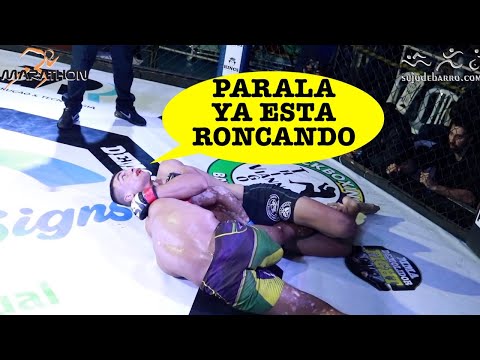
El Espíritu Indomable: Peleadores Que Evitaron la Humillación del K.O. Innecesario

La adrenalina en el combate es un torrente que arrastra al guerrero a un estado de euforia y ferocidad. En ese torbellino, la línea entre la victoria decisiva y el exceso puede volverse difusa. Sin embargo, para aquellos verdaderamente imbuidos del *Budo*, el camino del guerrero, existe un límite que trasciende la simple contienda física. Hoy no hablaremos de la fuerza bruta o la técnica impecable, sino de algo mucho más sutil y, a menudo, más admirable: la nobleza de un peleador que elige detener el golpe cuando la batalla ya ha sido ganada.

La Filosofía del Guerrero: Más Allá de la Victoria

¿Qué define a un verdadero campeón? ¿Es solo la capacidad de someter al oponente? Muchos creen que sí, y en la vorágine de las competencias de alto nivel, donde cada segundo cuenta y la presión es inmensa, es comprensible que la furia del combate lleve a algunos a extender la ofensiva más allá de lo necesario. Vemos esto en el #MMA, el #boxeo, el #kickboxing, e incluso en las formas más tradicionales de #artesmarciales. El referí interviene, el golpe de gracia se asesta y la pelea termina. Pero, ¿qué hay de esos momentos, raros y preciosos, en los que un peleador, sintiendo el peso de la victoria, elige apartarse? Estos son los instantes que nos recuerdan que, en el corazón de toda disciplina marcial, reside un código de honor. Estos actos de contención no son debilidad, sino una demostración de control absoluto sobre la propia naturaleza, una manifestación de inteligencia emocional y un profundo respeto por el adversario y el arte que practican. Piensen en ello: ¿es más impresionante la fuerza que te permite derribar a un oponente ya vencido, o la fortaleza mental que te permite detener tu propio impulso cuando la victoria está asegurada?

¿Un Signo de Debilidad o de Fortaleza Suprema?

La tentación de asestar el golpe final cuando el oponente está visiblemente dañado es inmensa. La multitud ruge, el ego se infla, y la adrenalina nubla el juicio. En estos escenarios, es fácil para un peleador continuar la ofensiva, buscando ese "knockout" definitivo. Sin embargo, los verdaderos maestros de las artes marciales, aquellos que han dedicado su vida al estudio profundo del *Budo* o de disciplinas como el #Judo, el #KarateKyokushin o el #BJJ, entienden que la verdadera victoria reside no solo en la técnica, sino en la ética. Hemos sido testigos de numerosos encuentros en disciplinas como #UFC, #Bellator y otras organizaciones de #combates, donde vemos a atletas de élite como Cyril Gane o Jon Jones, exhibir un control asombroso. A veces, después de un derribo o una combinación devastadora, el oponente queda vulnerable, casi inconsciente. En esos momentos críticos, algunos peleadores eligen no agredir más, esperando la intervención del árbitro. Esto no es un acto de piedad vacío, sino una declaración de principios. Demuestra que han superado la fase primal del combate y han alcanzado un nivel de comprensión donde el respeto por el ser humano prevalece sobre el deseo de humillar al oponente.

Momentos Clave de Deportividad en el Octágono y el Ring

Recordemos algunas situaciones donde la nobleza brilló con luz propia: * **El Oponente Derribado**: Un peleador lanza una serie de golpes demoledores. El oponente cae, aturdido. En lugar de seguir golpeando, el atacante se retira, a veces incluso ayudando al caído a levantarse, esperando al referí. * **La Negativa a Continuar la Agresión**: Tras un golpe que claramente ha dejado al oponente incapacitado, el peleador que asestó el golpe se detiene, mira al referí o simplemente se aleja, reconociendo que la lucha ha terminado. * **El Reconocimiento del Esfuerzo**: En ocasiones, incluso después de una derrota, un peleador muestra respeto hacia su oponente, reconociendo la dureza del combate y el valor del rival. Estos actos, aunque menos espectaculares que un *knockout* fulminante, resuenan mucho más profundo en el alma de quienes aprecian el verdadero espíritu de las #artesmarciales. Son la antítesis de la barbarie, un recordatorio de que el combate, en su forma más elevada, es una disciplina de automejora y no solo una lucha por la supremacía. ### ¿El Karatedo Tradicional Obsoleto Frente al MMA? Un Debate Abierto Es fácil caer en la trampa de pensar que las artes marciales tradicionales, como el #Karate, el #Taekwondo o el #Aikido, son obsoletas frente a la eficacia probada del #MMA. Sin embargo, es precisamente en la filosofía subyacente de estas disciplinas donde encontramos la raíz de la contención que admiramos. El concepto de *Mushin* (mente sin mente) en el #Zen, o el *Bushido* (el camino del guerrero) en el #Japón feudal, nos enseñan el autocontrol, la serenidad y el respeto. Un verdadero maestro de Karate no solo sabe cómo golpear, sino cuándo no hacerlo. Un peleador que se detiene cuando el oponente está noqueado no es alguien que teme recibir un contraataque; es alguien que ha interiorizado que la batalla no se gana aplastando al vencido, sino superándose a uno mismo. Es un eco del espíritu de figuras como Miyamoto Musashi, cuyo tratado "El Libro de los Cinco Anillos" explora no solo la estrategia marcial, sino también la disciplina mental y la perspectiva del guerrero.
"Si atacas a un enemigo que ya ha sido derrotado y humillado, no demuestras tu fuerza, sino tu crueldad." - Una máxima que resuena en los dojos más estrictos.

Equipo Esencial para tu Entrenamiento (Si buscas la nobleza en el combate)

Si bien la contención es una cualidad mental, entrenar las disciplinas que la fomentan requiere preparación física y el equipo adecuado. Para quienes buscan mejorar en artes como el #BJJ, el #Judo o el #Kickboxing, contar con el material correcto es fundamental para progresar de forma segura y efectiva.
  • Kimono de Judo o BJJ: Un buen gi, preferiblemente de doble tejido para mayor resistencia, es crucial para el entrenamiento de agarres y proyecciones. Busca marcas reconocidas por su durabilidad.
  • Guantes de MMA / Boxeo: Para los entrenamientos de golpeo, unos guantes de 16oz para sparring o unos de 10-12oz para trabajo en saco te protegerán y permitirán desarrollar potencia.
  • Protector Bucal: Imprescindible para cualquier tipo de combate o sparring, salvaguarda tu salud dental y previene conmociones cerebrales.
  • Espinilleras y Guantes de Kickboxing: Si tu disciplina incluye patadas, unas espinilleras de calidad y guantes específicos son vitales.
Invertir en equipo de calidad no es solo una cuestión de comodidad, sino de seguridad y de respeto por tu propio cuerpo y tu entrenamiento.

Guía de Entrenamiento: Ejercicio de Visualización para el Control

El control en combate no solo se entrena en el *tatami* o el *ring*, sino también en la mente. Aquí tienes un ejercicio de visualización sencillo pero potente:
  1. Encuentra un Lugar Tranquilo: Siéntate o recuéstate cómodamente, sin distracciones.
  2. Visualiza un Combate: Imagina un combate reciente o un escenario hipotético. Siente la adrenalina, el sudor, el sonido.
  3. Llega al Momento Crítico: Llega al punto en tu visualización donde tu oponente está visiblemente afectado, en una posición vulnerable. Siente la urgencia de terminar la pelea.
  4. Detén el Movimiento: Aquí viene la clave. Haz una pausa consciente. Visualiza cómo retiras tu golpe, cómo detienes tu impulso. Siente la satisfacción de ese control.
  5. Observa la Reacción: Imagina al oponente recuperándose, al referí interviniendo. Siente la calma y la seguridad de haber actuado con ética.
  6. Repite y Refuerza: Practica este ejercicio regularmente. Cuanto más lo hagas, más natural se volverá el concepto de control en situaciones de alta presión.
Este ejercicio de #MentalGame es tan importante como cualquier #Workout físico para convertirte en un peleador completo y respetado.

Preguntas Frecuentes

¿Por qué algunos peleadores siguen golpeando cuando el oponente está noqueado?

Las razones pueden ser variadas: adrenalina descontrolada, presión de la multitud, ego, o simplemente la incapacidad de procesar rápidamente que la pelea ha terminado. En algunos casos, puede ser por falta de entrenamiento en el control emocional.

¿Es esto algo que se enseña en las artes marciales tradicionales?

Sí, la mayoría de las artes marciales tradicionales, especialmente aquellas con raíces en el *Budo* japonés, enfatizan el control, la disciplina y el respeto por el oponente como pilares fundamentales.

¿Qué arte marcial fomenta más este tipo de comportamiento?

Disciplinas como el #Judo, el #KarateKyokushin y el #BJJ a menudo inculcan un fuerte sentido de honor y control. Sin embargo, la nobleza es una cualidad individual que puede manifestarse en cualquier practicante, independientemente del arte marcial que siga.

¿Se considera una falta de respeto seguir golpeando?

Absolutamente. En la mayoría de las competiciones sancionadas, golpear a un oponente inconsciente es una infracción grave que puede resultar en descalificación y sanciones. Más allá de las reglas, es considerado una falta de ética y de respeto.

¿Cómo puedo entrenar mi control emocional en el combate?

La visualización (como se describió anteriormente), el sparring controlado con compañeros de confianza, la meditación, y la reflexión constante sobre los principios de tu arte marcial son herramientas clave.

Para Profundizar en tu Camino

Veredicto del Sensei: ¿Merece la Pena?

Estos peleadores no solo demuestran habilidad física, sino una integridad que los eleva por encima de la mera competencia. Son guerreros que entienden que la verdadera victoria se forja en la batalla interior, en el dominio de los impulsos destructivos. Su acto de contención es un golpe más certero y resonante que cualquier *knockout*. Son un ejemplo viviente de que el espíritu marcial reside en el control, no en la aniquilación. Calificación: ¡Cinturón Negro en Honor Marcial!

Reflexión del Sensei: Tu Próximo Paso

Ante la tentación de la victoria fácil, ¿qué elige tu espíritu guerrero? ¿Buscas la humillación del adversario o la afirmación de tu propio código? La próxima vez que entrenes, o incluso en una situación de estrés cotidiano, recuerda este momento. ¿Podrás detener tu propio impulso antes de que sea demasiado tarde? ``` ``` GEMINI_METADESC: Descubre la nobleza en el combate: peleadores de MMA y boxeo que eligen la contención en lugar de la humillación. Reflexión sobre el espíritu marcial y el control.

Mastering the Flyweight Division: A Deep Dive into Brandon Moreno vs. Deiveson Figueiredo at UFC 270

The Octagon is a crucible, forging warriors and testing the limits of human capability. Within its confines, champions are born and legacies are cemented. Today, we dissect a pivotal clash in the flyweight division: Brandon Moreno vs. Deiveson Figueiredo at UFC 270. This wasn't just a fight; it was a testament to skill, heart, and the relentless pursuit of martial excellence, a concept that resonates deeply within the ancient traditions of Budo. The first encounter at UFC 256 was a brutal ballet, a five-round war that left fans breathless and the judges with a difficult decision – a draw. It was a display of grit, where neither man faltered, each landing significant blows and showcasing impressive defensive maneuvers. This sets the stage for UFC 270, where the flyweight championship would be on the line once more. But beyond the spectacle, what can we, as martial artists and enthusiasts, truly learn from such a confrontation?

The Flyweight War: More Than Just a Fight

The flyweight division in the #UFC is often overlooked, a testament to the raw power and explosive action seen in the heavier weight classes. Yet, it is here that we often witness the purest form of martial arts: speed, technique, and an incredible display of strategic thinking. Brandon Moreno, the formidable Mexican warrior, and Deiveson Figueiredo, the Brazilian powerhouse, embody this spirit. Their rivalry is a modern saga in the annals of combat sports, a narrative of two men pushing each other to transcend their limits. This bout at UFC 270 was not just about who could strike harder or grapple better; it was a psychological battle. It was about which fighter could adapt, which fighter could implement their game plan under immense pressure, and which fighter's *spirit* (or #BUDO) would ultimately prevail.

UFC 270: A Strategic Masterclass in the Octagon

The strategic depth of mixed martial arts is something often lost on the casual observer. Each fighter enters the cage with a specific plan, a series of adjustments ready to be made based on the opponent's reactions. In the case of Moreno and Figueiredo, their previous encounter provided invaluable data. Both men knew each other's strengths and weaknesses intimately. Figueiredo, known for his devastating striking power, especially his boxing and Muay Thai base, would look to keep the fight standing. His ability to close distance and unleash powerful combinations, often with his signature overhand right, is legendary. His low kicks can also be punishing, a tool he uses effectively to sap an opponent's mobility.
"In warfare, the supreme art is to subdue the enemy without fighting." - Sun Tzu, The Art of War. While this quote originates from military strategy, its essence is mirrored in the strategic planning of every high-level martial arts contest.
Moreno, on the other hand, is a submission specialist with a strong wrestling background. His ground game is exceptional, characterized by fluid transitions and a relentless pursuit of chokes and joint locks. At UFC 270, he needed to neutralize Figueiredo's striking threat and bring the fight to his domain. This involves excellent defense against strikes, effective clinch work to secure takedowns, and a superior ability to control the grappling exchanges.

Deiveson Figueiredo's Striking Prowess

Figueiredo's power is undeniable. He possesses the kind of concussive force that can end a fight with a single shot. At UFC 270, his goal was clear: to reassert his dominance through his striking. This meant avoiding Moreno's takedown attempts and punishing him whenever he tried to close the distance. His jab, often a forgotten weapon in the face of his power punches, is crucial for controlling range and setting up his more devastating attacks. His ability to absorb punishment is also a key factor. He has demonstrated resilience, able to weather storms and come back with fierce counter-offensives. This mental toughness, combined with his physical power, makes him an incredibly dangerous opponent for anyone in the flyweight division.

Brandon Moreno's Ground Game and Resilience

Brandon Moreno's journey to the top of the flyweight division is a story of perseverance. His grappling is not just about technique; it's about an intelligent application of pressure and timing. He excels at creating scrambles, turning defensive positions into offensive opportunities. His back takes are particularly effective, and his submissions are often applied with a quiet, suffocating efficiency. At UFC 270, Moreno's ability to defend takedowns was paramount. If he could consistently stuff Figueiredo's shots and create his own takedowns, he would be in a strong position to win. Moreover, his cardio and composure under fire are exceptional. He fights with an infectious energy that can wear down opponents, and he rarely panics, a critical trait for any #MartialArtists.

The Philosophy of the Rematch: Adaptation and Mental Fortitude

Rematches in #MMA are fascinating case studies in martial philosophy. Fighters have the opportunity to learn from their previous encounters, identify mistakes, and refine their strategies. This isn't just about physical preparation; it's about mental recalibration. The pressure of a championship rematch can be immense. Who can best manage their emotions and execute under this heightened scrutiny? For Figueiredo, the question was whether he could adapt to Moreno's offensive grappling and maintain his striking advantage. For Moreno, it was about improving his defense against Figueiredo's power and finding openings for his takedowns. This constant evolution is the heart of true martial arts training – never becoming complacent, always seeking to improve.
"The ultimate aim of martial arts is not only to win or lose, but to develop oneself and to learn to deal with life." - A principle echoed across many disciplines.

Training Tips from the Octagon

While we may not be competing in the Octagon, the lessons from fights like Moreno vs. Figueiredo at UFC 270 are invaluable for any practitioner of #artesmarciales. * **Develop a Well-Rounded Game**: Don't neglect any facet of your training. If you're a striker, work on your grappling, and vice-versa. The ability to seamlessly transition between disciplines is key. * **Cardiovascular Endurance is King**: Fights are often won and lost in the later rounds. Train your cardio relentlessly to maintain your technique and decision-making ability when fatigue sets in. * **Mental Toughness is as Crucial as Physical Prowess**: Learn to stay calm under pressure, manage your emotions, and execute your plan even when things aren't going your way. This is the essence of #SelfImprovement. * **Adaptability is Essential**: Be prepared to adjust your strategy on the fly. What worked in training might not work in a live situation. Be observant and willing to change your approach.

Sensei's Verdict: A True Championship Bout

UFC 270 delivered a championship-caliber performance from both Brandon Moreno and Deiveson Figueiredo. It was a dynamic contest that showcased the highest level of skill and heart in the flyweight division. The fight was a masterclass in adaptation, with both fighters displaying improvements and strategic adjustments from their previous encounter. Figueiredo's striking found its mark, while Moreno's grappling and resilience proved to be the deciding factors. This was a bout that lived up to its billing, a true testament to the warrior spirit.

Frequently Asked Questions

Q: Who won the fight between Brandon Moreno and Deiveson Figueiredo at UFC 270?
A: Brandon Moreno won the fight via unanimous decision, becoming the new UFC Flyweight Champion.

Q: What was the significance of their previous fight at UFC 256?
A: The fight at UFC 256 was a highly competitive bout that ended in a draw, setting up their rematch for the title at UFC 270.

Q: What martial arts styles do Moreno and Figueiredo primarily use?
A: Brandon Moreno is known for his Brazilian Jiu-Jitsu and boxing, while Deiveson Figueiredo is a powerful striker with a background in Muay Thai and wrestling.

Q: How did their styles clash at UFC 270?
A: Figueiredo sought to keep the fight standing where his striking power was most effective, while Moreno aimed to use his wrestling and Jiu-Jitsu to control the ground and secure submissions or positional advantage.

For Deeper Study

* #UFC History: The Evolution of the Flyweight Division * Brazilian Jiu-Jitsu: The Art of Submission Grappling * Muay Thai: The Science of Eight Limbs

Reflection of the Sensei: Your Next Step

The octagon is a mirror, reflecting not just our physical capabilities, but our mental fortitude, our discipline, and our very spirit. Moreno and Figueiredo have shown us that evolution is constant, that adaptation is survival, and that the heart of a warrior is forged in the fire of adversity. Now, I ask you: In your own training, in your own life, where do you see stagnation? And more importantly, what single, decisive step will you take this week to adapt and evolve, just as these champions did? ``` GEMINI_METADESC: An expert martial arts analysis of the UFC 270 fight between Brandon Moreno and Deiveson Figueiredo, dissecting strategies, techniques, and the underlying philosophy of their championship bout.

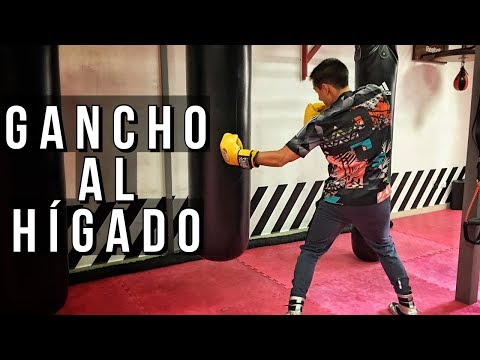
El Gancho al Hígado: El Golpe que Rompe la Voluntad y Sus Secretos Tácticos

El KO Silencioso: ¿Por Qué el Gancho al Hígado es Tan Devastador?

En el fragor del combate, el impacto directo en el rostro o el plexo solar suelen acaparar la atención. Sin embargo, existe un golpe que, sin ser espectacularmente visible, puede desmantelar a un oponente de forma casi instantánea: el gancho al hígado. Este golpe, a menudo subestimado por el aficionado, es una herramienta fundamental en el arsenal de cualquier artista marcial serio, ya sea boxeador, peleador de MMA o practicante de otras disciplinas de combate. Pero, ¿qué lo hace tan letal? ¿Por qué su impacto resonará en cada fibra de su ser? La respuesta reside en la anatomía humana y en el estratégico punto ciego del oponente. El hígado, situado en la parte superior derecha del abdomen, es un órgano vital responsable de numerosas funciones metabólicas. Sin embargo, su protección ósea es mínima; solo un borde inferior de las costillas torácicas ofrece una barrera precaria. Un golpe preciso al hígado no solo causa un dolor agudo e insoportable, sino que desencadena una respuesta refleja devastadora: una caída abrupta de la presión arterial, náuseas intensas, mareos e incluso una pérdida momentánea de la consciencia. Es el KO silencioso, el golpe que paraliza la voluntad tanto como el cuerpo.

La Intención del Budoka: Dominar el Arte del Golpe al Hígado

La intención de cualquier budoka que busca aprender sobre el gancho al hígado es clara: dominar una técnica de combate que, si se ejecuta correctamente, puede ser decisiva. No se trata solo de generar dolor, sino de aplicarlo de manera inteligente, aprovechando las aperturas y desmantelando la capacidad de lucha del adversario. Para un practicante serio, esto implica comprender la mecánica del golpe, su posicionamiento estratégico y cómo integrarlo en combinaciones efectivas. Mi labor como Sensei es guiarte más allá de la simple técnica, hacia la comprensión profunda de su aplicación. Hoy, desentrañaremos los secretos de este golpe, desde su lanzamiento correcto hasta el análisis de su impacto en el combate real.

Tabla de Contenidos

¿Por Qué Duele Tanto el Gancho al Hígado? La Ciencia del Dolor

Como he mencionado, el hígado, al estar mal protegido anatómicamente, es un objetivo vulnerable. Un gancho bien lanzado, impactando en la zona correcta (generalmente entre la quinta y séptima costilla, en el lado derecho del oponente), provoca una onda de choque que viaja directamente al órgano. Esta onda desencadena la liberación masiva de adrenalina y la contracción refleja de los músculos del diafragma y abdominales, resultando en una sensación de ahogo y un dolor punzante que puede dejar a cualquiera sin aliento. Más allá del dolor físico, el golpe al hígado es una táctica psicológica devastadora. Rompe la confianza del oponente, lo hace dudar de su capacidad de defensa y, en muchos casos, lo expone a un ataque posterior al quedar desequilibrado o en estado de shock. En el #combate, la mente es tan importante como el cuerpo. El gancho al hígado ataca ambas facetas.
"El verdadero guerrero no es el que golpea más fuerte, sino el que sabe dónde y cuándo golpear. La precisión es la virtud suprema del atacante." - Miyamoto Musashi (adaptado)

El Arte de Lanzar el Gancho al Hígado Correctamente

La ejecución del gancho al hígado no es un simple movimiento de brazo. Requiere una base sólida, una rotación corporal potente y una trayectoria de golpe precisa. Aquí te presento los pasos fundamentales para un lanzamiento efectivo, un conocimiento esencial para cualquier practicante de #artesmarciales:
  1. Posición de Guardia Sólida: Mantén una guardia equilibrada, con los pies firmemente plantados en el suelo, las rodillas ligeramente flexionadas y el tronco preparado para rotar. Tu defensa debe estar alta, protegiendo tu rostro.
  2. Rotación del Tronco: La potencia no viene del brazo, sino de la rotación de las caderas y el torso. Gira tu cuerpo hacia el lado del golpe, transfiriendo el peso de la pierna trasera a la delantera.
  3. El Movimiento del Brazo: El brazo que lanza el gancho debe moverse en un plano horizontal, casi paralelo al suelo. Dobla el codo formando un ángulo de 90 grados, como si estuvieras intentando golpear un saco de arena que cuelga a tu lado.
  4. Impacto Preciso: El objetivo es golpear con los nudillos (los dos primeros, idealmente) o el borde del guante en la zona hepática del oponente. La trayectoria debe ser corta y directa.
  5. Recuperación Rápida: Tras el impacto, recupera tu guardia inmediatamente. No dejes tu brazo extendido ni expuesto; esto puede ser aprovechado por tu oponente.
Este golpe demanda una gran concentración. El error común es lanzar el golpe desde una posición desequilibrada o con un movimiento demasiado abierto, lo que lo hace predecible y fácil de contrarrestar. La práctica constante, el #entrenamiento de #condicionamiento y la repetición del #kata o forma adecuada son cruciales.

A Qué Distancia se Debe Lanzar el Golpe

La distancia es un factor crítico. El gancho al hígado es, por naturaleza, un golpe de media a corta distancia. Si estás demasiado lejos, tu golpe será débil y predecible, y tu oponente tendrá tiempo de defenderse o contraatacar. La distancia ideal se logra cuando el oponente está lo suficientemente cerca para que tu brazo pueda alcanzarlo con la potencia generada por la rotación del tronco, pero no tan cerca como para que tu movimiento sea bloqueado o que tú quedes expuesto a un contraataque inmediato. Piensa en la longitud de tu antebrazo y la extensión natural de tu gancho. Si tu codo ya está extendido al máximo o si tienes que "buscar" al oponente, estás demasiado lejos. **¿Cómo medir esta distancia en combate?** * Cuando tu oponente baja su guardia para lanzar un golpe o tras haber esquivado el suyo. * Cuando ambos están en una fase de "presión", intentando ganar terreno. * Después de lanzar un golpe directo a la cabeza que obligue al oponente a retroceder o levantar la guardia. Un buen análisis de #UFC o #MMA te mostrará cómo los peleadores experimentados crean estas oportunidades de distancia.

Análisis Táctico: El Gancho al Hígado en la Élite

Los grandes maestros del #boxeo y las #ArtesMarcialesMixtas conocen y utilizan el gancho al hígado como una estrategia para desgastar y finalizar combates. Observa a figuras como Canelo Álvarez, Gennady Golovkin o Khabib Nurmagomedov en sus enfrentamientos. No es un golpe que lancen a ciegas; lo integran tácticamente. **Ejemplo de aplicación táctica:** 1. Un peleador lanza una serie de golpes rectos o jabs a la cabeza del oponente, obligándolo a mantener la guardia alta. 2. Mientras el oponente se defiende arriba, el atacante acorta la distancia, se posiciona a un lado y lanza el gancho al hígado, aprovechando la apertura creada por la guardia defensiva. 3. El impacto paraliza al oponente. El atacante, entonces, puede rematar con otro golpe a la cabeza o asegurar la sumisión si está en el suelo. Este tipo de análisis es vital. No se trata solo de "pegar duro", sino de entender el ajedrez humano del combate. El gancho al hígado es una pieza clave en este tablero.
"La fuerza de un arte marcial no reside solo en su capacidad de infligir daño, sino en su potencial para crear apertura y control." - Bruce Lee (adaptado)

Combinaciones Devastadoras con el Gancho al Hígado

El gancho al hígado es potente por sí solo, pero su verdadero potencial se desata cuando se integra en combinaciones. Aquí te presento algunas ideas que puedes practicar bajo la supervisión de un instructor cualificado:
  • La Clásica Doble Amenaza: Jab (mano adelantada) a la cara, seguido de un recto (mano trasera) a la cabeza, y rematar con el gancho al hígado con la mano adelantada (esta requiere más técnica y precisión). O, más comúnmente, Jab a la cara, seguido de un gancho al hígado con la mano trasera.
  • El Engaño Frontal: Lanzar un golpe a la cabeza del oponente, haciendo que levante la guardia, y luego cambiar rápidamente al gancho al hígado.
  • Secuencia de Desgaste: Una serie de golpes al cuerpo (costillas, abdomen bajo) para desgastar la resistencia del oponente, culminando con el gancho al hígado cuando su defensa flaquea.
  • Combinación con Uppercut: Un uppercut para levantar la barbilla del oponente y, en la misma rotación, cambiar al gancho al hígado mientras su cuerpo se mueve hacia atrás.
Recuerda, la clave está en la fluidez y la economía de movimiento. Cada golpe debe prepararte para el siguiente, y la recuperación debe ser instantánea.

Consideraciones Éticas y de Entrenamiento

Si bien el gancho al hígado es una técnica de gran eficacia, es fundamental recordar su poder destructivo. En el contexto de #defensapersonal, puede ser un golpe decisivo para neutralizar una amenaza grave. Sin embargo, en el entrenamiento, la seguridad es primordial. * Sparring Controlado: Al practicar con un compañero, es vital usar equipo de protección adecuado (guantes, protectores bucales, protectores de costillas si es posible). El objetivo es aprender la técnica, no lesionar a tu compañero. El golpe debe ser aplicado con control, o simulado, para evitar daños innecesarios. * Instrucción Calificada: Este tipo de golpes deben ser enseñados por instructores con experiencia, que puedan guiarte en la técnica y en las consideraciones de seguridad. El #entrenamiento de #MMA y #boxeo a menudo incluye el trabajo específico de estos golpes. * Conciencia del Riesgo: Entender la potencia de este golpe implica una gran responsabilidad. Un mal uso o una aplicación innecesaria pueden tener consecuencias graves. La filosofía detrás de las artes marciales, el #BUDO, no es solo la de la destrucción, sino la de la #superaciónpersonal y el control. Un verdadero artista marcial aplica su conocimiento con sabiduría y respeto.

Veredicto del Sensei: ¿Arma Secreta o Riesgo Calculado?

El gancho al hígado, sin lugar a dudas, merece el estatus de "arma secreta" en el arsenal de cualquier combatiente. Su capacidad para neutralizar a un oponente de forma rápida y, a menudo, sin previo aviso, lo convierte en una herramienta táctica invaluable. Sin embargo, su potencia intrínseca y la vulnerabilidad del objetivo lo convierten también en un *riesgo calculado*. Para que sea un arma secreta y no un error estratégico, debe ser dominado con maestría. Esto implica: * Precisión sobre Potencia Bruta: Un gancho al hígado bien colocado pero sin fuerza es mejor que un golpe potente y mal dirigido. * Timing Perfecto: Lanzarlo en el momento justo, aprovechando las aperturas, es crucial. * Integración Táctica: Saber cuándo y cómo usarlo dentro de un plan de combate más amplio. Dominar el gancho al hígado te eleva de ser un simple agresor a un estratega del combate. Es un golpe que demuestra que entiendes la anatomía, la psicología y la táctica del enfrentamiento. **Calificación del Sensei:** "Cinturón Negro en Táctica de Combate"

Equipo Esencial para tu Entrenamiento

Para dominar el gancho al hígado y optimizar tu entrenamiento de combate, contar con el equipo adecuado es fundamental. No se trata solo de protección, sino de simular las condiciones de combate real de forma segura.
  • Guantes de Boxeo/MMA: Indispensables para proteger tus manos y las de tu compañero durante el sparring. Busca guantes de entre 14oz y 16oz para entrenamientos generales y guantes más ligeros (10-12oz) si se simulan combates de menor impacto. La calidad del acolchado es clave.
  • Protectores Bucales: Absolutamente esenciales para proteger tus dientes, mandíbula y, lo más importante, para prevenir conmociones cerebrales. Un buen ajuste es vital.
  • Vendas para Manos: Antes de usar los guantes, las vendas protegen los huesos y articulaciones de tus manos y muñecas, previniendo lesiones comunes que podrían detener tu entrenamiento.
  • Sacos de Boxeo Pesados: Para practicar la potencia y la rotación del tronco. Asegúrate de que esté bien anclado y sea lo suficientemente pesado para absorber tu fuerza.
  • Pera de Boxeo (Speed Bag): Ayuda a mejorar la coordinación mano-ojo, el ritmo y la resistencia de los brazos, habilidades complementarias para la ejecución de golpes rápidos.
  • Escudo de Entrenamiento (Pao): Ideal para trabajar con un entrenador o compañero, permitiendo practicar la precisión del gancho al hígado de forma segura y recibiendo retroalimentación directa sobre la técnica.
Invertir en equipo de calidad es invertir en tu propia #seguridad y progresión marcial. Busca marcas reconocidas en el mundo del #kickboxing y #boxeo.

Guía de Entrenamiento: Ejercicio de Rotación de Tronco para Potencia

La potencia del gancho al hígado reside en la rotación del tronco. Aquí tienes un ejercicio simple pero efectivo para desarrollar esta capacidad:
  1. Preparación: Párate con los pies separados a la anchura de los hombros, las rodillas ligeramente flexionadas y el core activado. Levanta los brazos como si estuvieras en guardia.
  2. Rotación Inicial: Gira tu torso hacia un lado (ej. hacia la derecha), manteniendo las caderas relativamente estables. Imagina que estás girando un volante de coche.
  3. Punto de Impacto Imaginario: En el punto de máxima rotación, visualiza un objetivo a la altura de tu hígado (tu propio flanco derecho).
  4. Golpe de Simulación: Con un movimiento explosivo, lanza un "gancho" imaginario hacia ese punto, girando todo el cuerpo. El movimiento debe ser controlado y fluido, no forzado.
  5. Recuperación: Vuelve lentamente a la posición inicial, manteniendo el control.
  6. Repetición: Realiza 10-15 repeticiones en un lado, descansa 30 segundos, y luego cambia de lado. Haz 3-4 series.
Este ejercicio, practicado regularmente, mejorará significativamente la potencia y la velocidad de tu gancho al hígado. Es un pilar para el desarrollo de la #Fuerza y la #Resistencia.

Preguntas Frecuentes

¿Puedo lanzar un gancho al hígado con la mano adelantada?

Sí, es posible y es una técnica avanzada. Requiere una excelente mecánica corporal y un timing impecable para evitar exponerse demasiado. Se usa a menudo para sorprender al oponente.

¿El gancho al hígado es efectivo contra oponentes más grandes?

Definitivamente. Su efectividad se basa en la anatomía, no en la masa muscular. Un golpe preciso al hígado puede neutralizar incluso a un oponente significativamente más grande.

¿Qué debo hacer si mi oponente intenta golpearme el hígado?

Mantén la guardia apretada, especialmente la mano del lado del golpe. Una ligera rotación del tronco hacia atrás puede desviar parte del impacto. El contragolpe rápido es a menudo la mejor defensa.

¿Es el gancho al hígado una técnica prohibida en algunas disciplinas?

En el boxeo profesional y amateur, los golpes al cuerpo que no sean a las zonas designadas (incluyendo el hígado) están permitidos. En MMA, la mayoría de las ligas también lo permiten. Sin embargo, siempre verifica las reglas específicas de la organización.

¿Cómo puedo entrenar la resistencia al golpe al hígado?

El entrenamiento de #resistencia se logra a través de la mejora de la musculatura abdominal y la práctica constante de #sparring bajo supervisión. Una dieta balanceada y un buen acondicionamiento físico general también contribuyen.

Para Profundizar en tu Camino

Reflexión del Sensei: Tu Próximo Paso

Hemos desentrañado los secretos del gancho al hígado, desde su ciencia hasta su aplicación táctica. Ahora, la pregunta no es solo si puedes lanzarlo, sino si entiendes cuándo y por qué hacerlo. El verdadero maestro no solo ejecuta la técnica, sino que comprende su *propósito* dentro del gran tapiz del combate. ¿Estás listo para integrar este conocimiento en tu propio camino marcial? ¿O te conformarás con golpes que solo buscan la gloria visual, ignorando el KO silencioso que puede ganar la batalla? Reflexiona: ¿dónde reside tu verdadero poder como artista marcial? Gemini_METADESC: Domina el gancho al hígado, el golpe más devastador y subestimado en el boxeo y MMA. Aprende su técnica, distancia ideal, análisis táctico y combinaciones efectivas con este análisis del Sensei. Gemini_LABELS: Budo, MMA, Artes Marciales, Boxeo, Golpe al Hígado, Táctica de Combate, Defensa Personal, Análisis de Lucha, Kickboxing