The realm of martial arts is a breathtaking tapestry of power, precision, and, crucially, speed. While strength and technique are often lauded, the ability to move with lightning-fast reflexes can be the decisive factor in any confrontation. But when we speak of "fastest," what do we truly mean? Is it the initial burst of a strike, the fluid transition between techniques, or the uncanny ability to evade an incoming assault before it's even fully registered? In this exploration, we delve into the domain of pure velocity, examining eight martial artists whose reflexes and execution defy the ordinary. Prepare to witness a spectacle of movement that redefines the limits of human agility.
Speed in martial arts is a multifaceted attribute, far more complex than simply moving quickly. It encompasses:
Reaction Time: The ability to perceive a threat and initiate a response in milliseconds. This is primal, almost instinctive.
Movement Efficiency: Utilizing the body's mechanics to generate maximal speed with minimal wasted motion. Think of a whip cracking versus a lumbering swing.
Execution Velocity: The sheer speed at which a technique, be it a punch, kick, or block, is completed from start to finish.
Anticipation: Perhaps the most sophisticated form of speed. By reading an opponent's intentions, a fighter can often "act" before the opponent even begins their move. This is where the mind's speed meets the body's.
The artists we highlight demonstrate a profound mastery over these elements. Their speed isn't just raw kinetic energy; it's intelligent, strategic, and honed through relentless practice. As my own masters would say, "Speed is not merely the absence of slowness; it is the presence of decisive action."
The Elite Eight: A Speed Showcase
To compile this list, we've considered athletes whose performances consistently showcase exceptional reflexes, rapid strike delivery, and agile evasive maneuvers across various disciplines. While a definitive, universally agreed-upon ranking is as elusive as a perfectly timed counter-punch, these individuals stand out.
1. Bruce Lee (Jeet Kune Do)
It would be an egregious oversight to discuss speed without acknowledging the legend himself. Bruce Lee's "punch without punch" was not a myth; it was a demonstration of explosive power delivered with astonishing velocity. His ability to strike multiple times before an opponent could react was unparalleled in his era. His philosophy emphasized directness and efficiency, stripping away all non-essential movement. This philosophical underpinning directly translated into his blinding speed.
"It is not a daily increase, but a daily decrease. Hack away at the unnecessary." - Bruce Lee
2. Raymond "The Rocket" Daniels (American Kenpo, Taekwondo)
Daniels is a phenomenon in sport karate and kickboxing. His signature spinning kicks are not just powerful; they are delivered with a blur of motion. His Taekwondo background grants him incredible flexibility and explosiveness, while his Kenpo training emphasizes rapid-fire combinations. He often seems to move in slow motion for his opponents, only to erupt into a flurry of high-speed attacks.
3. Anderson Silva (Brazilian Jiu-Jitsu, Muay Thai, Taekwondo)
During his prime in the UFC, "The Spider" was a master of timing and precision. His striking, particularly his Muay Thai and Taekwondo influences, was deceptive and lightning-fast. He could absorb pressure, absorb blows, and then unleash devastating counters in the blink of an eye. His ability to weave and dodge strikes while setting up his own offensive barrages was a hallmark of his incredible speed and ring intelligence.
4. Stephen Thompson (Karate, Kickboxing, American Kenpo)
"Wonderboy" is renowned for his unique "karate-boxing" style, characterized by fluid movement, exceptional footwork, and blindingly fast hand and foot techniques. His ability to pivot, spin, and strike from unexpected angles, all while maintaining a seemingly effortless defensive posture, makes him one of the most difficult strikers to predict and defend against. His speed isn't just about power; it's about unpredictability and angles.
5. Jose Aldo (Brazilian Jiu-Jitsu, Muay Thai)
A former UFC Featherweight Champion, Jose Aldo's low leg kicks were legendary for their speed and devastating impact. But his offensive arsenal extended far beyond that. His combinations were incredibly fast, often overwhelming opponents before they could mount a defense. His Muay Thai background provided him with powerful and rapid knee and elbow strikes, perfectly blended with his boxing prowess.
6. Lyoto Machida (Karate, Brazilian Jiu-Jitsu)
Machida, often nicknamed "The Dragon," brought a pure Karate aesthetic to MMA, emphasizing precision, timing, and explosive, yet economical, movements. His stance was famously upright, allowing for quick pivots and devastating counter-strikes, particularly his signature front kick. He moved like a phantom, appearing and disappearing, striking with deceptive speed before retreating to safety.
7. Conor McGregor (Various, notably Boxing and Taekwondo)
Regardless of one's opinion on his persona, McGregor's speed in the pocket is undeniable. His boxing combinations are crisp, fast, and delivered with knockout power. His ability to close distance rapidly and land precise strikes before an opponent can react has been the key to many of his victories. His confidence often stems from this belief in his own velocity.
8. Saenchai (Muay Thai)
Often hailed as the greatest Muay Thai practitioner of all time, Saenchai's speed is not just about raw power, but about finesse and deceptive fluidity. His feints, dodges, and evasive maneuvers are as quick as his kicks and punches. He can switch stances seamlessly, deliver lightning-fast sweeps, and land powerful blows with an economy of motion that makes him incredibly difficult to pin down. His style is a masterclass in effective, rapid movement.
Training for Velocity: Principles of Swiftness
Achieving the kind of speed displayed by these masters requires more than just natural talent. It demands a specific, rigorous training regimen. Here are the core principles:
Explosive Power Training: Incorporate plyometrics (jump squats, clap push-ups), medicine ball throws, and Olympic lifts to build fast-twitch muscle fibers.
Technique Refinement: Perfecting the mechanics of each strike and movement is crucial. Reducing wasted energy means increasing speed. Focus on drills that emphasize fluidity and precision.
Reaction Drills: Utilize tools like reaction balls, laser pointers on pads, or partner drills where one person initiates a signal for the other to react to.
Footwork Drills: Practice agility ladders, cone drills, and shadow boxing with a focus on maintaining balance while moving rapidly.
Sparring with Speed Focus: Engage in sparring rounds where the primary objective is to move faster and react quicker, rather than just overpowering an opponent.
Mind-Body Connection: Cultivate focus and awareness. A calm, centered mind can perceive threats and initiate responses much faster. Meditation and visualization are key.
The commitment to these principles is what separates the average practitioner from the elite. It's a constant pursuit of refinement.
Beyond Speed: The Complete Warrior
While speed is a spectacular and often decisive attribute, it is but one facet of a complete martial artist. A fighter who is blindingly fast but lacks strategy, adaptability, or mental fortitude will ultimately falter. The true master integrates speed with:
Timing: Knowing *when* to strike is as important as moving fast.
Strategy: Speed must serve a purpose within a larger plan.
Endurance: Sustaining high-speed output over extended periods.
Power: Speed without impact is often ineffective.
Mental Fortitude: The ability to remain calm under pressure and make split-second decisions.
As Sun Tzu wisely noted in The Art of War, "In strategy, it is important to consider the position of the enemy and your own position." Speed is a weapon, but it must be wielded with intelligence and context.
Veredict of the Sensei
This compilation highlights individuals who have pushed the boundaries of human kinetic potential within the martial arts landscape. Their speed is not merely a physical gift but the result of dedicated practice, refined technique, and a deep understanding of combat dynamics. They serve as inspiration, demonstrating that with focused training, remarkable velocity is achievable. While subjective, the common thread among these athletes is an almost supernatural ability to execute complex actions before their opponents can even process the initial threat. They are not just fast; they are masters of timing and efficiency.
Essential Equipment for Your Training
To hone your own speed and reflexes, consider these fundamental tools:
Reaction Ball: Excellent for improving hand-eye coordination and unpredictable catching.
Agility Ladder: Crucial for developing rapid footwork and coordination.
Speed Bag: Enhances punching speed, rhythm, and endurance.
Training Mitts and Pads: Essential for speed drills, reaction training, and feedback on your strikes.
High-Quality Training Shoes: Lightweight, flexible footwear that allows for quick pivots and movements without hindering agility.
Karate Gi or BJJ Gi (Double Weave): For practicing movement and techniques with resistance, ensuring your speed translates even when wearing a uniform.
Frequently Asked Questions
Q1: Is speed more important than power in martial arts?
Both are critical, but their importance often depends on the context and style. Speed can create openings for power strikes, and power without speed can be telegraphed and avoided. The ideal is a balance, with speed often being the factor that allows power to be effectively applied.
Q2: Can anyone become exceptionally fast through training?
While natural aptitude plays a role, consistent and intelligent training can significantly improve anyone's speed and reaction time. Dedication to specific drills focusing on explosiveness, efficiency, and reaction is key.
Q3: How does meditation help with martial arts speed?
Meditation enhances focus, reduces mental clutter, and improves the mind-body connection. This allows for quicker perception of threats and faster, more decisive responses, effectively increasing your perceived speed.
Q4: Are these fighters fast in a real fight scenario?
The athletes listed have demonstrated their speed in competitive combat sports, which, while regulated, share many principles with real-world confrontations. Their speed allows them to control range, land strikes effectively, and evade attacks – all vital skills for self-defense.
We have dissected the nature of speed in martial arts and celebrated those who embody it. But does the true warrior chase speed for its own sake, or does speed become an extension of their will, their strategy, their very being? Consider this: If you could only improve one aspect of your martial arts – speed, power, or technique – which would you choose, and why? And more importantly, how does your choice reveal your current understanding of the martial path?
The roar of the crowd, the glint of sweat under the arena lights, the raw, unadulterated will to conquer – these are the hallmarks of boxing's greatest champions. But behind every thunderous knockout and every masterful defensive maneuver lies a crucible of training, a relentless pursuit of perfection that transcends mere physical exertion. Many see the flash, the talent, the seemingly effortless grace of a Floyd Mayweather or a Canelo Álvarez. They marvel at the *gift*. Yet, the true essence of their mastery is forged in the fire of dedication, a fire fueled by exercises so demanding, so precise, that they are indeed "only made for champions."
This is not a mere display of athletic prowess; it is a profound exploration into the discipline, the mental fortitude, and the sheer unyielding spirit that defines the warrior in the squared circle. Today, we move beyond the highlight reels and delve into the very foundations that build these titans of the ring. We will dissect the training philosophy, the physical and mental conditioning, and the timeless principles that separate the aspirants from the legends.
The world often sees the final performance, the dazzling spectacle. What remains unseen is the countless hours spent on the canvas, the unforgiving pavement, or the meticulously maintained gym floor. This is where the true alchemy of boxing occurs. It's in the rhythmic thud of gloves against a heavy bag, the desperate gasp for air during intense cardio, the painstaking repetition of footwork drills until they are etched into muscle memory.
"The will to win is important, but the will to prepare is vital." - Joe Paterno
This sentiment echoes through the halls of every great boxing gymnasium. It's not about having the most advanced equipment or the most picturesque facility. It's about the dedication of the individuals within it. The young boxers we witness, brimming with raw talent, are embarking on a journey that demands more than just physical conditioning. They are cultivating an unwavering commitment to their craft, a commitment that transforms raw potential into the honed precision of a champion.
The concept of "House of Bounce" might seem distant from the gritty reality of boxing training. However, the underlying principle of dedication, of pushing boundaries, and of celebrating athletic excellence is universal. Whether it's the gravity-defying dunks on a basketball court or the explosive power of a boxing jab, the spirit of a champion is built on a foundation of tireless effort and a refusal to yield.
The Essence of the Exercises: Precision, Power, and Persistence
What distinguishes "champion-level" boxing exercises from ordinary drills? It's the intention behind them. Every punch, every combination, every defensive maneuver is executed with a purpose, aiming to refine specific attributes crucial for success:
* **Power Generation**: Exercises that focus on building explosive strength through the core and hips, translating into devastating punches. Think medicine ball slams, plyometric box jumps, and resistance band work designed to mimic the rotational force of a punch.
* **Speed and Agility**: The ability to move swiftly, evade attacks, and deliver rapid combinations is paramount. This is honed through shadow boxing at maximum intensity, speed bag drills for hand-eye coordination and rhythm, and ladder drills for footwork and quickness.
* **Endurance**: Boxing is a marathon disguised as a sprint. Champions possess the cardiovascular and muscular endurance to maintain peak performance throughout grueling rounds. Roadwork, interval training, and sustained heavy bag sessions are critical components.
* **Precision and Technique**: Flailing punches are easily defended and waste energy. Champions deliver punches with pinpoint accuracy, targeting vulnerable areas. This requires countless repetitions of fundamental techniques, focusing on proper form, balance, and timing.
* **Defensive Mastery**: The best offense is often a good defense. Exercises focusing on slips, rolls, blocks, and parries are as vital as offensive drills, ensuring a fighter can withstand punishment and create opportunities.
The relentless repetition of these elements, pushing the body and mind to their absolute limits, is what separates true champions. It’s not about the number of hours, but the quality and intensity of each moment spent training.
Beyond the Punch: The Mental Fortitude of a Champion
If physical training is the body of a champion, then mental fortitude is its indomitable spirit. The psychological demands of boxing are immense. Fighters must grapple with fear, pain, self-doubt, and the immense pressure of performance.
"Boxing is a mental game. The physical part is only 20%." - Unknown Pro Fighter
Champions develop a mental resilience that allows them to push through exhaustion, to strategize under duress, and to maintain focus when their body is screaming for them to quit. This is cultivated through:
* **Visualization**: Mentally rehearsing fights, strategies, and successful execution of techniques.
* **Mindfulness and Focus**: Techniques like Ki training or simple meditation can help a boxer achieve a state of heightened awareness, often referred to as "Mushin" or "no-mind," where actions become instinctive and unhindered by conscious thought.
* **Grit and Perseverance**: The ability to overcome adversity, to learn from losses, and to keep pushing forward despite setbacks. This is the very essence of BUDO.
* **Discipline**: Adhering to rigorous training schedules, strict diets, and a lifestyle that prioritizes peak performance. This aligns perfectly with the principles of Autodisciplina.
The exercises are demanding, yes, but the mental conditioning is where true championships are won and lost.
Traditional vs. Modern: Evolving the Champion's Blueprint
While the core principles of boxing remain timeless, the methods of training have evolved significantly. We see a fascinating interplay between traditional approaches and cutting-edge scientific methodologies.
**Traditional Methods:**
* **Roadwork**: The foundational element of endurance, running miles at dawn.
* **Shadow Boxing**: Practicing techniques and movement in the air, focusing on form and flow.
* **Heavy Bag Work**: Developing power, rhythm, and conditioning.
* **Speed Bag & Double-End Bag**: Enhancing hand-eye coordination, timing, and accuracy.
* **Sparring**: Simulating actual combat to test skills and strategy.
**Modern Approaches:**
* **Strength and Conditioning**: Periodized training programs incorporating weights, plyometrics, and functional movements tailored to the specific demands of boxing.
* **Sports Science**: Utilizing heart rate monitors, lactate threshold testing, and biomechanical analysis to optimize training.
* **Nutrition and Recovery**: Advanced understanding of diet, supplements, and recovery protocols (e.g., cryotherapy, massage) to maximize performance and minimize injury.
* **Psychological Training**: Employing sports psychologists and advanced visualization techniques.
A true champion today integrates the best of both worlds. They respect the legacy and the proven efficacy of traditional methods while leveraging modern science to gain a competitive edge. This is not a divergence, but an evolution of the path towards mastery, a path found in the spirit of MartialArtsJourney.
Veredicto del Sensei: A Champion's Blueprint
The notion that certain boxing exercises are "only made for champions" is, in essence, accurate. Not because the exercises themselves are exclusive, but because the mindset, the dedication, and the sheer will required to perform them at a championship level are what truly define a champion. The talent is a spark, but the training is the fuel that ignites it into an inferno.
We see young individuals with immense promise, whose dedication is visible in their tireless efforts. They are on the path, a path paved with sweat, sacrifice, and an unshakeable belief in their potential. The future of boxing, indeed the future of all BUDO and Artes Marciales Mixtas, is bright because this commitment to rigorous, purposeful training persists. It’s a testament to the enduring power of human will and the profound impact of dedicated MartialArtsTraining.
**Cinturón Negro en Inspiración.**
Equipo Esencial para tu Entrenamiento
To truly emulate the dedication of champions, the right tools are crucial. While talent is innate, the right equipment can enhance your training and help you push your limits safely and effectively.
Guantes de Boxeo de Calidad: Para sparring y entrenamiento con saco. Busca un peso adecuado a tu nivel y propósito (12-16 oz para sparring, 10-14 oz para saco). Marcas como Everlast, Title Boxing, o Fairtex son opciones sólidas.
Vendas de Boxeo (Hand Wraps): Imprescindibles para proteger tus muñecas y nudillos durante cualquier actividad que implique golpear.
Cuerda de Saltar (Jump Rope): Un clásico para mejorar la resistencia cardiovascular, la agilidad y el juego de pies. Hay modelos de alta velocidad para un entrenamiento más intenso.
Saco de Boxeo (Heavy Bag): Fundamental para desarrollar potencia, ritmo y resistencia. Elige uno de peso y altura adecuados a tu nivel.
Comba de Velocidad (Speed Bag): Excelente para mejorar la coordinación ojo-mano, el ritmo y la resistencia de los hombros.
Comba de Doble Extremo (Double-End Bag): Ayuda a refinar la precisión, el tiempo y el juego de pies.
Espejo de Entrenamiento: Permite la auto-corrección de la técnica y la postura durante el shadow boxing.
Ropa de Entrenamiento Cómoda y Transpirable: Para permitir el máximo movimiento y gestionar el calor corporal. Considera prendas técnicas de marcas deportivas reconocidas.
Investing in quality equipment is an investment in your journey towards mastery. It shows a commitment akin to those who have come before you.
Guía de Entrenamiento: Construyendo tu Resistencia de Campeón
Champion-level endurance doesn't appear overnight. It's built through structured, progressive effort. Here's a sample circuit designed to push your limits and forge greater resilience. Perform this circuit 3-4 times, resting minimally between exercises and taking a 2-3 minute rest between rounds.
Roadwork (30-45 minutos): Start with a steady-state run, gradually increasing pace for the last 10 minutes. This is the cornerstone of EmpezarACorrer and foundational Resistencia training.
Shadow Boxing (3 rounds x 3 minutes): Focus on fluidity, power, and constant movement. Imagine an opponent and practice offensive and defensive maneuvers.
Heavy Bag Circuit (5 rounds x 2 minutes):
Round 1: Power Punches (focus on full extension and hip rotation)
Round 5: All-out Assault (maintain maximum intensity)
Jump Rope (3 rounds x 3 minutes): Vary your footwork – basic bounce, high knees, boxer skip. This enhances Agility.
Plyometric Push-ups (3 sets of 10-15 reps): Explode upwards from the bottom of the push-up. Builds explosive upper body Fuerza.
Burpees (3 sets of 10-15 reps): A full-body conditioning exercise that tests stamina and power.
Remember to listen to your body, and gradually increase the duration, intensity, or number of rounds as your conditioning improves. This mirrors the journey of SelfImprovement.
Preguntas Frecuentes
¿Qué hace que un ejercicio de boxeo sea "para campeones"? La diferencia radica en la intensidad, la precisión, la intención detrás de cada movimiento, y la mentalidad del practicante. Los campeones abordan cada ejercicio con una dedicación absoluta.
¿Cuánto tiempo toma para que un novato vea resultados significativos en su entrenamiento de boxeo? Con entrenamiento consistente y dedicado, se pueden observar mejoras en la forma física y la técnica en tan solo 3-6 meses. La maestría, sin embargo, es un camino de por vida.
¿Puedo entrenar boxeo en casa sin un gimnasio? Sí, muchos de los ejercicios fundamentales como el shadow boxing, el uso de cuerdas de saltar y ejercicios de acondicionamiento físico se pueden realizar en casa. El acceso a sacos y equipo de sparring es más limitado, pero la base se puede construir.
¿Es el boxeo adecuado para la defensa personal? El boxeo desarrolla habilidades valiosas para la defensa personal, como la capacidad de golpear con poder, la agilidad y la conciencia del entorno. Sin embargo, es crucial complementarlo con técnicas específicas de defensa personal para situaciones reales.
¿Cómo se relaciona el 'Ki' con el boxeo? El concepto de 'Ki' se puede interpretar en el boxeo como la energía interna, la concentración mental y la sinergia entre el cuerpo y la mente. Un boxeador con un 'Ki' fuerte puede canalizar su energía de manera más efectiva, mejorando la potencia, la resistencia y la capacidad de mantener la calma bajo presión.
The difference between the impossible and the possible lies in a person's determination. - Tommy Lasorda
Reflexión del Sensei: Tu Próximo Paso
If the path to becoming a champion is paved with relentless training, what is the single most challenging aspect of this journey for *you*? Is it the physical exertion, the mental discipline, or the sheer consistency required? Confront this truth, and you will find the key to unlocking your own championship potential.
```
GEMINI_METADESC: Explore the rigorous training, mental fortitude, and core principles that define elite boxing, separating mere talent from true championship grit.
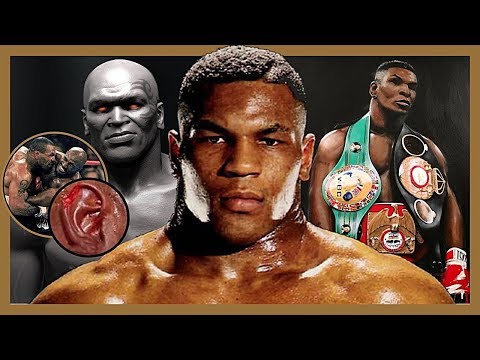
Ah, Iron Mike. The name itself conjures images of raw power, terrifying speed, and a ferocity rarely seen in any arena, let alone the boxing ring. But was Tyson merely a brute, a creature of instinct unleashed? Or was there a deeper current flowing beneath that tempestuous exterior? Many may seek to understand the mechanics of his devastating uppercuts or the psychology of his opponents' fear, but few delve into the philosophical underpinnings that shaped his ascent and, ultimately, his fall. Today, we dissect not just the fighter, but the warrior, and explore what the legend of Mike Tyson can teach us about the essence of combat and the human spirit.
Mike Tyson wasn't just a boxer; he was a phenomenon. Bursting onto the scene in the 1980s, he possessed a terrifying blend of speed, power, and aggression that left opponents in awe and in pieces. His early career was marked by a string of swift knockouts, earning him the moniker "Iron Mike." He became the youngest heavyweight champion in history, a testament to his prodigious talent and relentless drive. But behind the devastating punches lay a complex individual shaped by a tumultuous childhood, a journey through adversity that forged an unparalleled will to dominate. His rise was meteoric, his fall equally dramatic, making his story a compelling case study in the highs and lows of athletic careers.
Many martial artists, regardless of their chosen discipline, can find echoes of their own struggles and aspirations in Tyson's narrative. The pursuit of mastery, the battle against inner demons, and the sheer dedication required to reach the pinnacle of any combative art are universal themes. While boxing is a distinct sport, the principles of discipline, focus, and the application of explosive power are shared across the martial spectrum. We must look beyond the spectacle and understand the underlying principles that made him so formidable.
The Philosophy of The Knockout: Aggression and Control
What is the philosophy of a knockout? It is the ultimate expression of applied force, the decisive conclusion to a physical dialogue. For Tyson, it wasn't just about landing a punch; it was about dismantling his opponent's will to fight before the punch even landed. This was achieved through a combination of relentless pressure, intimidation, and impeccable technique. His style was predicated on overwhelming his opponents, leaving them no room to breathe, think, or execute their own strategies.
"My power is in my personality. I'm a terrifying character." - Mike Tyson
This quote is crucial. Tyson understood that combat is as much a mental battle as a physical one. His ferocity wasn't just muscle; it was a manifestation of a psychological strategy. He cultivated an aura of invincibility, making his opponents believe they were beaten before they even stepped into the ring. This is a principle found in many traditional martial arts, the concept of Fuden (不動心), or immovable mind. While Tyson's outward expression was explosive aggression, the underlying control and psychological mastery were what made it truly effective.
Consider the Japanese concept of Mushin (無心), often translated as "no mind." It's a state of flow where the martial artist acts instinctively, free from thought and emotion. While Tyson's persona was often characterized by intense emotion, his most effective performances likely tapped into a deep well of instinct honed through rigorous training. The knockout was the result of a perfectly timed action, devoid of hesitation. This is the ideal sought by practitioners of Karate, Judo, and even Swordsmanship.
Tyson's Training Regimen: The Foundation of Fury
No fighter reaches the apex of his sport without an extraordinary commitment to training. Tyson's regimen was legendary for its intensity and volume. While boxing specifics differ, the core principles resonate deeply with any serious martial artist. His dedication to building explosive power and incredible stamina was the bedrock of his success.
A typical Tyson training day often included:
Early morning roadwork (running for miles, often in the cold).
Bodyweight exercises: thousands of push-ups, sit-ups, and squats.
Shadow boxing to hone technique and footwork.
Heavy bag work to develop power and endurance.
Speed bag work for rhythm and hand speed.
Sparring sessions to simulate fight conditions.
Skipping rope for footwork, coordination, and cardiovascular fitness.
This sheer volume of work was designed not just to build physical strength but also mental toughness. The repetitive nature of the exercises, the pushing past physical limits, all contributed to his legendary conditioning and his ability to absorb punishment and keep coming forward. This mirrors the dedication required in disciplines like Kyokushin Karate, known for its brutal full-contact sparring and demanding physical conditioning.
The emphasis on consistent, high-volume training is a fundamental lesson. It's not just about talent; it's about the grind. It's the quiet hours in the dojo or gym that forge the fighter. This is why, even today, coaches emphasize the importance of a solid foundation built through repetition and endurance. Without the physical capacity, even the most brilliant technique is unsustainable.
The Mental Game: Fear, Confidence, and the Warrior's Mind
Mike Tyson famously played on the fear of his opponents. This is a powerful weapon, but it must be wielded with an equally strong mental fortitude. How does one harness such an aggressive mindset while maintaining composure? This is where the warrior's mind comes into play.
In disciplines like Judo, the principle of Seiryoku Zenyo (精力善用), maximum efficiency, minimum effort, extends beyond the physical. It's about using your opponent's energy and momentum against them, which requires a calm, strategic mind. Tyson, while outwardly aggressive, demonstrated this strategic control by dictating the pace and terms of the fight.
His trainer, the legendary Cus D'Amato, played a pivotal role in shaping Tyson's mental approach. D'Amato instilled in Tyson the importance of psychological warfare, teaching him to be the aggressor not just physically, but mentally. This involved understanding an opponent's weaknesses and exploiting them ruthlessly. This concept aligns with Sun Tzu's "Art of War," which emphasizes knowing your enemy and knowing yourself to win every battle.
"D'Amato was my father. He taught me everything I know about boxing. He taught me how to be a man." - Mike Tyson
The ability to manage fear and channel it into focus is a hallmark of any great fighter. For Tyson, this likely meant confronting his own fears and insecurities, which were significant given his background, and transforming that energy into a controlled, destructive force within the ring. This is a lesson invaluable to anyone facing challenges, whether in combat sports or in life.
Mike Tyson's Legacy in Martial Arts
While Mike Tyson was a boxer, his impact on the broader martial arts landscape is undeniable. He embodied the ideal of the "knockout artist," a fighter capable of ending a contest with a single, decisive blow. This pursuit of ultimate efficiency and decisive power is a common thread across many martial traditions, from the explosive techniques of Karate Kyokushin to the devastating kicks in Taekwondo.
His raw power and aggressive style also influenced the development of fighters in sports like MMA. While MMA requires a much broader skill set, the ability to deliver impactful strikes and to dominate an opponent physically and mentally remains a key component. Fighters like Francis Ngannou, with his devastating power, often draw comparisons to Tyson's aura of destructive force. Even in grappling arts, the psychological edge gained from a reputation of overwhelming power can be a significant advantage.
Tyson's story also serves as a cautionary tale. The immense pressure of fame, the temptations of wealth, and the challenges of transitioning out of a fighting career are common themes for many athletes. His post-boxing life, marked by personal struggles and eventual redemption, highlights the importance of having a life and a philosophy beyond the ring. This is something many traditional martial arts emphasize – the development of the whole person, not just the fighter. The concept of Budo Life, the way of the warrior, is a lifelong path that extends far beyond physical combat.
Veredict of the Sensei: A True Force of Nature
Mike Tyson was more than just a boxer; he was a force of nature. His sheer power, speed, and aggressive style redefined the heavyweight division and left an indelible mark on the history of combat sports. While boxing is his domain, the dedication, the mental fortitude, and the pursuit of ultimate efficiency in execution are principles that resonate deeply within the martial arts community.
He demonstrated that true power isn't just brute strength, but a calculated and controlled explosion, honed by relentless training and a formidable psychological edge. His legacy is one of awe-inspiring dominance and a reminder of the potent synergy between physical prowess and mental mastery.
Rating: 5 out of 5 Fists of Fury. A masterclass in physical and psychological combat.
Essential Equipment for Your Training
To train like a warrior, you need the right tools. While Tyson's equipment was specific to boxing, many items are universally beneficial for developing power, speed, and conditioning:
Boxing Gloves: Essential for any striking training to protect your hands and your training partners. For MMA or sparring, consider 16oz gloves for conditioning.
Hand Wraps: Crucial for wrist and knuckle support during intense bag work or sparring.
Jump Rope: An inexpensive yet incredibly effective tool for cardiovascular conditioning, footwork, and coordination.
Heavy Bag: For developing punching power, endurance, and striking technique.
Speed Bag: Excellent for improving hand-eye coordination, rhythm, and shoulder endurance.
Kimonos/Gi: For grappling arts like Judo and BJJ, a durable double-weave gi is crucial.
Training Shoes: Lightweight, supportive shoes are vital for agility and footwork in most striking arts.
Investing in quality Martial Arts Merchandise is an investment in your training. Don't compromise on gear that protects you and enhances your performance.
Practical Guide: Training for Power
Harnessing explosive power, as Tyson did, requires more than just lifting heavy weights. It involves technique, speed, and full body engagement. Here’s a basic guide:
Compound Movements: Focus on exercises that engage multiple muscle groups simultaneously. Squats, deadlifts, bench presses, and overhead presses are foundational.
Plyometrics: Incorporate explosive exercises like jump squats, box jumps, and clapping push-ups to train fast-twitch muscle fibers.
Speed Training: Practice striking movements (punches, kicks) with maximum speed, focusing on snapping the limb out and retracting quickly.
Core Strength: A strong core is essential for transferring power from your legs and hips through your torso to your strikes. Incorporate exercises like Russian twists, medicine ball slams, and planks.
Technique Refinement: Power without technique is inefficient. Ensure your striking mechanics are sound, allowing for optimal force generation. Focus on hip rotation and proper body alignment.
Practice with Resistance: Use the heavy bag, pads, or sparring partners to apply your power in a controlled environment. This helps translate raw strength into effective combat application.
Remember, consistent practice is key. The power you see in fighters like Tyson is the result of years of dedicated effort.
Frequently Asked Questions
Q1: Was Mike Tyson the greatest boxer of all time?
A1: This is a highly debated topic. Tyson was undeniably one of the most dominant and terrifying heavyweight champions, particularly in his early career. However, 'greatest' often depends on criteria – longevity, breadth of opposition, technical evolution. He is certainly in the conversation for most impactful.
Q2: How did Mike Tyson train for his fights?
A2: Tyson's training was famously grueling, involving intense roadwork, thousands of bodyweight exercises, heavy bag sessions, sparring, and rope skipping, all overseen by trainers like Cus D'Amato and Kevin Rooney.
Q3: What martial arts philosophy can be applied from Mike Tyson's style?
A3: The principles of psychological warfare, relentless pressure, efficient power application, and unwavering mental focus (despite outward aggression) are key philosophical takeaways that transcend boxing and apply to many martial arts.
Q4: Is boxing a martial art?
A4: Yes, boxing is widely considered a martial art. It is a combat sport that focuses on striking with the fists, requiring immense discipline, strategy, physical conditioning, and technique. It has a long history and a distinct set of principles and practices.
Delve Deeper into Your Path
Mike Tyson’s journey is a stark reminder that the path of a warrior is rarely smooth. It is paved with relentless effort, psychological battles, and the constant pursuit of self-mastery. His power was undeniable, but it was the disciplined application of that power, honed through an almost monastic dedication to training, that set him apart.
Now, consider this: In your own training, are you merely going through the motions, or are you channeling your inner 'Iron Mike' – that unwavering resolve, that precise application of force, that mental toughness that refuses to yield? Where does your true power lie, and how are you cultivating it?
```
GEMINI_METADESC: Explore Mike Tyson's legacy: philosophy, training, and impact on martial arts. Understand the warrior's mind behind the knockout artist.
The roar of the crowd, the crunch of bone on bone, the sheer, unadulterated will to dominate. This is bare-knuckle boxing, a primal echo of combat that predates organized sport. But is it a true art form, or simply a brutal spectacle? Today, we dissect BKFC 25, not just as a fight card, but as a testament to the raw, unfiltered human drive for conflict. We'll delve into the prelims, often overlooked but crucial for understanding the heart of any combat event.
The Unveiling of the Prelims: Free Fights, Raw Talent
Many dismiss the preliminary bouts as mere warm-ups, filler designed to whet the appetite before the main event. This, I argue, is a critical error. The prelims of BKFC 25, available for free on YouTube, offer a glimpse into the unvarnished reality of fighters battling for their moment in the spotlight. These are not yet decorated champions; these are individuals with something to prove, their techniques honed not in pampered academies, but in the crucible of necessity. The raw aggression, the unrefined power – it's here that we often see the truest form of combat stripped bare. Watch Henry Williams vs. Sterling Lenz, Travis Floyd vs. Robert Adams, and Travis Lerchen vs. Gabriel Motas. What do you see? Desperation? Skill? Or a volatile blend of both?
"The fight is won or lost outside the ring, outside the arena, by the sweat you put in today." - Muhammad Ali
Main Event Analysis: Adams vs. Cleckler - A Clash of Titans
The headline attraction features Arnold Adams, the reigning heavyweight champion, defending his belt against the undefeated Dillion Cleckler. This is where the spectacle truly begins. Adams, with a record of 6-1, has proven his mettle. Cleckler, however, remains a question mark at 3-0, his undefeated streak a siren call to the ambitious. Can Adams' experience overcome Cleckler's raw, unblemished power? This bout encapsulates the high-stakes drama that BKFC thrives on. It's a test of endurance, chin, and the mental fortitude to withstand a barrage without the cushioning of gloves.
Undercard Insights: Beyond the Headliners
Beyond the main event, the full card presents a tapestry of potential clashes. Dave Mundell vs. Julian Lane, "Gentlemen" Jack Claffey vs. Rick Caruso, Joshua Sanchez vs. Levi Costa, Henry Williams vs. Pete Petties, Terry Janoski vs. Jay Jackson, Ryan Reber vs. Micah Mitchell, Art Parker vs. Warren Thompson, JR Ridge vs. Daniel Alvarez, and Idrees Wasi vs. John McAllister. Each pairing represents a unique narrative, a distinct approach to the brutal art of striking with bare fists. While the specific techniques might not always be as refined as in boxing or Muay Thai, the sheer commitment and ferocity are undeniable.
"A true warrior is one who can win without fighting." - Unknown Master
This quote, however, is tested in the arena of bare-knuckle where conflict is the very essence.
The Philosophy of Bare-Knuckle: Art or Atavism?
This is where the debate truly ignites. Proponents might argue that bare-knuckle is the most honest form of combat, a return to ancestral roots where skill and courage were the only defenses. It strips away the technological aids of modern combat sports and tests the individual at their most fundamental level. Conversely, critics decry it as a barbaric spectacle, a regression into primal violence that prioritizes damage over technique.
From a martial arts perspective, we must ask: What principles of Budo can be found here? Is there discipline? Respect? Character development? Or is it purely about inflicting pain? While the raw courage is undeniable, the lack of codified techniques and the inherent risk of severe, permanent injury raise significant questions about its place in the broader martial arts landscape. Is this the pinnacle of combat, or its debased extreme? I believe it leans towards the latter, yet, we cannot ignore the sheer willpower displayed.
Training for the Primal Fight: What BKFC Demands
Training for bare-knuckle combat requires a unique blend of attributes. Power is paramount – the ability to deliver concussive blows without the shock absorption of gloves. Conditioning must be exceptional; these fights often devolve into grueling slugfests where endurance is as critical as power. Chin strength, the ability to absorb punishment, is non-negotiable. Furthermore, fighters must develop a high pain tolerance and an iron will, for they are literally putting their hands on the line. The psychological aspect is immense: overcoming the primal fear of bare-knuckle impact. While not a traditional martial art, the *application* of force and the mental resilience required share common ground with disciplines like Kyokushin Karate, known for its full-contact philosophy.
Equipment Essential for Your Training
While BKFC is about the *lack* of gloves, your training *demands* proper preparation to avoid injury and maximize effectiveness.
Hand Wraps: Essential for protecting your knuckles, wrists, and metacarpals during heavy bag work and sparring.
Durable Training Gloves (12-16oz): For conditioning, power drills, and sparring sessions that mimic the *impact* of bare-knuckle without the direct risk to your hands.
Heavy Bag: Crucial for developing power and endurance.
Speed Bag: Aids in developing hand speed and coordination.
Jump Rope: Fundamental for cardiovascular conditioning.
Resistance Bands: For strength training and injury prevention.
Makiwara (optional but recommended): For developing hardened striking surfaces and power generation rooted in traditional Karate training.
Veredicto del Sensei: Does BKFC Earn Martial Respect?
BKFC 25 presents a fascinating, albeit controversial, spectacle. The athleticism and sheer grit of the fighters are undeniable. The preliminary bouts, often overlooked, showcase a raw, unadulterated form of combat that harks back to older traditions. However, as a martial art, it falls short. The lack of codified techniques, emphasis on brute force over refined strategy, and the extreme risk of permanent injury prevent it from achieving the status of traditional disciplines that prioritize self-improvement, character development, and longevity. It is a test of will and power, a brutal ballet of survival, but not a path to true martial mastery in the Budo sense.
Overall Rating:Raw Power, Limited Artistry
Training Guide: Enhancing Your Striking Power
To develop the kind of power seen in BKFC, focus on these principles:
Rooting and Grounding: Ensure a stable base. Shift your weight from your rear hip to your front hip, rotating your torso.
Hip Rotation: Your power comes from your hips and core, not just your arms. Imagine snapping a towel.
Elbow Position: Keep your elbow slightly bent and tucked, protecting it and ensuring a direct line of force.
Full Extension (with control): Extend your arm fully towards the target, but maintain control. Do not over-extend and leave yourself vulnerable.
Follow-Through: Let your momentum carry through the target. Don't stop your punch at the point of impact.
Breath Control: Exhale sharply with each strike. This tightens your core and adds explosive power.
Essential Equipment for Your Training
While BKFC is about the *lack* of gloves, your training *demands* proper preparation to avoid injury and maximize effectiveness.
Hand Wraps: Essential for protecting your knuckles, wrists, and metacarpals during heavy bag work and sparring.
Durable Training Gloves (12-16oz): For conditioning, power drills, and sparring sessions that mimic the *impact* of bare-knuckle without the direct risk to your hands.
Heavy Bag: Crucial for developing power and endurance.
Speed Bag: Aids in developing hand speed and coordination.
Jump Rope: Fundamental for cardiovascular conditioning.
Resistance Bands: For strength training and injury prevention.
Makiwara (optional but recommended): For developing hardened striking surfaces and power generation rooted in traditional Karate training.
Preguntas Frecuentes
What does BKFC stand for? BKFC stands for Bare Knuckle Fighting Championship.
Is bare-knuckle boxing a martial art? While it involves combat and displays immense courage, it lacks the philosophical depth, codified techniques, and emphasis on self-improvement that define traditional martial arts like Karate or Budo.
What are the risks associated with bare-knuckle boxing? The risks are extremely high, including severe hand injuries (fractures, dislocations), facial trauma, concussions, and long-term neurological damage due to the direct impact without padding.
How does bare-knuckle fighting differ from boxing? The primary difference is the absence of gloves, leading to a different type of striking impact, increased risk of hand injury, and often a more aggressive, less technical approach.
The primal urge to fight is undeniable. BKFC taps into this raw energy. But true mastery lies not in the raw display of power, but in its controlled application, in the discipline it instills, and in the character it forges. The prelims at BKFC 25 offer a glimpse into this raw energy. The question is: Do you see only the violence, or do you see the human will striving against its limits? And more importantly, how does this raw display of combat inform *your own* journey in the martial path?
```
GEMINI_METADESC: Explore BKFC 25 prelims & the philosophy of bare-knuckle combat. Sensei's critical analysis on art vs. brutality. Train for raw power.
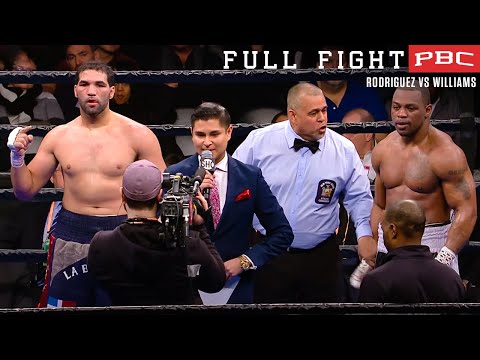
On March 2, 2019, Edwin Rodriguez and Mitch Williams stepped into the ring for a bout that, while perhaps not etched in the annals of martial history, offers a valuable case study for practitioners and enthusiasts alike. Rodriguez emerged victorious via Unanimous Decision, a testament to strategic execution and perhaps, a deeper understanding of ring generalship.
Welcome, warriors and students of the martial path. Today, we dissect not just a boxing match, but a practical demonstration of combat principles. Many dismiss boxing as a narrow discipline, yet its core tenets of timing, distance, power generation, and strategic offense/defense are universal. The clash between Edwin Rodriguez and Mitch Williams, though less heralded than epic encounters of historical significance, provides a potent lens through which to examine these fundamentals. Are we to merely watch a spectacle, or can we glean lessons that transcend the canvas and inform our own journey, whether that be in the dojo, the ring, or life itself?
In an era saturated with mixed martial arts, it is crucial not to forget the foundational arts that paved the way. Boxing, with its singular focus, distills combat down to its most elemental exchanges of striking. This fight, documented on March 2, 2019, under the Showtime banner, presents an opportunity to analyze the efficacy of skill, strategy, and mental resilience against a formidable opponent. Let us delve deeper.
Strategic Analysis: The Science of the Victory
Edwin Rodriguez's victory over Mitch Williams was not one of brute force overwhelming finesse, but rather a calculated display of tactical superiority. The Unanimous Decision (UD) signifies that Rodriguez consistently outscored Williams across all judges' scorecards, indicating a sustained performance rather than a single, decisive moment. From a martial perspective, this points to a superior understanding of ring control, effective offense, and sound defense.
Rodriguez likely employed a strategy of controlling the center of the ring, dictating the pace and distance of the bout. This is a fundamental principle in many striking arts – to be on the offensive, you must first establish positional advantage. Williams, conversely, may have struggled to implement his own game plan, perhaps finding himself on the back foot, reacting rather than initiating.
"The supreme art of war is to subdue the enemy without fighting." - Sun Tzu. While Rodriguez did fight, his victory via UD suggests he subdued Williams strategically, minimizing unnecessary risks and accumulating points through consistent application of his strategy.
We must consider the nuances. Did Rodriguez employ superior footwork to cut off the ring? Did he effectively use feints to set up his combinations? Was his jab a constant annoyance, disrupting Williams' rhythm? These are the questions a true martial artist asks. A simple knockout is often spectacular, but a dominant performance over multiple rounds, earning a UD, speaks to a more profound mastery of the craft.
Technique and Efficiency: What Works and Why
In boxing, efficiency is paramount. Every punch thrown expends energy, and in a prolonged contest, conserving that energy while maximizing output is key. Rodriguez's UD victory suggests a high degree of technical proficiency and efficiency.
Jabs and Crosses: The foundation of boxing. A powerful, accurate jab can keep an opponent at bay, score points, and set up more significant power shots. Rodriguez likely utilized his jab effectively to control distance and disrupt Williams’ approach.
Combinations: Simple, yet effective combinations are crucial. A 1-2 (jab-cross) or a more complex sequence can overwhelm a less prepared opponent. Did Rodriguez’s combinations flow seamlessly, or were they disjointed?
Defensive Posture: Guard, slips, rolls, and footwork are vital. A fighter who can avoid damage while landing their own is a dangerous fighter. Rodriguez’s ability to secure a UD indicates his defense was likely as strong as his offense.
Timing and Distance: This is where boxing truly shines as a martial art. The ability to enter striking range safely, land, and exit without absorbing significant punishment is a skill honed through countless hours of practice. Rodriguez’s success points to his mastery of these elusive elements.
While we do not have the fight footage to dissect frame-by-frame, the outcome itself speaks volumes. A UD implies that Rodriguez's fundamental techniques were consistently superior and applied with greater effectiveness throughout the duration of the bout. It's a victory of execution and discipline over mere aggression.
The Mind of the Warrior: Mental Fortitude in Combat
Beyond physical technique, the mental aspect of combat is often the deciding factor. A boxing match, particularly one going the distance, is as much a battle of wills as it is a physical contest. Rodriguez’s performance underscores the importance of mental resilience, focus, and adaptability.
Consider the pressure: the roar of the crowd, the anticipation of the opponent's next move, the physical fatigue setting in. To maintain composure, execute strategy, and continue to fight effectively under such duress requires immense mental fortitude. This is where the principles of BUDO and self-mastery truly converge with the secular sport of boxing. The ability to remain calm in chaos, to not falter when fatigue sets in, and to execute techniques precisely even under duress are hallmarks of a disciplined warrior.
Rodriguez’s ability to secure a UD suggests he maintained this mental edge. He likely did not panic when Williams landed a shot, nor did he become overconfident when he landed his own. This steady application of skill and strategy points to a well-trained mind, a mind that understands that victory is earned through sustained effort and focus, not through fleeting bursts of emotion.
Veredict of the Sensei: A Lesson in Boxing Fundamentals
Rodriguez vs. Williams, while a boxing match, serves as a practical lesson in applied martial principles. Edwin Rodriguez's victory by Unanimous Decision is a testament to disciplined strategy, efficient technique, and unwavering mental fortitude. It highlights that in combat, whether armed or unarmed, controlled aggression and strategic execution often triumph over chaotic power.
Rating: Cinturón Negro en Estrategia y Fundamentos. While not a spectacle of knockout artistry, this bout demonstrated a mastery of boxing's core competencies, proving that consistent, well-executed fundamentals can achieve decisive victory. It’s a reminder that the oldest martial discipline of striking still holds profound lessons for modern combatants.
Equipment Essential for Your Training
To emulate the discipline and effectiveness seen in bouts like Rodriguez vs. Williams, proper training equipment is crucial. While boxing is a sport of minimal equipment, what you use can significantly impact your development.
Boxing Gloves: Essential for sparring and bag work to protect your hands and your training partners. For dedicated boxers, owning multiple pairs (e.g., 10-12oz for bag/pad work, 14-16oz for sparring) is advisable.
Hand Wraps: A non-negotiable item for any serious boxer. They provide crucial support to the metacarpals and wrists, preventing injuries during heavy impact.
Mouthguard: Absolutely vital for sparring and competition to protect your teeth, jaw, and brain. A custom-fitted mouthguard offers the best protection and comfort.
Jump Rope: An indispensable tool for conditioning, footwork development, and building stamina. Various types exist, from speed ropes to weighted ropes.
Punching Bag: Whether a speed bag, a heavy bag, or a double-end bag, these are fundamental for developing power, speed, and accuracy.
Training Shoes: Lightweight, supportive footwear designed for quick footwork and lateral movement.
Training Guide: Improving Your Punching Power
Developing effective punching power is not just about muscular strength, but about technique, speed, and the kinetic chain. Here's a guide to enhancing your power:
Master the Fundamentals: Ensure your jab, cross, hook, and uppercut are technically sound. Focus on proper hip rotation, weight transfer, and follow-through. Power comes from the ground up.
Increase Core Strength: A strong core acts as the transfer point for power. Incorporate exercises like planks, Russian twists, and medicine ball throws.
Develop Explosive Leg Drive: Power originates from your legs. Practice squat jumps, lunges, and plyometric exercises to build explosive lower body strength.
Improve Rotational Speed: Practice rotational exercises with resistance bands or medicine balls to increase the speed at which your torso can rotate.
Work on the Heavy Bag: Focus on hitting the heavy bag with maximum intent and force. Don't just hit it; drive through it.
Speed Drills: Incorporate shadow boxing with an emphasis on speed and explosiveness. Practice quick combinations that snap out and retract rapidly.
Proper Breathing: Exhale sharply with each power punch. This engages the core and adds snap to your strike.
Consistency is Key: Power development is a gradual process. Consistent training and attention to technique will yield the best results over time.
Frequently Asked Questions
Was Rodriguez vs. Williams a title fight? No, the bout between Edwin Rodriguez and Mitch Williams on March 2, 2019, was not for a major title. It was part of a PBC on Showtime event.
What is an Unanimous Decision (UD) in boxing? A Unanimous Decision means all three judges scored the fight in favor of the same fighter, resulting in their victory.
Can boxing techniques be applied to other martial arts? Absolutely. Boxing's emphasis on timing, distance, footwork, and offensive/defensive striking principles are transferable to many other martial arts, including MMA and Karate.
How important is footwork in a boxing match like this? Footwork is paramount. It dictates distance, angle, offensive opportunities, and defensive capabilities. A fighter with superior footwork often controls the entire bout.
Deepen Your Path
To continue your journey of martial understanding, explore these related topics:
BUDO: The philosophy and spirit behind martial ways.
Karate Spirit: Exploring the timeless principles of Karate.
Sensei's Reflection: Your Next Step
Rodriguez’s methodical victory reminds us that true mastery lies not always in the flashiest technique, but in the consistent, disciplined application of fundamentals. In the heat of any conflict, whether a boxing ring or a personal challenge, are you the fighter who reacts impulsively, or the one who controls the space, anticipates the move, and executes with calculated precision?
The journey of a warrior is one of continuous refinement. Consider this: what "fundamental" in your own life or training are you neglecting, assuming it too simple, only to find it is the very bedrock upon which true strength and success are built?
```
GEMINI_METADESC: Analyze the boxing match Rodriguez vs. Williams (March 2, 2019) from a martial arts perspective. Focus on strategy, technique, mental fortitude, and lessons for practitioners.
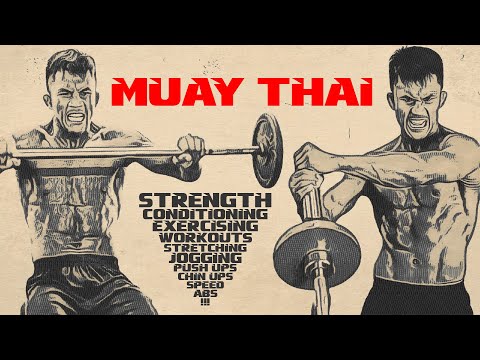
Welcome, fellow warriors, to a session dedicated to the very engine of the Nak Muay: strength, power, and conditioning. Many approach their physical training as a mere afterthought, a grim necessity to endure rounds. But I tell you, true mastery of Muay Thai, of any combat art, is forged in the crucible of intelligent, targeted physical development. This isn't just about lifting weights; it's about building a weaponized body – resilient, explosive, and endlessly capable.
We often see fighters who possess incredible technique but lack the raw physical attributes to implement it effectively under pressure. Are you one of them? Do you find yourself gassed after a few intense exchanges? Does your power falter as the rounds progress? If so, this lesson is for you. We will dissect the core components of a potent Muay Thai physique, drawing from the wisdom of seasoned trainers and the hard-won experience of champions. Prepare to have your assumptions challenged and your training revolutionized.
The Foundation: Why Physicality is Paramount in Muay Thai
A Nak Muay is not merely a technician of kicks and elbows; they are an embodiment of explosive power and unyielding resilience. In the brutal arena of Muay Thai, where every exchange can be decisive, raw physicality isn't a bonus – it's a prerequisite. A fighter must be explosive. Actions must be fast, delivered with devastating intent.
In both training and fighting, we learn to move with precision and speed, but critically, we must also move with explosive power. This requires a fundamentally different approach to training than one might adopt for mere general fitness. The muscular structure needs to be powerful, flexible, and fast. Big muscles, often pursued for aesthetic reasons, are of limited use if they are slow and cumbersome. This is the core philosophy that separates elite combat athletes from the merely fit.
Muay Thai and Muscle: Beyond Aesthetics
The discussion around strength training for combat sports, especially for an art as demanding as Muay Thai, often gets mired in misunderstandings. Many practitioners believe that building significant muscle mass will slow them down, hindering the lightning-fast movements and explosive power essential for the sport. This is a flawed perspective born from training for aesthetics rather than for function.
My years of working with a diverse range of athletes – from seasoned wrestlers like Piet Kanters and Henk van der Stoep, to professional rugby players and American football pros – have taught me a crucial lesson. Arthur Mulder, a brilliant athletic trainer and physiotherapist, was instrumental in shaping this understanding. The principles of strength training for combat are not aligned with those for bodybuilding. Every resistance training session must be built upon functional movements that directly translate to fighting prowess. We are not aiming for gargantuan biceps; we are aiming for a muscular structure that is powerful, flexible, and fast.
The Great Debate: Do We Really Need Jogging?
03:02 - This is a question that sparks fervent debate among coaches and athletes alike. Traditionalists often swear by long-distance jogging as a cornerstone of conditioning for any combat sport. However, when you analyze the physiological demands of Muay Thai – the short, intense bursts of power, the rapid footwork, the explosive clinch exchanges – the efficacy of steady-state cardio comes into question.
While jogging can improve general cardiovascular health and build a base level of aerobic fitness, it doesn't adequately replicate the specific energy systems utilized in a fight. The high-intensity, anaerobic demands of Muay Thai require a different kind of conditioning. Is jogging completely useless? Perhaps not entirely, but it should not be the primary or sole focus of a fighter's endurance training. We must prioritize methods that build the capacity for explosive power and rapid recovery.
The Ubiquitous Jump Rope: A Fighter's Best Friend
04:20 - If there is one piece of equipment that transcends almost all combat sports, it is the humble jump rope. For Muay Thai, it is practically indispensable. Skipping rope is a phenomenal tool for developing a multitude of physical attributes crucial for the Nak Muay.
Firstly, it is an exceptional cardiovascular conditioner. It elevates the heart rate, improves stamina, and builds the aerobic base necessary for enduring multiple rounds. Secondly, it hones footwork and coordination. The rhythmic bouncing, the precise timing required to avoid tripping, and the constant adjustment of foot placement translate directly to improved agility and evasiveness in the ring. Thirdly, it builds ankle and calf strength and resilience, areas often subjected to significant stress in Muay Thai. Skipping rope is a simple, cost-effective, and profoundly effective method for building the fundamental physical capacity required to excel.
Forging Unyielding Endurance: The Heart of the Champion
05:40 - Endurance in Muay Thai is not merely about lasting the distance; it's about maintaining peak performance throughout. It's about having the stamina to deliver powerful strikes even in the championship rounds, to defend effectively when fatigued, and to recover quickly between exchanges. Simply put, a fighter with superior endurance often holds a significant advantage.
Beyond the basic cardiovascular benefits, endurance training in Muay Thai must focus on developing the body's ability to sustain high-intensity efforts and resist fatigue. This involves a combination of aerobic conditioning (like the jump rope) and more specific anaerobic methods.
The Art of Explosiveness: Interval & Speed Training
05:56 - This is where we begin to sculpt the explosive fighter. Interval training and speed workouts are designed to mimic the stop-start, high-intensity nature of combat. The goal is to train the body to perform at maximum capacity for short durations, with minimal recovery time, and then to recover quickly enough to repeat the effort.
Interval Training in Thai Boxing (05:56): This typically involves alternating between periods of intense work (e.g., heavy bag rounds, sprint intervals, plyometrics) and brief recovery periods. The intensity is high, pushing your anaerobic threshold. This trains your body to become more efficient at clearing lactate and to sustain explosive efforts.
Muay Thai Speed Workout (06:40): This focuses specifically on increasing the velocity of movement. Think rapid pad work, explosive shadow boxing focusing on fast combinations, and drills designed to shorten movement times. The emphasis here is on maximal speed, even if it means slightly fewer repetitions compared to endurance intervals.
These methods are crucial for developing the kind of lightning-fast reactions and devastating power that define a true Nak Muay.
Unlocking Raw Power: Strength Training Principles
07:00 - Power, in the context of combat, is the ability to exert maximal force in the shortest possible time. It is strength applied rapidly. Simply being strong is insufficient; you must be able to deploy that strength with explosive speed. This is where dedicated power and strength workouts come into play.
The principles of training for power are distinct. We focus on compound, functional movements that engage multiple muscle groups simultaneously, mirroring the kinetic chains used in striking. Exercises like:
Olympic Lifts (or variations): Cleans, snatches, and jerks (when performed correctly) are unparalleled for developing explosive triple extension (hips, knees, ankles).
Medicine Ball Throws: Excellent for developing rotational power and explosive core engagement, directly applicable to punches and kicks.
Plyometrics: Box jumps, broad jumps, and explosive push-ups train the neuromuscular system to recruit muscle fibers rapidly.
It is vital that these movements are executed with maximal intent and speed. The weight should be challenging but allow for explosive execution, not slow, grinding repetitions.
Beyond Reps and Sets: Tactical and Circuit Training
07:22 - True martial arts training integrates physical conditioning with tactical application. This is where the concepts of tactical training and circuit training become invaluable.
Muay Thai Tactical Training (07:22): This involves conditioning drills that simulate specific fight scenarios. For example, a drill might involve defending against a barrage of punches, transitioning to a clinch, executing knee strikes, and then breaking away – all performed under fatigue. It integrates physical exertion with strategic decision-making and technique execution.
Circuit Training in Thai Boxing (07:56): Circuit training involves performing a series of different exercises back-to-back with minimal rest between them, then resting for a longer period at the end of the circuit before repeating. This is an efficient way to build both muscular endurance and cardiovascular fitness simultaneously. A Muay Thai circuit might include stations for heavy bag work, shadow boxing, push-ups, squats, core exercises, and rope skipping, flowing from one to the next.
These methods ensure that your physical conditioning directly supports your ability to fight intelligently and effectively.
The Strategic Mind: Periodization in Martial Arts
08:47 - Perhaps one of the most overlooked aspects of athletic development, especially in individual combat sports, is strategic planning through periodization. Simply training hard all year round is a recipe for burnout, injury, and plateaued performance.
Periodical Martial Arts Training and Planning: Periodization involves structuring your training into distinct phases, each with specific goals. This might include:
General Preparation Phase: Building a broad base of strength, endurance, and fundamental skills.
Specific Preparation Phase: Focusing on the unique demands of Muay Thai, increasing intensity, and refining techniques under fatigue.
Competition Phase: Peaking for upcoming fights, reducing volume while maintaining intensity and sharpness.
Transition/Recovery Phase: Active rest and recovery to allow the body and mind to recuperate before the next training cycle.
A well-planned periodized program ensures that you arrive at your peak performance when it matters most, preventing overtraining and maximizing long-term progress. It’s about working smarter, not just harder.
Sean's Must-Have Exercises for Muay Thai
09:40 - When asked about the absolute essential exercises for any Muay Thai practitioner, the focus must always be on functional strength and explosive power. These aren't just random movements; they are foundational building blocks for a powerful Nak Muay.
"The principles of strength training are not the same way those for fitness training. Every resistance training is based on functional movements. Big muscles are of no use. Our muscular structure needs to be powerful, flexible and fast."
Drawing from this philosophy, the key exercises revolve around developing the entire kinetic chain:
Compound Lifts: Squats, deadlifts (or trap bar deadlifts for reduced technical demand), and overhead presses build overall strength and muscle mass in a functional manner.
Explosive Movements: Kettlebell swings, medicine ball slams, and plyometric jumps are critical for developing power.
Rotational Power: Russian twists, wood chops, and rotational medicine ball throws enhance the power behind punches and kicks.
Grip and Forearm Strength: Essential for clinch work and maintaining control.
These exercises, when programmed correctly within a periodized plan, form the bedrock of a fighter's physical arsenal.
The Unshakeable Core: Muay Thai Abs Training
10:44 - The core is the powerhouse of every strike, every defensive maneuver, and every balance adjustment in Muay Thai. A strong, stable core acts as the central link between the lower and upper body, allowing for efficient transfer of force and providing a solid base for power generation. Neglecting core training is akin to building a skyscraper on a weak foundation.
Muay Thai abs training goes beyond the standard crunch. We need exercises that challenge the core in multiple planes of motion and engage it under load:
Planks (and variations): Front, side, and dynamic planks build isometric strength and endurance.
Hanging Leg Raises: Excellent for developing lower abdominal strength and hip flexor control.
Wood Chops (with cable or band): These develop rotational strength and oblique power, crucial for striking.
Ab Wheel Rollouts: A highly effective exercise for challenging the entire core musculature.
Cable Crunches: When performed explosively, these can help develop dynamic core strength.
A consistent and varied core routine is non-negotiable for any serious Muay Thai practitioner.
Bodyweight Mastery: Push-ups and Chin-ups
11:32 - While weighted training has its place, the mastery of fundamental bodyweight exercises like push-ups and chin-ups remains paramount. These exercises, when performed correctly, are incredibly effective for building upper body strength, power, and endurance—all critical components for Muay Thai.
Muay Thai Push Ups (11:32): Standard push-ups build chest, shoulder, and triceps strength. However, variations are key for combat athletes. Consider explosive push-ups (plyometric), diamond push-ups (for triceps emphasis), and wide-grip push-ups (for chest development). They are vital for powerful punches and effective defensive posture.
Muay Thai Chin Ups (12:44): Chin-ups and pull-ups are arguably the king of upper body pulling exercises. They build back strength (lats, rhomboids), biceps, and forearms. This is crucial for clinch control, defending takedowns (though less common in Muay Thai, the principle applies to controlling an opponent's posture), and generating power in pulling movements. If standard chin-ups are too difficult, assisted variations or negatives can be used.
The Controversial Stretch: To Stretch or Not to Stretch?
13:30 - The role of stretching in athletic preparation is a topic fraught with conflicting advice. Some argue it's essential for flexibility and injury prevention, while others claim it can decrease power output if performed incorrectly or at the wrong time.
#SeanAnswers: Do we really need stretching in Muay Thai? My answer is a qualified yes. Stretching is indeed necessary, but how and when you stretch matters immensely. Pre-workout, static stretching (holding a stretch for an extended period) can temporarily reduce muscle power and potentially increase the risk of injury if the muscles are not adequately warmed. Instead, dynamic stretching, which involves moving joints through their full range of motion, is far more beneficial as part of a warm-up.
Post-workout or on recovery days, static stretching can be highly effective for improving flexibility, aiding muscle recovery, and restoring the body to a neutral state. The goal is not to be rubbery, but to have a functional range of motion that allows for powerful, unrestricted movement.
A Comprehensive Muay Thai Stretching Program
14:43 - A well-rounded flexibility program is crucial for optimizing performance and minimizing injury risk in Muay Thai. This program should target the key muscle groups used in striking, clinching, and defending.
Here is a sample full-body Muay Thai stretching program, best performed after training or on recovery days:
Neck Rolls: Gentle rotations to relieve tension.
Shoulder Stretches: Cross-body arm stretch, overhead triceps stretch.
Chest Stretch: Doorway chest stretch.
Torso Twists: Seated or standing, to improve spinal mobility.
Hip Flexor Stretch: Kneeling lunge stretch.
Hamstring Stretch: Seated forward fold or standing hamstring stretch.
Quadriceps Stretch: Standing quad pull.
Calf Stretch: Gastrocnemius and soleus stretches against a wall.
Inner Thigh Stretch (Adductors): Butterfly stretch or straddle stretch.
Glute Stretch: Figure-four stretch or pigeon pose.
Wrist and Finger Stretches: Gentle flexion and extension.
Hold each stretch for 20-30 seconds, focusing on deep, relaxed breathing. The goal is to improve flexibility without compromising strength or power.
Sean Douglas's Post-Training Protocol
19:17 - The work doesn't end when the training session is over. Recovery is where the body adapts and grows stronger. Neglecting recovery is like forging a blade and then leaving it to rust. Sean Douglas, a fighter who understands this intimately, emphasizes a comprehensive post-training routine.
While the exact details of his protocol are extensive, the core principles revolve around:
Active Recovery: Light movement, such as walking or gentle cycling, to promote blood flow and remove metabolic waste.
Stretching and Mobility: Addressing muscle tightness and restoring range of motion (as discussed above).
Nutrition: Replenishing glycogen stores and providing protein for muscle repair. Proper hydration is also paramount.
Sleep: The most critical recovery tool. Aim for 7-9 hours of quality sleep per night.
Hydrotherapy (optional): Contrast showers or ice baths can aid in reducing inflammation and speeding up recovery.
Treating your body with respect during the recovery phase is as important as the intensity of your training.
The Fighter's Physique: Functional Movement Over Big Muscles
The overarching philosophy that emerges from this deep dive into Muay Thai conditioning is clear: functional strength and explosive power trump brute size. The goal is not to look like a bodybuilder, but to move like a lethal weapon.
A proper strength program is built as follows:
Basic Strength: Building a foundational level of muscular strength across all major movement patterns.
Speed Training: Enhancing the rate of force development for quick, powerful actions.
Combined Strength and Speed Training: Integrating power development into strength exercises (e.g., jump squats, plyometric push-ups).
Flexibility: Ensuring a full, unrestricted range of motion for optimal technique and injury prevention.
Endurance Strength Training: The ability to sustain muscular effort over extended periods, crucial for grappling and clinching.
Tendon Training: A lesser-known but vital aspect, focusing on strengthening the connective tissues that bear the brunt of explosive movements.
It is imperative to understand that strength training for fighting has evolved into a specialized discipline focused on improving the quality and efficacy of fighting movements. As Arnaud van der Veere notes in his book "Muay Thai," the objective is to develop a physique that is not just strong, but fighting strong.
Essential Equipment for Your Muay Thai Training
To truly maximize your strength, power, and conditioning for Muay Thai, having the right tools can make a significant difference. While the Nak Muay spirit emphasizes adaptability, certain equipment enhances training efficacy:
Hand Wraps and Boxing Gloves: Essential for protecting your hands and wrists during striking drills. Look for gloves suitable for sparring (14-16oz) and lighter gloves for pad work.
Jump Rope: A high-quality speed rope is invaluable for cardiovascular and footwork conditioning.
Medicine Ball: For explosive rotational power and core training. Weighted balls are ideal.
Resistance Bands: Versatile for warm-ups, mobility work, and strength-specific exercises.
Kettlebells: Excellent for dynamic strength and conditioning movements like swings and cleans.
Gym Access (Optional but Recommended): For compound lifts like squats, deadlifts, and overhead presses, as well as weight machines for targeted muscle development.
Shin Guards and Mouthguard: Crucial for sparring safety.
Investing in good quality equipment is an investment in your training and your longevity as a fighter. Consider looking for durable Muay Thai merchandise to keep your spirit high.
Frequently Asked Questions
Q1: How often should I do strength training for Muay Thai?
A1: For most practitioners, 2-3 sessions of strength and conditioning per week, integrated with your Muay Thai technical training, is optimal. Avoid heavy lifting on the same day as intense sparring or technical sessions.
Q2: Can I build power without lifting heavy weights?
A2: Absolutely. Explosive bodyweight exercises (plyometrics), medicine ball work, and fast-paced, high-intensity interval training can develop significant power. Weight training is beneficial but not the only path.
Q3: Is it okay to do my strength training before or after my Muay Thai class?
A3: It depends on your goals and energy levels. Doing it after class can be effective for prioritizing technique, but ensure you have adequate nutrition and recovery. Doing it before can fatigue you for technical work. Many find separate days or splitting sessions to be ideal.
Q4: How do I balance Muay Thai technical training with strength and conditioning?
A4: Prioritize. If you have a fight approaching, technique and sparring often take precedence. For general development, balance is key. Listen to your body and adjust volume and intensity accordingly. Periodization is your best friend here.
Q5: What is the most important physical attribute for a Muay Thai fighter?
A5: While all are important, the ability to combine explosive power with sustained endurance is often the deciding factor. This means your conditioning must support your ability to generate force rapidly, round after round.
Sensei's Reflection: Your Next Step
You have now traversed the landscape of Muay Thai strength, power, and conditioning. We’ve moved beyond the simplistic notion of just "training hard" to understand the nuanced science of building a truly formidable fighting physique. From the debated necessity of jogging to the critical importance of explosive movements and intelligent recovery, the path is laid out.
But knowledge without application is merely academic. The true test lies in your commitment to implement these principles. Will you continue to train haphazardly, hoping for results, or will you embrace a structured, intelligent approach?
Sensei's Reflection: Your Next Step
Consider this: The next time you step onto the training mats, are you merely going through the motions, or are you actively engaged in building the specific physical attributes that will make you a more dangerous, resilient, and effective Nak Muay? Identify one area discussed today – be it your core strength, your explosive power, or your endurance capacity – and commit to improving it this week. How will you translate this knowledge into tangible action?
Deepen Your Journey
To continue honing your martial spirit and physical prowess, explore these related topics:
```
GEMINI_METADESC: Unleash your potential with this comprehensive guide to Muay Thai strength, power, and physical training. Explore essential exercises, conditioning techniques, and the philosophy behind building a truly explosive Nak Muay.