Showing posts sorted by relevance for query sparring. Sort by date Show all posts

CÓMO NO Hacer Sparring de MMA con una Leyenda: La Lección de Wanderlei Silva

0:00 - La Introducción y el Peligro del Ego

En el ardiente crisol del arte marcial, donde la disciplina, el respeto y la búsqueda de la maestría son pilares fundamentales, existe un terreno particularmente peligroso: el sparring. No el sparring controlado, educativo, que refina nuestras habilidades y nos enseña a anticipar el movimiento del adversario. Hablo del sparring descontrolado, aquel donde el ego se antepone a la inteligencia táctica, y donde la oportunidad de "demostrar" se convierte en un camino directo al desastre. Hoy, nos adentraremos en las profundidades de cómo NO hacer sparring, utilizando como espejo una situación protagonizada por una auténtica leyenda: Wanderlei Silva.

La intención de este análisis va más allá de la simple crítica de un video. Buscamos desentrañar los principios del Budo y la filosofía del combate que se violan cuando el sparring se convierte en una batalla campal innecesaria. ¿Qué lecciones podemos extraer de este encuentro, no solo para los practicantes de MMA, sino para cualquier artista marcial, sin importar su disciplina?

0:45 - El Sparring Descontrolado de Wanderlei Silva

"The Axe Murderer", como se le conocía a Wanderlei Silva, era sinónimo de agresividad implacable. Su estilo en el octágono era legendario: una fuerza de la naturaleza que no conocía el miedo y que se lanzaba al ataque con una ferocidad que intimidaba a cualquiera. Sin embargo, esta misma intensidad, cuando se traslada a un contexto de sparring que debería ser de aprendizaje, se convierte en un arma de doble filo. En el fragmento que observamos, la línea entre un entrenamiento serio y una pelea sin cuartel se difumina peligrosamente.

Lo que se ve no es una sesión para pulir técnicas o estrategias, sino un intercambio donde la fuerza bruta y la intención de "noquear" priman sobre el control. Esto es un error capital. El sparring debe ser un laboratorio, no una guerra. Un lugar para experimentar, para cometer errores sin consecuencias graves, para entender el ritmo, la distancia y la reacción del oponente. Cuando se pierde ese control, se corre el riesgo no solo de lesionarse, sino de inculcar malos hábitos y, peor aún, de dañar la relación con el compañero de entrenamiento, un pilar fundamental en el dojo.

"El sparring es el espejo donde vemos nuestras propias debilidades. Si lo rompemos con rabia, solo veremos fragmentos distorsionados de nosotros mismos."

En el contexto de las artes marciales, el respeto por el compañero es sagrado. Cada golpe, cada movimiento, debe tener un propósito y una intención clara, y en el sparring, esa intención debe ser el crecimiento mutuo. La exhibición de "poder" sin control en un entorno de práctica es, en esencia, una falta de respeto a uno mismo y al arte.

2:30 - Cuando la Boca Supera a la Técnica: Un Peligro Constante

A menudo, observamos en el mundo del combate que la labia y la bravuconada pueden ser tan peligrosas como un golpe malintencionado. En esta sección del video, se alude a este fenómeno: cuando las palabras se convierten en un sustituto de la habilidad. Hablar mucho, amenazar, y hacer poses de guerrero no te convierte en uno. La verdadera fuerza reside en la ejecución silenciosa y efectiva, en la comprensión profunda de los principios que rigen el combate.

El exceso de parloteo, especialmente durante un sparring, distrae. Desvía la atención de lo verdaderamente importante: la conexión mente-cuerpo, la anticipación, la defensa. Es una manifestación de inseguridad, un intento burdo de intimidar que rara vez compensa la falta de una técnica pulida o una estrategia sólida. Un verdadero maestro marcial no necesita hablar; sus acciones lo dicen todo.

Este punto es crucial para entender por qué el sparring controlado es esencial. Si el objetivo es simplemente "ganar" la sesión de sparring con bravuconadas, se pierde la oportunidad de aprender. Se cae en una trampa de ego, donde la victoria en un escenario simulado eclipsa el progreso real en el camino hacia la maestría.

5:25 - Max Holloway: El Arte de Preservar la Salud del Peleador

La perspectiva de Max Holloway sobre el sparring es un faro de sabiduría en un deporte que a menudo glorifica el daño. Holloway, un peleador de élite, reconoce una verdad fundamental que muchos parecen olvidar: la carrera de un peleador es efímera. Cada sesión de sparring, si se lleva al límite del daño, es un clavo más en el ataúd de esa carrera.

Su enfoque es el del profesional inteligente. Comprende que el sparring debe servir a un propósito mayor: llegar a la noche de la pelea en las mejores condiciones posibles. No se trata de demostrar quién es el más duro en el gimnasio, sino de prepararse de manera óptima para un desafío específico. Esto implica un sparring inteligente, donde se simulan escenarios de combate, se prueban estrategias, pero siempre con un control estricto para minimizar el riesgo de lesiones.

La filosofía de Holloway resuena con el concepto de Ki, la energía vital. Un sparring desmedido agota y daña esta energía. Un sparring medido, por el contrario, la nutre y la canaliza. Es un recordatorio de que la longevidad en cualquier disciplina marcial, y en la vida, requiere un equilibrio entre la intensidad y la preservación.

6:50 - Randy Couture: La Sabiduría del Veterano sobre el Sparring

Randy Couture, un nombre sinónimo de tenacidad y longevidad en el mundo de las MMA, aporta una perspectiva invaluable sobre el sparring. Como veterano que ha navegado por innumerables combates y sesiones de entrenamiento, Couture entiende la delicada danza entre la preparación rigurosa y la autolesión.

Su experiencia nos enseña que el sparring no es un fin en sí mismo, sino una herramienta. Una herramienta que debe usarse con discernimiento. La dureza del sparring debería ajustarse a la fase de preparación y al objetivo. Hay momentos para simular intensamente las condiciones de combate, y hay momentos para enfocarse en la técnica, la estrategia y, crucialmente, la recuperación. Ignorar esta distinción es un camino seguro hacia el agotamiento y las lesiones.

La sabiduría de Couture subraya la importancia del *timing* y la *proporcionalidad*. No se trata de "sparring duro vs. sparring blando", sino de "sparring inteligente". Esto implica escuchar a tu cuerpo, escuchar a tu entrenador, y entender que la meta no es ganar el sparring, sino ganar la pelea (o mejorar como artista marcial en el caso de deportes amateurs o de formación).

Veredicto del Sensei: ¿Sparring Inteligente o Suicidio Táctico?

El caso de Wanderlei Silva, si bien presentado en un contexto de sparring, nos lanza una advertencia sombría. Cuando la intensidad se descontrola y el ego toma las riendas, lo que debería ser una sesión de aprendizaje se transforma en una peligrosa exhibición de fuerza sin sentido. La representación de un sparring que raya en la pelea real, sin el control y la intención educativa apropiados, es fundamentalmente errónea.

Calificación del Sensei: 2 de 5 Cinturones Negros (Falla Crítica en la Filosofía del Entrenamiento)

Análisis Marcial: La coreografía del caos, si se le puede llamar así, demuestra una falta de comprensión de los principios del sparring. La representación del combate real es secundaria a la demostración de "poder" desmedido. La autenticidad en la representación de un entrenamiento productivo está ausente.

Espíritu Marcial: Se pierde por completo el respeto mutuo y la búsqueda del crecimiento compartido. Es una lección de cómo no comportarse en el dojo o gimnasio.

Equipo Esencial para tu Entrenamiento

Para cualquier artista marcial que busca mejorar su entrenamiento de combate, contar con el equipo adecuado es fundamental para garantizar la seguridad y la efectividad. No se trata de lujos, sino de herramientas de trabajo que previenen lesiones y permiten una práctica más enfocada.

  • Guantes de Sparring (16oz o más): Imprescindibles para la protección de tus manos y las de tu compañero. El peso adecuado disipa la fuerza del impacto.
  • Protector Bucal: Una barrera esencial contra lesiones dentales y conmociones cerebrales.
  • Casco de Sparring: Especialmente importante para MMA y deportes de contacto, reduce el riesgo de cortes y contusiones.
  • Espinilleras: Si realizas patadas, protegen tus tibias y las de tu compañero de contusiones.
  • Protector Genital: Un elemento básico para la protección en cualquier tipo de combate.
  • Kimono (Gi) de Judo o Jiu Jitsu Brasileño: Para practicar técnicas de grappling y suelo, un buen gi es necesario. Busca uno de doble tejido para mayor durabilidad.

Guía de Entrenamiento: Cómo Abordar el Sparring de Forma Segura y Productiva

El sparring es una de las herramientas más valiosas para el desarrollo de un artista marcial, pero debe ser abordado con inteligencia y respeto. Aquí te presento una guía paso a paso para asegurar que tus sesiones sean productivas y seguras:

  1. Establece Objetivos Claros: Antes de empezar, define qué quieres lograr. ¿Mejorar tu defensa? ¿Practicar un nuevo contraataque? ¿Trabajar la distancia? Comunica estos objetivos a tu compañero.
  2. Calentamiento Completo: Asegúrate de que tú y tu compañero estén completamente calientes y con el cuerpo preparado para el esfuerzo. Esto incluye movilidad articular y un aumento gradual de la frecuencia cardíaca.
  3. Control de la Intensidad: ¡La regla de oro! Inicia a baja intensidad, enfocándote en la técnica y la lectura del oponente. Incrementa la intensidad gradualmente, siempre manteniendo un nivel donde el control sea posible. Si pierdes el control, detente.
  4. Comunicación Constante: Habla con tu compañero durante y después del sparring. ¿Cómo te sentiste? ¿Qué funcionó? ¿Qué no? El feedback es crucial.
  5. Enfócate en la Defensa y la Anticipación: Un buen sparring te enseña a defenderte, a bloquear, a esquivar y a anticipar los movimientos del oponente. No se trata solo de lanzar golpes.
  6. Trabaja tus Debilidades: Usa el sparring para enfrentar aquello con lo que tienes dificultades. Si eres malo defendiendo patadas bajas, practica activamente esa defensa.
  7. Escucha a tu Cuerpo: Si sientes dolor agudo o fatiga extrema, para. No hay victoria en lesionarse en el gimnasio.
  8. Enfriamiento y Recuperación: Termina con un enfriamiento y dedica tiempo a estirar. La recuperación es parte del entrenamiento.
  9. Discute el Sparring Después: Al finalizar, dedica tiempo a analizar lo que sucedió. ¿Qué aprendieron ambos? ¿Qué ajustes se pueden hacer para la próxima vez?

Preguntas Frecuentes

Aquí respondemos algunas de las dudas más comunes sobre el sparring en las artes marciales:

  • ¿Es malo hacer sparring duro? El sparring duro puede ser contraproducente si se realiza sin control, aumentando el riesgo de lesiones y el desgaste a largo plazo. Un sparring inteligente, enfocado en la técnica y la estrategia, es más beneficioso.
  • ¿Cuánto tiempo debo hacer sparring? La duración ideal varía según la disciplina y el nivel del practicante, pero la calidad siempre supera la cantidad. Es mejor una sesión corta y enfocada que una larga y descontrolada.
  • ¿Es necesario hacer sparring para mejorar en MMA? El sparring es una herramienta fundamental para el desarrollo en MMA, ya que simula las condiciones de combate. Sin embargo, debe ser complementado con entrenamiento técnico, físico y estratégico.
  • ¿Qué hago si mi compañero de sparring es demasiado agresivo? Comunícale tus preocupaciones de manera calmada. Si el comportamiento persiste, habla con tu instructor. Tu seguridad es primordial.

Para Profundizar en tu Camino

Reflexión del Sensei: Tu Próximo Paso

Hemos desmantelado la peligrosa idea de un sparring descontrolado, utilizando la figura de Wanderlei Silva como un caso de estudio de lo que NO se debe hacer. Hemos escuchado la sabiduría de pesos pesados como Max Holloway y Randy Couture, quienes nos recuerdan que la inteligencia y la preservación son tan vitales como la agresividad.

Ahora, la pregunta no es solo si entiendes estas palabras, sino si estás dispuesto a aplicarlas. ¿Tu propio sparring, o tus aspiraciones de él, se inclinan hacia la exhibición ególatra o hacia el crecimiento metódico? ¿Priorizas el "ganar" la sesión de entrenamiento a costa de la seguridad y el aprendizaje a largo plazo?

Reflexión del Sensei: Tu Próximo Paso

El arte marcial no es una carrera de velocidad, es un maratón que requiere resistencia, previsión y autoconocimiento. ¿Estás listo para cambiar tu enfoque en el sparring, no para ser el más ruidoso en el dojo, sino para ser el más sabio en la vida? ¿O seguirás persiguiendo el espejismo del poder sin control, condenado a un camino de lesiones y estancamiento?

``` GEMINI_METADESC: Analiza críticamente cómo NO hacer sparring de MMA con leyendas como Wanderlei Silva. Extrae lecciones de Holloway y Couture sobre entrenamiento inteligente y seguro.
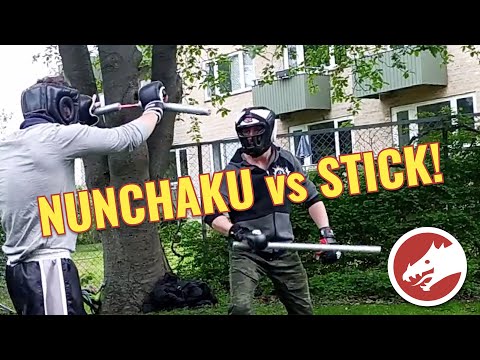
NUNCHAKU vs. STICK: A Master's Critique of the Unseen Battle in Sparring

The clash of weapons, the blur of motion, the raw exchange of intent – these are the elements that ignite the martial spirit. Yet, when we speak of sparring with nunchaku against a stick, we tread on a path where theoretical application often meets the harsh reality of physical engagement. This isn't just about flashy movements; it's about understanding the fundamental principles of distance, timing, and leverage, regardless of the chosen implement. Today, we dissect a sparring session that promises to reveal more than just the outcome of a bout. We will explore the principles at play, the potential pitfalls, and the deeper lessons embedded within such an exchange.

Tabla de Contenidos

The Provocation: Nunchaku vs. Stick

This piece begins with a deceptively simple premise: a sparring match between nunchaku and a stick. It’s a scenario that immediately sparks debate among martial artists. Are these weapons truly comparable in a direct confrontation? What are the underlying dynamics that dictate the flow of such an encounter? The very act of pitting these distinct tools against each other forces us to confront our assumptions about weapon-based combat. It’s a martial philosopher's playground, a practical test of principles often discussed in hushed tones within dojos. The challenge is not merely to survive, but to understand.

Deconstructing the Exchange: Beyond the Obvious

At first glance, the nunchaku might appear unwieldy, a weapon of chaos. Conversely, the stick, whether it be a bokken, jo, or simpler staff, often represents directness and power. However, a seasoned martial eye sees beyond the superficial. The nunchaku, with its segmented nature, offers a unique range of motion and the potential for unpredictable attacks. The stick, on the other hand, provides a solid, linear force, often demanding precise footwork and a keen sense of distance to overcome the nunchaku's fluid, sweeping arcs. This sparring session, as presented, is a microcosm of these fundamental differences.
"The supreme art of war is to subdue the enemy without fighting." - Sun Tzu, The Art of War
This ancient wisdom is crucial here. While the video shows a physical confrontation, the true victory lies in the understanding gained. Did the practitioners achieve this understanding through their exchange? We must look at the details: the guard, the footwork, the evasion, the recovery. These are the elements that reveal mastery, not just the superficial outcome of who landed a blow.

The Nunchaku: A Dance of Unpredictability

The nunchaku, popularized in modern times by figures like Bruce Lee, is a weapon derived from agricultural tools. Its effectiveness lies in its deceptive simplicity and its inherent unpredictability. The two sticks, connected by a cord or chain, allow for a wide array of strikes, blocks, and entanglements. * Range and Speed: The nunchaku can generate significant speed, making it difficult to track. Its flexible nature allows it to change trajectory mid-swing, catching opponents off guard. * Entanglement: The cord can be used to bind or trap an opponent's weapon or limbs. * Defensive Capabilities: While primarily offensive, the nunchaku can be used defensively to deflect incoming strikes, though this requires exceptional timing and skill. However, the nunchaku's greatest strength is also its potential weakness. A single mistimed swing, a moment of lost control, and the weapon can become a liability, hindering the user's movement or even striking themselves. This is where the discipline of **BUDO** training becomes paramount.

The Stick: The Unyielding Extension of Will

The stick, in its various forms, represents a more direct application of force. From the short escrima stick to the longer staff, it relies on the user’s ability to project their intent through a solid medium. * Power and Reach: A stick offers a direct transfer of power, allowing for strong strikes and effective reach. * Simplicity of Application: While mastering any weapon takes time, the basic mechanics of striking with a stick are often more intuitive than those of the nunchaku. * Defensive Barrier: The solid nature of the stick makes it an effective tool for blocking and parrying. The stick demands precision and an acute awareness of distance. Unlike the nunchaku, it offers fewer opportunities for rapid changes in attack vectors once a swing has begun. The practitioner must commit to their movements, making timing and footwork critical for survival.

Analyzing the Sparring: Where Theory Meets Reality

The provided context mentions a specific sparring scenario: one round with each weapon. This structured approach is commendable, allowing for a focused comparison. However, the true value lies not in the outcome, but in the *process*. * Distance Management: How well did each practitioner manage the critical distance? Did the stick user close the gap effectively to negate the nunchaku’s reach, or did the nunchaku user maintain a distance that exploited its fluid attacks? * Timing of Strikes: Were the attacks synchronized with the opponent’s movements? A late strike with a stick is easily blocked; an uncontrolled swing of the nunchaku can be equally disastrous. * Defensive Reactions: How did each combatant react to the opponent’s weapon? Were blocks crisp and effective, or were they overly reliant on evasion? The interplay between offense and defense is a crucial indicator of skill. * Adaptability: This is perhaps the most telling aspect. How quickly did each participant adapt to the *other* weapon? True martial artists don't just master their own tools; they understand how to counter those of their opponent. The fact that they switched weapons suggests a desire for this very understanding. The phrase "Watch what happens" implies a certain element of the unknown, perhaps even the chaotic. This is where the training philosophy of **Martial Arts Training** truly comes into play. Is it a controlled experiment, or a free-for-all? The former yields lessons; the latter often yields only bruises and missed opportunities.

The True Purpose of Weapon Sparring

Sparring with weapons is not about inflicting damage. It is a high-level training exercise designed to refine specific attributes: * Developing Awareness: Increased sensitivity to an opponent's movements and intentions. * Sharpening Reflexes: Faster reaction times to incoming threats. * Understanding Principles: Practical application of concepts like distance, timing, and leverage. * Weapon Control: Mastery over the tool, ensuring it serves the user, not the other way around. * Situational Training: Preparing for the dynamic and often unpredictable nature of real combat. As any practitioner of **Karate Spirit** or **BUDO** knows, the journey is as important as the destination. This sparring session, regardless of its specific outcome, serves as a valuable step in that journey. It is through such practical exchanges that theoretical knowledge transforms into ingrained skill. The emphasis should always be on learning and improvement, not on winning or losing. A controlled **Combat** scenario is a laboratory for the martial artist.
"It is not necessary to be strong, but to be able to use strength." - Miyamoto Musashi, The Book of Five Rings
This quote underscores the essence of weapon sparring. It's not about brute force, but the intelligent application of force through a chosen implement. Both the nunchaku and the stick require different forms of "strength" – the fluidity and control for the nunchaku, the directness and precision for the stick.

Essential Training Gear for Weapon Sparring

Engaging in weapon sparring requires careful consideration of safety and effectiveness. Investing in the right **Martial Arts Merchandise** is crucial for any serious practitioner.
  • Protective Gear: A full set of protective padding is non-negotiable. This includes headgear, chest protectors, forearm guards, shin guards, and groin protection. For weapon sparring, padded gloves designed for weapon training are essential to protect hands from impact and potential weapon entanglement.
  • Training Weapons: Always use training-specific versions of weapons. For nunchaku, this means padded, lightweight versions with secure connections. For sticks, consider foam-covered or flexible rubber training sticks that absorb impact without causing injury. Avoid using hard, realistic replicas for sparring unless specifically trained for it and with extreme caution.
  • Durable Uniform (Gi/Dobok): A sturdy **Karate Community** uniform, or a similar durable martial arts uniform, can offer some protection and withstand the rigors of dynamic movement.
  • Optional: Mouthguard: While not always used in weapon sparring, a mouthguard is highly recommended to protect teeth and jaw.

Frequently Asked Questions

  • Q: Is sparring with nunchaku and sticks safe?
    A: When conducted with proper safety gear, training-specific weapons, and under the guidance of experienced practitioners, weapon sparring can be relatively safe. However, the inherent risk of injury is higher than in empty-hand sparring.
  • Q: Which weapon is superior, nunchaku or stick?
    A: Neither weapon is inherently superior. Their effectiveness depends on the skill of the practitioner, the context of the engagement, and the principles of combat being applied. They offer different tactical advantages and disadvantages.
  • Q: Can nunchaku techniques be applied in real self-defense?
    A: While the core principles of weapon manipulation and striking are transferable, the practical application of nunchaku in a chaotic street encounter is highly situational and requires extensive training and legal consideration.
  • Q: How does the mental aspect of weapon sparring differ from empty-hand?
    A: Weapon sparring often heightens the sense of danger and requires a greater degree of mental discipline and focus. The immediate threat posed by an implement amplifies the need for control and strategic thinking.

For a Deeper Dive into Your Path

To truly understand the nuances of weapon-based combat and the philosophy behind **BUDO**, explore these essential resources:
  • Martial Philosophy: Understanding the ethical and strategic underpinnings of combat.
  • Karate Kyokushin: Explore a style known for its rigorous, full-contact approach.
  • SelfDefense: Learn practical applications for real-world scenarios.

Sensei's Reflection: Your Next Step

This sparring exchange, however brief, serves as a potent reminder: the true art of war lies not in the weapon itself, but in the mind and body wielding it. The nunchaku's chaos, the stick's directness – both are merely extensions of the practitioner's will and understanding.

Reflexión del Sensei: Tu Próximo Paso

When faced with an unfamiliar tool or technique, do you recoil in fear or embrace the opportunity to learn? Contemplate how this principle applies not just to martial arts, but to every challenge life presents. Are you a master of your chosen path, or a slave to the tools you possess? ```html ``` ```html

Frequently Asked Questions

Is sparring with nunchaku and sticks safe?

When conducted with proper safety gear, training-specific weapons, and under the guidance of experienced practitioners, weapon sparring can be relatively safe. However, the inherent risk of injury is higher than in empty-hand sparring.

Which weapon is superior, nunchaku or stick?

Neither weapon is inherently superior. Their effectiveness depends on the skill of the practitioner, the context of the engagement, and the principles of combat being applied. They offer different tactical advantages and disadvantages.

Can nunchaku techniques be applied in real self-defense?

While the core principles of weapon manipulation and striking are transferable, the practical application of nunchaku in a chaotic street encounter is highly situational and requires extensive training and legal consideration.

How does the mental aspect of weapon sparring differ from empty-hand?

Weapon sparring often heightens the sense of danger and requires a greater degree of mental discipline and focus. The immediate threat posed by an implement amplifies the need for control and strategic thinking.

``` GEMINI_METADESC: Explore the dynamic clash of nunchaku vs. stick sparring with a martial arts master's critical analysis. Discover principles, techniques, and the true philosophy of weapon training.

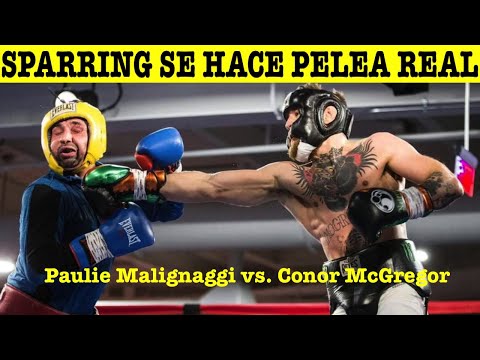
El Filo de la Navaja: Cuando el Sparring se Desgarra en una Batalla Real

En el crisol del entrenamiento marcial, el sparring es el crisol donde se forja el guerrero. Es un baile calculado, un intercambio de técnica y estrategia, una simulación de combate donde el objetivo es mejorar, no destruir. Pero, ¿qué sucede cuando la línea que separa la práctica de la realidad se difumina? ¿Cuándo la tensión acumulada, el ego herido o la adrenalina descontrolada hacen que el sparring se convierta en una auténtica carnicería entre peleadores profesionales?

Hoy nos adentraremos en el oscuro y fascinante territorio donde la disciplina del dojo se quiebra, y la simulación cede el paso a la furia desatada. Analizaremos esos momentos críticos en los que una sesión de entrenamiento programada se transforma en una pelea genuina, examinando las causas, las consecuencias y las lecciones que podemos extraer de estos desbordamientos.

¿Qué es el Sparring y Cuál es su Propósito Real?

El sparring, en su esencia más pura, no es una pelea. Es una herramienta de entrenamiento indispensable para cualquier disciplina de combate. Su objetivo es claro: permitir a los practicantes probar sus habilidades, técnicas y estrategias en un entorno controlado, simulando las condiciones de un combate real sin las consecuencias devastadoras de una confrontación a vida o muerte. Un buen sparring debe ser un intercambio productivo, donde ambos contendientes buscan salir del entrenamiento con un mayor conocimiento y una mejor preparación.

Los beneficios son múltiples: mejora del timing, la distancia, el juego de pies, la capacidad de anticipación, la resistencia a los golpes y, fundamentalmente, la gestión de la presión. Un sparring bien ejecutado enseña al peleador a mantener la calma bajo fuego, a tomar decisiones rápidas y precisas, y a leer las intenciones de su oponente. Es aquí donde la filosofía del BUDO se manifiesta en su forma más práctica: la búsqueda de la maestría a través de la disciplina y el respeto, incluso en la simulación del conflicto.

La Línea Fina entre Control y Caos: Factores del Desbordamiento

Sin embargo, el factor humano es impredecible. La tensión puede escalar por diversas razones:

  • Ego y Orgullo Herido: Un golpe inesperado y contundente, un derribo humillante o una burla pueden inflamar el ego de un peleador. En el fragor del combate simulado, el deseo de "ganar" a toda costa puede superar la disciplina.
  • Adrenalina Descontrolada: La respuesta natural del cuerpo al estrés del combate puede volverse abrumadora. La adrenalina nubla el juicio, aumenta la agresividad y disminuye la capacidad de autocon control.
  • Intentos de Dominación: Algunos peleadores, en lugar de buscar un intercambio equitativo, utilizan el sparring como una forma de intimidar o de "marcar territorio" sobre sus compañeros de entrenamiento. Esto genera resentimiento y aumenta la probabilidad de una reacción violenta.
  • Instrucción Inadecuada: Si un entrenador no establece reglas claras o no interviene a tiempo para detener un intercambio que se está volviendo demasiado duro, la situación puede salirse de control fácilmente. La responsabilidad del BUDO recae tanto en el practicante como en quien guía el camino.
  • Fatiga y Frustración: Un entrenamiento largo y agotador puede mermar la paciencia y aumentar la irritabilidad, haciendo que los peleadores sean más propensos a reaccionar de forma exagerada ante cualquier provocación.
"El arte de la guerra es de vital importancia para el Estado. Es un asunto de vida o muerte, un camino hacia la supervivencia o la pérdida. Por lo tanto, no debe ser descuidado." - Sun Tzu, El Arte de la Guerra. Si bien esto se refiere a la guerra real, sus principios de control y estrategia son aplicables incluso en la simulación del combate.

Análisis de Combate: Momentos Críticos que Desencadenan la Furia

Los videos que circulan sobre este tema a menudo muestran patrones recurrentes. Un peleador puede sentir que su oponente está siendo excesivamente "duro" o "deshonesto" en su enfoque. Este puede ser el detonante. Una secuencia típica podría verse así:

  1. Inicio Calculado: Los peleadores comienzan con intercambios controlados, probando las defensas y buscando aperturas. El ritmo es intenso pero medido.
  2. La Chispa: Un golpe más fuerte de lo esperado, un intento de derribo agresivo o una falta clara de respeto en el lenguaje corporal enciende la mecha.
  3. Escalada de Intensidad: Los golpes comienzan a ser lanzados con mayor potencia. La intención de "suavizar" desaparece, reemplazada por el deseo de causar daño o de imponerse. Las protecciones (casco, peto) son ignoradas o se vuelven insuficientes.
  4. Desbordamiento: Las reglas del sparring se rompen por completo. Se lanzan golpes prohibidos, se busca la sumisión agresiva o simplemente se desata una pelea sin cuartel, olvidando el propósito del entrenamiento. En este punto, ya no es sparring, es una pelea real.

Es crucial entender que, en muchos gimnasios de alto nivel, el entrenamiento es intrínsecamente duro. La MMA y otros deportes de combate requieren una preparación física y mental extrema. El "duro" en este contexto puede ser una intensidad alta, pero todavía dentro de los límites de un entrenamiento productivo. El problema surge cuando esa intensidad cruza la frontera hacia la agresión sin control.

Lecciones para el Budoka: Más Allá de la Técnica

Estos incidentes, aunque lamentables, ofrecen valiosas lecciones para cualquier practicante serio de artes marciales:

  • El Autocontrol es Supremo: La verdadera maestría marcial reside no solo en la habilidad técnica, sino en la capacidad de controlar las emociones y los impulsos. El BUDO nos enseña a dominar nuestra propia mente antes de intentar dominar a un oponente.
  • La Comunicación es Clave: Si sientes que el sparring se está volviendo demasiado duro o peligroso, habla. Comunica tus preocupaciones a tu compañero y al entrenador. La honestidad previene la escalada.
  • El Respeto por el Compañero: Tu compañero de entrenamiento es tu aliado en el camino del aprendizaje, no tu enemigo. Su bienestar y progreso son tan importantes como los tuyos. Sin respeto mutuo, el entrenamiento pierde su valor.
  • Entender los Límites: Cada gimnasio y cada instructor tienen sus propias normas. Es fundamental entender y respetar estas reglas, y saber cuándo detenerse. El objetivo es volverse mejor, no lesionarse o lesionar a otros.
"El que domina a otros es fuerte; el que se domina a sí mismo es poderoso." - Lao Tsé. Esta verdad atemporal es el corazón de cualquier arte marcial genuino.

Equipo Esencial para tu Entrenamiento

Para garantizar que tu sparring sea seguro y productivo, el equipo adecuado es fundamental. Invertir en material de calidad no es un lujo, es una necesidad para protegerte y permitirte concentrarte en la técnica.

  • Guantes de Sparring: Opta por guantes acolchados y de buen ajuste, diseñados para la protección. Para disciplinas como el boxeo o el MMA, los guantes de 14 a 16 onzas son ideales para sparring. Los Cleto Reyes Hook and Loop Boxing Training Gloves son una opción de renombre por su durabilidad y protección.
  • Vendas de Mano: Imprescindibles para proteger tus muñecas y nudillos. Las Cleto Reyes Evolution Boxing Handwraps ofrecen un excelente soporte.
  • Protección Bucal: Un protector bucal de calidad puede prevenir lesiones graves en dientes y mandíbula.
  • Casco de Sparring: Especialmente importante cuando se entrena sin guantes de mayor protección o al realizar intercambios de alta intensidad.
  • Guantes de MMA: Si tu disciplina es el MMA, los guantes de 4 oz son estándar para la competición, pero para sparring, se recomienda considerar opciones con un poco más de acolchado si la intensidad lo requiere. Los UFC 5oz MMA Gloves son una referencia.

Preguntas Frecuentes

¿Por qué los peleadores profesionales a veces se salen de control en el sparring?
Las razones son multifacéticas e incluyen la presión competitiva, el ego, la adrenalina y la fatiga. Sin embargo, los profesionales de élite suelen tener un mayor grado de autodisciplina y control.

¿Qué debo hacer si siento que mi compañero de sparring está yendo demasiado lejos?
Detén el sparring y habla con tu compañero y/o entrenador. Expresa tus preocupaciones de manera calmada y clara. La seguridad es lo primero.

¿Es el sparring siempre peligroso?
No, si se practica con las precauciones adecuadas, reglas claras y un espíritu de respeto y aprendizaje. La peligrosidad surge cuando se pierde el control y el propósito del entrenamiento.

¿Qué diferencias hay entre un sparring de boxeo y uno de MMA?
El sparring de boxeo se enfoca en golpes de puño y movimiento de cabeza/cuerpo. El sparring de MMA incorpora golpes de puño, patadas, rodillazos, codazos, derribos y lucha en el suelo, lo que lo hace inherentemente más complejo y requiere medidas de seguridad adicionales.

Para Profundizar en tu Camino

  • BUDO: La Filosofía y Práctica del Camino Marcial
  • Análisis de Combate: Tácticas Clave en el MMA Profesional
  • Entrenamiento de Resistencia y Fuerza para Peleadores

Reflexión del Sensei: Tu Próximo Paso

Hemos visto cómo la línea que separa el entrenamiento disciplinado de la batalla campal puede ser sorprendentemente delgada. La pregunta que debe resonar en tu mente es: ¿En tu propio entrenamiento, dónde trazas esa línea? ¿Eres un guerrero disciplinado o un contendiente impulsivo?

Ahora te toca a ti:

Describe en los comentarios una situación en la que sentiste que el sparring se volvía demasiado intenso, o cómo manejaste tú esa tensión. Si crees que mi análisis es erróneo, o si tienes una perspectiva diferente basada en tu propia experiencia en el BUDO, ¡demuéstralo! El dojo digital está abierto para el debate.

``` GEMINI_METADESC: Analizamos los momentos críticos donde el sparring profesional se descontrola y se convierte en una pelea real, explorando las causas y las lecciones del Budo.

The Unsettling Shadow: Was Billy Pasulatan vs. Paddy Pimblett a True Test of Martial Spirit?

Welcome, warriors and seekers of the Way, to Budo and Martial Arts. Today, we delve into a sparring session that has ignited discussion, a clash between Billy Pasulatan and the much-talked-about UFC contender, Paddy Pimblett. The question echoing in the dojo and across forums is stark: does this encounter, billed as a "FULL FIGHT," truly reflect the depth and integrity of martial arts training, or is it merely a spectacle for the fight-hungry masses? The initial publication date of February 14, 2023, at 12:51 PM, placed this event squarely in the public eye, coinciding with the growing buzz around fighters like Jeka Saragih and their potential path to the UFC. But as a seasoned Sensei, my gaze is not solely on the potential UFC aspirations, but on the *spirit* of the martial exchange itself. Does the spectacle overshadow the substance? Does the pursuit of viral moments erode the foundational principles we strive to uphold? Let us begin this dissection, not with raw emotion, but with a critical eye honed by years of practice and observation.

The Spectacle vs. The Substance

The initial framing of "MANTAP🔥Susul Jeka Saragih Ke UFC.? FULL FIGHT Billy Pasulatan VS Paddy Pimblett" immediately signals an intent. It’s designed to capture attention, to leverage the explosive popularity of the UFC and the rising stars within it. While the allure of seeing a potential future UFC champion in action is undeniable, we must ask ourselves: what are we truly watching? Is it a genuine showcase of martial skill under pressure, or a performance tailored for likes and shares? Paddy Pimblett, known for his charismatic personality and impressive performances in the octagon, naturally draws a crowd. Billy Pasulatan, too, is a known figure in certain martial arts circles. However, when the term "FULL FIGHT" is used for a sparring session, a red flag should be raised for any serious practitioner. Sparring, by its very nature, is a training tool. It's a controlled environment designed for learning, testing techniques, and building resilience. It is not, by definition, a "fight." The distinction is crucial, not just for semantics, but for the integrity of the martial arts we study.
"The true warrior is not one who wins a thousand battles, but one who can stand firm even when defeated." - Miyamoto Musashi
This quote, from the legendary swordsman, reminds us that victory in the heat of combat is only one facet of martial prowess. The ability to learn from every encounter, controlled or otherwise, is paramount. The question remains: what lessons were learned here, and for whom?

Deconstructing the Exchange: More Than Just a Sparring Match?

When we analyze the footage (or the reports of it), we must look beyond the raw aggression. What techniques were employed? What was the defensive posture? Was there an emphasis on control and safety, or did it devolve into something closer to an uncontrolled brawl? Paddy Pimblett’s style in the UFC is characterized by aggression, a willingness to trade, and effective submission skills. Billy Pasulatan, on the other hand, brings his own set of skills to the table. In a sparring context, the ideal scenario involves both practitioners testing their arsenals while respecting the boundaries of training. This means: * **Controlled Striking**: Punches and kicks are thrown with precision, but often with a focus on accuracy and speed rather than knockout power. Pads or guards are sometimes used, or fighters deliberately pull their strikes. * **Strategic Grappling**: Takedowns and ground exchanges are executed with an understanding of leverage and submission, but with a conscious effort to avoid injury. * **Situational Awareness**: Both individuals are mindful of the other's well-being, understanding that their training partners are essential to their own development. The term "FULL FIGHT" implies a level of intensity that can blur these lines. If the intention was simply to simulate a high-stakes MMA bout, then the question becomes whether this is the most effective or responsible way to prepare, especially if the context was not a professional sanctioned bout.
The implications of this exchange extend beyond the individuals involved. It influences the perception of martial arts for a wider audience. When the lines between training and fighting become blurred in popular media, it can foster misunderstandings about the discipline, respect, and dedication that underpin true martial arts mastery.

The Warrior's Code: Where Does This Encounter Stand?

The *Bushido*, the Way of the Warrior, emphasizes virtues such as integrity, respect, courage, and self-control. While this sparring session might have showcased courage and perhaps a degree of skill, the framing and context raise questions about integrity and respect. Was this a mutual learning experience, or was it an exhibition designed to capitalize on the fame of one participant? If the latter, does it serve the broader martial arts community? It's easy to get caught up in the hype, to cheer for the knockout, or the slick submission. But a true Sensei guides their students to look deeper. Consider the underlying *ki* (or *qi*) – the vital energy that flows through all things. In martial arts, the cultivation and channeling of this energy are as important as physical technique. A sparring session that prioritizes spectacle over mindful exchange can disrupt this flow, leading to ego-driven performances rather than genuine growth.
"The way of martial arts is one of verticality and horizontality. To strike with verticality means to strike directly. To strike with horizontality means to strike indirectly." - Miyamoto Musashi
This duality applies not only to combat but also to our approach to training. Is our approach vertical – direct, focused on the essence of martial development? Or is it horizontal – spread thin, chasing fleeting trends and external validation?

Lessons from the Sparring Ring: Applying Principles to Your Training

Regardless of how this particular exchange is perceived, it offers valuable lessons for every martial artist: * **Understand the Purpose of Sparring**: Sparring is a tool, not the end goal. Its effectiveness lies in intelligent application, clear communication with your partner, and a commitment to learning. * **Respect Your Training Partners**: They are not your enemies. They are fellow travelers on the Way, essential to your progress. Treat them with the respect you wish to receive. * **Guard Your Ego**: The desire for glory or to "win" a sparring session can lead to recklessness and injury. True martial artists focus on improvement, not just immediate victory. * **Seek Authentic Instruction**: Look for instructors who prioritize fundamental principles, safety, and ethical conduct over flashy displays. For those looking to engage in striking, practicing with focus mitts and pads under the guidance of a skilled instructor is a cornerstone. For grappling, rolling with controlled intensity and a focus on technique is key. ### Guide to Training: Effective Sparring Principles 1. **Pre-Sparring Discussion**: Before any sparring session, discuss the focus with your partner. Are you working on defense, specific techniques, or conditioning? 2. **Warm-up Thoroughly**: Ensure both participants are physically prepared to prevent injuries. 3. **Establish Rules of Engagement**: Agree on the level of intensity. Will strikes be pulled? Are certain submissions off-limits? 4. **Communicate During Sparring**: Use verbal cues or subtle body language to indicate when something is wrong or needs adjustment. "Tap early, tap often" is not just for submissions but for indicating discomfort or a need to stop. 5. **Post-Sparring Debrief**: Discuss what worked, what didn't, and what was learned. This is where the real growth happens.

Essential Gear for the Aspiring Martial Artist

To engage in effective and safe training, having the right equipment is crucial. Whether you're focusing on striking or grappling, investing in quality gear ensures both your protection and the longevity of your training journey.
  • Striking Gloves: For MMA sparring, 4oz to 6oz gloves are standard. For Muay Thai or Boxing, aim for 10oz to 16oz gloves depending on the intensity and purpose (drilling vs. sparring). Look for brands known for durability and good padding, such as Fairtex, Twins Special, or Title.
  • Shin Guards: Essential for Muay Thai, Kickboxing, and many Karate disciplines. Ensure a snug fit that covers the shin and instep. Brands like Top King or Adidas offer excellent options.
  • Mouthguard: Non-negotiable for any striking or high-impact grappling. Custom-fitted mouthguards offer the best protection.
  • Groin Protector: Particularly important in MMA and Muay Thai to protect against accidental low blows.
  • Training Mats: If you're training takedowns or groundwork at home, interlocking foam mats provide a safer surface than hard floors.
  • Sparring Partners: The most essential piece of "equipment"! Find a reputable dojo or gym with experienced practitioners and instructors.

Veredicto del Sensei: A True Test of Martial Worth?

Let's call this what it is: a high-profile sparring session, likely intended for promotional purposes, that has been amplified into something more. While it may offer a glimpse into the potential of fighters like Pimblett, it falls short of being a definitive testament to martial arts philosophy. The "FULL FIGHT" moniker, in this context, is misleading. It risks trivializing the discipline, the years of dedication, and the underlying principles that define a true martial artist. While exciting to watch, such exchanges should be understood for what they are – training exercises, not the culmination of a warrior's journey. **Cinturón Negro en Marketing, Cinturón Blanco en Integridad Marcial.** This session, as presented, prioritizes the spectacle and the potential for viral content over the deeper, more subtle lessons of the martial Way.

Frequently Asked Questions

  • What is the difference between sparring and a full fight? Sparring is a controlled training exercise where practitioners test techniques and strategies with emphasis on learning and safety. A full fight is a competitive contest with the objective of defeating an opponent, often with higher stakes and intensity.
  • Is Paddy Pimblett considered a top UFC contender? Yes, Paddy Pimblett has gained significant popularity and is considered a rising star in the UFC's lightweight division due to his exciting fighting style and charisma.
  • What is Jeka Saragih's connection to the UFC? Jeka Saragih is an Indonesian fighter who earned a UFC contract through his performance in Dana White's Contender Series, making him a significant figure for Asian MMA.
  • How important is the "spirit" of martial arts in modern combat sports? The spirit of martial arts, encompassing discipline, respect, and self-control, remains crucial. While modern combat sports emphasize competition, these core principles are vital for long-term development and responsible athleticism.

Deepening Your Understanding

To truly grasp the nuances of martial arts and their application in combat sports, I urge you to explore these related topics:

Sensei's Reflection: Your Next Step

The flickering images of a sparring match, amplified by social media, can easily distract us from the enduring path of martial arts. We are bombarded with highlights, knockouts, and the promise of quick fame. But the true Way is built not on fleeting moments of glory, but on consistent, mindful practice. This encounter between Billy Pasulatan and Paddy Pimblett serves as a potent reminder. Are you training to impress, or are you training to *become*? Are you seeking the validation of the crowd, or the quiet affirmation of self-mastery?

Reflexión del Sensei: Tu Próximo Paso

When you next step onto the mat, or into the ring, or even when you simply decide to engage in your daily training regimen, ask yourself this: Are you fighting the opponent in front of you, or are you battling the ego within? The answer to that question will shape your entire martial journey.

Bo vs. Jian: A Traditional Martial Arts Crucible - Pressure Tested and Critiqued

The air crackles not with the electricity of the digital marketplace, but with the focused intent of true martial engagement. Today, we delve into a scenario that ignites the curiosity of practitioners worldwide: the clash of vastly different yet intrinsically linked weapon systems. This isn't about flashy choreography for the screen; it's about the raw, unadulterated pressure-testing of traditions. The question isn't *if* these arts can stand against each other, but *how* they manifest their inherent principles when forced into proximity. Prepare for a deep dive into a Bo staff versus Jian (straight sword) sparring session that promises to be more than just a demonstration. It’s a crucible.

Introduction: The Genesis of Conflict

Welcome, devoted practitioners, to Budo and Martial Arts, the definitive source for dissecting the soul of combat. We are not merely observers; we are analysts of the highest order, dissecting every movement, every principle, every failure and success. Today's subject, a sparring match between the long reach of the Bo staff and the close-quarters agility of the Jian, is a highly requested examination. Many of you have asked to see traditional martial arts principles pushed to their limit. You seek validation, understanding, and perhaps, the spark of inspiration for your own training.

This bout is a testament to the enduring power of ancient combat methodologies. It challenges the notion that certain weapons are obsolete, or that one system inherently dominates another. Instead, it highlights the universal truths of distance, timing, strategy, and the unwavering spirit required to face a determined opponent. We will dissect this encounter not just as a fight, but as a living, breathing martial arts lesson.

The Art of Engagement: Analyzing the Bo vs. Jian Sparring

The dynamic between a Bo staff and a Jian is a fascinating study in contrasts. The Bo, a weapon of significant reach, thrives on controlling space. Its strikes are often sweeping, linear, and designed to keep an opponent at bay. The Jian, on the other hand, is an intimate weapon. It excels in the close-range, with rapid thrusts, precise cuts, and the ability to parry and deflect with agility. When these two meet, the Bo user's primary objective is to maintain that distance, utilizing the staff's length to dictate the engagement. The Jian user’s task is to overcome that reach, to penetrate the Bo's guard and find an opening for their shorter, quicker strikes.

What we often see in such encounters is a strategic dance. The Bo user will employ circular blocks and sweeping motions to intercept incoming Jian attacks, aiming to create a moment of vulnerability. Conversely, the Jian practitioner must be constantly moving, feinting, and looking for opportunities to close the distance. A common mistake for the Jian user is to rush in headlong, only to be met by the full force of a Bo strike. A common pitfall for the Bo wielder is becoming too predictable with their long-range attacks, allowing the Jian to slip inside their guard.

This sparring session, as requested by many of you, is designed to showcase the "pressure testing" of these traditional arts. It's not about winning or losing in a tournament sense, but about seeing how the fundamental principles of each weapon system fare when confronted with a skilled practitioner of another. It’s a rare opportunity to observe the raw application of technique outside of staged demonstrations.

Principles in Motion: Philosophy Embodied

Beyond the physical exchange, every martial encounter is a manifestation of underlying philosophy. The Bo staff, in many traditions, embodies principles of flow, adaptability, and the power of extension. It represents the ability to influence from a distance, to create momentum, and to strike decisively. The Jian, conversely, often speaks to the precision of intent, the economy of motion, and the devastating power of a focused attack. It is the embodiment of *'Shen'* (spirit) and *'Qi'* (energy) channeled through a sharp edge.

"The sword is the soul of the samurai." - Ancient Japanese Proverb

In this Bo vs. Jian encounter, we can observe these philosophies at play. The Bo user might demonstrate the principle of *'Ju'* (yielding) by redirecting an opponent's force, while the Jian user might embody *'Go'* (hardness) with a direct, unyielding thrust. It’s a dialogue between two different interpretations of combat effectiveness. The fluidity of the Bo can be seen as a representation of the Taoist concept of *'Wu Wei'* (effortless action), while the Jian's precision speaks to the Confucian ideal of meticulousness and order.

Furthermore, the psychological aspect is paramount. The Bo's reach can instill a sense of intimidation, forcing the Jian user to confront their own apprehension. The Jian's quickness and proximity can create a feeling of being cornered for the Bo practitioner. This sparring match is a testament to the mental fortitude required to overcome such challenges. As Miyamoto Musashi famously wrote in his Book of Five Rings:

"When you are on the way, you must continually pursue study. ... You must not stop learning. ... When you have attained a certain level, you must not be content with it, but always seek to improve yourself."

This commitment to continuous improvement is precisely what we seek to highlight.

Technical Breakdown: Unpacking the Strategies

Let's dissect some of the crucial tactical elements at play. The Bo user's defense will likely involve blocking and deflecting techniques. A common block against a Jian thrust might be a downward sweep of the Bo, intercepting the blade and pushing it away. Conversely, a Jian user might employ a "trap block," where the sword is caught momentarily between the Bo and the Jian's guard, creating an opening for a quick counter-thrust or cut.

One of the most critical skills for the Jian user in this scenario is footwork. They must be able to step in and out of range rapidly, using evasive movements to avoid the Bo's sweeping attacks while simultaneously advancing. Techniques like the "zig-zag" run or rapid lateral steps are invaluable. For the Bo user, maintaining a strong stance and employing powerful, large-arc movements are key to covering the space and disrupting the Jian's advance. A well-timed spin or a sweeping horizontal strike can effectively reset the engagement distance.

Consider the opening,

. Notice how the Bo practitioner attempts to establish dominance through sweeping motions. Observe the Jian's response: is it immediate evasion and a counter, or a defensive parry? Each choice reveals a different strategic mindset. The interaction between the two channels exemplifies the dynamic interplay of reach versus speed, power versus precision. It’s a chess match played with lethal intent, where a single misstep can be costly.

My sparring partner's channel, MFC Monkeyfist Channel, provides further insight into the practical application of these weapon systems. Their dedication to exploring these traditional engagements is commendable and offers a valuable resource for anyone seeking deeper understanding.

This interaction between disciplines is what fuels true martial growth.

Veredicto del Sensei: More Than Just a Fight

This sparring session between Bo staff and Jian is more than just a display of weapon proficiency; it is a profound illustration of martial arts principles in action. It demonstrates that despite the evolution of weaponry and combat sports, the foundational concepts of distance, timing, strategy, and mental fortitude remain timeless. The Bo user’s ability to control space and the Jian’s capacity for agile, precise strikes are both tested, revealing the strengths and weaknesses inherent in each.

Cinturón Negro en Autenticidad. This is not about spectacle; it's about the rigorous application of traditional martial arts. It’s a rare glimpse into the *real* meaning of pressure testing. The dedication of both practitioners to engage in such a challenging scenario, embracing the inherent risks and potential for discovery, is truly commendable. This bout serves as an invaluable educational tool, proving that when honed with dedication, traditional weapons can still deliver devastating effectiveness.

Guía de Entrenamiento: Integrating Weaponry into Your Practice

For those inspired to explore the world of martial arts weaponry, here's a basic framework to begin your journey. Remember, safety and proper instruction are paramount. Always seek guidance from a qualified instructor.

  1. Foundation First: Empty Hand Proficiency. Before picking up any weapon, ensure a solid foundation in empty-hand techniques. Understand basic stances, footwork, striking, and blocking principles. This provides the fundamental movement patterns that weapons will later augment.
  2. Select Your Weapon Wisely. Research the weapon that resonates with you. For those interested in reach and sweeping motions, the Bo is a classic. For those drawn to precision and agility, the Jian offers a unique challenge.
  3. Safety Training (Mandatory). If practicing with a partner, always use **padded or training-grade weapons**. Start with slow, controlled movements. Focus on form and distance before speed or power.
  4. Drill the Basics. Practice fundamental strikes, blocks, and stances specific to your chosen weapon. For the Bo, this might include simple thrusts, horizontal sweeps, and defensive blocks. For the Jian, it's thrusts, cuts, and parries.
  5. Sparring with Controlled Intent. Once you have a grasp of basic techniques, engage in light, controlled sparring. The goal is not to injure, but to apply techniques, test distance, and refine timing. Always communicate with your partner and set clear rules for engagement.
  6. Cross-Training (Advanced). As you progress, consider sparring with practitioners of different weapon systems, like what is shown in the video. This is where true understanding of martial principles is forged.

Equipo Esencial para tu Entrenamiento

To truly immerse yourself in the practice of martial arts weaponry, having the right equipment is crucial. It not only enhances safety but also improves the learning experience.

  • Training Weapons:
    • Bo Staffs: Look for sturdy but lightweight options, often made from rattan, oak, or synthetic materials for durability.
    • Jian (Straight Swords): Opt for unsharpened, blunt training Jian, typically made of stainless steel or aluminum alloy, designed for sparring.
  • Protective Gear:
    • Sparring Gloves: Essential for protecting hands during weapon sparring, especially when deflecting.
    • Headgear: A padded headguard is vital to protect against accidental strikes.
    • Body Armor: A padded sparring vest can offer additional protection against body shots.
    • Forearm Guards: Crucial for protecting against accidental blade contact or forceful weapon impacts.
  • Traditional Uniform (Gi/Dobok): While not always mandatory for weapon training, a comfortable and durable uniform allows for freedom of movement and embodies the spirit of practice.

Preguntas Frecuentes

Q1: Is Bo vs. Jian sparring practical for self-defense?

While these weapon systems have historical roots in combat, their direct application in modern self-defense scenarios is limited due to legal restrictions on carrying weapons and the rarity of such encounters. However, the principles of distance management, timing, and strategic thinking learned from such sparring are highly transferable to empty-hand defense.

Q2: Which weapon is inherently superior, the Bo or the Jian?

Neither weapon is inherently superior; their effectiveness depends entirely on the skill of the practitioner, the environment, and the specific tactics employed. The Bo excels at controlling distance, while the Jian thrives in close-quarters combat. The "superiority" lies in the individual's mastery and strategic application.

Q3: How can I train Bo vs. Jian techniques safely on my own?

Solo training should focus on mastering the fundamental movements, strikes, and blocks of each weapon individually. Practice drills for footwork, coordination, and form. If you wish to simulate sparring, use training weapons and focus on flow and timing without applying full force. Always prioritize safety and seek qualified instruction for partner drills.

Q4: What is the historical context of Bo and Jian combat?

The Bo staff has a long history across Asia, utilized by various martial traditions for self-defense and warfare. The Jian, or straight sword, is a quintessential weapon in Chinese martial arts, prized for its versatility in both offense and defense, and often associated with scholarly warriors and martial elites.

Para Profundizar en tu Camino

Reflexión del Sensei: Tu Próximo Paso

This examination of Bo vs. Jian sparring is a microcosm of the martial arts journey. It’s a constant push and pull, a testing of limits, and a continuous quest for deeper understanding. The practitioners in this bout are not just wielding weapons; they are embodying centuries of martial tradition, challenging themselves and, by extension, us, to think critically about what constitutes effective combat. The principles they display are universal, applicable whether you wield a staff, a sword, or only your own two hands.

Reflexión del Sensei: Tu Próximo Paso

Having witnessed this exchange, consider this: If your art were to be "pressure tested" against an entirely different discipline, what fundamental principles would you rely on? Are you truly grounded in them, or merely performing movements? Examine your training. Where is your own crucible? What challenge will you willingly undertake next to forge your spirit and sharpen your blade?

``` GEMINI_METADESC: An in-depth analysis and critique of a Bo staff vs. Jian sparring session, exploring traditional martial arts principles, techniques, and philosophies under pressure.

Kyokushin Karate: More Than Just a Punch – A Deep Dive into its Core Principles

What truly defines an art form? Is it merely the spectacle of its execution, the raw power displayed in a single, decisive blow? Or is it the underlying philosophy, the discipline etched into the very soul of its practitioners? When we speak of Kyokushin Karate, we often see images of bone-crushing punches and devastating kicks, a testament to its reputation as a full-contact discipline. But to stop there is to miss the essence, the profound Budo spirit that Mas Oyama painstakingly forged into this martial art. Are you truly ready to understand Kyokushin, or are you content to merely admire its surface?

This article delves beyond the highlight reels, dissecting the foundational principles, the historical context, and the philosophical underpinnings that make Kyokushin Karate a singular path for self-mastery. We will explore how this discipline, born from the ashes of war and the wisdom of ancient warriors, continues to shape martial artists into individuals of strength, resilience, and unwavering character.

The Genesis of Kyokushin: Mas Oyama's Vision

To comprehend Kyokushin, one must first understand its architect, Masutatsu Oyama. Born Choi Yeong-eui in Korea during a turbulent period, Oyama's journey was one of relentless pursuit. He trained in various martial arts, including Korean Karate and Taekwondo, before dedicating himself to Japanese Karate under the tutelage of Gichin Funakoshi, the father of modern Karate. However, Oyama felt that existing Karate styles had become too focused on form and less on practical application. He yearned for a return to the roots of Budo, a path where martial arts were a vehicle for forging character, not just a sport.

After intensive training in the mountains of Japan, a period of profound asceticism and self-discovery, Oyama emerged with a revolutionary vision: Kyokushin. The name itself, "Kyokushin," translates to "ultimate truth" or "the association of the ultimate truth." This wasn't just about physical confrontation; it was about seeking truth through rigorous training and pushing the human spirit to its absolute limits.

He established the first Honbu (headquarters) in 1953, and the Kyokushin kaikan (international headquarters) was officially founded in 1964. Oyama's approach was radical: he advocated for full-contact sparring with minimal protective gear, believing that true martial spirit could only be cultivated through direct, unadulterated combat. This philosophy set Kyokushin apart, demanding immense courage and resilience from its adherents.

"The name Kyokushin signifies the ultimate truth. It is the aim of this organization to lead its disciples to the ultimate truth through the rigorous training of martial arts." - Mas Oyama

The Unyielding Spirit: Bushido's Echo in Kyokushin

Kyokushin Karate is intrinsically linked to the ancient warrior code of Bushido. The principles of Bushido – such as loyalty, honor, self-discipline, respect, courage, and benevolence – are not merely ideals but practical guides for living. In Kyokushin, these virtues are cultivated through every aspect of training:

  • Osu (押忍): More than just a greeting or a shout of exertion, "Osu" embodies perseverance, respect, and fortitude. It's a constant reminder to push forward, to endure, and to maintain a respectful demeanor even under duress. It signifies acknowledging the opponent and oneself, embracing the challenge.
  • Seishin (精神) - Spirit/Mind: The mental aspect of Kyokushin is paramount. The ability to remain calm under pressure, to focus intent, and to overcome fear are as crucial as any physical technique. This mental resilience is honed through intense conditioning, meditation, and the constant confrontation with one's own limitations.
  • Rei (礼) - Respect: Respect for the dojo, the instructors, fellow students, and the art itself is non-negotiable. This is demonstrated through bowing, proper etiquette, and a humble attitude towards learning. This principle extends beyond the dojo, influencing how practitioners interact with the world.
  • Mushin (無心) - No Mind: While often associated with Zen Buddhism, the concept of "Mushin" is vital in Kyokushin. It describes a state of heightened awareness where the mind is free from conscious thought, allowing for instinctive reactions and fluid execution. This is the ultimate goal of practice: to act without hesitation or doubt.

The path of Kyokushin is a path of self-improvement, not solely of defeating others. It is about facing yourself in the mirror of combat and emerging stronger, both physically and mentally. This is the true "ultimate truth" Oyama sought to impart.

Pillars of Power: Stances, Strikes, and the Full-Contact Philosophy

Kyokushin's technical repertoire, while drawing from Karate's roots, is distinctively pragmatic and powerful. The emphasis is on direct, effective techniques designed to incapacitate an opponent. Key elements include:

  • Stances (Tachi): Kyokushin utilizes strong, grounded stances such as Sanchin dachi (three-part stance), Zenkutsu dachi (forward stance), and Kokutsu dachi (back stance). These provide stability and power generation. The Sanchin dachi, in particular, is trained with immense focus, developing core strength, breath control, and unwavering balance.
  • Strikes (Uchi & Tsuki): Punches like the Gyaku-tsuki (reverse punch) and Oi-tsuki (lunge punch) are fundamental. However, Kyokushin is renowned for its powerful low kicks (Gedan mawashi-geri) which are aimed below the belt, a deliberate departure from many Karate styles that focus on high kicks. The objective is to disable an opponent's mobility and power base.
  • Blocks (Uke): Defensive techniques are robust and designed to absorb or deflect powerful blows. Emphasis is placed on strong, committed blocks that often transition seamlessly into counter-attacks.
  • Full-Contact Sparring (Kumite): This is the hallmark of Kyokushin. Unlike sport Karate with its limited contact, Kyokushin kumite allows for full power punches and kicks, with the exception of strikes to the head during regular sparring (though head kicks are permitted in some tournament formats, and historically, Oyama himself fought bears with his bare hands, a testament to his extreme approach). This demands exceptional physical conditioning and mental fortitude, as practitioners learn to absorb and deliver powerful blows.

The technical application in Kyokushin is built on the understanding that the body is a unified weapon. Every stance, every strike, is imbued with intent and powered by the entire physique, driven by a well-controlled breath and an iron will. This is not about flashy movements; it's about raw, unadulterated effectiveness.

Kata: The Mirror of Mastery

Kata are the choreographed forms that preserve the techniques and strategies of Karate. In Kyokushin, while the focus is heavily on kumite, kata remain integral to the training system. Each kata represents a duel against multiple imaginary opponents, a silent dialogue with the past.

Practicing Kyokushin kata involves:

  • Precision: Executing each movement with sharpness, power, and correct form.
  • Timing: Understanding the rhythm and flow of the techniques.
  • Breathing: Integrating deep abdominal breathing (Iki) with physical exertion, building internal power (Ki).
  • Intent (Kime): Infusing each technique with focused energy, simulating a real combat situation.

Through kata, practitioners refine their body mechanics, develop coordination, improve balance, and cultivate the mental focus that is essential for effective kumite. They are the living history of the art, a testament to the wisdom passed down through generations.

Kumite: The Crucible of Character

If kata is the silent study, then kumite is the roaring exam. In Kyokushin, kumite is not merely a sparring match; it is a profound test of character. The full-contact nature forces practitioners to confront their fears, their weaknesses, and their physical limits head-on. It is in the crucible of kumite that the principles of Budo are truly forged.

Kumite teaches invaluable lessons:

  • Resilience: Learning to stand up after being knocked down, both literally and figuratively.
  • Control: The ability to deliver powerful blows while maintaining restraint, a crucial element of martial ethics.
  • Adaptability: Responding effectively to an opponent's strategies and adapting one's own tactics in real-time.
  • Humility: Accepting defeat with grace and learning from every encounter.

The rigorous sparring sessions, including the legendary "100 Man Kumite" undertaken by Oyama and his senior students, are designed to push individuals beyond what they believe is possible, unlocking reserves of strength and determination they never knew they possessed. This is where true growth occurs.

The Rigors of Training: More Than Physical Prowess

Training in Kyokushin is demanding, often described as brutally effective. It’s a holistic approach that goes far beyond punching and kicking:

  1. Physical Conditioning: Intense cardiovascular training, strength building (often through bodyweight exercises and partner drills), and flexibility work are essential. This isn't about looking good; it's about building a body capable of withstanding and delivering immense impact.
  2. Technical Practice: Constant repetition of stances, strikes, blocks, and kata to achieve mastery.
  3. Sparring (Kumite): Regular, often intense, sparring sessions to apply techniques under pressure.
  4. Mental Training: Developing focus, discipline, and emotional control through meditation, breathing exercises, and the inherent challenges of training.
  5. Makiwara Training: Striking a padded post (makiwara) to develop power, conditioning the hands and forearms, and improving impact technique.

This comprehensive approach ensures that practitioners develop not just a skilled body, but also an indomitable spirit. The training is designed to break down ego and rebuild character on a foundation of strength and humility.

Kyokushin in the Modern Arena: Relevance and Evolution

In an era dominated by mixed martial arts (MMA) and a plethora of specialized combat sports, Kyokushin Karate might seem like a relic of the past. However, its core principles remain incredibly relevant. While many MMA fighters incorporate striking techniques from various Karate styles, the Kyokushin practitioner brings a unique blend of:

  • Unmatched physical conditioning and toughness.
  • Powerful, direct striking offense.
  • Exceptional low-kick effectiveness.
  • A mental fortitude forged through extreme full-contact sparring.

The debate continues regarding the direct applicability of Kyokushin in a no-holds-barred MMA environment, particularly concerning the lack of head punches in traditional sparring and grappling. However, the discipline's emphasis on spirit, resilience, and unwavering commitment to pushing one's limits transcends any specific ruleset. Many MMA fighters who have trained in Kyokushin, such as Cyril Gane and others, credit its rigorous training with building their fundamental toughness and mental resolve. It provides a potent foundation, even if it requires adaptation to other combat systems. The question isn't whether Kyokushin *can* compete, but rather how its practitioners adapt and integrate its powerful ethos into diverse combative landscapes.

Equipment Essentials for Your Training

While Kyokushin emphasizes training with minimal gear for kumite, certain items are crucial for effective and safe practice:

  • Kyokushin Gi: A durable, heavyweight uniform designed for the rigors of full-contact training. Look for a double-stitched or reinforced model for longevity.
  • Mouthguard: Essential for all sparring sessions to protect your teeth and jaw.
  • Groin Protector: Recommended for all male practitioners during sparring.
  • Hand Wraps: To support the wrists and knuckles during intense striking practice and sparring.
  • Sparring Gloves (Optional/Contextual): While traditional Kyokushin sparring is bare-knuckle, some dojos or specific training scenarios might utilize light, padded sparring gloves for added protection, especially for beginners.
  • Shin Guards (Optional/Contextual): For heavy kicking drills or specific sparring sessions where leg conditioning is prioritized.

Investing in quality gear ensures that your training is safe and that your uniform can withstand the intensity of Kyokushin practice. For those looking for top-tier apparel, consider searching for brands specializing in karate merchandise or durable martial arts uniforms.

Frequently Asked Questions

What is the core philosophy of Kyokushin Karate?

The core philosophy is "Ultimate Truth," emphasizing rigorous physical and mental training to achieve self-perfection, cultivate character, and develop an unbreakable spirit through full-contact combat.

Is Kyokushin Karate dangerous?

As a full-contact martial art, Kyokushin carries inherent risks of injury. However, training is conducted under strict supervision, with an emphasis on control, respect, and safety protocols to mitigate these risks.

Can I start Kyokushin Karate at any age?

Yes, Kyokushin can be practiced by individuals of all ages. While children and adults will have different training intensities and focus areas, the fundamental principles of discipline and self-improvement are universal.

What is the difference between Kyokushin and other Karate styles?

The primary difference lies in the full-contact nature of Kyokushin kumite, allowing powerful, unpulled strikes and kicks, unlike many sport Karate styles that employ point-based or limited-contact sparring.

Does Kyokushin Karate include grappling?

Traditional Kyokushin Karate focuses primarily on striking techniques (punches, kicks, and blocks). While some practitioners may incorporate elements of grappling or self-defense, it is not a core component of the standard curriculum.

For Deeper Exploration on Your Path

Reflection of the Sensei: Your Next Step

We have explored the powerful depths of Kyokushin Karate, moving beyond the raw power to uncover the philosophical bedrock and the unyielding spirit. You've seen how Mas Oyama's vision transcended mere combat, aiming to forge individuals of integrity and strength. But knowledge is merely potential until it is acted upon. Do the principles of "Osu," self-discipline, and the relentless pursuit of truth resonate with your own aspirations? Or does the idea of full-contact sparring ignite a fear you haven't yet conquered? Is it the sheer physical challenge that calls to you, or the promise of inner transformation?

Consider this: In your own life, where do you currently shy away from the "ultimate truth" of your own limitations? What "full-contact" challenge, be it physical, mental, or emotional, are you avoiding? And how will you embody the spirit of "Osu" to face it? Your answer, and your subsequent action, will reveal your true readiness to embrace the path of Budo.

``` GEMINI_METADESC: Explore the profound principles of Kyokushin Karate, from its Budo philosophy and Mas Oyama's vision to its rigorous full-contact training and enduring relevance.