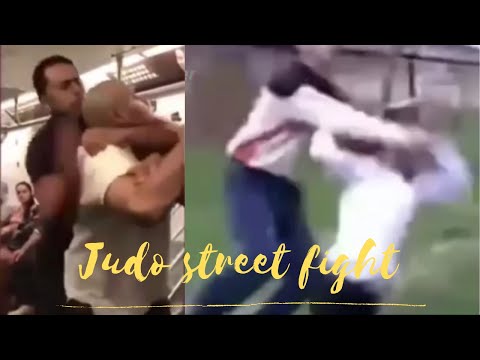
Showing posts sorted by relevance for query label:Judo. Sort by date Show all posts

7 Martial Arts That Truly Deliver in Self-Defense

As a seasoned practitioner and observer of the martial way, I've witnessed countless individuals drawn to the dojo for a singular, primal purpose: survival. While the pursuit of physical fitness, mental discipline, or spiritual enlightenment are noble aims, the core of martial arts for many, especially the uninitiated, often boils down to a more visceral question: "Will this actually protect me when things get dangerous?" It's a valid concern, a fundamental inquiry that separates the philosophical from the practical. Not all styles are created equal when the rubber meets the road – or rather, when fists fly. My own journey, marked by countless hours on the tatami, in the ring, and observing the brutal ballet of combat, has shown me that while *any* martial art can be a deterrent, some are inherently designed with a more direct, no-nonsense application for self-defense. Today, we delve into not just seven disciplines, but seven philosophies of combat that have proven their mettle in situations where mere technique isn't enough; where survival is the only prize. This isn't about flashy moves or theatrical katas; it's about efficacy, about principles that translate from the training floor to the unforgiving reality of street confrontation.

Table of Contents

Introduction: The Pragmatic Warrior

The question of survival is as old as humanity itself. For centuries, martial arts have evolved not just as forms of combat, but as systems of self-preservation. In today's world, where threats can manifest in unexpected ways, the ability to defend oneself is not a luxury; it's a fundamental requirement for peace of mind. But with a dizzying array of styles available, how does one choose the martial art that will best equip them for real-world confrontations? This exploration aims to cut through the noise and highlight disciplines that prioritize practical application, brutal efficiency, and proven effectiveness. Forget the mystical aura; we're talking about survival tools honed through rigorous training and tested under pressure.

What Makes a Martial Art Truly Effective for Self-Defense?

Before we dive into specific styles, let's establish the bedrock principles that define a martial art's efficacy in a self-defense scenario. It's not about how many forms you can perform or how high you can kick. It's about:
  • Directness and Simplicity: Complex techniques often fail under duress. Effective self-defense relies on simple, decisive actions.
  • Realism in Training: Sparring should simulate actual threats, not choreographed performances. Resistance is key.
  • Adaptability: The ability to handle various situations, ranges of combat (standing, ground, weapons), and types of opponents.
  • Focus on Vulnerable Targets: Understanding anatomy and knowing where to strike for maximum effect.
  • Mindset and Aggression Control: The psychological preparation to act decisively and the discipline to avoid excessive force.
These are the lenses through which we will examine our chosen disciplines. A martial art that checks these boxes is one that truly prepares you for the unexpected.

1. Krav Maga: The Uncompromising Israeli System

Originating from the streets of Israel, Krav Maga is less a traditional martial art and more a combat system. It was developed for the Israel Defense Forces (IDF) and focuses on practical, real-world situations.
  • Core Principles: Simultaneous defense and attack, aggression, and exploiting an attacker's weaknesses.
  • Effectiveness: It teaches how to defend against common attacks, including multiple assailants, armed assaults, and brutal grabs. The emphasis is on quick neutralization of the threat.
  • Training Style: Highly intense, stress-induced drills designed to replicate the adrenaline and chaos of a real fight.
  • Philosophical Take: "The best defense is to end the fight as quickly as possible." There's no room for honor or etiquette when your life is on the line.
"In Krav Maga, there are no rules. Only survival."
For those seeking a no-holds-barred approach to self-defense that prioritizes immediate threat cessation, Krav Maga stands as a formidable choice. You won't find graceful katas here, but you will find a direct path to protecting yourself.

2. Muay Thai: The Art of Eight Limbs

The national sport of Thailand, Muay Thai, is renowned for its devastating power and comprehensive striking. It utilizes fists, elbows, knees, and shins, making it a complete arsenal for stand-up combat.
  • Core Principles: Utilizing all eight limbs for offense and defense, strong clinch work, and devastating kicks and knee strikes.
  • Effectiveness: Its conditioning and power generation make it incredibly effective in close-range combat. The clinch allows for control and the delivery of painful knee and elbow strikes.
  • Training Style: Intense physical conditioning, heavy bag work, pad drills, and sparring that emphasizes power and resilience.
  • Philosophical Take: Muay Thai embodies resilience and relentless pressure. It teaches practitioners to endure and to strike with full commitment.
"The body is your weapon. Every part of it is capable of inflicting damage. Use them all."
While primarily a striking art, the conditioning and close-quarters fighting prowess gained from Muay Thai are invaluable for self-defense. If you're looking to develop power and the ability to control an opponent at close range, Muay Thai is unparalleled.

3. Brazilian Jiu-Jitsu (BJJ): The Ground Game Dominator

Developed from Judo and traditional Japanese Jiu-Jitsu, BJJ focuses on grappling and ground fighting. Its effectiveness lies in its ability to allow a smaller, weaker person to overcome a larger, stronger attacker through leverage and technique.
  • Core Principles: Taking the fight to the ground, controlling the opponent, and applying submissions (chokes and joint locks).
  • Effectiveness: In a street fight, the confrontation often ends up on the ground. BJJ provides the skills to control, dominate, and submit an opponent in this scenario, even if they are significantly larger.
  • Training Style: Live rolling (sparring) is a cornerstone, teaching practitioners to apply techniques under pressure and develop a high level of grappling proficiency.
  • Philosophical Take: Jiu-Jitsu teaches humility and problem-solving under extreme physical and mental stress. It's often said, "If you don't know Jiu-Jitsu, you'd better hope you win the lottery."
The importance of grappling in self-defense cannot be overstated. BJJ offers a systematic approach to controlling the most common fight scenario. For anyone concerned about facing a larger aggressor, BJJ is a critical skill.

4. Kali/Eskrima/Arnis: The Weaponized Art

Hailing from the Philippines, Kali (also known as Eskrima or Arnis) is a comprehensive martial art that emphasizes weapon-based combat – sticks, knives, and empty hands.
  • Core Principles: Flowing, continuous movements, transition between empty-hand combat and weapon usage, and devastatingly effective strikes aimed at vital points.
  • Effectiveness: Its practical application against armed assailants makes it a top choice for self-defense. Training with weapons translates surprisingly well to empty-hand techniques.
  • Training Style: Repetitive drills focusing on angles of attack, footwork, and integration of weapon and empty-hand skills.
  • Philosophical Take: Adaptability and preparedness. Kali teaches you to use whatever is at hand as a tool for defense, emphasizing flow and responsiveness.
"In the Philippines, we don't distinguish between armed and unarmed combat. They are one and the same."
If you want to be prepared for the grim reality of weapon-based threats, Kali provides a direct and brutal curriculum. Its focus on angles and flow makes it incredibly practical.

5. Wing Chun: The Efficient Southern Chinese Art

Wing Chun is a concept-based martial art originating from Southern China, famously associated with Ip Man, Bruce Lee's teacher. It emphasizes efficiency, directness, and simultaneous blocking and striking.
  • Core Principles: Centerline theory, economy of motion, simultaneous block-and-strike, and sensitivity (sticking hands).
  • Effectiveness: Its focus on close-range combat, trapping, and rapid-fire strikes makes it highly effective in confined spaces and against aggressive opponents. It teaches practitioners to generate power from structure rather than brute force.
  • Training Style: Forms (Siu Nim Tao, Chum Kiu, Biu Jee), sticky hands drills (Chi Sao), and controlled sparring.
  • Philosophical Take: "Directness is the path. Stick to the center." Wing Chun teaches you to be economical with your movements and to exploit the opponent's structure.
Wing Chun's emphasis on practicality and efficiency makes it a strong contender for self-defense, particularly for those who may not possess overwhelming physical strength.

6. Judo: The Gentle Way of Leverage and Control

Founded by Jigoro Kano, Judo is a grappling-based martial art derived from Japanese Jiu-Jitsu. While often seen as a sport, its core principles are deeply rooted in self-defense.
  • Core Principles: Maximum efficiency, mutual welfare and benefit, using an opponent's force and momentum against them.
  • Effectiveness: Judo excels at throws and takedowns, but also teaches crucial groundwork (pins, chokes, and joint locks). It develops balance, coordination, and the ability to control an opponent's body.
  • Training Style: Randori (free practice/sparring) is central, simulating real combat scenarios, alongside specific technique practice and falling skills (Ukemi).
  • Philosophical Take: "Jitsu is the way of yielding, of gentleness. By softness, you can overcome hardness." Judo teaches you to use an attacker's energy and aggression against them.
The ability to unbalance and throw an opponent can neutralize a threat instantly. Judo's focus on leverage and control makes it a powerful tool for self-defense, especially when facing larger opponents.

7. Mixed Martial Arts (MMA): The Ultimate Synthesis

MMA is not a single martial art but a combat sport that allows a wide variety of striking and grappling techniques. Practitioners often cross-train in multiple disciplines to become well-rounded fighters.
  • Core Principles: Combining striking (like Muay Thai, Boxing, Karate) with grappling (like BJJ, Wrestling, Judo) to be effective in all ranges of combat.
  • Effectiveness: MMA fighters are trained to handle virtually any situation that arises in a fight, making them highly adaptable and dangerous. The comprehensive training addresses striking, clinching, takedowns, and ground fighting.
  • Training Style: Cross-training across disciplines, heavy sparring, conditioning, and strategic fight preparation.
  • Philosophical Take: "There are no rules in a street fight, but there are rules for survival." MMA fighters learn to adapt and overcome, drawing from the strengths of multiple arts.
While MMA is a sport, the skills developed by MMA athletes are incredibly applicable to self-defense. Their ability to transition between striking and grappling, combined with rigorous conditioning, makes them formidable. For a practical, all-around self-defense system, training in an MMA environment is hard to beat.

Essential Gear for Your Training

To truly maximize your progress in any martial art, having the right equipment is crucial. Investing in quality gear not only enhances your training experience but also provides necessary protection.
  • Protective Gear: Mouthguards are non-negotiable for any sparring. Headgear and shin guards are essential for striking arts like Muay Thai or Karate to prevent injuries.
  • Training Uniforms (Gi/Kimono): For Judo and BJJ, a durable gi is paramount. Look for double-weave for BJJ for longevity. For striking arts, comfortable shorts and t-shirts are usually sufficient, though some Karate styles require specific gis.
  • Sparring Gloves: If you're engaging in striking, quality sparring gloves (14-16 oz recommended for training) are vital for hand protection.
  • Training Partners: Perhaps the most crucial "gear" is a dedicated training partner or a good gym with a supportive community. Consistent resistance is key to developing real-world skills.
  • Optional: A training dummy for solo practice or a makiwara if your art incorporates it can be beneficial.
Remember, quality equipment is an investment in your safety and development as a martial artist. Consider looking into specific Karate merchandise or MMA gear tailored to your chosen discipline.

Frequently Asked Questions

Do I need to be in great shape to start?

No, absolutely not. Most martial arts schools are equipped to take beginners and help them build their fitness as they learn. The training itself will improve your conditioning.

Which art is best for women's self-defense?

All martial arts can be effective for women. However, styles like Krav Maga, BJJ, and Judo are often highlighted for their emphasis on leverage and neutralizing larger opponents, making them particularly well-suited.

How long does it take to become proficient in self-defense?

Proficiency varies, but with consistent training (2-3 times a week) in a practical art like Krav Maga or BJJ, you can expect to develop a solid foundation for self-defense within 6-12 months. True mastery takes a lifetime.

What if I'm afraid of getting hurt?

It's natural to have reservations. Good instructors prioritize safety and teach progressively. The goal is to learn to control your fear and react effectively, not to embrace unnecessary injury.

Is striking or grappling more important for self-defense?

Both are crucial. A comprehensive system like MMA or cross-training combines the best of both worlds, allowing you to defend yourself effectively whether the fight stays standing or goes to the ground.

For Profundizar en tu Camino

Sensei's Reflection: Your Next Step

The path to effective self-defense is paved with dedication and the right choices. These seven martial arts offer proven methodologies, but remember, the effectiveness of any art is ultimately determined by the practitioner and their commitment to realistic training. A flashy technique practiced in isolation is useless; a simple principle drilled relentlessly becomes a powerful tool. Now, consider this: Is your current training regimen truly preparing you for the chaos of a real-world encounter, or are you merely going through the motions? Have you tested your skills against willing, resisting opponents? The dojo is a laboratory, but the real world is the ultimate test. What fears hold you back from engaging in more realistic training? And more importantly, what are you willing to do to overcome them? Answer me this: If your life depended on it, could you defend yourself right now? The time to truly prepare is always before the storm, not during it. GEMINI_METADESC: Explore 7 highly effective martial arts for self-defense: Krav Maga, Muay Thai, BJJ, Kali, Wing Chun, Judo, and MMA. Learn what makes them practical for real-world threats.

El Alma del Guerrero: Un Análisis Profundo de las Artes Marciales en el Documental "Redes #220"

¿Alguna vez te has detenido a pensar qué hace que un documental sobre artes marciales sea verdaderamente *esencial*? No me refiero a la mera exhibición de patadas voladoras o golpes espectaculares, sino a la captura del espíritu indomable, la disciplina férrea y la filosofía ancestral que subyacen en cada kata, en cada guardia, en cada entrenamiento riguroso. "Redes #220: Las Artes Marciales. Full HD Español" no es solo un documental; es una ventana al corazón del Budo, una invitación a comprender la esencia misma del guerrero.
Este análisis va más allá de la superficie. No se trata de un simple resumen, sino de desentrañar las capas de significado, la autenticidad de las técnicas presentadas, y el impacto que estas disciplinas tienen no solo en el cuerpo, sino, y más importantemente, en la mente y el espíritu. Prepárense, porque vamos a diseccionar esta obra con la precisión de un Kiai y la profundidad de un debate en el dojo. ## Tabla de Contenidos * [El Alma del Guerrero: Un Análisis Profundo de las Artes Marciales en el Documental "Redes #220"](#el-alma-del-guerrero-un-análisis-profundo-de-las-artes-marciales-en-el-documental-redes-220) * [Intención del Guerrero: ¿Qué Busca el Budoka en un Documental?](#intención-del-guerrero-qué-busca-el-budoka-en-un-documental) * [Desentrañando el Budo: La Esencia de "Redes #220"](#desentrañando-el-budo-la-esencia-de-redes-220) * [Análisis de Técnicas y Estilos: ¿Autenticidad o Espectáculo?](#análisis-de-técnicas-y-estilos-¿autenticidad-o-espectáculo) * [La Filosofía Marcial: Más Allá del Combate](#la-filosofía-marcial-más-allá-del-combate) * [Veredicto del Sensei: ¿Un Cinturón Negro en el Arte Cinematográfico?](#veredicto-del-sensei-un-cinturón-negro-en-el-arte-cinematográfico) * [Equipo Esencial para tu Entrenamiento](#equipo-esencial-para-tu-entrenamiento) * [Guía de Entrenamiento: Principios Fundamentales del Budo](#guía-de-entrenamiento-principios-fundamentales-del-budo) * [Preguntas Frecuentes](#preguntas-frecuentes) * [Para Profundizar en tu Camino](#para-profundizar-en-tu-camino) * [Reflexión del Sensei: Tu Próximo Paso](#reflexión-del-sensei-tu-próximo-paso) ## Intención del Guerrero: ¿Qué Busca el Budoka en un Documental? La intención de búsqueda principal al acercarse a un documental como este es clara y profunda: **comprender la esencia y la práctica de las artes marciales**. El practicante moderno, desde el neófito que explora el vasto mundo del Budo hasta el veterano que busca refrescar su perspectiva, desea encontrar: 1. **Autenticidad Técnica**: Ver demostraciones precisas, entender la aplicación real de las técnicas, y discernir entre la representación fiel y la coreografía de Hollywood. 2. **Profundidad Filosófica**: Captar los principios éticos y espirituales que guían a los artistas marciales, conceptos como el Mushin, el respeto, la humildad y la perseverancia. 3. **Inspiración y Motivación**: Hallar la chispa que impulse la propia práctica, la disciplina necesaria para superar los obstáculos, y la visión de maestros que han dedicado su vida a estas sendas. 4. **Contexto Histórico y Cultural**: Entender el origen de los diferentes estilos, su evolución y su impacto en la sociedad a lo largo del tiempo. "Redes #220" debe aspirar a satisfacer estas necesidades, no solo mostrando movimiento, sino transmitiendo conocimiento y espíritu. Si falla en esto, es solo ruido visual. ## Desentrañando el Budo: La Esencia de "Redes #220" El término Budo engloba un universo de disciplinas marciales japonesas, cada una con su propia historia, técnica y filosofía. Desde el Jujutsu, del cual derivan estilos modernos como el Judo y el Aikido, hasta el Karate, el Kendo, el Kyudo (tiro con arco) y el Sumo, cada uno representa una faceta distinta del camino marcial. Un documental que realmente capture la esencia del Budo no puede limitarse a un solo estilo. Debe, idealmente, mostrar la interconexión, las diferencias sutiles y las similitudes fundamentales que unen a estos caminos. La rigurosidad del Kyokushin Karate, la fluidez y los barridos del Judo, la armonía y el control de la energía en el Aikido, la precisión del Kendo con su shinai y bōgu... todos ellos son pilares de una misma estructura de desarrollo personal. Este documental tiene la oportunidad de explorar estas variaciones, pero, crucialmente, debe conectar estas formas externas con el Ki interno y la disciplina mental que son el verdadero corazón del Budo. ¿Presenta secuencias de entrenamiento de Karate que muestren la tenacidad? ¿Hay momentos que ilustran el estado de Mushin? Estas son las preguntas clave que debemos hacernos al evaluar su contenido marcial. > "La meta de toda arte marcial es que el arte desaparezca." – Bruce Lee. Un documental sobre artes marciales debe, paradójicamente, hacernos olvidar la técnica para sentir la esencia. ## Análisis de Técnicas y Estilos: ¿Autenticidad o Espectáculo? Aquí es donde el crítico marcial, el verdadero budoka, distingue la paja del grano. El cine, y por extensión los documentales que buscan cierto nivel de producción, a menudo sacrifica la autenticidad por el espectáculo. ¿Qué vemos en "Redes #220"? * **Precisión de Movimientos**: ¿Son las posturas sólidas? ¿La transferencia de peso es correcta en los ataques y defensas? ¿Se aprecian las formas de los katas o técnicas de combate? * **Aplicación Realista**: ¿Las técnicas mostradas parecen tener una aplicación práctica en un escenario de combate cuerpo a cuerpo, o son movimientos exagerados diseñados para la cámara? Las patadas altas y giratorias son visualmente impactantes, pero en un contexto de lucha callejera o combate de MMA, a menudo son menos efectivas que un golpe recto o una proyección bien ejecutada. * **Diversidad de Estilos**: ¿Se presentan diferentes artes marciales? ¿Se explican sus principios básicos? Si se muestra lucha libre, ¿se diferencia claramente de la lucha grecorromana o del BJJ? Si se habla de MMA, ¿se comprende que es una amalgama de estilos, no un arte marcial único? * **Representación del "Roundhouse Kick" vs. "Axe Kick"**: Si bien ambos son visualmente atractivos, ¿se explica su uso, su potencial de KO, y su aplicabilidad en diferentes escenarios? El lenguaje corporal de los practicantes, la forma en que manejan la distancia, la intensidad de su Kiai... todo esto habla volúmenes sobre la autenticidad de lo que se está presentando. Si el documental se limita a mostrar movimientos estéticos sin profundidad, falla en su misión para el verdadero practicante. ## La Filosofía Marcial: Más Allá del Combate La verdadera maestría en las artes marciales no reside en la capacidad de infligir daño, sino en la transformación interna. Los principios del Budo trascienden el dojo: * **Rei (Respeto)**: Fundamental en cada interacción, desde saludar al Sensei hasta la reverencia al tatami. * **Seishin-teki kyoho (Disciplina Mental)**: La capacidad de superar la adversidad, el dolor y el miedo a través de la fuerza de voluntad y el entrenamiento constante. * **Kenkyo (Humildad)**: Reconocer que siempre hay algo más que aprender, y que la arrogancia es el primer paso hacia la derrota. * **Gaman (Perseverancia/Aguante)**: La fortaleza para continuar a pesar de las dificultades, un rasgo esencial en cualquier camino de maestría. Un documental que solo muestra combates sin abordar estos pilares filosóficos es superficial. ¿Logra "Redes #220" transmitir estos valores? ¿Muestra la dedicación, el sacrificio y la búsqueda de la automejora que caracterizan a un verdadero artista marcial? Si no, su valor es meramente testimonial, no formativo. > "Las artes marciales son una disciplina, no solo un deporte. Requieren una mente fuerte, un cuerpo fuerte y un espíritu fuerte." - Anónimo. ## Veredicto del Sensei: ¿Un Cinturón Negro en el Arte Cinematográfico? Analizar "Redes #220" desde la perspectiva del conocimiento marcial es exigirle más que entretenimiento. Si el documental presenta secuencias de entrenamiento rigurosas, explica las aplicaciones de las técnicas más allá del espectáculo, y, crucialmente, transmite la filosofía subyacente del Budo, entonces podríamos considerarlo un éxito. Sin embargo, si se queda en la mera exhibición de movimientos espectaculares, sin ahondar en la disciplina, el respeto, la automejora y la profundidad técnica que definen a las artes marciales, entonces, lamentablemente, es un golpe fallido. **Mi Veredicto:** * **Si se enfoca en la filosofía y la técnica auténtica**: Podría ser un valioso aporte para la comunidad artes marciales, mereciendo un reconocimiento como "Maestro de Budo en Pantalla". * **Si es solo un desfile de movimientos espectaculares sin sustancia**: Sería tan solo un combate superficial, apenas digno de un "Principiante en Entrenamiento". Es vital recordar que la verdadera fuerza marcial no se mide en decibelios de sonido o en la altura de una patada, sino en la disciplina, la resiliencia y el espíritu inquebrantable. Este documental, como toda obra marcial, debe ser juzgado por la profundidad de su corazón de guerrero. ## Equipo Esencial para tu Entrenamiento Para aquellos inspirados por el espíritu marcial y listos para embarcarse en su propio viaje, contar con el equipo adecuado es fundamental. No se trata de lujos, sino de herramientas que potencian la seguridad y la efectividad del entrenamiento. * **Kimono/Gi**: Un kimono de Judo de doble tejido o un traje de Karate resistente es indispensable para disciplinas como el Judo, el Aikido, el Karate o el BJJ. Asegúrate de que tenga un buen ajuste y sea duradero. * **Guantes de Entrenamiento**: Para prácticas que involucren golpes (Karate, Kickboxing, MMA), unos guantes de sparring de 16oz ofrecen la protección necesaria para ti y tu compañero. * **Protectores Bucales**: Imprescindibles para cualquier tipo de sparring. Un protector bucal de buena calidad puede prevenir lesiones graves. * **Vendas de Mano**: Ayudan a proteger las articulaciones y huesos de las manos durante los entrenamientos de golpeo. * **Esterillas de Entrenamiento**: Para disciplinas de suelo (Judo, BJJ, Lucha) o para ejercicios que requieran protección contra caídas. Invertir en tu equipo es invertir en tu progreso y seguridad. ¡No subestimes su importancia en tu viaje de artes marciales! ## Guía de Entrenamiento: Principios Fundamentales del Budo Más allá de la técnica específica, el Budo se cimienta en principios universales. Aquí te presento un ejercicio sencillo pero poderoso para integrar en tu rutina diaria, enfocado en la disciplina y el control. ### Ejercicio de Respiración y Conciencia Corporal Este ejercicio te ayudará a centrar tu mente y mejorar tu conexión mente-cuerpo, pilares del desarrollo espiritual marcial.
  1. Busca un lugar tranquilo donde no seas interrumpido. Siéntate en el suelo en una postura cómoda (rodillas cruzadas, sentada sobre los talones, o incluso en una silla con la espalda recta). El objetivo es mantener la columna vertebral erguida pero relajada.
  2. Cierra los ojos suavemente o baja la mirada a un punto fijo en el suelo frente a ti.
  3. Comienza a notar tu respiración. No intentes cambiarla, simplemente obsérvala. Siente el aire entrar por tu nariz, cómo llena tus pulmones y cómo sale.
  4. Poco a poco, enfoca tu atención en la exhalación. Hazla un poco más larga y profunda que la inhalación. Siente cómo tu abdomen se expande al inhalar y se contrae al exhalar.
  5. Si tu mente divaga (lo cual es normal), reconoce el pensamiento sin juzgarlo y gentilmente regresa tu atención a la respiración.
  6. Mantén este estado de conciencia enfocada durante 5 a 10 minutos.
  7. Al finalizar, respira profundamente un par de veces, siente tu cuerpo, y abre los ojos lentamente.
Este simple acto de enfocarse en la respiración cultiva la concentración, la calma mental y la autoconciencia, elementos cruciales para cualquier artista marcial. Practícalo diariamente. ## Preguntas Frecuentes ### ¿Qué arte marcial es el más efectivo para defensa personal? La efectividad de un arte marcial para defensa personal depende menos del estilo en sí y más de la calidad del entrenamiento y la aplicabilidad de las técnicas enseñadas. Estilos como el Judo, BJJ, Krav Maga, y combinaciones de MMA con enfoque en la calle suelen ser prácticos. Lo crucial es un entrenamiento realista y la aplicación consistente. ### ¿Es posible aprender artes marciales solo viendo documentales como este? No, es imposible. Los documentales pueden ofrecer inspiración, contexto histórico y una apreciación de la filosofía, pero la técnica marcial requiere práctica física bajo la guía de un instructor calificado. Ver un análisis de pelea no te enseña a pelear; solo te muestra cómo podría verse. ### ¿Cuánto tiempo se tarda en ser "bueno" en un arte marcial? El concepto de "bueno" es relativo. Puedes empezar a sentirte competente en movimientos básicos en unos meses, pero alcanzar un nivel de maestría requiere años, a menudo décadas, de práctica constante y dedicación (Gaman). La disciplina marcial es un viaje de por vida. ### ¿Por qué las artes marciales tradicionales a veces parecen lentas o ineficaces comparadas con el MMA? Las artes marciales tradicionales a menudo priorizan la disciplina mental, la autodefensa contra ataques específicos, y la filosofía sobre la aplicación deportiva de combate rápido. El MMA, por otro lado, es un deporte de combate diseñado para la competencia, optimizando la eficacia en un escenario deportivo. Sin embargo, la esencia de la técnica marcial tradicional, si se practica diligentemente, es altamente efectiva. ### ¿Qué significa "Kiai" en las artes marciales? El Kiai es un grito enfocado, emitido desde el hara (centro de energía abdominal), que se utiliza para concentrar la energía (Ki), aumentar la potencia del golpe o bloqueo, y proyectar un espíritu desafiante. Es una manifestación audible de la fuerza interna. ## Para Profundizar en tu Camino El documental "Redes #220" es solo una puerta entre muchas. Si este análisis ha encendido tu curiosidad, te animo a explorar estos otros recursos para enriquecer tu comprensión del Budo y el mundo marcial: * [Análisis Profundo del Karate Kyokushin: El Espíritu Indomable del Camino Duro](#) * [El Arte del Judo: Más Allá de las Proyecciones](#) * [MMA vs. Artes Marciales Tradicionales: ¿Una Batalla Real o un Mito?](#) ## Reflexión del Sensei: Tu Próximo Paso Hemos desgranado las capas de "Redes #220", buscando el alma del guerrero, la autenticidad técnica y la profundidad filosófica que definen a las artes marciales. Pero un documental, por muy bien producido que esté, solo puede rascar la superficie de lo que significa ser un artista marcial. La verdadera comprensión no llega a través de la pantalla, sino a través de la práctica sudorosa, la disciplina diaria, el respeto mutuo y la introspección constante. El espíritu de lucha no es solo para el combate, es para enfrentar los desafíos de la vida con coraje y resiliencia. Ahora te pregunto: **¿Estás dispuesto a buscar esa profundidad en tu propio camino, o te conformarás con las apariencias?** La respuesta está en tus acciones, no en tus visiones. GEMINI_METADESC: Un análisis marcial del documental "Redes #220", explorando autenticidad técnica, filosofía Budo, y la esencia del guerrero.

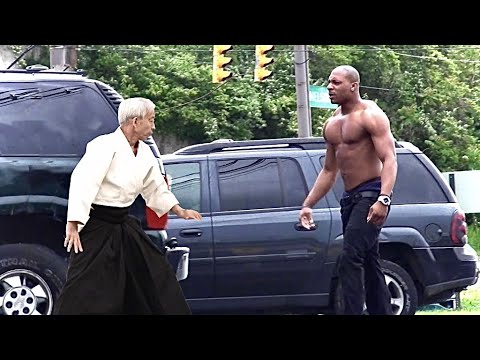
Judo in the Streets: A Technical Dissection of Real-World Application

The roar of the crowd, the polished tatami, the meticulously choreographed kata – these are the hallmarks of Judo as we know it. But what happens when the principles of the Gentle Way are tested not in the controlled environment of a dojo, but in the chaotic crucible of a street fight? This is the question that gnaws at many martial artists. Is the Judo honed through years of dedicated training a formidable tool for self-defense in uncontrolled encounters, or merely a beautiful, yet impractical, dance? Today, we pull back the curtain, dissecting real-world footage to see if Kodokan Judo truly holds water when the stakes are highest.

The Gentle Way Meets the Pavement

Many practitioners, myself included, have spent countless hours perfecting the intricacies of Judo. We bow, we learn the etiquette, we strive for the perfect seoi nage or ippon seoi nage. But the raw, unscripted reality of a street altercation is a stark contrast to the dojo. This analysis isn't about glory or sensationalism; it's about brutal honesty. We will examine footage, not to celebrate violence, but to understand the efficacy of Judo principles when applied under duress, by individuals who may not be trained Judoka, in environments far removed from the safety of the Kodokan.

The intention here is to move beyond the idealism of Budo and confront the pragmatic demands of survival. Are the throws and grappling techniques of Judo transferable? Can the fundamental concept of using an opponent's energy against them translate into practical self-defense? Let us embark on this critical dissection.

From Kodokan to the Concrete Jungle

Founded by Jigoro Kano, Judo emerged from the older martial arts of Japan, primarily Jujutsu, with a distinct emphasis on both physical education and moral development. Kano Shogoin, the revered founder, aimed to create a system that was not only effective for combat but also conducive to character building. The Kodokan, established in 1882, became the spiritual and physical heart of this new art. Its principles, such as maximum efficiency with minimum effort (Seiryoku Zenyo) and mutual welfare and benefit (Jita Kyoei), are cornerstones of the practice.

However, translating these noble ideals from the controlled dojo to the unpredictable street presents a significant challenge. Street fights are often characterized by their brutality, lack of rules, and the presence of multiple attackers or weapons. The controlled throws and grappling exchanges of Judo, while powerful, rely on specific conditions: an opponent engaging in a manner conducive to throwing, the availability of space, and often, the presence of a uniform (a gi or kimono) to grip. In the street, these conditions are rarely met.

"Judo is not merely a method of attack and defense, but a principle of life." - Jigoro Kano

This raises a fundamental question: Does the sophisticated technique of Judo offer a genuine advantage, or does it become a liability when confronted with a wild, untrained assailant or a situation where a clean throw is impossible?

Deconstructing the Techniques: What Works, What Doesn't

When we observe footage of alleged Judo practitioners in street fights, several patterns emerge, often highlighting a divergence between trained technique and practical application. Grip fighting, a cornerstone of Judo, is often absent or rudimentary in street encounters. Without a proper kozushi (off-balancing) and a firm grip on the lapel and sleeve, the efficacy of many throws is severely diminished. A wild swing or a desperate grab is not the same as a controlled approach for a tai otoshi.

Effective Applications:

  • Leveraging Body Weight and Momentum: Even without perfect grips, the principle of using an opponent's forward momentum against them can be effective. A simple push at the right moment, combined with a step, can still lead to an off-balance and a fall.
  • Close-Range Control: When a Judo practitioner can establish a strong body lock or clinch, the techniques learned for close-quarters grappling in Judo can be highly effective. This is where the transition to groundwork or the application of knees and elbows becomes relevant, bridging Judo with elements of MMA and combat sports.
  • Guard Retention/Passing (Limited): While not the primary focus of Judo, the foundational understanding of body positioning and hip movement can aid in surviving on the ground, preventing an opponent from achieving dominant positions, and potentially transitioning to a more advantageous situation.

Challenges and Ineffective Applications:

  • The Impossibility of Traditional Throws: Executing a clean uchi mata or osoto gari requires significant space, a stable base, and the ability to get under or around an opponent to execute the mechanics. In a confined space, or against a resisting, flailing opponent, these techniques become incredibly difficult, if not impossible, to apply safely and effectively. Attempting them can leave the practitioner exposed.
  • The Gi as a Crutch: Many Judo techniques are significantly enhanced by the ability to grip the opponent's gi. Without this, the leverage and control points are drastically reduced. Relying on gripping clothing that might be loose, torn, or non-existent severely hampers the Judo arsenal.
  • Transition to Ground: While Judo has a ground fighting component (Ne-waza), it is often focused on submissions and positional control within a competitive framework. Street fights can quickly devolve into chaotic brawls on the ground, where untrained aggression and striking can negate the technical advantages of a Judoka. Furthermore, the danger of being overwhelmed by multiple attackers on the ground is a significant concern that Judo's competitive format does not fully address.

The key takeaway from technical analysis of street footage is that while raw Judo principles can be adapted, the pure techniques of competition Judo often require significant modification or are simply not applicable. The ability to seamlessly transition from standing grappling to striking, and to maintain awareness of multiple threats, becomes paramount.

Beyond the Throw: The Spirit of Judo

It is easy to get lost in the mechanics of throws and pins, but Judo is more than just physical technique. It is a Budo, a way of the warrior, emphasizing discipline, resilience, respect, and the continuous pursuit of self-improvement. These philosophical underpinnings, when truly internalized, can transcend the physical realm and offer profound advantages in any conflict, including a street confrontation.

"The essence of Judo lies in the mind, not the technique." - Anonymous Master

A practitioner who embodies the spirit of Judo will possess:

  • Calm Under Pressure (Heijoshin): The ability to remain composed and think clearly in a stressful situation is perhaps Judo's greatest contribution to street self-defense. Where an untrained individual might panic, a disciplined Judoka can access their training and make rational decisions.
  • Adaptability: Judo's core principle of using an opponent's energy requires adaptability. This translates to being able to adjust to unexpected movements, environments, and threats.
  • Resilience and Perseverance: The willingness to get back up after being thrown, to continue striving even when facing a formidable opponent, is a testament to the mental fortitude cultivated in Judo. This can be crucial in a fight where one might be knocked down but not out.
  • Awareness: The training to constantly sense an opponent's balance and intention can be heightened into a general awareness of one's surroundings, crucial for avoiding conflict or recognizing threats before they materialize.

These intangible qualities are, in many ways, more valuable in a street fight than any specific throw. They are the invisible weapons that empower the Judoka.

Veredicto del Sensei: ¿Resiste el Judo el Embate Callejero?

My assessment, forged from decades of training, teaching, and observing the martial arts landscape, is that pure, competition-focused Judo, while an incredible art, is **not inherently a complete solution for street self-defense**. However, its underlying principles and the character it forges are invaluable.

The effectiveness hinges on the individual. A highly experienced Judoka who has cross-trained in striking and realistic self-defense scenarios will be far more effective than someone who only knows contest Judo. The throws, while difficult to execute cleanly, can still be devastating if the opportunity arises. The ground fighting, if adapted for the chaos of the street, can be a powerful equalizer. But relying solely on competitive Judo techniques in an untrained, unscripted encounter is akin to bringing a knife to a gunfight – it might work, but the odds are stacked against you.

En resumen:

  • Strengths: Excellent for developing balance, coordination, close-range control, resilience, discipline, and situational awareness. Principles of leverage and momentum are universally applicable.
  • Weaknesses: Reliance on the gi, difficulty of executing throws in confined spaces, limited striking integrated into competitive Judo, vulnerability to multiple attackers or weapons.

Calificación del Sensei: Cinturón Negro en Principios, Cinturón Blanco en Aplicación Directa sin Adaptación.

Entrenamiento para la Calle: Adaptando el Judo

For the dedicated Judoka aspiring to translate their art to the realities of self-defense, a strategic adaptation of training is necessary. This is not about abandoning Judo, but about augmenting it.

  1. Focus on Clinch Work: Dedicate significant time to mastering the clinch. Practice controlling your opponent's posture and balance, and learn to deliver strikes (knees, elbows) from this position. Judo's kumi-kata (grip fighting) is the foundation, but the goal shifts from setting up a throw to controlling and incapacitating.
  2. Sparring with Striking Integration: Incorporate sparring sessions where striking is allowed. This forces you to defend against punches and kicks while maintaining your Judo-based control. Consider cross-training in disciplines like Kickboxing or Muay Thai.
  3. Groundwork for Survival: While Judo groundwork is effective, focus your Ne-waza training on escaping bad positions, surviving against multiple opponents, and transitioning to your feet safely, rather than solely on submission hunting.
  4. De-escalation and Awareness Training: Understand that the best fight is the one you avoid. Practice situational awareness drills and learn de-escalation techniques. True self-defense begins with not being there.
  5. Unconventional Grips and Environment Training: Train in varied environments (uneven surfaces, confined spaces) and practice techniques that don't rely on a perfect gi grip.

Equipo Esencial para tu Entrenamiento

While Judo is often practiced with minimal equipment, specific gear can enhance your training, particularly when adapting for self-defense scenarios:

  • High-Quality Judo Gi: A durable, double-weave gi is essential for withstand the rigors of training and learning proper gripping. Look for brands known for their robustness.
  • Mouthguard: Absolutely critical if you are incorporating striking into your sparring. Protect your teeth and jaw.
  • Groin Protector: Essential for any sparring that involves full contact, especially when incorporating leg techniques or grappling.
  • Sparring Gloves (Optional but Recommended): If you're adding striking elements, light sparring gloves (12-16 oz) can protect your hands and your training partners.
  • Training Mats (Dojo or Home): For practicing throws and groundwork safely, good quality mats are non-negotiable.

Preguntas Frecuentes

¿Es el Judo efectivo para defensa personal?

Los principios del Judo, como el uso de la fuerza del oponente y el equilibrio, son muy efectivos. Sin embargo, las técnicas de competición pura requieren adaptación para el entorno no controlado de la calle, especialmente si no se lleva un gi o si hay múltiples atacantes.

¿Qué arte marcial es mejor para la calle: Judo, BJJ o Karate?

No hay un "mejor" arte marcial absoluto. El BJJ es excelente para el combate terrestre. El Karate tradicional puede ser muy efectivo para el combate de pie si está enfocado en defensa personal. El Judo ofrece un gran equilibrio y potencial de derribo. La clave es la adaptación realista y, a menudo, la combinación de disciplinas.

¿Puedo usar mis lanzamientos de Judo en una pelea real?

Sí, pero con cautela. Un seoi nage o tai otoshi exitoso requiere que el oponente esté preparado para ser lanzado y que haya espacio. A menudo, los lanzamientos en la calle son más caóticos y menos técnicos, utilizando la fuerza bruta y el desequilibrio repentino.

¿Es el Judo demasiado enfocado en el "juego limpio" para la autodefensa?

El Judo competitivo se basa en el respeto y el juego limpio. Sin embargo, los principios de control y eficiencia son aplicables a la autodefensa. Un practicante experimentado puede adaptar estas técnicas para ser más contundentes cuando la situación lo requiere, sin perder la disciplina.

¿Qué importancia tiene el entrenamiento de suelo (Ne-waza) en Judo para la calle?

El Ne-waza es crucial. Saber cómo controlar a un oponente en el suelo, defenderse de ataques y defenderse de múltiples atacantes es vital. El enfoque de Judo en el control posicional y las sumisiones es una base sólida, pero debe complementarse con estrategias para peleas caóticas en el suelo.

Para Profundizar en tu Camino

Reflexión del Sensei: Tu Próximo Paso

We have dissected the application of Judo in the unforgiving arena of street conflict. The question remains: Has this analysis solidified your understanding, or merely introduced more doubt? If you believe Judo, in its pure form, is sufficient for street defense, I challenge you: Go train with someone who has actively competed in MMA or worked in security and ask them how your competition Judo fares against their real-world experience. If, conversely, you dismiss Judo entirely, I dare you to find a more effective system for developing balance, resilience, and controlled power in a single martial art. The truth, as always, lies in the diligent, honest application and adaptation of principles. The path to mastery is never static; it demands constant evolution.

Now, I ask you directly: After this dissection, are you prepared to adapt your Judo, or are you content to remain a master of the tatami, ill-equipped for the pavement? What is the single most significant adaptation you will make to your training starting *today* based on this analysis? Your answer, and your commitment, will speak volumes.


Equipo Esencial para tu Entrenamiento

  • Guantes de 16oz para sparring
  • Kimono de doble tejido para Judo
  • Protectores bucal y inguinal
  • Esterillas de entrenamiento de alta densidad

Preguntas Frecuentes

Is Judo effective for self-defense?

Judo's principles like using an opponent's force and balance are highly effective. However, pure competition techniques require adaptation for uncontrolled street environments, especially without a gi or against multiple attackers.

Which martial art is best for the street: Judo, BJJ, or Karate?

There is no single "best" martial art. BJJ excels in ground fighting. Traditional Karate can be very effective for standing combat if focused on self-defense. Judo offers excellent balance and takedown potential. The key is realistic adaptation and often, cross-training.

Can I use my Judo throws in a real fight?

Yes, but with caution. Successful Judo throws require an opponent prepared to be thrown and adequate space. Street throws are often more chaotic, utilizing brute force and sudden imbalance.

Is Judo too focused on "fair play" for self-defense?

Competitive Judo emphasizes respect and fair play. However, its principles of control and efficiency are applicable to self-defense. Experienced practitioners can adapt techniques to be more decisive when the situation demands it, without losing discipline.

How important is ground fighting (Ne-waza) in Judo for the street?

Ne-waza is crucial. Knowing how to control an opponent on the ground, defend against attacks, and survive against multiple attackers is vital. Judo's focus on positional control and submissions is a strong foundation but needs to be supplemented with strategies for chaotic ground fights.


Para Profundizar en tu Camino

``` GEMINI_METADESC: Analyze Judo's effectiveness in street fights. Sensei Budo & AM dissects real footage, comparing Kodokan principles to uncontrolled combat, offering technical insights and adaptation strategies.

The Unseen Arts: Decoding the Core Principles Beyond Kamaru Usman vs. Jorge Masvidal 2

The electrifying clash between Kamaru Usman and Jorge Masvidal at UFC 261 might have been a spectacle of raw power and precise striking, but beneath the surface of that celebrated "Performance of the Night" lies a universe of martial principles that resonate across *all* combat disciplines. Many spectators see only the brutal exchange, the knockout, or the submission. But what truly separates a fleeting victory from enduring mastery? Is it simply the punch landed, or the deep-seated understanding of movement, timing, and the opponent's intent? Today, we dissect this seemingly singular event to unearth universal truths in the #ArtesMarciales and #Combate.

Table of Contents

The UFC 261 Rematch: A Superficial Glance

Kamaru Usman's dominant performance against Jorge Masvidal was a masterclass in welterweight championship fighting. His jab, his wrestling, his ability to control distance – it was all on display. Masvidal, known for his explosive striking and resilience, found himself unable to penetrate Usman's formidable defense and relentless pressure. The knockout was decisive, a testament to Usman's power and strategic execution. But as practitioners of the martial path, we are trained to see beyond the immediate result. We question: what underlying principles were at play that allowed for such a disparity in this particular encounter?
"To win one hundred victories in one hundred battles is not the acme of skill. To subdue the enemy without fighting is the acme of skill." - Sun Tzu, The Art of War. While Usman and Masvidal certainly fought, the *control* Usman exerted over the engagement speaks volumes about this ancient wisdom.

Beyond the Canvas: Fundamental Martial Truths

The UFC octagon, while a modern arena, is built upon millennia of martial tradition. The concepts that govern a samurai's sword, a judoka's throw, or a karateka's strike are present even in the high-stakes environment of MMA. Let's examine how these manifest, using the Usman-Masvidal bout as our case study.

The Principle of Sen no Sen and Go no Sen

In Japanese martial arts, timing is everything. We speak of *Sen no Sen* (taking initiative) and *Go no Sen* (responding to an opponent's initiative). Usman, for the most part, dictated the rhythm of the fight. His forward pressure, his constant jabbing, was a form of proactive *Sen no Sen*. He wasn't waiting for Masvidal to commit; he was controlling the space and forcing Masvidal to react. Masvidal, a counter-striker by nature, found it difficult to implement his *Go no Sen* effectively because Usman rarely gave him a clear opening. When Masvidal did attempt to launch his own attacks, Usman was already in position to defend or counter, demonstrating a superior grasp of initiative.

Understanding Kuzushi and Tsukuri in Striking

While often associated with Judo throws, the concepts of *Kuzushi* (breaking balance) and *Tsukuri* (fitting in, creating the opportunity) are vital in striking as well. Usman's jab wasn't just a punch; it was a tool to disrupt Masvidal's stance and posture, a subtle *Kuzushi*. Each time Masvidal's weight shifted or his guard adjusted to Usman's lead, Usman was looking for the *Tsukuri* – the moment to land a more significant strike or initiate a takedown. The fight wasn't just about throwing punches; it was about continuously unbalancing the opponent and exploiting those moments of vulnerability.

Maai: The Crucial Distance Element

*Maai* refers to the distance between combatants. This is not just physical space, but also temporal and psychological. Usman is a master of controlling *Maai*. He was adept at keeping Masvidal at the end of his punches, where Masvidal's power was diminished, but his own jab could find its mark. He dictated when the distance closed for wrestling or clinch work, and when it expanded for striking exchanges. Masvidal, conversely, struggled to establish his preferred striking range, being constantly pressured by Usman’s strategic control of *Maai*. This constant negotiation of distance is a silent battle within every confrontation, and a cornerstone of #MartialArtsTraining.
"The difference between a good fighter and a great fighter is that the great fighter makes the opponent fight his fight." - An anonymous MMA coach. This perfectly encapsulates Usman's approach to Maai against Masvidal.

The Importance of Zanshin Post-Confrontation

*Zanshin* is the state of relaxed alertness, the continuous awareness of one's surroundings and potential threats, even after a decisive action. It's often demonstrated in traditional arts by holding a posture after a kata. In a fight like Usman vs. Masvidal, *Zanshin* means not becoming complacent after landing a blow or securing a dominant position. It's the readiness to defend against a desperate counter-attack or to transition to the next phase of the fight seamlessly. Usman's ability to maintain his composure and tactical awareness, even after the knockout, exemplifies this crucial concept. He didn't celebrate prematurely; he remained in a state of readiness. This is what truly separates a one-time winner from a champion.

Applying These Principles in Your Training

You don't need to step into an octagon to benefit from these profound martial truths. Whether you practice #Judo, #Karate, #BJJ, #Kickboxing, or any form of #SelfDefense, consciously incorporating these concepts will elevate your game.
  • Sen no Sen / Go no Sen: Practice drills where you must react to a stimulus and also initiate attacks with specific timing. Sparring sessions should focus not just on "winning" but on controlling the tempo.
  • Kuzushi / Tsukuri: In striking, practice setting up your shots. Use feints, jabs, and footwork to disrupt your partner's balance before launching your primary attack. In grappling, focus on the transitions that lead to dominant positions or submissions.
  • Maai: Dedicate training time solely to understanding distance. Practice moving in and out of range effectively, and learn to feel the optimal distance for your techniques.
  • Zanshin: After completing a technique in practice, hold your position for an extra beat. Consciously scan your surroundings. Make it a habit to remain aware, even when you think the "fight" is over.

These are not merely techniques; they are philosophies of engagement. They are the invisible forces that shape combat, turning physical exchanges into strategic dances.

Equipo Esencial para tu Entrenamiento

  • Guantes de Boxeo/MMA: Para la práctica de golpes y defensa (mínimo 12oz para sparring).
  • Espinilleras y Guantes de Patada: Esenciales para entrenamiento de #Taekwondo y #KarateKyokushin.
  • Kimono (Gi): Imprescindible para #Judo y #BJJ, para practicar agarres y proyecciones. Busca un kimono de doble tejido para mayor durabilidad.
  • Protector Bucal y Tibial: Obligatorio para cualquier tipo de sparring que involucre contacto.
  • Esterilla de Entrenamiento (Tatami): Crucial para practicar técnicas de suelo y caídas seguras.
  • Comba de Saltar: Una herramienta económica pero increíblemente efectiva para mejorar la agilidad y la resistencia cardiovascular.

Guía de Entrenamiento: Desarrollando el Zanshin

  1. Meditación de Conciencia: Dedica 5-10 minutos diarios a sentarte en silencio. Enfócate en tu respiración y en registrar las sensaciones de tu cuerpo y los sonidos a tu alrededor sin juzgarlos. Esto entrena tu mente para estar presente.
  2. Práctica de Movimiento Consciente: Elige un kata de tu arte marcial (ej. un kata de #Karate como Heian Shodan) o una secuencia de movimientos básicos. Ejecútalo lentamente, prestando atención a cada posición, cada respiración, y al espacio que te rodea. Al finalizar, mantén la última postura durante 15-30 segundos, observando tu entorno.
  3. Sparring con Énfasis en la Transición: Durante tus sesiones de sparring (ya sea de pie o en suelo), no te centres solo en el punto o la sumisión final. Practica activamente la transición de una fase a otra (ej. de golpeo a agarre, de lucha en pie a lucha en el suelo). Tras ganar una posición dominante o finalizar una técnica, mantén la conciencia de tu oponente y del entorno por unos segundos antes de reiniciar.
  4. Ejercicios de Percepción: Pídele a un compañero que realice movimientos sutiles mientras tú te concentras en otra cosa (ej. mirar un punto fijo). Intenta detectar el movimiento con tu visión periférica. O, con los ojos cerrados, intenta percibir la proximidad de tu compañero.
  5. Reflexión Post-Entrenamiento: Al final de cada sesión, dedica un momento a recordar las situaciones en las que tu concentración decayó y aquellas en las que te sentiste plenamente alerta. Anota qué factores contribuyeron a cada estado.

Preguntas Frecuentes

¿Es necesario practicar un arte marcial tradicional para entender estos principios?

No. Si bien las artes marciales tradicionales como el #Judo, #Karate y #Aikido a menudo enfatizan estos conceptos de manera explícita, los principios de timing, distancia, equilibrio y conciencia son universales y se aplican en cualquier disciplina de combate, incluyendo el #MMA y el #Kickboxing.

¿Cómo puedo mejorar mi control de la distancia (Maai) si soy un oponente más pequeño?

Los luchadores más pequeños a menudo sobresalen en el control de la distancia mediante el uso de movimientos más rápidos y precisos. Enfócate en el juego de pies, el uso de fintas para medir la distancia y el contraataque. Un luchador pequeño y ágil puede ser mortal si mantiene a su oponente mayor fuera de su zona de poder.

¿El "rendimiento de la noche" en UFC se basa solo en la técnica o también en la mentalidad?

El "Performance of the Night" se otorga a menudo por la espectacularidad de una finalización, pero la capacidad de lograr esa finalización tan limpiamente, como hizo Usman, casi siempre implica una mentalidad superior: control, confianza, y la ejecución impecable de principios marciales, que incluyen el Zanshin y la correcta aplicación de Sen no Sen.

¿Qué papel juega la filosofía de Budo en las MMA modernas?

La filosofía de #BUDO, que abarca la autodisciplina, el respeto, la perseverancia y la mejora continua, es fundamental. Incluso en un deporte de combate competitivo, estos valores ayudan a los atletas a superar desafíos, recuperarse de derrotas y mantener una carrera a largo plazo. La mentalidad es a menudo la diferencia entre el talento y la leyenda.

Para Profundizar en tu Camino

Ahora, budoka, te pregunto: ¿Qué principio marcial sientes que has descuidado en tu entrenamiento y cómo puedes empezar a integrarlo desde tu próxima sesión? Reflexiona, sé honesto contigo mismo, y comparte tus pensamientos. El camino del guerrero se nutre de la autoconciencia y el intercambio.

``` GEMINI_METADESC: Explore the deep martial principles behind Usman vs. Masvidal 2. Learn about Sen no Sen, Maai, Kuzushi, and Zanshin for your own martial arts journey.

K-1 Hero's 2 (2005): A Critical Examination of a Groundbreaking Martial Arts Event

The roar of the crowd, the glint of sweat under the arena lights, the palpable tension before the clash of titans – these are the elements that define the spectacle of professional martial arts. K-1 Hero's 2, held on July 6, 2005, at the Yoyogi National Stadium in Tokyo, was more than just a fight card; it was a testament to the evolution of combat sports and a showcase of diverse fighting disciplines. As a seasoned Sensei and a devoted critic of martial arts cinema and combat, I approach such events not merely as entertainment, but as living case studies in technique, strategy, and the indomitable spirit of the warrior. This event, with its eclectic mix of fighters and styles, offers a rich tapestry for analysis, from the raw power of heavyweight slugfests to the intricate grappling of elite submission artists.

Table of Contents

Understanding the Context: The Rise of Hero's

Before diving into the specific bouts, it's crucial to understand the landscape in which K-1 Hero's 2 emerged. The K-1 brand was already a powerhouse in kickboxing, but Hero's represented an expansion into mixed martial arts (MMA), aiming to capture a broader audience by featuring a mix of striking and grappling. This event was significant because it brought together athletes from various backgrounds, offering a platform for disciplines like Judo, Karate, Brazilian Jiu-Jitsu, and pure striking to test their mettle against each other under a unified banner. The date, 2005, was a pivotal time for MMA, with organizations like PRIDE FC still reigning supreme in Japan, and the UFC steadily growing its global presence. Hero's sought to carve its niche by emphasizing exciting matchups and accessible rulesets.

"The true warrior is a craftsman of his own destiny." - Miyamoto Musashi

This event perfectly encapsulated that sentiment, with fighters from diverse backgrounds aiming to prove the superiority of their chosen path. The intention behind such a promotion is clear: to create a melting pot of martial arts, to test the efficacy of different combat systems, and to entertain a global audience hungry for high-octane action. For the dedicated martial artist, it's an opportunity to observe the practical application of principles honed through years of rigorous training.

The Main Event: A Fight-by-Fight Breakdown

Let's dissect the card. While a full, in-depth review of every single bout would require a multi-volume treatise, we can extract valuable lessons from the key matchups presented.

  • Yoshihiro Akiyama vs Carl Toomey: Akiyama, a Judoka with a powerful judo background and dangerous striking, faced Toomey, a more traditional MMA fighter. This bout was a classic test of grappling versus mixed striking. Akiyama's ability to close distance and implement his throws was always a threat.
  • Bob Sapp vs Alan Karaev: This was a heavyweight spectacle, pure and simple. Sapp, a former football player with immense strength and a background in combat sports, versus Karaev, a Sambo and wrestling specialist. These contests are less about intricate technique and more about brute force, strategic power application, and mental fortitude. The outcome often hinges on who can impose their will and weather the initial storm.
  • Ray Sefo vs Min Soo Kim: Sefo, a legendary K-1 kickboxer, known for his devastating leg kicks and boxing prowess, against Kim, a Taekwondo practitioner. This matchup highlights the striking arts. Can Taekwondo's dynamic kicking game overcome Sefo's powerful boxing and Muay Thai-influenced clinch work? This is where the nuances of range and timing become critical.
  • Hideo Tokoro vs Alexandre Franca Nogueira: Tokoro, a versatile Japanese fighter, and Nogueira, a dangerous Brazilian Jiu-Jitsu black belt, known for his submissions. This bout is a prime example of contrasting skill sets, where a skilled striker must navigate the perilous waters of submission grappling. Tokoro's agility and striking defense would be tested against Nogueira's relentless pursuit of the takedown and ground control.
  • Peter Aerts vs Yoichi Babaguchi: The "Dutch Lumberjack," Peter Aerts, one of the greatest K-1 kickboxers of all time, known for his devastating Muay Thai-style striking, faces Babaguchi. This is a pure striking clinic from Aerts, likely showcasing his signature Dutch kickboxing techniques. A Babaguchi victory would depend on his ability to absorb Aerts's power and exploit any defensive lapses.
  • Kazuyuki Miyata vs Shamil Gaydarbekov: Miyata, a decorated amateur wrestler and MMA fighter, against Gaydarbekov, another wrestler. This bout is a deep dive into the technical aspects of takedowns, clinch control, and ground fighting, emphasizing the power and strategy inherent in wrestling disciplines.
  • Hiroyuki Takaya vs Jani Lax: Takaya, a well-rounded fighter, against Lax, likely bringing a different skillset to the table. These matchups often serve to test adaptability and the ability to transition between different phases of combat.
  • Royler Gracie vs Koji Yoshida (RESUMEN): A pivotal bout for grappling fans. Royler Gracie, a scion of the legendary Gracie family and a BJJ master, against Yoshida. This is a pure test of Brazilian Jiu-Jitsu. Can Yoshida's defense hold up against the relentless pressure and submission artistry of a Gracie? The outcome here is a direct commentary on the effectiveness of BJJ against other disciplines.
  • Norifumi Yamamoto vs Ian James Schaffa: "Kid" Yamamoto was a dynamic and powerful striker with a wrestling background, known for his explosive performances. Schaffa would need to be defensively sound and strategically adept to counter Yamamoto's offensive onslaught.

Clash of Disciplines: What We Learned from the Styles

K-1 Hero's 2 was a microcosm of the martial arts world. We witnessed the:

  • Power of Striking Arts: Fighters like Peter Aerts and Ray Sefo demonstrated the sheer destructive capability of well-honed striking techniques, whether it be punches, kicks, or knees. The precision, timing, and conditioning required are immense.
  • Dominance of Grappling: Royler Gracie's presence, even in a summarized bout, speaks volumes about the effectiveness of Brazilian Jiu-Jitsu. The ability to control an opponent on the ground and secure submissions is a fundamental aspect of mixed martial arts that cannot be ignored. Similarly, the wrestling-heavy bouts showcased the importance of controlling the clinch and executing takedowns.
  • Synergy in Mixed Martial Arts: Fighters like Hideo Tokoro and Yoshihiro Akiyama exemplified the modern MMA athlete who can blend multiple disciplines. Their success was not solely based on one skill, but on their ability to transition and adapt, making them unpredictable and formidable opponents.

It's in these diverse matchups that we see the real debate unfold: which art truly reigns supreme? The answer, as any true martial artist knows, is not straightforward. The effectiveness of an art is often dictated by the practitioner's skill, dedication, and the specific ruleset of the contest. For instance, a pure Karateka facing a Judoka in a K-1 ring faces a different challenge than in a Karate dojo.

"To know your enemy and know yourself, you need not fear the result of a hundred battles." - Sun Tzu, The Art of War

This event was a masterclass in applied strategy. Each fighter had to understand their opponent's strengths and weaknesses, not just their own. The K-1 Hero's format, by mixing various combatants, forced these analyses in real-time.

The Spirit of Budo on Display

Beyond the physical techniques, K-1 Hero's 2, like any significant martial arts event, is a stage for the exhibition of Budo – the Way of the Warrior. This encompasses:

  • Resilience: Witnessing fighters endure punishment and continue to fight demonstrates incredible mental toughness.
  • Respect: Despite the intensity of the competition, the pre-fight and post-fight rituals, the bow, and the handshake are reminders of the underlying respect inherent in martial arts training.
  • Discipline: The years of training, the strict diets, the sacrifice – all point to an immense personal discipline that underpins every fighter's performance.
  • Self-Improvement: Every bout, win or lose, is a lesson. The fighters who learn from their experiences, refine their techniques, and return stronger embody the true spirit of martial arts as a path of continuous self-improvement.

The energy in the Yoyogi National Stadium, even through a recorded broadcast, carries this martial spirit. It's the collective aspiration towards mastery, the courage to face adversity, and the pursuit of excellence.

Veredict of the Sensei: A Masterclass in Combat Promotion?

K-1 Hero's 2 was a success in its objective to bring together diverse martial arts talents and create captivating matchups. The production values, while perhaps dated by today's standards, were effective in highlighting the fighters and their skills. The event provided valuable insights into the strengths and weaknesses of various combat styles when pitted against each other. It underscored that in a truly mixed martial arts context, well-roundedness is paramount. However, one might argue that the emphasis on heavyweight slugfests, while crowd-pleasing, sometimes overshadows the more technical, intricate aspects of grappling and striking that define the deeper study of martial arts.

Rating: Cinturón Negro en Promoción de Combate Espectacular

Equipment Essential for Your Training

To emulate the dedication and skill displayed at K-1 Hero's 2, proper training gear is crucial. Whether you're focusing on striking, grappling, or a blend of both, the right equipment can enhance your performance and prevent injuries:

  • Sparring Gloves: For striking disciplines, 14-16 oz sparring gloves are essential for training with partners.
  • Mouthguard: Non-negotiable for any form of sparring or live rolling to protect your teeth and jaw.
  • Shin Guards: Crucial for Muay Thai and kickboxing training to condition your shins and protect against kicks.
  • Judo Gi: If you're drawn to the grappling arts of Judo or BJJ, a durable, high-quality gi is your primary tool. Look for double-weave options for superior longevity.
  • Grappling Shorts/Spats: Comfortable and functional attire that allows for full range of motion during grappling.
  • Headgear: Recommended for amateur sparring, especially when learning new striking techniques, to reduce the risk of concussions.

Training Guide: Enhancing Your Combat Readiness

To improve your overall combat effectiveness, consider incorporating these drills:

  1. Shadow Boxing/Kicking Drills: Practice your techniques in the air, focusing on form, balance, and power generation. Visualize an opponent and work on combinations.
  2. Heavy Bag Work: Develop power and stamina by striking a heavy bag with a variety of punches and kicks. Focus on maintaining proper form and breathing.
  3. Ground Control Drills: If training grappling, work on fundamental positions like side control, mount, and guard. Practice transitioning between them smoothly and maintaining control.
  4. Takedown Practice: For wrestlers and judoka, repetitive drills of common takedowns (e.g., double leg, single leg, osoto gari) are vital for building muscle memory and efficiency.
  5. Conditioning Circuit: Create a circuit that includes exercises like burpees, sprints, jump squats, and plyometrics to build explosive power and cardiovascular endurance.

Frequently Asked Questions

What is K-1 Hero's?

K-1 Hero's was a mixed martial arts (MMA) promotion established by the K-1 organization. It aimed to showcase a variety of fighting styles beyond K-1's traditional kickboxing format.

Who were some of the notable fighters at K-1 Hero's 2?

The card featured a diverse roster including Yoshihiro Akiyama, Bob Sapp, Ray Sefo, Peter Aerts, and members of the Gracie family like Royler Gracie, among others.

What is the difference between K-1 and K-1 Hero's?

K-1 primarily focused on kickboxing rules, while K-1 Hero's incorporated MMA rules, allowing for grappling, ground fighting, and submissions.

Is K-1 Hero's 2 still relevant for martial artists today?

Yes, the event remains relevant as a historical marker in MMA and a demonstration of various martial arts styles clashing. Studying these historical cards provides context and insight into the development of modern combat sports.

How important is grappling in a K-1 Hero's type event?

Grappling is extremely important. Even if the event features striking-heavy fighters, the threat of a takedown and submission is always present, forcing fighters to be well-rounded.

For Deeper Exploration

Reflection of the Sensei: Your Next Step

Having witnessed the spectacle of K-1 Hero's 2, the true question remains: how do you integrate this knowledge into your own practice? Do you see the strengths of your primary art reflected in these bouts, or do you recognize areas where cross-training is imperative? The path of martial arts is one of constant learning and adaptation. Reflect on the skills you possess, the weaknesses you perceive, and consider how the diverse approaches seen in this event can inform your personal journey towards mastery.

``` GEMINI_METADESC: Critical analysis of K-1 Hero's 2 (2005) event. Sensei's expert review of fights, styles, and the martial spirit. Essential reading for martial artists.

El Arte de la Sumisión: Un Duelo de Voluntades en CG24

¿Qué distingue a un guerrero de un simple combatiente? No es la furia desatada, ni la fuerza bruta descontrolada. Es la precisión técnica, la inteligencia táctica y, sobre todo, la voluntad férrea para imponer la propia ley sobre el oponente. En el tapiz de las artes marciales, pocas cosas son tan elocuentes, tan definitivas, como la sumisión. Un abrazo, una palanca, una estrangulación que no pide rendición, sino que la exige, sellando el destino del combate con un gesto irrefutable. Hoy, nos adentramos en el corazón de un enfrentamiento que promete ser un estudio sobre la aplicación de técnicas de finalización, analizando la contienda entre Ramírez y Chávez en CG24.

La Filosofía de la Sumisión

La sumisión en las artes marciales mixtas (MMA) y en deportes de agarre como el BJJ o el Judo es más que una técnica para ganar. Representa la culminación de la estrategia, la paciencia y la presión. Es el arte de controlar al oponente, de neutralizar sus fortalezas y explotar sus debilidades hasta que la única opción lógica sea la rendición. Un maestro de la sumisión no solo busca la victoria física, sino la victoria psicológica, demostrando una superioridad tal que la resistencia se vuelve fútil. En este combate, presenciamos un choque de filosofías: la implacable aplicación de la fuerza controlada contra la audacia de un debutante.

Análisis Técnico: Ramírez vs. Chávez

La preparación para un combate de MMA exige una comprensión profunda de todas las facetas del combate: el golpeo (Kickboxing, Karate Kyokushin), la lucha en pie (Judo, Lucha) y el combate en el suelo (Grappling, BJJ). En el caso de Ramírez y Chávez, la narrativa previa sugiere un enfrentamiento donde uno busca dominar a través del control posicional y las técnicas de finalización en el suelo, mientras que el otro, un debutante, podría apostar por la agresividad y la sorpresa.

"La victoria pertenece al que sabe cuándo pelear y cuándo no." - Sun Tzu, El Arte de la Guerra.

Juan Ramírez, con su enfoque en el "ground and pound", busca desgastar a su oponente en el suelo, capitalizando la diferencia de experiencia. Su trayectoria, aunque no detallada aquí, implica un dominio de las transiciones y las posiciones de control. Por otro lado, "Lichi" Ramírez, en su debut profesional, representa la incógnita. ¿Habrá desarrollado la resistencia mental y física para soportar la presión? ¿O traerá consigo una agresividad indomable que podría sorprender a un luchador más experimentado? El estreno en el circuito profesional es un crisol, donde la teoría se encuentra cara a cara con la realidad del combate.

El Dominio Terrestre: "Ground and Pound"

El "ground and pound" es una táctica fundamental en las Artes Marciales Mixtas, una estrategia que combina el derribo (Judo, BJJ) con golpes efectivos mientras el oponente está en una posición desventajosa. No se trata solo de golpear por golpear, sino de hacerlo de manera controlada, buscando infligir daño significativo, pero también debilitando al oponente para abrir oportunidades de sumisión. Un buen practicante de "ground and pound" sabe cómo mantener la posición, cómo evitar que el rival se levante o construya su defensa, y cómo aplicar golpes contundentes que desgasten la resistencia y la voluntad del adversario. La elección de Ramírez por esta táctica sugiere una confianza en su capacidad para llevar la pelea al suelo y controlarla. Un error común de los luchadores menos experimentados es caer en la desesperación al ser llevados al suelo, perdiendo la compostura y facilitando el trabajo del oponente. La habilidad de Ramírez radicará en su paciencia y precisión para ejecutar esta estrategia.

La Sumisión: El Golpe de Gracia

Si el "ground and pound" busca romper al oponente gradualmente, la sumisión es el golpe de gracia, la sentencia final. Llaves articulares como la barra de brazo (armbar) o el mataleón (rear-naked choke), estrangulaciones como el triángulo (triangle choke) o incluso presiones dolorosas, son herramientas para forzar la rendición. La belleza de la sumisión radica en su eficiencia: puede terminar un combate sin necesidad de acumular golpes, demostrando una maestría técnica y un entendimiento profundo de la anatomía humana y la física del movimiento. Para "Lichi" Ramírez, aunque sea su debut, una sumisión bien ejecutada podría ser la vía rápida para la victoria, demostrando una habilidad inesperada y silenciando a quienes cuestionan su potencial en el circuito profesional.

"Las manos son para golpear, las piernas para patear, pero la lucha es el arte más elevado porque requiere control total." - Un antiguo maestro de Judo.

En la práctica, la efectividad de estas técnicas depende de múltiples factores: la posición relativa, la flexibilidad, la fuerza y, crucialmente, el momento. Un luchador que busca una sumisión debe saber cuándo intentarla, cómo mantener la presión y cómo reaccionar si el oponente escapa o defiende. La clave está en la anticipación y la reacción. La ejecución de una sumisión rara vez es obra de la casualidad; es el resultado de una inteligencia marcial aguda y una técnica depurada. La pregunta es si "Lichi" Ramírez posee esa chispa de genialidad técnica que puede capitalizar un error o si Juan Ramírez impondrá su experiencia a través de la presión controlada.

La Mente del Guerrero en la Adversidad

Más allá de la técnica y la fuerza física, el elemento más decisivo en un combate de MMA es la fortaleza mental. El debut de "Lichi" Ramírez lo pone a prueba. ¿Sabrá mantener la calma bajo la presión del "ground and pound" de Juan? ¿Podrá pensar con claridad cuando su cuerpo esté fatigado y su respiración agitada? La preparación mental es tan crucial como la física. Los principios del BUDO, la "vía del guerrero", enfatizan el control de las emociones, la disciplina y la perseverancia. Un guerrero no se rinde fácilmente. La resiliencia en el deporte de combate se forja en incontables horas de entrenamiento, en la superación de derrotas y en la búsqueda constante de la maestría. Este combate es, en esencia, una prueba para ambos: para Juan, de su capacidad para imponer su voluntad a través de la experiencia; para "Lichi", de su temple para enfrentar la adversidad en su primera gran batalla.

Veredicto del Sensei: ¿Triunfo de la Técnica o de la Voluntad?

El análisis previo a la contienda nos presenta a un luchador experimentado, Juan Ramírez, apostando por una estrategia probada: el control en el suelo y el castigo ("ground and pound"), con la mira puesta en una sumisión. Frente a él, un debutante, "Lichi" Ramírez, la incógnita que podría desestabilizar el guion con su audacia y agresividad. La pregunta crucial es si la inexperiencia del debutante lo llevará a cometer errores fatales que Juan sabrá capitalizar, o si su ímpetu le permitirá superar la defensa de un luchador más curtido. En el mundo de las artes marciales, la sabiduría de la experiencia a menudo prevalece, pero la chispa de la juventud y el hambre de demostrar valía pueden ser fuerzas impredecibles. La clave estará en quién logra imponer su ritmo y su plan de juego.

En el ring, la teoría se desmorona y solo la ejecución cuenta. La sumisión, cuando se aplica correctamente, es el arte de la victoria definitiva. Esperamos ver una demostración de técnica y estrategia.

Equipo Esencial para tu Entrenamiento

Para aquellos que se inspiran en la disciplina y el coraje de los luchadores de MMA, contar con el equipo adecuado es fundamental para progresar de manera segura y efectiva. Un entrenamiento integral en Artes Marciales Mixtas abarca diversas disciplinas, y el equipamiento debe reflejar esta versatilidad.

  • Guantes de Entrenamiento de MMA: Diseñados para permitir el agarre y el grappling, pero con suficiente acolchado para proteger las manos y realizar golpes de forma segura. Busca un peso de 4 a 6 onzas para sesiones de sparring.
  • Kimono de Judo o BJJ: Esencial para entrenar las técnicas de lucha en el suelo, proyecciones y control posicional. Un buen kimono de doble tejido (Karate Merchandise podría tener opciones similares en calidad de tela) es duradero y resistente.
  • Espinilleras y Guantes de Kickboxing: Si tu entrenamiento incluye golpes de pierna y puño, estas protecciones son vitales para evitar lesiones.
  • Protector Bucal: Siempre indispensable para proteger tu dentadura y evitar conmociones cerebrales.
  • Protector Genital: Un elemento de seguridad crucial, especialmente durante el sparring.
  • Rodilleras y Coderas: Útiles para amortiguar impactos en ciertas posiciones de suelo y proteger articulaciones sensibles.

Invertir en equipamiento de calidad es invertir en tu seguridad y en tu progreso marcial. Considera buscar Merchandise de marcas reconocidas en el ámbito de las artes marciales para asegurar durabilidad y funcionalidad.

Preguntas Frecuentes

  • ¿Qué es el "ground and pound"? Es una táctica de MMA donde un luchador derriba a su oponente y lo golpea repetidamente mientras este se encuentra en el suelo.
  • ¿Cuál es la diferencia entre una sumisión y un nocaut? El nocaut (KO) es la victoria por inconsciencia o incapacidad de continuar debido a golpes. La sumisión es la victoria forzada por la rendición del oponente ante una técnica de control o dolor.
  • ¿Por qué el debut de un luchador es tan importante? El debut es la prueba inicial de un atleta en el nivel profesional. Determina su capacidad para adaptarse a la presión competitiva, su nivel técnico y su resistencia bajo el escrutinio del público y los jueces.
  • ¿Es el "ground and pound" una táctica antideportiva? No, es una táctica legítima y efectiva dentro de las reglas de la mayoría de las organizaciones de MMA. Requiere habilidad para ejecutar y resistencia para soportar.

Para Profundizar en tu Camino

Reflexión del Sensei: Tu Próximo Paso

Hemos analizado la estrategia, la técnica y la mentalidad que definen un combate de MMA centrado en la sumisión. Ahora, la pregunta fundamental para ti, practicante, es la siguiente: En tu propio entrenamiento, ¿eres el cazador paciente que prepara la trampa perfecta, o eres la fuerza indomable que busca el knockout power a través de la presión constante? ¿O acaso eres el debutante valiente, dispuesto a arriesgarlo todo en busca de una victoria espectacular? Reflexiona sobre tus propias fortalezas y debilidades, y cómo las aplicas en el entrenamiento. La verdadera maestría no reside solo en ganar, sino en comprender el porqué de cada movimiento, de cada estrategia.

``` GEMINI_METADESC: Análisis del combate CG24 entre Ramírez y Chávez, enfocándose en las técnicas de sumisión y el 'ground and pound'. Descubre la mentalidad del guerrero.