Showing posts sorted by relevance for query label:BJJ. Sort by date Show all posts

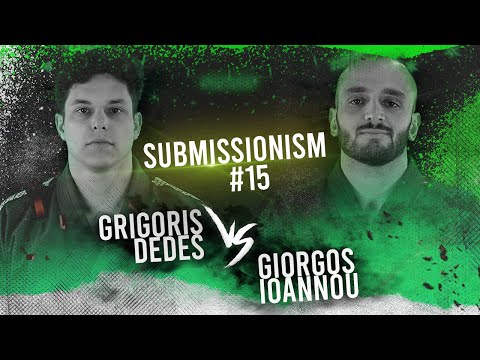
Submissionism 15: Grigoris Dedes vs. Giorgos Ioannou - A Budo Master's Breakdown

Introduction: The Essence of the Grapple

Welcome, warriors, to Budo and Martial Arts. Today, we dissect a visceral display of grappling prowess: Submissionism 15, featuring the intense clash between Grigoris Dedes and Giorgos Ioannou. This event, held on October 30, 2022, under the Cage Survivor banner, offers a potent microcosm of the strategic depth and raw physicality that defines modern submission grappling. For those who seek not just to watch, but to *understand*, this bout is a rich tapestry of technique, strategy, and the indomitable spirit of combat. Prepare yourselves, for we shall delve beyond the mere spectacle into the very heart of the struggle.

Fighter Analysis: Dedes vs. Ioannou - A Study in Contrasts

Before the mat is even touched, the true battle begins in the minds of the combatants. Grigoris Dedes, a name that has echoed in the halls of submission grappling, and Giorgos Ioannou, a challenger eager to make his mark. What does each bring to the canvas? Dedes, often characterized by his relentless pressure and suffocating control, typically favors a methodical approach, wearing down opponents with strategic positional advancement and potent submission attempts. Ioannou, on the other hand, might represent the dark horse, the unpredictable element whose aggression and willingness to take risks could shatter Dedes' carefully constructed game plan. It is this interplay of established mastery versus insurgent ambition that makes such contests compelling. We must ask: Will Dedes’ experience dictate the pace, or will Ioannou’s hunger for victory be the deciding factor?

Technical Breakdown: A Masterclass in Submission

The core of any martial art, and indeed any contest, lies in its technique. Submissionism 15, as the name suggests, is a canvas for the art of the tap-out. We will meticulously examine the transitions, the grips, the feints, and the devastating finishes.

  • Guard Passing: Observe how each fighter attempts to navigate the treacherous terrain of the opponent's guard. Is it explosive speed, patient pressure, or cunning misdirection? A failed pass can lead to a dominant position for the defender, a lesson learned by countless practitioners.
  • Positional Control: Once a dominant position is achieved – be it side control, mount, or back control – how is it maintained? This is where strength meets technique. Look for the subtle weight distribution, the tight hip control, and the constant pressure that suffocates mobility and creates submission opportunities.
  • Submission Entries: The moment of truth. Whether it’s a Rear-Naked Choke, an Armbar, a Triangle Choke, or a Leg Lock, the entry is paramount. A sloppy entry is an invitation for escape. A well-timed, technically sound entry can seal the deal in an instant.
  • Defense and Escapes: Equally crucial is the art of survival. How do Dedes and Ioannou defend against submission attempts? Do they rely on brute strength, technical knowledge of how to relieve pressure, or the sheer willpower to endure? The ability to escape a bad situation is often as valuable as the ability to submit an opponent.

This is where the true art of grappling is displayed, a dance of leverage, timing, and an intimate understanding of human anatomy. Every shift in weight, every subtle movement, has a purpose.

Strategic Depth: Beyond the Obvious

While the raw techniques are captivating, the true masters of submission grappling operate on a higher plane of strategy. Submissionism 15 is not merely a series of individual techniques; it is a strategic chess match played with the body. We must analyze:

  • Pacing: Did one fighter attempt to drain the other's energy early, or was it a cautious dance of probing attacks? A consistent pace is often key to long-term success, but strategic bursts of intensity can break an opponent's will.
  • Game Planning: It’s clear that both Grigoris Dedes and Giorgos Ioannou would have prepared specific strategies tailored to each other's known strengths and weaknesses. Did one fighter’s game plan clearly dominate the other’s?
  • Adapting to Circumstance: The mat is a dynamic environment. A well-executed plan can be nullified by a single counter or an unexpected move. The fighter who can adapt, who can think on their feet (or on their back!), is the one most likely to emerge victorious.

A fighter who relies solely on brute force without strategic foresight is like a samurai with a fine sword but no tactical mind – destined for defeat against a thoughtful adversary.

"Strategy without execution is the dream of a madman." - Miyamoto Musashi

The Submissionism Philosophy

The name "Submissionism" itself speaks volumes. It implies a focus, perhaps even an elevation, of the submission arts. In a sport often dominated by striking and knockouts, events like Submissionism 15 champion the intricate, cerebral aspect of grappling. It’s a celebration of the tap-out, the moment an opponent verbally or physically concedes defeat, acknowledging the superior technique or inescapable hold applied. This philosophy resonates deeply with the principles of Budo, where discipline, respect, and the pursuit of mastery are paramount. The ultimate goal is not necessarily to inflict pain, but to achieve a state of undeniable control and tactical superiority, leading to the opponent's willing cessation of resistance.

Veredict of the Sensei: Is Submissionism 15 a Must-Watch?

Let us not mince words. Grigoris Dedes vs. Giorgos Ioannou at Submissionism 15 is more than just a fight; it is a testament to the evolution and artistry of submission grappling. While the outcome may be definitive, the journey to that conclusion is a masterclass for any serious student of the mats. The technical execution, the strategic battles waged, and the sheer willpower displayed make this bout a compelling watch.

Rating: Four out of Five Black Belts

This is a fight that rewards close observation. For practitioners, it offers invaluable lessons. For fans, it provides a thrilling display of human ingenuity under pressure.

Training Essentials for the Aspiring Grappler

To truly appreciate and emulate the skills showcased at Submissionism 15, dedicated training is non-negotiable. What equipment and mindset do you need to cultivate?

  • High-Quality Gi: For Gi grappling, a durable, well-fitting Gi is essential. Look for double-weave fabrics for longevity under strenuous use. Brands specializing in Karate and Judo Gi often have excellent options that translate well.
  • Spats and Rash Guards: For No-Gi grappling, comfortable, moisture-wicking spats and rash guards are crucial for preventing mat burn and allowing for unrestricted movement.
  • Mat Time: This is non-negotiable. Consistent attendance at a reputable BJJ or grappling academy is paramount. Look for academies that emphasize technical detail and live sparring.
  • Mindset of Perseverance: As with all BUDO, grappling requires immense mental fortitude. Embrace the challenges, learn from every loss, and maintain a consistent training schedule.
  • Study and Observation: Watch fights like this one. Analyze techniques. Read books on grappling strategy. The more you absorb, the faster you will learn.

Resources for Deeper Understanding

The path to mastery is paved with continuous learning. To complement your training and deepen your understanding of the martial world, I highly recommend exploring these resources:

Frequently Asked Questions

Q1: What martial art is most similar to the style seen in Submissionism 15?

The style heavily emphasizes submission holds and positional control, making Brazilian Jiu-Jitsu (BJJ) the most directly comparable martial art. However, elements of Judo and Sambo grappling are also evident.

Q2: How important is physical strength in submission grappling?

While strength is a factor, technique and leverage are significantly more important. A smaller, technically proficient grappler can often overcome a larger, stronger opponent through superior understanding of mechanics and timing.

Q3: Is it possible to train submission grappling at home?

While you can study techniques through videos and books, live grappling requires a training partner and a safe environment. However, physical conditioning, flexibility, and theoretical study can certainly be done at home using resources tagged under #AtHomeWorkout and #NoEquipment.

Q4: What is the quickest submission to learn?

The "quickest" submission is subjective and depends on the individual's aptitude. However, the Rear-Naked Choke is often considered one of the more fundamental and effective submissions to learn early in one's grappling journey due to its efficiency.

Sensei's Reflection: Your Next Step

Grigoris Dedes and Giorgos Ioannou have given us a spectacle, but more importantly, a lesson. They’ve shown that in the crucible of combat, the mind and body must work in perfect, unyielding harmony. They demonstrated that the pursuit of submission is not merely about forcing an opponent to yield, but about understanding the intricate mechanics of leverage, pressure, and timing to achieve undeniable control. This is the essence of true BUDO, extending far beyond the confines of the mat and into the very fabric of life.

Now, I pose this to you: When faced with an insurmountable obstacle in your own life, do you resort to brute force and frustration, or do you seek the elegant, strategic solution that leads to inevitable, controlled success? Reflect on this, and let your actions be your answer.

El Arte de la Sumisión: Un Duelo de Voluntades en CG24

¿Qué distingue a un guerrero de un simple combatiente? No es la furia desatada, ni la fuerza bruta descontrolada. Es la precisión técnica, la inteligencia táctica y, sobre todo, la voluntad férrea para imponer la propia ley sobre el oponente. En el tapiz de las artes marciales, pocas cosas son tan elocuentes, tan definitivas, como la sumisión. Un abrazo, una palanca, una estrangulación que no pide rendición, sino que la exige, sellando el destino del combate con un gesto irrefutable. Hoy, nos adentramos en el corazón de un enfrentamiento que promete ser un estudio sobre la aplicación de técnicas de finalización, analizando la contienda entre Ramírez y Chávez en CG24.

La Filosofía de la Sumisión

La sumisión en las artes marciales mixtas (MMA) y en deportes de agarre como el BJJ o el Judo es más que una técnica para ganar. Representa la culminación de la estrategia, la paciencia y la presión. Es el arte de controlar al oponente, de neutralizar sus fortalezas y explotar sus debilidades hasta que la única opción lógica sea la rendición. Un maestro de la sumisión no solo busca la victoria física, sino la victoria psicológica, demostrando una superioridad tal que la resistencia se vuelve fútil. En este combate, presenciamos un choque de filosofías: la implacable aplicación de la fuerza controlada contra la audacia de un debutante.

Análisis Técnico: Ramírez vs. Chávez

La preparación para un combate de MMA exige una comprensión profunda de todas las facetas del combate: el golpeo (Kickboxing, Karate Kyokushin), la lucha en pie (Judo, Lucha) y el combate en el suelo (Grappling, BJJ). En el caso de Ramírez y Chávez, la narrativa previa sugiere un enfrentamiento donde uno busca dominar a través del control posicional y las técnicas de finalización en el suelo, mientras que el otro, un debutante, podría apostar por la agresividad y la sorpresa.

"La victoria pertenece al que sabe cuándo pelear y cuándo no." - Sun Tzu, El Arte de la Guerra.

Juan Ramírez, con su enfoque en el "ground and pound", busca desgastar a su oponente en el suelo, capitalizando la diferencia de experiencia. Su trayectoria, aunque no detallada aquí, implica un dominio de las transiciones y las posiciones de control. Por otro lado, "Lichi" Ramírez, en su debut profesional, representa la incógnita. ¿Habrá desarrollado la resistencia mental y física para soportar la presión? ¿O traerá consigo una agresividad indomable que podría sorprender a un luchador más experimentado? El estreno en el circuito profesional es un crisol, donde la teoría se encuentra cara a cara con la realidad del combate.

El Dominio Terrestre: "Ground and Pound"

El "ground and pound" es una táctica fundamental en las Artes Marciales Mixtas, una estrategia que combina el derribo (Judo, BJJ) con golpes efectivos mientras el oponente está en una posición desventajosa. No se trata solo de golpear por golpear, sino de hacerlo de manera controlada, buscando infligir daño significativo, pero también debilitando al oponente para abrir oportunidades de sumisión. Un buen practicante de "ground and pound" sabe cómo mantener la posición, cómo evitar que el rival se levante o construya su defensa, y cómo aplicar golpes contundentes que desgasten la resistencia y la voluntad del adversario. La elección de Ramírez por esta táctica sugiere una confianza en su capacidad para llevar la pelea al suelo y controlarla. Un error común de los luchadores menos experimentados es caer en la desesperación al ser llevados al suelo, perdiendo la compostura y facilitando el trabajo del oponente. La habilidad de Ramírez radicará en su paciencia y precisión para ejecutar esta estrategia.

La Sumisión: El Golpe de Gracia

Si el "ground and pound" busca romper al oponente gradualmente, la sumisión es el golpe de gracia, la sentencia final. Llaves articulares como la barra de brazo (armbar) o el mataleón (rear-naked choke), estrangulaciones como el triángulo (triangle choke) o incluso presiones dolorosas, son herramientas para forzar la rendición. La belleza de la sumisión radica en su eficiencia: puede terminar un combate sin necesidad de acumular golpes, demostrando una maestría técnica y un entendimiento profundo de la anatomía humana y la física del movimiento. Para "Lichi" Ramírez, aunque sea su debut, una sumisión bien ejecutada podría ser la vía rápida para la victoria, demostrando una habilidad inesperada y silenciando a quienes cuestionan su potencial en el circuito profesional.

"Las manos son para golpear, las piernas para patear, pero la lucha es el arte más elevado porque requiere control total." - Un antiguo maestro de Judo.

En la práctica, la efectividad de estas técnicas depende de múltiples factores: la posición relativa, la flexibilidad, la fuerza y, crucialmente, el momento. Un luchador que busca una sumisión debe saber cuándo intentarla, cómo mantener la presión y cómo reaccionar si el oponente escapa o defiende. La clave está en la anticipación y la reacción. La ejecución de una sumisión rara vez es obra de la casualidad; es el resultado de una inteligencia marcial aguda y una técnica depurada. La pregunta es si "Lichi" Ramírez posee esa chispa de genialidad técnica que puede capitalizar un error o si Juan Ramírez impondrá su experiencia a través de la presión controlada.

La Mente del Guerrero en la Adversidad

Más allá de la técnica y la fuerza física, el elemento más decisivo en un combate de MMA es la fortaleza mental. El debut de "Lichi" Ramírez lo pone a prueba. ¿Sabrá mantener la calma bajo la presión del "ground and pound" de Juan? ¿Podrá pensar con claridad cuando su cuerpo esté fatigado y su respiración agitada? La preparación mental es tan crucial como la física. Los principios del BUDO, la "vía del guerrero", enfatizan el control de las emociones, la disciplina y la perseverancia. Un guerrero no se rinde fácilmente. La resiliencia en el deporte de combate se forja en incontables horas de entrenamiento, en la superación de derrotas y en la búsqueda constante de la maestría. Este combate es, en esencia, una prueba para ambos: para Juan, de su capacidad para imponer su voluntad a través de la experiencia; para "Lichi", de su temple para enfrentar la adversidad en su primera gran batalla.

Veredicto del Sensei: ¿Triunfo de la Técnica o de la Voluntad?

El análisis previo a la contienda nos presenta a un luchador experimentado, Juan Ramírez, apostando por una estrategia probada: el control en el suelo y el castigo ("ground and pound"), con la mira puesta en una sumisión. Frente a él, un debutante, "Lichi" Ramírez, la incógnita que podría desestabilizar el guion con su audacia y agresividad. La pregunta crucial es si la inexperiencia del debutante lo llevará a cometer errores fatales que Juan sabrá capitalizar, o si su ímpetu le permitirá superar la defensa de un luchador más curtido. En el mundo de las artes marciales, la sabiduría de la experiencia a menudo prevalece, pero la chispa de la juventud y el hambre de demostrar valía pueden ser fuerzas impredecibles. La clave estará en quién logra imponer su ritmo y su plan de juego.

En el ring, la teoría se desmorona y solo la ejecución cuenta. La sumisión, cuando se aplica correctamente, es el arte de la victoria definitiva. Esperamos ver una demostración de técnica y estrategia.

Equipo Esencial para tu Entrenamiento

Para aquellos que se inspiran en la disciplina y el coraje de los luchadores de MMA, contar con el equipo adecuado es fundamental para progresar de manera segura y efectiva. Un entrenamiento integral en Artes Marciales Mixtas abarca diversas disciplinas, y el equipamiento debe reflejar esta versatilidad.

  • Guantes de Entrenamiento de MMA: Diseñados para permitir el agarre y el grappling, pero con suficiente acolchado para proteger las manos y realizar golpes de forma segura. Busca un peso de 4 a 6 onzas para sesiones de sparring.
  • Kimono de Judo o BJJ: Esencial para entrenar las técnicas de lucha en el suelo, proyecciones y control posicional. Un buen kimono de doble tejido (Karate Merchandise podría tener opciones similares en calidad de tela) es duradero y resistente.
  • Espinilleras y Guantes de Kickboxing: Si tu entrenamiento incluye golpes de pierna y puño, estas protecciones son vitales para evitar lesiones.
  • Protector Bucal: Siempre indispensable para proteger tu dentadura y evitar conmociones cerebrales.
  • Protector Genital: Un elemento de seguridad crucial, especialmente durante el sparring.
  • Rodilleras y Coderas: Útiles para amortiguar impactos en ciertas posiciones de suelo y proteger articulaciones sensibles.

Invertir en equipamiento de calidad es invertir en tu seguridad y en tu progreso marcial. Considera buscar Merchandise de marcas reconocidas en el ámbito de las artes marciales para asegurar durabilidad y funcionalidad.

Preguntas Frecuentes

  • ¿Qué es el "ground and pound"? Es una táctica de MMA donde un luchador derriba a su oponente y lo golpea repetidamente mientras este se encuentra en el suelo.
  • ¿Cuál es la diferencia entre una sumisión y un nocaut? El nocaut (KO) es la victoria por inconsciencia o incapacidad de continuar debido a golpes. La sumisión es la victoria forzada por la rendición del oponente ante una técnica de control o dolor.
  • ¿Por qué el debut de un luchador es tan importante? El debut es la prueba inicial de un atleta en el nivel profesional. Determina su capacidad para adaptarse a la presión competitiva, su nivel técnico y su resistencia bajo el escrutinio del público y los jueces.
  • ¿Es el "ground and pound" una táctica antideportiva? No, es una táctica legítima y efectiva dentro de las reglas de la mayoría de las organizaciones de MMA. Requiere habilidad para ejecutar y resistencia para soportar.

Para Profundizar en tu Camino

Reflexión del Sensei: Tu Próximo Paso

Hemos analizado la estrategia, la técnica y la mentalidad que definen un combate de MMA centrado en la sumisión. Ahora, la pregunta fundamental para ti, practicante, es la siguiente: En tu propio entrenamiento, ¿eres el cazador paciente que prepara la trampa perfecta, o eres la fuerza indomable que busca el knockout power a través de la presión constante? ¿O acaso eres el debutante valiente, dispuesto a arriesgarlo todo en busca de una victoria espectacular? Reflexiona sobre tus propias fortalezas y debilidades, y cómo las aplicas en el entrenamiento. La verdadera maestría no reside solo en ganar, sino en comprender el porqué de cada movimiento, de cada estrategia.

``` GEMINI_METADESC: Análisis del combate CG24 entre Ramírez y Chávez, enfocándose en las técnicas de sumisión y el 'ground and pound'. Descubre la mentalidad del guerrero.

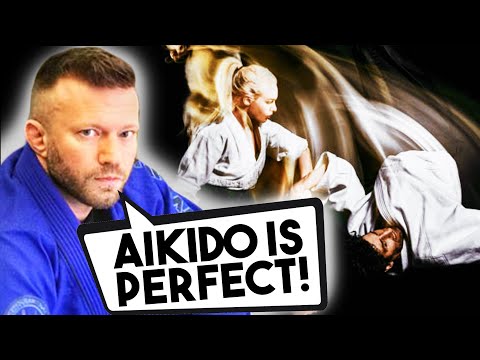
BJJ Black Belt Eli Knight: Aikido and Tai Chi - The Apex of Martial Arts? A Sensei's Critique

The martial world is abuzz. Eli Knight, a decorated Brazilian Jiu-Jitsu black belt and noted self-defense expert, has thrown a gauntlet, asserting that Aikido and Tai Chi represent the *pinnacle* of martial arts. This is a bold claim, one that resonates with a particular romanticism about martial traditions, but one that demands a rigorous examination from the perspective of someone who has dedicated their life to the understanding and practice of combat science. As your Sensei, I approach this not with blind acceptance, but with the sharp eye of a critic and the deep well of knowledge of a martial scholar. Is Knight’s assertion a profound truth, or a misguided romanticism? Let us dissect this.

Table of Contents

The Maverick's Pronouncement

Eli Knight’s statement, that Aikido and Tai Chi are the "perfect" martial arts, is precisely the kind of declaration that ignites debate in any dojo or training hall. It’s the kind of proclamation that, while appealing to a certain aesthetic of martial arts, often overlooks the brutal realities of conflict and the evolutionary pressures that shape effective combat systems. My mission here is to probe this assertion, separating the practitioner's heartfelt belief from the objective efficacy of these arts in the context of modern combat and self-defense. We are not merely discussing forms and philosophies; we are discussing survival and effectiveness.

Eli Knight's Position: A Closer Look

Knight, a practitioner with significant standing in the BJJ community, brings a unique perspective. His background in Brazilian Jiu-Jitsu, a grappling art forged in the crucible of real-world application and competition, imbues his opinions with a certain weight. BJJ is known for its ruthless pragmatism, its focus on leverage, control, and submission. When such an individual praises arts that are often perceived as softer, more philosophical, or even theatrical, it forces us to question *why*. Is he highlighting a forgotten aspect of these arts, or is he perhaps looking at them through the lens of his own highly effective system, seeking parallels that might not fully withstand scrutiny? His explanation, as presented by the original author, is likely focused on principles like yielding, redirection of force, and the cultivation of internal energy (Ki), concepts central to both Aikido and Tai Chi. But do these principles translate to effective, decisive action when the stakes are highest?
"The way of the warrior is to do no fighting. This is the mark of a true warrior." - Miyamoto Musashi (while his philosophy leans towards avoiding conflict, the ability to end it decisively is implied).

Aikido in the 21st Century: Promise vs. Reality

Aikido, founded by Morihei Ueshiba, is often described as a martial art of harmony and non-resistance. Its practitioners focus on blending with an opponent's movement, utilizing joint locks, throws, and pins to neutralize threats. The philosophy emphasizes redirecting an attacker's energy, making it appear as though the attacker is defeating themselves. On the surface, this sounds incredibly sophisticated and effective. However, a critical assessment reveals significant challenges. * **The Problem of Resistance:** Aikido's efficacy is highly dependent on the attacker moving in a predictable, committed manner. In a situation of genuine, untrained aggression – a street fight, for instance – attackers rarely commit to a single, flowing attack that can be easily blended with. They tend to be explosive, unpredictable, and often armed. The intricate joint manipulations and throws, which require precise timing and the opponent's cooperation (or at least a degree of predictable movement), can become exceedingly difficult to apply under extreme duress. * **Lack of Competitive Testing:** Unlike BJJ, Boxing, Muay Thai, or Judo, Aikido has largely eschewed competitive sparring or full-contact competition. While this has preserved its philosophical ideals, it has also left a significant gap in empirical validation. How do we truly know an Aikido technique is effective against a resisting, untrained individual if it's rarely tested under such conditions? The **Martial Arts Training** aspect is crucial here; without pressure-testing, training can become an elaborate dance. * **The Role of Uke:** In Aikido training, the *uke* (receiver of the technique) often plays a crucial role in making the technique work, sometimes demonstrating a degree of complicity in the fall or lock. While this is essential for learning safely, it can create a disconnect between training and application.

Tai Chi: From Health Exercise to Combat Application?

Tai Chi Chuan (Taijiquan) is renowned globally for its health benefits, its slow, flowing movements promoting balance, flexibility, and mindfulness. However, its roots are undeniably in martial combat. The principles of yielding, root, and the generation of internal power (Jin) are central to its practice. * **The Lost Art of Push Hands:** The practice of "Push Hands" (Tui Shou) is the closest Tai Chi comes to controlled sparring. It's designed to develop sensitivity, balance, and the ability to sense and neutralize an opponent's force. However, it is still a far cry from the chaotic nature of a real fight. Many practitioners become highly skilled at Push Hands but struggle to translate this to striking or self-defense. * **Striking and Power Generation:** While Tai Chi *does* involve striking techniques, they are often integrated with evasive and yielding movements. The power generation, *Jin*, is developed through specific training methods that are often esoteric and difficult to master. The question remains: can this power be generated quickly and effectively enough in a surprise confrontation against a motivated attacker? * **The "Health" Perception:** The overwhelming focus on Tai Chi as a health and meditation practice in the West has overshadowed its martial application. Finding instructors who can effectively teach its combat potential is increasingly rare.

The Sensei's Critique: Where Theory Meets Fury

Let us be clear: the philosophical underpinnings of Aikido and Tai Chi—harmony, balance, non-resistance, and the cultivation of internal energy—are profound and offer immense personal development benefits. The issue arises when these principles are presented as the *apex* of martial arts for practical combat. The "perfect" martial art must excel in several critical areas: 1. **Efficacy under Pressure:** Can the techniques be applied reliably against a resisting, untrained, and potentially aggressive opponent? 2. **Simplicity and Directness:** In moments of extreme stress, complex techniques often fail. Simplicity and directness are paramount. 3. **Empirical Validation:** Has the art been tested and proven effective through competition or documented real-world encounters? 4. **Adaptability:** Can the art adapt to various threats, including multiple attackers, weapons, and different ranges of combat (striking, grappling)? From my perspective, while Aikido and Tai Chi possess valuable principles, they fall short in consistently meeting these criteria for *combat effectiveness*. Their strength lies in philosophy and personal cultivation, not necessarily in battlefield application.

MMA: The Ultimate Proving Ground for Martial Efficacy

The rise of **Artes Marciales Mixtas** (MMA) has undeniably changed our understanding of martial effectiveness. MMA forces practitioners to integrate techniques from various disciplines – striking (Boxing, Muay Thai, Kickboxing), grappling (BJJ, Judo, Wrestling), and clinch work – and test them under the most rigorous, full-contact conditions imaginable. The fact that elements from arts like BJJ, Muay Thai, and Wrestling are now foundational to successful MMA careers, while Aikido and Tai Chi have had minimal direct impact at the highest levels, speaks volumes. It’s not that their principles are without merit, but rather that their specific methodologies, when faced with the full spectrum of combat, have proven less adaptable and effective than those that emphasize direct confrontation and empirical testing. The journey of Rokas, the author of the original piece, perfectly illustrates this point. His 14 years in Aikido, followed by a move to train **Entrenamiento de MMA** and compete, highlights a common realization among dedicated martial artists: to truly understand effectiveness, one must face resistance and pressure.

Historical Context and Evolution

Historically, martial arts evolved out of necessity. Styles that worked best for survival on the battlefield or in defense of oneself and one's community naturally gained prominence and were passed down. BJJ, for instance, has a clear lineage of being tested and refined. Aikido, on the other hand, emerged during a period of relative peace in Japan, and its creator, Ueshiba, sought to create an art that emphasized peace and spiritual development alongside physical techniques. Tai Chi, while older and with a more direct martial lineage, also saw significant development towards health and meditative practices, especially in its modern forms. This doesn't invalidate their martial aspects, but it shifts their primary focus.

Spirituality vs. Survival: A False Dichotomy?

Perhaps the core of Knight's argument, and the romantic appeal of Aikido and Tai Chi, lies in the desire for a martial art that transcends mere violence—one that cultivates peace, harmony, and spiritual growth. Many practitioners genuinely seek this, and these arts offer a profound path for self-improvement. However, presenting them as the *perfect* martial arts for *combat* risks creating a false dichotomy: that effectiveness must be purely brutal and devoid of philosophy, or that philosophy inherently lacks effectiveness. This is not the case. A well-rounded martial artist, a true **WarriorPhilosophy**, understands that effectiveness and spirit are not mutually exclusive. The most dangerous warriors are often those with profound discipline, focus, and control—qualities cultivated through deep martial practice, including those found in the more pragmatic arts. The goal isn't to reject the wisdom of Aikido or Tai Chi, but to place it in its proper context. They offer incredible benefits for health, mindfulness, and personal development. For *self-defense* and *combat*, however, a critical mind must look towards arts that have been consistently validated through pressure-testing and competition. While Aikido and Tai Chi emphasize body mechanics over specialized gear, certain items can significantly enhance the training experience, especially if one seeks to bridge the gap towards practical application.
  • Dojo Uniform (Gi): A sturdy, comfortable **KarateMerchandise** or BJJ gi is essential for practicing throws and joint locks in Aikido. Look for durable fabrics that can withstand repeated stress.
  • Training Mats (Tatami): Proper matting is crucial for safe practice of throws and falls.
  • Focus Mitts and Pads: For incorporating striking elements, especially if you are integrating aspects of Tai Chi's striking or preparing for MMA, focus mitts and pads are invaluable for partner drills.
  • Sparring Gear (Optional but Recommended): For a more complete martial experience, consider investing in **MartialArtsMerchandise** such as mouthguards and groin protectors if you begin any form of controlled sparring.

Frequently Asked Questions

Is Aikido completely useless for self-defense?

No, Aikido is not entirely useless. It teaches principles of balance, body movement, and the idea of redirecting force, which can be beneficial. However, its efficacy is significantly limited in realistic self-defense scenarios due to the lack of pressure-testing and the unpredictable nature of real aggression.

Can Tai Chi be used for fighting?

Yes, Tai Chi has martial roots and combat applications. However, mastering these requires dedicated training focused on its martial aspects, often through practices like Push Hands and striking drills, which are not always emphasized in modern Tai Chi classes primarily focused on health.

Why are BJJ and MMA so effective?

Brazilian Jiu-Jitsu and MMA are highly effective because they have been rigorously tested and refined through full-contact competition. They focus on practical, proven techniques for striking, grappling, and control, adapting to the realities of combat.

What is the main difference between Aikido and BJJ in terms of effectiveness?

The primary difference lies in their approach to conflict and their validation. BJJ prioritizes proven effectiveness through competition and direct confrontation, focusing on control and submission. Aikido emphasizes blending, philosophical harmony, and redirection, with less emphasis on competitive testing, making its application in chaotic situations less reliable.

Should I stop training Aikido or Tai Chi if I want to learn self-defense?

Not necessarily. If your primary goal is self-defense, consider supplementing your training with arts that are proven effective under pressure, such as BJJ, Muay Thai, Boxing, or Judo. You can still benefit immensely from the philosophical and physical aspects of Aikido and Tai Chi while acquiring practical self-defense skills elsewhere.

The Sensei's Critique: Final Verdict

Eli Knight's endorsement of Aikido and Tai Chi as "perfect" martial arts is a testament to the enduring allure of their philosophies and the depth of their principles. However, as a critic and practitioner, I must assert that "perfect" for combat effectiveness is a title earned in the heat of battle, not in the serene quiet of a dojo. While these arts offer invaluable lessons in personal development, balance, and awareness, their practical application in the face of genuine, uncooperative aggression is demonstrably less robust than systems like BJJ or MMA, which have been forged and refined through the ultimate proving ground: competition and real-world application. My assessment is that Aikido and Tai Chi are excellent for personal cultivation, health, and understanding the deeper philosophical aspects of martial arts. However, if your primary goal is to prepare for the harsh realities of conflict, to defend yourself effectively, or to engage in combat sports, focusing on arts with proven, tested methodologies is a far more pragmatic and reliable path.

For Deeper Exploration on Your Path

To truly understand the evolution of martial arts and their practical application, I encourage you to explore these related topics:

Reflexión del Sensei: Tu Próximo Paso

Knight's statement has stirred the pot. Now, I pose this to you: If a martial art's perfection is measured by its ability to instill peace and harmony, then perhaps Aikido and Tai Chi are indeed perfect. But if its perfection is measured by its capacity to neutralize a threat decisively and reliably in the most chaotic circumstances, does the definition of "perfect" change? Where does *your* training lie on this spectrum? ``` GEMINI_METADESC: Sensei's critical analysis of BJJ Black Belt Eli Knight's claim that Aikido & Tai Chi are perfect martial arts. Explore combat effectiveness, MMA, and philosophical nuances.

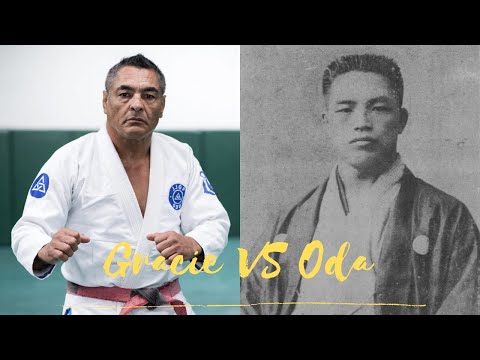
Rickson Gracie vs. Tsunetane Oda: A Masterclass in Foundational Combat

In the hushed halls of martial history, certain encounters resonate not merely for their outcome, but for the profound lessons they impart. The confrontation between Rickson Gracie and Tsunetane Oda is one such event. It’s a bout that transcends the typical spectacle of combat, offering a deep dive into the very essence of what makes a martial artist truly formidable. As a Sensei dedicated to the propagation of Budo and the critical analysis of martial arts in all its forms, I find this particular exchange a fertile ground for dissecting the principles that separate fleeting victory from enduring mastery.

The Legacy of Tsunetane Oda: A Pillar of Kodokan Judo

Before we dissect the encounter, understanding the context of Tsunetane Oda is paramount. Oda was not merely a judoka; he was a living testament to the ideals of the Kodokan. Born into an era where Judo was solidifying its philosophical and technical foundations, Oda exemplified the principles of Seiryoku Zenyo (Maximum Efficiency, Minimum Effort) and Jita Kyoei (Mutual Welfare and Benefit). His reputation preceded him as a formidable competitor and an influential instructor, deeply rooted in the rigorous training methodologies that defined early Judo.

"Judo is not merely a technique of attack and defense, but a way of life, a path of self-improvement." - Jigoro Kano

Oda's journey within the Kodokan was one of dedication and mastery. He understood the intricate biomechanics of throws like the Ouchi Gari and Seoi Nage, but more importantly, he grasped the underlying principles of leverage, timing, and kuzushi (breaking balance). In a street fight scenario, or even a regulated contest, a judoka of Oda's caliber possessed a threat that extended far beyond mere physical strength. His ability to redirect an opponent's force, to exploit the smallest imbalance, was a skill honed through years of relentless practice, a true embodiment of the BUDO spirit.

Rickson Gracie: The Embodiment of Brazilian Jiu-Jitsu's Evolution

Across the Pacific, a different martial revolution was brewing, spearheaded by the Gracie family. Rickson Gracie, often hailed as the greatest Gracie of them all, became the living embodiment of Brazilian Jiu-Jitsu’s effectiveness. His philosophy was rooted in the idea that a smaller, weaker individual could defeat a larger, stronger opponent through superior technique, leverage, and ground fighting prowess. This wasn't just theory; Rickson’s undefeated record, particularly in vale tudo (no-holds-barred) matches, served as the ultimate validation.

What set Rickson apart was his seemingly effortless control. He didn't rely on brute strength but on an innate understanding of pressure points, joint manipulation, and submission holds like the choke and the armbar. His application of these techniques was fluid, almost organic, reflecting a deep, almost intuitive mastery of his art. He demonstrated that the foundation of BJJ wasn't just about grappling; it was about a comprehensive system of control that began standing and transitioned seamlessly to the ground. This was a direct challenge and evolution of the striking-heavy combat prevalent at the time.

The Encounter: A Clash of Philosophies

The bout between Rickson Gracie and Tsunetane Oda wasn't just a fight; it was a philosophical debate enacted on the mat. On one side, we had the established authority of Kodokan Judo, a system refined over decades, emphasizing standing techniques and throws with a strong emphasis on self-discipline and holistic development. On the other, the burgeoning power of Brazilian Jiu-Jitsu, a system that had evolved from Judo, focusing on ground fighting and submission holds as the ultimate deciders of a contest, particularly in a context where rules were minimal.

The anticipation surrounding this fight was immense. Many wondered if Oda's Judo prowess, honed under the strict tenets of the Kodokan, could overcome Gracie's methodical dismantling of opponents on the ground. Could the foundational principles of Judo, as taught by masters like Kano and exemplified by Oda, stand against the aggressive refinement of BJJ that Gracie represented? This wasn't just a personal contest; it was a symbolic battle between two titans of martial arts evolution.

Technical Breakdown: The Subtle Art of Control

When analyzing the exchange, the initial engagement is crucial. Both fighters, being masters of their respective arts, would have begun by establishing dominant grips, testing each other's balance and posture. Oda, true to his Judo background, would have likely sought to utilize kuzushi to create throwing opportunities. His grips would have been strong, designed to control Gracie’s center of gravity and initiate a powerful throw.

However, Gracie’s game was different. His grips were not solely for the purpose of throwing, but for control, for pulling his opponent into his domain – the ground. A key element to watch for would be Gracie’s ability to defend against the throw while simultaneously setting up his own transition. This is where the evolution of BJJ is evident. While Judo emphasizes the throw and the immediate pin, BJJ recognizes that the fight often continues after the throw, or that a failed throw can be an opportunity to secure a dominant ground position.

If the fight went to the ground, as was often Gracie’s intention, the dynamic would shift entirely. Oda, though trained in groundwork, would find himself in a situation where Gracie's specialization would come to the fore. Gracie's guard passing, his pressure, and his suffocating submission holds – the triangle choke, the armbar, the kimura – were legendary. He wouldn't just be trying to submit Oda; he’d be systematically dismantling his defenses, controlling his hips and posture, making escape a near impossibility.

A critical point of analysis is the concept of "position before submission." Gracie exemplified this. He wouldn't rush into a submission attempt. Instead, he would establish dominant positional control – mount, side control, or a suffocating guard – before patiently applying pressure and seeking the most opportune moment for a tap. This methodical approach is a hallmark of high-level BJJ and is directly contrasted with approaches that might prioritize immediate, high-risk attacks.

Lessons Learned: Beyond the Bout

The enduring legacy of this encounter lies not just in who won or lost, but in the principles it illuminates. For judoka, it reinforces the importance of adapting their training to include comprehensive groundwork defense and offense, understanding that the fight does not always end with a throw. For BJJ practitioners, it’s a powerful reminder of the roots from which their art sprang and the critical importance of standing techniques and control to initiate their ground game. It underscores that true martial arts mastery requires a holistic approach, encompassing both striking and grappling, standing and ground fighting.

Moreover, this bout highlights the critical role of foundational principles. Whether it's the balance and leverage in Judo or the pressure and submission control in BJJ, the core concepts of efficient movement, timing, and understanding an opponent's structure are universal. The ability to adapt and evolve, incorporating the strengths of different martial arts while staying true to one's core philosophy, is what creates a truly complete martial artist.

"The supreme art of war is to subdue the enemy without fighting." - Sun Tzu, The Art of War

In essence, Rickson Gracie vs. Tsunetane Oda serves as a profound case study in martial arts evolution. It demonstrates that the most effective fighters are those who understand not only their own art but also the strengths and weaknesses of others, allowing them to adapt and dominate across different contexts.

Veredict of the Sensei: Did This Fight Earn Its Stripes?

Absolutely. While the specific context and outcome might be debated by purists, the encounter between Rickson Gracie and Tsunetane Oda is a pivotal moment in martial arts history. It perfectly encapsulates the transition and evolution of combat sports, showcasing the practical application of distinct, yet interconnected, martial philosophies. It’s a testament to the idea that mastery of fundamentals, whether in standing techniques or ground control, is the ultimate key to victory. This fight is a masterclass in strategic application and foundational dominance.

Sensei's Rating:

Cinturón Negro en Análisis Táctico y Filosófico.

Essential Training for Foundational Mastery

To truly understand and implement the principles showcased in a bout like this, rigorous training in fundamental techniques is non-negotiable. Whether you lean towards Judo or BJJ, or seek a hybrid approach, focusing on the core elements is paramount.

  • Grip Fighting: Developing strong, intelligent grips is the first step in controlling distance and initiating techniques, both standing and on the ground.
  • Balance and Posture: Mastering the ability to maintain your own balance while disrupting your opponent's is crucial for throws and submissions.
  • Takedown Defense: For grapplers, understanding how to defend against takedowns is as important as executing them.
  • Positional Control: In BJJ, establishing and maintaining dominant positions like mount, side control, and back control is the foundation for successful submissions.
  • Submission Fundamentals: Practicing common submissions like armbars, chokes, and leg locks under pressure is vital.
  • Flow Rolling/Randori: Regular sparring (Randori in Judo, Rolling in BJJ) is essential to integrate techniques and develop practical application.

If you're looking to enhance your training, consider investing in quality equipment. For Judo practitioners, a durable, double-weave gi is essential, while BJJ requires a gi that allows for maximum flexibility. For those focusing on striking or conditioning, investing in quality MartialArtsMerchandise like hand wraps and sparring gloves can also be beneficial.

Frequently Asked Questions

What is the primary difference between Kodokan Judo and Brazilian Jiu-Jitsu in terms of philosophy?

Kodokan Judo, founded by Jigoro Kano, emphasizes holistic development, including physical, mental, and moral aspects, with a focus on throwing techniques and self-defense principles like Seiryoku Zenyo and Jita Kyoei. Brazilian Jiu-Jitsu, evolved from Judo by the Gracie family, places a stronger emphasis on ground fighting and submission holds as the primary means of defeating an opponent, particularly in no-holds-barred contexts.

Was Rickson Gracie undefeated?

Rickson Gracie is widely recognized for his undefeated professional record, particularly in vale tudo (no-holds-barred) contests, solidifying his reputation as one of the most dominant martial artists of his era.

What is 'kuzushi' in Judo?

Kuzushi refers to the act of breaking an opponent's balance or disrupting their posture. It is a fundamental principle in Judo, essential for executing effective throws.

What are the main submissions in Brazilian Jiu-Jitsu?

Key submissions in BJJ include various types of chokes (e.g., rear-naked choke, triangle choke) and joint locks (e.g., armbar, kimura, omoplata).

How did Judo influence Brazilian Jiu-Jitsu?

Brazilian Jiu-Jitsu originated from Judo techniques brought to Brazil by Mitsuyo Maeda. The Gracie family, particularly Hélio Gracie, adapted and refined these techniques, focusing more heavily on groundwork and submissions that proved effective against larger opponents.

To Deepen Your Understanding

To truly grasp the nuances of martial arts, continuous learning and exploration are key. Here are some resources to further your journey:

  • BUDO: Explore the philosophical underpinnings of Japanese martial ways.
  • Artes Marciales: A broad overview of various martial disciplines and their histories.
  • Entrenamiento: Practical guides and tips for enhancing your physical conditioning and technical skills.

Reflection of the Sensei: Your Next Step

In the grand tapestry of combat, is true mastery found in perfecting a single thread, or in weaving together multiple strands into a stronger, more resilient whole? Consider how the principles of Judo's standing control and BJJ's ground dominance can inform your own training, regardless of your chosen path. Are you merely practicing techniques, or are you striving for the profound understanding that transcends the physical?

``` GEMINI_METADESC: Explore the legendary clash between Rickson Gracie and Tsunetane Oda. Analyze the foundational principles of Judo and BJJ, and learn critical lessons for martial arts mastery.

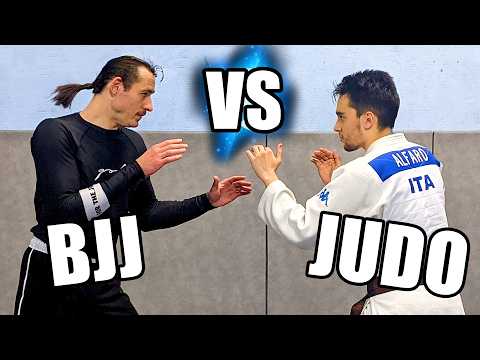
BJJ vs. Judo: A Master's Critique of a Real Sparring Session

The true test of any martial art lies not in the rhetoric of its proponents, but in the crucible of direct application. When two distinct traditions clash, what emerges is not merely a winner and a loser, but a profound lesson for all who seek mastery.

The question echoes through dojos and online forums with the persistence of a well-placed jab: what truly separates Brazilian Jiu-Jitsu from its venerable ancestor, Judo? This isn't just an academic exercise for practitioners; it's a fundamental inquiry into efficacy, philosophy, and the very essence of grappling. We witness a blue belt in BJJ facing a brown belt in Judo, a scenario rich with potential insights. But does this encounter merely highlight technical differences, or does it reveal deeper truths about the evolution of combat sports and the perennial pursuit of the warrior's spirit?

Table of Contents

The Premise: Blue Belt vs. Brown Belt

The core of this analysis lies in the specific pairing: a BJJ blue belt against a Judo brown belt. This immediately presents a nuanced dynamic. The Judo brown belt possesses significant experience in throws and takedowns, coupled with a foundational understanding of ground fighting derived from their Judo practice. However, the BJJ blue belt, while perhaps less experienced overall, is immersed in a system specifically designed for prolonged ground combat and submissions. The belt ranking, while indicative of progress, doesn't tell the whole story. The true divergence lies in the *emphasis* and *specialization* of each art. BJJ's lineage traces back to Judo, particularly Kodokan Judo's ground fighting aspects as adapted by the Gracie family, yet it has evolved into a distinct discipline with a different strategic focus.

Deconstructing the Engagement: Sparring Rules

The rules of engagement are paramount. Without a clear understanding of what is permitted and disallowed, any comparison becomes anecdotal. Were submissions the primary objective? Were takedowns scored, or simply a means to an end? Did the sparring adhere to the typical parameters of BJJ rolling (e.g., emphasis on submission), or did it incorporate Judo's point-based system for throws? The subtle shifts in rules can dramatically alter the outcome and, more importantly, the tactical approaches employed by each practitioner. A format prioritizing submissions naturally favors the BJJ practitioner's specialized skillset, while one rewarding throws would lean towards the Judoka. The absence of clear rules in this context makes a definitive technical judgment challenging, yet it also opens the door to observing adaptability.

Historical Context: The Roots of the Rivalry

To understand BJJ vs. Judo, one must delve into their shared past. Judo, founded by Jigoro Kano, was born from a desire to create a martial art that emphasized physical and moral education, drawing from older Jujutsu styles but refining them into a sport and a discipline. The Gracie family, initially learning Judo from Mitsuyo Maeda, adapted and expanded upon its ground-fighting principles, focusing relentlessly on submission holds that could neutralize larger, stronger opponents. This evolution, driven by real-world application and the necessity of proving its efficacy, led to the birth of Brazilian Jiu-Jitsu. This historical lineage is not a footnote; it's the bedrock upon which the modern debate is built. It begs the question: did BJJ merely refine Judo's ground game, or did it fundamentally transform it into something entirely new?

The Grappling Spectrum: Judo vs. Judo

The internal variations within Judo itself are often overlooked. The "Judo vs. Judo" segment is crucial because it illustrates the diversity even within a single art. A Judoka focused primarily on competition might have a different approach to randori (sparring) than one who emphasizes kata and self-defense. Furthermore, the competitive Judo landscape has evolved significantly. Modern Judo often sees a strong emphasis on standing techniques and controlling the clinch, with ground fighting sometimes being a secondary focus, or at least a transition phase rather than the primary objective. This internal diversity means that comparing a "typical" Judo approach to a "typical" BJJ approach can be misleading if the specific Judo style and training methodology aren't understood.

Gi Dynamics: BJJ Gi vs. Judo Gi

The gi itself plays a critical role. While visually similar, Judo and BJJ gis have subtle differences in cut and material that affect their use in grappling. Judo gis are traditionally thicker and more durable, designed to withstand the rigors of throws and grips meant to control an opponent's posture and balance. BJJ gis, while also robust, often feature variations in fabric weight and cut (e.g., slimmer fit) that can facilitate certain movements and submissions on the ground. In sparring, the grip-fighting aspect becomes central. A Judoka is highly skilled at establishing grips that enable throws, while a BJJ practitioner uses gi grips for control, submission setup, and to prevent sweeps or passes. The ability to adapt to the unique gripping opportunities and restrictions presented by each gi is a key differentiator.

No-Gi Confrontation: BJJ No-Gi vs. Judo No-Gi

The shift to no-gi sparring levels the playing field in a significant way. Without the gi, the primary means of control and manipulation for throws and submissions are removed. This inherently benefits BJJ, whose techniques are often more adaptable to a no-gi environment. While Judo does incorporate some no-gi elements, its core mechanics are heavily reliant on the gi. In a no-gi scenario, the Judoka may find their primary offensive tools (grips for throws) significantly diminished, forcing a greater reliance on wrestling-style takedowns and a more direct engagement with BJJ's submission-focused ground game. This is where the distinct strategic philosophies become most apparent.

The Unexpected Detour: Aikido vs. Judo

The inclusion of Aikido in the comparative analysis, even if tangential, speaks to a broader martial arts discourse. Aikido, with its emphasis on blending with an opponent's movement and redirecting their energy, presents a philosophical counterpoint to the more direct, often combative nature of Judo and BJJ. The comparison, even if brief, highlights the distinct paths these arts have taken. While Judo evolved into a sport and a comprehensive self-defense system, and BJJ specialized in ground submission, Aikido pursued a different trajectory, focusing on principles of non-resistance and harmonizing with force. The realization that "Aikido does not live up to what it promises" is a stark admission that can resonate with many who have explored various martial disciplines.

The Summation: Lessons Learned

Ultimately, the sparring session between a BJJ blue belt and a Judo brown belt offers a microcosm of the ongoing dialogue between these arts. It underscores that while they share a common ancestor, their modern applications and strategic priorities have diverged. Judo retains its strength in takedowns and control from the standing position, with a historical grounding in ground techniques. BJJ has intensified its focus on ground submission, developing a vast arsenal of techniques specifically for that domain. The outcome of such a bout is less about inherent superiority and more about the specific rules, the individual practitioners' strengths, and their adaptability. It's a testament to the idea that each art offers unique value, and their greatest strength might lie in recognizing their differences and learning from one another.

Veredicto del Sensei: ¿Merece la pena?

This exploration is more than just a casual sparring match; it's a valuable educational tool. For practitioners of Judo and BJJ, it offers tangible insights into the practical differences between the two arts. For those exploring martial arts, it serves as an accessible entry point to understanding the nuances of grappling. The willingness to engage in direct comparison, to acknowledge historical context, and to analyze the practical implications of rule sets and equipment demonstrates a commitment to genuine martial inquiry. It's a rare glimpse into the evolutionary process of combat sports. While the specific outcome of any single roll is secondary, the willingness to document and dissect it for learning purposes earns high marks. This isn't about definitively proving one art "better" than another, but about understanding their respective strengths and philosophies. It's a vital conversation starter for any serious martial artist.

Calificación: Cinturón Negro en Análisis Comparativo.

Guía de Entrenamiento: Dominando el Agarre (Kumi-kata)

  1. Comprender la Filosofía del Agarre: En Judo, el agarre (kumi-kata) es primordial para la proyección. Busca agarres que te den control sobre el centro de gravedad de tu oponente, limitando su movilidad y preparándolo para una técnica de derribe. En BJJ, los agarres son para controlar el oponente en el suelo, establecer posiciones, y preparar sumisiones. Adapta tu mentalidad según la fase del combate.
  2. Práctica de Agarre en Judo: Dedica tiempo específico a practicar diferentes tipos de agarres con un compañero. Experimenta con agarres de solapa (tsuri-komi), de manga (kote-gaeshi), y combinaciones. Sin moverte, enfócate en sentir la tensión, el equilibrio y la respuesta de tu oponente. Trabaja la fuerza de tus dedos y antebrazos.
  3. Práctica de Agarre en BJJ: En el suelo, practica cómo mantener agarres estables mientras tu oponente intenta escapar. Enfócate en la creación de palancas y puntos de control que impidan que tu oponente se escape o establezca su propia ofensiva. Experimenta con agarres para transiciones (ej. de control lateral a montada) y para finalizar (ej. agarre de cuello para estrangulamiento).
  4. Adaptabilidad del Agarre (Gi vs. No-Gi): Entrena tanto con gi como sin él. Observa cómo la ausencia del gi cambia la eficacia de ciertos agarres. Desarrolla un repertorio de agarres sin gi que funcionen bien para takedowns (estilo lucha) y para control en el suelo.
  5. Simulación de Combate: Incorpora la práctica de agarres en tus sesiones de sparring (randori para Judo, rolling para BJJ). Enfócate en cómo aplicas y defiendes agarres bajo presión. Presta atención a cuándo debes cambiar tu agarre o soltarlo para evitar quedar en una posición desventajosa.

Equipo Esencial para tu Entrenamiento

  • Kimono de Judo (Judogi): Busca un judogi resistente, a menudo de tejido más grueso, diseñado para soportar las fuerzas de los derribes y el control de agarre.
  • Kimono de BJJ (BJJ Gi): Los kimonos de BJJ varían en peso y corte. Un gi de peso medio es ideal para empezar, ofreciendo durabilidad y libertad de movimiento.
  • Ropa de Entrenamiento (No-Gi): Camisetas de compresión o rash guards y pantalones cortos de lucha/MMA son ideales para el entrenamiento sin gi, permitiendo un buen agarre y previniendo quemaduras en la lona.
  • Protección Dental: Fundamental para cualquier tipo de sparring para prevenir lesiones.
  • Protector de Ingle: Altamente recomendado para protegerse de impactos accidentales.

Recursos para Profundizar

Preguntas Frecuentes

  • ¿Es el Judo mejor que el BJJ para la defensa personal? Ambos artes tienen sus fortalezas. El Judo es excelente para los derribes y el control inicial, mientras que el BJJ se especializa en neutralizar y someter en el suelo. La efectividad dependerá de la situación y del entrenamiento del practicante.
  • ¿Puede un Judoka competir en BJJ? Sí, muchos Judokas compiten exitosamente en BJJ, adaptando sus habilidades de derribe y control. Sin embargo, a menudo deben enfocarse en mejorar su juego de sumisión específico del BJJ.
  • ¿Puede un practicante de BJJ competir en Judo? Requiere adaptación significativa. Los practicantes de BJJ deben dominar las técnicas de derribe y las reglas específicas del Judo, que a menudo penalizan el tiempo excesivo en el suelo si no se busca la progresión.
  • ¿Por qué el BJJ evolucionó tanto del Judo? El BJJ se centró en la aplicación práctica de las técnicas de sumisión en el suelo, a menudo probadas en desafíos abiertos (vale tudo), lo que llevó a una especialización y desarrollo de un repertorio de sumisiones mucho más amplio que el Judo competitivo tradicional.

Reflexión del Sensei: Tu Próximo Paso

The modern martial landscape is a tapestry woven from threads of ancient tradition and contemporary innovation. BJJ and Judo represent two powerful strands in this fabric. This sparring session, while a snapshot, invites a deeper contemplation: are these arts truly rivals, or complementary disciplines? If you are a Judoka, how can you integrate more submission-focused ground training? If you are a BJJ practitioner, how can you sharpen your takedown game and leverage the positional advantages Judo offers? True mastery lies not in adhering rigidly to one path, but in understanding the strengths of all paths and synthesizing them into your own unique journey.

The master does not teach by word, but by example. The student learns not by imitation, but by understanding.

Now, I pose this to you: In your own training, are you truly exploring the frontiers of your chosen art, or are you content to remain within its familiar borders? Have you considered how principles from other disciplines might enhance your own practice? Prove your understanding by sharing your perspective. Does this comparison resonate with your experience, or do you see a different truth? Speak now, for silence in the dojo of learning is a missed opportunity.

``` GEMINI_METADESC: Análisis experto de BJJ vs Judo en sparring. Explora las diferencias, historia, reglas y equipamiento con un Sensei. ¿Cuál arte marcial es superior?

Brazilian Jiu-Jitsu: The Ultimate Ego Destroyer - A Martial Sensei's Analysis

The pursuit of martial arts is often portrayed as a path to power, dominance, and self-aggrandizement. We see heroes in films dispatching legions with effortless grace, their egos seemingly as impenetrable as their defenses. But what happens when the art itself is designed to dismantle that very ego, brick by brick? What happens when the ultimate victory is not over an opponent, but over the self? This is the profound question at the heart of David Torres Labansat's documentary, "Brazilian Jiu-Jitsu: The Great Ego Destroyer."

My own journey through the labyrinthine world of martial disciplines has taught me that the most potent transformations are often forged in the crucible of humility. I’ve witnessed firsthand how the relentless demands of grappling, the stark reality of being physically controlled and submitted, can strip away pretension and reveal the core of a person. This documentary, a testament to that truth, came to my attention, and its message resonated deeply. After connecting with David, I was granted the privilege to share this insightful work. So, prepare yourselves, for what follows is not just a film viewing, but a visceral lesson.

The Psycho-Social Crucible of BJJ

David Torres Labansat's vision is clear: to explore the profound psycho-social impact of Brazilian Jiu-Jitsu on ordinary individuals. He posits that BJJ is not merely a combat sport; it is a lifestyle, a forge where practitioners learn to confront their frustrations, not by suppressing them, but by channeling them into the discipline of the mat. This redirection of energy is a core principle found across many traditional martial arts, but BJJ, with its intimate and often humbling nature, brings this concept into sharp relief.

The documentary emphasizes a critical element often overlooked in the quest for individual mastery: collaboration. It highlights the importance of working alongside diverse individuals, each with their own unique struggles and insights. Through this shared experience, practitioners build a collective strength, a foundation upon which true inner peace can be built. This echoes the communal training found in historical martial arts schools, where the dojo was a microcosm of society, fostering mutual respect and shared growth.

"The main topic of this documentary is the psycho-social impact that brazilian jiu jitsu has on the daily life of ordinary people, including the directors´. By being part of it, it becomes inevitable to adopt a life style in which they can fight their frustrations redirecting them to the practice of this discipline." - David Torres Labansat

The narrative masterfully weaves together the perspectives of its participants, illustrating how, despite a common goal – that of self-improvement through Jiu-Jitsu – the paths to achieving it are as varied as the individuals themselves. This is the essence of true martial philosophy: acknowledging the universal while celebrating the particular. It's a powerful counterpoint to the often rigid, one-size-fits-all approaches seen in some modern interpretations of martial arts.

From Aikido's Promises to MMA's Realities: A Martial Arts Journey

To truly appreciate the transformative power of BJJ, it's vital to understand the context from which many practitioners arrive. Rokas, the narrator and documentarian behind the "Martial Arts Journey" channel, offers a compelling personal narrative that serves as a powerful counterpoint to the BJJ focus. His story is a stark reminder of the disillusionment that can arise when the ideals of an art form fail to meet the practical realities of combat and self-defense.

Rokas spent 14 years immersed in Aikido, even running a dojo for seven of those years. Yet, he ultimately realized that Aikido, as practiced, did not live up to its profound promises of effective self-defense or spiritual invincibility. This realization, a moment of profound intellectual and personal crisis for any dedicated practitioner, led him to a bold decision: to close his dojo and embark on a journey to train Mixed Martial Arts (MMA) at the renowned Straight Blast Gym Headquarters in Portland, Oregon, under the tutelage of Matt Thornton.

His six-month intensive training, culminating in his first amateur MMA fight, and subsequent documentation of this experience, provides an invaluable perspective. It underscores a fundamental principle that I, as a Sensei, constantly impart to my students: the importance of testing one's art. Theory and philosophy are essential, but they must be validated through practical application. Rokas’s journey from the more esoteric principles of Aikido to the undeniable pragmatism of MMA is a powerful illustration of this principle.

"Now I am slowly setting up plans to continue training MMA under quality guidance and getting ready for my next MMA fight as I further document and share my journey and discoveries." - Rokas

His openness in sharing this evolution – the successes, the failures, the constant learning – is precisely what makes the "Martial Arts Journey" channel a valuable resource. It’s a raw, unvarnished look at what it truly means to be a martial artist in the 21st century, where the lines between traditional disciplines and modern combat sports are increasingly blurred.

The Ego's Demise: A Practical Perspective

Why is BJJ so effective at destroying the ego? Consider the fundamental mechanics. Unlike striking arts where distance can provide a buffer, BJJ forces an intimate, physical confrontation. You are immediately put in positions where you are vulnerable, where your strength and size advantages are often neutralized by superior technique. The goal is not to inflict pain, but to establish control and achieve a submission – a tap that signifies surrender, both physical and, crucially, mental.

Imagine a highly decorated executive, accustomed to commanding respect and wielding authority, finding themselves repeatedly outmaneuvered by a smaller, less physically imposing training partner. The techniques of BJJ are often described as "human chess," but the board is a human body, and the pieces are your own limbs, subjected to leverage and control you cannot easily resist. This forces a constant re-evaluation of one's capabilities, a humbling process that can be deeply uncomfortable but ultimately liberating.

The culture of many BJJ academies further reinforces this. While competitive in nature, there's a strong emphasis on helping new students, on guiding them through the initial awkwardness and frustration. The "tap" is not a mark of shame, but a necessary step in the learning process. It’s an acknowledgment of a superior technique, a lesson learned. This shared vulnerability fosters a unique camaraderie, a "band of brothers" (and sisters) united by their mutual struggle against their own limitations.

This contrasts sharply with the often adversarial and ego-driven environments found in some other martial pursuits. In BJJ, the opponent is, in many ways, a teacher. They are showing you exactly where you are lacking. The true win is not just the successful submission, but the willingness to *be* submitted and learn from it. This is the paradox of BJJ: to become stronger, you must first accept being made to feel weak.

Veredicto del Sensei: ¿Merece la pena?

Brazilian Jiu-Jitsu is more than just grappling; it is a profound philosophical practice disguised as a combat sport. "The Great Ego Destroyer" captures this essence beautifully, showcasing how the inherent challenges of BJJ can lead to remarkable personal growth, humility, and a more sincere outlook on life. Rokas's personal journey, from the idealistic world of Aikido to the practical realities of MMA, further validates the importance of seeking out arts that truly stand the test of application and provide genuine self-discovery.

Cinturón Negro en Autoconocimiento. This documentary, coupled with Rokas's narrative, offers a powerful dual perspective on the transformative potential of martial arts. It’s a compelling watch for anyone interested in BJJ, MMA, or the broader impact of martial disciplines on the human psyche.

Equipo Esencial para tu Entrenamiento

While BJJ primarily focuses on technique, having the right equipment can significantly enhance your training experience, safety, and comfort. Investing in quality gear is not about vanity; it's about respecting the art and your training partners. For those inspired by this documentary and Rokas's journey, consider the following:

  • Gi (Kimono): For BJJ, a durable and well-fitting gi is crucial. Look for options with a double-weave or heavyweight fabric for durability, especially if you plan on doing a lot of rolling. Brands like Koral, Atama, and Fuji are highly regarded.
  • No-Gi Gear: For no-gi training, specialized rash guards and grappling shorts are essential. These are designed to be form-fitting, moisture-wicking, and durable to withstand the rigors of grappling without tearing or impeding movement.
  • Mouthguard: Protection is paramount. A well-fitted mouthguard can prevent serious dental injuries. Custom-fitted ones offer the best protection and comfort, but quality boil-and-bite options are a good starting point.
  • Groin Protection (Cup): Especially during sparring or intense rolling, a protective cup is highly recommended to prevent accidental injuries.
  • Towel and Water Bottle: Maintaining hygiene and hydration are critical. Bring a towel to wipe sweat and a reusable water bottle to stay hydrated between rounds.

Guía de Entrenamiento: El Arte de la Sumisión Humilde

Inspired by the film and Rokas's transition, how can one cultivate that same spirit of humble inquiry and practical application in their training, regardless of their current art?

  1. Embrace the "Tap": Whether you train BJJ, Judo, or even a striking art where you practice sparring, accept that being "beaten" or submitted is part of the learning process. See it not as failure, but as a clear indicator of where you need to improve. Don't let pride prevent you from learning.
  2. Seek Diverse Training Partners (BJJ Specific): If you are in BJJ, actively seek out training partners who are bigger, smaller, stronger, weaker, and more experienced than you. Each offers a different lesson. This is the core of BJJ's ego-destroying power.
  3. Cross-Train or Seek Cross-Disciplinary Understanding: If you practice a traditional art, understand its limitations. If Rokas's journey resonates, consider exploring other disciplines, perhaps even MMA, to test and refine your understanding. Understand what your art is good at, and what it is not.
  4. Focus on the Process, Not Just the Outcome: The goal isn't always to win the roll or the spar. The goal is to learn, to adapt, and to become a better martial artist. Celebrate small improvements in technique, strategy, or mindset, rather than solely focusing on victory.
  5. Practice Active Listening and Observation: Pay attention to your instructors and senior students. Observe how they move, how they react, and how they teach. Don't be afraid to ask questions, but do so with a genuine desire to learn, not to debate or assert your own preconceived notions.
  6. Reflect Post-Training: After each session, take a few moments to reflect. What went well? What was challenging? What did you learn from your partners? This introspective practice is crucial for internalizing lessons and fostering humility.

Preguntas Frecuentes

What is the main message of "The Great Ego Destroyer" documentary?

The documentary explores how Brazilian Jiu-Jitsu profoundly impacts practitioners by fostering humility, sincerity, and a redirection of frustrations into disciplined training.

Why is Brazilian Jiu-Jitsu called "The Great Ego Destroyer"?

Its intimate grappling nature forces individuals to confront their limitations, be submitted by superior technique, and shed pretensions, thus dismantling the ego.

What is the significance of Rokas's journey from Aikido to MMA?

Rokas's story highlights the importance of practical application and testing martial arts ideals. His transition underscores the realization that not all martial arts live up to their promises, and seeking verifiable effectiveness is crucial for growth.

Is BJJ only for fighting?

While BJJ is a highly effective combat sport, its core principles of discipline, perseverance, mutual respect, and self-improvement extend far beyond the mats, influencing a practitioner's entire lifestyle and mindset.

How can someone start training BJJ if they are intimidated?

Most BJJ academies are welcoming to beginners. The shared experience of learning and the culture of mutual support often alleviate intimidation. Remember, everyone on the mat was a beginner once, and the art itself is designed to humble you, making the learning process a shared, vulnerable, and ultimately rewarding experience.

Para Profundizar en tu Camino

Reflexión del Sensei: ¿Tu Arte te Sirve, o Sirves a tu Arte?

Rokas's courageous leap from a long-held Aikido practice to the rigorous, empirical world of MMA challenges us all. It forces us to confront a fundamental question that echoes through the halls of every dojo and academy: Is the martial art we practice truly serving our growth and our need for effective self-mastery, or have we become so entrenched in its traditions and doctrines that we are now serving the art, irrespective of its practical efficacy? This is not a question with an easy answer, and frankly, it's a question that many are afraid to even ask. But I implore you, consider it deeply. Where do you stand? Are you learning to dance with the wolf, or are you merely admiring the grace of a well-worn costume?

``` GEMINI_METADESC: Analyze the profound humility taught by BJJ in \"The Great Ego Destroyer\" doc. Sensei reviews its impact, Rokas's Aikido to MMA journey, and BJJ's true power.