Showing posts sorted by relevance for query MartialArtsMerchandise. Sort by date Show all posts

When Cocky Fighters Get Knocked Down: A Martial Arts Analysis

The Illusion of Arrogance: More Than Just Showmanship

The warrior's path, the very essence of Budo, is paved with discipline, respect, and an unyielding pursuit of mastery. Yet, within the electrifying crucible of combat sports, a peculiar paradox often emerges: arrogance. Many believe that a cocky demeanor is merely a tool, a psychological weapon to intimidate opponents and project an aura of invincibility. It's a dangerous interpretation, one that confuses bravado with true martial prowess. While a certain swagger can indeed add flair and spectacle, as we often see in the electrifying world of MMA, it is a double-edged sword. For the uninitiated, this swagger might seem like a badge of honor, a testament to their perceived superiority. But to those who understand the depths of martial philosophy, it’s a glaring red flag.
"Arrogance is the camouflage of insecurity." - Unknown Master
The truth, however, is that if one chooses to play the game of cockiness, they must be able to back it up with an equal, if not greater, measure of substance. The ring, whether it's for boxing, Karate, or any form of Combate, is a harsh arbiter of reality. It’s where words become meaningless and actions speak volumes. We are not entirely against the theatrical elements that spice up a Fight; the taunts, the posturing, the animated celebrations – they are part of the drama that captivates audiences. But there's a critical distinction to be made between a fighter who uses their confidence to fuel their performance and one who is merely *all talk*.

The Fatal Flaw: When Swagger Meets Substance (or Lack Thereof)

This is where we delve into the captivating, and often brutal, category of fighters who rely more on theatrics than on genuine skill. These are the individuals whose pronouncements of invincibility are as hollow as their training regimen. In today's analysis, we will examine those cocky fighters who ultimately failed to "put their money where their mouth or muscle was," experiencing the humbling, and often spectacular, downfall that comes with such hubris. It’s a testament to the fundamental principles of BUDO: respect for the opponent and the continuous cultivation of one's self.

The Anatomy of a Knockout: From Arrogance to Humiliation

What separates a true champion from a braggart? It's the deep well of discipline, the relentless dedication to honing skills, and the profound understanding that mastery is a journey, not a destination. Fighters who exhibit excessive arrogance without the underlying capability often fall prey to their own inflated ego. Their focus shifts from the craft of Lucha to self-aggrandizement. This mental lapse, this disconnect from the core principles of martial arts, often leaves them vulnerable. * Overconfidence: A cocky fighter may underestimate their opponent, assuming their reputation or mere presence is enough to secure victory. * Poor Preparation: The focus on outward projection can overshadow the necessity of rigorous Entrenamiento and strategic planning. * Emotional Vulnerability: Arrogance can make a fighter emotionally volatile. A setback or unexpected move from their opponent can shatter their composure, leading to panic. * Ignoring Fundamentals: Complex techniques or showy moves might be favored over solid, fundamental skills, which are often the most effective under pressure. In essence, the very arrogance that a fighter might use to project strength can become their Achilles' heel. The universe, much like a disciplined Sensei, has a way of delivering humbling lessons.

Case Studies: When Fighters Face the Music

While we cannot explicitly detail specific fights due to the nature of this analysis, the annals of combat sports are replete with examples. Think of those highly touted prospects who entered the ring with a dismissive attitude, only to be swiftly dismantled by a technically superior or more disciplined opponent. The crowd gasps, the commentators are stunned, and the arrogant fighter is left with a stark realization: their bark was far louder than their bite. This is the karma that often follows unchecked ego in the martial world.
"A true warrior is not a fighter who talks big, but one who acts small and defeats his opponent." - Master Mas Oyama (paraphrased)
These moments, while perhaps entertaining from a spectator’s perspective, serve as potent reminders of the core values that underpin all true ArtesMarciales. The journey of a martial artist is one of constant self-improvement, humility, and respect for the path.

Veredicto del Sensei: ¿Show o Substancia?

The line between confident showmanship and detrimental arrogance is razor-thin. While a fighter who can deliver on their swagger is an exciting spectacle, the fighter who relies solely on it is a tragic figure waiting to happen. True mastery in any CombateCuerpoACuerpo discipline, be it Judo, Kickboxing, or ArtesMarciales Mixtas, is built on a foundation of relentless training, strategic thinking, and profound respect. Arrogance, when untethered from skill, is not a weapon but a vulnerability. It blinds fighters to their own weaknesses and makes them easy prey for a disciplined opponent. **Calificación:** Cinturón Negro en Humildad Requerida. Los peleadores deben recordar que el ring es el escenario de la verdad.

Equipo Esencial para tu Entrenamiento

For those aspiring to avoid the pitfalls of arrogance and cultivate genuine martial skill, the right equipment is crucial. It's not about flashy gear, but about tools that facilitate effective training and build a solid foundation.
  • Guantes de Entrenamiento de Calidad: Para proteger tus manos durante el sparring y el trabajo de saco. Busca guantes con buen acolchado, especialmente en el rango de 14-16 oz para sparring.
  • Kimono Resistente: Si practicas Judo, BJJ o Karate, invierte en un kimono (gi) de doble tejido o reforzado. Durará más y soportará el rigor de los entrenamientos intensos.
  • Protector Bucal: Indispensable para cualquier tipo de sparring o combate para prevenir lesiones dentales.
  • Espinilleras y Guantes de Protección para MMA/Kickboxing: Si tu disciplina lo requiere, estos elementos son vitales para entrenamientos seguros.
  • Saco de Boxeo o Makiwara: Para desarrollar potencia y precisión. Un buen saco de boxeo o un makiwara tradicional son herramientas invaluables.
Investing in the right MartialArtsMerchandise is an investment in your development as a martial artist.

Guía de Entrenamiento: El Ejercicio del 'Escucha y Responde'

To combat the tendency towards arrogance, a focus on discipline and attentive listening is paramount. This exercise, best practiced with a training partner, cultivates humility and responsiveness.
  1. Posición Inicial: Ambos practicantes se colocan en una postura de combate básica, mirándose mutuamente.
  2. Comando del "Sensei": Uno de los practicantes asume el rol de "Sensei" y da una orden simple, como "¡Giro a la izquierda!" o "¡Baja guardia!".
  3. Respuesta Inmediata: El otro practicante (el "estudiante") debe ejecutar la acción indicada de forma inmediata y precisa.
  4. Rotación de Roles: Después de 5-10 repeticiones, los roles se intercambian.
  5. Variaciones: Introduce combinaciones de comandos o comandos auditivos y visuales (ej: un gesto y una palabra).
  6. Enfoque: El objetivo es escuchar atentamente, procesar la información y reaccionar con la máxima eficiencia. Esto enseña humildad al reconocer la necesidad de seguir instrucciones y disciplina al ejecutarlas perfectamente.
This simple drill reinforces the martial arts principle of listening to your teacher and your environment, a stark contrast to the self-absorbed nature of arrogance.

Recursos para Profundizar

To truly understand the philosophy behind martial arts and the consequences of unchecked ego, further study is essential.
  • BUDO y la Filosofía Marcial
  • Análisis de Fight Analysis: Cómo la Técnica Supera la Arrogancia
  • Biografías de Maestros: Lecciones de Humildad de Leyendas Marciales

Preguntas Frecuentes

What is the difference between confidence and arrogance in martial arts?

Confidence is a quiet self-assurance stemming from skill and preparation. Arrogance is an excessive belief in one's superiority, often masking insecurity and leading to a disregard for opponents and fundamentals.

Can taunting be effective in a fight?

Taunting can be a psychological tactic, but its effectiveness hinges entirely on the fighter's ability to back it up. If they fail to do so, the taunting becomes a liability, revealing their lack of substance.

Why is humility so important in martial arts?

Humility fosters continuous learning, respect for others, and self-awareness. It keeps a practitioner grounded, focused on improvement rather than ego, which is essential for true mastery and longevity in the martial path.

Are there specific martial arts that encourage more swagger than others?

While the discipline of each art aims to instill humility, certain combat sports that emphasize flair and individual expression, like some forms of Kickboxing or exhibition MMA bouts, can sometimes showcase more outward displays of confidence that might border on arrogance if not grounded in skill.

How can a martial artist overcome their own arrogance?

By actively seeking feedback, focusing on the process of training rather than just results, practicing humility in sparring, studying the philosophy of martial arts, and remembering that there is always someone more skilled. Consistent practice of drills that emphasize listening and responding is also key.

Para Profundizar en tu Camino

  • BudoLife: Más Allá del Combate
  • Entrenamiento de Agility: La Base de un Peleador Ágil
  • El Legado de los Fighter Legacy: Maestros de la Disciplina
Reflexión del Sensei: Tu Próximo Paso

The ring is a mirror. It reflects not only your physical capabilities but also the state of your spirit. When you stand before an opponent, are you facing them with the quiet strength of a seasoned warrior, or the hollow bluster of an insecure child? True martial arts training is a journey of self-discovery, a path that strips away ego to reveal the core of one's being. Now, tell me: If you were to step into the ring tomorrow, with all your current skills and mindset, would you be the hunter, or the hunted? Do you believe the spectacle of cockiness is a vital part of combat sports, or a dangerous illusion? Defend your stance in the comments below. GEMINI_METADESC: Descubre por qué la arrogancia en las artes marciales lleva a la humillación. Un análisis profundo sobre la disciplina, el ego y la verdadera maestría marcial.

The Ultimate Warrior's Guide: Mastering the Art of the Fight Beyond the Ring

Are you truly prepared for the test of will, skill, and spirit that defines the warrior? In the electrifying world of martial arts and combat sports, we often focus on the explosive power of a knockout or the intricate dance of a grapple. But what lies beneath the surface? What truly separates a fleeting contender from an enduring legend? Welcome, seekers of the path, to Budo and Martial Arts. Today, we dissect not just a fight, but the very essence of combat and its place in our lives.

Table of Contents

We live in an era saturated with combat sports spectacles, from the raw intensity of boxing to the multi-disciplinary battles of MMA. Yet, how many truly grasp the profound philosophy and rigorous discipline that underpin these arts? The event you might have seen, "The Fighter World Boxing Full Fight | March 4, 2023," is merely a snapshot, a fleeting moment in the grand tapestry of human conflict and self-mastery. But as a true budoka, your gaze must extend far beyond the immediate spectacle. Your intention here, I suspect, is not just to watch a fight, but to understand the warrior within, to learn, to refine, and perhaps, to conquer your own limitations.

The Warrior's Mindset: Beyond Physicality

The common observer sees only the physical exchange: the power, the speed, the brutality. But for the practitioner, the true battleground is internal. The Japanese concept of Mushin, often translated as "no mind" or "mind without mind," is the ultimate goal. It's a state of flow where action and reaction are instantaneous, unburdened by thought or hesitation. This state is not achieved through brute force alone, but through relentless training, unwavering discipline, and a deep understanding of oneself.

Many believe that martial arts are solely about aggression. This is a fundamental misunderstanding. True martial arts are about control – control of oneself, control of the situation, and yes, control of the opponent with minimal necessary force. It's about channeling your Ki (or Qi), your vital energy, with precision and intent. The fight is a crucible, yes, but its true purpose is transformation, not destruction.

"The warrior is not one who fights, but one who has cultivated the discipline to know when and how to act, and when and how not to." - A principle echoed across many martial traditions.

Deconstructing the Fight: More Than Just a Bout

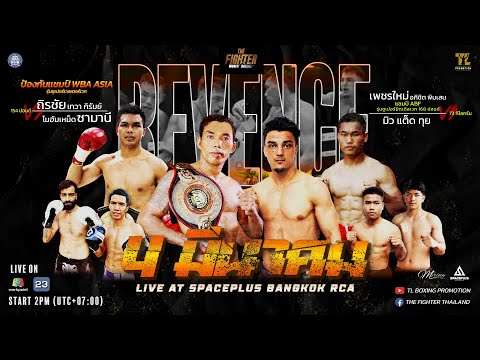
Let's consider the fighters themselves. Take the bout from March 4, 2023, for instance. We see individuals like Petchmai Aphichit Phimsen and Mew Ted Tui. Beyond their names and weight class (73 kg for 6 rounds), what are we truly observing? We are witnessing the culmination of countless hours of dedication. We see the application of specific techniques, the result of rigorous entrenamiento and lucha strategy. But are these techniques authentic? Are they rooted in practical self-defense, or are they performative elements designed for audience appeal?

This is where the critical eye of the martial artist comes into play. We analyze the footwork, the guard, the transitions between striking and grappling. Is there an adherence to classical principles? Or is it a modern fusion, perhaps influenced by ArtesMarcialesMixtas? A truly skilled fighter, regardless of style, demonstrates efficiency and effectiveness. Every movement should serve a purpose, be it to attack, defend, or control distance. The spectacle can be thrilling, but the underlying mechanics reveal the true mastery.

The concept of Kime in Karate, the decisive exhalation and focus of power at the moment of impact, is a perfect example of this effectiveness. It's not just a shout; it's the embodiment of concentrated energy. A fight is a living demonstration of these principles, or a stark illustration of their absence.

Echoes of the Ancients: History and Martial Arts

The roots of every modern combat sport run deep into history. Boxing, for example, while refined into a sport, has origins in Pankration and older forms of pugilism. Karate, originating from Okinawan traditions influenced by Chinese martial arts, carries the legacy of farmers defending themselves against bandits. Even the seemingly chaotic flurry of an MMA bout can be traced back to ancient combative systems designed for battlefield survival.

Understanding this historia provides context and respect. It reminds us that these are not mere pastimes, but traditions honed over centuries. Masters like Miyamoto Musashi, with his treatise "The Book of Five Rings" (Go Rin No Sho), laid down principles of strategy and mindset that transcend time and specific martial arts. His emphasis on adapting to circumstances, much like water taking the shape of its container, is a lesson vital for any combatsports practitioner.

"Consider the boxing ring, the wrestling mat, or the dojo floor. These are not just stages for competition; they are extensions of the ancient battlefields where survival, honor, and discipline were forged."

The martial arts themselves are a living history. From the Shaolin monks to the samurai, each tradition has a story, a philosophy, and a unique approach to combat. Ignoring this heritage is like building a house without a foundation – it may stand for a while, but it lacks true strength and resilience.

Forging the Blade: Principles of Effective Training

Watching a fight is one thing; preparing for one is an entirely different discipline. Effective training goes beyond simply hitting pads or sparring. It involves a holistic approach:

  • Physical Conditioning: Building the stamina, strength, and agility required to perform under pressure. This includes cardiovascular endurance, muscular strength, and flexibility.
  • Technical Proficiency: Mastering the fundamental movements, strikes, blocks, throws, and grappling techniques of your chosen art. This requires repetition until movements become second nature.
  • Mental Fortitude: Developing resilience, focus, and the ability to remain calm under duress. This is where concepts like Mushin are cultivated.
  • Strategic Understanding: Learning to read an opponent, adapt tactics, and exploit weaknesses.

For those aiming to improve their entrenamiento, remember the words of Bruce Lee: "I fear not the man who has practiced 10,000 kicks once, but I fear the man who has practiced 1 kick 10,000 times." Consistency and deliberate practice are paramount.

Equipment for the Dedicated Practitioner

While the warrior's spirit is paramount, the right equipment can significantly enhance your training and performance. For boxers and kickboxers, good quality entrenamiento gloves (16oz for sparring) and hand wraps are essential to prevent injury. For those in grappling arts like Judo or BJJ, a durable, well-fitting Karate gi or Judo gi (double-weave is recommended for longevity) is crucial. Protective gear, mouthguards, and groin protectors are non-negotiable for safe sparring. Investing in quality gear is an investment in your longevity as a martial artist. Consider exploring some of the recommended KarateMerchandise or specialized MartialArtsMerchandise for durable and functional options.

A Practical Exercise: Developing 'Mushin'

Achieving a state of 'Mushin' is a lifelong pursuit. Here’s a simple exercise to begin cultivating it:

  1. Find a quiet space. Minimize distractions.
  2. Assume a stable, comfortable stance. This could be a neutral stance, a Karate Heisoku-dachi, or a relaxed Judo stance.
  3. Focus on your breath. Deep, steady breaths. Inhale through the nose, exhale through the mouth.
  4. Engage your senses. Notice the temperature of the air, the sounds around you, the feeling of your feet on the ground. Do not judge these sensations; simply observe them.
  5. Gently introduce a simple, repetitive movement. This could be a slow, controlled block, a subtle shift of weight, or even just clenching and unclenching your fists.
  6. Perform the movement continuously. Allow your mind to focus on the physical sensation of the movement and your breath.
  7. When thoughts arise (and they will), acknowledge them without judgment and gently return your focus to the breath and movement. Do not fight the thoughts; let them pass like clouds.
  8. Continue for 5-10 minutes. The goal is not to empty your mind, but to become aware of your thoughts without being controlled by them, and to return to a state of present moment awareness.

This exercise, rooted in BUDO principles, helps train the mind to be present and less reactive. It's a foundational step towards that fluid, intuitive state of action.

Frequently Asked Questions

Q1: Is watching fight footage like "The Fighter World Boxing Full Fight" beneficial for my training?
A: Yes, but with discernment. Analyze technique, strategy, and conditioning. However, remember that fights are often performances. Always cross-reference with authentic martial arts principles and training methods.

Q2: How much emphasis should I place on philosophy versus practical fighting skills?
A: Both are essential. Philosophy provides the 'why' and the ethical framework, while practical skills provide the 'how.' A warrior without understanding is just a thug; a philosopher without skill is ineffective. The ideal is a balance, where philosophy informs action and action deepens understanding.

Q3: Is it better to specialize in one martial art or cross-train in multiple disciplines?
A: For deep mastery, specialization is often key. However, cross-training (as seen in ArtesMarcialesMixtas) can broaden your skillset and understanding of combat dynamics. The best approach depends on your goals, be it self-defense, competition, or personal development.

Q4: How can I maintain motivation for consistent training?
A: Set clear goals, find training partners who motivate you, vary your routines to prevent boredom, and regularly remind yourself of the deeper philosophical reasons you began your journey. Remember that SuperaciónPersonal is a marathon, not a sprint.

Deepen Your Understanding

To truly grasp the warrior's path, external knowledge is as vital as internal cultivation. Explore these resources:

The world of combat sports and martial arts is vast and profound. It offers more than just physical prowess; it offers a path to self-discovery, discipline, and resilience. Whether you are drawn to the explosive power of boxing, the intricate throws of Judo, the dynamic strikes of Karate, or the holistic discipline of Budo, remember that the true fight is always within. The goal is not simply to win a bout, but to forge a better version of yourself, tempered by effort and guided by wisdom.

Reflexión del Sensei: Tu Próximo Paso

When you witness a fight, whether live or on screen, what do you see? Do you see only the blows, or do you perceive the years of dedication, the mental fortitude, and the underlying philosophy? In your next training session, or even in a challenging moment in your daily life, how will you consciously seek to embody the principles of Mushin and Kime, acting with decisive focus yet remaining free from the chaos of overthinking?

``` ```json { "@context": "https://schema.org", "@type": "FAQPage", "mainEntity": [ { "@type": "Question", "name": "Is watching fight footage like \"The Fighter World Boxing Full Fight\" beneficial for my training?", "acceptedAnswer": { "@type": "Answer", "text": "Yes, but with discernment. Analyze technique, strategy, and conditioning. However, remember that fights are often performances. Always cross-reference with authentic martial arts principles and training methods." } }, { "@type": "Question", "name": "How much emphasis should I place on philosophy versus practical fighting skills?", "acceptedAnswer": { "@type": "Answer", "text": "Both are essential. Philosophy provides the 'why' and the ethical framework, while practical skills provide the 'how.' A warrior without understanding is just a thug; a philosopher without skill is ineffective. The ideal is a balance, where philosophy informs action and action deepens understanding." } }, { "@type": "Question", "name": "Is it better to specialize in one martial art or cross-train in multiple disciplines?", "acceptedAnswer": { "@type": "Answer", "text": "For deep mastery, specialization is often key. However, cross-training (as seen in ArtesMarcialesMixtas) can broaden your skillset and understanding of combat dynamics. The best approach depends on your goals, be it self-defense, competition, or personal development." } }, { "@type": "Question", "name": "How can I maintain motivation for consistent training?", "acceptedAnswer": { "@type": "Answer", "text": "Set clear goals, find training partners who motivate you, vary your routines to prevent boredom, and regularly remind yourself of the deeper philosophical reasons you began your journey. Remember that SuperaciónPersonal is a marathon, not a sprint." } } ] }

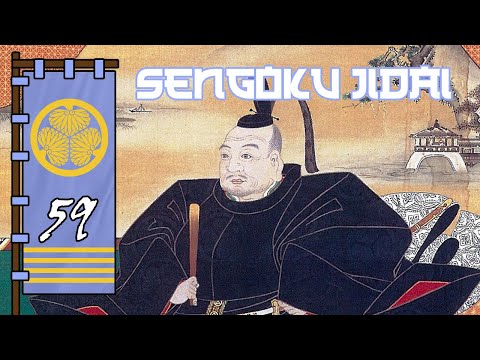
The Unseen Blade: How Tokugawa Ieyasu Forged the Shogunate and the Soul of Budo

The Sengoku Jidai. A period etched in blood and iron, where ambition clashed like swords and only the most cunning survived. We speak of a time that birthed legends, a crucible that forged the very essence of what it means to be a warrior in Japan. But even in this era of perpetual conflict, where every warlord sought dominion, one figure rose above the chaos, not just as a conqueror, but as a architect of an enduring legacy. Tokugawa Ieyasu. You might know the name, the man who finally unified Japan. But do you truly understand the profound martial and philosophical shift that his ascension to Shogun represented? This wasn't merely a change in political power; it was the birth of an era that would shape the soul of Budo for centuries.

The Crucible of War: Forging the Warrior-King

By 1603, the winds of change had swept across the land, and Tokugawa Ieyasu, a man forged in the fires of countless battles, had finally cemented his grip on the nation. His victory at Sekigahara in 1600 was not just a military triumph; it was the resounding declaration that the age of constant warfare was drawing to a close. But Ieyasu was more than just a battlefield general. He was a strategist, a pragmatist, and a deep student of human nature. He understood that true power wasn't just won by the sword, but by the establishment of order, by the careful weaving of tradition and innovation.

His naming as the new Shogun, the military ruler of all Japan, was not an end, but a beginning. It was the culmination of a lifetime dedicated to the martial arts, to the understanding of strategy, and to the unwavering pursuit of a singular vision: a stable, prosperous Japan under his rule. This was the ultimate prize, the ultimate demonstration of Bushido – the Way of the Warrior – not just in its combative aspects, but in its governance, its discipline, and its enduring principles.

"Victory attained by violence is a victory of ephemeral success." - Often attributed to Tokugawa Ieyasu, reflecting a pragmatic understanding of lasting peace.

The significance of this moment cannot be overstated. It marked the end of the chaotic Sengoku Jidai (Warring States period) and the dawn of the Edo period. A period that, while often characterized by peace, was undergirded by the very martial prowess that Ieyasu embodied. The philosophies and practices honed on the battlefield were now to be the bedrock of a new era, influencing everything from the samurai's code of honor to the very structure of martial training.

The Unseen Foundations: Philosophy Beyond the Battlefield

While the history books often focus on the political machinations and military campaigns, the true strength of the Tokugawa Shogunate lay in its philosophical underpinnings, deeply rooted in the martial traditions. Ieyasu didn't just defeat his enemies; he absorbed their lessons. He understood that a lasting legacy required more than just brute force. It required the cultivation of virtues like discipline, loyalty, perseverance, and self-mastery – the very cornerstones of Budo.

Consider the principles of Zen Buddhism, which profoundly influenced the samurai class. The pursuit of Mushin (no mind), the state of effortless action and intuition, was not just a meditative practice; it was a tactical advantage. In the heat of battle, the ability to react without conscious thought, to be one with the movement, was the difference between life and death. Ieyasu, through his patronage and understanding, ensured that these philosophical elements were not sidelined but were integrated into the very fabric of his regime.

This period saw a refinement of existing martial arts and the development of new ones, all under the umbrella of the Tokugawa peace. While large-scale warfare diminished, the emphasis shifted towards perfection of technique, mental fortitude, and the ethical application of martial skills. This is the true birth of many codified styles we recognize today, laying the groundwork for schools that would focus on the spiritual and ethical development of their practitioners, not just their combat effectiveness.

For those of you training today, understanding this historical context is crucial. The kata you practice, the stances you hold, the principles of respect you learn in the dojo – they are not mere relics of a bygone era. They are echoes of a time when survival depended on the razor's edge, and when the warrior's spirit was as vital as their sword arm. This is the essence of #BUDO and #MartialArtsJourney.

The Legacy in Motion: From Edo to Modern Dojos

The peace established by Tokugawa Ieyasu was not a stagnant one. It was a peace that allowed for the flourishing of arts and culture, including the martial arts. The samurai, no longer solely defined by their battlefield prowess, began to turn inwards, focusing on the refinement of their skills and the philosophical aspects of their way of life. This era saw the formalization of many classical #Jujutsu, #Kenjutsu, and other combat disciplines.

The ideals of loyalty, honor, and self-discipline, embodied by Ieyasu himself, became the guiding principles of #Bushido. These principles transcended the samurai class, influencing the broader societal structure and becoming aspirational virtues for all of Japan. This cultural permeation is what makes the history of the Tokugawa Shogunate so vital to understanding the enduring appeal of Japanese martial arts worldwide.

Think about the rigorous training regimens of #Kyokushin Karate or the intricate footwork of #Judo throws. These disciplines, while evolved, carry the indelible imprint of the era Ieyasu ushered in. The emphasis on discipline, perseverance, and the pursuit of perfection in every technique is a direct lineage from those who sought to build a stable society on the foundation of martial excellence.

Even today, when we watch modern combat sports like #MMA or #Kickboxing, we see echoes of this ancient warrior spirit. The dedication of athletes like Jon Jones or the strategic brilliance seen in fights like MorenovsFigueiredo, while vastly different in context, still resonate with the core principles of discipline and mastery that Ieyasu helped to codify.

Equipo Esencial para tu Entrenamiento

Para honrar la tradición y mejorar tu práctica marcial, es fundamental contar con el equipo adecuado. Ya sea que estés aprendiendo los fundamentos del #Karate o perfeccionando técnicas de #Grappling, la calidad de tu equipamiento puede marcar una gran diferencia. Aquí te presento algunos elementos clave:

  • Kimono de alta calidad: Busca un gi (judogi, karategi, etc.) de doble tejido o un tejido resistente que soporte el rigor de tus entrenamientos. Para #Judo, un judogi robusto es indispensable.
  • Guantes de sparring: Si tu práctica incluye contacto, unos buenos guantes (como los de 16oz para sparring general) son cruciales para tu seguridad y la de tu compañero.
  • Protecciones: Rodilleras, coderas y protectores bucales pueden ser necesarios dependiendo del estilo y la intensidad del entrenamiento.
  • Esterillas de entrenamiento (Tatami): Para estilos que implican caídas y agarres, como el #BJJ o el Aikido, unas esterillas adecuadas son esenciales para prevenir lesiones.
  • Armas de entrenamiento (Bokken, Bo, etc.): Para disciplinas como el Kendo o ciertas escuelas de Karate, las armas de madera seguras y bien mantenidas son parte integral del aprendizaje.

Invertir en #MartialArtsMerchandise de calidad no es un lujo, es una necesidad para progresar de forma segura y efectiva.

Veredicto del Sensei: ¿Merece la pena estudiar la historia de la Shogunate?

Absolutamente. Este período no es solo una lección de historia política o militar; es una inmersión profunda en la forja del espíritu marcial japonés. Comprendiendo la visión de Ieyasu y la era que inauguró, podemos apreciar de dónde provienen muchos de los principios que rigen las artes marciales hoy en día. Es un recordatorio de que la verdadera maestría marcial trasciende la mera técnica física y abraza la disciplina mental, la fortaleza espiritual y la sabiduría del liderazgo.

Calificación del Sensei: Cinturón Negro en Legado e Influencia Marcial

Guía de Entrenamiento: Cultivando la Paciencia del Guerrero

La consolidación del poder por parte de Tokugawa Ieyasu no fue un acto de un día, sino el resultado de años de estrategia, paciencia y perseverancia. Aplicar esta virtud en tu entrenamiento marcial es fundamental:

  1. Establece objetivos a largo plazo: No te enfoques solo en la próxima graduación, piensa en tu desarrollo como artista marcial en los próximos años.
  2. Practica con consistencia: Asiste a tus clases regularmente, incluso cuando no tengas ganas. La disciplina es la madre de la maestría.
  3. Repite los fundamentos: No subestimes el poder de perfeccionar las técnicas básicas. La simplicidad bien ejecutada es devastadora.
  4. Aprende de tus fracasos: Cada error, cada derrota, es una oportunidad de aprendizaje. Analiza qué salió mal y cómo puedes mejorar.
  5. Sé paciente con tu progreso: El desarrollo marcial es un maratón, no un sprint. Celebra tus pequeñas victorias y no te desanimes por los desafíos.

Esta mentalidad, cultivada en el dojo, te servirá mucho más allá del entrenamiento físico, influyendo en tu #SelfImprovement y #SuperaciónPersonal.

Preguntas Frecuentes

¿Quién fue Tokugawa Ieyasu?

Tokugawa Ieyasu (1543-1616) fue el fundador y primer Shogun del Shogunato Tokugawa de Japón. Estableció un gobierno militar que gobernó Japón durante más de 250 años, marcando el inicio del período Edo.

¿Qué fue el período Sengoku Jidai?

El Sengoku Jidai, o período de los Estados en Guerra, fue una época de intensa guerra civil y lucha por el poder en Japón, que duró desde mediados del siglo XV hasta principios del siglo XVII. Tokugawa Ieyasu puso fin a este período.

¿Cómo influyó el Budo en el gobierno del Shogunato Tokugawa?

El Budo, el "Camino del Guerrero", con sus énfasis en la disciplina, la ética, el autocontrol y la lealtad, no solo moldeó a los samuráis sino que también sirvió como base filosófica y de orden para el gobierno del Shogunato, promoviendo la estabilidad y la jerarquía.

¿Por qué es importante estudiar la historia de las artes marciales?

Estudiar la historia de las artes marciales nos permite comprender sus orígenes, la evolución de sus técnicas y filosofías, y el contexto cultural y social en el que surgieron. Esto enriquece nuestra práctica actual y nos da una apreciación más profunda del legado que portamos.

¿Qué es el Bushido?

Bushido, que significa "El Camino del Guerrero", es el código ético y moral que regía a los samuráis japoneses. Incluye virtudes como la lealtad, el honor, la rectitud, la valentía, la benevolencia, el respeto y la autodisciplina.

Para Profundizar en tu Camino

Reflexión del Sensei: Tu Próximo Paso

Ieyasu no solo conquistó, sino que construyó. Su legado no se basa únicamente en las batallas ganadas, sino en la estructura duradera que creó. Reflexiona sobre tu propio camino marcial: ¿Estás construyendo ladrillo a ladrillo, con disciplina y visión a largo plazo, o solo te enfocas en la "victoria" inmediata sin pensar en la estructura que dejas atrás? ¿Cuál es el legado que forjarás en tu propio dojo, en tu propia vida?

``` GEMINI_METADESC: Explore how Tokugawa Ieyasu's founding of the Shogunate unified Japan and cemented the philosophical and spiritual foundations of Budo, influencing martial arts to this day.

El Arte del Puño: Tu Primer Paso en el Boxeo de Combate

¿Sientes la llamada del ring? ¿Ese impulso primal de ponerte los guantes y desatar tu potencial? Muchos aspiran a la gloria del pugilismo, pero pocos comprenden la disciplina y el arte que subyacen tras cada golpe. Hoy, no solo te enseñaré los fundamentos del boxeo, sino que te iniciarás en una filosofía de combate que trasciende el cuadrilátero. Olvida la calle por un momento, porque aquí, en el templo del entrenamiento marcial, desglosaremos la esencia del boxeo para que tu viaje sea sólido como una roca.

La Parada de Combate: Tu Primera Línea de Defensa

El boxeo, a menudo llamado "el noble arte", no es solo lanzar puños al azar. Es una danza de estrategia, un ajedrez de combate donde cada movimiento, cada guardia, tiene un propósito. Tu primera lección, antes de siquiera pensar en un jab potente, es dominar tu parada de combate, tu guardia. No se trata solo de levantar los brazos; es posicionar tu cuerpo para absorber impactos, para controlar la distancia y para preparar tu contraataque.

Imagina tu guardia como el escudo de un guerrero samurái. Debe ser sólida, pero flexible. Una guardia demasiado cerrada te limita; una demasiado abierta te expone. La clave está en el equilibrio. Hombros relajados pero firmes, codos pegados al cuerpo protegiendo las costillas, y la barbilla ligeramente metida. Tus guantes no son solo armas; son extensiones de tu defensa. La mano delantera, más adelantada, actúa como el primer muro contra los ataques rectos. La mano trasera, más cerca del mentón, está lista para defenderte de golpes curvos o para lanzar tu propio golpe de poder.

He visto a innumerables jóvenes entusiastas ignorar este pilar fundamental, solo para descubrirse vulnerables ante el más mínimo intento de agresión. No caigas en esa trampa. Dedica tiempo a sentir tu guardia, a hacerla tuya. Es tu fundamento, tu "primer principio". Sin él, todo lo demás se derrumba.

El Baile del Guerrero: Movimientos de Piernas Esenciales

El boxeo no se libra solo con las manos; se baila con los pies. El movimiento de piernas es el motor de tu ataque y tu defensa. Un buen juego de pies te permite entrar y salir del alcance del oponente, crear ángulos de ataque y evadir golpes con una agilidad que parecería sobrenatural si no fuera tan palpable.

Los movimientos básicos son simples en concepto pero requieren una práctica incansable para ser ejecutados con fluidez. Hablamos de:

  • El Paso Adelante (Advance): Se inicia con el pie delantero, seguido por el trasero, manteniendo la distancia entre ambos.
  • El Paso Atrás (Retreat): El movimiento inverso, comenzando con el pie trasero.
  • El Paso Lateral Izquierdo/Derecho (Side Step): Mover un pie hacia el lado y luego el otro, manteniendo la postura.
  • El Pivote (Pivot): Rotar sobre el pie delantero o trasero para cambiar el ángulo de ataque o defensa.

Estos movimientos te permiten "deslizarte" por el ring, haciendo que seas un blanco difícil de golpear mientras te acercas o te alejas. Un púgil estático es un blanco fácil. Un púgil que se mueve es una sombra esquiva, un torbellino de potencial ofensivo. La clave aquí es mantener siempre el equilibrio, la "base". Si pierdes tu centro de gravedad, pierdes tu poder y tu defensa.

"La velocidad es la clave de la victoria en el boxeo, pero la velocidad sin equilibrio es como un río sin cauce: un caos inútil." - Un viejo refrán del gimnasio.

El Golpe: Más Allá de la Fuerza Bruta

Ah, el golpe. El clímax del combate, el punto culminante de la técnica y la estrategia. Pero, ¿qué hace que un golpe sea efectivo? No es solo la fuerza muscular, créeme. He visto púgiles con la fuerza de un toro fallar una y otra vez porque carecían de la técnica adecuada. La potencia de un golpe proviene de una combinación de factores:

  • Transferencia de Peso: Tus pies, tus caderas, tu torso... toda tu masa corporal debe girar y transferir energía hacia el puño que golpea. Es un latigazo, no un empujón.
  • Rotación de Cadera y Hombro: La potencia se genera desde el suelo, sube por tus piernas, gira tu cadera y luego tu torso, culminando en la rotación del hombro que impulsa el puño.
  • La Trayectoria Recta: Para golpes como el jab o el directo, la ruta más corta y potente es una línea recta.
  • El Impacto Preciso: Golpear con los nudillos correctos, en el punto exacto del objetivo.

Y luego está el "kime" (決め), ese concepto japonés que se aplica a todas las artes marciales: la máxima concentración y potencia en el momento del impacto. En el boxeo, es ese instante en que todo tu ser se enfoca en hacer que el golpe cuente, seguido de una relajación inmediata para estar listo para el siguiente movimiento.

Las clases de Viteri Boxing mencionan los movimientos básicos. Un jab, un directo (cross), un gancho, un uppercut. Cada uno tiene su propósito, su momento y su técnica. Aprenderlos correctamente desde el principio te ahorrará años de malos hábitos.

¿Quieres saber qué más es crucial? La defensa. Un golpe bien lanzado es inútil si te quedas abierto al contraataque. La combinación de ataque y defensa es lo que separa a un simple boxeador de un verdadero artista del combate. Aquí, en #BUDO, siempre insistimos en que el ataque es la mejor defensa, pero solo cuando se hace con inteligencia y preparación.

Equipo Esencial para tu Entrenamiento

Para iniciar tu viaje en el boxeo, necesitarás algunas herramientas básicas. No te dejes llevar por la cantidad de equipo que ves en los gimnasios profesionales; comienza con lo esencial y ve expandiendo tu arsenal a medida que avanzas.

  • Guantes de Boxeo: El elemento más importante. Para principiantes, se recomiendan guantes de 14oz o 16oz para sparring, ya que ofrecen buena protección tanto para ti como para tu compañero. Para entrenamientos de saco o sombra, puedes usar guantes más ligeros (10-12oz).
  • Vendas para las Manos: Fundamentales para proteger tus muñecas y nudillos de lesiones. Las vendas de tela de 180 pulgadas son un estándar.
  • Protector Bucal: Indispensable, incluso en entrenamientos. Un golpe imprevisto puede cambiar tu vida. Busca uno que se ajuste bien a tu boca.
  • Botas de Boxeo (Opcional al principio): Ofrecen buen agarre y soporte para el tobillo, mejorando tu juego de pies. Unas zapatillas deportivas con buena suela pueden servir inicialmente.
  • Ropa Cómoda: Camisetas transpirables y pantalones cortos o de chándal que permitan total libertad de movimiento.

La calidad del equipo puede marcar una gran diferencia en tu comodidad y seguridad. Invertir en un buen par de guantes, por ejemplo, es una inversión en tu salud a largo plazo. Considera buscar marcas reconocidas de #KarateMerchandise o #MartialArtsMerchandise que también ofrezcan productos de boxeo de calidad. Un buen kimono de #Judo o #Kyokushin puede inspirarte en tu disciplina, pero para el boxeo, el equipo específico es rey.

Guía de Entrenamiento: Primeros Pasos en el Dojo (o Gimnasio)

Este es tu primer taller práctico. Aquí es donde la teoría se encuentra con la acción. El objetivo es familiarizarte con los movimientos básicos y empezar a construir esa conexión mente-cuerpo.

  1. Calentamiento (10-15 minutos): Comienza con cardio ligero (saltar la cuerda, trote suave) para elevar tu ritmo cardíaco. Sigue con movilidad articular, prestando especial atención a muñecas, codos, hombros, cadera y tobillos.
  2. Práctica de la Guardia (5 minutos): Párate frente a un espejo. Adopta tu posición de combate. Siente el peso distribuido, la barbilla protegida, los codos abajo. Mueve la guardia ligeramente, siente cómo cambia tu equilibrio.
  3. Movimiento de Pies (10 minutos):
    • Practica el paso adelante y atrás, manteniendo tu guardia y la distancia entre pies. Hazlo lento al principio, luego aumenta la velocidad.
    • Incorpora los pasos laterales, imaginando que te mueves alrededor de un oponente.
    • Introduce el pivote sobre el pie delantero, imaginando que creas un ángulo para lanzar un golpe.
  4. Práctica del Jab (10 minutos):
    • Con tu guardia, lanza jabs rectos. Enfócate en la extensión completa del brazo y la rápida retracción.
    • Siente la rotación de la cadera y el hombro que acompaña al golpe.
    • Practica el jab mientras te mueves hacia adelante y hacia atrás.
  5. Práctica del Directo (Cross) (10 minutos):
    • Desde tu guardia, gira la cadera y el hombro de tu pie trasero para lanzar un golpe potente y recto.
    • Asegúrate de que tu puño llegue a la altura de tu cara y que tu barbilla se mantenga metida.
    • Combina un jab con un directo: jab-cross.
  6. Combinación Básica (5 minutos): Jab - Cross. Practica esto una y otra vez, a diferentes ritmos, con y sin movimiento.
  7. Enfriamiento (5 minutos): Estiramientos suaves, centrándote en los músculos trabajados (brazos, hombros, piernas, espalda).

Recuerda, la repetición es clave. El boxeo es un arte de memoria muscular. Cuanto más practiques estos movimientos básicos, más naturales se volverán. ¡No tengas prisa! La paciencia es una virtud marcial fundamental.

Veredicto del Sensei: ¿Un Camino para Todos?

El boxeo, como cualquier disciplina marcial seria, exige dedicación, disciplina y, sí, valentía. El video de Viteri Boxing presenta una puerta de entrada accesible, pero el camino hacia la maestría es largo y arduo. No es un deporte para los débiles de espíritu ni para aquellos que buscan resultados inmediatos sin esfuerzo.

Sin embargo, si posees la chispa de la perseverancia, el deseo de superarte y el respeto por el arte, el boxeo te ofrecerá recompensas invaluables: una condición física excepcional, una mayor confianza en ti mismo, y una comprensión más profunda de la estrategia y el combate. No es solo un deporte; es un camino de autodescubrimiento.

Calificación del Sensei: Cinturón Negro en Fundamentos de Combate. Las bases presentadas son sólidas. El verdadero desafío comienza ahora: la práctica constante y la búsqueda de la mejora continua.

Preguntas Frecuentes

  • ¿Cuánto tiempo se tarda en aprender a boxear bien? Depende de la dedicación, la calidad del entrenamiento y la aptitud individual. Algunos principios básicos se pueden aprender en semanas, pero la maestría lleva años, incluso décadas.
  • ¿Es peligroso empezar a boxear? Cualquier actividad física intensa conlleva riesgos, pero con el equipo adecuado, un buen instructor y práctica controlada, los riesgos de lesiones graves se minimizan significativamente.
  • ¿Necesito ser fuerte para boxear? La fuerza es beneficiosa, pero la técnica, la velocidad y la resistencia son a menudo más importantes. Un buen boxeador usa la fuerza de manera inteligente.
  • ¿Puedo aprender boxeo solo con videos? Los videos son herramientas excelentes para complementar el entrenamiento, pero no sustituyen la guía de un instructor calificado que pueda corregir tu técnica y garantizar tu seguridad.

Para Profundizar en tu Camino

El camino del guerrero es un viaje sin fin. Hoy has dado tus primeros pasos en el arte del boxeo. Recuerda siempre la disciplina, el respeto y la búsqueda constante de la mejora. El verdadero combate se libra primero en tu interior.

Reflexión del Sensei: Tu Próximo Paso

Has aprendido los pasos iniciales, la guardia, el movimiento, y los golpes primarios. Pero, ¿cómo te aseguras de que estos movimientos se conviertan en algo más que simples gestos mecánicos? ¿Cómo transformas la teoría en una habilidad visceral, un instinto que fluye naturalmente en el fragor del combate? Reflexiona sobre esto: si tu oponente te presiona implacablemente, ¿tu guardia se solidifica o se debilita? ¿Tu juego de pies se vuelve más ágil o te quedas paralizado? La verdadera prueba de un movimiento no es cómo lo ejecutas en la tranquilidad del gimnasio, sino cómo reacciona tu cuerpo cuando la presión es máxima. Piensa en ello, y demuéstralo en tu próximo entrenamiento.

``` GEMINI_METADESC: Domina los fundamentos del boxeo: guardia, movimiento de pies y golpes básicos. Aprende el arte del puño paso a paso para iniciar tu camino en el combate.

Bruce Lee en 1967: La Chispa de una Revolución Marcial

El año es 1967. El mundo de las artes marciales se tambalea ante una visión que, para muchos, es radicalmente nueva, pero para otros, es la inevitable evolución del combate. En el tatami, un joven Bruce Lee, ya poseedor de un carisma magnético y una velocidad pasmosa, no solo exhibe técnicas; está gestando una filosofía, un sistema que trascenderá nombres y estilos para convertirse en una fuerza imparable: el Jeet Kune Do.
Este material de 1967 no es solo un registro histórico; es el ADN de una revolución. Aquí, Lee no se limita a demostrar katas perfeccionadas o movimientos preestablecidos. Lo que vemos es la manifestación pura de su concepto del "puño interceptor", la esencia de golpear antes de ser golpeado, de adaptar y fluir como el agua, de ser "sin forma, como la forma". Los que se deleitan observando un clásico `youtube` de artes marciales, encontrarán en esta demostración la semilla de todo lo que vendría después.

Tabla de Contenidos

El Contexto de la Demostración de 1967

Estamos en una época donde los estilos de artes marciales tradicionales reinaban supremos. El Karate Kyokushin con su dureza, el Judo con su dominio del agarre, el Kung Fu con su vasta diversidad de formas. Bruce Lee, instructor de artes marciales que ya había entrenado a figuras de renombre, estaba en un punto crucial de su desarrollo. Las demostraciones públicas eran comunes, pero la que realizó en 1967 sentó las bases para algo diferente. No era solo una exhibición de habilidad técnica, sino una declaración de intenciones. Observar este material es como ver el nacimiento de un nuevo paradigma en el mundo de la `lucha` y la `pelea`.
"Las artes marciales no son un conjunto de técnicas; son una forma de vida, una filosofía en movimiento." - Bruce Lee
La década de 1960 fue una época de cambios sociales y culturales profundos, y Lee, un visionario, captó ese espíritu. Su arte marcial no se ataba a las cadenas de la tradición por la tradición misma. Buscaba la efectividad, la simplicidad y la adaptabilidad. Esta demostración es una ventana a ese proceso de pensamiento, un vistazo a la génesis del `Jeet Kune Do`.

Jeet Kune Do: Anatomía de una Filosofía

El término "Jeet Kune Do" se traduce a menudo como "El Camino del Puño Interceptor". Sin embargo, va mucho más allá de una simple traducción. Es un enfoque que rechaza la rigidez de los estilos predefinidos. Lee observó el mundo del combate y se dio cuenta de que la efectividad residía en la capacidad de adaptarse a cualquier oponente y situación. Su famoso lema, "Sé como el agua", encapsula esta idea. El agua no tiene forma propia, pero puede adoptar la de cualquier recipiente. Se adapta, fluye, golpea con fuerza cuando es necesario, pero ante todo, es incontrolable en su esencia. En la demostración de 1967, podemos ver cómo Lee aplica esto. No se adhiere a un único estilo de `artes marciales`. Incorpora la economía de movimiento del boxeo, la potencia del Kickboxing, y un entendimiento intuitivo del `grappling` y las transiciones. Es una amalgama que parece caótica para el ojo no entrenado, pero que para un verdadero artista marcial, es la manifestación de una comprensión profunda de los principios del combate. Esto resuena fuertemente con la mentalidad `BUDO` que busca la maestría a través de la adaptación continua.

Principios Clave de la Demostración

Al desglosar la demostración de Bruce Lee de 1967, podemos identificar varios principios fundamentales que definirían su legado:
  • Economía de Movimiento: Cada golpe, cada parada, cada desplazamiento tiene un propósito. No hay movimientos superfluos. Es la aplicación directa de la eficiencia marcial que se espera de cualquier `artes marciales` de alto nivel.
  • Simplicidad y Directividad: El camino más corto entre dos puntos es una línea recta. Lee privilegia los ataques directos, sin adornos innecesarios, buscando la efectividad inmediata.
  • Intercepción: El concepto de "Jeet Kune" en sí. Lee demuestra la capacidad de atacar al oponente en el momento en que él inicia su propio ataque, neutralizando su acción y golpeando simultáneamente. Esto requiere un timing excepcional y una gran `Agilidad`.
  • Adaptabilidad: Aunque es una demostración individual, la filosofía subyacente es clara: la técnica debe ser adaptable a cualquier oponente, ya sea un experto en `Judo`, un practicante de Karate, o un luchador de la calle.
  • Velocidad y Fuerza Explosiva: La capacidad de Bruce Lee para generar potencia a partir de movimientos aparentemente simples y fluidos es asombrosa. Vemos destellos de la explosividad que lo haría legendario.
Estos principios son la antítesis de la rigidez. Son el motor que impulsa la evolución constante, algo que se discute en foros de `MMA` y `UFC` hasta el día de hoy.

Impacto en el Cine y el Mundo Marcial

La demostración de 1967, aunque quizás no tan conocida como sus películas posteriores, fue una piedra angular. Proporcionó a muchos artistas marciales y cineastas una visión tangible de lo que sería el `Jeet Kune Do`. Este estilo radicalmente diferente influyó profundamente en el cine de artes marciales, alejándolo de las coreografías a menudo poco realistas hacia algo con más impacto y credibilidad. Además de su impacto cinematográfico, inspiró a generaciones de practicantes a cuestionar los dogmas de los estilos tradicionales. Figuras como Georges St-Pierre o Conor McGregor, si bien no practican `JKD` directamente, exhiben una mentalidad similar de `versatility` y adaptación, fusionando elementos de diferentes disciplinas para lograr la efectividad. Esto es un legado directo de la visión de Lee. El `entrenamiento` que promueve el `entrenamiento de MMA` hoy en día, buscando la competencia global, bebe de esta fuente.

Veredicto del Sensei: ¿Más que una Demostración?

Esta grabación de 1967 no es simplemente una demostración de Bruce Lee. Es una lección magistral de filosofía marcial aplicada. Es la semilla de un árbol frondoso que sigue dando frutos hoy en día. Lo que Lee presenta aquí es un enfoque pragmático al combate, despojado de misticismos innecesarios y enfocado en la eficacia pura. Es un recordatorio de que, sin importar el estilo, la meta es dominar el arte de la `pelea` y la `lucha`, entendiendo sus principios fundamentales. Para cualquier persona interesada en `artes marciales`, `BUDO`, `combate` o `defensa personal`, este material es esencial. No solo muestra habilidades físicas, sino una mentalidad. **Calificación:** ¡Cinturón Negro en Filosofía Marcial Aplicada!

Equipo Esencial para tu Entrenamiento (Inspirado en la Versatilidad de Bruce Lee)

Aunque Bruce Lee era un defensor de la simplicidad y a menudo entrenaba sin equipo específico, su enfoque en la adaptabilidad y la preparación integral del cuerpo sugiere que ciertos elementos pueden potenciar tu camino:
  • Guantes de Sparring (16 oz): Para la práctica segura de técnicas de golpeo, esenciales en el `entrenamiento` de cualquier disciplina de `combate`.
  • Kimono de Judo o Jiu Jitsu Brasileño (BJJ): Un buen `kimono de judo` o Gi de `BJJ` es fundamental si exploras el `grappling` y las artes de sumisión.
  • Par de Mancuernas Ligeras: Útiles para el `conditioning` y el desarrollo de la fuerza funcional, un pilar en la preparación de cualquier peleador.
  • Cuerda de Saltar: Un clásico para mejorar la resistencia, la coordinación y la agilidad, herramientas indispensables para la `resistencia`.
  • Makiwara (Casero o Comprado): Para desarrollar la potencia de golpeo y endurecer los nudillos, si buscas emular la potencia de los golpes de Lee.
Para aquellos que buscan una línea de ropa inspirada en la filosofía y el estilo de vida marcial, considera buscar `KarateMerchandise` o `MartialArtsMerchandise` que capturen esa esencia, desde `kimonos de judo` hasta camisetas con motivos de `BUDO`.

Taller Práctico: Cultivando la Adaptabilidad

La esencia de `Jeet Kune Do` es la adaptabilidad. Aquí te presento un ejercicio simple para cultivar esta cualidad en tu `entrenamiento`:
  1. Establece una Base: Comienza con un movimiento o técnica fundamental de tu arte marcial principal. Por ejemplo, un bloqueo bajo de Karate (`gedan barai`).
  2. Introduce una Variación: Ahora, intenta ejecutar ese mismo bloqueo, pero con una pequeña variación. ¿Puedes hacerlo mientras te desplazas hacia atrás? ¿O incorporarlo en una secuencia fluida con un golpe?
  3. Cambia el Contexto: Imagina que tu oponente no usa un puño, sino una patada baja. ¿Cómo adaptarías tu bloqueo bajo original para defenderte de esa nueva amenaza?
  4. Practica con Objetos Ligeros: Intenta golpear o bloquear pelotas que caen, o incluso un juguete ligero en movimiento, forzándote a reaccionar de forma instintiva y fluida.
  5. Simulación de Combate Limitado: Realiza `sparring` con reglas muy específicas. Por ejemplo, solo se permiten golpes de puño, o solo se permiten técnicas de `grappling` de cintura para abajo. Esto te obliga a pensar y adaptar tu `entrenamiento de MMA` o `jiujitsu`.
La clave es no quedarse en una sola forma de hacer las cosas. Experimenta, cuestiona y adapta. Esta mentalidad es lo que separa a un mero practicante de un verdadero artista marcial.

Preguntas Frecuentes

  • ¿Es el Jeet Kune Do un estilo de artes marciales formalmente reconocido?

    Bruce Lee lo describió no como un estilo, sino como un proceso de pensamiento y un método para refinar un arte marcial personal. Por lo tanto, no tiene las estructuras rígidas de un estilo tradicional, sino una filosofía de adaptación y experimentación.

  • ¿Por qué Bruce Lee decidió crear su propio sistema en lugar de perfeccionar uno existente?

    Lee sentía que los estilos tradicionales se habían vuelto demasiado dogmáticos y limitados, enfocándose en la forma sobre la función. Buscaba un sistema que fuera universalmente aplicable y que permitiera al practicante ser libre en su expresión marcial.

  • ¿Qué significa "ser sin forma" en Jeet Kune Do?

    Significa no estar limitado por las convenciones de ningún estilo particular. Es la capacidad de adaptarse y cambiar según la situación, sin aferrarse a técnicas preestablecidas, fluyendo con el oponente y el entorno.

  • ¿Puedo aprender Jeet Kune Do solo viendo videos de Bruce Lee?

    Ver videos como la demostración de 1967 es inspirador y educativo, pero la verdadera comprensión del JKD requiere instrucción práctica de un instructor calificado que pueda guiarte en la aplicación de sus principios y técnicas.

Para Profundizar en tu Camino

Reflexión del Sensei: Tu Próximo Paso

La demostración de Bruce Lee en 1967 es un faro. Nos recuerda que la verdadera maestría marcial no reside en la adherencia ciega a una técnica o estilo, sino en la comprensión profunda de los principios que subyacen a todo combate. Lee nos desafió a ser como el agua, a adaptarnos, a evolucionar. Ahora, te pregunto: ¿Te conformas con seguir un camino ya trazado, o te atreves a forjar el tuyo propio, inspirado por la flexibilidad y la eficacia? ¿Estás listo para cuestionar tus propias limitaciones y buscar la verdad en tu entrenamiento, sin importar cuán incómoda sea? La respuesta está en tu disciplina y tu coraje. ``` GEMINI_METADESC: Descubre la histórica demostración de Bruce Lee de 1967 y la filosofía del Jeet Kune Do. Un análisis marcial profundo sobre su impacto y legado.

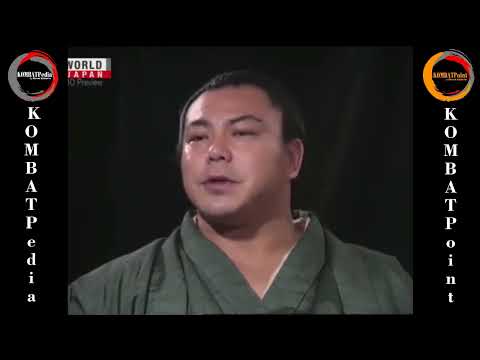
Chiyonofuji Mitsugu: The Lion of Sumo - A Masterclass in Budo and Warrior Spirit

In the hallowed halls of Sumo, where tradition and raw power converge, few figures loom as large as Chiyonofuji Mitsugu. His dominance in the late 20th century was not merely a statistical anomaly; it was a testament to a profound understanding of Budo, the Way of the Warrior, a philosophy that transcends the wrestling ring and permeates the very essence of martial discipline. Today, we delve into the life and legacy of this legendary Yokozuna, not just as a Sumo wrestler, but as a paragon of martial artistry. This is not merely a biography; it is a dissection of the principles that forged a champion and what we, as practitioners of the martial arts, can learn from his enduring spirit.

The Rise of the Lion: Chiyonofuji's Early Years

Born Mitsugu Apopka, Chiyonofuji's journey began not with inherent divine talent, but with unwavering perseverance. From humble beginnings, he entered the world of Sumo with a slight frame that belied the ferocity within. His early career was marked by struggles, a common theme for many aspiring warriors. This period forged his mental fortitude, teaching him the invaluable lesson that true strength is cultivated, not merely bestowed.

His ascent through the ranks was a slow, arduous climb, each victory a hard-won battle against larger, more experienced opponents. He didn't just win; he conquered, dismantling opponents with a blend of speed, technique, and an almost palpable fighting spirit. This relentless pursuit of excellence laid the foundation for his eventual reign as the 58th Yokozuna, the highest rank in Sumo.

Beyond the Dohyo: Chiyonofuji and the Spirit of Budo

What truly set Chiyonofuji apart was his embodiment of Budo. In Japanese martial arts, Budo is more than just combat techniques; it is a way of life, a path of self-perfection through rigorous training and ethical conduct. Chiyonofuji approached Sumo with an intensity and dedication that mirrored the most disciplined Karateka or Kendo master.

"The spirit of the warrior is not to be afraid of defeat, but to be willing to die for victory."

This quote, though not directly attributed to Chiyonofuji, perfectly encapsulates the mindset he displayed. His unwavering resolve in the face of formidable opponents, his dignified demeanor both in victory and defeat, and his dedication to his craft spoke volumes. He understood that the dohyo (Sumo ring) was his dojo, and every bout was a lesson in humility, respect, and the constant pursuit of self-mastery. This is a principle that resonates deeply within the BUDO community and all artes marciales.

His training was famously grueling. He pushed his body to its limits, refining his techniques and building an indomitable will. This commitment to rigorous practice is a cornerstone of all effective martial arts, from Judo to Kyokushin Karate. The Budo way demands sacrifice and an unyielding commitment to self-improvement, qualities Chiyonofuji possessed in abundance.

The Art of the Strike: Chiyonofuji's Signature Techniques

While Sumo is characterized by throws and grappling, Chiyonofuji was renowned for his powerful tsuppari (thrusting strikes) and his exceptional agility. He was not a hulking brute, but a strategic warrior who used his speed and precise timing to overwhelm his opponents. His signature move, the uwatenage (overarm throw), executed with devastating speed and power, often left his opponents bewildered.

Consider the uwatenage: it requires impeccable timing, a strong grip, and the explosive power to lift and throw an opponent significantly larger than oneself. This is not brute force; it is applied physics, timing, and an understanding of leverage. It is a technique that requires immense skill and practice, much like a well-executed O-goshi in Judo or a powerful punch in Kickboxing.

His approach to the dohyo was akin to a seasoned fighter entering the Octagon for an MMA bout. He studied his opponents, exploited their weaknesses, and applied his strengths with calculated precision. The mental game, so crucial in all combat sports, was clearly one of his greatest assets. He entered each match with confidence, but without arrogance, a fine line that separates true champions from mere contenders.

Chiyonofuji's Enduring Impact on Martial Arts

Chiyonofuji's legacy extends far beyond the world of Sumo. He demonstrated that size is not always the ultimate advantage, and that technique, speed, and an indomitable spirit can overcome seemingly insurmountable odds. This is a universal truth in the martial arts.

His record of 31 tournament championships is a testament to his sustained excellence, a feat rarely seen in any sport. He inspired a generation of wrestlers and martial artists alike, proving that the principles of Budo – discipline, respect, perseverance, and self-mastery – are the bedrock of true achievement. His influence can be seen in the dedication of athletes across disciplines, from Karate practitioners honing their katas to BJJ athletes perfecting their ground game.

"To win is to die, to lose is to die. Thus, there is no room for carelessness." - A principle echoed in many warrior traditions.

He embodied the warrior's ethos: to strive for perfection, to face adversity with courage, and to conduct oneself with honor. This resonates deeply with the philosophy of WarriorPhilosophy and the broader MartialArtsCommunity.

Lessons for the Modern Warrior: Training Principles

Chiyonofuji's approach to training offers invaluable insights for any martial artist, regardless of their chosen discipline.

Guía de Entrenamiento: Principios de Chiyonofuji

  1. Disciplina Inquebrantable: Commit to your training schedule with absolute regularity. Treat every session as if it were your most important bout.
  2. Perfección Técnica: Focus on mastering the fundamentals. Chiyonofuji refined his core techniques to an art form, making them devastatingly effective.
  3. Fortaleza Mental: Cultivate resilience. Learn to push past physical discomfort and mental fatigue. Visualize success and embrace challenges.
  4. Respeto por el Arte: Approach your training with reverence for the traditions and principles of your martial art. This includes respect for your instructors, training partners, and the art itself.
  5. Adaptabilidad: While mastering fundamentals is key, be willing to adapt your approach, as Chiyonofuji did, using speed and strategy to counter opponents' strengths.

These principles are not unique to Sumo; they are the universal tenets of BUDO and effective MartialArtsTraining. They form the core of what it means to be a true Martial Artist.

Veredicto del Sensei: A True Martial Master

Chiyonofuji Mitsugu was more than a Sumo champion; he was a living embodiment of the martial spirit. His career was a masterclass in dedication, discipline, and the philosophical underpinnings of Budo. He proved that true strength lies not just in physical power, but in the unwavering resolve of the spirit and the mastery of one's craft. He wasn't just a fighter; he was an artist of combat, a testament to what can be achieved when dedication meets innate talent, guided by a profound respect for the Way.

Calificación: Cinturón Negro de Honor en Espíritu Marcial.

Equipo Esencial para tu Entrenamiento

While Chiyonofuji's discipline was primarily body-weight focused within the unique context of Sumo, many martial arts require specific gear. For those seeking to emulate his dedication in related disciplines, consider:

  • Kimono de Judo/BJJ: A durable, double-weave kimono is essential for grappling arts, allowing for effective grips and techniques.
  • Guantes de Entrenamiento: For striking arts like Karate or Kickboxing, padded gloves are crucial for safe sparring and developing power.
  • Protector Bucal: A necessity for any contact sport to protect your teeth and jaw.
  • Espinilleras y Empeineras: For disciplines involving kicks, these offer protection and improve technique during practice.
  • Esterillas de Entrenamiento: For home practice of techniques involving falls and groundwork, ensuring safety and comfort.

Investing in quality MartialArtsMerchandise is a commitment to your training and safety.

Preguntas Frecuentes

¿Era Chiyonofuji un practicante de otras artes marciales además del Sumo?

Si bien Chiyonofuji dedicó su vida al Sumo, su entrenamiento y mentalidad reflejaban los principios del Budo, que son comunes a muchas artes marciales japonesas como el Karate, Judo y Kendo. Su enfoque en la disciplina, el respeto y la auto-mejora es universal en el mundo marcial.

¿Cuál fue el mayor logro de Chiyonofuji?

Su mayor logro es indiscutiblemente haber sido el 58º Yokozuna y haber ganado un récord de 31 torneos de Sumo, manteniendo la categoría de Yokozuna durante un período excepcionalmente largo.

¿Cómo influyó Chiyonofuji en el espíritu de lucha?

Chiyonofuji demostró que la agilidad, la técnica y una mentalidad inquebrantable podían superar la mera fuerza bruta, inspirando a atletas de todo el mundo a perseguir la excelencia a través de la disciplina y la perseverancia.

¿Se practica el "tsuppari" en otras artes marciales?

El concepto de golpes de empuje (tsuppari) se asemeja a las técnicas de puñetazo recto y empuje encontradas en artes como el Karate y el Taekwondo, aunque la aplicación y el contexto difieren.

Para Profundizar en tu Camino

Chiyonofuji Mitsugu nos dejó un legado imborrable, un recordatorio de que el espíritu de lucha, la disciplina férrea y la búsqueda constante de la maestría son los pilares sobre los que se construye un verdadero guerrero.

Reflexión del Sensei: Tu Próximo Paso

Chiyonofuji triunfó en un deporte que valora la tradición y la confrontación directa. Pero, ¿cuál es el verdadero "ring" en el que luchas tú cada día? ¿Son tus adversarios los demás, o eres tú mismo? ¿Estás dispuesto a sacrificar la comodidad por la conquista de tu propio potencial?

``` GEMINI_METADESC: Explore Sumo legend Chiyonofuji Mitsugu's mastery of Budo, warrior spirit, and disciplined training. A deep dive into his techniques and enduring legacy for martial artists.

Wudang Qixingjian: Mastering the Seven Star Sword - Part 2

Welcome, practitioners, to Budo and Martial Arts, a digital dojo where the spirit of true martial traditions is kept alive. Today, we delve deeper into the elegant yet formidable Wudang Qixingjian, the Seven Star Sword. Many approach this art seeking mere technique, a series of movements to be memorized. But the true essence lies beyond the physical, in the cultivation of mind, spirit, and body.

As your Sensei, I must pose a direct challenge to your understanding: Do you truly seek to master the sword, or merely to *perform* it? The former requires dedication, introspection, and an understanding that the sword is an extension of the self, not just a tool. Are you prepared for that journey, or will you remain content with the superficial?

The Subtle Art of Wudang Swordplay

In this second installment of our Wudang Qixingjian tutorial, we move beyond the rudimentary. The previous section likely introduced you to the basic stances and perhaps a few foundational cuts. But as any seasoned warrior knows, the true power lies not in the obvious, but in the subtle integration of technique, intent, and energy. The Wudang tradition, steeped in Daoist philosophy, understands this intrinsically.

The original content briefly mentions following, liking, and commenting. While appreciated, let me be clear: genuine support for true martial arts is demonstrated through dedication, study, and the pursuit of understanding, not just superficial engagement. If you seek that deeper path, the principles I impart today will serve as your guide.

The Essence of Qixingjian: More Than Just Movement

The Wudang Qixingjian is not merely a sequence of flashy maneuvers. It is a profound expression of Daoist principles, blending the fluidity of clouds (云剑 - yún jiàn) with the decisiveness of a piercing strike (劈剑 - pī jiàn), the upward sweep (撩剑 - liāo jiàn) with the downward arc (扫剑 - sǎo jiàn), the precise point (点剑 - diǎn jiàn), and the flowing draw (带剑 - dài jiàn).

This style gracefully integrates the characteristics of Xuanmen Sword, Eight Immortals Sword, and Tai Chi Sword. It emphasizes the principle of "the sword follows the body, intention leads the sword" (剑随身走,以意领剑 - jiàn suí shēn zǒu, yǐ yì lǐng jiàn). The rhythm oscillates between the rapid and the deliberate, the hard and the soft, embodying the essence of Tai Chi's flowing movements and the Yin-Yang dynamic of opposing forces.

"The supreme art of war is to subdue the enemy without fighting." - Sun Tzu

This ancient wisdom is paramount. While Qixingjian appears combative, its underlying philosophy is rooted in harmony and control. The movements are meant to be alive and expressive (灵动传神 - líng dòng chuán shén), imbued with a deep meaning that unfolds with speed and coherence. It demands a certain proficiency in body mechanics and the cultivation of internal energy (运气 - yùn qì), marking it as an advanced Wudang sword art.

Movement Breakdown: Beyond the Basics

Let's dissect the core components mentioned:

  • Cloud Sword (云剑 - yún jiàn): Imagine the gentle, continuous movement of clouds across the sky. This aspect emphasizes circular, flowing motions that can conceal an attack or deflect an incoming one with minimal effort.
  • Splitting Sword (劈剑 - pī jiàn): A direct, powerful downward or diagonal cut. It signifies decisive action, cutting through obstacles and intentions.
  • Holding/Lifting Sword (撩剑 - liāo jiàn): An upward, sweeping cut designed to lift an opponent's weapon or strike an upward target. It requires precision and a strong core.
  • Sweeping Sword (扫剑 - sǎo jiàn): A horizontal or low sweeping motion. Often used to disrupt an opponent's balance or clear a path.
  • Tapping Sword (点剑 - diǎn jiàn): A sharp, thrusting motion, often aimed at vital points or used for probing defenses. It requires excellent control and accuracy.
  • Carrying Sword (带剑 - dài jiàn): A more serpentine, drawing motion, often used to guide an opponent's attack away or to set up a subsequent technique.

The true mastery lies in the seamless transition between these movements. A single sequence might incorporate a cloud-like deflection followed by a sudden split, or a sweeping motion that transitions into a subtle poke. This requires not just muscle memory, but an intuitive understanding of timing and distance – the very fabric of combat.

Mindset and Qi Cultivation

The original text touches upon the requirement for "body technique and luck" (身法、运气 - shēn fǎ, yùn qì). This is where many martial arts fall short – focusing solely on the physical. In Wudang arts, Qi, or internal energy, is paramount. It's not about brute force, but about channeling and directing vital energy through the body and into the sword.

"Empty your mind, be formless, shapeless, like water. If you put water into a cup, it becomes the cup. You put water into the bottle, it becomes the bottle. You put it in the teapot, it becomes the teapot. Now water can flow or it can crash. Be water, my friend." - Bruce Lee

This quote, while often associated with Bruce Lee's Jeet Kune Do, echoes the Daoist philosophy at the heart of Wudang martial arts. Adaptability, fluidity, and the unseen power of energy are key. Cultivating Qi involves specific breathing techniques, meditation (like the Wudang Daoist Sitting Meditation), and mindful movement. Without this internal cultivation, your swordplay will always be superficial, lacking the depth and power that distinguishes a true martial artist from a mere performer.

Training Guide: Developing Sword Sensitivity

Developing sensitivity with the sword is crucial. Here’s a practical exercise to begin cultivating this:

  1. Grasping the Sword: Hold your sword naturally, not too tight, not too loose. Feel its weight, its balance. Imagine it as a living extension of your arm.
  2. Basic Stances: Practice your fundamental stances (e.g., empty stance, horse stance). Maintain a strong yet relaxed posture.
  3. Sword Circles: With a relaxed arm, draw small, consistent circles in the air. Focus on the movement originating from your Dantian (丹田) and flowing through your arm to the sword tip. Vary the size and speed.
  4. Waist Movement: Integrate your waist rotation into the sword movements. The power comes from the ground, through the legs, into the waist, and is expressed through the sword. Practice turning your body while keeping the sword tip moving smoothly.
  5. Shadow Swordplay: Visualize an opponent. Practice defensive movements (parries, blocks) followed by offensive strikes. Focus on anticipating imaginary attacks and responding with appropriate techniques. Feel the "presence" of the opponent.
  6. Breathing Synchronization: Coordinate your breathing with your movements. Inhale during expansive or preparatory movements, exhale during sharp strikes or decisive actions.
  7. Repetition with Awareness: Practice each movement countless times, but never mindlessly. Always be aware of your posture, your breath, your intention, and the flow of energy.

Consistency is more important than intensity. Even 15-20 minutes daily of focused practice will yield greater results than sporadic, lengthy sessions.

Essential Gear for Sword Training

While the most important "equipment" is your own body and mind, having the right tools can greatly enhance your training. For Wudang sword arts, the quality of your blade matters significantly:

  • Training Jian (剑): Opt for a well-balanced practice sword made of quality steel. Avoid overly heavy or cheap decorative swords. Look for swords designed for martial arts practice, offering a good combination of durability and responsiveness.
  • Comfortable Uniform (Daoist Robes or Comfortable Athletic Wear): Loose-fitting clothing allows for freedom of movement, essential for executing sword techniques correctly. Traditional Daoist robes offer an authentic feel, but comfortable, non-restrictive athletic wear is perfectly acceptable.
  • Sword Bag: A durable bag to protect your sword during transport.
  • Optional: Makiwara or Target Dummy: While not traditional for sword practice, a target dummy can help develop precision and power if used cautiously and with proper technique.

Investing in a quality training sword is an investment in your progress. Seek out retailers specializing in authentic martial arts equipment. For those serious about their practice, consider exploring dedicated KarateMerchandise or general MartialArtsMerchandise that offer durable training tools.

Sensei's Verdict: A Deeper Path

The Wudang Qixingjian is a beautiful and powerful art form. However, like many traditional martial disciplines, its true value is often obscured by superficial presentation. The original video likely offers a glimpse, but genuine mastery requires a commitment to understanding the underlying philosophy and cultivating internal energy. It's not just about the movements; it's about the *how* and the *why* behind them.

Does it deserve your attention? Absolutely. But do not mistake a tutorial for the entirety of the art. This is a path that demands patience, discipline, and a willingness to look beyond the physical. It requires the same dedication as mastering Kyokushin Karate or the intricate BJJ groundwork.

For its potential to embody Daoist principles and develop a profound connection between mind, body, and weapon, I grant the Wudang Qixingjian:

"Cinturón Negro en Filosofía Marcial Aplicada."

Frequently Asked Questions

Q1: Is Wudang Qixingjian effective for self-defense?
A: While its primary focus is internal cultivation and philosophical expression, the techniques themselves are derived from combat principles. With proper training and application of intent, it can be effective, though it requires significant adaptation and understanding of real-world scenarios, much like applying Aikido or Judo principles.

Q2: Can I learn Qixingjian solely from online tutorials?
A: Online resources are valuable supplements, but true mastery of sword arts, especially those with deep philosophical roots like Wudang styles, necessitates guidance from a qualified instructor who can provide personalized feedback on form, technique, and energy cultivation.

Q3: What is the difference between Wudang Qixingjian and Tai Chi Sword?
A: While they share philosophical underpinnings and some movements, Qixingjian is generally considered more direct and combative in its application, emphasizing specific Wudang lineage techniques. Tai Chi Sword often prioritizes the continuous flow and subtle yielding characteristic of the broader Tai Chi system.

Q4: How long does it take to become proficient with the sword?
A: Proficiency is a lifelong pursuit. Basic competence can be achieved within a few years of dedicated practice, but true mastery, understanding the nuances of Qi and intent, takes a lifetime. It's a journey, not a destination, much like the path of a MartialArtist.

Deepen Your Journey

Your exploration of martial arts doesn't end here. To continue forging your path and understanding the breadth of the warrior's way, explore these related topics:

If my instruction has resonated with you, please consider supporting the preservation of authentic martial arts. Your engagement – follows, likes, and comments – fuels our mission to provide comprehensive content. We are committed to refining our offerings, and your feedback is invaluable in shaping future, more sophisticated material.

Sensei's Reflection: Your Next Step

You have been shown the movements, the philosophy, the demands of the Wudang Qixingjian. Now, the true test begins. When you next pick up your sword, ask yourself: Am I merely moving steel, or am I channeling the flow of the universe through my intent? If your mind wanders to fleeting thoughts or external distractions, pause. Breathe. Reconnect with the principle that the sword is an extension of your will. This practice is not just about fighting an opponent; it is about mastering the greatest adversary – yourself. Will you embrace this internal battle, or will the sword remain a lifeless object in your hands?

``` GEMINI_METADESC: Master Wudang Qixingjian (Seven Star Sword) in Part 2. Sensei analyzes techniques, Daoist philosophy, Qi cultivation, and training for this advanced Wudang sword art.