Showing posts sorted by relevance for query Agility. Sort by date Show all posts

Okocha: The African Maradona and Ronaldinho's Phantom Fear

The spiritual discipline of Budo and the visceral intensity of martial arts training are often seen as separate paths. Yet, at their core, they share a profound connection: the pursuit of mastery, the overcoming of fear, and the demonstration of unparalleled skill under pressure. Today, we delve into a world that mirrors the arena of combat, not with fists or feet, but with the balletic grace and deceptive power of football. We speak of Augustine Okocha, a player whose artistry on the pitch was so profound, it allegedly instilled a peculiar kind of apprehension in none other than the legendary Ronaldinho.

Welcome, warriors of the mat and admirers of true martial spirit, to Budo and Martial Arts! While our focus is often on the codified katas of Karate, the fluid throws of Judo, or the ruthless efficiency of MMA, the principles of mastery, strategy, and overcoming adversity are universal. Today, we're exploring how these very principles manifested in the electrifying career of Augustine "Jay-Jay" Okocha, often dubbed the "Maradona of Africa."

The Maradona of Africa: Okocha's Dazzling Arrival

Born in Enugu, Nigeria, Okocha emerged as a prodigious talent in the early 1990s. His early career saw him electrify crowds in Germany with Eintracht Frankfurt, where his dribbling prowess and audacious flair quickly set him apart. He possessed an uncanny ability to seemingly toy with defenders, a seemingly effortless control of the ball that drew comparisons to the legendary Diego Maradona. But it was his move to Paris Saint-Germain and later to Bolton Wanderers in the Premier League where his legend truly cemented for a global audience.

His signature move, the " Okocha flick" or "the Okocha spin," was a blur of feints and quick footwork that left opponents grasping at air. It was a demonstration of supreme balance, agility, and an understanding of space that few could comprehend, let alone counter. This wasn't just skill; it was a performance, a testament to countless hours of dedicated practice, much like the rigorous conditioning required by any serious martial artist.

Ronaldinho's Apprehension: A Master's Respect?

The anecdote that Okocha, a player of immense talent, once made Ronaldinho, a man renowned for his own gravity-defying skills, feel a palpable sense of unease is fascinating. While specific match details are often shrouded in legend, the implication is powerful. In the martial arts, such a reaction from a peer, especially one as accomplished as Ronaldinho, speaks volumes. It suggests an opponent who, through sheer unpredictability and technical brilliance, could disrupt the natural rhythm of even the most dominant fighter.

"Fear in combat is natural. It is the warrior who masters that fear who is truly formidable." - A sentiment echoing through dojos for centuries.

This isn't about cowardice; it's about acknowledging a threat. A high-level martial artist recognizes when an opponent possesses a skill set that can nullify their own strengths. Okocha, with his masterful dribbling, was that kind of opponent. He could turn the predictable dance of football into a chaotic, unpredictable duel, where the defender was always one step behind. This disruption is akin to facing a practitioner of an unfamiliar, highly effective style – one that forces you to question your own strategies and anticipate the unexpected.

Technical Mastery on the Pitch: A Martial Arts Parallel

The parallels between Okocha's football genius and the discipline of martial arts are striking:

  • Footwork and Agility: Okocha's ability to evade defenders with quick, precise movements mirrors the importance of footwork (Ashi Sabaki in Judo and Karate) in maintaining balance and creating offensive opportunities. His spins and feints were the football equivalent of evasive maneuvers and deceptive posture changes.
  • Control and Balance: His ball control was legendary, a testament to incredible core strength and proprioception. This mirrors the need for a martial artist to maintain a solid base and control their body's center of gravity, especially during complex techniques like throws or grappling exchanges.
  • Creativity and Adaptability: Okocha wasn't just technically gifted; he was incredibly creative. He could improvise, adapt, and execute moves that no one saw coming. This echoes the martial principle of Ju Jutsu – yielding to overcome, or the adaptive strategies employed in mixed martial arts (MMA) where fighters must constantly adjust to their opponent's style.
  • Mental Fortitude: To perform such audacious moves under the immense pressure of a live match, with millions watching, requires immense mental strength. This is the same psychological resilience that a fighter needs to endure tough sparring sessions or to remain composed in a high-stakes competition. The ability to stay calm and execute under duress is a hallmark of both elite athletes and seasoned martial artists.

Think of a master striking artist like a Karateka executing a perfect Mawashi Geri, or a Judo practitioner landing a flawless Seoi Nage. The precision, the timing, the explosive power – all honed through relentless training. Okocha's dribbling was a similar display of practiced perfection, elevated by an artist's imagination.

The Spirit of Budo in Football

The term "Budo" encompasses not just physical techniques but also the philosophical and spiritual aspects of martial traditions. It's about self-improvement, discipline, respect, and the pursuit of excellence. How does this apply to football?

  • Discipline: Okocha's journey from Nigeria to global superstardom required immense discipline. The daily grind of training, the dedication to honing his craft, are identical to the commitment required in a martial arts dojo.
  • Respect: While Okocha played with flair and sometimes irreverence towards opponents on the field, the underlying respect for the game and the spirit of competition is crucial. In Budo, respect for your opponent is paramount, understanding that they, too, are on a path of learning and self-discovery.
  • Self-Improvement: The constant drive to get better, to learn new skills, to overcome weaknesses. Okocha never rested on his laurels; he continued to evolve his game, pushing the boundaries of what was considered possible on the football pitch.
  • Improvisation and Strategy: A martial artist must be able to adapt their strategy based on the opponent and the situation, much like a footballer reading the game, anticipating plays, and finding creative solutions to defensive setups.
"The supreme art of war is to subdue the enemy without fighting." - Sun Tzu. Okocha often achieved this, disabling defenses with his presence and skill before an actual "attack" on goal.

The pressure in football can be immense, akin to the tension before a dojo competition. For Okocha to thrive, and even allegedly unnerve a player of Ronaldinho's caliber, he must have possessed an inner calm, a Mushin (no-mind) state, where his skills flowed instinctively, unhindered by the weight of expectation.

Verdict of the Sensei: A True Artist of the Game

Augustine "Jay-Jay" Okocha was more than just a footballer; he was an entertainer, a magician, and a master technician. His impact transcended the sport, bringing joy and wonder to millions. The legend of him unsettling Ronaldinho speaks to a respect earned through unparalleled skill, a testament to how true mastery, regardless of the discipline, commands admiration and, at times, a healthy dose of apprehension from peers.

He embodied the essence of creative expression within a structured discipline. His flair wasn't chaos; it was controlled brilliance, a dazzling display of talent forged through dedication. In the grand tapestry of sporting legends, Okocha stands out as a unique thread, a vibrant splash of color, a true artist of the beautiful game.

Rating: A Black Belt in Dribbling and Flair.

Equipment Essential for Your Training

While football requires specific gear, the principles of agility, balance, and control are universal. For martial artists looking to enhance their own performance, consider the following:

  • Agility Ladder: Excellent for improving foot speed and coordination, mimicking the quick footwork seen in both football and martial arts.
  • Cones: Perfect for setting up agility drills, practicing change of direction, and simulating evasive movements.
  • Resistance Bands: Useful for strengthening leg muscles crucial for explosive power and maintaining balance during dynamic movements.
  • Quality Training Shoes: Essential for support, grip, and comfort during intense footwork-focused training.
  • A Durable Training Mat: For floor exercises, groundwork practice, or simply ensuring comfort during agility drills.

For those inspired by the discipline of Budo, investing in a high-quality Karate gi or a sturdy Judo gi is a significant step in your journey. Ensure it's made from durable fabric that allows for a full range of motion.

Training Guide: Agility Drills for Footwork

To cultivate the kind of lightning-fast footwork seen in players like Okocha, incorporate these drills into your routine:

  1. In-and-Out Taps (Agility Ladder): Place an agility ladder on the ground. Starting at one end, step quickly into each square with one foot, then the other, before moving to the next square. Increase speed as you become comfortable.
  2. Cone Weaving: Set up a line of 5-10 cones about a yard apart. Jog through the cones, weaving your body and feet in and out. Focus on staying low and changing direction sharply.
  3. Lateral Shuffles: Stand with feet shoulder-width apart, knees slightly bent. Shuffle sideways, keeping your body low and your feet from crossing. Move across a designated distance and return.
  4. Quick Feet (Reaction Drill): Have a partner call out directions (e.g., "forward," "back," "left," "right," "jump"). React as quickly as possible to their commands, moving your feet rapidly in place or taking short steps.
  5. Plyometric Jumps: Incorporate exercises like jump squats, tuck jumps, and bounding to develop explosive leg power, which is crucial for quick bursts of speed and agility.

Remember to warm up thoroughly before starting these drills and cool down afterward. Consistency is key to developing superior footwork.

Frequently Asked Questions

  • Was Okocha truly more skilled than Ronaldinho? While both were phenomenal players, their styles differed. Okocha was known for his intricate dribbling and unpredictable flair, while Ronaldinho was renowned for his flamboyant tricks and overall attacking threat. Comparing them is subjective, but Okocha's unique artistry is undeniable.
  • Did Okocha win major trophies? Yes, Okocha won the Africa Cup of Nations with Nigeria in 1994 and was a runner-up in 2000. He also won the Turkish Cup with Fenerbahçe and was part of the PSG squad that won the UEFA Intertoto Cup.
  • How did Okocha's playing style influence younger players? His creativity and daring inspired a generation of African footballers to express themselves freely on the pitch, proving that flair and skill could be just as effective as brute force.
  • What is the "Okocha spin"? It's a dribbling maneuver where a player quickly spins their body around while keeping the ball close, using their feet to shield and redirect it, often leaving defenders wrong-footed.

For Profundizar en tu Camino


CONTACTO: EmmaHavok123@gmail.com
Instagram Oficial: https://ift.tt/FHoSiD5
Facebook Oficial: https://ift.tt/vMPiome
Twitter Oficial : https://twitter.com/EmmaHavokRock

Instrumental de fondo libre de derechos de autor con el permiso cedido de: https://www.youtube.com/user/KieranZRoberts

#Okocha #Ronaldinho #Fútbol #BUDO #MMA #ArtesMarciales #Lucha #Marcial #Pelea #BudoLife #MartialArts #Combate #FightAnalysis #SportsCommunity #FighterLegacy

``` GEMINI_METADESC: Explore Jay-Jay Okocha's football artistry, comparing his skills to martial arts and the legend of Ronaldinho's fear. A Sensei's analysis of discipline, technique, and spirit.

NINJA DRAGON: A Critical Examination of Martial Arts Cinema's Mystique

Unveiling the Mystic Warrior

Welcome, students, to another session of critical discourse. Today, we dissect a cinematic artifact, a piece that promises to transport us into the shadowy world of the shinobi: "NINJA DRAGON." But does this film deliver the profound essence of the martial path, or is it merely a spectacle of smoke bombs and stylized violence? As practitioners and enthusiasts, we must question what we consume, especially when it purports to represent the arts we dedicate our lives to.

The allure of the ninja is undeniable, a potent blend of mystery, skill, and a code often misunderstood. Many films attempt to capture this mystique, but few truly grasp the underlying discipline, the rigorous training, and the philosophical depth that define the true warrior. "NINJA DRAGON," in its very title, sets a high bar. Is it a testament to the legendary dragon-like agility and lethal precision of the shinobi, or is it merely another dragon in a sea of cinematic beasts?

The Allure of the Ninja: Beyond the Smoke and Mirrors

Before we plunge into the film itself, let us first understand the subject matter. The ninja, or shinobi, were not mere assassins. They were spies, saboteurs, and warriors trained in a variety of arts, including espionage, guerilla warfare, and unarmed combat. Their techniques, often shrouded in secrecy, were rooted in practicality and efficiency. The weapons they wielded – the shuriken, the kusarigama, the nunchaku – were tools designed for specific tactical purposes, not just props for a dramatic flourish.

The "dragon" in martial arts lore often symbolizes immense power, wisdom, and often, a connection to the primordial forces. To associate the ninja with the dragon is to elevate their status, suggesting a mastery that transcends the ordinary. This is precisely the promise of a film like "NINJA DRAGON." It invites us to believe in a hero who embodies these mythical qualities, a figure capable of impossible feats. But is this cinematic portrayal a genuine reflection of the historical shinobi, or a romanticized fabrication designed for mass appeal?

Coreography: Illusion vs. Practicality

The heart of any martial arts film lies in its action sequences. The choreography must be believable, showcasing techniques that, while perhaps heightened for dramatic effect, should still adhere to the fundamental principles of physics and biomechanics. When watching "NINJA DRAGON," I, like many seasoned practitioners, will be scrutinizing every movement. Do the strikes have snap and intent? Is the footwork sound? Are the defenses logical? Or are we witnessing a dance of flailing limbs and improbable dodges?

The use of specific weapons, like the nunchaku, is particularly telling. While visually striking, their practical application in a real combat scenario is often debated. Is the actor wielding the nunchaku with any semblance of control and purpose, or is it merely being swung wildly in the hope of looking impressive? A true master of the nunchaku can use it with precision, its speed and versatility posing a significant threat. Conversely, a poorly executed nunchaku sequence can look more dangerous to the wielder than to the opponent.

We will also examine the integration of traditional martial arts. Does "NINJA DRAGON" draw from genuine disciplines like Ninjitsu, Taekwondo, or Karate, or does it create a Frankenstein's monster of combat moves devoid of authentic lineage?

The Spirit of the Art: What "NINJA DRAGON" Gets Wrong (and Right?)

Beyond the physical execution, the true measure of a martial arts film lies in its ability to convey the spirit – the Seishin – of the arts it portrays. This encompasses discipline, respect, humility, and the relentless pursuit of self-improvement. Does "NINJA DRAGON" hint at the inner journey of its protagonist? Do we see moments of introspection, struggle, and growth that resonate with the path of the warrior?

Or is it a narrative driven solely by external conflict, where the protagonist’s motivations are reduced to revenge or the simple act of defeating the villain? The most impactful martial arts films go beyond mere spectacle; they offer lessons in character development, the triumph of will, and the philosophical underpinnings of combat. A true warrior's journey is often internal as much as it is external.

"The ultimate aim of martial arts is not to be victorious over others, but to be victorious over oneself." - A fundamental principle echoed across many disciplines.

We must ask if "NINJA DRAGON" upholds this sacred tenet. Does its protagonist learn to control their inner demons as effectively as they control their outward movements? Or does the film simply glorify violence as an end in itself?

Deconstructing "NINJA DRAGON": A Martial Perspective

"NINJA DRAGON" presents a narrative that, on the surface, taps into the enduring fascination with the shinobi. The film’s title alone conjures images of stealth, precision, and an almost supernatural prowess. But as seasoned practitioners, we are trained to look beyond the facade, to analyze the substance beneath the style. Let us delve into the specifics of this cinematic offering.

The film’s plot, which often centers around a shadowy organization or a vendetta, typically pits our protagonist against a series of increasingly formidable opponents. This structure, while familiar, provides ample opportunity to showcase diverse combat scenarios. The question remains: how well are these scenarios executed from a martial standpoint? Do the fight scenes feel organic to the characters and the narrative, or are they gratuitous insertions designed purely to titillate the audience?

The use of various martial arts and weaponry within the film demands a critical eye. We might see elements of Budo, Karate, Taekwondo, and of course, the titular Ninjitsu. However, the blending of these arts can often be superficial. A true master of multiple disciplines integrates their principles seamlessly. A film might show a character performing a high kick from Taekwondo followed by a low sweep from Judo, but does it demonstrate an understanding of the transitions, the timing, and the strategic intent behind such a sequence?

Furthermore, the very concept of the "Dragon" in a martial context implies a level of mastery and power that is rarely achieved. If the film’s protagonist embodies this dragon-like quality, it must be earned through demonstrable skill, discipline, and a profound understanding of their art. We will assess whether "NINJA DRAGON" earns this portrayal or simply assigns it.

Authenticity and Representation: The Critical Lens

This is where films often falter. The historical ninja were masters of deception and adaptation. Their training was rigorous and their methods practical. Modern cinematic interpretations, however, often prioritize visual spectacle over historical accuracy. Does "NINJA DRAGON" present a believable portrayal of ninja skills, or does it fall into the trap of exaggerated abilities, such as superhuman speed, invisibility, or the ability to withstand blows that would incapacitate any ordinary human?

We must also consider the representation of the Ki (or Qi) – the vital energy that is central to many Asian martial arts. While some films depict Ki as a mystical force capable of levitation or energy blasts, its true martial application lies in focused intent, internal power generation, and breath control. Does "NINJA DRAGON" touch upon this concept in a meaningful way, or does it dismiss it as mere fantasy?

A film that truly respects its subject matter will strive for a degree of authenticity, even within the confines of dramatic storytelling. This means acknowledging the dedication, the sacrifice, and the deep philosophical roots of the martial path. Without this, a film risks perpetuating myths and misrepresentations that do a disservice to the arts it seeks to portray.

Philosophical Undertones: The Bushido Code in the Shadows

While the ninja operated in a more clandestine sphere than the samurai, their actions were often guided by a code of ethics, a precursor to the Bushido, the Way of the Warrior. This code emphasized loyalty, courage, self-discipline, and honor. Does "NINJA DRAGON" explore these themes? Is the protagonist’s journey one of moral development, or are they simply a skilled killer driven by base desires?

Miyamoto Musashi, in "The Book of Five Rings," stated, "There is nothing outside of yourself that can ever enable you to get better, stronger, richer, quicker, or smarter. Everything is within. Everything exists. Right in front of your eyes. Look within for the answers."

This quote speaks to the internal focus that is paramount in martial arts. Does the film’s narrative reflect this internal struggle and self-discovery, or does it solely focus on external conflicts and triumphant victories? The most profound martial arts narratives often teach us that the greatest battles are fought within the human heart and mind.

The training sequences, if present, are also critical. Do they show the arduous, often monotonous, yet essential repetition required to master a technique? Or do they present a montage of quick, effortless progress? The latter is a common cinematic trope that undermines the reality of dedicated martial arts practice.

Veredicto del Sensei: ¿Merece la pena?

"NINJA DRAGON" is, by all accounts, a film that leans heavily into the sensationalism of the ninja mythos. While it might offer fleeting moments of visually appealing action, it largely fails to capture the true spirit, discipline, and philosophical depth of the martial arts it purports to represent. The choreography often prioritizes flair over function, and the narrative seldom ventures beyond superficial tropes of revenge and combat.

For the casual viewer seeking popcorn entertainment, "NINJA DRAGON" might suffice. However, for the serious martial artist, it is a hollow echo of what could have been a profound exploration of the shinobi way. It offers spectacle but lacks substance. It presents action but omits the art.

Cinturón Negro en Espectáculo Visual, Cinturón Blanco en Autenticidad Marcial.

Guía de Entrenamiento: Simulating Ninja Agility

While "NINJA DRAGON" may not be a perfect martial arts guide, the *concept* of ninja agility can be trained. True ninja mastery required incredible physical conditioning, flexibility, and coordination. Here's how you can begin to cultivate some of those attributes:

  1. Dynamic Stretching: Start your session with dynamic movements to prepare your body. Think leg swings, arm circles, torso twists, and high knees. This prepares the muscles for explosive movements and improves range of motion.
  2. Agility Drills: Use cones or markers to set up agility courses. Practice side-shuffles, forward sprints, backward sprints, and carioca (grapevine steps). Focus on quick changes in direction and maintaining a low center of gravity. For advanced practitioners, incorporate jump rope routines to enhance footwork and rhythm.
  3. Bodyweight Strength: Ninja relied on their own body for strength. Incorporate exercises like push-ups (various hand placements), pull-ups (if possible, or use resistance bands), squats, lunges, and planks. Focus on controlled movements and proper form.
  4. Balance Training: Stand on one leg for extended periods, slowly increasing the duration. Try closing your eyes while balancing to increase the challenge. Advanced practitioners can use unstable surfaces like a BOSU ball.
  5. Flexibility and Mobility: Dedicate time to static stretching after your workout. Focus on hamstrings, hips, shoulders, and back. Yoga poses like the downward-facing dog, warrior poses, and pigeon pose can be beneficial.
  6. Stealth Movement Practice: While not directly trainable without specific instruction, practice moving quietly and deliberately. Focus on foot placement and body control.

Remember, consistency is key. This is a long-term endeavor, not a quick fix. For more comprehensive routines, consider exploring resources on Agility and At Home Workout training.

Equipo Esencial para tu Entrenamiento

While a ninja might have relied on improvisation, modern martial arts training requires some basic equipment to ensure safety and effectiveness. For developing the kind of agility and conditioning seen (however inaccurately) in films like "NINJA DRAGON," consider the following:

  • Comfortable Training Attire: A breathable gi (like a Karate gi or a Judo gi) or athletic wear that allows for a full range of motion is crucial.
  • Training Mat: For floor exercises, takedowns (if applicable to your art), and to provide cushioning during agility drills.
  • Agility Cones/Markers: Essential for setting up drills to improve footwork and reaction time.
  • Jump Rope: An excellent tool for cardiovascular conditioning and developing rhythm and coordination.
  • Resistance Bands: Versatile for strength training and mobility work, especially if pull-up bars are not available.
  • Optional: Nunchaku: If you are serious about learning to wield the nunchaku, seek instruction from a qualified teacher. Start with padded training nunchaku to minimize injury. Improper use can be dangerous.

Investing in quality equipment can significantly enhance your training experience and help you progress safely towards your goals.

Preguntas Frecuentes

1. Is "NINJA DRAGON" based on a true story or a specific ninja clan?
"NINJA DRAGON" is a fictional work designed for entertainment. While it draws inspiration from the mystique of ninja clans, it does not represent a specific historical event or clan with factual accuracy.
2. How can I learn authentic Ninjutsu?
Authentic Ninjutsu training is rare and should be sought from reputable dojos affiliated with recognized organizations (e.g., Bujinkan, Genbukan, Jinenkan). Be wary of schools that make exaggerated claims. Research is paramount.
3. Are nunchaku a practical weapon in real combat?
The practical application of nunchaku in real combat is highly debated and depends heavily on the wielder's skill and the context of the confrontation. They are difficult to master and can be easily countered or turned against the user if not wielded with expert precision. Their effectiveness is often exaggerated in films.
4. What are the key differences between a ninja and a samurai?
Samurai were the warrior nobility, bound by strict codes like Bushido, often serving lords directly. Ninjas were typically covert agents, spies, and mercenaries from lower social strata, excelling in espionage, sabotage, and unconventional warfare rather than direct battlefield combat. Their methods were often indirect and focused on infiltration.

Para Profundizar en tu Camino

If the cinematic portrayal has sparked your curiosity about the true martial path, I encourage you to explore these resources:

  • BUDO and Martial Arts Philosophy: Understanding the core principles.
  • History of Martial Arts: Learning from the past to inform the present.
  • Training Methodologies: Discovering effective ways to improve your skills.

Reflexión del Sensei: Tu Próximo Paso

After dissecting "NINJA DRAGON," we are left with a question that echoes far beyond the cinema screen: In our pursuit of martial arts, are we seeking genuine mastery and self-improvement, or are we merely chasing the illusion of power and unattainable mystique? The path of the warrior is paved with sweat, discipline, and introspection. Do your training habits reflect this truth, or do you, like many, fall prey to the siren song of effortless victory?

Now, it is your turn to confront this reflection. What did you find most lacking, or surprisingly accurate, in "NINJA DRAGON"? And more importantly, how will this analysis shape your own training regimen? Prove your understanding in the comments below – I await your arguments.

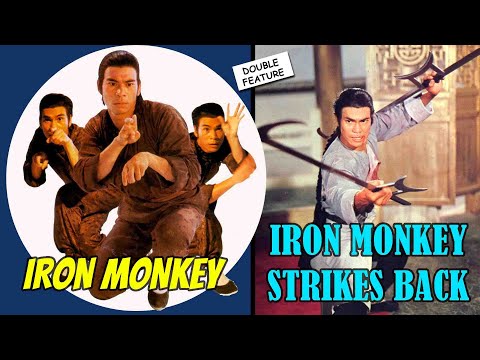
The Shaolin Monkey Fist: Unveiling the Ferocity of Wu-Tang's "Iron Monkey" Duology

The Call of the Monkey Fist

Ah, the Wu-Tang Collection! A name that conjures images of raw, unadulterated martial arts cinema. Today, we delve into a duo of films that, while perhaps not reaching the stratospheric heights of some Hong Kong classics, offer a potent glimpse into the enduring allure of the "Monkey Fist" style and the legendary Shaolin Temple. But are these films mere historical curiosities, or do they hold genuine lessons for the modern practitioner? That is the question we must dissect.

Many come to the world of cinema seeking not just entertainment, but the very spirit of the warrior. They want to understand the techniques, the philosophy, the dedication. They search for films that resonate with the sweat, the discipline, and the eventual enlightenment found on the training mats. This is where the "Iron Monkey" films, despite their imperfections, spark a particular curiosity.

Iron Monkey: Genesis of a Legend

Let us first dissect the original Iron Monkey, directed by Chen Kuan Tai. The premise is a familiar, yet potent, narrative arc: the sole survivor of a brutal massacre, driven by vengeance and fate, seeks refuge and mastery at the hallowed grounds of the Shaolin Temple. The casting features Chen Kuan Tai himself, Chi Kuan Chun, Wilson Tong, and Leung Kar Yan – names that, to the initiated, carry weight in the world of martial arts film.

The core of the story lies in the protagonist's journey to master the "Monkey Fist" method. This style, deeply rooted in animal mimicry, is characterized by its unpredictable, agile, and often acrobatic movements. Imagine a primate – its speed, its ability to change direction instantly, its deceptive simplicity masking a complex, devastating effectiveness. The film aims to showcase this, and in its better moments, it succeeds in conveying a sense of raw, untamed power.

"The Monkey style is not merely a collection of movements; it is an embodiment of adaptation and opportunism. It teaches us to flow, to deceive, and to strike when the moment is ripe, much like a monkey seizing a falling fruit." - A hypothetical elder from the Shaolin tradition.

Chen Kuan Tai, a veteran of the genre, brings a certain gravitas to the role. However, it is the depiction of the Monkey Fist itself that will draw the most attention from seasoned martial artists. Is the choreography a true representation, or a stylized interpretation for the screen? We shall examine this.

Shaolin's Shadow: The Monkey Style

The Shaolin Temple. The very name echoes through the annals of martial history. It is the mythical birthplace of countless combat disciplines, a place where the body and mind are forged into instruments of unparalleled skill and discipline. The integration of the Monkey Fist into this legendary institution is a narrative device that immediately elevates the stakes.

The Monkey style, in its essence, is about fluidity, evasiveness, and unpredictable attacks. It often incorporates elements of deception, mimicking the playful yet dangerous nature of its namesake. Movements can be low to the ground, incorporating rolls and evasions, then explosively transition to high, sweeping kicks or rapid-fire hand strikes. The emphasis is on agility and a seemingly chaotic, yet deeply ingrained, pattern of offense and defense. The goal is to overwhelm the opponent with a barrage of unexpected strikes and evasions, leaving them disoriented and vulnerable.

For a practitioner, mastering the Monkey Fist requires not just physical conditioning – extraordinary flexibility, agility, and stamina – but also a keen mental acuity. The ability to think on your feet, to adapt to your opponent's every move, and to exploit openings with lightning speed are paramount. This is where the film's narrative intent, however imperfectly realized, touches upon profound martial truths.

Iron Monkey Strikes Back: Detective Work and Deadly Fists

Following the initial installment, we have Iron Monkey Strikes Back, directed by Pao Hsueh Li. This film shifts gears, introducing a more investigative narrative. Chen Kuan Tai returns, this time as a Kung fu fighting detective, Mister Cool Head. The plot involves the murder of the emperor's wife and a deep-seated conspiracy at high levels of government.

The addition of the detective element adds a layer of intrigue, but the core appeal remains the martial arts. The film promises "untold fighting" from the team behind the first movie. This implies a continued focus on the action sequences, but the question remains: does the investigative plot detract from or enhance the martial arts spectacle?

Mister Cool Head, the protagonist, is tasked with unraveling this complex web of deceit. His methods, naturally, involve not just keen observation and deduction, but also the application of his formidable Kung fu skills. This blend of detective work and combat is a staple in many martial arts narratives, offering opportunities for both intellectual and physical prowess to shine.

The cast includes Chen Kuan Tai, Chen Sing, Chia Ling, and Suen Rong Jye, suggesting a continuation of the established martial arts talent. The promise of more fighting from the original team is a clear selling point for fans of the first film, but it also raises the bar for the quality and creativity of the action choreography.

Wu-Tang Collection: A Critical Eye on the Duology

Now, let us don our critical gi and examine these films through the lens of a seasoned martial artist and film enthusiast. The Wu-Tang Collection, in its ambition to showcase various facets of martial arts cinema, often presents films that are rough around the edges but possess a certain undeniable charm and historical significance.

Choreography and Authenticity: This is where the debate truly ignites. Does the "Monkey Fist" depicted here bear any resemblance to historically recognized forms? While cinematic interpretation often prioritizes spectacle over strict adherence, a truly great martial arts film will at least hint at the underlying principles of the style. The agility and unpredictability are key. If the movements feel rehearsed, lack a sense of grounded physics, or rely too heavily on wire-work without internal logic, then the film falters in its martial representation.

Acting and Narrative Cohesion: While the focus is on fighting, the narrative and performances still matter. Does the story hold together? Are the characters compelling, or merely archetypes going through the motions? In the case of Iron Monkey Strikes Back, the blend of detective work and martial arts needs to be handled with care. If the investigative plot feels shoehorned in, or if the transitions between dialogue and fight scenes are jarring, it detracts from the overall experience.

The "Spirit" of the Martial Art: Beyond the technical aspects, does the film capture the essence of the martial art it portrays? The Monkey Fist, like many traditional styles, is more than just physical technique. It embodies a philosophy of adaptability, wit, and sometimes, a playful approach to combat. Does the film convey this deeper meaning, or is it merely a series of flashy moves?

The films within the Wu-Tang Collection often serve as valuable archives, preserving styles and stories that might otherwise be lost to time. However, it is crucial to approach them with a discerning eye, appreciating their historical context while acknowledging their cinematic limitations.

Training the Monkey: Principles and Practice

For those inspired by the Monkey Fist style, actual training can be a rewarding, albeit challenging, endeavor. The core principles emphasize:

  1. Agility and Footwork: The ability to move quickly and change direction with minimal effort is paramount. This involves drills focusing on quick feet, evasive dodges, and dynamic stance transitions. Think of a monkey leaping from branch to branch – never staying in one place for too long.
  2. Unpredictable Strikes: Monkey Fist attacks are rarely linear. They can come from unexpected angles, often using the entire body to generate power. This requires practicing a wide variety of hand and foot techniques, incorporating spins, rolls, and sudden bursts of speed.
  3. Deception and Misdirection: A key element is making the opponent believe you are doing one thing while preparing to do another. This involves feints, changes in posture, and drawing your opponent's attention away from your true target.
  4. Lower Stances and Groundwork: Monkey style often incorporates very low stances and techniques that utilize the ground, allowing for rapid evasion and surprising offensive maneuvers from seemingly vulnerable positions.
  5. Upper Body Dexterity: Beyond punches, Monkey style often employs clawing motions, grasping techniques, and rapid, multi-limb attacks that mimic the grasping and striking of a primate.

While dedicated Monkey style Kung fu schools are rare outside of specialized martial arts circles, many of its principles can be incorporated into other training regimens. Focus on developing explosive power, enhancing flexibility, and practicing unpredictable combinations. Drills that involve reacting to stimuli, such as partner drills or agility courses, are invaluable.

Essential Gear for Your Training

To truly immerse yourself in the spirit of martial arts training, having the right equipment can make a significant difference. For styles that emphasize agility and fluidity, like the Monkey Fist, versatility in your attire is key.

  • Lightweight Kung Fu Uniforms: Opt for uniforms made from breathable, lightweight fabrics such as cotton or a poly-cotton blend. These allow for maximum freedom of movement without restricting your agility. A traditional loose-fitting top and comfortable trousers are ideal.
  • Flexible Training Shoes: For styles that involve a lot of footwork and low stances, flexible, minimalist shoes are recommended. These provide grip and a good connection to the ground without impeding natural foot movement. Many traditional martial arts footwear options fit this description.
  • Padding for Sparring (If Applicable): If you progress to sparring, appropriate safety gear is crucial. This includes padded gloves, shin guards, and headgear. Ensure they are lightweight and don't hinder your agility.
  • Training Mats: For practicing low stances, rolls, and falls, having a suitable training surface is important. Interlocking foam mats can provide a safe and comfortable environment for practicing these dynamic movements at home.

Remember, the best equipment is that which allows you to train effectively and safely, without hindering the core principles of your chosen art.

Frequently Asked Questions

What is the Monkey Fist style in Kung Fu?

The Monkey Fist is a traditional Kung Fu style that imitates the movements and behavior of a monkey. It is characterized by its extreme agility, unpredictable attacks, deceptive maneuvers, and often acrobatic techniques.

Are the "Iron Monkey" movies historically accurate representations of Shaolin Kung Fu?

While the films are inspired by Shaolin traditions and feature martial arts, they are primarily entertainment. Cinematic liberties are taken with choreography and narrative for dramatic effect. They offer a stylized glimpse rather than a documentary-accurate depiction.

Can I learn Monkey Fist style from these movies alone?

No. While inspiring, these films are not instructional. Authentic martial arts training requires guidance from a qualified instructor in a controlled environment to ensure safety and proper technique.

What are the main benefits of training in agile martial arts styles?

Training in agile styles enhances physical attributes like speed, flexibility, coordination, and balance. Mentally, it sharpens reflexes, improves problem-solving skills under pressure, and fosters adaptability.

Is the Wu-Tang Collection good for beginners in martial arts cinema?

The Wu-Tang Collection offers a unique, often raw, look into martial arts films from different eras and regions. While some entries might be less polished, they provide historical context and showcase a variety of styles. For beginners, it's a dive into the deep end, offering a different perspective than mainstream martial arts movies.

Deepen Your Understanding

The world of martial arts cinema is vast and rich. To continue your exploration of its nuances and connect with its enduring legacy, I recommend delving into related discussions and resources:

The Enduring Legacy of the Monkey

The "Iron Monkey" duology, as presented within the Wu-Tang Collection, serves as a potent reminder of the enduring appeal of the Monkey Fist style and the mythical aura surrounding the Shaolin Temple. While cinematic gloss may be absent in places, the raw energy, the dedication to showcasing dynamic combat, and the narrative of a warrior's journey resonate deeply.

For the martial artist, these films are not blueprints for combat, but rather sparks that can ignite further curiosity. They highlight principles of agility, deception, and adaptability that are fundamental to many fighting systems. They encourage us to look beyond mere technique and appreciate the philosophy and spirit that underpins true martial prowess.

Sensei's Reflection: Your Next Move

The monkey is known for its ability to adapt and thrive in diverse environments. After witnessing the trials of Iron Monkey and Mister Cool Head, consider this: In your own training and life, where do you find yourself most rigid? Where is your adaptability being tested? How can you incorporate the fluidity and unpredictability of the Monkey Fist, not just in your physical movements, but in your approach to challenges? Reflect on this, and let your actions speak louder than words.

``` GEMINI_METADESC: Dive into the fierce world of the Monkey Fist style with our critical analysis of Wu-Tang's \"Iron Monkey\" duology. Explore Shaolin secrets, fight choreography, and practical training tips.

The Untold Tale of Romário: A Warrior's Footwork on the Pitch

Welcome, warriors of the digital dojo, to a session that transcends the mats and the ring, venturing onto the hallowed turf where legend is forged not with fists, but with feats of unparalleled skill. Today, we dissect the phenomenon of a player whose name echoes through the annals of sport with the same resonance as a perfectly executed throw or a decisive strike: Romário. You might be drawn here by whispers of his goal-scoring prowess, perhaps seeking to understand the "why" behind his almost mystical ability to find the back of the net. But as a true disciple of the martial way, you know that excellence in any discipline, be it football or Hapkido, stems from a deeper wellspring of discipline, strategy, and an almost primal instinct. Our objective is not merely to recount statistics, but to examine the spirit of a competitor, the warrior's mindset that propelled Romário to heights few can ever dream of. We will peel back the layers, exploring the philosophy that governed his game, the relentless training that honed his "weapons," and the sheer, unadulterated will to win that defined his career. Prepare yourselves, for this is more than a sports story; it's a study in competitive mastery.

Table of Contents

The Essence of Romário: Beyond the Goals

Romário de Souza Mota, known universally as Romário, was not just a goal scorer; he was an artist, a craftsman, and, dare I say, a warrior on the pitch. While the raw numbers – over 700 career goals in professional matches – are staggering, they fail to capture the essence of his dominance. What truly set him apart was his unparalleled spatial awareness, his deceptive agility, and a predatory instinct that made him a nightmare for defenders. Consider his diminutive stature. In a sport that often celebrates brute strength, Romário thrived on agility and explosive bursts of speed. This is akin to a smaller practitioner of Wing Chun, using efficient movements and precise strikes to overcome larger opponents. His low center of gravity, combined with incredible balance, allowed him to navigate tight spaces, a skill honed through countless hours of practice, much like a **Judo** black belt perfecting their balance and grip. The way he could shield the ball, pivot, and unleash a shot before a defender could even react speaks volumes about his mastery of fundamental movement.
"The ball is my friend. It listens to me. I know where it wants to go." - Romário
This statement, simple yet profound, echoes the dedication of any martial artist who dedicates their life to understanding the nuances of their chosen art. It’s the same quiet confidence a master of **Karate** has in their kata, or a **BJJ** practitioner in their ground game. It’s about an intimate connection, a deep understanding that transcends mere technique.

Footwork as a Weapon: The Art of Deception

In martial arts, footwork is the foundation upon which all techniques are built. A strong stance, precise movements, and the ability to shift weight effectively are paramount. Romário embodied this principle on the football field. His dribbling was not just about moving the ball forward; it was a sophisticated dance of feints and changes of direction, designed to disrupt the defender's balance and create an opening. Think of the subtle hip movements, the quick shoulder drops, the way he could feint to go one way and instantly explode in another. These are not random movements; they are deliberate applications of deception, akin to the "ashi sabaki" (footwork) in **Aikido** or **Kendo**, where positioning and timing are everything. His ability to change pace abruptly, to accelerate from a standstill to a sprint in a blink, was a direct result of powerful leg muscles and an innate understanding of biomechanics, much like a Muay Thai fighter conditioning their shins for devastating kicks.
His close control was legendary. The ball seemed glued to his feet, a testament to thousands of hours spent practicing with the ball, developing what we might call "muscle memory" or "kinesthetic intelligence." This dedication to perfecting the fundamentals, to making the complex appear simple, is the hallmark of true mastery, whether it's in the intricate patterns of **Shaolin Kung Fu** or the rapid-fire exchanges of **Kickboxing**.

The Mindset of a Champion: Warrior's Will

Beyond the technical brilliance, Romário possessed a mental fortitude that was as formidable as any physical attribute. He played with a swagger, a self-belief that often intimidated opponents before the game even began. This is the warrior's spirit – the unwavering confidence that comes from rigorous preparation and the deep-seated conviction that you are capable of overcoming any obstacle. Romário was never afraid to take responsibility, to be the one to make the decisive play. In moments of pressure, when the game was on the line, he often seemed to relish the spotlight, finding an extra gear. This is the "kime" – the focal point of energy, the decisive strike that ends a sequence – that martial artists strive for. It's the ability to channel all your energy, focus, and intent into one perfect action at the critical moment. He wasn't always the most cooperative teammate, often described as having a strong individualistic streak. Some might view this negatively. However, from a martial perspective, this could be seen as an intense focus on his personal mission, his "kata" of scoring goals. Just as a swordsman in **Iaido** focuses solely on their own draw and cut, Romário’s singular focus on his objective was undeniably effective.
"I am the best. I have always been the best." - Romário
This is not arrogance; it is the self-affirmation born from earned confidence. It’s the internal dialogue of a fighter who has faced their demons in training and emerged victorious countless times. This mental toughness is a critical component of success in any high-stakes endeavor, from an **MMA** bout to a high-pressure business negotiation.

Training Regimen of a Legend: The Discipline Behind the Magic

While Romário was known for his prodigious talent, his ability to consistently perform at the highest level was undoubtedly fueled by rigorous training. Although often associated with a lifestyle that was not always conventional, his longevity and effectiveness speak to an underlying discipline. The dazzling skills, the explosive sprints, the enduring stamina – these do not appear by magic. They are forged in the crucible of practice. His training would have involved: * **Agility Drills:** Exercises designed to improve quickness, balance, and change of direction. Think of ladder drills, cone drills, and agility sleds. These are directly analogous to footwork drills in **Taekwondo** or **Wing Chun**. * **Strength and Conditioning:** While not a physically imposing player, Romário possessed immense lower body strength for explosive movements and shooting power. Core strength would have been crucial for balance and stability. This is the foundation that supports all technique, just as a strong core is vital in **Judo** for throws and in **BJJ** for submissions. * **Ball Mastery:** Countless hours spent with the ball at his feet, practicing dribbling, passing, and shooting. This is the equivalent of a musician practicing scales or a calligrapher honing their strokes. The sheer repetition embeds the movements into the subconscious. * **Tactical Training:** Understanding positioning, movement off the ball, and reading the game. This strategic element is akin to studying the flow of combat, anticipating an opponent's moves in **Chess Boxing** or planning a strategy in a sparring match. The discipline required to maintain such a regimen, even with his unconventional persona, is a testament to his dedication to his craft. It’s the same commitment that drives athletes to endure grueling workouts in preparation for a major **Karate** tournament or an **UFC** fight.

Romário's Legacy: A Martial Perspective

Romário's impact extends far beyond the statistics. He redefined what it meant to be a top-tier forward, proving that skill, intelligence, and agility could triumph over brute force. His legacy is a powerful reminder that mastery in any field requires a unique blend of innate talent, relentless practice, and an indomitable spirit. He demonstrated that the "fighting spirit" isn't confined to combat sports. It's the drive to push your limits, to face adversity head-on, and to execute with precision under pressure. His career is a masterclass in competitive excellence, offering lessons applicable to any aspiring martial artist, athlete, or indeed, anyone seeking to excel in life. His ability to adapt, to remain effective for over two decades, showcases resilience and a deep understanding of his own strengths and weaknesses – a crucial aspect of self-mastery. He didn’t try to be a power striker like Ronaldo or a creative playmaker like Zidane; he perfected his own unique "style" of football, much like a martial artist develops their signature techniques.

Veredicto del Sensei: Does Romário's Tale Inspire the Martial Spirit?

**Cinturón Negro en Maestría Competitiva**. Romário is more than just a football legend; he is a study in applied martial philosophy on the grandest sporting stage. His journey embodies the principles of dedication, strategic thinking, mental fortitude, and the relentless pursuit of perfection. While the arena was a football pitch and his "weapons" were his feet and his mind, the spirit of competition, the warrior's will to conquer, is undeniably present. He proves that martial principles – discipline, precision, adaptability, and an unwavering spirit – can manifest in myriad forms, even in a sport as different from traditional combat arts as football. His story is a potent reminder that true champions, in any domain, are forged through a combination of innate gifts and an unrelenting commitment to honing their craft.

Team Essentials for Your Training

While Romário's primary tool was the football itself, certain equipment can significantly enhance your own martial arts training and conditioning, mirroring the supportive gear used by athletes across disciplines: * **High-Quality Training Shoes:** Essential for agility, support, and traction during drills. Look for lightweight, responsive shoes that allow for quick footwork. * **Durable Gi/Uniform:** For arts like Judo, Karate, and Aikido, a sturdy uniform is crucial for grip, protection, and proper movement. Consider double-weave for longevity. * **Sparring Gear:** For arts involving striking or grappling, safety gear such as mouthguards, groin protectors, and appropriate sparring gloves are non-negotiable. * **Strength & Conditioning Equipment:** Resistance bands, kettlebells, or even just a sturdy jump rope can be invaluable for building the foundational strength and stamina that Romário implicitly possessed. * **A Good Quality Football:** Of course, if you intend to emulate Romário's specific skills, a well-made football is your primary implement.

Frequently Asked Questions

* **Q: Was Romário's playing style truly like that of a martial artist?** A: While not a direct combat art, his agility, balance, deceptive footwork, and killer instinct share many philosophical parallels with martial arts principles focused on precision, efficiency, and exploiting an opponent's weakness. * **Q: How did Romário maintain his agility and explosive power despite his physique?** A: His success points to a dedicated, albeit perhaps unconventional, training regimen focused on strength, conditioning, and countless hours of technical ball practice. Explosiveness comes from specific training of fast-twitch muscle fibers. * **Q: Did Romário face significant challenges or opponents that tested his "warrior spirit"?** A: Absolutely. He faced some of the world's toughest defenders throughout his career and often battled injuries. His consistent goal-scoring under pressure demonstrates immense mental fortitude.

Deepen Your Journey

To further explore the intersection of martial arts philosophy and peak athletic performance, consider delving into these related topics on our blog: * MMA Fight Analysis: Strategic Approaches * The Pillars of Karate: Discipline and Perseverance * Understanding Budo: The Warrior's Way

Reflexión del Sensei: Tu Próximo Paso

Romário used the football pitch as his dojo, and his goals were his "kata." He mastered his craft through a combination of innate talent, relentless practice, and a fierce competitive spirit. Now, I ask you: What is *your* dojo? What is the "ball" in your hands? Are you approaching your training with the same singular focus and unwavering will that defined Romário? Or are you merely going through the motions? The path to mastery requires more than just showing up; it demands that you embody the spirit of the warrior in every action. Reflect on this: How can you elevate your own practice from mere repetition to true artistic expression and competitive dominance? GEMINI_METADESC: Explore Romário's legendary career through a martial arts lens. Discover his warrior mindset, deceptive footwork, and disciplined approach to mastery on the football pitch.

Cyril Raffaelli: More Than Just a Stuntman, a True Martial Artist?

In the pantheon of martial arts cinema, certain names resonate with an almost mythical power. We speak of Bruce Lee, Jackie Chan, Jet Li – titans who not only performed incredible feats but embodied the spirit and philosophy of the arts they represented. But what about those who operate slightly outside the limelight, yet possess a skill set that rivals, and in some ways, surpasses them? Today, we delve into the world of Cyril Raffaelli, a man often lauded for his parkour prowess and stunt work, but whose martial arts foundation is a critical, often overlooked, element of his on-screen persona. Was he merely a spectacular performer, or is there a deeper martial artistry at play?

The Early Years: Forging a Path of Discipline

Born in France, Cyril Raffaelli's journey into the world of physical discipline began not with a dream of Hollywood stardom, but with a deep-seated passion for martial arts. From a young age, he immersed himself in the rigorous training of Karate, specifically Kyokushin. This style, known for its full-contact sparring and demanding physical conditioning, instills a profound sense of discipline, resilience, and respect – cornerstones of true Budo.

Unlike many who dabble in various disciplines, Raffaelli’s commitment to Karate was absolute. He ascended through the ranks, earning a black belt and demonstrating not just technical proficiency but a deep understanding of the combative principles. This foundation is crucial. Many actors today might learn a few moves for a role, but Raffaelli lived and breathed martial arts long before the cameras rolled. This isn't just about executing a punch; it's about the mindset, the footwork, the defensive instincts, and the sheer physical and mental fortitude that only years of dedicated practice can forge.

"The Way of the Warrior is to be always prepared to die. If you allow the least margin of slip, you are done for." - Miyamoto Musashi, The Book of Five Rings

This quote from Musashi perfectly encapsulates the mindset required for mastery in any demanding discipline, whether it's sword fighting or advanced parkour. Raffaelli's dedication to Karate demonstrates an early understanding of this principle, a commitment that would later serve him exceptionally well.

From Stuntman to Star: The Rise of a Unique Skillset

Raffaelli's transition into the film industry was a natural progression for someone with his extraordinary physical capabilities. He began as a stuntman, a role that demands not only bravery but also an intimate knowledge of physics, timing, and safety. His Karate background gave him an edge, allowing him to perform complex fight choreography with an authenticity rarely seen in the stunt world. He could seamlessly integrate dynamic kicks and powerful blocks into sequences that required incredible spatial awareness and control.

His work on projects like *The Fifth Element* and various European action films showcased his raw talent. However, it was his development as a practitioner of parkour (or *l'art du déplacement*) that truly set him apart. Parkour, a discipline focused on overcoming obstacles through efficient movement, requires an astonishing level of agility, strength, and courage. When combined with his martial arts training, Raffaelli developed a style of on-screen action that was revolutionary.

Imagine a martial artist who doesn't just fight on a flat surface but utilizes walls, rooftops, and urban landscapes as integral parts of his combat. This is the synergy Raffaelli brought to the screen. His movement wasn't just about hitting a target; it was about navigating an environment with fluid, almost instinctual grace, all while maintaining the readiness for combat. This blend of disciplined martial arts and improvisational urban acrobatics is what made him a unique proposition for filmmakers.

District 13 and the Revolution of Cinematic Combat

The film that truly catapulted Cyril Raffaelli into international recognition was *District 13* (Banlieue 13) in 2004. Directed by Pierre Morel and produced by Luc Besson, this film was a deliberate departure from traditional martial arts cinema. It eschewed wire-fu and overly stylized choreography for a raw, visceral, and incredibly fast-paced blend of parkour and hand-to-hand combat. Raffaelli, playing the protagonist Damien Tomaso, was the perfect embodiment of this new style.

His fight sequences in *District 13* were breathtaking. He wasn't just fighting; he was leaping, climbing, and tumbling, integrating his environment into every exchange. His Karate background provided the foundation for powerful strikes and effective defensive maneuvers, while his parkour skills allowed for spectacular evasions and offensive initiations that left audiences stunned. This was not just a movie; it was a statement about the evolution of action cinema, and Raffaelli was at its forefront.

"In the dojo, you must be as earnest as in battle." - Unknown Master

Raffaelli's performances in films like *District 13* and its sequel *District 13: Ultimatum* demonstrated this earnestness. The dedication required to perform those stunts, the precision of his movements, and the intensity he brought to the screen were a testament to his years of rigorous training, both in Karate and parkour. He showed that cinematic combat could be both brutally effective and artistically fluid, a true fusion of martial discipline and athletic spectacle.

The critical question, however, remains: Does this phenomenal display of athleticism and choreographed violence equate to true martial artistry? Raffaelli's background in Kyokushin Karate provides a strong argument for his martial credentials. He possesses the discipline, the physical conditioning, and the technical foundation. Yet, his most iconic roles have heavily emphasized parkour and stunt work, which, while incredibly demanding, are distinct from the philosophical and combative core of many traditional martial arts.

Veredicto del Sensei: Is Raffaelli a Master of His Craft?

Cyril Raffaelli is undoubtedly a phenom. His integration of parkour into cinematic combat was groundbreaking, and his physical capabilities are, frankly, astounding. He possesses the discipline forged in the Kyokushin dojo, which is the bedrock of any serious martial artist. His ability to perform complex fight choreography with such precision and power is a testament to his dedication and skill.

However, is he a martial arts master in the traditional sense, like a Miyamoto Musashi or a Yip Man, whose teachings extend far beyond physical technique into philosophy and strategy? Perhaps not in the same vein. His fame rests largely on his ability to translate his physical gifts into breathtaking action sequences, a feat he accomplishes with unparalleled skill. He represents a modern evolution of the action hero, where physical prowess, acrobatic agility, and a strong martial arts base converge.

My Verdict: Raffaelli is a Cinturón Negro en Movimiento y Combate Cinematográfico. He may not be a philosopher-king of martial arts, but his mastery of his chosen physical disciplines, rooted in a solid Karate foundation, makes him one of the most compelling and skilled performers in the action genre. He pushed the boundaries of what was thought possible on screen, and for that, he commands immense respect.

Harnessing the Raffaelli Spirit: Training for Agility and Power

Inspired by Cyril Raffaelli's unique blend of skills? You can cultivate aspects of his physicality and mindset, even without Hollywood backing. The key lies in focusing on foundational strength, explosive power, and environmental awareness.

  1. Master Your Stance: Begin with a solid Karate stance (like the kiba-dachi or horse stance). Hold it for extended periods to build leg strength and stability. This is your anchor.
  2. Develop Explosive Power: Incorporate plyometric exercises such as jump squats, box jumps, and clap push-ups. These mimic the explosive nature of Raffaelli's leaps and strikes.
  3. Build Core Strength: A strong core is essential for balance, power transfer, and injury prevention. Incorporate planks, Russian twists, and hanging leg raises into your routine.
  4. Practice Agility Drills: Set up a simple obstacle course in a safe area (a park, a large room). Practice jumping over objects, weaving around them, and climbing over low barriers. Focus on fluid transitions.
  5. Integrate Basic Karate Strikes: Practice fundamental punches (tsuki) and kicks (geri) with power and precision. Focus on generating force from your hips and core.
  6. Environmental Awareness: When you train in an open space, consciously observe your surroundings. Identify potential obstacles and think about how you could navigate them. This is the essence of parkour's practical application.
  7. Sparring (If Possible): If you train in a martial art that includes sparring, apply your training. Focus on movement, evasion, and controlled aggression, much like Raffaelli does in his fight scenes.

Equipo Esencial para tu Entrenamiento

While Raffaelli's training is largely bodyweight-focused, certain equipment can enhance your practice and safety:

  • Karate Gi: For authentic training, especially if you are learning Karate. Look for a durable, double-weave gi for added resilience during more dynamic movements.
  • Comfortable Workout Gear: Breathable, flexible clothing that allows for a full range of motion is crucial for both martial arts and parkour-inspired training.
  • Training Shoes: A good pair of athletic shoes with excellent grip and cushioning is vital for jumping, landing, and running. Some prefer minimalist shoes for better ground feel in parkour training.
  • Protective Gear (Optional for Sparring): If you engage in full-contact sparring, consider mouthguards, groin protection, and potentially light sparring gloves.
  • Agility Ladder: Excellent for improving footwork, speed, and coordination – key components of Raffaelli's dynamic style.

Preguntas Frecuentes

Q1: Is Cyril Raffaelli a real martial artist, or just an actor?

A1: Raffaelli has a black belt in Kyokushin Karate and trained extensively in the discipline before his acting career. While his most famous roles highlight parkour and stunt work, his martial arts foundation is genuine and significant.

Q2: What is the difference between parkour and traditional martial arts like Karate?

A2: Karate is a martial art focused on self-defense, discipline, and combat techniques. Parkour (or l'art du déplacement) is a discipline of movement focused on efficiently overcoming obstacles in one's environment using a combination of running, jumping, climbing, and vaulting. Raffaelli uniquely blends these disciplines.

Q3: How can I train to be like Cyril Raffaelli?

A3: Focus on building a strong foundation in a martial art like Karate for discipline and technique, and incorporate parkour or freerunning for agility, spatial awareness, and obstacle navigation. Plyometrics and core training are also essential.

Q4: Did Cyril Raffaelli do all his own stunts?

A4: In his most iconic roles, particularly in *District 13*, Raffaelli performed the vast majority of his own stunts and fight choreography, which is a testament to his exceptional skill and dedication.

Para Profundizar en tu Camino

Reflexión del Sensei: Tu Próximo Paso

Raffaelli's career begs a crucial question: In the modern world, is the highest form of martial expression found in the purity of tradition, or in the innovative fusion of disciplines? Can the philosophical depth of Budo truly be translated into the explosive, environmentally integrated movement of parkour? Or does the very act of adapting a discipline for spectacle risk diluting its essence?

Now, it is your turn to contemplate. Where do you stand on the evolution of martial arts in cinema? Is Raffaelli a true successor to the martial arts legends, or a brilliant performer who utilizes martial arts as a tool? Defend your position in the comments below.

``` GEMINI_METADESC: Explore Cyril Raffaelli's martial arts journey: from Kyokushin Karate black belt to the groundbreaking action of District 13. Discover his training, impact, and the debate around his artistry.

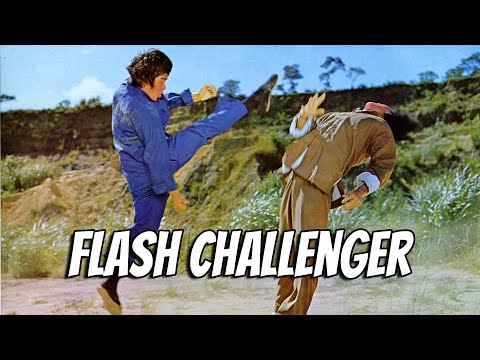
Wu-Tang Collection - Flashpoint: A Martial Arts Film Critique

As a seasoned martial artist and a devoted student of the cinematic arts, I've seen countless films grace the silver screen, each claiming to capture the essence of the warrior's path. Some succeed, echoing the profound truths of discipline and combat. Others… well, they falter, more akin to a poorly executed kata than a decisive blow. Today, we dissect "Flashpoint," a film that, while not a household name in the martial arts pantheon, offers a glimpse into the gritty world of action cinema and the enduring appeal of the lone hero seeking justice. This isn't just a film review; it's an examination of cinematic martial arts through the lens of authenticity, spirit, and impact.

The Premise: A Classic Revenge Tale

Directed by Hung Chang Wang, "Flashpoint" presents a narrative as old as conflict itself: a wronged hero seeking retribution. The story unfolds with Tiger Wong, a figure whose shipment of illicit gold is pilfered by the nefarious Jackal Lam and his syndicate. This act of betrayal sets in motion a chain of events that compels Tiger Wong to seek out Frank Chan, a fighter renowned for his commitment to justice. What begins as a quest to reclaim stolen goods quickly escalates, hinting at a deeper, more sinister operation at play – Jackal Lum's potential involvement in illegal arms dealing.

This setup, while familiar, provides fertile ground for showcasing martial prowess. The inherent conflict between the corrupt and the righteous is a timeless theme that resonates deeply within the martial arts community. It speaks to the core principles of honor, duty, and the fight against injustice that many martial paths strive to embody. The mere suggestion of such a narrative arc within a film immediately piques the interest of those who appreciate not just the spectacle of combat, but the underlying moral framework it often represents.

"The supreme art of war is to subdue the enemy without fighting." - Sun Tzu, The Art of War. While "Flashpoint" leans heavily into the fighting, the underlying principle of justice for the wronged echoes a deeper martial ethos.

Martial Choreography and Combat Authenticity

Now, let us address the heart of any martial arts film: the combat. "Flashpoint" features Yasuaki Kurata and Cliff Ching, names that may carry weight with aficionados of classic Hong Kong cinema. The choreography, under the direction of Hung Chang Wang, aims to deliver the visceral impact expected from this era of filmmaking. We see elements that appear to draw from traditional Kung Fu styles, characterized by rapid hand techniques, dynamic kicks, and the often acrobatic movements that define the genre.

However, as a critic steeped in the reality of combat, I must inquire: how authentic are these movements? While cinematic martial arts are inherently stylized for dramatic effect, a truly compelling fight sequence often contains kernels of genuine technique. Does "Flashpoint" manage to balance spectacle with a semblance of practicality? The swiftness of the exchanges, the apparent physicality of the actors, and the integration of the environment into the fights suggest an effort was made. Yet, the true test lies in whether the techniques appear adaptable to a real-world confrontation, or if they are purely theatrical flourishes. Many martial films, unfortunately, fall into the latter category, prioritizing visual flair over the brutal efficiency required in actual conflict. This film, from what is presented, seems to tread this fine line, offering moments of impressive skill but also succumbing to the dramatic liberties common in its genre.

The specific styles employed, though not explicitly detailed in the premise, likely incorporate a blend of popular Kung Fu disciplines of the time. We can infer the presence of striking arts, perhaps with some limb control or throws, reflecting the typical ensemble of skills showcased in films of this nature. The challenge for viewers discerning in martial arts is to separate the art from the performance. Is the precision of a punch derived from thousands of hours of dedicated practice, or is it a well-timed movement for the camera?

The Warrior's Code in "Flashpoint"

Beyond the physical exchange, the martial spirit is often tested through philosophical underpinnings. The narrative of Frank Chan being hired to uphold justice against the criminal element is a direct embodiment of the warrior's duty to protect the innocent and confront wrongdoing. This concept is a cornerstone of numerous martial traditions, from the Bushido of the samurai to the "Do" (path) emphasized in Karate and Judo.

Does "Flashpoint" explore this duality? The premise suggests a clear moral dichotomy: the righteousness of Tiger Wong and Frank Chan versus the criminality of Jackal Lam. This is where the film, if executed with depth, can transcend mere action. It can explore themes of honor, sacrifice, and the personal cost of engaging in combat, even for a just cause. The pursuit of vengeance, while a powerful motivator, often walks a dangerous path, potentially corrupting the very principles the hero seeks to defend. A truly profound martial film would delve into this internal struggle, showing that the greatest battles are often fought within the warrior's own heart and mind.

"The true warrior is the one who is constantly vigilant against his own desires and emotions, lest they lead him astray from the path of righteousness." - A principle echoed across many martial philosophies.

The inclusion of a "justice fighter" like Frank Chan is significant. It implies a character who not only possesses martial skill but also a moral compass guiding their actions. This contrasts sharply with the more opportunistic or purely destructive characters often found in action cinema. It is this adherence to a higher code, the internal discipline, that truly elevates a martial artist from a mere combatant to a warrior.

Cinematic Presentation and Pacing

The presentation of a martial arts film is as crucial as the choreography itself. Hung Chang Wang's direction, coupled with the cinematography of the era, will dictate the overall viewing experience. The "let the violence begin!" tagline suggests an emphasis on action, which, if not managed well, can lead to a chaotic and ultimately unengaging spectacle. Effective pacing involves a balance between intense action sequences and moments of narrative development or character reflection.

The context of the "Wu-Tang Collection" implies a certain standard of cult classic appeal, often characterized by raw energy and less polished production values compared to mainstream blockbusters. This can be both a strength and a weakness. A rougher edge can lend a sense of authenticity and gritty realism, whereas overly slick production can sometimes detract from the raw power of martial arts. The challenge for films like "Flashpoint" is to harness this raw energy and channel it into a coherent and impactful cinematic narrative. The inclusion of the YouTube link suggests accessibility, allowing audiences to experience this particular offering firsthand.

Furthermore, the presence of Yasuaki Kurata is notable. Kurata was a significant figure in martial arts cinema, known for his distinctive style and his contributions to films like "The Boxer Rebellion." His involvement suggests a certain level of dedication to the martial aspects of the production. The interplay between such established performers and their counterparts can often be a highlight, showcasing a dynamic exchange of styles and experience.

Sensei's Verdict: Is it Worth the Watch?

When evaluating "Flashpoint," we must consider its place within the vast landscape of martial arts cinema. It is not a Bruce Lee epic, nor a Wong Kar-wai philosophical exploration. Instead, it appears to be a product of its time, aiming to deliver exciting action and a straightforward revenge narrative. For the dedicated martial arts enthusiast who appreciates the history and evolution of the genre, films like these offer valuable insights into the different approaches to portraying combat on screen.

The authenticity of the martial arts may be debatable, and the plot adheres to well-trodden paths. However, if you are looking for a film that showcases energetic fight sequences, features committed performances, and provides a glimpse into the grittier side of action cinema, "Flashpoint" could indeed be a worthy, albeit perhaps modest, addition to your viewing list. It's a film that likely excels in its directness and its unpretentious commitment to delivering on its promise of violence and retribution.

Cinturón Negro en Acción Cruda

While it might not redefine the genre, "Flashpoint" succeeds in what it sets out to do: provide an entertaining martial arts action film. The presence of Yasuaki Kurata adds a layer of genuine martial artistry, and the narrative, though simple, is effectively paced for an action flick. It’s a solid choice for those who enjoy classic Hong Kong action without expecting profound philosophical depth.

Essential Training Gear

To truly appreciate the dedication behind the on-screen action, a solid training foundation is paramount. Whether you are practicing strikes, grappling, or honing your agility, the right equipment can make a significant difference in both performance and safety.

  • Durable Training Uniform (Kimono/Gi): For arts like Judo and Jiu-Jitsu, a sturdy, double-weave gi is essential for withstanding the rigors of grappling and allows for proper grip training.
  • Sparring Gloves: For striking arts or MMA training, well-padded 16oz sparring gloves are crucial for protecting your hands and your training partners.
  • Focus Mitts and Thai Pads: Indispensable for partner drills, these tools help refine striking accuracy, power, and timing.
  • Training Mats: For falling techniques (Ukemi) in Judo or grappling in BJJ, good quality mats are non-negotiable for safety.
  • Resistance Bands: Versatile for strength, conditioning, and mobility exercises, resistance bands are a staple for any martial artist looking to improve functional strength without heavy equipment.

Core Strength and Agility Drills

The dynamic movements seen in films like "Flashpoint" require a robust core and exceptional agility. Here are some fundamental exercises you can incorporate into your routine:

  1. Plank Variations: Start with a basic forearm plank, holding for 30-60 seconds. Progress to side planks and dynamic planks (e.g., plank jacks). This builds isometric core strength essential for stability in combat.
  2. Bicycle Crunches: Lie on your back, knees bent, and alternate bringing your opposite elbow to your knee in a pedaling motion. Focus on the twist through your torso. This targets the obliques.
  3. Burpees: A full-body explosive exercise that builds cardiovascular endurance and functional strength. From a standing position, drop into a squat, kick your feet back into a plank, perform a push-up (optional), bring your feet back to the squat, and jump up explosively.
  4. Box Jumps: Find a sturdy box or platform. Standing before it, jump explosively onto the top, landing softly. Step back down. This enhances explosive leg power and agility.
  5. Agility Ladder Drills: Utilize an agility ladder for a series of quick footwork drills. Focus on speed, coordination, and precision with exercises like in-and-out steps, lateral shuffles, and Icky Shuffle.

Frequently Asked Questions

What martial arts are featured in "Flashpoint"?

While not explicitly stated, the combat appears to draw inspiration from traditional Kung Fu styles, emphasizing striking techniques and dynamic movements characteristic of Hong Kong action cinema from that era.

Is Yasuaki Kurata the main star?

Yasuaki Kurata is a prominent cast member, known for his martial arts expertise. The film also features Cliff Ching and Chiang Chu Hua, suggesting an ensemble cast where different fighters contribute to the action.

Is "Flashpoint" part of the actual Wu-Tang Clan's multimedia projects?

The "Wu-Tang Collection" branding suggests it's curated by or associated with individuals or groups who appreciate that style of martial arts cinema, rather than being a direct production of the Wu-Tang Clan musical group itself.

To Delve Deeper Into Your Journey

The path of martial arts is a lifelong pursuit, rich with history, philosophy, and practical application. If "Flashpoint" has ignited your interest, consider exploring these related topics:

Sensei's Reflection: Your Next Step

We have dissected "Flashpoint," examining its narrative, its combat, and its place in the cinematic martial arts landscape. The film, for all its potential stylization, still presents a core conflict that resonates with the fundamental principles of justice and retribution that often fuel the warrior's spirit. But here is the crucial question for you, the practitioner: When faced with injustice, is your first instinct to unleash physical force, or to seek a more profound resolution? Consider how the pursuit of vengeance, even when seemingly justified, can subtly shift your own internal balance. Are you a fighter, or are you a warrior?

``` GEMINI_METADESC: Critique of the martial arts film "Flashpoint" from the Wu-Tang Collection. Analyzes combat, philosophy, and cinematic impact. Includes training tips and a Sensei's verdict.