Showing posts sorted by relevance for query label:Karate. Sort by date Show all posts

Old School Karate vs. Modern Karate Tournaments: A Sensei's Uncompromising Verdict

Greetings, seekers of martial truth. Today, we confront a question that echoes through the hallowed halls of dojos worldwide: has the evolution of Karate, particularly in its competitive arenas, diluted its effectiveness? We have invited a voice from the trenches of this debate to dissect the stark contrasts between the raw potency of old-school Karate and the refined, yet perhaps sanitized, methodologies of its modern iteration. Prepare yourselves, for this is not a gentle discussion but a rigorous examination designed to sharpen your understanding of what true martial arts entail.

The Shifting Sands of Karate

The question that hangs heavy in the air is blunt: Is Karate becoming less effective? Many believe the answer is a resounding 'yes'. The pursuit of sport, of points and medals, often leads practitioners down a path where the visceral realities of combat are smoothed over, replaced by rules that prioritize spectacle over survival. We will delve into this uncomfortable truth, comparing the warrior spirit of yesteryear with the athletic prowess of today.

Deconstructing the Evolution: Effectiveness and Philosophy

The transition from "old-school" to "modern" Karate is not merely a change in rules; it's a philosophical chasm. Old-school tournaments, for those who experienced them or have studied their history, were often brutal affairs. The emphasis was on decisive techniques, on landing a blow that could end a confrontation. Modern Karate, especially within the Olympic framework, has embraced a more controlled, points-based system. This shift, while fostering wider participation and athletic development, inevitably raises questions about whether the "heart" of Karate has been compromised. Have we traded the devastating power of a well-placed strike for the fleeting glory of a judges' decision?

"The true warrior is not one who wins a thousand battles, but one who defeats himself." - A principle often forgotten in the clamor for victory.

The Lost Art of Potency: Old School Techniques Examined

Were the techniques of old-school Karate truly more 'badass'? In many respects, yes. The training regimens were often harsher, the application of techniques less forgiving. Imagine striking a makiwara until your knuckles bled, or practicing breaking techniques that could shatter bone. This wasn't about scoring points; it was about forging a weapon out of flesh and bone. Techniques like Nukite, the spear-hand strike designed to pierce vital areas, or the sheer force required to break bricks and boards, spoke of a direct confrontation with the limits of the human body and the brutal efficacy of the art. These methods instilled a different kind of confidence – one born not of rules, but of raw, unadulterated power.

External Influences: How Savate Reshaped the Dojo

The evolution of any art is rarely an isolated phenomenon. The influence of other combat systems is undeniable. The integration of elements from Savate, a French kickboxing style known for its sophisticated kicking techniques, is a prime example of how external forces can reshape Karate. While Savate brought its own unique flavor, the question remains: was this an enrichment or a dilution? Did adopting certain kicking strategies, perhaps influenced by systems like Savate, steer Karate away from its original, more direct striking principles? This cross-pollination is a complex aspect of martial arts history, leading to both innovation and a loss of distinctiveness.

A Balanced Critique: Flaws and Strengths of Both Eras

No art is perfect, and both old-school and modern Karate have their inherent flaws and undeniable strengths. The flaws of old-school Karate are perhaps more apparent to the modern eye: a potential for excessive brutality, less emphasis on athletic conditioning, and sometimes a rigid adherence to tradition that stifled innovation. Yet, its strength lay in its uncompromising effectiveness. Modern Karate, conversely, excels in athleticism, broader accessibility, and a safer competitive environment. However, its weaknesses are the very points of contention: the sanitization of techniques, the removal of vital elements like takedowns, and a potential disconnect from practical self-defense. It is a delicate balance, and the scales often tip towards safety and sport over combat readiness.

The Great Divide: Sparring, Takedowns, and Olympic Ideals

The prohibition of takedowns in modern Karate competitions is a critical point of divergence. The original art was a comprehensive system of striking, grappling, and even weapon defense. To remove the threat and utility of a takedown is to fundamentally alter the nature of the confrontation. We’ve seen instances, such as the 2020 Olympic disqualification for a knockout kick, that highlight the fine line between powerful technique and rule violations. This begs the question: are we training to fight, or training to win under specific, often artificial, constraints? The modern emphasis on controlled sparring, while safer, may not adequately prepare practitioners for the chaos of a real confrontation where such constraints do not exist.

"The ultimate aim of Karate is not the victory or defeat, but the perfection of the character of its participants." - A noble sentiment, but one that must be grounded in the reality of the art's combative origins.

Beyond the Mat: Extreme Training Regimens of Yesteryear

The training methods of old-school Karate were, to put it mildly, hardcore. We're talking about performing grueling exercises for abdominal strength that would make modern athletes wince. Punching and kicking trees to toughen limbs and develop power? Absolutely. The idea of "super heavy Karate shoes for training" might sound bizarre today, but it speaks to a willingness to embrace discomfort and unusual methods to forge resilience. Even the concept of breaking bricks and boards (Tameshiwari) was not merely for show, but a practical application of generating focused power, with techniques like Nukite being honed for devastating effect. Was cardio a focus? While perhaps not in the structured way we understand it today, the sheer intensity of these older training methods certainly built formidable endurance. The notion of using weights for punching, however, is something to be approached with extreme caution, as it can lead to injury if not performed correctly.

Karate's Historical Clashes: Facing Boxing and Beyond

Historically, Karate masters were not afraid to pit their art against others. The comparison with Boxing is a fascinating one. How did Karate fare when its practitioners, accustomed to different ranges and power generation, faced the seasoned pugilists of the West? The use of Makiwara, the dedicated striking posts, was integral to developing bone density and punching power in Karate, a stark contrast to the padded gloves of boxing. Yet, there were also significant flaws identified in Karate's approach, leading to continuous refinement. Some practices, like punching students as they performed kata, or pushing the limits of kata execution to its absolute extreme, highlight a dedication that bordered on self-flagellation, all in the name of mastery.

The True Essence: Bunkai and Self-Defense Rediscovered

This brings us to the core of the debate: Bunkai, the practical application of kata techniques for self-defense. When were takedowns truly lost from Karate? How did techniques involving knees, once a staple, become marginalized? The inclusion of throwing knives in some older systems of Karate might seem outlandish, but it reflects a commitment to a holistic self-defense system. Modern Karate, in its competitive guise, often struggles to bridge the gap between stylized movements and the brutal necessities of real-world encounters. While modern Karate certainly has its place for fitness and discipline, its effectiveness in a life-or-death situation is a question that continues to fuel debate among practitioners.

Veredicto del Sensei: ¿Evolución o Dilución?

The evolution of Karate from its old-school roots to its modern, often sport-focused, manifestation is a complex narrative. While the shift towards safer, more accessible competition is understandable and has merit for widespread participation, we cannot ignore the potential dilution of its combative essence. The removal of crucial elements like takedowns, the sanitization of techniques, and the focus on points over decisive action have, in my assessment, significantly altered the art. Modern Karate can be an excellent discipline for fitness, character development, and athletic achievement. However, if your goal is to acquire a martial art capable of dealing with the unpredictable violence of the street, you must look critically at what has been gained and, more importantly, what has been lost. Old school Karate, for all its roughness, often retained a closer connection to its combative origins. Modern Karate, in its Olympic form, risks becoming a beautiful, athletic dance rather than a potent self-defense system.

Cinturón Negro en Coreografía Deportiva, pero ¿en Combate Real? The jury is still out.

Equipo Esencial para tu Entrenamiento

While Karate's spirit transcends equipment, certain tools can enhance your journey, whether you're exploring old-school intensity or modern refinement.

  • Guantes de Entrenamiento de Medio Contacto: Para sesiones de sparring más controlado, protegen sin sacrificar demasiado la sensación del impacto.
  • Espinilleras y Empeineras: Esenciales para protegerse durante las patadas, especialmente si practicas formas de Karate que enfatizan las técnicas de piernas.
  • Karate Gi de Doble Tejido: Para aquellos que buscan la durabilidad y la sensación tradicional, un gi de mayor gramaje es ideal para la práctica intensa.
  • Makiwara Casero o Profesional: Si te inclinas por el entrenamiento de potencia de puño de la vieja escuela, un makiwara es indispensable.
  • Protector Bucal y Tibial: Elementos de seguridad no negociables si tu entrenamiento incluye contacto.
  • Kimono de Judo para Grappling: Si exploras las raíces del grappling en Karate o buscas complementar tu entrenamiento, un buen kimono de judo es clave.

Taller Práctico: Desarrollando la Fuerza del Núcleo

A strong core is fundamental, whether for delivering powerful strikes or maintaining balance during a takedown attempt. Here's an exercise inspired by the rigorous conditioning of older Karate traditions:

  1. Preparación: Encuentra un espacio despejado y una superficie cómoda (una esterilla de entrenamiento es ideal).
  2. Posición Inicial: Túmbate boca arriba con las rodillas flexionadas y los pies apoyados en el suelo. Coloca las manos entrelazadas detrás de la cabeza, o cruzadas sobre el pecho para mayor dificultad.
  3. Elevación del Tronco (Crunch): Contrae los músculos abdominales y levanta la cabeza y los hombros del suelo, manteniendo la zona lumbar pegada a la superficie. Exhala mientras te elevas.
  4. Pausa y Contracción: Mantén la posición elevada por un segundo, sintiendo la contracción máxima de tus abdominales.
  5. Descenso Controlado: Inhala mientras desciendes lentamente y de forma controlada de vuelta a la posición inicial. Evita dejar caer el cuerpo bruscamente.
  6. Variaciones de Dificultad:
    • Para aumentar la intensidad, puedes elevar las piernas del suelo (posición de "mesa").
    • Incorpora torsiones (Russian Twists) para trabajar los oblicuos.
    • Prueba el "Hollow Body Hold" si buscas un desafío de resistencia del core al estilo gimnasia.
  7. Repeticiones y Series: Comienza con 3 series de 15-20 repeticiones. A medida que tu fuerza mejore, aumenta progresivamente el número de repeticiones o series, o reduce los tiempos de descanso.
  8. Frecuencia: Integra este ejercicio 3-4 veces por semana, idealmente en días alternos para permitir la recuperación muscular.

Este tipo de entrenamiento, aunque aparentemente simple, forja la fuerza del núcleo necesaria para transmitir potencia a través de todo el cuerpo, una habilidad vital en cualquier forma de Karate.

Preguntas Frecuentes

¿Por qué se prohibieron las derribos en el Karate moderno?
La prohibición se introdujo principalmente para hacer el deporte más seguro, espectacular para los espectadores y para encajar mejor dentro de las reglas olímpicas. El grappling y las derribos introducen un nivel de contacto y complejidad que puede ser menos predecible y más peligroso en un entorno de competición centrado en puntos.

¿Es el Karate tradicional inútil para la defensa personal?
No necesariamente inútil, pero su aplicabilidad puede ser limitada si no se entrena específicamente para ello. Las katas contienen principios de defensa personal (bunkai), pero su interpretación y entrenamiento deben enfocarse en la eficacia práctica, no solo en la forma. El Karate moderno, especialmente el deportivo, a menudo se aleja de estas aplicaciones directas.

¿Es malo el entrenamiento con peso en los puños?
El entrenamiento con peso directamente en los puños (ej. sujetar mancuernas mientras golpeas) es generalmente desaconsejado por la mayoría de los maestros de artes marciales. Puede causar daño articular severo, tendinitis y otras lesiones graves. El desarrollo de la potencia en el puño debe venir de la técnica, la fuerza del cuerpo y el entrenamiento en superficies seguras como el makiwara.

¿Qué es el Nukite?
Nukite ( Spear Hand) es una técnica de mano abierta en Karate donde los dedos se mantienen unidos y rectos, y el golpe se dirige con la punta de los dedos. Se utiliza para atacar puntos vitales y puede ser extremadamente peligroso y efectivo si se ejecuta correctamente, con el objetivo de penetrar.

Para Profundizar en tu Camino

Reflexión del Sensei: Tu Próximo Paso

Has sido expuesto a una visión crítica de la evolución del Karate. Ahora te enfrentas a una elección: ¿aceptarás la narrativa deportiva y te deleitarás en la estética del movimiento, o buscarás las raíces de la eficacia marcial, incluso si eso significa enfrentarte a un entrenamiento más duro y a verdades incómodas? ¿Estás dispuesto a cuestionar lo que te han enseñado y a buscar la verdad más allá de las reglas de la competición? La espada de la duda ha sido desenvainada; ¿dónde la apuntas ahora?

Hello and welcome to Budo and Martial Arts, the most complete and updated martial arts blog on the internet. Follow us on social networks and do not forget to visit our main page: Martial Arts Journey We also invite you to visit our other blogs: Budo and Martial Arts YouTube

``` GEMINI_METADESC: A Sensei's critical analysis on the evolution of Karate, comparing old school effectiveness with modern sport Karate, questioning its combative essence and impact on self-defense.

The Karate Edge in MMA: 15 Fighters Who Prove Its Lethal Potential

The Striking Art Meets the Octagon

Is Karate just a traditional art form, a relic of the past? Many outside the dojo might think so. But for those who understand the profound principles and devastating techniques forged over centuries, the answer is a resounding no. Karate, at its core, is about the unification of mind and body, about discipline, and about developing an unshakeable inner strength. It's an art where age is but a number, and continuous practice refines not just physical prowess but mental acuity. As we witness the relentless evolution of Mixed Martial Arts (MMA), a crucial question emerges: how does this ancient striking art fare against the modern, multifaceted combat sports landscape? This is not merely an academic exercise; it's about understanding the practical application of lethal techniques under the brightest lights of the modern combat arena. My journey through the dojo and the fight analytics has shown me time and again that the principles of Karate are not only relevant but foundational. Today, we delve into the heart of this intersection, exploring 15 fighters who have masterfully integrated Karate into their MMA arsenals, proving its efficacy and power.

Why Karate Translates to MMA Success

Karate, in its purest form, is a striking discipline. It emphasizes powerful punches, swift kicks, precise elbow and knee strikes, and the devastating efficiency of open-hand techniques like knife-hands and palm-heels. However, to dismiss it as *just* striking is a grave error. Historically, and in many contemporary styles, Karate also encompasses grappling, throws, joint locks, restraints, and the critical application of pressure to vital points. This comprehensive foundation is precisely why Karate practitioners can adapt so effectively to the demands of MMA. The explosive power generated from Karate stances and movements, the footwork that allows for rapid entry and exit, and the strategic use of distance are invaluable assets. Moreover, the mental fortitude cultivated through Karate training – composure, strategic thinking, and an unyielding confidence – are the bedrock of any successful fighter. It's about more than just throwing a punch; it's about timing, precision, and understanding the opponent's intent. The philosophy of Budo, the warrior's path, imbues Karateka with a resilience that transcends the physical. This is the essence that makes Karate not just viable, but often dominant, in the MMA cage.

"Karate practice strengthens the mind, develops composure, a clearer thought process, deeper insight into one's mental capabilities, and more self-confidence."

The "striking art" label often conjures images of stand-up exchanges, but the principles of Karate extend far beyond this. The ability to maintain distance, to react instantaneously to an incoming threat, and to deliver precise, fight-ending strikes are skills that resonate deeply in MMA. Fighters who possess a strong Karate background often exhibit a unique rhythm and flow in their exchanges, an almost predatory awareness that allows them to exploit openings before their opponents even perceive them. This isn't about adhering strictly to kata; it's about internalizing the principles and applying them dynamically in the chaos of a fight. Many top contenders, while their primary discipline might be grappling or Muay Thai, often possess Karate as a significant secondary or even primary influence, demonstrating its versatility.

The Elite 15: Karate's MMA Vanguard

The integration of Karate into MMA is not theoretical; it's demonstrably present in the performances of numerous elite athletes. These individuals have not only adopted Karate techniques but have internalized its spirit, using it as a weapon to achieve victory. Their success serves as a testament to the enduring power and adaptability of this ancient art. Here are 15 fighters who embody the lethal effectiveness of Karate in the MMA landscape:

  • 1. Lyoto Machida: The undisputed "Dragon," renowned for his traditional Karate approach, exceptional timing, and elusive movement.
  • 2. Georges St-Pierre (GSP): While a master of all disciplines, GSP’s Karate background provided him with exceptional distance control and precise striking.
  • 3. Chuck Liddell: "The Iceman" utilized powerful Karate-based striking, blending it with his wrestling for a dominant era.
  • 4. Gunnar Nelson: A submission specialist with a strong Karate foundation, showcasing effective Karate striking in his grappling setups.
  • 5. Uriah Hall: Known for his spectacular spinning attacks and devastating knockout power, heavily influenced by his Karate training.
  • 6. Seth Petruzelli: A powerful striker whose Karate background led to quick, decisive victories.
  • 7. Kyoji Horiguchi: A dynamic fighter with lightning-fast Karate striking and excellent counter-punching ability.
  • 8. Robert Whittaker: "The Reaper" combines devastating striking power with a solid Karate base, making him a threat from anywhere.
  • 9. Guy Mezger: A pioneer in MMA, Mezger showcased effective Karate striking in his early career.
  • 10. Bas Rutten: While known for his Muay Thai and Pancrase background, Rutten incorporated elements of Karate striking into his aggressive style.
  • 11. Katsunori Kikuno: An elegant striker whose Karate techniques were often breathtaking to watch.
  • 12. Ryo Chonan: Famous for his spinning heel kick knockout, demonstrating the spectacular possibilities of Karate in MMA.
  • 13. Justin Scoggins: A Karateka with dynamic kicking ability and fluid striking.
  • 14. Michelle Waterson: "The Karate Hottie" uses her Karate background effectively, blending it with her Muay Thai and BJJ.
  • 15. Shonie Carter: A veteran who often utilized Karate-based techniques and unique striking approaches.

Spotlight on Lyoto Machida: The Karate Master

When discussing Karate in MMA, Lyoto Machida is the first name that often comes to mind. His fighting style was a direct embodiment of traditional Karate principles, specifically Shotokan Karate. Machida employed a highly defensive, counter-striking strategy, utilizing exceptional footwork and timing to evade attacks and land precise, powerful blows. He masterfully controlled the distance, making his opponents uncomfortable and forcing them to commit to attacks, thereby opening themselves up for devastating counter-strikes. His signature move, the Uraken (reverse punch), delivered with pinpoint accuracy, often ended fights decisively. Machida’s approach proved that a pure Karate style, when executed with discipline and strategic brilliance, could overcome brute force and overwhelming grappling. He taught the world that intelligence and technique, honed through dedicated Karate practice, are formidable weapons in the MMA arena. His career is a masterclass in the philosophy of 'Sen' – initiative and preemptive action – a core concept in martial arts.

Spotlight on Georges St-Pierre: The Versatile Champion

Georges St-Pierre (GSP), often considered one of the greatest MMA fighters of all time, represents a different facet of Karate's integration. While GSP developed a well-rounded game encompassing elite wrestling, Brazilian Jiu-Jitsu, and Muay Thai, his foundation in Karate provided him with a significant advantage in striking. His jab was renowned for its speed and accuracy, his movement was fluid, and his ability to mix up strikes with takedowns was unparalleled. GSP's Karate background allowed him to maintain excellent distance control, keeping opponents where he wanted them and dictating the pace of the fight. He demonstrated how Karate's principles of explosive power, precise targeting, and efficient movement could be seamlessly integrated into a comprehensive MMA strategy, elevating his overall fighting prowess and contributing to his legendary status. His career highlights the versatility of Karate – not just as a standalone style, but as a critical component in a larger combat system.

Spotlight on Michelle Waterson: The "Karate Hottie"

Michelle Waterson, affectionately known as "The Karate Hottie," brings a vibrant Karate influence to the women's atomweight and strawweight divisions. Her style is characterized by fluidity, agility, and a keen sense of timing. Waterson leverages her Karate background to deliver sharp, precise strikes, often utilizing quick combinations and evasive maneuvers. She has a knack for finding angles and creating openings with her Karate-based striking, which she then skillfully blends with her Muay Thai and Brazilian Jiu-Jitsu. Her ability to transition between striking and grappling, all while maintaining the core principles of Karate’s dynamic movement and striking efficiency, makes her a compelling and dangerous opponent. Waterson’s success underscores the fact that Karate is not limited to male fighters or heavyweights; its principles are universally applicable, empowering athletes across all divisions and genders. Her dedication to her martial arts journey is an inspiration to many.

Equipment Essentials for Your Training

To truly harness the power and discipline of Karate, the right equipment can make a significant difference. While the art emphasizes mind and body, proper gear enhances safety, improves technique, and instills a sense of seriousness in your training. For striking practice, investing in quality sparring gloves (16oz is standard for MMA sparring) is paramount for protecting your hands and your training partners. A durable, well-fitting Karate gi or a versatile MMA uniform is essential for drills that involve movement, grips, and throws. For those looking to develop powerful strikes, consider investing in a makiwara or a similar striking pad for home practice. Additionally, a good pair of training shoes that offer support and grip can be beneficial for footwork drills. For conditioning, basic items like a jump rope can dramatically improve cardiovascular fitness and coordination, key elements in Karate.

Frequently Asked Questions

  • Can Karate be effective in a real street fight?

    Yes, Karate can be very effective in self-defense situations. Its focus on powerful strikes, defensive maneuvers, and developing situational awareness are invaluable. However, effectiveness depends heavily on the practitioner's training, adaptability, and the specific context of the confrontation.

  • Is Karate better than other martial arts for MMA?

    There is no single "best" martial art for MMA. Karate offers significant advantages in striking, distance management, and mental discipline. Elite MMA fighters often combine techniques from various arts, including Karate, Judo, BJJ, and Muay Thai, to create a well-rounded skillset.

  • Do I need a traditional Karate gi for MMA training?

    While a traditional Karate gi is excellent for Karate-specific training, for MMA, a more robust gi designed for grappling (like a Judo or BJJ gi) or a dedicated MMA uniform might be more practical for incorporating throws and ground transitions. However, the fundamental principles of Karate can be practiced in any suitable attire.

  • How can Karate improve my mental strength?

    Karate training emphasizes discipline, focus, perseverance, and overcoming challenges. The practice of kata, sparring, and the philosophy behind the art cultivate mental resilience, composure under pressure, and a stronger sense of self-confidence.

Deepen Your Martial Path

Sensei's Final Reflection: Your Next Step

The evidence is clear: Karate is not merely an art of tradition; it is a potent force that has carved its path through the brutal landscape of MMA. The fighters we've highlighted are living proof that the principles of unified mind and body, precision striking, and unyielding spirit are timeless. They have taken the essence of Karate and applied it with devastating success in the modern arena. But this is not just about fighting; it's about the application of disciplined movement and focused intent in all aspects of life. The path of Karate, like the path of any true martial art, is a continuous journey of self-discovery and mastery.

Sensei's Final Reflection: Your Next Step

Now, consider this: Are you merely a spectator of these martial feats, or are you actively engaged in your own journey of refinement? If you train Karate, or any martial art, what one principle have you learned that transcends the dojo and impacts your daily life? And if you don't train, what is stopping you from embracing this transformative path?

``` GEMINI_METADESC: Discover the lethal potential of Karate in MMA. Explore 15 elite fighters who masterfully blend Karate's striking power and discipline into their combat strategies.

The Ultimate "Ippon": Mastering the Unassailable Position with Tatsuya Naka

Introduction: The Essence of Ippon

Hello, aspiring warriors, and welcome back to the hallowed halls of Budo and Martial Arts. Today, we dissect a concept that transcends mere technique, a state of absolute dominance envisioned by a true master: Tatsuya Naka. We are not just talking about a single point; we're exploring the creation of a scenario where your opponent is rendered utterly incapable of defense or counter-attack. This is the true meaning of "Ippon" – not just a score, but a strategic masterpiece. Have you ever found yourself in a bout, executing flawless techniques, yet still struggling to gain decisive control? Perhaps your opponent, though outmatched, manages to weather the storm, frustrating your efforts. This is precisely the situation Tatsuya Naka addresses: how to not merely win, but to *dominate* by forcing an inescapable situation. Prepare yourselves, for today’s lesson is about foresight, strategy, and the creation of a martial reality where your opponent has no recourse.

Tatsuya Naka's Vision: Beyond Mere Technique

Tatsuya Naka, a prominent figure within the Japan Karate Association (JKA), is not merely a practitioner but a profound interpreter of Karate-do. His teachings emphasize the deeper philosophical and strategic dimensions of the art, moving beyond the mechanical execution of techniques. When Naka-sensei speaks of creating a situation where an opponent can neither defend nor attack, he is not advocating for brute force or overwhelming speed alone. Instead, he is illustrating the pinnacle of *kumi-waza* (combination techniques) and *sen-no-sen* (initiative against an opponent's initiative), where the practitioner's actions preempt and neutralize any possibility of response from the adversary. This state of "Ippon" is achieved not through a single, powerful strike, but through a calculated sequence of movements that manipulate distance, timing, and the opponent's posture and mindset. It’s about understanding the opponent's potential reactions and pre-empting them, rendering their defensive capabilities obsolete before they can even be deployed. This is the hallmark of true mastery, a lesson that resonates deeply within the principles of BUDO.

Creating the Unassailable Fortress: Strategic Positioning

The core of Naka-sensei's concept lies in strategic positioning. This is not merely about standing in front of your opponent; it's about occupying space in a way that fundamentally disadvantages them. Consider the implications: if an opponent cannot defend, it means their guard is bypassed or rendered ineffective. If they cannot attack, it means their offensive avenues are blocked, their balance is compromised, or their opportunity has been stolen. This requires an acute awareness of *ma-ai* (distance and timing). Naka-sensei likely demonstrates how to close the distance at the opportune moment, perhaps after baiting an attack or exploiting a moment of hesitation. This isn't about rushing in blindly. It's about: * **Controlling the Center:** Establishing a dominant central position on the tatami. * **Unbalancing:** Using subtle shifts in weight, kuzushi (breaking balance), to destabilize the opponent’s rooted stance. * **Creating Angles:** Moving off the line of attack to expose the opponent’s flank or rear. * **Dictating Pace:** Forcing the opponent to react to your rhythm, rather than setting their own. Imagine a chess game. You don't just move pieces randomly; you set up a strategic formation that limits your opponent's options and creates an inescapable checkmate. This is the martial equivalent. The body becomes the chessboard, and every movement is a calculated piece placement. This strategic depth is a fundamental aspect of artes marciales training.

Analyzing Opponent's Movement: The Art of Deception

To create a situation of absolute control, one must become a master reader of their opponent. Tatsuya Naka’s approach underscores the importance of observing not just the opponent’s overt actions, but their subtle cues: * **Footwork:** Where are they shifting their weight? Are their feet rooted or mobile? * **Breathing:** A sudden inhalation or exhalation can betray intention. * **Gaze:** The eyes often reveal the intended target before the body moves. * **Tension:** Unnatural stiffness can indicate a forced defense or an impending, predictable attack.
By analyzing these indicators, a practitioner can anticipate the opponent's next move and lay a trap. This involves a degree of deception, feigning intentions to draw out a reaction, only to exploit the opening that reaction creates. It’s the difference between a reactive defense and a proactive nullification of threat. This requires immense focus and a developed sense of ki – not as a mystical force, but as the inherent energy and intention within movement. This analytical prowess is not unique to Karate. It's a shared principle across many combat sports, from MMA to Judo. Understanding your opponent is as crucial as understanding your own technique.
"The supreme art of war is to subdue the enemy without fighting." - Sun Tzu
Naka-sensei’s concept of "Ippon" is a practical, martial manifestation of this ancient wisdom. It’s about winning the battle before the battle truly engages.

The Philosophical Underpinnings of "Ippon"

The pursuit of "Ippon" in this context extends beyond physical dominance. It touches upon core martial philosophies: * **Mushin (無心):** The "no mind" state, where the practitioner acts instinctively and without conscious thought, responding perfectly to the situation. Creating an inescapable position often relies on reaching this flow state. * **Zanshin (残心):** The state of continued awareness and readiness, even after the technique has been completed. This is crucial for maintaining the "Ippon" situation, ensuring the opponent remains neutralized. * **Seiryoku Zenyo (精力善用):** The principle of maximum efficiency with minimum effort, often associated with Judo. Applying subtle yet decisive pressure to create an inescapable situation embodies this. The ultimate goal in many traditional martial arts is not to harm, but to neutralize, to win with overwhelming clarity and minimal wasted effort. Naka-sensei's demonstration provides a profound visual representation of this ideal. It’s a testament to the deep philosophical roots embedded within Karate and indeed, all of BUDO.

Training Drill: Cultivating the "Ippon" Mindset

To internalize Naka-sensei's teaching, practice is paramount. Here’s a drill designed to cultivate the "Ippon" mindset:
  1. Partner Work - Controlled Isolation: With a training partner, focus on drills that emphasize control over speed. The goal is not to land a powerful strike, but to achieve a dominant position from which the partner cannot effectively move or attack.
  2. Distance Manipulation: Practice entering and exiting. Simulate situations where you bait an attack, step offline, and control the opponent's forward momentum, forcing them into an awkward, defensive posture.
  3. Posture and Balance Drills: Work on exercises that break the opponent's structure without using overt force. This could involve subtle pushes, pulls, or shifts in weight that disrupt their base.
  4. Scenario Training: Imagine specific scenarios (e.g., opponent lunges with a straight punch) and practice the precise footwork and body positioning required to evade, control, and neutralize them instantly, rendering further action impossible.
  5. Visualization: Close your eyes and visualize these scenarios. Mentally rehearse the movements, the timing, the feeling of complete control. This mental conditioning is vital for developing the foresight needed.
This drill requires a partner who understands the objective – to create the situation, not merely to spar. It's about teaching and learning through strategic engagement.

Veredicto del Sensei: Beyond the Knockout

Tatsuya Naka’s demonstration of creating an inescapable "Ippon" is a masterclass in strategic martial arts. It elevates the concept from a mere point-scoring mechanism to a profound display of tactical superiority and deep understanding of human movement and psychology. This is not about brute force; it's about intelligent application of principle. In the chaotic world of combat, the ability to control the entire engagement, leaving no room for the opponent’s will to manifest, is the ultimate expression of skill. Naka-sensei achieves this not through explosive power, but through precision, timing, and an understanding of fundamental principles that transcend any single art form. It’s a testament to the fact that true mastery often lies in simplicity and control, not in complexity or aggression.

Cinturón Negro en Estrategia y Dominio. Naka-sensei doesn't just win; he orchestrates. This is a lesson in martial efficacy that every practitioner, regardless of style, should absorb. It's the embodiment of controlling the entire narrative of the fight.

Essential Equipment for Your Training

While the concept of "Ippon" demonstrated by Tatsuya Naka is primarily about technique and strategy, having the right gear can enhance your training experience. For Karate-do, especially when focusing on dynamic movement and control:
  • High-Quality Karate Gi: A sturdy, double-weave gi will withstand the rigors of demanding drills and provide the proper fit for clear movement. Look for brands renowned for their durability and traditional cut.
  • Training Mats: If practicing drills involving balance breaking or controlled takedowns (in styles that permit), quality mats are essential for safety.
  • Footwear (Optional for Kata): While many traditional Karate practitioners train barefoot for optimal ground feel, some advanced drills or cross-training might benefit from specialized martial arts shoes or athletic footwear that allows for pivoting and good grip.
  • Protective Gear (for Sparring): For sparring sessions that involve contact, ensure you have appropriate headgear, mouthguards, and hand/foot protection.
Investing in quality Martial Arts Merchandise can make a significant difference in comfort and performance during your training journey.

Frequently Asked Questions

What is the core meaning of "Ippon" in Karate?
"Ippon" literally means "one point" or "one full point" in Japanese. In competition, it signifies a decisive, clean technique that immediately ends the match, often awarded for clean strikes to vital areas, throws, or effective grappling that renders the opponent unable to continue.
How does Tatsuya Naka's concept differ from a competition "Ippon"?
Naka-sensei's concept is broader. While competition "Ippon" is an awarded score, his demonstration focuses on the strategic creation of a situation where the opponent is *inherently* incapable of defending or attacking, whether a score is officially given or not. It’s about achieving that state of dominance regardless of the ruleset.
Can this concept be applied to other martial arts?
Absolutely. The principles of strategic positioning, controlling distance, breaking balance, and preempting an opponent's actions are universal in combat sports and self-defense systems.
Is this about aggressive fighting or control?
It is primarily about control. While aggression might be a component in initiating the sequence, the ultimate goal is to establish such overwhelming control that the opponent's ability to act is nullified, often leading to a swift resolution without further conflict.

To Dive Deeper into Your Journey

The path of martial arts is one of continuous learning and refinement. To further enrich your understanding and practice, explore these related topics:

Reflection del Sensei: Tu Próximo Paso

Naka-sensei shows us that the battlefield is not just physical space, but the mental landscape of our opponent. We have dissected the strategy, the philosophy, and the practice. Now, I pose this to you: In your next training session, can you consciously create *one moment* where your training partner feels truly trapped, where their options visibly shrink before your controlled advance? Or will you remain a reactive fighter, forever a step behind your adversary's will? The choice, and the mastery, lies within your intention. ``` GEMINI_METADESC: Master the art of "Ippon" with Tatsuya Naka. Learn strategic positioning and martial dominance to create unassailable situations in Karate and beyond.

El Alma del Guerrero: Un Análisis Profundo de las Artes Marciales en el Documental "Redes #220"

¿Alguna vez te has detenido a pensar qué hace que un documental sobre artes marciales sea verdaderamente *esencial*? No me refiero a la mera exhibición de patadas voladoras o golpes espectaculares, sino a la captura del espíritu indomable, la disciplina férrea y la filosofía ancestral que subyacen en cada kata, en cada guardia, en cada entrenamiento riguroso. "Redes #220: Las Artes Marciales. Full HD Español" no es solo un documental; es una ventana al corazón del Budo, una invitación a comprender la esencia misma del guerrero.
Este análisis va más allá de la superficie. No se trata de un simple resumen, sino de desentrañar las capas de significado, la autenticidad de las técnicas presentadas, y el impacto que estas disciplinas tienen no solo en el cuerpo, sino, y más importantemente, en la mente y el espíritu. Prepárense, porque vamos a diseccionar esta obra con la precisión de un Kiai y la profundidad de un debate en el dojo. ## Tabla de Contenidos * [El Alma del Guerrero: Un Análisis Profundo de las Artes Marciales en el Documental "Redes #220"](#el-alma-del-guerrero-un-análisis-profundo-de-las-artes-marciales-en-el-documental-redes-220) * [Intención del Guerrero: ¿Qué Busca el Budoka en un Documental?](#intención-del-guerrero-qué-busca-el-budoka-en-un-documental) * [Desentrañando el Budo: La Esencia de "Redes #220"](#desentrañando-el-budo-la-esencia-de-redes-220) * [Análisis de Técnicas y Estilos: ¿Autenticidad o Espectáculo?](#análisis-de-técnicas-y-estilos-¿autenticidad-o-espectáculo) * [La Filosofía Marcial: Más Allá del Combate](#la-filosofía-marcial-más-allá-del-combate) * [Veredicto del Sensei: ¿Un Cinturón Negro en el Arte Cinematográfico?](#veredicto-del-sensei-un-cinturón-negro-en-el-arte-cinematográfico) * [Equipo Esencial para tu Entrenamiento](#equipo-esencial-para-tu-entrenamiento) * [Guía de Entrenamiento: Principios Fundamentales del Budo](#guía-de-entrenamiento-principios-fundamentales-del-budo) * [Preguntas Frecuentes](#preguntas-frecuentes) * [Para Profundizar en tu Camino](#para-profundizar-en-tu-camino) * [Reflexión del Sensei: Tu Próximo Paso](#reflexión-del-sensei-tu-próximo-paso) ## Intención del Guerrero: ¿Qué Busca el Budoka en un Documental? La intención de búsqueda principal al acercarse a un documental como este es clara y profunda: **comprender la esencia y la práctica de las artes marciales**. El practicante moderno, desde el neófito que explora el vasto mundo del Budo hasta el veterano que busca refrescar su perspectiva, desea encontrar: 1. **Autenticidad Técnica**: Ver demostraciones precisas, entender la aplicación real de las técnicas, y discernir entre la representación fiel y la coreografía de Hollywood. 2. **Profundidad Filosófica**: Captar los principios éticos y espirituales que guían a los artistas marciales, conceptos como el Mushin, el respeto, la humildad y la perseverancia. 3. **Inspiración y Motivación**: Hallar la chispa que impulse la propia práctica, la disciplina necesaria para superar los obstáculos, y la visión de maestros que han dedicado su vida a estas sendas. 4. **Contexto Histórico y Cultural**: Entender el origen de los diferentes estilos, su evolución y su impacto en la sociedad a lo largo del tiempo. "Redes #220" debe aspirar a satisfacer estas necesidades, no solo mostrando movimiento, sino transmitiendo conocimiento y espíritu. Si falla en esto, es solo ruido visual. ## Desentrañando el Budo: La Esencia de "Redes #220" El término Budo engloba un universo de disciplinas marciales japonesas, cada una con su propia historia, técnica y filosofía. Desde el Jujutsu, del cual derivan estilos modernos como el Judo y el Aikido, hasta el Karate, el Kendo, el Kyudo (tiro con arco) y el Sumo, cada uno representa una faceta distinta del camino marcial. Un documental que realmente capture la esencia del Budo no puede limitarse a un solo estilo. Debe, idealmente, mostrar la interconexión, las diferencias sutiles y las similitudes fundamentales que unen a estos caminos. La rigurosidad del Kyokushin Karate, la fluidez y los barridos del Judo, la armonía y el control de la energía en el Aikido, la precisión del Kendo con su shinai y bōgu... todos ellos son pilares de una misma estructura de desarrollo personal. Este documental tiene la oportunidad de explorar estas variaciones, pero, crucialmente, debe conectar estas formas externas con el Ki interno y la disciplina mental que son el verdadero corazón del Budo. ¿Presenta secuencias de entrenamiento de Karate que muestren la tenacidad? ¿Hay momentos que ilustran el estado de Mushin? Estas son las preguntas clave que debemos hacernos al evaluar su contenido marcial. > "La meta de toda arte marcial es que el arte desaparezca." – Bruce Lee. Un documental sobre artes marciales debe, paradójicamente, hacernos olvidar la técnica para sentir la esencia. ## Análisis de Técnicas y Estilos: ¿Autenticidad o Espectáculo? Aquí es donde el crítico marcial, el verdadero budoka, distingue la paja del grano. El cine, y por extensión los documentales que buscan cierto nivel de producción, a menudo sacrifica la autenticidad por el espectáculo. ¿Qué vemos en "Redes #220"? * **Precisión de Movimientos**: ¿Son las posturas sólidas? ¿La transferencia de peso es correcta en los ataques y defensas? ¿Se aprecian las formas de los katas o técnicas de combate? * **Aplicación Realista**: ¿Las técnicas mostradas parecen tener una aplicación práctica en un escenario de combate cuerpo a cuerpo, o son movimientos exagerados diseñados para la cámara? Las patadas altas y giratorias son visualmente impactantes, pero en un contexto de lucha callejera o combate de MMA, a menudo son menos efectivas que un golpe recto o una proyección bien ejecutada. * **Diversidad de Estilos**: ¿Se presentan diferentes artes marciales? ¿Se explican sus principios básicos? Si se muestra lucha libre, ¿se diferencia claramente de la lucha grecorromana o del BJJ? Si se habla de MMA, ¿se comprende que es una amalgama de estilos, no un arte marcial único? * **Representación del "Roundhouse Kick" vs. "Axe Kick"**: Si bien ambos son visualmente atractivos, ¿se explica su uso, su potencial de KO, y su aplicabilidad en diferentes escenarios? El lenguaje corporal de los practicantes, la forma en que manejan la distancia, la intensidad de su Kiai... todo esto habla volúmenes sobre la autenticidad de lo que se está presentando. Si el documental se limita a mostrar movimientos estéticos sin profundidad, falla en su misión para el verdadero practicante. ## La Filosofía Marcial: Más Allá del Combate La verdadera maestría en las artes marciales no reside en la capacidad de infligir daño, sino en la transformación interna. Los principios del Budo trascienden el dojo: * **Rei (Respeto)**: Fundamental en cada interacción, desde saludar al Sensei hasta la reverencia al tatami. * **Seishin-teki kyoho (Disciplina Mental)**: La capacidad de superar la adversidad, el dolor y el miedo a través de la fuerza de voluntad y el entrenamiento constante. * **Kenkyo (Humildad)**: Reconocer que siempre hay algo más que aprender, y que la arrogancia es el primer paso hacia la derrota. * **Gaman (Perseverancia/Aguante)**: La fortaleza para continuar a pesar de las dificultades, un rasgo esencial en cualquier camino de maestría. Un documental que solo muestra combates sin abordar estos pilares filosóficos es superficial. ¿Logra "Redes #220" transmitir estos valores? ¿Muestra la dedicación, el sacrificio y la búsqueda de la automejora que caracterizan a un verdadero artista marcial? Si no, su valor es meramente testimonial, no formativo. > "Las artes marciales son una disciplina, no solo un deporte. Requieren una mente fuerte, un cuerpo fuerte y un espíritu fuerte." - Anónimo. ## Veredicto del Sensei: ¿Un Cinturón Negro en el Arte Cinematográfico? Analizar "Redes #220" desde la perspectiva del conocimiento marcial es exigirle más que entretenimiento. Si el documental presenta secuencias de entrenamiento rigurosas, explica las aplicaciones de las técnicas más allá del espectáculo, y, crucialmente, transmite la filosofía subyacente del Budo, entonces podríamos considerarlo un éxito. Sin embargo, si se queda en la mera exhibición de movimientos espectaculares, sin ahondar en la disciplina, el respeto, la automejora y la profundidad técnica que definen a las artes marciales, entonces, lamentablemente, es un golpe fallido. **Mi Veredicto:** * **Si se enfoca en la filosofía y la técnica auténtica**: Podría ser un valioso aporte para la comunidad artes marciales, mereciendo un reconocimiento como "Maestro de Budo en Pantalla". * **Si es solo un desfile de movimientos espectaculares sin sustancia**: Sería tan solo un combate superficial, apenas digno de un "Principiante en Entrenamiento". Es vital recordar que la verdadera fuerza marcial no se mide en decibelios de sonido o en la altura de una patada, sino en la disciplina, la resiliencia y el espíritu inquebrantable. Este documental, como toda obra marcial, debe ser juzgado por la profundidad de su corazón de guerrero. ## Equipo Esencial para tu Entrenamiento Para aquellos inspirados por el espíritu marcial y listos para embarcarse en su propio viaje, contar con el equipo adecuado es fundamental. No se trata de lujos, sino de herramientas que potencian la seguridad y la efectividad del entrenamiento. * **Kimono/Gi**: Un kimono de Judo de doble tejido o un traje de Karate resistente es indispensable para disciplinas como el Judo, el Aikido, el Karate o el BJJ. Asegúrate de que tenga un buen ajuste y sea duradero. * **Guantes de Entrenamiento**: Para prácticas que involucren golpes (Karate, Kickboxing, MMA), unos guantes de sparring de 16oz ofrecen la protección necesaria para ti y tu compañero. * **Protectores Bucales**: Imprescindibles para cualquier tipo de sparring. Un protector bucal de buena calidad puede prevenir lesiones graves. * **Vendas de Mano**: Ayudan a proteger las articulaciones y huesos de las manos durante los entrenamientos de golpeo. * **Esterillas de Entrenamiento**: Para disciplinas de suelo (Judo, BJJ, Lucha) o para ejercicios que requieran protección contra caídas. Invertir en tu equipo es invertir en tu progreso y seguridad. ¡No subestimes su importancia en tu viaje de artes marciales! ## Guía de Entrenamiento: Principios Fundamentales del Budo Más allá de la técnica específica, el Budo se cimienta en principios universales. Aquí te presento un ejercicio sencillo pero poderoso para integrar en tu rutina diaria, enfocado en la disciplina y el control. ### Ejercicio de Respiración y Conciencia Corporal Este ejercicio te ayudará a centrar tu mente y mejorar tu conexión mente-cuerpo, pilares del desarrollo espiritual marcial.
  1. Busca un lugar tranquilo donde no seas interrumpido. Siéntate en el suelo en una postura cómoda (rodillas cruzadas, sentada sobre los talones, o incluso en una silla con la espalda recta). El objetivo es mantener la columna vertebral erguida pero relajada.
  2. Cierra los ojos suavemente o baja la mirada a un punto fijo en el suelo frente a ti.
  3. Comienza a notar tu respiración. No intentes cambiarla, simplemente obsérvala. Siente el aire entrar por tu nariz, cómo llena tus pulmones y cómo sale.
  4. Poco a poco, enfoca tu atención en la exhalación. Hazla un poco más larga y profunda que la inhalación. Siente cómo tu abdomen se expande al inhalar y se contrae al exhalar.
  5. Si tu mente divaga (lo cual es normal), reconoce el pensamiento sin juzgarlo y gentilmente regresa tu atención a la respiración.
  6. Mantén este estado de conciencia enfocada durante 5 a 10 minutos.
  7. Al finalizar, respira profundamente un par de veces, siente tu cuerpo, y abre los ojos lentamente.
Este simple acto de enfocarse en la respiración cultiva la concentración, la calma mental y la autoconciencia, elementos cruciales para cualquier artista marcial. Practícalo diariamente. ## Preguntas Frecuentes ### ¿Qué arte marcial es el más efectivo para defensa personal? La efectividad de un arte marcial para defensa personal depende menos del estilo en sí y más de la calidad del entrenamiento y la aplicabilidad de las técnicas enseñadas. Estilos como el Judo, BJJ, Krav Maga, y combinaciones de MMA con enfoque en la calle suelen ser prácticos. Lo crucial es un entrenamiento realista y la aplicación consistente. ### ¿Es posible aprender artes marciales solo viendo documentales como este? No, es imposible. Los documentales pueden ofrecer inspiración, contexto histórico y una apreciación de la filosofía, pero la técnica marcial requiere práctica física bajo la guía de un instructor calificado. Ver un análisis de pelea no te enseña a pelear; solo te muestra cómo podría verse. ### ¿Cuánto tiempo se tarda en ser "bueno" en un arte marcial? El concepto de "bueno" es relativo. Puedes empezar a sentirte competente en movimientos básicos en unos meses, pero alcanzar un nivel de maestría requiere años, a menudo décadas, de práctica constante y dedicación (Gaman). La disciplina marcial es un viaje de por vida. ### ¿Por qué las artes marciales tradicionales a veces parecen lentas o ineficaces comparadas con el MMA? Las artes marciales tradicionales a menudo priorizan la disciplina mental, la autodefensa contra ataques específicos, y la filosofía sobre la aplicación deportiva de combate rápido. El MMA, por otro lado, es un deporte de combate diseñado para la competencia, optimizando la eficacia en un escenario deportivo. Sin embargo, la esencia de la técnica marcial tradicional, si se practica diligentemente, es altamente efectiva. ### ¿Qué significa "Kiai" en las artes marciales? El Kiai es un grito enfocado, emitido desde el hara (centro de energía abdominal), que se utiliza para concentrar la energía (Ki), aumentar la potencia del golpe o bloqueo, y proyectar un espíritu desafiante. Es una manifestación audible de la fuerza interna. ## Para Profundizar en tu Camino El documental "Redes #220" es solo una puerta entre muchas. Si este análisis ha encendido tu curiosidad, te animo a explorar estos otros recursos para enriquecer tu comprensión del Budo y el mundo marcial: * [Análisis Profundo del Karate Kyokushin: El Espíritu Indomable del Camino Duro](#) * [El Arte del Judo: Más Allá de las Proyecciones](#) * [MMA vs. Artes Marciales Tradicionales: ¿Una Batalla Real o un Mito?](#) ## Reflexión del Sensei: Tu Próximo Paso Hemos desgranado las capas de "Redes #220", buscando el alma del guerrero, la autenticidad técnica y la profundidad filosófica que definen a las artes marciales. Pero un documental, por muy bien producido que esté, solo puede rascar la superficie de lo que significa ser un artista marcial. La verdadera comprensión no llega a través de la pantalla, sino a través de la práctica sudorosa, la disciplina diaria, el respeto mutuo y la introspección constante. El espíritu de lucha no es solo para el combate, es para enfrentar los desafíos de la vida con coraje y resiliencia. Ahora te pregunto: **¿Estás dispuesto a buscar esa profundidad en tu propio camino, o te conformarás con las apariencias?** La respuesta está en tus acciones, no en tus visiones. GEMINI_METADESC: Un análisis marcial del documental "Redes #220", explorando autenticidad técnica, filosofía Budo, y la esencia del guerrero.

25 Inappropriate Moments in Martial Arts: A Sensei's Critique

Greetings, disciples, and welcome to a discussion that probes the very edges of decorum within the martial sphere. You are watching Budo and AM, where we dissect not just technique, but the *ethos* that underpins our disciplines. Today, we delve into a sensitive, yet vital, topic: "25 Inappropriate Moments in Martial Arts." Published on May 1, 2022, this compilation, while perhaps sensationalist in its framing, presents a crucial opportunity to examine the intersection of discipline, public image, and the occasional, stark human failing that even the most dedicated practitioners can exhibit. The cameras roll, the crowds cheer, and sometimes, in the heat of competition or the glare of the spotlight, the mask of stoicism slips. My aim today is not to gawk, but to *learn*. What does this tell us about human nature, the pressures of sport, and the true meaning of Bushido? As your Sensei, I find it imperative to address not just the spectacular displays of skill, but also the moments that test our commitment to the principles we hold dear. This isn't about judgment; it's about introspection.

The Tightrope of Public Performance

The world of martial arts, whether in the quiet dojo or on the roaring stadium floor, demands a certain level of decorum. We are taught to bow, to show respect, to control our emotions. Yet, the very nature of combat sports, particularly mixed martial arts (MMA), involves intense physical and emotional exertion. When athletes, often at the peak of their adrenaline, interact with opponents, officials, or the audience, the line between passionate display and inappropriate conduct can blur. This isn't about condemning athletes; it's about understanding the immense pressure they operate under and the human element that can surface unexpectedly.
"The true warrior is the one who masters himself before trying to master others." - Unknown Master
This compilation, whatever its sensational title, serves as a stark reminder that even the most disciplined individuals are human. The cameras, unforgiving and omnipresent, capture every flicker of emotion, every lapse in judgment. These moments, while perhaps entertaining to some, offer a profound insight into the psychological warfare inherent in competition and the challenges of maintaining an unwavering martial spirit under duress.

Decoding the "Inappropriate": Beyond the Spectacle

What constitutes "inappropriate" in the context of martial arts? Is it a heated verbal exchange between fighters? A gesture deemed disrespectful? A celebration that crosses the line? Or perhaps, an action that violates the spirit of the art itself? The term itself is subjective, often colored by cultural norms and the expectations placed upon athletes. From a traditional Budo perspective, any act that undermines respect for the opponent, the art, or oneself is problematic. This includes acts of excessive showboating that demean the opponent, unsportsmanlike conduct like biting or eye-gouging (though some historical martial arts had harsher realities), or outbursts of anger that overshadow the skill displayed. The emphasis in older martial philosophies was on self-mastery and the cultivation of character.
However, we must also acknowledge the evolution of martial arts into modern combat sports. The intensity, the stakes, and the very definition of "winning" can lead to more visceral emotional displays. While I, as a Sensei, advocate for the highest standards of character, I also recognize the raw, unadulterated passion that fuels these incredible athletes. The challenge lies in finding the balance.

MMA: A Crucible of Emotion

Mixed Martial Arts, by its very design, is a high-octane environment where emotions run high. The stakes are immense: careers, championships, and personal pride are on the line with every strike and submission. In this crucible, moments of frustration, anger, or over-the-top celebration can and do occur. Consider the intense pre-fight press conferences, often filled with trash talk, or the post-fight encounters where the adrenaline is still pumping. While some of this can be seen as manufactured drama for entertainment, it also reflects the genuine intensity of the competition. A fighter who loses a close bout might display profound disappointment, or a victor might erupt in unbridled joy. Are these inappropriate, or are they authentic human reactions to extreme circumstances? I recall observing fights where a fighter, after a brutal knockout, might taunt their fallen opponent. While exhilarating for some spectators, it often strikes me as a missed opportunity for demonstrating magnanimity. The true victory, as many ancient masters taught, is often found not in the humiliation of the vanquished, but in the grace of the victor.

Traditional Arts vs. Modern Sport: The Etiquette Divide

The historical context of martial arts is vastly different from the modern sporting arena. In traditional Japanese Budo, for instance, the emphasis was heavily placed on `Rei` (respect, etiquette) and `Mushin` (no-mind, a state of effortless action without conscious thought). A moment of disrespect could lead to severe consequences, not just socially but within the dojo's hierarchy. The martial path was a lifelong journey of character development.
"When you are on the mountain, follow the ways of the mountain; when you are in the river, follow the ways of the river." - Miyamoto Musashi
Modern combat sports, while retaining elements of discipline, often prioritize the spectacle and the entertainment value. This shift can sometimes lead to a de-emphasis on the traditional virtues of humility and respect. What might be considered a minor transgression in a modern fight could have been a grave offense in a historical martial context. It’s a difficult conversation about evolution versus erosion. Are we losing something essential in our pursuit of exciting entertainment?

Lessons from the Unseemly

Even from these "inappropriate" moments, valuable lessons can be gleaned. 1. **The Power of Emotional Control**: They highlight the absolute necessity of emotional regulation. A fighter who loses their cool often makes critical errors. This is a universal lesson, applicable far beyond the ring. 2. **The Pressure of the Spotlight**: They remind us of the intense scrutiny athletes face and the psychological toll it can take. 3. **The Importance of Humility**: Moments of excessive gloating or disrespect serve as cautionary tales, underscoring the virtue of humility in victory. 4. **Defining True Strength**: Is true strength found in overpowering an opponent, or in controlling oneself when provoked? These incidents force us to consider this question.

The True Meaning of Respect

Respect, or `Sonkei` in Japanese, is a cornerstone of all martial arts. It extends to the opponent, the training partners, the instructors, the equipment, and the very dojo itself. When we witness acts that seem to disregard this principle, it prompts reflection on what we, as practitioners and observers, truly value. Is it enough to simply have the skill to win, or must the victory be achieved with honor and dignity? The answer, for any true martial artist, should be clear. The goal is not merely to defeat an opponent, but to elevate oneself and the art through honorable conduct.

Practical Application: Cultivating Composure

How can we, as practitioners, ensure we uphold the principles of respect and discipline, even under pressure?
  1. Mindfulness in Training: Practice being present in every drill. Focus on the technique and your partner, not just the outcome.
  2. Pre-Competition Rituals: Develop routines that help you manage adrenaline and focus your mind before a match or sparring session.
  3. Post-Match Reflection: Win or lose, take a moment to acknowledge your opponent and reflect on the match with a calm mind. Resist the urge for immediate emotional outbursts.
  4. Study the Masters: Read about the lives and philosophies of great martial artists who exemplified grace under pressure.
  5. Seek Feedback: Ask your Sensei and training partners to point out instances where your conduct could be improved.

Essential Gear for the Disciplined Practitioner

While the mind is our primary weapon, the right equipment can enhance training and safety, allowing us to focus on developing character and technique. For those serious about honing their skills, consider investing in quality gear:
  • High-Quality Training Uniform (Gi): A durable, well-fitting uniform is essential for practices in disciplines like Karate, Judo, or Jiu-Jitsu. Look for double-weave or reinforced stitching for longevity.
  • Protective Gear: For sparring, investing in good hand wraps, **sparring gloves (e.g., 16oz for safe striking exchanges)**, headgear, and shin guards is non-negotiable to prevent injuries and allow for more intense, confident practice.
  • Training Mats: For grappling arts or conditioning exercises, a good set of **interlocking training mats** can provide safety and comfort.
  • Focus Mitts and Punching Bags: For striking arts, these are crucial for developing power, speed, and accuracy.

Frequently Asked Questions

Q1: Are celebrations in martial arts always inappropriate?

A: Not necessarily. Passionate celebrations are often a natural release of adrenaline and achievement. However, they become inappropriate when they are directed disrespectfully towards the opponent or violate the established etiquette of the sport or art.

Q2: How do modern MMA fighters balance emotion and discipline?

A: It's a constant challenge. Many fighters work with sports psychologists, have strong support systems, and train extensively to manage their emotions. While some displays are genuine reactions, there's also an understanding of how to market oneself, which can sometimes border on aggressive posturing.

Q3: Is it possible to be too "soft" in combat sports?

A: There's a distinction between being disciplined and being "soft." Discipline involves controlling one's emotions and actions, acting with respect. Being "soft" might imply a lack of intensity or willingness to engage, which is detrimental in competition. The ideal is controlled aggression and unwavering focus.

Q4: How can a beginner avoid "inappropriate" moments in their training?

A: Listen to your instructors above all else. Observe senior students and instructors. Ask questions about etiquette. Focus on learning the techniques and showing respect for everyone in the dojo.

For Further Study on Your Path

To truly understand the principles that guide martial artists, I encourage you to explore these resources within our blog:

Reflexión del Sensei: Tu Próximo Paso

The moments highlighted in any such compilation, while potentially controversial, serve as stark reminders that the path of the martial artist is not merely about physical prowess, but about the cultivation of an unshakeable character. We are all human, prone to error, especially under pressure. The question that each of you must ask yourselves, after witnessing such displays, is this: When the cameras are off and the pressure is on in your own life, do you react with the discipline and respect that true martial arts demand, or do you succumb to the transient emotions of the moment? Your answer will define not just your fighting ability, but your very essence. ``` GEMINI_METADESC: Sensei's critical analysis of inappropriate moments in martial arts, exploring discipline, emotion, and respect in combat sports and traditional Budo.

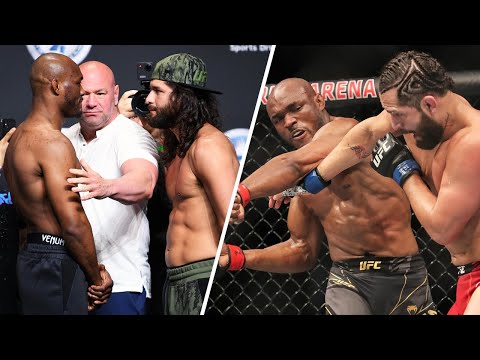
The Unseen Arts: Decoding the Core Principles Beyond Kamaru Usman vs. Jorge Masvidal 2

The electrifying clash between Kamaru Usman and Jorge Masvidal at UFC 261 might have been a spectacle of raw power and precise striking, but beneath the surface of that celebrated "Performance of the Night" lies a universe of martial principles that resonate across *all* combat disciplines. Many spectators see only the brutal exchange, the knockout, or the submission. But what truly separates a fleeting victory from enduring mastery? Is it simply the punch landed, or the deep-seated understanding of movement, timing, and the opponent's intent? Today, we dissect this seemingly singular event to unearth universal truths in the #ArtesMarciales and #Combate.

Table of Contents

The UFC 261 Rematch: A Superficial Glance

Kamaru Usman's dominant performance against Jorge Masvidal was a masterclass in welterweight championship fighting. His jab, his wrestling, his ability to control distance – it was all on display. Masvidal, known for his explosive striking and resilience, found himself unable to penetrate Usman's formidable defense and relentless pressure. The knockout was decisive, a testament to Usman's power and strategic execution. But as practitioners of the martial path, we are trained to see beyond the immediate result. We question: what underlying principles were at play that allowed for such a disparity in this particular encounter?
"To win one hundred victories in one hundred battles is not the acme of skill. To subdue the enemy without fighting is the acme of skill." - Sun Tzu, The Art of War. While Usman and Masvidal certainly fought, the *control* Usman exerted over the engagement speaks volumes about this ancient wisdom.

Beyond the Canvas: Fundamental Martial Truths

The UFC octagon, while a modern arena, is built upon millennia of martial tradition. The concepts that govern a samurai's sword, a judoka's throw, or a karateka's strike are present even in the high-stakes environment of MMA. Let's examine how these manifest, using the Usman-Masvidal bout as our case study.

The Principle of Sen no Sen and Go no Sen

In Japanese martial arts, timing is everything. We speak of *Sen no Sen* (taking initiative) and *Go no Sen* (responding to an opponent's initiative). Usman, for the most part, dictated the rhythm of the fight. His forward pressure, his constant jabbing, was a form of proactive *Sen no Sen*. He wasn't waiting for Masvidal to commit; he was controlling the space and forcing Masvidal to react. Masvidal, a counter-striker by nature, found it difficult to implement his *Go no Sen* effectively because Usman rarely gave him a clear opening. When Masvidal did attempt to launch his own attacks, Usman was already in position to defend or counter, demonstrating a superior grasp of initiative.

Understanding Kuzushi and Tsukuri in Striking

While often associated with Judo throws, the concepts of *Kuzushi* (breaking balance) and *Tsukuri* (fitting in, creating the opportunity) are vital in striking as well. Usman's jab wasn't just a punch; it was a tool to disrupt Masvidal's stance and posture, a subtle *Kuzushi*. Each time Masvidal's weight shifted or his guard adjusted to Usman's lead, Usman was looking for the *Tsukuri* – the moment to land a more significant strike or initiate a takedown. The fight wasn't just about throwing punches; it was about continuously unbalancing the opponent and exploiting those moments of vulnerability.

Maai: The Crucial Distance Element

*Maai* refers to the distance between combatants. This is not just physical space, but also temporal and psychological. Usman is a master of controlling *Maai*. He was adept at keeping Masvidal at the end of his punches, where Masvidal's power was diminished, but his own jab could find its mark. He dictated when the distance closed for wrestling or clinch work, and when it expanded for striking exchanges. Masvidal, conversely, struggled to establish his preferred striking range, being constantly pressured by Usman’s strategic control of *Maai*. This constant negotiation of distance is a silent battle within every confrontation, and a cornerstone of #MartialArtsTraining.
"The difference between a good fighter and a great fighter is that the great fighter makes the opponent fight his fight." - An anonymous MMA coach. This perfectly encapsulates Usman's approach to Maai against Masvidal.

The Importance of Zanshin Post-Confrontation

*Zanshin* is the state of relaxed alertness, the continuous awareness of one's surroundings and potential threats, even after a decisive action. It's often demonstrated in traditional arts by holding a posture after a kata. In a fight like Usman vs. Masvidal, *Zanshin* means not becoming complacent after landing a blow or securing a dominant position. It's the readiness to defend against a desperate counter-attack or to transition to the next phase of the fight seamlessly. Usman's ability to maintain his composure and tactical awareness, even after the knockout, exemplifies this crucial concept. He didn't celebrate prematurely; he remained in a state of readiness. This is what truly separates a one-time winner from a champion.

Applying These Principles in Your Training

You don't need to step into an octagon to benefit from these profound martial truths. Whether you practice #Judo, #Karate, #BJJ, #Kickboxing, or any form of #SelfDefense, consciously incorporating these concepts will elevate your game.
  • Sen no Sen / Go no Sen: Practice drills where you must react to a stimulus and also initiate attacks with specific timing. Sparring sessions should focus not just on "winning" but on controlling the tempo.
  • Kuzushi / Tsukuri: In striking, practice setting up your shots. Use feints, jabs, and footwork to disrupt your partner's balance before launching your primary attack. In grappling, focus on the transitions that lead to dominant positions or submissions.
  • Maai: Dedicate training time solely to understanding distance. Practice moving in and out of range effectively, and learn to feel the optimal distance for your techniques.
  • Zanshin: After completing a technique in practice, hold your position for an extra beat. Consciously scan your surroundings. Make it a habit to remain aware, even when you think the "fight" is over.

These are not merely techniques; they are philosophies of engagement. They are the invisible forces that shape combat, turning physical exchanges into strategic dances.

Equipo Esencial para tu Entrenamiento

  • Guantes de Boxeo/MMA: Para la práctica de golpes y defensa (mínimo 12oz para sparring).
  • Espinilleras y Guantes de Patada: Esenciales para entrenamiento de #Taekwondo y #KarateKyokushin.
  • Kimono (Gi): Imprescindible para #Judo y #BJJ, para practicar agarres y proyecciones. Busca un kimono de doble tejido para mayor durabilidad.
  • Protector Bucal y Tibial: Obligatorio para cualquier tipo de sparring que involucre contacto.
  • Esterilla de Entrenamiento (Tatami): Crucial para practicar técnicas de suelo y caídas seguras.
  • Comba de Saltar: Una herramienta económica pero increíblemente efectiva para mejorar la agilidad y la resistencia cardiovascular.

Guía de Entrenamiento: Desarrollando el Zanshin

  1. Meditación de Conciencia: Dedica 5-10 minutos diarios a sentarte en silencio. Enfócate en tu respiración y en registrar las sensaciones de tu cuerpo y los sonidos a tu alrededor sin juzgarlos. Esto entrena tu mente para estar presente.
  2. Práctica de Movimiento Consciente: Elige un kata de tu arte marcial (ej. un kata de #Karate como Heian Shodan) o una secuencia de movimientos básicos. Ejecútalo lentamente, prestando atención a cada posición, cada respiración, y al espacio que te rodea. Al finalizar, mantén la última postura durante 15-30 segundos, observando tu entorno.
  3. Sparring con Énfasis en la Transición: Durante tus sesiones de sparring (ya sea de pie o en suelo), no te centres solo en el punto o la sumisión final. Practica activamente la transición de una fase a otra (ej. de golpeo a agarre, de lucha en pie a lucha en el suelo). Tras ganar una posición dominante o finalizar una técnica, mantén la conciencia de tu oponente y del entorno por unos segundos antes de reiniciar.
  4. Ejercicios de Percepción: Pídele a un compañero que realice movimientos sutiles mientras tú te concentras en otra cosa (ej. mirar un punto fijo). Intenta detectar el movimiento con tu visión periférica. O, con los ojos cerrados, intenta percibir la proximidad de tu compañero.
  5. Reflexión Post-Entrenamiento: Al final de cada sesión, dedica un momento a recordar las situaciones en las que tu concentración decayó y aquellas en las que te sentiste plenamente alerta. Anota qué factores contribuyeron a cada estado.

Preguntas Frecuentes

¿Es necesario practicar un arte marcial tradicional para entender estos principios?

No. Si bien las artes marciales tradicionales como el #Judo, #Karate y #Aikido a menudo enfatizan estos conceptos de manera explícita, los principios de timing, distancia, equilibrio y conciencia son universales y se aplican en cualquier disciplina de combate, incluyendo el #MMA y el #Kickboxing.

¿Cómo puedo mejorar mi control de la distancia (Maai) si soy un oponente más pequeño?

Los luchadores más pequeños a menudo sobresalen en el control de la distancia mediante el uso de movimientos más rápidos y precisos. Enfócate en el juego de pies, el uso de fintas para medir la distancia y el contraataque. Un luchador pequeño y ágil puede ser mortal si mantiene a su oponente mayor fuera de su zona de poder.

¿El "rendimiento de la noche" en UFC se basa solo en la técnica o también en la mentalidad?

El "Performance of the Night" se otorga a menudo por la espectacularidad de una finalización, pero la capacidad de lograr esa finalización tan limpiamente, como hizo Usman, casi siempre implica una mentalidad superior: control, confianza, y la ejecución impecable de principios marciales, que incluyen el Zanshin y la correcta aplicación de Sen no Sen.

¿Qué papel juega la filosofía de Budo en las MMA modernas?

La filosofía de #BUDO, que abarca la autodisciplina, el respeto, la perseverancia y la mejora continua, es fundamental. Incluso en un deporte de combate competitivo, estos valores ayudan a los atletas a superar desafíos, recuperarse de derrotas y mantener una carrera a largo plazo. La mentalidad es a menudo la diferencia entre el talento y la leyenda.

Para Profundizar en tu Camino

Ahora, budoka, te pregunto: ¿Qué principio marcial sientes que has descuidado en tu entrenamiento y cómo puedes empezar a integrarlo desde tu próxima sesión? Reflexiona, sé honesto contigo mismo, y comparte tus pensamientos. El camino del guerrero se nutre de la autoconciencia y el intercambio.

``` GEMINI_METADESC: Explore the deep martial principles behind Usman vs. Masvidal 2. Learn about Sen no Sen, Maai, Kuzushi, and Zanshin for your own martial arts journey.