Showing posts sorted by relevance for query Powerlifting. Sort by date Show all posts

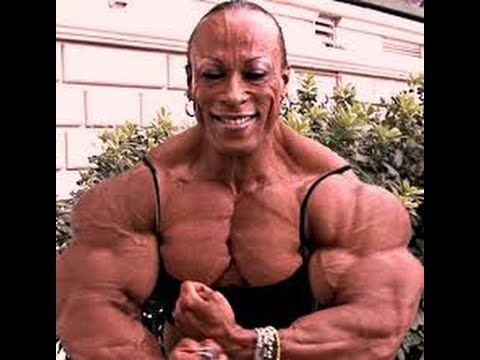
The Fiercest Warrior: Unveiling the Myth of the "Most Muscular Woman in History"

Is brute strength the ultimate arbiter of martial prowess? This is a question that echoes through the hallowed halls of dojos and the dusty arenas of combat sports. We've all seen the titans, the individuals whose sheer physicality seems to defy the very laws of nature. But when the conversation turns to the "most muscular woman in history," a certain mythos often surrounds figures like Renne Toney. Yet, as practitioners of Budo and martial arts, we know that true strength lies not just in the sinews of the body, but in the spirit, technique, and unwavering discipline. Today, we dissect this notion, not just as a matter of physiology, but as a profound lesson in what constitutes power in the martial world.

The Budo Perspective: Beyond the Biceps

The initial query, focusing on physical records like "most muscular woman," often stems from a common misunderstanding of martial arts. It’s an impulse born from a world that often equates size and brute force with effectiveness. However, in the disciplined path of Budo, and indeed across countless martial traditions, the focus is far more nuanced. We train the body, yes, but we also forge the mind and temper the spirit. The goal is not merely to possess overwhelming muscularity, but to harness the body's potential with precision, efficiency, and strategic application. Think of the legendary masters who, despite not being physically imposing, could fell opponents with a single, perfectly placed strike or a seemingly effortless technique. Their power wasn't solely derived from muscle mass, but from a deep understanding of biomechanics, timing, and the intangible energy known as Ki.

The very concept of being the "most muscular" is a modern, often Westernized metric, one that doesn't always translate directly into martial effectiveness. An athlete might train to maximize muscle hypertrophy for aesthetic or specific strength-based sports, but this can sometimes come at the cost of the flexibility, speed, and endurance crucial for dynamic combat. Furthermore, the sheer size and bulk of excessive muscle can impede fluid movement, making one a larger, slower target.

"The supreme art of war is to subdue the enemy without fighting." - Sun Tzu, The Art of War. This wisdom underscores that true martial strength is often about control and strategy, not just overwhelming physical force.

Renne Toney: A Study in Physical Prowess

When we mention Renne Toney, or other athletes who have pushed the boundaries of human muscularity, we are acknowledging an incredible feat of dedication and physiological adaptation. These individuals have dedicated years, often decades, to rigorous training, precise nutrition, and an unwavering commitment to their physical goals. Their physiques are testaments to what the human body can achieve when pushed to its absolute limits through dedicated training regimens. Their discipline in the gym, their adherence to strict diets, and their mental fortitude to endure such intense physical demands are, in their own right, remarkable.

However, it is critical to differentiate between the goals of bodybuilding or powerlifting and the objectives of martial arts training. While both require immense discipline and physical conditioning, their ultimate aims diverge. Bodybuilding focuses on aesthetics and muscle development. Powerlifting prioritizes maximal strength in specific lifts. Martial arts, on the other hand, seek to integrate mind, body, and spirit to achieve effectiveness in conflict, self-defense, or athletic competition. This often involves a balance of strength, speed, agility, flexibility, and strategic thinking.

The Martial Artist's Toolkit: More Than Just Muscle

In the arena of martial arts, a practitioner's "strength" is a multifaceted concept. It encompasses:

  • Physical Strength: Yes, strength is a component, but it's about functional strength – the ability to generate power efficiently, to withstand force, and to control an opponent. This is distinct from sheer mass.
  • Technical Proficiency: A perfectly executed technique, utilizing leverage and timing, can overcome a much larger, stronger opponent. Think of the power generated in a Judo throw like O-goshi or a Karate punch like Gyaku-zuki.
  • Speed and Agility: The ability to move quickly, change direction, and evade attacks is paramount. Excessive musculature can sometimes hinder these attributes.
  • Endurance and Stamina: A fight can be a war of attrition. A practitioner with superior cardiovascular fitness can maintain effectiveness longer than one who tires quickly, regardless of muscle mass.
  • Mental Fortitude (Shin Gi Tai): The synergy of Mind (Shin), Technique (Gi), and Body (Tai) is the cornerstone of true martial power. A strong mind can overcome physical disadvantages, and unwavering spirit can push a fighter past their perceived limits.
  • Strategy and Tactics: Understanding an opponent's weaknesses, anticipating their moves, and employing the right strategy can be more decisive than raw power.

Consider the legendary figures in martial arts history. Miyamoto Musashi, the ronin and master swordsman, was not described as a behemoth. His genius lay in his two-sword style, his strategic acumen, and his philosophy of "The Book of Five Rings." Bruce Lee, though exceptionally conditioned, was not built like a modern bodybuilder. His speed, his precision, and his philosophical approach to combat were his true strengths.

"It is not the size of a man, but the size of his heart that matters." - Evander Holyfield. This rings true in martial arts as much as in boxing. Heart, spirit, and will are immeasurable forces.

The Search for True Power: Training Principles

For those who admire physical prowess but are drawn to the path of martial arts, the approach to training should be integrated. It's not about choosing between muscle and technique, but about how to build a body that serves the martial arts, not the other way around.

Guía de Entrenamiento: Cultivando Fuerza Marcial

Here’s how to build a martial physique that prioritizes effectiveness:

  1. Compound Strength Training: Focus on multi-joint exercises like squats, deadlifts, overhead presses, and rows. These build functional strength and engage multiple muscle groups simultaneously, mimicking the demands of combat.
  2. Explosive Power Exercises: Incorporate plyometrics, kettlebell swings, and medicine ball throws to develop explosive power – the ability to generate force rapidly. This is crucial for strikes and throws.
  3. Cardiovascular Conditioning: Engage in activities like running, swimming, or High-Intensity Interval Training (HIIT) to build stamina and resilience. This ensures you can maintain peak performance throughout a prolonged engagement.
  4. Flexibility and Mobility Work: Dedicate time to stretching, yoga, or dynamic mobility drills. This improves range of motion, reduces the risk of injury, and enhances the fluidity of your techniques.
  5. Martial Arts Specific Drills: Practice your art! Kata, sparring, and technique repetition are the most direct ways to train your body for the specific demands of your chosen discipline. This integrates strength, speed, and technique synergistically.
  6. Mindful Nutrition: Fuel your body for performance and recovery. Focus on whole foods, adequate protein, and hydration. Avoid excessive calorie surpluses that lead to unnecessary bulk, unless your specific goal is purely bodybuilding.

Veredicto del Sensei: ¿Poder Puro o Poder Aplicado?

While individuals like Renne Toney represent the pinnacle of muscular development, their achievements, while impressive, exist in a different domain than the nuanced application of martial arts. The "most muscular woman in history" is a title for the realm of aesthetics and physical records. In the context of martial arts, the true power lies not in the sheer volume of muscle, but in its intelligent, disciplined, and effective application. It is the fusion of a strong body, a sharp mind, and an indomitable spirit that defines a true warrior. Therefore, while acknowledging the incredible dedication of individuals who achieve extreme muscularity, we must understand that martial power is a far more complex and holistic construct.

Equipo Esencial para tu Entrenamiento

To truly embody the principles of martial strength, consider investing in quality equipment that supports balanced development:

  • Durable Training Mats: For safe practice of throws and groundwork.
  • Resistance Bands: Versatile for strength, conditioning, and mobility work.
  • Kettlebells: Excellent for explosive power and functional strength training.
  • Quality Kimono (Gi): Essential for Judo, Karate, BJJ, and Aikido practitioners, ensuring durability and proper fit for technique execution. Look for a double-weave gi for added resilience.
  • Punch Mitts and Focus Pads: For partner drills that enhance striking accuracy and power.
  • Jump Rope: A simple yet highly effective tool for cardiovascular conditioning and footwork.

Recursos para Profundizar

To further your understanding of martial philosophy and practical application, I recommend exploring these resources:

Preguntas Frecuentes

  • Is extreme muscularity detrimental to martial arts?

    Not inherently, but excessive bulk can hinder agility and speed if not balanced with complementary training. The key is functional strength and efficient movement.

  • Can women achieve significant muscularity and be effective martial artists?

    Absolutely. Many female martial artists possess impressive strength and conditioning. The goal is balanced development for combat effectiveness, not just maximum muscle mass.

  • What is more important in martial arts: strength or technique?

    Both are vital. However, superior technique can often overcome a strength disadvantage. The ideal is the synergy of both, guided by a strong mind and spirit (Shin Gi Tai).

  • How can I improve my explosive power for martial arts?

    Incorporate plyometrics, kettlebell training, medicine ball exercises, and sport-specific drills like dynamic striking or throwing practice.

Para Profundizar en tu Camino

Reflexión del Sensei: Tu Próximo Paso

The pursuit of physical records is a human endeavor, but the path of the martial artist is one of continuous refinement and adaptation. Renne Toney's dedication to her physique is undeniable, but ask yourself: When you face adversity, is it the sheer mass of your muscles that will see you through, or the sharp precision of your technique, the unwavering strength of your spirit, and the intelligent application of your training? This is the true measure of power. Now, ponder this: How can you better integrate the principles of functional strength and mental fortitude into your own practice, moving beyond the superficial metrics of mass to cultivate genuine martial effectiveness?

``` GEMINI_METADESC: Explore the true meaning of strength in martial arts, going beyond physical records like the \"most muscular woman\" to understand the power of technique, spirit, and discipline.

The Unseen Strength: Beyond Muscle, A Martial Perspective on America's Toughest Women

When we speak of "strength," what truly defines it? Is it merely the superficial bulge of muscle, the ability to lift the heaviest weight, or the power to dominate in a physical confrontation? In the world of martial arts, and particularly within the philosophies that underpin Budo, true strength is a far more nuanced concept. It encompasses resilience, mental fortitude, unwavering discipline, and the refined application of technique honed through years of dedicated practice. This exploration delves into what might be perceived as America's "strongest ladies," not just through the lens of physical prowess, but through the demanding crucible of martial discipline. These individuals, embodying dedication akin to professional athletes and warriors, serve as potent reminders that consistent, intense training is the bedrock of tangible results. Their journey is an inspiration, a testament to the transformative power of a martial path.

Defining True Strength: A Martial Arts Philosophy

The original prompt, "Top 10 Strongest Ladies In America," might immediately evoke images of powerlifters or athletes in brute strength competitions. While impressive, this is a limited view. In martial arts, particularly disciplines like Karate, Judo, or BJJ, strength is not solely about raw power. It's about the intelligent application of force, the ability to generate power from the entire body (linking the hips, core, and extremities), and the capacity to absorb impact and redirect an opponent's energy. A smaller, more technically proficient practitioner can overcome a larger, stronger opponent through superior understanding of leverage, timing, and strategy. This is the essence of Budo – the Way of the Warrior. It’s a path of continuous self-improvement, where physical strength is a tool, but mental and spiritual strength are the foundation.

"True strength is not to be arrogant, but to be able to humble oneself and continue learning. It is found not in brute force, but in the mastery of one's own impulses and actions." - A Principle of Budo

The women who dedicate themselves to serious martial arts training embody this broader definition of strength. Their workouts are intense, not just to build muscle, but to cultivate endurance, flexibility, explosiveness, and tactical awareness. The discipline required to consistently show up to the dojo, to push through physical discomfort, and to mentally overcome challenges is a testament to their inner fortitude. This is the kind of strength that transcends the gym and permeates all aspects of life.

The Unbreakable Mind: Mental Fortitude in Combat

A common misconception is that martial arts are purely physical. The truth is, the mental game is often far more critical. Consider the concept of Mushin (無心), often translated as "no-mind" or "mind without mind." It's a state of mental clarity and spontaneity, where actions flow naturally without conscious thought, free from fear, anger, or ego. Achieving this state requires immense mental discipline and training. The intense drills and sparring sessions in disciplines like Karate or Kickboxing are designed not just to hone physical reflexes, but to train the mind to remain calm and focused under pressure. This mental resilience is arguably the most potent form of strength an individual can possess, especially in combative situations.

Imagine stepping onto the mat for a high-stakes sparring match (a key aspect of Martial Arts Training). The adrenaline surges, the opponent is skilled and determined. The practitioner who can maintain emotional control, analyze the situation, and execute techniques effectively, rather than succumbing to panic or aggression, is the one who will prevail. This mental fortitude is cultivated through persistent practice, self-reflection, and the guidance of experienced instructors who understand the psychological demands of combat. It’s a form of strength that cannot be measured by a scale or a weightlifting record.

The Crucible of Training: Dedication Beyond the Surface

The original content mentions that "these workouts are so intense they train like the pros" and that one "has to be motivated and fully dedicated to this practice to get results." This resonates deeply within the martial arts community. The journey to mastery in any discipline, be it Karate, Judo, Taekwondo, or even the more hybrid approaches seen in MMA, is a long and arduous one. It demands unwavering commitment. The training regimen of a serious martial artist involves far more than just occasional gym visits. It includes:

  • Consistent Dojo Practice: Attending classes multiple times a week, diligently practicing katas (forms) and fundamental techniques.
  • Sparring (Kumite/Randori): Engaging in controlled combat to test techniques, timing, and strategy against live opponents. This is where the difference between theoretical knowledge and practical application is revealed.
  • Physical Conditioning: Supplementing dojo training with strength and conditioning exercises, cardiovascular work, and flexibility training to build a robust physical foundation. This could involve anything from bodyweight exercises for No Equipment workouts to specific weight training for Strength and power.
  • Mental Training: Practicing mindfulness, meditation (like Zazen for Zen Buddhist influences common in martial arts), and visualization techniques to enhance focus and emotional control.

The "strongest ladies" in the context of martial arts are those who have embraced this holistic approach. They understand that true power comes from integrating physical conditioning with mental discipline and technical skill. Their dedication is not a fleeting phase but a lifestyle choice.

Role Models of Resilience

While the original post may have focused on a specific, possibly less martial, interpretation of "strongest ladies," it's crucial to highlight women who exemplify strength within the martial arts world. These are the female instructors, champions, and dedicated practitioners who have broken barriers and inspired countless others. Think of figures like Ronda Rousey, who brought Judo and BJJ into the mainstream spotlight through her MMA career, or the countless female Karateka who demonstrate incredible power, technique, and spirit in competitions worldwide. These women are not just physically strong; they are mentally tough, strategically brilliant, and serve as powerful role models for aspiring martial artists of all genders.

"The martial way is a thing of the world. It is not just a matter of technique. It is a matter of learning to become strong in spirit as well as in body." - A common sentiment echoed by many martial arts masters.

Their dedication to training, their perseverance through injuries and setbacks, and their ability to perform under immense pressure showcase a profound level of strength that goes far beyond mere physical might. They are living embodiments of the principles of perseverance and self-mastery.

The Impact and Inspiration of Martial Women

The presence of strong, capable women in martial arts has a profound impact. They challenge traditional gender roles and demonstrate that martial prowess is not exclusive to men. For young girls and women, seeing these athletes and practitioners succeed is incredibly empowering. It shows them that they too can develop physical and mental strength, learn effective self-defense, and achieve remarkable feats through dedication and hard work. This inspiration is vital for fostering a more inclusive and diverse Martial Arts Community.

The "House of Bounce" content, while seemingly unrelated, touches upon dedication and the pursuit of excellence in athletic endeavors. The same principles of motivation, discipline, and consistent practice apply whether one is perfecting a slam dunk or mastering a complex Karate kata. The focus, the drive, and the willingness to push beyond perceived limits are universal attributes of those who excel.

Training Guidance: Building Your Own Inner Strength

If you are inspired to cultivate your own strength, whether physical or mental, here is a basic guide to incorporating martial principles into your training. This focuses on fundamental concepts applicable to many arts:

  1. Start with the Fundamentals: Pick an art – Karate, Judo, Taekwondo, BJJ – and find a reputable dojo. Learn the basic stances, blocks, strikes, and movements. For Judo or BJJ, focus on grips, throws, and groundwork.
  2. Develop a Consistent Training Schedule: Aim for at least 2-3 sessions per week. Consistency is key to building muscle memory and physical conditioning.
  3. Practice Your Katas/Forms Regularly: Even if you can't attend class daily, practicing your forms at home helps develop coordination, balance, and power generation.
  4. Incorporate Conditioning: Include exercises that build core strength (planks, crunches), leg strength (squats, lunges), and cardiovascular endurance (running, skipping). Don't neglect flexibility – regular stretching is crucial for preventing injuries and improving range of motion.
  5. Cultivate Mental Discipline: Practice mindfulness or short meditation sessions daily. Focus on controlled breathing during strenuous activities. When sparring, consciously try to remain calm and analytical rather than reactive.
  6. Seek Knowledge: Read books on martial arts philosophy, watch documentaries, and learn from experienced practitioners. Understanding the 'why' behind the techniques enhances their effectiveness.

Equipment Recommendations for Your Martial Journey

To embark on your training, having the right gear can make a significant difference. While the most crucial element is dedication, the proper equipment facilitates safe and effective practice:

  • Uniform (Gi/Dobok/Kimono): A well-fitting uniform is essential for most traditional arts like Karate, Judo, and Taekwondo. For grappling arts like Judo or BJJ, a durable, double-woven kimono is recommended for longevity.
  • Training Shoes: Depending on the art, you might train barefoot (Karate, Taekwondo) or wear specialized martial arts shoes for grip and support.
  • Protective Gear: For sparring (Kumite or Randori), consider investing in mouthguards, groin protection, and sparring gloves or mitts (especially for striking arts). A headguard may also be necessary for advanced sparring.
  • Training Mats (Optional): For home practice of groundwork or falls, floor mats can provide a safer surface.
  • Training Equipment: Depending on your discipline, items like focus mitts, striking pads, or even a makiwara (for Karate) can enhance your training.

When purchasing, look for quality and durability. Investing in good Karate merchandise or Judo equipment from reputable brands can enhance your training experience and last for years.

Veredicto del Sensei: Authenticity and Martial Spirit

The original concept of "Top 10 Strongest Ladies In America", when viewed through the lens of martial arts, demands a re-evaluation of "strength." While physical power is a component, it is the combination of physical prowess, mental resilience, technical skill, and unwavering dedication that defines true martial strength. The women who embody this holistic strength are the real exemplars. Their journeys, often fueled by intense and rigorous training, are inspiring. They demonstrate that strength is not merely about brute force, but about the disciplined application of one's capabilities, honed through dedication to a martial path. The true "strongest" are those who have mastered themselves, not just their opponents.

Rating: Cinturón Negro en Inspiración y Disciplina.

Frequently Asked Questions

Q1: How can I start training a martial art if I'm not naturally strong or athletic?
A1: Martial arts are designed to teach you how to overcome physical limitations through technique and strategy. Many arts focus on leverage and timing, allowing smaller individuals to defend themselves effectively. The training itself builds strength and athleticism over time.

Q2: Is it possible to develop significant strength just through bodyweight exercises for home training?
A2: Absolutely. Exercises like push-ups, squats, lunges, pull-ups, and planks, when performed with proper form and progressively challenging variations, can build substantial strength and endurance without any equipment. Consistency is the key.

Q3: What is the difference between strength in sports like powerlifting versus martial arts?
A3: Powerlifting focuses on maximal strength for specific lifts (squat, bench press, deadlift). Martial arts strength is functional – it's about generating power explosively, absorbing impact, maintaining balance, and applying force efficiently within dynamic combat scenarios.

For Profundizar en tu Camino

Like this video if you want to see more episodes and react in the comments section below.

Don't forget to turn on notifications so you don't miss our latest videos.

Follow us: Facebook: https://ift.tt/0yulotz Instagram: https://ift.tt/qCir5lH TikTok : https://ift.tt/mnvdgSl

House of Bounce is for NBA and basketball fans worldwide. The best dunks, tricks, dribbles and athletic feats are all on display plus in-depth stories of the NBA's best players and teams. House of Bounce is your one-stop-shop for all things basketball and NBA-related.

© House Of Bounce - Jellysmack

Reflexión del Sensei: Tu Próximo Paso

We've dissected the multifaceted nature of strength, moving beyond mere muscle to embrace the discipline, resilience, and technical mastery inherent in the martial path. Now, consider this: If the true measure of strength lies not just in physical power but in the unwavering cultivation of one's mind and spirit, how does your current daily practice reflect this philosophy? Are you merely training your body, or are you forging a warrior's soul? What single action can you take TODAY to deepen your mental fortitude or enhance your technical understanding, rather than just chasing superficial gains?

``` GEMINI_METADESC: Explore the true meaning of strength beyond muscle. A martial perspective on America's strongest women, focusing on discipline, mental fortitude, and Budo.

El Poder Oculto: Desafiando el Músculo en el Ring de las Artes Marciales

¡Saludos, guerreros del Budo y aficionados a las artes marciales! Hoy nos adentramos en un terreno polémico, uno que a menudo genera más especulación que conocimiento: la correlación entre la masa muscular y la verdadera capacidad combativa. La pregunta que resuena, a menudo con tintes ignorantes o estereotipados, es: "¿Qué tan fuerte es realmente un individuo basándose en su origen o su físico aparente?". Muchos caen en la trampa de juzgar el poder por la simple acumulación de músculo, creyendo que los "mamadisimos", como se les llama en ciertos círculos, poseen inherentemente una supremacía en el combate. Pero, ¿es realmente así? ¿O es esta una visión simplista que ignora la complejidad y el alma de las artes marciales? Hoy no vamos a quedarnos en la superficie. Vamos a cuestionar la premisa misma, a desafiar los prejuicios y a explorar lo que realmente significa la fuerza en el contexto del combate marcial. Mi misión, como siempre, es desmantelar las ideas preconcebidas y llevaros a una comprensión más profunda, más auténtica y, sí, más incómoda.

Tabla de Contenidos

La Trampa del Músculo: Más Allá de la Apariencia

La cultura popular, y lamentablemente muchos entusiastas de las artes marciales, caen fácilmente en la falacia de que un físico voluminoso es sinónimo de un luchador superior. Vemos a estos individuos, con sus músculos "mamadisimos", y la mente enseguida asocia esa masa con una fuerza capaz de doblegar a cualquier oponente. Sin embargo, en el riguroso crisol del combate real, la fuerza bruta sin técnica, sin inteligencia, sin espíritu, es a menudo tan útil como un escudo de papel contra una espada de acero.

¿Cuántos de vosotros habéis visto en el gimnasio a verdaderos colosos con poca o ninguna habilidad para aplicar su fuerza en una situación de defensa personal? Y, por el contrario, ¿cuántos habéis presenciado a luchadores aparentemente menos musculosos, pero con una técnica depurada, una velocidad endiablada y una capacidad de generar fuerza explosiva que deja en ridículo a sus oponentes más corpulentos? Esto no es magia; es la ciencia y el arte de las artes marciales.

"La fuerza no es el producto del cuerpo, sino el resultado de la mente y el espíritu unidos en perfecta armonía." - Un antiguo maestro anónimo.

El músculo hipertrofiado, si no está entrenado de forma funcional y anclado a una base técnica sólida, puede incluso convertirse en una desventaja. La rigidez, la lentitud, el mayor consumo de energía… son factores que un oponente astuto y bien entrenado sabrá explotar. La verdadera fuerza en las artes marciales no reside únicamente en la capacidad de levantar pesas, sino en la habilidad de generar y dirigir energía de forma eficiente, coordinando todo el cuerpo en un movimiento fluido y devastador. Es la diferencia entre el powerlifting y el MMA.

Análisis Marcial de la Fuerza: ¿Qué Importa Realmente?

En las artes marciales, distinguimos varios tipos de fuerza:

  • Fuerza Máxima: La capacidad de ejercer la máxima tensión muscular posible contra una resistencia. Esto es lo que la mayoría asocia con ser "fuerte".
  • Fuerza Explosiva (Potencia): La capacidad de aplicar la máxima fuerza en el menor tiempo posible. Crucial para kickboxing, taekwondo, y cualquier disciplina que requiera golpes o movimientos rápidos.
  • Fuerza Resistencia: La capacidad de mantener una tensión muscular durante un período prolongado. Vital en largas sesiones de lucha o jiujitsu.
  • Fuerza Funcional: La capacidad de aplicar la fuerza de manera coordinada y eficiente en movimientos complejos y multiarticulares, replicando gestos de combate. Esta es, quizás, la más importante en un contexto marcial.

Un individuo "mamadisimo" puede tener una gran fuerza máxima, pero si carece de potencia, resistencia o, lo más importante, de la técnica para canalizar esa fuerza (fuerza funcional), será presa fácil. Imaginad un tronco de árbol macizo pero incapaz de moverse; puede ser difícil de derribar, pero también es vulnerable a ser rodeado y desequilibrado.

Las artes marciales tradicionales, como el Karate, el Judo, o el Kung Fu, a menudo enfatizan la generación de fuerza a través de la alineación corporal, el principio del Budo, y la filosofía, más que en la simple acumulación de masa muscular. El concepto de "energía interna" o "Ki" (o "Qi" en otras tradiciones) no es meramente místico; se refiere a la capacidad de coordinar todo el cuerpo para generar un impacto unificado y poderoso, utilizando la agilidad y la flexibilidad como herramientas de potenciación.

Origen y Potencial Combativo: Un Debate Arriesgado

Intentar vincular la fuerza de combate de manera determinista a un origen geográfico o étnico es una pendiente resbaladiza hacia los estereotipos y el racismo. La diversidad humana es inmensa, y el potencial atlético y combativo de un individuo depende de una compleja interacción de genética, entrenamiento, nutrición, disciplina y mentalidad.

He visto luchadores de todas las procedencias y físicos: asiáticos ágiles y técnicos, europeos poderosos y resistentes, africanos explosivos y atléticos, sudamericanos con un grappling fenomenal. Cada origen puede presentar ciertas predisposiciones físicas, pero es el entrenamiento y la dedicación lo que moldea ese potencial en una habilidad marcial real. Reducir la capacidad combativa a un simple factor "africano" o "europeo" es un acto de profunda ignorancia.

"La verdadera medida de un guerrero no está en el color de su piel, sino en el fuego de su espíritu y la precisión de su técnica." - Proverbio marcial apócrifo.

Las grabaciones que a veces circulan en internet, mostrando enfrentamientos entre individuos de gran masa muscular y supuestos "expertos" en artes marciales, suelen ser un espectáculo engañoso. O bien se trata de demostraciones preparadas, o bien el supuesto "experto" carece de la habilidad real para neutralizar la fuerza bruta, cayendo en una exhibición lamentable. En el ring, la técnica y la estrategia de un maestro pueden desmantelar a un gigante sin cerebro.

Guía de Entrenamiento: Fuerza Funcional y Explosividad

Si tu objetivo es aumentar tu capacidad combativa, no te obsesiones solo con el tamaño del bíceps. Enfócate en un entrenamiento que mejore la fuerza funcional y la potencia. Aquí tienes algunos ejercicios clave:

  1. Sentadillas (Squats): Trabajan piernas, glúteos y core, bases de toda potencia. Varía entre sentadillas con peso corporal, con barra, y sentadillas a una pierna (pistol squats) para mejorar el equilibrio.
  2. Peso Muerto (Deadlifts): Un ejercicio compuesto brutal que fortalece la cadena posterior completa: espalda baja, glúteos, isquiotibiales. Es fundamental para la generación de potencia desde el suelo.
  3. Dominadas (Pull-ups): El rey de los ejercicios para la parte superior del cuerpo, desarrollando espalda, bíceps y antebrazos. Añade lastre cuando puedas hacer 10-15 repeticiones limpias.
  4. Flexiones (Push-ups): Fundamentales para pectorales, hombros y tríceps. Experimenta con variaciones: con palmada, pliométricas, con una sola mano.
  5. Ejercicios Pliométricos: Saltos (box jumps, broad jumps), lanzamientos de balón medicinal. Diseñados para mejorar la explosividad, entrenando la rápida contracción y relajación muscular.
  6. Cargas y Arrastres (Carries and Drags): Paseo del granjero (Farmer's Walk), arrastre de trineo. Desarrollan fuerza de agarre, resistencia muscular y fuerza funcional general.
  7. Trabajo de Rotación del Core: Ejercicios con rueda abdominal, pallof press, lanzamientos de balón medicinal en rotación. Un core fuerte y explosivo es clave para la transmisión de fuerza en los golpes y movimientos.

Recuerda integrar estos ejercicios en un programa equilibrado que también incluya movilidad, flexibilidad y, por supuesto, la práctica de tu arte marcial específica. La fuerza sin control es inútil; la fuerza sin técnica es un peligro para ti mismo.

Equipo Esencial para tu Entrenamiento

Para potenciar tu entrenamiento de fuerza funcional y explosividad, considera el siguiente equipamiento. No necesitas una sala de pesas completa para empezar, pero algunas herramientas pueden marcar la diferencia:

  • Mancuernas y Barras: Versátiles para una gran variedad de ejercicios de fuerza. Busca un set que te permita progresar.
  • Bandas de Resistencia: Excelentes para añadir resistencia variable a ejercicios de peso corporal, trabajar la potencia y para calentamiento y movilidad.
  • Balón Medicinal: Indispensable para ejercicios pliométricos y de potencia, especialmente para el core y la fuerza de lanzamiento.
  • Cuerda de Saltar: Barata y efectiva para mejorar la coordinación, la resistencia cardiovascular y la agilidad.
  • Colchoneta de Entrenamiento: Para ejercicios en el suelo y mayor comodidad.
  • Guantes de Entrenamiento (opcional): Si vas a incorporar sparring ligero o trabajo con saco, unos buenos guantes protegen tus manos y muñecas. Para MMA o kickboxing, busca guantes específicos.

La inversión en equipo básico puede parecer menor, pero el impacto en tu rendimiento y en la prevención de lesiones es significativo. Un buen kimono de Karate o un kimono de Judo de calidad, aunque no sea equipo de fuerza, es fundamental para la práctica de tu arte. Explora opciones como "kimonos de doble tejido para Judo" si buscas durabilidad.

Veredicto del Sensei: ¿Fuerza Bruta vs. Arte Marcial?

Este debate, alimentado a menudo por vídeos virales y una comprensión superficial del combate, simplifica peligrosamente la naturaleza de las artes marciales. La fuerza muscular por sí sola, sin la mente, la disciplina, la técnica y el espíritu que definen a un verdadero guerrero, es un potencial desaprovechado, a veces incluso un lastre.

Los individuos con una musculatura excepcional pueden tener una ventaja si esa fuerza se complementa con entrenamiento marcial de calidad. Sin embargo, un luchador con menos músculo pero con una técnica superior, una mayor inteligencia de combate y un corazón de león, a menudo prevalecerá. La clave no es el tamaño del músculo, sino cómo se utiliza ese cuerpo, cómo se dirige la energía y cuán fuerte es la voluntad.

Calificación:

Fuerza Bruta: 8/10 (Potencial inherente alto)

Arte Marcial: 3/10 (Si solo se basa en músculo)

Efectividad en Combate Real: Depende intrínsecamente de la técnica y la mentalidad. Un "mamadisimo" sin entrenamiento marcial es un blanco fácil para un artista marcial competente.

Preguntas Frecuentes

¿Los africanos son genéticamente más fuertes que otras razas?

La genética humana es increíblemente diversa. Si bien pueden existir ciertas predisposiciones atléticas en diferentes poblaciones, atribuir la fuerza o la debilidad a la raza es una simplificación excesiva y a menudo inexacta. El entrenamiento y la nutrición son factores mucho más determinantes.

¿Es posible ser muy musculoso y aún así ser ágil y rápido?

Sí, es posible. El tipo de entrenamiento influye. El entrenamiento de fuerza explosiva y el desarrollo de la coordinación muscular pueden permitir a individuos musculosos mantener o incluso mejorar su agilidad y velocidad. Sin embargo, la hipertrofia extrema sin un entrenamiento específico para la agilidad puede conducir a la rigidez.

¿Qué arte marcial es mejor para alguien que es naturalmente fuerte?

Las artes marciales que aprovechan la fuerza y la potencia, como el Judo (con sus técnicas de lanzamiento y control), el MMA (que combina diversas disciplinas), o estilos de Karate y Kickboxing que enfatizan la potencia en los golpes, pueden ser excelentes opciones. Sin embargo, la técnica adecuada siempre primará.

¿La fuerza muscular es más importante que la técnica en la defensa personal?

Rotundamente no. La técnica permite utilizar la fuerza de manera eficiente y controlada. Sin técnica, la fuerza bruta puede ser descontrolada y contraproducente. Un atacante fuerte y sin técnica puede ser fácilmente neutralizado por alguien con menos fuerza pero con conocimientos de defensa personal.

Para Profundizar en tu Camino

Si este análisis te ha abierto los ojos a la complejidad del combate y la fuerza, te invito a explorar más contenido en nuestro blog:

Reflexión del Sensei: Tu Próximo Paso

Hemos desmantelado la idea de que la fuerza reside únicamente en el músculo visible, y más aún, hemos rechazado la peligrosa simplificación de atribuirla a un origen geográfico. La verdadera pregunta para cada uno de vosotros, guerreros, no es "qué tan fuerte es un africano", sino "qué tan fuerte puede llegar a ser *tu propio espíritu* a través del entrenamiento dedicado y la comprensión profunda del arte marcial". ¿Seguirás juzgando por las apariencias, o te embarcarás en la búsqueda de la fuerza integral, esa que nace de la mente, el cuerpo y el espíritu en perfecta sintonía?

``` GEMINI_METADESC: Descubre por qué la fuerza muscular bruta no es el único factor en las artes marciales. Un análisis profundo del Budo, la técnica y el verdadero potencial combativo.

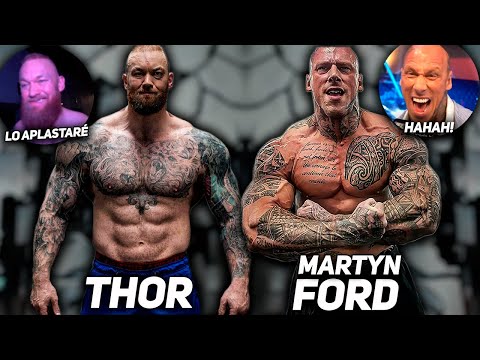
Martyn Ford vs. Hafþór Björnsson: A Martial Master's Critique of the "Clash of Titans"

Hello and welcome, fellow practitioners and enthusiasts of the martial way. Today, we delve into a spectacle that has captured global attention, not for its technical prowess, but for the sheer, raw mass of its participants: Martyn Ford versus Hafþór Björnsson. Published on May 20, 2022, this event begs the question, not just for the casual observer, but for us, the dedicated students of combat: What does this truly represent within the grand tapestry of martial arts and combat sports?

The Spectacle vs. The Art

Let us be clear from the outset. When two individuals of such monumental stature step into a ring, the primary draw is not the intricate application of a sweep or the precise execution of a punch. It is the raw, primal display of power. Martyn Ford, a fitness influencer and actor, and Hafþór Björnsson, the actor who famously portrayed "The Mountain" in Game of Thrones and a former strongman champion, represent an extreme of human physicality. The anticipation surrounding their bout, often dubbed "the fight of the year" by sensationalist media, stems from a morbid curiosity: can these giants, accustomed to feats of strength rather than structured combat, actually engage in a meaningful fight?

As a lifelong student of **BUDO** and various **martial arts**, my perspective is honed by years of dedicated training. I’ve seen the elegant devastation of Karate, the strategic grappling of Judo, the fluid dynamics of Aikido, and the brutal efficiency of Muay Thai. The question is not whether Ford and Björnsson *can* hit each other, but whether their engagement will reveal any semblance of the principles we hold dear: discipline, respect, strategy, and technical refinement. Or is this merely a demonstration of brute force, a modern-day gladiatorial contest stripped of its historical context and ethical underpinnings?

Beyond the Bulge: A Legacy of Strength

Hafþór Björnsson’s background as a former World’s Strongest Man competitor provides a clear lineage to displays of immense physical power. The strongman competitions themselves are a testament to human capability, pushing the boundaries of what the body can lift, pull, and carry. These are not 'fights' in the traditional sense, but tests of pure, unadulterated strength and endurance against inanimate objects or predetermined challenges. Björnsson’s transition to boxing, albeit against opponents of varying experience levels, is a step into a realm demanding a different kind of physical and mental fortitude.

Martyn Ford, while perhaps not possessing the same raw powerlifting credentials, has cultivated a formidable physique through rigorous fitness training and bodybuilding. His background in acting and fitness modeling has given him a public platform, making him a recognizable figure in the realm of physical culture. The pairing, therefore, is a natural, if predictable, consequence of the modern celebrity-driven combat landscape. They are titans, behemoths whose very presence is a statement. But does their physical might translate to effective combat technique?

"True strength lies not in the size of your muscles, but in the discipline of your mind." - A principle echoed across many martial traditions.

This quote, or variations thereof, is a cornerstone of **martial philosophy**. It speaks to the deeper essence of **Budo**. While Ford and Björnsson undoubtedly possess the former, the latter remains to be seen in a true combat scenario. Their immense size presents unique challenges and advantages. Their punches carry devastating weight, but their movement might be slower, their stamina potentially an issue against a more conventionally trained fighter.

The "Technique" Behind the Power: A Skeptic's Gaze

When we analyze the actual footage and training camps of Martyn Ford and Hafþór Björnsson, what do we observe? We see heavy bags being struck with immense force, conditioning drills that test their cardiovascular limits, and sparring sessions that, by necessity, are often cautious due to the risk of serious injury. The 'technique' displayed tends to be rudimentary: straight punches, perhaps the occasional uppercut, and a great deal of clinching and holding. The footwork is often heavy, ponderous, reflecting their mass. This is a far cry from the dynamic foot placement of a Karateka, the explosive takedowns of a Judoka, or the intricate evasive maneuvers of a boxer trained in the classical sense.

The most significant difference between a contest like this and a professional MMA or boxing match lies in the years, often decades, of dedicated, structured **entrenamiento** that professional fighters undergo. They learn not only to hit hard but to take a hit, to move efficiently, to strategize, to grapple, and to endure. They understand distance management, timing, and the subtle art of deception – elements that are largely absent when the primary tool is overwhelming physical presence.

From a **BUDO** standpoint, the effectiveness of a technique is measured not just by its ability to incapacitate an opponent but by its efficiency, its adherence to principles of physics and biomechanics, and its roots in a system of self-defense or combat that has been tested over time. A powerful haymaker from a giant might be effective if it lands, but if it misses, the imbalance created can be exploited by a faster, more technically adept opponent. This is a fundamental principle in many **combatsports**.

The Budo Perspective: Where Does This Fit?

The core tenets of **Budo** – the Japanese martial way – emphasize self-improvement, discipline, respect, and the development of character. While the spectacle of Ford vs. Björnsson certainly draws attention, it's debatable how much it aligns with these deeper principles. Is there self-improvement happening? Undoubtedly, both men are pushing themselves physically and mentally. Is there discipline? The training requires it. But does it foster the traditional respect for the opponent and the art itself? This is where the controversy lies.

When combat becomes primarily a commercial spectacle, a clash of personalities and sheer size, it can overshadow the martial essence. The focus shifts from the 'how' and 'why' of combat to the 'who' and 'how much'. This is not to condemn the individuals involved; they are participating in a popular trend within combat sports entertainment. However, as practitioners and students of **martial arts**, we must maintain a critical eye. We must differentiate between a genuine contest of skill and a pre-ordained entertainment event designed to capitalize on public fascination with size.

The **Budo** path is one of constant learning and refinement. It’s about understanding oneself through conflict, both internal and external. A bout between two men who are primarily entertainers and physical specimens, rather than seasoned combatants, offers limited insight into the true nature of **combat** or the philosophies that underpin it. It is a powerful display of physical presence, but it is not a masterclass in **fight** strategy or **entrenamiento** methodologies that have been forged over centuries.

Could this event, however, serve a purpose? Perhaps it introduces new audiences to the concept of combat sports, piquing their interest to explore more traditional disciplines. It’s a gateway, albeit a very large and intimidating one. The ethical considerations around such fights, particularly regarding the potential for severe injury due to mismatches in skill rather than just size, are also significant. The governing bodies and commissions responsible for sanctioning these bouts have a crucial role to play in ensuring safety, a principle that should be paramount in any form of **lucha** or **pelea**.

Sensei's Verdict: Was it a Fight or a Freak Show?

Let us address the crux of the matter. Was Martyn Ford vs. Hafþór Björnsson a legitimate contest of martial skill? My assessment, from a perspective steeped in the principles of **BUDO** and **martial arts**, is that it leaned heavily towards the spectacle. The sheer disparity in weight and the unique physical attributes of the participants meant the bout was less about technical boxing or fighting strategy and more about managing immense power and endurance.

While both men trained and displayed commendable determination, the fight itself did not showcase the nuanced tactics, defensive strategies, or fluid movement that characterize skilled combat. It was, in essence, a demonstration of raw power and physical presence. The controversy and debate it generated, however, are valuable. They force us to question what we value in combat: sheer strength, or skill honed through dedication? Is entertainment paramount, or is the purity of the art the ultimate measure?

Rating: The "Gentle Giant" Fallacy Award - For highlighting the vast gulf between raw strength and true martial prowess. It served its entertainment purpose for many, but offered little in terms of genuine martial insight. It’s more of a physical chess match played with super-heavyweight pieces where the queen is already trapped by her own dimensions.

Essential Gear for the Aspiring Warrior

While the giants in this contest wield their immense frames as weapons, your journey in the martial arts requires specific tools to hone your skills safely and effectively. Investing in the right equipment is a crucial step in your **entrenamiento**. For those looking to emulate the discipline of **Karate** or the groundwork of **Jiu-Jitsu**, consider the following:

  • Quality Gis: For Judo, Jiu-Jitsu, and Karate, a durable, well-fitting Gi is paramount. Look for reinforced stitching and heavy-duty cotton for longevity. Brands specializing in **KarateMerchandise** or **JudoSkills** often offer superior quality.
  • Training Gloves: Essential for striking arts like Kickboxing or Muay Thai, and for MMA sparring. For heavier individuals or those focusing on power, 16oz or heavier gloves are recommended for sparring.
  • Shin Guards: Crucial for protecting yourself and your training partners during Muay Thai or Kickboxing drills.
  • Mouthguards: Non-negotiable for any form of sparring or competitive **combat**. Protect your teeth and brain.
  • Training Mats: For practicing grappling, groundwork, or even falls in Judo and Aikido, appropriate mats provide necessary cushioning.
  • Resistance Bands: Versatile for strength and conditioning, these are excellent for **AtHomeWorkout** routines, enhancing agility and power without heavy equipment.

Remember, the best gear is that which allows you to train consistently and safely. Exploring specialized retailers for **MartialArtsMerchandise** can yield high-quality products that will serve you for years.

Frequently Asked Questions

Is Hafþór Björnsson a professional boxer?
While Hafþór Björnsson has participated in boxing matches, he is primarily known for his career as a strongman and actor. He has not competed extensively as a professional boxer in the traditional sense.
What are Martyn Ford's primary skills?
Martyn Ford is known for his career in fitness, bodybuilding, and acting. He has trained in various combat sports but is not a professional fighter with a long competitive history in any single discipline.
Does size matter in a fight?
Size is a significant factor, offering advantages in reach and power. However, in skilled combat, technique, speed, strategy, and endurance often overcome sheer size. A smaller, faster, technically superior fighter can defeat a larger, slower opponent.
What is Budo?
Budo is a Japanese term referring to the "martial way." It encompasses not only the physical techniques of combat but also the mental, spiritual, and ethical development of the practitioner, emphasizing self-improvement and character building.
Can this type of fight be considered a real martial art?
While it involves elements of combat sports, fights between individuals primarily focused on size and spectacle, rather than a lifetime of dedicated technical training, are generally not considered representative of traditional martial arts. They are more akin to entertainment events.

Deepen Your Martial Journey

To truly understand the nuances of combat and the philosophies that guide it, look beyond the surface-level spectacle. Explore the rich traditions that have shaped martial arts for centuries:

  • BUDO: The overarching philosophy of the martial way.
  • Karate Community: Explore the striking arts that emphasize discipline and power.
  • JudoSkills: Discover the art of grappling and throws.
  • MMA: Understand the modern synthesis of various martial disciplines.

Sensei's Reflection: Your Next Step

We have witnessed a clash of titans, a spectacle that sells tickets and draws eyes. But as practitioners of the martial way, are we truly learning? Or are we merely being entertained by a distorted reflection of what combat can be? The true journey lies not in the size of the mountains we face, but in the unwavering discipline and refined technique with which we approach the path. Consider this: when you face your own 'mountains' in life, will you rely on brute force alone, or will you draw upon the depth of your training, the sharpness of your mind, and the unwavering spirit of the warrior?

``` GEMINI_METADESC: Critically analyze Martyn Ford vs. Hafþór Björnsson. A martial arts master dissects the spectacle, technique, and Budo principles behind the 'Clash of Titans'.

The Art of the Finish: Analyzing MMA's Most Devastating Knockouts

Hello, warriors, and welcome to Budo and Martial Arts. Today, we're not dissecting a historical technique or philosophizing about Mushin. We're diving headfirst into the brutal, exhilarating world of MMA knockouts. The question that echoes in many minds, from the casual observer to the seasoned practitioner, is: what separates a good stoppage from a truly *devastating* finish? This isn't just about brute force; it's about timing, precision, and the culmination of years of dedicated entrenamiento. We've all seen them – those moments frozen in time where a perfectly placed strike renders an opponent unconscious, leaving the crowd breathless and the referee scrambling. But what truly makes these knockouts "cold"? Is it the sheer power, the unexpectedness, or the perfect execution of a technique honed in countless hours of sparring? Let's explore the elements that define these unforgettable moments in the octagon.

The Science Behind the Silence: What Constitutes a "Cold" Knockout?

The term "cold" implies an almost surgical precision, a lack of unnecessary flourish, and an undeniable finality. In MMA, this often translates to: * Perfect Timing: Catching an opponent as they move in, recover from a previous strike, or are transitioning. This exploits their momentary vulnerability. * Precision Placement: Targeting vital areas like the chin (jaw hinge), the temple, or even a well-timed liver shot that incapacitates from the core. A less skilled strike might daze; a precise one ends the contest. * Explosive Power (When Necessary): While technique is paramount, raw power amplifies its effect. A fighter with immense strength can turn a good punch into a fight-ending one. * The Element of Surprise: A counter-punch, a sudden blitz, or a deceptive movement can catch an opponent completely off guard, leaving them unable to defend. This isn't simply about "throwing bombs." It's a sophisticated application of martial principles within a combat sports context. It’s the difference between a wild swing and a calculated strike, much like the difference between a chaotic brawl and a disciplined display of BUDO.

The Philosophy of the Finish: Beyond Brute Force

Many dismiss MMA knockouts as mere violence. However, for those who understand the martial arts, they represent the ultimate demonstration of skill and preparedness. A fighter who delivers a knockout is not just physically superior; they are often mentally dominant. This mental aspect is crucial, embodying principles found in classical martial arts: * Mushin (No Mind): The ability to act without conscious thought, relying on instinct and training. The truly devastating knockout often happens when a fighter is in this state, reacting perfectly to the situation. * Zanshin (Remaining Mind/Awareness): While the opponent falls, the successful fighter maintains awareness. This ensures safety, prevents follow-up attacks, and demonstrates control. * Ma'ai (Distance and Timing): Mastering the distance and timing is key. A perfectly timed strike, delivered from the optimal distance, is a testament to a fighter's understanding of Ma'ai. Consider the legend of Miyamoto Musashi, who emphasized the importance of striking with decisive intent. His "furu-shii" (shaking-off) technique, or the concept of striking as if shaking water from a hand, highlights the need for efficiency and power in a single, well-placed blow. The MMA knockout is the modern embodiment of this principle.

Case Studies: Analyzing Iconic Knockouts

While this post focuses on the *concept* of devastating knockouts, remembering specific instances helps illustrate the points. Think of fighters like **Anderson Silva**, whose timing and creativity were legendary. His front kick knockout of Vitor Belfort is a masterclass in deception and precision. Or **Conor McGregor**, whose perfectly timed left hand has ended many fights with brutal efficiency. These fighters didn't just punch; they understood the strategic elements of striking. These moments aren't accidental. They are the result of: * Rigorous Training: Daily drills focusing on power generation, striking accuracy, and defensive reactions. * Strategic Game Planning: Analyzing opponents to identify weaknesses and exploit them with specific techniques. * Mental Fortitude: The ability to perform under immense pressure, to remain calm and focused when the outcome hangs in the balance. For practitioners of arts like Karate or Taekwondo, these MMA knockouts offer a glimpse into the devastating potential of well-applied striking principles. The differences lie in the ruleset, the range of techniques, and the gloves, but the core concepts of precision, timing, and intent remain universal across martial disciplines.

The Unseen Battles: Training for the Knockout

What does it take to deliver such a finish? It's not just about powerlifting.

Guía de Entrenamiento: Desarrollando tu Poder de KO

  1. Fundamentos Sólidos: Domina las bases de tu arte marcial (stance, movimiento, formas de golpear). La potencia nace de una base estable.
  2. Golpes de Sombra (Shadow Boxing): Practica tus combinaciones con velocidad y potencia, visualizando los puntos de impacto y la transición fluida entre golpes.
  3. Sacrificio de Bolsa Pesada (Heavy Bag Work): Enfócate en la explosividad. Cada golpe debe ser lanzado con la intención de terminar la pelea. Varía entre ráfagas cortas y potentes y combos más largos.
  4. Sparring con Intención: En sesiones de sparring controladas, practica la aplicación de golpes potentes y la búsqueda de aperturas. Aprende a leer a tu oponente y a capitalizar sus errores.
  5. Entrenamiento de Fuerza y Potencia: Incorpora ejercicios como levantamiento de pesas (sentadillas, peso muerto), lanzamientos de balón medicinal, y pliometría para desarrollar la fuerza explosiva.
  6. Resistencia Cardiovascular: Un KO a menudo ocurre en momentos de fatiga. Mantener tu resistencia te permite ejecutar golpes potentes incluso en las rondas finales.
  7. Conciencia Mental: Practica técnicas de meditación o mindfulness para mejorar tu concentración y tu capacidad de reaccionar instintivamente.
Remember, the goal is not to become a brawler, but a disciplined martial artist who understands the devastating potential of their techniques when applied with precision and intent. This is where the true spirit of Martial Arts training lies.

Equipo Esencial para tu Entrenamiento

To hone your striking and power, consider the following:
  • Guantes de Boxeo/MMA: Indispensables para proteger tus manos y para el entrenamiento con bolsa y sparring. Considera guantes de 14-16 oz para saco y 4-6 oz para sparring de MMA.
  • Vendajes para las Manos: Cruciales para prevenir lesiones en las muñecas y nudillos.
  • Bolsa Pesada: Una herramienta fundamental para desarrollar potencia y resistencia en tus golpes.
  • Esterillas de Entrenamiento: Para ejercicios de fuerza y recuperación, especialmente si incluyes entrenamiento en el suelo.
  • Guantes de Entrenamiento de MMA: Para simular condiciones de combate más cercanas a la realidad.
  • Protector Bucal: Absolutamente esencial para cualquier tipo de sparring o combate.
Investing in the right Martial Arts Merchandise is not vanity; it's a commitment to safe and effective training.

Veredicto del Sensei: ¿Un Arte o un Espectáculo?

The debate often rages: is MMA purely spectacle, or a legitimate evolution of martial arts? The devastating knockout, when executed with skill and precision, leans heavily towards the latter. It’s a stark reminder that the principles of combat honed over centuries – timing, distance, precision, and decisive action – remain relevant and incredibly effective. While the spectacle is undeniable, the underlying martial discipline is what elevates these moments from mere violence to a demonstration of peak human performance.
"El arte de la guerra enseña que si conoces al enemigo y te conoces a ti mismo, no debes temer el resultado de cien batallas." - Sun Tzu. En MMA, conocer a tu oponente y dominar tus propias herramientas es la clave para un KO decisivo.

Reflexión del Sensei: Tu Próximo Paso

When you witness a knockout, do you see only the immediate impact, or do you perceive the years of dedication, the intricate technique, and the mental fortitude that led to that singular moment? How can you integrate the pursuit of decisive action into your own training, not just for combat, but for overcoming challenges in all aspects of your life?

Preguntas Frecuentes

  • ¿Qué hace que un golpe de KO sea tan efectivo? La combinación de potencia, precisión en el punto de impacto (como la mandíbula o las sienes), y el momento oportuno, a menudo explotando una apertura o movimiento del oponente.
  • ¿Es el KO una demostración de "Ki" (energía vital)? Si bien algunos practicantes podrían interpretarlo así, desde una perspectiva científica y marcial más ortodoxa, se debe a la transmisión eficiente de energía cinética a través de una técnica correcta y potencia física.
  • ¿Son los KO's en MMA diferentes de los de artes marciales tradicionales? Sí, debido a las reglas (guantes, golpes permitidos, tiempo de combate) y al enfoque específico en el combate cuerpo a cuerpo y de pie. Sin embargo, los principios de golpeo y la aplicación de fuerza son universales.
  • ¿Se puede entrenar para dar un KO sin ser excesivamente agresivo? Absolutamente. El entrenamiento se centra en la eficiencia y la precisión de los golpes, no en la mera agresión. Un KO bien aplicado es un acto de habilidad técnica.
  • ¿Deberían los practicantes de artes marciales enfocarse en los KO's? El objetivo principal de la mayoría de las artes marciales es el desarrollo personal, la disciplina y la defensa. Los KO's son una posible consecuencia del entrenamiento enfocado en el combate, pero no deben ser el único objetivo.

Para Profundizar en tu Camino

``` GEMINI_METADESC: Analyze the art of the devastating MMA knockout. Explore the blend of martial philosophy, precise technique, and strategic training that leads to a fighter's decisive finish.

El Boxeo y la Fuerza: ¿Calistenia o Pesas? El Veredicto del Sensei

En el fragor del combate, cada movimiento es un eco de horas de entrenamiento. El boxeo, ese arte sublime de golpear y esquivar, exige una preparación física que trascienda la mera resistencia. Pero ante la eterna pregunta: ¿qué camino forja un guerrero más formidable, la ascética disciplina de la calistenia o la contundente carga de las pesas? Como Sensei, he visto innumerables púgiles debatir esto en los rincones, a menudo con más pasión que conocimiento. Hoy, desenmascararemos esta dicotomía y te guiaremos hacia la verdad marcial.
La dialéctica entre la calistenia y el entrenamiento con pesas en el boxeo es tan antigua como el propio deporte. Ambos sistemas prometen fortaleza, pero sus métodos y resultados pueden divergir drásticamente, impactando no solo el físico, sino la esencia misma del combate. Si bien la estética del culturista puede impresionar, en el cuadrilátero, la eficiencia y la aplicabilidad son las únicas verdades.

Tabla de Contenidos

La Esencia del Boxeo y la Fuerza

El boxeo no es solo una exhibición de puños; es un ajedrez a alta velocidad, donde la inteligencia táctica se une a la potencia física. Un golpe contundente nace de una base sólida, una explosión muscular coreografiada con precisión y una resistencia férrea que mantiene la ofensiva durante asaltos extenuantes. Ignorar la fuerza es como querer construir un templo sin cimientos. Sin embargo, la forma de adquirir esa fuerza es un arte en sí mismo. Aquí es donde surge la controversia: ¿la ascética autodisciplina de la calistenia o la contundente carga de las pesas?
"La fuerza no viene de la capacidad física. Viene de una voluntad inquebrantable." - Mahatma Gandhi
Para un boxeador, la fuerza no es un fin en sí mismo, sino un medio. Un medio para generar potencia en los golpes, para absorber el impacto, para mantener la guardia y para resistir el desgaste de un combate prolongado. El debate entre calistenia y pesas se centra en cuál de estos métodos ofrece la fuerza más funcional y adaptable al exigente entorno del cuadrilátero.

Calistenia: La Fuerza del Propio Ser

La calistenia, ese noble arte de usar tu propio peso corporal como resistencia, se erige como un pilar fundamental para muchos guerreros. Su belleza radica en su accesibilidad y su enfoque holístico. Desde flexiones y dominadas hasta sentadillas y planchas, cada ejercicio es un desafío al control motor y a la resistencia muscular. En el contexto del boxeo, la calistenia ofrece beneficios insospechados:
  • Fuerza Funcional: Los movimientos de calistenia a menudo imitan patrones de movimiento naturales y complejos, desarrollando una fuerza que se traduce directamente en la capacidad de lanzar golpes explosivos y defenderse eficazmente. Una flexión trabaja no solo el pectoral, sino también los tríceps, hombros y el core. Una dominada, la base de la fuerza de tracción para esquivar y controlar la distancia.
  • Resistencia Muscular: Realizar series prolongadas de ejercicios de calistenia, o variaciones más desafiantes como las "muscle-ups", construye una resistencia muscular que permite al boxeador mantener un ritmo alto durante todos los asaltos.
  • Conciencia Corporal y Control: La calistenia exige un control absoluto sobre el cuerpo, mejorando la propiocepción y la coordinación. Esto es vital para un boxeador, permitiéndole ajustar su postura, equilibrio y movimiento con milimétrica precisión.
  • Flexibilidad y Movilidad: Muchos ejercicios de calistenia, especialmente aquellos que involucran rangos de movimiento completos, promueven la flexibilidad y la movilidad articular. Un boxeador ágil, con articulaciones que se mueven libremente, es más difícil de golpear y más peligroso en ataque.
  • Prevención de Rigidez: A diferencia de un entrenamiento con pesas mal concebido, la calistenia raramente induce la rigidez muscular que puede obstaculizar la velocidad y la fluidez de un boxeador.
Piénsalo: la capacidad de hacer cientos de flexiones sin descanso, o de realizar dominadas con una forma impecable, demuestra una resistencia y una fuerza del core que son invaluables en el boxeo. Es la fuerza nacida de la disciplina y el dominio del propio cuerpo.

Las Pesas: El Arte de la Resistencia Artificial

El entrenamiento con pesas, por otro lado, se enfoca en la sobrecarga progresiva mediante el uso de implementos externos: mancuernas, barras, máquinas. Su objetivo principal es hipertrofiar el músculo y aumentar la fuerza máxima. Para un boxeador, las pesas pueden ofrecer:
  • Aumento de la Fuerza Máxima: El entrenamiento de fuerza con cargas elevadas, especialmente en ejercicios compuestos como sentadillas y press de banca, puede aumentar significativamente la fuerza bruta. Esto puede traducirse en golpes más potentes.
  • Potencia Explosiva: El entrenamiento pliométrico con pesas, o el levantamiento de pesos moderados a alta velocidad (powerlifting, halterofilia), puede desarrollar la capacidad de generar fuerza rápidamente, un componente clave para la pegada de un boxeador.
  • Desarrollo Específico: Las pesas permiten aislar grupos musculares específicos, lo que puede ser útil para corregir desequilibrios o para fortalecer áreas críticas para el boxeo, como el deltoides posterior para la estabilidad del hombro.
Sin embargo, aquí yace el peligro, la controversia que debe ser abordada con la sabiduría de un maestro experimentado. El entrenamiento con pesas en el boxeo es un camino de doble filo.
"En el combate, no puedes permitirte la rigidez. Debes ser como el agua, adaptable y fluida." - Bruce Lee
Si no se maneja con exquisita precaución, el entrenamiento con pesas puede ser perjudicial. Un exceso de volumen o intensidad en ejercicios de pesas mal programados puede llevar a:
  • Rigidez Muscular: La hipertrofia excesiva y la falta de estiramiento pueden convertir al boxeador en una estatua, lenta y predecible. La fluidez de movimiento, esencial para esquivar y contraatacar, se ve comprometida.
  • Aumento de Peso No Deseado: El músculo pesa. Un boxeador que gana masa muscular indiscriminadamente puede encontrarse en categorías de peso superiores no deseadas o simplemente ser menos ágil.
  • Disminución de la Velocidad: La fuerza máxima a menudo viene con una reducción en la velocidad de contracción muscular si no se entrena específicamente la potencia. Un golpe lento es un golpe predecible y evitable.
  • Impacto Negativo en la Técnica: El cuerpo se adapta a las cargas. Si un boxeador se acostumbra a mover cargas pesadas de manera mecánicamente ineficiente, esa ineficiencia puede trasladarse a su técnica de golpeo.

Comparación Crucial: ¿Cuál Es el Camino del Guerrero?

Aquí está el meollo del asunto, la verdad que tantos esquivan: no se trata de una elección binaria, sino de una integración inteligente.
Característica Calistenia Pesas
Enfoque Principal Fuerza funcional, resistencia muscular, control corporal, movilidad. Fuerza máxima, hipertrofia, potencia (con entrenamiento específico).
Riesgo de Rigidez Bajo a moderado (depende de la progresión). Alto si no se gestiona adecuadamente (volumen, intensidad, falta de movilidad).
Accesibilidad Alta (no requiere equipo especializado). Moderada a baja (requiere gimnasio o equipo en casa).
Aplicabilidad Directa al Boxeo Alta (movimientos compuestos, resistencia, control). Moderada a alta (potencia, fuerza específica, pero con riesgo).
La calistenia es la base, el aliento fundamental. Fortalece el cuerpo de manera integral, mejorando la resistencia, la estabilidad y la agilidad, cualidades intrínsecas al boxeo. Las pesas, por otro lado, son el arma de precisión. Pueden usarse para potenciar golpes, para superar mesetas de fuerza, o para construir una resistencia específica que la calistenia por sí sola podría tardar años en desarrollar. Es una falacia pensar que debes elegir uno u otro. El verdadero arte marcial reside en la integración, en el "Budo" aplicado al entrenamiento.

Creando tu Práctica Marcial Integrada

Para un boxeador que busca la excelencia, la estrategia óptima es una rutina de fuerza híbrida, diseñada con la precisión de un cirujano y la intuición de un maestro.
  1. Establece tu Base con Calistenia: Comienza tu preparación física con un fuerte componente de calistenia. Incorpora ejercicios de peso corporal que cubran todo el cuerpo:
    • Tren Superior: Flexiones (variadas: de diamante, con palmada, inclinadas), dominadas (si es posible, de diferentes agarres), fondos en paralelas.
    • Tren Inferior: Sentadillas a una pierna (pistol squats), zancadas (lunges), sentadilla búlgara.
    • Core: Planchas (frontales, laterales, dinámicas), elevación de piernas, Russian twists sin peso (enfocándose en la rotación).
    Estos ejercicios construirán una base de fuerza, resistencia y control.
  2. Introduce Pesas con Propósito: El entrenamiento con pesas debe ser una adición estratégica, no el pilar principal. Enfócate en ejercicios que mejoren la potencia y la fuerza aplicable al boxeo, siempre con buena técnica.
    • Potencia: Levantamientos olímpicos (si tienes la instrucción adecuada), kettlebell swings, lanzamientos de balón medicinal.
    • Fuerza Compuesta: Sentadillas con barra, peso muerto (con técnica impecable), press de banca (con énfasis en la velocidad de subida), remos con barra.
    • Fuerza Específica: Press de hombros, trabajo de manguito rotador.
    La clave es la *intensidad controlada* y la *velocidad*, no el volumen masivo.
  3. Prioriza la Movilidad y la Flexibilidad: Incorpora sesiones regulares de estiramiento dinámico antes del entrenamiento y estático después. El yoga o el taichi pueden ser complementos excelentes para mejorar la fluidez y la recuperación.
  4. Escucha a tu Cuerpo: La fatiga es la enemiga de la técnica. No sacrifiques la calidad de tus sesiones de boxeo o tu recuperación por un entrenamiento de fuerza excesivo. El "overtraining" es un camino directo al estancamiento y la lesión.
  5. Consulta a un Maestro: Idealmente, trabaja con un entrenador de boxeo experimentado y un preparador físico que entienda las demandas específicas del deporte. La supervisión es crucial, especialmente con el entrenamiento de pesas.

Equipo Esencial para tu Entrenamiento

Si bien la calistenia es accesible, para una preparación completa, considera integrar herramientas que complementen tu camino marcial.
  • Guantes de Boxeo de Calidad: Imprescindibles para el entrenamiento y el sparring. Busca unos que ofrezcan buen soporte para la muñeca y acolchado adecuado.
  • Vendas para Manos: Protegen tus nudillos y muñecas durante el entrenamiento intensivo.
  • Comba (Cuerda de Saltar): Un básico para el cardio, la coordinación y la agilidad.
  • Kettlebells: Ideales para desarrollar potencia y resistencia de forma dinámica. Un entrenamiento de MMA frecuentemente las incorpora.
  • Bandas de Resistencia: Versátiles para calentamiento, movilidad y añadir resistencia a ejercicios de peso corporal.
  • Balón Medicinal: Para trabajo de potencia y core específico para golpes.
  • Mancuernas y/o Barra con Discos: Para el componente de entrenamiento con pesas. Un buen juego de karate o boxeo a menudo incluye algo de equipo para el acondicionamiento.

Preguntas Frecuentes

¿Puedo confiar solo en la calistenia para ser un buen boxeador?

La calistenia te dará una base sólida de fuerza funcional y resistencia. Sin embargo, para maximizar la potencia de golpeo y la fuerza explosiva, una integración estratégica con entrenamiento de pesas específico puede ser beneficiosa. Un enfoque 100% calistenia es viable para un boxeo más ligero o enfocado en la resistencia, pero puede limitar tu techo de potencia.

¿Cuánto tiempo debo dedicar al entrenamiento de fuerza en comparación con el boxeo?

Esto varía según la fase de entrenamiento y el nivel del boxeador. Generalmente, el tiempo dedicado al boxeo debe ser prioritario. El entrenamiento de fuerza complementario podría ocupar 2-3 sesiones por semana, pero nunca a expensas de la calidad de tu entrenamiento técnico de boxeo.

¿Las pesas me harán lento?

No necesariamente. La clave está en cómo se entrenan las pesas. Si te enfocas en la velocidad de ejecución, el entrenamiento explosivo y el volumen controlado, puedes aumentar la fuerza y la potencia sin sacrificar la velocidad. El culturismo extremo, que prioriza la hipertrofia pura, sí puede llevar a la lentitud.

¿Qué es más importante, la fuerza del tren superior o del tren inferior para un boxeador?

Ambos son cruciales, pero el tren inferior es a menudo subestimado. La potencia de un golpe se origina en las piernas, se transfiere a través del core y se libera a través de los puños. Un tren inferior fuerte y explosivo es la fuente de toda la cadena cinética de un golpe devastador.

Reflexión del Sensei: Tu Próximo Paso

La calistenia y las pesas no son enemigos, sino herramientas en el arsenal del guerrero moderno. La calistenia te enseña el control y la resistencia inherente a tu ser. Las pesas, si se manejan con respeto y conocimiento, te permiten expandir los límites de tu potencia. El camino del BUDO, la Vía Marcial, reside en la integración, en la búsqueda constante de la perfección a través de la disciplina, la sabiduría y la aplicación práctica.

Reflexión del Sensei: Tu Próximo Paso

¿Cómo integrarás estas lecciones en tu propio entrenamiento? ¿Te aferrarás ciegamente a un solo método, o te atreverás a forjar tu propio camino, combinando lo mejor de ambos mundos para convertirte en un boxeador más completo, más fuerte y más sabio? La respuesta, como siempre, está en tus manos y en tu voluntad de moverte.

Para Profundizar en tu Camino