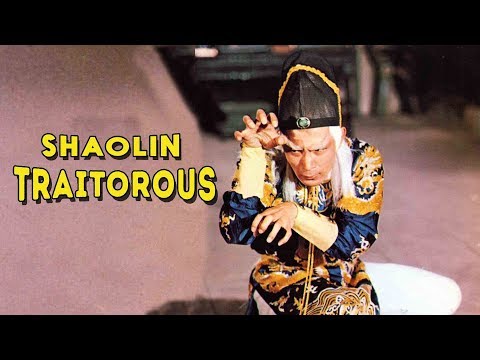
The allure of the Wu Tang Collection is undeniable. It promises a portal to an era of raw, unadulterated martial arts cinema, where legends were forged and kung fu reached its zenith. Today, we delve into "Shaolin Traitorous," a film that, on the surface, offers the familiar tropes of vengeance and Shaolin discipline. But does it deliver the visceral impact and philosophical depth that true Budo practitioners crave, or is it merely another forgettable tale spun from the silk of ancient Shaolin legends?
The narrative kicks off with a brutal act of violence – the murder of young Yang's parents by three formidable kung fu masters. This pivotal moment sets in motion a classic revenge plot, a staple of martial arts cinema. Yang, a child sculpted by tragedy, patiently endures the trials of Shaolin, ultimately accepted by an elder monk. His journey from orphaned victim to potential Shaolin warrior is a well-trodden path, but the true test lies not in his admission, but in his unwavering resolve to confront his parents' killers.
The film's premise, while compelling in its simplicity, begs the question: how does "Shaolin Traitorous" elevate itself from a standard revenge flick to a profound exploration of martial arts philosophy? Does it delve into the spiritual ramifications of such a quest, or is it content with showcasing impressive, albeit perhaps superficial, combat sequences?
Plot Analysis: A Familiar Path to Retribution
Yang's infiltration of Shaolin is presented as a strategic, almost monastic, endeavor. He doesn't simply seek revenge; he seeks the *means* to achieve it through the rigorous discipline of Shaolin. The elder monk's acceptance of him signifies the temple's role as not just a sanctuary, but a crucible for forging warriors. The narrative hints at a deeper purpose for Yang within the temple's hallowed halls, beyond his personal vendetta.
However, the ease with which Yang leaves the temple, "ready to find the killers and make mincemeat of them," raises a critical point often debated among martial artists: the true purpose of monastic training. Is it solely for combat, or does it aim to cultivate a higher moral and spiritual state, transcending the desire for brute retribution? The film's pacing, as suggested by the original description, seems to prioritize Yang's outward readiness for combat over an inward spiritual preparation, a point that might irk purists.
"The ultimate aim of martial arts is not the victory or defeat, but the perfection of the character of its practitioners." - A common tenet in many martial disciplines, but how does "Shaolin Traitorous" align with this?
The film appears to lean into the more action-oriented aspects of Shaolin lore, emphasizing the physical prowess gained through its training. This is not inherently a flaw, but it's a crucial distinction for an audience seeking a nuanced portrayal of the martial path. The promise of "best in Martial Arts Action and Entertainment" from the Wu Tang Collection tagline certainly guides expectations towards spectacle.
The Shaolin Temple: Discipline or Deception?
The Shaolin Temple is more than just a backdrop; it is a character in itself within many kung fu films. It represents discipline, spiritual enlightenment, and the pinnacle of martial arts mastery. In "Shaolin Traitorous," its role seems twofold: a training ground for Yang's revenge and, potentially, a symbol of the complex ethical landscape of martial arts. Does the temple's elder monk foresee Yang's vengeful path? Is his training a preparation for combat, or a lesson in controlling the very rage that fuels Yang?
The concept of "traitorous" in the title could allude to various interpretations: a traitor to Shaolin principles, a traitor to one's own inner peace through revenge, or perhaps even a betrayal within the temple itself. Without deeper context from the film's unfolding plot, these remain intriguing possibilities that could lend depth to an otherwise straightforward revenge narrative. The true test of Shaolin's portrayal lies in whether it emphasizes the *way* of the warrior – restraint, wisdom, and compassion – or merely the *tools* of the warrior – speed, strength, and technique.
Fight Choreography: Substance or Style?
For any film within the Wu Tang Collection, the fight choreography is paramount. The effectiveness of "Shaolin Traitorous" will ultimately hinge on the quality and authenticity of its action sequences. We expect dynamic, fast-paced fights that showcase the specific styles of the actors involved, particularly the legendary Carter Wong and the versatile Samo Hung.
Are the fights grounded in realistic martial arts principles, or do they lean towards stylized, acrobatic displays? Do they reflect the "Shaolin style" effectively, showcasing its characteristic movements and philosophies, or are they generic kung fu battles? The "best in Martial Arts Action" claim suggests a high bar. A truly impactful fight scene is not just about movement; it's about intention, strategy, and the emotional weight behind each strike. Does "Shaolin Traitorous" manage to convey this depth, or does it simply present a series of well-executed, yet hollow, exchanges?
"The fight is won or lost before it even begins." - A principle of strategy that applies to both combat and life. Does Yang's patient training reflect this, or is he merely preparing for a physical brawl?
The presence of Samo Hung, a master of both choreography and performance, offers a strong indicator that the action sequences will likely be well-crafted. However, the narrative's ultimate message about revenge, discipline, and the Shaolin path remains the critical differentiator between a good action film and a truly memorable martial arts epic.
Exploring the Deeper Themes: Beyond the Fist
Beyond the immediate quest for vengeance, "Shaolin Traitorous" likely explores themes inherent to the martial arts genre: discipline, perseverance, loyalty, and the ethical implications of violence. Yang's journey is not just a physical one; it's a test of his character. Will he succumb to the darker impulses of hatred, or will his Shaolin training guide him towards a more enlightened resolution?
The film's title, "Shaolin Traitorous," is a potent symbol. It could signify a betrayal of Shaolin's peaceful ideals by those who seek to use its power for destructive ends, or perhaps a deeper philosophical betrayal if the pursuit of vengeance corrupts the warrior's spirit. This duality offers a rich ground for interpretation and debate among viewers.
For practitioners of #BUDO, understanding these underlying themes is as crucial as analyzing the effectiveness of a particular techniquebreakdown. The true mastery of martial arts lies in the cultivation of the mind and spirit, not solely in the development of physical prowess. Does "Shaolin Traitorous" offer a glimpse into this profound aspect of the martial path, or does it remain focused on the external conflict?
Veredicto del Sensei: ¿Merece la pena?
If "Shaolin Traitorous" delivers on the promise of high-octane MMA and classic kung fu action, and if its portrayal of Shaolin offers more than just a convenient training montage, then it certainly warrants a viewing for fans of the genre. Carter Wong and Samo Hung alone are enough to guarantee a certain level of quality in the fight sequences. However, for those seeking a profound philosophical exploration of the martial path, the film's reliance on familiar revenge tropes might leave something to be desired.
We must ask: does the film inspire, educate, or merely entertain? While entertainment is a valid goal, the best martial arts films often leave the viewer with something more – a lesson in resilience, a moment of introspection, or a renewed appreciation for the discipline and philosophy that underpins the physical art.
Cinturón Negro en Acción, Nivel Intermedio en Filosofía. The film offers a solid dose of classic martial arts action, but its exploration of deeper themes might feel somewhat underdeveloped. It's a good watch for a dose of nostalgia and fighting spirit, but don't expect a profound philosophical treatise.
Guía de Entrenamiento: Cultivando la Paciencia y la Determinación
Yang's journey exemplifies patience and unwavering determination. These are not just virtues for revenge; they are cornerstones of any successful martial arts training. Here's how you can cultivate these qualities:
Commit to a Regular Schedule: Consistency is key. Whether it's daily practice or several times a week, adhere to your training plan. Treat your workout sessions with the same seriousness Yang approached his Shaolin training.
Set Long-Term Goals: What do you want to achieve in your martial arts journey? Aim for a new kata, a higher belt, or improved sparring techniques. Break these down into smaller, achievable milestones.
Embrace Discomfort: Yang endured hardship within the temple. Your training will also involve moments of physical and mental discomfort. Do not shy away from it; see it as an opportunity for growth and resilience.
Practice Mindfulness: Just as Yang patiently waited, you too must learn to be present in your training. Focus on each movement, each breath. This will not only improve your technique but also build mental fortitude and self-mastery.
Visualize Success: Before a tough training session or a sparring match, visualize yourself executing techniques flawlessly and achieving your goals. Yang likely visualized confronting his parents' killers; you can visualize your own triumphs.
Learn from Setbacks: Not every training session will be perfect. You might struggle with a particular technique or have a bad sparring day. Instead of getting discouraged, analyze what went wrong and use it as a lesson. This is crucial for personal improvement.
Equipo Esencial para tu Entrenamiento
While "Shaolin Traitorous" showcases bare-handed combat and traditional Shaolin weaponry, any serious martial artist understands the importance of proper equipment for safe and effective training. For those looking to emulate the discipline and dedication seen in films like this, consider the following:
Durable Training Uniform (Gi/Dobok/Kimono): A good quality uniform is essential for most traditional martial arts. Look for robust fabrics that can withstand the rigors of training. For styles like Judo or Brazilian Jiu-Jitsu (BJJ), a double-weave gi is recommended for longevity. If you're practicing styles that emphasize lucha or grappling, ensure your uniform allows for a full range of motion. Consider brands known for their durability, perfect for intense sessions inspired by Kyokushin Karate or traditional Kung Fu.
Protective Gear for Sparring: When your training progresses to sparring, safety is paramount. This includes:
Headgear: Protects against concussions and cuts.
Mouthguard: Crucial for preventing dental injuries.
Groin Protector: Essential for male practitioners.
Shin Guards and Instep Protectors: Especially important for kicking-heavy styles like Taekwondo or Kickboxing.
Training Mats (Tatami/Yoga Mats): For ground techniques, falls, and conditioning exercises, especially if you don't have access to a dedicated dojo.
Traditional Training Tools: Depending on your style, consider items like a Makiwara for striking conditioning, wooden dummies for Wing Chun practice, or resistance bands for strength and conditioning.
Investing in the right equipment not only enhances your training experience but also signifies your commitment to the martial path. Remember, even the most basic no-equipment bodyweight workouts can be significantly improved with proper understanding and application, but quality gear supports advanced progression.
Preguntas Frecuentes
¿Qué tipo de arte marcial se enseña en "Shaolin Traitorous"?
La película se centra en el Kung Fu Shaolín, un estilo conocido por su combinación de técnicas de manos abiertas, patadas, saltos y a menudo, el uso de armas tradicionales. El título sugiere una conexión directa con las leyendas y el entrenamiento asociados con el Templo Shaolín.
¿Es "Shaolin Traitorous" una película con acción realista o más estilizada?
Si bien las películas de la Colección Wu Tang a menudo presentan coreografías impresionantes, la naturaleza del cine de kung fu de la época puede variar. Se espera una mezcla de técnicas realistas y elementos más acrobáticos y estilizados para el espectáculo cinematográfico. La presencia de Samo Hung sugiere una coreografía de alta calidad.
¿Cuál es el significado del título "Shaolin Traitorous"?
El título es ambiguo y puede interpretarse de varias maneras: un traidor dentro del Templo Shaolín, un guerrero que traiciona los principios pacíficos de Shaolín para buscar venganza, o una traición en un sentido más amplio. La película probablemente explora las consecuencias de la traición y la búsqueda de justicia.
¿Para quién es esta película?
"Shaolin Traitorous" es ideal para los fanáticos del cine de kung fu clásico, las películas de venganza y aquellos que disfrutan de la acción marcial espectacular. También es atractiva para quienes aprecian las actuaciones de leyendas como Carter Wong y Samo Hung.
¿La película ofrece alguna lección filosófica profunda sobre las artes marciales?
Si bien la trama se basa en la venganza y la disciplina de Shaolín, el grado de profundidad filosófica puede variar. Las películas de kung fu a menudo yuxtaponen la acción con lecciones sobre moralidad, perseverancia y autodisciplina. Es probable que esta película contenga elementos de estos temas, aunque el enfoque principal puede ser la acción.
Yang waited patiently, honing his body and spirit for a singular purpose. But in the quiet moments between his training, did he truly seek justice, or merely inflict suffering? Does the path of vengeance, even when justified by horrific loss, ultimately lead to peace, or does it merely perpetuate a cycle of violence? Consider this: If you were to dedicate years to perfecting a skill, would you use it to destroy, or to create and protect? How would your choice reflect the true 'way' you walk?
```
GEMINI_METADESC: Análisis crítico de 'Shaolin Traitorous' (Wu Tang Collection): explora la trama de venganza, la representación de Shaolín y la calidad de la coreografía de Carter Wong y Samo Hung.