Showing posts sorted by date for query ninjitsu. Sort by relevance Show all posts

NINJA DRAGON: A Critical Examination of Martial Arts Cinema's Mystique

Unveiling the Mystic Warrior

Welcome, students, to another session of critical discourse. Today, we dissect a cinematic artifact, a piece that promises to transport us into the shadowy world of the shinobi: "NINJA DRAGON." But does this film deliver the profound essence of the martial path, or is it merely a spectacle of smoke bombs and stylized violence? As practitioners and enthusiasts, we must question what we consume, especially when it purports to represent the arts we dedicate our lives to.

The allure of the ninja is undeniable, a potent blend of mystery, skill, and a code often misunderstood. Many films attempt to capture this mystique, but few truly grasp the underlying discipline, the rigorous training, and the philosophical depth that define the true warrior. "NINJA DRAGON," in its very title, sets a high bar. Is it a testament to the legendary dragon-like agility and lethal precision of the shinobi, or is it merely another dragon in a sea of cinematic beasts?

The Allure of the Ninja: Beyond the Smoke and Mirrors

Before we plunge into the film itself, let us first understand the subject matter. The ninja, or shinobi, were not mere assassins. They were spies, saboteurs, and warriors trained in a variety of arts, including espionage, guerilla warfare, and unarmed combat. Their techniques, often shrouded in secrecy, were rooted in practicality and efficiency. The weapons they wielded – the shuriken, the kusarigama, the nunchaku – were tools designed for specific tactical purposes, not just props for a dramatic flourish.

The "dragon" in martial arts lore often symbolizes immense power, wisdom, and often, a connection to the primordial forces. To associate the ninja with the dragon is to elevate their status, suggesting a mastery that transcends the ordinary. This is precisely the promise of a film like "NINJA DRAGON." It invites us to believe in a hero who embodies these mythical qualities, a figure capable of impossible feats. But is this cinematic portrayal a genuine reflection of the historical shinobi, or a romanticized fabrication designed for mass appeal?

Coreography: Illusion vs. Practicality

The heart of any martial arts film lies in its action sequences. The choreography must be believable, showcasing techniques that, while perhaps heightened for dramatic effect, should still adhere to the fundamental principles of physics and biomechanics. When watching "NINJA DRAGON," I, like many seasoned practitioners, will be scrutinizing every movement. Do the strikes have snap and intent? Is the footwork sound? Are the defenses logical? Or are we witnessing a dance of flailing limbs and improbable dodges?

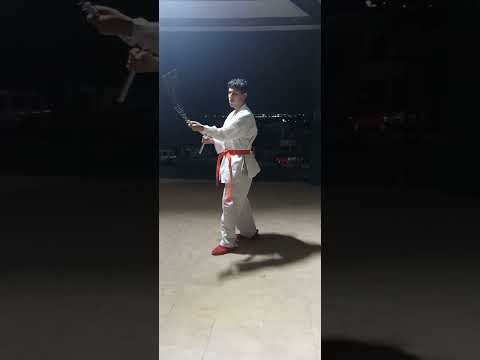
The use of specific weapons, like the nunchaku, is particularly telling. While visually striking, their practical application in a real combat scenario is often debated. Is the actor wielding the nunchaku with any semblance of control and purpose, or is it merely being swung wildly in the hope of looking impressive? A true master of the nunchaku can use it with precision, its speed and versatility posing a significant threat. Conversely, a poorly executed nunchaku sequence can look more dangerous to the wielder than to the opponent.

We will also examine the integration of traditional martial arts. Does "NINJA DRAGON" draw from genuine disciplines like Ninjitsu, Taekwondo, or Karate, or does it create a Frankenstein's monster of combat moves devoid of authentic lineage?

The Spirit of the Art: What "NINJA DRAGON" Gets Wrong (and Right?)

Beyond the physical execution, the true measure of a martial arts film lies in its ability to convey the spirit – the Seishin – of the arts it portrays. This encompasses discipline, respect, humility, and the relentless pursuit of self-improvement. Does "NINJA DRAGON" hint at the inner journey of its protagonist? Do we see moments of introspection, struggle, and growth that resonate with the path of the warrior?

Or is it a narrative driven solely by external conflict, where the protagonist’s motivations are reduced to revenge or the simple act of defeating the villain? The most impactful martial arts films go beyond mere spectacle; they offer lessons in character development, the triumph of will, and the philosophical underpinnings of combat. A true warrior's journey is often internal as much as it is external.

"The ultimate aim of martial arts is not to be victorious over others, but to be victorious over oneself." - A fundamental principle echoed across many disciplines.

We must ask if "NINJA DRAGON" upholds this sacred tenet. Does its protagonist learn to control their inner demons as effectively as they control their outward movements? Or does the film simply glorify violence as an end in itself?

Deconstructing "NINJA DRAGON": A Martial Perspective

"NINJA DRAGON" presents a narrative that, on the surface, taps into the enduring fascination with the shinobi. The film’s title alone conjures images of stealth, precision, and an almost supernatural prowess. But as seasoned practitioners, we are trained to look beyond the facade, to analyze the substance beneath the style. Let us delve into the specifics of this cinematic offering.

The film’s plot, which often centers around a shadowy organization or a vendetta, typically pits our protagonist against a series of increasingly formidable opponents. This structure, while familiar, provides ample opportunity to showcase diverse combat scenarios. The question remains: how well are these scenarios executed from a martial standpoint? Do the fight scenes feel organic to the characters and the narrative, or are they gratuitous insertions designed purely to titillate the audience?

The use of various martial arts and weaponry within the film demands a critical eye. We might see elements of Budo, Karate, Taekwondo, and of course, the titular Ninjitsu. However, the blending of these arts can often be superficial. A true master of multiple disciplines integrates their principles seamlessly. A film might show a character performing a high kick from Taekwondo followed by a low sweep from Judo, but does it demonstrate an understanding of the transitions, the timing, and the strategic intent behind such a sequence?

Furthermore, the very concept of the "Dragon" in a martial context implies a level of mastery and power that is rarely achieved. If the film’s protagonist embodies this dragon-like quality, it must be earned through demonstrable skill, discipline, and a profound understanding of their art. We will assess whether "NINJA DRAGON" earns this portrayal or simply assigns it.

Authenticity and Representation: The Critical Lens

This is where films often falter. The historical ninja were masters of deception and adaptation. Their training was rigorous and their methods practical. Modern cinematic interpretations, however, often prioritize visual spectacle over historical accuracy. Does "NINJA DRAGON" present a believable portrayal of ninja skills, or does it fall into the trap of exaggerated abilities, such as superhuman speed, invisibility, or the ability to withstand blows that would incapacitate any ordinary human?

We must also consider the representation of the Ki (or Qi) – the vital energy that is central to many Asian martial arts. While some films depict Ki as a mystical force capable of levitation or energy blasts, its true martial application lies in focused intent, internal power generation, and breath control. Does "NINJA DRAGON" touch upon this concept in a meaningful way, or does it dismiss it as mere fantasy?

A film that truly respects its subject matter will strive for a degree of authenticity, even within the confines of dramatic storytelling. This means acknowledging the dedication, the sacrifice, and the deep philosophical roots of the martial path. Without this, a film risks perpetuating myths and misrepresentations that do a disservice to the arts it seeks to portray.

Philosophical Undertones: The Bushido Code in the Shadows

While the ninja operated in a more clandestine sphere than the samurai, their actions were often guided by a code of ethics, a precursor to the Bushido, the Way of the Warrior. This code emphasized loyalty, courage, self-discipline, and honor. Does "NINJA DRAGON" explore these themes? Is the protagonist’s journey one of moral development, or are they simply a skilled killer driven by base desires?

Miyamoto Musashi, in "The Book of Five Rings," stated, "There is nothing outside of yourself that can ever enable you to get better, stronger, richer, quicker, or smarter. Everything is within. Everything exists. Right in front of your eyes. Look within for the answers."

This quote speaks to the internal focus that is paramount in martial arts. Does the film’s narrative reflect this internal struggle and self-discovery, or does it solely focus on external conflicts and triumphant victories? The most profound martial arts narratives often teach us that the greatest battles are fought within the human heart and mind.

The training sequences, if present, are also critical. Do they show the arduous, often monotonous, yet essential repetition required to master a technique? Or do they present a montage of quick, effortless progress? The latter is a common cinematic trope that undermines the reality of dedicated martial arts practice.

Veredicto del Sensei: ¿Merece la pena?

"NINJA DRAGON" is, by all accounts, a film that leans heavily into the sensationalism of the ninja mythos. While it might offer fleeting moments of visually appealing action, it largely fails to capture the true spirit, discipline, and philosophical depth of the martial arts it purports to represent. The choreography often prioritizes flair over function, and the narrative seldom ventures beyond superficial tropes of revenge and combat.

For the casual viewer seeking popcorn entertainment, "NINJA DRAGON" might suffice. However, for the serious martial artist, it is a hollow echo of what could have been a profound exploration of the shinobi way. It offers spectacle but lacks substance. It presents action but omits the art.

Cinturón Negro en Espectáculo Visual, Cinturón Blanco en Autenticidad Marcial.

Guía de Entrenamiento: Simulating Ninja Agility

While "NINJA DRAGON" may not be a perfect martial arts guide, the *concept* of ninja agility can be trained. True ninja mastery required incredible physical conditioning, flexibility, and coordination. Here's how you can begin to cultivate some of those attributes:

  1. Dynamic Stretching: Start your session with dynamic movements to prepare your body. Think leg swings, arm circles, torso twists, and high knees. This prepares the muscles for explosive movements and improves range of motion.
  2. Agility Drills: Use cones or markers to set up agility courses. Practice side-shuffles, forward sprints, backward sprints, and carioca (grapevine steps). Focus on quick changes in direction and maintaining a low center of gravity. For advanced practitioners, incorporate jump rope routines to enhance footwork and rhythm.
  3. Bodyweight Strength: Ninja relied on their own body for strength. Incorporate exercises like push-ups (various hand placements), pull-ups (if possible, or use resistance bands), squats, lunges, and planks. Focus on controlled movements and proper form.
  4. Balance Training: Stand on one leg for extended periods, slowly increasing the duration. Try closing your eyes while balancing to increase the challenge. Advanced practitioners can use unstable surfaces like a BOSU ball.
  5. Flexibility and Mobility: Dedicate time to static stretching after your workout. Focus on hamstrings, hips, shoulders, and back. Yoga poses like the downward-facing dog, warrior poses, and pigeon pose can be beneficial.
  6. Stealth Movement Practice: While not directly trainable without specific instruction, practice moving quietly and deliberately. Focus on foot placement and body control.

Remember, consistency is key. This is a long-term endeavor, not a quick fix. For more comprehensive routines, consider exploring resources on Agility and At Home Workout training.

Equipo Esencial para tu Entrenamiento

While a ninja might have relied on improvisation, modern martial arts training requires some basic equipment to ensure safety and effectiveness. For developing the kind of agility and conditioning seen (however inaccurately) in films like "NINJA DRAGON," consider the following:

  • Comfortable Training Attire: A breathable gi (like a Karate gi or a Judo gi) or athletic wear that allows for a full range of motion is crucial.
  • Training Mat: For floor exercises, takedowns (if applicable to your art), and to provide cushioning during agility drills.
  • Agility Cones/Markers: Essential for setting up drills to improve footwork and reaction time.
  • Jump Rope: An excellent tool for cardiovascular conditioning and developing rhythm and coordination.
  • Resistance Bands: Versatile for strength training and mobility work, especially if pull-up bars are not available.
  • Optional: Nunchaku: If you are serious about learning to wield the nunchaku, seek instruction from a qualified teacher. Start with padded training nunchaku to minimize injury. Improper use can be dangerous.

Investing in quality equipment can significantly enhance your training experience and help you progress safely towards your goals.

Preguntas Frecuentes

1. Is "NINJA DRAGON" based on a true story or a specific ninja clan?
"NINJA DRAGON" is a fictional work designed for entertainment. While it draws inspiration from the mystique of ninja clans, it does not represent a specific historical event or clan with factual accuracy.
2. How can I learn authentic Ninjutsu?
Authentic Ninjutsu training is rare and should be sought from reputable dojos affiliated with recognized organizations (e.g., Bujinkan, Genbukan, Jinenkan). Be wary of schools that make exaggerated claims. Research is paramount.
3. Are nunchaku a practical weapon in real combat?
The practical application of nunchaku in real combat is highly debated and depends heavily on the wielder's skill and the context of the confrontation. They are difficult to master and can be easily countered or turned against the user if not wielded with expert precision. Their effectiveness is often exaggerated in films.
4. What are the key differences between a ninja and a samurai?
Samurai were the warrior nobility, bound by strict codes like Bushido, often serving lords directly. Ninjas were typically covert agents, spies, and mercenaries from lower social strata, excelling in espionage, sabotage, and unconventional warfare rather than direct battlefield combat. Their methods were often indirect and focused on infiltration.

Para Profundizar en tu Camino

If the cinematic portrayal has sparked your curiosity about the true martial path, I encourage you to explore these resources:

  • BUDO and Martial Arts Philosophy: Understanding the core principles.
  • History of Martial Arts: Learning from the past to inform the present.
  • Training Methodologies: Discovering effective ways to improve your skills.

Reflexión del Sensei: Tu Próximo Paso

After dissecting "NINJA DRAGON," we are left with a question that echoes far beyond the cinema screen: In our pursuit of martial arts, are we seeking genuine mastery and self-improvement, or are we merely chasing the illusion of power and unattainable mystique? The path of the warrior is paved with sweat, discipline, and introspection. Do your training habits reflect this truth, or do you, like many, fall prey to the siren song of effortless victory?

Now, it is your turn to confront this reflection. What did you find most lacking, or surprisingly accurate, in "NINJA DRAGON"? And more importantly, how will this analysis shape your own training regimen? Prove your understanding in the comments below – I await your arguments.

The Mythic Clash: Batman vs. Superman - A Martial Sensei's Analysis of the "Fight"

The Unlikely Arena: Why Analyze Fictional Combat?

Greetings, warriors and seekers of truth. Welcome to Budo and Martial Arts, your sanctuary for the deeper understanding of combat, philosophy, and the warrior spirit. Today, we venture into a realm not typically found within dojo walls, but one that nonetheless sparks fervent debate and captivates imaginations: the epic confrontation between Batman and Superman. You might scoff, asking, "Sensei, why waste precious training time dissecting a superhero brawl?" I say to you: every conflict, real or imagined, reveals something about skill, strategy, intent, and the very nature of power. The "FULL FIGHT BATMAN VS SUPERMAN" by JONI FILM, published on March 16, 2023, at 11:13 PM, serves as our canvas. This isn't merely about CGI spectacle; it's an opportunity to examine the theoretical application of combat principles against seemingly insurmountable odds. Can human ingenuity and trained skill truly challenge god-like power? Let us find out.

Batman: The Pinnacle of Human Martial Prowess

Before we even consider Superman, we must honor the meticulously crafted discipline of the Batman. Bruce Wayne is not gifted with powers; he is forged through an unparalleled regimen of training. His mastery spans: * Multiple Martial Arts: From the brutal efficiency of Kyokushin Karate and Judo to the intricate joint locks of BJJ and the stealth of Ninjitsu, Batman's arsenal is encyclopedic. He has trained under legendary masters, absorbing techniques like a sponge. Think of his grappling, his strikes, his throws – each is a testament to years, decades, of dedicated practice. * Peak Human Conditioning: His strength, speed, and endurance are not supernatural, but the absolute limit of what a human body can achieve. This speaks to relentless workout routines and rigorous conditioning. * Strategic Genius: Batman's greatest weapon is his mind. He studies his opponents, exploiting weaknesses with surgical precision. This tactical acumen is as crucial as any physical technique. He understands fight analysis on a profound level. * Improvisation: Faced with the overwhelming might of Superman, Batman's ability to weaponize his environment and use unconventional tactics is paramount. He represents the ultimate expression of human potential through the martial path. His dedication is a beacon for anyone pursuing self-improvement through martial arts training.

Superman: A God Among Men, But a Fighter?

Superman, on the other hand, embodies raw, unadulterated power. His abilities – super strength, flight, heat vision, invulnerability – place him in a different category entirely. However, does this translate to effective combat prowess against an equally determined, albeit physically inferior, foe? * Raw Power vs. Technique: The fundamental question is whether Superman's inherent abilities are enough. Does he possess the refined technique of a seasoned martial artist, or does he rely solely on brute force? Many beings with immense power lack the discipline and humility to truly master their abilities. They become reckless. * The Kryptonite Factor: The narrative often introduces Kryptonite as Superman's Achilles' heel. This highlights the importance of understanding vulnerabilities, a key tenet in self-defense and hand-to-hand combat. Even the strongest can be felled by a well-placed weakness. * Fighting Style: Historically, Superman's "fighting style" has been depicted as somewhat clumsy or reliant on simply overpowering opponents. While he can certainly fight, is it with the trained precision of a martial artist, or the destructive force of a natural disaster? This is where the debate truly ignites.
"The supreme art of war is to subdue the enemy without fighting." - Sun Tzu, The Art of War. While Batman often engages, his ultimate goal is to prevent greater conflict. Superman's power, if unchecked by wisdom, can *become* the greater conflict.

The Choreography of the Impossible: Interpreting the "Fight"

When we analyze a film like "FULL FIGHT BATMAN VS SUPERMAN," we're not watching a real martial arts contest. We are observing choreography, visual storytelling, and the interpretation of creators. The "fight" itself becomes a narrative device. * Pacing and Impact: How is the fight staged? Are the blows delivered with weight and consequence, or are they a flurry of lights and sounds? A masterfully choreographed fight, like those seen in classic Karate films or modern MMA bouts, conveys the effort and skill involved. * Strategic Exchanges: Does Batman employ tactics designed to neutralize Superman's powers? Does he use his gadgets, exploit the environment, or aim for pressure points? Or is it a slugfest where Batman's resilience is merely plot armor? A true martial perspective looks for the strategic intent behind each action. * The Role of the Environment: Does the fight take advantage of its surroundings? A skilled combatant uses their environment. Batman, in particular, excels at this. We should look for instances where he uses the urban landscape as a weapon or a shield. * The "Why": The most crucial element is not *how* they fight, but *why*. Is this a battle of ideologies, a misunderstanding, or a desperate struggle for survival? The motivation behind the conflict shapes the interpretation of the action.

Beyond the Blows: The Underlying Philosophies

This "fight" is more than just a physical contest; it's a clash of philosophies embodied by two iconic figures. * Justice vs. Order: Batman represents a gritty, street-level justice, often operating outside the law but guided by a strict moral code born from tragedy. He is the vigilante, the protector of the shadows. His approach is pragmatic, often brutal, but ultimately aimed at systemic change. * Inherent Goodness vs. Fear: Superman embodies hope, idealism, and immense power wielded with restraint. He is the beacon, the symbol of what humanity can aspire to be. His challenge is often to uphold truth and justice when faced with cynicism and fear. * The Nature of Power: The core of their conflict often lies in how power should be used. Batman fears unchecked power and believes in preparation and counter-measures. Superman believes in his inherent goodness and the responsibility that comes with his gifts. This echoes debates within Budo about responsibility and the ethical application of skill.
"There is no victory in the martial arts. Only the path to self-mastery. The true fight is within." - A principle echoed by many martial masters, applicable even to these fictional titans.

Veredicto del Sensei: Does the "Fight" Earn a Black Belt?

From a purely martial arts perspective, the "FULL FIGHT BATMAN VS SUPERMAN" can be appreciated as a narrative spectacle rather than a practical demonstration of combat. * **Choreography:** If the CGI and staging are impressive, it earns a nod for visual storytelling. However, it rarely reflects genuine martial physics or strategy applicable to real-world combat. * **Authenticity:** The depiction of Batman's diverse martial arts skills might be *inspired* by real disciplines, but the effectiveness against Superman is largely fantastical. Superman's "fighting" is often a display of power rather than technique. * **Spirit:** The fight *can* succeed if it captures the spirit of the characters and their ideologies. Does it highlight Batman's tactical brilliance and determination against overwhelming odds? Does it show Superman grappling with the responsibility of his power? If so, it touches upon the warrior's spirit. **Cinturón Negro en Espectáculo, Nivel Principiante en Realismo Marcial.** The spectacle is undeniable, but let us not mistake cinematic fantasy for practical martial application. It's a testament to imagination, not to the precise execution of a well-rehearsed kata.

Training Essentials for Aspiring Heroes (and Villains)

While you may not face Kryptonians, the principles of dedicated training apply to all. To build your own foundational strength, consider:
  • A Solid Martial Arts Foundation: Choose a discipline that resonates with you. Karate for striking, Judo or BJJ for grappling, Taekwondo for kicks. Consistency is key.
  • Strength and Conditioning: Bodyweight exercises like at-home workouts, push-ups, squats, and planks build functional strength. Consider adding resistance bands for versatility.
  • Cardiovascular Endurance: Running, swimming, or cycling are vital for sustained effort, especially in prolonged engagements. Explore running tips to build your stamina.
  • Mental Fortitude: Cultivate self-discipline, focus, and the ability to remain calm under pressure. Meditation and mindfulness are invaluable tools.
  • Strategic Thinking: Study the art you practice. Understand principles of leverage, timing, and distance. Watch matches, read texts, and analyze your own sparring.

Preguntas Frecuentes

  • Q: Can Batman really beat Superman in a fight?
    A: In the realm of fiction, "can" is determined by the storyteller. In a realistic scenario, Batman's best chance lies in preparation, exploiting specific weaknesses (like Kryptonite), and employing overwhelming tactical advantage, not direct physical confrontation.
  • Q: Which martial arts does Batman use?
    A: Batman's training is said to encompass over a dozen martial arts, including various forms of Karate, Judo, BJJ, Ninjutsu, Kenpo, Aikido, and more. He is a polymath of combat.
  • Q: Is Superman a good fighter?
    A: Superman possesses immense power but often lacks the refined technique and strategic nuance of a true martial artist. His "fighting" is more often a display of overwhelming force.
  • Q: What is the philosophical lesson from Batman vs. Superman?
    A: The conflict explores themes of power, responsibility, fear versus hope, and the balance between order and justice. It questions whether raw power or disciplined strategy is the ultimate victor.
  • Q: How can I train like Batman?
    A: Focus on mastering multiple martial arts, achieving peak physical conditioning through rigorous training, developing sharp tactical intelligence, and cultivating unwavering mental discipline. It's a lifelong pursuit.

Para Profundizar en tu Camino

Explore these related topics to deepen your understanding of the warrior's path:

Reflexión del Sensei: Tu Próximo Paso

We have dissected a battle of titans, a clash of myths. But what does it truly teach us? Does the overwhelming power of Superman render all training futile? Or does Batman's indomitable spirit and learned skill prove that human dedication can, in its own way, challenge the impossible? **Consider this:** If the greatest power requires no training, what value does training hold? And if strategy and discipline can overcome raw power, then where does your own relentless training truly lie? Is your battle against an external foe, or against the limits of your own potential? Ponder this in your training, in your life, and let your actions be your answer. ```json { "@context": "https://schema.org", "@type": "FAQPage", "mainEntity": [ { "@type": "Question", "name": "Can Batman really beat Superman in a fight?", "acceptedAnswer": { "@type": "Answer", "text": "In the realm of fiction, 'can' is determined by the storyteller. In a realistic scenario, Batman's best chance lies in preparation, exploiting specific weaknesses (like Kryptonite), and employing overwhelming tactical advantage, not direct physical confrontation." } }, { "@type": "Question", "name": "Which martial arts does Batman use?", "acceptedAnswer": { "@type": "Answer", "text": "Batman's training is said to encompass over a dozen martial arts, including various forms of Karate, Judo, BJJ, Ninjutsu, Kenpo, Aikido, and more. He is a polymath of combat." } }, { "@type": "Question", "name": "Is Superman a good fighter?", "acceptedAnswer": { "@type": "Answer", "text": "Superman possesses immense power but often lacks the refined technique and strategic nuance of a true martial artist. His 'fighting' is more often a display of overwhelming force." } }, { "@type": "Question", "name": "What is the philosophical lesson from Batman vs. Superman?", "acceptedAnswer": { "@type": "Answer", "text": "The conflict explores themes of power, responsibility, fear versus hope, and the balance between order and justice. It questions whether raw power or disciplined strategy is the ultimate victor." } }, { "@type": "Question", "name": "How can I train like Batman?", "acceptedAnswer": { "@type": "Answer", "text": "Focus on mastering multiple martial arts, achieving peak physical conditioning through rigorous training, developing sharp tactical intelligence, and cultivating unwavering mental discipline. It's a lifelong pursuit." } } ] }

Roberto Durán: De "Manos de Piedra" a un Legado Disputado en las Artes Marciales

El rugido de la multitud, el olor acre del sudor y la expectación palpable en el aire. Estos son los ecos de un gladiador que trascendió el cuadrilátero para convertirse en un ícono. Roberto "Manos de Piedra" Durán. Un nombre que evoca poder crudo, una tenacidad inquebrantable y una historia de ascensos vertiginosos y caídas dramáticas. Pero, ¿qué tiene que ver un campeón de boxeo con el riguroso mundo de las artes marciales? Muchísimo más de lo que los legos en la materia podrían suponer. Hoy no desgranaremos solo la carrera de un púgil, sino que analizaremos la filosofía de combate, la tenacidad y la resiliencia que, en esencia, son el corazón de todo artista marcial.

La Sombra del Ring y el Espíritu del Dojo

Bienvenidos, aspirantes a la maestría. Hoy no vamos a hablar de un kata elaborado o una técnica de desarme precisa. Vamos a hablar de Roberto Durán, un nombre que resuena con la misma fuerza que el impacto de un puño bien dirigido. A primera vista, el boxeo y las artes marciales tradicionales pueden parecer mundos aparte. Uno es un deporte de combate de alta especialización, el otro es un compendio de disciplinas ancestrales con raíces filosóficas profundas. Sin embargo, les aseguro que bajo la superficie, comparten un ADN común: la entrega total, la disciplina férrea, la capacidad de soportar el dolor y, sobre todo, la voluntad indomable de superar al oponente.

¿Por qué dedicar un espacio a un boxeador en un blog dedicado al BUDO y las artes marciales? Porque Durán no fue solo un boxeador. Fue una fuerza de la naturaleza, un hombre cuya garra y coraje inspiraron a generaciones. Su carrera, marcada por triunfos épicos y derrotas devastadoras, nos ofrece lecciones valiosas para cualquier practicante, sin importar el arte que cultive. Su historia es un recordatorio de que el espíritu marcial no se limita a un uniforme o a un estilo específico.

El Origen de "Manos de Piedra": La Base del Guerrero

Nacido en El Chorrillo, Panamá, la infancia de Durán estuvo lejos de ser un jardín de rosas. Las dificultades económicas y un entorno a menudo hostil forjaron en él una mentalidad de supervivencia desde temprana edad. Esta adversidad temprana es un crisol común en las historias de muchos grandes guerreros y maestros de artes marciales. Piensen en los monjes Shaolin, obligados a desarrollar fuerza y disciplina para proteger sus templos, o en los samuráis, forjados en un Japón feudal de constantes conflictos.

La calle, en muchos aspectos, es el primer dojo. Y Durán aprendió sus lecciones con dureza. Su potencia de golpeo, que le valió el apodo de "Manos de Piedra", no era solo un don natural. Era el resultado de un entrenamiento implacable, de horas dedicadas a perfeccionar la técnica, a fortalecer los músculos y, crucialmente, a cultivar una resistencia física y mental a prueba de balas. Esto nos enseña un principio fundamental: la base de cualquier arte marcial, sea boxeo, Karate, Judo o MMA, reside en la dedicación al entrenamiento fundamental.

"La disciplina es el puente entre las metas y los logros."

Esta cita, aunque genérica, encapsula la esencia del camino de Durán. No se trata solo de tener "puños de piedra", sino de la disciplina para afilar esa piedra día tras día, golpe tras golpe, hasta que se convierta en un arma imparable. El verdadero poder no reside solo en la fuerza bruta, sino en la voluntad de canalizarla de manera efectiva y constante. Es el mismo principio que impulsa a un luchador de BJJ a pasar horas sometido, o a un karateka a repetir la misma técnica miles de veces.

Filosofía de Combate: La Simplicidad Radical

La técnica de Durán era, en gran medida, simple pero brutalmente efectiva. Combinaba una potencia de pegada devastadora con una agresividad constante, una presión incesante que asfixiaba a sus oponentes. No se enredaba en florituras innecesarias ni en estrategias excesivamente complejas. Su enfoque era directo: avanzar, golpear y dominar.

Esta simplicidad es una enseñanza de oro en el mundo de las artes marciales. Muchos practicantes se pierden en la búsqueda de técnicas exóticas o movimientos llamativos, olvidando los principios fundamentales que sustentan cualquier arte marcial efectivo. Un buen golpe recto, una defensa sólida, una entrada segura; estos son los pilares sobre los que se construye un guerrero capaz. Piensen en el proverbio: "Tengo miedo del hombre que ha practicado una técnica de patada diez mil veces". La maestría reside en la repetición inteligente de lo básico.

Durán entendía la importancia del Ki, o la energía vital, aunque no lo llamara así. Su agresividad, su capacidad para absorber golpes y seguir adelante, era una manifestación de una energía interna formidable. El boxeo moderno a menudo se centra en la técnica y la estrategia, pero la ferocidad de Durán era un recordatorio de que la voluntad, la determinación y la "chispa" que enciende el espíritu marcial son elementos igualmente cruciales.

La famosa máxima de Bruce Lee, "Vacía tu mente, sé amorfo, como el agua. Si pones agua en una taza, se convierte en la taza. Si la pones en una botella, se convierte en la botella. Si la pones en una tetera, se convierte en la tetera. El agua puede fluir o puede golpear. Sé como el agua, mi amigo", encuentra un eco en la adaptabilidad de Durán en el ring, pero su estilo más característico era como un río torrencial, imparable y destructivo. Ambas filosofías, la adaptabilidad y la fuerza arrolladora, son válidas y, a menudo, se complementan en un luchador completo.

Momentos Clave: Lecciones de Victoria y Derrota

La carrera de Durán es una montaña rusa. Su victoria sobre Sugar Ray Leonard en 1980 es una de las mayores hazañas del boxeo, un triunfo de valentía y resistencia. Durán, el desvalido, contra el olímpico Leonard, se alzó con la victoria en una pelea brutal. Este es el momento del guerrero que se enfrenta a la adversidad y emerge victorioso gracias a su tenacidad y a la correcta aplicación de sus habilidades.

Sin embargo, es su revancha contra Leonard en la famosa pelea de "No Más" la que ofrece una lección más compleja y, quizás, más profunda. Un Durán fuera de forma, mentalmente ausente, se retira en el octavo asalto, pronunciando las infames palabras. Este momento, a menudo criticado, es un espejo de las caídas que todos enfrentamos. La falta de preparación, la desconexión mental, la incapacidad de seguir adelante ante la adversidad. En el entrenamiento marcial, estos momentos son tan importantes como las victorias. Nos enseñan los peligros de la complacencia, la necesidad de una preparación rigurosa tanto física como mental, y la importancia de la fortaleza interior para perseverar.

"El fracaso es solo la oportunidad de comenzar de nuevo, pero de una manera más inteligente." - Henry Ford (Adaptado al contexto marcial)

La caída de Durán, su posterior recuperación y sus últimas peleas son un testimonio de su espíritu luchador. Nos muestra que un artista marcial no se define solo por sus victorias, sino por su capacidad de levantarse después de ser derribado, de aprender de sus errores y de seguir adelante a pesar de las cicatrices.

Más Allá del Cuadrilátero: El Legado Marcial de Durán

¿Podríamos considerar a Durán un "artista marcial" en el sentido más amplio? Yo diría que sí. El boxeo, aunque diferente de las artes marciales tradicionales, comparte la esencia del combate uno a uno, la necesidad de estrategia, la disciplina, el coraje y la capacidad de infligir y recibir daño. La potencia de Durán, su resiliencia, su capacidad para inspirar y su impacto cultural lo elevan más allá de ser un simple deportista.

Su historia resuena con el concepto de Budo, el "camino del guerrero", que abarca no solo la habilidad técnica, sino también el desarrollo moral y espiritual. Durán, con sus altibajos, representa la humanidad del guerrero. Un ser falible, capaz de alcanzar las cimas más altas, pero también vulnerable a sus propias debilidades. La clave está en cómo gestiona esas debilidades y en su voluntad de seguir luchando.

Su influencia se extiende, de forma indirecta, a todos los que practican un arte de combate. Nos recuerda que la preparación física es solo una parte de la ecuación. La fortaleza mental, la disciplina, la capacidad de enfrentar el miedo y la adversidad son igualmente, si no más, importantes. Un practicante de Aikido que busca la armonía, un guerrero de Kyokushin que busca la verdad a través del impacto, o un peleador de UFC que combina múltiples disciplinas, todos comparten ese hilo conductor de la superación personal a través del combate.

Veredicto del Sensei: ¿Un Ícono para el Budoka?

Roberto Durán, "Manos de Piedra", no es un maestro de Karate ni un experto en Ninjitsu. Sin embargo, su vida y carrera encarnan muchos de los principios fundamentales que buscamos en el camino marcial: la tenacidad ante la adversidad, la dedicación al entrenamiento riguroso, la fuerza de voluntad indomable y la capacidad de inspirar. Su legado nos enseña que la verdadera fuerza reside no solo en el golpe, sino en la capacidad de levantarse, aprender y seguir adelante.

Por su indomable espíritu guerrero y las lecciones que su vida ofrece a cualquiera que se enfrente a un desafío, considero a Durán un **Cinturón Negro en Tenacidad y Coraje**. Su historia, aunque no se desarrolle en un tatami, es una poderosa lección de vida y combate que todo aspirante a un arte marcial debería contemplar.

Equipo Esencial para tu Entrenamiento

Aunque el boxeo tiene su propio equipamiento específico, muchos de sus principios de entrenamiento se aplican al desarrollo de un artista marcial completo. Para cultivar la fuerza, la resistencia y la disciplina que Durán demostró, considera el siguiente equipo:

  • Guantes de boxeo o sparring (14-16 oz): Indispensables para el entrenamiento de golpeo, protegen tus manos y las de tu compañero.
  • Saco de boxeo: Ideal para desarrollar potencia, resistencia y precisión en tus golpes.
  • Cuerda de saltar: Clásica herramienta para mejorar la agilidad, la resistencia cardiovascular y la coordinación.
  • Bandas de resistencia: Versátiles para fortalecer grupos musculares específicos y mejorar la potencia de golpeo.
  • Protector bucal: Fundamental para cualquier entrenamiento de contacto.
  • Kimono de entrenamiento resistente: Para quienes practican disciplinas que lo requieren, un kimono de doble tejido puede soportar entrenamientos intensos. Busca marcas reconocidas por su durabilidad.

Guía de Entrenamiento: Fortaleza Mental del Guerrero

La fuerza física es vital, pero la mental es lo que distingue a un campeón. Aquí tienes un ejercicio para fortalecer tu mente, inspirado en la resiliencia de Durán:

  1. Visualización Diaria: Dedica 5-10 minutos cada mañana a visualizar tu entrenamiento. Imagina cada movimiento, cada impacto, cada momento de esfuerzo. Visualiza cómo superas tus límites y alcanzas tus objetivos.
  2. Meditación de Soporte: Cuando sientas que el cansancio te domina durante el entrenamiento, en lugar de detenerte, practica una meditación corta (1-2 minutos). Enfócate en tu respiración. Siente el dolor o la fatiga, reconócelos y luego déjalos ir, volviendo a enfocar tu energía en la tarea.
  3. Repetición con Intención: Cada técnica que practiques, ya sea un golpe de Durán o una guardia de Karate Kyokushin, debe ser realizada con una intención clara. No repitas por repetir. Enfócate en la calidad, la potencia (si aplica) y la aplicación mental.
  4. Diario de Desafíos: Anota cada día un pequeño desafío que superaste, ya sea en tu entrenamiento o en tu vida diaria. Esto crea un registro de tu capacidad para enfrentar y vencer obstáculos, fortaleciendo tu confianza.

Preguntas Frecuentes

¿Es el boxeo un arte marcial?

Aunque el boxeo se enfoca principalmente en el uso de los puños y difiere de las artes marciales tradicionales en su alcance técnico, comparte la esencia del combate, la disciplina, la estrategia y el coraje. Muchos lo consideran un arte marcial deportivo por derecho propio.

¿Qué lección principal podemos aprender de la derrota de Durán contra Leonard?

La derrota de Durán en la pelea de "No Más" subraya la importancia de la preparación integral (física y mental), la disciplina constante y la fortaleza para superar momentos de duda o dificultad. La complacencia y la falta de preparación son los mayores enemigos de un guerrero.

¿Cómo se relaciona la potencia de Durán con el Ki?

Si bien Durán no hablaba de Ki, su potencia y su capacidad para asimilar golpes demuestran una energía interna formidable. En las artes marciales orientales, esta energía se cultiva a través de la respiración, la concentración y el entrenamiento específico para potenciar la fuerza y la resistencia.

¿Puede un boxeador defenderse eficazmente en una situación de calle?

Las habilidades de golpeo de un boxeador son extremadamente útiles en defensa personal. Sin embargo, las situaciones de calle a menudo implican grappling, múltiples atacantes y el uso de objetos, lo que beneficia a quienes tienen una formación más amplia en defensa personal o artes marciales mixtas.

Para Profundizar en tu Camino

  • Historia de Grandes Peleadores: Descubre las vidas de otros guerreros legendarios que moldearon el panorama del combate.
  • Entrenamiento de Campeones: Aprende las rutinas y filosofías de atletas que alcanzaron la cima en diversas disciplinas.
  • BUDO y la Mentalidad del Guerrero: Explora los principios filosóficos que sustentan las artes marciales tradicionales.

Roberto Durán nos enseñó que la vida, como el combate, es una serie de ascensos y caídas. La verdadera medida de un guerrero no está en evitar las caídas, sino en la valentía y la determinación con la que se levanta después de cada golpe.

Reflexión del Sensei: Tu Próximo Paso

Durán canalizó su furia y su necesidad de supervivencia en un arte de combate. ¿Cuál es la "furia" o la "necesidad" que impulsa tu propio entrenamiento? ¿Es la autodefensa, la disciplina, la búsqueda de la perfección, o la simple alegría del movimiento? Identificar tu motor interno es tan crucial como dominar tu guardia. ¿Estás entrenando por inercia, o con una intención clara y ardiente que te impulse incluso en tus momentos más difíciles?

``` GEMINI_METADESC: Explora la vida de Roberto 'Manos de Piedra' Durán y sus paralelismos con las artes marciales. Lecciones de tenacidad, disciplina y resiliencia para todo budoka.

STREETBEEFS FIGHTER INTERVIEWS: A Martial Scholar's Critique of Raw Combat

Hello, fellow practitioners and enthusiasts of the martial path. Welcome to Budo and AM. Today, we delve into a raw, unfiltered corner of the combat world with "STREETBEEFS FIGHTER INTERVIEWS." This isn't your typical dojo lecture, nor is it a polished documentary on ancient samurai philosophy. This is the visceral, often chaotic, realm of street brawls and the individuals who navigate them. Published on June 3, 2022, this content, while perhaps lacking the nuanced elegance of a well-executed kata, offers a stark, albeit controversial, glimpse into human aggression and the primal urge to survive.

The Allure of the Unsanctioned

What compels someone to watch, or worse, participate in, unsanctioned street fights? The intention behind seeking out content like "STREETBEEFS FIGHTER INTERVIEWS" can be multifaceted. For some, it's a morbid curiosity, a glimpse into the dark underbelly of society. For others, it’s a perverse fascination with raw, unadulterated aggression, a stark contrast to the structured discipline of traditional martial arts. As a scholar of the martial ways, I find it imperative to dissect this phenomenon not to endorse it, but to understand its appeal and, more importantly, to highlight the chasm that separates it from genuine Budo. The original post, devoid of deep analysis, simply welcomes viewers. But welcome to what, exactly? A display of uncontrolled violence? A testament to human resilience? Or a warning of societal breakdown? The intention of the original creator, as presented, is merely to announce the content and direct traffic. Our intention here is to provide context, critical analysis, and a martial perspective that elevates the discourse.

Deconstructing the "Streetbeefs" Phenomenon

The term "streetbeefs" itself evokes a certain image: conflict born from disputes, escalating from words to blows in an uncontrolled environment. Unlike organized combat sports like MMA, UFC, or even the structured duels of historical fencing, these encounters lack rules, referees, and a primary focus on technique over brute force. The "fighters" are often untrained or minimally trained individuals, driven by ego, anger, or desperation.
The original tags hint at a broad spectrum of martial arts (#artesmarciales, #BUDO, #lucha, #pelea, #entrenamiento, #historia, #fight, #battle, #martialarts, #karate, #jiujitsu, #taekwondo, #shaolin, #ki, #bjj, #ninjitsu, #kenpo, #combat, #sambo, #news, #judo, #aikido). While these terms are associated with combat, the reality of "streetbeefs" often bears little resemblance to the disciplined application of these arts. The raw, often clumsy, exchanges are a far cry from the precision of a well-executed O-soto-gari in Judo or the focused intensity of a Kyokushin Karate strike.
"The true warrior is not a born fighter, but one who has learned to control their inner turmoil." - A principle often forgotten in the heat of uncontrolled rage.
The core issue is the absence of *intent* beyond mere victory or inflicting harm. Budo, in its truest sense, is a path of self-improvement through rigorous physical and mental training. It emphasizes discipline, respect, humility, and the understanding of principles that extend far beyond the fighting arena. "Streetbeefs," conversely, often represents the antithesis of these values. It’s a primal expression of conflict, devoid of the philosophical underpinnings that define a martial artist.

Budo vs. Brutality: A Crucial Distinction

This is where the polemic truly begins. Can we, in any sense, consider these street confrontations as "martial"? I argue, emphatically, no. The distinction is not merely semantic; it is fundamental. * **Discipline**: Budo demands relentless self-discipline. Mastering a technique, a kata, or even the mental fortitude to face an opponent requires years of dedicated practice. Street fights are impulsive, driven by emotion. * **Respect**: A cornerstone of martial arts is respect – for your opponent, your teacher, and yourself. "Streetbeefs" often fosters contempt, aggression, and a lack of regard for the other person's well-being. * **Purpose**: The goal of Budo is self-perfection, character development, and sometimes, effective self-defense when all else fails. The purpose of a street fight is often to assert dominance, settle a score, or out of sheer, uncontrolled anger. * **Technique**: While some participants in street fights might possess rudimentary fighting skills, the encounters rarely showcase the refined techniques, timing, and strategy that define martial arts. It's often a chaotic exchange of wild swings and desperation moves. Consider the difference between a judoka executing a perfect O-goshi on the mat, aiming to control and subdue their opponent according to the principles of Judo, versus two individuals flailing wildly on asphalt, risking serious injury from the impact alone. The former is refined skill; the latter is often uncontrolled chaos.

When Does "Streetbeefs" Cross the Line?

This content raises a critical question: when does the exhibition of fighting skill, even if crude, become detrimental to the martial arts community? The original publisher's intent seems to be merely observational, yet the very act of showcasing such content can inadvertently glamorize violence. The lines are blurred, of course. Some individuals who participate in these fights may have backgrounds in martial arts. They might be testing their skills in a high-stakes, albeit illicit, environment. However, the crucial difference lies in the *intent* and the *consequences*. When training sessions for MMA or Karate involve safety precautions, controlled sparring, and a focus on learning, it's constructive. When "streetbeefs" lead to severe injury, legal repercussions, or further cycles of violence, it is destructive. We must ask: does this content promote a positive understanding of combat, or does it merely feed a voyeuristic appetite for violence?
"In the heat of a fight, the mind must be calm as still water." - A concept utterly lost in the raging storm of a street brawl.
The danger lies in conflating raw aggression with martial prowess. The ability to throw a punch or engage in a wrestling match does not automatically equate to mastery of a martial art. It can, in fact, be a perversion of it, showcasing the worst aspects of human conflict without the tempering influence of discipline and philosophy.

What Can We Learn (or Reject)?

From a purely analytical standpoint, observing such encounters can offer insights, though often grim ones: * **Primal Instincts**: It reminds us of the raw, primal aspects of human conflict that martial arts seek to channel and control. * **The Importance of Training**: It starkly highlights the effectiveness of dedicated, disciplined training. A single well-timed Karate technique or a solid Grappling entry can end a fight far more efficiently and safely than wild swinging. * **The Dangers of Uncontrolled Emotion**: It serves as a potent reminder of how anger and ego can cloud judgment, leading to dangerous situations. The principle of Mental Game mastery is paramount. However, for the earnest martial artist, the primary lesson is what to *reject*: the glorification of violence, the lack of respect, the reliance on brute force over skill, and the absence of any higher purpose. The pursuit of Ki, inner strength, or enlightenment is completely antithetical to the mindset that fuels these confrontations.

Sensei's Verdict: A Dangerous Mirage

Are "STREETBEEFS FIGHTER INTERVIEWS" a valid representation of martial arts? Absolutely not. They represent the uncontrolled, often tragic, byproduct of conflict when discipline, respect, and technique are absent. While the original post is a simple announcement, the content it points to risks misrepresenting the true spirit of the martial ways. **Sensei's Verdict: Fails the Fundamentals.** This content is a distraction, a detour into the gutter of combat. It offers no path to self-improvement and actively works against the principles of Budo. It’s a raw display of aggression, not a demonstration of martial art.

Essential Equipment for Your Training

While "streetbeefs" may not require specific gear beyond whatever clothing the participants are wearing, serious martial arts training demands appropriate equipment to ensure safety and effectiveness. Investing in the right gear is not a luxury; it's a necessity for progress and injury prevention.
  • Durable Gi (Kimono): For arts like Judo, Karate (especially Kyokushin), and Aikido. Look for reinforced seams and quality fabric that can withstand rigorous training. Karate merchandise often features high-quality Gis.
  • Sparring Gear: Headgear, mouthguards, shin guards, and chest protectors are crucial for safe sparring in arts like Kickboxing and MMA.
  • Training Gloves: For striking arts, well-padded gloves protect your hands and your training partners. Options range from 10oz for bag work to 16oz for sparring.
  • Training Mats (Tatami): Essential for arts involving throws and groundwork like BJJ and Judo, providing a safer surface for practice.
  • Training Weapons: For arts that incorporate weapons (Kendo, Aikido with bokken), safe, practice-grade weapons are indispensable.

Frequently Asked Questions

Q: Is watching "streetbeefs" content beneficial for martial artists?
A: Generally, no. While it can serve as a stark reminder of what uncontrolled violence looks like, it offers little in terms of learning technique, strategy, or philosophy. It risks glorifying violence and can be detrimental to the true spirit of Budo.

Q: What is the difference between a street fight and a martial arts competition?
A: The primary differences lie in rules, safety, intent, and philosophy. Competitions have established rules, referees, medical personnel, and a focus on skill and sportsmanship. Street fights are uncontrolled, lack safety measures, and are often driven by aggression, ego, or revenge.

Q: Can martial arts training help prevent street fights?
A: Yes. Discipline, self-control, situational awareness, and confidence gained through martial arts training can help individuals de-escalate potential conflicts and avoid dangerous confrontations. The goal of martial arts is not to seek fights, but to avoid them and, if necessary, end them swiftly and effectively.

To Dive Deeper into Your Path

To truly understand the martial path and its contrast with raw conflict, explore these resources:
  • BUDO: Understanding the broader philosophy and principles that guide martial disciplines.
  • Martial Philosophy: Exploring the ethical and spiritual dimensions of martial arts.
  • Self-Defense: Learning practical applications of martial arts for safety, distinct from street brawling.

Sensei's Reflection: Your Next Step

The raw, unfiltered nature of "STREETBEEFS FIGHTER INTERVIEWS" presents a stark image of conflict stripped bare. It's a mirror reflecting the darker impulses that martial arts strive to temper and transform. We are bombarded with images of aggression, and it is our duty as students and practitioners to discern truth from spectacle. The essence of Budo lies not in the force of the blow, but in the discipline of the hand that throws it, the mind that directs it, and the spirit that refrains from unnecessary violence.

Reflexión del Sensei: Tu Próximo Paso

When confronted with images of raw violence, do you feel a thrill of aggression, or a deep understanding of the uncontrolled chaos that true martial artists dedicate their lives to transcending? Does the spectacle incite your primal instincts, or does it serve as a potent reminder of the path of discipline and self-mastery you walk? Where does your true interest lie: in the fleeting chaos of the street, or the enduring journey of the dojo? ``` GEMINI_METADESC: A martial scholar's critical analysis of STREETBEEFS FIGHTER INTERVIEWS, differentiating raw combat from true Budo and its philosophical principles.

Streetbeefs: Fetty vs. Manu Da Great - A Critique from the Dojo

Ah, the primal allure of conflict, stripped bare and presented for consumption. We gather today not to witness a refined duel of ancient warriors, but to dissect the raw, unvarnished energy of Streetbeefs, specifically the encounter between Fetty and Manu Da Great. Before we plunge into the visceral fray, let's set the stage. My intention here is to go beyond mere observation; I aim to distill the essence of this contest through the lens of martial philosophy and practical application. We will explore not just the punches thrown, but the intent behind them, the control (or lack thereof), and what lessons, if any, can be gleaned by those who train diligently in the traditional arts.

You might be drawn here by the spectacle, the promise of a genuine 'beef' settled under the guise of a sporting contest. Perhaps you're curious about the effectiveness of raw aggression versus trained technique. Or maybe, just maybe, you're seeking to understand the societal undercurrents that give rise to such events. Whatever your entry point, consider this your formal invitation to a deeper analysis. This isn't just a fight; it's a case study. So, sharpen your focus, for we are about to enter "Satan's Backyard," as the organizers aptly put it, and examine what unfolds when the concrete jungle becomes the arena.

Setting the Stage: The Philosophy of Streetbeefs

The concept behind Streetbeefs, as articulated by its founder Scarface, is rooted in a desire to provide an alternative to lethal violence. The narrative is compelling: a community leader, witnessing the devastating consequences of disputes settled with weapons, offers a controlled, albeit bare-knuckle, outlet. "Come to SATANS BACKYARD and put gloves on to settle your dispute. No guns, No knives, No gang of friends jumping in. Just you, your Foe, the referee, and a group of spectators." This proposition, while seemingly pragmatic within a certain context, raises immediate questions for any serious martial artist.

Is this true Budo? Is this the path of the warrior, or simply a sanitized form of street brawling? The emphasis on "purely for sport" versus "REAL beef" highlights a fundamental tension. True martial arts training cultivates discipline, respect, and a deep understanding of self-defense, not for settling petty disputes, but for survival and personal growth. While Streetbeefs aims to channel aggression constructively, it operates far from the philosophical underpinnings of traditional disciplines. The mention of Scarface's inclusion in the New York Times and ESPN speaks to the spectacle, the raw human drama, but not necessarily to martial efficacy.

"The martial way is a path that is not only about striking and fighting, but also about discipline, respect, and personal growth." - A principle echoed across many martial traditions.

This isn't about condemning the participants; it's about analyzing the context. Are these individuals trained fighters, or are they people channeling existing aggression into a supervised, yet still brutal, confrontation? The very name, "Streetbeefs," signals an origin far removed from the serene dojo. It is a raw expression of human conflict, and our task is to see what martial lessons, if any, can be extracted from this raw energy.

The Combatants: Fetty vs. Manu Da Great

In this particular contest, we are presented with Fetty and Manu Da Great. Without extensive prior knowledge of their individual backgrounds or training, their engagement here is judged on the moment. We observe their physical presence, their apparent conditioning, and their demeanor as they step into the makeshift ring. The audience's anticipation is palpable, a testament to the enduring human fascination with one-on-one confrontation.

The critical question for a martial artist is: what skills do they bring to the table? Are they merely relying on brute strength and a willingness to exchange blows, or is there an underlying technique, a tactical awareness that hints at prior training? Often, in these unsanctioned or semi-sanctioned events, the lines blur. Some participants may have a background in boxing, kickboxing, or even amateur MMA, while others might be stepping into a combat scenario for the very first time, driven purely by the "beef."

The success of any combat encounter, be it a street confrontation or a formal competition, hinges on a confluence of factors: physical conditioning, mental fortitude, technical skill, and strategic application. The true test lies not just in the ferocity of the attack, but in the ability to adapt, defend, and persevere under pressure. It is in these moments of dynamic interaction that the true nature of a fighter, and potentially the effectiveness of their training, is revealed.

Round One: Raw Aggression and Initial Exchanges

The initial moments of the Fetty vs. Manu Da Great bout are often characterized by explosive energy. Expect to see a flurry of punches, perhaps wild and unrefined, as both combatants seek to assert dominance early. This is where raw aggression, fueled by the adrenaline of the confrontation and the crowd's energy, often takes precedence over technical precision. You might observe:

  • Overhand Rights and Hooks: These are common power punches, often thrown with significant force but lacking the tight defense that protects the fighter.
  • Defensive Lapses: Fighters might drop their hands, expose their chins, or adopt a wide, unstable stance, leaving them vulnerable.
  • Forward Pressure: A strong desire to close the distance and engage, sometimes without proper setup or awareness of the opponent's reach.

From a martial perspective, this round is a test of nerve and initial impact. It's less about strategy and more about raw will. The effectiveness of these initial exchanges depends heavily on the participants' physical conditioning and their tolerance for pain. A seasoned boxer might look for openings, while someone with less formal training might simply throw everything they have. The key here is to observe how each fighter reacts to landing or receiving a solid blow. Does it spur them on, or does it cause them to falter?

Round Two: Adaptation and Fatigue

As the initial adrenaline surge subsides, Round Two often becomes a battle of conditioning and adaptation. The raw aggression of the first round begins to wane, and fatigue starts to set in. This is where the differences between a trained fighter and an untrained combatant become starkly apparent.

  • Slowing Pace: Punches may become slower, less powerful. Footwork might become heavier and less agile.
  • Increased Vulnerability: Fighters might breathe more heavily, keep their guard lower, and their defensive movements will likely be more labored.
  • Strategic Adjustments (or lack thereof): Do the combatants try to change their approach? Do they attempt to clinch, grapple, or perhaps conserve energy? Or do they simply continue to throw punches until they can't?

A well-trained martial artist understands the importance of pacing, energy conservation, and maintaining defensive integrity even when tired. They might look to exploit an opponent's fatigue by using feints, quicker movements, or drawing them into exchanges where their exhaustion is most apparent. In a Streetbeefs context, this round often separates those who are genuinely prepared for a sustained fight from those who relied solely on initial explosiveness.

Round Three: The Climax and Resolution

The final round is typically where the contest reaches its climax. By this stage, both Fetty and Manu Da Great are likely to be significantly fatigued. The exchanges may become more desperate, with fighters pushing themselves to their absolute limits. This is often the round where a decisive blow lands, leading to a knockout, or where one fighter clearly gains a dominant position that the other cannot overcome.

  • The Finishing Exchange: Look for a moment where one fighter commits to an attack, perhaps leaving themselves open for a counter, or lands a clean, powerful shot that ends the fight.
  • Resilience and Willpower: Even when exhausted, some fighters display incredible resilience. Observing who continues to fight back, even if effectively, reveals a great deal about their mental toughness.
  • Referee Intervention: The referee plays a crucial role in ensuring safety. Their decision to stop the fight is based on a fighter's inability to intelligently defend themselves, a critical safety measure absent in actual street altercations.

The resolution of this round, whether by knockout, stoppage, or the end of the allotted time, provides the definitive outcome. However, the true value for us lies not just in who won, but in understanding *how* the fight concluded. Was it a display of superior technique, a testament to superior conditioning, or simply the result of one fighter landing a lucky, powerful shot?

Analysis of Technique: What We Saw

When dissecting the technical aspects of the Fetty vs. Manu Da Great fight, it's crucial to maintain perspective. We are not critiquing Olympic-level athletes, but rather individuals engaging in a raw, unfiltered combat scenario. However, certain observations hold true regardless of the level of training.

Stance and Footwork: Observe their base. Is it wide and stable, allowing for movement and power generation? Or is it narrow and unbalanced, making them susceptible to takedowns or easily knocked off their feet? In many such encounters, footwork is rudimentary, relying on forward shuffling rather than dynamic pivots or lateral movement. This often leads to fighters being "flat-footed" and predictable.

Punching Technique: Are punches thrown with proper rotation of the hips and shoulders, or are they primarily arm punches? Are defensive measures like covering the chin and tucking the elbows consistent? We often see wild swings, lack of jab control, and open guards. While powerful, these blows may lack efficiency and leave the fighter's own defenses compromised.

Clinching and Close-Quarters Combat: If the fight goes to close range, how do they manage the clinch? Is there an attempt to control the opponent's posture, or is it simply a messy entanglement? In a street fight context, clinching can be a precursor to illegal strikes or grappling, but in a regulated bout, it's an opportunity to wear down an opponent or create space.

Defense: This is often the most glaring area for improvement in untrained fighters. Head movement is minimal, blocking is often passive (arms simply absorbing blows), and slipping or rolling with punches is rarely seen. This is where formal martial arts training provides a significant advantage, teaching fighters to evade, deflect, and counter effectively, rather than simply enduring damage.

Awareness: Do the fighters seem aware of the referee, the crowd, and the overall dynamic of the fight? Or are they solely focused on their immediate opponent, potentially missing crucial cues or strategic opportunities? Situational awareness is a vital component of any combat discipline.

Veredict of the Sensei: More Than Just a Brawl?

Streetbeefs: Fetty vs. Manu Da Great is, at its core, a raw, unadulterated display of human aggression channeled into a physical contest. It is undeniably entertaining for those who appreciate visceral action. However, from the perspective of a seasoned martial artist, it presents a complex picture.

Core Strengths: The undeniable courage and willingness to confront an opponent face-to-face, without weapons or external aid, is noteworthy. The participants, by stepping into the ring, demonstrate a level of bravery that cannot be discounted. The format, while crude, does provide a safer alternative than a genuine street fight, reducing the likelihood of lethal outcomes.

Fundamental Weaknesses: The technical execution is, as expected, often lacking. Defensive skills are rudimentary at best, conditioning is a major factor, and the strategies employed are basic. This is not a showcase of martial arts mastery, but rather a demonstration of will and raw physical capacity. The "beef" itself, the underlying reason for the fight, often overshadows any semblance of martial spirit or ethical conduct.

Entertainment Value vs. Martial Value: As entertainment, Streetbeefs succeeds. It provides drama, excitement, and a conclusion to disputes. As a demonstration of martial arts principles, its value is limited. It highlights the importance of formal training in technique, defense, and discipline. While it offers a controlled environment, it lacks the philosophical depth, the self-improvement focus, and the respect for tradition that defines true Budo.

Overall: I would categorize Streetbeefs as **"Entertaining Spectacle, Limited Martial Merit."** It's a glimpse into a raw form of conflict resolution, but not a benchmark for martial prowess.

Equipment Essential for Your Training

While Streetbeefs often features minimal protective gear beyond gloves, serious martial arts training demands proper equipment to ensure safety and effectiveness. Investing in the right gear is not about vanity; it's about enabling dedicated practice and minimizing injury. For those inspired to train after witnessing such contests, consider the following:

  • High-Quality Training Gloves: Essential for any striking art. For sparring, 14-16 oz gloves are standard for boxing and kickboxing to protect both hands and your partner. Look for good padding and wrist support.
  • Mouthguard: Non-negotiable for any combat sport. A properly fitted mouthguard can prevent concussions, broken teeth, and jaw injuries.
  • Groin Protector: Crucial for preventing serious injury during sparring or live drills.
  • Headgear: For intensive sparring sessions, especially in boxing or MMA, headgear significantly reduces the risk of cuts, bruises, and concussions.
  • Shin Guards: Necessary for kickboxing and Muay Thai to protect against impact from kicks.
  • Dojo Uniform (Gi/Dobok): Depending on your chosen art (e.g., Judo, Karate, Taekwondo), a durable, well-fitting uniform is essential for training and demonstrates respect for the art. For grappling arts like Brazilian Jiu-Jitsu, a sturdy BJJ gi is paramount.
  • Training Mats (Tatami/Mats): For arts involving throws, groundwork, or falling techniques (like Judo, Aikido, BJJ), quality mats are vital for safety.

Remember, the best equipment is the kind that allows you to train consistently and safely, pushing your limits without undue risk. Investing in these items is a commitment to your own development as a martial artist.

Resources for Deeper Understanding

To truly appreciate the spectrum of martial arts and combat sports, it's vital to explore beyond the raw spectacle. Understanding the philosophy, history, and techniques of various disciplines provides a richer context.

  • BUDO: Explore the fundamental principles that underpin many Japanese martial arts, focusing on discipline, self-mastery, and the pursuit of perfection.
  • Martial Arts: Delve into the diverse world of martial traditions from across the globe, understanding their unique origins, philosophies, and techniques.
  • Karate: Learn about the striking art originating from Okinawa, its various styles, katas, and its emphasis on power and precision.
  • MMA: Understand the modern combat sport that blends techniques from various martial arts, focusing on striking and grappling in a comprehensive fighting system.
  • Fight Analysis: Develop a critical eye for dissecting combat encounters, understanding strategy, technique, and the psychological aspects of fighting.

Frequently Asked Questions

What is the main difference between Streetbeefs and professional MMA?

The primary difference lies in intent, regulation, and skill level. Streetbeefs aims to settle personal disputes in a semi-controlled environment with minimal rules and often untrained participants. Professional MMA is a highly regulated sport with standardized rules, weight classes, judges, and a focus on athletic competition and skill, not personal vendettas.

Are the fights in Streetbeefs legitimate?

The fights are legitimate in the sense that they are real confrontations between two individuals. However, they are not recognized as professional sporting events. They operate outside the stringent regulatory frameworks of sports like boxing or MMA, and the skill levels vary dramatically.

Does Streetbeefs teach actual martial arts?

No, Streetbeefs does not teach martial arts. It provides a platform for people to engage in unarmed combat to settle disputes. While some participants may have martial arts training, the organization itself is not a martial arts school. Its focus is conflict resolution and entertainment.

Is Streetbeefs dangerous?

Yes, Streetbeefs carries significant risks. While gloves and referees are present, participants are often untrained, leading to uncontrolled exchanges. Injuries, including severe cuts, broken bones, and concussions, are possible and have occurred.

What is the philosophical value of watching Streetbeefs?

The philosophical value is debatable. One perspective is that it highlights the raw human drive for confrontation and resolution, offering a potentially safer alternative to weaponized violence. Another perspective is that it showcases the absence of martial discipline and the dangers of untrained aggression, thereby underscoring the value of formal martial arts training for self-control and effective self-defense.

Reflection of the Sensei: Your Next Step

We have dissected the contest between Fetty and Manu Da Great, examining its context, its execution, and its implications from the vantage point of martial tradition. We've seen raw courage, undeniable aggression, and the stark realities of untrained combat. But now, the true lesson awaits not in the spectacle, but in your own response.

Did the ferocity of the exchanges ignite a spark of primal interest within you? Or did the lack of technique and control fill you with a quiet disdain, a yearning for the discipline you practice or aspire to? This is the crux: where does your own spirit lie in relation to such raw conflict?

"The supreme art of war is to subdue the enemy without fighting." - Sun Tzu, The Art of War.

Consider this: if you found yourself in a situation where a "beef" needed settling, would your instinct be to emulate Fetty or Manu, to meet force with force in a chaotic exchange? Or would your training, your philosophy, guide you towards de-escalation, strategic evasion, or a measured, technical application of skill if confrontation became unavoidable? The answer reveals more about your path than any fight result.

Now, tell me, Sensei's students: Where does the path of true martial strength lie – in the explosive, uncontrolled rage of the street, or in the disciplined, focused power cultivated within the dojo? Are these events a dangerous distraction, or do they, in their own brutal way, serve a societal function that warrants our understanding, even if not our emulation? Speak your mind, for your perspective is as vital to your growth as any kata.

Published at May 27, 2022 at 03:33PM. Welcome the most complete and updated martial arts blog on the internet. Follow us on social networks and do not forget to visit our main page: Budo and Martial Arts.

Ignore tags: #artesmarciales,#BUDO,#lucha,#pelea,#entrenamiento,#historia,#fight,#battle,#martialarts,#karate,#jiujitsu,#taekwondo,#shaolin,#ki,#bjj,#ninjitsu,#kenpo,#combat,#sambo,#news,#judo,#aikido

``` GEMINI_METADESC: A martial arts critique of the Streetbeefs fight between Fetty and Manu Da Great, examining technique, philosophy, and comparison to formal training.