Showing posts sorted by date for query muaythai. Sort by relevance Show all posts

¿Cuál es el Arte Marcial Definitivo para la Jaula? Un Análisis Marcial de las MMA

Como Sensei, mi propósito es guiaros a través del laberinto del Budo y el combate deportivo, desentrañando verdades que a menudo se ocultan tras la propaganda o la ignorancia. Hoy nos sumergiremos en el crisol de la competición moderna: las Artes Marciales Mixtas (MMA). Muchos se preguntan, con la fervorosa pasión de un novato o la calculada curiosidad de un veterano, ¿cuál es el arte marcial **superior** para triunfar en la jaula? Esta pregunta, aunque seductora, es una trampa si se aborda con una mente cerrada. Las MMA, por su propia naturaleza, no son el dominio de un solo estilo, sino la sinergia de múltiples disciplinas. Pero, ¿qué ocurre cuando se enfrentan estas artes? ¿Cuáles demuestran ser las más resilientes, las más aplicables, las que forjan al verdadero campeón? Vamos a desmantelar el mito y a exponer la realidad.

Tabla de Contenidos

La Fusión de Disciplinas: El ADN de las MMA

Las MMA, en su esencia, son una demostración de adaptabilidad y conocimiento marcial aplicado. No se trata de qué arte marcial es *inherentemente* superior, sino de qué artista marcial puede integrar y aplicar de manera más efectiva múltiples facetas del combate. Un peleador que solo domina el striking sin defensas contra derribos es una presa fácil. Un grappler sin habilidad para golpear será neutralizado antes de poder usar su especialidad. La verdadera efectividad en la jaula reside en la capacidad de transicionar entre las diferentes distancias y fases del combate: la lucha de pie (striking), el clinch y la lucha en el suelo (grappling). Un peleador completo es una amalgama de disciplinas. Sin embargo, ciertas artes marciales proporcionan las bases más sólidas para esta fusión.
"En el arte de la guerra, la victoria se logra mediante el conocimiento y la adaptación." - Sun Tzu
Este principio milenario es la piedra angular de las MMA modernas. Los grandes campeones no son meros practicantes de un estilo, sino estrategas que han absorbido lo mejor de varios mundos.

1. Jiu-Jitsu Brasileño: El Maestro del Suelo

El Jiu-Jitsu Brasileño (BJJ) es, sin duda, uno de los pilares fundamentales de las MMA modernas. Su enfoque en la lucha en el suelo, las sumisiones (llaves articulares y estrangulaciones) y el control posicional lo convierten en una herramienta devastadora. La premisa del BJJ es que un oponente más pequeño y débil puede vencer a uno más grande y fuerte mediante la técnica y el apalancamiento, llevándolo al suelo donde la ventaja física a menudo se neutraliza. La efectividad del BJJ en la jaula es innegable. Hemos visto innumerables combates decididos por una sumisión o un control de suelo que deja al oponente indefenso. El BJJ enseña a los peleadores no solo a someter, sino también a defenderse contra sumisiones, a salir de posiciones desfavorables y a mantener el control mientras se busca una oportunidad. Un luchador con una base sólida de BJJ puede dictar el ritmo del combate si la pelea llega al suelo. #bjj, #jiujitsu, #grappling, #artesmarciales

2. Boxeo: La Maestría del Puño

El boxeo es considerado el "arte noble" por una razón. Su enfoque exclusivo en el uso de los puños para el ataque y la defensa ha perfeccionado la técnica de golpeo hasta niveles asombrosos. En las MMA, donde el combate a menudo se inicia de pie, una base de boxeo sólida es crucial. Un boxeador de élite en MMA puede controlar la distancia, golpear con potencia y precisión, y defenderse eficazmente de los ataques con las manos. La agilidad, la potencia de pegada, el juego de pies y la capacidad de absorber golpes son habilidades que provienen directamente del boxeo y que son transferibles a la jaula. Muchos combates se ganan o se pierden en la fase de striking, y el boxeo proporciona las herramientas más directas para dominarla. #boxeo, #combatsports, #artesmarciales

3. Muay Thai: La Ciencia de las Ocho Extremidades

Originario de Tailandia, el Muay Thai es conocido como "el arte de las ocho extremidades" debido a su uso integrado de puños, codos, rodillas y espinillas. Esta versatilidad lo hace excepcionalmente peligroso y efectivo en las MMA. Los practicantes de Muay Thai son maestros del clinch, donde pueden controlar la cabeza del oponente y lanzar rodillazos devastadores, o usar sus piernas para controlar la distancia y lanzar patadas poderosas. La combinación de golpes contundentes, la resistencia al dolor y la capacidad de infligir daño con múltiples armas hacen del Muay Thai una disciplina primordial para el striking en las MMA. #muaythai, #kickboxing, #combatsports, #artesmarciales

4. Lucha Olímpica (Wrestling): El Arte del Control y el Derribo

La lucha olímpica, tanto libre como grecorromana, es la base de muchas carreras exitosas en MMA. Su enfoque en los derribos (takedowns), el control posicional y la capacidad de dictar dónde ocurre el combate la hacen invaluable. Un luchador puede anular las habilidades de striking de su oponente llevándolo al suelo, y desde allí, controlar la pelea, buscar puntos o incluso finalizar con golpes (ground and pound). La fuerza física, la resistencia, la técnica de derribo y la capacidad de mantener a un oponente en el suelo son las marcas distintivas de un buen luchador. En MMA, la lucha no solo sirve para llevar la pelea al suelo, sino también para defenderse de los derribos y regresar a la posición de pie, una habilidad vital. #wrestling, #lucha, #grappling, #artesmarciales

5. Karate: El Golpe Fulminante y la Distancia

Aunque a menudo se debate su aplicabilidad directa en MMA debido a su enfoque tradicional en katas y formas, los principios del Karate pueden ser sorprendentemente efectivos. El Karate, en sus formas más dinámicas y orientadas al combate (como el Kyokushin), enseña golpes de mano y pierna con tremenda potencia, precisión y control de la distancia. Un peleador con una base de Karate puede utilizar sus patadas rápidas y potentes para mantener al oponente a raya, o emplear golpes de puño rectos y contundentes que pueden ser decisivos. La disciplina y el control corporal que se desarrollan en el Karate son transferibles. La clave está en adaptar los principios y las técnicas a las realidades del combate de MMA, integrándolos con otras disciplinas. #karate, #Kyokushin, #artesmarciales

Veredicto del Sensei: ¿Hay un Rey?

La respuesta, como suele ocurrir en el camino marcial, es más compleja que un simple "sí" o "no". No existe un único "rey" de las artes marciales para las MMA. La efectividad reside en la **combinación**. Históricamente, el **Jiu-Jitsu Brasileño** y la **Lucha Olímpica** han demostrado ser la base más sólida para el éxito en MMA debido a su dominio de las fases de grappling, que a menudo deciden los combates. Sin embargo, un peleador sin habilidades de striking se queda cojo. Un peleador de MMA verdaderamente completo necesita una combinación de:
  • Striking (Boxeo, Muay Thai)
  • Grappling (BJJ, Lucha)
  • Transición y Defensa contra Derribos
  • Condición Física de Élite
  • Fortaleza Mental
El peleador que triunfa es aquel que ha integrado inteligentemente estas disciplinas, no aquel que se aferra rígidamente a una sola. El arte marcial "definitivo" para las MMA es aquel que puedes **adaptar y fusionar** con otros, creando un estilo híbrido insuperable.

Equipo Esencial para tu Entrenamiento

Para aquellos que buscan construir su arsenal marcial para la jaula, el equipo adecuado es fundamental. No necesitas gastar una fortuna, pero invertir en calidad te servirá mejor.
  • Guantes de MMA: Ligeros, permiten el agarre y protegen tus manos y la de tu oponente durante el sparring. Busca unos de 4 a 6 onzas.
  • Protector Bucal: ¡Indispensable! Protege tus dientes, mandíbula y cerebro de impactos.
  • Espinilleras y Guantes de Boxeo/Muay Thai: Para el entrenamiento de striking, necesitas proteger tus piernas y manos.
  • Kimono de Jiu-Jitsu (Gi) y/o Ropa de Entrenamiento Ligera: Para BJJ, un gi de buena calidad es esencial. Para entrenamientos más generales, ropa cómoda que permita el movimiento.
  • Vendajes para las Manos: Cruciales para dar soporte a las muñecas y nudillos antes de usar guantes de boxeo.
  • Protector Genital: Una inversión sabia para evitar lesiones graves.
Visita tiendas especializadas en #MartialArtsMerchandise o busca online "equipo para MMA" para encontrar opciones. ¡Un buen equipo te permite entrenar con más seguridad y confianza!

Guía de Entrenamiento: La Transición entre Distancias

Uno de los aspectos más difíciles de dominar en MMA es la transición fluida entre la lucha de pie y el suelo, y viceversa. Aquí tienes un ejercicio para empezar a desarrollar esta habilidad:
  1. Fase 1: Striking Sostenido (30 segundos): Comienza en guardia, practicando movimientos de pies y lanzando golpes al aire o a un saco. Enfócate en la fluidez y el control de la distancia.
  2. Fase 2: Simulación de Derribo (10 segundos): Desde el striking, simula un intento de derribo (ej. un "sprawl" si tu compañero intenta derribarte, o un intento de llevarlo al suelo si tú eres el atacante).
  3. Fase 3: Lucha en el Suelo (30 segundos): Una vez en el suelo (simuladamente), practica control posicional básico o defensas de sumisión. Si entrenas con un compañero, trabajen transiciones seguras.
  4. Fase 4: Transición a Pie (10 segundos): Si estás en el suelo, practica cómo levantarte de forma segura manteniendo la guardia o defendiéndote de ataques.
  5. Descanso (30 segundos): Recupera el aliento.
  6. Repetir: Realiza este ciclo durante 5-8 rondas.
Este ejercicio, aunque simple, te obliga a pensar en cómo se conectan las diferentes fases del combate. La clave es la **conciencia situacional** y la **capacidad de reaccionar**.

Preguntas Frecuentes

  • ¿Es posible ser un buen peleador de MMA con solo una arte marcial? Es extremadamente difícil. Las MMA exigen una habilidad en múltiples facetas del combate. Un especialista puro tendrá serias debilidades contra un oponente más completo.
  • ¿Cuál es el arte marcial más efectivo para defensa personal en la calle? Para defensa personal callejera, la efectividad depende de la situación y la preparación. Disciplinas como el Krav Maga, que se centran en escenarios realistas y ataques directos, suelen ser recomendadas. Sin embargo, los principios de control, desarme y manejo de múltiples agresores son universales y se benefician de una base sólida en grappling y striking.
  • ¿Qué arte marcial es mejor para empezar en las MMA? Muchos recomiendan empezar con el #bjj o la Lucha Olímpica debido a la importancia del grappling en MMA. Otros prefieren una base de striking como el Boxeo o el Muay Thai. Lo ideal es buscar un gimnasio de MMA que enseñe una mezcla de disciplinas.
  • ¿Es el Karate obsoleto para las MMA? No necesariamente obsoleto, sino que requiere una adaptación significativa. Los principios de potencia y precisión del Karate son valiosos, pero deben complementarse con grappling y defensa contra derribos.

Para Profundizar en tu Camino

El conocimiento marcial es un río inagotable. Si buscas ampliar tu entendimiento, te recomiendo explorar estos recursos:
  • #FightAnalysis: Desgloses detallados de combates y técnicas de peleadores profesionales.
  • #MartialArtsJourney: Historias inspiradoras de artistas marciales y sus caminos.
  • #BUDO: Exploraciones de la filosofía y los principios detrás de las artes marciales tradicionales.

Reflexión del Sensei: Tu Próximo Paso

Hemos explorado las disciplinas que forman el tapiz de las MMA, desgranando sus fortalezas. Pero el conocimiento sin aplicación es tan vacío como una bolsa de arroz sin arroz. ¿Estás listo para dejar de ser un mero espectador y convertirte en un practicante consciente? ¿O acaso tu estudio se limita a las palabras, sin el sudor y la dedicación del tatami? Mi pregunta para ti es simple, pero profunda: **¿Qué disciplina marcial vas a empezar a integrar en tu entrenamiento esta semana, y por qué te resistes a enfrentar tus debilidades técnicas en la jaula de la vida?** Comparte tu respuesta, tu crítica o tu propia visión en los comentarios de abajo. No temáis expresar vuestras ideas; es en el choque de opiniones donde a menudo se forja la verdad.

Conor McGregor's Titanium Leg: A Martial Arts Analysis of His Return

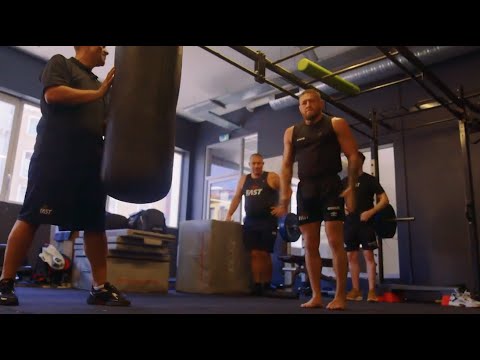
Hello and welcome to Budo and Martial Arts. You are watching Conor McGregor's New Leg Implant Can Sure Kick, published on June 13, 2022, at 07:30 PM. Welcome to the most complete and updated martial arts blog on the internet. Follow us on social networks and do not forget to visit our main page: https://ift.tt/NPEx6Sb The combat sports world often buzzes with the return of its stars, but few returns are as eagerly anticipated – and as laden with technical questions – as that of Conor McGregor. After his devastating leg break against Dustin Poirier, the question on every martial artist's mind isn't just *if* he will return, but *how* his combat effectiveness will be altered, particularly given the titanium rod now reinforcing his tibia. This isn't merely a story of recovery; it's a fascinating case study in biomechanics, martial arts strategy, and the sheer indomitable will of a fighter.
As practitioners, we are inherently drawn to the mechanics of combat. The injury itself was a stark reminder of the brutal reality of high-level striking. Now, with the surgical intervention, we are presented with a unique opportunity to analyze how physical augmentation might intersect with established martial principles. Can McGregor truly be "unbreakable"? While only time and the octagon will tell, the available footage and his known fighting style provide fertile ground for speculation and analysis. Let us delve into the nuances of his technique and what this unprecedented situation might herald.

The Stance: A Foundation of Power

Conor McGregor has long favored a wide, almost traditional Karate-esque stance. This isn't an arbitrary choice; it's a deliberate selection that aligns with his physical attributes and fighting philosophy. A wide stance offers a stable base, distributing weight more evenly. For a fighter with McGregor's proportional build – a broad upper torso relative to his spinal length and a significant wingspan – this posture is foundational. It allows for:
  • Strong, Balanced Snap: The wide base provides a solid platform from which to generate rotational force for punches and kicks, ensuring power is delivered with precision.
  • Efficient Recovery: After delivering a strike, a fighter needs to quickly regain their optimal defensive position. A well-rooted stance facilitates rapid retraction and readjustment.
  • Lunge Capability: This stance inherently allows a fighter to cover distance explosively. The ability to "lunge" into strikes is a key component of McGregor's offensive arsenal, enabling him to close the gap quickly and land damaging blows.
This emphasis on a stable, powerful base is a recurring theme across many striking arts. Whether it's the rootedness of a Kyokushin Karate practitioner or the grounded posture of a Muay Thai fighter, the principle remains: a strong foundation is paramount for effective offense and defense.

Karate Stance vs. Thai Stance: A Strategic Shift

The script mentions a subtle but significant difference when McGregor shifts to a more "Thai style stance," where more weight is placed on the back leg. This strategic alteration is telling:
  • Karate Stance (More Balanced): Emphasizes readiness for forward lunges and quick lateral movements. Power generation is often from the ground up, utilizing hip rotation and a stable base.
  • Thai Stance (Weight Forward): Often characterized by a more forward-leaning posture and weight distribution that allows for powerful roundhouse kicks and, crucially, the ability to "check" incoming leg kicks.
The ability to check kicks is a defensive cornerstone in Muay Thai. It involves lifting the shin and blocking an opponent's leg kick with your own, aiming to absorb the impact and often to damage the opponent's kicking leg. In a typical McGregor fight, we often see him use elusive footwork and cover distance with his strikes. However, shifting weight backward subtly alters his offensive dynamics. It sacrifices some of the immediate lunge capability but grants him the ability to defend against powerful leg attacks, a weapon that has proven devastatingly effective against him in the past. This adaptability highlights a fighter's strategic mind. McGregor is not just a puncher; he's a student of the game, willing to adjust his fundamental posture to incorporate crucial defensive measures. It's the difference between being a "wraith" – elusive, hard to pin down – and a "tank" – solid, formidable, able to absorb and dish out punishment.
"The supreme art of war is to subdue the enemy without fighting." - Sun Tzu, The Art of War
While McGregor's return is about engagement, the underlying principle of strategic adaptation for optimal outcomes resonates deeply with ancient martial wisdom. His willingness to modify his stance demonstrates an evolving understanding of combat effectiveness.

Explosiveness and the Art of Checking Kicks

The footage demonstrating McGregor's kicking ability post-injury is a vital indicator. If he retains his explosiveness, it suggests the titanium rod is not hindering his neuromuscular response or his ability to generate power. This explosiveness, combined with the newly acquired ability to check kicks, creates a potentially more dangerous McGregor.
  • Retained Explosiveness: This is crucial. Without it, his ability to close distance, land stinging shots, and overwhelm opponents is severely diminished. The visual confirmation of powerful kicks suggests this core attribute remains intact.
  • Enhanced Defensive Kicking: The ability to check kicks is not just about defense; it's about control. By effectively checking an opponent's leg attacks, a fighter can disrupt their rhythm, inflict pain, and gain positional advantage.
The implications are significant. An opponent who previously might have focused on debilitating leg kicks now faces a fighter who can absorb them and potentially inflict damage in return. This forces a recalibration of strategy for any potential opponent. The titanium rod, while a result of injury, might paradoxically become a strategic asset, reinforcing his most dangerous weapons and his ability to defend against the opponent's.

Veredict of the Sensei: Will the Titanium Leg Reignite the Fire?

This is where we transition from observation to critical assessment, the heart of any martial artist's evaluation. Conor McGregor's return with a reinforced leg presents a fascinating dichotomy: the potential for enhanced durability versus the inherent risks of physical modification and the psychological battle of overcoming a severe injury. From a technical standpoint, his adherence to a strong Karate-based stance, coupled with the demonstrated ability to incorporate Thai-style defensive checks, shows a fighter who is not just physically healing but strategically evolving. If his explosive power remains undiminished, as the footage suggests, we are looking at a fighter who might be *more* dangerous in certain aspects. The titanium rod could offer a psychological edge – a sense of invincibility – and a tangible advantage in absorbing leg strikes. However, the true test lies not in the metal, but in the mind and spirit. Can McGregor recapture the mental fortitude, the "killer instinct," that propelled him to superstardom? Injuries of this magnitude can have profound psychological impacts, altering a fighter's willingness to engage in high-risk exchanges. The "unbreakable" leg might be physically resilient, but is the fighter's psyche ready to embrace full engagement once more? My assessment: McGregor's physical attributes and technical adaptability are undeniable. If he can overcome the mental hurdles associated with such a severe injury, this reinforced leg, coupled with his existing skill set, could indeed make him a formidable force. Whether he becomes "better" is debatable – martial arts mastery is a journey of refinement, not just augmentation. But he certainly has the *potential* to be a more complete, resilient fighter. He has the tools; the question is whether he has the unshakeable conviction to wield them at their peak.

Essential Training Gear for Strikers

For any aspiring striker looking to develop power, speed, and resilience, the right equipment is crucial. Investing in quality gear not only enhances your training but also minimizes the risk of injury.
  • Quality Boxing Gloves (14-16oz): Essential for bag work, pad work, and sparring. Look for good padding and wrist support.
  • Shin Guards: Non-negotiable for sparring that involves leg kicks. Ensure they offer adequate protection for both your shins and your partner's kicking leg.
  • Mouthguard: Protects your teeth and can help prevent concussions. Always use one during any form of sparring or contact training.
  • Groin Protector: Essential for preventing serious injury during sparring.
  • Training Apparel: Comfortable, breathable clothing that allows for a full range of motion. Many martial artists prefer lightweight, durable kimonos or shorts made for combat sports. For those inspired by McGregor's style, consider exploring Karate-inspired apparel or specialized MMA fight shorts.

Training Guide: Developing Explosive Kicking Power

Developing explosive kicking power requires a multi-faceted approach, focusing on strength, flexibility, technique, and speed. This guide outlines fundamental steps:
  1. Foundation of Flexibility:
    • Begin with dynamic stretching: Leg swings (forward, backward, circular), hip circles, and torso twists.
    • Incorporate static stretching post-workout: Hold stretches for hamstrings, quadriceps, hip flexors, and calves for 30 seconds. Aim for a full range of motion without pain.
  2. Strength Training for Power:
    • Compound Lifts: Squats, deadlifts, and lunges build foundational leg strength essential for kicking.
    • Plyometrics: Box jumps, squat jumps, and jump lunges develop explosive power.
    • Core Strength: Exercises like planks, Russian twists, and leg raises are vital for transferring power from the ground through the body to the kick.
  3. Technique Refinement:
    • Stance and Balance: Practice maintaining a stable base, shifting weight correctly as described in the analysis above.
    • Hip Rotation: Focus on the uncoiling motion of the hips. This is where the majority of rotational power comes from. Visualize snapping your hips through the target.
    • Chambering: Properly bring your knee up and across your body before extending the kick. This "chambering" motion stores potential energy.
    • Extension and Retraction: Ensure a fast, snapping extension followed by a quick retraction of the kicking leg to maintain balance and avoid telegraphing your next move.
  4. Speed and Conditioning:
    • Light Bag Work: Perform high-volume kicking drills on a light bag, focusing on speed rather than power.
    • Shadow Kicking: Practice kicks in the air, visualizing targets and focusing on speed and fluidity.
    • Interval Training: Combine short bursts of intense kicking with brief rest periods to build explosive endurance.
Remember to always prioritize proper form over speed or power to prevent injuries. Consulting with a qualified martial arts instructor is highly recommended.
"The more you sweat in training, the less you bleed in combat." - The Warrior's Creed
This adage underscores the necessity of rigorous, disciplined training to hone the skills required for effective combat.

Frequently Asked Questions

  • Q: Can Conor McGregor truly be unbreakable with a titanium rod?
    A: While the titanium rod enhances structural integrity, "unbreakable" is a metaphor. The human body, even augmented, has limitations. His mental fortitude and strategic application of his skills will be the true determinants of his resilience.
  • Q: How does McGregor's Karate stance differ from traditional Karate stances?
    A: McGregor's stance is often wider and more forward-leaning than some traditional Karate stances, adapted for MMA's dynamic range of motion and striking variety. It borrows from Karate's balanced base but incorporates elements for explosive lunges and strikes characteristic of his style.
  • Q: Will the titanium rod affect his ability to check kicks?
    A: Potentially, it could improve his ability to check kicks by providing greater structural support against impact. However, the effectiveness of checking a kick relies heavily on timing, technique, and the conditioning of the checking leg, not just its inherent strength.
  • Q: Is McGregor's recovery a sign that MMA fighters are becoming more durable?
    A: Modern MMA fighters benefit from advanced sports science, nutrition, and surgical techniques. While recovery has improved, severe injuries remain a significant risk, underscoring the importance of technique, conditioning, and strategic fight management.

Deepen Your Journey

To further enhance your understanding of combat sports and martial philosophy, explore these related topics:

Reflection of the Sensei: Your Next Step

McGregor's journey with his titanium leg is more than a comeback narrative; it is a modern testament to the intersection of human resilience, technological advancement, and the enduring principles of martial arts. We analyze his stance, his power, his potential, yet the most profound transformation is often internal. Now, consider this: If a physical limitation can be overcome with technology and sheer will, what mental or emotional barriers are *you* allowing to dictate the boundaries of your own potential? Where in your training, your life, or your spirit are you accepting a "fracture" as a permanent state, rather than an opportunity for reinvention? **GEMINI_METADESC**: Sensei analysis of Conor McGregor's titanium leg comeback. Deep dive into Karate vs. Thai stances, kicking power, and fight strategy. Learn about training for explosive kicks. **GEMINI_LABELS**: #ConorMcGregor, #MMA, #Karate, #MuayThai, #MartialArtsAnalysis, #FightStrategy, #InjuryRecovery, #BUDO, #CombatSports, #TrainingTips

The Unseen Force: Deconstructing the 9 "Most Powerful" Martial Arts in the World

Introduction: Beyond the Hype

Hello, warriors, and welcome to Budo and Martial Arts. Today, we confront a question that ignites debates in dojos and online forums alike: "What are the most powerful martial arts in the world?" This is a question fraught with subjective interpretation, often fueled by cinematic portrayals and hyperbolic claims. As a Sensei who has dedicated a lifetime to the study and practice of various combat disciplines, I find such lists inherently flawed, yet undeniably intriguing. They force us to examine what "power" truly means in a martial context. Is it brute force? Effectiveness in sport? Lethality in self-defense? Or perhaps the depth of its philosophical underpinnings? We live in an age where information is abundant, yet wisdom can be scarce. The internet is awash with "Top 10" lists, but few delve into the substance behind the spectacle. My mission today is not merely to present another such list, but to dissect the very notion of power within the martial arts, analyzing the systems often cited, and challenging you to think critically. Prepare yourselves; this is not a passive viewing. This is a lesson.
"The supreme art of war is to subdue the enemy without fighting." - Sun Tzu, The Art of War

Deconstructing "Power": A Martial Perspective

The term "powerful" is a nebulous descriptor when applied to martial arts. In the realm of combat, power can manifest in several ways: * **Physical Power**: The ability to generate force through striking, grappling, or throws. This is often what the uninitiated associate with power, envisioning devastating punches or immovable stances. * **Technical Efficacy**: The efficiency and effectiveness of techniques under pressure. A technically sound practitioner can overcome a physically stronger but less skilled opponent. * **Strategic Acumen**: The ability to read an opponent, control distance, timing, and adapt to the flow of combat. This is the realm of the seasoned warrior. * **Mental Fortitude**: The resilience, discipline, and emotional control that allows one to perform under duress. This "inner strength" is often the most potent, yet least visible, form of power. * **Adaptability**: The capacity to apply principles across different scenarios, be it sport, self-defense, or even everyday challenges. A truly powerful martial art cultivates a holistic development of these facets. Focusing solely on one element, such as raw striking power, while neglecting others like mental resilience or technical adaptation, creates an incomplete and potentially vulnerable practitioner. The *true* power lies not in the style itself, but in the practitioner's mastery of its principles and their ability to integrate them.

The Contenders: A Critical Look

When lists of "powerful" martial arts emerge, certain styles consistently appear. Let's examine some common candidates through a critical lens, focusing on their strengths and potential limitations: 1. **Mixed Martial Arts (MMA)**: * **Core Principle**: The ultimate application of a wide range of combat skills. MMA is less a single art and more a sport that demands proficiency in striking (boxing, Muay Thai, Karate), grappling (Brazilian Jiu-Jitsu, Judo, wrestling), and the transitions between them. * **Power Defined**: Its power lies in its *comprehensiveness*. A skilled MMA fighter is a multi-disciplinary threat, capable of winning on the feet or on the ground. * **Critique**: While undeniably effective in its competitive context, MMA is a sport with rules. Its "power" is often defined within those parameters. Traditional martial arts principles like situational awareness outside a ring or the ethical application of force are not its primary focus. * **Keyword Integration**: #MMA, #ArtesMarcialesMixtas, #EntrenamientoDeMMA, #UFC, #CombateCuerpoACuerpo, #Grappling, #Kickboxing 2. **Brazilian Jiu-Jitsu (BJJ)**: * **Core Principle**: Ground fighting, leverage, and submission holds. BJJ emphasizes taking an opponent to the ground and neutralizing their size and strength advantages through joint locks and chokeholds. * **Power Defined**: Superiority in ground control and submission techniques. It can allow a smaller, weaker individual to defeat a larger, stronger one. * **Critique**: Its effectiveness is heavily reliant on the ability to get the fight to the ground. Against multiple opponents, or in situations where standing is critical, its advantage diminishes. The sport aspect also introduces rulesets that might not apply in a real-world confrontation. * **Keyword Integration**: #BJJ, #jiujitsu, #judo, #grappling, #LuchaEnPie (as a counterpoint), #SubmissionHolds, #GroundFighting 3. **Muay Thai (The Art of Eight Limbs)**: * **Core Principle**: Striking art utilizing punches, kicks, elbows, and knee strikes, combined with clinch work. * **Power Defined**: Devastating offensive striking power, conditioning, and clinch control. Its techniques are designed to inflict damage efficiently. * **Critique**: While a formidable striking art, it traditionally lacks ground fighting techniques. Its effectiveness in a purely ground-based scenario or against a skilled grappler without significant adaptation would be tested. * **Keyword Integration**: #MuayThai, #Striking, #ElbowStrikes, #KneeStrikes, #ClinchWork, #Kickboxing 4. **Boxing**: * **Core Principle**: Punching techniques, footwork, head movement, and defensive strategies. * **Power Defined**: Precision, speed, and concussive force in punches. Elite boxers possess exceptional hand-eye coordination and offensive timing. * **Critique**: Like Muay Thai, boxing is primarily a stand-up striking art and offers limited defense against kicks, takedowns, or ground attacks. * **Keyword Integration**: #Boxing, #PunchingTechniques, #Footwork, #HandEyeCoordination, #DefensaPersonal (as a contrast) 5. **Kyokushin Karate**: * **Core Principle**: Full-contact Karate emphasizing conditioning, powerful direct strikes, and a strong mental component. * **Power Defined**: Raw, uncompromising power through full-contact sparring and rigorous physical conditioning. It instills immense resilience and fighting spirit. * **Critique**: Traditional Kyokushin sparring often has rules against punches to the face and certain joint manipulations, which can differ from the dynamic of a street fight or MMA match. * **Keyword Integration**: #Kyokushin, #KarateKyokushin, #KarateSpirit, #FullContactKarate, #Conditioning, #BUDO 6. **Sambo**: * **Core Principle**: A Russian martial art and combat sport combining aspects of Judo, wrestling, and various folk styles. It emphasizes throws, takedowns, joint locks, and submissions. * **Power Defined**: Its strength lies in its blend of striking and grappling, offering a robust system for both standing and ground combat. * **Critique**: While comprehensive, its specific techniques and emphasis can vary between its sport and combat sambo variations. * **Keyword Integration**: #Sambo, #Judo, #Wrestling, #Grappling, #CombatSambo, #RussianMartialArts 7. **Wing Chun**: * **Core Principle**: A concept-based Chinese martial art emphasizing simultaneous blocking and striking, efficient close-range combat, and sensitivity training. * **Power Defined**: Economy of motion, directness, and centerline control. It's designed to overwhelm an opponent with rapid, efficient techniques from a close distance. * **Critique**: Often criticized for its limited effectiveness against longer-range attacks or skilled grapplers if the practitioner cannot close the distance effectively. Its traditional training methods can sometimes lack the dynamic pressure-testing found in modern combat sports. * **Keyword Integration**: #WingChun, #KungFu, #ChineseMartialArts, #CloseRangeCombat, #CenterlineControl, #ConceptBasedMartialArts 8. **Savate (French Boxing)**: * **Core Principle**: A unique striking art combining elegant kicking techniques with boxing punches. * **Power Defined**: Precision, agility, and powerful kicks delivered with athletic grace. It offers a dynamic mix of long and short-range striking. * **Critique**: While a complete striking system, it typically lacks extensive grappling or ground fighting components. * **Keyword Integration**: #Savate, #FrenchBoxing, #KickingTechniques, #Agility, #StrikingArt 9. **Krav Maga**: * **Core Principle**: A military self-defense system developed in Israel, focusing on practical, brutal, and efficient techniques designed for real-world confrontations. * **Power Defined**: Uncompromising effectiveness for survival. It emphasizes aggressive counter-attacks, targeting vulnerable points, and disengaging quickly. * **Critique**: As a self-defense system, it is not typically practiced as a sport and lacks the structured sparring and rule sets that hone technique against resisting opponents over extended periods. Its focus is purely on practical application, not on traditional martial arts philosophies or competitive development. * **Keyword Integration**: #KravMaga, #SelfDefense, #RealWorldCombat, #MilitarySelfDefense, #DefensaPersonal, #SurvivalSkills

Defining Effectiveness: From Dojo to Street

The true measure of a martial art's "power" depends on the context for which it's being evaluated. * **For Sport Competition**: MMA, BJJ, Boxing, Muay Thai, Judo, and Wrestling often rank high due to their established rule sets, competitive environments, and the rigorous testing of techniques against resisting opponents. * **For Self-Defense**: Systems like Krav Maga, or traditional arts with a strong emphasis on practical application (e.g., certain styles of Karate, Wing Chun, Aikido *when trained realistically*), might be considered "powerful." Their focus is on survival and neutralizing threats quickly. * **For Personal Development**: Arts that emphasize discipline, character building, and philosophical depth (e.g., traditional Karate, Taekwondo, Aikido, Judo, Kung Fu, Budo in general) offer profound "power" in shaping the individual. The debate often arises when people conflate these contexts. An art that excels in sport may not be ideal for street survival, and an art focused on philosophical development might not produce the most effective street fighter without adaptation.

The Foundation: Training and Philosophy

No matter the style, the *depth* of training and the *philosophy* behind it are paramount. A disciplined, consistent approach under skilled instruction is what transforms techniques into genuine skill.
"There are no good or bad martial arts. There are only good or bad martial artists." - Anonymous Master
The concept of **Ki** (or Qi), the vital life force, is central to many traditional Asian martial arts. While often misunderstood or sensationalized, it represents an underlying principle of energy, focus, and intention that, when cultivated, can enhance physical technique. Masters of **BUDO** and other traditional paths understand that true power emanates from a wellspring of disciplined practice, mental clarity, and an unwavering spirit. The rigorous **entrenamiento** required builds not just physical prowess, but **Fuerza** and **Resistencia** that transcend the physical.

Real-World Applicability: Fact vs. Fiction

The portrayal of martial arts in films often creates misconceptions. While visually stunning, fight choreography rarely reflects the chaos, brutality, and unpredictability of a real conflict. Arts that emphasize direct, simple, and overwhelming techniques often fare better in scenarios outside the ring. Consider the principle of **economy of motion**. In a life-or-death situation, wasted energy is a fatal flaw. Arts that teach practitioners to achieve maximum effect with minimum effort, like Wing Chun or elements of Judo's leverage, possess a practical power.

Essential Gear for Your Training Journey

Regardless of the martial art you choose, proper equipment is crucial for safe and effective training. Investing in quality gear not only enhances your practice but also demonstrates your commitment to the art.
  • Uniform (Gi/Kimono): For arts like Judo, Karate, or BJJ, a durable, well-fitting uniform is essential. Look for double-weave fabrics for Karate and BJJ if you anticipate intense sparring.
  • Gloves: For striking arts like Boxing, Muay Thai, or MMA training, well-padded gloves (e.g., 16oz for sparring) protect your hands and your training partners.
  • Mouthguard: A non-negotiable piece of safety equipment for any sparring situation.
  • Shin Guards: Important for arts involving significant kicking, like Muay Thai or Taekwondo.
  • Training Mats: For arts involving throws or ground work, mats provide necessary cushioning.
For those seeking to deepen their understanding of martial philosophy and history, consider exploring a curated selection of texts.

Recommended Resources for Deeper Study:

  • Books on Bushido: Understanding the warrior's code is fundamental to many East Asian martial traditions.
  • Biographies of Masters: Learning from the lives and experiences of legendary figures offers invaluable insights.
  • Historical Texts: Works like Miyamoto Musashi's "The Book of Five Rings" provide strategic and philosophical depth.

Frequently Asked Questions

  • Q: Is it possible for one martial art to be definitively "more powerful" than another?
    A: Power is context-dependent. An art effective in sport may not be in self-defense, and vice-versa. The practitioner's skill, dedication, and the specific application context are more critical than the art's label.
  • Q: How important is the physical aspect versus the mental aspect in martial arts?
    A: Both are crucial and interconnected. Physical training builds discipline and resilience, while mental fortitude allows you to apply techniques effectively under pressure. True mastery requires the integration of both.
  • Q: Should I choose a traditional martial art or a modern combat sport?
    A: This depends on your goals. If you seek self-defense and character development, traditional arts offer a strong foundation. If competitive prowess is your aim, combat sports provide the most direct path. Many find value in cross-training.
  • Q: What role does Ki (Qi) play in martial arts?
    A: Ki is often seen as the vital energy that, when cultivated through focused practice, enhances a practitioner's physical power, mental clarity, and overall presence. It's about harnessing internal energy for external expression.

The True Measure of Power

The question of the "most powerful" martial arts is a gateway to a deeper understanding, not a definitive answer. The true power resides not in a specific style, but in the diligent, consistent, and intelligent practice of any art that fosters discipline, resilience, adaptability, and a profound understanding of oneself and the dynamics of conflict.

The Sensei's Reflection: Your Next Step

The next time you witness a display of martial prowess, whether in film, competition, or real life, resist the urge to simply label it "powerful." Instead, ask yourself: What specific attributes are being demonstrated? How do these attributes serve the practitioner's goal? And, most importantly, how can these principles of power—physical, technical, strategic, and mental—be cultivated within your own journey? The answer lies not in the style, but in the cultivator.

For Deeper Exploration on Your Path

``` GEMINI_METADESC: Critically analyze the 9 "most powerful" martial arts. Sensei Budo & AM dissects MMA, BJJ, Muay Thai, Karate, Krav Maga & more, defining true power beyond hype for effective training and self-defense.

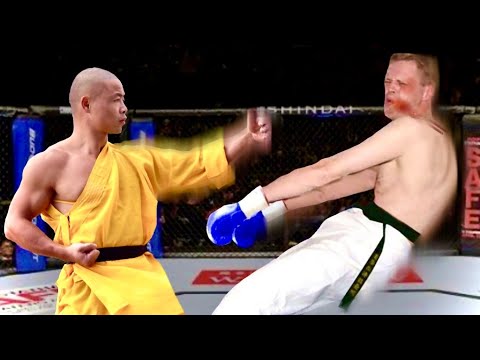
Kyokushin Karate vs. Muay Thai: A Brutal Clash of Styles - Who Prevails?

The air crackles with anticipation. Two titans of striking martial arts stand poised to collide: Kyokushin Karate, a discipline forged in the crucible of Okinawan tradition and relentless conditioning, against Muay Thai, the devastating "Art of Eight Limbs" from the heart of Thailand. This isn't merely a fight; it's a philosophical and physical showdown, a test of contrasting principles and brutal efficacy. But which style, when pitted against the other, truly reigns supreme? And more importantly, what can *we*, as dedicated practitioners, learn from such a clash?
Many might see this as a simple slugfest, a raw display of aggression. However, as a seasoned Sensei, I see it as an opportunity to dissect the very essence of combat effectiveness, to peel back the layers of tradition and explore the practical application of each art. Today, we delve into the core principles of Kyokushin Karate and Muay Thai, analyze their historical development, and critically examine their brutal encounter. Are you ready to move beyond the spectacle and into the realm of true understanding?

Table of Contents

The Unyielding Spirit of Kyokushin Karate

Karate, meaning "empty hand" (空手), is a martial art that blossomed in the Ryukyu Kingdom, now Okinawa. Its roots delve deep, evolving from indigenous fighting systems known as "te" (手), or "hand," profoundly influenced by the martial arts of China, particularly the Fujian White Crane style. It's more than just a combat system; it's a path of self-mastery, a discipline that sculpts both the body and the spirit. At its core, modern Karate, especially the Kyokushin lineage established by Masutatsu Oyama (大山 倍達), is a striking art. It champions punching, kicking, knee strikes, elbow strikes, and the powerful open-hand techniques like knife-hands and palm-heels. However, to dismiss Karate as *merely* striking is to misunderstand its depth. Historically, and in many of its purer forms, Karate also incorporates grappling, throws, joint locks, restraints, and strikes to vital points. A practitioner, the karateka (空手家), embarks on a journey of rigorous physical and mental conditioning, often involving intense kata (型) practice and demanding kumite (組手) – sparring. Kyokushin, in particular, is renowned for its no-holds-barred kumite, emphasizing full contact with minimal protective gear, forging an indomitable will and unparalleled resilience.
"Karate is not a show. It is a path of perseverance. The strength you gain is not just of the body, but of the spirit." - Masutatsu Oyama (paraphrased).

The Art of Eight Limbs: The Devastation of Muay Thai

Muay Thai (มวยไทย), often referred to as Thai boxing, is the national sport of Thailand and a combat art of formidable reputation. Its moniker, "The Art of Eight Limbs," perfectly encapsulates its brutal efficiency, leveraging the combined power of fists, elbows, knees, and shins. This isn't just a sport; it's a deeply ingrained cultural discipline, a synthesis of physical prowess and strategic acumen honed over centuries. Unlike styles that rely heavily on evasion or blocking, Muay Thai embraces direct engagement. It is characterized by powerful strikes, relentless aggression, and masterful clinching techniques. The fighters utilize their entire bodies as weapons, delivering devastating blows that can end a fight in an instant. Its widespread international recognition in the 20th century was no accident; practitioners proved their mettle against proponents of other martial arts, establishing Muay Thai's dominance in the full-contact striking arena. Governed by various bodies such as the Professional Boxing Association of Thailand (P.A.T.) and the World Muaythai Federation (WMF), Muay Thai continues to be a benchmark for effective striking combat.

Battlefield Analysis: Contrasting Techniques and Philosophies

When Kyokushin Karate faces Muay Thai, it's a fascinating study in strategic divergence. Kyokushin, at its heart, is about delivering decisive, powerful strikes with immense force, often focusing on the integrity of a single, well-placed blow. The emphasis is on conditioning the body to withstand punishment and delivering it in kind. The characteristic low stances and powerful, linear movements are designed to generate maximum power and stability. Defensive strategies often involve absorbing strikes or deflecting them with hard blocks, relying on the practitioner's fortitude. Muay Thai, on the other hand, is a more multifaceted striking art. Its practitioners are adept at using all eight limbs offensively and defensively. The use of the shin as a weapon is legendary, capable of shattering bone. The clinch is a crucial element, allowing fighters to control their opponent and deliver devastating knees and elbows at close range. While Kyokushin might favor a single, devastating knockout punch or kick, Muay Thai often employs a barrage of attacks, wearing down the opponent through relentless pressure and a diverse arsenal of strikes.

Kyokushin's Strengths: Power, Conditioning, and Simplicity

The core strength of Kyokushin lies in its uncompromising approach to full-contact sparring. This breeds: * **Unmatched Power and Impact**: Kyokushin training emphasizes generating maximum power from the ground up. Every punch, kick, and block is trained to carry devastating force. * **Superior Physical Conditioning**: The relentless kumite and conditioning drills forge an extraordinary level of stamina, toughness, and pain tolerance. Kyokushin practitioners are known for their ability to endure immense punishment. * **Simplicity and Directness**: The techniques, while deeply complex in their execution, are fundamentally direct and efficient. There's less emphasis on intricate setups and more on delivering powerful, impactful strikes with unwavering commitment. * **Mental Fortitude**: The philosophy of Osu! (押忍!) – a spirit of perseverance, respect, and endurance – is deeply ingrained, building an iron will that refuses to yield.

The Art of Eight Limbs: The Devastation of Muay Thai

Muay Thai's effectiveness stems from its comprehensive approach to striking: * **Versatility of Weapons**: The utilization of fists, elbows, knees, and shins provides an incredibly diverse attacking range. * **Devastating Clinching**: The ability to control an opponent in the clinch and deliver powerful knee and elbow strikes is a fight-ending capability unique to Muay Thai. * **Effective Shin Conditioning**: The renowned conditioning of the shins makes them powerful weapons for both offense (kicks) and defense (checking kicks). * **Adaptability and Flow**: Muay Thai fighters often display remarkable fluidity, transitioning seamlessly between different types of strikes and using the environment (like the ropes of the ring) to their advantage.

Battlefield Analysis: Contrasting Techniques and Philosophies

When Kyokushin Karate faces Muay Thai, it's a fascinating study in strategic divergence. Kyokushin, at its heart, is about delivering decisive, powerful strikes with immense force, often focusing on the integrity of a single, well-placed blow. The emphasis is on conditioning the body to withstand punishment and delivering it in kind. The characteristic low stances and powerful, linear movements are designed to generate maximum power and stability. Defensive strategies often involve absorbing strikes or deflecting them with hard blocks, relying on the practitioner's fortitude. Muay Thai, on the other hand, is a more multifaceted striking art. Its practitioners are adept at using all eight limbs offensively and defensively. The use of the shin as a weapon is legendary, capable of shattering bone. The clinch is a crucial element, allowing fighters to control their opponent and deliver devastating knees and elbows at close range. While Kyokushin might favor a single, devastating knockout punch or kick, Muay Thai often employs a barrage of attacks, wearing down the opponent through relentless pressure and a diverse arsenal of strikes.

Kyokushin's Strengths: Power, Conditioning, and Simplicity

The core strength of Kyokushin lies in its uncompromising approach to full-contact sparring. This breeds: * **Unmatched Power and Impact**: Kyokushin training emphasizes generating maximum power from the ground up. Every punch, kick, and block is trained to carry devastating force. * **Superior Physical Conditioning**: The relentless kumite and conditioning drills forge an extraordinary level of stamina, toughness, and pain tolerance. Kyokushin practitioners are known for their ability to endure immense punishment. * **Simplicity and Directness**: The techniques, while deeply complex in their execution, are fundamentally direct and efficient. There's less emphasis on intricate setups and more on delivering powerful, impactful strikes with unwavering commitment. * **Mental Fortitude**: The philosophy of Osu! (押忍!) – a spirit of perseverance, respect, and endurance – is deeply ingrained, building an iron will that refuses to yield.

Muay Thai's Edge: Versatility, Clinching, and Devastating Strikes

Muay Thai's effectiveness stems from its comprehensive approach to striking: * **Versatility of Weapons**: The utilization of fists, elbows, knees, and shins provides an incredibly diverse attacking range. * **Devastating Clinching**: The ability to control an opponent in the clinch and deliver powerful knee and elbow strikes is a fight-ending capability unique to Muay Thai. * **Effective Shin Conditioning**: The renowned conditioning of the shins makes them powerful weapons for both offense (kicks) and defense (checking kicks). * **Adaptability and Flow**: Muay Thai fighters often display remarkable fluidity, transitioning seamlessly between different types of strikes and using the environment (like the ropes of the ring) to their advantage.

The Brutal Encounter: Beyond the Ring

When these two styles meet, the result is often spectacular and, frankly, brutal. Kyokushin's powerful, straight-line attacks often clash against Muay Thai's sweeping kicks and elbow strikes. The challenge for a Kyokushin practitioner is to close the distance safely, past the Muay Thai fighter's formidable arsenal of kicks and knees, to deliver their own devastating blows. Conversely, a Muay Thai fighter must contend with the sheer resilience and stopping power of a Kyokushin fighter, who is trained to absorb significant damage and still launch counter-offensives.
"In the brutal dance of striking arts, the difference between victory and defeat is often measured in inches, milliseconds, and the strength of one's will."
The effectiveness of each style often depends on the specific ruleset, the individual fighters' skill sets, and their ability to impose their game plan. In a purely striking match with few rules, the versatility and clinch work of Muay Thai can offer a significant advantage. However, the sheer, unadulterated power and unyielding spirit forged in Kyokushin's full-contact tradition are forces to be reckoned with.

Veredicto del Sensei: Which Style Proves Superior?

To declare one style definitively superior is to miss the point of martial arts evolution. Both Kyokushin Karate and Muay Thai are incredibly effective and dangerous fighting systems, each with its own unique strengths and philosophies. In a direct, full-contact confrontation under rules that favor striking (like those often seen in international tournaments or even bare-knuckle fights), Muay Thai's wider array of tools – particularly its devastating clinch techniques, elbows, and knees – often gives it an edge in versatility and immediate finishing potential. The strategic use of the clinch to control and inflict damage is a significant advantage that Kyokushin, with its more direct striking focus, may struggle to counter effectively without grappling skills. However, Kyokushin's immense power, iron conditioning, and mental fortitude cannot be underestimated. A Kyokushin practitioner, if able to close the distance and unleash their full-power strikes, can certainly end a fight. Their resilience in absorbing punishment is legendary. Ultimately, "superiority" is often dictated by the practitioner's dedication, training, and adaptability, rather than the inherent qualities of the art alone. A highly skilled and well-trained fighter from *either* discipline can defeat a less dedicated practitioner of the other. **My Verdict:** While both arts are pinnacle forms of striking, the sheer versatility and strategic complexity of **Muay Thai often give it a slight edge in a chaotic, full-contact encounter against a pure striking art like Kyokushin.** However, the spirit of Kyokushin and its raw power are undeniable, making any such bout a fiercely contested and potentially decisive engagement.

Essential Training Gear for Striking Arts

To truly hone your skills in striking disciplines like Kyokushin or Muay Thai, proper equipment is crucial. Investing in quality gear not only enhances your training but also ensures safety and longevity in your martial arts journey.
  • High-Quality Training Gloves: For sparring and bag work, durable gloves (12-16 oz for sparring, lighter for bag work) are essential to protect your hands and wrists.
  • Shin Guards: Absolutely critical for both Muay Thai and Kyokushin, especially during sparring. Look for thick, well-padded guards that offer maximum protection.
  • Mouthguard: Non-negotiable for any serious sparring. A good boil-and-bite mouthguard can prevent serious dental injuries.
  • Groin Protector: Essential for male practitioners during sparring to protect a vulnerable area.
  • Headgear (for sparring): While Kyokushin often eschews headgear in competition, it's a wise investment for intensive sparring sessions in either art to mitigate the risk of concussions.
  • Training Uniform (Gi/Shorts): A durable Gi for Karate training or comfortable, flexible shorts for Muay Thai are necessary for unrestricted movement.
  • Hand Wraps: Worn underneath gloves, hand wraps provide crucial support and prevent injuries.
For those looking to practice at home, consider investing in a good punching bag or a makiwara to develop striking power.

Frequently Asked Questions

What is the main difference between Kyokushin Karate and Muay Thai?

The primary difference lies in their arsenal and philosophy. Kyokushin focuses on powerful, direct striking with fists and feet, emphasizing resilience and mental fortitude. Muay Thai utilizes eight points of contact (fists, elbows, knees, shins), incorporates a highly effective clinch, and emphasizes adaptability and a wider range of striking techniques.

Is Kyokushin Karate effective in a real fight?

Yes, Kyokushin Karate is highly effective, particularly due to its emphasis on full-contact sparring, rigorous conditioning, and powerful, direct strikes. Its practitioners are known for their toughness and ability to withstand significant punishment. However, like any art, its effectiveness in a street confrontation can be enhanced by cross-training in other areas like grappling.

Can a Muay Thai fighter beat a Kyokushin Karateka?

Absolutely. Given Muay Thai's wider range of weapons, particularly the devastating clinch, elbows, and knees, a skilled Muay Thai fighter often has the tools to overcome a Kyokushin practitioner. The strategic use of the clinch to control and inflict damage is a significant advantage.

What does "Osu!" mean in Kyokushin?

"Osu!" (押忍!) is a multifaceted term in Kyokushin Karate, embodying spirit, perseverance, respect, and endurance. It's used as a greeting, a sign of acknowledgement, and an expression of commitment during training and combat.

Deepen Your Martial Journey

To truly grasp the nuances of combat and martial philosophy, explore these related topics:

Reflexión del Sensei: Tu Próximo Paso

We have dissected the raw power of Kyokushin and the cunning brutality of Muay Thai. We've seen how their strengths clash and where their vulnerabilities might lie. Now, consider this: In the heat of battle, with exhaustion setting in and adrenaline coursing, what truly makes the difference? Is it the sheer force of a technique, the breadth of your arsenal, or the unyielding strength of your spirit? Which of these elements do you cultivate most diligently in your own training? GEMINI_METADESC: Explore the brutal clash between Kyokushin Karate and Muay Thai. Analyze their origins, techniques, strengths, and weaknesses in this in-depth martial arts comparison.

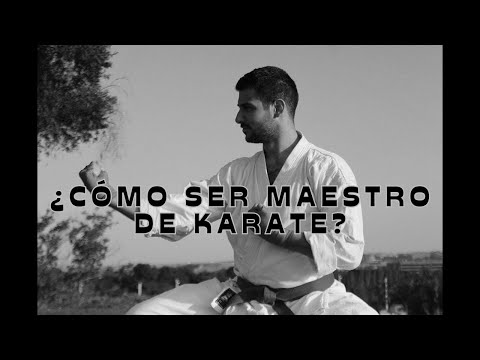
El Camino del Maestro de Karate: Más Allá del Cinturón Negro

¿Te has preguntado alguna vez qué se necesita para trascender la mera práctica del Karate y alcanzar la maestría? No hablo solo de obtener un cinturón negro, sino de encarnar verdaderamente el espíritu del Budo. Muchos aspirantes se centran en la técnica, en la potencia de un golpe, o en la complejidad de un kata. Pero el verdadero maestro es mucho más que eso. Es un faro de sabiduría, un guardián de la tradición y, sobre todo, un ejemplo viviente de los principios marciales. Hoy, desgranaremos no solo las habilidades, sino la filosofía y la dedicación que forjan a un auténtico sensei.

Tabla de Contenidos

El Arte y la Disciplina: Un Vínculo Indisoluble

El Karate, en su esencia, no es solo un conjunto de técnicas de combate; es un camino marcial (Budo). La palabra misma, "Karate", significa "mano vacía", pero su significado profundo va mucho más allá de la ausencia de armas. Implica la disciplina de la mente y el cuerpo, la búsqueda constante de la perfección y el desarrollo del carácter. Un maestro de Karate no es simplemente alguien que domina Kihon (fundamentos), Kata (formas) y Kumite (combate), sino alguien que ha internalizado estos principios hasta que se convierten en una parte intrínseca de su ser.

En el dojo, la jerarquía es clara. El Sensei (maestro) no es solo un instructor, sino un guía que ha recorrido un camino largo y arduo. Su autoridad emana de años de práctica rigurosa, de innumerables kensho (experiencias de iluminación) y de un profundo entendimiento de la filosofía detrás del arte. He visto a muchos aspirantes detenerse en la superficie, obsesionados con la potencia o la velocidad, sin comprender que la verdadera fuerza reside en el control, la precisión y la calma interior. Este enfoque superficial es una trampa común que impide el avance hacia la maestría.

"La victoria no pertenece a quien golpea más fuerte, sino a quien controla su propio ser." - Principio del Budo

Para aquellos que aspiran a ser maestros, la dedicación debe ser absoluta. No se trata de unas pocas horas a la semana, sino de una integración completa del Karate en la vida. Esto implica no solo entrenar en el dojo, sino también practicar la meditación, el estudio de textos clásicos sobre estrategia y filosofía, y la aplicación de los principios del Budo en las interacciones diarias. La autodisciplina es la piedra angular sobre la que se construye toda la estructura de la maestría.

La Trayectoria del Practicante: De Novato a Ícono

El camino para convertirse en maestro de Karate es un viaje largo y arduo, a menudo comparado con escalar una montaña escarpada. Comienza con la inocencia del principiante, donde cada movimiento es un descubrimiento y cada corrección del instructor es vital. Esta etapa requiere una humildad radical, una disposición para aprender sin cuestionar la autoridad del maestro. Aquí es donde se sientan las bases técnicas y se inculcan los primeros rudimentos de la disciplina.

A medida que el practicante avanza, gana experiencia y confianza. Los Katas, inicialmente confusos, comienzan a tener sentido, y el Kumite se vuelve más estratégico. Es fácil caer en la complacencia en esta etapa intermedia, creyendo que se ha alcanzado un nivel de competencia. Sin embargo, la verdadera prueba reside en cómo se maneja el fracaso y la adversidad. Un futuro maestro aprende tanto de sus derrotas como de sus victorias, analizando cada error para refinar su técnica y fortalecer su espíritu. La #Resistencia y la #Perseverancia son claves en esta fase.

La transición hacia niveles superiores implica una profunda introspección. El practicante comienza a cuestionar no solo su técnica, sino también su propia motivación y su propósito dentro del arte marcial. Aquí es donde la influencia de un buen Sensei es crucial. Un maestro experimentado puede guiar al aspirante a través de las complejidades del combate, la filosofía y el desarrollo personal. El estudio de figuras históricas como Miyamoto Musashi, autor de "El Libro de los Cinco Anillos", ofrece lecciones invaluables sobre estrategia, enfoque y la mentalidad del guerrero.

Pasos en la Ascensión a la Maestría:

  1. Fundamentos Sólidos (Kihon): Dominio absoluto de las posturas, golpes, bloqueos y desplazamientos básicos.
  2. Comprensión del Kata: No solo memorización, sino entendimiento de las aplicaciones (Bunkai) y la fluidez de cada movimiento.
  3. Aplicación en Kumite: Habilidad para utilizar las técnicas de manera efectiva en combate, adaptándose al oponente.
  4. Desarrollo Mental: Cultivo de la calma, la concentración, la determinación y la humildad.
  5. Estudio Filosófico: Profundización en los principios del Budo y su aplicación en la vida.
  6. Transmisión del Conocimiento: Capacidad para enseñar y guiar a otros, inspirando y formando a la próxima generación.

La maestría no es un destino final, sino un estado de aprendizaje continuo. Incluso los maestros más consumados siguen buscando la mejora, reconociendo que siempre hay algo nuevo que aprender.

Principios Fundamentales del Budo: La Brújula del Maestro

El Karate, como muchas artes marciales tradicionales, está intrínsecamente ligado a los principios del Budo. Estos principios actúan como una brújula moral y ética, guiando al practicante no solo en el dojo, sino en todos los aspectos de su vida. Para un maestro, estos no son meros conceptos abstractos, sino directrices vivas.

Uno de los pilares fundamentales es la disciplina. No se trata de una obediencia ciega, sino de un autocontrol férreo que permite mantener el enfoque, la perseverancia y el respeto. El maestro que ha cultivado la disciplina puede mantener la calma bajo presión, tomar decisiones racionales en momentos críticos y servir como un modelo a seguir inquebrantable para sus alumnos. La #Disciplina y la #Autodisciplina son, por tanto, inherentes a la figura del Sensei.

Otro principio vital es la cortesía (Rei). El saludo al inicio y al final de cada sesión de entrenamiento, el respeto mutuo entre estudiantes y maestro, y la consideración hacia los demás son esenciales. Esta cortesía se extiende más allá del dojo, promoviendo relaciones armoniosas y un comportamiento respetuoso en la sociedad. Un maestro que exhibe cortesía demuestra que comprende que el poder conlleva una gran responsabilidad.

"El respeto es la base de toda relación humana. En el Budo, es el cimiento del dojo." - Sensei Anónimo

La humildad es igualmente crucial. El maestro verdadero reconoce que no lo sabe todo y que siempre hay espacio para el crecimiento. Evita la arrogancia y la vanidad, y valora la experiencia y el conocimiento de los demás. La humildad permite aceptar la crítica constructiva y seguir aprendiendo, incluso de aquellos que son menos experimentados. Es un antídoto contra la complacencia.

Finalmente, el principio de la sinceridad (Makoto) implica actuar con honestidad y autenticidad en todo momento. Un maestro debe ser genuino en su enseñanza, en su práctica y en su carácter. La falta de sinceridad erosiona la confianza y debilita el propósito del arte marcial.

La Importancia de la Autenticidad: Más Allá de la Forma

En la era moderna, donde la información fluye libremente y las artes marciales se presentan a menudo de manera superficial en películas y redes sociales, la autenticidad se ha convertido en un bien escaso y, a la vez, invaluable. Un maestro de Karate auténtico no se limita a ejecutar movimientos; encarna los principios detrás de ellos.

La autenticidad se manifiesta en la coherencia entre lo que se enseña y lo que se practica. Un maestro que predica la calma pero se exalta fácilmente en situaciones cotidianas, o que habla de humildad pero exhibe arrogancia, pierde su credibilidad. La #Autenticidad es el puente entre la teoría y la práctica, el hilo conductor que une el conocimiento intelectual con la sabiduría experiencial. Un maestro auténtico vive el Budo.

El dominio técnico, por sí solo, no garantiza la autenticidad. Un luchador de #ArtesMarcialesMixtas (#MMA) puede ser increíblemente hábil y ganar peleas, pero ¿encarna realmente los principios del Karate si su enfoque es puramente competitivo y carece de la profundidad filosófica? Esta es una pregunta que a menudo genera debate, especialmente cuando se compara con estilos como el #Kyokushin, que enfatizan el combate a pleno contacto y la fortaleza mental. Ambas disciplinas tienen su lugar y su valor, pero la autenticidad en el Karate tradicional se centra en un desarrollo holístico del individuo.

La autenticidad también implica el respeto por la historia y la tradición. Si bien es importante adaptar las técnicas a los tiempos modernos, un maestro auténtico comprende la raíz de su arte. No desecha el conocimiento ancestral en favor de las tendencias pasajeras. Busca la innovación desde una base sólida, en lugar de la mera imitación.

"El Karate es como agua hirviendo; si no la calientas constantemente, se enfría." - Anónimo

Para alcanzar esta autenticidad, el aspirante a maestro debe someterse a un riguroso proceso de autoevaluación. Debe ser honesto acerca de sus fortalezas y debilidades, y estar dispuesto a confrontar sus propias limitaciones. La #SuperaciónPersonal es un componente intrínseco de la autenticidad.

El Karate en el Siglo XXI: ¿Tradición o Adaptación?

El mundo evoluciona, y con él, las artes marciales. El Karate de hoy no es idéntico al Karate de hace un siglo. La inclusión del Karate en los Juegos Olímpicos, la popularidad creciente de las #ArtesMarcialesMixtas (#MMA) y la accesibilidad de la información han planteado preguntas importantes sobre la dirección del Karate. ¿Debe permanecer fiel a sus raíces tradicionales o adaptarse a las demandas del mundo moderno?

Desde mi perspectiva como Sensei, la respuesta no es binaria. La clave reside en el equilibrio. La tradición proporciona el alma y el propósito del Karate. Los Katas, la filosofía del Budo, la cortesía del dojo; todo esto confiere una profundidad que el puro enfoque en el combate deportivo a menudo pasa por alto. Sin embargo, ignorar las realidades del combate moderno, como las técnicas de #Grappling que son fundamentales en el #BJJ o las estrategias de golpeo del #Kickboxing, sería un error.

Un maestro moderno de Karate debe ser capaz de integrar lo mejor de ambos mundos. Esto no significa mezclar estilos de forma indiscriminada, sino comprender los principios subyacentes de cada arte y cómo pueden complementar y enriquecer la práctica del Karate. Por ejemplo, entender la biomecánica de un derribo de Judo o la importancia de la distancia y el timing en el #MuayThai puede mejorar significativamente la eficacia de un practicante de Karate en situaciones de combate real.

La controversia surge cuando se sacrifica la esencia del Karate en aras de la eficacia deportiva o la comercialización. Debemos preguntarnos: ¿El Karate sigue siendo un camino para el desarrollo del carácter, o se ha convertido puramente en un deporte de competición? La respuesta varía enormemente entre diferentes dojos y federaciones.

La enseñanza de la #DefensaPersonal, por ejemplo, requiere un enfoque pragmático que pueda diferir de la enseñanza de katas competitivos. Un maestro debe ser lo suficientemente versátil como para abordar estas diferentes necesidades, siempre manteniendo la integridad del arte. La verdadera maestría implica navegar esta dicotomía con sabiduría.

Comparativa: Karate Tradicional vs. Karate Deportivo/Moderno
Aspecto Karate Tradicional Karate Deportivo/Moderno
Énfasis Principal Desarrollo del carácter, autodisciplina, aplicación práctica (Bunkai). Competición, puntos, eficacia en el combate deportivo.
Rol del Kata Base de la técnica, estudio de aplicaciones (Bunkai), desarrollo mental. Demostración de técnica y forma, a veces adaptado para competición.
Kumite Combate simulado con énfasis en el control, la estrategia y el impacto. Combate con reglas, puntuación, enfocado en la velocidad y la agilidad.
Filosofía Budo: Camino marcial, desarrollo integral del individuo. Deporte: Rendimiento, victoria, reglas específicas.
Aplicación en la Calle Considerada alta, con énfasis en la simplicidad y eficacia. Variable, a menudo requiere adaptación fuera de las reglas.

Equipo Esencial para tu Entrenamiento

Si bien el Karate es, en su origen, el arte de la "mano vacía", el equipo adecuado puede mejorar significativamente tu entrenamiento, protegerte y facilitar tu progreso hacia la maestría. Un buen Sensei siempre enfatiza que el equipo es una herramienta, no un sustituto de la habilidad y la dedicación.

  • Kimono (Gi): La vestimenta tradicional del Karate. Busca un gi de buena calidad, preferiblemente de algodón grueso para entrenamiento de alto impacto o combate simulado. Un gi de doble tejido es ideal para una mayor durabilidad y presencia. Las marcas como Shureido o Mizuno son reconocidas por su calidad.
  • Protectores Corporales: Para el Kumite (combate) y especialmente en el #Kyokushin o estilos similares de contacto, son esenciales protectores para el torso (body protector), espinillas y empeines, y guantes de protección. Estos ayudan a prevenir lesiones durante el entrenamiento intenso.
  • Protectores Bucales: Imprescindibles para cualquier tipo de combate o sparring. Protegen los dientes, la mandíbula y pueden prevenir conmociones cerebrales.
  • Vendajes para Manos: Incluso con guantes de protección, usar vendajes debajo puede ofrecer soporte adicional a las muñecas y nudillos, previniendo lesiones.
  • Calzado Deportivo (Opcional): Para entrenamientos en superficies duras o si se practican aspectos del Karate que se benefician de un mayor agarre, un calzado deportivo ligero puede ser útil. Sin embargo, muchos estilos prefieren entrenar descalzos para desarrollar un mejor sentido del equilibrio y conexión con el suelo.
  • Mochila de Entrenamiento: Para transportar tu equipo de forma organizada.

Invertir en equipo de calidad es una inversión en tu propio desarrollo marcial. No escatimes en tu seguridad y comodidad. Para quienes buscan lo mejor en #KarateMerchandise, existen tiendas especializadas que ofrecen una amplia gama de productos. Visita nuestro artículo sobre las mejores marcas de equipamiento de Karate para más detalles.

Guía de Entrenamiento: La Perseverancia en el Kata

Los Katas son la columna vertebral del Karate tradicional. Son secuencias de movimientos preestablecidos que simulan un combate contra múltiples oponentes. Dominar un Kata no es solo memorizar una secuencia; es comprender su propósito, su fluidez, su potencia y su aplicación (Bunkai). La maestría de un Kata requiere una dedicación que va más allá de la simple repetición.

Ejemplo: Entrenamiento de un Kata Básico (Ej. Taikyoku Sono Ichi)

  1. Estudio Inicial: Observa y aprende la secuencia completa del Kata bajo la guía de tu Sensei. Presta atención a cada postura, cada golpe, cada bloqueo y cada transición.
  2. Práctica Lenta y Controlada: Ejecuta el Kata a una velocidad muy reducida. Enfócate en la precisión de cada movimiento, la forma correcta de las posturas, la tensión y relajación muscular en el momento adecuado. Siente la conexión entre los movimientos.
  3. Visualización de la Aplicación (Bunkai): Imagina los oponentes contra los que estás luchando. ¿Dónde están? ¿Qué ataques están lanzando? ¿Cómo responden tus movimientos a esos ataques? Esta es la clave para dar vida al Kata.
  4. Desarrollo de la Potencia y la Velocidad: Una vez que la forma y la aplicación son correctas, comienza a aumentar gradualmente la velocidad y la potencia. Siente la explosividad en los golpes y la firmeza en los bloqueos. Utiliza la respiración para potenciar tus movimientos.
  5. Resistencia y Flujo: Repite el Kata varias veces seguidas, buscando mantener la intensidad y la concentración hasta el final. El objetivo es que el Kata fluya de forma natural, sin pausas innecesarias, como un solo movimiento continuo.
  6. Revisión y Corrección: Grábate practicando o pide a tu Sensei o a un compañero más experimentado que revise tu ejecución. Identifica áreas de mejora y vuelve a empezar el ciclo de práctica.
  7. Incorporar Principios del Budo: Mientras practicas, sé consciente de tu postura, tu equilibrio, tu centro de gravedad y tu estado mental. ¿Estás tranquilo? ¿Estás enfocado? ¿Estás proyectando confianza?

La repetición incansable (#RepetirHastaElAgotamiento) de un Kata, combinada con la comprensión profunda de su significado, es lo que transforma una secuencia de movimientos en una poderosa herramienta de desarrollo personal y marcial. Este es un ejemplo de la #MartialArtsJourney que busca la #MartialArtsMastery.

Veredicto del Sensei: ¿Es Posible la Verdadera Maestría?

Si la pregunta es si se puede alcanzar la "maestría" en el sentido de un conocimiento y habilidad absolutos, mi respuesta es un rotundo **sí, pero con matices cruciales**. La verdadera maestría en el Karate, o en cualquier arte marcial, no es un punto de llegada, sino un camino continuo de aprendizaje y autoperfección. Es un estado de ser, no un título.

Muchos obtienen el cinturón negro y creen haber llegado a la cima. Otros, incluso con grados superiores, pueden carecer de la comprensión profunda y la aplicación práctica de los principios del Budo. La maestría real se manifiesta en:

  • La capacidad de transmitir conocimiento de forma clara y efectiva.
  • La sabiduría para adaptar la enseñanza a las necesidades individuales.
  • Un carácter forjado en la disciplina, la humildad y el respeto.
  • La habilidad de aplicar los principios marciales en situaciones de la vida real, no solo en el dojo.
  • Un compromiso inquebrantable con el aprendizaje continuo.

En mi experiencia, he visto a practicantes alcanzar niveles de maestría que van más allá de la destreza física. Han desarrollado una presencia, una calma y una sabiduría que influyen positivamente en quienes los rodean. Sin embargo, también he visto a muchos estancarse, ciegos a sus propias limitaciones o seducidos por el ego. La "maestría" se desmorona si no se nutre constantemente.

Cinturón Negro Honorífico en Sabiduría Marcial. Porque la verdadera maestría no se mide solo por los años de práctica o el color del cinturón, sino por la profundidad del entendimiento y la integridad del carácter.

Preguntas Frecuentes

  • ¿Cuánto tiempo se tarda en ser maestro de Karate? El tiempo varía enormemente según el individuo, la dedicación, la calidad de la instrucción y el estilo de Karate. Sin embargo, la maestría verdadera es un camino que dura toda la vida, no algo que se logra en un número fijo de años.
  • ¿Es el Karate efectivo en la defensa personal? Sí, si se entrena de manera adecuada, con énfasis en la aplicación práctica y escenarios realistas. Estilos como el #Kyokushin o el #KarateKyokushin, que practican combate a pleno contacto, suelen ser muy efectivos.
  • ¿Puedo ser maestro de Karate sin enseñar? Técnicamente puedes alcanzar grados altos, pero la figura del maestro (#Sensei) implica intrínsecamente la transmisión del conocimiento y la guía de otros. La maestría se completa al compartirla.
  • ¿Es necesario competir para ser un buen Karateka? No es obligatorio. La competición puede ser una herramienta valiosa para el desarrollo, pero muchos Karatekas logran una gran profundidad y habilidad sin competir, centrándose en el estudio del Kata y su aplicación.
  • ¿Qué diferencia hay entre un instructor y un maestro de Karate? Un instructor enseña las técnicas; un maestro guía el camino marcial completo, impartiendo no solo habilidades sino también filosofía, disciplina y desarrollo del carácter.

Para Profundizar en tu Camino

Reflexión del Sensei: Tu Próximo Paso

Hemos recorrido el sendero que lleva hacia la maestría en el Karate. Hemos hablado de técnica, de filosofía, de disciplina y de la importancia innegable de la autenticidad. Pero el conocimiento, sin acción, es solo información. El verdadero aprendizaje comienza cuando te levantas del suelo, te pones el gi y vuelves a la práctica.

Ahora, te planteo una pregunta para meditar:

Reflexión del Sensei: Tu Próximo Paso

Considera las lecciones de este día. ¿En qué área de tu práctica sientes que te detienes por miedo al fracaso? ¿Qué técnica o principio evitas porque te resulta incómodo? ¿Es tu ego el que te frena, o es tu dedicación al camino marcial? Identifica ese punto de resistencia y comprométete, no a superarlo de la noche a la mañana, sino a enfrentarlo con intención en tu próximo entrenamiento. La verdadera maestría no se gana en la victoria fácil, sino en la confrontación honesta con uno mismo.

Ahora te toca a ti. ¿Has sentido alguna vez la tentación de abandonar este camino marcial? ¿Qué te hizo seguir adelante? Comparte tus experiencias y reflexiones en los comentarios. Demuéstrame que tienes el coraje de un guerrero y la humildad de un estudiante.

``` GEMINI_METADESC: Descubre el verdadero camino para ser maestro de Karate. Más allá del cinturón negro: filosofía, disciplina, autenticidad y la esencia del Budo.