Showing posts sorted by date for query fightanalysis. Sort by relevance Show all posts

¿Cuál es el Arte Marcial Definitivo para la Jaula? Un Análisis Marcial de las MMA

Como Sensei, mi propósito es guiaros a través del laberinto del Budo y el combate deportivo, desentrañando verdades que a menudo se ocultan tras la propaganda o la ignorancia. Hoy nos sumergiremos en el crisol de la competición moderna: las Artes Marciales Mixtas (MMA). Muchos se preguntan, con la fervorosa pasión de un novato o la calculada curiosidad de un veterano, ¿cuál es el arte marcial **superior** para triunfar en la jaula? Esta pregunta, aunque seductora, es una trampa si se aborda con una mente cerrada. Las MMA, por su propia naturaleza, no son el dominio de un solo estilo, sino la sinergia de múltiples disciplinas. Pero, ¿qué ocurre cuando se enfrentan estas artes? ¿Cuáles demuestran ser las más resilientes, las más aplicables, las que forjan al verdadero campeón? Vamos a desmantelar el mito y a exponer la realidad.

Tabla de Contenidos

La Fusión de Disciplinas: El ADN de las MMA

Las MMA, en su esencia, son una demostración de adaptabilidad y conocimiento marcial aplicado. No se trata de qué arte marcial es *inherentemente* superior, sino de qué artista marcial puede integrar y aplicar de manera más efectiva múltiples facetas del combate. Un peleador que solo domina el striking sin defensas contra derribos es una presa fácil. Un grappler sin habilidad para golpear será neutralizado antes de poder usar su especialidad. La verdadera efectividad en la jaula reside en la capacidad de transicionar entre las diferentes distancias y fases del combate: la lucha de pie (striking), el clinch y la lucha en el suelo (grappling). Un peleador completo es una amalgama de disciplinas. Sin embargo, ciertas artes marciales proporcionan las bases más sólidas para esta fusión.
"En el arte de la guerra, la victoria se logra mediante el conocimiento y la adaptación." - Sun Tzu
Este principio milenario es la piedra angular de las MMA modernas. Los grandes campeones no son meros practicantes de un estilo, sino estrategas que han absorbido lo mejor de varios mundos.

1. Jiu-Jitsu Brasileño: El Maestro del Suelo

El Jiu-Jitsu Brasileño (BJJ) es, sin duda, uno de los pilares fundamentales de las MMA modernas. Su enfoque en la lucha en el suelo, las sumisiones (llaves articulares y estrangulaciones) y el control posicional lo convierten en una herramienta devastadora. La premisa del BJJ es que un oponente más pequeño y débil puede vencer a uno más grande y fuerte mediante la técnica y el apalancamiento, llevándolo al suelo donde la ventaja física a menudo se neutraliza. La efectividad del BJJ en la jaula es innegable. Hemos visto innumerables combates decididos por una sumisión o un control de suelo que deja al oponente indefenso. El BJJ enseña a los peleadores no solo a someter, sino también a defenderse contra sumisiones, a salir de posiciones desfavorables y a mantener el control mientras se busca una oportunidad. Un luchador con una base sólida de BJJ puede dictar el ritmo del combate si la pelea llega al suelo. #bjj, #jiujitsu, #grappling, #artesmarciales

2. Boxeo: La Maestría del Puño

El boxeo es considerado el "arte noble" por una razón. Su enfoque exclusivo en el uso de los puños para el ataque y la defensa ha perfeccionado la técnica de golpeo hasta niveles asombrosos. En las MMA, donde el combate a menudo se inicia de pie, una base de boxeo sólida es crucial. Un boxeador de élite en MMA puede controlar la distancia, golpear con potencia y precisión, y defenderse eficazmente de los ataques con las manos. La agilidad, la potencia de pegada, el juego de pies y la capacidad de absorber golpes son habilidades que provienen directamente del boxeo y que son transferibles a la jaula. Muchos combates se ganan o se pierden en la fase de striking, y el boxeo proporciona las herramientas más directas para dominarla. #boxeo, #combatsports, #artesmarciales

3. Muay Thai: La Ciencia de las Ocho Extremidades

Originario de Tailandia, el Muay Thai es conocido como "el arte de las ocho extremidades" debido a su uso integrado de puños, codos, rodillas y espinillas. Esta versatilidad lo hace excepcionalmente peligroso y efectivo en las MMA. Los practicantes de Muay Thai son maestros del clinch, donde pueden controlar la cabeza del oponente y lanzar rodillazos devastadores, o usar sus piernas para controlar la distancia y lanzar patadas poderosas. La combinación de golpes contundentes, la resistencia al dolor y la capacidad de infligir daño con múltiples armas hacen del Muay Thai una disciplina primordial para el striking en las MMA. #muaythai, #kickboxing, #combatsports, #artesmarciales

4. Lucha Olímpica (Wrestling): El Arte del Control y el Derribo

La lucha olímpica, tanto libre como grecorromana, es la base de muchas carreras exitosas en MMA. Su enfoque en los derribos (takedowns), el control posicional y la capacidad de dictar dónde ocurre el combate la hacen invaluable. Un luchador puede anular las habilidades de striking de su oponente llevándolo al suelo, y desde allí, controlar la pelea, buscar puntos o incluso finalizar con golpes (ground and pound). La fuerza física, la resistencia, la técnica de derribo y la capacidad de mantener a un oponente en el suelo son las marcas distintivas de un buen luchador. En MMA, la lucha no solo sirve para llevar la pelea al suelo, sino también para defenderse de los derribos y regresar a la posición de pie, una habilidad vital. #wrestling, #lucha, #grappling, #artesmarciales

5. Karate: El Golpe Fulminante y la Distancia

Aunque a menudo se debate su aplicabilidad directa en MMA debido a su enfoque tradicional en katas y formas, los principios del Karate pueden ser sorprendentemente efectivos. El Karate, en sus formas más dinámicas y orientadas al combate (como el Kyokushin), enseña golpes de mano y pierna con tremenda potencia, precisión y control de la distancia. Un peleador con una base de Karate puede utilizar sus patadas rápidas y potentes para mantener al oponente a raya, o emplear golpes de puño rectos y contundentes que pueden ser decisivos. La disciplina y el control corporal que se desarrollan en el Karate son transferibles. La clave está en adaptar los principios y las técnicas a las realidades del combate de MMA, integrándolos con otras disciplinas. #karate, #Kyokushin, #artesmarciales

Veredicto del Sensei: ¿Hay un Rey?

La respuesta, como suele ocurrir en el camino marcial, es más compleja que un simple "sí" o "no". No existe un único "rey" de las artes marciales para las MMA. La efectividad reside en la **combinación**. Históricamente, el **Jiu-Jitsu Brasileño** y la **Lucha Olímpica** han demostrado ser la base más sólida para el éxito en MMA debido a su dominio de las fases de grappling, que a menudo deciden los combates. Sin embargo, un peleador sin habilidades de striking se queda cojo. Un peleador de MMA verdaderamente completo necesita una combinación de:
  • Striking (Boxeo, Muay Thai)
  • Grappling (BJJ, Lucha)
  • Transición y Defensa contra Derribos
  • Condición Física de Élite
  • Fortaleza Mental
El peleador que triunfa es aquel que ha integrado inteligentemente estas disciplinas, no aquel que se aferra rígidamente a una sola. El arte marcial "definitivo" para las MMA es aquel que puedes **adaptar y fusionar** con otros, creando un estilo híbrido insuperable.

Equipo Esencial para tu Entrenamiento

Para aquellos que buscan construir su arsenal marcial para la jaula, el equipo adecuado es fundamental. No necesitas gastar una fortuna, pero invertir en calidad te servirá mejor.
  • Guantes de MMA: Ligeros, permiten el agarre y protegen tus manos y la de tu oponente durante el sparring. Busca unos de 4 a 6 onzas.
  • Protector Bucal: ¡Indispensable! Protege tus dientes, mandíbula y cerebro de impactos.
  • Espinilleras y Guantes de Boxeo/Muay Thai: Para el entrenamiento de striking, necesitas proteger tus piernas y manos.
  • Kimono de Jiu-Jitsu (Gi) y/o Ropa de Entrenamiento Ligera: Para BJJ, un gi de buena calidad es esencial. Para entrenamientos más generales, ropa cómoda que permita el movimiento.
  • Vendajes para las Manos: Cruciales para dar soporte a las muñecas y nudillos antes de usar guantes de boxeo.
  • Protector Genital: Una inversión sabia para evitar lesiones graves.
Visita tiendas especializadas en #MartialArtsMerchandise o busca online "equipo para MMA" para encontrar opciones. ¡Un buen equipo te permite entrenar con más seguridad y confianza!

Guía de Entrenamiento: La Transición entre Distancias

Uno de los aspectos más difíciles de dominar en MMA es la transición fluida entre la lucha de pie y el suelo, y viceversa. Aquí tienes un ejercicio para empezar a desarrollar esta habilidad:
  1. Fase 1: Striking Sostenido (30 segundos): Comienza en guardia, practicando movimientos de pies y lanzando golpes al aire o a un saco. Enfócate en la fluidez y el control de la distancia.
  2. Fase 2: Simulación de Derribo (10 segundos): Desde el striking, simula un intento de derribo (ej. un "sprawl" si tu compañero intenta derribarte, o un intento de llevarlo al suelo si tú eres el atacante).
  3. Fase 3: Lucha en el Suelo (30 segundos): Una vez en el suelo (simuladamente), practica control posicional básico o defensas de sumisión. Si entrenas con un compañero, trabajen transiciones seguras.
  4. Fase 4: Transición a Pie (10 segundos): Si estás en el suelo, practica cómo levantarte de forma segura manteniendo la guardia o defendiéndote de ataques.
  5. Descanso (30 segundos): Recupera el aliento.
  6. Repetir: Realiza este ciclo durante 5-8 rondas.
Este ejercicio, aunque simple, te obliga a pensar en cómo se conectan las diferentes fases del combate. La clave es la **conciencia situacional** y la **capacidad de reaccionar**.

Preguntas Frecuentes

  • ¿Es posible ser un buen peleador de MMA con solo una arte marcial? Es extremadamente difícil. Las MMA exigen una habilidad en múltiples facetas del combate. Un especialista puro tendrá serias debilidades contra un oponente más completo.
  • ¿Cuál es el arte marcial más efectivo para defensa personal en la calle? Para defensa personal callejera, la efectividad depende de la situación y la preparación. Disciplinas como el Krav Maga, que se centran en escenarios realistas y ataques directos, suelen ser recomendadas. Sin embargo, los principios de control, desarme y manejo de múltiples agresores son universales y se benefician de una base sólida en grappling y striking.
  • ¿Qué arte marcial es mejor para empezar en las MMA? Muchos recomiendan empezar con el #bjj o la Lucha Olímpica debido a la importancia del grappling en MMA. Otros prefieren una base de striking como el Boxeo o el Muay Thai. Lo ideal es buscar un gimnasio de MMA que enseñe una mezcla de disciplinas.
  • ¿Es el Karate obsoleto para las MMA? No necesariamente obsoleto, sino que requiere una adaptación significativa. Los principios de potencia y precisión del Karate son valiosos, pero deben complementarse con grappling y defensa contra derribos.

Para Profundizar en tu Camino

El conocimiento marcial es un río inagotable. Si buscas ampliar tu entendimiento, te recomiendo explorar estos recursos:
  • #FightAnalysis: Desgloses detallados de combates y técnicas de peleadores profesionales.
  • #MartialArtsJourney: Historias inspiradoras de artistas marciales y sus caminos.
  • #BUDO: Exploraciones de la filosofía y los principios detrás de las artes marciales tradicionales.

Reflexión del Sensei: Tu Próximo Paso

Hemos explorado las disciplinas que forman el tapiz de las MMA, desgranando sus fortalezas. Pero el conocimiento sin aplicación es tan vacío como una bolsa de arroz sin arroz. ¿Estás listo para dejar de ser un mero espectador y convertirte en un practicante consciente? ¿O acaso tu estudio se limita a las palabras, sin el sudor y la dedicación del tatami? Mi pregunta para ti es simple, pero profunda: **¿Qué disciplina marcial vas a empezar a integrar en tu entrenamiento esta semana, y por qué te resistes a enfrentar tus debilidades técnicas en la jaula de la vida?** Comparte tu respuesta, tu crítica o tu propia visión en los comentarios de abajo. No temáis expresar vuestras ideas; es en el choque de opiniones donde a menudo se forja la verdad.

Joe Lewis: The Muhammad Ali of Karate - A Martial Arts Legend

Are you truly a student of the martial arts if you don't recognize the titans who forged its modern path? Many speak of Bruce Lee, of Mas Oyama, but how many truly understand the monumental figure of Joe Lewis? If your training feels stagnant, if your understanding of combat limited to fleeting trends, then this lesson is for you. We dissect the life and legacy of the man they called the "Muhammad Ali of Karate," a title that speaks volumes about his impact, his charisma, and his sheer, undeniable dominance.
This isn't just a biography; it's an excavation of the spirit that propelled Joe Lewis to the pinnacle of karate and kickboxing. We'll delve into his early influences, his brutal training regimens, his legendary battles, and his profound connection with other martial arts icons. Prepare to have your perceptions challenged and your respect for this era of martial arts solidified.

Table of Contents

The Ali of Karate: A Fighter for the Ages

Joseph Henry Lewis. The name itself resonates with power. Born in Wilmington, North Carolina, on March 7, 1944, Lewis didn't just participate in martial arts; he redefined them. His nickname, "The Muhammad Ali of Karate," wasn't bestowed lightly. It reflected his electrifying presence, his outspoken confidence, and his ability to dismantle opponents with a blend of raw power, technical mastery, and sheer showmanship. In an era where karate was still largely a traditional art form, Lewis injected it with a ferocity and a competitive spirit that paved the way for modern combat sports. He wasn't just winning tournaments; he was setting the stage for an evolution.

Forging the Warrior: Early Life and Grueling Training

Every great warrior has a crucible. For Joe Lewis, it was the demanding environment of the U.S. Marines. His martial arts journey began in earnest in the early 1960s during his service, which took him to Okinawa, Japan. There, he trained under the tutelage of the esteemed martial artist and instructor Eizo Shimabukuro. This foundational experience provided him with a deep understanding of traditional karate principles. But Lewis was never content with merely mastering one path. His insatiable thirst for knowledge and combat effectiveness led him to train with Mas Oyama, the formidable founder of Kyokushin karate. This was no gentle apprenticeship; Kyokushin is renowned for its rigorous, full-contact approach and demanding physical conditioning. Lewis embraced this intensity, absorbing the philosophy of breaking boundaries and pushing physical limits. Later, his path would cross with other giants like Chuck Norris and Bruce Lee, each interaction further honing his skills and broadening his martial perspective. This eclectic training history is a testament to his commitment to holistic development, a trait often overlooked in today's specialized combat world.
"The man who fears is already defeated. True mastery comes from facing fear head-on." - A principle embodied by Lewis.

The Reign of Lewis: Dominance in the Ring

Joe Lewis made his professional fighting debut in 1965, and the martial arts world was never the same. He swiftly ascended the ranks, becoming a dominant force. His fighting style was a potent cocktail: explosive power that could end a fight in an instant, breathtaking speed that left opponents scrambling, and an athletic prowess that seemed almost superhuman. He was a feared adversary, respected and sometimes reviled for his sheer effectiveness. His trophy cabinet overflowed with accolades. He secured titles such as:
  • "United States Heavyweight Kickboxing Champion"
  • "World Heavyweight Full Contact Karate Champion"
  • "United States National Black Belt Kata Champion"
These weren't mere participation trophies; they were markers of a man at the absolute zenith of his physical and technical capabilities. Winning a kata championship alongside heavyweight fighting titles demonstrates a rare breadth of skill, encompassing both the precise forms of tradition and the brutal reality of combat.

Beyond Karate: Lewis and the Birth of Full-Contact Kickboxing

While Lewis was a karate legend, his true revolutionary impact arguably lies in his role as a pioneer of modern kickboxing. In 1970, he stepped into the ring against Greg Baines in what is widely recognized as the first full-contact kickboxing match held in the United States. This wasn't just another fight; it was a watershed moment. Full-contact karate, allowing kicks and punches with full force, was a departure from the point-fighting systems that dominated many karate tournaments at the time. Lewis’ victory in this seminal bout wasn't just a personal triumph; it was a validation of a new, more aggressive, and realistic form of stand-up combat. He didn't just fight in this new sport; he helped to define it, shaping the rules, the techniques, and the very spirit of kickboxing as we know it today. His willingness to push boundaries and embrace a more direct, impactful style of fighting set a precedent that continues to influence athletes in MMA and kickboxing rings worldwide.

A Bond of Legends: Friendship with Bruce Lee

The martial arts world is often a tapestry woven with the threads of legendary encounters and profound friendships. The bond between Joe Lewis and Bruce Lee is one such luminous example. Lee, already a global icon, referred to Lewis as "The Greatest Karate Fighter of All Time." This wasn't hyperbole; it was a genuine recognition from one master to another. They trained together extensively, pushing each other to new heights. Lewis’ formidable skills and powerful presence even earned him roles in Lee’s iconic films, "The Way of the Dragon" and "Game of Death." Their friendship was a powerful testament to mutual respect. In an arena often marked by ego and rivalry, their connection highlighted a shared dedication to the pursuit of martial perfection, a deep understanding of the warrior's path, and the camaraderie that can form between individuals who dedicate their lives to the art of combat.
"A moment of pain is worth a lifetime of glory." - A sentiment that both Lee and Lewis understood intrinsically.

The Enduring Legacy of Joe Lewis

Joe Lewis' impact transcends mere victories and titles. He is remembered not just as a competitor, but as a transformative figure in martial arts history. His pioneering work in full-contact kickboxing opened doors for countless athletes and fundamentally altered the landscape of combat sports. He was a multiple-time champion who consistently proved his mettle against the best. Beyond his competitive achievements, Lewis was a mentor. He dedicated himself to passing on his knowledge, shaping the careers of numerous young fighters who looked to him for guidance. His dynamic personality and inspirational drive made him a beacon for many, demonstrating that dedication, hard work, and a touch of charisma could lead to extraordinary success. He passed away on August 31, 2012, but his legacy is far from over. It lives on through his students, his devoted fans, and the enduring influence he has had on martial artists across generations.

Sensei's Verdict: Is Joe Lewis a True Martial Arts Icon?

Unquestionably. Joe Lewis is not merely a legend; he is a foundational pillar upon which modern combat sports, particularly kickboxing, are built. His reign in the 60s and 70s was marked by an unparalleled blend of technical skill, raw power, and an intimidating ring presence that earned him the "Muhammad Ali of Karate" moniker. He didn't just compete; he revolutionized. His transition from karate champion to a pioneer of full-contact kickboxing demonstrated an adaptability and foresight rare even among the elite. His close relationship and mutual respect with Bruce Lee further cements his status among the pantheon of martial arts greats. Lewis embodied the martial spirit: relentless pursuit of excellence, willingness to innovate, and the courage to face any challenge head-on. He wasn't just fighting; he was forging the future. Cinturón Negro Honorífico en la Evolución del Combate.

Essential Equipment for Your Training

To emulate the dedication of legends like Joe Lewis, having the right **entrenamiento** gear is crucial. While Lewis himself was an innovator, the fundamentals of effective training remain.
  • Durable Training Uniform (Gi): For karate and similar disciplines, a robust gi that can withstand rigorous movement and grappling is essential. Look for double-weave cotton for longevity.
  • Sparring Gear: When engaging in controlled sparring, safety is paramount. This includes:
    • Headgear: Protect your most valuable asset.
    • Mouthguard: Non-negotiable for any striking art.
    • Groin Protector: Essential for men.
    • Shin Guards and Instep Protectors: Crucial for kickboxing and full-contact training.
    • 16oz Boxing or MMA Gloves: For striking practice and sparring, ensuring adequate hand protection.
  • Training Mats (Tatami or Puzzle Mats): For groundwork, throws, and conditioning exercises.
  • Punching Bag or Heavy Bag: Indispensable for developing power, speed, and endurance in your strikes.
  • Speed Bag: Improves hand-eye coordination and rhythm.
  • Kick Shield or Thai Pad: For partner drills, allowing you to practice power shots safely and effectively.
Investing in quality **entrenamiento** equipment is an investment in your progress and your health. Don't let subpar gear be an excuse for a lagging **entrenamiento**.

Training Guide: Developing Explosive Power

Joe Lewis was known for his explosive power. This isn't just brute strength; it's the ability to generate maximum force in the shortest amount of time. Here’s a foundational approach to developing that kind of power:
  1. Plyometrics:
    • Jump Squats: Squat down, then explode upwards, reaching for the sky. Land softly and repeat.
    • Box Jumps: Jump onto a sturdy box, landing with control. Step down, don't jump down.
    • Medicine Ball Throws: Overhead slams, chest passes, and rotational throws engage the entire kinetic chain.
  2. Explosive Strength Training:
    • Power Cleans: A highly technical lift, but incredibly effective for full-body explosiveness. Seek qualified instruction.
    • Kettlebell Swings: Focus on the hip drive for maximum power generation.
    • Clapping Push-ups: Push up explosively, clap your hands, and land softly.
  3. Speed Drills:
    • Sprinting: Short, maximal effort sprints build explosive leg power.
    • Rapid Punch/Kick Combinations: Focus on moving quickly through the motions, minimizing wasted energy.
  4. Core Strength: A strong, stable core is the transfer point for all power. Incorporate exercises like planks, Russian twists, and hanging leg raises.
  5. Proper Technique: Power is amplified by efficient movement. Ensure your technique is sound to avoid wasted energy and injury.
Remember, consistency and progressive overload are key. Don't just train hard; train smart to build truly explosive **fuerza** like Joe Lewis.

Frequently Asked Questions

  • Who was Joe Lewis?
    Joe Lewis was an American martial artist, actor, karateka, and kickboxer, renowned for his powerful fighting style and considered one of the greatest karate fighters of all time. He was often called the "Muhammad Ali of Karate."
  • What martial arts did Joe Lewis study?
    Lewis trained in various disciplines, including Okinawan Karate under Eizo Shimabukuro, Kyokushin Karate under Mas Oyama, and also trained with figures like Chuck Norris and Bruce Lee.
  • What was Joe Lewis' greatest contribution to martial arts?
    He was a pioneer of modern full-contact kickboxing, fighting in what is considered the first full-contact kickboxing match in the United States in 1970. He also won numerous championships in karate and kickboxing.
  • Was Joe Lewis friends with Bruce Lee?
    Yes, Joe Lewis and Bruce Lee were close friends and training partners. Lee even referred to Lewis as "The Greatest Karate Fighter of All Time" and cast him in his films.
  • When did Joe Lewis pass away?
    Joe Lewis passed away on August 31, 2012.

Deepen Your Journey

To truly grasp the impact of figures like Joe Lewis, understanding the broader context of martial arts history and philosophy is crucial. Explore these related topics:
  • BUDO: Delve into the philosophical and spiritual aspects that underpin martial training.
  • KarateCommunity: Learn about the evolution of Karate and its various styles.
  • FightAnalysis: Understand the tactical and technical elements that make a great fighter.
  • MartialArtsJourney: Find inspiration and guidance for your own path in the martial arts.

Sensei's Reflection: Your Next Step

We have dissected the career of Joe Lewis, a man who embodied the fierce spirit of competition and the relentless pursuit of mastery. He was a bridge between traditional karate and the explosive reality of modern combat sports. His influence is undeniable. But knowledge without application is like a sword left to rust. Lewis didn't become a legend by reading about fighters; he became one by *being* a fighter, by pushing his limits relentlessly. So, I ask you: **When you step onto the mat, or even when you simply face a challenge in your daily life, do you do so with the explosive power and unwavering confidence of Joe Lewis, or do you hesitate, bound by the fear of what might be? What single action can you take *today* to inject a dose of that legendary fighting spirit into your own practice?** The dojo of life awaits your demonstration. ```json { "@context": "https://schema.org", "@type": "FAQPage", "mainEntity": [ { "@type": "Question", "name": "Who was Joe Lewis?", "acceptedAnswer": { "@type": "Answer", "text": "Joe Lewis was an American martial artist, actor, karateka, and kickboxer, renowned for his powerful fighting style and considered one of the greatest karate fighters of all time. He was often called the \"Muhammad Ali of Karate.\"" } }, { "@type": "Question", "name": "What martial arts did Joe Lewis study?", "acceptedAnswer": { "@type": "Answer", "text": "Lewis trained in various disciplines, including Okinawan Karate under Eizo Shimabukuro, Kyokushin Karate under Mas Oyama, and also trained with figures like Chuck Norris and Bruce Lee." } }, { "@type": "Question", "name": "What was Joe Lewis' greatest contribution to martial arts?", "acceptedAnswer": { "@type": "Answer", "text": "He was a pioneer of modern full-contact kickboxing, fighting in what is considered the first full-contact kickboxing match in the United States in 1970. He also won numerous championships in karate and kickboxing." } }, { "@type": "Question", "name": "Was Joe Lewis friends with Bruce Lee?", "acceptedAnswer": { "@type": "Answer", "text": "Yes, Joe Lewis and Bruce Lee were close friends and training partners. Lee even referred to Lewis as \"The Greatest Karate Fighter of All Time\" and cast him in his films." } }, { "@type": "Question", "name": "When did Joe Lewis pass away?", "acceptedAnswer": { "@type": "Answer", "text": "Joe Lewis passed away on August 31, 2012." } } ] }

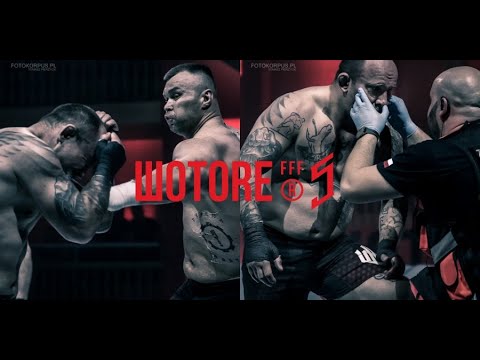
Szymon Szynkiewicz vs. Robert Maruszak: A Martial Artist's Analysis of the WOTORE 5 Encounter

Welcome, fellow practitioners and aficionados of the martial path. Today, we dissect not just a fight, but a moment that underscores the unpredictable nature of combat and the resilience required of a true warrior. We delve into the WOTORE 5 encounter between Szymon Szynkiewicz and Robert Maruszak, an event that, while perhaps not destined for the annals of legendary martial arts cinema, offers potent lessons for anyone dedicated to the pursuit of combative excellence. This bout, published on May 31, 2022, presents a stark reminder that the theoretical mastery of techniques can often collide with the harsh realities of physical exertion and unforeseen circumstances. As your Sensei, I aim to peel back the layers of this confrontation, moving beyond mere win or loss to examine the underlying principles, the tactical decisions, and the sheer grit displayed – or perhaps, the resilience tested to its breaking point. This is Budo and Martial Arts, and we are here to explore the depth of combat, not just its surface. Prepare yourselves for a critical examination, a lesson forged in the crucible of experience.

Table of Contents

The Unfolding Drama: What Happened?

The WOTORE 5 event featured a SuperFight pitting Szymon Szynkiewicz against Robert Maruszak. In a turn of events that often characterizes the raw intensity of combat sports, the fight concluded prematurely. Robert Maruszak was declared the victor after Szymon Szynkiewicz was forced to withdraw due to an injury sustained during the bout. This outcome, while decisive, often leaves more questions than answers about the potential trajectory of the contest had it continued to its natural conclusion.
The immediate aftermath of such an event is a mixture of relief for the victor and commiseration for the vanquished. However, for those who study the martial arts, it is an opportunity to delve deeper. What led to the injury? Was it a result of a specific technique, a moment of imbalance, or simply the cumulative effect of an intense exchange? These are the questions we will explore.

Tactical Breakdown: Maruszak vs. Szynkiewicz

While detailed play-by-play analysis is limited without extensive footage and commentary from the event itself, we can infer certain aspects based on the outcome. A fighter withdrawing due to injury often indicates either a sudden, debilitating blow or a pre-existing condition exacerbated by the rigors of competition. Robert Maruszak, emerging victorious, likely demonstrated effective aggression or sound defensive strategy that put Szynkiewicz in a compromising position. In bare-knuckle or less-padded combat formats like WOTORE, the impact of strikes can be significantly higher, making precision and timing paramount. A well-placed strike can incapacitate an opponent, or as in this case, contribute to an injury that ends the fight. Conversely, Szymon Szynkiewicz's performance, despite the unfortunate end, would have been characterized by his own attempts to impose his will. The nature of his injury is key: was it a twisted ankle from a poorly landed kick, a shoulder injury from a takedown attempt, or a more direct impact from a strike? Understanding this can shed light on the tactical exchange that preceded it. For instance, a fighter attempting to grapple might expose themselves to strikes, while a pure striker might be vulnerable to unexpected takedowns.
"Victory is never final, failure is never fatal. It is the courage to continue that counts." - Winston Churchill
This sentiment rings particularly true in cases of injury. The true test of a martial artist often lies not in their ability to win, but in their spirit when faced with adversity.

The Warrior's Curse: Understanding Injury in Combat

Injury is an ever-present specter in the world of combat sports and martial arts. It is the double-edged sword of intense physical discipline: the pursuit of peak physical conditioning makes the body stronger, but also more susceptible to damage when forces exceed its capacity. From a martial arts perspective, an injury during a fight can be attributed to several factors: * **Technical Flaw:** A poorly executed technique, whether offensive or defensive, can create openings for injury. This might include landing awkwardly after a jump, missing a block and taking a direct hit, or failing to maintain proper posture during a grappling exchange. * **Overexertion/Fatigue:** As fatigue sets in, precision diminishes, and the body's ability to absorb impact or recover from strain is compromised. What might have been a manageable twist or impact when fresh can become a fight-ending injury. * **Unforeseen Circumstances:** Sometimes, an injury occurs due to sheer bad luck – a freak accident, a slippery surface, or an opponent capitalizing on a moment of momentary distraction. * **Cumulative Damage:** In combat sports, fighters endure repeated impacts. An injury might not be the result of a single event but the culmination of previous blows and stresses. For Szymon Szynkiewicz, the injury served as a harsh interruption. The resilience of a martial artist is tested not only in their ability to deliver punishment but also in their capacity to endure and, if necessary, to recover and return stronger. This setback, however unfortunate, becomes a part of his journey, a scar that tells a story of commitment and the inherent risks of the path chosen.

WOTORE 5: A Platform for Raw Combat

WOTORE positions itself as a platform that emphasizes raw, often bare-knuckle, combat. This format strips away much of the padding and protective gear found in more traditional martial arts or boxing, amplifying the impact and the potential for dramatic outcomes. Events like WOTORE 5 serve as a testing ground for fighters who wish to test their mettle in a more primal environment. The appeal of such events lies in their unadulterated display of fighting spirit. While lacking the refined technique of Olympic-level Taekwondo or the intricate grappling of elite BJJ, WOTORE offers a glimpse into the fundamental drive to overcome an opponent through physical confrontation. From a martial arts critical perspective, these events can be viewed through several lenses: * **A Test of Primal Instinct:** How do fighters react when stripped of modern protective gear? Does instinct take over? * **The Efficacy of Striking:** In bare-knuckle fighting, the effectiveness of punches and kicks is magnified. Which styles or techniques prove most devastating? * **The Role of Conditioning:** Without padding, fighters must possess exceptional conditioning to withstand repeated blows and maintain offensive pressure. While the technical purity might be debated, the courage to step into the WOTORE arena and face an opponent head-on is undeniable. It’s a testament to the enduring human desire to test oneself in direct conflict.

Lessons for the Modern Budoka

The encounter between Szynkiewicz and Maruszak, though ending abruptly, offers several invaluable lessons for any dedicated martial artist: * **Respect for the Unpredictability of Combat:** No matter how well-prepared, a fight can take unexpected turns. Injuries, sudden shifts in momentum, and the sheer will of an opponent are factors that cannot be entirely controlled. * **The Importance of Injury Prevention:** While injuries are sometimes unavoidable, proper training methodology, conditioning, and attention to technique can significantly reduce the risk. A strong foundation is the best defense against physical breakdown. * **Resilience in the Face of Setback:** How a fighter responds to adversity, be it a knockdown or an injury, defines their character. The ability to persevere, learn, and return stronger is the hallmark of true mastery. * **The Spirit of the Warrior:** Beyond technique, the martial path is about cultivating an indomitable spirit. This includes mental fortitude, the courage to face challenges, and the discipline to overcome personal limitations.
"The martial way is not only a way of fighting. It is a way of life. It requires continuous training and dedication, not just in the dojo, but in every aspect of your existence." - A principle often echoed by Karate masters.
This fight serves as a microcosm of these broader principles. It reminds us that the journey of a martial artist is rarely a straight line to victory.

Veredicto del Sensei: A Test of Will

Assessing this bout from a purely technical standpoint is challenging without a comprehensive review of the footage. However, the outcome speaks volumes about the inherent risks and the unpredictable nature of combat. Robert Maruszak secured the win, but the circumstances highlight the fragility of the human body under duress. From a martial artist's perspective, while Maruszak is the victor on paper, the true measure of a fighter is often how they handle adversity. Szymon Szynkiewicz's withdrawal due to injury, while ending his participation, does not diminish his courage in stepping into the ring. The WOTORE format itself demands a significant level of bravery. **Cinturón Negro en Resiliencia: La Voluntad de Continuar** This encounter receives a "Cinturón Negro en Resiliencia" not for the technical fireworks, but for the stark reminder it provides about the warrior's spirit. It underscores that victory is not always about dominance, but sometimes about enduring and, crucially, the will to return after defeat or setback. A valuable, albeit harsh, lesson from WOTORE 5.

Training Equipment for Peak Performance

To mitigate risks and maximize performance in any martial art, the right equipment is crucial. While WOTORE emphasizes a raw approach, proper training gear is essential for conditioning and skill development:
  • Training Gloves (14-16oz): Essential for any striking discipline to protect your hands during bag work, pad drills, and sparring.
  • Hand Wraps: Always use hand wraps under gloves for added wrist and knuckle support.
  • Mouthguard: A non-negotiable item for any form of sparring or competition to protect your teeth and jaw.
  • Shin Guards: Crucial for kickboxing and Muay Thai training to protect against painful leg strikes.
  • Groin Protector: A vital piece of safety equipment for any combat sport.
  • Durable Training Apparel: Comfortable and flexible clothing that allows a full range of motion, such as rash guards and fight shorts.
  • Training Mats: For grappling arts or any training involving falls and groundwork, mats are essential for safety.
Investing in quality equipment is an investment in your longevity as a martial artist. It allows you to train harder, smarter, and safer, ultimately enhancing your ability to pursue mastery. For those interested in improving their striking conditioning, consider exploring #Workout and #AtHomeWorkout routines.

Preguntas Frecuentes

  • What is WOTORE?
    WOTORE is a combat sports promotion that often features bare-knuckle fights, emphasizing raw and intense confrontations between fighters.
  • Why did Szymon Szynkiewicz have to withdraw?
    Szymon Szynkiewicz withdrew from the fight due to an injury sustained during his bout against Robert Maruszak.
  • How does injury impact a martial artist's career?
    Injuries can be significant setbacks, requiring physical rehabilitation and mental fortitude to overcome. However, they can also provide valuable lessons in resilience and lead to a stronger return.
  • What can be learned from a fight that ends due to injury?
    Such fights teach us about the unpredictable nature of combat, the importance of injury prevention through proper training, and the critical role of a warrior's spirit in overcoming adversity.

Para Profundizar en tu Camino

To truly grasp the depth and breadth of martial arts, continuous learning is paramount. Explore these related topics within our extensive library:
  • #FightAnalysis: Deconstruct key moments in combat sports history.
  • #BUDO: Understand the philosophical underpinnings of martial ways.
  • #MartialArtsTraining: Discover effective training methodologies for various disciplines.

Reflexión del Sensei: Tu Próximo Paso

The WOTORE 5 bout between Szynkiewicz and Maruszak is a stark tableau, a raw display of combat's unforgiving nature. Maruszak's victory is etched, but Szynkiewicz’s withdrawal due to injury leaves a lingering question: Had the fight continued, would a different narrative have unfolded? Or did the injury itself become the ultimate opponent, a silent force that dictates the outcome? Now, I pose this to you: In your own training, when faced with a moment of pain, fatigue, or unexpected difficulty, what is your immediate response? Do you push through, adapting and overcoming, or do you falter? How do you cultivate the mental resilience to face not just an opponent, but the internal battles that truly define a martial artist? Share your thoughts, your struggles, and your triumphs in the comments below. Let us forge wisdom together. ``` GEMINI_METADESC: Análisis crítico del combate WOTORE 5 entre Szymon Szynkiewicz y Robert Maruszak. Descubre las lecciones de resiliencia, lesiones y el espíritu guerrero desde la perspectiva de un Sensei.

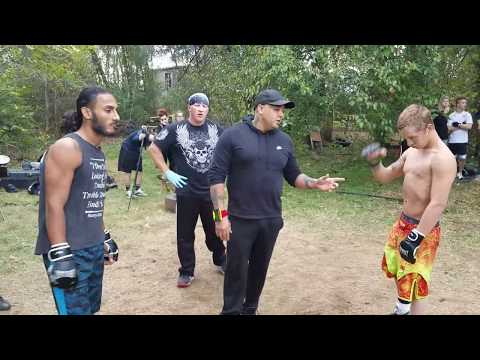
STREETBEEFS YAZZ VS THE REVOLVER: A STREET FIGHT ANALYSIS

The Genesis of the Clash: When Passion Overflows

Hello and welcome, warriors, to Budo and Martial Arts. Today, we descend into the raw, unfiltered world of STREETBEEFS, specifically the encounter between Yazz and The Revolver. Published on October 28, 2017, this bout isn't merely a fight; it's a manifestation of primal combat, a glimpse into the unscripted battles that occur when discipline meets desperation. As the most complete and updated martial arts blog on the internet, our duty is to dissect not just the movements, but the very essence of what drives individuals to engage in such raw displays of aggression. Are we witnessing the chaotic echo of true Budo, or simply a visceral exhibition of human conflict?

This encounter, like many within the STREETBEEFS organization, operates outside the hallowed grounds of sanctioned competition. It’s vital to understand this distinction. While we will analyze the techniques displayed, we must also consider the context: amateur exhibitions born from real-world disputes. This isn't about *how* to fight like this, but *why* people do, and what can be learned from the stark display of human will.

Breaking Down the 'Streetbeefs' Phenomenon

The very name "Streetbeefs" conjures images of alleyways and unadulterated conflict. This isn't the sterile, controlled environment of a dojo or an MMA octagon. It's the unpredictable arena of the street, where rules are often broken before they are even established. The content you see from STREETBEEFS is often characterized by its unfiltered nature. Yazz vs. The Revolver is no exception. These bouts are raw, sometimes ugly, but undeniably potent displays of courage – or perhaps foolhardiness.

The appeal of such content lies in its authenticity, however brutal. Viewers are drawn to the lack of pretense, the visible struggle, and the genuine stakes involved. It's a stark contrast to the highly polished performances seen in professional fighting, and in that rawness, there's a certain allure. We see fighters pushed to their absolute limits, revealing their core character under immense pressure. This is where the true test of spirit, the **#BUDO** aspect, can sometimes – and I stress *sometimes* – be observed, albeit in its most unrefined form.

Technical Assessment: Rawness vs. Refinement

Let's be clear: analyzing STREETBEEFS for refined technique is like searching for a delicate ikebana arrangement in a hurricane. This is combat at its most fundamental. What we witness between Yazz and The Revolver is less about choreographed precision and more about instinct, power, and sheer determination. You will see wild swings, desperate clinches, and moments of sheer grit.

One might observe:

  • Stance: Likely unbalanced, adapted for power rather than footwork.
  • Striking: Emphasis on heavy, often telegraphed, blows. Expect more brawling than precise punching combinations.
  • Grappling: Likely rudimentary, driven by the desire to control or overwhelm rather than technical submission.
  • Defense: Often reactive, relying on blocking with arms or simply absorbing the impact.
"In the heat of battle, technique often becomes secondary to the will to survive and overcome." - A principle I've seen tested countless times.

This isn't to dismiss the courage. To step into any fight, sanctioned or not, requires a certain bravery. However, for the practitioner seeking to hone their skills, the lessons here are more philosophical than technical. It highlights the importance of a solid foundation, the kind built through consistent training in arts like #Karate, #Judo, or #BJJ. These disciplines instill the control, precision, and strategy that are largely absent in a raw street confrontation.

Beyond the Brawl: The Spirit of Combat

The question that lingers after watching Yazz vs. The Revolver is: what does this say about the spirit of combat? In the purest sense, Budo – the Way of the Warrior – is about self-mastery, discipline, and ethical conduct. These street encounters, while undeniably showcasing a form of combat, often fall far short of this ideal. Yet, they do highlight raw courage and the drive to face adversity head-on.

Is there a kernel of **#BUDO** in this raw confrontation? Perhaps, in the willingness to face an opponent directly. But it lacks the ethical framework, the respect for the art, and the discipline that defines true martial discipline. It’s crucial not to confuse a **#fight** with a martial art. One is a chaotic struggle; the other is a structured path to self-improvement.

"The supreme art of war is to subdue the enemy without fighting." - Sun Tzu, The Art of War. These street bouts are the antithesis of this, embracing the fight when avoidance is the higher wisdom.

The uncontrolled aggression seen here can be dangerous, leading to severe injury or worse. While fascinating from a purely observational standpoint, it serves as a potent reminder of why formal training is paramount. It teaches us not just how to fight, but how to control ourselves, our emotions, and our actions – principles fundamental to true martial arts.

Sensei's Verdict: Authenticity in Unsanctioned Combat?

Yazz vs. The Revolver is an exhibition of raw, untamed conflict. It showcases immense bravery and a desperate will to overcome. However, it is **not** a demonstration of refined martial arts technique or Budo principles. It is a **#battle** in its most elemental form, a stark look at what happens when conflict erupts without discipline or control.

Does it have value? As a case study in raw human aggression and the primal instinct to fight, perhaps. But as a guide for martial artists seeking self-improvement? Minimal. It serves as a powerful counter-example, highlighting the immense value of structured training, discipline, and the ethical code that underpins true martial arts.

Cinturón Negro en Exhibición de Brutalidad, Pero un Nulo en Técnica Marcial.

Essential Gear for the Dedicated Practitioner

While street fights like Yazz vs. The Revolver are about raw will, proper training requires specific equipment. Investing in the right gear not only enhances your practice but also ensures safety.
  • High-Quality Kimono/Gi: For Judo and Karate, a durable, well-fitting gi is essential. Look for double-weave fabrics for Judo or reinforced stitching for Karate for longevity. Consider brands known for their quality.
  • Sparring Gloves: Whether you're practicing #Kickboxing, #MMA, or even conditioned Karate sparring, 16oz gloves are standard for safety.
  • Mouthguard: Non-negotiable for any combat sport. Protect your teeth and jaw.
  • Shin Guards and Headgear: Crucial for Muay Thai, Kickboxing, and some Karate sparring drills to minimize impact injuries.
  • Training Mats (Tatami): For styles involving throws and groundwork like #Judo and #BJJ, investing in quality mats is vital for safe practice.

Simulating Street Scenarios: A Cautionary Approach

While direct simulation of 'street beefs' is ill-advised due to legal and ethical reasons, certain drills can build resilience applicable to unexpected confrontations. This is not about learning to fight dirty, but about developing composure under pressure.
  1. Pressure Drills: Have a partner apply light, consistent pressure (e.g., pushing, verbal taunting – within safe, consensual limits) while you maintain a basic stance or attempt simple movements. The goal is to stay calm and centered.
  2. Reactionary Drills: Practice reacting to sudden, unexpected stimuli – a loud noise, a hand gesture. This hones awareness and reduces the 'startle' response.
  3. Controlled Adrenaline Exposure: Incorporate high-intensity interval training (HIIT) into your workouts. These bursts simulate the physical effects of adrenaline, teaching your body to function under duress.
  4. Scenario-Based Sparring (Controlled): In a safe, controlled environment, introduce mild 'chaos' – e.g., multiple people moving around the sparring area, unexpected command changes. This builds adaptability. Always prioritize safety and consent.

Remember, the ultimate goal of martial arts is self-mastery, which includes de-escalation and avoiding conflict whenever possible. These drills are for developing mental fortitude, not for encouraging street fighting.

Frequently Asked Questions

  • What is STREETBEEFS?
    STREETBEEFS is an organization that hosts unsanctioned, often amateur, "street fight" exhibitions. They are known for their raw, unfiltered combat footage.
  • Is Yazz vs. The Revolver a professional fight?
    No, it is explicitly stated as an amateur exhibition. These bouts typically arise from personal disputes and are not part of any professional fighting circuit.
  • Can I learn proper martial arts from watching STREETBEEFS?
    While you can observe raw aggression and determination, it is not recommended for learning proper technique or Budo principles. Structured training in recognized martial arts is essential for skill development and ethical understanding.
  • What are the dangers of street fighting?
    Street fighting carries severe risks, including serious injury, legal consequences, and potential fatalities. It lacks the safety protocols, rules, and referee oversight of sanctioned combat sports.

Deepen Your Understanding

To truly grasp the principles of martial arts and combat, it's vital to explore diverse aspects of the warrior's path.

Sensei's Reflection: Your Next Step

We have dissected Yazz vs. The Revolver, peeling back the layers of raw aggression to examine the underlying currents of conflict. But observing is not the same as understanding, and understanding is a hollow victory without application. The true martial artist seeks not merely to witness combat, but to integrate its lessons into their own path of self-mastery.

So I ask you: In your own training, where do you find the balance between raw intensity and refined technique? When faced with a challenge – be it on the training mat or in life – do you resort to primal reaction, or do you draw upon the discipline and strategy you have cultivated? Reflect on this. The answer will reveal the true nature of your own Way.

``` GEMINI_METADESC: Analyze the raw combat of STREETBEEFS Yazz vs. The Revolver. Explore technical aspects, philosophical implications, and the true spirit of Budo vs. street brawling.

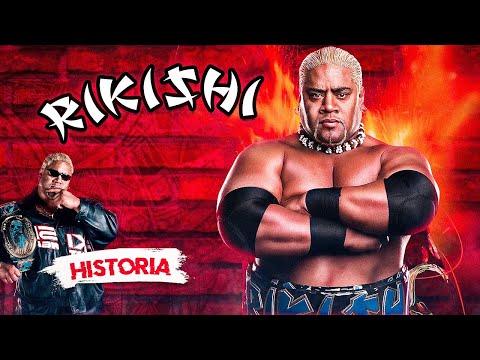
The Warrior's Legacy: A Deep Dive into Rikishi's Impact (1985-2022)

Hello and welcome, warriors, to Budo and Martial Arts. Today, we delve into the squared circle, not just for the spectacle, but for the warrior spirit that resonates within. We're dissecting the career of a man whose presence alone commanded attention: Rikishi. While often associated with the flamboyant world of professional wrestling, the dedication, discipline, and sheer physical prowess required to reach such heights echo principles found in the most profound martial traditions. This isn't just about piledrivers and stink faces; it's about understanding the journey of a Samoan powerhouse from 1985 to his lasting impact in 2022.

Unpacking the Anoa'i Dynasty: Rikishi's Roots

To understand Rikishi, Solofa Fatu Jr., you must first understand the Anoa'i family. This Polynesian lineage is a veritable dynasty within professional wrestling, a testament to generations of dedication to the craft. It’s akin to studying the lineage of a legendary Karate dojo, where techniques and a warrior ethos are passed down through blood and rigorous training. Figures like Peter Maivia, Rocky Johnson, and the Wild Samoans (Afa and Sika) laid the groundwork, fostering a culture of intense physical conditioning and a deep respect for tradition. This familial connection, this shared heritage of combat and performance, is a powerful force. The documentary snippet, "5 things you didn’t know about the Anoa’i family," and "Anoa’i family debuts: WWE Top 10" offer glimpses into this rich tapestry. The weight of this legacy, the expectation to uphold the family name in front of millions, is a burden many could not bear, but one the Anoa'i consistently rise to meet.

"The Anoa’i family's evolution from its earliest members to the present day showcases a remarkable commitment to the art of professional wrestling. Their journey is a living testament to the power of heritage and the relentless pursuit of excellence."

From Wild Samoan to Too Cool: Evolution of a Superstar

Rikishi's journey within WWE (then WWF) wasn't an overnight success. He initially debuted as part of The Headshrinkers, a tag team that leaned heavily into the "wild savage" trope, a common, albeit often criticized, stereotype in wrestling history. This period, while showcasing his raw power, was a far cry from the charismatic persona he would later embody. The transformation into Rikishi, particularly his alignment with the iconic faction "Too Cool" alongside Scotty 2 Hotty and Grandmaster Sexay, marked a pivotal shift. This era, filled with energetic performances and unforgettable dance segments, demonstrated his versatility. He wasn't just a powerhouse; he was an entertainer who could connect with the audience on multiple levels. The Raw match where Too Cool faced Edge & Christian for the World Tag Team Championship on May 29, 2000, exemplifies this vibrant period. It shows a team working in synergy, a crucial element in many martial arts disciplines where coordinated effort is paramount.

His individual success also bloomed during this time. The European Championship match against Eddie Guerrero on WWF SmackDown, April 13, 2000, and the SmackDown bout against Jeff Hardy on February 22, 2001, highlight his capabilities as a singles competitor. These matches, while scripted, required a high degree of athletic skill, timing, and the ability to absorb impact—skills not dissimilar to those honed in rigorous martial arts training.

Iconic Matches and Unforgettable Moments

The "Stink Face" – a move so unique, so utterly bizarre, it became legendary. It perfectly encapsulated Rikishi's blend of power and unapologetic showmanship. But beyond the signature maneuver, his career is punctuated by significant encounters. The Rock vs. Rikishi: SmackDown, January 27, 2000, stands out as a clash between two titans of Samoan descent, showcasing the palpable intensity that can arise from familial and tribal rivalries within the wrestling narrative.

Another critical point was his feud with John Cena. Their match on WWE SmackDown, November 7, 2002, was significant as it pitted a rising star against an established veteran. These contests, while predetermined, demand peak physical condition and a deep understanding of ring psychology—the art of conveying struggle and triumph to an audience. The documentary "YOU LOOK FLY TO ME | The Rikishi Story (Full Career Documentary)" promises an even deeper look into these pivotal moments.

His induction into the WWE Hall of Fame on March 28, 2015, was a moment of profound recognition, where he honored his family. It’s a testament to his dedication and the impact he’s had on the industry. The commentary from Afa, Sika, and Jimmy Uso on Roman Reigns and Jey Uso for SmackDown, September 25, 2020, further underscores the enduring influence of the Anoa'i family, with Rikishi playing a central role as a respected elder.

"The respect Rikishi commands within the Anoa'i family, and indeed the wrestling world, is earned through years of dedication, hard work, and a willingness to evolve. His Hall of Fame induction is a fitting tribute to a career built on grit and charisma."

Beyond the Ring: Rikishi's Martial Spirit and Philosophy

While professional wrestling operates under a different paradigm than traditional martial arts, the underlying principles often overlap. Rikishi, like many great athletes and warriors, embodied a certain philosophy. His ability to absorb punishment, his resilience in the face of adversity, and his unwavering commitment to entertaining the crowd speak volumes. In the intense world of the WWE, where performers are constantly pushing their bodies to the limit, the mental fortitude required is immense. This parallels the mental toughness cultivated through practices like meditation and the rigorous self-discipline inherent in mastering a martial art.

Consider the concept of Mushin (no-mind) in Zen Buddhism and its application in martial arts – an unhindered state of consciousness. While Rikishi’s performance was often highly animated, the ability to react instinctively, to perform complex maneuvers under pressure, suggests a cultivated level of flow state, a shedding of self-consciousness to achieve peak performance. His family's deep-rooted traditions also imbue his career with a sense of purpose, a connection to something larger than himself, much like the spiritual dimension often found in traditional Budo.

The sheer physicality of his style, even within a scripted environment, demanded immense physical conditioning. This relentless training regimen, far from the mat or the dojo, mirrors the dedication required to master techniques in Karate, Judo, or BJJ. The discipline to maintain such a physique and perform night after night is, in its own way, a form of martial dedication.

Training Like a Champion: Essential Gear and Practices

While Rikishi’s primary "arena" was the wrestling ring, aspiring athletes and martial artists can draw inspiration from his physical demands. To emulate even a fraction of the strength and conditioning required for professional wrestling, or to enhance your martial arts training, certain equipment is vital:

  • Wrestling/Grappling Shoes: For superior ankle support and grip during dynamic movements.
  • Knee Pads: Essential for protecting the knees during falls and impacts, common in both wrestling and certain martial arts like Judo or Karate training.
  • Mouthguard: Crucial for protecting teeth and jaw during sparring or intense training sessions.
  • Weight Training Equipment: Barbells, dumbbells, and resistance bands are fundamental for building the explosive strength seen in wrestlers like Rikishi.
  • Cardio Equipment: Treadmills, stationary bikes, or jump ropes to build the cardiovascular endurance needed for prolonged exertion.
  • Durable Kimono: For styles like Judo or Brazilian Jiu-Jitsu, a sturdy, double-weave Gi is essential for training.

For those looking to deepen their understanding of the martial and disciplined aspects of combat sports, resources like "The Book of Five Rings" by Miyamoto Musashi offer timeless strategic wisdom. For pure physical conditioning, exploring programs focused on functional strength and agility can be highly beneficial. Remember, the goal is not just brute force, but intelligent application of power and resilience.

Sensei's Verdict: Rikishi's Place in Martial Lore

While Rikishi is undeniably a product of sports entertainment, his career transcends mere theatrics. He embodies the warrior spirit through his dedication, his resilience, and his connection to a powerful ancestral legacy. The Anoa'i family's impact on combat sports is undeniable, and Rikishi stands as a towering figure within it. He demonstrated that immense physical presence, coupled with charisma and a willingness to embrace one’s roots, can create a lasting impression. He may not have thrown a perfect Ippon Seoi Nage, but the dedication to his craft, the physical discipline, and the connection to a lineage of fighters earn him a significant place in the annals of combat performance. He is a testament to the fact that the heart of a warrior beats in many arenas.

Rikishi's ability to connect with audiences, his unyielding physicality, and his deep respect for family traditions demonstrate a warrior's spirit that resonates far beyond the professional wrestling ring.

Frequently Asked Questions

Q1: Was Rikishi a legitimate martial artist?
A1: Rikishi was a professional wrestler, not trained in traditional martial arts in the same way as an Olympic athlete or a Karateka. However, his career demanded immense physical conditioning, discipline, and a warrior-like mentality, embodying many principles found in martial arts.

Q2: What is the significance of the Anoa'i family in wrestling?
A2: The Anoa'i family is one of the most influential and prolific wrestling dynasties in history. They have produced numerous world champions and Hall of Famers across multiple generations, maintaining a strong presence in the industry for decades.

Q3: What was Rikishi's signature move?
A3: Rikishi's most famous signature move was the "Stink Face," a move where he would forcefully rub his backside against a downed opponent's face.

Q4: How long was Rikishi active in WWE?
A4: Rikishi had multiple stints with WWE, with his most prominent period being from 1992 to 2004, and a brief return in 2012. His career, from his beginnings in 1985 to his lasting influence in 2022, spans nearly four decades.

Deepen Your Journey


Sensei's Reflection: Your Next Step

Rikishi's story is a powerful reminder that the spirit of the warrior manifests in diverse forms. Whether on the mat, in the ring, or in the quiet discipline of a dojo, the commitment to pushing boundaries, honoring lineage, and connecting with an audience is a universal thread. Now, consider this: In your own training, where do you find your "Stink Face" moment—that unique, perhaps unconventional, yet powerful expression of your dedication? How do you honor your own "lineage" of learning, whether it's from a sensei, a book, or even a wrestling legend?

``` GEMINI_METADESC: Explore Rikishi's wrestling career (1985-2022), the Anoa'i family legacy, iconic matches, and the warrior spirit within professional wrestling.

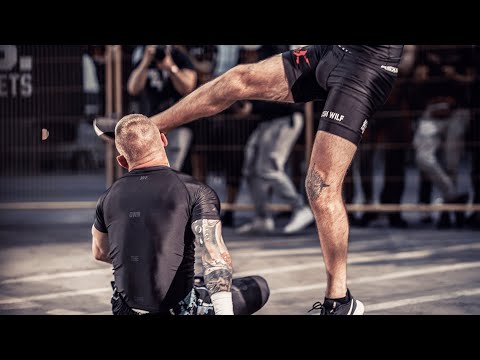
King of the Streets 100: BLOOD MONEY - Where Legends Are Forged in the Crucible of Combat

Introduction: The Raw Heart of Underground Fighting

Welcome, warriors, to a deep dive into the visceral world of "King of the Streets," and specifically, the brutal spectacle of "Blood Money." Forget the sanitised arenas and corporate sponsorships. This is where the primal urge to test oneself, to fight for honour and prize money, burns brightest. You're not just watching a fight; you're witnessing a raw, unfiltered display of human will and combat prowess. Today, we dissect the clash between "English Wilf" and "Tomczak," a bout that embodies the very essence of this underground fight club. But beyond the blood and the KOs, what can we truly learn from these contests? What martial principles, if any, survive in such an environment? Prepare yourselves, for we shall explore the heart of the fight, the philosophy that underpins even the most chaotic brawls, and what it means to truly be a warrior in the modern age.

The martial world often debates the efficacy and spirit of different disciplines. Karateka spar under strict rules, Judo practitioners seek the perfect throw, and MMA fighters blend it all into a global tapestry of combat. But then there are places like King of the Streets – a stark reminder that the fundamental drive to fight, to conquer, and to survive, transcends any codified style. It's a primal theatre where the stakes are high, and the lessons learned are etched not just in memory, but often in scars.

In this analysis, we will go beyond the hype and the raw footage. We will examine the ethos of "King of the Streets," the specific rulesets that govern these encounters, the fighters themselves, and what this raw form of combat tells us about the enduring spirit of the warrior.

The Rules of Engagement: K.O. ONLY & NO RULES

King of the Streets operates on a fundamental principle: the fight must have a definitive, decisive end. This isn't about point-scoring or strategic stalling. It's about finishing the opponent. The two primary formats dictate the intensity and potential danger:
  • K.O. ONLY: This format is unforgiving. All techniques are permissible, but the victory MUST come via a Knockout. Submissions are invalid. This means fighters must actively seek to incapacitate their opponent, leading to explosive exchanges and a constant pressure to deliver concussive blows.
  • NO RULES: The most extreme iteration. Here, literally anything goes. Submissions are valid, strikes are unrestricted, and the fight continues until one combatant either KOs their opponent or forces a submission. There are no rounds, no time limits – only the will of the fighters to see it through.

This deliberate absence of restrictive rules is a critical factor. It strips away the conventional boundaries of sport combat, forcing fighters to rely on their most effective, perhaps most brutal, tools. It harks back to older forms of combat where survival and incapacitation were paramount. While it may seem chaotic, there’s a brutal purity to it. It strips away the extraneous, leaving only the core elements of attack, defence, and resilience.

This approach challenges the notion of "sport" vs. "combat." King of the Streets blurs that line, demanding a level of commitment and a willingness to push physical and mental limits that few sanctioned sporting events can replicate. It’s a testament to the human drive to compete at its most fundamental level.

The Combatants: "English Wilf" vs. "Tomczak"

Let's turn our attention to the warriors who stepped into the crucible for this particular encounter:

"English Wilf" (HC83)

  • Affiliation: HYPE CREW ENGLAND
  • Weight: 78 KG
  • Height: 181 CM
  • Age: 30 Years
  • Discipline: Lethwei / MMA

Representing the Hype Crew, "English Wilf" brings a background steeped in Lethwei, the "Art of Nine Limbs," known for its ferocious use of elbows, knees, headbutts, and even bare-knuckle striking. Coupled with MMA training, he's a versatile and dangerous opponent, accustomed to a high level of aggression and direct confrontation. His previous appearances in King of the Streets suggest he thrives in this environment, having faced tough opposition before.

"Tomczak" (Streetfighter)

  • Affiliation: STREETFIGHTER POLAND
  • Weight: 78 KG
  • Height: 175 CM
  • Age: 32 Years
  • Discipline: MMA

"Tomczak," a self-proclaimed Streetfighter from Poland, also comes with a solid MMA foundation. While his listed discipline is MMA, the moniker "Streetfighter" hints at a raw, perhaps less refined but no less effective, approach to combat. His similar weight class to Wilf promises a closely contested battle where technique, heart, and adaptability will be key.

The contrast in their backgrounds – Lethwei's ancient brutality versus MMA's modern synthesis – makes this a fascinating stylistic clash. Who will impose their will? Who will adapt faster to the unique pressures of the King of the Streets environment? These are the questions that fuel the anticipation.

The Legacy of King of the Streets

King of the Streets is more than just a series of fights; it's a statement. In an era where combat sports are increasingly regulated and often sanitised, it serves as a throwback to a time when fighting was a more direct, visceral test of skill and courage. This platform provides an opportunity for fighters who might not fit the mould of traditional sports organizations, or who simply crave a more primal challenge, to prove their mettle.

The "Blood Money" event signifies the high stakes involved. This isn't about fame or championship belts in the conventional sense. It's about the immediate reward, the tangible proof of one's ability to win and earn. This financial incentive, coupled with the "win by any means necessary" ethos, creates a unique pressure cooker environment. Fighters here are often driven by a potent mix of necessity, pride, and the pure love of combat.

Many modern martial artists debate the practicality of their training. Does their art translate to the "street"? King of the Streets offers a stark, often brutal, testing ground for such questions. The fighters who succeed here are those who can adapt, improvise, and execute under extreme duress, often drawing upon a deep well of resilience and fighting spirit.

"The difference between a sport and a fight is the presence of rules. Remove the rules, and you reveal the true nature of combat."

Beyond the Brawl: The Underlying Budo

While the outward appearance of King of the Streets might suggest pure anarchy, there's an underlying martial philosophy that governs those who truly excel. Even in the most chaotic "No Rules" bout, fundamental principles of Budo are at play.
  • Adaptability (Ju): The ability to flow and adapt to your opponent's movements and the changing circumstances of the fight is paramount. A rigid approach will be exploited. This is the essence of Judo's "maximum efficiency, minimum effort" and Karate's fluid transitions.
  • Willpower (Ishi): The sheer mental fortitude to continue when you are tired, hurt, or seemingly outmatched. This "fighting spirit" or Seishin is the bedrock of all martial arts. In King of the Streets, where there are no rounds to rest, this becomes even more critical.
  • Simplicity and Directness: Complex techniques often fail under duress. The most effective strategies are usually simple, direct, and executed with conviction. This is a principle echoed by masters like Miyamoto Musashi, who emphasized directness in his approach to swordsmanship.
  • Understanding Distance and Timing: Even without formal rounds, managing space and knowing when to engage or disengage is vital. This fundamental martial concept remains unchanged, regardless of the ruleset.

Lethwei, with its emphasis on aggression and hard strikes, and MMA, with its comprehensive skill set, both provide excellent foundations. However, the true differentiator in this environment is not just technical skill, but the mental toughness and adaptability to apply that skill when facing an opponent who is equally determined, with few limitations.

The question then arises: can a practitioner of a more traditional art, say Okinawan Karate, thrive here? Perhaps not immediately without cross-training, but the core principles – discipline, respect (even for an opponent), focus, and the relentless pursuit of self-improvement – are universal. King of the Streets simply amplifies the consequences of their absence.

Essential Gear for the Aspiring Fighter

While King of the Streets pushes the boundaries of combat, certain equipment can enhance safety and performance, even in its more extreme formats. For those inspired to test themselves, whether in an underground setting or a more structured environment, understanding the right gear is crucial.
  • Protective Gloves: Even in bare-knuckle Lethwei or "K.O. Only" MMA, hand wraps are essential to protect your hands. If permitted, MMA gloves (typically 4oz or 6oz) offer a balance between striking power and protection. For those serious about striking, a good pair of sparring gloves (14oz-16oz) for training is non-negotiable.
  • Mouthguard: Absolutely critical. A custom-fitted mouthguard is a small investment that can prevent severe dental injury. This is non-negotiable for any form of combat sport.
  • Groin Protector: In formats where groin strikes are not explicitly banned, or if the referee's discretion is final, this offers essential protection.
  • Shin Guards: For MMA training and sparring, good quality shin guards are vital to protect against the impact of kicks.
  • Kimono/Gi (for grappling focus): If your approach leans towards grappling, a durable double-weave Judo gi or a strong BJJ kimono is essential for resisting rips and tears during intense ground exchanges.

Remember, proper training and technique are always more important than equipment, but the right gear can prevent career-ending injuries and allow you to train harder and smarter. Investing in quality training equipment is an investment in your martial journey.

Frequently Asked Questions

Q1: What is "King of the Streets" specifically?
A1: King of the Streets is an underground fight club that hosts real combat bouts with prize money. It operates under extreme rulesets like "K.O. ONLY" and "NO RULES," with no rounds or time limits. Q2: Are submissions allowed in the "K.O. ONLY" format?
A2: No, in the "K.O. ONLY" format, submissions are not a valid way to win. Victory must be achieved by Knockout. Q3: How do I apply to fight in King of the Streets?
A3: To apply, you need to use the Telegram app. You can message the application account (kots_fightapplication) or follow specific steps if you encounter issues with non-mutual contacts. Q4: What martial arts background do "English Wilf" and "Tomczak" have?
A4: "English Wilf" has a background in Lethwei and MMA, while "Tomczak" is listed as an MMA fighter with a "Streetfighter" designation. Q5: What is the main difference between "K.O. ONLY" and "NO RULES"?
A5: The key difference is that "NO RULES" allows for submissions as a win condition, whereas "K.O. ONLY" strictly requires a knockout.

Deepen Your Understanding

For those who found this examination of raw combat compelling, further exploration into the wider world of martial arts and combat sports is highly recommended. Understanding the context and evolution of these disciplines enriches our appreciation for every contest, from the most brutal underground bouts to the most refined traditional duels.
  • BUDO: Explore the foundational philosophy and principles that underpin traditional Japanese martial arts.
  • MMA: Dive into the world of Mixed Martial Arts, understanding its techniques, strategies, and prominent figures.
  • KarateCommunity: Discover the rich history, diverse styles, and modern practice of Karate.
  • CombateEnLaCalle: Examine the principles and training methods relevant to self-defense scenarios.
  • FightAnalysis: Learn to break down fights, understand tactics, and appreciate the strategic depth of combat sports.

Reflection of the Sensei: Your Next Step

We have witnessed the raw power and unyielding spirit of "King of the Streets." We've seen how, even in the absence of traditional rules, fundamental martial principles endure. But the true test is not in observing, but in applying. Consider this: In your own training, are you merely going through the motions, or are you truly preparing for the "fight" – be it a competition, a self-defense scenario, or the daily challenges of life? What aspect of your training, if stripped bare of all rules, would prove most effective? Where is your true fighting spirit, your Seishin, forged? Reflect on this, and let your next training session be an answer. ``` ``` GEMINI_METADESC: Analyze the brutal world of King of the Streets: Blood Money. Review the 'English Wilf' vs. 'Tomczak' fight, rulesets, and the underlying martial philosophy.