The octagon is a crucible, a stage where raw talent meets unyielding will. But beyond the thunderous roars and the sweat-soaked canvas, there lies a deeper narrative, one often revealed not by the victor, but by the keen observation of a fellow master. When Israel Adesanya, a maestro of striking and a strategist of the highest caliber, reacts to a performance, it’s more than just commentary; it's a masterclass in itself. Today, we dissect not just Merab Dvalishvili's commanding victory over Petr Yan at UFC Fight Night, but what "The Last Stylebender" saw, and what *we* can learn from it. This isn't just about MMA; it's about the fundamental principles of control, pressure, and the relentless pursuit of dominance that echo through every martial art, from the dojo halls of Karate to the strategic mind games of Budo.
Petr Yan, a former champion, known for his crisp boxing and sharp counter-striking, faced an unconventional challenge in Merab Dvalishvili. Yan’s game typically thrives on rhythm, timing, and precision striking. Dvalishvili, however, represents a different breed of fighter: a relentless pressure machine, a wrestler whose conditioning and sheer will to advance often break opponents before they can even engage their preferred weapons. This wasn't a simple striking match; it was a test of wills, a battle of contrasting philosophies within the same cage.
As published on March 12, 2023, at 06:36 AM, this UFC Fight Night bout provided a spectacle that resonated even with the elite. Israel Adesanya, a fighter who himself embodies strategic brilliance and diverse martial arts influence, offered his unique perspective. His reactions are not merely a fan's delight; they are a window into the strategic mind of a warrior, offering insights valuable to any practitioner, whether they train in Karate, Judo, BJJ, or the broader philosophy of Budo.
"The beauty of martial arts is that they are a mirror to ourselves. What we see in others, we can often find within us, or the potential for it." - Sensei Budo
The Adesanya Lens: What a Champion Sees
Adesanya's analytical prowess is legendary. He doesn't just see punches and kicks; he sees the underlying strategy, the physical and mental conditioning, and the subtle shifts in momentum. When he watches a fighter like Dvalishvili impose his will, he's not just impressed by the outcome; he’s dissecting the *how*. His commentary often highlights the fighter's ability to dictate the pace, control the distance, and impose their physical and mental strengths.
For practitioners of striking arts like Karate or Taekwondo, observing Adesanya's reactions can highlight the importance of maintaining composure under pressure, a key tenet in disciplines that emphasize focus and control. For grapplers, his insights into transitional control and physical dominance offer a complementary perspective. It reinforces that while techniques vary, the core principles of warfare – positioning, timing, and application of force – remain constant.
Merab's Dominance Analyzed: The Art of Pressure
Dvalishvili's performance against Yan was a masterclass in suffocating pressure. It wasn't about flashy submissions or devastating knockouts; it was about relentless takedowns, suffocating clinches, and an unyielding forward march that left Yan with little room to breathe or execute his own potent offense. This style, while perhaps not as aesthetically pleasing as some, is brutally effective and deeply rooted in the physical and mental demands of wrestling, a discipline that shares common ground with Judo’s emphasis on leverage and control.
What Adesanya likely recognized was the sheer *willpower* required to maintain such a high-octane pace for three rounds. It’s a testament to Dvalishvili's conditioning, his mental fortitude, and his ability to consistently execute a game plan that drains opponents both physically and psychologically. This is the essence of "pressure fighting," a tactic seen across combat sports, from the aggressive advances in Kickboxing to the methodical advancement in Kyokushin Karate.
Technical Breakdown: Grappling Control Beyond Technique
While we might not see a step-by-step tutorial in Adesanya’s reaction, his observations often point to the critical elements of grappling control that transcend specific techniques. He’ll likely highlight:
* **Positional Dominance:** How Dvalishvili maintained top control, limiting Yan's ability to escape or generate offense. This is a fundamental principle in BJJ and Judo.
* **Pace Setting:** Dvalishvili dictated the speed and intensity of the fight, forcing Yan into uncomfortable exchanges.
* **Physicality:** The sheer exertion and conditioning required to consistently impose such a physical style. This is where the training for endurance and strength becomes paramount.
This type of control is not merely about executing a perfect hip escape or a flawless sweep. It’s about understanding leverage, weight distribution, and the mental game of attrition. Even a Karateka practicing Tameshiwari (breaking techniques) understands the application of focused power and intent, which, in a different context, can translate to sustained physical imposition.
Philosophical Implications: Budo and the Fight
The principles demonstrated by Dvalishvili – relentless pressure, unwavering resolve, and the physical imposition of will – are deeply aligned with the philosophy of Budo, the "Way of the Warrior." While Budo encompasses a vast array of martial arts, a common thread is the cultivation of character through rigorous training and the overcoming of adversity.
Adesanya, a student of various martial arts himself, understands this duality. He recognizes that a fight is not just about striking or grappling; it's a test of a warrior's spirit. Dvalishvili's performance, in this light, is a testament to the power of perseverance.
"The empty mind, the Mushin, is not about emptiness in the sense of nothingness, but emptiness in the sense of being open to everything. It is this openness that allows a fighter to adapt and overcome." - Miyamoto Musashi
Adesanya's reaction likely touches upon this: how Dvalishvili seemed unfazed by Yan’s reputation, sticking to his game plan, embodying a form of mental fortitude that is the hallmark of true Budo.
Training for Relentless Pressure: Building the Dvalishvili Engine
To replicate the kind of sustained dominance Dvalishvili displayed requires a specialized approach to training. It’s not enough to just drill techniques; one must build the engine that powers them.
* **Cardiovascular Conditioning:** This is paramount. High-intensity interval training (HIIT), prolonged sparring at a high pace, and consistent roadwork are essential. Think of the endurance required for a Judo randori session, but amplified.
* **Strength Training:** Focus on functional strength that aids in grappling: leg strength for takedowns, core strength for stability and control, and upper body strength for clinching and maintaining position.
* **Wrestling Drills:** Repetitive takedown attempts, sprawl drills, and clinch work are crucial.
* **Mental Fortitude:** Training under fatigue, simulating high-pressure scenarios, and developing resilience against setbacks are key components. This is where the "mental game" truly shines.
This type of training is a commitment, a journey that demands discipline and dedication, mirroring the path of any dedicated martial artist.
Equipment Essential for Your Training
To effectively train for grappling and pressure-based martial arts, the right gear can make a significant difference in both performance and injury prevention. For those looking to emulate the pressure-fighting style, consider the following:
Gi/Kimono: A durable, high-quality Gi is essential for BJJ and Judo. Look for double-weave or heavier fabrics that can withstand intense grappling. A good Karate Gi is also important for striking arts.
Sparring Gloves: For MMA training, proper sparring gloves (14-16oz) are critical for protecting your hands and your training partners.
Wrestling Shoes: Lightweight, supportive wrestling shoes offer excellent traction and ankle support, crucial for takedown defense and offense.
Mouthguard: Non-negotiable for any form of sparring or live training to protect your teeth and jaw.
Knee Pads: Useful for heavy drilling on mats to protect your knees during takedowns and ground transitions.
Investing in quality equipment is an investment in your training longevity and effectiveness, much like a martial artist investing in their first Karate gi or a fencer in their fencing mask.
Veredicto del Sensei: More Than Just a Win
Merab Dvalishvili's victory over Petr Yan was a statement. It wasn't just a win; it was a demonstration of a martial philosophy in action – the relentless application of pressure, the unwavering physical and mental conditioning, and the strategic dismantling of an opponent’s strengths. Israel Adesanya's reaction to this performance, though perhaps not a direct technical breakdown, offers a higher-level appreciation of what makes a fighter successful. He sees the discipline, the commitment, and the warrior spirit.
This fight serves as a potent reminder that while striking arts like Karate and Taekwondo offer incredible precision and power, the control and attrition found in grappling arts like Judo and BJJ, when coupled with supreme conditioning, can be an overwhelming force. It's a lesson in versatility and the understanding that true mastery often lies in the integration of diverse skill sets and the unyielding application of one’s chosen path.
Frequently Asked Questions
Q: What martial arts background does Merab Dvalishvili primarily use? A: Dvalishvili is primarily a wrestler with a strong sambo background, which heavily influences his pressure-fighting style in MMA.
Q: How does Adesanya's reaction provide value to non-MMA practitioners? A: Adesanya's commentary often highlights universal martial principles like pressure, strategy, composure, and mental fortitude, which are applicable to any martial art, from Karate to Judo.
Q: Is Merab Dvalishvili's style applicable to self-defense? A: The relentless pressure and focus on control are highly effective in self-defense scenarios, as it can quickly overwhelm an untrained aggressor.
Q: How important is conditioning in modern MMA? A: Conditioning is absolutely critical. Fighters like Dvalishvili demonstrate that superior cardio and physical output can overcome technical disadvantages.
Para Profundizar en tu Camino
* Artes Marciales Mixtas: Entendiendo las transiciones entre disciplinas.
* BUDO: La filosofía detrás del guerrero moderno.
* Judo: La fuerza de la flexibilidad y el control.
Reflexión del Sensei: Tu Próximo Paso
When watching elite fighters, we are given a glimpse of peak human performance. But the true lesson lies not in marveling at their victories, but in understanding the sacrifice, the relentless training, and the mental fortitude required to achieve them. Dvalishvili's pressure, Adesanya's insight – these are not just moments in a fight. They are reflections of the dedication we must bring to our own mats, our own training halls, our own lives.
So, I ask you: When faced with an overwhelming obstacle, whether in training or in life, do you find yourself retreating to your strengths, or do you become the relentless force that breaks through? What are you doing to cultivate that unyielding pressure in your own journey?
Hello and welcome, warriors, to Budo and Martial Arts. Today, we dive headfirst into the raw, unadulterated collision between two titans of the heavyweight division: Derrick Lewis and Sergei Spivac. Forget the polished presentations; this is about the brutal ballet of force, technique, and sheer will that defines heavyweight MMA. You are witnessing the full fight highlights, a testament to the unpredictable nature of combat sports.
Published on February 5, 2023, this bout wasn't just another entry in the fight card; it was a study in contrasting styles, a clash of experience versus rising momentum. As the most complete and updated martial arts blog on the internet, our mission is to dissect such encounters, not just for the thrill, but for the lessons they impart to every practitioner, from the novice taking their first steps in a Karate Community dojo to the seasoned veteran honing their skills for MMA.
The heavyweight division in mixed martial arts is a realm unto itself. Here, the margin for error is razor-thin, and a single misstep can send a fighter crashing to the canvas. Derrick Lewis, affectionately known as "The Black Beast," is a veteran who has navigated this dangerous landscape for years, carving out a reputation for his devastating power and his uncanny ability to snatch victory from the jaws of defeat. His opponent, Sergei Spivac, "The Polar Bear," represents the new wave – a younger, hungry contender with a robust grappling game and a determined spirit. This fight was more than just a showcase of heavy hands; it was a testament to the enduring spirit of the Warrior Philosophy.
The Combatants: Contrasting Styles
Derrick Lewis is the epitome of the knockout artist. His power is legendary, capable of ending a fight at any moment. However, Lewis's game has historically been criticized for its perceived lack of technical polish, particularly in the grappling department. Yet, his resilience and his ability to weather storms and capitalize on openings are hallmarks of a true fighter. He embodies the concept of Inner Strength, often emerging victorious when all seems lost.
Sergei Spivac, on the other hand, is a product of the modern MMA era, with a strong foundation in wrestling and Brazilian Jiu-Jitsu. His approach is methodical, often looking to impose his will on the ground, controlling his opponents with positional pressure and seeking submission opportunities. His endurance and strategic approach offer a stark contrast to Lewis's often explosive, fight-ending power. This stylistic dichotomy is what makes heavyweight bouts so compelling and, at times, so brutal. It’s a battle of wills as much as it is a battle of skills, a true test of Self-Mastery.
Round One: The Initial Exchange
From the opening bell, the contrast in strategies was evident. Spivac, respecting Lewis's power, circled cautiously, looking for an opening to close the distance and initiate grappling exchanges. Lewis, as is his wont, remained patient, his eyes scanning for the perfect opportunity to unleash his signature power shots. The early moments were a strategic chess match, with neither fighter willing to overcommit. This is where the Mental Game is paramount; a single aggressive mistake against Lewis can be fatal. We saw Spivac attempt a takedown, which Lewis expertly defended, showcasing his defensive wrestling. This initial phase highlighted the importance of calculated aggression, a core tenet in many BUDO disciplines.
"In the heat of battle, the mind must be as sharp as the blade. Hesitation is the first step towards defeat." - Anonymous Master
Round Two: Momentum Shifts
Round two saw Spivac begin to find his rhythm. He successfully secured a takedown, bringing the fight to the mat where he typically thrives. The positional control was evident, as Spivac worked to advance his position and land ground and pound. Lewis, however, demonstrated his renowned toughness. He defended submission attempts and fought intelligently to return to his feet, a crucial skill for any fighter who prefers to keep the fight standing. The ability to escape unfavorable positions is a testament to rigorous Martial Arts Training and the development of fundamental techniques. For fighters like Lewis, surviving the ground game of a specialist like Spivac is an achievement in itself.
Round Three: The Conclusion
The final round was where the fight reached its dramatic conclusion. Spivac, likely sensing an opportunity, pressed forward, and in a decisive moment, secured another takedown. This time, however, Lewis found himself in a difficult position, and Spivac was able to secure a submission victory via rear-naked choke. The sequence was a testament to Spivac's perseverance and strategic execution. It underscored the fact that in MMA, especially in the heavyweight division, one dominant position or one well-timed submission can indeed end the contest, regardless of reputation. It was a clear demonstration of how a well-rounded Entrenamiento can overcome sheer power.
Analysis: Striking and Grappling Dynamics
This bout offered a clear case study in contrasting skill sets. Lewis's striking, while always a threat, wasn't enough to overcome Spivac's strategic grappling. Spivac's success lay in his ability to implement his game plan, neutralize Lewis's power by keeping the fight at a distance he preferred, and then effectively transition to the ground. His takedowns were well-timed and executed, demonstrating solid wrestling fundamentals.
From a striking perspective, Lewis’s threat was always present, forcing Spivac to be cautious. However, Spivac’s defense against Lewis’s bombs was effective for large portions of the fight. The narrative of the bout reinforces a critical lesson: while knockout power is a significant weapon, a comprehensive skillset, particularly strong grappling, can neutralize it. This is why a well-rounded fighter often prevails in the long run, making an argument for continuous learning in Artes Marciales Mixtas.
Principles of Budo on Display
Beyond the physical techniques, this fight showcased several core principles of Budo. Spivac exhibited Perseverance and Disciplina, sticking to his game plan even when facing the formidable threat of Lewis. His strategic approach and patience are indicative of a mind trained to overcome adversity, a key aspect of Self-Improvement.
Lewis, on the other hand, embodied the spirit of never giving up, a quality often seen in legendary fighters. His ability to survive dangerous situations and continuously look for an opening speaks to an indomitable will, a form of Spiritual Development forged in the crucible of combat. Even in defeat, his resilience in past fights is what has cemented his legacy, proving that the journey of a martial artist is not just about winning, but about the fight itself.
"The difference between the impossible and the possible lies in a man's determination." - Tommy Lasorda
Veredict of the Sensei: Does This Fight Deserve a Black Belt?
From a pure entertainment and heavyweight brawl perspective, this fight delivered high stakes and a definitive conclusion. Sergei Spivac demonstrated superior tactical execution and effective grappling, earning a significant victory. However, as a martial arts spectacle that pushes the boundaries of technique and philosophy, it serves as an excellent case study rather than a revolutionary masterpiece.
**Cinturón Negro en Takedowns y Estrategia de Grappling.** Sergei Spivac's performance was a masterclass in imposing his game plan. Derrick Lewis, while always a threat, was outmaneuvered. The fight ultimately teaches us that in the complex world of MMA, a well-rounded skill set coupled with strategic execution often triumphs over raw, one-dimensional power. This bout is a valuable lesson for any aspiring fighter aiming for Martial Arts Mastery.
Training Considerations for Heavyweights
For heavyweights like Lewis and Spivac, training must address unique challenges.
Explosive Power Development: Incorporating plyometrics, Olympic lifts, and explosive strength training is crucial.
Cardiovascular Conditioning: The sheer mass of heavyweight fighters requires exceptional cardio. High-intensity interval training (HIIT) and consistent endurance work are vital.
Grappling Defense: Fighters with a striking focus, like Lewis, must dedicate significant time to defending takedowns and escapes from bad positions.
Takedown Offense: Grapplers must hone their wrestling and takedown entries, ensuring they can bring the fight to the mat against powerful opponents.
Mental Fortitude: Preparing for the pressure of heavyweight matchups, where one mistake can be costly, requires intense mental conditioning.
For those looking to emulate the strength and conditioning seen in professional fighters, consider exploring resources for At Home Workout routines that focus on building functional strength without heavy equipment.
Essential Gear for Your Training
To train effectively and safely, especially when simulating the demands of professional combat, the right gear is indispensable. Investing in quality equipment not only enhances your training experience but also significantly reduces the risk of injury.
High-Quality Gloves: For striking-focused training, invest in durable training gloves (16oz is standard for sparring). Brands like Hayabusa and Title offer excellent options.
Grappling Shorts/Spats: Durable, flexible shorts or spats are essential for grappling sessions to allow for full range of motion and withstand wear and tear.
Mouthguard: A custom-fitted mouthguard is non-negotiable for safety, protecting your teeth and jaw.
Shin Guards: Crucial for kickboxing and Muay Thai training to protect against impact and develop stronger kicks.
Weightlifting Belt: For heavy lifting and strength training, a sturdy weightlifting belt can provide essential core support.
Training Matting: If you're practicing grappling or throws at home, investing in appropriate matting is paramount for safety.
For those focused on striking, consider exploring the latest in Karate Merchandise, including sparring gear that meets competition standards.
Frequently Asked Questions
What is Sergei Spivac's primary fighting style?
Sergei Spivac is primarily a grappler, with a strong background in wrestling and Brazilian Jiu-Jitsu. His strategy often involves taking opponents down and controlling them on the ground.
What is Derrick Lewis's most dangerous weapon?
Derrick Lewis is renowned for his devastating knockout power. His right hand is considered one of the most dangerous strikes in the UFC heavyweight division.
Did this fight go the distance?
No, the fight between Derrick Lewis and Sergei Spivac did not go the distance. Sergei Spivac secured a submission victory via rear-naked choke in the third round.
Is Sergei Spivac a former champion?
As of the time of this fight (February 2023), Sergei Spivac was a rising contender and had not yet won a UFC championship. Derrick Lewis, while not a champion, has held a high ranking and is known for his numerous highlight-reel knockouts.
What does the term "Budo" refer to?
Budo is a Japanese term that translates to "the martial way." It encompasses not just the physical techniques of combat but also the spiritual, mental, and ethical development of the practitioner. It emphasizes discipline, respect, and self-mastery.
For Deeper Insight into Your Journey
To truly grasp the intricacies of martial arts and combat sports, continuous learning is key. Explore these related topics on our blog:
We encourage you to follow us on social networks and visit our main page [https://ift.tt/vWM3LDI](https://ift.tt/vWM3LDI) for the most complete and updated information on the world of martial arts.
Reflection of the Sensei: Your Next Step
Spivac's victory over Lewis is a stark reminder: brute force, while potent, can often be outmaneuvered by superior strategy and a well-honed, comprehensive skill set. In your own training, do you focus solely on your strengths, or do you actively seek to shore up your weaknesses, understanding that true mastery lies in balance? Where does your training need to evolve to meet the challenges of a more complex opponent, whether in the octagon or in the arena of life?
```json
{
"@context": "https://schema.org",
"@type": "FAQPage",
"mainEntity": [
{
"@type": "Question",
"name": "What is Sergei Spivac's primary fighting style?",
"acceptedAnswer": {
"@type": "Answer",
"text": "Sergei Spivac is primarily a grappler, with a strong background in wrestling and Brazilian Jiu-Jitsu. His strategy often involves taking opponents down and controlling them on the ground."
}
},
{
"@type": "Question",
"name": "What is Derrick Lewis's most dangerous weapon?",
"acceptedAnswer": {
"@type": "Answer",
"text": "Derrick Lewis is renowned for his devastating knockout power. His right hand is considered one of the most dangerous strikes in the UFC heavyweight division."
}
},
{
"@type": "Question",
"name": "Did this fight go the distance?",
"acceptedAnswer": {
"@type": "Answer",
"text": "No, the fight between Derrick Lewis and Sergei Spivac did not go the distance. Sergei Spivac secured a submission victory via rear-naked choke in the third round."
}
},
{
"@type": "Question",
"name": "Is Sergei Spivac a former champion?",
"acceptedAnswer": {
"@type": "Answer",
"text": "As of the time of this fight (February 2023), Sergei Spivac was a rising contender and had not yet won a UFC championship. Derrick Lewis, while not a champion, has held a high ranking and is known for his numerous highlight-reel knockouts."
}
},
{
"@type": "Question",
"name": "What does the term \"Budo\" refer to?",
"acceptedAnswer": {
"@type": "Answer",
"text": "Budo is a Japanese term that translates to \"the martial way.\" It encompasses not just the physical techniques of combat but also the spiritual, mental, and ethical development of the practitioner. It emphasizes discipline, respect, and self-mastery."
}
}
]
}
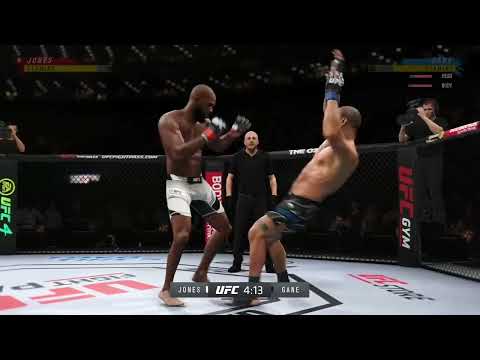
When the worlds of martial arts collide in a bout that transcends mere competition, it becomes a spectacle that ignites the spirit of every enthusiast and draws in the curious alike. This is precisely the electrifying atmosphere building around the upcoming clash for the UFC Heavyweight Championship, pitting the legendary Jon Jones against the dynamic Cyril Gane. This encounter isn't just about belts; it's a profound exploration of martial philosophy, strategic brilliance, and the unyielding human will. As your Sensei, I see in this matchup a microcosm of everything we strive for in the dojo and beyond. We will dissect the nuances of this highly anticipated fight, not just as fans, but as students of the combative arts, examining the fighters, their statistical prowess, and how their individual journeys reflect timeless martial principles. Furthermore, we will touch upon the tangible aspects of our passion – the martial arts merchandise that connects us to this lineage – and its place within the vibrant ecosystem of combat sports, often fueled by platforms like AdSense.
Fighter Analysis: Striking Specialist vs. Versatile Warrior
The narrative of Jon Jones versus Cyril Gane is a captivating study in contrasts. On one side stands Jon Jones, a fighter whose name is synonymous with elite striking and an almost uncanny ability to dictate the pace and outcome of any fight. He is often heralded as a striking specialist, a master of distance, timing, and devastating accuracy. Yet, to label him solely as such would be a disservice to his evolution as a martial artist. Opposing him is Cyril Gane, a fighter who embodies the modern ideal of a versatile fighter. Gane's background, particularly in Muay Thai, has gifted him a powerful striking arsenal, but it's his seamless transitions into grappling and his adaptive approach that make him a truly formidable opponent. This matchup is a classic exhibition of how different training philosophies and developmental paths can converge in the brutal theater of the octagon. For us, as practitioners, this represents more than just a fight; it's a living testament to the diverse applications of martial principles and the strategic depth inherent in combat.
Jon Jones' Evolving Kickboxing Prowess
One of the most compelling narratives surrounding Jon Jones' move to heavyweight, and specifically this fight, is his display of advanced kickboxing skills. While his legendary status was built upon a foundation of striking, Jones has consistently demonstrated an ability to absorb new techniques and integrate them seamlessly. His arsenal has expanded, incorporating a wider array of kicks and more dynamic striking combinations. This evolution is a crucial lesson for all martial artists. It underscores that mastery is not a static destination but a continuous journey of adaptation and refinement. The spirit of Budo, the Way of the Warrior, demands perpetual learning. Seeing Jones, a seasoned champion, push the boundaries of his own skillset serves as a potent reminder that complacency is the enemy of progress in any martial discipline, whether it's Karate, Kickboxing, or Muay Thai.
"The art of war teaches us to rely not on the likelihood of the enemy's not coming, but on our own readiness to receive him; not on the probability of his not attacking, but rather on our having made ourselves indispensable as a means of his attack." - Sun Tzu, The Art of War. This principle is constantly at play in the octagon, as fighters adapt and prepare for every eventuality.
The Peril of the Ground Game in this UFC Bout
A critical aspect of this heavyweight showdown that cannot be overstated is the inherent danger of being caught on the ground. Both Jon Jones and Cyril Gane possess highly effective grappling abilities and a proven capacity to finish fights from dominant positions. Jones, with his extensive wrestling background and submission prowess, is a master of controlling his opponents and exploiting weaknesses on the mat. Gane, while perhaps more recognized for his striking, has also shown significant skill in wrestling defense and offensive grappling, capable of neutralizing threats and even securing takedowns. This bout is far from a one-dimensional striking contest; it's a high-stakes chess match where one misstep on the ground could prove catastrophic. This warning serves as a vital reminder for all combatants: versatility is paramount. One must be proficient in all ranges of combat to truly navigate the complexities of a fight, whether it’s in the UFC or a street encounter requiring swift self-defense.
Budo and the Deeper Meaning of the Fight
Beyond the raw athleticism and strategic maneuvering, fights like Jon Jones vs. Cyril Gane embody the core principles of Budo, the Japanese martial path. It’s not merely about achieving victory; it’s about the journey of self-improvement, the cultivation of character, and the embodiment of virtues such as discipline, respect, and unwavering perseverance. The dedication required to reach this elite level in sports like MMA, Kickboxing, or Judo mirrors the rigorous training mandated by martial arts philosophy. Each fighter, in their own way, is testing their limits, honing their mental fortitude, and demonstrating the physical and psychological resilience that defines a true warrior. This pursuit of excellence, the drive for self-mastery, is the essence of the martial spirit that resonates through generations, connecting practitioners across different disciplines and cultures.
Martial Arts Merchandise and the Sense of Community
In the vibrant ecosystem of combat sports, the connection fans and practitioners share with their heroes and disciplines extends to the tangible realm of martial arts merchandise. Supporting fighters like Jon Jones or Cyril Gane, or even specific arts like Kyokushin Karate or BJJ, is a powerful way to express passion and solidarity. The availability of MMA gear, kimonos for Judo and Brazilian Jiu-Jitsu, or specialized training equipment makes this connection accessible. Platforms often utilize AdSense to facilitate the sale of these items, effectively linking passionate audiences with the products that represent their dedication. This commercial aspect, while secondary to the art itself, plays a crucial role in fostering a sense of belonging and community among enthusiasts worldwide. It's a way to carry a piece of the dojo, the octagon, or the fight night spirit into everyday life.
Sensei's Verdict: A True Test of Martial Spirit
The anticipation for Jon Jones vs. Cyril Gane is immense, and rightly so. This isn't just a contest for a championship; it's a profound demonstration of contrasting yet complementary martial approaches. Jones' calculated aggression and evolving skillset against Gane's fluid versatility and powerful striking create a dynamic that promises a strategic masterpiece. Both fighters represent the pinnacle of dedication, discipline, and the relentless pursuit of self-improvement—hallmarks of the martial arts. The outcome will undoubtedly be a testament to who best embodies the principles of adaptability, resilience, and strategic acumen under immense pressure. It is a fight that will echo in the annals of combat sports history, serving as an inspiration for current and future generations of martial artists.
Training Guide: Enhancing Your Versatility
To truly embody the spirit of a well-rounded martial artist, focusing on versatility is key. Here's a practical approach to enhance your capabilities, applicable whether you train Karate, Judo, Kickboxing, or MMA:
Cross-Train Strategically: If you primarily strike, dedicate time to grappling drills. If you're a grappler, focus on striking footwork and defense. For example, try incorporating basic Judo throws into your striking sparring sessions or practicing fundamental Karate stances and movements during your BJJ warm-ups.
Develop Dynamic Mobility: True versatility requires more than just strength; it demands fluid movement. Incorporate dynamic stretching and mobility exercises, such as leg swings, torso rotations, and spinal waves, into your pre-training routine. This enhances your ability to transition smoothly between techniques and reduces the risk of injury.
Sparring with Different Styles: Seek out training partners with diverse backgrounds. Sparring with a kickboxer as a grappler, or vice-versa, exposes you to different ranges, rhythms, and strategies. This is invaluable for developing adaptive defenses and offensive counters.
Conditional Sparring Drills: Implement drills that force specific adaptations. For instance, start a round on the ground and have the objective to get back to your feet, or start standing and the objective is to secure a takedown. This hones your ability to function effectively in various phases of combat.
Mindful Conditioning: Focus on conditioning that supports all aspects of your game. Include exercises that build explosive power (like plyometrics), cardiovascular endurance (long-distance running or HIIT), and core strength (planks, Russian twists).
Essential Gear for Your Training
To support your journey towards greater versatility and mastery in martial arts, having the right equipment is crucial. Investing in quality gear not only enhances your training experience but also ensures safety and durability. Whether you're perfecting your striking, refining your grappling, or engaging in full MMA sparring, consider the following:
High-Quality Sparring Gloves (16oz recommended for MMA/Kickboxing): Essential for protecting your hands and your training partners during striking drills and sparring. Brands known for durability and excellent padding are ideal.
Durable Kimono/Gi (Double Weave for Judo/BJJ): For grapplers, a sturdy kimono is indispensable. A double-weave gi offers greater longevity and resistance to the rigors of grappling.
Shin Guards and Mouthguards: Non-negotiable for striking training to prevent injuries. Ensure they offer adequate protection and a comfortable fit.
Training Matting: If you train at home, investing in proper matting can significantly improve safety for takedowns, falls, and ground work.
Resistance Bands and Jump Rope: Versatile and portable tools for enhancing strength, conditioning, and agility without requiring heavy equipment.
Frequently Asked Questions
Why is adaptability so important in martial arts?
Adaptability is crucial because real-world confrontations are unpredictable. A fighter who can seamlessly transition between striking and grappling, and adjust to an opponent's strategy, has a significant advantage. It reflects the core principle of martial arts: to overcome challenges through flexible and intelligent responses.
How does studying martial arts philosophy benefit a fighter?
Martial arts philosophy, such as that found in Budo, instills values like discipline, respect, perseverance, and self-control. These qualities are vital for consistent training, mental toughness during competition, and ethical conduct both inside and outside the dojo or octagon.
Is kickboxing sufficient for MMA, or is grappling necessary?
While kickboxing is a powerful striking art, it is generally not sufficient on its own for success in MMA. MMA demands proficiency in grappling for takedowns, ground control, and submissions. A well-rounded MMA fighter must integrate both striking and grappling disciplines.
What role does merchandise play in the combat sports community?
Martial arts merchandise serves as a tangible connection to the sport and its practitioners. It allows fans and athletes to express their identity, support their favorite fighters or disciplines, and foster a sense of belonging within the larger combat sports community.
The upcoming bout between Jon Jones and Cyril Gane is more than just a fight; it’s a dynamic exposition of martial arts principles in action. It highlights the blend of specialized skill and overall versatility that defines modern combat sports. As practitioners, we can learn immensely from observing such elite contests.
Sensei's Reflection: Your Next Step
Observing these champions, we see the dedication to honing specific weapons while simultaneously building a comprehensive arsenal. In your own training, are you merely practicing your strengths, or are you actively seeking to shore up your weaknesses? Are you a specialist who fears compromise, or a warrior who embraces the full spectrum of combat? Reflect on this: How will you integrate the lessons of versatility and continuous improvement from this epic clash into the very fabric of your own martial journey, starting today?
The air crackles with anticipation, not of a championship MMA bout within the hallowed Octagon, but of a boxing ring. On one side stands Anderson Silva, "The Spider," a legend whose ethereal grace and devastating striking redefined middleweight combat in the UFC. On the other, Jake Paul, the enigmatic YouTuber who has systematically dismantled a roster of athletes from combat sports, not all of them boxers. This isn't just a fight; it's a clash of eras, of disciplines, and perhaps, of philosophies. Welcome, warriors, to Budo and Martial Arts.
Anderson Silva's name is synonymous with breathtaking artistry in mixed martial arts. For years, he held the UFC Middleweight Championship, a reign marked by innovative striking, seemingly telepathic defense, and an almost arrogant confidence that bordered on the mystical. His Muay Thai-infused boxing, coupled with an uncanny ability to gauge distance and timing, made him a nightmare for opponents. He could weave, feint, and counter with devastating precision, often making world-class fighters look amateurish. His famous "Spider-web" defense, where he'd taunt opponents while casually evading strikes, wasn't just showmanship; it was a testament to his supreme confidence in his reflexes and understanding of combat dynamics.
"True mastery lies not in overwhelming force, but in anticipating the storm before it even gathers." - A principle echoed by Silva's performances.
Silva's mastery wasn't limited to raw power; it was in his *understanding* of combat. He moved with a fluidity that transcended mere technique, embodying a deeper connection between mind and body – a core tenet of **BUDO**. His ability to absorb punishment and then explode with a fight-ending sequence was legendary. While this bout is under boxing rules, the core of Silva's prowess stems from an art that embraces all forms of striking. Can that deep-seated martial knowledge translate when confined to the squared circle?
The Problematic Rise of "The Problem Child"
Jake Paul. The name itself evokes a spectrum of reactions, from adoration to disdain. What began as a novelty act – a social media star stepping into the ring – has morphed into something far more complex. Paul has shown a surprising dedication to the sport of boxing, a willingness to learn, and, crucially, a capacity to secure meaningful opponents. He’s not just fighting fellow YouTubers; he’s gone after former MMA champions and established boxers, albeit often past their prime. His power is undeniable, his chin has proven resilient, and his promotional acumen is unparalleled.
Paul's success, however controversial, raises a critical question: what constitutes a "real" fighter in the modern era? Is it the years spent in traditional dojos and gyms, honing a specific discipline? Or is it the grit, the heart, and the willingness to step into the fire, regardless of background? Paul embodies the latter, and his persistence has earned him a grudging respect from many, even as his methods and persona remain polarizing. His journey highlights the crossover appeal of combat sports, blurring lines between entertainment and genuine competition.
Boxing Versus MMA: A Fundamental Divide
This is where the true debate lies. Boxing is a singular art form: the art of the fist. It emphasizes footwork, head movement, offensive and defensive punching, and clinch work within very specific rules. MMA, on the other hand, is a synthesis. It's the ultimate test of a complete martial artist, where striking, grappling, wrestling, and submissions all play a role.
Silva, while a striking savant, is fundamentally an MMA fighter. His defense, his movement, his rhythm – they are all steeped in the multi-disciplinary nature of MMA. He has faced strikers, grapplers, and wrestlers. Jake Paul, conversely, is a boxer. His training, his instincts, his entire competitive framework are built around the nuances of boxing.
The question for martial arts purists: can a boxer, even a formidable one like Paul, truly challenge a striking legend like Silva when the ruleset heavily favors the boxer? Or does Silva's decades of high-level combat experience, even in a different sport, grant him an inherent advantage rooted in deeper martial principles? This isn't just about who hits harder; it's about who understands the *context* of combat better.
Analysis of the Striking Arts: Silva's Edge and Paul's Grit
Silva’s striking is poetry in motion. His counters are legendary, his jab often a deceptively powerful tool, and his kicks – though largely absent in boxing – demonstrate an exceptional understanding of body mechanics and power generation. In a boxing match, Silva's boxing fundamentals are surprisingly strong. He possesses excellent head movement, footwork that allows him to cut angles effectively, and a jab that he can use both offensively and defensively to control distance. His experience against elite strikers in boxing-heavy MMA contests gives him a unique perspective.
Paul, on the other hand, has developed a raw, powerful boxing style. He throws with conviction, aims for knockout blows, and has shown an ability to absorb punishment. His training under reputable boxing coaches has undoubtedly refined his technique. However, his movements can sometimes appear more mechanical than fluid when compared to Silva. He relies on his physical strength and power, whereas Silva often relies on timing, accuracy, and anticipating his opponent's intentions.
"In combat, as in calligraphy, the striking force of the brushstroke depends on the integrity of the line." - A lesson in precision that applies to both arts.
The crucial difference lies in their ingrained instincts. Silva's instincts are honed by decades of MMA, where feints, level changes, and defensive reactions are multi-faceted. Paul's instincts are pure boxing. In the heat of battle, which set of instincts will prevail? Will Silva be tempted to use MMA-like movements, or can he purely adapt to boxing's demands? Will Paul's raw power overwhelm Silva, or will Silva's evasive mastery render Paul's aggression moot?
The Mental Game: Pressure and Expectation
Both fighters carry immense pressure. Silva, the aging legend, faces questions about his physical prime and the challenge of performing in a sport he hasn't competed in professionally for years, against an opponent whose entire career is built on defying expectations. There’s the pressure to prove he’s still got it, to cement his legacy, and perhaps, to show the world that martial arts mastery transcends specific rule sets.
Paul, conversely, shoulders the burden of being the "challenger" in the eyes of many traditionalists, yet the "favorite" in the betting world due to his recent boxing activity. He faces the pressure to validate his boxing career, to prove that his wins weren't flukes, and to defeat a true legend. The psychological warfare that Paul employs outside the ring is a significant part of his strategy. How will Silva, a master of mental warfare within the cage, respond to Paul's external provocations? This battle of wills could be as significant as the physical one.
Veredicto del Sensei: A Fight for Respect
This bout is more than just a boxing match; it’s a referendum on legacy, discipline, and the evolving landscape of combat sports. Anderson Silva, "The Spider," represents the pinnacle of striking artistry in MMA. His technical prowess, his timing, and his understanding of distance are second to none. However, he is stepping into a domain heavily favoring his opponent, Jake Paul, whose singular focus has been the art of boxing.
Paul has shown surprising power, resilience, and dedication to the sport. He has systematically worked his way up, defeating opponents who, while not always elite boxers, were certainly seasoned combatants. His aggression and determination are palpable.
From a pure martial arts perspective, Silva’s deep understanding of combat, honed over decades against the world’s best, should theoretically allow him to adapt. His defensive capabilities and counter-striking are world-class. However, boxing’s specific ruleset and Paul’s younger legs and dedicated boxing training cannot be underestimated.
This fight is a fascinating case study: can an MMA legend, even one with exceptional striking skills, defeat a dedicated, albeit less experienced, boxer on his own turf? The answer hinges on whether Silva can leverage his superior combat intelligence and defensive mastery, or if Paul’s raw power and boxing focus will prove too much.
**Cinturón Negro en Análisis Crítico.**
Equipo Esencial para tu Entrenamiento
Whether you're inspired by Silva's artistry or Paul's dedication, proper training equipment is paramount.
Guantes de Boxeo: For sparring and bag work, 14oz to 16oz gloves are standard for protection and conditioning.
Vendas de Mano: Essential for wrist and knuckle support during intense training sessions.
Saco de Boxeo (Heavy Bag): For developing power, speed, and endurance.
Cuerda de Saltar: Crucial for improving footwork, coordination, and cardiovascular health.
Protector Bucal: Non-negotiable for any form of sparring or high-intensity training.
Kimono (Gi): If you're looking to delve deeper into grappling arts like Judo or BJJ, a durable gi is key. Look for double-weave options for longevity.
Preguntas Frecuentes (FAQs)
Q: Is Anderson Silva still a UFC champion? A: No, Anderson Silva is no longer with the UFC and is retired from MMA competition. This fight is under professional boxing rules.
Q: Has Jake Paul fought any other MMA fighters? A: Yes, Jake Paul has defeated former MMA champions like Tyron Woodley and Ben Askren in boxing matches.
Q: What are the rules for this fight? A: This is a professional boxing match, adhering to standard boxing rules regarding punches, rounds, and permitted actions.
Q: Is this fight considered an official boxing record for Silva? A: Yes, Anderson Silva has had professional boxing matches prior to this, and this bout will count towards his professional boxing record.
Para Profundizar en tu Camino
* BUDO: Explore the philosophical underpinnings of martial arts.
* Martial Artists: Discover the journeys of other legendary fighters.
* Fight Analysis: Deep dives into the tactics and strategies of combat sports.
Reflexión del Sensei: Tu Próximo Paso
This bout between Anderson Silva and Jake Paul is a microcosm of the constant evolution in the world of combat. It forces us to question what defines a "fighter" and whether discipline transcends sport. As you digest this analysis, ask yourself: In your own training, are you merely practicing techniques, or are you striving for the deeper understanding and adaptability that defines true martial mastery? How will you integrate the lessons of both Silva's artistry and Paul's tenacity into your own path?
```
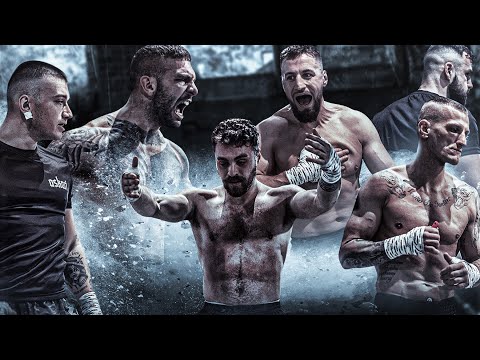
Welcome, practitioners and enthusiasts, to Budo and Martial Arts. You've arrived seeking an understanding of combat, not as it's sanitized for television, but as it truly manifests in its most primal form. Today, we dissect "King of the Streets: Mass Hypnosis," an event that purports to showcase the raw, unfiltered essence of fighting. But is it a genuine crucible of martial prowess, or merely spectacle designed to hypnotize the masses? As a seasoned observer of the martial world, I approach such events with a critical eye, seeking the underlying principles, the spirit of the warrior, and the efficacy of the techniques on display. My intention is not merely to report, but to elucidate the martial significance – or lack thereof – within this "underground fight club."
Analysis of "King of the Streets: Mass Hypnosis"
The title itself, "King of the Streets: Mass Hypnosis," immediately raises a flag. The martial world is replete with terms like "Budo" – the Way of the Warrior – emphasizing discipline, honor, and self-improvement. "Mass Hypnosis" suggests a deliberate manipulation of perception, a focus on spectacle over substance. "King of the Streets" hints at a raw, unregulated environment, far removed from the structured dojos and training halls that cultivate true martial artists. Is this event a testament to the indomitable human spirit in its rawest form, or a descent into the abyss of mere brutality? We must ask: what is the intention behind such an event? Is it to test skill, to find the "king," or to simply provide a visceral thrill for those who seek it?
The core offering of "King of the Streets" is direct combat, with a stark choice of rule sets: "K.O. Only" or "No Rules." This immediately distinguishes it from most sanctioned combat sports. In traditional martial arts, the concept of BUDO is paramount. It's not just about winning, but *how* you win, and the character forged in the process. Here, the emphasis is solely on the result – incapacitation or submission – with minimal constraints. This raises critical questions about the martial integrity of such bouts.
Consider the format: "No rounds or time limit. Fights go on as long as they need to." This is a stark departure from the structured nature of boxing, MMA, or even traditional Karate tournaments. While it mimics the desperation of a true street fight where exhaustion can be as deadly as a punch, it also removes crucial elements of strategy and conditioning that are fundamental to advanced martial arts training. The ability to perform under pressure for a set duration, to manage one's energy, and to execute techniques with precision even when fatigued are hallmarks of a skilled practitioner. This prolonged, undefined combat could devolve into a grueling, less technical slugfest, potentially masking a lack of refined skill with sheer endurance and brute force.
Furthermore, the promotional material hints at a "real underground fight club." This suggests a departure from regulated, professional sporting environments. While such environments can foster raw talent and unpredictable outcomes, they also lack the safety measures, medical supervision, and ethical oversight inherent in sanctioned competitions. The emphasis on "prize money" further complicates the narrative, potentially attracting individuals driven by financial need rather than the pursuit of martial excellence.
"The Way of the Warrior is to choose to be a warrior, and the Way of the Warrior is death." - Miyamoto Musashi, The Book of Five Rings.
Musashi's words, while potent, refer to a mindset of absolute commitment and readiness for sacrifice, not to a reckless disregard for life or safety. The challenge lies in discerning whether "King of the Streets" embodies the former or succumbs to the latter. Does it cultivate the strategic mind of a swordsman like Musashi, or merely the desperate ferocity of a cornered animal?
The brutal Reality: "K.O. Only" vs. "No Rules"
Let's dissect the two primary rule sets presented, as they offer crucial insights into the intended nature of this combat.
"K.O. Only": Everything is allowed except submissions. Victory MUST be by Knockout.
"No Rules": Everything is allowed, including submissions. Victory can be by Knockout or Submission.
The "K.O. Only" format is particularly interesting. It explicitly forbids submissions, elevating the knockout as the sole arbiter of victory. This format leans heavily into striking arts like Karate, Kickboxing, or Muay Thai, and perhaps even historical styles that emphasized devastating single-strike power. However, in a no-holds-barred context, excluding submissions removes a vast strategic dimension. It may incentivize fighters to focus purely on head trauma and blunt force, potentially leading to more dangerous exchanges but diminishing the tactical depth seen in disciplines like BJJ or Grappling. The inherent danger here is the potential for fighters to sustain severe injuries in pursuit of a KO, especially without the safety nets of rounds or medical intervention.
The "No Rules" format is, on the surface, the most extreme. It mirrors the infamous Vale Tudo bouts of old, where virtually anything went. In theory, this format allows for the ultimate test of a fighter's complete arsenal, integrating striking, grappling, and submission skills. However, "everything is allowed" is a broad statement. Does it include eye-gouging? Biting? Attacks to the groin? Without explicit clarification, this "no rules" approach can easily descend into pure savagery rather than a display of comprehensive martial skill. True martial arts, even in their most combative forms, often have an underlying ethical framework. The absence of such a framework, or at least its clear articulation, is a point of significant concern for any serious martial artist.
These rule sets, particularly the exclusion of submissions in "K.O. Only," suggest a bias towards striking and a potential disregard for the sophisticated ground game that has become integral to modern MMA and Jiu-Jitsu. It begs the question: Is this an evolution of combat or a regression to a more simplistic, albeit brutal, form of engagement?
The Contenders: A Glimpse into the Ranks
The event presents a lineup of seemingly anonymous fighters, identified by monikers like "Cocainecharli," Adam, Franco, Czadi, Paci, BANAN, Sylwester, Artemis, Kast8, OAK, Joshua, and Philipp. This lack of established fighting pedigrees or recognizable names is typical of underground events. It means we cannot rely on prior records or reputations to assess their skill levels. Each fight is, therefore, a true test, a blank slate upon which their capabilities will be written.
The timestamps provided (00:08, 02:00, 05:27, etc.) suggest a rough order of bouts and their approximate start times within the full event. This allows us to anticipate the flow of the "Mass Hypnosis."
00:08 - "Cocainecharli" VS Adam
02:00 - Franco vs Czadi
05:27 - Paci vs BANAN
11:38 - Sylwester VS Artemis
16:28 - Kast8 VS OAK
20:35 - Joshua VS Philipp
Without knowing the specific martial arts backgrounds of these individuals, it's impossible to predict the stylistic clashes. Will we see strikers facing grapplers? Will the "No Rules" format lead to unexpected transitions between standing and ground combat? The anonymity of the fighters, combined with the lack of defined rounds, creates an environment where adaptability and raw instinct are likely to be the deciding factors. This is where the "street" element comes into play – unpredictability is king.
Sensei's Verdict: More Than Just a Fight Club?
From a martial arts perspective, "King of the Streets: Mass Hypnosis" occupies a precarious position. It undoubtedly showcases a raw, unadulterated form of combat that appeals to a primal urge. The "K.O. Only" and "No Rules" formats, while potentially dangerous, do offer a simplified, direct test of a fighter's ability to inflict damage and survive. The lack of time limits adds a unique element of endurance. These are not aspects typically found in sanctioned Martial Arts Training, which emphasizes control, technique, and safety.
However, the event falls short when measured against the core tenets of BUDO. The emphasis on spectacle over substance, the potentially dangerous lack of clear rules and safety protocols, and the questionable moniker "Mass Hypnosis" detract from its legitimacy as a serious martial arts event. It seems to prioritize shock value and visceral reaction over the cultivation of discipline, respect, and self-mastery that define the true martial path. Is it a "fight club"? Undeniably. Is it a crucible for martial arts excellence? That is highly debatable.
Does "King of the Streets: Mass Hypnosis" deserve a Black Belt in Martial Arts? No. It functions more as a test of raw combat effectiveness under extreme conditions, bordering on gladiatorial spectacle. Its value lies in its raw depiction of conflict, not in the refinement of martial principles. It is a harsh, unforgiving environment where survival and the ability to inflict damage reign supreme.
Training for the Unwritten Rules
While direct participation in such an event is ill-advised for most, the underlying principles can inform your training. If you were to prepare for a "K.O. Only" or "No Rules" environment, consider these aspects:
Develop Absolute Striking Power: Focus on devastating punches, kicks, elbows, and knees. Train drills that simulate delivering maximum force in a single burst. This involves bag work, pad work, and plyometrics.
Condition for Unrelenting Combat: Without rounds, your cardiovascular and muscular endurance must be exceptional. Implement intense conditioning circuits that mimic prolonged, high-intensity exchanges. Think hill sprints, burpees, and extended sparring sessions (if available and safe).
Master Defensive Fundamentals: Head movement, blocking, and footwork are crucial for evading and surviving prolonged punishment. Practice slipping punches, using parries effectively, and maintaining a solid defensive posture.
If "No Rules": Integrate Grappling: While the "K.O. Only" format shuns submissions, the "No Rules" format embraces them. If preparing for this, you *must* incorporate Grappling, BJJ, or Judo training. Learn basic takedowns, positional control, and submissions. Even if your primary goal is a KO, the ability to defend against or apply submissions can be critical in a truly "no rules" scenario.
Mental Fortitude: The psychological aspect is paramount. Train to remain calm under extreme duress, to push past exhaustion, and to maintain focus when faced with aggression. Meditation and visualization techniques can be beneficial here.
Essential Gear for Bare-Knuckle Training
While "King of the Streets" implies bare-knuckle fighting, rigorous Martial Arts Training requires protective equipment to prevent unnecessary injuries and allow for effective skill development. If you are training for striking, consider:
Durable Training Gloves: For pad work and light sparring, 12-16oz gloves are standard. For more intense sparring, ensure they offer adequate padding.
Hand Wraps: Essential for protecting your wrists and knuckles during any striking training.
Shin Guards: Crucial for kickboxing and Muay Thai training to protect against heavy leg kicks.
Mouthguard: Non-negotiable for any combat sport training to protect your teeth and jaw.
Groin Protector: Particularly important for sparring where groin strikes might occur, even if unintentional.
Headgear: For sparring, especially if you are newer to striking, headgear can significantly reduce the risk of cuts and concussions.
A Quality Training Partner: The most important piece of "equipment." Find someone with similar goals and a commitment to safe, progressive training.
For those delving into Grappling or Judo, a sturdy Karate Gi or a dedicated Jiu-Jitsu gi is essential. Investing in good quality gear is an investment in your longevity and safety as a martial artist.
Frequently Asked Questions
What is "King of the Streets: Mass Hypnosis"? It is an event showcasing underground fights with minimal rules, emphasizing either knockouts or allowing both knockouts and submissions without time limits or rounds.
Is this a legitimate martial arts competition? It is a combat event, but its lack of traditional martial arts structure, safety protocols, and emphasis on spectacle over discipline means it's generally not considered a legitimate martial arts competition in the traditional sense.
What are the dangers of "No Rules" fighting? The dangers are significant, including severe head trauma, broken bones, internal injuries, and potentially life-threatening complications, especially without proper medical supervision.
How does this compare to UFC or MMA? UFC and other sanctioned MMA organizations operate under strict rules, weight classes, rounds, and have extensive medical support, prioritizing athlete safety and structured competition. "King of the Streets" is far more unregulated.
We have peered into the abyss of "King of the Streets," examining its raw appeal and its stark departure from the disciplined pursuit of Budo. The question remains: does the pursuit of raw combat, stripped of rules and structure, offer any true martial value? Or is it merely a dangerous siren song, luring fighters and spectators into a spectacle devoid of deeper meaning? Consider this: If a tree falls in the forest and no one hears it, does it make a sound? If a fighter wins through sheer brutality in an unregulated fight, has he truly mastered his art, or merely survived his own limitations? Reflect on the *intention* behind your own training. Is it to win at all costs, or to become the best version of yourself through the rigorous application of martial principles?
```json
{
"@context": "https://schema.org",
"@type": "FAQPage",
"mainEntity": [
{
"@type": "Question",
"name": "What is \"King of the Streets: Mass Hypnosis\"?",
"acceptedAnswer": {
"@type": "Answer",
"text": "It is an event showcasing underground fights with minimal rules, emphasizing either knockouts or allowing both knockouts and submissions without time limits or rounds."
}
},
{
"@type": "Question",
"name": "Is this a legitimate martial arts competition?",
"acceptedAnswer": {
"@type": "Answer",
"text": "It is a combat event, but its lack of traditional martial arts structure, safety protocols, and emphasis on spectacle over discipline means it's generally not considered a legitimate martial arts competition in the traditional sense."
}
},
{
"@type": "Question",
"name": "What are the dangers of \"No Rules\" fighting?",
"acceptedAnswer": {
"@type": "Answer",
"text": "The dangers are significant, including severe head trauma, broken bones, internal injuries, and potentially life-threatening complications, especially without proper medical supervision."
}
},
{
"@type": "Question",
"name": "How does this compare to UFC or MMA?",
"acceptedAnswer": {
"@type": "Answer",
"text": "UFC and other sanctioned MMA organizations operate under strict rules, weight classes, rounds, and have extensive medical support, prioritizing athlete safety and structured competition. \"King of the Streets\" is far more unregulated."
}
}
]
}
UFC Fight Night 6, held at the Red Rock Resort Spa and Casino in Las Vegas on August 17, 2006, stands as a testament to a pivotal era in mixed martial arts. For those who study the intricate dance of combat, this event offers more than just entertainment; it's a window into the burgeoning science and art of professional fighting. In the early days of what is now a global phenomenon, such events were raw, evolving platforms where different martial disciplines clashed, testing their efficacy under the unforgiving glare of competition.
Hello and welcome, warriors and scholars of the martial path. You are watching UFC Fight Night 6 (2006), an event that, while perhaps not bearing the same polished spectacle as today's UFC cards, was instrumental in shaping the landscape of combat sports. For those of us who dissect the principles of Budo and the application of martial arts in their purest, most practical forms, these early UFC Fight Nights are invaluable case studies. We are witnessing, in real-time, the fusion and friction of diverse fighting styles – a chaotic, yet profoundly informative, experiment in human combat. This isn't just about knockouts and submissions; it's about the underlying strategies, the psychological warfare, and the sheer grit that defines a true fighter.
As a martial artist with decades dedicated to understanding the nuances of striking, grappling, and the philosophies that underpin them, I approach these historical bouts with a critical eye. I look beyond the blood and sweat to the technical execution, the tactical decisions, and the spirit that drives each combatant. Are they merely fighting, or are they embodying a particular martial discipline? How do their techniques translate from the dojo or the training mat to the unforgiving reality of the Octagon?
This analysis will not shy away from the hard truths. We will dissect each bout, not just as a fan, but as a student of combat, evaluating the effectiveness of the martial disciplines on display and considering what lessons can be extracted for your own training.
Match by Match: A Tactical Dissection
UFC Fight Night 6 presented a card where a multitude of fighting styles converged, offering a fascinating glimpse into the martial arts landscape of the mid-2000s. Let's break down the key matchups and what they reveal.
2:46 - Anthony Torres vs. Pat Healy: This early bout often sets the tone. Healy, with a background in wrestling and submission grappling, versus Torres, likely with striking roots. The initial exchanges here would reveal the foundational strategies: does Healy immediately seek a takedown to neutralize any striking advantage Torres might possess, or does Torres use his stand-up to keep distance? Observing this helps understand the primary strategy of wrestlers against strikers in a nascent MMA environment.
8:54 - Forrest Petz vs. Sammy Morgan: Another pairing that tests the waters of different skill sets. The effectiveness of striking defense against takedowns, or the ability to transition smoothly from striking to grappling, would be paramount here. Morgan's approach might reveal classic Karate or Muay Thai principles, while Petz could embody a more aggressive, pressure-based style common in early MMA.
27:30 - Jake O'Brien vs. Kristof Midoux: A more prominent matchup often signifies a higher stakes contest. O'Brien, often associated with wrestling, facing a European fighter like Midoux, who might bring a Judo or Sambo background. This bout is crucial for understanding how takedown defense and clinch work are employed. Judo throws, if executed effectively, can be devastating in MMA. The question is, how well can the ground defense counter the setup for such a technique?
35:35 - Martin Kampmann vs. Crafton Wallace: Kampmann, a well-rounded fighter with a strong Muay Thai base, against Wallace. This fight likely showcased the power of striking techniques, particularly knee strikes and kicks, against a more conventional mixed martial artist. The timing and distance management Kampmann employed would be a masterclass in Muay Thai application within MMA.
44:58 - Josh Koscheck vs. Jonathan Goulet: Koscheck, an elite collegiate wrestler, against Goulet, a dangerous striker. This bout is a classic representation of wrestler vs. striker. The strategy is often binary: Koscheck aims to grind Goulet against the cage, secure takedowns, and control him on the ground, negating Goulet's knockout power. Goulet's success hinges on keeping the fight standing and landing his heavy shots. The effectiveness of Koscheck's wrestling here is a direct reflection of wrestling's dominance in early MMA.
54:10 - Dean Lister vs. Yuki Sasaki: Lister is renowned for his submission prowess, particularly his unorthodox leg locks. Sasaki, potentially coming from a Karate or Judo background, would face an immense challenge on the ground. This fight highlights the importance of submission defense and the psychological pressure of facing a submission specialist. Can Sasaki survive the grappling exchanges and utilize his own martial art, or will Lister's specialized skill set prevail?
1:17:27 - Chris Leben vs. Jorge Santiago: Leben, known for his incredible toughness and aggressive striking, often walked into the Octagon with a singular game plan: brawl. Santiago, a skilled grappler and striker, would need to weather the early storm and exploit openings. This fight tests the classic MMA adage: "styles make fights." Leben's raw aggression versus Santiago's technical prowess.
1:28:40 - Joe Riggs vs. Jason Von Flue: Riggs, a powerful striker with a background in wrestling, against Von Flue, a submission artist. This bout would likely see a battle for control. Can Riggs keep Von Flue at bay with his striking, or will Von Flue find an opportunity to lock in a submission from an unexpected position?
1:38:37 - Diego Sanchez vs. Karo Parisyan: A highly anticipated bout featuring two exciting talents. Sanchez, known for his relentless pressure and well-rounded skills, against Parisyan, a judoka with explosive striking. This fight exemplifies the evolution of MMA fighters who are no longer specialists but adept at multiple disciplines. Parisyan’s judo provides a unique avenue for takedowns and throws, while Sanchez’s aggressive style is designed to overwhelm opponents. The chess match between these two would be compelling.
The Spirit of Budo in the Octagon
The term "Budo" encompasses not just martial techniques but the entire philosophy and discipline behind them. When we watch these fights, we are looking for more than just physical execution; we are searching for the embodiment of martial principles. Does a fighter display resilience in the face of adversity? Do they show respect for their opponent, even in combat? Do they demonstrate the mental fortitude to overcome challenges?
The spirit of Budo is about continuous self-improvement. It is a lifelong journey, not a destination. Each fight, each training session, is an opportunity to learn and grow.
While the UFC is a sport focused on winning, the underlying spirit of many martial arts – discipline, perseverance, courage, and self-control – should ideally be present. Some fighters embody this more than others. We see it in their preparation, their demeanor, and how they handle victory and defeat. The fighters who succeed long-term often possess this deeper understanding, transcending mere athleticism to become true martial artists.
Choreography or Combat Science?
A common criticism leveled against martial arts movies is that the fight sequences are overly choreographed, resembling dance rather than genuine combat. In a sport like MMA, particularly in its earlier stages like UFC Fight Night 6, the line between choreography and raw combat science is blurred. The techniques are real, the impacts are real, and the strategies are designed for maximum effectiveness, not aesthetic appeal.
However, there's a science to the 'choreography' of MMA. Each movement, each feint, each takedown attempt, is a calculated action rooted in years of training across various disciplines. Wrestlers practice takedowns hundreds of times. Strikers drill combinations until they become instinctual. Grapplers spend countless hours drilling submissions. What might look like a wild brawl to the uninitiated is often a complex interplay of learned skills, reflexes, and tactical decision-making.
Observing the fighters at UFC Fight Night 6 allows us to see which martial arts disciplines are proving most effective in a mixed rule-set. We see the dominance of wrestling for control, the effectiveness of Muay Thai striking for power, and the danger of Brazilian Jiu-Jitsu for submissions. It's a living laboratory for combat efficacy.
Equipment Essential for Your Training
To truly understand and appreciate the demands of mixed martial arts, having the right training gear is paramount. While the fighters at UFC Fight Night 6 had specific requirements for their bouts, your personal training journey will also benefit from proper equipment.
MMA Gloves: Essential for protecting your hands during striking drills and sparring, while still allowing for grappling. Look for gloves between 4oz and 6oz for competition, and potentially heavier training gloves for conditioning.
Mouthguard: Non-negotiable for any form of sparring or contact training. Protect your teeth and jaw.
Shin Guards: Crucial for Muay Thai or kickboxing training to protect your shins from impact and condition them for kicks.
Groin Protector: Always recommended for any form of sparring or intense training.
Training Rashguards and Compression Shorts: These wick moisture, reduce friction, and allow for better movement during grappling.
Wrestling Shoes (Optional): If you are focusing heavily on takedowns and ground control, specialized wrestling shoes can provide excellent grip and ankle support.
Durable Matting: For at-home training, especially for grappling, having a safe surface is key.
Investing in quality equipment ensures your safety and enhances your learning experience. For those serious about striking, consider **high-quality Muay Thai pads and focus mitts** for partner drills. If grappling is your focus, a good **BJJ gi** can be invaluable for developing technique.
Sensei's Verdict: Is It Worth Your Time?
UFC Fight Night 6 (2006) may not be a modern MMA blockbuster, but for the discerning martial arts enthusiast, it's a treasure trove of practical insights. It represents a crucial evolutionary stage of mixed martial arts, where pure styles were being forged into a cohesive, formidable discipline. You'll witness raw talent, tactical battles, and the early implementation of techniques that have since become staples of the sport.
Is it worth your time? Absolutely. If you wish to understand the roots of modern combat sports, the strategic clashes between different martial disciplines, and the raw determination that defines a fighter, then this event provides a valuable education. It's less about flawless execution and more about the fundamental principles of combat being tested and refined under pressure.
**Sensei's Rating:** Cinturón Negro en Historia del Combate. It provides an essential historical context and practical lessons for any serious student of martial arts.
Frequently Asked Questions
What martial arts styles were most prevalent at UFC Fight Night 6?
At this event, you would have seen a strong representation of wrestling (collegiate and Olympic), Muay Thai, Brazilian Jiu-Jitsu, Judo, and striking arts like Karate and Kickboxing, all being integrated into the MMA framework.
How does UFC Fight Night 6 compare to modern MMA events?
Modern MMA events generally feature more well-rounded athletes who have trained extensively in multiple disciplines from a younger age. The strategies are more sophisticated, and the level of technical execution across striking and grappling is significantly higher. UFC Fight Night 6 showcases fighters who were often specialists adapting to a mixed rule-set.
Can I learn effective self-defense techniques from watching these fights?
While you can learn principles of distance management, timing, and defense against common attacks, direct application of professional MMA techniques for self-defense requires specific training from qualified instructors. The ruleset and context are very different from a real-world altercation. However, understanding how to defend against takedowns or close distance is valuable.
Is watching old MMA fights beneficial for my martial arts training?
Absolutely. It's a fantastic way to study strategy, observe different styles in action, and understand the evolution of combat. It can inspire new training approaches and highlight areas where you might need to improve.
Further Exploration
For those who wish to delve deeper into the philosophy and practice of martial arts, I recommend exploring these related topics on our blog:
You have witnessed a snapshot of combat sports in transition. The techniques, the strategies, the raw courage on display – these are not mere spectacles. They are the tangible results of dedication, discipline, and a relentless pursuit of mastery. Now, I ask you: In the face of inevitable challenges, both within the dojo and beyond, will you adopt the spirit of these warriors, dissecting obstacles with intelligence and meeting them with unwavering resolve? Or will you allow the complexities to overwhelm you, rendering your training a mere formality? The Octagon, whether physical or metaphorical, demands a response. What will yours be?
```
GEMINI_METADESC: Sensei's expert critique of UFC Fight Night 6 (2006). Analyze fight strategies, Budo spirit, and MMA evolution for martial artists.