Showing posts sorted by date for query Martial Arts Films. Sort by relevance Show all posts

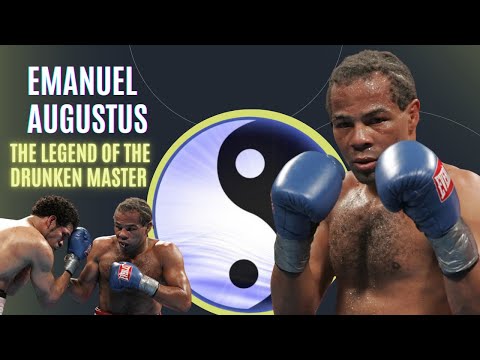
Emanuel Augustus: The Unconventional Legacy of the Drunken Master

Introduction: The Enigma of the Drunken Master

In the vast, often predictable landscape of combat sports, certain figures emerge not just as competitors, but as phenomena. They defy convention, shatter expectations, and leave an indelible mark on the collective consciousness of fans and practitioners alike. Emanuel Augustus, affectionately known as "The Drunken Master," is precisely such a figure. His career wasn't merely a series of wins and losses; it was a living testament to the unpredictable beauty and profound philosophy that can be found within the martial arts. This piece delves into the electrifying career of a fighter who didn't just participate in bouts, but orchestrated performances, blending raw aggression with an almost balletic grace that left audiences breathless. Join us as we revisit the path of a true martial arts legend whose unconventional style became his greatest weapon.

Unleashing the Drunken Master: More Than a Moniker

The adoption of the moniker "Drunken Master" by Emanuel Augustus was far from a mere marketing gimmick. Born Emanuel Burton, he drew inspiration from the iconic martial arts films that celebrated seemingly chaotic, yet devastatingly effective, fighting styles. This wasn't about mimicking a character; it was about embodying a philosophy. Augustus infused his fighting with a unique brand of agility, fluidity, and an almost maddening unpredictability. His movements often appeared disjointed, his stance unorthodox, leaving opponents struggling to anticipate his next move. This bewildering array of techniques – a chaotic dance of offense and defense – was the hallmark of his style, allowing him to showcase a skill set that transcended traditional boxing or kickboxing, demonstrating that true mastery can often lie just beyond the veil of perceived disorder.

"The most effective way to confuse an opponent is to be unpredictable. If they cannot read you, they cannot counter you." - A principle exemplified by Augustus.

The Artistry of Combat: A Symphony of Unpredictability

Augustus transcended the role of a mere pugilist; he was a kinetic artist. His fighting style was a masterful fusion, drawing threads from boxing, kickboxing, and the raw pragmatism of street fighting. His footwork was legendary – a constant, elusive dance that made him a difficult target. His punches, delivered with surprising speed and power, often came from unexpected angles. This wasn't just about throwing hands; it was about understanding angles, timing, and the psychological warfare inherent in combat. Emanuel Augustus embodied a profound Martial Philosophy, displaying not just aggression, but also immense respect for his opponents, unwavering discipline in his preparation, and the indomitable spirit of a warrior honed through countless hours of Martial Arts Training.

His approach challenged the rigid structures of conventional fighting. Many practitioners today still strive to replicate his signature elusiveness, a testament to the enduring effectiveness of his unorthodox methods. The core of his success lay in his ability to remain fluid and adaptable, a principle central to many BUDO disciplines.

The Fight of a Lifetime: A Masterclass Against Mayweather

Throughout his storied career, Emanuel Augustus graced the ring with a multitude of unforgettable contests. These weren't just fights; they were spectacles, ranging from brutal slugfests that tested the mettle of both combatants to technically brilliant displays of skill. He consistently delivered the kind of excitement that fuels the passion of Fight Fans worldwide.

Perhaps one of his most widely recognized and respected performances came during his bout against Floyd Mayweather Jr. In this encounter, Augustus didn't just compete; he showcased the full spectrum of his unique brilliance. Despite the eventual outcome, his performance earned him deep admiration, not only from the spectators but also from Mayweather himself, a rarity in the highly competitive world of professional boxing. It was a fight that highlighted Augustus's resilience and his ability to hang with the absolute elite, even with a style that defied convention. This particular fight remains a significant piece of the Fighter Legacy.

Legacy and Influence: Inspiring a Generation

Emanuel Augustus's legacy extends far beyond the statistics of his fight record. His profound impact resonates deeply within the Martial Arts Community. His unwavering dedication to his craft, his perseverance through significant adversity, and his sheer, unadulterated passion for fighting served as a powerful inspiration to countless aspiring athletes. Many fighters today incorporate elements of his distinctive style – that unpredictable movement, the creative striking angles – into their own training regimes. He proved that there isn't just one way to be a champion, fostering a generation that dares to think outside the traditional fighting box.

His influence is a prime example of how unique styles can push the boundaries of established sports. This is a core tenet we explore at BYAM, where we celebrate the diverse paths to mastery.

Building a Martial Arts Community: The BYAM Approach

At BYAM Budo y Artes Marciales, our mission mirrors the spirit of pioneers like Augustus: to cultivate and celebrate a vibrant global Martial Arts Community. We firmly believe that the journey of a martial artist is enriched when shared. We encourage our members to engage in robust discussions, share their personal training experiences, and forge connections with fellow enthusiasts from diverse backgrounds and disciplines. Whether you practice Judo, Karate, MMA, or any other art, your voice is valued here. Together, we can uphold the rich traditions, explore profound philosophies, and dissect the intricate techniques that define the world of martial arts.

Exploring Our Merchandise: Gear for Your Journey

As you immerse yourself in the world of martial arts, drawing inspiration from figures like Emanuel Augustus, it's crucial to have the right tools to support your dedication. Explore our exclusive Martial Arts Merchandise collection. We offer a curated selection of high-quality training equipment, apparel, and accessories designed to enhance your martial arts journey. From durable kimonos and sparring gear to specialized conditioning tools, our collection supports your pursuit of excellence and ensures you have the necessary support for your training regimen. Investing in quality gear is an investment in your own progress.

Join the Martial Arts Movement: Embrace the Warrior Within

The enduring legacy of Emanuel Augustus serves as a potent reminder of the transformative power inherent in martial arts training. It transcends mere physical combat, fostering discipline, resilience, and self-awareness. Whether you are a seasoned practitioner with years of experience or a curious beginner standing at the threshold of this incredible world, there is unequivocally a place for you within our growing community. Let us unite under the banner of our shared passion, exchange invaluable knowledge, and collectively grow stronger. By embracing the principles exemplified by masters like Augustus, we continue to explore the boundless possibilities that the martial arts offer.

This is your invitation to join the JoinTheMovement and discover the warrior spirit within yourself.

Sensei's Verdict: Did Augustus Master the Art of Fighting?

Emanuel Augustus didn't just fight; he performed. He brought a level of artistry and unpredictability to the ring that few have ever matched. While the term "Drunken Master" might conjure images of a brawler, Augustus was anything but. He was a strategist, a tactician, and a master of misdirection. His ability to absorb punishment, adapt mid-fight, and consistently come back with creative and effective offense was extraordinary. He faced top-tier competition and, while not always victorious, he rarely failed to impress or make his opponents work for every second of every round. His influence on subsequent fighters, who looked to his unconventional methods for inspiration, speaks volumes. He proved that true mastery isn't always about following the rules, but about understanding them so deeply that you can bend them to your will.

Verdict: A True Master of Unconventional Combat, earning a definitive "Cinturón Negro en Coreografía y Caos Controlado". His fights were living lessons in adaptability and the psychological edge.

Training Like Augustus: Embracing the Unconventional

Training like Emanuel Augustus is not for the faint of heart, nor is it about simply mimicking his movements. It's about internalizing his philosophy: unpredictability, adaptability, and relentless pressure.

  1. Develop Unconventional Footwork: Practice constant lateral movement, incorporate subtle shifts in weight, and develop rhythm changes. Think less about a stable stance and more about always being ready to pivot, evade, or explode forward.
  2. Master Angles of Attack: Don't always attack directly. Practice striking from angles that your opponent is unlikely to expect. This requires a deep understanding of body mechanics and spatial awareness.
  3. Cultivate Defensive Evasion: Augustus was known for his ability to slip punches and avoid damage. Focus on head movement, upper body flexibility, and using your entire frame to evade incoming strikes rather than just blocking.
  4. Embrace Fluid Transitions: Move seamlessly between offense and defense. A defensive maneuver should be able to transition instantly into a counter-attack. Don't "reset" unnecessarily.
  5. Study Various Styles: Like Augustus, draw inspiration from multiple disciplines. Understanding the fundamentals of boxing, kickboxing, and even grappling will provide a broader toolkit. Explore BJJ and Judo for grappling insights and Kickboxing for striking diversity.
  6. Train Your Chin and Body: Augustus absorbed significant punishment. While avoiding damage is key, developing resilience through conditioning and controlled sparring is also part of the equation. Incorporate body conditioning drills and focus on neck strength.
  7. Mental Fortitude: The most crucial element is the mental game. Develop the ability to stay calm under pressure, adapt to unexpected situations, and maintain confidence even when things aren't going your way. This is where Mental Game training and Inner Strength become paramount.

Frequently Asked Questions

  1. Who was Emanuel Augustus?
    Emanuel Augustus, born Emanuel Burton, was a highly unorthodox and entertaining American professional boxer and kickboxer, famously nicknamed "The Drunken Master" for his elusive and unpredictable fighting style.
  2. What made his fighting style unique?
    His style was characterized by unusual footwork, creative angles of attack, fluid transitions between offense and defense, and a remarkable ability to evade punches, often resembling the movements seen in martial arts films inspired by "drunken" styles.
  3. Who did Emanuel Augustus famously fight?
    He had notable bouts against numerous high-level opponents, including a widely recognized fight against Floyd Mayweather Jr., where he showcased his distinctive skills and earned respect despite the outcome.
  4. What is his lasting impact on martial arts and combat sports?
    Augustus inspired a generation of fighters with his resilience, unique approach, and dedication. He demonstrated that effective fighting doesn't always adhere to conventional norms and encouraged a more creative and adaptable mindset within the combat sports community.

Deepen Your Path

To further enrich your understanding and training:

Sensei's Reflection: Your Next Step

Augustus taught us that the most effective techniques are often born from a deep understanding of principles, allowing for creative adaptation rather than rigid adherence. He embraced chaos, not as a lack of control, but as a higher form of control that eludes conventional understanding.

Your challenge: In your next training session, identify one aspect of your technique that feels too rigid, too predictable. How can you introduce a subtle element of unpredictability, a shift in rhythm or angle, without sacrificing effectiveness? Can you find your own "drunken master" within the structure of your art?

``` ```json { "@context": "https://schema.org", "@type": "FAQPage", "mainEntity": [ { "@type": "Question", "name": "Who was Emanuel Augustus?", "acceptedAnswer": { "@type": "Answer", "text": "Emanuel Augustus, born Emanuel Burton, was a highly unorthodox and entertaining American professional boxer and kickboxer, famously nicknamed \"The Drunken Master\" for his elusive and unpredictable fighting style." } }, { "@type": "Question", "name": "What made his fighting style unique?", "acceptedAnswer": { "@type": "Answer", "text": "His style was characterized by unusual footwork, creative angles of attack, fluid transitions between offense and defense, and a remarkable ability to evade punches, often resembling the movements seen in martial arts films inspired by \"drunken\" styles." } }, { "@type": "Question", "name": "Who did Emanuel Augustus famously fight?", "acceptedAnswer": { "@type": "Answer", "text": "He had notable bouts against numerous high-level opponents, including a widely recognized fight against Floyd Mayweather Jr., where he showcased his distinctive skills and earned respect despite the outcome." } }, { "@type": "Question", "name": "What is his lasting impact on martial arts and combat sports?", "acceptedAnswer": { "@type": "Answer", "text": "Augustus inspired a generation of fighters with his resilience, unique approach, and dedication. He demonstrated that effective fighting doesn't always adhere to conventional norms and encouraged a more creative and adaptable mindset within the combat sports community." } } ] }
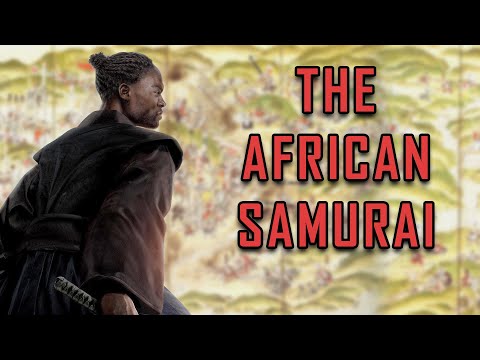

The Unvarnished Truth: Yasuke, The African Samurai – A Warrior's Spirit Transcending Borders

How many of you, when you hear "samurai," immediately picture a stoic figure in traditional armor, born and bred in the rigorous crucible of feudal Japan? It's a powerful archetype, isn't it? But what if I told you that the most compelling narratives often break these very molds? Today, we dissect the extraordinary life of Yasuke, the African samurai. This isn't just a historical footnote; it's a profound testament to how the warrior spirit, the unwavering dedication to martial excellence, knows no color, no origin, and no boundary.

We will delve into the gritty reality of his ascent, not through romanticized fiction, but through the lens of martial principles. Was he merely a curiosity, a novelty for Oda Nobunaga? Or was he a genuine practitioner of the sword, a warrior whose skills earned him respect in the most unforgiving of arenas? Prepare yourselves, for this is not a gentle stroll through history; it is an exploration of raw courage, adaptation, and the unyielding pursuit of mastery in the face of prejudice and overwhelming odds.

Yasuke's Origins: More Than Just a Slave

Let's strip away the myth. Yasuke, born in Africa – the exact region remains a scholarly debate, a point of contention for historians – was not born into nobility, nor was he a free man for much of his early life. He was, by all accounts, enslaved. This is a brutal truth, a stark contrast to the idealized samurai narrative. However, a slave’s life is not always a predetermined path of suffering. His journey, facilitated by the Jesuit missionary Alessandro Valignano, led him to Japan in 1579. Imagine the culture shock, the sheer alien nature of a land so distant from his own.

This arrival was not subtle. His physical presence alone—taller than the average Japanese man of the era, powerfully built—would have immediately drawn attention. But it was his potential, his aura of capability, that truly captured the eye of Oda Nobunaga, the formidable *Daimyo* who was rapidly consolidating power in Japan. Nobunaga was known for his strategic mind, his openness to new ideas, and his interest in foreign novelties. Yasuke was more than a novelty; he was a warrior waiting to be recognized. This meeting, this pivotal moment, was not just the encounter of a slave with a lord, but the spark that ignited an extraordinary martial destiny.

"Nobunaga, upon seeing Yasuke, was struck by his stature and physical presence. He was a man unlike any he had encountered. The initial fascination, however, was soon to be surpassed by respect for his martial spirit."

Forged in the Flames: Training Under Nobunaga

To become a samurai was not a matter of choice; it was a life of rigorous discipline, an internalization of the warrior's code, bushido. Yasuke, under Nobunaga's direct patronage, embarked on this path. This wasn't a mere display of strength; it was an assimilation into a system of honor, loyalty, and devastating martial skill. He learned the intricacies of the katana, the soul of the samurai. He trained in swordsmanship, grappling, and the tactical nuances of warfare.

Think about the challenges. He wasn't just learning techniques; he was learning a philosophy, a way of life that demanded absolute commitment. The fact that he, an outsider, an African slave, was not only accepted but actively trained and elevated speaks volumes about Nobunaga's pragmatism and perhaps, his foresight. Yasuke's physique, different from the Japanese ideal, likely offered unique advantages in combat. His training wasn't about conforming to a pre-existing template; it was about adapting the samurai way to his own formidable capabilities. He proved to be more than just a strong man; he was a natural warrior, a quick study, and someone who could embody the samurai ethos. This rapid ascent is not something one achieves through mere physical presence. It requires dedication, discipline, and an innate understanding of combat.

His African heritage, rather than being a barrier, may have even informed his fighting style, adding an unpredictable edge to the already deadly samurai arts. This fusion of backgrounds is where true martial innovation often lies.

The Crucible of War: Yasuke's Role in Nobunaga's Army

History books, often written by victors and survivors, can be selective. But the accounts of Yasuke's involvement in battles are clear: he fought. He wasn't a ceremonial figure; he was in the thick of it. The Battle of Tenmokuzan in 1582 is a prime example. Nobunaga's forces, against considerable odds, achieved a decisive victory. Yasuke's presence and contributions were noted. This wasn't a minor skirmish; it was a significant military engagement where strategic prowess and individual bravery determined the outcome.

His role as a trusted advisor and bodyguard to Nobunaga was not bestowed lightly. It implies a level of skill, loyalty, and battlefield competence that few possessed. Imagine the pressure, the constant threat of assassination or betrayal in the Sengoku period. To be chosen as a personal guardian by one of Japan's most powerful and ruthless warlords was the ultimate validation of his martial capabilities.

"In the heat of battle, where the clash of steel and the cries of men fill the air, true warriors reveal themselves. Yasuke was not found wanting. His ferocity, combined with his samurai training, made him a formidable force on any battlefield."

After Nobunaga's tragic end at Honnō-ji, Yasuke didn't vanish. This is a crucial point that distinguishes him from a mere footnote. He continued to serve other influential figures like Hideyoshi Toyotomi and later, Ieyasu Tokugawa. His journey continued through periods of intense conflict, including the Siege of Osaka Castle. This longevity in service, moving between different powerful lords, demonstrates a consistent reputation for reliability and martial prowess. It suggests that his acceptance and respect were not solely dependent on Nobunaga's whim, but on his enduring abilities as a warrior and advisor.

Echoes in Time: Yasuke's Enduring Legacy

Why do we still speak of Yasuke centuries later? Because his story is inherently powerful. He is the "only black samurai" – a title that encapsulates both his uniqueness and the broad strokes of his achievement. But his legacy is more than a racial designation. It’s about the triumph of the individual spirit, the ability to transcend one's origins and forge a new identity through skill and determination.

His life has inspired countless artistic interpretations: books, films, and documentaries. This widespread fascination is not superficial. It speaks to a universal human desire to see the underdog succeed, to witness the improbable become reality. For martial artists, Yasuke represents the ultimate embodiment of adaptability and perseverance. His journey reminds us that mastery isn't about adhering strictly to tradition, but about internalizing its core principles and applying them with your unique strengths. The ki, the fighting spirit, can manifest in any warrior, regardless of their background. His story is a powerful reminder that the path of the warrior is open to all who possess the will to walk it.

Veredicto del Sensei: ¿Un Samurai Auténtico?

Let's cut through the historical debate and the romanticized notions. Was Yasuke a samurai in the strictest, most traditional sense, born into the samurai class and adhering to every minute facet of its inherited culture? Perhaps not in the way a son of a samurai was. However, was he a warrior who lived by the code of bushido, trained rigorously in the martial arts of Japan, fought alongside samurai, earned their respect, and wielded the katana with skill? ABSOLUTELY.

His adoption into Nobunaga's service, his training, his participation in battles, and his continued service under other lords all point to a man who earned his place through martial merit and loyalty. The very essence of being a samurai was one's ability to serve as a warrior. Yasuke fulfilled this role to an exceptional degree. To deny him the title of "samurai" based on his origin would be to misunderstand the fluid, albeit rigid, social dynamics of feudal Japan and the pragmatic nature of warlords like Nobunaga. He wasn't just a foreign curiosity; he became a respected warrior.

Calificación: Cinturón Negro en Adaptación y Coraje Marcial.

Equipo Esencial para tu Entrenamiento

While Yasuke's journey was unique, the principles of martial training remain universal. To truly immerse yourself in the path of the warrior, having the right tools is crucial.

  • Armadura (Réplica o Ligera): While full samurai armor (gusoku) is impractical for most modern training, understanding its components and weight distribution is key. For light practice, a sturdy training uniform is sufficient.
  • Katana de Entrenamiento (Iaido/Bokken): A bokken (wooden sword) is essential for safe practice of sword techniques. For those advanced enough, a sharpened steel katana (iaito for practice, or a functional blade for experienced practitioners) is the ultimate tool.
  • Kimono de Judo/Karate: A durable, high-quality martial arts gi is fundamental for any discipline involving grappling or striking. Look for double-weave fabrics for added resilience during intense #entrenamiento.
  • Guantes de Entrenamiento: For any striking practice or sparring, appropriate padding is non-negotiable for safety and longevity in your #combat.
  • Protección para la Cabeza (Bojutsu): If practicing with longer staffs or polearms, head protection can be beneficial during drills.

Guía de Entrenamiento: El Espíritu del Guerrero Adaptable

Yasuke's life teaches us that adaptation is a core martial principle. Here’s a practical approach to cultivating that spirit:

  1. Fundamentos Sólidos: Begin with the basics of your chosen art. Whether it's #karate stances, #judo throws, or #MMA striking, master the core mechanics. This is your base.
  2. Cross-Training Inteligente: Don't confine yourself. Explore different martial disciplines. Integrate striking with grappling, learn weapon retention, and understand distance management. This builds versatility.
  3. Entrenamiento de Fuerza y Acondicionamiento: Develop explosive power and endurance. Yasuke's physique was an asset; yours can be too. Focus on functional strength training.
  4. Técnicas de Espada (Simuladas): If your art involves weapons, practice diligently with a bokken or training knife. Focus on clean lines, precise movements, and understanding range.
  5. Mental Conditioning: Practice mindfulness, meditation, and visualization. Develop resilience to stress and the ability to remain calm under pressure, just as Yasuke likely did in the chaos of #battle.
  6. Adaptación en Sparring: During sparring sessions, intentionally put yourself in challenging positions. Practice defending against unfamiliar styles or techniques. The goal is to learn, not just to win.

Preguntas Frecuentes

¿Es Yasuke el único samurái negro en la historia de Japón?

Basado en los registros históricos disponibles, Yasuke es la figura más conocida y documentada de un guerrero africano que alcanzó el estatus de samurái en el Japón feudal. Si bien es posible que otros individuos de ascendencia africana estuvieran presentes, Yasuke es el único para el cual existe evidencia sustancial de su servicio y estatus.

¿Qué habilidades marciales poseía Yasuke?

Yasuke era descrito como un guerrero físicamente imponente y hábil. Se entrenó en las artes marciales de los samuráis, incluyendo el manejo de la katana. Se sabe que luchó en batallas junto a Oda Nobunaga, demostrando competencia en combate. Su habilidad y fuerza le permitieron ganar el respeto de sus contemporáneos.

¿Cuál fue la importancia de su servicio bajo Oda Nobunaga?

Servir bajo Oda Nobunaga, uno de los tres grandes unificadores de Japón, fue un logro significativo. Nobunaga era un líder progresista que valoraba la habilidad y la lealtad por encima de la ascendencia. El hecho de que Nobunaga adoptara a Yasuke como vasallo y le confiara responsabilidades militares y de consejero demostró la destreza y el valor de Yasuke como guerrero.

¿Cómo impactó su vida en la percepción de los extranjeros en Japón en esa época?

La presencia de Yasuke, un africano sirviendo como samurái, desafió las percepciones convencionales y demostró que el estatus y el respeto en la sociedad japonesa podían obtenerse a través del mérito marcial y el servicio, independientemente del origen extranjero. Su historia contribuyó a la fascinación que los europeos y otros forasteros despertaban en el Japón de finales del siglo XVI.

Para Profundizar en tu Camino

  • Descubre el rigor detrás de la espada en nuestro artículo sobre #Karate y su legado: [Enlace Interno al Post de Karate]
  • Explora los principios fundamentales del guerrero en: #BUDO, el Camino del Guerrero: [Enlace Interno al Post de Budo]
  • Comprende la fuerza mental en el combate: La Importancia del #ki en la Lucha: [Enlace Interno al Post de Ki]

Reflexión del Sensei: Tu Próximo Paso

Yasuke's life is a blazing indictment of limitations. He faced prejudice, the chains of slavery, and the cultural chasm of a foreign land, yet he carved his name into history through sheer will and martial skill.

Consider this: In your own training, where do you impose limits? What perceived barriers—lack of talent, time, resources, or even your own self-doubt—are you allowing to define your potential? Are you training to adapt, to overcome, or merely to go through the motions?

Reflexión del Sensei: Tu Próximo Paso

The warrior spirit is not bestowed; it is forged. Yasuke’s journey from the African continent to the heart of the samurai elite was not a fluke of fate. It was a testament to unwavering dedication, brutal discipline, and the courage to embrace the unknown. Now, look within. What 'uncharted territory' does your martial journey demand you conquer? Are you prepared to face it with the same ferocity and adaptability that defined the African Samurai?

Let the debate begin. Does Yasuke’s story change your perception of what a samurai truly embodies? Are there other historical figures whose martial journeys defy conventional expectations? Share your insights, your arguments, your challenges. The dojo of knowledge is vast, and discussion is the finest sharpening stone for the mind.

Joe Lewis: The Muhammad Ali of Karate - A Martial Arts Legend

Are you truly a student of the martial arts if you don't recognize the titans who forged its modern path? Many speak of Bruce Lee, of Mas Oyama, but how many truly understand the monumental figure of Joe Lewis? If your training feels stagnant, if your understanding of combat limited to fleeting trends, then this lesson is for you. We dissect the life and legacy of the man they called the "Muhammad Ali of Karate," a title that speaks volumes about his impact, his charisma, and his sheer, undeniable dominance.
This isn't just a biography; it's an excavation of the spirit that propelled Joe Lewis to the pinnacle of karate and kickboxing. We'll delve into his early influences, his brutal training regimens, his legendary battles, and his profound connection with other martial arts icons. Prepare to have your perceptions challenged and your respect for this era of martial arts solidified.

Table of Contents

The Ali of Karate: A Fighter for the Ages

Joseph Henry Lewis. The name itself resonates with power. Born in Wilmington, North Carolina, on March 7, 1944, Lewis didn't just participate in martial arts; he redefined them. His nickname, "The Muhammad Ali of Karate," wasn't bestowed lightly. It reflected his electrifying presence, his outspoken confidence, and his ability to dismantle opponents with a blend of raw power, technical mastery, and sheer showmanship. In an era where karate was still largely a traditional art form, Lewis injected it with a ferocity and a competitive spirit that paved the way for modern combat sports. He wasn't just winning tournaments; he was setting the stage for an evolution.

Forging the Warrior: Early Life and Grueling Training

Every great warrior has a crucible. For Joe Lewis, it was the demanding environment of the U.S. Marines. His martial arts journey began in earnest in the early 1960s during his service, which took him to Okinawa, Japan. There, he trained under the tutelage of the esteemed martial artist and instructor Eizo Shimabukuro. This foundational experience provided him with a deep understanding of traditional karate principles. But Lewis was never content with merely mastering one path. His insatiable thirst for knowledge and combat effectiveness led him to train with Mas Oyama, the formidable founder of Kyokushin karate. This was no gentle apprenticeship; Kyokushin is renowned for its rigorous, full-contact approach and demanding physical conditioning. Lewis embraced this intensity, absorbing the philosophy of breaking boundaries and pushing physical limits. Later, his path would cross with other giants like Chuck Norris and Bruce Lee, each interaction further honing his skills and broadening his martial perspective. This eclectic training history is a testament to his commitment to holistic development, a trait often overlooked in today's specialized combat world.
"The man who fears is already defeated. True mastery comes from facing fear head-on." - A principle embodied by Lewis.

The Reign of Lewis: Dominance in the Ring

Joe Lewis made his professional fighting debut in 1965, and the martial arts world was never the same. He swiftly ascended the ranks, becoming a dominant force. His fighting style was a potent cocktail: explosive power that could end a fight in an instant, breathtaking speed that left opponents scrambling, and an athletic prowess that seemed almost superhuman. He was a feared adversary, respected and sometimes reviled for his sheer effectiveness. His trophy cabinet overflowed with accolades. He secured titles such as:
  • "United States Heavyweight Kickboxing Champion"
  • "World Heavyweight Full Contact Karate Champion"
  • "United States National Black Belt Kata Champion"
These weren't mere participation trophies; they were markers of a man at the absolute zenith of his physical and technical capabilities. Winning a kata championship alongside heavyweight fighting titles demonstrates a rare breadth of skill, encompassing both the precise forms of tradition and the brutal reality of combat.

Beyond Karate: Lewis and the Birth of Full-Contact Kickboxing

While Lewis was a karate legend, his true revolutionary impact arguably lies in his role as a pioneer of modern kickboxing. In 1970, he stepped into the ring against Greg Baines in what is widely recognized as the first full-contact kickboxing match held in the United States. This wasn't just another fight; it was a watershed moment. Full-contact karate, allowing kicks and punches with full force, was a departure from the point-fighting systems that dominated many karate tournaments at the time. Lewis’ victory in this seminal bout wasn't just a personal triumph; it was a validation of a new, more aggressive, and realistic form of stand-up combat. He didn't just fight in this new sport; he helped to define it, shaping the rules, the techniques, and the very spirit of kickboxing as we know it today. His willingness to push boundaries and embrace a more direct, impactful style of fighting set a precedent that continues to influence athletes in MMA and kickboxing rings worldwide.

A Bond of Legends: Friendship with Bruce Lee

The martial arts world is often a tapestry woven with the threads of legendary encounters and profound friendships. The bond between Joe Lewis and Bruce Lee is one such luminous example. Lee, already a global icon, referred to Lewis as "The Greatest Karate Fighter of All Time." This wasn't hyperbole; it was a genuine recognition from one master to another. They trained together extensively, pushing each other to new heights. Lewis’ formidable skills and powerful presence even earned him roles in Lee’s iconic films, "The Way of the Dragon" and "Game of Death." Their friendship was a powerful testament to mutual respect. In an arena often marked by ego and rivalry, their connection highlighted a shared dedication to the pursuit of martial perfection, a deep understanding of the warrior's path, and the camaraderie that can form between individuals who dedicate their lives to the art of combat.
"A moment of pain is worth a lifetime of glory." - A sentiment that both Lee and Lewis understood intrinsically.

The Enduring Legacy of Joe Lewis

Joe Lewis' impact transcends mere victories and titles. He is remembered not just as a competitor, but as a transformative figure in martial arts history. His pioneering work in full-contact kickboxing opened doors for countless athletes and fundamentally altered the landscape of combat sports. He was a multiple-time champion who consistently proved his mettle against the best. Beyond his competitive achievements, Lewis was a mentor. He dedicated himself to passing on his knowledge, shaping the careers of numerous young fighters who looked to him for guidance. His dynamic personality and inspirational drive made him a beacon for many, demonstrating that dedication, hard work, and a touch of charisma could lead to extraordinary success. He passed away on August 31, 2012, but his legacy is far from over. It lives on through his students, his devoted fans, and the enduring influence he has had on martial artists across generations.

Sensei's Verdict: Is Joe Lewis a True Martial Arts Icon?

Unquestionably. Joe Lewis is not merely a legend; he is a foundational pillar upon which modern combat sports, particularly kickboxing, are built. His reign in the 60s and 70s was marked by an unparalleled blend of technical skill, raw power, and an intimidating ring presence that earned him the "Muhammad Ali of Karate" moniker. He didn't just compete; he revolutionized. His transition from karate champion to a pioneer of full-contact kickboxing demonstrated an adaptability and foresight rare even among the elite. His close relationship and mutual respect with Bruce Lee further cements his status among the pantheon of martial arts greats. Lewis embodied the martial spirit: relentless pursuit of excellence, willingness to innovate, and the courage to face any challenge head-on. He wasn't just fighting; he was forging the future. Cinturón Negro Honorífico en la Evolución del Combate.

Essential Equipment for Your Training

To emulate the dedication of legends like Joe Lewis, having the right **entrenamiento** gear is crucial. While Lewis himself was an innovator, the fundamentals of effective training remain.
  • Durable Training Uniform (Gi): For karate and similar disciplines, a robust gi that can withstand rigorous movement and grappling is essential. Look for double-weave cotton for longevity.
  • Sparring Gear: When engaging in controlled sparring, safety is paramount. This includes:
    • Headgear: Protect your most valuable asset.
    • Mouthguard: Non-negotiable for any striking art.
    • Groin Protector: Essential for men.
    • Shin Guards and Instep Protectors: Crucial for kickboxing and full-contact training.
    • 16oz Boxing or MMA Gloves: For striking practice and sparring, ensuring adequate hand protection.
  • Training Mats (Tatami or Puzzle Mats): For groundwork, throws, and conditioning exercises.
  • Punching Bag or Heavy Bag: Indispensable for developing power, speed, and endurance in your strikes.
  • Speed Bag: Improves hand-eye coordination and rhythm.
  • Kick Shield or Thai Pad: For partner drills, allowing you to practice power shots safely and effectively.
Investing in quality **entrenamiento** equipment is an investment in your progress and your health. Don't let subpar gear be an excuse for a lagging **entrenamiento**.

Training Guide: Developing Explosive Power

Joe Lewis was known for his explosive power. This isn't just brute strength; it's the ability to generate maximum force in the shortest amount of time. Here’s a foundational approach to developing that kind of power:
  1. Plyometrics:
    • Jump Squats: Squat down, then explode upwards, reaching for the sky. Land softly and repeat.
    • Box Jumps: Jump onto a sturdy box, landing with control. Step down, don't jump down.
    • Medicine Ball Throws: Overhead slams, chest passes, and rotational throws engage the entire kinetic chain.
  2. Explosive Strength Training:
    • Power Cleans: A highly technical lift, but incredibly effective for full-body explosiveness. Seek qualified instruction.
    • Kettlebell Swings: Focus on the hip drive for maximum power generation.
    • Clapping Push-ups: Push up explosively, clap your hands, and land softly.
  3. Speed Drills:
    • Sprinting: Short, maximal effort sprints build explosive leg power.
    • Rapid Punch/Kick Combinations: Focus on moving quickly through the motions, minimizing wasted energy.
  4. Core Strength: A strong, stable core is the transfer point for all power. Incorporate exercises like planks, Russian twists, and hanging leg raises.
  5. Proper Technique: Power is amplified by efficient movement. Ensure your technique is sound to avoid wasted energy and injury.
Remember, consistency and progressive overload are key. Don't just train hard; train smart to build truly explosive **fuerza** like Joe Lewis.

Frequently Asked Questions

  • Who was Joe Lewis?
    Joe Lewis was an American martial artist, actor, karateka, and kickboxer, renowned for his powerful fighting style and considered one of the greatest karate fighters of all time. He was often called the "Muhammad Ali of Karate."
  • What martial arts did Joe Lewis study?
    Lewis trained in various disciplines, including Okinawan Karate under Eizo Shimabukuro, Kyokushin Karate under Mas Oyama, and also trained with figures like Chuck Norris and Bruce Lee.
  • What was Joe Lewis' greatest contribution to martial arts?
    He was a pioneer of modern full-contact kickboxing, fighting in what is considered the first full-contact kickboxing match in the United States in 1970. He also won numerous championships in karate and kickboxing.
  • Was Joe Lewis friends with Bruce Lee?
    Yes, Joe Lewis and Bruce Lee were close friends and training partners. Lee even referred to Lewis as "The Greatest Karate Fighter of All Time" and cast him in his films.
  • When did Joe Lewis pass away?
    Joe Lewis passed away on August 31, 2012.

Deepen Your Journey

To truly grasp the impact of figures like Joe Lewis, understanding the broader context of martial arts history and philosophy is crucial. Explore these related topics:
  • BUDO: Delve into the philosophical and spiritual aspects that underpin martial training.
  • KarateCommunity: Learn about the evolution of Karate and its various styles.
  • FightAnalysis: Understand the tactical and technical elements that make a great fighter.
  • MartialArtsJourney: Find inspiration and guidance for your own path in the martial arts.

Sensei's Reflection: Your Next Step

We have dissected the career of Joe Lewis, a man who embodied the fierce spirit of competition and the relentless pursuit of mastery. He was a bridge between traditional karate and the explosive reality of modern combat sports. His influence is undeniable. But knowledge without application is like a sword left to rust. Lewis didn't become a legend by reading about fighters; he became one by *being* a fighter, by pushing his limits relentlessly. So, I ask you: **When you step onto the mat, or even when you simply face a challenge in your daily life, do you do so with the explosive power and unwavering confidence of Joe Lewis, or do you hesitate, bound by the fear of what might be? What single action can you take *today* to inject a dose of that legendary fighting spirit into your own practice?** The dojo of life awaits your demonstration. ```json { "@context": "https://schema.org", "@type": "FAQPage", "mainEntity": [ { "@type": "Question", "name": "Who was Joe Lewis?", "acceptedAnswer": { "@type": "Answer", "text": "Joe Lewis was an American martial artist, actor, karateka, and kickboxer, renowned for his powerful fighting style and considered one of the greatest karate fighters of all time. He was often called the \"Muhammad Ali of Karate.\"" } }, { "@type": "Question", "name": "What martial arts did Joe Lewis study?", "acceptedAnswer": { "@type": "Answer", "text": "Lewis trained in various disciplines, including Okinawan Karate under Eizo Shimabukuro, Kyokushin Karate under Mas Oyama, and also trained with figures like Chuck Norris and Bruce Lee." } }, { "@type": "Question", "name": "What was Joe Lewis' greatest contribution to martial arts?", "acceptedAnswer": { "@type": "Answer", "text": "He was a pioneer of modern full-contact kickboxing, fighting in what is considered the first full-contact kickboxing match in the United States in 1970. He also won numerous championships in karate and kickboxing." } }, { "@type": "Question", "name": "Was Joe Lewis friends with Bruce Lee?", "acceptedAnswer": { "@type": "Answer", "text": "Yes, Joe Lewis and Bruce Lee were close friends and training partners. Lee even referred to Lewis as \"The Greatest Karate Fighter of All Time\" and cast him in his films." } }, { "@type": "Question", "name": "When did Joe Lewis pass away?", "acceptedAnswer": { "@type": "Answer", "text": "Joe Lewis passed away on August 31, 2012." } } ] }

The Legacy of Ancient Chinese Martial Arts Films: A Deep Dive into "Heroes of Martial Arts"

The Allure of Ancient Chinese Cinema

Hello and welcome, students of the Way, to Budo and Martial Arts. Today, we dissect a piece of cinema that whispers tales of ancient traditions and chivalrous spirit: ESPSUB [Heroes of Martial Arts] EXTRA, featuring Li Hongyi and Huang Riying. Published on March 27, 2023, this segment promises a glimpse into a world where martial prowess intertwines with historical drama and romance. But as practitioners, we must ask: does this cinematic portrayal honor the true essence of martial arts, or is it merely a fleeting spectacle designed for mass consumption?

The allure of ancient Chinese martial arts films is undeniable. They transport us to eras of legendary warriors, where honor was paramount and the blade, or the fist, was often the final arbiter. Yet, the modern lens often distorts these traditions, romanticizing combat and overlooking the profound discipline and philosophy that underpin true martial mastery. Our goal here is not simply to watch, but to understand. To discern the authentic from the artificial.

Deconstructing "Heroes of Martial Arts": More Than Just a Spectacle

The title itself, Heroes of Martial Arts, evokes a sense of epic storytelling and individual valor. When we encounter films like this, especially those from platforms like YOUKU, known for their diverse content, the initial intention is often pure entertainment. However, for those steeped in the practice of martial arts, there's a deeper analytical current. We seek to identify the:

  • Authenticity of Techniques: Do the movements reflect actual martial arts styles, or are they exaggerated for dramatic effect?
  • Spirit of Bushido/Budo: Is the underlying philosophy of respect, discipline, and self-control conveyed, or is it overshadowed by gratuitous violence?
  • Historical Context: How accurately does the film represent the historical period and the martial traditions of that era?

Li Hongyi and Huang Riying, in their roles, carry the weight of these expectations. The "Ancient Costume/Romance" genre suggests a narrative rich in emotional depth and historical setting, elements that can either enhance or detract from the martial arts portrayal. A poorly executed fight scene can undermine character development, while a well-integrated philosophical element can elevate simple action into profound storytelling. It's a delicate balance that few films manage to strike perfectly.

"The true warrior is not the one who wins every battle, but the one who understands the cost of every fight." - A principle echoing through the ages.

The Art of Movement: Choreography and Authenticity

This is where the true critic in me awakens. Choreography in martial arts films is a double-edged sword. On one hand, it's essential to create visually stunning sequences that captivate the audience. On the other, when it deviates too far from practical application, it risks trivializing the art form. We must ask about the specific styles depicted. Is it Wuxia, with its fantastical acrobatics and "chi" manipulation, or are there elements of traditional Kung Fu, Karate, or even grappling arts integrated realistically?

Consider the fluidity of movement. In reality, combat is often explosive, direct, and economical. While graceful, it is rarely balletic in the way some films present it. We look for evidence of proper stances, believable blocks, and techniques that, while perhaps amplified, still possess a core of practicality. Are the actors performing with genuine understanding of the movements, or are they merely executing programmed steps? The difference is palpable to a trained eye.

For instance, a sequence involving rapid swordplay, if not executed with a sense of weight and intent behind each parry and strike, can look more like a dance than a deadly exchange. Conversely, a simple, well-timed kick, delivered with proper hip rotation and balance, speaks volumes about the underlying skill, even if it's exaggerated for cinematic effect. We analyze the pacing – does it reflect the ebb and flow of real combat, or is it a relentless barrage designed purely for adrenaline?

A critical aspect is the use of wire-fu and CGI. While these tools can enhance the fantastical elements often present in Wuxia cinema, their overuse can detach the audience from the physical reality of martial arts. The best films find a way to integrate these effects seamlessly, supporting the narrative without betraying the grounded nature of the martial disciplines they aim to portray.

Beyond the Blows: Philosophical Underpinnings

Martial arts are not merely about physical techniques; they are a path to self-cultivation. Concepts like Mushin (no-mind), Zanshin (lingering awareness), and Fudoshin (immovable mind) are the bedrock of true mastery. Does Heroes of Martial Arts touch upon these deeper tenets? Or does it focus solely on external conflict?

The "Romance" aspect of the genre might offer a window into the interpersonal dynamics, where loyalty, sacrifice, and duty are tested. These are values deeply ingrained in the warrior code across many cultures. A hero’s journey often involves overcoming internal struggles as much as external adversaries. We search for moments where characters grapple with their conscience, make difficult choices, or demonstrate profound respect for their opponents, even in the heat of battle.

"The supreme art of war is to subdue the enemy without fighting." - Sun Tzu, a philosophy as relevant in film as it is in life.

The film's setting in "Ancient Costume" likely means we'll see characters bound by tradition and societal expectations. How they navigate these constraints, particularly when those constraints conflict with their martial ethics, can be a powerful narrative driver. Is the protagonist driven by vengeance, or by a desire for justice and peace? The answer reveals much about the film's underlying message.

The Human Element: Performance and Character

While the martial arts are central, the performances of Li Hongyi and Huang Riying are crucial. Do they embody the characters with conviction? Can they convey the emotional weight of their martial journey through their expressions and demeanor? A stoic warrior can be as compelling as a fiery one, provided the performance is nuanced.

We assess their on-screen chemistry, especially given the "Romance" tag. Does it feel earned, or is it a superficial plot device? The believability of the characters’ motivations and emotional arcs is what anchors the fantastical elements of martial arts cinema. If the audience doesn't connect with the humans behind the fighting, the spectacle loses its impact.

The supporting cast also plays a role. Are there wise old masters imparting cryptic advice? Ruthless villains who present genuine challenges? Or is the cast largely forgettable, serving only as fodder for the heroes' skills? The depth of characterization, even in a martial arts film, can elevate the viewing experience significantly.

Veredicto del Sensei: ¿Merece la pena?

Based on the typical conventions of this genre and the information provided, ESPSUB [Heroes of Martial Arts] EXTRA likely offers a visually engaging experience for fans of ancient Chinese dramas and martial arts films. For those seeking a deep, authentic portrayal of specific martial arts styles or profound philosophical teachings, it might be a more superficial watch. The "Romance" and "Ancient Costume" elements suggest a focus on narrative and character relationships, which can be a strength if executed well, but may overshadow the martial arts aspect for purists.

Rating: Cinturón Verde en Entretenimiento, Cinturón Amarillo en Autenticidad Marcial.

It's a film likely to satisfy a craving for historical drama and stylized action, but perhaps not for the deep, philosophical martial artist seeking rigorous technique analysis. Watch it for the spectacle, but temper your expectations for deep martial insight.

Equipo Esencial para tu Entrenamiento

While this film focuses on a specific genre of martial arts cinema, for those inspired to train, the right equipment is crucial. Investing in quality gear not only enhances your practice but also ensures safety.

  • Kimono (Gi): For Judo, Jiu-Jitsu, Karate, and Taekwondo, a durable, well-fitting gi is paramount. Look for double-weave options for grappling arts like Judo and BJJ, offering superior resilience.
  • Sparring Gear: Gloves (16oz for most adult sparring), headgear, shin guards, and mouthpieces are non-negotiable for safe sparring sessions in striking arts or MMA.
  • Training Weapons: If practicing with traditional weapons (e.g., Bo staff, Bokken for Kendo), ensure they are made from appropriate materials (wood, rattan, high-density foam) and are well-maintained.
  • Training Mats (Tatami/Roll-out Mats): Essential for grappling arts and falling practice to minimize injury.
  • Makiwara/Strike Shields: For Karate, Taekwondo, and Kung Fu practitioners looking to develop striking power and conditioning.

Preguntas Frecuentes

What are the primary martial arts styles depicted in films like "Heroes of Martial Arts"?

Films in this genre often draw heavily from Wuxia, a style that emphasizes fantastical elements, acrobatic combat, and often incorporates elements inspired by various Kung Fu styles, swordplay, and sometimes Taoist mysticism.

Is the romance aspect a common element in ancient Chinese martial arts films?

Yes, romance, alongside themes of loyalty, honor, and revenge, is a very common narrative thread in ancient Chinese martial arts films, often serving to humanize the warriors and provide emotional depth to the storyline.

How can I distinguish between authentic martial arts and cinematic exaggeration?

Authenticity is often found in the foundational principles: balance, proper body mechanics, economical movement, and believable impact. Cinematic exaggeration typically involves gravity-defying leaps, impossibly fast flurries of strikes, and a lack of realistic consequence for actions.

Are Li Hongyi and Huang Riying known for their martial arts expertise?

Their fame might stem more from their acting or idol status within popular entertainment. While they may train for their roles, their primary recognition is often not as professional martial artists, distinguishing their roles from films starring bona fide martial arts actors.

What is YOUKU?

YOUKU is one of China's largest online video and streaming platforms, offering a wide range of content including TV shows, movies, anime, and variety shows, often featuring Chinese productions.

Recursos para Profundizar

To truly understand the martial arts depicted on screen and their real-world counterparts, further study is essential. Here are some resources:

  • BUDO: Explore the philosophical and spiritual aspects of martial training.
  • KarateCommunity: Learn about the techniques, history, and modern practice of Karate.
  • HistoriadeArtesMarciales: Delve into the rich historical context of various martial disciplines.
  • EntrenamientoDeMMA: For a modern, cross-disciplinary perspective on combat sports.

Reflexión del Sensei: Tu Próximo Paso

We have examined the cinematic offering, dissecting its potential strengths and weaknesses from a martial perspective. Now, the ultimate test lies not in critique, but in application. Does the spirit of the warrior, as portrayed, ignite a spark within you? Do you see the echoes of discipline, the pursuit of excellence, the unwavering resolve?

Consider this: when you watch any depiction of martial arts, whether on screen or in your own dojo, do you merely observe, or do you *perceive*? Do you seek the underlying principles that make the art form potent, or are you content with the surface-level action? The true path is paved with introspection. So, I ask you:

Beyond the fight choreography, what single principle of the martial way, glimpsed in this film or any other, has most profoundly impacted your training and your life?

Now, demonstrate your understanding. Share your thoughts in the comments below. Let us engage in a dialogue that honors the depth of martial arts, not just its portrayal.

NINJA DRAGON: A Critical Examination of Martial Arts Cinema's Mystique

Unveiling the Mystic Warrior

Welcome, students, to another session of critical discourse. Today, we dissect a cinematic artifact, a piece that promises to transport us into the shadowy world of the shinobi: "NINJA DRAGON." But does this film deliver the profound essence of the martial path, or is it merely a spectacle of smoke bombs and stylized violence? As practitioners and enthusiasts, we must question what we consume, especially when it purports to represent the arts we dedicate our lives to.

The allure of the ninja is undeniable, a potent blend of mystery, skill, and a code often misunderstood. Many films attempt to capture this mystique, but few truly grasp the underlying discipline, the rigorous training, and the philosophical depth that define the true warrior. "NINJA DRAGON," in its very title, sets a high bar. Is it a testament to the legendary dragon-like agility and lethal precision of the shinobi, or is it merely another dragon in a sea of cinematic beasts?

The Allure of the Ninja: Beyond the Smoke and Mirrors

Before we plunge into the film itself, let us first understand the subject matter. The ninja, or shinobi, were not mere assassins. They were spies, saboteurs, and warriors trained in a variety of arts, including espionage, guerilla warfare, and unarmed combat. Their techniques, often shrouded in secrecy, were rooted in practicality and efficiency. The weapons they wielded – the shuriken, the kusarigama, the nunchaku – were tools designed for specific tactical purposes, not just props for a dramatic flourish.

The "dragon" in martial arts lore often symbolizes immense power, wisdom, and often, a connection to the primordial forces. To associate the ninja with the dragon is to elevate their status, suggesting a mastery that transcends the ordinary. This is precisely the promise of a film like "NINJA DRAGON." It invites us to believe in a hero who embodies these mythical qualities, a figure capable of impossible feats. But is this cinematic portrayal a genuine reflection of the historical shinobi, or a romanticized fabrication designed for mass appeal?

Coreography: Illusion vs. Practicality

The heart of any martial arts film lies in its action sequences. The choreography must be believable, showcasing techniques that, while perhaps heightened for dramatic effect, should still adhere to the fundamental principles of physics and biomechanics. When watching "NINJA DRAGON," I, like many seasoned practitioners, will be scrutinizing every movement. Do the strikes have snap and intent? Is the footwork sound? Are the defenses logical? Or are we witnessing a dance of flailing limbs and improbable dodges?

The use of specific weapons, like the nunchaku, is particularly telling. While visually striking, their practical application in a real combat scenario is often debated. Is the actor wielding the nunchaku with any semblance of control and purpose, or is it merely being swung wildly in the hope of looking impressive? A true master of the nunchaku can use it with precision, its speed and versatility posing a significant threat. Conversely, a poorly executed nunchaku sequence can look more dangerous to the wielder than to the opponent.

We will also examine the integration of traditional martial arts. Does "NINJA DRAGON" draw from genuine disciplines like Ninjitsu, Taekwondo, or Karate, or does it create a Frankenstein's monster of combat moves devoid of authentic lineage?

The Spirit of the Art: What "NINJA DRAGON" Gets Wrong (and Right?)

Beyond the physical execution, the true measure of a martial arts film lies in its ability to convey the spirit – the Seishin – of the arts it portrays. This encompasses discipline, respect, humility, and the relentless pursuit of self-improvement. Does "NINJA DRAGON" hint at the inner journey of its protagonist? Do we see moments of introspection, struggle, and growth that resonate with the path of the warrior?

Or is it a narrative driven solely by external conflict, where the protagonist’s motivations are reduced to revenge or the simple act of defeating the villain? The most impactful martial arts films go beyond mere spectacle; they offer lessons in character development, the triumph of will, and the philosophical underpinnings of combat. A true warrior's journey is often internal as much as it is external.

"The ultimate aim of martial arts is not to be victorious over others, but to be victorious over oneself." - A fundamental principle echoed across many disciplines.

We must ask if "NINJA DRAGON" upholds this sacred tenet. Does its protagonist learn to control their inner demons as effectively as they control their outward movements? Or does the film simply glorify violence as an end in itself?

Deconstructing "NINJA DRAGON": A Martial Perspective

"NINJA DRAGON" presents a narrative that, on the surface, taps into the enduring fascination with the shinobi. The film’s title alone conjures images of stealth, precision, and an almost supernatural prowess. But as seasoned practitioners, we are trained to look beyond the facade, to analyze the substance beneath the style. Let us delve into the specifics of this cinematic offering.

The film’s plot, which often centers around a shadowy organization or a vendetta, typically pits our protagonist against a series of increasingly formidable opponents. This structure, while familiar, provides ample opportunity to showcase diverse combat scenarios. The question remains: how well are these scenarios executed from a martial standpoint? Do the fight scenes feel organic to the characters and the narrative, or are they gratuitous insertions designed purely to titillate the audience?

The use of various martial arts and weaponry within the film demands a critical eye. We might see elements of Budo, Karate, Taekwondo, and of course, the titular Ninjitsu. However, the blending of these arts can often be superficial. A true master of multiple disciplines integrates their principles seamlessly. A film might show a character performing a high kick from Taekwondo followed by a low sweep from Judo, but does it demonstrate an understanding of the transitions, the timing, and the strategic intent behind such a sequence?

Furthermore, the very concept of the "Dragon" in a martial context implies a level of mastery and power that is rarely achieved. If the film’s protagonist embodies this dragon-like quality, it must be earned through demonstrable skill, discipline, and a profound understanding of their art. We will assess whether "NINJA DRAGON" earns this portrayal or simply assigns it.

Authenticity and Representation: The Critical Lens

This is where films often falter. The historical ninja were masters of deception and adaptation. Their training was rigorous and their methods practical. Modern cinematic interpretations, however, often prioritize visual spectacle over historical accuracy. Does "NINJA DRAGON" present a believable portrayal of ninja skills, or does it fall into the trap of exaggerated abilities, such as superhuman speed, invisibility, or the ability to withstand blows that would incapacitate any ordinary human?

We must also consider the representation of the Ki (or Qi) – the vital energy that is central to many Asian martial arts. While some films depict Ki as a mystical force capable of levitation or energy blasts, its true martial application lies in focused intent, internal power generation, and breath control. Does "NINJA DRAGON" touch upon this concept in a meaningful way, or does it dismiss it as mere fantasy?

A film that truly respects its subject matter will strive for a degree of authenticity, even within the confines of dramatic storytelling. This means acknowledging the dedication, the sacrifice, and the deep philosophical roots of the martial path. Without this, a film risks perpetuating myths and misrepresentations that do a disservice to the arts it seeks to portray.

Philosophical Undertones: The Bushido Code in the Shadows

While the ninja operated in a more clandestine sphere than the samurai, their actions were often guided by a code of ethics, a precursor to the Bushido, the Way of the Warrior. This code emphasized loyalty, courage, self-discipline, and honor. Does "NINJA DRAGON" explore these themes? Is the protagonist’s journey one of moral development, or are they simply a skilled killer driven by base desires?

Miyamoto Musashi, in "The Book of Five Rings," stated, "There is nothing outside of yourself that can ever enable you to get better, stronger, richer, quicker, or smarter. Everything is within. Everything exists. Right in front of your eyes. Look within for the answers."

This quote speaks to the internal focus that is paramount in martial arts. Does the film’s narrative reflect this internal struggle and self-discovery, or does it solely focus on external conflicts and triumphant victories? The most profound martial arts narratives often teach us that the greatest battles are fought within the human heart and mind.

The training sequences, if present, are also critical. Do they show the arduous, often monotonous, yet essential repetition required to master a technique? Or do they present a montage of quick, effortless progress? The latter is a common cinematic trope that undermines the reality of dedicated martial arts practice.

Veredicto del Sensei: ¿Merece la pena?

"NINJA DRAGON" is, by all accounts, a film that leans heavily into the sensationalism of the ninja mythos. While it might offer fleeting moments of visually appealing action, it largely fails to capture the true spirit, discipline, and philosophical depth of the martial arts it purports to represent. The choreography often prioritizes flair over function, and the narrative seldom ventures beyond superficial tropes of revenge and combat.

For the casual viewer seeking popcorn entertainment, "NINJA DRAGON" might suffice. However, for the serious martial artist, it is a hollow echo of what could have been a profound exploration of the shinobi way. It offers spectacle but lacks substance. It presents action but omits the art.

Cinturón Negro en Espectáculo Visual, Cinturón Blanco en Autenticidad Marcial.

Guía de Entrenamiento: Simulating Ninja Agility

While "NINJA DRAGON" may not be a perfect martial arts guide, the *concept* of ninja agility can be trained. True ninja mastery required incredible physical conditioning, flexibility, and coordination. Here's how you can begin to cultivate some of those attributes:

  1. Dynamic Stretching: Start your session with dynamic movements to prepare your body. Think leg swings, arm circles, torso twists, and high knees. This prepares the muscles for explosive movements and improves range of motion.
  2. Agility Drills: Use cones or markers to set up agility courses. Practice side-shuffles, forward sprints, backward sprints, and carioca (grapevine steps). Focus on quick changes in direction and maintaining a low center of gravity. For advanced practitioners, incorporate jump rope routines to enhance footwork and rhythm.
  3. Bodyweight Strength: Ninja relied on their own body for strength. Incorporate exercises like push-ups (various hand placements), pull-ups (if possible, or use resistance bands), squats, lunges, and planks. Focus on controlled movements and proper form.
  4. Balance Training: Stand on one leg for extended periods, slowly increasing the duration. Try closing your eyes while balancing to increase the challenge. Advanced practitioners can use unstable surfaces like a BOSU ball.
  5. Flexibility and Mobility: Dedicate time to static stretching after your workout. Focus on hamstrings, hips, shoulders, and back. Yoga poses like the downward-facing dog, warrior poses, and pigeon pose can be beneficial.
  6. Stealth Movement Practice: While not directly trainable without specific instruction, practice moving quietly and deliberately. Focus on foot placement and body control.

Remember, consistency is key. This is a long-term endeavor, not a quick fix. For more comprehensive routines, consider exploring resources on Agility and At Home Workout training.

Equipo Esencial para tu Entrenamiento

While a ninja might have relied on improvisation, modern martial arts training requires some basic equipment to ensure safety and effectiveness. For developing the kind of agility and conditioning seen (however inaccurately) in films like "NINJA DRAGON," consider the following:

  • Comfortable Training Attire: A breathable gi (like a Karate gi or a Judo gi) or athletic wear that allows for a full range of motion is crucial.
  • Training Mat: For floor exercises, takedowns (if applicable to your art), and to provide cushioning during agility drills.
  • Agility Cones/Markers: Essential for setting up drills to improve footwork and reaction time.
  • Jump Rope: An excellent tool for cardiovascular conditioning and developing rhythm and coordination.
  • Resistance Bands: Versatile for strength training and mobility work, especially if pull-up bars are not available.
  • Optional: Nunchaku: If you are serious about learning to wield the nunchaku, seek instruction from a qualified teacher. Start with padded training nunchaku to minimize injury. Improper use can be dangerous.

Investing in quality equipment can significantly enhance your training experience and help you progress safely towards your goals.

Preguntas Frecuentes

1. Is "NINJA DRAGON" based on a true story or a specific ninja clan?
"NINJA DRAGON" is a fictional work designed for entertainment. While it draws inspiration from the mystique of ninja clans, it does not represent a specific historical event or clan with factual accuracy.
2. How can I learn authentic Ninjutsu?
Authentic Ninjutsu training is rare and should be sought from reputable dojos affiliated with recognized organizations (e.g., Bujinkan, Genbukan, Jinenkan). Be wary of schools that make exaggerated claims. Research is paramount.
3. Are nunchaku a practical weapon in real combat?
The practical application of nunchaku in real combat is highly debated and depends heavily on the wielder's skill and the context of the confrontation. They are difficult to master and can be easily countered or turned against the user if not wielded with expert precision. Their effectiveness is often exaggerated in films.
4. What are the key differences between a ninja and a samurai?
Samurai were the warrior nobility, bound by strict codes like Bushido, often serving lords directly. Ninjas were typically covert agents, spies, and mercenaries from lower social strata, excelling in espionage, sabotage, and unconventional warfare rather than direct battlefield combat. Their methods were often indirect and focused on infiltration.

Para Profundizar en tu Camino

If the cinematic portrayal has sparked your curiosity about the true martial path, I encourage you to explore these resources:

  • BUDO and Martial Arts Philosophy: Understanding the core principles.
  • History of Martial Arts: Learning from the past to inform the present.
  • Training Methodologies: Discovering effective ways to improve your skills.

Reflexión del Sensei: Tu Próximo Paso

After dissecting "NINJA DRAGON," we are left with a question that echoes far beyond the cinema screen: In our pursuit of martial arts, are we seeking genuine mastery and self-improvement, or are we merely chasing the illusion of power and unattainable mystique? The path of the warrior is paved with sweat, discipline, and introspection. Do your training habits reflect this truth, or do you, like many, fall prey to the siren song of effortless victory?

Now, it is your turn to confront this reflection. What did you find most lacking, or surprisingly accurate, in "NINJA DRAGON"? And more importantly, how will this analysis shape your own training regimen? Prove your understanding in the comments below – I await your arguments.

The Mythic Clash: Batman vs. Superman - A Martial Sensei's Analysis of the "Fight"

The Unlikely Arena: Why Analyze Fictional Combat?

Greetings, warriors and seekers of truth. Welcome to Budo and Martial Arts, your sanctuary for the deeper understanding of combat, philosophy, and the warrior spirit. Today, we venture into a realm not typically found within dojo walls, but one that nonetheless sparks fervent debate and captivates imaginations: the epic confrontation between Batman and Superman. You might scoff, asking, "Sensei, why waste precious training time dissecting a superhero brawl?" I say to you: every conflict, real or imagined, reveals something about skill, strategy, intent, and the very nature of power. The "FULL FIGHT BATMAN VS SUPERMAN" by JONI FILM, published on March 16, 2023, at 11:13 PM, serves as our canvas. This isn't merely about CGI spectacle; it's an opportunity to examine the theoretical application of combat principles against seemingly insurmountable odds. Can human ingenuity and trained skill truly challenge god-like power? Let us find out.

Batman: The Pinnacle of Human Martial Prowess

Before we even consider Superman, we must honor the meticulously crafted discipline of the Batman. Bruce Wayne is not gifted with powers; he is forged through an unparalleled regimen of training. His mastery spans: * Multiple Martial Arts: From the brutal efficiency of Kyokushin Karate and Judo to the intricate joint locks of BJJ and the stealth of Ninjitsu, Batman's arsenal is encyclopedic. He has trained under legendary masters, absorbing techniques like a sponge. Think of his grappling, his strikes, his throws – each is a testament to years, decades, of dedicated practice. * Peak Human Conditioning: His strength, speed, and endurance are not supernatural, but the absolute limit of what a human body can achieve. This speaks to relentless workout routines and rigorous conditioning. * Strategic Genius: Batman's greatest weapon is his mind. He studies his opponents, exploiting weaknesses with surgical precision. This tactical acumen is as crucial as any physical technique. He understands fight analysis on a profound level. * Improvisation: Faced with the overwhelming might of Superman, Batman's ability to weaponize his environment and use unconventional tactics is paramount. He represents the ultimate expression of human potential through the martial path. His dedication is a beacon for anyone pursuing self-improvement through martial arts training.

Superman: A God Among Men, But a Fighter?

Superman, on the other hand, embodies raw, unadulterated power. His abilities – super strength, flight, heat vision, invulnerability – place him in a different category entirely. However, does this translate to effective combat prowess against an equally determined, albeit physically inferior, foe? * Raw Power vs. Technique: The fundamental question is whether Superman's inherent abilities are enough. Does he possess the refined technique of a seasoned martial artist, or does he rely solely on brute force? Many beings with immense power lack the discipline and humility to truly master their abilities. They become reckless. * The Kryptonite Factor: The narrative often introduces Kryptonite as Superman's Achilles' heel. This highlights the importance of understanding vulnerabilities, a key tenet in self-defense and hand-to-hand combat. Even the strongest can be felled by a well-placed weakness. * Fighting Style: Historically, Superman's "fighting style" has been depicted as somewhat clumsy or reliant on simply overpowering opponents. While he can certainly fight, is it with the trained precision of a martial artist, or the destructive force of a natural disaster? This is where the debate truly ignites.
"The supreme art of war is to subdue the enemy without fighting." - Sun Tzu, The Art of War. While Batman often engages, his ultimate goal is to prevent greater conflict. Superman's power, if unchecked by wisdom, can *become* the greater conflict.

The Choreography of the Impossible: Interpreting the "Fight"

When we analyze a film like "FULL FIGHT BATMAN VS SUPERMAN," we're not watching a real martial arts contest. We are observing choreography, visual storytelling, and the interpretation of creators. The "fight" itself becomes a narrative device. * Pacing and Impact: How is the fight staged? Are the blows delivered with weight and consequence, or are they a flurry of lights and sounds? A masterfully choreographed fight, like those seen in classic Karate films or modern MMA bouts, conveys the effort and skill involved. * Strategic Exchanges: Does Batman employ tactics designed to neutralize Superman's powers? Does he use his gadgets, exploit the environment, or aim for pressure points? Or is it a slugfest where Batman's resilience is merely plot armor? A true martial perspective looks for the strategic intent behind each action. * The Role of the Environment: Does the fight take advantage of its surroundings? A skilled combatant uses their environment. Batman, in particular, excels at this. We should look for instances where he uses the urban landscape as a weapon or a shield. * The "Why": The most crucial element is not *how* they fight, but *why*. Is this a battle of ideologies, a misunderstanding, or a desperate struggle for survival? The motivation behind the conflict shapes the interpretation of the action.

Beyond the Blows: The Underlying Philosophies

This "fight" is more than just a physical contest; it's a clash of philosophies embodied by two iconic figures. * Justice vs. Order: Batman represents a gritty, street-level justice, often operating outside the law but guided by a strict moral code born from tragedy. He is the vigilante, the protector of the shadows. His approach is pragmatic, often brutal, but ultimately aimed at systemic change. * Inherent Goodness vs. Fear: Superman embodies hope, idealism, and immense power wielded with restraint. He is the beacon, the symbol of what humanity can aspire to be. His challenge is often to uphold truth and justice when faced with cynicism and fear. * The Nature of Power: The core of their conflict often lies in how power should be used. Batman fears unchecked power and believes in preparation and counter-measures. Superman believes in his inherent goodness and the responsibility that comes with his gifts. This echoes debates within Budo about responsibility and the ethical application of skill.
"There is no victory in the martial arts. Only the path to self-mastery. The true fight is within." - A principle echoed by many martial masters, applicable even to these fictional titans.

Veredicto del Sensei: Does the "Fight" Earn a Black Belt?

From a purely martial arts perspective, the "FULL FIGHT BATMAN VS SUPERMAN" can be appreciated as a narrative spectacle rather than a practical demonstration of combat. * **Choreography:** If the CGI and staging are impressive, it earns a nod for visual storytelling. However, it rarely reflects genuine martial physics or strategy applicable to real-world combat. * **Authenticity:** The depiction of Batman's diverse martial arts skills might be *inspired* by real disciplines, but the effectiveness against Superman is largely fantastical. Superman's "fighting" is often a display of power rather than technique. * **Spirit:** The fight *can* succeed if it captures the spirit of the characters and their ideologies. Does it highlight Batman's tactical brilliance and determination against overwhelming odds? Does it show Superman grappling with the responsibility of his power? If so, it touches upon the warrior's spirit. **Cinturón Negro en Espectáculo, Nivel Principiante en Realismo Marcial.** The spectacle is undeniable, but let us not mistake cinematic fantasy for practical martial application. It's a testament to imagination, not to the precise execution of a well-rehearsed kata.

Training Essentials for Aspiring Heroes (and Villains)

While you may not face Kryptonians, the principles of dedicated training apply to all. To build your own foundational strength, consider:
  • A Solid Martial Arts Foundation: Choose a discipline that resonates with you. Karate for striking, Judo or BJJ for grappling, Taekwondo for kicks. Consistency is key.
  • Strength and Conditioning: Bodyweight exercises like at-home workouts, push-ups, squats, and planks build functional strength. Consider adding resistance bands for versatility.
  • Cardiovascular Endurance: Running, swimming, or cycling are vital for sustained effort, especially in prolonged engagements. Explore running tips to build your stamina.
  • Mental Fortitude: Cultivate self-discipline, focus, and the ability to remain calm under pressure. Meditation and mindfulness are invaluable tools.
  • Strategic Thinking: Study the art you practice. Understand principles of leverage, timing, and distance. Watch matches, read texts, and analyze your own sparring.

Preguntas Frecuentes

  • Q: Can Batman really beat Superman in a fight?
    A: In the realm of fiction, "can" is determined by the storyteller. In a realistic scenario, Batman's best chance lies in preparation, exploiting specific weaknesses (like Kryptonite), and employing overwhelming tactical advantage, not direct physical confrontation.
  • Q: Which martial arts does Batman use?
    A: Batman's training is said to encompass over a dozen martial arts, including various forms of Karate, Judo, BJJ, Ninjutsu, Kenpo, Aikido, and more. He is a polymath of combat.
  • Q: Is Superman a good fighter?
    A: Superman possesses immense power but often lacks the refined technique and strategic nuance of a true martial artist. His "fighting" is more often a display of overwhelming force.
  • Q: What is the philosophical lesson from Batman vs. Superman?
    A: The conflict explores themes of power, responsibility, fear versus hope, and the balance between order and justice. It questions whether raw power or disciplined strategy is the ultimate victor.
  • Q: How can I train like Batman?
    A: Focus on mastering multiple martial arts, achieving peak physical conditioning through rigorous training, developing sharp tactical intelligence, and cultivating unwavering mental discipline. It's a lifelong pursuit.

Para Profundizar en tu Camino

Explore these related topics to deepen your understanding of the warrior's path:

Reflexión del Sensei: Tu Próximo Paso

We have dissected a battle of titans, a clash of myths. But what does it truly teach us? Does the overwhelming power of Superman render all training futile? Or does Batman's indomitable spirit and learned skill prove that human dedication can, in its own way, challenge the impossible? **Consider this:** If the greatest power requires no training, what value does training hold? And if strategy and discipline can overcome raw power, then where does your own relentless training truly lie? Is your battle against an external foe, or against the limits of your own potential? Ponder this in your training, in your life, and let your actions be your answer. ```json { "@context": "https://schema.org", "@type": "FAQPage", "mainEntity": [ { "@type": "Question", "name": "Can Batman really beat Superman in a fight?", "acceptedAnswer": { "@type": "Answer", "text": "In the realm of fiction, 'can' is determined by the storyteller. In a realistic scenario, Batman's best chance lies in preparation, exploiting specific weaknesses (like Kryptonite), and employing overwhelming tactical advantage, not direct physical confrontation." } }, { "@type": "Question", "name": "Which martial arts does Batman use?", "acceptedAnswer": { "@type": "Answer", "text": "Batman's training is said to encompass over a dozen martial arts, including various forms of Karate, Judo, BJJ, Ninjutsu, Kenpo, Aikido, and more. He is a polymath of combat." } }, { "@type": "Question", "name": "Is Superman a good fighter?", "acceptedAnswer": { "@type": "Answer", "text": "Superman possesses immense power but often lacks the refined technique and strategic nuance of a true martial artist. His 'fighting' is more often a display of overwhelming force." } }, { "@type": "Question", "name": "What is the philosophical lesson from Batman vs. Superman?", "acceptedAnswer": { "@type": "Answer", "text": "The conflict explores themes of power, responsibility, fear versus hope, and the balance between order and justice. It questions whether raw power or disciplined strategy is the ultimate victor." } }, { "@type": "Question", "name": "How can I train like Batman?", "acceptedAnswer": { "@type": "Answer", "text": "Focus on mastering multiple martial arts, achieving peak physical conditioning through rigorous training, developing sharp tactical intelligence, and cultivating unwavering mental discipline. It's a lifelong pursuit." } } ] }