Showing posts sorted by date for query MMA Strategy Breakdown. Sort by relevance Show all posts

Judo: More Than Just Throws – The Unsung Hero of Practical Self-Defense

Let's confront a misconception that festers in the minds of many: the notion that Judo, stripped of explosive kicks and thunderous strikes, is somehow less effective for genuine self-defense. This is a flawed perspective, born from a superficial understanding of combat. As a seasoned practitioner and critic of martial arts and their cinematic portrayals, I can tell you that beneath its graceful throws and intricate holds lies a profound system forged for real-world application. Forget the flashy theatrics; we're talking about the cold, hard science of controlling an adversary.

The Grappling Advantage: Why Throws Trump Strikes in Close Quarters

Judo, born from the brilliant mind of Jigoro Kano, is often misunderstood. Many dismiss it as a "sport" art, lacking the "killer instinct" they associate with self-defense. This is a critical error. Judo's power lies precisely in its focus on grappling, throws, joint locks, and chokes. In the chaotic reality of a street encounter, distance is a luxury you rarely have. A sudden rush, a grab, and you're in the clinch. This is where Judo excels. While a punch might be blocked, a well-executed Osoto Gari (Major Outer Reaping) or Seoi Nage (Shoulder Throw) can incapacitate an attacker by exploiting gravity and leverage. It's about control, not just damage. Unlike striking arts where a missed blow can leave you vulnerable, Judo techniques aim for a swift resolution, often by taking the fight to the ground or immobilizing the opponent.

Consider the physics: using an opponent's weight and momentum against them is far more efficient than generating your own force against resistance. This is the essence of Judo's efficacy. It teaches you to dismantle an attack by controlling the attacker's base and balance. This is not mere sport; it's applied biomechanics honed over decades.

"The ultimate aim of Karate is not victory or defeat, but the perfection of the character of its participants." - Gichin Funakoshi. While this speaks to Karate, the principle of self-perfection through martial practice is universal. Judo, too, seeks this refinement, but its path is through control and leverage.

Beyond Competition: Judo's Street-Smart Philosophy

A common criticism leveled against many traditional martial arts is their perceived detachment from real combat scenarios. However, Judo, despite its competitive nature, retains a strong foundation in Kano's original intent: "Seiryoku Zen'yo" (Maximum Efficiency, Minimum Effort) and "Jita Kyoei" (Mutual Welfare and Benefit). This philosophy translates directly to self-defense. It's not about inflicting gratuitous harm, but about neutralizing a threat with the least amount of force necessary. Judo practitioners are trained to read an opponent's movements, anticipate their intent, and exploit the slightest imbalance.

Think about it: if an aggressor charges, your instinct shouldn't be to stand and trade blows, but to redirect that energy. A Judo throw can turn an attacker's forward momentum into a debilitating fall. Joint locks like the Juji Gatame (Armbar) or chokeholds like the Hadaka Jime (Rear Naked Choke, though less emphasized in modern sport Judo than in BJJ or self-defense contexts) can subdue an attacker quickly and efficiently, without resorting to strikes that might escalate the violence unnecessarily or lead to legal repercussions.

This emphasis on practical control makes Judo a powerful tool for self-protection. It teaches you to manage the distance, break grips, and, when necessary, take the fight to a controlled ground environment where size and strength disadvantages can be significantly mitigated.

The Universal Warrior: Judo for Every Body

One of Judo's most remarkable strengths, often overlooked in discussions about self-defense efficacy, is its profound adaptability. In a world obsessed with the archetype of the hulking fighter, Judo reminds us that effective self-defense is not solely dependent on brute strength. Jigoro Kano designed Judo to be accessible to everyone, regardless of age, gender, or physical condition. This is a crucial aspect often missing in discussions comparing martial arts for self-defense. Can a smaller individual effectively defend against a larger, stronger assailant?

With Judo, the answer is a resounding yes. Techniques are built upon principles of leverage, timing, and balance. A smaller practitioner can learn to use their opponent's size and weight against them, executing throws and pins that would be impossible through sheer strength alone. This principle is fundamental and can be seen in sports like Judo and BJJ, where technique consistently triumphs over raw power.

Whether you are a young student learning discipline or a senior seeking to maintain physical and mental acuity, Judo offers a path. It builds functional strength, cardiovascular endurance, and flexibility – all essential components of effective self-defense. Unlike some arts that demand extreme athleticism from the outset, Judo's progression is structured to cultivate these attributes progressively.

Building Inner Strength: The Psychological Edge of Judo

Beyond the physical techniques, Judo cultivates a powerful inner fortitude. The rigorous training, the discipline required to master complex movements, and the constant challenge of facing stronger opponents all forge a resilient mindset. This translates directly into self-defense confidence. A person who has trained diligently in Judo is not only physically capable but also mentally prepared.

This is where the concept of Ki (or Qi) subtly plays a role, not in a mystical sense, but in understanding body mechanics and presence. A confident stance, controlled breathing, and an aware demeanor can often deter potential aggressors. Judo teaches practitioners to be aware of their surroundings, to project an aura of control rather than fear. This heightened awareness, coupled with the knowledge that you possess the skills to defend yourself if necessary, significantly reduces vulnerability.

The journey of learning Judo is a constant lesson in overcoming limitations. Each successful throw, each successfully applied submission, builds self-efficacy. This isn't about aggression; it's about self-mastery, a core tenet of BUDO. The ability to remain calm under pressure, to think clearly when physically challenged, is invaluable in any high-stress situation, especially a physical confrontation.

The Art of the Encounter: Timing, Boundaries, and Control

Effective self-defense is not just about knowing techniques; it's about understanding when and how to apply them. Judo instills a keen sense of timing and an understanding of personal space and boundaries. In a confrontation, the ability to read the aggressor's intent and react at the opportune moment is paramount. Judo training sharpens this intuitive sense.

You learn to recognize the signs of an impending attack, the subtle shifts in weight, the aggressive posture. This allows you to act preemptively, perhaps by establishing a dominant grip or initiating a controlled throw before the attacker can fully commit. Furthermore, Judo teaches the concept of establishing and maintaining control. Whether through pins on the ground or sweeping throws, the goal is to neutralize the threat and regain safety.

Practicing these scenarios in a safe, controlled environment like a dojo allows individuals to develop the reflexes and decision-making skills needed for real-world application. It's about building muscle memory and mental fortitude so that when faced with a genuine threat, your trained response takes over, ensuring you can defend yourself effectively and with appropriate force.

Veredict of the Sensei: Is Judo King of Self-Defense?

Let me be unequivocal: Judo is an exceptional martial art for practical self-defense. While arts like Combat Sports, MMA, or Krav Maga might offer more direct, immediate "combat" applications, Judo's strength lies in its ability to control, incapacitate, and neutralize threats through leverage and technique, often without causing severe, potentially lethal, injury. Its emphasis on taking an opponent down and controlling them on the ground is incredibly effective. Is it the *only* effective art? Absolutely not. But is it a foundational and highly potent system for self-protection? Without a doubt. It teaches discipline, respect, physical conditioning, and most importantly, how to manage conflict through superior technique and strategy. For those seeking a well-rounded, adaptable, and highly effective self-defense system, Judo stands as a powerful choice.

Essential Gear for Your Judo Training

To embark on your Judo journey and train effectively, certain equipment is essential. While the emphasis is on technique, proper attire and safety gear will enhance your learning and protect you during practice.

  • Judogi (Uniform): A durable, heavy-duty cotton uniform specifically designed for Judo. Look for double-weave or reinforced stitching, especially around the lapels and seams, to withstand the rigors of grappling. Brands known for quality Karate and Judo uniforms are a good starting point.
  • White Belt: Initially, a standard white belt will signify your beginner status. As you progress, you will earn colored belts denoting your rank.
  • Optional (for conditioning): While not strictly required for basic Judo, if you incorporate conditioning exercises, consider items like jump ropes for cardiovascular fitness or resistance bands for strength training.

Training Guide: Mastering the Uchi-mata

The Uchi-mata (Inner Thigh Throw) is a dynamic and powerful throwing technique in Judo. It requires timing, balance, and coordinated movement. Here's a basic breakdown:

  1. Grip: Establish a strong grip on your opponent's lapel and sleeve.
  2. Entry: Step forward with your right foot, angling your body towards your opponent. As you do, pull them slightly forward and off-balance.
  3. Pivot & Lift: Pivot on your right foot, bringing your left foot to nearly touch your opponent's right foot. Simultaneously, use your right leg (your "pivot leg") to lift your opponent's right leg high, hooking their inner thigh.
  4. Rotation & Throw: Rotate your body forcefully to your left, driving with your hips and pulling with your arms. Your lifted leg acts as a lever. The combined action of the lift, rotation, and pull will send your opponent over your thigh and to the mat.
  5. Follow-Through: Maintain control as they fall and follow through to secure a dominant position.

Note: This is a simplified explanation. Proper execution requires consistent practice under a qualified instructor to develop the necessary coordination, balance, and power transfer. Seeking out instructional videos or specialized Martial Arts Training resources can be beneficial.

Frequently Asked Questions

Q1: Is Judo effective for self-defense against multiple attackers?
A: While Judo provides excellent tools for neutralizing one attacker, facing multiple assailants is extremely dangerous. Judo's strength is in control and takedowns. In a multi-attacker scenario, the priority is often escape, and Judo skills can help you break free or create space, but it's not designed as a primary defense against overwhelming numbers.

Q2: Do I need to be strong to practice Judo?
A: No. Judo's core principles of leverage and timing allow smaller, less physically strong individuals to effectively execute techniques against larger opponents. Strength can be developed through training, but it's not a prerequisite.

Q3: How long does it take to become proficient in Judo for self-defense?
A: Proficiency is a lifelong pursuit. However, with consistent training (2-3 times per week), you can gain a solid understanding of fundamental Judo self-defense techniques within 1-2 years. Real mastery takes much longer.

Q4: Is Judo safe to practice?
A: Generally, yes. Judo has a lower injury rate than many contact sports when practiced under qualified instruction. The emphasis on control and safety in training minimizes risk. However, like any physical activity, injuries can occur.

To Deepen Your Journey

Reflexión del Sensei: Tu Próximo Paso

Judo offers a path to practical self-defense, yes, but more profoundly, it offers a path to understanding the interconnectedness of effort, balance, and control – principles that extend far beyond the dojo. My question to you is this: In a world that often rewards brute force and immediate gratification, are you willing to embrace the subtle, yet immensely powerful, art of Judo, not just for self-defense, but for the cultivation of your character?

Jeka Saragih vs. Justin Gaethje: A Martial Arts Masterclass in Analysis

Welcome, warriors of the digital dojo, to Budo and Martial Arts! Today, we dissect a clash that reverberated through the fight community: Jeka Saragih vs. Justin Gaethje. This wasn't just a bout; it was a profound study in contrasting philosophies, a visceral demonstration of technique, and a testament to the unyielding spirit that defines true martial artists. Prepare yourselves for a deep dive, not just into the fight itself, but into what it represents for the broader world of combat.

The Unfolding Drama: A Prelude to War

On March 18, 2023, the martial arts world held its breath. The anticipation for Jeka Saragih vs. Justin Gaethje was palpable. This wasn't merely a scheduled contest; it was a confluence of distinct martial paths, a promise of raw power meeting strategic brilliance. From the moment the bell rang, we were to witness not just a fight, but a narrative woven with aggression, resilience, and the unyielding pursuit of victory. This analysis will go beyond the surface-level action, delving into the techniques, the mindsets, and the profound lessons these warriors imparted.

Contrasting Philosophies: Saragih vs. Gaethje

Before the first punch was thrown, the strategic battle lines were drawn. Jeka Saragih, known for his potent striking and aggressive style, embodies a direct, forward-pressing approach, a philosophy that resonates with the raw power often seen in striking-centric martial arts. On the other side stood Justin Gaethje, "The Highlight," a warrior whose name is synonymous with relentless pressure, devastating leg kicks, and an almost suicidal commitment to standing and trading. Gaethje's style, while seemingly chaotic, is built on a foundation of exceptional conditioning and an iron will. He doesn't just fight; he endures and overcomes, forcing his opponents to confront their own limits. Understanding these inherent differences is key to appreciating the ebb and flow of their encounter.

Round 1: Establishing Dominance and Countering Threats

The initial exchange set the tone. Saragih, with his characteristic ferocity, looked to impose his striking. We saw flashes of his power, but Gaethje, the seasoned veteran, was prepared. His defense was active, his movement calculated, and crucially, his leg kicks began their insidious work. These weren't just strikes; they were statements of intent, designed to sap mobility and create openings. Gaethje's ability to absorb pressure and return fire, often with compounding effectiveness, was on full display. This round was a masterclass in controlling the distance and tempo, a crucial element in any combat scenario.

Round 2: The Art of Adaptation and the Will to Win

As the fight progressed into the second round, the narrative intensified. Saragih, perhaps realizing the effectiveness of Gaethje's leg attacks, sought to adapt. However, Gaethje's relentless pace is a formidable challenge. The physical toll began to manifest, yet Gaethje's spirit seemed to ignite even further. He continued to press forward, his output unwavering. This round highlighted the immense resistencia and mental fortitude required at the highest levels of martial arts. The ability to push through fatigue and maintain strategic focus is a hallmark of true champions, a testament to the Budo principle of perseverance.

"The true warrior is not someone who never falls, but someone who rises every time they fall." - A principle echoed by masters throughout history.

Round 3: The Climax and the Legacy of the Bout

The final round often separates the contenders from the pretenders. In Saragih vs. Gaethje, it was a brutal testament to the human spirit. Despite the accumulated damage, both fighters continued to engage, showcasing an incredible level of heart. Gaethje's signature aggression, combined with Saragih's resilience, created a dramatic conclusion. The outcome, while significant, is secondary to the demonstration of courage and skill on display. This bout will be remembered not just for its decisive moments, but for the sheer tenacity that both athletes brought to the fight.

Technical Breakdown: Beyond the Knockouts

While knockouts often steal the headlines, true martial arts analysis lies in the details. Gaethje's low kicks were textbook examples of how to dismantle an opponent's mobility. Each strike landed with purpose, setting up his forward pressure. Saragih, on the other hand, displayed powerful boxing fundamentals, looking for that decisive connection. The clinch work, the defensive maneuvers, the footwork – all these elements contributed to the strategic chess match unfolding before us. Observing these nuances offers invaluable insights for anyone serious about training, regardless of their chosen discipline. This fight is a practical lesson in the application of various martial arts principles within a modern combat sports context.

The Deeper Currents: What This Fight Teaches Us About Budo

Beyond the physical, every significant bout is a philosophical treatise. The relentless pressure of Gaethje speaks to the spirit of Budo – the unwavering pursuit of perfection and the embrace of hardship as a path to growth. Saragih's courage in facing such a challenge embodies the warrior's readiness to confront adversity head-on. This encounter reminds us that combat sports are more than just physical contests; they are arenas where character is forged, where discipline is tested, and where the warrior's spirit is illuminated. The Ki, or vital energy, seemed to flow from both fighters, fueling their determination.

"In the heat of battle, the principles of discipline and strategy become the only true allies." - A reflection on the crucible of combat.

Veredicto del Sensei: A True Warrior's Test

Jeka Saragih vs. Justin Gaethje was more than just a matchup; it was a profound exploration of combat prowess and warrior spirit. Gaethje's strategic aggression and Saragih's brave challenge created a bout that will be studied by practitioners for years to come. This fight exemplifies the core tenets of martial arts – resilience, technique, and an indomitable will. It’s a testament to why watching and analyzing such contests is as vital to a martial artist’s development as any training session. This bout stands as a powerful example in the annals of fight history.

Sensei's Verdict: Cinturón Negro en Tenacidad y Estrategia. This fight earned its place as a benchmark for modern combat analysis.

Equipment Essential for Your Training

To emulate the dedication and technique you witness in bouts like Saragih vs. Gaethje, proper equipment is paramount. Investing in quality gear not only enhances your training but also ensures safety.

  • Durable Kimono: For disciplines like Judo or BJJ, a robust, double-weave gi is essential for withstands rigorous grappling. Consider brands known for their resilience.
  • High-Quality Sparring Gloves: For striking disciplines, gloves of appropriate weight (16oz is standard for many) are crucial for both protection and effective power transfer.
  • Protective Gear: Mouthguards and shin guards are non-negotiable for sparring sessions to prevent serious injury.
  • Training Mats: If you're practicing at home, investing in quality workout mats provides a safe surface for falls and takedowns.

Training Guide: Developing a Gaethje-esque Pressure Game

Justin Gaethje's style is not for the faint of heart, but its core principles can be adapted for many striking disciplines. Here's a guide to developing a similar pressure-based offense:

  1. Master the Low Kick: Practice your low kicks relentlessly. Focus on snapping the kick and hitting the thigh or calf. Aim for accuracy and repetition.
  2. Develop a Steel Chin and Conditioning: Spar regularly, but always with control. Engage in intense cardiovascular training to build the stamina needed to maintain pace for three full rounds.
  3. Aggressive Forward Movement: Learn to cut off the cage or ring effectively. Move forward with purpose, forcing your opponent to defend.
  4. Head Movement and Defense: While Gaethje often engages in wars, his head movement allows him to slip punches and counter. Practice slipping punches and rolling with strikes.
  5. The Jab as a Setup: Use your jab not just to score points, but to set up your power shots and control distance.
  6. Controlled Aggression: While Gaethje is known for his wars, his aggression is calculated. Learn to read your opponent and choose your moments to unleash power.

Frequently Asked Questions

Q1: What martial arts background does Justin Gaethje have?
A1: Justin Gaethje has a strong wrestling background, which heavily influences his aggressive, pressure-fighting style in MMA.

Q2: Is Jeka Saragih primarily a striker or grappler?
A2: Jeka Saragih is known for his powerful striking, particularly his boxing and Muay Thai influences.

Q3: How can I watch the full fight replay?
A3: Full fight replays are typically available on official event broadcaster platforms (like UFC Fight Pass for official UFC events) or through reputable combat sports media outlets, often posted with a slight delay or for purchase.

Q4: What makes Gaethje's style so effective, despite the risks?
A4: Gaethje's effectiveness stems from his elite conditioning, relentless pressure, devastating leg kicks, and an almost unparalleled ability to absorb damage and continue fighting. His style forces opponents into uncomfortable exchanges.

Q5: How can I incorporate the "pressure fighting" style into my own training safely?
A5: Focus on conditioning, develop strong defensive techniques to counter aggression, and always spar with controlled intensity. Prioritize safety and learn from experienced coaches.

To Dive Deeper Into Your Journey

This analysis of Saragih vs. Gaethje is just one facet of the vast world of martial arts. To truly enrich your understanding and practice, explore these related topics:

Reflexión del Sensei: Tu Próximo Paso

We've dissected the techniques, pondered the philosophies, and felt the raw energy of Saragih vs. Gaethje. But the true measure of a martial artist is not in passive observation, but in active application. Does the relentless pressure of Gaethje inspire you to push your limits in training, or does Saragih's bold engagement challenge you to be more proactive? Consider this:

When faced with overwhelming odds, do you seek to weather the storm, or do you charge into it, trusting your training to guide you?

The answer lies not in your words, but in your actions within the dojo and beyond. Now, the floor is yours. What resonated most with you? Did I miss a critical element of their strategy or philosophy? Let the debate begin in the comments below!

FULL FIGHT MELAWAN WITHER DI UDARA: A Martial Master's Perspective

Greetings, warriors and seekers of the Way. Welcome to Budo and Martial Arts, your digital dojo for dissecting the profound and the visceral aspects of combat. Today, we plunge headfirst into a contest that demands our analytical gaze: FULL FIGHT MELAWAN WITHER DI UDARA. Published on March 17, 2023, this encounter isn't merely a spectacle of blows; it's a crucible where technique, spirit, and strategy are laid bare for all to scrutinize.

Introduction: The Arena of Analysis

In the vast expanse of online combat footage, much is noise, and little is signal. My role here, as your Sensei, is to cut through that cacophony. We are not here to merely watch fighters clash; we are here to learn. To understand the 'why' behind the 'what'. This particular bout, FULL FIGHT MELAWAN WITHER DI UDARA, offers a fertile ground for such examination. We will delve into the physical execution, yes, but more importantly, we will dissect the underlying principles of combat, the mental fortitude, and the philosophical echoes that resonate from every exchanged strike.

Are you ready to move beyond passive observation and embrace the critical eye of a martial artist? Let us begin.

Fighter Analysis: Melawan and Wither

Every combat is a dialogue between two individuals, each bringing their unique arsenal of skills, experiences, and intent. Before we dissect the action, let us consider the combatants themselves. Though details on their individual backgrounds might be scarce in the raw footage, their actions on the canvas speak volumes. We must observe:

  • Melawan: What is his primary stance? Does it suggest a striking background, a grappling foundation, or a hybrid approach? Observe his footwork. Is it rooted and powerful, or fluid and evasive? His offensive patterns – are they aggressive and overwhelming, or calculated and opportunistic?
  • Wither: Conversely, what does Wither's posture and movement reveal? Is he defensively astute, absorbing pressure and looking for counters? Or is he initiating exchanges, dictating the pace? His reactions to Melawan's onslaught will be telling.

The interplay between these two styles is the heart of the contest. Does one dominate the other? Or do we witness a dynamic ebb and flow, a true chess match of physical prowess?

Technique Breakdown: Key Moments

This is where the true value of martial arts analysis lies. We must identify moments of technical brilliance, critical errors, and strategic pivots. As we watch FULL FIGHT MELAWAN WITHER DI UDARA, I implore you to look for:

  • Striking Accuracy and Power: Were the punches and kicks landing effectively? Did they have the necessary snap and intention? A glancing blow is not a successful strike. We are looking for intent to damage, to incapacitate.
  • Defensive Efficacy: How well did each fighter defend? Were blocks tight and purposeful, or loose and reactive? Did they employ head movement, slips, or rolls? True defense is not just about absorbing impact, but about preventing it altogether.
  • Grappling Exchanges (if any): If the fight went to the ground, observe the transitions, the control, and the submission attempts. Was there an understanding of leverage and body mechanics, or was it a desperate scramble?
  • Transitional Smoothness: The ability to seamlessly move from striking to grappling, or vice versa, is a hallmark of skilled martial artists. Did either fighter exhibit this fluidity?
"In conflict, the most obvious advantage is not necessarily the most important. The true edge often lies in the subtle mastery of transition and adaptation." - A principle I have learned from countless hours of study and practice.

The seemingly small details – the angle of a defensive posture, the timing of a counter-attack, the economy of motion – often separate victory from defeat. This is not merely a physical contest; it is a test of applied knowledge.

The Strategic Battlefield: Beyond the Punches

Beyond individual techniques, we must analyze the overarching strategies employed. A fight is a complex system, and understanding the strategic layer is paramount. Consider:

  • Pacing: Did one fighter come out like a storm, expending vast energy, while the other conserved and probed? Or was there a measured, consistent pressure from the start?
  • Distance Management: How did each fighter control the range of engagement? Did they maintain their optimal fighting distance, or were they consistently drawn into their opponent's preferred territory?
  • Adaptability: When Plan A failed, did the fighter resort to Plan B, or did they crumble? The ability to adjust tactics based on the opponent's reactions is a sign of a mature martial artist.
  • Mental Fortitude: How did each fighter react to adversity? A knockdown, a sustained barrage, a painful submission attempt – these are moments that reveal true character. Did they falter, or did they find inner strength?

This goes beyond brute force. It is about intelligent application of skill, foresight, and an understanding of the psychological dynamics at play. The **Mental Game** is as crucial as any physical technique.

Philosophical Implications: What the Fight Teaches Us

For those who truly understand the Budo path, every fight is a lesson. FULL FIGHT MELAWAN WITHER DI UDARA, like any genuine contest, offers profound philosophical insights:

  • The Impermanence of Form: Techniques can be countered, strategies can be broken. True mastery lies not in clinging to a specific method, but in the ability to embody the principles behind all techniques.
  • The Nature of Conflict: Is conflict always about destruction, or can it be a catalyst for growth? Witnessing the resilience and spirit of the fighters can inspire us to face our own challenges with greater fortitude.
  • The Concept of 'Ki' (Energy): While not always visibly apparent in every bout, the flow of energy – the momentum, the pressure, the sheer force of will – is undeniable. Can you feel it? Can you channel it?
"The supreme art of war is to subdue the enemy without fighting." - Sun Tzu. While this bout involves fighting, the underlying principle of strategic superiority, of imposing one's will, echoes this ancient wisdom.

The martial path is one of continuous learning, and each fight, win or lose, contributes to that journey. It refines our understanding of ourselves and the world around us.

Veredicto del Sensei: A Final Judgement

Analyzing FULL FIGHT MELAWAN WITHER DI UDARA reveals a contest where raw aggression meets tactical application. While the raw power and resilience of both Melawan and Wither are evident, the fight serves as a potent reminder of the multifaceted nature of combat. It's not just about who hits harder, but who fights smarter, who adapts, and who possesses the unyielding spirit to persevere. This is not a fight for the faint of heart, nor for those who seek only superficial entertainment. It is a study for the dedicated martial artist.

Cinturón Negro en Aplicación de Principios de Combate.

Equipo Esencial para tu Entrenamiento

To truly internalize the lessons from bouts like this, dedicated practice is key. While specific gear depends on your chosen art, a few items are universally beneficial:

  • Guantes de Entrenamiento: For any striking discipline, protecting your hands is paramount. Opt for gloves that offer good padding and wrist support (e.g., 12-16oz for general sparring).
  • Kimono/Gi: Essential for Judo, BJJ, Aikido, and Karate. The quality of the fabric and the weave significantly impact durability and movement. A double-weave gi, for instance, is exceptionally robust for grappling arts.
  • Protector Bucal: Non-negotiable for any form of sparring where there is a risk of impact to the head.
  • Esterillas de Entrenamiento (Tatami): Crucial for arts involving throws or ground fighting to ensure safety and proper technique execution.

Recursos para Profundizar

To further your understanding of martial arts philosophy and technique, explore these essential resources:

Preguntas Frecuentes

¿Es este tipo de combate representativo de todas las artes marciales?
While this specific bout showcases certain elements, it's a snapshot. Different arts emphasize different principles. Karate, Judo, BJJ, and Aikido, for instance, each have unique focuses, yet share underlying Budo principles.

¿Qué puedo aprender de un solo luchador si el otro no parece tan hábil?
Even in a mismatch, you can learn. Observe the superior fighter's efficiency, strategy, and how they exploit weaknesses. You can also learn from the less skilled fighter's mistakes and their resilience.

¿Cómo puedo mejorar mi 'Ki' o energía interna?
Cultivating 'Ki' is a lifelong pursuit, often developed through dedicated practice of meditative techniques, correct breathing exercises, and consistent physical conditioning in your chosen art.

¿Por qué analizamos peleas en lugar de solo entrenar?
Analysis provides context and strategic understanding. Training hones physical skills; analysis refines the mind, turning raw technique into applied combat intelligence.

Reflexión del Sensei: Tu Próximo Paso

We have dissected FULL FIGHT MELAWAN WITHER DI UDARA, moving beyond the surface-level action to examine the techniques, strategies, and philosophies at play. This bout serves as a microcosm of the martial journey – a path paved with challenges, demanding constant adaptation, unwavering spirit, and profound self-reflection.

Reflexión del Sensei: Tu Próximo Paso

Now, turn your gaze inward. When you next face a challenge, be it in the dojo, in your training, or in life itself, do you react with the raw aggression of Melawan, the calculated defense of Wither, or do you strive for the seamless integration of both? How will you embody the principles we've discussed not just in combat, but in the crucible of your daily existence?

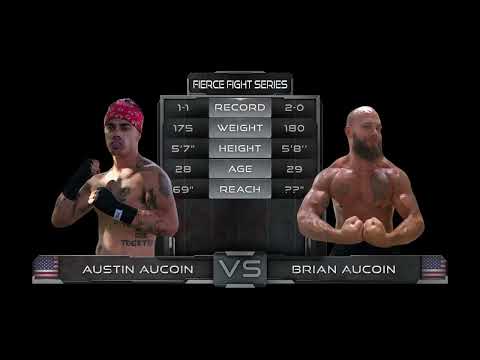
Martial Arts Showdown: Austin Aucoin vs. Brian Aucoin - A Masterclass in Combat

Greetings, warriors, and welcome to Budo and Martial Arts! Today, we delve into a captivating clash of titans: the full fight between Austin Aucoin and Brian Aucoin. Published on March 13, 2023, at 04:45 PM, this bout offers a rare glimpse into the raw application of principles that we strive to embody daily. As the most comprehensive and updated martial arts blog on the internet, we are here to dissect this encounter, not just as spectators, but as students of the Way. As you witness this display of skill, remember that every movement, every strategy, carries the weight of tradition and the intensity of modern competition. We encourage you to follow us on social networks and immerse yourselves in our main page for a deeper understanding of the martial world.

Introduction: The Aucoin Brothers' Duel

The announcement of Austin Aucoin vs. Brian Aucoin immediately ignites a spark of curiosity. Are these brothers? Or two warriors sharing a surname, destined to test their mettle against each other? Regardless of their familial connection, the premise of two individuals, presumably with similar foundational training, clashing in a full-contact scenario is a potent subject for analysis. This isn't merely a fight; it's a crucible where technique, strategy, and the warrior's spirit are laid bare.
The intensity of such a matchup often transcends individual styles, forcing each combatant to confront not only their opponent but also their own limitations and strengths. We will dissect this fight, much like a master craftsman examines a perfectly forged blade, looking for the nuances that define victory and the lessons that extend beyond the final bell.

The Art of the Fight: Tactical Breakdown

To truly appreciate a martial arts contest, we must move beyond the superficial spectacle and delve into the underlying strategy. In a full fight scenario like Austin Aucoin vs. Brian Aucoin, understanding the tactical approach of each combatant is paramount. Were they primarily strikers, relying on powerful kicks and punches? Or did they engage in grappling, seeking takedowns and submission holds? Observing their footwork, their defensive posture, and their offensive tempo reveals their game plan. Did one fighter consistently pressure the other? Did they exploit openings created by fatigue or a momentary lapse in concentration? The flow of the fight, the ebb and tide of dominance, tells a story of adaptation and response. A fighter who can adjust their strategy mid-bout, based on their opponent's reactions, demonstrates a higher level of tactical acumen. One critical aspect to consider is the range of combat. Did the fight remain primarily in the striking range, characterized by punches and kicks, or did it transition into the clinch and ground game, the domain of wrestling and judo or BJJ? The fighter who can dictate the engagement range often holds a significant advantage.
"In combat, the opportunity to strike is often fleeting. The wise warrior prepares for the opening, but is not discouraged by its absence." - Miyamoto Musashi (paraphrased)
This fight, like many in MMA or other combat sports, likely showcased a blend of these elements. Analyzing how Austin and Brian navigated these different phases of combat will provide invaluable insights into their martial development.

Key Techniques and Principles in Play

Beyond the broad tactical strategies, the specific techniques employed are the building blocks of martial prowess. In the confrontation between Austin Aucoin and Brian Aucoin, we should look for the application of fundamental martial arts principles. * **Striking:** Did they utilize effective boxing combinations? Were their kicks powerful and well-placed? A jab-cross combination, a well-timed low kick, or a devastating elbow can change the course of a fight in an instant. We might see practitioners of styles like Karate or Kickboxing displaying their striking expertise. * **Grappling:** If the fight went to the ground, how did they manage the position? Were there attempts at takedowns, like a double-leg or single-leg takedown? On the ground, did they exhibit effective control, or were there submissions like armbars or chokes? Disciplines such as Judo, Brazilian Jiu-Jitsu, and wrestling are crucial here. * **Clinch Work:** The clinch is a transitional phase where fighters grapple in close quarters. Effective clinch work can set up takedowns, deliver knees and elbows, or simply allow a fighter to control their opponent's posture and disrupt their offense. * **Defense:** Crucially, how did they defend against their opponent's attacks? Did they employ head movement, slips, blocks, or sprawls? A strong defense is often the foundation of a successful offense. The true artistry lies not just in executing these techniques, but in their seamless integration. A fighter who can transition fluidly from striking to grappling, or vice-versa, demonstrates a high level of mastery and adaptability.

Philosophical Implications: The Warrior's Heart

Every martial arts encounter, especially one as intense as a full fight, is a manifestation of deeper philosophical underpinnings. Beyond the physical techniques, what can Austin Aucoin vs. Brian Aucoin teach us about the warrior's mindset? The principle of *Mushin* – "no mind" – is often discussed in martial arts. It refers to a state of heightened awareness where the mind is free from distracting thoughts, allowing for spontaneous and intuitive action. Did either fighter exhibit moments of *Mushin*, acting purely on instinct and reacting perfectly to the situation? Furthermore, the concept of *Zanshin* – a state of relaxed awareness, of lingering attention – is vital. After executing a technique, a fighter with *Zanshin* remains aware of their surroundings and their opponent's potential counter-attacks. This prevents them from being vulnerable immediately after a successful offensive maneuver.
"To know your enemy and know yourself, and you need not fear the result of a hundred battles." - Sun Tzu
This fight is a testament to perseverance. The ability to withstand punishment, to continue fighting despite adversity, and to maintain focus under pressure are hallmarks of a true martial artist. It's a demonstration of inner strength, a core tenet of BUDO.

Training Regimen: Lessons from the Octagon

Witnessing a full fight like this naturally leads us to consider the training required to reach such a level. The path of a martial artist is one of relentless dedication and intelligent preparation. A comprehensive training regimen for combat sports typically includes: * **Technical Skill Development:** Regular practice of strikes, kicks, takedowns, grappling techniques, and defensive maneuvers. This involves drilling with partners, working on pads, and studying instructional material. * **Strength and Conditioning:** Building the physical foundation necessary for explosive power, endurance, and resilience. This often includes weight training, plyometrics, cardiovascular work, and agility drills. * **Sparring:** Controlled, simulated combat scenarios to apply learned techniques and test strategies against live opponents. This is where timing, distance, and reactions are honed. * **Mental Training:** Developing focus, discipline, emotional control, and the ability to perform under pressure. This can involve meditation, visualization, and overcoming mental barriers. * **Nutrition and Recovery:** Proper fueling of the body and adequate rest are crucial for performance and injury prevention. The Aucoin brothers' fight offers a tangible example of what hard work and consistent training can achieve. It inspires us to examine our own training practices and identify areas for improvement. Are we pushing ourselves sufficiently? Are our training methods aligned with our goals?

Essential Gear for Your Training

To engage effectively and safely in martial arts training, having the right equipment is crucial. Whether you're practicing striking, grappling, or a hybrid discipline, the gear you use directly impacts your performance and well-being.
  • Gloves: For striking disciplines like boxing, kickboxing, or MMA, well-fitting gloves (e.g., 16oz for sparring, lighter for bag work) are essential to protect your hands and your training partners.
  • Mouthguard: A vital piece of protective equipment for any combat sport to prevent dental injuries.
  • Shin Guards: Crucial for kickboxing and Muay Thai training to absorb impact and prevent bruising or fractures from kicks.
  • Grappling Gear: For BJJ and Judo, a durable and properly fitted Gi (kimono) is indispensable. Rashguards are also highly recommended for hygiene and to prevent mat burn.
  • Training Shoes: Lightweight, flexible shoes with good grip are important for striking arts, providing stability and mobility.
Investing in quality martial arts merchandise ensures that your training is both effective and safe.

Veredicto del Sensei: A Duel Worth Studying

Austin Aucoin vs. Brian Aucoin FULL FIGHT is more than just a video clip; it's a valuable case study for any serious practitioner of martial arts. The clarity of the footage allows for detailed analysis of tactics, techniques, and the sheer grit required in a full-contact contest. While the specific context of the fight (e.g., weight class, organization rules) influences the strategies employed, the fundamental principles remain universal. This bout exemplifies the dynamic nature of modern combat sports, where the lines between traditional styles blur, and a well-rounded skill set is paramount. It serves as a powerful reminder that the "fight" is not just about physical prowess, but also about mental fortitude, strategic thinking, and the unwavering spirit of a warrior. **Rating:** Full Guard Mastery.

Frequently Asked Questions

What martial arts styles are likely represented in this fight?

Based on the typical format of full fights in combat sports, it's probable that elements from striking arts like boxing, kickboxing, or Muay Thai are combined with grappling disciplines such as Brazilian Jiu-Jitsu, wrestling, or Judo.

How important is the referee's role in a fight like this?

The referee is critical for ensuring fighter safety, enforcing the rules, and maintaining the integrity of the contest. They step in to stop the fight when a competitor is in danger or when rules are violated.

Can I learn effective self-defense from watching this fight?

While watching fights can offer insights into practical application, self-defense requires specific training focused on real-world threats, which often differ significantly from the controlled environment of a sporting match. However, understanding timing, distance, and defensive reactions can be beneficial.

What is the significance of the surname "Aucoin" in martial arts?

Without specific context, the surname itself holds no inherent martial significance. It's the individuals and their demonstrated skills that matter. This particular matchup highlights how two fighters with the same surname can still possess vastly different skill sets and approaches to combat.

To Deepen Your Path

To truly grasp the nuances of combat and the philosophy behind martial arts, consider exploring these related topics:

Reflexión del Sensei: Tu Próximo Paso

This bout between Austin and Brian Aucoin is a powerful illustration of applied martial principles. Now, I ask you: when faced with an opponent, be it in the ring or in life's challenges, do you lead with brute force, or do you first seek to understand the flow of the situation and adapt your strategy accordingly? Where does your true strength lie: in the power of your strike, or the clarity of your mind? Ponder this, and demonstrate your understanding in the comments below. ```json { "@context": "https://schema.org", "@type": "FAQPage", "mainEntity": [ { "@type": "Question", "name": "What martial arts styles are likely represented in this fight?", "acceptedAnswer": { "@type": "Answer", "text": "Based on the typical format of full fights in combat sports, it's probable that elements from striking arts like boxing, kickboxing, or Muay Thai are combined with grappling disciplines such as Brazilian Jiu-Jitsu, wrestling, or Judo." } }, { "@type": "Question", "name": "How important is the referee's role in a fight like this?", "acceptedAnswer": { "@type": "Answer", "text": "The referee is critical for ensuring fighter safety, enforcing the rules, and maintaining the integrity of the contest. They step in to stop the fight when a competitor is in danger or when rules are violated." } }, { "@type": "Question", "name": "Can I learn effective self-defense from watching this fight?", "acceptedAnswer": { "@type": "Answer", "text": "While watching fights can offer insights into practical application, self-defense requires specific training focused on real-world threats, which often differ significantly from the controlled environment of a sporting match. However, understanding timing, distance, and defensive reactions can be beneficial." } }, { "@type": "Question", "name": "What is the significance of the surname \"Aucoin\" in martial arts?", "acceptedAnswer": { "@type": "Answer", "text": "Without specific context, the surname itself holds no inherent martial significance. It's the individuals and their demonstrated skills that matter. This particular matchup highlights how two fighters with the same surname can still possess vastly different skill sets and approaches to combat." } } ] }

The Unseen Lessons: What Israel Adesanya's Reaction Reveals About Merab Dvalishvili's Dominance

The octagon is a crucible, a stage where raw talent meets unyielding will. But beyond the thunderous roars and the sweat-soaked canvas, there lies a deeper narrative, one often revealed not by the victor, but by the keen observation of a fellow master. When Israel Adesanya, a maestro of striking and a strategist of the highest caliber, reacts to a performance, it’s more than just commentary; it's a masterclass in itself. Today, we dissect not just Merab Dvalishvili's commanding victory over Petr Yan at UFC Fight Night, but what "The Last Stylebender" saw, and what *we* can learn from it. This isn't just about MMA; it's about the fundamental principles of control, pressure, and the relentless pursuit of dominance that echo through every martial art, from the dojo halls of Karate to the strategic mind games of Budo.

Table of Contents

Understanding the Context: A Clash of Styles

Petr Yan, a former champion, known for his crisp boxing and sharp counter-striking, faced an unconventional challenge in Merab Dvalishvili. Yan’s game typically thrives on rhythm, timing, and precision striking. Dvalishvili, however, represents a different breed of fighter: a relentless pressure machine, a wrestler whose conditioning and sheer will to advance often break opponents before they can even engage their preferred weapons. This wasn't a simple striking match; it was a test of wills, a battle of contrasting philosophies within the same cage.
As published on March 12, 2023, at 06:36 AM, this UFC Fight Night bout provided a spectacle that resonated even with the elite. Israel Adesanya, a fighter who himself embodies strategic brilliance and diverse martial arts influence, offered his unique perspective. His reactions are not merely a fan's delight; they are a window into the strategic mind of a warrior, offering insights valuable to any practitioner, whether they train in Karate, Judo, BJJ, or the broader philosophy of Budo.
"The beauty of martial arts is that they are a mirror to ourselves. What we see in others, we can often find within us, or the potential for it." - Sensei Budo

The Adesanya Lens: What a Champion Sees

Adesanya's analytical prowess is legendary. He doesn't just see punches and kicks; he sees the underlying strategy, the physical and mental conditioning, and the subtle shifts in momentum. When he watches a fighter like Dvalishvili impose his will, he's not just impressed by the outcome; he’s dissecting the *how*. His commentary often highlights the fighter's ability to dictate the pace, control the distance, and impose their physical and mental strengths. For practitioners of striking arts like Karate or Taekwondo, observing Adesanya's reactions can highlight the importance of maintaining composure under pressure, a key tenet in disciplines that emphasize focus and control. For grapplers, his insights into transitional control and physical dominance offer a complementary perspective. It reinforces that while techniques vary, the core principles of warfare – positioning, timing, and application of force – remain constant.

Merab's Dominance Analyzed: The Art of Pressure

Dvalishvili's performance against Yan was a masterclass in suffocating pressure. It wasn't about flashy submissions or devastating knockouts; it was about relentless takedowns, suffocating clinches, and an unyielding forward march that left Yan with little room to breathe or execute his own potent offense. This style, while perhaps not as aesthetically pleasing as some, is brutally effective and deeply rooted in the physical and mental demands of wrestling, a discipline that shares common ground with Judo’s emphasis on leverage and control. What Adesanya likely recognized was the sheer *willpower* required to maintain such a high-octane pace for three rounds. It’s a testament to Dvalishvili's conditioning, his mental fortitude, and his ability to consistently execute a game plan that drains opponents both physically and psychologically. This is the essence of "pressure fighting," a tactic seen across combat sports, from the aggressive advances in Kickboxing to the methodical advancement in Kyokushin Karate.

Technical Breakdown: Grappling Control Beyond Technique

While we might not see a step-by-step tutorial in Adesanya’s reaction, his observations often point to the critical elements of grappling control that transcend specific techniques. He’ll likely highlight: * **Positional Dominance:** How Dvalishvili maintained top control, limiting Yan's ability to escape or generate offense. This is a fundamental principle in BJJ and Judo. * **Pace Setting:** Dvalishvili dictated the speed and intensity of the fight, forcing Yan into uncomfortable exchanges. * **Physicality:** The sheer exertion and conditioning required to consistently impose such a physical style. This is where the training for endurance and strength becomes paramount. This type of control is not merely about executing a perfect hip escape or a flawless sweep. It’s about understanding leverage, weight distribution, and the mental game of attrition. Even a Karateka practicing Tameshiwari (breaking techniques) understands the application of focused power and intent, which, in a different context, can translate to sustained physical imposition.

Philosophical Implications: Budo and the Fight

The principles demonstrated by Dvalishvili – relentless pressure, unwavering resolve, and the physical imposition of will – are deeply aligned with the philosophy of Budo, the "Way of the Warrior." While Budo encompasses a vast array of martial arts, a common thread is the cultivation of character through rigorous training and the overcoming of adversity. Adesanya, a student of various martial arts himself, understands this duality. He recognizes that a fight is not just about striking or grappling; it's a test of a warrior's spirit. Dvalishvili's performance, in this light, is a testament to the power of perseverance.
"The empty mind, the Mushin, is not about emptiness in the sense of nothingness, but emptiness in the sense of being open to everything. It is this openness that allows a fighter to adapt and overcome." - Miyamoto Musashi
Adesanya's reaction likely touches upon this: how Dvalishvili seemed unfazed by Yan’s reputation, sticking to his game plan, embodying a form of mental fortitude that is the hallmark of true Budo.

Training for Relentless Pressure: Building the Dvalishvili Engine

To replicate the kind of sustained dominance Dvalishvili displayed requires a specialized approach to training. It’s not enough to just drill techniques; one must build the engine that powers them. * **Cardiovascular Conditioning:** This is paramount. High-intensity interval training (HIIT), prolonged sparring at a high pace, and consistent roadwork are essential. Think of the endurance required for a Judo randori session, but amplified. * **Strength Training:** Focus on functional strength that aids in grappling: leg strength for takedowns, core strength for stability and control, and upper body strength for clinching and maintaining position. * **Wrestling Drills:** Repetitive takedown attempts, sprawl drills, and clinch work are crucial. * **Mental Fortitude:** Training under fatigue, simulating high-pressure scenarios, and developing resilience against setbacks are key components. This is where the "mental game" truly shines. This type of training is a commitment, a journey that demands discipline and dedication, mirroring the path of any dedicated martial artist.

Equipment Essential for Your Training

To effectively train for grappling and pressure-based martial arts, the right gear can make a significant difference in both performance and injury prevention. For those looking to emulate the pressure-fighting style, consider the following:
  • Gi/Kimono: A durable, high-quality Gi is essential for BJJ and Judo. Look for double-weave or heavier fabrics that can withstand intense grappling. A good Karate Gi is also important for striking arts.
  • Sparring Gloves: For MMA training, proper sparring gloves (14-16oz) are critical for protecting your hands and your training partners.
  • Wrestling Shoes: Lightweight, supportive wrestling shoes offer excellent traction and ankle support, crucial for takedown defense and offense.
  • Mouthguard: Non-negotiable for any form of sparring or live training to protect your teeth and jaw.
  • Knee Pads: Useful for heavy drilling on mats to protect your knees during takedowns and ground transitions.
Investing in quality equipment is an investment in your training longevity and effectiveness, much like a martial artist investing in their first Karate gi or a fencer in their fencing mask.

Veredicto del Sensei: More Than Just a Win

Merab Dvalishvili's victory over Petr Yan was a statement. It wasn't just a win; it was a demonstration of a martial philosophy in action – the relentless application of pressure, the unwavering physical and mental conditioning, and the strategic dismantling of an opponent’s strengths. Israel Adesanya's reaction to this performance, though perhaps not a direct technical breakdown, offers a higher-level appreciation of what makes a fighter successful. He sees the discipline, the commitment, and the warrior spirit. This fight serves as a potent reminder that while striking arts like Karate and Taekwondo offer incredible precision and power, the control and attrition found in grappling arts like Judo and BJJ, when coupled with supreme conditioning, can be an overwhelming force. It's a lesson in versatility and the understanding that true mastery often lies in the integration of diverse skill sets and the unyielding application of one’s chosen path.

Frequently Asked Questions

  • Q: What martial arts background does Merab Dvalishvili primarily use?
    A: Dvalishvili is primarily a wrestler with a strong sambo background, which heavily influences his pressure-fighting style in MMA.
  • Q: How does Adesanya's reaction provide value to non-MMA practitioners?
    A: Adesanya's commentary often highlights universal martial principles like pressure, strategy, composure, and mental fortitude, which are applicable to any martial art, from Karate to Judo.
  • Q: Is Merab Dvalishvili's style applicable to self-defense?
    A: The relentless pressure and focus on control are highly effective in self-defense scenarios, as it can quickly overwhelm an untrained aggressor.
  • Q: How important is conditioning in modern MMA?
    A: Conditioning is absolutely critical. Fighters like Dvalishvili demonstrate that superior cardio and physical output can overcome technical disadvantages.

Para Profundizar en tu Camino

* Artes Marciales Mixtas: Entendiendo las transiciones entre disciplinas. * BUDO: La filosofía detrás del guerrero moderno. * Judo: La fuerza de la flexibilidad y el control.

Reflexión del Sensei: Tu Próximo Paso

When watching elite fighters, we are given a glimpse of peak human performance. But the true lesson lies not in marveling at their victories, but in understanding the sacrifice, the relentless training, and the mental fortitude required to achieve them. Dvalishvili's pressure, Adesanya's insight – these are not just moments in a fight. They are reflections of the dedication we must bring to our own mats, our own training halls, our own lives. So, I ask you: When faced with an overwhelming obstacle, whether in training or in life, do you find yourself retreating to your strengths, or do you become the relentless force that breaks through? What are you doing to cultivate that unyielding pressure in your own journey?

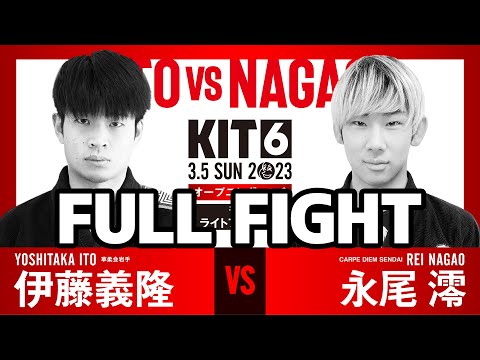
BJJ Showdown: Yoshitaka Ito vs. Rei Nagao at KIT6 – A Critical Analysis of Grappling Prowess

Greetings, warriors and students of the Way. Welcome to Budo and Martial Arts, your sanctuary for dissecting the true essence of combat and discipline. Today, we delve into a recent encounter that, while perhaps not shaking the very foundations of the martial world, offers a valuable lens through which to examine the intricacies of Brazilian Jiu-Jitsu. We are analyzing the bout between Yoshitaka Ito and Rei Nagao at KIT6, a contest that promises a clash of techniques and strategies within the grappling arts. This isn't just about watching two individuals grapple; it's about understanding the principles they employ, the execution of their techniques, and the silent dialogue of pressure and resistance. As practitioners, we are always searching for lessons, for insights that can refine our own journey. Was this bout a masterclass in BJJ strategy, or a mere exhibition? Let us find out.

Table of Contents

A Deeper Look at KIT6: Ito vs. Nagao

The event, "KIT6," held on March 5, 2023, presented a card that, while perhaps not as globally recognized as the UFC or ONE Championship, served its purpose in showcasing talent within the Brazilian Jiu-Jitsu scene. The specific match we are examining pits Yoshitaka Ito, representing Kusojukai Iwate, against Rei Nagao. The weight class and belt division (blue belt, light featherweight) provide context, suggesting a developmental stage in the practitioners' careers. However, as any seasoned martial artist knows, the purity of technique and strategic application can shine through regardless of belt level. This analysis aims to transcend a simple fight recap. We will dissect the mechanics, the strategy, and perhaps even the philosophical underpinnings, if any, present in this grappling exchange.

Brazilian Jiu-Jitsu: The Gentle Art of Control

Brazilian Jiu-Jitsu, often hailed as the "gentle art," is a martial art and combat sport system that focuses on grappling, particularly on the ground. Its effectiveness lies in its principle that a smaller, weaker person can defend themselves against a bigger, stronger opponent by using proper technique, leverage, and most importantly, applying joint-locks and chokeholds to defeat them. The core philosophy of BJJ is about control. It's not about brute force, but about positional dominance. Achieving mount, side control, or taking the back are not just positions; they are strategic advantages that allow for the application of submission techniques. This emphasis on control makes BJJ a highly technical and cerebral art. It teaches patience, problem-solving under pressure, and the understanding of body mechanics.
The evolution of BJJ from its Judo roots, particularly through the Gracie family, has cemented its reputation in mixed martial arts and self-defense. Its intricate web of sweeps, submissions, and escapes requires a deep understanding of anatomy, leverage, and timing. Every movement has a purpose, every reaction a counter. This is the canvas upon which Ito and Nagao painted their Jiu-Jitsu.

Fight Analysis: Ito vs. Nagao at KIT6

Observing the bout between Yoshitaka Ito and Rei Nagao requires a specific mindset. We are not looking for devastating knockouts or flashy striking displays. Instead, we must appreciate the subtle shifts in pressure, the feints, the grip changes, and the strategic maneuvering for dominant positions. Initially, one might expect a blue belt match to be somewhat raw, filled with errors and missed opportunities. However, the true beauty of Jiu-Jitsu, even at this level, lies in the moments of clarity. Did Ito or Nagao demonstrate superior pressure passing? Were their takedown attempts effective, or did they lead to scrambles? How did they react when taken down? These are the questions we must ask. From the footage, it appears the match was contested keenly. The exchange likely involved attempts to establish takedowns, transitions to the ground, and subsequent positional battles. The outcome, whether a submission, a decision, or a point-based victory, is secondary to the process. Did one fighter consistently maintain top control? Did the other exhibit strong defensive skills and successful escapes? A crucial aspect of any grappling match is the "scramble." These are dynamic moments where control is lost, and both athletes are attempting to regain a dominant position. Scrambles can be chaotic, but they are also where creativity and quick thinking are paramount. Observing how Ito and Nagao navigated these transitions will reveal a great deal about their respective skill sets and their understanding of the flow of Jiu-Jitsu.
"Jiu-Jitsu is like a chess game played with the body. Each move must be calculated, and every reaction anticipates the opponent's next step." - A common adage in BJJ circles.
The opening match designation suggests this was an early bout on the card. While this sometimes means less experienced competitors, it also signifies the start of the day's energy, a clean slate where the fundamental principles are put to the test without the fatigue of earlier bouts.

Technical Breakdown: Key Moments and Techniques

To truly understand the fight, we must look at specific technical elements, even if they are not fully visible in a general viewing. * **Takedown Entries:** Were takedowns initiated with solid base and posture? Did they utilize single-leg, double-leg, or perhaps Judo-inspired throws like an Ouchi Gari or Sasae Tsurikomi Ashi? Effective takedowns are the foundation of many grappling strategies. * **Guard Retention and Sweeps:** If one fighter was taken down, how effectively did they utilize their guard (closed, open, half guard) to prevent positional advancement and look for sweep opportunities? A strong guard is a Jiu-Jitsu practitioner's best friend when on their back. * **Passing the Guard:** Conversely, if a fighter was on top, how did they attempt to pass the opponent's guard? This is a critical phase where many BJJ matches are won or lost. Did they use pressure passes, speed passes, or leg drags? * **Submission Attempts:** Were there any submission attempts, such as armbars, kimuras, or chokes like the rear-naked choke or triangle choke? How were they set up, and how were they defended? The commitment to a submission, even if unsuccessful, shows intent. * **Positional Escapes:** When caught in a disadvantageous position (e.g., side control, mount, back control), how did the fighters attempt to escape and return to a neutral or dominant position? This often requires immense patience and technical understanding. Without detailed slow-motion analysis, pinpointing every micro-adjustment is difficult. However, the general flow and the success or failure of these core BJJ elements will indicate the relative strengths of Ito and Nagao. For instance, a fighter who consistently finds themselves on bottom and struggling to escape mount or side control is likely weaker in their defensive grappling and positional awareness. Conversely, a fighter who can seamlessly transition from guard pass to submission attempt showcases a more developed offensive game.

The Spirit of Budo in Grappling

While BJJ is a relatively modern art compared to the ancient traditions of Karate or Kendo, the principles of Budo are intrinsically linked to its practice. Budo, broadly translated as "the way of the warrior," emphasizes not just physical prowess but also mental discipline, respect, humility, and self-improvement. In the context of a BJJ match like Ito vs. Nagao, Budo manifests in several ways: * **Respect for the Opponent:** The handshake before and after the match, the acknowledgement of effort, regardless of the outcome. * **Perseverance:** Continuing to fight for a position or submission even when fatigued or in a difficult spot. This is the embodiment of "never give up." * **Discipline:** Adhering to the rules, maintaining composure under pressure, and executing techniques with precision rather than wild abandon. * **Humility:** Accepting defeat gracefully and learning from mistakes. A true Budo practitioner understands that every match is a learning opportunity. When we watch these athletes, we should look beyond the physical contest and consider how they embody these principles. Do they show the warrior's spirit in their actions?
"The ultimate aim of martial arts is not victory or defeat, but the perfection of the human character." - O-Sensei Morihei Ueshiba (Founder of Aikido)
This sentiment holds true for all disciplines that fall under the umbrella of Budo, including the dynamic world of Brazilian Jiu-Jitsu.

Veredicto del Sensei: Is This a Must-Watch?

Let’s be direct. For the casual viewer seeking a high-octane, visually spectacular fight, this blue belt BJJ match might not immediately capture your attention in the same way a UFC main event would. However, for the dedicated student of martial arts, particularly Brazilian Jiu-Jitsu, there are valuable lessons to be gleaned. If you are a beginner in BJJ, observing how these competitors navigate fundamental positions, attempt transitions, and apply basic submissions can be highly instructive. It provides a benchmark, a tangible example of techniques you might be learning in your own dojo. If you are an intermediate or advanced practitioner, the analysis becomes more nuanced – appreciating strategic choices, anticipating counters, and identifying subtle flaws or excellent applications of technique. It’s not about whether Ito or Nagao will become the next UFC champion based on this single bout. It’s about the journey of mastery. This fight is a snapshot of that journey. **Cinturón Negro en Fundamentos de BJJ**: This match is valuable for its clear illustration of core Brazilian Jiu-Jitsu principles, particularly for those at the beginner to intermediate stages. While it may lack the flashy finishes of higher-level contests, its technical integrity makes it a worthwhile study for aspiring grapplers.

Equipo Esencial para tu Entrenamiento de Jiu-Jitsu

To truly immerse yourself in the art of Brazilian Jiu-Jitsu, having the right equipment is crucial. It not only ensures comfort and safety but also allows you to focus on the techniques without distraction.
  • Kimono de Jiu-Jitsu (Gi): This is your primary uniform. For training and competition, a durable, well-fitting Gi is essential. Look for ones with double or triple stitching for longevity, especially if you plan on competing. Brands often vary in cut and weight, so trying a few on or getting recommendations from your gym is wise.
  • Rash Guards: Worn under the Gi, rash guards help prevent mat burn and can wick away sweat, keeping you more comfortable. They are also a critical piece of apparel for No-Gi grappling.
  • Spats/Shorts: For No-Gi training, comfortable and durable spats or grappling shorts are necessary. Ensure they are made of a flexible, resilient material that won't impede movement.
  • Mouthguard: Safety first. A good quality mouthguard is vital to protect your teeth and jaw during sparring, especially if there's a chance of accidental strikes or hard falls.
  • Flip-flops/Sandals: Essential for hygiene when walking around the gym outside the mats.
Investing in quality gear shows your commitment and will serve you well throughout your MartialArtsJourney.

Guía de Entrenamiento: El Arte del Escape de Sumisión

Mastering submissions is crucial, but true Jiu-Jitsu mastery lies in knowing how to escape them. A failed submission defense can end a match quickly. Here's a fundamental approach to escaping common submissions:
  1. Recognize the Submission Attempt Early: The earlier you recognize a submission being applied, the easier it will be to defend. Look for tell-tale signs like a change in your opponent's posture, a sudden shift in pressure, or the initial grip being set.
  2. Escape the Grip: If a grip is being applied (e.g., RNC grip, armbar grip), your first priority is to break or neutralize that grip. This might involve using your hands to peel fingers off, or using body positioning to create space.
  3. Defend the Limb/Position: For joint locks (armbars, kimuras), protect the attacked limb. In an armbar, this means bringing your hips into the attacker and keeping the arm tight to your body. For chokes, it means defending the neck by tucking your chin and creating space with your shoulder.
  4. Create Space and Re-Guard/Defend: The key to escaping almost any submission is creating space. This can be done by shrimping (hip escaping), bridging, or using your limbs to push away. Once space is created, you can either:
    • Re-Guard: If you were on the bottom, use the space to get your guard back between you and your opponent.
    • Defend Positionally: If you were caught in a bad position, use the space to regain a more neutral or dominant spot (e.g., turn into the armbar to relieve pressure, shrimp out of mount).
  5. Counter-Attack or Reset: Once you've escaped the immediate threat, you have an opportunity. This could be to reverse the position (sweep), secure your own submission, or simply reset to a neutral position to re-engage.
Remember, consistent drilling of these escapes is as vital as practicing offensive techniques. It's the defensive aspect that truly embodies the "gentle art" – surviving and thriving against greater force.

Preguntas Frecuentes

Q1: What belt level is considered proficient in Brazilian Jiu-Jitsu?

While belt colors indicate progression (white, blue, purple, brown, black), true proficiency is demonstrated through consistent application of techniques, strategic thinking, and a deep understanding of leverage and control, regardless of belt rank. A skilled blue belt can often outperform a less experienced higher belt.

Q2: Is Brazilian Jiu-Jitsu effective for self-defense?

Yes, BJJ is widely considered one of the most effective martial arts for self-defense, especially in situations where grappling might ensue. Its focus on control and submissions allows a smaller person to neutralize a larger attacker. However, a well-rounded self-defense strategy often incorporates striking defense as well.

Q3: How long does it typically take to earn a blue belt in BJJ?

The timeframe varies significantly based on individual dedication, training frequency, and the instructor's criteria. However, it typically takes anywhere from 1 to 3 years of consistent training to achieve the blue belt.

Q4: What is the difference between Judo and Brazilian Jiu-Jitsu?

While BJJ evolved from Judo, their focus differs. Judo emphasizes throws and takedowns, with grappling on the ground being secondary. BJJ, conversely, emphasizes ground fighting, positional control, and submissions, with takedowns being a means to get to the ground.

Para Profundizar en tu Camino

Continue your exploration of the martial arts world with these related articles: As you can see, the world of martial arts is vast and interconnected. Each bout, each technique, each philosophy offers a new lesson.

Reflexión del Sensei: Tu Próximo Paso

This encounter between Ito and Nagao at KIT6 was more than just a fight; it was a testament to the ongoing evolution and application of Brazilian Jiu-Jitsu. Every practitioner, from the novice to the seasoned veteran, faces challenges. The question for you now is: When the pressure mounts, when you are caught in an unfavorable position, do you know how to breathe, how to think, and how to execute the fundamental escape? Or do you falter? Meditate on this. Now, it is your turn. Did you find value in this breakdown? Do you believe the blue belt division of BJJ offers more insight than traditionally acknowledged? Express your views. Did Ito or Nagao demonstrate superior technique in your eyes? Argue your case in the comments below. Let the discourse begin!