Showing posts sorted by date for query Cus D'Amato. Sort by relevance Show all posts

Mike Tyson's Elusive Slip: A Masterclass in Defensive Evasion

Intention of the Budoka: The reader seeks to understand and learn the renowned slipping technique popularized by Mike Tyson, with a focus on its practical application and effectiveness in combat sports and martial arts.

Iron Mike. The Baddest Man on the Planet. Mike Tyson wasn't just a force of nature; he was a maestro of the sweet science, and a significant part of his devastating arsenal was his masterful evasion. Many focus on his knockout power, but his defense, particularly his famous slip, was the foundation upon which his offense was built. But what exactly makes this maneuver so effective, and can it truly be learned by mere mortals? Today, we dissect Tyson's signature move, not just as a boxing technique, but as a principle applicable across the martial spectrum.

The Essence of the Slip

At its core, the slip is a defensive maneuver designed to evade a punch by moving the head offline, typically to the side. It's a subtle shift, often accompanied by a slight bend of the knees, that causes the incoming strike to whistle harmlessly past the defender. The beauty of the slip lies in its efficiency. It requires minimal movement, conserves energy, and, crucially, positions the defender to immediately launch a counter-attack. Think of it as a dancer sidestepping a falling object – fluid, precise, and opportunistic.

In boxing, the slip is most commonly employed against straight punches, like the jab and the cross. By slipping to the outside of a jab, a fighter can create an angle to land a powerful counter right hand. Slipping a cross to the inside can open up devastating hooks. However, the principle extends beyond boxing. A martial artist practicing Karate might use a similar head movement to evade a punch before executing a swift counter-strike. Similarly, a Judo practitioner could use a slight evasive movement to disrupt an opponent's balance and set up a throw.

"The key is to be in motion all the time. You must be able to slip and counter, slip and counter, always moving." - A common adage in boxing gyms worldwide.

Mike Tyson, however, didn't just slip; he slipped with explosive intent. His slips were not passive evasions but aggressive redirections, often leading to thunderous hooks or uppercuts that ended fights. This duality – defense seamlessly transitioning into offense – is the hallmark of a true master.

Tyson's Interpretation: More Than Just Evasion

What set Tyson's slip apart was its integration into his overall fighting philosophy. He wasn't just moving his head; he was dictating the pace, drawing his opponents in, and exploiting the smallest openings with predatory precision. His slips were often accompanied by a subtle shoulder roll, adding another layer of defense while maintaining offensive readiness. This combination made him incredibly difficult to hit cleanly.

Consider the concept of Ki or inner energy. While seemingly a physical technique, Tyson’s masterful evasion tapped into a deeper understanding of timing and distance, a form of martial intuition. He felt the rhythm of the fight, anticipated the opponent's moves, and reacted with a speed and fluidity that defied his powerful build. This is not merely about dodging; it's about controlling the engagement.

His famous "peek-a-boo" style, developed under the tutelage of Cus D'Amato, emphasized keeping the hands high and protecting the chin, creating a tight defensive shell. From this shell, the slip was a natural, economical escape route. It’s a testament to the power of simplicity when executed with perfect timing and intent. This approach contrasts sharply with styles that rely on wider, more energy-consuming movements. Tyson's method is about conserving energy for maximum impact.

The effectiveness of Tyson's slip can also be attributed to his incredible footwork and lower body strength. He wasn't just slipping his head; he was dropping his level, moving his feet to create angles, and generating power from his hips and legs. This complete body engagement is what made his counters so devastating. It’s a reminder that even the most precise hand or head movement is rooted in the entirety of the physical structure.

Drills to Master the Slip

Learning the slip requires dedicated practice. It's not a technique you master overnight; it's a skill honed through repetition and focused effort. Here’s a guide to incorporating slip drills into your training:

  1. Shadowboxing with Emphasis: Start by incorporating slips into your shadowboxing. Visualize your opponent throwing a jab, then slip to the right. Visualize a cross, then slip to the left. Focus on the head movement and the slight bend of the knees. Don't just move your head; move your entire body offline.
  2. Partner Drills (Controlled): With a trusted partner, practice slipping jabs. Your partner throws a slow, controlled jab, and you practice slipping it. Focus on keeping your guard up and maintaining balance. Gradually increase the speed.
  3. The Slip Rope Drill: Hang a rope at head height. Stand facing it and practice slipping side to side, aiming to clear the rope. This drill helps develop the lateral head movement and the feeling for the correct distance.
  4. Mirror Drills: Stand in front of a mirror and practice slipping punches. This allows you to see your head movement and correct any flaws in your technique, ensuring you're not telegraphing your moves.
  5. Reactive Slip Drills: Have a partner point or call out directions (left, right) unexpectedly. React by slipping in the called direction. This builds reaction time and adaptability, crucial for real-time combat.
  6. Slip and Counter: Once you're comfortable slipping, start practicing counters. As you slip a punch, immediately throw a counter. For example, slip a jab to the right and throw a right hand, or slip a cross to the left and throw a left hook.

Remember, the goal is not just to avoid the punch but to use the opponent's momentum and your evasion to create a superior position for a counter-attack. This is the essence of effective martial arts – turning defense into offense.

Application in Modern Combat

While Mike Tyson was a boxer, the principles of his slipping technique are remarkably transferable to other martial arts and combat sports. In MMA, where fighters face a multitude of threats including kicks, takedowns, and punches from various angles, the ability to evade strikes efficiently is paramount. A well-timed slip can be the difference between landing a damaging blow or finding yourself on the canvas, or worse, facing a takedown attempt.

Consider a Kickboxing match. Slipping a jab can set up a powerful kick or a knee. In Karate, the concept of "nagashi-uchi" (flowing strike) shares similarities, where evasion is integrated into the offensive movement. Even in grappling arts like BJJ or Judo, while direct striking is less common, the ability to evade to create better angles for submissions or takedowns is a vital skill.

"The art of war is of vital importance to the State. It is a matter of life and death, a road to survival or ruin. Hence it is a subject of meticulous study." - Sun Tzu, The Art of War. While not about slipping punches, its emphasis on study and meticulousness applies to mastering any martial technique.

The challenge in mixed martial arts is the variety of attacks. A slip might evade a punch, but you must also be aware of a potential level change for a takedown. This requires an even higher degree of awareness and adaptability. However, the fundamental principle remains: minimize your target area and exploit the opening created by your evasion.

Self-defense scenarios, often chaotic and unpredictable, also benefit immensely from evasive skills. The ability to move your head offline, even slightly, can be the difference between being hit hard and being able to escape or defend yourself further. It's about creating space and time, invaluable commodities when facing an attacker.

Equipment Essential for Your Training

While the slip is largely about body mechanics, certain equipment can enhance your training and understanding:

  • Boxing Gloves: Essential for any partner drills to protect both you and your training partner. Look for gloves that offer good padding without restricting dexterity too much. Brands like Grant Boxing or Cleto Reyes offer high-quality options, though more budget-friendly brands are available for beginners.
  • Headgear: During more intense sparring or partner drills, headgear can provide crucial protection, allowing you to focus on the technique without fear of injury.
  • Speed Bag: Develops hand-eye coordination and timing, which are indirectly beneficial for evasive movements.
  • Jump Rope: Excellent for conditioning and developing the quick footwork and leg fluidity needed to support effective slips.
  • Training Partner: The most crucial piece of equipment for live drills. Ensure your partner is experienced and understands the importance of controlled practice.

Investing in quality martial arts merchandise can significantly improve your training experience.

Veredict of the Sensei: Does Tyson's Slip Hold Up?

Mike Tyson's slipping technique is far more than just a boxing trick; it’s a fundamental principle of evasion and counter-offense that transcends disciplines. Its beauty lies in its economy of motion, its defensive efficiency, and its seamless integration into offensive opportunities. While the raw power and explosiveness Tyson brought to his slips are legendary and perhaps inimitable, the core technique – moving your head offline to evade a strike and create an opening – is a vital skill for any combatant.

Verdict: A definitive Cinturón Negro en Técnica Defensiva. The slip, as exemplified by Tyson, remains a cornerstone of effective striking defense. Its mastery requires dedication, precise execution, and a deep understanding of timing and distance.

Frequently Asked Questions

Q: Can I learn to slip effectively without a coach?
A: While challenging, with dedicated practice, instructional videos, and self-analysis (like using a mirror), you can develop a basic understanding and proficiency. However, a coach can provide invaluable real-time feedback to correct flaws and accelerate learning.

Q: How is Tyson's slip different from a basic head movement?
A: Tyson's slip was characterized by its speed, fluidity, and integration with his entire body, particularly his hips and shoulders. It wasn't just moving the head; it was a dynamic evasion designed to immediately set up a powerful counter-punch.

Q: Is the slip effective against kicks?
A: The principle of evasion applies, but slipping is primarily designed for punches. Evading kicks often requires different movements like checking, blocking, or stepping offline in a more substantial way. However, a general awareness of creating angles and reducing your target area is always beneficial.

Q: How long does it take to master the slip?
A: Mastery is a lifelong pursuit in martial arts. However, developing a functional, reliable slip can take months of consistent, focused practice. True mastery, like Tyson's, takes years.

Deepen Your Journey

To further enrich your understanding of martial arts principles and techniques:

  • Analyze the fight strategies of legendary martial artists.
  • Explore the philosophy of Budo and its impact on combat.
  • Understand the role of Ki in martial prowess.
  • Dive into the history of Karate and its foundational techniques.

Sensei's Reflection: Your Next Step

Tyson's slip is a stark reminder that true power often lies not in the force of the blow, but in the ability to land it while remaining untouched. It’s about economy, efficiency, and intelligent movement. So, I ask you:

When you face an incoming strike, physical or metaphorical, do you stand firm and absorb the impact, or do you possess the fluidity and foresight to evade, reposition, and counter with even greater effect?

Your answer, and more importantly, your actions in training and in life, will reveal your true level of mastery.

``` GEMINI_METADESC: Un análisis profundo de la legendaria técnica de slip de Mike Tyson, sus mecánicas, métodos de entrenamiento y aplicación en diversas artes marciales y deportes de combate.
Mike Tyson: La Humillante Lección que Marcó su Carrera en la Cima

La Noche que el Rey Cayó

Amigos del Budo y las Artes Marciales, bienvenidos a una lección que trasciende el ring. Hoy no hablaremos de un kata perfecto ni de un agarre demoledor, sino de un evento que sacudió los cimientos del boxeo y que, para quienes entendemos la disciplina marcial, es una epopeya sobre la arrogancia, la resiliencia y, sí, la humildad. Hablamos de la noche en que Mike Tyson, el "Hombre más Malo del Planeta", el invencible, fue derrotado. Un momento que, paradójicamente, se convirtió en uno de los más importantes de su carrera al mostrarle la fragilidad bajo la armadura de la gloria.

El Monstruo Invencible de Brooklyn

A finales de los 80, Mike Tyson era más que un boxeador; era un fenómeno cultural. Con 37 victorias, 33 de ellas por KO, y 18 defensas de título, era la personificación del poder destructivo en el deporte. Su mirada intimidante, su velocidad cegadora y la fuerza bruta de sus golpes lo habían convertido en el campeón indiscutible de los pesos pesados. El mundo del boxeo creía que nadie podía hacerle frente. Era el rey indiscutible, y su reinado parecía eterno. Su estilo era una manifestación cruda de agresividad controlada, un arte en sí mismo, pero también una fuente de su futura caída.

"En el arte de la guerra, la victoria no está en la fuerza bruta, sino en la estrategia y la anticipación."

Su esquina, liderada por el legendario Cus D'Amato (aunque fallecido para entonces, su legado de disciplina y visión estratégica impregnaba a Tyson), había construido una máquina de guerra perfecta. Sin embargo, como veremos, la maquinaria puede fallar si se ignora al mantenimiento: la humildad y el respeto por el adversario.

El Ascenso Inesperado de James "Buster" Douglas

Pocos apostaban por James "Buster" Douglas esa noche del 11 de febrero de 1990 en Tokio. Douglas era un contendiente sólido, sí, pero venía de derrotas y no poseía el aura de "invencible" de Tyson. Muchos lo veían como un escalón más en la imparable marcha del campeón. Sin embargo, lo que el mundo no sabía era que Douglas llevaba consigo un fuego interior alimentado por tragedias personales y una profunda motivación. Su madre, una inspiración clave en su carrera, había fallecido poco antes de la pelea. Este dolor se transformó en una determinación férrea.

Douglas no era un novato; era un púgil técnicamente dotado, con un jab eficaz y una resistencia probada. Pero la sombra de Tyson era larga. ¿Podría un hombre con tantas adversidades superar al ogro de Brooklyn? La respuesta llegaría en el cuadrilátero.

La Pelea: Un Estudio de Resistencia y Estrategia

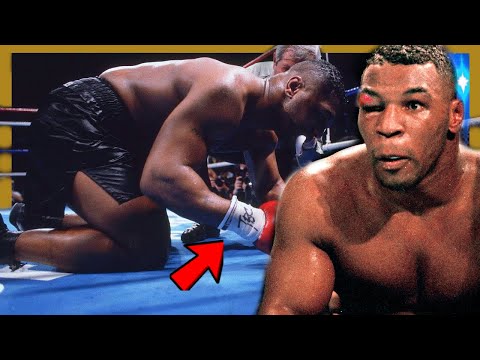
Desde el primer asalto, quedó claro que Douglas no estaba allí para ser una víctima. Conectó golpes limpios, se movió con agilidad y, crucialmente, demostró una resistencia asombrosa a la potencia de Tyson. En el octavo asalto, la película cambió drásticamente. Tyson, desequilibrado por un uppercut demoledor, cayó a la lona. Era la primera vez en su carrera profesional que Tyson era derribado. El conteo del árbitro pareció eterno, y para sorpresa de todos, Douglas se levantó, listo para continuar.

Este momento fue crucial. No solo por el golpe en sí, sino por el simbolismo. La invencibilidad de Tyson se había resquebrajado. A partir de ahí, Douglas tomó el control. En el décimo asalto, una combinación brutal envió a Tyson de nuevo a la lona, y esta vez, el campeón no pudo recuperarse a tiempo. El árbitro declaró a Douglas ganador por KO. El mundo contuvo la respiración.

"El verdadero guerrero no es el que nunca cae, sino el que se levanta una vez más de las que cae."

El Terremoto del Deporte y la Humildad Forzada

La derrota de Tyson ante Douglas fue uno de los mayores "upsets" en la historia del deporte. De la noche a la mañana, el mito de la invencibilidad se hizo añicos. Para Tyson, fue un golpe devastador, no solo físico sino, sobre todo, psicológico. Le obligó a enfrentar su propia mortalidad deportiva y a confrontar la arrogancia que, sin duda, había comenzado a infiltrarse en su preparación.

Esta derrota, lejos de ser un final, se convirtió en un punto de inflexión. Marcó el inicio de un camino hacia una madurez forzada. La humillación pública, el dolor de la derrota, le abrieron los ojos a la necesidad de un enfoque más completo, no solo en el entrenamiento físico sino también en la mentalidad y el respeto por cada oponente. Es una lección que resuena profundamente en el BUDO y todas las artes marciales.

Más Allá del Golpe: La Filosofía del Budo

En el Budo, el camino del guerrero, la victoria no es el único objetivo; es el proceso, el crecimiento y la automejora lo que define al verdadero practicante. La derrota de Tyson nos enseña valiosas lecciones sobre el mental game y la importancia de la disciplina incluso en la cima. El exceso de confianza puede ser un veneno tan letal como un golpe bien dirigido.

Douglas, impulsado por la adversidad y la memoria de su madre, encarnó la perseverancia que tanto valoramos. Demostró que la fuerza de voluntad y la estrategia bien ejecutada pueden superar incluso al adversario más temido. Esta es la esencia del Warrior Philosophy: nunca subestimes al oponente, nunca dejes de entrenar con el máximo respeto por tu arte y por ti mismo.

Equipo Esencial para tu Entrenamiento de Boxeo

Para quienes buscan emular la dedicación y la técnica, ya sea en boxeo o en cualquier otra disciplina de combate, contar con el equipo adecuado es fundamental. Un buen entrenamiento requiere:

  • Guantes de Boxeo: Esenciales para proteger tus manos y para el sparring. Para entrenamiento general, unos de 14-16 oz son ideales. Si buscas merchandise de calidad, investiga marcas reconocidas.
  • Vendas para Manos: Indispensables para dar soporte a las muñecas y nudillos durante el entrenamiento intenso, previniendo lesiones.
  • Saco de Boxeo o Pera Loca: Para desarrollar potencia, velocidad y resistencia. Un buen saco es una inversión a largo plazo en tu entrenamiento.
  • Protector Bucal: Crucial para cualquier tipo de sparring o combate, protegiendo tus dientes y mandíbula.
  • Ropa Deportiva Cómoda: Permite una total libertad de movimiento, esencial para la agilidad y la técnica. Considera camisetas y pantalones diseñados para el Workout.
  • Comba (Cuerda de Saltar): Un clásico para mejorar la resistencia cardiovascular, la coordinación y el juego de pies.

Análisis Táctico: La Clave del NOqueo

La derrota de Tyson no fue solo un golpe de suerte para Douglas. Fue el resultado de una estrategia inteligente. Douglas utilizó su alcance superior para mantener a Tyson a distancia con su jab, frustrando los intentos del campeón de acortar la distancia para descargar su devastadora potencia. Además, su mandíbula de acero le permitió absorber golpes que habrían noqueado a otros contendientes.

El momento clave, el que rompió la pelea, fue cuando Douglas conectó ese uppercut que envió a Tyson a la lona. No fue un golpe de suerte, sino la culminación de un plan: esperar el momento adecuado, aprovechar un instante de vulnerabilidad del oponente y ejecutar con precisión. Esto demuestra que, incluso contra un peleador de la talla de Tyson, la técnica, la paciencia y la ejecución perfecta pueden triunfar. Es un recordatorio de que en el combate, la inteligencia táctica a menudo supera a la fuerza bruta.

Veredicto del Sensei: ¿Un Puñetazo a la Gloria?

La derrota de Mike Tyson ante James "Buster" Douglas es mucho más que una sorpresa en el boxeo. Es un testimonio dramático de cómo la arrogancia puede ser el peor enemigo de un campeón. Tyson, creyéndose invencible, subestimó a su rival y pagó un precio altísimo. Douglas, por otro lado, canalizó su dolor y su determinación en una actuación memorable, demostrando que el corazón y la estrategia pueden derribar gigantes.

Para Tyson, esta noche fue un golpe de humildad necesario que, a largo plazo, pudo haber sido más valioso que otra victoria fácil. Le enseñó que el respeto por el adversario y la disciplina mental son tan importantes como la fuerza del golpe. Douglas se ganó un lugar en la historia, no solo por su victoria, sino por ser el hombre que le recordó al mundo que nadie es verdaderamente invencible.

Calificación: Cinturón Negro en Lección de Humildad

Para Profundizar en tu Camino

Preguntas Frecuentes

¿Por qué se considera una lección de humildad para Tyson?

Porque Tyson entró a la pelea con una excesiva confianza, creyéndose invencible. La derrota le obligó a confrontar su propia vulnerabilidad y la importancia de respetar a cada oponente.

¿Fue la derrota de Tyson ante Douglas un evento aislado o parte de una tendencia?

Fue un evento aislado, un "upset" histórico. Si bien Tyson tuvo otras derrotas significativas más adelante en su carrera, la de Douglas fue la que más impactó su imagen de invencibilidad inicial.

¿Cómo afectó esta pelea la carrera posterior de Mike Tyson?

Tras esta derrota, Tyson se volvió más cauteloso y, a veces, más errático. Tuvo que reconstruir su reputación, lo cual logró en parte, pero la sombra de la invencibilidad se había desvanecido.

¿Qué se dice de James "Buster" Douglas después de esta pelea?

Douglas no pudo mantener el campeonato por mucho tiempo, perdiéndolo en su siguiente pelea ante Evander Holyfield. Sin embargo, su victoria sobre Tyson le aseguró un lugar legendario en la historia del boxeo.

¿Qué lecciones prácticas podemos extraer de esta pelea para las artes marciales?

La principal lección es la importancia de la humildad, la disciplina mental y el respeto por el adversario, independientemente de su reputación o del momento de gloria propio.

Reflexión del Sensei: Tu Próximo Paso

Hemos analizado un momento cumbre que nos recuerda que el camino del guerrero está pavimentado tanto de victorias como de derrotas. Tyson aprendió de la caída. Douglas demostró el poder del espíritu. Pero, ¿y tú? ¿Te aferras a tus victorias pasadas, creyéndote invencible en tu propio entrenamiento? ¿O usas cada desafío, cada tropiezo, como un escalón para ascender, con humildad y determinación?

La verdadera maestría no se mide por la ausencia de derrotas, sino por la capacidad de aprender y levantarse con más fuerza. Ahora, la pregunta que te lanzo a ti, mi discípulo: Cuando enfrentes tu próximo obstáculo, ¿te levantarás como Douglas, impulsado por un propósito mayor, o te dejarás vencer por la sombra de tus propios triunfos pasados?

``` GEMINI_METADESC: Analiza la humillante derrota de Mike Tyson ante James 'Buster' Douglas en 1990. Una lección de humildad, estrategia y el espíritu del Budo que marcó la carrera del campeón.

El Legado Destrozado: Tommy Morrison, el "Duke", la Tragedia Tras la Gloria de Rocky

¡Atención, Budokas! La Gloria es Efímera, la Lección Perdura

¿Qué sucede cuando el carisma de un campeón se desmorona bajo el peso de sus demonios? Hoy no hablaremos de katas perfectos ni de la serenidad del *Mushin*. Nos sumergiremos en las profundidades de la ambición, el talento desmesurado y la autodestrucción. Hablaremos de Tommy Morrison, el hombre que encarnó al retador de Rocky Balboa en "Rocky V", pero cuya vida real se convirtió en una película mucho más sombría. Este no es un relato para los débiles de espíritu. Es una lección cruda sobre las trampas del éxito rápido y la importancia de un *Budo* interior que trascienda los aplausos del público.

Tabla de Contenidos

El Principio del "Duke": Un Campeón Nacido

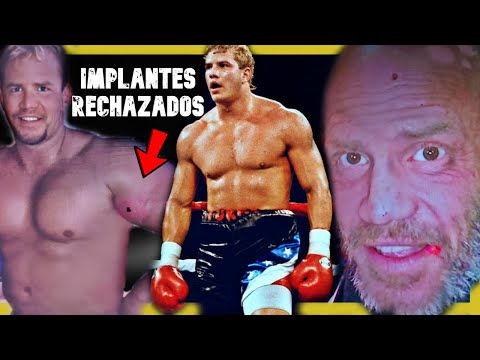
Tommy Morrison no era un cualquiera. Nacido en 1972, desde joven mostró una potencia y un carisma que lo hacían destacar. Su apodo, "The Duke", ya sugería una nobleza o, al menos, una presencia que no pasaba desapercibida. En el cuadrilátero, Morrison era un espectáculo. Su estilo agresivo, su capacidad para lanzar golpes demoledores y su innegable atractivo lo catapultaron a la fama en el boxeo profesional. Sus primeros años en el circuito fueron meteóricos. Ganó 28 peleas consecutivas antes de su primera derrota, demostrando un talento innato y una garra que cautivaron a los aficionados. Era la nueva promesa del boxeo, el heredero natural de los grandes pesos pesados. Su físico imponente, su rapidez y su pegada parecían asegurar un futuro glorioso.
"Un verdadero guerrero no es el que nunca cae, sino el que se levanta cada vez que cae." - Principio del Budo
Sin embargo, detrás de las luces y los aplausos, las semillas de su destrucción ya estaban siendo plantadas. La vida de un campeón no es solo entrenamiento y victoria; también implica una disciplina férrea, no solo física, sino mental. Y ahí es donde Morrison empezaría a flaquear.

"Rocky V": La Sombra de la Ficción se Cierne sobre la Realidad

El punto álgido, o quizás el principio del fin mediático, para Tommy Morrison llegó con su papel en "Rocky V" (1990). Interpretó a Tommy Gunn, un joven boxeador talentoso pero problemático que se convierte en pupilo y luego rival de Rocky Balboa. Su actuación fue sorprendentemente convincente, y su carisma natural brilló en la pantalla grande. Morrison no solo actuaba; vivía la esencia de un boxeador con potencial, pero con una mente a la deriva. Su interpretación de Gunn era tan creíble que para muchos, la línea entre el actor y el personaje se difuminó. Parecía que el destino lo había preparado para ese rol.
Pero la ficción, queridos amigos, a menudo es un espejo distorsionado de la realidad. Mientras en la película luchaba contra un mito, en su vida real, Morrison comenzaba una batalla aún más difícil: contra sí mismo y contra un mundo que lo atraía hacia la oscuridad. La fama repentina, el dinero fácil y la falta de una guía sólida, similar a la que "Cus" D'Amato ofrecía a Mike Tyson, pasarían factura.

La Caída del Gigante: Vicios, Polémicas y el VIH

Tras el éxito de "Rocky V", la carrera boxística de Morrison retomó impulso, pero su vida personal se desmoronaba. Se vio envuelto en problemas legales, adicciones a las drogas y al alcohol. El "Duke" que prometía ser una leyenda del boxeo comenzaba a mostrar grietas insalvables. El golpe más devastador llegó en 1996, cuando Morrison dio positivo en la prueba del VIH. Esta noticia no solo detuvo abruptamente su carrera boxística, sino que lo sumió en una profunda crisis. Se le prohibió pelear profesionalmente, un veredicto que parecía sentenciar su destino. La ironía es cruel: un hombre que había superado a rivales imponentes en el cuadrilátero se veía incapacitado por un enemigo invisible, dentro de su propio cuerpo. Su estilo de vida desenfrenado y las consecuencias de sus elecciones lo habían llevado a un callejón sin salida. Se debatió mucho sobre su estado de salud, si el virus era real o si había sido un error de diagnóstico. Morrison mismo llegó a afirmar en ocasiones que era inocente, que era una conspiración. Pero la realidad es terca, y los hechos apuntan a una verdad dolorosa.

La Lucha Final: Un Combate Contra uno Mismo

A pesar de su diagnóstico, Morrison intentó un regreso al boxeo en 2007. Peleó contra John Jackson, ganando por nocaut técnico en el octavo asalto. Fue un intento desesperado, un grito de guerra contra el destino. Sin embargo, la sombra del VIH y el desgaste físico y mental de años de excesos eran demasiado pesados. La vida de Tommy Morrison fue una montaña rusa de altibajos extremos. Un talento prodigioso que brilló con intensidad, pero que se consumió rápidamente. La tragedia final llegó en 2013, cuando falleció a los 44 años. La causa oficial fue paro cardíaco y respiratorio, pero las secuelas del VIH y años de abuso de sustancias sin duda jugaron un papel fundamental. Su historia es un eco sombrío de lo que pudo haber sido. Un recordatorio de que el talento deportivo, sin la disciplina mental y espiritual del *Budo*, puede ser un arma de doble filo.

Veredicto del Sensei: ¿Un Guerrero Derrotado o una Advertencia?

Tommy Morrison, "The Duke", es un caso fascinante y trágico. Como actor, nos dejó una actuación memorable que se entrelazó con su vida real. Como boxeador, mostró destellos de un campeón destinado a la grandeza. Pero como hombre, sucumbió a las debilidades que acechan a muchos talentos desmesurados: la adicción, la irresponsabilidad y la falta de un ancla moral y espiritual. ¿Merece la pena recordar su historia? Absolutamente. No para regodearnos en su caída, sino para aprender. Su vida es una advertencia: el poder físico y el carisma no son suficientes. El verdadero combate se libra en el interior. La fortaleza mental, la autodisciplina y el respeto por uno mismo son los cimientos sobre los que se construye un legado duradero. Morrison fue un guerrero, sí, pero quizás nunca aprendió la verdadera lección del combate: la batalla contra los propios demonios. **Calificación:** Cinturón Negro en Potencial y Carisma, Cinturón Blanco en Autodominio.

Equipo Esencial para tu Entrenamiento (y Cuidado Personal)

La vida de Morrison es un ejemplo extremo de los peligros de descuidar la salud. Si bien él se desvió del camino, nosotros debemos ser sabios. Un entrenamiento marcial efectivo requiere no solo técnica, sino también cuidado del cuerpo y la mente.
  • Guantes de Boxeo de Calidad: Para entrenamientos de sparring o golpes, la protección es vital. Marcas como Cleto Reyes o Everlast ofrecen garantías de seguridad. Consigue aquí tus guantes Cleto Reyes.
  • Protector Bucal: Imprescindible para cualquier deporte de contacto. Evita lesiones graves.
  • Vendas para Manos: Protegen tus muñecas y nudillos durante el impacto.
  • Ropa Deportiva Transpirable: El confort maximiza el rendimiento.
  • Equipo de Protección Personal: Más allá del gimnasio, la prevención es clave. Mantente informado sobre tu salud y no descuides tu bienestar.

Guía de Entrenamiento: Fortaleciendo la Fortaleza Mental

El verdadero combate de Tommy Morrison no fue contra Tyson o Balboa, sino contra sus propios demonios. Aquí te presento un ejercicio de entrenamiento para fortalecer tu mente, fundamental en cualquier arte marcial:
  1. Meditación Zazen (20 minutos): Siéntate en una postura cómoda, espalda recta, ojos entrecerrados. Enfócate en tu respiración. Cuando la mente divague (y lo hará), reconócelo sin juicio y vuelve suavemente a la respiración. Esto entrena la atención y la capacidad de no dejarse arrastrar por pensamientos caóticos.
  2. Visualización de Desafíos (10 minutos): Cierra los ojos e imagina un desafío próximo (una pelea difícil, una situación estresante). Visualízate reaccionando con calma, utilizando las técnicas y la mentalidad adecuadas. Siente la confianza.
  3. Diario de Gratitud y Reflexión (5 minutos): Escribe tres cosas por las que estás agradecido hoy y reflexiona brevemente sobre tus acciones del día. ¿Actuaste con el honor de un guerrero?
Este tipo de entrenamiento mental es tan crucial como cualquier golpe o patada. Es el *Budo* interior que nos hace verdaderos maestros, no solo de una técnica, sino de nosotros mismos.

Preguntas Frecuentes (FAQ)

  • ¿Tommy Morrison era realmente un buen boxeador? Sí, Tommy Morrison fue un boxeador de peso pesado con un gran potencial y un récord impresionante en sus inicios, llegando a ostentar un título mundial.
  • ¿Por qué se le prohibió pelear después de dar positivo en VIH? Las normativas deportivas y de salud pública en la época (y en muchos lugares aún hoy) prohíben la participación de personas con VIH en deportes de contacto debido al riesgo de transmisión del virus a través de fluidos corporales en caso de heridas abiertas durante el combate.
  • ¿El personaje de Tommy Gunn en "Rocky V" se basó en Morrison? Si bien Morrison interpretó a Tommy Gunn, el personaje tenía sus propias características. Sin embargo, el carisma y el estilo del actor contribuyeron a la credibilidad del papel.
  • ¿Qué lecciones podemos aprender de la vida de Tommy Morrison? Su vida enseña sobre el peligro de las adicciones, la importancia de la disciplina mental y espiritual más allá del talento físico, y las devastadoras consecuencias de las malas decisiones.

Para Profundizar en tu Camino

Para comprender la complejidad del mundo del combate y la vida de sus protagonistas, te invito a explorar estos temas en nuestro blog:

Reflexión del Sensei: Tu Próximo Paso

Morrison tuvo el talento, tuvo la oportunidad, incluso tuvo la fama efímera de Hollywood. Pero le faltó algo fundamental: la armadura interior forjada en la disciplina y el autoconocimiento. Su caída es un recordatorio brutal: el mayor adversario, y a menudo el más insuperable, reside en nuestro propio interior.

Reflexión del Sensei: Tu Próximo Paso

Ante el espejo de la vida de Tommy Morrison, te pregunto: ¿estás cultivando tu *Budo* interior con la misma dedicación que tus técnicas marciales? ¿O permites que tus propios "demonios" dicten el ritmo de tu combate personal? La respuesta define tu verdadero legado. ``` GEMINI_METADESC: Explora la trágica historia de Tommy Morrison "The Duke", el boxeador que interpretó a Tommy Gunn en "Rocky V", su ascenso, caída y las duras lecciones del Budo.

Mike Tyson's Peekaboo Style: A Masterclass in Brutal Simplicity

Introduction: The Shadow of the Iron Fist

Few names in the annals of combat sports evoke immediate fear and respect like Mike Tyson. "Iron Mike." The youngest heavyweight champion in history. A man who, for a time, seemed less like a boxer and more like a force of nature unleashed upon the ring. But beneath the raw power and terrifying aura lay a sophisticated, almost primal, fighting system: the Peekaboo style. Many have seen Tyson's devastating knockouts, his aggressive onslaughts, but few truly understand the intricate mechanics and ruthless philosophy that underpinned his dominance. This isn't just about throwing punches; it's about an entire approach to combat, a way of existing within the storm of a fight. Are you ready to dissect the methods of a legend? Are you prepared to understand why the most dangerous opponent is often the one you can't see coming?

The Roots of Peekaboo: From Sullivan to Cus D'Amato

The Peekaboo style, while inextricably linked to Mike Tyson, did not emerge from a vacuum. Its lineage traces back to earlier boxers who understood the fundamental advantage of keeping one's guard high and tight. Figures like John L. Sullivan, the last bare-knuckle heavyweight champion and first gloved heavyweight champion, employed a similar defensive posture. However, it was the legendary trainer Cus D'Amato who truly codified and refined Peekaboo, infusing it with psychological warfare and a unique offensive philosophy. D'Amato believed that boxing was not merely a sport but a chess match played with fists, where anticipating your opponent's moves and controlling the mental space was as crucial as landing a solid blow. He taught his fighters, most notably José Torres and then Floyd Patterson before Tyson, to be "chameleons," adapting their style while maintaining an unbreakable core. With Mike Tyson, D'Amato found the perfect student – a raw, explosive talent who absorbed the teachings and amplified them into a destructive symphony.

"Boxing is a lot like chess. It requires you to think two steps ahead. The ring is a chessboard, and every fighter is a pawn. But you can make pawns into queens." - Cus D'Amato

D'Amato's vision for Peekaboo was not just about defense; it was about using that tight guard as a platform for devastating offense. The high, bobbing and weaving guard protected the fighter while allowing them to see openings and attack from unexpected angles. It was a style built on constant motion, pressure, and the psychological effect of an opponent struggling to land a meaningful shot while being relentlessly pursued.

Core Principles of Peekaboo: The Art of the Elusive Target

At its heart, Peekaboo is a style of evasion and overwhelming offense. The name itself suggests a playful, almost taunting, element: "Peek-a-boo, I see you!" but the execution is anything but playful. The core tenets are deceptively simple, yet incredibly difficult to master:

  • High Guard: Both hands are held high, covering the face and chin, often with forearms nearly parallel. This minimizes the target area.
  • Bobbing and Weaving: Constant, fluid head movement is paramount. Fighters don't just move their heads side-to-side; they dip, weave, and roll, making them incredibly difficult to hit squarely.
  • Close-Range Dominance: Peekaboo excels in close quarters. The high guard and bobbing motion allow the fighter to slip inside an opponent's longer reach and unleash short, powerful hooks and uppercuts.
  • Pressure and Pursuit: A Peekaboo fighter rarely backs up. They advance, cutting off the ring, forcing their opponent to fight on their terms.
  • Explosive Combinations: When an opening appears, the Peekaboo fighter unleashes rapid, brutal combinations, often targeting the body and head in quick succession.

The goal is to become a small, elusive target that is simultaneously a dangerous weapon. It's a style that demands incredible conditioning, balance, and an almost innate sense of timing. It's about making your opponent miss, and then making them pay dearly for it.

Offensive Explosiveness: Unleashing the Iron Mike

This is where Mike Tyson truly became the embodiment of the Peekaboo style. His offensive arsenal, honed through D'Amato's teachings, was a whirlwind of destruction. The bobbing and weaving motion wasn't just defensive; it was the engine for his offensive attacks. As Tyson would dip under a jab or hook, he would simultaneously pivot and drive forward, bringing his own powerful short-range punches into play.

  • The "Pulley" System: D'Amato emphasized the "pulley" action – using the legs and core to generate power, rather than just relying on arm strength. This allowed Tyson to throw punches with incredible speed and force from unconventional angles.
  • Body-Head Combinations: Tyson was a master at attacking the body, lowering his opponent's guard, and then immediately following up with devastating uppercuts or hooks to the head. This combination was a hallmark of his devastating offense.
  • Short, Powerful Hooks and Uppercuts: Because Peekaboo operates in close range, the primary weapons are short, powerful hooks and uppercuts. Tyson's ability to generate knockout power with these punches was unparalleled.
  • Relentless Forward Pressure: Tyson didn't just wait for openings; he created them through sheer aggression and forward movement. He forced opponents onto the back foot, limiting their options and increasing the effectiveness of his own attacks.

The result was a fighter who seemed to explode from nowhere, delivering concussive blows before the opponent could even react. It was a style that demoralized opponents and often ended fights within the first round. The power was immense, but it was the *delivery system* – the Peekaboo motion – that made it so effective and so terrifying.

Defensive Mastery: The Constant Dance of Evasion

The high guard and constant bobbing are the most visible aspects of Peekaboo's defense. But true mastery goes deeper. It's about intelligent movement, anticipation, and using your offense to defend.

  • Head Movement as the Primary Defense: Instead of relying solely on blocking, Peekaboo fighters prioritize evasion. By moving their head off the centerline, they cause punches to miss or glance harmlessly.
  • The "Shell": The tight guard creates a "shell" around the head, making it difficult for opponents to find a clean target. This forces them to overextend or try to punch through the guard, which can be countered.
  • Counter-Punching Integration: The defensive movement is not static. As a fighter weaves, they are often setting up their own counter-punch. The miss becomes the opportunity.
  • Footwork and Balance: Maintaining balance while constantly bobbing and weaving is crucial. A solid base allows for quick shifts in direction and powerful counter-attacks.
  • Psychological Defense: The sheer difficulty of hitting a Peekaboo fighter can frustrate opponents, leading them to make mistakes, abandon their game plan, and become more vulnerable.

It’s a continuous, dynamic process. The defense isn't a static shield; it's an active, flowing dance that constantly manipulates distance and angle, setting the stage for offensive opportunities. This constant threat of retaliation discourages opponents from committing fully to their own attacks.

Training the Peekaboo Style: Drills for the Modern Warrior

Adopting the Peekaboo style requires dedicated, specific training. It's not something you can pick up passively. Here are some fundamental drills that any aspiring fighter, or even a martial artist looking to diversify their defensive awareness, can incorporate:

  1. The Wall Drill: Stand with your back against a wall. Practice bobbing and weaving, moving your head side-to-side and dipping low, ensuring your head doesn't touch the wall. This builds the foundational head movement.
  2. Shadow Boxing with Emphasis on Movement: Focus on fluid, continuous bobbing and weaving throughout your shadow boxing session. Imagine an opponent is throwing punches; react by moving your head. Practice slipping punches and immediately countering.
  3. Mirror Drills: Face a partner (or a mirror) and mirror their upper body movements. As they bob, you bob. As they weave, you weave. Then, introduce simple punch combinations for them to evade and counter.
  4. Heavy Bag "Peekaboo" Work: Approach the heavy bag as if it were an opponent. Bob, weave, and slip imaginary punches before exploding with short, powerful combinations. Focus on driving forward after evasion.
  5. Rope Work: Jumping rope is essential for conditioning and developing the footwork and rhythm needed for constant movement.
  6. Sparring with Specific Focus: In controlled sparring, focus solely on maintaining the high guard and constant head movement. Don't worry about landing power shots initially; concentrate on making your opponent miss.

Remember, the key is repetition and muscle memory. These drills, when performed consistently, will ingrain the habit of constant defensive movement, making it second nature in the heat of the moment.

Peekaboo's Place in Modern Combat: Beyond Boxing's Canvas

While Peekaboo is a pure boxing style, its core principles have undeniable relevance in Mixed Martial Arts (MMA). The emphasis on head movement, evasive defense, and explosive close-range offense translates remarkably well. Fighters like Max Holloway and even Israel Adesanya, known for their slick defensive footwork and head movement, incorporate elements reminiscent of Peekaboo. The ability to slip punches, defend against strikes while closing distance, and unleash devastating combinations in the clinch or at close range are invaluable skills in MMA. However, the danger lies in the transition. A fighter heavily reliant on Peekaboo's tight guard might struggle against leg kicks or powerful takedowns if their ground game isn't equally developed. The dynamic nature of MMA requires adaptations, but the fundamental strategy of becoming a difficult target while remaining a constant offensive threat remains a powerful blueprint for victory.

"The danger in MMA is you can slip a punch, but then you're open for a kick or a takedown. Boxing defenses are brilliant, but they aren't always complete in an MMA context." - A common sentiment among analysts.

The challenge for MMA fighters is to integrate these boxing principles without leaving themselves overly exposed to the wider array of attacks possible in an MMA bout. It’s about selective application and seamless transitions.

Veredicto del Sensei: Is Peekaboo Still King?

The Peekaboo style, as exemplified by Mike Tyson, is a testament to the devastating effectiveness of combining intelligent defense with explosive offense. It’s a style that rewards relentless pressure, superior conditioning, and a killer instinct. While boxing has evolved, and fighters face different challenges today, the fundamental principles of Peekaboo remain potent. It’s not a style for the faint of heart; it demands immense courage and dedication. However, for those willing to embrace its rigors, it offers a pathway to becoming a truly formidable and terrifying opponent. It proves that sometimes, the most effective way to fight is to be the storm your opponent cannot weather, and the ghost they can never quite catch.

Cinturón Negro en Brutal Eficacia. The Peekaboo style, when executed by a master, is an art form of controlled chaos, proving that simplicity, delivered with ferocious intent, can indeed conquer complexity.

Equipo Esencial para tu Entrenamiento

To truly train effectively in a style like Peekaboo, proper equipment is crucial. Investing in the right gear not only enhances your training but also ensures safety.

  • Guantes de Boxeo: For general training and pad work, 10-14oz gloves are standard. For sparring, 16oz is often recommended for safety. Look for brands known for durability and good padding.
  • Guantillas de MMA: If you plan to transition to MMA, investing in 4oz MMA gloves is necessary for clinch work and ground training, though they offer less protection for striking.
  • Vendas para Manos: Essential for protecting your wrists and hands during intense bag work or sparring.
  • Protector Bucal: Absolutely critical for any form of sparring or heavy bag work to protect your teeth and jaw.
  • Casco de Entrenamiento: For sparring, a good quality training headgear is a must to minimize cuts and bruises, and reduce the impact of shots.
  • Cuerda de Saltar: A fundamental tool for conditioning, footwork, and rhythm development.
  • Par de Guantes de Entrenamiento (Pads): If you have a partner, Thai pads or boxing mitts are excellent for practicing combinations and defensive movements.

Preguntas Frecuentes

Q1: Is the Peekaboo style only for heavyweights?
A1: No, while Mike Tyson was a heavyweight, the principles of Peekaboo can be adapted by fighters of any weight class. The emphasis is on elusiveness, head movement, and close-range power, which are universally applicable.

Q2: How long does it take to learn the Peekaboo style?
A2: Mastering the Peekaboo style takes years of dedicated practice. While you can learn the basic movements relatively quickly, developing the timing, reflexes, and conditioning to use it effectively in combat is a long-term commitment.

Q3: Can Peekaboo be used effectively against taller opponents?
A3: Yes, the style is particularly effective against taller opponents. The bobbing and weaving allows a shorter fighter to get inside the longer reach, nullify jabs, and attack the body and head from below.

Q4: What are the main weaknesses of the Peekaboo style?
A4: Potential weaknesses include vulnerability to body shots if the guard drops too high, susceptibility to leg kicks in MMA, and the high energy expenditure required for constant movement. It also requires excellent timing to avoid counter-punches when slipping.

Para Profundizar en tu Camino

```

Reflexión del Sensei: Tu Próximo Paso

The whirlwind of Mike Tyson's Peekaboo style is a powerful reminder that true effectiveness often lies in ruthless simplicity. But simplicity does not mean ease. It demands discipline, immense conditioning, and a profound understanding of movement and timing. Now, I ask you: In your own training, are you merely going through the motions, or are you actively seeking to make yourself an elusive, yet devastating, target? How will you integrate the spirit of Peekaboo—the constant dance of evasion and controlled aggression—into your personal martial journey, whether on the mat, in the ring, or in life itself? The path forward is rarely straight; it often requires weaving.

``` GEMINI_METADESC: Explore Mike Tyson's legendary Peekaboo boxing style: its origins, core principles, offensive techniques, and defensive mastery. Learn training drills and its relevance in MMA.

Mike Tyson's Explosive Power: Unpacking the Drills That Forged Knockouts

Iron Mike Tyson. The name alone conjures images of raw power, lightning-fast combinations, and opponents crumbling before him. For many, he remains the epitome of destructive force in the boxing ring. But what separated Tyson from the rest? Was it just brute strength, or was there a deeper methodology at play? Today, we delve into the unique, often unconventional, training regimens that Cus D'Amato and Kevin Rooney forged for "Iron Mike," drills that didn't just build muscle, but directly translated into the spectacular knockouts that defined his legendary career. Prepare yourselves, for we are about to dissect the very essence of Tyson's devastating arsenal.

The Genesis of 'Iron Mike'

Welcome, seekers of martial wisdom, to Budo and Martial Arts! You've stumbled upon a dissection of Mike Tyson, a fighter whose name is synonymous with concussive power and a brutal, almost primal, efficiency in the ring. The date of publication might be December 24, 2018, but the lessons drawn from Tyson's career are timeless. We aim to be the most complete and updated resource on martial arts, and dissecting figures like Tyson is crucial to understanding the evolution of combat.
"Every kid around here dreams of being a heavyweight boxer, because that's the biggest, toughest guy. He's going to be the richest guy. He's going to be the toughest guy. He's going to be the best fighter. He's going to be the most famous guy." - Mike Tyson
Tyson's journey from a troubled youth in Brooklyn to the undisputed heavyweight champion of the world is a narrative steeped in discipline, harsh realities, and unparalleled dedication. But beyond the captivating story, lies a tactical and technical foundation laid by two brilliant minds: Cus D'Amato and Kevin Rooney.

D'Amato's Peekaboo: More Than Just a Style

Cus D'Amato's "Peekaboo" style is often misunderstood. It wasn't merely about keeping your hands near your face, though that was a component. It was a defensive and offensive philosophy designed to make the fighter an elusive yet devastatingly powerful attacker. * **The "Peekaboo" Stance**: Hands held high, close to the face, creating a "shell." This protected the head and chin while allowing for explosive, short-range attacks. * **Head Movement**: Constant, subtle bobbing and weaving, making the fighter an incredibly difficult target. This wasn't just evasion; it was strategic movement to create angles of attack. * **Explosive Power Generation**: D'Amato emphasized generating power from the ground up, through hip rotation and core engagement, rather than just arm strength. This allowed smaller fighters, like Tyson, to possess devastating knockout power. * **Psychological Warfare**: The style was also about intimidation. The constant, almost playful, head movement could unnerve opponents, making them hesitant and predictable. Tyson’s mastery of this style, under D’Amato's tutelage, was profound. It was the bedrock upon which his terrifying reputation was built.

Unveiling Tyson's Knockout-Forging Drills

While the Peekaboo style provided the framework, it was the specific drills, often adapted and intensified by Kevin Rooney, that honed Tyson's raw talent into fight-ending weapons. These weren't standard bag work or pad sessions; they were exercises designed to exploit weaknesses, build specific reflexes, and condition the body for maximum impact.
These drills were not about learning new techniques in isolation, but about refining existing ones to an almost inhuman degree of precision and power. They focused on repetition, timing, and the development of explosive kinetic chains, turning muscle memory into a destructive force.

Drill 1: The Phantom Jab and Its Devastating Echo

One of the most talked-about drills involved Tyson practicing a "phantom jab." This was essentially a jab thrown without full commitment, often feigned, designed to draw a reaction from his sparring partner or opponent. The genius lay not in the jab itself, but in what came *after*. * **The Setup**: Tyson would throw this almost imperceptible, or feinted, jab. * **Drawing the Reaction**: Experienced fighters might instinctively try to parry, block, or even counter this perceived threat. * **The Payoff**: As the opponent reacted, their guard would momentarily shift, or they would expose an opening. This was Tyson's cue to unleash his devastating power shots – the thunderous right hand, the uppercut, or a vicious body blow. This drill was instrumental in setting up his signature knockouts. It taught him to read his opponent's reactions in fractions of a second and exploit them ruthlessly. It’s a prime example of how understanding reaction timing can turn a simple feint into a fight-ending sequence. Many spectacular knockdowns in boxing history owe their existence to such subtle, yet powerful, setups.

Drill 2: The Rolling Thunder Combination

This drill focused on developing Tyson's ability to string together powerful, rapid combinations while maintaining his defensive posture. It wasn’t just about throwing punches; it was about flowing from one to the next with seamless integration. * **Execution**: Tyson would practice a sequence of power punches, often starting with a hook, transitioning into an uppercut, and then following with another hook or a devastating right hand. Crucially, this was done with continuous head movement, exemplifying the Peekaboo style. * **Power Transfer**: The emphasis was on transferring weight and momentum through each punch. The "roll" of the head and upper body generated rotational force, amplifying the impact of each strike. * **Endurance and Power**: This drill also built incredible stamina and the ability to deliver concussive power throughout the round, not just in the opening moments. This repetitive, high-intensity drilling instilled a brutal rhythm that opponents struggled to match. It’s the kind of training that transforms a boxer into a relentless offensive machine.

Drill 3: The Shell Game and Evasion

While Tyson was known for his offense, his defense, rooted in the Peekaboo style, was equally critical. Drills focused on maintaining the defensive shell and evading punches were paramount. * **The Drill**: Sparring partners would aim at specific targets on Tyson's high guard. Tyson's job was to block, slip, or roll with the punches, keeping his core protected and his body moving. * **Developing Reflexes**: This cultivated lightning-fast reflexes. He learned to anticipate punches and move his head and body just enough to avoid significant impact, often making opponents miss wildly. * **Creating Counter Opportunities**: Crucially, this constant evasion was not passive. As opponents overextended or missed, it created openings for Tyson to unleash his own devastating counters, often from unexpected angles. This wasn't just about taking punches; it was about *not* taking punches, while simultaneously setting traps for his adversaries. The ability to weave and slip while remaining in a position to counter is a hallmark of true defensive mastery.

The Enduring Impact on Boxing History

Mike Tyson's drills, as implemented by D'Amato and Rooney, were more than just training exercises. They were a masterclass in applied physiology, psychology, and combat strategy. They transformed a gifted athlete into one of the most feared and effective knockout artists the world has ever seen.
"He who is not courageous enough to take risks will accomplish nothing in life." - Muhammad Ali
These methods highlight a crucial principle in martial arts and combat sports: the effectiveness of specialized training tailored to an individual's strengths and a specific combat philosophy. It’s a testament to the idea that true mastery comes not just from talent, but from relentless, intelligent, and often unconventional, practice. The "crazy drills" were, in fact, brilliantly executed strategies designed to maximize impact and minimize risk.

Veredicto del Sensei: Tyson's Place in Martial Lore

Mike Tyson’s approach, while rooted in boxing, embodies principles that resonate across all combat disciplines. The fusion of Peekaboo's defensive artistry with drills designed for explosive, decisive offense is a powerful lesson. His ability to translate training into fight-ending power, particularly through clever setups and relentless pressure, earns him a high place not just in boxing history, but in the broader narrative of martial effectiveness. **Cinturón Negro en Poder Destructivo y Estrategia de Combate.** Tyson's legacy is a stark reminder that innovation in training, combined with a deep understanding of an opponent's psychology, can create unparalleled dominance. His "crazy drills" were, in fact, the result of profound insight into the mechanics of combat and the human psyche.

Equipo Esencial para tu Entrenamiento (Boxing Focus)

While Tyson's intensity is legendary, proper equipment is crucial for anyone looking to emulate his dedication safely. For those aspiring to develop similar power and technique in boxing or related striking arts:
  • Guantes de Boxeo (16oz para sparring, 10-12oz para entrenamiento en saco/pads): Protegen tus manos y las de tu compañero.
  • Vendas para Manos: Imprescindibles para dar soporte a tus muñecas y nudillos.
  • Protector Bucal: La seguridad es primordial. Nunca entrenes sin él.
  • Saco de Boxeo Pesado: Para desarrollar potencia y resistencia.
  • Manoplas (Focus Mitts): Esenciales para trabajar precisión, velocidad y combinaciones con un compañero.
  • Ropa Deportiva Transpirable: Permite la máxima libertad de movimiento y ayuda a regular la temperatura corporal.
  • Calzado Deportivo de Boxeo: Ofrece soporte para tobillos y tracción en el ring.
Investing in quality equipment is not just about comfort; it’s about injury prevention and optimizing your training.

Guía de Entrenamiento: Simulating Tyson's Intensity

While replicating Tyson's exact drills without expert supervision is ill-advised, we can adapt principles for intensity and specificity. This guide focuses on simulating the *spirit* of his training: explosive power, defensive integration, and relentless offense.
  1. Warm-up (15 mins): Dynamic stretching, light shadow boxing focusing on head movement, and skipping rope to increase heart rate.
  2. Focus Mitt Simulation (3 Rounds x 3 mins):
    • Partner calls out a *feint jab* (mimicking Tyson's setup).
    • You immediately *slip* or *weave*, then throw a strong counter combination (e.g., right cross, left hook, right uppercut).
    • Focus on explosiveness and rapid transition from defense to offense.
  3. Heavy Bag Power Rounds (3 Rounds x 3 mins):
    • Focus on short, brutal combinations with maximum power.
    • Incorporate Tyson-esque head movement between punches. Think "roll-hook-uppercut-cross."
    • Maintain high intensity throughout the round.
  4. Defensive Drills (2 Rounds x 3 mins):
    • Have a partner throw *controlled* punches at your guard.
    • Practice blocking, slipping, and rolling with the punches.
    • Focus on keeping your chin tucked and core tight. Transition immediately to a counter punch if an opening appears.
  5. Cool-down (10 mins): Static stretching, focusing on shoulders, back, and legs.
Remember, intensity is key, but proper form and safety always come first. This is about building explosive power and intelligent defense, not reckless aggression.

Preguntas Frecuentes

  • Was Mike Tyson's Peekaboo style truly unique?
    While the core principles of head movement and defensive posture existed, D'Amato's specific application and Tyson's natural athleticism made it uniquely devastating. It was more than a style; it was a philosophy tailored for maximum impact.
  • Are Tyson's drills safe for beginners?
    Directly replicating some of Tyson's most intense drills without proper conditioning and supervision can be dangerous. The drills discussed are for understanding the principles behind his success, not for direct imitation without expert guidance.
  • How did Tyson generate so much power?
    A combination of factors: Cus D'Amato's emphasis on hip and core rotation, Kevin Rooney's adaptation of specific explosive drills, Tyson's natural strength and speed, and his compact, powerful physique allowed for immense force generation in short, explosive bursts.
  • Can principles from Tyson's training be applied to other martial arts?
    Absolutely. The emphasis on explosive power generation from the ground up, intelligent defense, reading opponents, and the importance of specific, high-intensity drills are universal principles applicable to striking arts, grappling, and even self-defense.

Para Profundizar en tu Camino

Dive deeper into the world of combat science and martial philosophy with these related articles:

Reflexión del Sensei: Tu Próximo Paso

We've dissected the drills that turned Mike Tyson into a force of nature. But knowledge without application is mere trivia. The question you must ask yourself is: how can the *principle* of specialized, intense, and intelligent training be integrated into *your* practice? Are you merely going through the motions, or are you forging your own "crazy drills" that directly translate to your desired outcomes? What aspect of your current training regime most desperately needs a Tyson-esque re-evaluation? ``` GEMINI_METADESC: Explore the groundbreaking training drills that forged Mike Tyson's legendary knockout power. An in-depth analysis of Peekaboo style and its application.

Mike Tyson: El Filósofo del Nocaut y la Fuerza Bruta en el Ring

¿Realmente sirve de algo la fuerza bruta en el combate marcial, o es un mito perpetuado por figuras como Mike Tyson?

En el panteón de las leyendas marciales, pocas figuras resuenan con la fuerza sísmica de Mike Tyson. Su apodo, "Iron Mike", no era una mera construcción mediática; era una declaración de principios, un eco de la destrucción controlada que desataba en el cuadrilátero. Pero, ¿era Tyson un mero bruto, un instinto animal desbocado, o había algo más profundo en su dominio? Como Sensei y crítico de cine marcial, he visto a innumerables guerreros en la pantalla y en el tatami, pero Tyson representa un fenómeno único: la personificación de la potencia bruta aplicada con una precisión aterradora. Su récord de 50 victorias, 44 de ellas por KO, habla por sí solo, pero la verdadera lección radica en cómo esa fuerza se moldeó, se canalizó y finalmente, qué nos enseña a todos sobre el verdadero arte del combate. Esta es una inmersión profunda en la leyenda de Mike Tyson, no solo como un boxeador, sino como un exponente extremo de la fuerza en el mundo marcial, y lo que su legado nos dice sobre la aplicabilidad de la potencia pura en el combate, el entrenamiento y la vida.

Tabla de Contenidos

La Filosofía del Nocaut: Más Allá de la Fuerza Bruta

Seamos claros: Tyson era una fuerza de la naturaleza. Su velocidad, su potencia de golpeo y su agresividad eran abrumadoras. Sin embargo, reducirlo a "fuerza bruta" sería un insulto a la disciplina y al arte que lo elevó. El nocaut, en su forma más pura, no es solo un impacto físico; es la culminación de una estrategia, la explotación de una debilidad, el desmantelamiento psicológico y físico del oponente.

Un gran maestro de Karate me enseñó una vez: "La potencia sin control es un arma en manos de un niño. El verdadero poder reside en la aplicación precisa y oportuna de la fuerza". Tyson, en sus mejores momentos, encarnó esta máxima. Sus entradas en ángulo, su habilidad para acortar distancias y su golpeo explosivo eran el resultado de un entrenamiento meticuloso y una comprensión profunda de la física del combate. No era solo un hombre fuerte; era un hombre que entendía cómo usar su fuerza de manera devastadora.

En el boxeo, el nocaut puede terminar una pelea instantáneamente. Pero en otras artes marciales, como el Karate Kyokushin o el MMA, donde los golpes pueden ser limitados o el objetivo es más amplio, el concepto de "terminar la pelea" adquiere matices diferentes. Tyson demostró que la amenaza constante de un KO puede ser tan efectiva como el golpe mismo, dictando el ritmo y forzando errores en el oponente.

"No pienso en la pelea, solo en ganar. No hay lugar para la duda." - Mike Tyson. Esta mentalidad, aunque extrema, revela la importancia del enfoque absoluto en el arte marcial.

El Entrenamiento de "Iron Mike": La Creación de una Máquina

La leyenda de Tyson no nació de la nada. Su entrenamiento era legendario en su intensidad. A diferencia de muchos atletas de élite que pueden permitirse instalaciones de última generación, el entrenamiento temprano de Tyson, bajo la tutela de Cus D'Amato, se basaba en principios fundamentales y una dedicación implacable.

Ejercicios como los burpees, las flexiones con palmada, los abdominales explosivos y el trabajo con mancuernas ligeras pero de alta repetición eran la base de su preparación física. El objetivo era desarrollar una potencia explosiva, una resistencia muscular feroz y una capacidad para absorber y lanzar golpes repetidamente.

Su rutina de ejercicios incluía:

  • Calentamiento: Amplio y dinámico, preparando el cuerpo para el esfuerzo extremo.
  • Entrenamiento de Fuerza: Series interminables de flexiones (incluyendo variantes con palmada para potencia), sentadillas, abdominales y trabajo con pesas. La clave era el volumen y la intensidad.
  • Sparring: Una parte crucial, no solo para la técnica, sino para simular la presión de la competición y desarrollar la dureza mental.
  • Acondicionamiento Cardiovascular: Cintas de correr, bicicleta estática y carreras matutinas tempranas, a menudo antes del amanecer, para construir una base aeróbica que le permitiera mantener su explosividad durante toda la pelea.

Este enfoque holístico, combinando fuerza bruta con resistencia de élite, es un modelo para cualquier practicante de artes marciales mixtas o cualquier disciplina que requiera una explosividad sostenida. Si aspiras a tener la potencia de Tyson, debes estar dispuesto a invertir el tiempo y el esfuerzo en un entrenamiento riguroso que vaya más allá de lo superficial.

Análisis de Combate: La Efectividad del Nocaut en el Budo Moderno

Hoy en día, el panorama de las artes marciales ha evolucionado. El MMA domina, y la versatilidad es la clave. Entonces, ¿cuánto de la "filosofía Tyson" sigue siendo relevante? Mucho, si se entiende correctamente.

El combate moderno valora la capacidad de un peleador para terminar una pelea de múltiples maneras: por sumisión, por KO o por decisión. Tyson, centrado en el KO, podría parecer unidimensional para algunos. Sin embargo, su intimidación y su capacidad para acabar con los oponentes antes de que la pelea llegara a la distancia eran herramientas poderosas en sí mismas.

En disciplinas como el Judo o el BJJ, el objetivo es a menudo el control y la sumisión, no el golpeo. Pero la potencia de un grappler bien condicionado es innegable. La capacidad de "apretar" un sumisión, de mantener una posición dominante, o de levantar y derribar a un oponente más grande, todo ello se beneficia de una base física sólida, similar a la que Tyson cultivó. Un luchador que pueda imponer su voluntad física, que pueda mover a su oponente con fuerza controlada, tiene una ventaja significativa.

Consideremos la UFC. Peleadores como Francis Ngannou, con una potencia de golpeo descomunal, demuestran que el KO sigue siendo una de las fuerzas más decisivas en las MMA. Aunque Ngannou ha trabajado para refinar su técnica, su base de poder es una parte fundamental de su éxito. La lección aquí es que la potencia pura puede ser un multiplicador de fuerza, especialmente cuando se combina con habilidad y estrategia.

Veredicto del Sensei: ¿Un Monstruo o un Maestro de la Demolición?

Mike Tyson no fue un monstruo en el sentido negativo de la palabra; fue un maestro de la demolición. Su habilidad para aniquilar a sus oponentes no se basaba únicamente en la fuerza bruta, sino en una combinación de potencia explosiva, velocidad sorprendente, agallas indomables y una brutal eficiencia. Su entrenamiento, aunque extremo, sentó las bases para una máquina de combate casi perfecta.

En el contexto del Budo y las artes marciales modernas, Tyson nos enseña que la potencia física, cuando se entrena y aplica correctamente, es una herramienta invaluable. No es el único camino hacia la victoria, pero subestimarla es un error garrafal. Su legado es un recordatorio de que la fuerza, el acondicionamiento y la mentalidad de "ganar a toda costa" siguen siendo pilares fundamentales del combate efectivo.

Calificación: Cinturón Negro en Demolición Controlada.

Equipo Esencial para tu Entrenamiento (Inspirado en la Potencia)

Para aquellos que buscan emular la potencia y la resistencia de campeones como Tyson, el equipo adecuado puede marcar la diferencia. Aunque Tyson se centró en el boxeo, muchos de estos principios de acondicionamiento son transferibles a otras artes marciales.

  • Guantes de Entrenamiento Pesados (16oz o más): Esenciales para el boxeo y el kickboxing, ayudan a proteger tus manos y te acostumbran a la sensación de lanzar golpes potentes.
  • Cuerda de Saltar de Alta Calidad: Un elemento básico para el acondicionamiento cardiovascular y la agilidad. Busca una que sea duradera y que ofrezca una buena velocidad.
  • Mancuernas y Pesas Libres: Para el entrenamiento de fuerza y potencia. Una variedad de pesos te permitirá realizar ejercicios como sentadillas, zancadas, press de banca y ejercicios de levantamiento.
  • Saco de Boxeo o Pera de Velocidad: Indispensables para practicar golpes, desarrollar potencia y mejorar la coordinación.
  • Rodilleras y Espinilleras (para algunas disciplinas): Si practicas disciplinas de combate cuerpo a cuerpo o lucha en pie que impliquen patadas, estas son cruciales para la seguridad.
  • Ropa Deportiva Transpirable: Para mantenerte fresco y cómodo durante los entrenamientos intensos.

Invertir en buen equipo de artes marciales es invertir en tu propio desarrollo y seguridad.

Preguntas Frecuentes

  1. ¿Era Mike Tyson el peleador más fuerte de la historia?

    Es difícil comparar épocas y disciplinas. Si bien su potencia de golpeo era excepcional para el boxeo, la definición de "más fuerte" puede variar. Sin embargo, su capacidad para generar fuerza devastadora en el contexto del boxeo es innegable.

  2. ¿Se puede entrenar para tener la potencia de Mike Tyson?

    Puedes entrenar para desarrollar una potencia explosiva y una fuerza significativas, pero la combinación única de genética, entrenamiento riguroso y talento natural de Tyson es difícil de replicar.

  3. ¿Es el nocaut la única forma de ganar en las artes marciales?

    No, en absoluto. Si bien el nocaut es una victoria decisiva, muchas artes marciales se centran en la sumisión, los puntos o la superioridad técnica y táctica. El enfoque de Tyson era específico del boxeo.

  4. ¿Qué lecciones de Tyson son aplicables fuera del ring?

    La disciplina férrea, la mentalidad enfocada en un objetivo claro, la capacidad de soportar la adversidad y la importancia del acondicionamiento físico son lecciones universales que trascienden el deporte.

Para Profundizar en tu Camino

Reflexión del Sensei: Tu Próximo Paso

Hemos examinado la potencia descomunal de Mike Tyson, desmantelando la idea de que era un simple bruto. Vimos cómo su fuerza era una herramienta perfeccionada por la disciplina y la estrategia. Ahora, te enfrentas a una pregunta crucial: En tu propio entrenamiento, ¿eres como un martillo, golpeando con fuerza indiscriminada, o eres como un cirujano marcial, aplicando la cantidad justa de presión, en el momento preciso, para lograr el efecto deseado?

``` GEMINI_METADESC: Explora la potencia y disciplina de Mike Tyson. Analizamos su impacto en el boxeo y las lecciones de fuerza aplicables a las artes marciales y el Budo.