Showing posts sorted by date for query Boxing Strategy Breakdown. Sort by relevance Show all posts

Jeka Saragih vs. Justin Gaethje: A Martial Arts Masterclass in Analysis

Welcome, warriors of the digital dojo, to Budo and Martial Arts! Today, we dissect a clash that reverberated through the fight community: Jeka Saragih vs. Justin Gaethje. This wasn't just a bout; it was a profound study in contrasting philosophies, a visceral demonstration of technique, and a testament to the unyielding spirit that defines true martial artists. Prepare yourselves for a deep dive, not just into the fight itself, but into what it represents for the broader world of combat.

The Unfolding Drama: A Prelude to War

On March 18, 2023, the martial arts world held its breath. The anticipation for Jeka Saragih vs. Justin Gaethje was palpable. This wasn't merely a scheduled contest; it was a confluence of distinct martial paths, a promise of raw power meeting strategic brilliance. From the moment the bell rang, we were to witness not just a fight, but a narrative woven with aggression, resilience, and the unyielding pursuit of victory. This analysis will go beyond the surface-level action, delving into the techniques, the mindsets, and the profound lessons these warriors imparted.

Contrasting Philosophies: Saragih vs. Gaethje

Before the first punch was thrown, the strategic battle lines were drawn. Jeka Saragih, known for his potent striking and aggressive style, embodies a direct, forward-pressing approach, a philosophy that resonates with the raw power often seen in striking-centric martial arts. On the other side stood Justin Gaethje, "The Highlight," a warrior whose name is synonymous with relentless pressure, devastating leg kicks, and an almost suicidal commitment to standing and trading. Gaethje's style, while seemingly chaotic, is built on a foundation of exceptional conditioning and an iron will. He doesn't just fight; he endures and overcomes, forcing his opponents to confront their own limits. Understanding these inherent differences is key to appreciating the ebb and flow of their encounter.

Round 1: Establishing Dominance and Countering Threats

The initial exchange set the tone. Saragih, with his characteristic ferocity, looked to impose his striking. We saw flashes of his power, but Gaethje, the seasoned veteran, was prepared. His defense was active, his movement calculated, and crucially, his leg kicks began their insidious work. These weren't just strikes; they were statements of intent, designed to sap mobility and create openings. Gaethje's ability to absorb pressure and return fire, often with compounding effectiveness, was on full display. This round was a masterclass in controlling the distance and tempo, a crucial element in any combat scenario.

Round 2: The Art of Adaptation and the Will to Win

As the fight progressed into the second round, the narrative intensified. Saragih, perhaps realizing the effectiveness of Gaethje's leg attacks, sought to adapt. However, Gaethje's relentless pace is a formidable challenge. The physical toll began to manifest, yet Gaethje's spirit seemed to ignite even further. He continued to press forward, his output unwavering. This round highlighted the immense resistencia and mental fortitude required at the highest levels of martial arts. The ability to push through fatigue and maintain strategic focus is a hallmark of true champions, a testament to the Budo principle of perseverance.

"The true warrior is not someone who never falls, but someone who rises every time they fall." - A principle echoed by masters throughout history.

Round 3: The Climax and the Legacy of the Bout

The final round often separates the contenders from the pretenders. In Saragih vs. Gaethje, it was a brutal testament to the human spirit. Despite the accumulated damage, both fighters continued to engage, showcasing an incredible level of heart. Gaethje's signature aggression, combined with Saragih's resilience, created a dramatic conclusion. The outcome, while significant, is secondary to the demonstration of courage and skill on display. This bout will be remembered not just for its decisive moments, but for the sheer tenacity that both athletes brought to the fight.

Technical Breakdown: Beyond the Knockouts

While knockouts often steal the headlines, true martial arts analysis lies in the details. Gaethje's low kicks were textbook examples of how to dismantle an opponent's mobility. Each strike landed with purpose, setting up his forward pressure. Saragih, on the other hand, displayed powerful boxing fundamentals, looking for that decisive connection. The clinch work, the defensive maneuvers, the footwork – all these elements contributed to the strategic chess match unfolding before us. Observing these nuances offers invaluable insights for anyone serious about training, regardless of their chosen discipline. This fight is a practical lesson in the application of various martial arts principles within a modern combat sports context.

The Deeper Currents: What This Fight Teaches Us About Budo

Beyond the physical, every significant bout is a philosophical treatise. The relentless pressure of Gaethje speaks to the spirit of Budo – the unwavering pursuit of perfection and the embrace of hardship as a path to growth. Saragih's courage in facing such a challenge embodies the warrior's readiness to confront adversity head-on. This encounter reminds us that combat sports are more than just physical contests; they are arenas where character is forged, where discipline is tested, and where the warrior's spirit is illuminated. The Ki, or vital energy, seemed to flow from both fighters, fueling their determination.

"In the heat of battle, the principles of discipline and strategy become the only true allies." - A reflection on the crucible of combat.

Veredicto del Sensei: A True Warrior's Test

Jeka Saragih vs. Justin Gaethje was more than just a matchup; it was a profound exploration of combat prowess and warrior spirit. Gaethje's strategic aggression and Saragih's brave challenge created a bout that will be studied by practitioners for years to come. This fight exemplifies the core tenets of martial arts – resilience, technique, and an indomitable will. It’s a testament to why watching and analyzing such contests is as vital to a martial artist’s development as any training session. This bout stands as a powerful example in the annals of fight history.

Sensei's Verdict: Cinturón Negro en Tenacidad y Estrategia. This fight earned its place as a benchmark for modern combat analysis.

Equipment Essential for Your Training

To emulate the dedication and technique you witness in bouts like Saragih vs. Gaethje, proper equipment is paramount. Investing in quality gear not only enhances your training but also ensures safety.

  • Durable Kimono: For disciplines like Judo or BJJ, a robust, double-weave gi is essential for withstands rigorous grappling. Consider brands known for their resilience.
  • High-Quality Sparring Gloves: For striking disciplines, gloves of appropriate weight (16oz is standard for many) are crucial for both protection and effective power transfer.
  • Protective Gear: Mouthguards and shin guards are non-negotiable for sparring sessions to prevent serious injury.
  • Training Mats: If you're practicing at home, investing in quality workout mats provides a safe surface for falls and takedowns.

Training Guide: Developing a Gaethje-esque Pressure Game

Justin Gaethje's style is not for the faint of heart, but its core principles can be adapted for many striking disciplines. Here's a guide to developing a similar pressure-based offense:

  1. Master the Low Kick: Practice your low kicks relentlessly. Focus on snapping the kick and hitting the thigh or calf. Aim for accuracy and repetition.
  2. Develop a Steel Chin and Conditioning: Spar regularly, but always with control. Engage in intense cardiovascular training to build the stamina needed to maintain pace for three full rounds.
  3. Aggressive Forward Movement: Learn to cut off the cage or ring effectively. Move forward with purpose, forcing your opponent to defend.
  4. Head Movement and Defense: While Gaethje often engages in wars, his head movement allows him to slip punches and counter. Practice slipping punches and rolling with strikes.
  5. The Jab as a Setup: Use your jab not just to score points, but to set up your power shots and control distance.
  6. Controlled Aggression: While Gaethje is known for his wars, his aggression is calculated. Learn to read your opponent and choose your moments to unleash power.

Frequently Asked Questions

Q1: What martial arts background does Justin Gaethje have?
A1: Justin Gaethje has a strong wrestling background, which heavily influences his aggressive, pressure-fighting style in MMA.

Q2: Is Jeka Saragih primarily a striker or grappler?
A2: Jeka Saragih is known for his powerful striking, particularly his boxing and Muay Thai influences.

Q3: How can I watch the full fight replay?
A3: Full fight replays are typically available on official event broadcaster platforms (like UFC Fight Pass for official UFC events) or through reputable combat sports media outlets, often posted with a slight delay or for purchase.

Q4: What makes Gaethje's style so effective, despite the risks?
A4: Gaethje's effectiveness stems from his elite conditioning, relentless pressure, devastating leg kicks, and an almost unparalleled ability to absorb damage and continue fighting. His style forces opponents into uncomfortable exchanges.

Q5: How can I incorporate the "pressure fighting" style into my own training safely?
A5: Focus on conditioning, develop strong defensive techniques to counter aggression, and always spar with controlled intensity. Prioritize safety and learn from experienced coaches.

To Dive Deeper Into Your Journey

This analysis of Saragih vs. Gaethje is just one facet of the vast world of martial arts. To truly enrich your understanding and practice, explore these related topics:

Reflexión del Sensei: Tu Próximo Paso

We've dissected the techniques, pondered the philosophies, and felt the raw energy of Saragih vs. Gaethje. But the true measure of a martial artist is not in passive observation, but in active application. Does the relentless pressure of Gaethje inspire you to push your limits in training, or does Saragih's bold engagement challenge you to be more proactive? Consider this:

When faced with overwhelming odds, do you seek to weather the storm, or do you charge into it, trusting your training to guide you?

The answer lies not in your words, but in your actions within the dojo and beyond. Now, the floor is yours. What resonated most with you? Did I miss a critical element of their strategy or philosophy? Let the debate begin in the comments below!
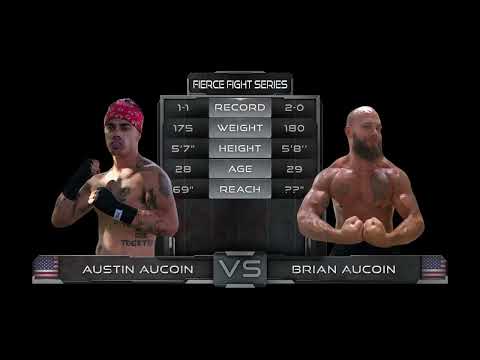

Martial Arts Showdown: Austin Aucoin vs. Brian Aucoin - A Masterclass in Combat

Greetings, warriors, and welcome to Budo and Martial Arts! Today, we delve into a captivating clash of titans: the full fight between Austin Aucoin and Brian Aucoin. Published on March 13, 2023, at 04:45 PM, this bout offers a rare glimpse into the raw application of principles that we strive to embody daily. As the most comprehensive and updated martial arts blog on the internet, we are here to dissect this encounter, not just as spectators, but as students of the Way. As you witness this display of skill, remember that every movement, every strategy, carries the weight of tradition and the intensity of modern competition. We encourage you to follow us on social networks and immerse yourselves in our main page for a deeper understanding of the martial world.

Introduction: The Aucoin Brothers' Duel

The announcement of Austin Aucoin vs. Brian Aucoin immediately ignites a spark of curiosity. Are these brothers? Or two warriors sharing a surname, destined to test their mettle against each other? Regardless of their familial connection, the premise of two individuals, presumably with similar foundational training, clashing in a full-contact scenario is a potent subject for analysis. This isn't merely a fight; it's a crucible where technique, strategy, and the warrior's spirit are laid bare.
The intensity of such a matchup often transcends individual styles, forcing each combatant to confront not only their opponent but also their own limitations and strengths. We will dissect this fight, much like a master craftsman examines a perfectly forged blade, looking for the nuances that define victory and the lessons that extend beyond the final bell.

The Art of the Fight: Tactical Breakdown

To truly appreciate a martial arts contest, we must move beyond the superficial spectacle and delve into the underlying strategy. In a full fight scenario like Austin Aucoin vs. Brian Aucoin, understanding the tactical approach of each combatant is paramount. Were they primarily strikers, relying on powerful kicks and punches? Or did they engage in grappling, seeking takedowns and submission holds? Observing their footwork, their defensive posture, and their offensive tempo reveals their game plan. Did one fighter consistently pressure the other? Did they exploit openings created by fatigue or a momentary lapse in concentration? The flow of the fight, the ebb and tide of dominance, tells a story of adaptation and response. A fighter who can adjust their strategy mid-bout, based on their opponent's reactions, demonstrates a higher level of tactical acumen. One critical aspect to consider is the range of combat. Did the fight remain primarily in the striking range, characterized by punches and kicks, or did it transition into the clinch and ground game, the domain of wrestling and judo or BJJ? The fighter who can dictate the engagement range often holds a significant advantage.
"In combat, the opportunity to strike is often fleeting. The wise warrior prepares for the opening, but is not discouraged by its absence." - Miyamoto Musashi (paraphrased)
This fight, like many in MMA or other combat sports, likely showcased a blend of these elements. Analyzing how Austin and Brian navigated these different phases of combat will provide invaluable insights into their martial development.

Key Techniques and Principles in Play

Beyond the broad tactical strategies, the specific techniques employed are the building blocks of martial prowess. In the confrontation between Austin Aucoin and Brian Aucoin, we should look for the application of fundamental martial arts principles. * **Striking:** Did they utilize effective boxing combinations? Were their kicks powerful and well-placed? A jab-cross combination, a well-timed low kick, or a devastating elbow can change the course of a fight in an instant. We might see practitioners of styles like Karate or Kickboxing displaying their striking expertise. * **Grappling:** If the fight went to the ground, how did they manage the position? Were there attempts at takedowns, like a double-leg or single-leg takedown? On the ground, did they exhibit effective control, or were there submissions like armbars or chokes? Disciplines such as Judo, Brazilian Jiu-Jitsu, and wrestling are crucial here. * **Clinch Work:** The clinch is a transitional phase where fighters grapple in close quarters. Effective clinch work can set up takedowns, deliver knees and elbows, or simply allow a fighter to control their opponent's posture and disrupt their offense. * **Defense:** Crucially, how did they defend against their opponent's attacks? Did they employ head movement, slips, blocks, or sprawls? A strong defense is often the foundation of a successful offense. The true artistry lies not just in executing these techniques, but in their seamless integration. A fighter who can transition fluidly from striking to grappling, or vice-versa, demonstrates a high level of mastery and adaptability.

Philosophical Implications: The Warrior's Heart

Every martial arts encounter, especially one as intense as a full fight, is a manifestation of deeper philosophical underpinnings. Beyond the physical techniques, what can Austin Aucoin vs. Brian Aucoin teach us about the warrior's mindset? The principle of *Mushin* – "no mind" – is often discussed in martial arts. It refers to a state of heightened awareness where the mind is free from distracting thoughts, allowing for spontaneous and intuitive action. Did either fighter exhibit moments of *Mushin*, acting purely on instinct and reacting perfectly to the situation? Furthermore, the concept of *Zanshin* – a state of relaxed awareness, of lingering attention – is vital. After executing a technique, a fighter with *Zanshin* remains aware of their surroundings and their opponent's potential counter-attacks. This prevents them from being vulnerable immediately after a successful offensive maneuver.
"To know your enemy and know yourself, and you need not fear the result of a hundred battles." - Sun Tzu
This fight is a testament to perseverance. The ability to withstand punishment, to continue fighting despite adversity, and to maintain focus under pressure are hallmarks of a true martial artist. It's a demonstration of inner strength, a core tenet of BUDO.

Training Regimen: Lessons from the Octagon

Witnessing a full fight like this naturally leads us to consider the training required to reach such a level. The path of a martial artist is one of relentless dedication and intelligent preparation. A comprehensive training regimen for combat sports typically includes: * **Technical Skill Development:** Regular practice of strikes, kicks, takedowns, grappling techniques, and defensive maneuvers. This involves drilling with partners, working on pads, and studying instructional material. * **Strength and Conditioning:** Building the physical foundation necessary for explosive power, endurance, and resilience. This often includes weight training, plyometrics, cardiovascular work, and agility drills. * **Sparring:** Controlled, simulated combat scenarios to apply learned techniques and test strategies against live opponents. This is where timing, distance, and reactions are honed. * **Mental Training:** Developing focus, discipline, emotional control, and the ability to perform under pressure. This can involve meditation, visualization, and overcoming mental barriers. * **Nutrition and Recovery:** Proper fueling of the body and adequate rest are crucial for performance and injury prevention. The Aucoin brothers' fight offers a tangible example of what hard work and consistent training can achieve. It inspires us to examine our own training practices and identify areas for improvement. Are we pushing ourselves sufficiently? Are our training methods aligned with our goals?

Essential Gear for Your Training

To engage effectively and safely in martial arts training, having the right equipment is crucial. Whether you're practicing striking, grappling, or a hybrid discipline, the gear you use directly impacts your performance and well-being.
  • Gloves: For striking disciplines like boxing, kickboxing, or MMA, well-fitting gloves (e.g., 16oz for sparring, lighter for bag work) are essential to protect your hands and your training partners.
  • Mouthguard: A vital piece of protective equipment for any combat sport to prevent dental injuries.
  • Shin Guards: Crucial for kickboxing and Muay Thai training to absorb impact and prevent bruising or fractures from kicks.
  • Grappling Gear: For BJJ and Judo, a durable and properly fitted Gi (kimono) is indispensable. Rashguards are also highly recommended for hygiene and to prevent mat burn.
  • Training Shoes: Lightweight, flexible shoes with good grip are important for striking arts, providing stability and mobility.
Investing in quality martial arts merchandise ensures that your training is both effective and safe.

Veredicto del Sensei: A Duel Worth Studying

Austin Aucoin vs. Brian Aucoin FULL FIGHT is more than just a video clip; it's a valuable case study for any serious practitioner of martial arts. The clarity of the footage allows for detailed analysis of tactics, techniques, and the sheer grit required in a full-contact contest. While the specific context of the fight (e.g., weight class, organization rules) influences the strategies employed, the fundamental principles remain universal. This bout exemplifies the dynamic nature of modern combat sports, where the lines between traditional styles blur, and a well-rounded skill set is paramount. It serves as a powerful reminder that the "fight" is not just about physical prowess, but also about mental fortitude, strategic thinking, and the unwavering spirit of a warrior. **Rating:** Full Guard Mastery.

Frequently Asked Questions

What martial arts styles are likely represented in this fight?

Based on the typical format of full fights in combat sports, it's probable that elements from striking arts like boxing, kickboxing, or Muay Thai are combined with grappling disciplines such as Brazilian Jiu-Jitsu, wrestling, or Judo.

How important is the referee's role in a fight like this?

The referee is critical for ensuring fighter safety, enforcing the rules, and maintaining the integrity of the contest. They step in to stop the fight when a competitor is in danger or when rules are violated.

Can I learn effective self-defense from watching this fight?

While watching fights can offer insights into practical application, self-defense requires specific training focused on real-world threats, which often differ significantly from the controlled environment of a sporting match. However, understanding timing, distance, and defensive reactions can be beneficial.

What is the significance of the surname "Aucoin" in martial arts?

Without specific context, the surname itself holds no inherent martial significance. It's the individuals and their demonstrated skills that matter. This particular matchup highlights how two fighters with the same surname can still possess vastly different skill sets and approaches to combat.

To Deepen Your Path

To truly grasp the nuances of combat and the philosophy behind martial arts, consider exploring these related topics:

Reflexión del Sensei: Tu Próximo Paso

This bout between Austin and Brian Aucoin is a powerful illustration of applied martial principles. Now, I ask you: when faced with an opponent, be it in the ring or in life's challenges, do you lead with brute force, or do you first seek to understand the flow of the situation and adapt your strategy accordingly? Where does your true strength lie: in the power of your strike, or the clarity of your mind? Ponder this, and demonstrate your understanding in the comments below. ```json { "@context": "https://schema.org", "@type": "FAQPage", "mainEntity": [ { "@type": "Question", "name": "What martial arts styles are likely represented in this fight?", "acceptedAnswer": { "@type": "Answer", "text": "Based on the typical format of full fights in combat sports, it's probable that elements from striking arts like boxing, kickboxing, or Muay Thai are combined with grappling disciplines such as Brazilian Jiu-Jitsu, wrestling, or Judo." } }, { "@type": "Question", "name": "How important is the referee's role in a fight like this?", "acceptedAnswer": { "@type": "Answer", "text": "The referee is critical for ensuring fighter safety, enforcing the rules, and maintaining the integrity of the contest. They step in to stop the fight when a competitor is in danger or when rules are violated." } }, { "@type": "Question", "name": "Can I learn effective self-defense from watching this fight?", "acceptedAnswer": { "@type": "Answer", "text": "While watching fights can offer insights into practical application, self-defense requires specific training focused on real-world threats, which often differ significantly from the controlled environment of a sporting match. However, understanding timing, distance, and defensive reactions can be beneficial." } }, { "@type": "Question", "name": "What is the significance of the surname \"Aucoin\" in martial arts?", "acceptedAnswer": { "@type": "Answer", "text": "Without specific context, the surname itself holds no inherent martial significance. It's the individuals and their demonstrated skills that matter. This particular matchup highlights how two fighters with the same surname can still possess vastly different skill sets and approaches to combat." } } ] }

The Unseen Lessons: What Israel Adesanya's Reaction Reveals About Merab Dvalishvili's Dominance

The octagon is a crucible, a stage where raw talent meets unyielding will. But beyond the thunderous roars and the sweat-soaked canvas, there lies a deeper narrative, one often revealed not by the victor, but by the keen observation of a fellow master. When Israel Adesanya, a maestro of striking and a strategist of the highest caliber, reacts to a performance, it’s more than just commentary; it's a masterclass in itself. Today, we dissect not just Merab Dvalishvili's commanding victory over Petr Yan at UFC Fight Night, but what "The Last Stylebender" saw, and what *we* can learn from it. This isn't just about MMA; it's about the fundamental principles of control, pressure, and the relentless pursuit of dominance that echo through every martial art, from the dojo halls of Karate to the strategic mind games of Budo.

Table of Contents

Understanding the Context: A Clash of Styles

Petr Yan, a former champion, known for his crisp boxing and sharp counter-striking, faced an unconventional challenge in Merab Dvalishvili. Yan’s game typically thrives on rhythm, timing, and precision striking. Dvalishvili, however, represents a different breed of fighter: a relentless pressure machine, a wrestler whose conditioning and sheer will to advance often break opponents before they can even engage their preferred weapons. This wasn't a simple striking match; it was a test of wills, a battle of contrasting philosophies within the same cage.
As published on March 12, 2023, at 06:36 AM, this UFC Fight Night bout provided a spectacle that resonated even with the elite. Israel Adesanya, a fighter who himself embodies strategic brilliance and diverse martial arts influence, offered his unique perspective. His reactions are not merely a fan's delight; they are a window into the strategic mind of a warrior, offering insights valuable to any practitioner, whether they train in Karate, Judo, BJJ, or the broader philosophy of Budo.
"The beauty of martial arts is that they are a mirror to ourselves. What we see in others, we can often find within us, or the potential for it." - Sensei Budo

The Adesanya Lens: What a Champion Sees

Adesanya's analytical prowess is legendary. He doesn't just see punches and kicks; he sees the underlying strategy, the physical and mental conditioning, and the subtle shifts in momentum. When he watches a fighter like Dvalishvili impose his will, he's not just impressed by the outcome; he’s dissecting the *how*. His commentary often highlights the fighter's ability to dictate the pace, control the distance, and impose their physical and mental strengths. For practitioners of striking arts like Karate or Taekwondo, observing Adesanya's reactions can highlight the importance of maintaining composure under pressure, a key tenet in disciplines that emphasize focus and control. For grapplers, his insights into transitional control and physical dominance offer a complementary perspective. It reinforces that while techniques vary, the core principles of warfare – positioning, timing, and application of force – remain constant.

Merab's Dominance Analyzed: The Art of Pressure

Dvalishvili's performance against Yan was a masterclass in suffocating pressure. It wasn't about flashy submissions or devastating knockouts; it was about relentless takedowns, suffocating clinches, and an unyielding forward march that left Yan with little room to breathe or execute his own potent offense. This style, while perhaps not as aesthetically pleasing as some, is brutally effective and deeply rooted in the physical and mental demands of wrestling, a discipline that shares common ground with Judo’s emphasis on leverage and control. What Adesanya likely recognized was the sheer *willpower* required to maintain such a high-octane pace for three rounds. It’s a testament to Dvalishvili's conditioning, his mental fortitude, and his ability to consistently execute a game plan that drains opponents both physically and psychologically. This is the essence of "pressure fighting," a tactic seen across combat sports, from the aggressive advances in Kickboxing to the methodical advancement in Kyokushin Karate.

Technical Breakdown: Grappling Control Beyond Technique

While we might not see a step-by-step tutorial in Adesanya’s reaction, his observations often point to the critical elements of grappling control that transcend specific techniques. He’ll likely highlight: * **Positional Dominance:** How Dvalishvili maintained top control, limiting Yan's ability to escape or generate offense. This is a fundamental principle in BJJ and Judo. * **Pace Setting:** Dvalishvili dictated the speed and intensity of the fight, forcing Yan into uncomfortable exchanges. * **Physicality:** The sheer exertion and conditioning required to consistently impose such a physical style. This is where the training for endurance and strength becomes paramount. This type of control is not merely about executing a perfect hip escape or a flawless sweep. It’s about understanding leverage, weight distribution, and the mental game of attrition. Even a Karateka practicing Tameshiwari (breaking techniques) understands the application of focused power and intent, which, in a different context, can translate to sustained physical imposition.

Philosophical Implications: Budo and the Fight

The principles demonstrated by Dvalishvili – relentless pressure, unwavering resolve, and the physical imposition of will – are deeply aligned with the philosophy of Budo, the "Way of the Warrior." While Budo encompasses a vast array of martial arts, a common thread is the cultivation of character through rigorous training and the overcoming of adversity. Adesanya, a student of various martial arts himself, understands this duality. He recognizes that a fight is not just about striking or grappling; it's a test of a warrior's spirit. Dvalishvili's performance, in this light, is a testament to the power of perseverance.
"The empty mind, the Mushin, is not about emptiness in the sense of nothingness, but emptiness in the sense of being open to everything. It is this openness that allows a fighter to adapt and overcome." - Miyamoto Musashi
Adesanya's reaction likely touches upon this: how Dvalishvili seemed unfazed by Yan’s reputation, sticking to his game plan, embodying a form of mental fortitude that is the hallmark of true Budo.

Training for Relentless Pressure: Building the Dvalishvili Engine

To replicate the kind of sustained dominance Dvalishvili displayed requires a specialized approach to training. It’s not enough to just drill techniques; one must build the engine that powers them. * **Cardiovascular Conditioning:** This is paramount. High-intensity interval training (HIIT), prolonged sparring at a high pace, and consistent roadwork are essential. Think of the endurance required for a Judo randori session, but amplified. * **Strength Training:** Focus on functional strength that aids in grappling: leg strength for takedowns, core strength for stability and control, and upper body strength for clinching and maintaining position. * **Wrestling Drills:** Repetitive takedown attempts, sprawl drills, and clinch work are crucial. * **Mental Fortitude:** Training under fatigue, simulating high-pressure scenarios, and developing resilience against setbacks are key components. This is where the "mental game" truly shines. This type of training is a commitment, a journey that demands discipline and dedication, mirroring the path of any dedicated martial artist.

Equipment Essential for Your Training

To effectively train for grappling and pressure-based martial arts, the right gear can make a significant difference in both performance and injury prevention. For those looking to emulate the pressure-fighting style, consider the following:
  • Gi/Kimono: A durable, high-quality Gi is essential for BJJ and Judo. Look for double-weave or heavier fabrics that can withstand intense grappling. A good Karate Gi is also important for striking arts.
  • Sparring Gloves: For MMA training, proper sparring gloves (14-16oz) are critical for protecting your hands and your training partners.
  • Wrestling Shoes: Lightweight, supportive wrestling shoes offer excellent traction and ankle support, crucial for takedown defense and offense.
  • Mouthguard: Non-negotiable for any form of sparring or live training to protect your teeth and jaw.
  • Knee Pads: Useful for heavy drilling on mats to protect your knees during takedowns and ground transitions.
Investing in quality equipment is an investment in your training longevity and effectiveness, much like a martial artist investing in their first Karate gi or a fencer in their fencing mask.

Veredicto del Sensei: More Than Just a Win

Merab Dvalishvili's victory over Petr Yan was a statement. It wasn't just a win; it was a demonstration of a martial philosophy in action – the relentless application of pressure, the unwavering physical and mental conditioning, and the strategic dismantling of an opponent’s strengths. Israel Adesanya's reaction to this performance, though perhaps not a direct technical breakdown, offers a higher-level appreciation of what makes a fighter successful. He sees the discipline, the commitment, and the warrior spirit. This fight serves as a potent reminder that while striking arts like Karate and Taekwondo offer incredible precision and power, the control and attrition found in grappling arts like Judo and BJJ, when coupled with supreme conditioning, can be an overwhelming force. It's a lesson in versatility and the understanding that true mastery often lies in the integration of diverse skill sets and the unyielding application of one’s chosen path.

Frequently Asked Questions

  • Q: What martial arts background does Merab Dvalishvili primarily use?
    A: Dvalishvili is primarily a wrestler with a strong sambo background, which heavily influences his pressure-fighting style in MMA.
  • Q: How does Adesanya's reaction provide value to non-MMA practitioners?
    A: Adesanya's commentary often highlights universal martial principles like pressure, strategy, composure, and mental fortitude, which are applicable to any martial art, from Karate to Judo.
  • Q: Is Merab Dvalishvili's style applicable to self-defense?
    A: The relentless pressure and focus on control are highly effective in self-defense scenarios, as it can quickly overwhelm an untrained aggressor.
  • Q: How important is conditioning in modern MMA?
    A: Conditioning is absolutely critical. Fighters like Dvalishvili demonstrate that superior cardio and physical output can overcome technical disadvantages.

Para Profundizar en tu Camino

* Artes Marciales Mixtas: Entendiendo las transiciones entre disciplinas. * BUDO: La filosofía detrás del guerrero moderno. * Judo: La fuerza de la flexibilidad y el control.

Reflexión del Sensei: Tu Próximo Paso

When watching elite fighters, we are given a glimpse of peak human performance. But the true lesson lies not in marveling at their victories, but in understanding the sacrifice, the relentless training, and the mental fortitude required to achieve them. Dvalishvili's pressure, Adesanya's insight – these are not just moments in a fight. They are reflections of the dedication we must bring to our own mats, our own training halls, our own lives. So, I ask you: When faced with an overwhelming obstacle, whether in training or in life, do you find yourself retreating to your strengths, or do you become the relentless force that breaks through? What are you doing to cultivate that unyielding pressure in your own journey?

The Unvarnished Truth: Jake Paul vs. Tommy Fury - A Budo Master's Analysis

Hello, warriors of the path. Welcome once again to Budo and Martial Arts, your steadfast beacon in the often-turbulent sea of combat sports and traditional disciplines. Today, we strip away the hype, the noise, and the fleeting celebrity of the Jake Paul vs. Tommy Fury bout, and approach it not as mere entertainment, but as a crucible for examination. Forget the bravado, the social media clamor. We delve into the essence of what unfolded. This isn't just a fight; it's a case study, a stark reminder of principles both upheld and, at times, seemingly forgotten.

The Spectacle vs. The Substance

Published on March 1, 2023, at 05:12 PM, this encounter between Jake Paul and Tommy Fury was, for many, a highly anticipated event. But as practitioners and students of the martial way, we must always ask: what lies beneath the surface? Is it a true test of skill, a culmination of dedicated training, or a mere display for the masses? My role, as your Sensei, is to dissect these moments, to extract the kernels of truth that can enrich our own understanding and practice. We are not simply spectators; we are lifelong students of the martial arts, and every contest, no matter how unconventional, offers lessons.

Beyond the Hype: A Tactical Breakdown

The narrative surrounding this bout was steeped in personality clashes and the allure of crossover appeal. Paul, the influencer-turned-boxer, facing Fury, the scion of a boxing lineage. This dynamic immediately raises questions: does innate talent and lineage outweigh diligent, if unconventional, training? Or can the sheer force of will and a meticulously crafted strategy overcome perceived disadvantages? The ring, in its stark simplicity, is the ultimate arbiter. Here, on this hallowed ground, intentions are laid bare, and skills are put to the ultimate test. We must look past the pre-fight theatrics and analyze the fundamental mechanics of their engagement.

Jake Paul: The Maverick's Journey

Jake Paul's path to a professional boxing ring is, by all accounts, unorthodox. He transitioned from internet stardom to the squared circle, a move met with both skepticism and fervent admiration. His commitment to the sport, however, cannot be dismissed lightly. He has sought out legitimate trainers, engaged in rigorous sparring, and shown a remarkable ability to absorb punishment and adapt. From a martial perspective, this highlights the power of focused intent and disciplined effort, even in the face of unconventional origins. It speaks to the universal truth that dedication, when applied consistently, can forge formidable skills. It also begs the question: can someone truly "learn" to fight at a high level in a compressed timeframe, or is there an intangible element that only years of ingrained practice can bestow?
"The true martial artist is not one who is defeated, but one who learns from every encounter." - A principle often echoed in dojos across the globe.

Tommy Fury: The Pugilist's Pedigree

Tommy Fury, bearing the surname of a famed boxing family, entered this contest with a different set of expectations. Boxing is in his blood, his training an extension of a lifetime immersed in the sport. His record, his lineage, suggested a fundamental understanding of the craft. Yet, even pedigree can be a double-edged sword. Does the weight of expectation stifle, or does it fuel? Does the inherent talent manifest as effortless grace, or as a rigid adherence to established forms that can be exploited? His challenge was to prove that his foundations were robust enough to withstand Paul's unorthodox aggression.

In the Crucible: Round-by-Round Observations

The fight itself was a testament to the unpredictable nature of combat. Each round presented a new dynamic. Paul, often employing a more aggressive, pressure-heavy style, sought to overwhelm Fury. Fury, conversely, relied on his more refined boxing technique, aiming to counter and control the pace. We observed Paul's willingness to absorb shots to land his own, a high-risk, high-reward strategy that tested Fury's composure and defensive capabilities. Fury's moments of precision boxing, his ability to find openings and land clean shots, showcased the efficacy of fundamental training. It was a clash not just of individuals, but of approaches – the raw, untamed energy against the disciplined, technical execution.

Technical Footwork and Defense

A critical element in any striking art is footwork. Paul's movement, while effective in closing distance, often lacked the refined balance and defensive posture that Fury exhibited. Fury's ability to pivot, slip punches, and maintain a solid base was a direct manifestation of his boxing background. Paul's success often came from sheer determination and power, while Fury's more measured approach highlighted the strategic advantage of superior technical execution. Observing their stances, their defensive reflexes, and their ability to transition from offense to defense provides invaluable insights for any martial artist.

The Spirit of Budo: More Than Just Winning

While the outcome of any contest is significant, the true student of Budo looks deeper. It is about the journey, the dedication, the self-mastery. Did both men show resilience? Did they push their limits? Did they exhibit respect for the craft, even amidst the animosity? The spirit of Budo, the warrior's way, transcends mere victory or defeat. It is found in the courage to step into the arena, the perseverance through adversity, and the humility to learn from every experience. This bout, like many in the modern combat sports landscape, prompts a vital discussion: how do we reconcile the spectacle of professional fighting with the profound philosophical underpinnings of traditional martial arts?
"To know your enemy and know yourself; in a hundred battles, you will never be in danger." - Miyamoto Musashi, The Book of Five Rings. While perhaps not a perfect embodiment, Paul and Fury certainly understood their opponent's perceived strengths and weaknesses.

Veredict of the Sensei: ¿Merece la pena?

This was a fight that generated massive interest, and in that regard, it succeeded. For Tommy Fury, it was a crucial validation of his boxing career, a step out of his brother's shadow. For Jake Paul, it was another significant milestone in his ongoing transformation, proving his mettle against a recognized boxer. However, from a purist's martial arts perspective, while there were moments of genuine skill and grit, the bout did not represent the pinnacle of technical combat artistry. It was a compelling narrative played out in the ring, showcasing the crossover appeal of combat sports, but it may leave those seeking profound martial lessons wanting more. **Rating:** A Solid Decision - Demonstrating Heart and Effort, but not a Masterclass in Traditional Technique.

Essential Training Gear for the Aspiring Fighter

To embark on your own martial arts journey, whether it's boxing, Karate, or any other discipline, the right equipment is crucial. It’s not just about protection; it’s about enhancing your training and respecting the art.
  • Boxing Gloves: For sparring, consider 14oz or 16oz gloves to ensure adequate protection for both you and your partner.
  • Hand Wraps: Essential for wrist and hand support during any striking training.
  • Mouthguard: Non-negotiable for any form of sparring or contact training to protect your teeth and jaw.
  • Shin Guards: If you're incorporating kicks in your training (even in boxing drills simulating body kicks), these are vital.
  • Headgear: For full-contact sparring, headgear is highly recommended for added protection.
  • Durable Training Shoes: Shoes with good grip and ankle support are key for footwork and stability.

Your Next Step: A Challenge from the Dojo

This encounter between Paul and Fury serves as a potent reminder. The path of martial arts is not solely paved with natural talent or a famous surname. It is built, brick by painstaking brick, through sweat, discipline, and an unwavering commitment to self-improvement. It is the relentless pursuit of excellence, the willingness to confront your own limitations, and the courage to adapt and evolve.

Reflexión del Sensei: Tu Próximo Paso

Did this fight inspire you? Did it challenge you? Or did it leave you questioning the direction of modern combat sports? Regardless of your answer, the true test lies not in your opinion, but in your action. When you leave the dojo, when you step away from the screen, what will you *do*? Will you train with renewed vigor? Will you seek out knowledge? Will you reflect on the principles that truly matter? The echo of the bell may fade, but the lessons learned, when truly internalized, can forge a warrior for life.

Frequently Asked Questions

What is the difference between professional boxing and traditional martial arts?

Professional boxing is a sport focused solely on striking with the fists within a defined ruleset, emphasizing athleticism and competition. Traditional martial arts encompass a broader philosophy, often including unarmed combat, weapons, self-defense applications, and a strong emphasis on character development and discipline, going beyond mere sport.

Is Jake Paul a legitimate fighter?

Jake Paul has demonstrated a commitment to training and has secured wins against opponents with combat sports backgrounds. While his journey is unconventional, his dedication and success in his chosen matches have earned him a degree of legitimacy within the exhibition and crossover fight circuit.

How does one develop the "spirit of Budo"?

The spirit of Budo is cultivated through consistent practice, perseverance through difficulty, respect for your instructors and training partners, humility in victory, and resilience in defeat. It's about striving for self-perfection and applying the principles learned in training to all aspects of life.

Is it possible to learn martial arts effectively online?

Online resources can be valuable for supplementary learning, understanding concepts, and finding inspiration. However, the practical, hands-on instruction, feedback, and physical conditioning provided by a qualified instructor in a dojo setting are indispensable for true mastery and safe practice.

To Dive Deeper into Your Path

Floyd Mayweather vs. Aaron Chalmers: A Masterclass in Dominance or a Glimpse of Future MMA?

Has the rumble in the jungle turned into a sparring session at a casino? The internet, that ever-fickle beast, has been buzzing with the names Floyd Mayweather and Aaron Chalmers. While the keywords echo across sports forums and social media, hinting at a collision of titans, we, as students of the martial path, must dissect the reality beyond the hype. Are we witnessing the twilight of a boxing legend or the controversial emergence of an MMA contender against an unconventional opponent? This article delves deep, not just into the highlights, but into the very essence of what this bout represents in the broader landscape of combat sports. As your Sensei, I urge you to look beyond the mere spectacle. This isn't just about who landed more punches; it's about strategy, adaptation, and the ever-blurring lines between disciplines. We will explore the backgrounds of these two combatants, analyze the fight's dynamics, and ultimately, assess its true significance.

Table of Contents

The Unconquered King: Floyd Mayweather Jr.

Floyd Mayweather Jr., the moniker "Money" is not merely a nickname; it's a testament to his unparalleled financial success and his strategic genius in the ring. With an immaculate 50-0 record, punctuated by 27 knockouts, Mayweather stands as a colossus in the boxing world. His defensive prowess, often described as impenetrable, is a masterclass in footwork, head movement, and an almost preternatural ability to anticipate an opponent's next move. He’s not just a fighter; he’s an architect of victory, building his legacy brick by defensive brick. Winning world titles across five different weight divisions solidifies his status not just as a great, but as a historical anomaly. His style, while perhaps not always the most crowd-pleasing for those who crave raw aggression, is a testament to discipline, intelligence, and the art of controlling the fight on his terms.

"El boxeo no es solo golpear, es no ser golpeado. La defensa es el arte más elevado." - Un eco de los principios de Mayweather.

From Reality TV to the Ring: Aaron Chalmers

Aaron Chalmers presents a different narrative entirely. His ascent to prominence began not in a dusty dojo or a gritty gym, but under the glare of reality television cameras on "Geordie Shore." This unconventional path to the combat sports arena raises immediate questions for any seasoned martial artist. Transitioning to MMA in 2017, Chalmers has carved out a niche for himself. With a record of 5 wins and 2 losses, he's known for his striking ability and raw power – qualities that are undeniably exciting but often require refinement against elite opposition. The question for us is: can these attributes translate effectively against an opponent as seasoned and defensively astute as Mayweather, even in a non-sanctioned exhibition bout?

Round-by-Round: A Tactical Breakdown

The bout, held on March 31, 2023, at the iconic MGM Grand Garden Arena, was framed as a fascinating clash of styles. Let's dissect the flow:

Round 1: The Maestro Sets the Tempo

Mayweather, as expected, dictated the pace. His signature quick jabs and fluid footwork were on full display, creating angles and controlling distance. Chalmers, perhaps feeling the pressure of facing such a legend, struggled initially to find his rhythm. While he attempted to land strikes, Mayweather’s defensive shield, honed over decades, absorbed or evaded most of his efforts. This opening round was a classic Mayweather performance: strategic, controlled, and fundamentally sound.

Round 2: Chalmers Presses, Mayweather Defends

Showing the heart of a competitor, Chalmers increased his offensive output in the second round. He managed to connect with a few solid punches, demonstrating the power that has become his calling card. However, the story of Mayweather's defense remained the same. He expertly slipped, blocked, and countered, neutralizing Chalmers' aggression without expending unnecessary energy. It was a chess match, with Mayweather consistently making the right moves.

Round 3: Mayweather Takes Firm Control

The third round saw Mayweather solidify his dominance. His footwork became even more precise, his jabs landed with greater accuracy, and he began to systematically break down Chalmers' offense. The tactical awareness was palpable; Mayweather wasn't just reacting, he was dictating every exchange. He exploited the smallest openings, showcasing the refined technique that has kept him undefeated.

Rounds 4 & 5: The Inevitable Outcome

Despite Chalmers' efforts to mount a comeback, Mayweather’s defensive mastery proved insurmountable. He continued to land clean, accurate shots while remaining virtually untouched. The fight became a showcase of Mayweather's ring IQ and his ability to adapt to any opponent, regardless of their background. Chalmers’ MMA power was evident, but Mayweather’s boxing acumen and defensive shell were too much to overcome.

The Final Round: A Testament to Skill

In the concluding round, both fighters gave their all, but the outcome was never in doubt. Mayweather’s precise punches and unwavering defense sealed his victory. This bout was, for Mayweather, a reaffirmation of his legendary status and his ability to adapt. For Chalmers, it was an invaluable learning experience against one of the greatest defensive fighters in history, highlighting the significant differences between striking in MMA and pure boxing.

Veredicto del Sensei: ¿Un Verdadero Contendiente o una Exhibición?

Let's be blunt. This was not a true test of Aaron Chalmers' MMA capabilities against Floyd Mayweather's boxing prowess in a competitive, high-stakes environment. It was an exhibition, a demonstration, and in many ways, a masterclass by Mayweather on how to control an opponent and dictate the narrative, even against someone with a different martial background. Chalmers showed grit and power, commendable traits, but the vast difference in skill sets, particularly Mayweather's legendary defensive capabilities, made this a one-sided affair from a tactical boxing perspective. While Chalmers might be a force in MMA, this fight provided little evidence to suggest he could consistently trouble an elite boxer like Mayweather under boxing rules. It was, at best, a stepping stone for Chalmers to gain exposure and perhaps a financial windfall, but it hardly constitutes a significant addition to Mayweather’s legacy of unparalleled boxing achievements.

Equipo Esencial para tu Entrenamiento (y por qué no necesitas un reality show)

While the spectacle of celebrity bouts can be intriguing, true martial development lies in dedicated training. To hone your skills, whether in boxing, MMA, or any other discipline, the right equipment is crucial. Remember, consistency and proper tools are key, not television fame.

  • Guantes de Boxeo/MMA: For sparring, a good pair of 16oz boxing gloves is essential for safety. For MMA, specialized gloves offering both protection and grappling dexterity are recommended.
  • Vendas para Manos: Always use hand wraps beneath your gloves to protect your wrists and knuckles during intense training sessions.
  • Casco de Entrenamiento: For sparring, especially when learning new techniques or facing heavier hitters, a protective helmet is indispensable.
  • Kimono/Gi: If your path involves Judo or Brazilian Jiu-Jitsu, a durable, high-quality Gi is non-negotiable. Look for double-weave fabrics for longevity.
  • Protector Bucal: Essential for any form of sparring or combat to protect your teeth and jaw.
  • Calzado Adecuado: Depending on the discipline, appropriate footwear provides grip and support. Minimalist shoes are often preferred for striking arts to enhance feel.

Investing in quality gear is an investment in your longevity and safety as a martial artist. Consider looking into "mejores kimonos de judo" or "guantes de boxeo profesionales" for serious training.

Guía de Entrenamiento: Principios de Defensa y Contraataque

Mayweather’s performance, though against a different discipline, highlights fundamental principles applicable to many martial arts. Here's a basic approach to incorporating defensive awareness and counter-offense into your training:

  1. Posición Fundamental (Stance): Maintain a balanced, stable stance that allows for easy movement in all directions. Keep your guard up, protecting your head and core.
  2. Observación (Eyes Open): Never close your eyes when an opponent is attacking. Your eyes are your primary defensive tool. Read their body language and intent.
  3. Movimiento de Cabeza (Head Movement): Practice subtle slips and weaves to evade incoming strikes. This requires timing and agility.
  4. Bloqueo y Desvío (Parries & Blocks): Learn to use your forearms and gloves to block or deflect punches. Effective parries can create openings for counters.
  5. Contraataque Inmediato (Immediate Counter): The moment you evade or block an attack, immediately look for an opportunity to land your own strike. This is where defense transitions into offense.
  6. Control de Distancia (Distance Control): Learn to manage the space between you and your opponent. Use footwork to stay out of range or to close the distance effectively for offensive maneuvers.
  7. Drills de Reflejos: Practice drills that simulate incoming attacks, forcing you to react defensively and then counter. Shadow boxing with a focus on reactive drills is excellent.

Focus on repetition. The more you drill these fundamental defensive and counter-attacking sequences, the more instinctive they become. This is the essence of true BUDO: efficiency and effectiveness born from rigorous practice.

Preguntas Frecuentes

¿Fue esta una pelea de boxeo oficial?
No, el combate entre Floyd Mayweather y Aaron Chalmers se considera una exhibición, no una pelea de boxeo profesional sancionada oficialmente.

¿Quién ganó la pelea?
Floyd Mayweather Jr. ganó la pelea por decisión.

¿Qué arte marcial practica Aaron Chalmers?
Aaron Chalmers es principalmente un artista de artes marciales mixtas (MMA), aunque su trasfondo inicial fue en la televisión de realidad.

¿Por qué Floyd Mayweather sigue peleando?
Mayweather, incluso en combates de exhibición, participa por razones financieras y para mantenerse activo y visible ante su base de fans, demostrando su perdurable habilidad.

Para Profundizar en tu Camino

Reflexión del Sensei: Tu Próximo Paso

This bout, while generating headlines, serves as a potent reminder: the allure of a superfight often overshadows the rigorous, disciplined path of true martial arts training. We saw a legend prove his mettle once more, not through raw power, but through the refined application of technique and strategic defense. Chalmers, while raw, displayed the competitive spirit needed to survive.

Now, I ask you:

¿Es la fama y el espectáculo lo que verdaderamente define a un guerrero, o es la dedicación silenciosa al perfeccionamiento técnico y la disciplina lo que forja un verdadero campeón?

Considera esto en tu propio entrenamiento. ¿Buscas el aplauso fugaz o el dominio duradero?

```

Babar Azam vs. Amir: A Combat Sports Analysis Beyond the Hype

Introduction: More Than Just a Match

Hello, and welcome to Budo and Martial Arts. You are watching a brief clip that has generated buzz online, labeled as "Babar Azam 🔥 Full Fight vs Amir." While the spectacle might draw viewers, as practitioners and enthusiasts of true martial arts, our focus must extend beyond mere popularity. This isn't just a casual encounter; it's an opportunity to dissect the nature of conflict, competition, and the principles that govern them. Today, we delve into what this particular "fight" represents, and more importantly, what it *doesn't* represent in the grand tapestry of combat sports and martial disciplines.

The Budoka's Intent: Understanding the "Fight"

The intention behind a search for "Babar Azam Full Fight vs Amir" is often multifaceted. For the casual observer, it's curiosity fueled by social media trends and the recognition of prominent names. They seek entertainment, a glimpse of action, perhaps a viral moment. However, for the discerning budoka, the intent shifts. We are looking to understand the context: Is this a demonstration of skill? A genuine contest of combat prowess? A symbolic clash? Our aim is to analyze the *essence* of the encounter, to see if any authentic martial principles, even in a non-traditional setting, are present. We're searching for lessons, whether through positive example or cautionary tale. The entities we dissect here are **Babar Azam** and **Amir**, names associated with public profiles, and the concept of a **"Full Fight"** within the context of a **PSL (Pakistan Super League)** match. The semantically related terms include **cricket**, **competition**, **controversy**, **viral clips**, and the inherent difference between sportsmanship and actual combat. This post aims to bridge the gap between popular online content and the rigorous standards of martial arts philosophy.

Deconstructing the "Babar Azam vs. Amir" Encounter

Let us be clear from the outset: A "fight" in the context of cricket, even one involving a heated exchange, is fundamentally different from a martial arts bout or a street confrontation. Cricket is a sport of strategic play, precise skills, and intense mental pressure, but it is not designed for physical combat. When a player like Babar Azam, known for his prowess on the cricket pitch, is involved in an on-field altercation, the "fight" is likely to be characterized by verbal sparring, perhaps some pushing or shoving, but rarely by the structured techniques or intentional harm associated with true martial arts. The primary "battle" here occurs within the framework of a competitive sport. It's about competitive spirit, egos, and the high-stakes environment of the PSL. While intense, these exchanges lack the intent to incapacitate or inflict significant damage, a cornerstone of any martial confrontation. We must differentiate between competitive aggression and combative intent.
The true martial artist seeks not to win, but to perfect. Perfection in combat is the absence of conflict. But in the interim, it is the disciplined application of technique, not the impulsive outburst.

Analyzing the "Techniques" on Display

When we strip away the labels and examine the potential "actions" that might be construed as a fight between cricketers, we are unlikely to find any recognizable martial arts techniques. Instead, we might observe:
  • Verbal Confrontations: Exclamations, arguments, and potentially taunts. This is communication, albeit aggressive, not combat.
  • Body Language: Aggressive posturing, pointing, and perhaps closing the distance. This is a display of dominance or intimidation, not a planned offensive or defensive sequence.
  • Limited Physical Contact: In rare instances, there might be pushing, shoving, or a brief grappling for position. However, these are typically impulsive reactions, lacking the refinement and purpose of a well-executed punch, kick, or throw.
From a technical standpoint, these actions hold little value for a martial artist. They are not rooted in principles of leverage, timing, or anatomical targeting. The goal is not to neutralize an opponent effectively, but often to assert dominance or express frustration. This is where the critical distinction lies.

The Underlying Philosophy: Competition vs. Combat

This brings us to a core philosophical divergence. Martial arts, at their heart, are systems designed for self-defense and personal development through rigorous training. They emphasize discipline, respect, and the controlled application of force. Cricket, on the other hand, is a sport where the objective is to score more runs than the opponent, employing specific skills within a defined rule set.
Aspect Martial Arts (Budo) Cricket (PSL Match)
Primary Objective Self-defense, personal development, mastery of technique Scoring runs, winning the match within rules
Nature of Conflict Potentially life-or-death, focused on neutralization Competitive, governed by strict rules, focused on points
Use of Physical Force Controlled, precise, intentional to disable or control Extremely limited, primarily for interaction within rules (e.g., fielding), not combat
Philosophy Discipline, respect, humility, continuous improvement Teamwork, strategy, sportsmanship, performance
An altercation in cricket, while emotionally charged, is a deviation from the expected conduct of sportsmanship. It's a breakdown of the rules, not an application of combat science.

Sensei's Verdict: Beyond the Social Media Frenzy

While the "Babar Azam 🔥 Full Fight vs Amir" clip might be trending on social media platforms like YouTube Shorts, its value from a martial arts perspective is minimal to non-existent. It offers no authentic techniques, no profound philosophical insights into combat, and no practical lessons for self-defense. It is, at best, a display of competitive frustration.
The desire for conflict, when not tempered by discipline and purpose, leads only to chaos and a loss of true strength.
Rating: Fails the Fundamentals (0/5 Belts). This is entertainment, not martial arts. Seek content that delves into the true principles of Budo and combat sports for genuine learning.

Essential Equipment for Your Training (Hypothetical)

While this specific encounter doesn't lend itself to direct training advice, if one were to pursue genuine combat sports or martial arts that might involve such physical exchanges (e.g., certain forms of boxing, kickboxing, or even MMA if the context were different), certain equipment becomes indispensable.
  • High-Quality Gloves: For sports like boxing or kickboxing, properly fitted 16oz gloves are crucial for sparring safety.
  • Protective Gear: Headgear, mouthguards, and shin guards are essential for mitigating injury during intense training sessions.
  • Durable Training Apparel: Comfortable yet robust gis or fight shorts that allow for a full range of motion are paramount.
  • A Quality Mouthguard: Protect your teeth and jaw. A custom-fitted mouthguard offers the best protection.
  • A Sturdy Makiwara or Punching Bag: For developing power and technique (though this is for more advanced, specific training).
Investing in proper equipment is a sign of respect for your training and your training partners. It signals a commitment to safety and continuous improvement. For those interested in authentic martial arts equipment, consider browsing for specialized gis or boxing gear from reputable brands.

Frequently Asked Questions

What is the PSL?

The PSL stands for the Pakistan Super League, a professional Twenty20 cricket league contested by teams based in major cities of Pakistan.

Is this a real fight between Babar Azam and Amir?

The term "fight" in this context is likely a sensationalized description of a heated on-field argument or confrontation between players during a cricket match, not a genuine martial arts or combat sports bout.

What is the difference between a sports match and a martial arts fight?

A sports match, like cricket, is governed by strict rules aimed at competition and entertainment. A martial arts fight, or combat, is focused on the application of techniques for self-defense, control, or incapacitation, often with higher stakes and different ethical considerations.

Why is this content not considered martial arts?

It lacks the core elements of martial arts: structured techniques, a philosophical foundation of self-improvement and discipline through combat training, and the intent to neutralize or control an opponent effectively. It represents competitive frustration within a sport, not martial skill.

To Dive Deeper on Your Path

Reflection of the Sensei: Your Next Step

You have witnessed how easily the line between genuine combat and mere competitive fervor can be blurred in the digital age. The ease with which a cricket-related incident can be labeled a "fight" exposes a common misconception about conflict. So, I ask you: When you encounter aggressive displays online or in person, how do you differentiate between true martial intent and the heat of a sporting or social moment? Does the label matter more than the substance?

Ares FC 12: Pena vs. Boudegzdame - A Martial Masterclass in Modern Combat

Hello and welcome, warriors, to Budo and Martial Arts. You are witnessing Ares FC 12: Demarte Pena vs. Elias Boudegzdame | FULL FIGHT HD, a clash published on February 17, 2023, at 11:27 AM. Welcome to the most comprehensive and up-to-date martial arts blog on the internet.

The arena roars. The lights blaze. Two warriors, forged in the crucible of dedicated training, stand poised to unleash years of discipline and skill. This isn't just a fight; it's a living testament to the evolution of combat sports. In this bout at Ares FC 12, Demarte Pena and Elias Boudegzdame didn't just exchange blows; they showcased a narrative woven from the threads of countless hours spent honing their craft. As a Sensei who has dedicated a lifetime to the study of all forms of combat, from the ancient katas of Karate to the strategic grappling of BJJ, I approach such events not merely as a spectator, but as a scholar analyzing the practical application of martial principles under immense pressure.

The Spectacle of Ares FC 12: A Deeper Look

Fight nights like Ares FC 12 are more than just entertainment for the masses; they are live laboratories demonstrating the efficacy of different martial arts disciplines. We see the striking prowess honed in boxing and Muay Thai, the devastating takedowns rooted in wrestling and Judo, and the intricate submissions born from Brazilian Jiu-Jitsu. The question for any serious martial artist watching is: How do these disparate elements coalesce? How does an individual fighter blend the aggressive forward pressure of a Karateka with the defensive fluidity of a Judo black belt? This fight, between Pena and Boudegzdame, offers fertile ground for such analysis.

The raw intensity is palpable, but beneath the surface lies a complex interplay of strategy, conditioning, and mental fortitude. We must ask ourselves: what separates a good fighter from a truly great one? It’s often the subtle mastery of principles that transcend individual techniques. It’s the understanding of distance, timing, rhythm, and, most importantly, the ability to adapt and overcome unexpected challenges. This bout provided ample opportunity to observe these critical factors in play.

Pena vs. Boudegzdame: A Technical Breakdown

Analyzing the technical exchange requires a keen eye for detail. Pena’s approach, for instance, might showcase a background in striking arts, emphasizing powerful kicks and punches, aiming to keep the fight standing. His footwork, likely influenced by disciplines like Karate, would be crucial in managing distance and creating openings. We look for explosive power, sharp transitions, and the ability to absorb and recover from shots. His offensive output is a direct manifestation of his training in styles that prioritize striking dominance.

Conversely, Boudegzdame might exhibit a more grappling-centric game. His strength could lie in closing the distance, securing a takedown, and applying submission holds. This is where the influence of arts like Judo, with its emphasis on throws and control, or BJJ, with its ground-fighting expertise, becomes evident. We observe his ability to defend takedowns, his positional control on the ground, and his proficiency in applying joint locks and chokes. The tactical battle between standing and ground fighting is a classic martial arts dichotomy, and this fight exemplifies it.

"The ultimate aim of martial arts is not victory or defeat, but the perfection of the human character." - A fundamental principle echoed across many traditional disciplines, and one that must be considered even in the most modern combat sports.

The interplay between their styles is where the true martial artistry is revealed. Does Pena effectively defend against takedown attempts? Does Boudegzdame manage to neutralize Pena’s striking advantage by bringing the fight to the mat? The effectiveness of their transitions, the efficiency of their movements, and the mental resilience displayed when things don't go according to plan – these are the hallmarks of skilled martial artists.

The Spirit of Budo in Modern MMA

While the term "Budo" is often associated with traditional Japanese martial arts like Kendo, Judo, and Karate, its essence – the Way of the Warrior – permeates all legitimate combat disciplines. Budo encompasses not just physical technique but also mental discipline, ethical conduct, and a pursuit of self-improvement. In a modern MMA fight, we can observe this spirit in several ways:

  • Discipline: The sheer dedication required to train for a professional fight, adhering to rigorous schedules, diets, and training regimens, is a testament to inner discipline.
  • Respect: Despite the aggression in the cage, there is often a profound respect between fighters, acknowledging the shared journey and the risks involved. This is evident in pre-fight weigh-ins and post-fight handshakes.
  • Perseverance: The ability to push through pain, fatigue, and adversity within the fight itself, demonstrating an unyielding will to continue and overcome. This is the ultimate manifestation of the warrior spirit.
  • Self-Mastery: The constant battle against one's own fears, doubts, and physical limitations. True mastery is not just over an opponent, but over oneself.

The question then becomes: how well do fighters like Pena and Boudegzdame embody these principles? Do they fight with honor, pushing themselves to their absolute limits while respecting the martial code? Their performance in the cage is a reflection of their character, a living demonstration of how ancient philosophies can find expression in contemporary combat.

Training Regimen of Elite Fighters

Understanding the path to such a high-level bout requires a glimpse into the grueling training regimes these athletes undertake. It’s a multi-faceted approach, far beyond simply hitting pads or sparring.

  1. Technical Skill Development: Daily sessions dedicated to refining striking, grappling, wrestling, and submission techniques specific to their game plan and opponent.
  2. Strength and Conditioning: Building explosive power, muscular endurance, cardiovascular capacity, and functional strength through a variety of methods, including weightlifting, plyometrics, and HIIT.
  3. Sparring: Live rounds simulating fight conditions, allowing fighters to test their skills, timing, and decision-making under pressure against diverse training partners.
  4. Mental Preparation: Visualization, meditation, and strategic analysis to build mental toughness, focus, and tactical acumen. Overcoming the psychological challenges of combat is paramount.
  5. Nutritional Support: A carefully calibrated diet to fuel intense training, optimize recovery, and make weight safely for competition.

This holistic approach is what separates professionals from amateurs. It’s a 24/7 commitment, demanding immense sacrifice and dedication. The fighter who arrives most prepared, both physically and mentally, often holds the decisive edge. For those aspiring to reach such heights, mastering the fundamentals of entrenamiento and fitness is the first, crucial step.

Veredict of the Sensei: A True Test of Skill?

Did Ares FC 12: Demarte Pena vs. Elias Boudegzdame deliver a performance worthy of the highest martial accolades? From a critical perspective, any fight that showcases strategic depth, technical proficiency, and unwavering heart earns respect. The outcome of this particular bout, regardless of who raised their hand in victory, is a valuable lesson in the dynamic nature of modern combat sports. It highlights how fighters integrate diverse skill sets to achieve a singular goal: dominance within the rules of engagement.

While the spectacle of MMA can sometimes overshadow the martial roots, contests like this remind us that the underlying principles of dedication, resilience, and strategic thinking remain paramount. It’s a display of the warrior’s path, adapted for a contemporary audience.

Essential Gear for Your Training

To embark on your own martial arts journey, having the right equipment is crucial for both safety and effective progression. Whether you're practicing Karate, Judo, BJJ, or aspiring to the world of MMA, consider these essentials:

  • Protective Gear: For sparring, high-quality martial arts merchandise like headgear, mouthguards, and shin guards are non-negotiable to prevent injuries.
  • Training Apparel: A durable Karate gi, a sturdy Judo uniform, or comfortable, flexible MMA shorts and rash guards are essential for unrestricted movement and proper technique execution.
  • Training Aids: For solo practice, consider items like a speed bag for boxing timing, a workout mat for ground techniques, or even a makiwara if your style incorporates it.
  • Footwear: Depending on the discipline, specialized footwear like wrestling shoes for grip or martial arts shoes for agility can be beneficial.

FAQ on Professional Fighting

What is the primary difference between traditional martial arts and modern MMA?

Traditional martial arts often focus on self-perfection, discipline, and specific combat scenarios, sometimes with a strong philosophical component. Modern MMA blends techniques from various martial arts to create a comprehensive combat system, emphasizing full-contact competition and entertainment.

How important is the mental game in professional fighting?

The mental game is arguably the most critical aspect. A fighter must possess extreme focus, resilience, strategic thinking, and the ability to perform under immense pressure. Overcoming fear and self-doubt is as important as physical conditioning.

Can an athlete transition successfully from a traditional martial art to MMA?

Yes, many successful MMA fighters have backgrounds in traditional arts like Karate, Taekwondo, Judo, and Boxing. However, they must supplement their existing skills with training in other disciplines (e.g., a Karateka learning grappling) to become well-rounded.

What is the role of "Ki" in modern combat sports?

While the concept of "Ki" (or Qi) is central to many traditional martial arts, its direct application in modern MMA is debated. However, the principles associated with Ki – such as controlled breathing, focused intent, and internal energy cultivation – translate into concepts like efficient power generation, stamina, and mental focus, which are vital for success.

Is it possible to learn effective self-defense from watching MMA fights?

Watching MMA can provide insights into effective combat techniques, but it's not a substitute for direct training. MMA is a sport with rules, and real-world self-defense often requires different strategies and de-escalation tactics. However, understanding striking and grappling principles from MMA can be beneficial for a well-rounded self-defense approach.

Further Exploration

To truly grasp the depth of martial arts and their application, both in competition and in life, delve deeper into related topics:

Follow us on social networks and do not forget to visit our main page for more insights: Budo and Martial Arts Blog.

Reflection of the Sensei: Your Next Step

You have witnessed a clash of martial titans, a modern testament to the ancient pursuit of combat mastery. But the true lesson lies not in the punches thrown, nor the submissions applied, but in the dedication, discipline, and unwavering spirit required to step into that arena. Do you see only a fight, or do you see the culmination of a lifetime’s training? How will the principles of adaptability, resilience, and strategic thinking demonstrated here inform your own path, whether on the mats or in the challenges of everyday life?

Now, it is your turn. Are you content to be a spectator, or will you take the lessons learned and forge them into your own martial journey? Share your thoughts and your own experiences in the comments below. Let us engage in a debate that hones our understanding as surely as any strike.