Showing posts sorted by date for query #bjj. Sort by relevance Show all posts

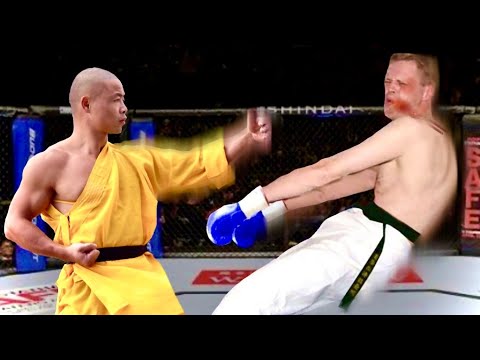
¿Cuál es el Arte Marcial Definitivo para la Jaula? Un Análisis Marcial de las MMA

Como Sensei, mi propósito es guiaros a través del laberinto del Budo y el combate deportivo, desentrañando verdades que a menudo se ocultan tras la propaganda o la ignorancia. Hoy nos sumergiremos en el crisol de la competición moderna: las Artes Marciales Mixtas (MMA). Muchos se preguntan, con la fervorosa pasión de un novato o la calculada curiosidad de un veterano, ¿cuál es el arte marcial **superior** para triunfar en la jaula? Esta pregunta, aunque seductora, es una trampa si se aborda con una mente cerrada. Las MMA, por su propia naturaleza, no son el dominio de un solo estilo, sino la sinergia de múltiples disciplinas. Pero, ¿qué ocurre cuando se enfrentan estas artes? ¿Cuáles demuestran ser las más resilientes, las más aplicables, las que forjan al verdadero campeón? Vamos a desmantelar el mito y a exponer la realidad.

Tabla de Contenidos

La Fusión de Disciplinas: El ADN de las MMA

Las MMA, en su esencia, son una demostración de adaptabilidad y conocimiento marcial aplicado. No se trata de qué arte marcial es *inherentemente* superior, sino de qué artista marcial puede integrar y aplicar de manera más efectiva múltiples facetas del combate. Un peleador que solo domina el striking sin defensas contra derribos es una presa fácil. Un grappler sin habilidad para golpear será neutralizado antes de poder usar su especialidad. La verdadera efectividad en la jaula reside en la capacidad de transicionar entre las diferentes distancias y fases del combate: la lucha de pie (striking), el clinch y la lucha en el suelo (grappling). Un peleador completo es una amalgama de disciplinas. Sin embargo, ciertas artes marciales proporcionan las bases más sólidas para esta fusión.
"En el arte de la guerra, la victoria se logra mediante el conocimiento y la adaptación." - Sun Tzu
Este principio milenario es la piedra angular de las MMA modernas. Los grandes campeones no son meros practicantes de un estilo, sino estrategas que han absorbido lo mejor de varios mundos.

1. Jiu-Jitsu Brasileño: El Maestro del Suelo

El Jiu-Jitsu Brasileño (BJJ) es, sin duda, uno de los pilares fundamentales de las MMA modernas. Su enfoque en la lucha en el suelo, las sumisiones (llaves articulares y estrangulaciones) y el control posicional lo convierten en una herramienta devastadora. La premisa del BJJ es que un oponente más pequeño y débil puede vencer a uno más grande y fuerte mediante la técnica y el apalancamiento, llevándolo al suelo donde la ventaja física a menudo se neutraliza. La efectividad del BJJ en la jaula es innegable. Hemos visto innumerables combates decididos por una sumisión o un control de suelo que deja al oponente indefenso. El BJJ enseña a los peleadores no solo a someter, sino también a defenderse contra sumisiones, a salir de posiciones desfavorables y a mantener el control mientras se busca una oportunidad. Un luchador con una base sólida de BJJ puede dictar el ritmo del combate si la pelea llega al suelo. #bjj, #jiujitsu, #grappling, #artesmarciales

2. Boxeo: La Maestría del Puño

El boxeo es considerado el "arte noble" por una razón. Su enfoque exclusivo en el uso de los puños para el ataque y la defensa ha perfeccionado la técnica de golpeo hasta niveles asombrosos. En las MMA, donde el combate a menudo se inicia de pie, una base de boxeo sólida es crucial. Un boxeador de élite en MMA puede controlar la distancia, golpear con potencia y precisión, y defenderse eficazmente de los ataques con las manos. La agilidad, la potencia de pegada, el juego de pies y la capacidad de absorber golpes son habilidades que provienen directamente del boxeo y que son transferibles a la jaula. Muchos combates se ganan o se pierden en la fase de striking, y el boxeo proporciona las herramientas más directas para dominarla. #boxeo, #combatsports, #artesmarciales

3. Muay Thai: La Ciencia de las Ocho Extremidades

Originario de Tailandia, el Muay Thai es conocido como "el arte de las ocho extremidades" debido a su uso integrado de puños, codos, rodillas y espinillas. Esta versatilidad lo hace excepcionalmente peligroso y efectivo en las MMA. Los practicantes de Muay Thai son maestros del clinch, donde pueden controlar la cabeza del oponente y lanzar rodillazos devastadores, o usar sus piernas para controlar la distancia y lanzar patadas poderosas. La combinación de golpes contundentes, la resistencia al dolor y la capacidad de infligir daño con múltiples armas hacen del Muay Thai una disciplina primordial para el striking en las MMA. #muaythai, #kickboxing, #combatsports, #artesmarciales

4. Lucha Olímpica (Wrestling): El Arte del Control y el Derribo

La lucha olímpica, tanto libre como grecorromana, es la base de muchas carreras exitosas en MMA. Su enfoque en los derribos (takedowns), el control posicional y la capacidad de dictar dónde ocurre el combate la hacen invaluable. Un luchador puede anular las habilidades de striking de su oponente llevándolo al suelo, y desde allí, controlar la pelea, buscar puntos o incluso finalizar con golpes (ground and pound). La fuerza física, la resistencia, la técnica de derribo y la capacidad de mantener a un oponente en el suelo son las marcas distintivas de un buen luchador. En MMA, la lucha no solo sirve para llevar la pelea al suelo, sino también para defenderse de los derribos y regresar a la posición de pie, una habilidad vital. #wrestling, #lucha, #grappling, #artesmarciales

5. Karate: El Golpe Fulminante y la Distancia

Aunque a menudo se debate su aplicabilidad directa en MMA debido a su enfoque tradicional en katas y formas, los principios del Karate pueden ser sorprendentemente efectivos. El Karate, en sus formas más dinámicas y orientadas al combate (como el Kyokushin), enseña golpes de mano y pierna con tremenda potencia, precisión y control de la distancia. Un peleador con una base de Karate puede utilizar sus patadas rápidas y potentes para mantener al oponente a raya, o emplear golpes de puño rectos y contundentes que pueden ser decisivos. La disciplina y el control corporal que se desarrollan en el Karate son transferibles. La clave está en adaptar los principios y las técnicas a las realidades del combate de MMA, integrándolos con otras disciplinas. #karate, #Kyokushin, #artesmarciales

Veredicto del Sensei: ¿Hay un Rey?

La respuesta, como suele ocurrir en el camino marcial, es más compleja que un simple "sí" o "no". No existe un único "rey" de las artes marciales para las MMA. La efectividad reside en la **combinación**. Históricamente, el **Jiu-Jitsu Brasileño** y la **Lucha Olímpica** han demostrado ser la base más sólida para el éxito en MMA debido a su dominio de las fases de grappling, que a menudo deciden los combates. Sin embargo, un peleador sin habilidades de striking se queda cojo. Un peleador de MMA verdaderamente completo necesita una combinación de:
  • Striking (Boxeo, Muay Thai)
  • Grappling (BJJ, Lucha)
  • Transición y Defensa contra Derribos
  • Condición Física de Élite
  • Fortaleza Mental
El peleador que triunfa es aquel que ha integrado inteligentemente estas disciplinas, no aquel que se aferra rígidamente a una sola. El arte marcial "definitivo" para las MMA es aquel que puedes **adaptar y fusionar** con otros, creando un estilo híbrido insuperable.

Equipo Esencial para tu Entrenamiento

Para aquellos que buscan construir su arsenal marcial para la jaula, el equipo adecuado es fundamental. No necesitas gastar una fortuna, pero invertir en calidad te servirá mejor.
  • Guantes de MMA: Ligeros, permiten el agarre y protegen tus manos y la de tu oponente durante el sparring. Busca unos de 4 a 6 onzas.
  • Protector Bucal: ¡Indispensable! Protege tus dientes, mandíbula y cerebro de impactos.
  • Espinilleras y Guantes de Boxeo/Muay Thai: Para el entrenamiento de striking, necesitas proteger tus piernas y manos.
  • Kimono de Jiu-Jitsu (Gi) y/o Ropa de Entrenamiento Ligera: Para BJJ, un gi de buena calidad es esencial. Para entrenamientos más generales, ropa cómoda que permita el movimiento.
  • Vendajes para las Manos: Cruciales para dar soporte a las muñecas y nudillos antes de usar guantes de boxeo.
  • Protector Genital: Una inversión sabia para evitar lesiones graves.
Visita tiendas especializadas en #MartialArtsMerchandise o busca online "equipo para MMA" para encontrar opciones. ¡Un buen equipo te permite entrenar con más seguridad y confianza!

Guía de Entrenamiento: La Transición entre Distancias

Uno de los aspectos más difíciles de dominar en MMA es la transición fluida entre la lucha de pie y el suelo, y viceversa. Aquí tienes un ejercicio para empezar a desarrollar esta habilidad:
  1. Fase 1: Striking Sostenido (30 segundos): Comienza en guardia, practicando movimientos de pies y lanzando golpes al aire o a un saco. Enfócate en la fluidez y el control de la distancia.
  2. Fase 2: Simulación de Derribo (10 segundos): Desde el striking, simula un intento de derribo (ej. un "sprawl" si tu compañero intenta derribarte, o un intento de llevarlo al suelo si tú eres el atacante).
  3. Fase 3: Lucha en el Suelo (30 segundos): Una vez en el suelo (simuladamente), practica control posicional básico o defensas de sumisión. Si entrenas con un compañero, trabajen transiciones seguras.
  4. Fase 4: Transición a Pie (10 segundos): Si estás en el suelo, practica cómo levantarte de forma segura manteniendo la guardia o defendiéndote de ataques.
  5. Descanso (30 segundos): Recupera el aliento.
  6. Repetir: Realiza este ciclo durante 5-8 rondas.
Este ejercicio, aunque simple, te obliga a pensar en cómo se conectan las diferentes fases del combate. La clave es la **conciencia situacional** y la **capacidad de reaccionar**.

Preguntas Frecuentes

  • ¿Es posible ser un buen peleador de MMA con solo una arte marcial? Es extremadamente difícil. Las MMA exigen una habilidad en múltiples facetas del combate. Un especialista puro tendrá serias debilidades contra un oponente más completo.
  • ¿Cuál es el arte marcial más efectivo para defensa personal en la calle? Para defensa personal callejera, la efectividad depende de la situación y la preparación. Disciplinas como el Krav Maga, que se centran en escenarios realistas y ataques directos, suelen ser recomendadas. Sin embargo, los principios de control, desarme y manejo de múltiples agresores son universales y se benefician de una base sólida en grappling y striking.
  • ¿Qué arte marcial es mejor para empezar en las MMA? Muchos recomiendan empezar con el #bjj o la Lucha Olímpica debido a la importancia del grappling en MMA. Otros prefieren una base de striking como el Boxeo o el Muay Thai. Lo ideal es buscar un gimnasio de MMA que enseñe una mezcla de disciplinas.
  • ¿Es el Karate obsoleto para las MMA? No necesariamente obsoleto, sino que requiere una adaptación significativa. Los principios de potencia y precisión del Karate son valiosos, pero deben complementarse con grappling y defensa contra derribos.

Para Profundizar en tu Camino

El conocimiento marcial es un río inagotable. Si buscas ampliar tu entendimiento, te recomiendo explorar estos recursos:
  • #FightAnalysis: Desgloses detallados de combates y técnicas de peleadores profesionales.
  • #MartialArtsJourney: Historias inspiradoras de artistas marciales y sus caminos.
  • #BUDO: Exploraciones de la filosofía y los principios detrás de las artes marciales tradicionales.

Reflexión del Sensei: Tu Próximo Paso

Hemos explorado las disciplinas que forman el tapiz de las MMA, desgranando sus fortalezas. Pero el conocimiento sin aplicación es tan vacío como una bolsa de arroz sin arroz. ¿Estás listo para dejar de ser un mero espectador y convertirte en un practicante consciente? ¿O acaso tu estudio se limita a las palabras, sin el sudor y la dedicación del tatami? Mi pregunta para ti es simple, pero profunda: **¿Qué disciplina marcial vas a empezar a integrar en tu entrenamiento esta semana, y por qué te resistes a enfrentar tus debilidades técnicas en la jaula de la vida?** Comparte tu respuesta, tu crítica o tu propia visión en los comentarios de abajo. No temáis expresar vuestras ideas; es en el choque de opiniones donde a menudo se forja la verdad.

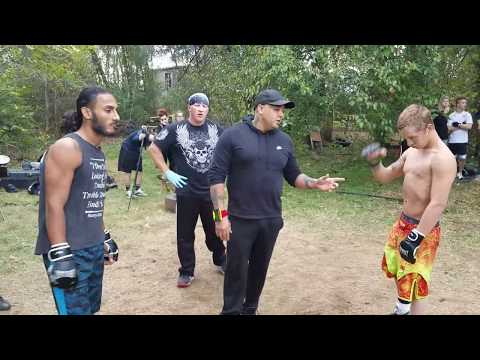
STREETBEEFS FIGHTER INTERVIEWS: A Martial Scholar's Critique of Raw Combat

Hello, fellow practitioners and enthusiasts of the martial path. Welcome to Budo and AM. Today, we delve into a raw, unfiltered corner of the combat world with "STREETBEEFS FIGHTER INTERVIEWS." This isn't your typical dojo lecture, nor is it a polished documentary on ancient samurai philosophy. This is the visceral, often chaotic, realm of street brawls and the individuals who navigate them. Published on June 3, 2022, this content, while perhaps lacking the nuanced elegance of a well-executed kata, offers a stark, albeit controversial, glimpse into human aggression and the primal urge to survive.

The Allure of the Unsanctioned

What compels someone to watch, or worse, participate in, unsanctioned street fights? The intention behind seeking out content like "STREETBEEFS FIGHTER INTERVIEWS" can be multifaceted. For some, it's a morbid curiosity, a glimpse into the dark underbelly of society. For others, it’s a perverse fascination with raw, unadulterated aggression, a stark contrast to the structured discipline of traditional martial arts. As a scholar of the martial ways, I find it imperative to dissect this phenomenon not to endorse it, but to understand its appeal and, more importantly, to highlight the chasm that separates it from genuine Budo. The original post, devoid of deep analysis, simply welcomes viewers. But welcome to what, exactly? A display of uncontrolled violence? A testament to human resilience? Or a warning of societal breakdown? The intention of the original creator, as presented, is merely to announce the content and direct traffic. Our intention here is to provide context, critical analysis, and a martial perspective that elevates the discourse.

Deconstructing the "Streetbeefs" Phenomenon

The term "streetbeefs" itself evokes a certain image: conflict born from disputes, escalating from words to blows in an uncontrolled environment. Unlike organized combat sports like MMA, UFC, or even the structured duels of historical fencing, these encounters lack rules, referees, and a primary focus on technique over brute force. The "fighters" are often untrained or minimally trained individuals, driven by ego, anger, or desperation.
The original tags hint at a broad spectrum of martial arts (#artesmarciales, #BUDO, #lucha, #pelea, #entrenamiento, #historia, #fight, #battle, #martialarts, #karate, #jiujitsu, #taekwondo, #shaolin, #ki, #bjj, #ninjitsu, #kenpo, #combat, #sambo, #news, #judo, #aikido). While these terms are associated with combat, the reality of "streetbeefs" often bears little resemblance to the disciplined application of these arts. The raw, often clumsy, exchanges are a far cry from the precision of a well-executed O-soto-gari in Judo or the focused intensity of a Kyokushin Karate strike.
"The true warrior is not a born fighter, but one who has learned to control their inner turmoil." - A principle often forgotten in the heat of uncontrolled rage.
The core issue is the absence of *intent* beyond mere victory or inflicting harm. Budo, in its truest sense, is a path of self-improvement through rigorous physical and mental training. It emphasizes discipline, respect, humility, and the understanding of principles that extend far beyond the fighting arena. "Streetbeefs," conversely, often represents the antithesis of these values. It’s a primal expression of conflict, devoid of the philosophical underpinnings that define a martial artist.

Budo vs. Brutality: A Crucial Distinction

This is where the polemic truly begins. Can we, in any sense, consider these street confrontations as "martial"? I argue, emphatically, no. The distinction is not merely semantic; it is fundamental. * **Discipline**: Budo demands relentless self-discipline. Mastering a technique, a kata, or even the mental fortitude to face an opponent requires years of dedicated practice. Street fights are impulsive, driven by emotion. * **Respect**: A cornerstone of martial arts is respect – for your opponent, your teacher, and yourself. "Streetbeefs" often fosters contempt, aggression, and a lack of regard for the other person's well-being. * **Purpose**: The goal of Budo is self-perfection, character development, and sometimes, effective self-defense when all else fails. The purpose of a street fight is often to assert dominance, settle a score, or out of sheer, uncontrolled anger. * **Technique**: While some participants in street fights might possess rudimentary fighting skills, the encounters rarely showcase the refined techniques, timing, and strategy that define martial arts. It's often a chaotic exchange of wild swings and desperation moves. Consider the difference between a judoka executing a perfect O-goshi on the mat, aiming to control and subdue their opponent according to the principles of Judo, versus two individuals flailing wildly on asphalt, risking serious injury from the impact alone. The former is refined skill; the latter is often uncontrolled chaos.

When Does "Streetbeefs" Cross the Line?

This content raises a critical question: when does the exhibition of fighting skill, even if crude, become detrimental to the martial arts community? The original publisher's intent seems to be merely observational, yet the very act of showcasing such content can inadvertently glamorize violence. The lines are blurred, of course. Some individuals who participate in these fights may have backgrounds in martial arts. They might be testing their skills in a high-stakes, albeit illicit, environment. However, the crucial difference lies in the *intent* and the *consequences*. When training sessions for MMA or Karate involve safety precautions, controlled sparring, and a focus on learning, it's constructive. When "streetbeefs" lead to severe injury, legal repercussions, or further cycles of violence, it is destructive. We must ask: does this content promote a positive understanding of combat, or does it merely feed a voyeuristic appetite for violence?
"In the heat of a fight, the mind must be calm as still water." - A concept utterly lost in the raging storm of a street brawl.
The danger lies in conflating raw aggression with martial prowess. The ability to throw a punch or engage in a wrestling match does not automatically equate to mastery of a martial art. It can, in fact, be a perversion of it, showcasing the worst aspects of human conflict without the tempering influence of discipline and philosophy.

What Can We Learn (or Reject)?

From a purely analytical standpoint, observing such encounters can offer insights, though often grim ones: * **Primal Instincts**: It reminds us of the raw, primal aspects of human conflict that martial arts seek to channel and control. * **The Importance of Training**: It starkly highlights the effectiveness of dedicated, disciplined training. A single well-timed Karate technique or a solid Grappling entry can end a fight far more efficiently and safely than wild swinging. * **The Dangers of Uncontrolled Emotion**: It serves as a potent reminder of how anger and ego can cloud judgment, leading to dangerous situations. The principle of Mental Game mastery is paramount. However, for the earnest martial artist, the primary lesson is what to *reject*: the glorification of violence, the lack of respect, the reliance on brute force over skill, and the absence of any higher purpose. The pursuit of Ki, inner strength, or enlightenment is completely antithetical to the mindset that fuels these confrontations.

Sensei's Verdict: A Dangerous Mirage

Are "STREETBEEFS FIGHTER INTERVIEWS" a valid representation of martial arts? Absolutely not. They represent the uncontrolled, often tragic, byproduct of conflict when discipline, respect, and technique are absent. While the original post is a simple announcement, the content it points to risks misrepresenting the true spirit of the martial ways. **Sensei's Verdict: Fails the Fundamentals.** This content is a distraction, a detour into the gutter of combat. It offers no path to self-improvement and actively works against the principles of Budo. It’s a raw display of aggression, not a demonstration of martial art.

Essential Equipment for Your Training

While "streetbeefs" may not require specific gear beyond whatever clothing the participants are wearing, serious martial arts training demands appropriate equipment to ensure safety and effectiveness. Investing in the right gear is not a luxury; it's a necessity for progress and injury prevention.
  • Durable Gi (Kimono): For arts like Judo, Karate (especially Kyokushin), and Aikido. Look for reinforced seams and quality fabric that can withstand rigorous training. Karate merchandise often features high-quality Gis.
  • Sparring Gear: Headgear, mouthguards, shin guards, and chest protectors are crucial for safe sparring in arts like Kickboxing and MMA.
  • Training Gloves: For striking arts, well-padded gloves protect your hands and your training partners. Options range from 10oz for bag work to 16oz for sparring.
  • Training Mats (Tatami): Essential for arts involving throws and groundwork like BJJ and Judo, providing a safer surface for practice.
  • Training Weapons: For arts that incorporate weapons (Kendo, Aikido with bokken), safe, practice-grade weapons are indispensable.

Frequently Asked Questions

Q: Is watching "streetbeefs" content beneficial for martial artists?
A: Generally, no. While it can serve as a stark reminder of what uncontrolled violence looks like, it offers little in terms of learning technique, strategy, or philosophy. It risks glorifying violence and can be detrimental to the true spirit of Budo.

Q: What is the difference between a street fight and a martial arts competition?
A: The primary differences lie in rules, safety, intent, and philosophy. Competitions have established rules, referees, medical personnel, and a focus on skill and sportsmanship. Street fights are uncontrolled, lack safety measures, and are often driven by aggression, ego, or revenge.

Q: Can martial arts training help prevent street fights?
A: Yes. Discipline, self-control, situational awareness, and confidence gained through martial arts training can help individuals de-escalate potential conflicts and avoid dangerous confrontations. The goal of martial arts is not to seek fights, but to avoid them and, if necessary, end them swiftly and effectively.

To Dive Deeper into Your Path

To truly understand the martial path and its contrast with raw conflict, explore these resources:
  • BUDO: Understanding the broader philosophy and principles that guide martial disciplines.
  • Martial Philosophy: Exploring the ethical and spiritual dimensions of martial arts.
  • Self-Defense: Learning practical applications of martial arts for safety, distinct from street brawling.

Sensei's Reflection: Your Next Step

The raw, unfiltered nature of "STREETBEEFS FIGHTER INTERVIEWS" presents a stark image of conflict stripped bare. It's a mirror reflecting the darker impulses that martial arts strive to temper and transform. We are bombarded with images of aggression, and it is our duty as students and practitioners to discern truth from spectacle. The essence of Budo lies not in the force of the blow, but in the discipline of the hand that throws it, the mind that directs it, and the spirit that refrains from unnecessary violence.

Reflexión del Sensei: Tu Próximo Paso

When confronted with images of raw violence, do you feel a thrill of aggression, or a deep understanding of the uncontrolled chaos that true martial artists dedicate their lives to transcending? Does the spectacle incite your primal instincts, or does it serve as a potent reminder of the path of discipline and self-mastery you walk? Where does your true interest lie: in the fleeting chaos of the street, or the enduring journey of the dojo? ``` GEMINI_METADESC: A martial scholar's critical analysis of STREETBEEFS FIGHTER INTERVIEWS, differentiating raw combat from true Budo and its philosophical principles.

The Unseen Force: Deconstructing the 9 "Most Powerful" Martial Arts in the World

Introduction: Beyond the Hype

Hello, warriors, and welcome to Budo and Martial Arts. Today, we confront a question that ignites debates in dojos and online forums alike: "What are the most powerful martial arts in the world?" This is a question fraught with subjective interpretation, often fueled by cinematic portrayals and hyperbolic claims. As a Sensei who has dedicated a lifetime to the study and practice of various combat disciplines, I find such lists inherently flawed, yet undeniably intriguing. They force us to examine what "power" truly means in a martial context. Is it brute force? Effectiveness in sport? Lethality in self-defense? Or perhaps the depth of its philosophical underpinnings? We live in an age where information is abundant, yet wisdom can be scarce. The internet is awash with "Top 10" lists, but few delve into the substance behind the spectacle. My mission today is not merely to present another such list, but to dissect the very notion of power within the martial arts, analyzing the systems often cited, and challenging you to think critically. Prepare yourselves; this is not a passive viewing. This is a lesson.
"The supreme art of war is to subdue the enemy without fighting." - Sun Tzu, The Art of War

Deconstructing "Power": A Martial Perspective

The term "powerful" is a nebulous descriptor when applied to martial arts. In the realm of combat, power can manifest in several ways: * **Physical Power**: The ability to generate force through striking, grappling, or throws. This is often what the uninitiated associate with power, envisioning devastating punches or immovable stances. * **Technical Efficacy**: The efficiency and effectiveness of techniques under pressure. A technically sound practitioner can overcome a physically stronger but less skilled opponent. * **Strategic Acumen**: The ability to read an opponent, control distance, timing, and adapt to the flow of combat. This is the realm of the seasoned warrior. * **Mental Fortitude**: The resilience, discipline, and emotional control that allows one to perform under duress. This "inner strength" is often the most potent, yet least visible, form of power. * **Adaptability**: The capacity to apply principles across different scenarios, be it sport, self-defense, or even everyday challenges. A truly powerful martial art cultivates a holistic development of these facets. Focusing solely on one element, such as raw striking power, while neglecting others like mental resilience or technical adaptation, creates an incomplete and potentially vulnerable practitioner. The *true* power lies not in the style itself, but in the practitioner's mastery of its principles and their ability to integrate them.

The Contenders: A Critical Look

When lists of "powerful" martial arts emerge, certain styles consistently appear. Let's examine some common candidates through a critical lens, focusing on their strengths and potential limitations: 1. **Mixed Martial Arts (MMA)**: * **Core Principle**: The ultimate application of a wide range of combat skills. MMA is less a single art and more a sport that demands proficiency in striking (boxing, Muay Thai, Karate), grappling (Brazilian Jiu-Jitsu, Judo, wrestling), and the transitions between them. * **Power Defined**: Its power lies in its *comprehensiveness*. A skilled MMA fighter is a multi-disciplinary threat, capable of winning on the feet or on the ground. * **Critique**: While undeniably effective in its competitive context, MMA is a sport with rules. Its "power" is often defined within those parameters. Traditional martial arts principles like situational awareness outside a ring or the ethical application of force are not its primary focus. * **Keyword Integration**: #MMA, #ArtesMarcialesMixtas, #EntrenamientoDeMMA, #UFC, #CombateCuerpoACuerpo, #Grappling, #Kickboxing 2. **Brazilian Jiu-Jitsu (BJJ)**: * **Core Principle**: Ground fighting, leverage, and submission holds. BJJ emphasizes taking an opponent to the ground and neutralizing their size and strength advantages through joint locks and chokeholds. * **Power Defined**: Superiority in ground control and submission techniques. It can allow a smaller, weaker individual to defeat a larger, stronger one. * **Critique**: Its effectiveness is heavily reliant on the ability to get the fight to the ground. Against multiple opponents, or in situations where standing is critical, its advantage diminishes. The sport aspect also introduces rulesets that might not apply in a real-world confrontation. * **Keyword Integration**: #BJJ, #jiujitsu, #judo, #grappling, #LuchaEnPie (as a counterpoint), #SubmissionHolds, #GroundFighting 3. **Muay Thai (The Art of Eight Limbs)**: * **Core Principle**: Striking art utilizing punches, kicks, elbows, and knee strikes, combined with clinch work. * **Power Defined**: Devastating offensive striking power, conditioning, and clinch control. Its techniques are designed to inflict damage efficiently. * **Critique**: While a formidable striking art, it traditionally lacks ground fighting techniques. Its effectiveness in a purely ground-based scenario or against a skilled grappler without significant adaptation would be tested. * **Keyword Integration**: #MuayThai, #Striking, #ElbowStrikes, #KneeStrikes, #ClinchWork, #Kickboxing 4. **Boxing**: * **Core Principle**: Punching techniques, footwork, head movement, and defensive strategies. * **Power Defined**: Precision, speed, and concussive force in punches. Elite boxers possess exceptional hand-eye coordination and offensive timing. * **Critique**: Like Muay Thai, boxing is primarily a stand-up striking art and offers limited defense against kicks, takedowns, or ground attacks. * **Keyword Integration**: #Boxing, #PunchingTechniques, #Footwork, #HandEyeCoordination, #DefensaPersonal (as a contrast) 5. **Kyokushin Karate**: * **Core Principle**: Full-contact Karate emphasizing conditioning, powerful direct strikes, and a strong mental component. * **Power Defined**: Raw, uncompromising power through full-contact sparring and rigorous physical conditioning. It instills immense resilience and fighting spirit. * **Critique**: Traditional Kyokushin sparring often has rules against punches to the face and certain joint manipulations, which can differ from the dynamic of a street fight or MMA match. * **Keyword Integration**: #Kyokushin, #KarateKyokushin, #KarateSpirit, #FullContactKarate, #Conditioning, #BUDO 6. **Sambo**: * **Core Principle**: A Russian martial art and combat sport combining aspects of Judo, wrestling, and various folk styles. It emphasizes throws, takedowns, joint locks, and submissions. * **Power Defined**: Its strength lies in its blend of striking and grappling, offering a robust system for both standing and ground combat. * **Critique**: While comprehensive, its specific techniques and emphasis can vary between its sport and combat sambo variations. * **Keyword Integration**: #Sambo, #Judo, #Wrestling, #Grappling, #CombatSambo, #RussianMartialArts 7. **Wing Chun**: * **Core Principle**: A concept-based Chinese martial art emphasizing simultaneous blocking and striking, efficient close-range combat, and sensitivity training. * **Power Defined**: Economy of motion, directness, and centerline control. It's designed to overwhelm an opponent with rapid, efficient techniques from a close distance. * **Critique**: Often criticized for its limited effectiveness against longer-range attacks or skilled grapplers if the practitioner cannot close the distance effectively. Its traditional training methods can sometimes lack the dynamic pressure-testing found in modern combat sports. * **Keyword Integration**: #WingChun, #KungFu, #ChineseMartialArts, #CloseRangeCombat, #CenterlineControl, #ConceptBasedMartialArts 8. **Savate (French Boxing)**: * **Core Principle**: A unique striking art combining elegant kicking techniques with boxing punches. * **Power Defined**: Precision, agility, and powerful kicks delivered with athletic grace. It offers a dynamic mix of long and short-range striking. * **Critique**: While a complete striking system, it typically lacks extensive grappling or ground fighting components. * **Keyword Integration**: #Savate, #FrenchBoxing, #KickingTechniques, #Agility, #StrikingArt 9. **Krav Maga**: * **Core Principle**: A military self-defense system developed in Israel, focusing on practical, brutal, and efficient techniques designed for real-world confrontations. * **Power Defined**: Uncompromising effectiveness for survival. It emphasizes aggressive counter-attacks, targeting vulnerable points, and disengaging quickly. * **Critique**: As a self-defense system, it is not typically practiced as a sport and lacks the structured sparring and rule sets that hone technique against resisting opponents over extended periods. Its focus is purely on practical application, not on traditional martial arts philosophies or competitive development. * **Keyword Integration**: #KravMaga, #SelfDefense, #RealWorldCombat, #MilitarySelfDefense, #DefensaPersonal, #SurvivalSkills

Defining Effectiveness: From Dojo to Street

The true measure of a martial art's "power" depends on the context for which it's being evaluated. * **For Sport Competition**: MMA, BJJ, Boxing, Muay Thai, Judo, and Wrestling often rank high due to their established rule sets, competitive environments, and the rigorous testing of techniques against resisting opponents. * **For Self-Defense**: Systems like Krav Maga, or traditional arts with a strong emphasis on practical application (e.g., certain styles of Karate, Wing Chun, Aikido *when trained realistically*), might be considered "powerful." Their focus is on survival and neutralizing threats quickly. * **For Personal Development**: Arts that emphasize discipline, character building, and philosophical depth (e.g., traditional Karate, Taekwondo, Aikido, Judo, Kung Fu, Budo in general) offer profound "power" in shaping the individual. The debate often arises when people conflate these contexts. An art that excels in sport may not be ideal for street survival, and an art focused on philosophical development might not produce the most effective street fighter without adaptation.

The Foundation: Training and Philosophy

No matter the style, the *depth* of training and the *philosophy* behind it are paramount. A disciplined, consistent approach under skilled instruction is what transforms techniques into genuine skill.
"There are no good or bad martial arts. There are only good or bad martial artists." - Anonymous Master
The concept of **Ki** (or Qi), the vital life force, is central to many traditional Asian martial arts. While often misunderstood or sensationalized, it represents an underlying principle of energy, focus, and intention that, when cultivated, can enhance physical technique. Masters of **BUDO** and other traditional paths understand that true power emanates from a wellspring of disciplined practice, mental clarity, and an unwavering spirit. The rigorous **entrenamiento** required builds not just physical prowess, but **Fuerza** and **Resistencia** that transcend the physical.

Real-World Applicability: Fact vs. Fiction

The portrayal of martial arts in films often creates misconceptions. While visually stunning, fight choreography rarely reflects the chaos, brutality, and unpredictability of a real conflict. Arts that emphasize direct, simple, and overwhelming techniques often fare better in scenarios outside the ring. Consider the principle of **economy of motion**. In a life-or-death situation, wasted energy is a fatal flaw. Arts that teach practitioners to achieve maximum effect with minimum effort, like Wing Chun or elements of Judo's leverage, possess a practical power.

Essential Gear for Your Training Journey

Regardless of the martial art you choose, proper equipment is crucial for safe and effective training. Investing in quality gear not only enhances your practice but also demonstrates your commitment to the art.
  • Uniform (Gi/Kimono): For arts like Judo, Karate, or BJJ, a durable, well-fitting uniform is essential. Look for double-weave fabrics for Karate and BJJ if you anticipate intense sparring.
  • Gloves: For striking arts like Boxing, Muay Thai, or MMA training, well-padded gloves (e.g., 16oz for sparring) protect your hands and your training partners.
  • Mouthguard: A non-negotiable piece of safety equipment for any sparring situation.
  • Shin Guards: Important for arts involving significant kicking, like Muay Thai or Taekwondo.
  • Training Mats: For arts involving throws or ground work, mats provide necessary cushioning.
For those seeking to deepen their understanding of martial philosophy and history, consider exploring a curated selection of texts.

Recommended Resources for Deeper Study:

  • Books on Bushido: Understanding the warrior's code is fundamental to many East Asian martial traditions.
  • Biographies of Masters: Learning from the lives and experiences of legendary figures offers invaluable insights.
  • Historical Texts: Works like Miyamoto Musashi's "The Book of Five Rings" provide strategic and philosophical depth.

Frequently Asked Questions

  • Q: Is it possible for one martial art to be definitively "more powerful" than another?
    A: Power is context-dependent. An art effective in sport may not be in self-defense, and vice-versa. The practitioner's skill, dedication, and the specific application context are more critical than the art's label.
  • Q: How important is the physical aspect versus the mental aspect in martial arts?
    A: Both are crucial and interconnected. Physical training builds discipline and resilience, while mental fortitude allows you to apply techniques effectively under pressure. True mastery requires the integration of both.
  • Q: Should I choose a traditional martial art or a modern combat sport?
    A: This depends on your goals. If you seek self-defense and character development, traditional arts offer a strong foundation. If competitive prowess is your aim, combat sports provide the most direct path. Many find value in cross-training.
  • Q: What role does Ki (Qi) play in martial arts?
    A: Ki is often seen as the vital energy that, when cultivated through focused practice, enhances a practitioner's physical power, mental clarity, and overall presence. It's about harnessing internal energy for external expression.

The True Measure of Power

The question of the "most powerful" martial arts is a gateway to a deeper understanding, not a definitive answer. The true power resides not in a specific style, but in the diligent, consistent, and intelligent practice of any art that fosters discipline, resilience, adaptability, and a profound understanding of oneself and the dynamics of conflict.

The Sensei's Reflection: Your Next Step

The next time you witness a display of martial prowess, whether in film, competition, or real life, resist the urge to simply label it "powerful." Instead, ask yourself: What specific attributes are being demonstrated? How do these attributes serve the practitioner's goal? And, most importantly, how can these principles of power—physical, technical, strategic, and mental—be cultivated within your own journey? The answer lies not in the style, but in the cultivator.

For Deeper Exploration on Your Path

``` GEMINI_METADESC: Critically analyze the 9 "most powerful" martial arts. Sensei Budo & AM dissects MMA, BJJ, Muay Thai, Karate, Krav Maga & more, defining true power beyond hype for effective training and self-defense.

STREETBEEFS YAZZ VS THE REVOLVER: A STREET FIGHT ANALYSIS

The Genesis of the Clash: When Passion Overflows

Hello and welcome, warriors, to Budo and Martial Arts. Today, we descend into the raw, unfiltered world of STREETBEEFS, specifically the encounter between Yazz and The Revolver. Published on October 28, 2017, this bout isn't merely a fight; it's a manifestation of primal combat, a glimpse into the unscripted battles that occur when discipline meets desperation. As the most complete and updated martial arts blog on the internet, our duty is to dissect not just the movements, but the very essence of what drives individuals to engage in such raw displays of aggression. Are we witnessing the chaotic echo of true Budo, or simply a visceral exhibition of human conflict?

This encounter, like many within the STREETBEEFS organization, operates outside the hallowed grounds of sanctioned competition. It’s vital to understand this distinction. While we will analyze the techniques displayed, we must also consider the context: amateur exhibitions born from real-world disputes. This isn't about *how* to fight like this, but *why* people do, and what can be learned from the stark display of human will.

Breaking Down the 'Streetbeefs' Phenomenon

The very name "Streetbeefs" conjures images of alleyways and unadulterated conflict. This isn't the sterile, controlled environment of a dojo or an MMA octagon. It's the unpredictable arena of the street, where rules are often broken before they are even established. The content you see from STREETBEEFS is often characterized by its unfiltered nature. Yazz vs. The Revolver is no exception. These bouts are raw, sometimes ugly, but undeniably potent displays of courage – or perhaps foolhardiness.

The appeal of such content lies in its authenticity, however brutal. Viewers are drawn to the lack of pretense, the visible struggle, and the genuine stakes involved. It's a stark contrast to the highly polished performances seen in professional fighting, and in that rawness, there's a certain allure. We see fighters pushed to their absolute limits, revealing their core character under immense pressure. This is where the true test of spirit, the **#BUDO** aspect, can sometimes – and I stress *sometimes* – be observed, albeit in its most unrefined form.

Technical Assessment: Rawness vs. Refinement

Let's be clear: analyzing STREETBEEFS for refined technique is like searching for a delicate ikebana arrangement in a hurricane. This is combat at its most fundamental. What we witness between Yazz and The Revolver is less about choreographed precision and more about instinct, power, and sheer determination. You will see wild swings, desperate clinches, and moments of sheer grit.

One might observe:

  • Stance: Likely unbalanced, adapted for power rather than footwork.
  • Striking: Emphasis on heavy, often telegraphed, blows. Expect more brawling than precise punching combinations.
  • Grappling: Likely rudimentary, driven by the desire to control or overwhelm rather than technical submission.
  • Defense: Often reactive, relying on blocking with arms or simply absorbing the impact.
"In the heat of battle, technique often becomes secondary to the will to survive and overcome." - A principle I've seen tested countless times.

This isn't to dismiss the courage. To step into any fight, sanctioned or not, requires a certain bravery. However, for the practitioner seeking to hone their skills, the lessons here are more philosophical than technical. It highlights the importance of a solid foundation, the kind built through consistent training in arts like #Karate, #Judo, or #BJJ. These disciplines instill the control, precision, and strategy that are largely absent in a raw street confrontation.

Beyond the Brawl: The Spirit of Combat

The question that lingers after watching Yazz vs. The Revolver is: what does this say about the spirit of combat? In the purest sense, Budo – the Way of the Warrior – is about self-mastery, discipline, and ethical conduct. These street encounters, while undeniably showcasing a form of combat, often fall far short of this ideal. Yet, they do highlight raw courage and the drive to face adversity head-on.

Is there a kernel of **#BUDO** in this raw confrontation? Perhaps, in the willingness to face an opponent directly. But it lacks the ethical framework, the respect for the art, and the discipline that defines true martial discipline. It’s crucial not to confuse a **#fight** with a martial art. One is a chaotic struggle; the other is a structured path to self-improvement.

"The supreme art of war is to subdue the enemy without fighting." - Sun Tzu, The Art of War. These street bouts are the antithesis of this, embracing the fight when avoidance is the higher wisdom.

The uncontrolled aggression seen here can be dangerous, leading to severe injury or worse. While fascinating from a purely observational standpoint, it serves as a potent reminder of why formal training is paramount. It teaches us not just how to fight, but how to control ourselves, our emotions, and our actions – principles fundamental to true martial arts.

Sensei's Verdict: Authenticity in Unsanctioned Combat?

Yazz vs. The Revolver is an exhibition of raw, untamed conflict. It showcases immense bravery and a desperate will to overcome. However, it is **not** a demonstration of refined martial arts technique or Budo principles. It is a **#battle** in its most elemental form, a stark look at what happens when conflict erupts without discipline or control.

Does it have value? As a case study in raw human aggression and the primal instinct to fight, perhaps. But as a guide for martial artists seeking self-improvement? Minimal. It serves as a powerful counter-example, highlighting the immense value of structured training, discipline, and the ethical code that underpins true martial arts.

Cinturón Negro en Exhibición de Brutalidad, Pero un Nulo en Técnica Marcial.

Essential Gear for the Dedicated Practitioner

While street fights like Yazz vs. The Revolver are about raw will, proper training requires specific equipment. Investing in the right gear not only enhances your practice but also ensures safety.
  • High-Quality Kimono/Gi: For Judo and Karate, a durable, well-fitting gi is essential. Look for double-weave fabrics for Judo or reinforced stitching for Karate for longevity. Consider brands known for their quality.
  • Sparring Gloves: Whether you're practicing #Kickboxing, #MMA, or even conditioned Karate sparring, 16oz gloves are standard for safety.
  • Mouthguard: Non-negotiable for any combat sport. Protect your teeth and jaw.
  • Shin Guards and Headgear: Crucial for Muay Thai, Kickboxing, and some Karate sparring drills to minimize impact injuries.
  • Training Mats (Tatami): For styles involving throws and groundwork like #Judo and #BJJ, investing in quality mats is vital for safe practice.

Simulating Street Scenarios: A Cautionary Approach

While direct simulation of 'street beefs' is ill-advised due to legal and ethical reasons, certain drills can build resilience applicable to unexpected confrontations. This is not about learning to fight dirty, but about developing composure under pressure.
  1. Pressure Drills: Have a partner apply light, consistent pressure (e.g., pushing, verbal taunting – within safe, consensual limits) while you maintain a basic stance or attempt simple movements. The goal is to stay calm and centered.
  2. Reactionary Drills: Practice reacting to sudden, unexpected stimuli – a loud noise, a hand gesture. This hones awareness and reduces the 'startle' response.
  3. Controlled Adrenaline Exposure: Incorporate high-intensity interval training (HIIT) into your workouts. These bursts simulate the physical effects of adrenaline, teaching your body to function under duress.
  4. Scenario-Based Sparring (Controlled): In a safe, controlled environment, introduce mild 'chaos' – e.g., multiple people moving around the sparring area, unexpected command changes. This builds adaptability. Always prioritize safety and consent.

Remember, the ultimate goal of martial arts is self-mastery, which includes de-escalation and avoiding conflict whenever possible. These drills are for developing mental fortitude, not for encouraging street fighting.

Frequently Asked Questions

  • What is STREETBEEFS?
    STREETBEEFS is an organization that hosts unsanctioned, often amateur, "street fight" exhibitions. They are known for their raw, unfiltered combat footage.
  • Is Yazz vs. The Revolver a professional fight?
    No, it is explicitly stated as an amateur exhibition. These bouts typically arise from personal disputes and are not part of any professional fighting circuit.
  • Can I learn proper martial arts from watching STREETBEEFS?
    While you can observe raw aggression and determination, it is not recommended for learning proper technique or Budo principles. Structured training in recognized martial arts is essential for skill development and ethical understanding.
  • What are the dangers of street fighting?
    Street fighting carries severe risks, including serious injury, legal consequences, and potential fatalities. It lacks the safety protocols, rules, and referee oversight of sanctioned combat sports.

Deepen Your Understanding

To truly grasp the principles of martial arts and combat, it's vital to explore diverse aspects of the warrior's path.

Sensei's Reflection: Your Next Step

We have dissected Yazz vs. The Revolver, peeling back the layers of raw aggression to examine the underlying currents of conflict. But observing is not the same as understanding, and understanding is a hollow victory without application. The true martial artist seeks not merely to witness combat, but to integrate its lessons into their own path of self-mastery.

So I ask you: In your own training, where do you find the balance between raw intensity and refined technique? When faced with a challenge – be it on the training mat or in life – do you resort to primal reaction, or do you draw upon the discipline and strategy you have cultivated? Reflect on this. The answer will reveal the true nature of your own Way.

``` GEMINI_METADESC: Analyze the raw combat of STREETBEEFS Yazz vs. The Revolver. Explore technical aspects, philosophical implications, and the true spirit of Budo vs. street brawling.

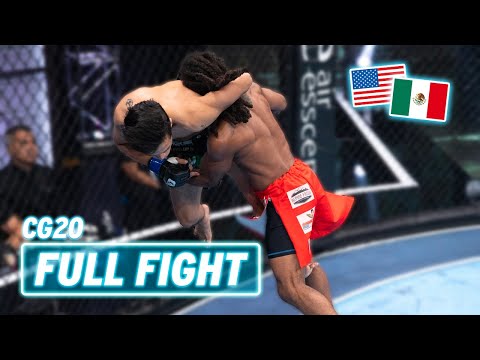
MMA Showdown: Monreal vs. Daniel - A Masterclass in Global Combat

Introduction: The Essence of Combat

Welcome, disciples, to Budo and Martial Arts. Today, we dissect not merely a fight, but a narrative etched in the octagon, a testament to the relentless pursuit of mastery. We're examining the highly anticipated bout between Monreal and Daniel, a clash broadcast under the banner of Combate Global. This isn't just about entertainment; it's about understanding the principles that govern combat, whether in the structured environment of an MMA fight or the unyielding reality of self-defense. Are we merely spectators, or are we students, absorbing the lessons embedded in every strike, every grapple, every moment of strategic brilliance?

The Crucible of Conflict: Monreal vs. Daniel

The publication date of April 30, 2022, marks this bout as a recent yet significant event in the evolving landscape of mixed martial arts. Combate Global, known for showcasing raw talent and compelling matchups, presented a platform where two warriors, Monreal and Daniel, would test their mettle. My role here is not to be a mere fan, but a critic, a scholar of combat, analyzing the intricate dance of aggression and defense that unfolds when two trained individuals engage with the intent to overcome. What drives a fighter to step into that confined space? It's a blend of courage, skill, and an unshakeable will to prove themselves.
The very essence of martial arts lies in the application of technique under pressure. While the flashy moves and knockout punches capture the casual observer's eye, the true beauty lies in the underlying principles: timing, distance, leverage, and the mental fortitude to execute under duress. Monreal and Daniel were tasked with demonstrating these principles. Did they succeed? Let's delve deeper.
"The ultimate aim of martial arts is not for victory or defeat, but for the perfection of the character." - Gichin Funakoshi
This bout, like any true test of martial skill, offers more than just a contest of physical prowess. It’s a microcosm of the broader martial philosophy, where discipline, respect, and continuous self-improvement are paramount.

Technical Breakdown: A Symphony of Strikes and Submissions

When we speak of MMA, we are referencing a discipline that melds the most effective techniques from various martial arts. This fight between Monreal and Daniel was a prime example. We must analyze the *types* of techniques employed:
  • Striking Arsenal: Did Monreal favor Muay Thai clinch and elbows, or did Daniel bring the crisp boxing of Western boxing? Were there elements of Karate's linear power or Taekwondo's dynamic kicks? Observing the footwork, the defensive guard, and the offensive combinations is crucial. A fighter who can seamlessly transition between offensive and defensive striking is a master of distance and timing.
  • Grappling Prowess: The ground game is where many MMA fights are won or lost. We look for successful takedowns, submission attempts (chokes, armbars, leg locks), and defensive grappling. Did we see the positional dominance of Brazilian Jiu-Jitsu (BJJ), the explosive power of Judo throws, or the utilitarian takedowns of wrestling? The ability to control an opponent, whether standing or on the mat, is a mark of a well-rounded fighter.
  • Transitional Flow: The most exciting moments often occur during transitions – escaping a submission, reversing a position, or chaining striking into a takedown. A fighter who can move fluidly between these phases demonstrates a high level of conditioning and technical understanding.
The question is, how effectively did Monreal and Daniel utilize their respective arsenals? Were there moments of technical brilliance that exemplify the pinnacle of #MartialArtsTraining? Or were there lapses that revealed areas ripe for improvement, offering valuable lessons to the aspiring #Fighter?

Strategic Overview: The Mind of the Warrior

Beyond the physical, the intellectual battle is often the deciding factor in combat sports. A fighter’s strategy is their roadmap to victory, a carefully constructed plan designed to exploit their opponent’s weaknesses and leverage their own strengths.
  • Game Plan Execution: Did Monreal and Daniel stick to their perceived game plans? Did one fighter successfully impose their will on the other, dictating the pace and the engagement range?
  • Adaptability: In the heat of battle, plans often crumble. The true mark of a warrior is their ability to adapt. When a strategy fails, can they pivot? Can they recognize and exploit unexpected opportunities? This mental flexibility is a cornerstone of true #MentalGame mastery.
  • Fight IQ: This encompasses a fighter's ability to read their opponent, manage the clock, understand risk versus reward, and make split-second decisions. A high Fight IQ often compensates for physical disadvantages.
"There are no shortcuts to any place worth going." - Beverly Sills (A principle that resonates deeply within the martial path)
The mental fortitude required to compete at this level is immense. It's about pushing past fear, doubt, and physical exhaustion.

Historical Context: MMA's Evolution on Global Platforms

Combate Global, while perhaps not as globally dominant as some other organizations, plays a crucial role in fostering #MartialArtists and providing them with a platform. The very existence of such promotions speaks to the growth and global appeal of MMA. From the early days of UFC 1, where stylistic clashes were raw and unpredictable, to the highly technical and strategic bouts we see today, MMA has evolved dramatically. This evolution mirrors the journey of many traditional martial arts. Initially focused on self-defense or battlefield application, many arts developed into codified systems with specific training methodologies and philosophical underpinnings. MMA, in its own way, is doing the same, distilling the most effective combat techniques into a singular, albeit complex, discipline. The continuous influx of talent from diverse backgrounds, like #Judo, #Karate, #Kickboxing, and #BJJ, enriches the sport and pushes its boundaries.

Sensei's Verdict: Beyond the Win/Loss

After scrutinizing the engagement between Monreal and Daniel, one must look beyond the final scorecard. Did they embody the warrior spirit? Did they display technical proficiency, strategic thinking, and commendable heart?
Cinturón Negro en Demostración de Voluntad
Monreal and Daniel, regardless of the outcome, provided a spectacle that was more than just a fight. They offered a glimpse into the dedication and sacrifice inherent in martial pursuits. The true victory lies in the lessons learned, both for the competitors and for us, the observers who seek to understand the deeper meaning of combat.

Training Essentials for the Aspiring Combatant

To even contemplate stepping into a competitive MMA bout, or to simply train effectively, a solid foundation is indispensable. Here are the key areas every aspiring combatant must focus on:
  • Comprehensive Skill Acquisition: Master striking fundamentals, grappling techniques (both offensive and defensive), and the crucial transitions between them.
  • Physical Conditioning: Develop explosive power, cardiovascular endurance, muscular strength, and flexibility. This requires a rigorous training regimen that includes strength and conditioning, as well as sport-specific drills.
  • Mental Toughness: Cultivate discipline, focus, resilience, and the ability to perform under pressure. This is often honed through meditation, visualization, and consistent sparring.
  • Nutrition and Recovery: Fuel your body correctly and prioritize rest for optimal performance and injury prevention.

Resources for Deeper Study

To truly grasp the nuances of combat sports and martial arts, continuous learning is vital. Seek out knowledge from reliable sources:
  • Books: Dive into classic texts like Miyamoto Musashi's "The Book of Five Rings" for strategic insights, or delve into the technical manuals of various martial arts.
  • Documentaries: Explore the lives and philosophies of martial arts masters and fighters.
  • Seminars and Workshops: Attend training sessions led by experienced instructors to gain hands-on experience and mentorship.

Frequently Asked Questions

Q: Is MMA the ultimate martial art?
A: MMA is a sport that tests the effectiveness of combined martial arts disciplines in a competitive setting. It is not necessarily "the ultimate" art, as many traditional arts focus on different aspects like self-cultivation, philosophy, or specialized self-defense scenarios.

Q: How important is the mental aspect in an MMA fight?
A: The mental aspect is paramount. A fighter with superior mental fortitude, strategic thinking, and the ability to overcome fear and pressure often defeats a physically stronger opponent.

Q: What is the difference between Budo and MMA?
A: Budo is a broader term encompassing traditional Japanese martial ways, often with a strong emphasis on character development and self-mastery beyond combat effectiveness. MMA is a modern combat sport that synthesizes techniques from various martial arts for competitive fighting.

Q: How can I start training for MMA?
A: Begin by finding a reputable gym that offers MMA training. Focus on building a strong foundation in core disciplines like Muay Thai, Boxing, BJJ, and Wrestling.

Dive Deeper into Your Path

Reflection of the Sensei: Your Next Step

We have dissected the physical and strategic elements of the Monreal vs. Daniel bout, but the true measure of a martial engagement lies in what it awakens within *you*. Consider this: in your own daily life, when faced with a challenge – be it a difficult task, a conflict with another, or an internal struggle – do you approach it with the calculated precision of a trained fighter, the adaptability of a seasoned strategist, or do you falter, overwhelmed by the pressure? Reflect on the 'why' behind every action. Is your goal merely to 'win' the immediate battle, or to emerge from it a more refined individual? ``` GEMINI_METADESC: Analyze the thrilling MMA bout between Monreal and Daniel from Combate Global. Explore techniques, strategy, and the warrior's spirit. Sensei's expert breakdown.

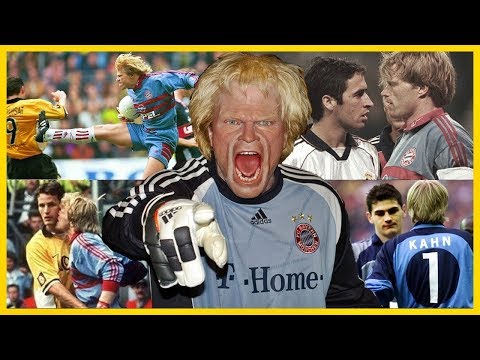
Oliver Kahn: The Unyielding Warrior of German Football

The Iron Will: More Than Just a Goalkeeper

The roar of the crowd, the tension on the pitch, the sheer will to not concede a single goal. This is the arena where legends are forged, and few have embodied raw, unadulterated fighting spirit quite like Oliver Kahn. While the world knows him as the formidable German goalkeeper, a closer look reveals a mindset, a ferocity, and a dedication that transcends the boundaries of football and echoes the principles found in the deepest traditions of Budo and martial arts. My students often ask me about the true essence of a warrior, and while we may train with fists and feet, the mental fortitude required is universal. Kahn, in his own domain, was a master of this inner combat.
The history of this hostile and feared German custodian is a testament to the power of sheer determination. His presence alone was enough to intimidate opponents. He wasn't just playing a game; he was defending his territory with the ferocity of a lion guarding its pride. This uncompromising attitude, this refusal to yield, is a trait I've seen in the most seasoned practitioners of Karate Kyokushin and in the stoic discipline of Judo. It's the embodiment of `Mushin` – the mind without mind, reacting instinctively and powerfully to any threat.
"Kahn’s intensity on the field was legendary. He was a leader, a warrior who demanded excellence not just from himself, but from his entire team. This is the hallmark of true mastery."
His career was not without its controversies, but even in moments of perceived aggression, there was an undeniable conviction. He played with his heart on his sleeve, his emotions fueling his performance. This raw, unfiltered passion, when channeled correctly, can be an incredible asset. In the dojo, we learn to control our emotions, to use them as fuel rather than let them consume us. Kahn, perhaps unknowingly, demonstrated this delicate balance on the grandest stage.

From the Pitch to the Dojo: Parallels in Warrior Spirit

The common thread weaving through elite athletes and dedicated martial artists is a profound understanding of sacrifice, discipline, and the unyielding pursuit of self-improvement. Oliver Kahn's journey is a prime example. He didn't just show up to play; he prepared. He trained with an intensity that became his trademark. This relentless dedication to his craft mirrors the daily grind of a martial artist honing their skills. Consider the `kata` – the pre-arranged forms practiced in Karate and other arts. They are not mere dances; they are simulations of combat, practiced thousands of times to ingrain techniques into muscle memory. Kahn's countless hours in training, perfecting his reflexes, his positioning, his command of the penalty area, were his own form of `kata`. He was preparing for battle, for the moment the fight came to him.

The Mental Fortitude of a Champion

What truly set Kahn apart was his mental resilience. The goalkeeper position in football is unique. One mistake, one moment of hesitation, can decide the fate of a match. This is a pressure cooker environment, demanding unwavering focus and the ability to bounce back from setbacks instantaneously.
"The greatest glory in living lies not in never falling, but in rising every time we fall." - Nelson Mandela
This wisdom is as applicable to a goalkeeper facing a penalty shootout as it is to a martial artist enduring a grueling sparring session or facing defeat in a tournament. Kahn embodied this. He would dust himself off, glare at the opposition, and stand ready for the next challenge. This refusal to be broken, this inherent `fighting spirit`, is the bedrock of true martial character. It’s the spirit that drives us to continue, even when every fiber of our being screams to stop. This is the core of what we teach in #BUDO and #MartialArts.

Beyond the Game: Lessons for the Modern Warrior

Oliver Kahn's legacy extends far beyond his remarkable saves and leadership on the football field. He serves as a powerful metaphor for anyone striving for excellence in their chosen field, especially those who walk the path of martial arts. * **Unwavering Commitment**: Kahn's dedication to his training and his team was absolute. * **Emotional Control (and Channeling)**: He displayed intense emotion, but it rarely compromised his performance. This is a difficult balance to strike. * **Leadership by Example**: His presence commanded respect and inspired his teammates. * **Resilience in the Face of Adversity**: He never shied away from challenges and always bounced back stronger. His intensity, his determination, his sheer will to win – these are qualities we cultivate in the dojo. Whether you are practicing #Karate, #Judo, #BJJ, or any other discipline, the mental game is paramount. The physical techniques are only as strong as the mind behind them.

Kahn's Impact on the Pitch: A Tactical Masterclass

From a tactical perspective, Kahn was a game-changer. His ability to read the game, anticipate plays, and organize his defense was exceptional. He wasn't just a shot-stopper; he was a strategic commander on the field. This proactive approach, this ability to see the 'flow' of the battle, is something that advanced martial artists strive for. It’s the difference between reacting to an attack and dictating the terms of the engagement. In MMA, for instance, fighters like Jon Jones or Cyril Gane demonstrate this strategic depth, constantly analyzing their opponent and adapting their tactics. Kahn's presence in the box was similar – a constant tactical threat and defensive anchor.

Veredicto del Sensei: ¿Merece la pena la Furia?

Oliver Kahn's on-field persona was that of a fierce warrior, a "Titan" as he was often called. Was his intensity always controlled? Perhaps not by conventional standards. But did it serve him and his team? Absolutely. His brand of controlled aggression and unshakeable self-belief made him one of the greatest goalkeepers of all time. He understood the psychological aspect of the game, using his imposing presence and fierce determination to gain an edge. His legacy is a powerful reminder that true strength comes from within. It’s about having the courage to face your fears, the discipline to prepare relentlessly, and the resilience to rise after every fall. He may not have thrown a punch or executed a submission, but Oliver Kahn’s spirit was undeniably that of a champion warrior. He earns a **Cinturón Negro en Determinación y Liderazgo en la Cancha**.

Equipo Esencial para tu Entrenamiento

While Oliver Kahn didn't need specific martial arts gear, his dedication to peak physical condition is something every practitioner should emulate. For those serious about their training, the right equipment can make a significant difference:
  • Guantes de Entrenamiento de Calidad: Para sesiones de sparring intensas, especialmente si practicas #Kickboxing o #ArtesMarcialesMixtas.
  • Kimono de Judo o Jiu-Jitsu Resistente: Un buen gi es crucial para el grappling. Busca tejidos duraderos que soporten el rigor de los entrenamientos.
  • Protecciones Adecuadas: Cascos, protectores bucales y espinilleras son vitales para entrenar de forma segura, especialmente en #combate.
  • Ropa Deportiva Transpirable: Para mantenerte cómodo durante largas sesiones de #entrenamiento, ya sea en el dojo o en casa con un #AtHomeWorkout.
  • Zapatillas de Deporte con Buen Agarre: Esenciales para deportes de combate que implican mucho movimiento en el suelo, como el #bjj.
## Guía de Entrenamiento: Cultivando la Mentalidad de Kahn Although we cannot replicate Kahn's exact football training, we can certainly adopt his mental approach. Here’s a simple exercise to cultivate that unyielding spirit:
  1. Define tu "Portería": Identifica tu objetivo principal en tu entrenamiento de artes marciales o en tu vida. ¿Qué quieres defender? ¿Qué quieres lograr?
  2. Visualiza la "Amenaza": Reconoce tus debilidades o los desafíos que te impiden alcanzar tu meta. No huyas de ellos; míralos de frente.
  3. Practica la "Reacción Rápida": En tus entrenamientos, enfócate en reaccionar instintivamente a los ataques o desafíos. No pienses, simplemente actúa. Esto mejora la #Agility y la #Coordination.
  4. Simula "Presión": Durante el sparring o sesiones de alta intensidad, simula que cada movimiento cuenta. Entrena bajo una presión controlada para acostumbrarte a la exigencia.
  5. Desarrolla la "Resiliencia Post-Golpe": Después de cada error, cada caída, o cada técnica fallida, levántate inmediatamente. Sacúdete el polvo y prepárate para la siguiente ronda. La #Perseverance es clave.
  6. Lidera con tu Espíritu: Incluso si entrenas solo, infunde cada movimiento con tu intención y determinación. Sé el líder de tu propio entrenamiento.
## Preguntas Frecuentes

¿Por qué se considera a Oliver Kahn un "guerrero"?

Oliver Kahn es visto como un guerrero por su intensidad inquebrantable, su liderazgo feroz en el campo, su valentía ante el peligro y su negativa a rendirse, características comunes en los practicantes de artes marciales.

¿Qué paralelismos existen entre el fútbol y las artes marciales en términos de mentalidad?

Ambos requieren una disciplina rigurosa, una preparación mental sólida, la capacidad de recuperarse de los fracasos y una voluntad inquebrantable para competir y mejorar continuamente. La gestión de la presión es crucial en ambos dominios.

¿Podría Oliver Kahn haber sido un buen artista marcial?

Dada su mentalidad competitiva, su fuerza física y su espíritu indomable, es plausible que Kahn hubiera destacado en disciplinas de combate que valoran la agresividad controlada y la determinación, como el #Kyokushin Karate o incluso el #MMA.

¿Qué lección principal podemos aprender de Oliver Kahn para nuestro entrenamiento?

La lección más importante es la importancia de la #MentalStrength y la #Resistencia. Nunca te rindas ante un desafío, entrena con propósito y lucha por tus objetivos con toda tu pasión y determinación.

Para Profundizar en tu Camino

"El corazón es el que marca la diferencia. No la técnica, no la fuerza, sino el corazón." - Oliver Kahn
In the realm of #MartialArts, we speak of "Shin" – the heart, the spirit. Kahn's relentless spirit embodied this perfectly, proving that the fight within is often more crucial than the fight without.

Reflexión del Sensei: Tu Próximo Paso

Kahn's journey teaches us that the battlefield can take many forms. Whether it's a football pitch, a dojo mat, or the challenges of daily life, the warrior's spirit remains the same: face your fears, train with unwavering dedication, and never, ever stop rising. Now, I pose this to you: What 'goal' are you defending in your life right now? And what is the first, unyielding step you will take today to defend it, channeling the spirit of the Iron Kahn? Discuss below. ``` GEMINI_METADESC: Explore the warrior spirit of Oliver Kahn, the legendary German goalkeeper, and discover the parallels between his intensity and the principles of Budo and martial arts.