Showing posts sorted by date for query #Karate. Sort by relevance Show all posts

¿Cuál es el Arte Marcial Definitivo para la Jaula? Un Análisis Marcial de las MMA

Como Sensei, mi propósito es guiaros a través del laberinto del Budo y el combate deportivo, desentrañando verdades que a menudo se ocultan tras la propaganda o la ignorancia. Hoy nos sumergiremos en el crisol de la competición moderna: las Artes Marciales Mixtas (MMA). Muchos se preguntan, con la fervorosa pasión de un novato o la calculada curiosidad de un veterano, ¿cuál es el arte marcial **superior** para triunfar en la jaula? Esta pregunta, aunque seductora, es una trampa si se aborda con una mente cerrada. Las MMA, por su propia naturaleza, no son el dominio de un solo estilo, sino la sinergia de múltiples disciplinas. Pero, ¿qué ocurre cuando se enfrentan estas artes? ¿Cuáles demuestran ser las más resilientes, las más aplicables, las que forjan al verdadero campeón? Vamos a desmantelar el mito y a exponer la realidad.

Tabla de Contenidos

La Fusión de Disciplinas: El ADN de las MMA

Las MMA, en su esencia, son una demostración de adaptabilidad y conocimiento marcial aplicado. No se trata de qué arte marcial es *inherentemente* superior, sino de qué artista marcial puede integrar y aplicar de manera más efectiva múltiples facetas del combate. Un peleador que solo domina el striking sin defensas contra derribos es una presa fácil. Un grappler sin habilidad para golpear será neutralizado antes de poder usar su especialidad. La verdadera efectividad en la jaula reside en la capacidad de transicionar entre las diferentes distancias y fases del combate: la lucha de pie (striking), el clinch y la lucha en el suelo (grappling). Un peleador completo es una amalgama de disciplinas. Sin embargo, ciertas artes marciales proporcionan las bases más sólidas para esta fusión.
"En el arte de la guerra, la victoria se logra mediante el conocimiento y la adaptación." - Sun Tzu
Este principio milenario es la piedra angular de las MMA modernas. Los grandes campeones no son meros practicantes de un estilo, sino estrategas que han absorbido lo mejor de varios mundos.

1. Jiu-Jitsu Brasileño: El Maestro del Suelo

El Jiu-Jitsu Brasileño (BJJ) es, sin duda, uno de los pilares fundamentales de las MMA modernas. Su enfoque en la lucha en el suelo, las sumisiones (llaves articulares y estrangulaciones) y el control posicional lo convierten en una herramienta devastadora. La premisa del BJJ es que un oponente más pequeño y débil puede vencer a uno más grande y fuerte mediante la técnica y el apalancamiento, llevándolo al suelo donde la ventaja física a menudo se neutraliza. La efectividad del BJJ en la jaula es innegable. Hemos visto innumerables combates decididos por una sumisión o un control de suelo que deja al oponente indefenso. El BJJ enseña a los peleadores no solo a someter, sino también a defenderse contra sumisiones, a salir de posiciones desfavorables y a mantener el control mientras se busca una oportunidad. Un luchador con una base sólida de BJJ puede dictar el ritmo del combate si la pelea llega al suelo. #bjj, #jiujitsu, #grappling, #artesmarciales

2. Boxeo: La Maestría del Puño

El boxeo es considerado el "arte noble" por una razón. Su enfoque exclusivo en el uso de los puños para el ataque y la defensa ha perfeccionado la técnica de golpeo hasta niveles asombrosos. En las MMA, donde el combate a menudo se inicia de pie, una base de boxeo sólida es crucial. Un boxeador de élite en MMA puede controlar la distancia, golpear con potencia y precisión, y defenderse eficazmente de los ataques con las manos. La agilidad, la potencia de pegada, el juego de pies y la capacidad de absorber golpes son habilidades que provienen directamente del boxeo y que son transferibles a la jaula. Muchos combates se ganan o se pierden en la fase de striking, y el boxeo proporciona las herramientas más directas para dominarla. #boxeo, #combatsports, #artesmarciales

3. Muay Thai: La Ciencia de las Ocho Extremidades

Originario de Tailandia, el Muay Thai es conocido como "el arte de las ocho extremidades" debido a su uso integrado de puños, codos, rodillas y espinillas. Esta versatilidad lo hace excepcionalmente peligroso y efectivo en las MMA. Los practicantes de Muay Thai son maestros del clinch, donde pueden controlar la cabeza del oponente y lanzar rodillazos devastadores, o usar sus piernas para controlar la distancia y lanzar patadas poderosas. La combinación de golpes contundentes, la resistencia al dolor y la capacidad de infligir daño con múltiples armas hacen del Muay Thai una disciplina primordial para el striking en las MMA. #muaythai, #kickboxing, #combatsports, #artesmarciales

4. Lucha Olímpica (Wrestling): El Arte del Control y el Derribo

La lucha olímpica, tanto libre como grecorromana, es la base de muchas carreras exitosas en MMA. Su enfoque en los derribos (takedowns), el control posicional y la capacidad de dictar dónde ocurre el combate la hacen invaluable. Un luchador puede anular las habilidades de striking de su oponente llevándolo al suelo, y desde allí, controlar la pelea, buscar puntos o incluso finalizar con golpes (ground and pound). La fuerza física, la resistencia, la técnica de derribo y la capacidad de mantener a un oponente en el suelo son las marcas distintivas de un buen luchador. En MMA, la lucha no solo sirve para llevar la pelea al suelo, sino también para defenderse de los derribos y regresar a la posición de pie, una habilidad vital. #wrestling, #lucha, #grappling, #artesmarciales

5. Karate: El Golpe Fulminante y la Distancia

Aunque a menudo se debate su aplicabilidad directa en MMA debido a su enfoque tradicional en katas y formas, los principios del Karate pueden ser sorprendentemente efectivos. El Karate, en sus formas más dinámicas y orientadas al combate (como el Kyokushin), enseña golpes de mano y pierna con tremenda potencia, precisión y control de la distancia. Un peleador con una base de Karate puede utilizar sus patadas rápidas y potentes para mantener al oponente a raya, o emplear golpes de puño rectos y contundentes que pueden ser decisivos. La disciplina y el control corporal que se desarrollan en el Karate son transferibles. La clave está en adaptar los principios y las técnicas a las realidades del combate de MMA, integrándolos con otras disciplinas. #karate, #Kyokushin, #artesmarciales

Veredicto del Sensei: ¿Hay un Rey?

La respuesta, como suele ocurrir en el camino marcial, es más compleja que un simple "sí" o "no". No existe un único "rey" de las artes marciales para las MMA. La efectividad reside en la **combinación**. Históricamente, el **Jiu-Jitsu Brasileño** y la **Lucha Olímpica** han demostrado ser la base más sólida para el éxito en MMA debido a su dominio de las fases de grappling, que a menudo deciden los combates. Sin embargo, un peleador sin habilidades de striking se queda cojo. Un peleador de MMA verdaderamente completo necesita una combinación de:
  • Striking (Boxeo, Muay Thai)
  • Grappling (BJJ, Lucha)
  • Transición y Defensa contra Derribos
  • Condición Física de Élite
  • Fortaleza Mental
El peleador que triunfa es aquel que ha integrado inteligentemente estas disciplinas, no aquel que se aferra rígidamente a una sola. El arte marcial "definitivo" para las MMA es aquel que puedes **adaptar y fusionar** con otros, creando un estilo híbrido insuperable.

Equipo Esencial para tu Entrenamiento

Para aquellos que buscan construir su arsenal marcial para la jaula, el equipo adecuado es fundamental. No necesitas gastar una fortuna, pero invertir en calidad te servirá mejor.
  • Guantes de MMA: Ligeros, permiten el agarre y protegen tus manos y la de tu oponente durante el sparring. Busca unos de 4 a 6 onzas.
  • Protector Bucal: ¡Indispensable! Protege tus dientes, mandíbula y cerebro de impactos.
  • Espinilleras y Guantes de Boxeo/Muay Thai: Para el entrenamiento de striking, necesitas proteger tus piernas y manos.
  • Kimono de Jiu-Jitsu (Gi) y/o Ropa de Entrenamiento Ligera: Para BJJ, un gi de buena calidad es esencial. Para entrenamientos más generales, ropa cómoda que permita el movimiento.
  • Vendajes para las Manos: Cruciales para dar soporte a las muñecas y nudillos antes de usar guantes de boxeo.
  • Protector Genital: Una inversión sabia para evitar lesiones graves.
Visita tiendas especializadas en #MartialArtsMerchandise o busca online "equipo para MMA" para encontrar opciones. ¡Un buen equipo te permite entrenar con más seguridad y confianza!

Guía de Entrenamiento: La Transición entre Distancias

Uno de los aspectos más difíciles de dominar en MMA es la transición fluida entre la lucha de pie y el suelo, y viceversa. Aquí tienes un ejercicio para empezar a desarrollar esta habilidad:
  1. Fase 1: Striking Sostenido (30 segundos): Comienza en guardia, practicando movimientos de pies y lanzando golpes al aire o a un saco. Enfócate en la fluidez y el control de la distancia.
  2. Fase 2: Simulación de Derribo (10 segundos): Desde el striking, simula un intento de derribo (ej. un "sprawl" si tu compañero intenta derribarte, o un intento de llevarlo al suelo si tú eres el atacante).
  3. Fase 3: Lucha en el Suelo (30 segundos): Una vez en el suelo (simuladamente), practica control posicional básico o defensas de sumisión. Si entrenas con un compañero, trabajen transiciones seguras.
  4. Fase 4: Transición a Pie (10 segundos): Si estás en el suelo, practica cómo levantarte de forma segura manteniendo la guardia o defendiéndote de ataques.
  5. Descanso (30 segundos): Recupera el aliento.
  6. Repetir: Realiza este ciclo durante 5-8 rondas.
Este ejercicio, aunque simple, te obliga a pensar en cómo se conectan las diferentes fases del combate. La clave es la **conciencia situacional** y la **capacidad de reaccionar**.

Preguntas Frecuentes

  • ¿Es posible ser un buen peleador de MMA con solo una arte marcial? Es extremadamente difícil. Las MMA exigen una habilidad en múltiples facetas del combate. Un especialista puro tendrá serias debilidades contra un oponente más completo.
  • ¿Cuál es el arte marcial más efectivo para defensa personal en la calle? Para defensa personal callejera, la efectividad depende de la situación y la preparación. Disciplinas como el Krav Maga, que se centran en escenarios realistas y ataques directos, suelen ser recomendadas. Sin embargo, los principios de control, desarme y manejo de múltiples agresores son universales y se benefician de una base sólida en grappling y striking.
  • ¿Qué arte marcial es mejor para empezar en las MMA? Muchos recomiendan empezar con el #bjj o la Lucha Olímpica debido a la importancia del grappling en MMA. Otros prefieren una base de striking como el Boxeo o el Muay Thai. Lo ideal es buscar un gimnasio de MMA que enseñe una mezcla de disciplinas.
  • ¿Es el Karate obsoleto para las MMA? No necesariamente obsoleto, sino que requiere una adaptación significativa. Los principios de potencia y precisión del Karate son valiosos, pero deben complementarse con grappling y defensa contra derribos.

Para Profundizar en tu Camino

El conocimiento marcial es un río inagotable. Si buscas ampliar tu entendimiento, te recomiendo explorar estos recursos:
  • #FightAnalysis: Desgloses detallados de combates y técnicas de peleadores profesionales.
  • #MartialArtsJourney: Historias inspiradoras de artistas marciales y sus caminos.
  • #BUDO: Exploraciones de la filosofía y los principios detrás de las artes marciales tradicionales.

Reflexión del Sensei: Tu Próximo Paso

Hemos explorado las disciplinas que forman el tapiz de las MMA, desgranando sus fortalezas. Pero el conocimiento sin aplicación es tan vacío como una bolsa de arroz sin arroz. ¿Estás listo para dejar de ser un mero espectador y convertirte en un practicante consciente? ¿O acaso tu estudio se limita a las palabras, sin el sudor y la dedicación del tatami? Mi pregunta para ti es simple, pero profunda: **¿Qué disciplina marcial vas a empezar a integrar en tu entrenamiento esta semana, y por qué te resistes a enfrentar tus debilidades técnicas en la jaula de la vida?** Comparte tu respuesta, tu crítica o tu propia visión en los comentarios de abajo. No temáis expresar vuestras ideas; es en el choque de opiniones donde a menudo se forja la verdad.

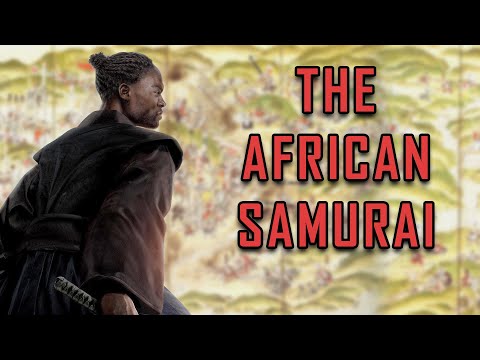
The Unvarnished Truth: Yasuke, The African Samurai – A Warrior's Spirit Transcending Borders

How many of you, when you hear "samurai," immediately picture a stoic figure in traditional armor, born and bred in the rigorous crucible of feudal Japan? It's a powerful archetype, isn't it? But what if I told you that the most compelling narratives often break these very molds? Today, we dissect the extraordinary life of Yasuke, the African samurai. This isn't just a historical footnote; it's a profound testament to how the warrior spirit, the unwavering dedication to martial excellence, knows no color, no origin, and no boundary.

We will delve into the gritty reality of his ascent, not through romanticized fiction, but through the lens of martial principles. Was he merely a curiosity, a novelty for Oda Nobunaga? Or was he a genuine practitioner of the sword, a warrior whose skills earned him respect in the most unforgiving of arenas? Prepare yourselves, for this is not a gentle stroll through history; it is an exploration of raw courage, adaptation, and the unyielding pursuit of mastery in the face of prejudice and overwhelming odds.

Yasuke's Origins: More Than Just a Slave

Let's strip away the myth. Yasuke, born in Africa – the exact region remains a scholarly debate, a point of contention for historians – was not born into nobility, nor was he a free man for much of his early life. He was, by all accounts, enslaved. This is a brutal truth, a stark contrast to the idealized samurai narrative. However, a slave’s life is not always a predetermined path of suffering. His journey, facilitated by the Jesuit missionary Alessandro Valignano, led him to Japan in 1579. Imagine the culture shock, the sheer alien nature of a land so distant from his own.

This arrival was not subtle. His physical presence alone—taller than the average Japanese man of the era, powerfully built—would have immediately drawn attention. But it was his potential, his aura of capability, that truly captured the eye of Oda Nobunaga, the formidable *Daimyo* who was rapidly consolidating power in Japan. Nobunaga was known for his strategic mind, his openness to new ideas, and his interest in foreign novelties. Yasuke was more than a novelty; he was a warrior waiting to be recognized. This meeting, this pivotal moment, was not just the encounter of a slave with a lord, but the spark that ignited an extraordinary martial destiny.

"Nobunaga, upon seeing Yasuke, was struck by his stature and physical presence. He was a man unlike any he had encountered. The initial fascination, however, was soon to be surpassed by respect for his martial spirit."

Forged in the Flames: Training Under Nobunaga

To become a samurai was not a matter of choice; it was a life of rigorous discipline, an internalization of the warrior's code, bushido. Yasuke, under Nobunaga's direct patronage, embarked on this path. This wasn't a mere display of strength; it was an assimilation into a system of honor, loyalty, and devastating martial skill. He learned the intricacies of the katana, the soul of the samurai. He trained in swordsmanship, grappling, and the tactical nuances of warfare.

Think about the challenges. He wasn't just learning techniques; he was learning a philosophy, a way of life that demanded absolute commitment. The fact that he, an outsider, an African slave, was not only accepted but actively trained and elevated speaks volumes about Nobunaga's pragmatism and perhaps, his foresight. Yasuke's physique, different from the Japanese ideal, likely offered unique advantages in combat. His training wasn't about conforming to a pre-existing template; it was about adapting the samurai way to his own formidable capabilities. He proved to be more than just a strong man; he was a natural warrior, a quick study, and someone who could embody the samurai ethos. This rapid ascent is not something one achieves through mere physical presence. It requires dedication, discipline, and an innate understanding of combat.

His African heritage, rather than being a barrier, may have even informed his fighting style, adding an unpredictable edge to the already deadly samurai arts. This fusion of backgrounds is where true martial innovation often lies.

The Crucible of War: Yasuke's Role in Nobunaga's Army

History books, often written by victors and survivors, can be selective. But the accounts of Yasuke's involvement in battles are clear: he fought. He wasn't a ceremonial figure; he was in the thick of it. The Battle of Tenmokuzan in 1582 is a prime example. Nobunaga's forces, against considerable odds, achieved a decisive victory. Yasuke's presence and contributions were noted. This wasn't a minor skirmish; it was a significant military engagement where strategic prowess and individual bravery determined the outcome.

His role as a trusted advisor and bodyguard to Nobunaga was not bestowed lightly. It implies a level of skill, loyalty, and battlefield competence that few possessed. Imagine the pressure, the constant threat of assassination or betrayal in the Sengoku period. To be chosen as a personal guardian by one of Japan's most powerful and ruthless warlords was the ultimate validation of his martial capabilities.

"In the heat of battle, where the clash of steel and the cries of men fill the air, true warriors reveal themselves. Yasuke was not found wanting. His ferocity, combined with his samurai training, made him a formidable force on any battlefield."

After Nobunaga's tragic end at Honnō-ji, Yasuke didn't vanish. This is a crucial point that distinguishes him from a mere footnote. He continued to serve other influential figures like Hideyoshi Toyotomi and later, Ieyasu Tokugawa. His journey continued through periods of intense conflict, including the Siege of Osaka Castle. This longevity in service, moving between different powerful lords, demonstrates a consistent reputation for reliability and martial prowess. It suggests that his acceptance and respect were not solely dependent on Nobunaga's whim, but on his enduring abilities as a warrior and advisor.

Echoes in Time: Yasuke's Enduring Legacy

Why do we still speak of Yasuke centuries later? Because his story is inherently powerful. He is the "only black samurai" – a title that encapsulates both his uniqueness and the broad strokes of his achievement. But his legacy is more than a racial designation. It’s about the triumph of the individual spirit, the ability to transcend one's origins and forge a new identity through skill and determination.

His life has inspired countless artistic interpretations: books, films, and documentaries. This widespread fascination is not superficial. It speaks to a universal human desire to see the underdog succeed, to witness the improbable become reality. For martial artists, Yasuke represents the ultimate embodiment of adaptability and perseverance. His journey reminds us that mastery isn't about adhering strictly to tradition, but about internalizing its core principles and applying them with your unique strengths. The ki, the fighting spirit, can manifest in any warrior, regardless of their background. His story is a powerful reminder that the path of the warrior is open to all who possess the will to walk it.

Veredicto del Sensei: ¿Un Samurai Auténtico?

Let's cut through the historical debate and the romanticized notions. Was Yasuke a samurai in the strictest, most traditional sense, born into the samurai class and adhering to every minute facet of its inherited culture? Perhaps not in the way a son of a samurai was. However, was he a warrior who lived by the code of bushido, trained rigorously in the martial arts of Japan, fought alongside samurai, earned their respect, and wielded the katana with skill? ABSOLUTELY.

His adoption into Nobunaga's service, his training, his participation in battles, and his continued service under other lords all point to a man who earned his place through martial merit and loyalty. The very essence of being a samurai was one's ability to serve as a warrior. Yasuke fulfilled this role to an exceptional degree. To deny him the title of "samurai" based on his origin would be to misunderstand the fluid, albeit rigid, social dynamics of feudal Japan and the pragmatic nature of warlords like Nobunaga. He wasn't just a foreign curiosity; he became a respected warrior.

Calificación: Cinturón Negro en Adaptación y Coraje Marcial.

Equipo Esencial para tu Entrenamiento

While Yasuke's journey was unique, the principles of martial training remain universal. To truly immerse yourself in the path of the warrior, having the right tools is crucial.

  • Armadura (Réplica o Ligera): While full samurai armor (gusoku) is impractical for most modern training, understanding its components and weight distribution is key. For light practice, a sturdy training uniform is sufficient.
  • Katana de Entrenamiento (Iaido/Bokken): A bokken (wooden sword) is essential for safe practice of sword techniques. For those advanced enough, a sharpened steel katana (iaito for practice, or a functional blade for experienced practitioners) is the ultimate tool.
  • Kimono de Judo/Karate: A durable, high-quality martial arts gi is fundamental for any discipline involving grappling or striking. Look for double-weave fabrics for added resilience during intense #entrenamiento.
  • Guantes de Entrenamiento: For any striking practice or sparring, appropriate padding is non-negotiable for safety and longevity in your #combat.
  • Protección para la Cabeza (Bojutsu): If practicing with longer staffs or polearms, head protection can be beneficial during drills.

Guía de Entrenamiento: El Espíritu del Guerrero Adaptable

Yasuke's life teaches us that adaptation is a core martial principle. Here’s a practical approach to cultivating that spirit:

  1. Fundamentos Sólidos: Begin with the basics of your chosen art. Whether it's #karate stances, #judo throws, or #MMA striking, master the core mechanics. This is your base.
  2. Cross-Training Inteligente: Don't confine yourself. Explore different martial disciplines. Integrate striking with grappling, learn weapon retention, and understand distance management. This builds versatility.
  3. Entrenamiento de Fuerza y Acondicionamiento: Develop explosive power and endurance. Yasuke's physique was an asset; yours can be too. Focus on functional strength training.
  4. Técnicas de Espada (Simuladas): If your art involves weapons, practice diligently with a bokken or training knife. Focus on clean lines, precise movements, and understanding range.
  5. Mental Conditioning: Practice mindfulness, meditation, and visualization. Develop resilience to stress and the ability to remain calm under pressure, just as Yasuke likely did in the chaos of #battle.
  6. Adaptación en Sparring: During sparring sessions, intentionally put yourself in challenging positions. Practice defending against unfamiliar styles or techniques. The goal is to learn, not just to win.

Preguntas Frecuentes

¿Es Yasuke el único samurái negro en la historia de Japón?

Basado en los registros históricos disponibles, Yasuke es la figura más conocida y documentada de un guerrero africano que alcanzó el estatus de samurái en el Japón feudal. Si bien es posible que otros individuos de ascendencia africana estuvieran presentes, Yasuke es el único para el cual existe evidencia sustancial de su servicio y estatus.

¿Qué habilidades marciales poseía Yasuke?

Yasuke era descrito como un guerrero físicamente imponente y hábil. Se entrenó en las artes marciales de los samuráis, incluyendo el manejo de la katana. Se sabe que luchó en batallas junto a Oda Nobunaga, demostrando competencia en combate. Su habilidad y fuerza le permitieron ganar el respeto de sus contemporáneos.

¿Cuál fue la importancia de su servicio bajo Oda Nobunaga?

Servir bajo Oda Nobunaga, uno de los tres grandes unificadores de Japón, fue un logro significativo. Nobunaga era un líder progresista que valoraba la habilidad y la lealtad por encima de la ascendencia. El hecho de que Nobunaga adoptara a Yasuke como vasallo y le confiara responsabilidades militares y de consejero demostró la destreza y el valor de Yasuke como guerrero.

¿Cómo impactó su vida en la percepción de los extranjeros en Japón en esa época?

La presencia de Yasuke, un africano sirviendo como samurái, desafió las percepciones convencionales y demostró que el estatus y el respeto en la sociedad japonesa podían obtenerse a través del mérito marcial y el servicio, independientemente del origen extranjero. Su historia contribuyó a la fascinación que los europeos y otros forasteros despertaban en el Japón de finales del siglo XVI.

Para Profundizar en tu Camino

  • Descubre el rigor detrás de la espada en nuestro artículo sobre #Karate y su legado: [Enlace Interno al Post de Karate]
  • Explora los principios fundamentales del guerrero en: #BUDO, el Camino del Guerrero: [Enlace Interno al Post de Budo]
  • Comprende la fuerza mental en el combate: La Importancia del #ki en la Lucha: [Enlace Interno al Post de Ki]

Reflexión del Sensei: Tu Próximo Paso

Yasuke's life is a blazing indictment of limitations. He faced prejudice, the chains of slavery, and the cultural chasm of a foreign land, yet he carved his name into history through sheer will and martial skill.

Consider this: In your own training, where do you impose limits? What perceived barriers—lack of talent, time, resources, or even your own self-doubt—are you allowing to define your potential? Are you training to adapt, to overcome, or merely to go through the motions?

Reflexión del Sensei: Tu Próximo Paso

The warrior spirit is not bestowed; it is forged. Yasuke’s journey from the African continent to the heart of the samurai elite was not a fluke of fate. It was a testament to unwavering dedication, brutal discipline, and the courage to embrace the unknown. Now, look within. What 'uncharted territory' does your martial journey demand you conquer? Are you prepared to face it with the same ferocity and adaptability that defined the African Samurai?

Let the debate begin. Does Yasuke’s story change your perception of what a samurai truly embodies? Are there other historical figures whose martial journeys defy conventional expectations? Share your insights, your arguments, your challenges. The dojo of knowledge is vast, and discussion is the finest sharpening stone for the mind.

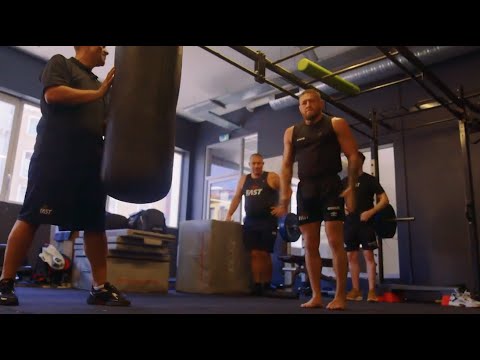
Conor McGregor's Titanium Leg: A Martial Arts Analysis of His Return

Hello and welcome to Budo and Martial Arts. You are watching Conor McGregor's New Leg Implant Can Sure Kick, published on June 13, 2022, at 07:30 PM. Welcome to the most complete and updated martial arts blog on the internet. Follow us on social networks and do not forget to visit our main page: https://ift.tt/NPEx6Sb The combat sports world often buzzes with the return of its stars, but few returns are as eagerly anticipated – and as laden with technical questions – as that of Conor McGregor. After his devastating leg break against Dustin Poirier, the question on every martial artist's mind isn't just *if* he will return, but *how* his combat effectiveness will be altered, particularly given the titanium rod now reinforcing his tibia. This isn't merely a story of recovery; it's a fascinating case study in biomechanics, martial arts strategy, and the sheer indomitable will of a fighter.
As practitioners, we are inherently drawn to the mechanics of combat. The injury itself was a stark reminder of the brutal reality of high-level striking. Now, with the surgical intervention, we are presented with a unique opportunity to analyze how physical augmentation might intersect with established martial principles. Can McGregor truly be "unbreakable"? While only time and the octagon will tell, the available footage and his known fighting style provide fertile ground for speculation and analysis. Let us delve into the nuances of his technique and what this unprecedented situation might herald.

The Stance: A Foundation of Power

Conor McGregor has long favored a wide, almost traditional Karate-esque stance. This isn't an arbitrary choice; it's a deliberate selection that aligns with his physical attributes and fighting philosophy. A wide stance offers a stable base, distributing weight more evenly. For a fighter with McGregor's proportional build – a broad upper torso relative to his spinal length and a significant wingspan – this posture is foundational. It allows for:
  • Strong, Balanced Snap: The wide base provides a solid platform from which to generate rotational force for punches and kicks, ensuring power is delivered with precision.
  • Efficient Recovery: After delivering a strike, a fighter needs to quickly regain their optimal defensive position. A well-rooted stance facilitates rapid retraction and readjustment.
  • Lunge Capability: This stance inherently allows a fighter to cover distance explosively. The ability to "lunge" into strikes is a key component of McGregor's offensive arsenal, enabling him to close the gap quickly and land damaging blows.
This emphasis on a stable, powerful base is a recurring theme across many striking arts. Whether it's the rootedness of a Kyokushin Karate practitioner or the grounded posture of a Muay Thai fighter, the principle remains: a strong foundation is paramount for effective offense and defense.

Karate Stance vs. Thai Stance: A Strategic Shift

The script mentions a subtle but significant difference when McGregor shifts to a more "Thai style stance," where more weight is placed on the back leg. This strategic alteration is telling:
  • Karate Stance (More Balanced): Emphasizes readiness for forward lunges and quick lateral movements. Power generation is often from the ground up, utilizing hip rotation and a stable base.
  • Thai Stance (Weight Forward): Often characterized by a more forward-leaning posture and weight distribution that allows for powerful roundhouse kicks and, crucially, the ability to "check" incoming leg kicks.
The ability to check kicks is a defensive cornerstone in Muay Thai. It involves lifting the shin and blocking an opponent's leg kick with your own, aiming to absorb the impact and often to damage the opponent's kicking leg. In a typical McGregor fight, we often see him use elusive footwork and cover distance with his strikes. However, shifting weight backward subtly alters his offensive dynamics. It sacrifices some of the immediate lunge capability but grants him the ability to defend against powerful leg attacks, a weapon that has proven devastatingly effective against him in the past. This adaptability highlights a fighter's strategic mind. McGregor is not just a puncher; he's a student of the game, willing to adjust his fundamental posture to incorporate crucial defensive measures. It's the difference between being a "wraith" – elusive, hard to pin down – and a "tank" – solid, formidable, able to absorb and dish out punishment.
"The supreme art of war is to subdue the enemy without fighting." - Sun Tzu, The Art of War
While McGregor's return is about engagement, the underlying principle of strategic adaptation for optimal outcomes resonates deeply with ancient martial wisdom. His willingness to modify his stance demonstrates an evolving understanding of combat effectiveness.

Explosiveness and the Art of Checking Kicks

The footage demonstrating McGregor's kicking ability post-injury is a vital indicator. If he retains his explosiveness, it suggests the titanium rod is not hindering his neuromuscular response or his ability to generate power. This explosiveness, combined with the newly acquired ability to check kicks, creates a potentially more dangerous McGregor.
  • Retained Explosiveness: This is crucial. Without it, his ability to close distance, land stinging shots, and overwhelm opponents is severely diminished. The visual confirmation of powerful kicks suggests this core attribute remains intact.
  • Enhanced Defensive Kicking: The ability to check kicks is not just about defense; it's about control. By effectively checking an opponent's leg attacks, a fighter can disrupt their rhythm, inflict pain, and gain positional advantage.
The implications are significant. An opponent who previously might have focused on debilitating leg kicks now faces a fighter who can absorb them and potentially inflict damage in return. This forces a recalibration of strategy for any potential opponent. The titanium rod, while a result of injury, might paradoxically become a strategic asset, reinforcing his most dangerous weapons and his ability to defend against the opponent's.

Veredict of the Sensei: Will the Titanium Leg Reignite the Fire?

This is where we transition from observation to critical assessment, the heart of any martial artist's evaluation. Conor McGregor's return with a reinforced leg presents a fascinating dichotomy: the potential for enhanced durability versus the inherent risks of physical modification and the psychological battle of overcoming a severe injury. From a technical standpoint, his adherence to a strong Karate-based stance, coupled with the demonstrated ability to incorporate Thai-style defensive checks, shows a fighter who is not just physically healing but strategically evolving. If his explosive power remains undiminished, as the footage suggests, we are looking at a fighter who might be *more* dangerous in certain aspects. The titanium rod could offer a psychological edge – a sense of invincibility – and a tangible advantage in absorbing leg strikes. However, the true test lies not in the metal, but in the mind and spirit. Can McGregor recapture the mental fortitude, the "killer instinct," that propelled him to superstardom? Injuries of this magnitude can have profound psychological impacts, altering a fighter's willingness to engage in high-risk exchanges. The "unbreakable" leg might be physically resilient, but is the fighter's psyche ready to embrace full engagement once more? My assessment: McGregor's physical attributes and technical adaptability are undeniable. If he can overcome the mental hurdles associated with such a severe injury, this reinforced leg, coupled with his existing skill set, could indeed make him a formidable force. Whether he becomes "better" is debatable – martial arts mastery is a journey of refinement, not just augmentation. But he certainly has the *potential* to be a more complete, resilient fighter. He has the tools; the question is whether he has the unshakeable conviction to wield them at their peak.

Essential Training Gear for Strikers

For any aspiring striker looking to develop power, speed, and resilience, the right equipment is crucial. Investing in quality gear not only enhances your training but also minimizes the risk of injury.
  • Quality Boxing Gloves (14-16oz): Essential for bag work, pad work, and sparring. Look for good padding and wrist support.
  • Shin Guards: Non-negotiable for sparring that involves leg kicks. Ensure they offer adequate protection for both your shins and your partner's kicking leg.
  • Mouthguard: Protects your teeth and can help prevent concussions. Always use one during any form of sparring or contact training.
  • Groin Protector: Essential for preventing serious injury during sparring.
  • Training Apparel: Comfortable, breathable clothing that allows for a full range of motion. Many martial artists prefer lightweight, durable kimonos or shorts made for combat sports. For those inspired by McGregor's style, consider exploring Karate-inspired apparel or specialized MMA fight shorts.

Training Guide: Developing Explosive Kicking Power

Developing explosive kicking power requires a multi-faceted approach, focusing on strength, flexibility, technique, and speed. This guide outlines fundamental steps:
  1. Foundation of Flexibility:
    • Begin with dynamic stretching: Leg swings (forward, backward, circular), hip circles, and torso twists.
    • Incorporate static stretching post-workout: Hold stretches for hamstrings, quadriceps, hip flexors, and calves for 30 seconds. Aim for a full range of motion without pain.
  2. Strength Training for Power:
    • Compound Lifts: Squats, deadlifts, and lunges build foundational leg strength essential for kicking.
    • Plyometrics: Box jumps, squat jumps, and jump lunges develop explosive power.
    • Core Strength: Exercises like planks, Russian twists, and leg raises are vital for transferring power from the ground through the body to the kick.
  3. Technique Refinement:
    • Stance and Balance: Practice maintaining a stable base, shifting weight correctly as described in the analysis above.
    • Hip Rotation: Focus on the uncoiling motion of the hips. This is where the majority of rotational power comes from. Visualize snapping your hips through the target.
    • Chambering: Properly bring your knee up and across your body before extending the kick. This "chambering" motion stores potential energy.
    • Extension and Retraction: Ensure a fast, snapping extension followed by a quick retraction of the kicking leg to maintain balance and avoid telegraphing your next move.
  4. Speed and Conditioning:
    • Light Bag Work: Perform high-volume kicking drills on a light bag, focusing on speed rather than power.
    • Shadow Kicking: Practice kicks in the air, visualizing targets and focusing on speed and fluidity.
    • Interval Training: Combine short bursts of intense kicking with brief rest periods to build explosive endurance.
Remember to always prioritize proper form over speed or power to prevent injuries. Consulting with a qualified martial arts instructor is highly recommended.
"The more you sweat in training, the less you bleed in combat." - The Warrior's Creed
This adage underscores the necessity of rigorous, disciplined training to hone the skills required for effective combat.

Frequently Asked Questions

  • Q: Can Conor McGregor truly be unbreakable with a titanium rod?
    A: While the titanium rod enhances structural integrity, "unbreakable" is a metaphor. The human body, even augmented, has limitations. His mental fortitude and strategic application of his skills will be the true determinants of his resilience.
  • Q: How does McGregor's Karate stance differ from traditional Karate stances?
    A: McGregor's stance is often wider and more forward-leaning than some traditional Karate stances, adapted for MMA's dynamic range of motion and striking variety. It borrows from Karate's balanced base but incorporates elements for explosive lunges and strikes characteristic of his style.
  • Q: Will the titanium rod affect his ability to check kicks?
    A: Potentially, it could improve his ability to check kicks by providing greater structural support against impact. However, the effectiveness of checking a kick relies heavily on timing, technique, and the conditioning of the checking leg, not just its inherent strength.
  • Q: Is McGregor's recovery a sign that MMA fighters are becoming more durable?
    A: Modern MMA fighters benefit from advanced sports science, nutrition, and surgical techniques. While recovery has improved, severe injuries remain a significant risk, underscoring the importance of technique, conditioning, and strategic fight management.

Deepen Your Journey

To further enhance your understanding of combat sports and martial philosophy, explore these related topics:

Reflection of the Sensei: Your Next Step

McGregor's journey with his titanium leg is more than a comeback narrative; it is a modern testament to the intersection of human resilience, technological advancement, and the enduring principles of martial arts. We analyze his stance, his power, his potential, yet the most profound transformation is often internal. Now, consider this: If a physical limitation can be overcome with technology and sheer will, what mental or emotional barriers are *you* allowing to dictate the boundaries of your own potential? Where in your training, your life, or your spirit are you accepting a "fracture" as a permanent state, rather than an opportunity for reinvention? **GEMINI_METADESC**: Sensei analysis of Conor McGregor's titanium leg comeback. Deep dive into Karate vs. Thai stances, kicking power, and fight strategy. Learn about training for explosive kicks. **GEMINI_LABELS**: #ConorMcGregor, #MMA, #Karate, #MuayThai, #MartialArtsAnalysis, #FightStrategy, #InjuryRecovery, #BUDO, #CombatSports, #TrainingTips

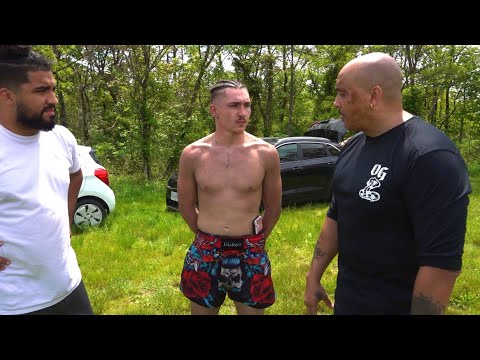
STREETBEEFS FIGHTER INTERVIEWS: A Martial Scholar's Critique of Raw Combat

Hello, fellow practitioners and enthusiasts of the martial path. Welcome to Budo and AM. Today, we delve into a raw, unfiltered corner of the combat world with "STREETBEEFS FIGHTER INTERVIEWS." This isn't your typical dojo lecture, nor is it a polished documentary on ancient samurai philosophy. This is the visceral, often chaotic, realm of street brawls and the individuals who navigate them. Published on June 3, 2022, this content, while perhaps lacking the nuanced elegance of a well-executed kata, offers a stark, albeit controversial, glimpse into human aggression and the primal urge to survive.

The Allure of the Unsanctioned

What compels someone to watch, or worse, participate in, unsanctioned street fights? The intention behind seeking out content like "STREETBEEFS FIGHTER INTERVIEWS" can be multifaceted. For some, it's a morbid curiosity, a glimpse into the dark underbelly of society. For others, it’s a perverse fascination with raw, unadulterated aggression, a stark contrast to the structured discipline of traditional martial arts. As a scholar of the martial ways, I find it imperative to dissect this phenomenon not to endorse it, but to understand its appeal and, more importantly, to highlight the chasm that separates it from genuine Budo. The original post, devoid of deep analysis, simply welcomes viewers. But welcome to what, exactly? A display of uncontrolled violence? A testament to human resilience? Or a warning of societal breakdown? The intention of the original creator, as presented, is merely to announce the content and direct traffic. Our intention here is to provide context, critical analysis, and a martial perspective that elevates the discourse.

Deconstructing the "Streetbeefs" Phenomenon

The term "streetbeefs" itself evokes a certain image: conflict born from disputes, escalating from words to blows in an uncontrolled environment. Unlike organized combat sports like MMA, UFC, or even the structured duels of historical fencing, these encounters lack rules, referees, and a primary focus on technique over brute force. The "fighters" are often untrained or minimally trained individuals, driven by ego, anger, or desperation.
The original tags hint at a broad spectrum of martial arts (#artesmarciales, #BUDO, #lucha, #pelea, #entrenamiento, #historia, #fight, #battle, #martialarts, #karate, #jiujitsu, #taekwondo, #shaolin, #ki, #bjj, #ninjitsu, #kenpo, #combat, #sambo, #news, #judo, #aikido). While these terms are associated with combat, the reality of "streetbeefs" often bears little resemblance to the disciplined application of these arts. The raw, often clumsy, exchanges are a far cry from the precision of a well-executed O-soto-gari in Judo or the focused intensity of a Kyokushin Karate strike.
"The true warrior is not a born fighter, but one who has learned to control their inner turmoil." - A principle often forgotten in the heat of uncontrolled rage.
The core issue is the absence of *intent* beyond mere victory or inflicting harm. Budo, in its truest sense, is a path of self-improvement through rigorous physical and mental training. It emphasizes discipline, respect, humility, and the understanding of principles that extend far beyond the fighting arena. "Streetbeefs," conversely, often represents the antithesis of these values. It’s a primal expression of conflict, devoid of the philosophical underpinnings that define a martial artist.

Budo vs. Brutality: A Crucial Distinction

This is where the polemic truly begins. Can we, in any sense, consider these street confrontations as "martial"? I argue, emphatically, no. The distinction is not merely semantic; it is fundamental. * **Discipline**: Budo demands relentless self-discipline. Mastering a technique, a kata, or even the mental fortitude to face an opponent requires years of dedicated practice. Street fights are impulsive, driven by emotion. * **Respect**: A cornerstone of martial arts is respect – for your opponent, your teacher, and yourself. "Streetbeefs" often fosters contempt, aggression, and a lack of regard for the other person's well-being. * **Purpose**: The goal of Budo is self-perfection, character development, and sometimes, effective self-defense when all else fails. The purpose of a street fight is often to assert dominance, settle a score, or out of sheer, uncontrolled anger. * **Technique**: While some participants in street fights might possess rudimentary fighting skills, the encounters rarely showcase the refined techniques, timing, and strategy that define martial arts. It's often a chaotic exchange of wild swings and desperation moves. Consider the difference between a judoka executing a perfect O-goshi on the mat, aiming to control and subdue their opponent according to the principles of Judo, versus two individuals flailing wildly on asphalt, risking serious injury from the impact alone. The former is refined skill; the latter is often uncontrolled chaos.

When Does "Streetbeefs" Cross the Line?

This content raises a critical question: when does the exhibition of fighting skill, even if crude, become detrimental to the martial arts community? The original publisher's intent seems to be merely observational, yet the very act of showcasing such content can inadvertently glamorize violence. The lines are blurred, of course. Some individuals who participate in these fights may have backgrounds in martial arts. They might be testing their skills in a high-stakes, albeit illicit, environment. However, the crucial difference lies in the *intent* and the *consequences*. When training sessions for MMA or Karate involve safety precautions, controlled sparring, and a focus on learning, it's constructive. When "streetbeefs" lead to severe injury, legal repercussions, or further cycles of violence, it is destructive. We must ask: does this content promote a positive understanding of combat, or does it merely feed a voyeuristic appetite for violence?
"In the heat of a fight, the mind must be calm as still water." - A concept utterly lost in the raging storm of a street brawl.
The danger lies in conflating raw aggression with martial prowess. The ability to throw a punch or engage in a wrestling match does not automatically equate to mastery of a martial art. It can, in fact, be a perversion of it, showcasing the worst aspects of human conflict without the tempering influence of discipline and philosophy.

What Can We Learn (or Reject)?

From a purely analytical standpoint, observing such encounters can offer insights, though often grim ones: * **Primal Instincts**: It reminds us of the raw, primal aspects of human conflict that martial arts seek to channel and control. * **The Importance of Training**: It starkly highlights the effectiveness of dedicated, disciplined training. A single well-timed Karate technique or a solid Grappling entry can end a fight far more efficiently and safely than wild swinging. * **The Dangers of Uncontrolled Emotion**: It serves as a potent reminder of how anger and ego can cloud judgment, leading to dangerous situations. The principle of Mental Game mastery is paramount. However, for the earnest martial artist, the primary lesson is what to *reject*: the glorification of violence, the lack of respect, the reliance on brute force over skill, and the absence of any higher purpose. The pursuit of Ki, inner strength, or enlightenment is completely antithetical to the mindset that fuels these confrontations.

Sensei's Verdict: A Dangerous Mirage

Are "STREETBEEFS FIGHTER INTERVIEWS" a valid representation of martial arts? Absolutely not. They represent the uncontrolled, often tragic, byproduct of conflict when discipline, respect, and technique are absent. While the original post is a simple announcement, the content it points to risks misrepresenting the true spirit of the martial ways. **Sensei's Verdict: Fails the Fundamentals.** This content is a distraction, a detour into the gutter of combat. It offers no path to self-improvement and actively works against the principles of Budo. It’s a raw display of aggression, not a demonstration of martial art.

Essential Equipment for Your Training

While "streetbeefs" may not require specific gear beyond whatever clothing the participants are wearing, serious martial arts training demands appropriate equipment to ensure safety and effectiveness. Investing in the right gear is not a luxury; it's a necessity for progress and injury prevention.
  • Durable Gi (Kimono): For arts like Judo, Karate (especially Kyokushin), and Aikido. Look for reinforced seams and quality fabric that can withstand rigorous training. Karate merchandise often features high-quality Gis.
  • Sparring Gear: Headgear, mouthguards, shin guards, and chest protectors are crucial for safe sparring in arts like Kickboxing and MMA.
  • Training Gloves: For striking arts, well-padded gloves protect your hands and your training partners. Options range from 10oz for bag work to 16oz for sparring.
  • Training Mats (Tatami): Essential for arts involving throws and groundwork like BJJ and Judo, providing a safer surface for practice.
  • Training Weapons: For arts that incorporate weapons (Kendo, Aikido with bokken), safe, practice-grade weapons are indispensable.

Frequently Asked Questions

Q: Is watching "streetbeefs" content beneficial for martial artists?
A: Generally, no. While it can serve as a stark reminder of what uncontrolled violence looks like, it offers little in terms of learning technique, strategy, or philosophy. It risks glorifying violence and can be detrimental to the true spirit of Budo.

Q: What is the difference between a street fight and a martial arts competition?
A: The primary differences lie in rules, safety, intent, and philosophy. Competitions have established rules, referees, medical personnel, and a focus on skill and sportsmanship. Street fights are uncontrolled, lack safety measures, and are often driven by aggression, ego, or revenge.

Q: Can martial arts training help prevent street fights?
A: Yes. Discipline, self-control, situational awareness, and confidence gained through martial arts training can help individuals de-escalate potential conflicts and avoid dangerous confrontations. The goal of martial arts is not to seek fights, but to avoid them and, if necessary, end them swiftly and effectively.

To Dive Deeper into Your Path

To truly understand the martial path and its contrast with raw conflict, explore these resources:
  • BUDO: Understanding the broader philosophy and principles that guide martial disciplines.
  • Martial Philosophy: Exploring the ethical and spiritual dimensions of martial arts.
  • Self-Defense: Learning practical applications of martial arts for safety, distinct from street brawling.

Sensei's Reflection: Your Next Step

The raw, unfiltered nature of "STREETBEEFS FIGHTER INTERVIEWS" presents a stark image of conflict stripped bare. It's a mirror reflecting the darker impulses that martial arts strive to temper and transform. We are bombarded with images of aggression, and it is our duty as students and practitioners to discern truth from spectacle. The essence of Budo lies not in the force of the blow, but in the discipline of the hand that throws it, the mind that directs it, and the spirit that refrains from unnecessary violence.

Reflexión del Sensei: Tu Próximo Paso

When confronted with images of raw violence, do you feel a thrill of aggression, or a deep understanding of the uncontrolled chaos that true martial artists dedicate their lives to transcending? Does the spectacle incite your primal instincts, or does it serve as a potent reminder of the path of discipline and self-mastery you walk? Where does your true interest lie: in the fleeting chaos of the street, or the enduring journey of the dojo? ``` GEMINI_METADESC: A martial scholar's critical analysis of STREETBEEFS FIGHTER INTERVIEWS, differentiating raw combat from true Budo and its philosophical principles.

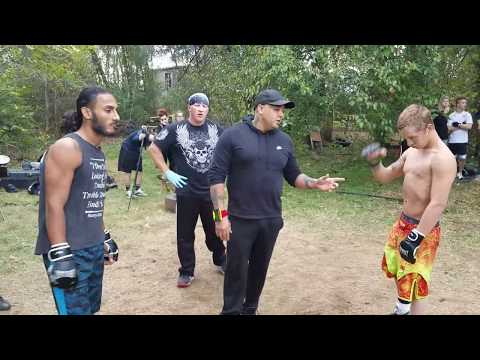
STREETBEEFS YAZZ VS THE REVOLVER: A STREET FIGHT ANALYSIS

The Genesis of the Clash: When Passion Overflows

Hello and welcome, warriors, to Budo and Martial Arts. Today, we descend into the raw, unfiltered world of STREETBEEFS, specifically the encounter between Yazz and The Revolver. Published on October 28, 2017, this bout isn't merely a fight; it's a manifestation of primal combat, a glimpse into the unscripted battles that occur when discipline meets desperation. As the most complete and updated martial arts blog on the internet, our duty is to dissect not just the movements, but the very essence of what drives individuals to engage in such raw displays of aggression. Are we witnessing the chaotic echo of true Budo, or simply a visceral exhibition of human conflict?

This encounter, like many within the STREETBEEFS organization, operates outside the hallowed grounds of sanctioned competition. It’s vital to understand this distinction. While we will analyze the techniques displayed, we must also consider the context: amateur exhibitions born from real-world disputes. This isn't about *how* to fight like this, but *why* people do, and what can be learned from the stark display of human will.

Breaking Down the 'Streetbeefs' Phenomenon

The very name "Streetbeefs" conjures images of alleyways and unadulterated conflict. This isn't the sterile, controlled environment of a dojo or an MMA octagon. It's the unpredictable arena of the street, where rules are often broken before they are even established. The content you see from STREETBEEFS is often characterized by its unfiltered nature. Yazz vs. The Revolver is no exception. These bouts are raw, sometimes ugly, but undeniably potent displays of courage – or perhaps foolhardiness.

The appeal of such content lies in its authenticity, however brutal. Viewers are drawn to the lack of pretense, the visible struggle, and the genuine stakes involved. It's a stark contrast to the highly polished performances seen in professional fighting, and in that rawness, there's a certain allure. We see fighters pushed to their absolute limits, revealing their core character under immense pressure. This is where the true test of spirit, the **#BUDO** aspect, can sometimes – and I stress *sometimes* – be observed, albeit in its most unrefined form.

Technical Assessment: Rawness vs. Refinement

Let's be clear: analyzing STREETBEEFS for refined technique is like searching for a delicate ikebana arrangement in a hurricane. This is combat at its most fundamental. What we witness between Yazz and The Revolver is less about choreographed precision and more about instinct, power, and sheer determination. You will see wild swings, desperate clinches, and moments of sheer grit.

One might observe:

  • Stance: Likely unbalanced, adapted for power rather than footwork.
  • Striking: Emphasis on heavy, often telegraphed, blows. Expect more brawling than precise punching combinations.
  • Grappling: Likely rudimentary, driven by the desire to control or overwhelm rather than technical submission.
  • Defense: Often reactive, relying on blocking with arms or simply absorbing the impact.
"In the heat of battle, technique often becomes secondary to the will to survive and overcome." - A principle I've seen tested countless times.

This isn't to dismiss the courage. To step into any fight, sanctioned or not, requires a certain bravery. However, for the practitioner seeking to hone their skills, the lessons here are more philosophical than technical. It highlights the importance of a solid foundation, the kind built through consistent training in arts like #Karate, #Judo, or #BJJ. These disciplines instill the control, precision, and strategy that are largely absent in a raw street confrontation.

Beyond the Brawl: The Spirit of Combat

The question that lingers after watching Yazz vs. The Revolver is: what does this say about the spirit of combat? In the purest sense, Budo – the Way of the Warrior – is about self-mastery, discipline, and ethical conduct. These street encounters, while undeniably showcasing a form of combat, often fall far short of this ideal. Yet, they do highlight raw courage and the drive to face adversity head-on.

Is there a kernel of **#BUDO** in this raw confrontation? Perhaps, in the willingness to face an opponent directly. But it lacks the ethical framework, the respect for the art, and the discipline that defines true martial discipline. It’s crucial not to confuse a **#fight** with a martial art. One is a chaotic struggle; the other is a structured path to self-improvement.

"The supreme art of war is to subdue the enemy without fighting." - Sun Tzu, The Art of War. These street bouts are the antithesis of this, embracing the fight when avoidance is the higher wisdom.

The uncontrolled aggression seen here can be dangerous, leading to severe injury or worse. While fascinating from a purely observational standpoint, it serves as a potent reminder of why formal training is paramount. It teaches us not just how to fight, but how to control ourselves, our emotions, and our actions – principles fundamental to true martial arts.

Sensei's Verdict: Authenticity in Unsanctioned Combat?

Yazz vs. The Revolver is an exhibition of raw, untamed conflict. It showcases immense bravery and a desperate will to overcome. However, it is **not** a demonstration of refined martial arts technique or Budo principles. It is a **#battle** in its most elemental form, a stark look at what happens when conflict erupts without discipline or control.

Does it have value? As a case study in raw human aggression and the primal instinct to fight, perhaps. But as a guide for martial artists seeking self-improvement? Minimal. It serves as a powerful counter-example, highlighting the immense value of structured training, discipline, and the ethical code that underpins true martial arts.

Cinturón Negro en Exhibición de Brutalidad, Pero un Nulo en Técnica Marcial.

Essential Gear for the Dedicated Practitioner

While street fights like Yazz vs. The Revolver are about raw will, proper training requires specific equipment. Investing in the right gear not only enhances your practice but also ensures safety.
  • High-Quality Kimono/Gi: For Judo and Karate, a durable, well-fitting gi is essential. Look for double-weave fabrics for Judo or reinforced stitching for Karate for longevity. Consider brands known for their quality.
  • Sparring Gloves: Whether you're practicing #Kickboxing, #MMA, or even conditioned Karate sparring, 16oz gloves are standard for safety.
  • Mouthguard: Non-negotiable for any combat sport. Protect your teeth and jaw.
  • Shin Guards and Headgear: Crucial for Muay Thai, Kickboxing, and some Karate sparring drills to minimize impact injuries.
  • Training Mats (Tatami): For styles involving throws and groundwork like #Judo and #BJJ, investing in quality mats is vital for safe practice.

Simulating Street Scenarios: A Cautionary Approach

While direct simulation of 'street beefs' is ill-advised due to legal and ethical reasons, certain drills can build resilience applicable to unexpected confrontations. This is not about learning to fight dirty, but about developing composure under pressure.
  1. Pressure Drills: Have a partner apply light, consistent pressure (e.g., pushing, verbal taunting – within safe, consensual limits) while you maintain a basic stance or attempt simple movements. The goal is to stay calm and centered.
  2. Reactionary Drills: Practice reacting to sudden, unexpected stimuli – a loud noise, a hand gesture. This hones awareness and reduces the 'startle' response.
  3. Controlled Adrenaline Exposure: Incorporate high-intensity interval training (HIIT) into your workouts. These bursts simulate the physical effects of adrenaline, teaching your body to function under duress.
  4. Scenario-Based Sparring (Controlled): In a safe, controlled environment, introduce mild 'chaos' – e.g., multiple people moving around the sparring area, unexpected command changes. This builds adaptability. Always prioritize safety and consent.

Remember, the ultimate goal of martial arts is self-mastery, which includes de-escalation and avoiding conflict whenever possible. These drills are for developing mental fortitude, not for encouraging street fighting.

Frequently Asked Questions

  • What is STREETBEEFS?
    STREETBEEFS is an organization that hosts unsanctioned, often amateur, "street fight" exhibitions. They are known for their raw, unfiltered combat footage.
  • Is Yazz vs. The Revolver a professional fight?
    No, it is explicitly stated as an amateur exhibition. These bouts typically arise from personal disputes and are not part of any professional fighting circuit.
  • Can I learn proper martial arts from watching STREETBEEFS?
    While you can observe raw aggression and determination, it is not recommended for learning proper technique or Budo principles. Structured training in recognized martial arts is essential for skill development and ethical understanding.
  • What are the dangers of street fighting?
    Street fighting carries severe risks, including serious injury, legal consequences, and potential fatalities. It lacks the safety protocols, rules, and referee oversight of sanctioned combat sports.

Deepen Your Understanding

To truly grasp the principles of martial arts and combat, it's vital to explore diverse aspects of the warrior's path.

Sensei's Reflection: Your Next Step

We have dissected Yazz vs. The Revolver, peeling back the layers of raw aggression to examine the underlying currents of conflict. But observing is not the same as understanding, and understanding is a hollow victory without application. The true martial artist seeks not merely to witness combat, but to integrate its lessons into their own path of self-mastery.

So I ask you: In your own training, where do you find the balance between raw intensity and refined technique? When faced with a challenge – be it on the training mat or in life – do you resort to primal reaction, or do you draw upon the discipline and strategy you have cultivated? Reflect on this. The answer will reveal the true nature of your own Way.

``` GEMINI_METADESC: Analyze the raw combat of STREETBEEFS Yazz vs. The Revolver. Explore technical aspects, philosophical implications, and the true spirit of Budo vs. street brawling.

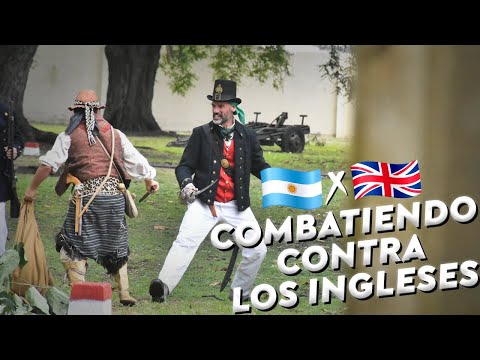
The Crucible of Conflict: Reenacting the English Invasions - A Warrior's Perspective

Do you seek to understand the spirit of historical combat? To grasp the raw essence of conflict beyond the sterile dojo mat or the digital screen? For too long, the true nature of martial engagement, the grit, the strategy, the sheer will to survive, has been diluted by modern interpretations. This vlog entry, however, takes us on a journey not just through a historical reenactment, but through the very principles that underpin every true martial art. We are not merely observers; we are participants in the ongoing dialogue of combat history.

Table of Contents

The Call to Arms: Historical Reenactment and Martial Integrity

The very act of reenactment is a double-edged sword in the eyes of a true martial artist. On one hand, it offers a tangible connection to the past, a physical manifestation of historical conflicts that can illuminate the strategies and spirit of bygone eras. On the other, there's the ever-present danger of it devolving into mere theatre, a superficial display lacking the visceral truth of combat. This particular vlog explores an event that delves into the historical invasions of English forces, a scenario ripe for examination of both historical accuracy and the underlying martial principles. As we step into this arena, we must ask: does the reenactment capture the *kiai* – the spirit, the intent – of the original conflict, or is it a hollow echo? The very tag #BUDO suggests an aspiration towards this deeper understanding.

A Glimpse into the Past

This chronicle follows a day dedicated to preparing for and participating in a significant historical reenactment. It’s a journey that begins with the personal ritual of preparation – the donning of attire, the mental centering – a prelude to stepping into a simulated battlefield. The initial moments, the travel, the quiet anticipation, are as crucial to the martial artist as the clash itself. It is in these transitions that focus is sharpened, and the mind aligns with the body’s purpose.
"The warrior prays before the battle. He does not pray for victory, but for strength to endure." - A principle echoed across countless warrior traditions.

The Dance of Steel: El Arte de la Esgrima Criolla

The narrative quickly moves to a specific martial discipline: "Clases de Esgrima Criolla." This is where the heart of martial analysis truly begins. Esgrima Criolla, a form of fencing rooted in the combat traditions of the region, often involving sabre or cutlass, presents a fascinating case study. Unlike the formalized dueling of European aristocracy, Criolla fencing likely incorporated more practical, battlefield-oriented techniques. We must consider: * **Weapon Handling:** How effectively are the period weapons utilized? Is there a sense of weight, balance, and lethal intent behind each movement? * **Footwork and Stance:** Does the practitioner demonstrate a stable, adaptable base? Is their movement fluid and economical, conserving energy while maintaining offensive and defensive posture? * **Engagement and Distance:** How do they manage the distance between themselves and their opponent? Are they able to control the engagement, dictating the terms of the encounter? * **Application of Techniques:** Beyond mere parries and thrusts, are there signs of transitions into grappling, disarms, or more brutal close-quarters combat often necessitated by historical battles? The very essence of #combat and #fight is encapsulated in these skills. A true Esgrima Criolla class would not just teach movements, but the philosophy of engagement, the reading of an opponent, and the decisiveness required to prevail.

Echoes of Battle: The Military History Museum Event

The core of the vlog is the recreación of the English invasions at the Museo Histórico Militar. This is where the abstract principles of Esgrima Criolla are placed within a broader historical context. The success of such a reenactment, from a martial perspective, hinges on several critical factors: * **Tactical Coherence:** Is the formation of troops logical? Do the movements of groups reflect historical military tactics? Are commands clear and followed with discipline? * **Authenticity of Engagement:** While not real combat, the *simulated* clash should convey the chaos, the desperation, and the structured aggression of battle. Are the interactions between individuals and groups believable? * **The Warrior's Mentality:** Beyond the physical execution, do the participants *embody* the spirit of the warriors they represent? This is where the concept of #BUDO, the Way of the Warrior, is truly tested. Is there a shared commitment to the narrative and the *intent* of the conflict? * **Respect for the Fallen:** Even in reenactment, there's a profound lesson to be learned about the cost of war. The solemnity of the occasion, the respect shown for the historical event, is as important as the action itself. The length dedicated to this portion (01:17 to 03:54) suggests a significant focus on the event itself. It is within these minutes that we can analyze the choreography, the commitment, and the overall effectiveness of the historical portrayal. The #history tags are central here, but the #battle and #martialarts elements are what give it true weight.

Modern Mettle: A Momentary Diversion

The brief detour into "Momento Tik Tok" (04:06) serves as a stark contrast. While social media platforms like TikTok can be used for disseminating martial arts knowledge, they often prioritize brevity and entertainment over depth. It’s a reminder of the challenges in bridging the gap between the serious pursuit of martial disciplines and the demands of modern digital engagement. This transition highlights how even dedicated martial artists must navigate the contemporary landscape, balancing their core pursuits with the need for broader reach. It's a nod to the #news and #community aspects of the martial arts world, but one that must be approached with discernment.

Sensei's Verdict: Does the Spirit Endure?

This vlog, while presented as a personal log, offers a valuable insight into the intersection of history, martial arts, and public engagement. The reenactment of the English invasions, particularly with the focus on Esgrima Criolla, provides a rare opportunity to witness historical combat principles brought to life. **The spirit of martial arts, the essence of #BUDO and #combat, is most effectively conveyed when there is a genuine commitment to understanding the underlying principles, not just mimicking the surface actions.** The clarity of the Esgrima Criolla instruction is promising, suggesting a dedication to technique. The question remains, however, whether the broader reenactment truly captured the relentless intensity and strategic nuance of historical warfare, or if it was primarily a historical spectacle. For participants and observers alike, the true takeaway is the reminder that martial arts, in all their forms—historical, modern, combative, or philosophical—demand respect, discipline, and a constant pursuit of deeper understanding. The vlog successfully captures a moment where these elements converge, albeit briefly. **Rating: Cinturón Negro en Curiosidad Histórica, Naranja en Profundidad Marcial.**

Honing Your Edge: Essential Training for Historical Combat

To truly prepare for the demands of historical combat reenactment or study, a multifaceted training regimen is essential. This goes beyond simply wielding a prop weapon.
  1. Physical Conditioning: Develop robust cardiovascular endurance for sustained periods of activity. Build functional strength, focusing on core stability, grip strength, and explosive power. Practice agility and balance to navigate uneven terrain and maintain posture under duress.
  2. Weapon-Specific Drills: Master the fundamentals of the weapon being used (e.g., saber, sword). Focus on proper grip, stance, footwork, thrusts, cuts, and blocks. Practice drills that simulate common combat scenarios.
  3. Simulated Sparring: Engage in controlled sparring sessions with safety gear. This is crucial for developing timing, distance management, reaction speed, and the ability to adapt to an opponent’s movements.
  4. Historical Research and Tactical Study: Understand the context of the battles you are reenacting. Study historical tactics, formations, and the typical engagements of the period. This knowledge informs movement and decision-making.
  5. Mental Fortitude: Cultivate focus, discipline, and resilience. The ability to remain calm under simulated pressure is paramount. Practice visualization techniques to mentally rehearse scenarios.
  6. Understanding of Historical Attire and Equipment: Learn how to move effectively while wearing period clothing and potentially armor. Understand the limitations and advantages these might impose.

Essential Equipment for Your Training

While the vlog focuses on a specific historical event, for those inspired to train in related disciplines, certain equipment is invaluable.
  • Protective Gear: For sparring or advanced drills, invest in high-quality protective gear. This includes padded swords (synthetic or specially designed training weapons), robust sparring masks, gloves, chest protectors, and shin guards. Safety is non-negotiable.
  • Period-Appropriate Training Weapons: If focusing on Esgrima Criolla or similar styles, acquiring well-balanced training replicas of sabres or cutlasses is key. Ensure they are designed for safe practice.
  • Durable Workout Apparel: Comfortable, flexible clothing that allows for a full range of motion is essential for conditioning and drills. Think breathable fabrics that can withstand rigorous activity.
  • A Solid Training Space: Whether it's a dedicated martial arts dojo, a cleared space in your home, or an outdoor area, ensure you have adequate room to move freely and safely.
  • Reference Books and Resources: For deeper study, acquire texts on historical fencing, military history of the era, and martial philosophy. Good books on #BUDO and #martialarts history can provide invaluable context.

Frequently Asked Questions

  • What is Esgrima Criolla?

    Esgrima Criolla refers to a style of fencing that developed in the Río de la Plata region, often drawing from Iberian traditions but adapted to local conditions and weaponry, typically involving sabres or cutlasses for practical combat.
  • Is historical reenactment a true martial art?

    While reenactment itself is not a martial art, it can be a valuable tool for studying and *applying* historical martial arts principles. Its effectiveness depends on the participants' dedication to authenticity and the underlying martial spirit.
  • How can I find historical reenactment groups?

    Research local historical societies, military history museums, and online communities dedicated to historical reenactment. Many groups focus on specific eras and regions.
  • What are the risks involved in reenactment?

    The primary risks stem from the use of prop weapons and the physical exertion. Proper training, safety protocols, and adherence to rules set by organizers are crucial to minimize these risks.

To Dive Deeper into Your Path

Sensei's Reflection: Your Next Step

We have traversed the simulated battlegrounds, witnessed the clash of steel, and considered the spirit that fuels such endeavors. The reenactment, like any martial practice, is a mirror reflecting our own commitment to understanding and embodying the principles we seek. It is easy to be swept up in the spectacle, but the true lesson lies in the preparation, the execution, and the reflection that follows. Now, consider this: If you were to participate in such a reenactment, not as an actor, but as a warrior embodying your chosen art, what single principle from your training would you prioritize above all others, and why? Would it be the tactical awareness of #MMA, the precise footwork of #Karate, the grounded stability of #Judo, or the relentless spirit of #Kyokushin? The true test is not the portrayal, but the internalization. Go forth and find your answer. GEMINI_METADESC: Explore a historical reenactment of the English Invasions, analyzing Esgrima Criolla and the warrior spirit. Learn about training and equipment for combat history.