Showing posts sorted by relevance for query judo throws. Sort by date Show all posts

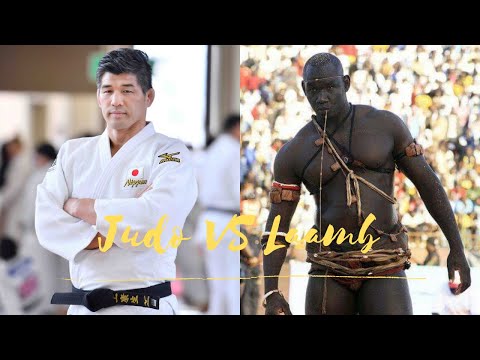
Judo vs. Laamb Wrestling: A Sensei's Analysis of Throws, Tactics, and True Combat Efficacy

Greetings, warriors and scholars of the Way. Today, we delve into a fascinating intersection of combat: the venerable art of Judo and the powerful tradition of Senegalese wrestling, known as Laamb. Many have seen brief clips, others have heard whispers, but few truly grasp the profound similarities and stark differences that define these disciplines. This is not merely an academic exercise; it is a critical examination of techniques that have echoed across dojos and dusty arenas for generations, each vying for supremacy in the crucible of combat. Are the sweeping throws of Judo merely elegant dance, or do they possess the raw power to subdue a Laamb wrestler? Conversely, can the brute strength and unique techniques of Laamb stand against the structured efficiency of Judo? Let us uncover the truth, not with speculation, but with the rigorous lens of martial understanding.

The Clash of Titans: Judo Meets Laamb

The discussion around Senegalese wrestling, or Laamb, often sparks debate, especially when juxtaposed with established martial arts like Judo. The raw power and explosive nature of Laamb are undeniable, yet the question persists: how does it fare against the codified techniques and principles of Jigoro Kano's creation? This analysis goes beyond superficial comparisons. We will dissect the core philosophies, the fundamental techniques, and the practical applications of both disciplines. Prepare for a journey that challenges assumptions and illuminates the true nature of combat prowess. Are you ready to understand the nuances that separate a mere throw from a decisive victory?

The Essence of Kodokan Judo: Precision and Control

Founded by Professor Jigoro Kano, Judo, meaning "gentle way," is far more than just a sport. It is a system of physical, intellectual, and moral education. At its heart lies the principle of Seiryoku Zenyo – maximum efficiency with minimum effort. Judo emphasizes Jita Kyoei – mutual welfare and benefit. Technically, Judo is characterized by its dynamic nage-waza (throwing techniques) and its crucial katame-waza (grappling techniques), which include pins, chokes, and armlocks. Unlike many striking arts, Judo focuses on using an opponent's weight and momentum against them, turning aggression into a vector for control.

A typical Judo curriculum progresses from basic falls (ukemi) to fundamental grips (kumi-kata), then to a vast array of throws. Iconic techniques like O-soto-gari (major outer reaping), Ippon Seoi Nage (one-arm shoulder throw), and the devastating Osoto-gari (major outer reaping) are built upon intricate footwork, hip movement, and the precise timing of Kuzushi (off-balancing). The goal is not just to throw the opponent, but to do so with such control that they cannot recover, often leading to a point (ippon) or a submission hold on the ground.

"Maximum efficiency, minimum effort." - Jigoro Kano

The emphasis on randori (free practice) in Judo is paramount. It's where the theoretical techniques are tested against resisting opponents, fostering adaptability and resilience. However, it's crucial to note that Judo, in its Olympic sporting context, has seen certain techniques restricted for safety reasons, particularly those involving direct leg grabs (ami-waza) and certain submissions on the legs. This evolution, while prioritizing safety, has led some critics to question its direct applicability in scenarios demanding less structured combat.

Laamb Wrestling: The Unyielding Spirit of Senegal

Laamb, the traditional wrestling of Senegal, is an ancient sport deeply ingrained in the nation's culture and identity. It is a spectacle of raw power, vibrant tradition, and often, fierce competition. Unlike Judo's emphasis on technical sequences and controlled submissions, Laamb is fundamentally about overpowering the opponent through strength, leverage, and a direct, forceful approach. Wrestlers, known as lutteurs, train rigorously to develop immense physical conditioning, focusing on explosive power, grip strength, and resilience.

The objective in Laamb is typically to throw an opponent to the ground or to get them into a position where their back, shoulders, or chest touches the sand. Techniques often involve powerful lifts, body locks, and wrestling for dominance on the feet. The most visually striking aspect of Laamb, and where comparisons to Judo naturally arise, is the presence of throws and takedowns. However, the execution is often more direct and driven by brute force rather than the nuanced off-balancing seen in Judo.

Laamb is also steeped in ritual and superstition. Wrestlers often perform dances, wear talismans (gris-gris), and engage in pre-fight rituals meant to imbue them with spiritual strength and luck. This spiritual dimension, while not directly part of Judo's codified philosophy, speaks to the profound psychological aspect of combat, a critical element often overlooked in purely technical analyses.

"The wrestler who is proficient in the art of wrestling, and in the use of his own strength, is capable of conquering the world." - A traditional saying often associated with Laamb.

Furthermore, Laamb has evolved to incorporate elements that blur lines with mixed martial arts. Some lutteurs are now training in striking arts and grappling, aiming to be more well-rounded competitors, a testament to the sport's adaptation in the modern combat landscape.

Judo vs. Laamb: A Comparative Takedown

Now, let us engage in the critical analysis, the sensei's dissection of these two formidable combat systems. The intention of search here is clear: understand how these arts compare in a combative scenario. We must look beyond the superficial "throw for throw" comparison.

1. Philosophy and Principles:

  • Judo: Seiryoku Zenyo (Maximum Efficiency) and Jita Kyoei (Mutual Welfare). Focus on leverage, timing, and technique over brute force. Structured curriculum.
  • Laamb: Emphasis on raw power, physical conditioning, and spiritual/ritualistic preparation. Primarily focused on overpowering the opponent for a decisive takedown.

2. Technical Execution:

  • Judo: Highly codified throws (nage-waza) relying on Kuzushi (off-balancing), Tsukuri (entry), and Kake (completion). Extensive ground grappling (katame-waza) including pins, chokes, and armlocks. Strict rules limit leg grabs in sport Judo.
  • Laamb: Direct, powerful throws and takedowns, often utilizing immense strength and body control. Grip fighting is crucial, but the emphasis is on driving through the opponent. Ground grappling is less formalized than Judo, focusing more on pinning or maintaining positional dominance.

3. Grip Fighting:

  • Judo: The grip (kumi-kata) is fundamental. Mastering grips is essential for initiating throws and controlling the opponent.
  • Laamb: Grips are vital for leverage and control, but often more about a secure hold to enable a powerful lift or drive. Less emphasis on the intricate setup of grips seen in Judo.

4. Groundwork:

  • Judo: A complete ground fighting system (Ne-waza) with submissions and pins that can end a match.
  • Laamb: Ground work focuses on pinning or maintaining a dominant position to achieve victory, with less emphasis on the submission aspect found in Judo or BJJ.

5. Physical Attributes:

  • Judo: Requires flexibility, balance, coordination, and explosive power, but technique can often compensate for a deficit in raw strength.
  • Laamb: Heavily reliant on exceptional strength, power, stamina, and a high pain threshold.

Consider this: a Judo throw is a finely tuned mechanism. A Laamb takedown is often a battering ram. Both can achieve the objective, but the pathway and the principles behind them differ significantly.

Beyond the Arena: Efficacy in MMA and Self-Defense

The ultimate test for any martial art is its efficacy when the rules are removed. How do Judo and Laamb translate into Mixed Martial Arts (MMA) or real-world self-defense scenarios?

Judo's Contribution to MMA: Judo practitioners have consistently proven their mettle in MMA. Fighters like Ronda Rousey, Kayla Harrison, and Teddy Riner (though not primarily an MMA fighter) have showcased the devastating power of Judo throws and groundwork. Judo's emphasis on ne-waza provides an immediate advantage in controlling opponents on the ground, setting up submissions, and preventing opponents from establishing dominant positions. The restriction on leg grabs in sport Judo has, in fact, led many Judo-based MMA fighters to supplement their training with techniques that target the legs.

Laamb's Potential in MMA: Laamb's raw power and explosive takedowns offer a unique threat. A skilled lutteur with the conditioning and adaptability could be a formidable opponent. Their ability to absorb punishment and drive through opponents with sheer force is a valuable asset. However, the lack of a structured grappling submission system and the potentially less refined defensive skills against strikes might present challenges that modern MMA training would need to address.

Self-Defense Considerations: For self-defense, Judo's principles are highly valuable. The ability to off-balance and control an attacker, use their momentum, and, if necessary, subdue them with a pin or choke, are critical skills. The emphasis on situational awareness and controlling distance is also paramount. Laamb's strength-based approach can be effective for disabling a single aggressor, but its reliance on close-range power might be less advantageous against multiple attackers or in confined spaces where Judo's control-based techniques might offer more tactical options.

The question isn't which is "better" in a vacuum, but rather, which set of skills complements the demands of the situation. A fighter who can blend Judo's technical precision with Laamb's explosive power and conditioning would be a truly terrifying force.

Essential Gear for Your Training Journey

To truly appreciate the nuances of Judo and wrestling, proper training is essential. While Laamb is traditionally practiced on sand, and Judo on mats, the underlying principles of conditioning and technique require specific equipment:

  • For Judo Training:
    • High-Quality Judo Gi: Look for a double-weave or heavyweight gi for durability, especially for randori. Brands like Adidas, Mizuno, or Fuji offer excellent options. Consider a specialized Judogi that meets IJF standards if you plan to compete.
    • Mat Shoes (Optional): For hygiene and grip on training mats, though many practice barefoot.
    • Mouthguard: Recommended for all sparring to protect your teeth.
  • For Wrestling/Conditioning (General):
    • Durable Training Shorts: Comfortable and allow for a wide range of motion.
    • Performance T-shirts: Moisture-wicking fabrics are essential for intense conditioning.
    • Wrestling Shoes (Optional): Provide ankle support and superior grip on various surfaces.
    • Resistance Bands: Excellent for building explosive power and grip strength, mimicking some aspects of grappling resistance.
    • A Sand Pit (if feasible): For an authentic Laamb training experience!
  • For Strength and Conditioning:
    • Weightlifting Gloves: If your grip strength is a limiting factor, these can help.
    • Jump Rope: A fundamental tool for cardiovascular conditioning and agility.
    • Kettlebells: Versatile for power, strength, and conditioning exercises relevant to wrestling and Judo.

Investing in the right [best Judo gis for randori] or [quality wrestling shoes] can significantly enhance your training experience and safety. Explore options for durable, comfortable gear that supports rigorous practice.

Sensei's Verdict: Which Style Reigns Supreme?

The question of supremacy is often a fallacy created by those who fail to see the interconnectedness of all martial paths. Judo and Laamb are not rivals in a death match; they are distinct expressions of the human desire to overcome through physical prowess and tactical acumen.

Judo offers a highly refined system of control, leverage, and submission. Its structured approach makes it accessible for learning and progression, and its principles of efficiency are timeless. Its sport evolution, while debated, has undeniably contributed immensely to the landscape of combat sports like MMA.

Laamb, on the other hand, embodies raw, unadulterated power and an indomitable spirit. It demands immense physical conditioning and resilience. Its cultural significance is profound, representing more than just a fight – it's a celebration of strength and heritage.

Cinturón Negro en Tradición y Poder

If forced to choose for a multifaceted combat scenario (like MMA), a fighter who possesses the technical depth and submission arsenal of Judo, combined with the explosive power, conditioning, and sheer will of a Laamb wrestler, would be virtually unstoppable. Neither art, in its purest sporting form, is inherently "better." They simply excel in different aspects of combat. Judo teaches you to redirect force; Laamb teaches you to embody it. Both are invaluable.

Frequently Asked Questions

Is Laamb wrestling a form of grappling like Judo?
Yes, Laamb is a form of wrestling, which falls under the broad category of grappling arts. Both Laamb and Judo focus on controlling and taking down an opponent, but their methodologies, principles, and specific techniques differ significantly.
Can Judo techniques be used against a Laamb wrestler?
Absolutely. Many Judo throws and control techniques can be effective. However, a Laamb wrestler's strength and directness may require Judo practitioners to adapt, perhaps relying more on powerful entries or focusing on ground control once a throw is initiated.
What are the main differences in training between Judo and Laamb?
Judo training emphasizes technique, timing, and efficiency (Seiryoku Zenyo), often practiced on mats. Laamb training heavily focuses on building immense physical strength, power, and conditioning, traditionally practiced on sand, and often includes unique rituals.
Is Laamb wrestling dangerous?
Like any full-contact combat sport, Laamb carries risks of injury due to the intensity of the physical exertion and the nature of the throws and holds. However, it is a traditional sport with deep cultural roots, practiced for generations.

Deepen Your Understanding

The journey through martial arts is one of continuous learning and adaptation. Whether you are drawn to the precision of Judo or the raw power of Laamb, the pursuit of mastery is a path that refines the body, sharpens the mind, and strengthens the spirit.

Reflection of the Sensei: Your Next Step

We have dissected Judo and Laamb, exploring their philosophies, techniques, and applications. Now, the true test is not in the reading, but in the doing. Consider this:

If you were to train in both Judo and Laamb for one year each, how would the integration of Judo's leverage and Laamb's power fundamentally change your approach to a physical confrontation? Would one art's principles bleed into the other, creating a hybrid strategy, or would they remain distinct tools in your arsenal? Ponder this, and prepare to demonstrate your insights.

``` GEMINI_METADESC: Compare Judo and Senegalese Laamb wrestling: analyze throws, tactics, training, and real-world combat efficacy with a Sensei's expert insights.

Judo in the Streets: A Technical Dissection of Real-World Application

The roar of the crowd, the polished tatami, the meticulously choreographed kata – these are the hallmarks of Judo as we know it. But what happens when the principles of the Gentle Way are tested not in the controlled environment of a dojo, but in the chaotic crucible of a street fight? This is the question that gnaws at many martial artists. Is the Judo honed through years of dedicated training a formidable tool for self-defense in uncontrolled encounters, or merely a beautiful, yet impractical, dance? Today, we pull back the curtain, dissecting real-world footage to see if Kodokan Judo truly holds water when the stakes are highest.

The Gentle Way Meets the Pavement

Many practitioners, myself included, have spent countless hours perfecting the intricacies of Judo. We bow, we learn the etiquette, we strive for the perfect seoi nage or ippon seoi nage. But the raw, unscripted reality of a street altercation is a stark contrast to the dojo. This analysis isn't about glory or sensationalism; it's about brutal honesty. We will examine footage, not to celebrate violence, but to understand the efficacy of Judo principles when applied under duress, by individuals who may not be trained Judoka, in environments far removed from the safety of the Kodokan.

The intention here is to move beyond the idealism of Budo and confront the pragmatic demands of survival. Are the throws and grappling techniques of Judo transferable? Can the fundamental concept of using an opponent's energy against them translate into practical self-defense? Let us embark on this critical dissection.

From Kodokan to the Concrete Jungle

Founded by Jigoro Kano, Judo emerged from the older martial arts of Japan, primarily Jujutsu, with a distinct emphasis on both physical education and moral development. Kano Shogoin, the revered founder, aimed to create a system that was not only effective for combat but also conducive to character building. The Kodokan, established in 1882, became the spiritual and physical heart of this new art. Its principles, such as maximum efficiency with minimum effort (Seiryoku Zenyo) and mutual welfare and benefit (Jita Kyoei), are cornerstones of the practice.

However, translating these noble ideals from the controlled dojo to the unpredictable street presents a significant challenge. Street fights are often characterized by their brutality, lack of rules, and the presence of multiple attackers or weapons. The controlled throws and grappling exchanges of Judo, while powerful, rely on specific conditions: an opponent engaging in a manner conducive to throwing, the availability of space, and often, the presence of a uniform (a gi or kimono) to grip. In the street, these conditions are rarely met.

"Judo is not merely a method of attack and defense, but a principle of life." - Jigoro Kano

This raises a fundamental question: Does the sophisticated technique of Judo offer a genuine advantage, or does it become a liability when confronted with a wild, untrained assailant or a situation where a clean throw is impossible?

Deconstructing the Techniques: What Works, What Doesn't

When we observe footage of alleged Judo practitioners in street fights, several patterns emerge, often highlighting a divergence between trained technique and practical application. Grip fighting, a cornerstone of Judo, is often absent or rudimentary in street encounters. Without a proper kozushi (off-balancing) and a firm grip on the lapel and sleeve, the efficacy of many throws is severely diminished. A wild swing or a desperate grab is not the same as a controlled approach for a tai otoshi.

Effective Applications:

  • Leveraging Body Weight and Momentum: Even without perfect grips, the principle of using an opponent's forward momentum against them can be effective. A simple push at the right moment, combined with a step, can still lead to an off-balance and a fall.
  • Close-Range Control: When a Judo practitioner can establish a strong body lock or clinch, the techniques learned for close-quarters grappling in Judo can be highly effective. This is where the transition to groundwork or the application of knees and elbows becomes relevant, bridging Judo with elements of MMA and combat sports.
  • Guard Retention/Passing (Limited): While not the primary focus of Judo, the foundational understanding of body positioning and hip movement can aid in surviving on the ground, preventing an opponent from achieving dominant positions, and potentially transitioning to a more advantageous situation.

Challenges and Ineffective Applications:

  • The Impossibility of Traditional Throws: Executing a clean uchi mata or osoto gari requires significant space, a stable base, and the ability to get under or around an opponent to execute the mechanics. In a confined space, or against a resisting, flailing opponent, these techniques become incredibly difficult, if not impossible, to apply safely and effectively. Attempting them can leave the practitioner exposed.
  • The Gi as a Crutch: Many Judo techniques are significantly enhanced by the ability to grip the opponent's gi. Without this, the leverage and control points are drastically reduced. Relying on gripping clothing that might be loose, torn, or non-existent severely hampers the Judo arsenal.
  • Transition to Ground: While Judo has a ground fighting component (Ne-waza), it is often focused on submissions and positional control within a competitive framework. Street fights can quickly devolve into chaotic brawls on the ground, where untrained aggression and striking can negate the technical advantages of a Judoka. Furthermore, the danger of being overwhelmed by multiple attackers on the ground is a significant concern that Judo's competitive format does not fully address.

The key takeaway from technical analysis of street footage is that while raw Judo principles can be adapted, the pure techniques of competition Judo often require significant modification or are simply not applicable. The ability to seamlessly transition from standing grappling to striking, and to maintain awareness of multiple threats, becomes paramount.

Beyond the Throw: The Spirit of Judo

It is easy to get lost in the mechanics of throws and pins, but Judo is more than just physical technique. It is a Budo, a way of the warrior, emphasizing discipline, resilience, respect, and the continuous pursuit of self-improvement. These philosophical underpinnings, when truly internalized, can transcend the physical realm and offer profound advantages in any conflict, including a street confrontation.

"The essence of Judo lies in the mind, not the technique." - Anonymous Master

A practitioner who embodies the spirit of Judo will possess:

  • Calm Under Pressure (Heijoshin): The ability to remain composed and think clearly in a stressful situation is perhaps Judo's greatest contribution to street self-defense. Where an untrained individual might panic, a disciplined Judoka can access their training and make rational decisions.
  • Adaptability: Judo's core principle of using an opponent's energy requires adaptability. This translates to being able to adjust to unexpected movements, environments, and threats.
  • Resilience and Perseverance: The willingness to get back up after being thrown, to continue striving even when facing a formidable opponent, is a testament to the mental fortitude cultivated in Judo. This can be crucial in a fight where one might be knocked down but not out.
  • Awareness: The training to constantly sense an opponent's balance and intention can be heightened into a general awareness of one's surroundings, crucial for avoiding conflict or recognizing threats before they materialize.

These intangible qualities are, in many ways, more valuable in a street fight than any specific throw. They are the invisible weapons that empower the Judoka.

Veredicto del Sensei: ¿Resiste el Judo el Embate Callejero?

My assessment, forged from decades of training, teaching, and observing the martial arts landscape, is that pure, competition-focused Judo, while an incredible art, is **not inherently a complete solution for street self-defense**. However, its underlying principles and the character it forges are invaluable.

The effectiveness hinges on the individual. A highly experienced Judoka who has cross-trained in striking and realistic self-defense scenarios will be far more effective than someone who only knows contest Judo. The throws, while difficult to execute cleanly, can still be devastating if the opportunity arises. The ground fighting, if adapted for the chaos of the street, can be a powerful equalizer. But relying solely on competitive Judo techniques in an untrained, unscripted encounter is akin to bringing a knife to a gunfight – it might work, but the odds are stacked against you.

En resumen:

  • Strengths: Excellent for developing balance, coordination, close-range control, resilience, discipline, and situational awareness. Principles of leverage and momentum are universally applicable.
  • Weaknesses: Reliance on the gi, difficulty of executing throws in confined spaces, limited striking integrated into competitive Judo, vulnerability to multiple attackers or weapons.

Calificación del Sensei: Cinturón Negro en Principios, Cinturón Blanco en Aplicación Directa sin Adaptación.

Entrenamiento para la Calle: Adaptando el Judo

For the dedicated Judoka aspiring to translate their art to the realities of self-defense, a strategic adaptation of training is necessary. This is not about abandoning Judo, but about augmenting it.

  1. Focus on Clinch Work: Dedicate significant time to mastering the clinch. Practice controlling your opponent's posture and balance, and learn to deliver strikes (knees, elbows) from this position. Judo's kumi-kata (grip fighting) is the foundation, but the goal shifts from setting up a throw to controlling and incapacitating.
  2. Sparring with Striking Integration: Incorporate sparring sessions where striking is allowed. This forces you to defend against punches and kicks while maintaining your Judo-based control. Consider cross-training in disciplines like Kickboxing or Muay Thai.
  3. Groundwork for Survival: While Judo groundwork is effective, focus your Ne-waza training on escaping bad positions, surviving against multiple opponents, and transitioning to your feet safely, rather than solely on submission hunting.
  4. De-escalation and Awareness Training: Understand that the best fight is the one you avoid. Practice situational awareness drills and learn de-escalation techniques. True self-defense begins with not being there.
  5. Unconventional Grips and Environment Training: Train in varied environments (uneven surfaces, confined spaces) and practice techniques that don't rely on a perfect gi grip.

Equipo Esencial para tu Entrenamiento

While Judo is often practiced with minimal equipment, specific gear can enhance your training, particularly when adapting for self-defense scenarios:

  • High-Quality Judo Gi: A durable, double-weave gi is essential for withstand the rigors of training and learning proper gripping. Look for brands known for their robustness.
  • Mouthguard: Absolutely critical if you are incorporating striking into your sparring. Protect your teeth and jaw.
  • Groin Protector: Essential for any sparring that involves full contact, especially when incorporating leg techniques or grappling.
  • Sparring Gloves (Optional but Recommended): If you're adding striking elements, light sparring gloves (12-16 oz) can protect your hands and your training partners.
  • Training Mats (Dojo or Home): For practicing throws and groundwork safely, good quality mats are non-negotiable.

Preguntas Frecuentes

¿Es el Judo efectivo para defensa personal?

Los principios del Judo, como el uso de la fuerza del oponente y el equilibrio, son muy efectivos. Sin embargo, las técnicas de competición pura requieren adaptación para el entorno no controlado de la calle, especialmente si no se lleva un gi o si hay múltiples atacantes.

¿Qué arte marcial es mejor para la calle: Judo, BJJ o Karate?

No hay un "mejor" arte marcial absoluto. El BJJ es excelente para el combate terrestre. El Karate tradicional puede ser muy efectivo para el combate de pie si está enfocado en defensa personal. El Judo ofrece un gran equilibrio y potencial de derribo. La clave es la adaptación realista y, a menudo, la combinación de disciplinas.

¿Puedo usar mis lanzamientos de Judo en una pelea real?

Sí, pero con cautela. Un seoi nage o tai otoshi exitoso requiere que el oponente esté preparado para ser lanzado y que haya espacio. A menudo, los lanzamientos en la calle son más caóticos y menos técnicos, utilizando la fuerza bruta y el desequilibrio repentino.

¿Es el Judo demasiado enfocado en el "juego limpio" para la autodefensa?

El Judo competitivo se basa en el respeto y el juego limpio. Sin embargo, los principios de control y eficiencia son aplicables a la autodefensa. Un practicante experimentado puede adaptar estas técnicas para ser más contundentes cuando la situación lo requiere, sin perder la disciplina.

¿Qué importancia tiene el entrenamiento de suelo (Ne-waza) en Judo para la calle?

El Ne-waza es crucial. Saber cómo controlar a un oponente en el suelo, defenderse de ataques y defenderse de múltiples atacantes es vital. El enfoque de Judo en el control posicional y las sumisiones es una base sólida, pero debe complementarse con estrategias para peleas caóticas en el suelo.

Para Profundizar en tu Camino

Reflexión del Sensei: Tu Próximo Paso

We have dissected the application of Judo in the unforgiving arena of street conflict. The question remains: Has this analysis solidified your understanding, or merely introduced more doubt? If you believe Judo, in its pure form, is sufficient for street defense, I challenge you: Go train with someone who has actively competed in MMA or worked in security and ask them how your competition Judo fares against their real-world experience. If, conversely, you dismiss Judo entirely, I dare you to find a more effective system for developing balance, resilience, and controlled power in a single martial art. The truth, as always, lies in the diligent, honest application and adaptation of principles. The path to mastery is never static; it demands constant evolution.

Now, I ask you directly: After this dissection, are you prepared to adapt your Judo, or are you content to remain a master of the tatami, ill-equipped for the pavement? What is the single most significant adaptation you will make to your training starting *today* based on this analysis? Your answer, and your commitment, will speak volumes.


Equipo Esencial para tu Entrenamiento

  • Guantes de 16oz para sparring
  • Kimono de doble tejido para Judo
  • Protectores bucal y inguinal
  • Esterillas de entrenamiento de alta densidad

Preguntas Frecuentes

Is Judo effective for self-defense?

Judo's principles like using an opponent's force and balance are highly effective. However, pure competition techniques require adaptation for uncontrolled street environments, especially without a gi or against multiple attackers.

Which martial art is best for the street: Judo, BJJ, or Karate?

There is no single "best" martial art. BJJ excels in ground fighting. Traditional Karate can be very effective for standing combat if focused on self-defense. Judo offers excellent balance and takedown potential. The key is realistic adaptation and often, cross-training.

Can I use my Judo throws in a real fight?

Yes, but with caution. Successful Judo throws require an opponent prepared to be thrown and adequate space. Street throws are often more chaotic, utilizing brute force and sudden imbalance.

Is Judo too focused on "fair play" for self-defense?

Competitive Judo emphasizes respect and fair play. However, its principles of control and efficiency are applicable to self-defense. Experienced practitioners can adapt techniques to be more decisive when the situation demands it, without losing discipline.

How important is ground fighting (Ne-waza) in Judo for the street?

Ne-waza is crucial. Knowing how to control an opponent on the ground, defend against attacks, and survive against multiple attackers is vital. Judo's focus on positional control and submissions is a strong foundation but needs to be supplemented with strategies for chaotic ground fights.


Para Profundizar en tu Camino

``` GEMINI_METADESC: Analyze Judo's effectiveness in street fights. Sensei Budo & AM dissects real footage, comparing Kodokan principles to uncontrolled combat, offering technical insights and adaptation strategies.

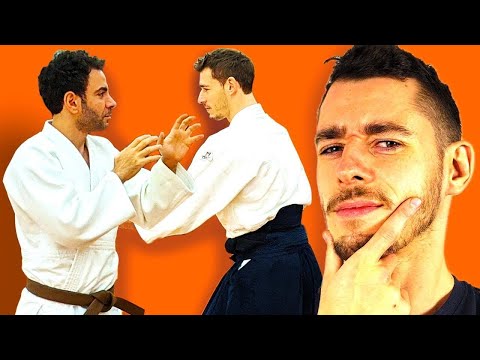
The Brutal Truth: Judo vs. Aikido - A Polemic for the Modern Warrior

The air in any dojo, whether dedicated to Judo or Aikido, often carries a certain mystique. But beneath the layers of tradition and philosophical discourse, lie stark realities often obscured by dogma and self-deception. Many approach these arts with a romanticized vision, seeking self-improvement or, perhaps, a shortcut to effective self-defense. But are these arts truly what they claim to be in the crucible of conflict? I've spent decades immersed in the martial world, from the sweat-drenched mats of grappling academies to the silent contemplation of ancient texts. And I've seen too many practitioners fall prey to the illusions that plague both Judo and Aikido. This isn't just an article; it's a dissection, a challenge to the comfortable narratives. We will peel back the layers, not to simply compare techniques, but to expose the core philosophies, the practical applications, and the inherent limitations of these celebrated Japanese martial ways. Prepare yourselves, for the truth can be a harsh master.

Table of Contents

The Genesis: Forging Warriors or Philosophers?

Jigoro Kano, the architect of Judo, emerged from the brutal landscape of 19th-century Japanese jujutsu. He didn't seek to create a spiritual practice as much as a method of physical and mental education, refining a dangerous art into a sport and a discipline. His famous motto, "Seiryoku Zenyo" (maximum efficiency) and "Jita Kyoei" (mutual welfare and benefit), speaks volumes. Kano aimed for effectiveness, for leverage over brute force, and for a system that could benefit society. This was a practical man, building a practical art. Contrast this with Morihei Ueshiba, the founder of Aikido. Ueshiba's path was steeped in the mystic and the spiritual. While he, too, studied jujutsu, his vision was profoundly different. He sought not victory, but harmony. Aikido, for Ueshiba, was a path to peace, a way to resolve conflict by merging with the attacker's energy and neutralizing it, ideally without causing harm. It was a beautiful, almost poetic ideal, born from a world grappling with immense societal upheaval. But poetry doesn't always win fights.
"There is no victory in one's own mind; the true victory is the defeat of one's own negative karma." - Morihei Ueshiba
The historical context is crucial. Kano sought to refine a fighting art for a changing Japan. Ueshiba sought a spiritual balm for a world teetering on the brink of war. These divergent origins inevitably shaped their respective arts.

The Core: Efficiency vs. Harmony - A Clash of Ideals

The philosophical underpinnings of Judo and Aikido represent a fundamental divergence. Kano's Judo is built on pragmatism. "Maximum efficiency" means using your opponent's strength, their momentum, their weight, against them with minimal wasted effort. It's about leverage, timing, and precise application of force to achieve a decisive outcome: a throw, a pin, a submission. "Mutual welfare and benefit" in Judo translates to building character through rigorous training, fostering camaraderie in competition, and developing individuals who contribute positively to society. It’s a disciplined, goal-oriented philosophy. Ueshiba's Aikido, conversely, is a philosophy of "aiki" – a concept often translated as "harmonious energy" or "joining energy." The core principle is to *blend* with your opponent's attack, to yield rather than resist, and to redirect their force. This redirection, done with precision, can incapacitate an attacker without needing to match their strength. The ultimate goal is conflict resolution, not domination. While noble, this ideal hinges on a profound level of skill and a willing opponent who doesn't simply continue their assault. It’s a philosophy steeped in pacifism and spiritual development, often at the expense of raw combat effectiveness.

The Arsenal: Throws, Locks, and the Illusion of Defense

When we look at the techniques, the differences become palpable, and for the discerning practitioner, alarming. **Judo's Arsenal:** * **Throws (Nage-waza):** Judo is renowned for its devastating throws. O-goshi, Ippon-seoi-nage, Harai-goshi – these are not gentle nudges. They are designed to violently deposit an opponent onto the mat, often with significant impact. The principle is to break their balance and use their own momentum to achieve a controlled fall that can lead to a pin or submission. * **Pins (Osaekomi-waza):** Once an opponent is on the ground, Judo employs pins to control them, restricting their movement and leading to a decisive score or submission. * **Joint Locks (Kansetsu-waza):** Primarily applied to the elbow, these techniques aim to hyperextend or twist the joint, forcing submission. They are direct and effective. * **Chokes (Shime-waza):** These techniques apply pressure to the carotid arteries or trachea, inducing a temporary state of unconsciousness or forcing submission. They are brutally efficient. The objective in Judo is clear: control, submission, or incapacitation. While Kano aimed to remove the most dangerous elements of jujutsu, the core of Judo remains a combat system. **Aikido's Arsenal:** * **Joint Locks (Kansetsu-waza):** Similar to Judo, Aikido uses joint locks, but often with a focus on rotational movements and control rather than immediate incapacitation. The aim is to apply pressure in a way that forces the opponent to the ground or compels them to yield, often controlling their center of gravity. * **Throws (Nage-waza):** Aikido throws are often characterized by circular, flowing motions, using the attacker's forward momentum against them. Techniques like Kote-gaeshi or Shiho-nage are designed to unbalance and redirect, leading to a fall. * **Pins (Osaekomi-waza):** Less emphasized than in Judo, pins in Aikido are more about maintaining control after a throw. The crucial difference lies in intent and execution. While Judo techniques are direct, often explosive, and can cause significant injury, Aikido techniques are designed for control and de-escalation. This sounds appealing, but how does it fare against an attacker who isn't interested in de-escalation?

The Promise: Physical Prowess vs. Spiritual Serenity

Both Judo and Aikido undeniably offer a plethora of benefits, but again, their emphasis differs. **Judo's Physical and Mental Gains:** * **Full-Body Conditioning:** Judo is a physically demanding art, building strength, stamina, and explosive power. * **Coordination & Balance:** The intricate throws require impeccable balance and coordination, skills that translate to many aspects of life. * **Mental Fortitude:** The competitive aspect of Judo hones resilience, strategic thinking, and the ability to perform under pressure. Losing teaches valuable lessons in humility and perseverance. * **Self-Defense:** Judo's techniques, particularly its throws and ground control, are highly effective for self-defense in close-quarters situations. **Aikido's Physical and Spiritual Gains:** * **Grace & Flexibility:** Aikido's flowing movements enhance flexibility, coordination, and body awareness. * **Mind-Body Connection:** It cultivates a deep connection between the mind and body, promoting a sense of centeredness. * **Stress Reduction:** The emphasis on harmony and controlled breathing can be a powerful tool for managing stress. * **Spiritual Development:** For those seeking a path of non-violence and compassion, Aikido offers a profound philosophical framework. The question remains: are these benefits sufficient for real-world threats? Or do they create a false sense of security?

The Crucible: Where Theory Meets Reality

This is where the debate truly ignites. Many traditional martial arts, including Aikido, are criticized for a lack of "pressure testing." What does this mean? It means simulating realistic resistance. In Judo, sparring (randori) is a fundamental part of training. Practitioners engage in free-flowing practice where they actively try to throw, pin, or submit each other. This constant application of techniques against uncooperative, resisting opponents is what refines Judo into an effective combat art. Mistakes are made, lessons are learned, and techniques are proven or discarded. Aikido, historically, has often shied away from this level of direct, resistant sparring. While there are partner drills and forms, the emphasis is on pre-arranged movements and the theoretical application of principles. This leads to a critical question: If you've never genuinely tested your Aikido against a fully resisting opponent – someone actively trying to defeat you, not just go along with the movement – can you truly claim it's effective? This is not to say Aikido practitioners lack skill or dedication. Many possess incredible dexterity and a deep understanding of biomechanics. However, the *context* in which these skills are honed is vital. Without consistent, uncooperative resistance, the effectiveness of the techniques in a chaotic, high-stress self-defense scenario becomes questionable.

The Founder's Shadow: A Critical Examination

No serious examination of a martial art can ignore its founder. Ueshiba, while revered, was not without his controversies and contradictions. Accounts suggest his later teachings became increasingly spiritual and less focused on practical combat. Some historians and practitioners point to a divergence between the martial applications taught earlier in his career and the more philosophical, almost mystical, path Aikido took. This raises a pertinent question: If the founder himself evolved away from the purely combative aspects, can the art truly be considered a comprehensive self-defense system today? Or has it morphed into something else entirely – a beautiful, intricate, but ultimately impractical discipline? The "bad practitioner or bad martial art" debate is a common one. However, when the very philosophy and training methodology, potentially influenced by the founder's evolving views, deemphasize realistic resistance, the art itself bears a significant portion of the responsibility.

Navigating the Maze: Advice for Aspiring Practitioners

So, what is a practitioner to do? If you're drawn to the philosophy of harmony and non-violence, Aikido can offer a deeply rewarding spiritual and physical journey. However, be aware of its limitations. If your primary goal is self-defense or a robust combat system, Judo, with its emphasis on throws, pins, and submissions against resistance, presents a more direct path. Consider your personal goals. Are you seeking inner peace, physical fitness, competitive challenge, or street-ready self-defense? Each art offers different strengths. Many individuals find benefit in cross-training. For example, someone practicing Aikido might supplement their training with Judo or BJJ to gain experience in more resistant grappling.

Judo's Unvarnished Reality: A Practitioner's Perspective

Rokas, the individual featured in the original source material, represents a common narrative arc: a deep investment in Aikido, followed by a disillusionment leading to a search for something more pragmatically effective. His transition to MMA underscores the stark difference in practical application. Documenting his journey from running an Aikido dojo to training at Straight Blast Gym and engaging in amateur MMA speaks volumes. The realization that Aikido "does not live up to what it promises" is a powerful indictment from someone who dedicated years to its practice. This journey highlights the inherent tension: the desire for a spiritual path versus the need for practical effectiveness. Judo, by its very nature, bridges this gap better than Aikido, integrating rigorous physical conditioning and proven combat techniques with a strong ethical code.

The Weight of Tradition: Culture and Combat

Tradition is a double-edged sword in martial arts. It provides continuity, a link to the past, and a framework for ethical development. In Judo, the respect for elders, the bowing, the etiquette – these are integral to the training. They foster discipline and humility. However, tradition can also become a cage, preventing evolution and adaptation. When techniques are preserved simply because they are "traditional," without regard for their efficacy in modern contexts, the art stagnates. The emphasis on "pressure testing" in Judo ensures that while tradition is respected, techniques must ultimately prove their worth. This dynamic balance between tradition and practical evolution is key.

Defining "Traditional": An Evolving Battlefield

What does "traditional martial art" even mean anymore? The term is often used loosely, sometimes to lend an air of authenticity or mystique to a system. For Kano, Judo was a modernization, a refinement of older arts for a new era. For Ueshiba, Aikido was a spiritual evolution. Perhaps the most valuable "tradition" is the commitment to continuous learning and adaptation. A martial art that does not evolve, that does not adapt to the realities of conflict and the advancements in understanding human physiology and psychology, risks becoming obsolete. True martial artists understand that the journey of learning is perpetual.

The "Art" of Martials Arts: Practicality and Performance

The word "art" in martial arts can be misleading. While there's an undeniable aesthetic to a perfectly executed throw or a graceful deflection, the ultimate purpose of a martial art, especially one with "combat" in its name, is effectiveness. Aikido often excels in its aesthetic. Its movements can be mesmerizing, its practitioners appearing almost untouchable. This beauty, however, can sometimes mask a lack of practical efficacy against a determined, unskilled attacker. Judo, while perhaps less outwardly elegant in its philosophical underpinnings, translates its techniques into tangible results on the mat. The "performance" aspect in Judo is the competition, the direct test of skill. In Aikido, the performance is often in the demonstration, which can be meticulously choreographed.

Knowing Thy Enemy, Knowing Thyself: Limitations are Fatal

Every martial art has its limitations. No single art is a panacea for all combat situations. The true master understands these limitations and trains to overcome them, or at least to mitigate their impact. Judo's limitations often become apparent on the ground against specialists in ground fighting (like Brazilian Jiu-Jitsu or MMA). While Judo has ground techniques, its primary focus is standing grappling and throws. An Aikido practitioner’s limitations are more fundamental: the reliance on pre-arranged scenarios and the difficulty of applying techniques against a truly aggressive, resisting opponent. Understanding these limitations isn't a sign of weakness; it's a mark of wisdom. Acknowledging where your art falls short is the first step towards addressing it, whether through supplementary training or by understanding the specific contexts in which your art is most effective.

Veredicto del Sensei: ¿Merece la pena?

The comparison between Judo and Aikido is not about declaring one "superior" in an absolute sense, but about understanding their distinct purposes and applications. **Judo:** A robust, competitive combat sport and highly effective self-defense system. It demands physical conditioning, strategic thinking, and mental toughness. It is a proven battlefield of skill. **Cinturón Negro en Aplicación Práctica.** **Aikido:** A profound philosophical and spiritual discipline with impressive physical coordination benefits. It excels in developing harmony, control, and non-violent conflict resolution. However, its practical application in unresisted or resisting combat scenarios is highly debated and often found wanting without supplementary training. **Cinturón Negro en Filosofía, Marrón en Combate Real (sin sparring).** For the warrior seeking effective tools for conflict, Judo offers a clearer, more direct path. For the seeker of inner peace and a path of compassion, Aikido provides a rich and fulfilling journey, provided the expectations of combative effectiveness are realistically managed. The truth is, both arts have value, but their value is found in different arenas.

Equipo Esencial para tu Entrenamiento

Regardless of the art you choose, proper equipment is crucial for safety and progression.
  • Judogi (Judo Uniform): Look for a durable, double-weave cotton gi that can withstand the rigors of grappling. A good judogi is essential for practicing throws and pins without injury.
  • Aikidogi (Aikido Uniform): Similar to a judogi, but often slightly lighter. Essential for practicing the sweeping movements and joint manipulations.
  • Belts (Obi): To signify rank and hold your uniform together.
  • Training Mats (Tatami or Matting): Critical for safe practice of falls and throws in both arts.
  • Protective Gear (Optional, for advanced training): In some high-level Judo or specific Aikido workshops, mouthguards or lightly padded training equipment might be used, though generally not standard.
For those considering cross-training or seeking to bolster their martial arts journey, exploring resources like high-quality training shoes for striking arts or specialized grappling gear can also be beneficial. When selecting your *kimonos de Judo*, prioritize quality and fit over mere aesthetics; your safety and progress depend on it.

Preguntas Frecuentes

  • Is Aikido useless for self-defense? Aikido's effectiveness in real-world self-defense is a subject of intense debate. While its techniques can be effective under specific, controlled conditions, many practitioners and critics argue that its lack of emphasis on uncooperative sparring limits its applicability against a determined, untrained assailant.
  • Can I practice Judo and Aikido at the same time? Yes, many individuals cross-train in Judo and Aikido. This can provide a well-rounded martial arts education, combining Judo's practical effectiveness with Aikido's philosophical depth and body awareness.
  • What is the difference between Judo throws and Aikido throws? Judo throws are typically more direct and powerful, aiming to forcefully impact the opponent on the mat. Aikido throws are often more circular and redirecting, using the attacker's momentum to unbalance them, with a greater emphasis on control rather than brute force.
  • Is Judo a dangerous sport? Like any contact sport, Judo carries inherent risks of injury. However, rigorous training protocols, emphasis on safety, and proper instruction significantly mitigate these risks. The objective is to subdue, not to maim.
  • Which art is better for building character? Both arts emphasize character development, discipline, and mutual respect. Judo's competitive nature fosters resilience and perseverance, while Aikido's philosophy promotes harmony, compassion, and non-violence. The "better" art depends on the individual's specific goals and values.

Para Profundizar en tu Camino

Embark on a deeper exploration of the martial world with these related topics:

Reflexión del Sensei: Tu Próximo Paso

Has absorbido la teoría, has sopesado las filosofías, has visto las técnicas desglosadas. Ahora, la pregunta no es "¿Cuál es mejor?", sino "¿Qué resonancia tiene esta verdad en el latido de tu propio corazón marcial?". Si te aferras a la comodidad de la tradición sin cuestionar su aplicación, ¿no te conviertes en un mero custodio de reliquias en lugar de un guerrero vivo? Si buscas la efectividad sin la profundidad, ¿no te arriesgas a ser un luchador sin alma? Medita sobre esto: ¿En qué momento la búsqueda de la armonía se convierte en ceguera, y la búsqueda de la eficiencia, en brutalidad sin propósito? Tu dojo interior te espera. ``` GEMINI_METADESC: Explore the controversial truth about Judo vs. Aikido. This polemic dissects their history, philosophy, techniques, and real-world effectiveness. Is Aikido a beautiful illusion? Is Judo the ultimate combat art?

Judo: More Than Just Throws – The Unsung Hero of Practical Self-Defense

Let's confront a misconception that festers in the minds of many: the notion that Judo, stripped of explosive kicks and thunderous strikes, is somehow less effective for genuine self-defense. This is a flawed perspective, born from a superficial understanding of combat. As a seasoned practitioner and critic of martial arts and their cinematic portrayals, I can tell you that beneath its graceful throws and intricate holds lies a profound system forged for real-world application. Forget the flashy theatrics; we're talking about the cold, hard science of controlling an adversary.

The Grappling Advantage: Why Throws Trump Strikes in Close Quarters

Judo, born from the brilliant mind of Jigoro Kano, is often misunderstood. Many dismiss it as a "sport" art, lacking the "killer instinct" they associate with self-defense. This is a critical error. Judo's power lies precisely in its focus on grappling, throws, joint locks, and chokes. In the chaotic reality of a street encounter, distance is a luxury you rarely have. A sudden rush, a grab, and you're in the clinch. This is where Judo excels. While a punch might be blocked, a well-executed Osoto Gari (Major Outer Reaping) or Seoi Nage (Shoulder Throw) can incapacitate an attacker by exploiting gravity and leverage. It's about control, not just damage. Unlike striking arts where a missed blow can leave you vulnerable, Judo techniques aim for a swift resolution, often by taking the fight to the ground or immobilizing the opponent.

Consider the physics: using an opponent's weight and momentum against them is far more efficient than generating your own force against resistance. This is the essence of Judo's efficacy. It teaches you to dismantle an attack by controlling the attacker's base and balance. This is not mere sport; it's applied biomechanics honed over decades.

"The ultimate aim of Karate is not victory or defeat, but the perfection of the character of its participants." - Gichin Funakoshi. While this speaks to Karate, the principle of self-perfection through martial practice is universal. Judo, too, seeks this refinement, but its path is through control and leverage.

Beyond Competition: Judo's Street-Smart Philosophy

A common criticism leveled against many traditional martial arts is their perceived detachment from real combat scenarios. However, Judo, despite its competitive nature, retains a strong foundation in Kano's original intent: "Seiryoku Zen'yo" (Maximum Efficiency, Minimum Effort) and "Jita Kyoei" (Mutual Welfare and Benefit). This philosophy translates directly to self-defense. It's not about inflicting gratuitous harm, but about neutralizing a threat with the least amount of force necessary. Judo practitioners are trained to read an opponent's movements, anticipate their intent, and exploit the slightest imbalance.

Think about it: if an aggressor charges, your instinct shouldn't be to stand and trade blows, but to redirect that energy. A Judo throw can turn an attacker's forward momentum into a debilitating fall. Joint locks like the Juji Gatame (Armbar) or chokeholds like the Hadaka Jime (Rear Naked Choke, though less emphasized in modern sport Judo than in BJJ or self-defense contexts) can subdue an attacker quickly and efficiently, without resorting to strikes that might escalate the violence unnecessarily or lead to legal repercussions.

This emphasis on practical control makes Judo a powerful tool for self-protection. It teaches you to manage the distance, break grips, and, when necessary, take the fight to a controlled ground environment where size and strength disadvantages can be significantly mitigated.

The Universal Warrior: Judo for Every Body

One of Judo's most remarkable strengths, often overlooked in discussions about self-defense efficacy, is its profound adaptability. In a world obsessed with the archetype of the hulking fighter, Judo reminds us that effective self-defense is not solely dependent on brute strength. Jigoro Kano designed Judo to be accessible to everyone, regardless of age, gender, or physical condition. This is a crucial aspect often missing in discussions comparing martial arts for self-defense. Can a smaller individual effectively defend against a larger, stronger assailant?

With Judo, the answer is a resounding yes. Techniques are built upon principles of leverage, timing, and balance. A smaller practitioner can learn to use their opponent's size and weight against them, executing throws and pins that would be impossible through sheer strength alone. This principle is fundamental and can be seen in sports like Judo and BJJ, where technique consistently triumphs over raw power.

Whether you are a young student learning discipline or a senior seeking to maintain physical and mental acuity, Judo offers a path. It builds functional strength, cardiovascular endurance, and flexibility – all essential components of effective self-defense. Unlike some arts that demand extreme athleticism from the outset, Judo's progression is structured to cultivate these attributes progressively.

Building Inner Strength: The Psychological Edge of Judo

Beyond the physical techniques, Judo cultivates a powerful inner fortitude. The rigorous training, the discipline required to master complex movements, and the constant challenge of facing stronger opponents all forge a resilient mindset. This translates directly into self-defense confidence. A person who has trained diligently in Judo is not only physically capable but also mentally prepared.

This is where the concept of Ki (or Qi) subtly plays a role, not in a mystical sense, but in understanding body mechanics and presence. A confident stance, controlled breathing, and an aware demeanor can often deter potential aggressors. Judo teaches practitioners to be aware of their surroundings, to project an aura of control rather than fear. This heightened awareness, coupled with the knowledge that you possess the skills to defend yourself if necessary, significantly reduces vulnerability.

The journey of learning Judo is a constant lesson in overcoming limitations. Each successful throw, each successfully applied submission, builds self-efficacy. This isn't about aggression; it's about self-mastery, a core tenet of BUDO. The ability to remain calm under pressure, to think clearly when physically challenged, is invaluable in any high-stress situation, especially a physical confrontation.

The Art of the Encounter: Timing, Boundaries, and Control

Effective self-defense is not just about knowing techniques; it's about understanding when and how to apply them. Judo instills a keen sense of timing and an understanding of personal space and boundaries. In a confrontation, the ability to read the aggressor's intent and react at the opportune moment is paramount. Judo training sharpens this intuitive sense.

You learn to recognize the signs of an impending attack, the subtle shifts in weight, the aggressive posture. This allows you to act preemptively, perhaps by establishing a dominant grip or initiating a controlled throw before the attacker can fully commit. Furthermore, Judo teaches the concept of establishing and maintaining control. Whether through pins on the ground or sweeping throws, the goal is to neutralize the threat and regain safety.

Practicing these scenarios in a safe, controlled environment like a dojo allows individuals to develop the reflexes and decision-making skills needed for real-world application. It's about building muscle memory and mental fortitude so that when faced with a genuine threat, your trained response takes over, ensuring you can defend yourself effectively and with appropriate force.

Veredict of the Sensei: Is Judo King of Self-Defense?

Let me be unequivocal: Judo is an exceptional martial art for practical self-defense. While arts like Combat Sports, MMA, or Krav Maga might offer more direct, immediate "combat" applications, Judo's strength lies in its ability to control, incapacitate, and neutralize threats through leverage and technique, often without causing severe, potentially lethal, injury. Its emphasis on taking an opponent down and controlling them on the ground is incredibly effective. Is it the *only* effective art? Absolutely not. But is it a foundational and highly potent system for self-protection? Without a doubt. It teaches discipline, respect, physical conditioning, and most importantly, how to manage conflict through superior technique and strategy. For those seeking a well-rounded, adaptable, and highly effective self-defense system, Judo stands as a powerful choice.

Essential Gear for Your Judo Training

To embark on your Judo journey and train effectively, certain equipment is essential. While the emphasis is on technique, proper attire and safety gear will enhance your learning and protect you during practice.

  • Judogi (Uniform): A durable, heavy-duty cotton uniform specifically designed for Judo. Look for double-weave or reinforced stitching, especially around the lapels and seams, to withstand the rigors of grappling. Brands known for quality Karate and Judo uniforms are a good starting point.
  • White Belt: Initially, a standard white belt will signify your beginner status. As you progress, you will earn colored belts denoting your rank.
  • Optional (for conditioning): While not strictly required for basic Judo, if you incorporate conditioning exercises, consider items like jump ropes for cardiovascular fitness or resistance bands for strength training.

Training Guide: Mastering the Uchi-mata

The Uchi-mata (Inner Thigh Throw) is a dynamic and powerful throwing technique in Judo. It requires timing, balance, and coordinated movement. Here's a basic breakdown:

  1. Grip: Establish a strong grip on your opponent's lapel and sleeve.
  2. Entry: Step forward with your right foot, angling your body towards your opponent. As you do, pull them slightly forward and off-balance.
  3. Pivot & Lift: Pivot on your right foot, bringing your left foot to nearly touch your opponent's right foot. Simultaneously, use your right leg (your "pivot leg") to lift your opponent's right leg high, hooking their inner thigh.
  4. Rotation & Throw: Rotate your body forcefully to your left, driving with your hips and pulling with your arms. Your lifted leg acts as a lever. The combined action of the lift, rotation, and pull will send your opponent over your thigh and to the mat.
  5. Follow-Through: Maintain control as they fall and follow through to secure a dominant position.

Note: This is a simplified explanation. Proper execution requires consistent practice under a qualified instructor to develop the necessary coordination, balance, and power transfer. Seeking out instructional videos or specialized Martial Arts Training resources can be beneficial.

Frequently Asked Questions

Q1: Is Judo effective for self-defense against multiple attackers?
A: While Judo provides excellent tools for neutralizing one attacker, facing multiple assailants is extremely dangerous. Judo's strength is in control and takedowns. In a multi-attacker scenario, the priority is often escape, and Judo skills can help you break free or create space, but it's not designed as a primary defense against overwhelming numbers.

Q2: Do I need to be strong to practice Judo?
A: No. Judo's core principles of leverage and timing allow smaller, less physically strong individuals to effectively execute techniques against larger opponents. Strength can be developed through training, but it's not a prerequisite.

Q3: How long does it take to become proficient in Judo for self-defense?
A: Proficiency is a lifelong pursuit. However, with consistent training (2-3 times per week), you can gain a solid understanding of fundamental Judo self-defense techniques within 1-2 years. Real mastery takes much longer.

Q4: Is Judo safe to practice?
A: Generally, yes. Judo has a lower injury rate than many contact sports when practiced under qualified instruction. The emphasis on control and safety in training minimizes risk. However, like any physical activity, injuries can occur.

To Deepen Your Journey

Reflexión del Sensei: Tu Próximo Paso

Judo offers a path to practical self-defense, yes, but more profoundly, it offers a path to understanding the interconnectedness of effort, balance, and control – principles that extend far beyond the dojo. My question to you is this: In a world that often rewards brute force and immediate gratification, are you willing to embrace the subtle, yet immensely powerful, art of Judo, not just for self-defense, but for the cultivation of your character?

US Army Judo Training: A Pragmatic Approach to Close Combat

"The supreme art of war is to subdue the enemy without fighting." - Sun Tzu

The shadow of global conflict loomed large in the early 1940s. As nations mobilized, a critical question arose for the US Army: how could soldiers effectively neutralize threats in the brutal reality of close-quarters combat? While firearms were paramount, hand-to-hand combat skills were a vital, often overlooked, component of a soldier's arsenal. This led to a pragmatic, no-nonsense integration of Judo into military training, not as a sport, but as a survival tool. This isn't about the grace of Olympic Judo; it's about the raw effectiveness that secured victory on the battlefield.

The Imperative of Close Combat

In the crucible of war, situations arise where firearms are impractical, jammed, or simply out of reach. Imagine being pinned down, separated from your unit, or needing to subdue an enemy silently. These scenarios demanded a skill set beyond marksmanship. The US Army, ever the pragmatist, looked towards established disciplines that emphasized leverage, throws, and control. The objective was clear: incapacitate the enemy rapidly and efficiently, minimizing risk to the soldier.

The period saw a global surge in the study of martial arts for military applications. From the grappling arts of Europe to the striking and throwing systems of Asia, military strategists sought the most effective techniques. Judo, with its emphasis on throws and pins, presented a compelling proposition.

Why Judo? The Soldier's Edge

While many martial arts could be adapted, Judo offered distinct advantages for the soldier:

  • Leverage Over Strength: Judo teaches practitioners to use an opponent's weight and momentum against them. This is crucial for a soldier who may be facing a larger, stronger adversary.
  • Takedown Power: Techniques like the O-goshi (Major Hip Throw) or Seoi-nage (Shoulder Throw) could decisively end a confrontation by slamming an opponent to the ground, disorienting or injuring them.
  • Control and Immobilization: Once an opponent was on the ground, Judo provided effective pins (Osaekomi-waza) to maintain control and subdue them, allowing for their capture or elimination.
  • Simplicity and Adaptability: The core principles of Judo are relatively straightforward to teach and learn, making it suitable for mass military training where individuals have limited time to master complex skills.

It's important to distinguish this military application from the sport Judo we see today. The focus was on effectiveness, not on points or adherence to strict contest rules. Techniques that might be restricted in sport, such as certain joint locks or strikes (though strikes were less emphasized in this specific military context compared to other arts), might have been considered if they proved tactically advantageous, though the footage suggests a focus on throws and groundwork.

One might argue that other arts, like boxing or wrestling, also offered close-combat skills. However, Judo's unique emphasis on unbalancing and throwing provided a distinct advantage in transitioning from a standing fight to a ground engagement, a critical phase in many close-combat encounters.

Methodology: Stripped-Down Effectiveness

The training footage from the 1940s reveals a stark, functional approach. Forget the pristine white gi and elaborate ceremonies of modern dojos. These soldiers were being trained for survival.

Key elements likely included:

  • Basic Throws: Focus on powerful, fundamental throws like Osoto-gari (Major Outer Reaping) and Uchi-mata (Inner Thigh Throw) to quickly get the opponent to the ground.
  • Ground Control: Emphasis on controlling an opponent once they were down, utilizing dominant positions and pins to neutralize any immediate threat.
  • Movement and Balance Drills: Practicing movement patterns to maintain balance while attacking and defending, a crucial skill when fighting in varied terrain or under duress.
  • Partner Drills: Repetitive practice with partners to build muscle memory and reaction time. The intensity of the training was likely high, simulating the physical demands of combat.

The uniforms themselves were often simpler, perhaps adapted military fatigues, emphasizing practicality over tradition. The environment was utilitarian – parade grounds, barracks, or any open space available. This was training born out of necessity, stripped of all non-essentials.

"The spirit of the warrior is not to be found in the way he fights, but in the way he lives." - Unknown Military Instructor

This philosophy permeated the training. Soldiers weren't just learning techniques; they were developing a combative mindset. They learned to push their limits, to overcome fear, and to act decisively under pressure.

Visual Evidence: The 1940s Training Footage

The vintage footage provides a tangible link to this era of military martial arts. Observing these soldiers, one can clearly see:

  • Raw Power: The throws are executed with considerable force, aiming for immediate incapacitation rather than a clean, controlled landing.
  • Simplicity of Technique: Complex variations are absent. The focus is on mastering a core set of highly effective techniques.
  • Application Context: While not explicit, the manner of execution suggests an awareness of battlefield conditions – uneven ground, encumbrance, and the need for speed.

It's a glimpse into a functional martial art designed for a specific, brutal purpose. This wasn't about artistic expression; it was about survivability. The authenticity of the footage lies in its unvarnished portrayal of soldiers learning to fight for their lives.

Legacy and Modern Relevance

The integration of Judo and other martial arts into military training has a long and evolving history. While the specific techniques and emphasis may shift with changing warfare doctrines, the core principle remains: close-combat proficiency is indispensable. Modern military combatives programs, such as the US Army's own Modern Army Combatives Program (MACP), often draw heavily from grappling disciplines like Brazilian Jiu-Jitsu, wrestling, and yes, Judo.

The lessons learned on those 1940s training grounds are not obsolete. The emphasis on leverage, balance, throws, and ground control continues to be a cornerstone of effective close-quarters combat. The pragmatic, results-oriented approach to martial arts training pioneered during that era is a testament to the enduring power of these skills.

For practitioners today, understanding this history offers valuable perspective. It highlights that the ultimate goal of many martial arts, when stripped of sport and tradition, is effectiveness in critical situations. It underscores the importance of training with intent and purpose.

Veredicto del Sensei: ¿Merece la pena?

The US Army Judo training of the 1940s was a masterclass in applied martial arts. It demonstrates a critical understanding of combat: that raw power, while important, is amplified by technique, leverage, and strategic application. The soldiers in this footage weren't training for competition; they were training for survival. Their focus on powerful throws and ground control was a direct, effective response to the brutal realities of close-quarters combat. It's a testament to the pragmatic evolution of martial arts for warfare.

Cinturón Negro en Eficacia Militar.

Equipo Esencial para tu Entrenamiento (Optional)

While the soldiers of the 1940s made do with what they had, modern practitioners benefit from specialized equipment. Investing in the right gear can enhance safety and effectiveness.

  • Kimono de Judo (Judogi): Look for a durable, double-weave judogi designed for grappling. Brands like Adidas, Mizuno, and Fuji offer high-quality options suitable for intense training.
  • Protective Mats (Tatami): Essential for safe practice of throws and groundwork. Ensure they are thick enough to cushion falls.
  • Sparring Gear: Mouthguards and groin protectors are standard safety equipment for any sparring, especially when simulating realistic combat scenarios.
  • Optional: Training Dummy: For practicing throws and holds without a partner.

Preguntas Frecuentes

Was Judo the only martial art taught to US soldiers during WWII?
No, while Judo was significant, other disciplines and boxing were also incorporated depending on the unit and specific needs. The approach was often eclectic and pragmatic.
Did this training prepare soldiers for all types of close combat?
It provided a strong foundation in grappling and takedowns, crucial for certain scenarios. However, close combat can also involve striking and weapon use, which were addressed by other training programs.
Is this type of Judo still taught in the military today?
While not always under the 'Judo' banner, the principles of grappling, throws, and control are integral to modern military combatives programs worldwide, often incorporating techniques from Judo, BJJ, and wrestling.
What is the main difference between sport Judo and military Judo training?
The primary difference is objective. Sport Judo focuses on scoring points and winning matches under specific rules, while military Judo prioritizes incapacitating an opponent rapidly and effectively, often with less regard for rule sets.

Para Profundizar en tu Camino

The pragmatic integration of Judo into the US Army's training regimen during WWII serves as a powerful case study in the evolution of martial arts for practical application. It underscores the timeless principle that understanding how to control an opponent, both standing and on the ground, is a fundamental aspect of conflict.

Reflexión del Sensei: Tu Próximo Paso

If a soldier in the 1940s could master these essential grappling skills under duress for survival, what does that say about your own training? Are you pursuing effectiveness, or merely going through the motions? Consider the core principles of Judo – balance, leverage, timing. How can you apply these not just on the mat, but in overcoming the challenges of your daily life? Is your 'training' truly preparing you for the throws life is about to send your way?

``` GEMINI_METADESC: Explore the pragmatic US Army Judo training from the 1940s, its effectiveness in close combat, and its enduring legacy in modern combatives. Learn about techniques and historical context.