Showing posts sorted by relevance for query hand wraps for boxing. Sort by date Show all posts

The Unvarnished Truth: Mastering the Pugilistic Arts – A Sensei's Uncompromising Guide to Boxing for the True Warrior

The ring. A crucible where raw courage meets honed technique. For millennia, humanity has sought to test itself in combat, and boxing, in its purest form, stands as a testament to that primal drive. But do not mistake its apparent simplicity for a lack of depth. To truly understand the art of boxing is to delve into a discipline that demands more than just brute force; it requires unwavering focus, ironclad discipline, and a spirit as unyielding as tempered steel. This isn't about flashy moves for the masses; it's about understanding the *bushido* of the pugilist. This guide is not for the faint of heart, but for those who seek to understand the soul of the fight.

Table of Contents

Introduction: The Pugilist's Path

Many claim to understand boxing. They watch from the sidelines, mesmerized by the ferocity, yet blind to the underlying strategy. This is not a sport for those who seek mere violence; it is a sophisticated dance of strategy, timing, and absolute control. Forget the theatrics; we delve into the core. If your intention is to learn the fundamental principles that separate a brawler from a boxer, you have arrived. This guide is built upon the rigorous principles that underpin all true martial disciplines, adapted for the squared circle. We will dissect each element, from the devastating power of a well-placed punch to the subtle art of evading a blow that could end your night.

The Four Pillars of Offense: Mastering the Punches

In the unforgiving arena of boxing, your fists are your instruments of expression. But not all expressions carry the same weight. Understanding the *purpose* and *execution* of each fundamental punch is paramount. This is where the foundation of your offensive strategy is laid, where the *ki* flows through your strikes.

The Jab: The Maestro's Measure

"The jab is the painter's brush. It sketches the outline of the masterpiece."
The jab is the foundational punch in boxing, often underestimated by novices. It's your primary tool for range-finding, disrupting your opponent's rhythm, and setting up more potent attacks. Thrown with your lead hand, it must be swift, straight, and retracted quickly to maintain balance. A lazy jab is an invitation to disaster. Master the jab, and you control the distance; control the distance, and you control the fight. This requires constant practice, honing the muscle memory until the movement is as natural as breathing.

The Cross: The Hammer of Judgment

"The cross is the testament of power, delivered with the truth of your entire body."
This is where true power is unleashed. The cross, thrown with your rear hand, involves a rotation of your hips and shoulders, transferring the force from the ground up through your body. It's not just an arm punch; it's a full-body commitment. Used to end exchanges, exploit openings, or deliver a decisive blow, the cross demands precision. A poorly executed cross leaves you vulnerable, off-balance, and ripe for punishment. For those seeking the ultimate expression of boxing power, understanding the mechanics of the cross is non-negotiable. Consider the legacy of fighters who made this their signature – their power was no accident.

The Hook: The Serpent's Coil

"The hook strikes from unexpected angles, a sudden turn of fate."
The hook is a semi-circular punch delivered with either hand, targeting the head or body. Its effectiveness lies in its ability to bypass an opponent's guard when thrown correctly. Whether it's a short, sharp hook to the chin or a looping power hook to the ribs, the principle remains: utilize your core rotation for maximum impact. This punch requires adaptability, as it can be employed both offensively and defensively to disrupt an opponent's attack. Mastering hooks is essential for breaking down a guarded opponent, a skill honed through countless hours of drilling.

The Uppercut: The Rising Dragon

"The uppercut is the surprise from below, a sudden ascent of power."
The uppercut is a powerful, upward-striking punch. It's designed to catch an opponent coming in, or to lift their head from a lower guard. Again, hip and shoulder rotation are key, generating explosive upward force. This punch is particularly effective against opponents who tend to drop their hands or lean forward. Its trajectory makes it a formidable weapon, capable of causing significant damage. For any aspiring boxer serious about their arsenal, the uppercut is a vital, albeit challenging, technique to master.

The Dance of the Warrior: Essential Footwork

Boxing is often described as a thinking person's sport, and nowhere is this more evident than in its footwork. The ring is your chessboard, and your feet are your pawns. Superior footwork allows you to control the engagement, evade danger, and dictate the terms of the fight. Neglect this, and you are merely a stationary target. This is where the true *Budo* spirit manifests – not just in the strike, but in the movement, the strategy, the evasion.

The Foundation: Your Boxing Stance

Your stance is your base, your equilibrium. A proper boxing stance keeps you balanced, protected, and ready to move. Feet should be shoulder-width apart, with your lead foot slightly forward. Knees are softly bent, distributing your weight primarily on the balls of your feet, allowing for quick transitions. Your lead hand is up, protecting your face, and your rear hand guards your chin. This isn't just about standing; it's about being prepared to explode into action or disappear from danger at a moment's notice.

Step and Slide: Navigating the Arena

This is the most fundamental movement. To move left, step with your lead foot, then bring your rear foot to meet it, maintaining your stance's width. To move right, do the opposite. This "step and slide" ensures you never cross your feet, which is a cardinal sin in boxing, leading to imbalance and vulnerability. It's about maintaining your structure while traversing the terrain. This fluid motion is crucial for effective offensive and defensive positioning, a silent testament to your control.

The Pivot: Shifting the Battlefield

Pivoting allows you to change angles, creating offensive opportunities or evading an opponent's attack. By stepping with your lead foot and rotating your rear foot, you can shift your body and create a new line of attack, surprising your opponent. This technique is vital for turning defense into offense and is a hallmark of experienced boxers who can manipulate the space within the ring. It’s a subtle art, but one that can dramatically alter the course of a fight.

The Shield of Wisdom: Impregnable Defense

Offense wins rounds, but defense wins championships. A fighter who cannot defend themselves is merely playing with fire. True mastery lies in the ability to avoid punishment while simultaneously creating openings. This is where the discipline of the martial artist truly shines – understanding that the greatest victory is often not to strike, but to *not be struck*.

The Parry: Deflecting Misfortune

A parry is a controlled deflection of an opponent's punch. Using your lead hand, you gently redirect the incoming blow to the side. It's not a block; it's a subtle redirection that uses minimal energy and can even be transitioned into a counter-attack. This requires excellent timing and awareness, distinguishing it from a crude, energy-sapping block.

The Slip: The Ghost's Evasion

The slip involves moving your head to the left or right, causing your opponent's punch to whistle past. Crucially, your feet remain planted, allowing for an immediate counter-punch. This requires impeccable timing and understanding of an opponent's range and power. A well-timed slip can not only evade a devastating blow but also set up a powerful retaliatory strike.

Bob and Weave: The Willow in the Storm

This classic defensive maneuver involves bending your knees and moving your upper body in a U-shape. It's used to evade punches, particularly hooks, and to get inside an opponent's reach. The bob and weave allows you to move under punches and come up in a position to attack, turning defense into a potent offensive tool. It’s about being fluid, adaptable, and always one step ahead.

The Forge of the Fighter: Rigorous Training Regimen

Talent is a spark, but discipline is the fire that sustains it. Consistent, intelligent training is the only path to true mastery in boxing. Without it, your potential remains dormant, a whisper lost in the roar of the crowd.

Shadowboxing: The Solitary Duel

Before you face an opponent, you must first face yourself. Shadowboxing is your private rehearsal. It's where you practice your technique, footwork, and combinations without resistance. This is your opportunity to refine every movement, to build muscle memory, and to develop the fluidity and speed that define a skilled boxer. It's a critical component for developing *internal strength* and mastering your own movements.

The Heavy Bag: Facing the Silent Adversary

The heavy bag is your relentless training partner. Punching it develops power, stamina, and the conditioning necessary to endure the rigors of a fight. Each strike against the bag is a commitment, building the resilience required to absorb and deliver punishment. Focus on proper form with every punch; the bag doesn't judge technique, but the results speak for themselves. Using a high-quality boxing glove during these sessions is crucial for joint protection.

Sparring: The Crucible of Reality

Sparring is where theory meets practice. It's the closest you'll get to a real fight in a controlled environment. Here, you test your techniques, timing, defense, and mental fortitude against a live opponent. It teaches you to adapt, react, and manage the pressure of combat. Sparring is not about winning; it's about learning. Every session is a lesson, a chance to identify weaknesses and build upon strengths. This is where the true *fighter's spirit* is forged. Remember, proper sparring gear is non-negotiable for safety.

Veredicto del Sensei: ¿Merece la pena?

This guide presents the foundational pillars of boxing. It is a distilled essence of technique and strategy, stripped of hyperbole. Boxing, when approached with the discipline and respect of a martial art, is profoundly rewarding. It builds not only physical prowess but also mental fortitude, strategic thinking, and an unshakeable self-confidence. However, it demands dedication. This is not a quick fix; it's a lifelong pursuit. For those willing to commit, the journey is transformative. **Calificación:** Cinturón Negro en Fundamentos.

Equipo Esencial para tu Entrenamiento

To begin your journey in the pugilistic arts, certain equipment is not merely recommended, but essential for safe and effective training:
  • Boxing Gloves: Essential for protecting your hands and wrists during striking. For beginners, 14-16oz gloves are generally recommended for training.
  • Hand Wraps: Worn under gloves, these provide crucial extra support to your hand and wrist bones.
  • Mouthguard: Absolutely vital for protecting your teeth and preventing concussions.
  • Headgear (for sparring): Protects against cuts, bruises, and reduces the impact of blows during sparring sessions.
  • Jump Rope: An indispensable tool for warming up, improving footwork, coordination, and cardiovascular conditioning.
  • Heavy Bag: For developing power, stamina, and practicing combinations.
  • Boxing Shoes: Offer ankle support and provide the necessary grip for agile footwork in the ring.
Investing in quality boxing equipment is an investment in your safety and progress.

Guía de Entrenamiento: Perfeccionando tu Jab

Let us focus on the most fundamental punch, the jab, and refine its execution.
  1. Stance: Assume your proper boxing stance. Your lead hand is forward, eyes forward.
  2. Initiation: Begin the movement by extending your lead arm directly forward. Do not cock your wrist or bend your elbow prematurely.
  3. Extension: Fully extend your arm, rotating your fist slightly as it reaches its target. This rotation adds snap and power. The palm should ideally face downwards upon impact.
  4. Target Impact: Aim to strike with the knuckles of your index and middle fingers.
  5. Retraction: Immediately snap the punch back to your guard position. This is crucial for defense and maintaining balance. The retraction should be as fast as the extension.
  6. Body Mechanics: As you extend, you may subtly shift your weight forward onto the ball of your lead foot. Engage your core.
  7. Practice: Perform 10-20 repetitions with focus. Then, practice transitioning from a jab to a cross, or a jab to a slip.
  8. Shadowboxing: Integrate this refined jab into your shadowboxing routine.
  9. Heavy Bag: Practice your jab on the heavy bag, focusing on speed, accuracy, and retraction.
Mastering the jab is a journey, not a destination. Be patient, be persistent.

Preguntas Frecuentes

Q: How long does it take to become proficient in boxing?
A: Proficiency varies greatly depending on natural aptitude, training frequency, and quality of instruction. However, expect at least 1-2 years of consistent training to develop fundamental skills and ring awareness.

Q: Is boxing too dangerous for beginners?
A: While boxing carries inherent risks, proper training under qualified instructors, with emphasis on defense and safe sparring practices, significantly mitigates danger, especially for beginners.

Q: Can boxing be used for self-defense?
A: Absolutely. The core principles of boxing – footwork, distance management, and powerful striking – are highly applicable to real-world self-defense situations.

Q: What is the difference between boxing and other martial arts?
A: Boxing specifically focuses on punches using the fists, employing unique footwork and defensive strategies. Other martial arts may incorporate kicks, grappling, or weapons, offering broader combat applications.

Para Profundizar en tu Camino

Reflexión del Sensei: Tu Próximo Paso

You have studied the theory. You understand the mechanics of the jab, the cross, the hook, the uppercut. You know the importance of footwork and defense. But theory is a map; practice is the territory. So I ask you: When you stand before the mirror, practicing your jab, are you merely moving your arm, or are you channeling the intent of a warrior? Are you executing a technique, or are you embodying the spirit of the strike? The answer to this question will define your path. ```json { "@context": "https://schema.org", "@type": "FAQPage", "mainEntity": [ { "@type": "Question", "name": "How long does it take to become proficient in boxing?", "acceptedAnswer": { "@type": "Answer", "text": "Proficiency varies greatly depending on natural aptitude, training frequency, and quality of instruction. However, expect at least 1-2 years of consistent training to develop fundamental skills and ring awareness." } }, { "@type": "Question", "name": "Is boxing too dangerous for beginners?", "acceptedAnswer": { "@type": "Answer", "text": "While boxing carries inherent risks, proper training under qualified instructors, with emphasis on defense and safe sparring practices, significantly mitigates danger, especially for beginners." } }, { "@type": "Question", "name": "Can boxing be used for self-defense?", "acceptedAnswer": { "@type": "Answer", "text": "Absolutely. The core principles of boxing – footwork, distance management, and powerful striking – are highly applicable to real-world self-defense situations." } }, { "@type": "Question", "name": "What is the difference between boxing and other martial arts?", "acceptedAnswer": { "@type": "Answer", "text": "Boxing specifically focuses on punches using the fists, employing unique footwork and defensive strategies. Other martial arts may incorporate kicks, grappling, or weapons, offering broader combat applications." } } ] }

Peru Fight Academy Norte: A Comprehensive Guide to Muay Thai, Boxing, MMA, Jiu-Jitsu, and Judo in Lima Norte

The quest for mastery in the martial arts is a journey that transcends geographical boundaries. For those in Lima Norte, Peru, seeking to hone their skills in the dynamic world of combat sports, the **Peru Fight Academy Norte** stands as a beacon of dedicated training. This establishment offers a comprehensive curriculum encompassing **Muay Thai**, **Boxing**, **MMA**, **Jiu-Jitsu**, and **Judo**, catering to practitioners of all levels, from absolute beginners to seasoned athletes.
This exploration delves deep into what makes Peru Fight Academy Norte a premier destination for martial arts enthusiasts. We will dissect the core philosophies behind each discipline offered, analyze the practical application of techniques, and discuss the mental fortitude required to excel. Prepare for a rigorous examination, much like a high-stakes MMA bout or a tense Jiu-Jitsu exchange.

The Pillars of Combat: An Overview of Disciplines

At Peru Fight Academy Norte, the curriculum is structured around disciplines that represent the pinnacle of striking and grappling arts. Understanding each component is crucial for any aspiring fighter.

Muay Thai: The Art of Eight Limbs

Often hailed as the "Art of Eight Limbs," Muay Thai is a devastating striking art originating from Thailand. Its effectiveness lies in the seamless integration of punches, kicks, elbow strikes, and knee strikes, alongside clinch work.
  • Core Principles: Power generation, conditioning, effective clinch control, and strategic striking.
  • Practical Application: Develops incredible physical conditioning, resilience, and a tactical understanding of distance and timing.
  • Philosophy: Embodies respect, discipline, and the indomitable spirit required to face an opponent head-on.
"The body is like a machine. The more you train it, the stronger it becomes." - A principle often echoed in Muay Thai training camps.

Boxing: The Sweet Science

Boxing, a cornerstone of combat sports, focuses on the skillful use of punches. It demands exceptional hand-eye coordination, footwork, defensive agility, and strategic offensive pressure.
  • Core Principles: Precision punching, evasive footwork, head movement, and stamina.
  • Practical Application: Enhances reflexes, cardiovascular health, and the ability to manage distance and timing in close-quarters combat.
  • Philosophy: Cultivates mental toughness, strategic thinking, and the discipline to adhere to a strict training regimen.

Mixed Martial Arts (MMA): The Ultimate Test

MMA is the ultimate proving ground, blending techniques from various martial arts to create a comprehensive combat system. It requires athletes to be proficient in striking, grappling, and transitions between them.
  • Core Principles: Versatility, adaptability, strategic game planning, and continuous learning.
  • Practical Application: Develops well-rounded athletes capable of handling diverse combat scenarios. It demands not just physical prowess but also immense mental resilience.
  • Philosophy: The spirit of MMA is about overcoming limitations, respecting all forms of combat, and constantly evolving.

Brazilian Jiu-Jitsu (BJJ): The Gentle Art of Ground Fighting

BJJ is renowned for its effectiveness in ground fighting and submissions. It emphasizes leverage and technique over brute strength, making it accessible to individuals of all physical sizes.
  • Core Principles: Positional control, submission holds (chokes and joint locks), and leverage.
  • Practical Application: Develops problem-solving skills under pressure, patience, and a deep understanding of body mechanics.
  • Philosophy: Often referred to as the "gentle art," BJJ teaches humility, perseverance, and the power of strategic thinking.
"The best way to learn Judo or BJJ is to train consistently and be open to learning from every position." - A sentiment shared by many grappling masters.

Judo: The Gentle Way

Founded by Jigoro Kano, Judo is an Olympic sport that focuses on throws, takedowns, and grappling techniques. Its core principle is to use an opponent's energy against them.
  • Core Principles: Efficient movement, balance disruption, powerful throws, and control.
  • Practical Application: Builds strength, balance, coordination, and discipline. It teaches practitioners to understand and manipulate an opponent's center of gravity.
  • Philosophy: Emphasizes mutual welfare and benefit, maximum efficiency, and the development of character through rigorous training.

Training Methodology at Peru Fight Academy Norte

A martial arts academy is only as good as its training methodology. Peru Fight Academy Norte likely employs a combination of traditional and modern approaches to ensure effective skill development.

Structured Curriculum and Progression

A well-organized curriculum allows students to progress logically through foundational techniques to more complex applications. This is vital for beginner workouts and advanced skill refinement.

Sparring and Live Drills

The true test of any martial art is its application in a live scenario. Regular sparring sessions, tailored to each discipline, are crucial for developing timing, reflexes, and the ability to apply techniques under pressure. This is where the combat aspect truly comes alive.

Physical Conditioning

Martial arts training is physically demanding. A comprehensive program will incorporate strength and conditioning exercises to build the stamina, power, and resilience necessary for sustained combat. Think of the conditioning required for elite UFC fighters or Olympic Karate athletes.

Mental Fortitude: The Unseen Weapon

Beyond physical techniques, martial arts instill mental discipline, focus, and emotional control. The ability to remain calm under pressure, strategize effectively, and persevere through adversity are hallmarks of a true warrior. This aligns with principles of self-improvement and mental strength.

The Importance of a Dedicated Dojo

The environment in which one trains significantly impacts their learning and development. A dedicated academy like Peru Fight Academy Norte offers several advantages:
  • Expert Instruction: Access to experienced instructors who can guide and correct technique.
  • Community and Camaraderie: Training alongside like-minded individuals fosters motivation and a sense of belonging. This is the essence of a Martial Arts Community.
  • Proper Facilities: A safe and equipped space for training, with mats, training equipment, and the necessary infrastructure.

Equipment Essentials for Your Training

While dedication is paramount, the right equipment can enhance your training experience and safety. For disciplines like Muay Thai and Boxing, proper hand protection is non-negotiable.

Recommended Gear:

  • Gloves: For Boxing and Muay Thai, invest in quality sparring and bag gloves (e.g., 14-16oz for sparring).
  • Hand Wraps: Essential for protecting wrists and knuckles during striking training.
  • Mouthguard: Critical for protecting your teeth and jaw during sparring.
  • Shin Guards: Necessary for Muay Thai to protect against kicks.
  • Groin Protector: Essential for all contact sports to prevent serious injury.
  • Gi (for BJJ and Judo): A durable, well-fitting Gi is essential for grappling training. Look for double-weave for Jiu-Jitsu and a strong, yet comfortable, weave for Judo.
  • Headgear: Recommended for certain sparring drills in Boxing and MMA for added protection.
For those looking to equip themselves for various training regimes, exploring options for martial arts training gear is a wise investment in your journey.

Veredicto del Sensei: ¿Vale la Pena?

Peru Fight Academy Norte presents a compelling proposition for anyone in Lima Norte serious about martial arts. The academy's commitment to offering a diverse range of disciplines—from the explosive striking of Muay Thai and Boxing to the intricate grappling of BJJ and Judo, all integrated within an MMA framework—is commendable. The quality of instruction and the training environment are often the differentiating factors, and based on the comprehensive nature of their offerings, it's highly probable that dedicated practitioners will find a fertile ground for growth. Calificación: Cinturón Negro en Oferta de Disciplinas

Preguntas Frecuentes

¿Es Peru Fight Academy Norte adecuado para principiantes absolutos?

Yes, academies like Peru Fight Academy Norte typically offer beginner classes specifically designed to introduce fundamental techniques and safety protocols.

¿Qué disciplina debería elegir si mi objetivo es la defensa personal?

While all martial arts offer self-defense benefits, a combination of striking (like Muay Thai or Boxing) and grappling (like Jiu-Jitsu) provides the most comprehensive skillset for real-world situations. MMA training inherently covers this blend.

¿Cuánto tiempo lleva volverse competente en una de estas artes marciales?

Competence varies greatly depending on the individual's dedication, training frequency, and the specific art. However, consistent training for several years is generally required to achieve a high level of skill and understanding.

¿Ofrece la academia programas de acondicionamiento físico aparte de las clases técnicas?

Many martial arts academies incorporate conditioning into their regular classes. It's advisable to inquire directly about specific fitness programs or conditioning-focused sessions.

¿Qué equipo necesito para mi primera clase?

For most initial classes, comfortable athletic wear is sufficient. However, it's wise to check with the academy beforehand. For striking arts, you might need hand wraps, and for grappling, a clean Gi.

Para Profundizar en tu Camino

Reflection of the Sensei: Your Next Step

We have dissected the offerings of Peru Fight Academy Norte, examining the core tenets of Muay Thai, Boxing, MMA, Jiu-Jitsu, and Judo. But knowledge without action is like a blade without an edge. The true test lies not in reading about the path, but in walking it. Now, I pose this question to you: In the intricate dance of combat sports, where does your spirit truly ignite? Are you drawn to the thunderous impact of strikes, the strategic chess match of grappling, or the all-encompassing challenge of MMA? Consider your innate inclination, your physical predispositions, and most importantly, your martial heart. Tell me, in the comments below, which discipline calls to you the loudest, and why? And what is the first, tangible step you will take this week to answer that call? Your commitment begins now. ``` GEMINI_METADESC: Explore Peru Fight Academy Norte's comprehensive Muay Thai, Boxing, MMA, Jiu-Jitsu, and Judo programs. Expert training, philosophy, and gear guide for martial artists in Lima Norte.

Freddie Roach's Boxing Fundamentals: The Master's Blueprint for Victory

The sweet science. A dance of power, precision, and indomitable will. Boxing, at its core, is a brutal ballet, and few have mastered its choreography like Freddie Roach. For decades, Roach has been more than just a trainer; he's been a shaman of the squared circle, transforming raw talent into legendary champions like Manny Pacquiao, Oscar De La Hoya, and Mike Tyson. But what lies beneath the dazzling footwork and thunderous uppercuts? What are the foundational pillars upon which such greatness is built? This isn't about flashy moves or untested theories; it's about the bedrock principles that separate the pretenders from the true warriors.

My intention here is to delve deep into the *essence* of boxing as taught by one of its most revered modern masters. We're not just looking at techniques; we're dissecting the philosophy, the mindset, and the sheer dedication that Freddie Roach instills. For the aspiring pugilist, this is your syllabus. For the seasoned fighter, it's a reminder of the truths you might have forgotten. And for the fan, it's a window into the soul of the sport.

The Modern Maestro: Who is Freddie Roach?

Before we dissect his methods, we must understand the man. Freddie Roach's journey is etched in sweat, sacrifice, and an almost pathological love for boxing. A former professional boxer himself, his career was cut short by Parkinson's disease. But instead of succumbing to despair, Roach channeled his passion into teaching, becoming renowned for his meticulous attention to detail and his ability to unlock the potential in every fighter he trains. He doesn't just teach technique; he forges champions by instilling an unbreakable spirit. His ringside presence, a symphony of shouts and gestures, has become as iconic as the fighters he guides.

"Boxing is a sport of discipline. You must have discipline to train, discipline to diet, and discipline to fight." - Freddie Roach

The Unshakeable Stance: Your Foundation of Power

Every great structure begins with a solid foundation, and in boxing, that's your stance. Roach emphasizes a balanced, athletic stance that allows for both offensive mobility and defensive stability. It's not about being rigid; it's about being rooted. Your feet should be shoulder-width apart, one slightly ahead of the other (your lead foot usually matches your lead hand). Weight distribution is key: around 50/50, with a slight bias towards the balls of your feet, ready to spring into action. This allows for quick pivots, explosive punches, and evasive maneuvers. A fighter who can't maintain a stable base is a fighter who can be easily pushed around, compromised, and ultimately, defeated.

Key elements of Roach's stance:

  • Balance: Weight evenly distributed.
  • Mobility: Able to move forward, backward, and laterally with ease.
  • Stability: Rooted enough to absorb and deliver power.
  • Defense: Chin tucked, lead shoulder protecting the jaw, rear hand guarding the chin.

Footwork: The Rhythm of the Ring

Boxing is often described as "dancing with your feet," and Freddie Roach is a master choreographer. His fighters move with an almost feline grace, constantly adjusting angles, creating openings, and evading punches. Footwork is not just about moving; it's about moving with purpose. It's the engine that powers your offense and the shield that protects you.

Roach's philosophy on footwork includes:

  • Maintaining Balance: Never cross your feet. Always move with your feet in a "plow" motion – lead foot first when moving forward, rear foot first when moving back.
  • Creating Angles: Slipping outside your opponent's power hand or circling to their weaker side is crucial.
  • Controlling Distance: Proper footwork allows you to dictate the range of engagement.
  • Setting Up Punches: Foot placement is critical for generating power and landing effectively.

Think of your feet as a constant conversation with the canvas. They tell your opponent where you're going, but they also deceive them. Mastering this silent language is paramount. This is where we see the connection to principles found in Agility and foundational Fitness training – the ability to change direction explosively and efficiently.

The Art of the Jab: Your Most Important Weapon

Many fighters, especially those eager to land a knockout blow, neglect the jab. Freddie Roach, however, preaches its gospel. The jab is the backbone of a boxer's arsenal. It's fast, it scores points, it sets up bigger shots, it disrupts rhythm, and it keeps your opponent at bay. A truly great jab can be a fight-ending weapon in its own right.

Roach's emphasis on the jab:

  • Speed and Snap: It should be thrown with intent and snap back quickly.
  • Range Control: Use it to measure distance and keep opponents off balance.
  • Combinations: The jab is the lead punch for almost every combination.
  • Defense: A well-timed jab can stop an opponent's advance.

A fighter with a dominant jab can control the tempo and flow of the entire fight. It’s the first stone you lay when building your offensive strategy, a principle echoed in the initial steps of any complex Technique Breakdown.

Power Punches: Delivering the Knockout

While the jab is the workhorse, the power punches – the cross, the hook, the uppercut – are the fight-enders. Roach teaches his fighters to throw these punches with their entire body, not just their arm. This means rotating the hips, transferring weight, and using the momentum generated from their stance and footwork.

Key principles for power punches:

  • Body Rotation: The core is the engine. Twisting your torso unleashes explosive power.
  • Weight Transfer: Shifting your weight from your rear foot to your lead foot amplifies the impact.
  • Targeting: Aiming for the chin, temple, or liver can end the fight.
  • Recovery: Immediately bring your hands back to guard after throwing.

Freddie Roach understands that raw power is amplified by technique. This is where the synergy between physical conditioning and practiced skill becomes evident, much like the demands of Kickboxing or MMA where integrating power with effective movement is crucial.

Defense: The Best Offense is Not Getting Hit

A fighter who relies solely on offense will eventually get caught. Roach instills a defensive mindset that is as proactive as it is reactive. This includes:

  • Head Movement: Slips, rolls, and ducks to evade punches.
  • Blocking: Using gloves and forearms to absorb or deflect shots.
  • Clinching: When overwhelmed, tying up an opponent to reset or catch a breath.
  • Awareness: Always knowing where your opponent is and what they might do next.

Roach's fighters are notoriously difficult to hit cleanly. They understand that conserving energy by avoiding damage is just as important as landing their own shots. This defensive mastery often stems from countless hours of drilling, a concept fundamental to Karate traditions focusing on evasion and blocking.

The Mental Game: Warrior's Mindset

Perhaps Freddie Roach's greatest contribution is his ability to cultivate the mental fortitude required for boxing. This is where the true warrior spirit is forged. It’s about:

  • Resilience: The ability to get up after being knocked down, both literally and figuratively.
  • Discipline: Sticking to the training plan, diet, and mental preparation even when it’s difficult.
  • Courage: Stepping into the ring against a formidable opponent, knowing the risks.
  • Focus: Blocking out distractions and concentrating solely on the task at hand.

Roach often talks about Parkinson's, a battle he fights daily. This personal struggle imbues his training with a profound sense of urgency and appreciation for life. He teaches his fighters to fight not just for victory, but for the love of the struggle, for the embodiment of Warrior Philosophy. This connects deeply to the principles of Autodisciplina and Inner Strength that are hallmarks of BUDO.

"The difference between a great boxer and a good boxer is that the great boxer can take a punch and still keep coming forward. That's courage." - Freddie Roach

Training Regimen: Discipline of a Champion

Roach's training camps are legendary for their intensity. They are not for the faint of heart. The typical regimen includes:

  1. Roadwork: Early morning runs to build cardiovascular endurance.
  2. Gym Work: Shadowboxing, heavy bag, speed bag, double-end bag, sparring, and mitt work.
  3. Strength and Conditioning: Focus on functional strength, explosive power, and core stability.
  4. Sparring: Essential for applying techniques under pressure and developing fight IQ.
  5. Rest and Recovery: Crucial for muscle repair and preventing burnout.

This structured, demanding approach ensures that fighters are not only physically prepared but also mentally tough. It’s a holistic system, mirroring the comprehensive training required in disciplines like Judo or BJJ, where physical prowess must be matched by strategic thinking and mental endurance.

Veredict of the Sensei: Does Roach's Wisdom Endure?

Absolutely. Freddie Roach's teachings are timeless. While boxing has evolved, the fundamental principles he champions – a strong stance, educated footwork, a stinging jab, explosive power, sound defense, and an unbreakable spirit – remain the bedrock of success. He doesn't just train boxers; he shapes warriors. His approach is a testament to the enduring power of discipline, dedication, and a deep understanding of the fight game. If you're serious about boxing, or even just about the principles of combat readiness, studying Roach's fundamentals is not optional; it's essential. He earns a solid "Cinturón Negro" in Coaching and fight philosophy.

Essential Equipment for Your Training

To emulate the training methods of champions like those guided by Freddie Roach, specific equipment is vital:

  • Boxing Gloves: For sparring, bag work, and mitts. Different weights are used for different purposes (e.g., 16oz for sparring, 10-12oz for bag work).
  • Hand Wraps: Essential for protecting your wrists and hands during training.
  • Jump Rope: A staple for conditioning and footwork drills.
  • Heavy Bag: For developing power and stamina.
  • Speed Bag: To improve hand-eye coordination and shoulder endurance.
  • Double-End Bag: Excellent for timing, accuracy, and head movement.
  • Boxing Shoes: Provide ankle support and traction for quick footwork.
  • Mouthguard: Non-negotiable for any form of sparring or competitive training.
  • Headgear: For sparring sessions to minimize the risk of cuts and concussions.

Investing in quality gear is investing in your progress. For those looking for the best in boxing apparel, exploring options for Martial Arts Merchandise that includes boxing-specific items is a good starting point.

Frequently Asked Questions

  • What is the most important punch in boxing, according to Freddie Roach?
    Roach consistently emphasizes the jab as the most crucial punch, calling it the "bread and butter" of boxing.
  • How does Parkinson's disease affect Freddie Roach's training methods?
    While Parkinson's presents physical challenges, Roach's determination and focus on fundamentals remain undeterred. His personal fight with the disease often serves as an inspiration for his fighters, reinforcing the importance of resilience.
  • Is Freddie Roach's training suitable for beginners?
    Yes, the fundamental principles are universally applicable. However, beginners should always start under the guidance of a qualified coach to ensure proper technique and safety, which aligns with the need for expert instruction in any Beginner Workout.
  • What is the role of conditioning in Roach's philosophy?
    Exceptional conditioning is paramount. Roach's fighters are known for their stamina and ability to fight at a high pace throughout all rounds, making roadwork and strength training integral parts of the regimen.

Deepen Your Understanding

To further your knowledge of boxing and martial arts principles:

Reflexión del Sensei: Tu Próximo Paso

Freddie Roach’s wisdom is a testament to the fact that mastery in any field, especially the combative arts, is built upon a foundation of fundamental principles, rigorously applied. We've dissected his approach to stance, footwork, offense, defense, and the warrior's mindset. Now, the true test begins: application. Can you implement these principles in your own training, even without a world-class coach? What is the single most important concept from Roach's fundamentals that you will focus on this week, and how will you measure your progress?

``` GEMINI_METADESC: Delve into Freddie Roach's core boxing principles, from stance and footwork to offense, defense, and the crucial warrior's mindset. Master the sweet science with this expert blueprint.

The Evolving Aesthetic of Muay Thai: From Ancient Warrior Garb to Modern Fight Night Spectacle

The roar of the crowd, the rhythmic clang of the wai khru music, the sting of the elbow – these are the sensory hallmarks of Muay Thai. But beneath the brutal efficiency and spiritual rituals lies a visual evolution, a sartorial journey that mirrors the art's transformation from battlefield necessity to global sport. Have you ever stopped to consider what a Muay Thai fighter wore in the brutal arenas of ancient Siam compared to the meticulously branded athletes gracing televised bouts today? It's a question that probes deeper than mere fashion; it touches upon the very essence of identity, practicality, and the cultural tapestry of "The Art of Eight Limbs."

The Warrior's Canvas: Ancient Muay Boran Garb

Before the glitz and glamour of modern stadiums, Muay Boran, the ancestor of Muay Thai, was a martial art honed for warfare and personal defense. The attire reflected this primal purpose. Fighters often wore minimal clothing, a practical approach for unrestricted movement and to minimize the enemy's grip points. The primary "outfit" was often just a loincloth, known as a pâ-kâo-mâ (ผ้าขาวม้า). This simple piece of cloth, usually made of cotton, provided basic coverage while allowing for explosive kicks, powerful knee strikes, and grappling.

However, the warrior's adornment extended beyond mere cloth. Ancient warriors would often coat their hands and forearms in kradorm (กระดอม), a mixture of sugar water and ash, or sometimes even horsehair or crushed glass. This served a dual purpose: to harden the striking surfaces, making them more effective against an opponent, and to increase the pain and damage inflicted. This was not for show; it was for survival. Imagine the raw ferocity of a Muay Boran fighter, their body glistening with sweat and protective concoctions, ready to face an opponent with nothing but their trained body and a fierce will to win.

The true warrior does not fight with adornments, but with the heart. Yet, even the heart can be strengthened by the body it inhabits.

The Mongkut Era: Standardization and Early Symbolism

As Muay Thai began to transition from a battlefield art to a more organized sport during the reign of King Rama IV (Mongkut) in the mid-19th century, so too did the attire. The pâ-kâo-mâ remained in use, but its preparation and application became more standardized. Competitions started to gain structure, and with structure came the need for clearer rules and, by extension, more recognizable uniforms.

It was during this period that the concept of "ropes" began to be used to bind the hands, evolving from the earlier crude methods. These ropes, often called hâk k (ฮาก), were meticulously wrapped to protect the fighter's knuckles and provide a more solid striking surface. The color of these wraps could sometimes signify the fighter's camp or affiliation. While not a full uniform in the modern sense, these elements began to introduce a visual identity to the sport, moving it further away from its purely utilitarian origins.

The Rise of the Shorts: Practicality Meets Identity

The most significant visual shift in Muay Thai attire undoubtedly came with the widespread adoption of shorts. This transition, largely occurring in the 20th century, was driven by the need for greater mobility, comfort, and eventually, by the sport's global expansion and its integration into the broader martial arts landscape.

Modern Muay Thai shorts are designed for unrestricted leg movement, crucial for the high kicks, knee strikes, and sweeping techniques that define the art. They are typically made of satin or a similar lightweight, durable fabric, allowing for quick drying and minimal restriction. The cut is usually loose and high-waisted, often featuring a drawstring for a secure fit. This practical design allows practitioners to execute the complex footwork and powerful leg techniques that are synonymous with Muay Thai. The length can vary, but a common style is the shorter, traditional cut that allows for maximum freedom of movement.

But these shorts are more than just functional. They have become a canvas for cultural expression and commercial branding. The vibrant colors, intricate patterns often inspired by traditional Thai motifs, and the prominent display of logos all contribute to the visual spectacle of a Muay Thai match. A fighter entering the ring today is instantly recognizable by their shorts – a fusion of ancient heritage and modern sport.

Beyond the Shorts: The Evolution of Wraps and Protection

While the loincloth has been replaced by shorts, the hand wraps have undergone their own dramatic evolution. The raw, often painful, ancient methods have given way to sophisticated hand wraps made of cloth or elasticated bandages, designed to protect the fighter's wrists and knuckles from the immense impact of striking. These are often supplemented by specialized boxing gloves, a standard in modern competition.

The development of these protective gear reflects the increased intensity and frequency of training and competition in contemporary Muay Thai. What began as a warrior's attempt to enhance his weapon (his fist) has evolved into a scientific approach to maximizing performance while minimizing injury. This transition is crucial for the longevity of athletes and the sustainability of the sport as a global spectacle. It’s a testament to how the art has adapted to the demands of modern sports science.

Logos and Sponsorship: The Business of the Fight

Walk into any modern Muay Thai stadium or gym, and you'll see that the shorts are not just a garment, but a billboard. The rise of sponsorship has profoundly impacted Muay Thai attire. Fighters' shorts, tank tops (worn during training and sometimes during warm-ups), and even their corner team's apparel are emblazoned with logos of sponsors, from local businesses to international sports brands.

This commercialization is a double-edged sword. On one hand, it provides vital financial support for athletes and the sport, allowing for professional careers and larger-scale events. On the other hand, some purists lament the potential dilution of traditional aesthetics in favor of commercial appeal. The visual landscape of Muay Thai has undeniably shifted from purely cultural symbols to a blend of tradition and corporate branding. The question is, does this shift enhance the sport's reach, or does it erode its authentic soul?

In the arena of commerce, as in the arena of combat, survival often depends on adaptation. But adaptation must not come at the cost of foundational integrity.

Ceremony and Tradition: The Wai Kru and Beyond

Despite the modernization of its attire, Muay Thai has fiercely protected its traditional ceremonies, most notably the Wai Kru Ram Muay. This pre-fight ritual, where fighters pay respects to their teachers, gym, and family, often involves specific movements and symbolic gestures. While the attire for the fight itself might be modern shorts and gloves, the Wai Kru may sometimes involve more traditional elements, such as a mongkhon (มงคล), a sacred headband worn during the ritual.

The mongkhon is typically placed on the fighter's head by their trainer and is believed to hold spiritual power. It is removed only after the Wai Kru is complete and just before the fight begins. This ritualistic element, even within a modern sporting context, is a powerful reminder of Muay Thai's deep cultural and spiritual roots. The visual of a fighter, stripped down to their modern gear, yet adorned with the symbolic mongkhon, encapsulates the art's enduring connection to its past.

Muay Thai Gear vs. Other Martial Arts: A Comparative Glance

Comparing Muay Thai attire to other martial arts highlights its unique identity. Unlike the formal Gi of Judo and Karate, or the more specialized uniforms of Taekwondo, Muay Thai embraces a minimalist, athletic aesthetic. The focus is on freedom of movement for dynamic striking, rather than the grappling-focused movements that might necessitate a Gi.

Consider the contrast: A Judo practitioner wears a heavy, reinforced Gi designed to withstand grips and throws, emphasizing close-quarters control. A Karateka dons a lighter Gi, often with a belt indicating rank, suitable for linear movements and powerful strikes. A Taekwondo athlete wears a dobok designed for flexibility in high kicks. Muay Thai shorts, however, are tailored for the relentless barrage of kicks, knees, and elbows, often accompanied by the specific rhythm of Thai boxing music. Each art's attire is a direct reflection of its core principles and techniques.

Essential Training Gear for the Modern Muay Thai Practitioner

For those aspiring to step onto the path of Muay Thai, the right gear is paramount. While the competitive outfit is specific, the training regimen requires a different, yet equally important, set of tools.

  • Muay Thai Shorts: Essential for training, offering the unrestricted movement needed for drills and sparring.
  • Hand Wraps: Crucial for protecting your wrists and knuckles during pad work, heavy bag training, and sparring.
  • Boxing Gloves: Typically 14-16 oz for training and sparring, providing adequate protection for both striker and partner.
  • Shin Guards: Necessary for sparring to protect the shins from powerful kicks and to condition them.
  • Mouthguard: Non-negotiable for any sparring session to protect your teeth and jaw.
  • Groin Protector: A vital piece of safety equipment for sparring.
  • Optional: Headgear: Used in sparring sessions for added protection, especially when learning new techniques or increasing intensity.
  • Optional: Training Pads (Pads & Kick Pads): While not worn by the fighter, these are essential for training with a partner or coach. Investing in good quality pads will significantly enhance your training experience.

Investing in quality training equipment not only enhances safety but also improves your ability to practice techniques effectively. Remember, the right gear is an extension of your commitment to mastering this demanding art. For those looking to equip themselves, seeking out authentic Muay Thai brands can offer a connection to the sport's heritage.

Veredicto del Sensei: ¿Merece la pena?

The evolution of Muay Thai attire is a compelling narrative in itself. It demonstrates how a martial art, born from the battlefield and steeped in tradition, can adapt and thrive in the modern sporting world. The transition from the simple loincloth to the vibrant, sponsored shorts is not a betrayal of its roots, but a testament to its enduring strength and global appeal. The practical design ensures the art remains true to its functional core, while the embrace of sponsorship and visual identity allows it to compete on the world stage.

From a critical perspective, the visual transformation is a success. It has made Muay Thai instantly recognizable and appealing to a global audience. The shorts are iconic, the ceremonies retain their spiritual weight, and the equipment facilitates both rigorous training and high-level competition. It’s a beautiful balance of old and new.

Cinturón Negro en Adaptación y Estilo.

Preguntas Frecuentes

¿Cuál es la diferencia entre el vestuario de Muay Thai y el de Kickboxing?

Mientras que ambos deportes comparten similitudes en el uso de guantes y protección, el Muay Thai tradicionalmente utiliza pantalones cortos más cortos y holgados, y a menudo incorpora elementos ceremoniales como el Mongkhon. El Kickboxing puede variar más en cuanto al uniforme, a veces permitiendo pantalones de corte más largo o ajustado, dependiendo de la organización.

¿Es obligatorio usar el Mongkhon en las competiciones modernas de Muay Thai?

El uso del Mongkhon durante el Wai Kru Ram Muay es una parte importante de la tradición, pero su obligatoriedad en competiciones varía según la organización y el promotor. Sin embargo, sigue siendo un símbolo muy respetado.

¿Por qué los luchadores de Muay Thai usan pantalones cortos tan cortos?

Los pantalones cortos cortos permiten una libertad de movimiento máxima para las piernas, esencial para las patadas altas, las rodillas voladoras y los barridos característicos del Muay Thai. Un mayor rango de movimiento mejora la potencia y la precisión de estas técnicas.

¿Los luchadores de Muay Thai usan alguna protección para el cuerpo durante el combate?

En el combate profesional, el equipo de protección principal se limita a guantes de boxeo, protectores bucales y, a veces, protectores de ingle. El torso y las espinillas generalmente no se protegen, lo que refleja la naturaleza directa y a menudo brutal del arte. Sin embargo, durante el entrenamiento y el sparring, se usan protectores de espinillas y, a menudo, casco y peto.

¿Hay un significado detrás de los colores de los pantalones cortos de Muay Thai?

Tradicionalmente, los colores no tenían un significado específico más allá de la preferencia personal o la afiliación al gimnasio. Sin embargo, con la comercialización, los colores y diseños se han vuelto más diversos y a menudo son elegidos por su atractivo estético y la visibilidad de las marcas.

Para Profundizar en tu Camino

  • Filosofía del Budo: Explora los principios éticos y espirituales que subyacen a las artes marciales.
  • Análisis de MMA: Compara y contrasta técnicas y estrategias de diferentes artes marciales en el contexto de las Artes Marciales Mixtas.
  • Historia de las Artes Marciales: Viaja a través del tiempo para comprender los orígenes y la evolución de las disciplinas de combate.

Fight Vision video courses (Old school Muay Thai, Kickboxing, Karate): www.fightvision.net

Support channel and become sponsor: https://www.youtube.com/channel/UCK-bMpkmfqdNB0-TbWbwVhw/join

Soundtrack by MAZE MIND: https://www.youtube.com/channel/UCBQcqqhObWW0Y_sYnAN-_dw

Reflexión del Sensei: Tu Próximo Paso

Has contemplado la evolución de un atuendo, pero, ¿has considerado la evolución de tu propia práctica? Cuando te miras al espejo antes de entrenar, ¿ves a un guerrero de Siam, a un atleta moderno, o algo en entre? La verdadera medida de tu arte no reside en las telas que vistes, sino en la disciplina que encarnas y el espíritu que proyectas. ¿Estás entrenando para la apariencia, o para la sustancia?

``` GEMINI_METADESC: Explore the historical evolution of Muay Thai attire, from ancient warrior loincloths to modern shorts and sponsored gear, and its impact on the sport.

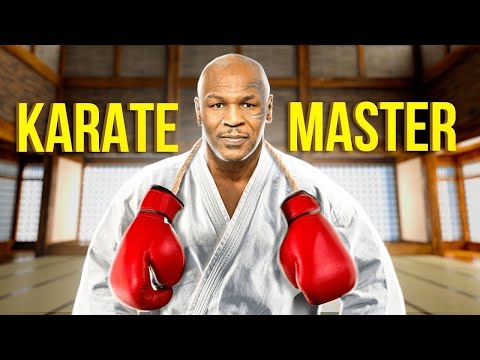
Mike Tyson's Peekaboo Style: A Karate Connection? A Critical Analysis

Introduction: The Provocative Claim

The world of combat sports is rife with legends, and few loom as large as Mike Tyson. Known for his explosive power, intimidating presence, and a fighting style that seemed to defy conventional logic, "Iron Mike" carved his name into history. But what if I told you that a cornerstone of his devastating technique, the famed "Peekaboo" style, was allegedly inspired by Karate? This is a claim that sparks immediate debate among martial artists and boxing aficionados alike. Is it a mere historical footnote, a misinterpretation, or is there genuine substance to the assertion that the baddest man on the planet drew inspiration from an ancient Japanese art? Prepare yourselves, for we are about to embark on a journey to dissect this claim with the precision of a doctor's scalpel and the blunt force of a well-placed jab.
"The genesis of a powerful technique often lies in unexpected unions. To dismiss connections out of hand is to limit our understanding of combat's evolution."
This article aims not just to present information, but to ignite critical thinking. We will explore the mechanics of Tyson's style, compare them to core principles of Karate, and critically evaluate the validity of this intriguing connection. Whether you're a seasoned Karateka, a dedicated boxer, or simply a student of combat, this analysis is designed to challenge your perceptions and deepen your appreciation for the intricate tapestry of martial arts.

Deconstructing Tyson's "Peekaboo" Style

Before we can assess any alleged Karate influence, we must first understand the Peekaboo style itself. Developed by Cus D'Amato and honed by Tyson, Peekaboo is characterized by its aggressive forward pressure, exceptional head movement, and devastating offensive combinations. * **High Guard:** Fighters using Peekaboo keep their gloves held high, close to their face and temples, hence the "peekaboo" moniker. This guard serves a dual purpose: protecting the head and face from incoming strikes while simultaneously setting up offensive maneuvers. * **Constant Movement:** The style emphasizes continuous, bobbing and weaving motion. This isn't just about evasion; it's about creating angles, disrupting the opponent's rhythm, and making oneself a difficult target. The fighter is always moving in, out, and around, making it hard for the opponent to establish a solid base or land accurate shots. * **Explosive Combinations:** Once an opening is created, Tyson unleashed brutal, short-range combinations, often targeting the head and body in rapid succession. His ability to close distance quickly and deliver power from unconventional angles was legendary. * **Lowered Center of Gravity:** A key element is maintaining a low, balanced stance. This provides stability, allows for powerful hip rotation in punches, and makes it harder to knock the fighter off balance. D'Amato famously described Peekaboo not just as a defensive stance but as an offensive weapon, designed to pressure the opponent relentlessly until they break. It’s a style built on timing, aggression, and an almost supernatural ability to slip punches while simultaneously preparing to deliver devastating blows.

The Alleged Karate Link: Examining the Evidence

The assertion that Mike Tyson's style is based on Karate movements stems from D'Amato's own statements and observations. D'Amato, an astute observer of combat, studied various martial arts. He reportedly saw similarities between the defensive head movements and evasive footwork of Peekaboo and certain Karate techniques.
Specifically, proponents of this theory point to: * **Footwork and Evasion:** The bobbing and weaving, the subtle shifts in weight, and the ability to move in and out of range quickly are seen as analogous to the footwork found in many Karate styles, particularly Okinawan Karate. The concept of *nagashi-uke* (flowing block) or evasive body shifts to avoid direct impact finds echoes here. * **Defensive Principles:** Karate emphasizes blending with an opponent's force rather than meeting it head-on. The Peekaboo fighter’s ability to slip punches and use the opponent's momentum against them aligns with this principle. * **Close-Range Combat:** While boxing is primarily a punching art, Tyson excelled in close quarters, using uppercuts and hooks effectively. Some Karate applications, especially in older forms, involve close-range striking and trapping. However, it's crucial to note that D'Amato never claimed Tyson was *performing Karate*. The connection is more about shared underlying principles of movement and evasion rather than direct technique transfer.

Sensei's Analysis: Similarities, Differences, and Misconceptions

As a lifelong student of the martial path, I find this claim fascinating, but also one that requires careful dissection. Let's lay down the objective truth, as any true Sensei would. Firstly, boxing and Karate are fundamentally different disciplines. Boxing focuses exclusively on punches with gloved hands to the upper body and head, emphasizing rhythm, timing, and power generation through hip rotation and footwork. Karate, on the other hand, is a comprehensive system encompassing punches, kicks, blocks, sweeps, and throws, often utilizing open-hand techniques and targeting various parts of the body.
"To equate the defensive subtleties of Karate evasion with the aggressive bobbing and weaving of Peekaboo is a stretch, yet not entirely without merit if we consider the underlying principles of kinetic efficiency." - My Interpretation based on countless hours of study.
**Where the Alleged Similarities Hold Water (The Nuance):** 1. **Evasion as a Primary Defense:** Both disciplines understand that avoiding a strike is often more effective than blocking it. The constant head movement in Peekaboo, designed to make Tyson a difficult target, mirrors the defensive body shifts and evasive footwork taught in many Karate styles to avoid an opponent's attack. Think of a Karateka moving off the line of attack (*tai sabaki*) to evade a punch or kick. The *purpose* is the same: to not be where the attack lands. 2. **Generating Power from the Ground Up:** Both Tyson's boxing and traditional Karate emphasize the importance of a strong base and hip rotation for generating power. A low center of gravity, crucial for Tyson's explosive power, is a fundamental tenet in many Karate stances (*kamae*). **Where the Connection Falters (The Hard Truth):** 1. **Targeting and Techniques:** Tyson's goal was to land punches. His techniques were honed for that singular purpose. Karate techniques are far more diverse. While a Karateka might use a subtle body shift to evade a punch, their subsequent action could be a block, a counter-punch, a kick, or even a throw – far beyond the scope of boxing. 2. **The "Peekaboo" Glove Position:** The high, tight guard of Peekaboo is specific to boxing. In Karate, while hands are often kept up for protection, the specific positioning and use of the gloves are different, and open-hand techniques are prevalent. 3. **Intent and Application:** D'Amato's genius was in adapting principles. He likely saw how evasive movements could be incorporated into boxing to create openings and defense. However, this is adaptation, not direct adoption. Tyson wasn't performing Karate katas; he was using boxing techniques with a defensive layer inspired by principles he observed elsewhere. The true connection, in my estimation, lies not in identical movements but in a shared philosophy of efficient body mechanics and evasive strategies. D'Amato, a student of strategy, likely recognized these universal principles and integrated them into the boxing context. It's a testament to the interconnectedness of combat theory, not a direct lineage.

Training Drills: Enhancing Footwork and Defensive Head Movement

Whether you're a boxer or a Karateka, improving your footwork and defensive head movement is paramount. Here are drills inspired by both disciplines:
  1. Shadow Boxing with Emphasis on Head Movement:
    • Assume your fighting stance (Boxing guard or Karate kamae).
    • Practice bobbing and weaving under imaginary punches. Focus on using your legs, not just your waist. Keep your knees bent and your rear planted.
    • Practice slipping punches side-to-side. Imagine a punch coming straight at your nose and slip it to the left, then to the right. Maintain balance.
    • Incorporate quick footwork changes – stepping in, stepping out, circling – while maintaining the high guard and head movement.
    • Focus on returning to a balanced stance after each movement, ready to counter.
  2. Partner Drills (Controlled Sparring):
    • With a trusted partner, practice throwing slow, deliberate punches at your head. Your goal is to evade without blocking, using only slips and weaves.
    • Your partner can gradually increase the speed, but the focus remains on your evasion, not on countering.
    • Once comfortable, introduce simple combinations from your partner, and practice reacting with appropriate head movement and footwork adjustments.
    • Karate Application: A Karateka can practice *tai sabaki* (body evasion) against basic punches, focusing on moving off the line of attack and maintaining a stable base.
  3. Mirror Drills:
    • Face a mirror and perform your footwork and head movement drills. This allows you to visually check your form, balance, and the fluidity of your transitions.
    • Ensure your movements are economical and that you're not telegraphing your intentions.
Remember, consistency is key. Incorporate these drills into your regular training sessions to build muscle memory and develop natural evasive instincts.

Essential Gear for Striking Training

To train effectively and safely in striking arts like boxing or Karate, having the right equipment is crucial. Investing in quality gear not only enhances your performance but also significantly reduces the risk of injury.
  • Boxing Gloves: For sparring and bag work, opt for gloves that offer good wrist support and adequate padding. 16oz gloves are generally recommended for sparring.
  • Hand Wraps: Always use hand wraps under your gloves to protect your metacarpals and wrists from impact.
  • Mouthguard: Essential for any form of sparring or combat simulation to protect your teeth and jaw.
  • Headgear: Recommended for heavy sparring sessions to mitigate the risk of cuts and concussions.
  • Karate Gi: If you are training Karate, a durable, well-fitting Gi is essential. Look for double-weave cotton for durability, especially if you plan on engaging in kumite (sparring). For heavier styles like Kyokushin, a reinforced Gi is a must.
  • Shin Guards and Instep Guards: Particularly useful for Karate or Kickboxing training involving kicks, offering protection for your lower legs and feet.
  • Jump Rope: An indispensable tool for improving footwork, coordination, and cardiovascular endurance – a staple in both boxing and Karate conditioning.

Sensei's Verdict: Did Tyson Truly Use Karate?

The assertion that Mike Tyson’s Peekaboo style was *based on* Karate is, in my professional opinion, an oversimplification that borders on myth. While Cus D'Amato was undoubtedly influenced by observed principles of movement from various arts, including potentially Karate, the direct translation of Karate techniques into Tyson's boxing is not evident. Tyson's style was a masterclass in *boxing*. Its effectiveness stemmed from the brilliant adaptation of fundamental boxing principles – explosive power, relentless pressure, aggressive defense, and superior timing – within the specific ruleset of the sport. D'Amato's genius lay in refining these boxing elements, perhaps drawing inspiration from the *concept* of evasive maneuvers found in Karate, but the execution remained purely within the domain of pugilism. Therefore, while there might be a philosophical or mechanical overlap in *certain aspects* of evasion and balance, it's misleading to claim Tyson *used Karate*. He used Boxing, perfected to an art form, potentially enhanced by D'Amato's broader understanding of combat dynamics.
"Iron Mike wasn't a Karateka, but the echoes of efficient movement, a universal language in combat, might have whispered through the strategic mind of his mentor."
Cinturón Negro en Adaptación Estratégica, pero no en Karate.

Frequently Asked Questions

Did Cus D'Amato ever explicitly state Tyson used Karate?

While D'Amato studied various martial arts and reportedly saw similarities, there's no definitive record of him stating Tyson's style was directly *based on* Karate techniques. The connection is more interpretative, focusing on shared principles of movement and evasion.

What are the core differences between boxing and Karate?

Boxing focuses solely on punches to the head and torso with gloved fists within a specific ring. Karate is a comprehensive martial art including punches, kicks, blocks, throws, and open-hand techniques, often practiced in a dojo with a focus on self-defense and discipline.

Could a boxer benefit from studying Karate's defensive principles?

Absolutely. Karate's emphasis on *tai sabaki* (body evasion), understanding distance, and utilizing minimal movement for maximum effect can certainly enhance a boxer's defensive capabilities and strategic thinking.

Is the Peekaboo style still used today?

While few fighters adopt it wholesale due to its demanding nature and high risk, elements of the Peekaboo style, particularly the high guard and aggressive head movement, are still seen and utilized by many modern boxers.

Dive Deeper Into Your Journey

Sensei's Reflection: Your Next Step

The allure of combining disparate martial arts is strong, a testament to the universal principles that govern effective combat. But how often do we mistake superficial resemblance for fundamental connection? Reflect on your own training: are you truly understanding the *essence* of the techniques you practice, or are you merely collecting movements? Go forth, train with intention, and seek the underlying truths, not just the borrowed styles. GEMINI_METADESC: Unravel the truth behind Mike Tyson's Peekaboo style and its alleged Karate influence. An expert analysis of boxing vs. Karate principles.

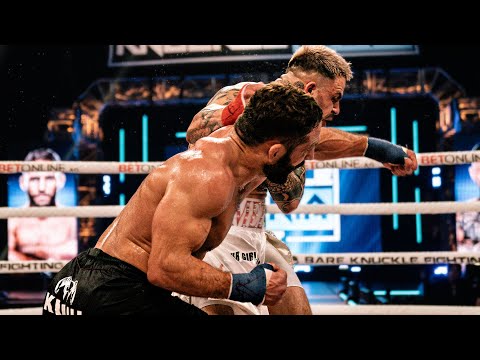
Beyond the Knuckles: A Martial Sensei's Critique of KnuckleMania II

The roar of the crowd, the raw aggression, the glint of sweat under the lights – combat sports ignite a primal fascination within us. But as practitioners of the martial arts, we seek more than just a spectacle of violence. We look for technique, strategy, discipline, and the embodiment of principles honed over centuries. KnuckleMania II, a bare-knuckle boxing event, presents a unique canvas for this examination. While on the surface it appears to be a brutal display, how does it truly align with the deeper philosophies of the martial path? This is not merely a recap; it's a dissection from the perspective of one who has dedicated their life to the study and practice of combat in its purest forms.

The Primal Arena: Understanding Bare-Knuckle Combat

The allure of bare-knuckle fighting is undeniable. It strips away the cushioned barrier of gloves, demanding an unvarnished display of striking power and pain tolerance. But is this raw form of combat an evolution or a regression? From a martial arts standpoint, the absence of protective gear introduces a critical variable: increased risk of severe injury, not just to the opponent, but to the fighter themselves. This amplifies the importance of precision and control, even in its most ferocious state. We must ask: are the fighters at KnuckleMania II employing techniques born from a lineage of combat mastery, or are they simply unleashing brute force?
The historical context of bare-knuckle boxing is steeped in a time before modern sporting regulations, where survival and dominance were paramount. Examining this event through the lens of Budo, the Japanese concept of the martial way, requires us to consider the ethical implications and the development of character, not just the efficacy of a punch.

Deconstructing the Violence: Technique and Strategy at KnuckleMania II

Let us move beyond the initial shock value. When we analyze the action from KnuckleMania II, what do we truly see? Are there well-executed combinations, defensive maneuvers, and tactical approaches to distance and timing? Or is it a chaotic exchange of hooks and straights with little regard for form? True martial arts training emphasizes principles that transcend the specific tools used. For example, the concept of BJJ grappling, while different in application, shares the goal of efficient, controlled leverage. Similarly, a powerful Karate punch is not just about muscle, but about hip rotation, body alignment, and focused intent. Bare-knuckle boxing, by its nature, favors power and durability. However, even within this format, superior technique should theoretically prevail. A fighter who understands angles, footwork, and the art of drawing out an opponent's attack while capitalizing on openings will always have an advantage over someone who relies solely on aggression. We look for evidence of such strategic thinking. Were there moments of calculated defense, like slipping a punch or parrying with a forearm (though risky without gloves)? Did fighters demonstrate an understanding of body mechanics to maximize power and minimize self-inflicted damage? The difference between a street brawl and a martial contest lies in this intentionality and refined execution.
"Mastery of any art form, martial or otherwise, is not about the ferocity of the strike, but the precision and intent behind it." - A common sentiment echoing through dojos worldwide.
The original source materials (which seem to be promotional for the event) urge viewers to "drop us a LIKE & crack the SUBSCRIBE button today for more non-stop action!" This highlights the event's primary goal: entertainment and audience engagement. While there's nothing inherently wrong with that, it frames the combat as a product rather than a demonstration of martial principles. The true martial artist finds value not just in the victory, but in the journey of self-refinement that the struggle provides.

The Spirit of the Warrior: Where Discipline Meets Aggression

The term "warrior spirit" is often invoked in combat sports. But what does it truly signify? In the context of traditional martial arts, it embodies courage, perseverance, humility, and a profound respect for one's opponent and the art itself. It’s about facing fear head-on, not with recklessness, but with controlled intent and unwavering resolve. Watching KnuckleMania II, we must discern if this spirit is present. Is there a visible respect between the combatants, even amidst the intensity? Does the outcome, win or lose, lead to a demonstration of character? A true warrior understands that defeat is a teacher, an opportunity for growth. The unbridled aggression seen in bare-knuckle bouts can sometimes overshadow this crucial element. Is it controlled aggression, fueled by strategy and discipline, or is it simply raw, unchanneled rage? The date of the event, February 19th, 2022, places it within a modern landscape of combat sports where spectacle often takes precedence. Yet, the core principles remain: the test of will, the refinement of skill, and the confrontation with one's own limitations. The question is whether the format itself, the bare-knuckle aspect, enhances or detracts from the development of these martial qualities.

Beyond the Fight: Lessons for the Modern Martial Artist

What can we, as dedicated practitioners of the martial arts, learn from an event like KnuckleMania II? Firstly, it serves as a potent reminder of the fundamental importance of self-defense and the physical and mental fortitude required to engage in combat. It underscores the value of conditioning and the sheer grit needed to withstand punishment. Secondly, it highlights the critical role of technique. While power is a significant factor in bare-knuckle boxing, a fighter who lacks fundamental striking mechanics is at a severe disadvantage and risks injury. This reinforces the teachings we receive in our dojos: the importance of proper stance, balance, and power generation through the core. Even for those who never intend to compete, these principles are vital for effective technique and injury prevention. Moreover, it prompts a contemplation of the "why" behind our training. Is it solely for self-defense, for competition, or for personal development? The martial path is often a journey of self-mastery, a continuous process of learning and growth. Even observing a discipline as seemingly straightforward as bare-knuckle boxing can offer insights into human resilience, the psychology of conflict, and the sheer will to overcome.
"The character of a warrior is forged not in the victory, but in the crucible of adversity faced with integrity." - A timeless truth applicable to all martial disciplines.

Veredicto del Sensei: Is KnuckleMania II a True Test of Martial Prowess?

KnuckleMania II, in its purest form, is a demonstration of striking power and resilience in a bare-knuckle boxing context. From a strictly technical martial arts perspective, it showcases an element of combat – the punch – but it largely bypasses the broader spectrum of skills found in most martial arts, such as grappling, defensive strategies beyond blocking, and the intricate footwork of many traditional styles. Is it a test of martial prowess? Partially. It undeniably tests a fighter's heart, chin, and striking ability. However, it lacks the multi-faceted challenge that many martial arts present. It is more akin to a specialized discipline than a comprehensive martial system. Think of it this way: a master of Kyokushin Karate might be highly effective in a striking-only scenario, but their training encompasses more than just punches and kicks; it includes conditioning, philosophy, and sometimes even elements of close-range combat. KnuckleMania II focuses intensely on one aspect. Therefore, as a pure martial arts critique, I would grade it: **Cinturón Negro en Coraje y Potencia Cruda.** **Falla en la Integralidad de las Artes Marciales.** It is an exciting spectacle of human will and striking power, but it is not a complete representation of the martial way.

Essential Training Gear for Striking Disciplines

While KnuckleMania II celebrates the raw power of striking without gloves, a responsible martial artist understands the importance of proper gear for safe and effective training. Investing in the right equipment is not just about comfort; it's about maximizing your learning potential and preventing injuries that could derail your progress. Here's a foundational list of equipment essential for anyone serious about striking disciplines like boxing, kickboxing, Muay Thai, or Karate: * **Boxing Gloves:** Essential for sparring. Look for gloves appropriate for your discipline (e.g., 16oz for general sparring, lighter for bag work). Brands like Title, Everlast, or Rival offer good options. * **Hand Wraps:** Crucial for protecting your wrists and knuckles underneath the gloves during any striking activity. * **Mouthguard:** Non-negotiable for sparring and competition. Protects your teeth, jaw, and brain from impact. * **Groin Protector (Cup):** Especially important for male practitioners during sparring to protect against accidental low blows. * **Shin Guards:** Vital for kickboxing and Muay Thai to protect your shins from kicks and impact during sparring. * **Headgear:** Necessary for high-impact sparring sessions to reduce the risk of cuts, bruises, and concussions. * **Training Partner:** While not gear, a reliable and skilled training partner is perhaps the most important element for progression. * **Punching Bag / Heavy Bag:** For developing power, speed, and endurance. * **Speed Bag:** For improving hand-eye coordination and rhythm. * **Jump Rope:** An excellent tool for conditioning, footwork, and agility. For those interested in exploring the history and philosophy of striking arts, consider these resources: * **Books:** * "The Book of Five Rings" by Miyamoto Musashi (BUDO, Strategy) * "Budo: The Martial Ways of Japan" by various authors (Philosophy, Japanese Martial Arts) * **Online Courses:** Look for reputable instructors offering courses on specific striking techniques or martial philosophy.

Preguntas Frecuentes

* **What is bare-knuckle boxing, and how does it differ from traditional boxing?** Bare-knuckle boxing is a form of boxing where participants fight without gloves, relying solely on their bare fists. This inherently makes it more dangerous, increasing the risk of hand injuries for the fighter and severe lacerations for the opponent. Traditional boxing, on the other hand, mandates the use of padded gloves to offer some protection. * **Can techniques from bare-knuckle boxing be applied to self-defense?** Some fundamental striking principles, like the importance of power generation through body mechanics and the ability to withstand impact, are transferable. However, the extreme risk of hand injury in bare-knuckle fighting makes it ill-suited as a primary model for self-defense, where preserving your ability to fight and function is paramount. Many martial arts offer safer and more comprehensive self-defense strategies. * **Is fighting bare-knuckle considered a martial art?** While it is a form of combat sport, whether it qualifies as a "martial art" is debatable and depends on one's definition. If a martial art is defined by a comprehensive system of techniques, philosophy, and character development, bare-knuckle boxing, focused primarily on unadorned striking, is often considered more of a combat sport or discipline rather than a full-fledged martial art. * **What are the risks associated with bare-knuckle fighting?** The risks are substantial and include severe hand fractures (broken metacarpals, knuckles), lacerations on the knuckles and hands, potential for deeper tissue damage, and of course, the inherent risks of any combat sport, such as concussions, facial injuries, and other trauma.

Para Profundizar en tu Camino

* MMA vs. Boxing: Una Comparación Técnica y Filosófica * El Espíritu del Samurai: Principios del BUDO que Transcienden el Combate * Análisis de Combate: ¿Son los Golpes Desnudos una Muestra de Fuerza Bruta o de Habilidad Refinada?

Reflexión del Sensei: Tu Próximo Paso

You've seen the raw intensity, the unyielding fists, the spectacle of KnuckleMania II. But the true measure of a martial artist is not solely in the force of their blows, nor in the roar of the crowd. It lies in the discipline to train, the humility to learn, and the wisdom to apply what is learned not just in combat, but in life. Now, I ask you: When faced with your own "KnuckleMania" – the challenges, the obstacles, the moments that demand courage – will you unleash blind aggression, or will you channel the refined technique, the controlled spirit, and the unwavering resolve that defines a true warrior? The answer lies not on the canvas, but within. GEMINI_METADESC: A martial arts Sensei critically analyzes KnuckleMania II, evaluating bare-knuckle boxing techniques, warrior spirit, and its place within the broader martial arts philosophy.