Showing posts sorted by relevance for query UFC History. Sort by date Show all posts

Sensei's Critique: UFC 21 - Return of the Champions (1999) - A Martial Perspective

UFC 21, subtitled "Return of the Champions," held on July 16, 1999, at the Five Seasons Events Center in Cedar Rapids, Iowa, is a relic of a time when the Ultimate Fighting Championship was still forging its identity. As a student and critic of the martial arts, I approach such events not just as spectacles of combat, but as anthropological studies of human conflict, evolutionary steps in the evolution of fighting systems, and, dare I say, potential cinematic fodder, however rough. This event, from the dawn of MMA's modern era, offers a fascinating glimpse into the raw, unvarnished state of mixed martial arts, where the "return of the champions" was less about established dynasties and more about the gladiatorial spirit that defined early UFC.

Introduction: The Raw Crucible of UFC 21

Welcome, warriors, to a dissection of UFC 21, an event that, while perhaps lacking the polish of its modern descendants, pulsates with the untamed spirit of early mixed martial arts. Forget the calculated strategies and weight-class divisions that define today's UFC. In 1999, "Return of the Champions" was more about the visceral thrill of diverse fighting styles colliding in a raw, unforgiving environment. This was a time when the boundaries between martial arts were blurred, and the efficacy of each discipline was being tested in real-time. We gather here, under the banner of BUDO and MartialArts, to scrutinize this event not merely as a sporting contest, but as a living document of martial evolution. Are these "champions" truly representatives of their arts, or simply survivors of a brutal experiment? Let us find out.

The Fight Card: A Tapestry of Styles

The fight card itself is a fascinating microcosm of the martial landscape at the turn of the millennium. We see a blend of established strikers, submission artists, and powerful grapplers, many of whom had already carved out names for themselves in various fighting disciplines. The concept of "champions" returning implies a legacy, a history of victory that this event aimed to reignite. However, the true test in the early UFC was never just about past glories; it was about adapting, surviving, and overcoming the diverse threats presented by opponents from entirely different martial backgrounds. This is where the true art of MMA lies – in the synthesis and application of disparate techniques under extreme pressure.

Travis Fulton vs. Davis Dodd: The Early Wild West

The opening bout, Travis Fulton vs. Davis Dodd, immediately sets the tone for the raw, unadulterated nature of early UFC. Travis Fulton, a name synonymous with sheer toughness and a high volume of fights in obscure promotions, represented a certain breed of fighter: fearless, rugged, and willing to test himself against anyone, anywhere. His approach was often characterized by a brawling style, relying on brute force and an iron will. Davis Dodd, while less heralded, entered the Octagon with his own set of skills, aiming to prove his worth. This matchup is a prime example of the "anything goes" mentality that pervaded early MMA. The transition from stand-up striking to ground fighting was often abrupt, and the strategic nuances we see today were still in their nascent stages. The Combat here is less about intricate techniques and more about sheer will and physical dominance. It highlights the fundamental question: can raw aggression and resilience overcome technical proficiency when the rules are minimal?

Andre Roberts vs. Ron Waterman: Grappling's Foothold

Following this initial clash, we have Andre Roberts facing Ron Waterman. This bout likely showcased the growing importance of grappling in mixed martial arts. As fighters from striking backgrounds began to face opponents with strong wrestling or Brazilian Jiu-Jitsu credentials, the ability to control an opponent, secure takedowns, and apply submissions became paramount. Waterman, often associated with powerful wrestling, would likely have sought to impose his physical strength and control on the mat. Roberts, on the other hand, would have aimed to keep the fight standing or employ his own ground game. These matchups were crucial in demonstrating the evolving meta-game of Lucha and BJJ within the broader spectrum of martial arts. The effectiveness of takedowns and submission attempts in a Fight like this was a constant learning experience for both fighters and the audience.

Eugene Jackson vs. Royce Alger: Striker vs. Grappler Dynamics

Eugene Jackson and Royce Alger presented another classic stylistic confrontation. Jackson, often a dynamic striker, would have aimed to utilize his speed, power, and striking combinations to keep Alger at bay. Alger, a reputable wrestler and grappler, would have sought to close the distance, secure a takedown, and work his ground game, looking for submissions or positional dominance. These types of matchups are invaluable for understanding the core principles of MartialArts. It's a chess match where each fighter's strengths are tested against the other's weaknesses. The effectiveness of a jab against a double-leg takedown, or the ability to escape a mount position, are fundamental lessons learned and displayed in bouts like these. The Entrenamiento for such diverse challenges required a broad skill set, bridging the gap between distinct martial traditions.

Tsuyoshi Kohsaka vs. Tim Lajcik: Skill vs. Grit

Tsuyoshi Kohsaka is a name that resonates deeply within the history of Japanese martial arts and MMA. A true pioneer, Kohsaka represented a refined, technically sound approach to fighting. His fights were often characterized by strategic striking, intelligent movement, and a deep understanding of timing and distance. Tim Lajcik, while perhaps less experienced on the international stage, would have come in with his own ambitions, likely relying on grit, determination, and the unyielding spirit of a Karateka or practitioner of a similar striking art. The contrast between Kohsaka's measured technical prowess and Lajcik's potential for raw aggression and resilience makes this bout compelling. It forces us to ask: in a Battle of wills, does superior technique always prevail? Or can sheer heart and unyielding spirit overcome a more polished skillset? This is the eternal question that fuels the BUDO philosophy.

Paul Jones vs. Flavio Luiz Moura: A Clash of Eagles

Paul Jones and Flavio Luiz Moura engaged in a contest that likely embodied the high stakes and fierce competition of the era. Both fighters would have brought their own unique arsenals, honed through rigorous Entrenamiento and a burning desire to prove their mettle. The "Return of the Champions" narrative suggests that these fighters carried the weight of expectation, aiming to reassert their dominance. This matchup provides an opportunity to analyze the tactical approaches of different martial arts schools. Was it a striking duel, a grappling exchange, or a dynamic blend of both? The outcome would offer insights into the strengths and limitations of their respective styles when pitted against each other in the unforgiving environment of the Octagon. The Pelea between two such determined individuals is a testament to the warrior spirit.

Jeremy Horn vs. Daiju Takase: The Submission Hunters

Jeremy Horn is another legendary figure in the history of MMA, known for his incredible submission skills and his prolific fighting career. His ability to finish fights on the ground, often from unexpected positions, made him a dangerous opponent for anyone. Daiju Takase, a skilled Japanese fighter, would have brought his own brand of artistry to the mat. These are the fights that truly captify the essence of grappling. The intricate dance of limbs, the strategic positioning, and the relentless pursuit of a submission hold are a testament to the depth and complexity of Judo and BJJ. The Lucha on the ground in this bout would have been a masterclass in leverage, anatomy, and sheer tenacity. The successful application of a choke or joint lock is a testament to years of dedicated Entrenamiento.

Pat Miletich vs. Andre Pederneiras: Tactical Masterclass

The co-main event between Pat Miletich and Andre Pederneiras is where we likely see a significant step up in tactical sophistication. Miletich, a well-rounded fighter and later a highly respected coach, embodied a disciplined and strategic approach to MMA. Pederneiras, a pivotal figure in Brazilian Jiu-Jitsu and MMA coaching, would have brought immense tactical knowledge and technical expertise. This bout represents a more modern interpretation of mixed martial arts, even for 1999. It's a battle of strategies, of game plans meticulously crafted through deep understanding of striking and grappling. The transitions between phases of combat, the ability to adapt mid-fight, and the intelligent use of energy are what make matchups like this so compelling. It’s a clash of minds as much as bodies, showcasing the intellectual side of Combat.

Maurice Smith vs. Marco Ruas: Legends Collide

The main event features two true legends: Maurice Smith and Marco Ruas. Maurice Smith, a powerful heavyweight known for his striking and his ability to absorb punishment, had already made a significant impact in the UFC. Marco Ruas, a practitioner of Ruas Vale Tudo, brought a unique and formidable style that blended striking, grappling, and conditioning with an emphasis on practical self-defense. A bout between these two giants was, for its time, the pinnacle of the martial arts world. It was a collision of different fighting philosophies, a testament to the evolution of combat sports. The outcome of such a fight would have profound implications for how different styles were perceived and integrated into the burgeoning sport. The sheer willpower and physical conditioning required for a Fight of this magnitude are awe-inspiring. This is where the philosophies of BUDO and practical application truly meet.

Veredict of the Sensei: More Than Just a Fight

UFC 21: Return of the Champions, while perhaps appearing rudimentary by today's standards, is a vital artifact in the chronicle of mixed martial arts. It showcases the raw, untamed spirit that fueled the early days of the UFC, where the convergence of diverse martial arts was a volatile, yet necessary, crucible. The "champions" who returned were not just fighters; they were pioneers, testing the limits of their disciplines and pushing the boundaries of human combat. The choreography of these fights, while often unpolished, was authentic. It was the real deal, unfiltered and unscripted, demonstrating the fundamental principles of MartialArts in their most basic form. The spirit of competition, the will to overcome, and the quest for mastery are palpable in every exchange. It’s a reminder that beneath the modern spectacle, the core of martial arts remains the same: a journey of self-discovery through rigorous challenge. **Rating:** Cinturón Negro en Autenticidad Cruda. It may not have the slick production or intricate strategies of today, but UFC 21 offers a genuine look into the formative years of MMA and the unwavering spirit of its warriors.

Training Regimen for the Modern Warrior

To prepare for the diverse challenges presented in an event like UFC 21, a comprehensive training regimen is essential. This isn't just about lifting weights or running laps; it's about developing a complete martial athlete.
  1. Striking Fundamentals: Master the basics of boxing, Muay Thai, or Karate. Focus on footwork, proper form, power generation, and defensive maneuvers. Consistent practice of Karate katas, for instance, can improve balance and coordination, crucial for striking.
  2. Grappling Proficiency: Dedicate significant time to wrestling, Judo, and Brazilian Jiu-Jitsu. Learn takedowns, positional control, submission techniques, and effective defense against submissions. The art of Lucha, in its many forms, is paramount.
  3. Strength and Conditioning: Develop explosive power, cardiovascular endurance, and muscular strength. This includes compound lifts, plyometrics, HIIT (High-Intensity Interval Training), and functional movements that mimic combat scenarios.
  4. Flexibility and Mobility: Incorporate dynamic stretching and mobility exercises to improve range of motion, prevent injuries, and enhance the effectiveness of techniques, especially in grappling.
  5. Mental Fortitude: Practice mindfulness, meditation, and visualization techniques to develop focus, emotional control, and the ability to perform under pressure. The Ki training aspect is vital for mental resilience.
The key is integration – learning to seamlessly transition between striking and grappling, and maintaining peak physical and mental condition throughout the entire duration of a Fight.

Resources for Deeper Understanding

To truly appreciate the martial context of UFC 21 and the evolution of Artes Marciales, further study is indispensable.
  • Books on Martial Philosophy: Delve into classics like Miyamoto Musashi's "The Book of Five Rings" or Sun Tzu's "The Art of War." These texts offer timeless strategic insights applicable far beyond the realm of combat.
  • Documentaries on Fighting History: Explore documentaries that chronicle the history of combat sports and martial arts, providing historical context and biographical information on legendary figures.
  • Training Gear: For those looking to emulate the dedication of these fighters, investing in quality equipment is crucial. Consider high-quality Karate gis or durable BJJ kimonos for your training. Proper Entrenamiento often requires appropriate gear.

Frequently Asked Questions

Q1: Was UFC 21 considered a high-level event for its time?
A1: For 1999, UFC 21 was a significant event, featuring established fighters and showcasing the evolving landscape of mixed martial arts. While it might seem less polished than modern UFC events, it represented a critical stage in MMA's development.

Q2: How did the martial arts represented in UFC 21 differ from those seen today?
A2: In 1999, the specialization of MMA was less pronounced. Fighters often came from a single discipline (e.g., primarily strikers or grapplers) and had to adapt on the fly. Today, most fighters train in a more blended style, encompassing striking, wrestling, and submission grappling from the outset.

Q3: What is the significance of "Return of the Champions" in the UFC context?
A3: It often signifies a return to competition for fighters who had previously held championship status or achieved significant success in the promotion, aiming to re-establish their dominance or prove they still belonged at the top.

Q4: How important was the grappling aspect in UFC 21?
A4: Grappling, particularly from disciplines like Brazilian Jiu-Jitsu and wrestling, was already becoming increasingly vital. While striking was still prominent, the ability to control an opponent on the ground and secure submissions was a clear path to victory that many fighters sought to exploit.

Dive Deeper into Your Path

This analysis of UFC 21 serves as a stepping stone. To truly internalize the lessons of martial arts history and application, continue your exploration.
  • BUDO and the Philosophy of Combat
  • The Evolution of MMA: From UFC 1 to Today
  • Mastering the Fundamentals: Essential Entrenamiento Drills
```

Reflection of the Sensei: Your Next Step

UFC 21 was a raw display of courage and skill, a snapshot of martial arts in flux. But the question remains: in the relentless pursuit of combat effectiveness, where do we draw the line between tradition and innovation? Do the "champions" of yesterday hold lessons that transcend the era, or are they merely relics of a simpler, more brutal time? Examine your own training. Are you a purist, clinging to ancient forms, or an innovator, blending disciplines? Or perhaps, like the fighters of UFC 21, you are somewhere in between, forging your own path through the crucible of practice. Now, it is your turn. Do you believe that the spirit of the early UFC holds more valuable lessons than its modern, highly refined counterpart? Or is the evolution of the sport an undeniable march towards greater efficiency and spectacle? Debate this fiercely in the comments below. Let your conviction be your weapon. ``` GEMINI_METADESC: Sensei's critique of UFC 21 (1999) - Return of the Champions. An expert martial arts analysis of fight choreography, authenticity, and the evolution of combat sports.

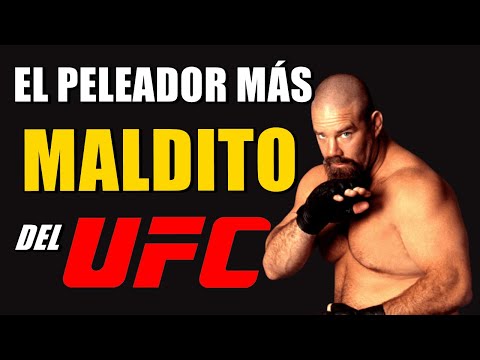
☠ Tank Abbott's LEGACY: Fear and Gore in the UFC Octagon

Welcome, warriors, to a deep dive into the annals of combat sports. Today, we confront a figure who redefined brutality within the Ultimate Fighting Championship: David "Tank" Abbott. Forget your delicate techniques and graceful movements for a moment. We are about to explore the raw, unadulterated ferocity of a man whose mere presence in the Octagon was an act of psychological warfare. Tank Abbott wasn't just a fighter; he was a force of nature, a living embodiment of primal aggression that struck fear into the hearts of opponents and captivated audiences worldwide.

The Unconventional Warrior

Tank Abbott's story is not one of a disciplined martial artist honed through years of rigorous tradition. It’s a tale born from the rough-and-tumble world of bar fights and a sheer, indomitable will to impose his physical dominance. In an era where the UFC was still finding its footing, grappling with its identity, Tank emerged as a controversial yet undeniably magnetic character. His unique blend of brute strength, surprising resilience, and a no-holds-barred mentality made him a must-see attraction. He represented a raw, untamed aspect of fighting that resonated with a segment of the audience hungry for visceral action.

"The only thing I care about is hitting people. If you don't want to get hit, don't come into the cage." - Tank Abbott

His approach to combat was refreshingly straightforward, bordering on barbaric. While others were developing sophisticated submission techniques or intricate striking patterns, Tank was focused on one thing: overwhelming his opponent with sheer aggression. This philosophy, while simplistic, proved incredibly effective in the early days of the UFC, where the lines between different martial arts were still being blurred and tested.

From Bar Brawls to the Big Stage

Before the bright lights of the UFC, David Abbott honed his skills in a far less glamorous arena: the local watering holes. He built a fearsome reputation as a brawler, a man who could handle himself in any physical confrontation. This street-level experience instilled in him a hardiness and a willingness to engage that few could match. When the opportunity arose to compete in the nascent UFC, Tank was already battle-tested, albeit in a chaotic and unregulated environment.

His amateur background wasn't in traditional dojos or training halls but in the raw crucible of unsanctioned fights. This forged a different kind of fighter – one who relied on instinct, power, and an almost reckless disregard for personal safety. It's crucial to understand this origin; it explains the unorthodox techniques and the sheer ferocity that characterized his fighting style. He wasn't trying to win with technique; he was trying to win by sheer will and physical intimidation.

The Reign of Terror Begins

Tank Abbott’s UFC debut was not merely an introduction; it was an announcement. He burst onto the scene with an intensity that immediately set him apart. His early performances were a spectacle of aggression, often ending quickly and decisively. Opponents found themselves facing a relentless storm of punches and a physical presence that seemed almost insurmountable.

His early fights in UFC 6 and UFC 7 are legendary for their brutality. He embodied the "grab them by the hair and smash their face on the canvas" mentality that the early UFC both championed and struggled to contain. This approach, while crude, was highly effective against fighters who weren't prepared for such an onslaught. He represented the pure, unadulterated "fight" in mixed martial arts, a stark contrast to the more technical styles that would later dominate the sport.

Iconic Battles and Infamous Moments

Tank Abbott’s career is littered with memorable, and often disturbing, moments. His fights were rarely boring. One of his most iconic bouts was against Paul Varelans at UFC 10. The fight was a slugfest, a brutal exchange of punches that showcased Tank's resilience and his willingness to absorb damage to land his own.

Another pivotal moment was his rivalry with Scott Ferrozzo. Their first encounter at UFC 11 was a wild brawl, showcasing Tank's signature style. While the original text mentioned a specific outcome, a correction clarifies that Tank Abbott ultimately won their rematch. This resilience, the ability to come back and secure victory even after a tough first outing, speaks volumes about his mental fortitude. He wasn't just a brute; he was a fighter with grit.

His striking was powerful and direct, often characterized by wild hooks and a willingness to engage in close-quarters brawls. While not a technical boxer in the traditional sense, his power was undeniable. He understood the psychological aspect of fighting perhaps better than many; his aggressive stance and menacing demeanor often had opponents on the back foot before the first bell even sounded. This mental warfare was as much a part of his arsenal as his powerful right hand.

Tank's Philosophy: Simplistic, Brutal, Effective

Tank Abbott’s fighting philosophy was as straightforward as his approach to life: simplicity and overwhelming force. He famously stated, "I don't do martial arts. I do fighting." This wasn't false modesty; it was a genuine reflection of his mindset. He didn't concern himself with the nuances of Karate katas, the intricate throws of Judo, or the elusive footwork of Muay Thai. His arsenal consisted of powerful punches, relentless pressure, and a sheer determination to win.

This lack of formal martial arts training, which might be seen as a weakness by purists, was arguably his greatest strength in the early UFC. He fought without the preconceived notions or the stylistic limitations that might have constrained other competitors. He was a pure brawler, and in a nascent sport still figuring out its rules and boundaries, that raw, untamed aggression was a potent weapon. He embraced the chaos, turning it into an advantage.

"If you're going to fight, fight like a man. Don't be a pansy. Go in there and take what you want." - Tank Abbott (paraphrased sentiment)

He understood that in a fight, intimidation and physical dominance could be as effective as any finely tuned technique. His goal was to end the fight quickly and decisively, often by simply overpowering his opponent. This direct, no-frills approach made him a fan favorite and a terror to his adversaries.

The Enduring Impact of Tank Abbott

Tank Abbott’s legacy in the UFC is complex. He was a product of his time, a fighter who embodied the wild, unpredictable spirit of the early mixed martial arts landscape. While the sport has evolved dramatically, with an emphasis on highly technical athletes proficient in multiple disciplines, Tank’s impact cannot be dismissed. He brought a raw, visceral excitement to the Octagon that captivated a massive audience and contributed significantly to the UFC's early growth.

He proved that in combat sports, there's an undeniable appeal to sheer aggression and a warrior spirit. Even as the sport became more refined, the "Tank Abbott style" of overwhelming force and relentless pressure remained a potent, if less sophisticated, strategy. His presence demonstrated the sheer variety of combatants the UFC could attract, from the highly skilled martial artist to the unadulterated brawler.

The question of whether he was a "martial artist" is debatable. By the strictest definition, perhaps not. But did he embody the warrior spirit, the courage, and the will to fight that are central to martial philosophy? Absolutely. He pushed the boundaries of what was considered acceptable combat and left an indelible mark on the UFC's history. His story is a testament to the fact that in the brutal theater of combat, sometimes, pure, unadulterated aggression is its own formidable art form. For those interested in the evolution of the sport, understanding figures like Tank Abbott is crucial. He paved the way for a more diverse array of fighters and fighting styles to gain prominence. If you’re interested in the gritty history of fighting, I recommend exploring the evolution of combat sports, much like one might study the historical development of Karate.

Sensei's Verdict: Was Tank Abbott a True Martial Artist?

This is where the polemic truly ignites. If we define "martial artist" by adherence to a specific discipline, years of dedicated practice in traditional forms, and a philosophy centered on self-improvement beyond mere combat, then Tank Abbott falls short. He openly disdained formal martial arts, famously stating, "I don't do martial arts. I do fighting."

However, the term "martial" itself signifies warfare, combat. Tank Abbott was unequivocally a warrior. He possessed immense courage, a powerful physique, and an indomitable will to impose his will on an opponent. He trained relentlessly, not in the elegant dance of Karate or the flowing movements of Aikido, but in the brutal art of self-preservation and domination. He faced opponents head-on, absorbing punishment and dishing it out with ferocity. In that regard, he embodied a primal, essential aspect of combat that underpins all martial traditions: the will to survive and overcome.

Therefore, I would categorize Tank Abbott not as a practitioner of traditional martial arts, but as a formidable Warrior of the Octagon. His "art" was the raw, visceral act of fighting. He was a legend in his own right, a symbol of a wilder, more brutal era of the UFC. He might not have been a "Cinturón Negro en Coreografía," but he was certainly a "Cinturón Negro en Dominación Brutal." His inclusion in the UFC narrative is vital for understanding the sport's evolution from chaotic free-for-alls to sophisticated mixed martial arts.

Essential Gear for the Modern Combatant

While Tank Abbott may not have been a traditionalist, modern combat sports demand proper preparation. Whether you're training striking, grappling, or aiming for a well-rounded MMA approach, the right equipment is crucial for safety and performance. If you are delving into the world of striking, consider:

  • Boxing Gloves: For sparring and bag work, ensuring adequate hand and wrist protection. For heavier sparring, 16oz gloves are recommended.
  • Shin Guards: Essential for Muay Thai or kickboxing training to protect against kicks and to condition your shins.
  • Mouthguard: Non-negotiable for any form of sparring or combat to protect your teeth and jaw.
  • Groin Protector: A vital piece of safety gear to prevent serious injury.

For those focusing on groundwork and grappling disciplines like BJJ or Judo:

  • Gi (Kimono): A durable, double-weave Gi is ideal for Judo and traditional Brazilian Jiu-Jitsu training. Look for one that allows for good mobility.
  • No-Gi Grappling Spats and Rashguards: For No-Gi training, these prevent friction burns and allow for better movement.

For the all-around combat athlete, investing in quality gear is an investment in your longevity and safety in the training environment. Explore options for Karate gi if your focus is on striking arts, or perhaps specialized equipment for kickboxing.

Training Drills Inspired by Raw Power

While you shouldn't emulate Tank Abbott's lack of technique, his sheer aggression and conditioning can inspire certain training drills. The focus here is on building raw power, explosive strength, and mental toughness. Remember, this is about supplementing a well-rounded martial arts curriculum, not replacing it.

  1. Explosive Push-ups: Perform standard push-ups, but at the top of the movement, explosively push off the ground so your hands leave the surface. Clap if you can. This builds explosive upper body power. Aim for 3-4 sets of as many repetitions as possible (AMRAP) with good form.
  2. Heavy Bag Sprints: Instead of steady-state punching, approach the heavy bag with full intensity for 15-20 seconds, focusing on power shots (straight punches, hooks, uppercuts). Rest for 30-45 seconds and repeat for 5-8 rounds. This simulates the high-intensity bursts seen in Tank's fights.
  3. Medicine Ball Slams: Grab a heavy medicine ball (10-20 lbs). Stand tall, lift the ball overhead, and explosively slam it down with all your might, engaging your core and entire body. This develops full-body explosive power, crucial for takedowns and powerful strikes. Perform 3 sets of 10-12 repetitions.
  4. Sled Pushes/Pulls: If you have access to a gym, sled work is excellent for building raw leg drive and conditioning. Push or pull a weighted sled for 30-50 yards, focusing on driving through your legs with maximum force. Repeat for several lengths.
  5. Sparring with Controlled Aggression: Participate in sparring sessions where the objective is to push forward and apply pressure, but always within the bounds of safety and technical control. This teaches you to maintain offensive pressure without sacrificing technique or getting reckless. Focus on forward movement and controlled power shots.

These drills are designed to tap into the raw physicality that Tank Abbott exemplified. Integrate them wisely into your existing martial arts training regimen.

Frequently Asked Questions

Was Tank Abbott a trained martial artist?
No, Tank Abbott explicitly stated he did not practice martial arts, preferring to call himself a "fighter." His background was in street fighting and amateur wrestling.
What was Tank Abbott's signature fighting style?
His style was characterized by raw aggression, powerful punches, relentless forward pressure, and a willingness to engage in brawls. He often used his size and strength to overwhelm opponents.
Did Tank Abbott ever compete in professional wrestling?
Yes, after his primary MMA career, Tank Abbott did have stints in professional wrestling promotions, notably with WCW.
What is Tank Abbott's most famous fight?
Many consider his early UFC performances, particularly his brutal victories in UFC 6, 7, and 10, to be his most iconic. His rivalry with Scott Ferrozzo also stands out.

To Delve Deeper Into Your Journey

Understanding figures like Tank Abbott offers a unique perspective on the evolution and varied nature of combat sports. For those seeking to broaden their knowledge, exploring the historical context and diverse philosophies within the martial world is essential. Consider delving into:

  • The history of Kyokushin Karate, a style known for its full-contact approach and demanding physical conditioning.
  • The philosophical underpinnings of Budo and its emphasis on character development alongside fighting prowess.
  • The tactical analysis of modern MMA, comparing it to the earlier, more chaotic era of the UFC.

Reflection of the Sensei: Your Next Step

Tank Abbott represents a primal force in the history of combat. He teaches us that raw courage and a relentless will to win are potent weapons. But in the sophisticated world of modern martial arts, is brute force ever enough? Or is true mastery found in the perfect synthesis of technique, discipline, and spirit? Consider how you approach your own training: are you a warrior seeking victory at all costs, or are you a martial artist seeking perfection and self-mastery? Where does the line between effective aggression and uncontrolled chaos lie in your own practice? Reflect on this, and let your training answer.

``` GEMINI_METADESC: Explore the brutal legacy of UFC legend Tank Abbott. Discover his aggressive fighting style, infamous battles, and enduring impact on MMA's history.

UFC 6: Clash of the Titans - A Martial Sensei's Deep Dive

Table of Contents

Introduction: The Raw Energy of UFC 6

Hello and welcome to Budo and Martial Arts, the most complete and updated martial arts blog on the internet. Today, we step back to a time when the Ultimate Fighting Championship was in its infancy, a raw, untamed beast barely a year into its existence. UFC 6, held on July 14, 1995, at the Casper Events Center in Wyoming, wasn't just another event; it was a crucible. It was a time when the lines between sport and spectacle were blurred, and the very definition of a "fighter" was being tested under the harsh glare of an unforgiving audience. For those who seek the essence of combat, the primal struggle that underpins all martial pursuits, UFC 6 offers a fascinating, albeit brutal, case study. My intention here is not merely to recount the fights, but to dissect the underlying principles, the techniques (or lack thereof), and the sheer warrior spirit that defined this era of MMA. Are you ready to delve into the genesis of modern combat sports?

The Title: "Clash of the Titans" - More Than Just Hype

The very title of UFC 6, "Clash of the Titans," is a masterstroke in marketing and a foreshadowing of the caliber of athletes stepping into the Octagon. This wasn't just about throwing punches; it was about pitting contrasting styles, imposing physical presences, and formidable reputations against each other. These were men who, in their respective disciplines, had earned the right to be called titans. This appellation immediately sets the stage for a high-stakes encounter, a test of dominance where only the strongest, the most adaptable, would emerge victorious. It speaks to the core of martial philosophy: facing challenges that seem insurmountable, yet finding the inner strength to overcome them.

Fight-by-Fight Analysis: Decoding the Action

UFC 6 presented a card that was a veritable showcase of early mixed martial arts. While rudimentary by today's standards, these bouts were crucial in shaping the sport. Let's break down the key matchups, examining the techniques, the strategies, and the sheer will displayed by these pioneers.

Tank Abbott vs. John Matua: The Brawler's Baptism

This opening bout was a microcosm of Tank Abbott's early career: pure, unadulterated aggression. Abbott, a former collegiate wrestler turned street fighter, embodied the "pit fighter" persona. His approach was simple: overwhelm, dominate, and finish. Matua, while game, was quickly outmatched by Abbott's raw power and relentless pursuit. The fight showcased the effectiveness of sheer physical force and aggression in a less refined era. It’s a reminder that even without complex techniques, a powerful presence and an unyielding will can be devastating weapons. This fight exemplifies the raw, unscripted nature of early combate cuerpo a cuerpo.

Paul Varelans vs. Cal Worsham: The Big Men Enter

The heavyweight division often brings a different kind of intensity. Varelans, a massive man, possessed a surprising agility for his size. Worsham, while also large, was less experienced and struggled to contain Varelans' offense. This bout demonstrated how size can be an advantage, but it also highlighted the need for ring generalship and control. A big man needs more than just mass; he needs the technique and strategy to effectively utilize his frame, a lesson many fighters in this era were still learning. This bout touches upon the raw power dynamics seen in MMA.

Patrick Smith vs. Rudyard Moncayo: Early Struggles and Showmanship

Patrick Smith was an interesting character in the early UFC, known for his showmanship and willingness to fight multiple bouts in a single night. His bout against Moncayo was a testament to his resilience and aggressive style. While not a masterclass in technique, it was a display of grit and determination. These early fights often prioritized exciting finishes over technical perfection, a characteristic that both drew criticism and captivated audiences. It shows that sometimes, the warrior philosophy is about simply getting the job done, no matter how messy.

Oleg Taktarov vs. Dave Beneteau: A Test of Will and Strategy

Oleg Taktarov, the "Russian Bear," was a formidable presence. His background in Sambo and freestyle wrestling provided him with a diverse skillset. Against Beneteau, we saw a strategic battle unfold. Taktarov utilized his grappling prowess, looking for submissions and control. Beneteau, a powerful striker, sought to keep the fight standing. This fight exemplified the burgeoning clash of styles that would define MMA. It underscored the importance of adapting one's game plan and exploiting an opponent's weaknesses. Taktarov's methodical approach is a great example of mental game in action.

Tank Abbott vs. Paul Varelans: A Rematch of Power

This rematch between Abbott and Varelans was highly anticipated, given their previous encounter. Abbott, ever the aggressor, sought to finish quickly. Varelans, however, showed improved defensive capabilities and a stronger offensive output. The fight was a slugfest, a brutal exchange of blows that tested the durability of both men. It highlighted how fighters learned and adapted between bouts, a crucial aspect of growth in any martial art. This kind of raw power display is what drew many to combat sports in the first place.

Oleg Taktarov vs. Anthony Macias: The Russian Bear's Ascent

Taktarov continued his impressive run at UFC 6 against Anthony Macias. This fight was a demonstration of Taktarov's submission skills and his ability to control an opponent on the ground. Macias, known for his striking, found himself unable to cope with Taktarov's superior grappling. This bout cemented Taktarov's status as a dangerous contender and showcased the effectiveness of grappling-heavy styles against strikers. The precision in Taktarov's transitions is a testament to disciplined BUDO training.

Ken Shamrock vs. Dan Severn: The Apex Predators Collide

This was, without a doubt, the main event and the true "Clash of the Titans." Ken Shamrock, a legendary figure in MMA and professional wrestling, faced Dan Severn, a formidable collegiate wrestling champion and MMA veteran. The anticipation for this fight was immense, as it pitted two of the most recognized and respected fighters of the era against each other. Their styles were distinct: Shamrock, a dangerous submission artist and striker; Severn, a powerful wrestler with a granite chin. The fight itself was a tactical battle, with both fighters showcasing their skills and testing each other's limits. It was a pivotal moment, demonstrating the evolution of MMA from raw brawls to strategic contests. This fight is a prime example of the Martial Arts Mastery that was beginning to emerge.
"In martial arts, the ego is a formidable opponent. To overcome yourself is the greatest victory." - Miyamoto Musashi (paraphrased for context)
The strategy employed by both Shamrock and Severn reflected a deep understanding of their own strengths and their opponent's weaknesses. It wasn't just about power; it was about timing, leverage, and mental fortitude. This bout elevated the sport, showing the world what high-level lucha could be.

Oleg Taktarov vs. Tank Abbott: The Grand Finale - A True Test

The tournament final, a rematch between Taktarov and Abbott, was the culmination of a brutal night. Having already faced other opponents, both fighters were likely fatigued. This bout was a test of endurance and heart. Taktarov, with his submission skills, aimed to neutralize Abbott's brute force. Abbott, as always, sought a quick, decisive finish. The outcome would crown the champion of UFC 6, a significant achievement in the nascent UFC landscape. This fight truly tested the limits of resistencia and fuerza.

The Spirit of UFC 6: More Than Just a Fight

UFC 6 represents a critical juncture in the history of mixed martial arts. It was a time of experimentation, where fighters from diverse backgrounds converged to test their skills in an unregulated environment. While the techniques might seem crude now, the underlying spirit was one of courage, adaptability, and the relentless pursuit of self-improvement. These athletes were pioneers, forging a path for the sport we know today. They embodied the principle of facing adversity head-on, a core tenet of BUDO and all true martial paths. The raw energy and unyielding determination seen here are what inspire many to take up Artes Marciales Mixtas.

Sensei's Verdict: Does UFC 6 Still Deliver the Knockout?

UFC 6: Clash of the Titans is a historical artifact, a raw and unfiltered look at the genesis of modern MMA. While the technical sophistication is vastly different from today's elite level, the sheer grit, courage, and aggressive spirit are undeniable. For the student of martial arts history, it's an essential watch. For the casual fan, it offers a glimpse into the wild west of combat sports. The Shamrock vs. Severn bout alone is worth the price of admission, a true clash of titans that still resonates. **Cinturón Negro en Historia Marcial, Nivel Blanco en Coreografía Moderna.**

Essential Gear for Your Training

While UFC 6 showcased a less refined era, modern martial arts training requires proper equipment to ensure safety and effectiveness.
  • Guantes de Sparring (14-16oz): Crucial for boxing, kickboxing, and MMA sparring to protect your hands and your partner.
  • Protector Bucal: Non-negotiable for any sparring or intense training to prevent dental injuries.
  • Kimono de Judo/BJJ: For grappling arts like Judo and Brazilian Jiu-Jitsu, a durable, double-weave gi is essential. Investing in a good kimono can last for years.
  • Shin Guards: Necessary for Muay Thai, kickboxing, and MMA training to protect your shins during leg kick drills.
  • Mochila de Entrenamiento: To carry all your gear comfortably to the dojo or gym.

To Dive Deeper Into Your Journey

For those inspired by the raw intensity and historical significance of UFC 6, consider exploring these related topics:

Frequently Asked Questions

What is the significance of UFC 6?

UFC 6 is significant as it showcased the evolution of MMA, featuring a highly anticipated superfight between Ken Shamrock and Dan Severn, and demonstrating increasingly strategic combat.

Who won the main event at UFC 6?

Ken Shamrock defeated Dan Severn via submission (armbar) in the first round.

Was UFC 6 the first time Ken Shamrock and Dan Severn fought?

No, this was their second encounter within the UFC, with Shamrock winning both.

How did Oleg Taktarov perform at UFC 6?

Oleg Taktarov was a standout performer, winning the tournament by defeating Tank Abbott in the finals.

Is UFC 6 representative of modern MMA?

While historically important, UFC 6 represents an early, more rudimentary stage of MMA. Modern MMA is far more technical and regulated.

Sensei's Reflection: Your Next Step

UFC 6 reminds us that the heart of martial arts lies not just in technique, but in the unwavering spirit to face formidable challenges. These "titans" of the past paved the way through sheer will and a desire to test their limits. Now, I ask you: When faced with your own "Clash of the Titans," whether in the dojo, in your career, or in your personal life, do you approach it with the same raw courage and adaptability, or do you seek the comfort of the familiar? How will you apply the lessons of resilience and strategic adaptation from these early warriors to your own path? GEMINI_METADESC: Dive deep into UFC 6: Clash of the Titans with a martial arts expert's analysis of fights, fighters, and the evolution of MMA. Discover the spirit of early combat sports.

UFC 16: Battle in the Bayou - A Sensei's Scrutiny

The year is 1998. The humid air of Kenner, Louisiana, thick with anticipation, crackles as the Ultimate Fighting Championship descends upon the Pontchartrain Center for UFC 16: Battle in the Bayou. As a lifelong student and practitioner of the martial way, I approach such events not merely as spectacles, but as living laboratories of combat strategy, physical prowess, and the very spirit of Budō. Many see these televised bouts as mere entertainment, a cacophony of strikes and grapples. I see the underlying principles, the tactical decisions, the successes and, more importantly, the failures that can teach us volumes. Today, we dissect this particular chapter in the UFC's storied history. Was it a true test of martial skill, or a stepping stone in the evolution of mixed martial arts? Let us find out.

A Glimpse into UFC 16

UFC 16, broadcast live from Kenner, Louisiana, on March 13, 1998, was a pivotal event in the nascent years of the Ultimate Fighting Championship. The promotion was still carving out its identity, defining the boundaries of what was acceptable and effective in unarmed combat. While the "no holds barred" nature of early UFC events often invited criticism, it also provided a raw, unfiltered look at how different martial disciplines fared against each other. The 1998 card featured a mix of established names and rising contenders, each bringing their unique fighting philosophies into the Octagon.
This era of the UFC was crucial for the development of what we now call Mixed Martial Arts (MMA). It was a crucible where striking arts like Karate and Kickboxing met grappling arts like Judo, BJJ, and Wrestling. Understanding the outcomes of these early contests offers invaluable insight into the evolution of combat sports and the enduring effectiveness of certain martial principles.

The Main Event: Dissecting the Fights

The fight card of UFC 16 was a testament to the UFC's ambition to showcase a diverse array of martial talent. Each bout was more than just a contest; it was a thesis on a particular approach to combat. Let us delve into the key matchups that defined this event.

Burnett vs. Tadeu: A Clash of Styles

The opening bout pitted Mikey Burnett against Eugenio Tadeu. Burnett, a decorated collegiate wrestler, embodied the strategic, control-oriented approach of American wrestling. Tadeu, on the other hand, represented a more unorthodox, perhaps even chaotic, style, known for his aggressive striking and submission attempts. From a tactical standpoint, this fight highlighted the fundamental dichotomy in combat sports: control versus chaos, strategy versus instinct. Burnett's objective would be to impose his wrestling, to neutralize Tadeu's striking and find dominant positions. Tadeu's task was to keep the fight standing, to land his powerful shots, and to make it a messy, unpredictable affair where his creativity could shine. The outcome of such a bout often hinges on who can dictate the pace and environment of the fight.

Miletich vs. Saunders: The Tactical Chess Match

Pat Miletich, a name synonymous with American Top Team and a formidable welterweight contender, faced Townsend Saunders. Miletich was known for his well-rounded game, blending effective striking with solid wrestling and submission defense. Saunders, a powerful striker, presented a different kind of challenge. This bout was expected to be a tactical chess match. Miletich, with his proven ability to adapt, would likely aim to exploit any perceived weaknesses in Saunders' game. Saunders, in turn, would rely on his power and striking accuracy to overwhelm Miletich. The beauty of such matchups lies in the strategic adjustments fighters make on the fly. A successful strategy often involves feints, timing, and the ability to capitalize on a momentary lapse in an opponent's defense.

Bohlander vs. Jackson: The Grappler's Gambit

Jerry Bohlander, a practitioner of Ken Shamrock's Lion's Den style, was known for his aggressive ground and pound. He faced Kevin Jackson, a highly accomplished Olympic wrestler. This fight was a classic representation of striker vs. grappler, or in this case, a wrestler aiming to impose his top control against a fighter known for his offensive ground game. The narrative here is clear: Jackson's primary goal would be to use his superior wrestling to secure takedowns and maintain top position, neutralizing Bohlander's striking advantage. Bohlander, if he could keep the fight standing or scramble back to his feet, would look to land his heavy hands. The effectiveness of takedowns against a skilled ground-and-pound artist like Bohlander would be the key determinant.

Miletich vs. Brennan: The Champion's Defense

In a significant moment for the event, Pat Miletich was set to defend his UFC Welterweight Championship against Chris Brennan. Miletich's reign as champion was a testament to his skill and dedication. Brennan, a submission specialist, posed a unique threat. This fight was a true test of a champion's mettle. Miletich had to prove he could overcome a dangerous submission artist while defending his title. His strategy would likely involve keeping Brennan at bay, avoiding the mat where Brennan was most dangerous, and utilizing his own offensive capabilities. Brennan, conversely, would be looking for opportunities to drag Miletich to the ground and apply his submission skills. The ability of a champion to adapt and overcome varied threats is what solidifies their legacy.

Kohsaka vs. Leopoldo: The Unpredictability Factor

Tsuyoshi Kohsaka, a fighter from the famed Pancrase organization, known for his technical striking and submission skills, was matched against Kimo Leopoldo, a fighter who had become known for his intimidating presence and powerful style in earlier UFC events. Kimo was a wild card; his performances were often characterized by raw aggression and surprising moments of effectiveness. This bout was intriguing due to Kimo's unpredictable nature. Kohsaka, a more technical and composed fighter, would need to be wary of Kimo's raw power and explosive attacks. The challenge for Kohsaka was to maintain his composure, absorb any initial onslaught, and then systematically dismantle Kimo's offense while imposing his own technical superiority.

Shamrock vs. Zinoviev: The Ultimate Showdown

The main event of UFC 16 featured Frank Shamrock, then a rising star poised to become a legend, against Igor Zinoviev. Shamrock was known for his fluid striking and aggressive submission game, a precursor to the modern MMA powerhouse. Zinoviev, a powerful fighter, brought a different kind of intensity to the cage. This was more than just a fight; it was a passing of the torch, a glimpse into the future of MMA. Shamrock’s victory here was instrumental in establishing him as a dominant force. His performance against Zinoviev would demonstrate his mastery of both striking and grappling, a hallmark of true MMA fighters. The ability to seamlessly transition between these phases of combat is what separates the good from the truly great.

Veredict of the Sensei: A Landmark Event?

UFC 16: Battle in the Bayou was, in its own right, a significant event. It showcased the evolving landscape of professional fighting, highlighting the growing importance of well-rounded skill sets. While some bouts might appear rudimentary by today's sophisticated MMA standards, they laid the groundwork for the sport's current sophistication. The tactical battles between wrestlers, strikers, and submission artists provided invaluable lessons in martial strategy. Pat Miletich's title defense was particularly notable, showcasing the discipline and tactical acumen required to remain at the pinnacle of a division. Frank Shamrock's performance in the main event further solidified his status as a future icon. **Sensei's Rating:** 4 out of 5 Belts (Excellent display of evolving martial combat)

Essential Gear for Your Training

To truly engage with the spirit and practice of martial arts, having the right equipment is paramount. Whether you are honing striking techniques or preparing for grappling exchanges, quality gear not only enhances performance but also ensures safety.
  • Sparring Gloves (16oz for general sparring): Essential for protecting your hands and your training partners during pad work and sparring sessions. Look for brands known for durability and comfort.
  • Shin Guards: Crucial for kickboxing and Muay Thai training to prevent injuries during kick drills and sparring.
  • Mouthguard: A non-negotiable piece of safety equipment for any form of sparring or competitive combat.
  • Judo Gi: If you are venturing into Judo or BJJ, a durable, high-quality Gi is an investment in your long-term training. Look for double-weave options for increased longevity.
  • Training Shoes: For arts that involve extensive footwork and movement, a good pair of lightweight, supportive training shoes is vital.

Resources for Deeper Learning

The path of martial arts is one of continuous learning. To truly grasp the principles demonstrated at UFC 16 and beyond, consider delving into these resources:
  • BUDO & Martial Arts Philosophy Books: Explore classic texts that delve into the mindset and philosophy behind combat.
  • MMA Training Videos: Many reputable channels and organizations offer instructional content on striking, grappling, and conditioning.
  • Documentaries on Martial Arts Pioneers: Learn about the lives and training methods of the legends who shaped the sport.

Frequently Asked Questions

What were the key martial arts represented at UFC 16?

UFC 16 featured a blend of wrestling, striking arts such as Karate and Kickboxing, and submission grappling disciplines, reflecting the early days of Mixed Martial Arts.

Was Pat Miletich still the champion at UFC 16?

Yes, Pat Miletich successfully defended his UFC Welterweight Championship against Chris Brennan at UFC 16.

What is the significance of UFC 16 in MMA history?

UFC 16 was important for showcasing the evolving, well-rounded nature of MMA fighters and featured key matchups that contributed to the sport's development, including the rise of Frank Shamrock.

Is the style seen in UFC 16 still relevant today?

While MMA has evolved significantly, the fundamental principles of striking, wrestling, and submission grappling demonstrated at UFC 16 remain the core components of modern MMA.

Sensei's Reflection: Your Next Step

Observe the fights from UFC 16 not just as action, but as lessons. Where did each fighter excel based on their chosen art? Where did they falter? Did the wrestler impose control? Did the striker find openings? Did the submission artist secure a dominant position? Now, turn this critical gaze inward. Which aspect of your own training do you rely on most heavily? Are you a creature of habit, relying on a familiar technique? Or do you possess the adaptability to transition seamlessly between offense and defense, between striking and grappling, between physical engagement and mental fortitude? The true master is not the one who perfects a single technique, but the one who understands the interconnectedness of all martial principles and can apply them fluidly, under pressure, in the unpredictable arena of life. Your next step is not just to train harder, but to train smarter. Seek out the gaps in your own arsenal. Challenge your comfort zones. For in the crucible of self-discovery, true mastery is forged. ---
"There are no bad fighters, only unprepared ones." - Pat Miletich
"The martial way is a study of oneself." - Miyamoto Musashi

For Deeper Learning

``` GEMINI_METADESC: Dive deep into UFC 16: Battle in the Bayou with a Sensei's critical analysis. Explore fight breakdowns, martial arts principles, and training insights.

Sensei's Critique: UFC 3 - The American Dream (1994) - A Primitive Clash of Warriors

Table of Contents

Introduction: The Raw Dawn of a New Era

Welcome, aspiring warriors and seasoned martial artists, to Budo and Martial Arts, the most comprehensive and up-to-date martial arts blog on the internet. Today, we journey back to a time when the octagon was less a regulated arena and more a crucible of pure, unadulterated combat. We're dissecting UFC 3: The American Dream, an event that, while primitive by today's standards, laid the groundwork for the spectacle we now know as Mixed Martial Arts. Forget the polished performances; this was a raw, brutal exhibition where technique often battled sheer will. Are you ready to understand the primal roots of modern artes marciales and combat sports? Prepare yourselves.

UFC 3: A Glimpse into the Uncaged Past

Held on September 9, 1994, at the Grady Cole Center in Charlotte, North Carolina, UFC 3 was a pivotal moment in the nascent history of the Ultimate Fighting Championship. This was not about intricate judo throws or the precise striking of Kyokushin Karate. This was about survival, about discovering what martial disciplines truly held up when pushed to their absolute limits against a variety of styles. The tournament format, a hallmark of early UFC events, promised a night of intense combate, testing the endurance and adaptability of each fighter. The era was characterized by minimal rules, a heavy emphasis on grappling, and the almost mythical status of figures like Royce Gracie. It was a testament to the enduring human fascination with the fight.

Match Breakdown: The Savage Artistry on Display

UFC 3 featured a single-elimination tournament designed to crown a champion. While the production values were rudimentary, the fights themselves offered a raw, often brutal, display of martial prowess. The matchups were eclectic, pitting vastly different body types and skill sets against each other. Let's break down the key encounters that defined this historic event.

Keith Hackney vs. Emmanuel Yarbrough: The David vs. Goliath Narrative

This bout is an enduring symbol of the unpredictability inherent in early UFC. Emmanuel Yarbrough, a colossal figure at over 600 pounds, represented overwhelming physical mass. Keith Hackney, while not small, was dwartfed by his opponent. The narrative was clear: could technique and agility overcome sheer size? Yarbrough’s strategy was simple: smother and crush. Hackney, however, displayed surprising resilience and awareness, managing to land effective strikes and avoid being fully immobilized. This fight highlighted a recurring theme: size isn't everything, but it's a significant factor that must be accounted for in any entrenamiento. The dynamic between Hackney's explosiveness and Yarbrough's imposing presence was a visual metaphor for the challenges faced by all martial artists.
"In the octagon, as in life, the greatest challenges often come in the most unexpected forms. Do not underestimate the power of a smaller, well-trained warrior." - Sensei's Observation

Ken Shamrock vs. Christophe Leninger: Early Submission Mastery

Ken Shamrock was already a recognized force, a pioneer in the burgeoning world of submission wrestling and Artes Marciales Mixtas. His bout against Christophe Leninger was a showcase of his famed grappling prowess. Shamrock's approach was methodical, seeking to control the engagement and apply his signature submissions. This fight served as an early testament to the effectiveness of specialized grappling in a tournament setting where many fighters lacked deep knowledge of submission defense. It underscored the importance of understanding ground fighting, a discipline often overlooked by traditional striking arts.

Harold Howard vs. Roland Payne: The Unpredictable Element

This encounter, like many in UFC 3, demonstrated the chaotic nature of unfiltered combat. Harold Howard, a martial artist with a diverse background, faced Roland Payne in a bout that epitomized the unpredictable nature of the early UFC. While specific details might be less prominent than other fights, it served as a reminder that in a competition with few rules, any fighter could potentially upset another. It was a contest that required fighters to be adaptable and ready for anything.

Royce Gracie vs. Kimo Leopoldo: The BJJ Versus Raw Power

This was arguably the marquee matchup of the tournament. Royce Gracie, the embodiment of Brazilian Jiu-Jitsu's effectiveness, faced the imposing Kimo Leopoldo. Kimo, with his formidable physique and aggressive approach, represented a different kind of challenge for Royce. The early UFC was largely defined by Royce Gracie's dominance, demonstrating the superiority of BJJ against styles that were unfamiliar with ground fighting. This fight, however, showed Kimo's ability to withstand some of Royce's pressure, illustrating that raw power and a strong will could at least complicate the effectiveness of a superior technical art. It was a critical moment that pushed Royce and BJJ into the spotlight even further, forcing other martial artists to confront the reality of ground combat. If you're looking to improve your own grappling, consider exploring the fundamentals of BJJ.

Ken Shamrock vs. Felix Lee Mitchell: The Lion's Roar Continues

Ken Shamrock's path through UFC 3 continued to impress. His second fight against Felix Lee Mitchell was another demonstration of his skill and determination. Shamrock's ability to navigate different styles and secure victories showcased his well-roundedness as an early MMA fighter. His performances were instrumental in popularizing submission grappling and establishing the credibility of the UFC as a platform for serious competition.

Steve Jennum vs. Harold Howard: A Contested Conclusion

The final bout of the tournament featured Steve Jennum and Harold Howard. This fight, like many in the early days of the UFC, was not without its controversies and unexpected turns. The outcomes were often decided by factors beyond pure technical superiority, including fighter fatigue and strategic errors. This particular matchup, while perhaps less iconic than others, added to the tapestry of UFC 3's unpredictable narrative.

Cinematic Analysis: The Brutal Choreography of Reality

From a filmmaking perspective, UFC 3 is fascinating. The camerawork is raw, often shaky, reflecting the nascent stage of sports broadcasting for such an event. There are no slow-motion replays of spectacular knockouts in the modern sense, no intricate graphics detailing fighter statistics before the bout.
The "choreography" here is not planned; it's the emergent dance of conflict. We see the sheer effort, the desperation, the moments of brilliance born from necessity, and the brutal reality of impact. The editing, while basic, serves its purpose: to present the action. The lack of polish is, in itself, a statement about the authenticity of the competition. It’s a stark contrast to the highly produced events of today, reminding us of the sport's wild origins.
"Authenticity in martial arts is not found in polished presentations, but in the raw, unvarnished truth of combat. UFC 3 offers this truth in abundance." - Sensei's Reflection

The Philosophy of UFC 3: Survival and the Spirit of Budo

Beneath the surface of brute force and submission holds lies a deeper philosophy, one that resonates with the ancient principles of Budo. UFC 3, in its unrefined state, stripped away the cultural and stylistic embellishments of individual martial arts to reveal the core tenets of combat effectiveness. The "American Dream" tagline perhaps alluded to the opportunity for any individual, regardless of their specific art, to prove their mettle. The willingness to step into the octagon, to face an unknown opponent from a different discipline, embodies the spirit of pushing one's limits – a cornerstone of martial development. It’s about confronting fear, embracing adversity, and seeking self-mastery through the crucible of conflict. This primal pursuit of truth through struggle is, in essence, the heart of the warrior's path.

Veredicto del Sensei: A Foundational, Yet Flawed, Spectacle

UFC 3: The American Dream is a historical artifact, a crucial stepping stone in the evolution of modern combat sports. As a pure sporting spectacle, it's rough around the edges, lacking the refined technique and safety protocols of today's MMA. However, its significance lies in its raw honesty. It showed the world, without pretense, what happened when different martial disciplines clashed. The fighters were pioneers, venturing into uncharted territory with courage and conviction. **Cinturón Negro en Autenticidad, Cinturón Blanco en Reglas.** This event is essential viewing for anyone seeking to understand the lineage of MMA. It’s a reminder of where we came from and the incredible journey the sport has undertaken. While the fighting itself might seem crude, the spirit of the warrior is undeniable.

Guía de Entrenamiento: Cultivating the Warrior's Mindset

While UFC 3 was a physical spectacle, its lessons extend to the mental training crucial for any martial artist. Cultivating the warrior's mindset is as vital as mastering any technique.
  1. Embrace Discomfort: Seek out training scenarios that push you beyond your comfort zone. This could mean sparring with larger or more experienced partners, practicing techniques until exhaustion, or drilling in adverse conditions.
  2. Analyze and Adapt: Study different martial arts and combat strategies. Understand their strengths and weaknesses. Don't be afraid to incorporate elements from other disciplines into your own practice. True mastery lies in versatility.
  3. Develop Resilience: Expect setbacks and failures. The key is not to avoid them, but to learn from them. Analyze what went wrong, adjust your approach, and come back stronger. This is the essence of SuperaciónPersonal.
  4. Cultivate Intent (Kiai): Develop a powerful presence and a focused intent. This translates not just to striking power, but to an overall commanding aura that can affect an opponent.
  5. Practice Imperfectly: Understand that perfect training is an illusion. Focus on consistent effort and deliberate practice, even when conditions are not ideal. This is how true resistencia is built.

Equipo Esencial para tu Entrenamiento

To properly engage with the disciplines showcased, even in their raw form, having the right equipment is fundamental. While UFC 3 had minimal regulations, modern training demands specific gear to ensure safety and efficacy.
  • Guantes de Entrenamiento/Sparring: For striking arts and MMA, investing in a quality pair of 16oz sparring gloves is paramount to protect your hands and your partner's safety.
  • Protector Bucal: Essential for any combat sport involving striking to prevent dental injuries.
  • Guantes de MMA: If you plan to train or compete in MMA, specialized MMA gloves with open fingers allow for grappling while offering knuckle protection.
  • Kimono de Judo/BJJ: For grappling arts like Judo and BJJ, a durable, high-quality gi is indispensable. Look for double-weave fabrics for longevity.
  • Espinilleras y Protector de Empeine: Crucial for sparring in arts like Taekwondo or Kickboxing to prevent leg injuries.
  • Rodilleras: Offer protection during ground training and striking drills.
If you're serious about enhancing your training, consider exploring options for Karate Merchandise or dedicated MMA gear.

Preguntas Frecuentes

What was the main significance of UFC 3?

UFC 3 was significant because it continued to showcase the effectiveness of different martial arts against each other, particularly highlighting the dominance of grappling arts like Brazilian Jiu-Jitsu, and solidified the concept of an open-weight tournament with minimal rules.

Were the fights in UFC 3 dangerous?

Yes, by modern standards, UFC 3 was considerably dangerous due to the lack of weight classes, limited rules, and rudimentary medical attention. This raw format pushed the boundaries of human endurance and combat.

Who won UFC 3?

Harold Howard won UFC 3 by defeating Steve Jennum in the tournament final. However, his victory was somewhat controversial due to the nature of the final match.

How did Royce Gracie perform at UFC 3?

Royce Gracie fought Kimo Leopoldo, defeating him via submission. However, due to the tournament format and the structure of the event, he did not win the overall tournament that night.

What is the legacy of UFC 3 today?

UFC 3's legacy lies in its contribution to the foundational understanding of mixed martial arts. It demonstrated the necessity for well-rounded fighters and influenced the development of more structured rules and weight classes in subsequent UFC events and modern MMA.

Para Profundizar en tu Camino

  • historia de las Artes Marciales Mixtas: Un Análisis Profundo de sus Raíces
  • El Espíritu de Budo: Más Allá de la Técnica en el Combate
  • Entrenamiento de MMA: Fundamentos Esenciales para el Guerrero Moderno
GEMINI_METADESC: Delve into the raw, primal combat of UFC 3: The American Dream (1994). Sensei analyzes the historic clashes, the early MMA philosophy, and the enduring spirit of Budo in this foundational event.

UFC 284: Makhachev vs. Volkanovski - A True Warrior's Reckoning

As practitioners of the martial path, we often seek to understand the pinnacle of combat. We study the ancient texts, debate the philosophical underpinnings, and, yes, we dissect the contests of modern warriors. UFC 284, featuring the clash between Islam Makhachev and Alexander Volkanovski, was not merely a fight; it was a crucible where skill, strategy, and sheer willpower were tested under the brightest lights. This bout, published on February 13, 2023, presented a fascinating intersection of styles and legacies, a topic that demands our rigorous analysis.

The Intrigue of the Champion vs. Champion Bout

When two champions from different divisions, each at the zenith of their respective careers, step into the cage, it's more than just a fight; it's a philosophical statement. UFC 284 posed the question: can the pound-for-pound king of striking, Alexander Volkanovski, overcome the dominant lightweight champion, Islam Makhachev, whose wrestling is considered among the best in the sport? This wasn't just about who would win; it was about what styles would prevail and what lessons could be gleaned by martial artists worldwide.

The intention of this analysis is to dissect this monumental bout not merely as a sporting event, but as a demonstration of martial principles, strategic application, and the indomitable spirit that defines true fighters. We will delve into the technicalities, the mental fortitude, and the broader implications for the world of combat sports and martial arts.

Clash of Styles: Dagestani Wrestling vs. Australian Striking Prowess

Islam Makhachev, a protégé of the legendary Khabib Nurmagomedov, embodies the relentless pressure and suffocating control of the Dagestani wrestling school. His ability to dictate where the fight takes place, his powerful takedowns, and his suffocating ground-and-pound are hallmarks of his game. He operates with a clear objective: to neutralize his opponent's strengths and exploit their weaknesses through a suffocating grappling attack.

Conversely, Alexander Volkanovski, a former rugby player, possesses a uniquely dynamic striking game. His footwork is exceptional, his volume high, and his ability to land significant strikes while maintaining composure is world-class. Volkanovski is known for his fight IQ, his adaptability, and his incredible conditioning, allowing him to maintain a high pace throughout grueling contests.

The fundamental question entering UFC 284 was whether Volkanovski's superior striking and movement could keep Makhachev at bay, or if Makhachev's relentless grappling would eventually drag the featherweight king into his domain. This is a classic "wrestler vs. striker" narrative, but one elevated by the caliber of the combatants.

Round-by-Round Analysis: A Masterclass in Combat Strategy

The fight unfolded as a strategic chess match, with both fighters demonstrating an incredible ability to adapt and execute.

  • Round 1: The Feeling Out Process & Takedown Defense. Both fighters respected each other’s power. Makhachev initiated takedown attempts, showcasing his power, but Volkanovski’s takedown defense proved robust. Volkanovski utilized his movement and striking to keep Makhachev guessing, landing effectively and controlling the distance. This round was crucial for Volkanovski to establish his striking advantage and test Makhachev's defensive capabilities.
  • Round 2: Makhachev's Adjustments & Ground Game. Makhachev began to find more success with his takedowns, leveraging his strength and timing. Once on the ground, his positional control and ground-and-pound were evident, though Volkanovski’s defensive jiu-jitsu and ability to scramble back to his feet were remarkable. This round highlighted Makhachev's persistence and his capacity to grind out an advantage.
  • Round 3: The Championship Rounds - Endurance and Heart. As the fight wore on, the conditioning of both fighters was put to the ultimate test. Makhachev continued to press for takedowns, while Volkanovski defended stoutly and looked for openings to land counters. The back-and-forth nature of this round, with momentum swings and moments of danger for both, encapsulated the spirit of a true championship fight.
  • Round 4: Volkanovski's Resurgence & Striking Dominance. Volkanovski found a second wind, perhaps digging deeper than ever before. His striking volume increased, and he began to land with more significant impact. He showcased championship mettle by weathering Makhachev's offensive surges and finding his own rhythm, even hurting Makhachev at times. This round was a testament to his resilience and superior striking acumen.
  • Round 5: The Final Push for Supremacy. The final round was a desperate, yet controlled, battle. Both men understood the stakes. Makhachev, perhaps sensing he was behind, went for broke with takedowns, while Volkanovski continued to defend and land, seeking the knockout blow or enough points to secure the round. The sheer will displayed by both warriors in these closing moments was inspiring.

The fight ultimately went to a decision, with Makhachev securing a hard-fought victory. However, Volkanovski's performance was lauded as one of the greatest "almost" victories in UFC history, demonstrating that he belonged at the very top of the lightweight division as well.

Key Techniques and Tactical Nuances

Beyond the raw power and grit, UFC 284 offered a masterclass in specific martial techniques:

  • Takedown Entries: Makhachev’s double-leg and single-leg takedowns were textbook, utilizing level changes and powerful drives. His ability to chain takedowns after failed attempts was particularly impressive.
  • Takedown Defense: Volkanovski’s sprawl was effective, and his ability to create space and shrimp out of bad positions was crucial. His hip mobility and low base made him a difficult target.
  • Ground Control: When Makhachev secured top position, his ride was suffocating. He used his weight distribution and body positioning to prevent Volkanovski from escaping or effectively using his guard.
  • Striking Combinations: Volkanovski's jab and cross were potent, and he effectively mixed in leg kicks and body shots to keep Makhachev honest. His ability to slip punches and counter was a key element of his striking success.
  • Pacing and Conditioning: Both fighters displayed elite conditioning, but the ability to maintain output in rounds 4 and 5, especially after intense grappling exchanges, speaks volumes about their physical and mental preparation.
"The difference between a good fighter and a great fighter is not just talent, but the ability to adapt and overcome when things don't go as planned. Both Makhachev and Volkanovski showcased this in spades." - Sensei's Observation

The Spirit of Budo in the Octagon

While the UFC is a modern sport, the principles of Budo—the "way of the warrior"—are undeniably present. This bout exemplified several core tenets:

  • Resilience (Gaman): Both fighters demonstrated immense resilience, absorbing heavy shots and continuing to fight with determination. Volkanovski's performance after being knocked down in previous fights, and Makhachev's persistence in securing takedowns against a formidable opponent, highlight this.
  • Adaptability (Henka): The ability to adjust strategies mid-fight is crucial. Makhachev altered his approach to secure takedowns, and Volkanovski found success with his striking in later rounds.
  • Courage (Yūki): Stepping into the Octagon against another champion, especially when moving up in weight, requires immense courage. The willingness to face the unknown and push beyond perceived limits is a hallmark of the martial spirit.
  • Mastery (Shu-Ha-Ri): Both fighters embody different aspects of mastery. Makhachev represents the 'Shu' (following tradition and strict rules) and 'Ha' (breaking tradition to innovate within a style) of Dagestani wrestling. Volkanovski showcases the 'Ri' (transcending the style) through his unique blend of striking and combat intelligence.

This fight is a modern interpretation of ancient martial ideals, proving that the essence of the warrior path transcends time and discipline. It challenges the notion that only traditional martial arts can teach valuable lessons; the modern combat arena, when approached with the right mindset, offers profound insights.

Veredicto del Sensei: ¿Merece la pena?

Absolutely. UFC 284: Makhachev vs. Volkanovski was an instant classic and a must-watch for any serious student of combat. It was a rare opportunity to see two pound-for-pound best fighters in the world go head-to-head in a fiercely contested bout. The strategic depth, the display of elite skills, and the sheer heart shown by both Islam Makhachev and Alexander Volkanovski make this fight a valuable learning experience. It delivered on all fronts – technical, physical, and mental.

Cinturón Negro en Combate Estratégico.

Training for Dominance: Lessons from UFC 284

The fight between Makhachev and Volkanovski offers actionable insights for any martial artist looking to improve their training:

  1. Develop a Strong Base: Makhachev's wrestling base is foundational to his success. Focus on developing your takedown defense, sprawl, and understanding of body mechanics. Practice BUDO principles of stability and rootedness.
  2. Sharpen Your Striking Defense: Volkanovski’s ability to defend takedowns and slip punches kept him in the fight. Incorporate defensive drills, footwork, and head movement into your routine.
  3. Conditioning is King: Both fighters pushed an incredible pace for five rounds. Ensure your cardiovascular endurance and muscular strength are at elite levels. High-intensity interval training (HIIT) and circuit training are excellent methods.
  4. Master Positional Control: Whether you're a striker or a grappler, understanding how to maintain dominant positions and transition efficiently is key. Study grappling exchanges for positional awareness.
  5. Cultivate Mental Fortitude: The ability to remain calm under pressure, adapt to adversity, and push through fatigue is what separates champions. Practice mindfulness and visualization techniques.

Equipo Esencial para tu Entrenamiento

To emulate the dedication of these athletes, consider investing in quality training gear. For striking, especially if you are working on power and speed like Volkanovski, good quality kickboxing gloves and mitts are essential for partner drills. If your focus leans towards grappling, like Makhachev, a durable Judo or BJJ gi is indispensable for drills and sparring. For general conditioning and resistance training, resistance bands and a jump rope are versatile tools that require minimal space and can be used anywhere.

Preguntas Frecuentes

Was this fight a true test of pound-for-pound skill?
Yes, it was widely considered one of the biggest pound-for-pound showdowns in recent UFC history, pitting the reigning lightweight champion against the reigning featherweight champion.
Who won the UFC 284 main event?
Islam Makhachev won via unanimous decision against Alexander Volkanovski.
Did Volkanovski look outmatched?
No, Volkanovski put on an exceptional performance, particularly in the later rounds, showcasing his heart and skills and many felt he did enough to win.
What martial arts styles were most prominent?
Dagestani wrestling (Makhachev) and a dynamic, pressure-based striking game with strong grappling defense (Volkanovski).

Para Profundizar en tu Camino

  • MMA: The Art of Striking and Grappling Synergy
  • BUDO Philosophy: Cultivating the Warrior's Spirit
  • Entrenamiento de Alta Intensidad para Luchadores

Reflexión del Sensei: Tu Próximo Paso

Makhachev and Volkanovski fought with the heart of true warriors, pushing each other to their absolute limits. They demonstrated that in combat, strategy, skill, and sheer willpower are inseparable. Now, I ask you: when faced with an opponent whose strengths seem insurmountable, and your own plan begins to falter, do you crumble, or do you dig deeper? How will you find that extra gear, that reserve of strength, not just in the cage, but in the daily battles of life? Consider this.

``` ```json { "@context": "https://schema.org", "@type": "FAQPage", "mainEntity": [ { "@type": "Question", "name": "Was this fight a true test of pound-for-pound skill?", "acceptedAnswer": { "@type": "Answer", "text": "Yes, it was widely considered one of the biggest pound-for-pound showdowns in recent UFC history, pitting the reigning lightweight champion against the reigning featherweight champion." } }, { "@type": "Question", "name": "Who won the UFC 284 main event?", "acceptedAnswer": { "@type": "Answer", "text": "Islam Makhachev won via unanimous decision against Alexander Volkanovski." } }, { "@type": "Question", "name": "Did Volkanovski look outmatched?", "acceptedAnswer": { "@type": "Answer", "text": "No, Volkanovski put on an exceptional performance, particularly in the later rounds, showcasing his heart and skills and many felt he did enough to win." } }, { "@type": "Question", "name": "What martial arts styles were most prominent?", "acceptedAnswer": { "@type": "Answer", "text": "Dagestani wrestling (Makhachev) and a dynamic, pressure-based striking game with strong grappling defense (Volkanovski)." } } ] }