Showing posts sorted by relevance for query Shotokan Karate Philosophy. Sort by date Show all posts

Masao Kagawa: The Undisputed Master of Shotokan Karate - A 9th Dan's Legacy

Hello and welcome, warriors, to Budo and Martial Arts. Today, we delve into the formidable presence of Masao Kagawa, a name that resonates with the very core of Shotokan Karate. If your intention is to grasp the essence of true Shotokan mastery, to understand the trajectory of a legend, and to witness the embodiment of decades of dedication, then you are in the right dojo. We are not merely discussing a martial artist; we are exploring a living testament to the pursuit of excellence in the martial way. This article is born from the deep respect due to a 9th Dan black belt, a figure who has not only excelled in competition but has profoundly shaped the future of Shotokan through his teaching. We will dissect his journey, his technical prowess, and the philosophical underpinnings that make him "The Greatest Shotokan Sensei." Prepare yourselves, for this is a lesson that transcends mere technique.

Table of Contents

Masao Kagawa's Ascent: From Competitor to Master Instructor

Masao Kagawa is not just a name whispered in reverent tones; he is a cornerstone of modern Karate. Regarded as one of the most formidable Karate competitors and technicians to emerge from the Japan Karate Association (JKA) dojo, his competitive career alone secured his place in history. Winning numerous titles, Kagawa demonstrated a level of skill and determination that few could match.

However, his journey did not end on the competition mat. The true measure of a martial artist often lies in their ability to impart knowledge, to nurture the next generation. In this regard, Kagawa has transcended his competitive accolades, evolving into one of the most respected and influential instructors on the global stage. His rank of Shotokan Karate 9th Dan is not merely a title; it is a testament to a lifetime dedicated to the art, a profound understanding of its principles, and an unwavering commitment to its perpetuation.

What distinguishes Kagawa is his holistic approach. He understands that true Karate is a synthesis of physical prowess, mental fortitude, and spiritual discipline. His ability to bridge the gap between the fierce intensity of competition and the patient, detailed instruction required for mastery makes him a unique figure. Many who reach the apex of competition plateau, but Kagawa has continued to grow, refining his understanding and his teaching methodologies.

The Unparalleled Technique: Analyzing Kagawa's Shotokan

When we speak of Masao Kagawa's technique, we are talking about a standard by which Shotokan practitioners measure themselves. His kihon (basics) are executed with a precision and power that exemplify the core principles of Shotokan: speed, strength, and stability. His stances are deep and grounded, his strikes sharp and decisive, and his blocks are imbued with the intention to deflect and control.

The JKA, historically, has been a crucible for developing Karate's most refined technicians, and Kagawa is a prime example of this lineage. His movements are economical, devoid of wasted motion, each action carrying maximum impact. Observing his kata (forms) is like watching a master painter at work – every movement is deliberate, every transition fluid, and the bunkai (applications) inherent within them are clear and practical.

"Karate ni sente nashi" – In Karate, there is no first attack. This principle, fundamental to Karate's ethos, is reflected in Kagawa's controlled, yet potent, execution. His techniques are not merely offensive; they are reactive, precise, and delivered with the understanding of timing and distance.

His expertise extends to the practical application of techniques in combat scenarios. While the debate rages about the effectiveness of traditional Karate in modern mixed martial arts, Kagawa’s technical foundation provides a robust answer for those who truly master it. His understanding of leverage, timing, and kinetic chain is second to none, making his teachings invaluable for anyone serious about combat sports or self-defense.

Beyond Technique: The Philosophy of a 9th Dan

To achieve the rank of 9th Dan in Shotokan is not solely about physical mastery; it is about embodying the philosophy of Karate-Do. Masao Kagawa exemplifies this by integrating the principles of budo – the warrior’s way – into his teaching and his life.

Central to this philosophy is the concept of mushin, or "no-mind." This state of effortless action, where the mind is free from distraction and ego, allowing instinct and training to take over, is the ultimate aim of a martial artist. Kagawa’s calm demeanor, even when demonstrating explosive techniques, suggests a deep connection to this principle.

Furthermore, the pursuit of Karate is a lifelong endeavor, a continuous process of self-improvement. Kagawa’s own journey, from a fierce competitor to a revered master instructor, underscores the importance of perseverance and adaptability. He understands that the "enemy" is often within – our own limitations, our doubts, our complacency. The dojo is a microcosm of life, and the lessons learned on the mat – discipline, respect, resilience – are meant to be carried into every aspect of existence.

His dedication also highlights the ethical dimension of martial arts. The power that comes with mastery must be tempered by responsibility. A true master, like Kagawa, understands that Karate is a path to self-discovery and self-perfection, not a tool for aggression. This wisdom is what elevates his teaching beyond mere physical instruction.

Kagawa's Enduring Legacy and Global Influence

Masao Kagawa's influence extends far beyond the borders of Japan. Through his seminars, instructional videos, and the countless students he has trained, his Shotokan Karate has reached every corner of the globe. He has inspired generations of martial artists to strive for technical excellence and to embrace the philosophical depth of Karate.

The Japan Karate Association (JKA) has been instrumental in spreading Shotokan worldwide, and individuals like Kagawa are its living ambassadors. His technical demonstrations are often considered benchmarks, setting the standard for practitioners aiming to refine their own skills. His approach to teaching emphasizes not just *how* to perform a technique, but *why* it is performed that way, fostering a deeper understanding of the art.

In an era where many martial arts grapple with relevance, Kagawa's continued dedication to the core principles of Shotokan Karate serves as a powerful reminder of its enduring value. He represents a bridge between the rich history of Karate and its future, ensuring that the essence of this profound art form is passed down with authenticity and integrity.

Veredicto del Sensei: Is Kagawa the Pinnacle of Shotokan Instruction?

Masao Kagawa 9th Dan is undeniably one of the most significant figures in Shotokan Karate. His journey from a dominant competitor to a globally respected instructor, coupled with his technical mastery and deep philosophical understanding, places him in an elite echelon. His contributions to the JKA and to Karate worldwide are immeasurable. While declaring anyone "the greatest" is always subject to passionate debate among practitioners, Kagawa certainly stands as a towering example of Shotokan Karate's highest ideals. His teachings embody the perfect blend of power, precision, and profound martial wisdom. He is, without question, a "Cinturón Negro en Legado Marcial."

To train with the intensity and precision that Masao Kagawa exemplifies, proper equipment is crucial. While Karate is often seen as minimalist, the right gear can enhance safety, improve performance, and foster the right mindset.

  • Kimono de Karate de alta calidad: Busca un gi (dogi) de doble tejido o un tejido pesado específico para Karate. Esto asegura durabilidad y un sonido impactante (kiai) al ejecutar técnicas. Marcas como Shureido o Mizuno son excelentes opciones para entrenamiento serio.
  • Vendajes para las manos (Hand Wraps): Para proteger tus muñecas y nudillos durante entrenamientos intensos o sparring, especialmente si practicas técnicas de puño con más potencia.
  • Protector bucal: Imprescindible para cualquier tipo de sparring o combate simulado para prevenir lesiones dentales y maxilares.
  • Guantillas de Sparring: Diseñadas específicamente para Karate, ofrecen protección sin restringir demasiado el movimiento, permitiendo un agarre adecuado.
  • Protector de empeine (opcional pero recomendado): Para proteger tus espinillas y empeines durante patadas y bloqueos.
  • Bolsa de entrenamiento o Kamizono: Para llevar tu equipo de forma organizada al dojo.

Invertir en buen equipo no solo protege tu cuerpo, sino que también muestra tu compromiso con el arte. ¡Un practicante serio se cuida!

Preguntas Frecuentes

¿Quién es Masao Kagawa?

Masao Kagawa es un renombrado maestro de Karate Estilo Shotokan, con el rango de 9º Dan de la Japan Karate Association (JKA). Es conocido tanto por su exitosa carrera competitiva como por su labor como instructor.

¿Qué significa 9º Dan en Karate?

El 9º Dan es un rango extremadamente alto en el sistema de cinturones de Karate, indicando un nivel de maestría, conocimiento profundo del arte, y a menudo, una contribución significativa a su desarrollo y enseñanza.

¿Cuál es la diferencia entre un competidor y un instructor de élite?

Un competidor de élite sobresale en la arena del combate deportivo, demostrando habilidades físicas y tácticas superiores. Un instructor de élite, como Kagawa, no solo posee esas habilidades sino que también tiene la capacidad de transmitir su conocimiento de manera efectiva, inspirar a otros, y preservar las tradiciones y la filosofía del arte marcial.

¿Es el Shotokan Karate de Kagawa relevante para el combate real o MMA?

La técnica refinada y la disciplina filosófica del Shotokan, tal como la enseña Kagawa, proporcionan una base excepcionalmente sólida para cualquier disciplina de combate. Si bien las reglas y objetivos difieren del MMA, los principios de movimiento, potencia, kime (enfoque) y estrategia son transferibles.

Para Profundizar en tu Camino

Reflexión del Sensei: Tu Próximo Paso

Masao Kagawa ha dedicado su vida a la perfección del Karate. Su legado nos enseña que la maestría no es un destino, sino un camino de aprendizaje perpetuo. Al observar y estudiar a maestros como él, nos enfrentamos a una pregunta fundamental: ¿Estamos dispuestos a invertir la misma dedicación, la misma disciplina, y la misma pasión en nuestro propio camino marcial? ¿Estamos buscando la excelencia en cada kihon, en cada kata, y en cada interacción, o solo superficialmente? La respuesta y la acción que tomes a partir de ahora definirá tu propio legado.

``` GEMINI_METADESC: Explore the legacy of Masao Kagawa, the 9th Dan Shotokan Karate master. Analyze his technical brilliance, philosophical depth, and impact on martial arts worldwide.
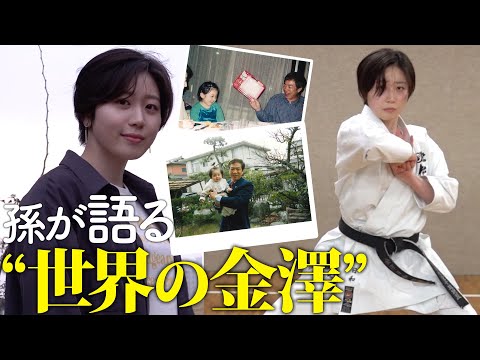
Honoring a Legend: Hiyori Kanazawa on Her Grandfather, the Master Hirokazu Kanazawa

The legacy of a martial arts master is a tapestry woven with dedication, skill, and the profound impact they have on their students and the art itself. Master Hirokazu Kanazawa, a name synonymous with Shotokan Karate, is one such titan whose influence resonates across the globe. But beyond the dojo, beyond the powerful techniques and the philosophical depth, lies the personal legacy. This is where his granddaughter, Hiyori Kanazawa, steps into the light, offering a unique perspective on the man behind the legend, the "Sensei Kanazawa" revered worldwide. This piece, intrinsically linked to the May 2022 issue of *Gekkan Hiden* (Monthly Secret Teachings) magazine, delves into the "BU" (martial) and "BI" (beauty) of Shotokan Karate as seen through the eyes of a new generation. Hiyori's insights promise a fresh, intimate look at a martial arts icon, bridging the gap between the historical figure and the living tradition he fostered.

Table of Contents

Introduction: The Legacy of Hirokazu Kanazawa

The world of martial arts is replete with figures whose names are etched in history, but few possess the widespread recognition and respect afforded to Hirokazu Kanazawa. As a direct student of the founder of Shotokan Karate, Gichin Funakoshi, and later a prominent figure within the Japan Karate Association (JKA) and eventually the founder of the Shotokan Karate-do International Federation (SKIF), Kanazawa Sensei's journey is a testament to unwavering dedication. His influence spans continents, shaping the practice and understanding of Karate for countless individuals. The original article published in *Gekkan Hiden* aimed to capture this multifaceted legacy, presenting not just the technical prowess but the deeper philosophical underpinnings of his art. This video, however, offers a different, perhaps even more poignant, dimension by focusing on Hiyori Kanazawa's personal reflections. It’s a reminder that even the most celebrated masters are, first and foremost, human beings with families and personal histories.
"The way of the warrior is to confront the world with the spirit of the warrior." - Hirokazu Kanazawa

Hiyori Kanazawa: A Granddaughter's Gaze

Hiyori Kanazawa, a practitioner in her own right and carrying the mantle of her esteemed grandfather, provides an invaluable perspective. Her viewpoint is not that of a detached historian or a distant admirer, but that of someone intimately connected to the Kanazawa lineage. This personal connection allows for a narrative that transcends mere technical description, venturing into the heart of what made Hirokazu Kanazawa not just a master of *Karate-do*, but a respected figure in the broader **BUDO** community. Her insights into her grandfather's character, his approach to training, and his philosophy offer a rare glimpse into the personal life of a man who dedicated his existence to the pursuit of Karate. This familial lens adds a layer of warmth and authenticity, humanizing the legend and making his teachings more relatable to a new generation of practitioners.

The "BU" and "BI" of Shotokan Karate

The concept of "BU" (武) signifies the martial aspect – the power, the strategy, the discipline, the combative effectiveness that are fundamental to any true martial art. It encompasses the technical execution of strikes, blocks, and movements, honed through relentless **training** and sparring. Within Shotokan, this manifests in the powerful, linear techniques, the deep stances, and the emphasis on speed and precision. Juxtaposed with "BU" is "BI" (美), representing beauty. This is not merely aesthetic appeal, but a deeper, more profound beauty found in the perfect execution of a technique, the grace of movement, the harmonious flow of action and reaction, and the inner peace that accompanies mastery. For Shotokan Karate, "BI" can be seen in the elegant arc of a punch, the controlled power of a block, the disciplined form of a kata, and the spiritual development that arises from dedicated practice. Hiyori Kanazawa, through her unique position, can articulate how these two seemingly disparate elements – the **combat** readiness and the aesthetic perfection – are not contradictory but intrinsically linked in her grandfather's philosophy and the practice of Shotokan.

Master Kanazawa's Enduring Influence

Hirokazu Kanazawa's impact on Karate is undeniable. He was instrumental in spreading Shotokan Karate-do internationally, establishing dojos and fostering a global community of practitioners. His approach emphasized both the rigorous technical aspects and the philosophical depth of Karate, ensuring that it was understood not merely as a fighting **fight**, but as a path to self-improvement and personal development. His legacy is carried on by his family and his students worldwide, who continue to uphold the principles he championed. The SKIF remains a testament to his vision, a global organization dedicated to preserving and promoting the art he loved. Through Hiyori's voice, we gain a renewed appreciation for the man whose life was a living embodiment of **BUDO** and the spirit of Karate.

Resources for Deepening Your Knowledge

To truly grasp the depth of Shotokan Karate and the philosophy of masters like Hirokazu Kanazawa, engaging with supplementary materials is essential. Understanding the historical context and the technical nuances can significantly enhance your practice.
  • DVDs featuring Hirokazu Kanazawa: For those who wish to see the master in action, his instructional DVDs are invaluable. His work, such as 'Karate Breathing Power Cultivation in Half a Month' and 'Karate Budo Live', provides direct insight into his teaching methods and the application of his techniques. These are crucial for anyone serious about understanding the practical **combat** applications and breathing principles he advocated.
  • Gekkan Hiden Magazine: This monthly publication is a cornerstone for martial arts enthusiasts in Japan, covering a vast array of disciplines from ancient **Jujutsu** and **Kenjutsu** to modern **Judo**, **Kendo**, and **Karate**. Its articles often delve into the philosophical and historical aspects of **martial arts**, offering a rich source of information.
  • BUDO JAPAN (.com): This website serves as a gateway for international audiences to explore Japanese martial arts. It features articles and videos on various disciplines, including **Jiu-Jitsu**, **Iaido**, **Aikido**, **Karate**, and **Judo**, providing context and introductions to the world of **BUDO**.

Training Guide: Shotokan Basics

While this post focuses on the philosophical and historical aspects, a true understanding of Shotokan Karate requires practical application. Here are fundamental elements that every practitioner should focus on, embodying the principles discussed.
  1. Stances (Tachi):Zenkutsu-dachi (front stance), Kōkutsu-dachi (back stance), and Kokutsu-dachi (cat stance). Proper stance work is the foundation of power generation and stability in Shotokan.
  2. Blocks (Uke): Practice essential blocking techniques like Gedan-barai (down block), Age-uke (up block), and Soto-uke (outward block). Focus on the hip rotation and body mechanics that generate power and ensure effectiveness.
  3. Strikes (Tsuki & Uchi): Develop precision and power in your punches (Tsuki) such as Gyaku-zuki (reverse punch) and Oi-zuki (lunge punch), and open-hand strikes (Uchi) like Shuto-uchi (knife-hand strike).
  4. Kicks (Geri): Begin with basic kicks such as Mae-geri (front kick) and Mawashi-geri (roundhouse kick). Focus on balance and proper extension.
  5. Kata: The forms (Kata) are the heart of Shotokan. Begin with the foundational Heian series, understanding the application of each movement and technique within the sequence. This is where the "BU" and "BI" truly converge.

Veredicto del Sensei: A Living Tradition

This exploration into the legacy of Hirokazu Kanazawa, through the heartfelt perspective of his granddaughter Hiyori, is more than a biographical sketch; it's a vital connection to the living heart of Shotokan Karate. It underscores that the true essence of a martial art isn't solely in the physical techniques, but in the continuity of its spirit, passed down through generations. Hiyori's insights into the "BU" and "BI" remind us that mastery is a harmonious blend of power and grace, action and contemplation. For practitioners, this offers a profound lesson: the legends of martial arts are not confined to history books or old films. They live on through their teachings, their lineage, and the passion of those who continue their journey. It reinforces the idea that **BUDO** is an evolving path, enriched by every new generation that embraces its core principles. Cinturón Negro en Legado y Perspectiva.

Frequently Asked Questions

Q1: Who was Hirokazu Kanazawa?
A1: Hirokazu Kanazawa was a highly respected Japanese master of Shotokan Karate, a direct student of Gichin Funakoshi, and the founder of the Shotokan Karate-do International Federation (SKIF). He is celebrated for his technical skill and his role in spreading Karate worldwide.

Q2: What is "Gekkan Hiden"?
A2: Gekkan Hiden (Monthly Secret Teachings) is a Japanese magazine dedicated to traditional Japanese martial arts and combat sports, covering a wide range of disciplines and their philosophies.

Q3: What is the significance of "BU" and "BI" in Karate?
A3: "BU" (武) refers to the martial aspect – power, technique, and combative efficacy. "BI" (美) signifies beauty, seen in the grace, precision, and spiritual harmony of movement. In Shotokan, these are considered complementary aspects of mastery.

Q4: How does Hiyori Kanazawa contribute to the legacy of her grandfather?
A4: As his granddaughter and a practitioner herself, Hiyori offers a personal and contemporary perspective on Hirokazu Kanazawa's life, teachings, and the essence of Shotokan Karate, bridging the gap between past and present.

Further Exploration in Your Path

To continue your journey into the profound world of martial arts and cultivate the spirit of **BUDO**, I recommend delving into these related topics:

Reflection of the Sensei: Your Next Step

Hiyori Kanazawa shares her grandfather's legacy, revealing the blend of power and grace that defines Shotokan. The question you must now confront is not merely about watching, but about *doing*. How will you infuse the "BU" and "BI" into your own training? Will you seek only the outward appearance of skill, or will you strive for the inner harmony that true mastery demands? The path is yours to walk. ``` GEMINI_METADESC: Explore the legacy of Hirokazu Kanazawa through the eyes of his granddaughter, Hiyori Kanazawa. Discover the "BU" and "BI" of Shotokan Karate and the enduring spirit of Budo.

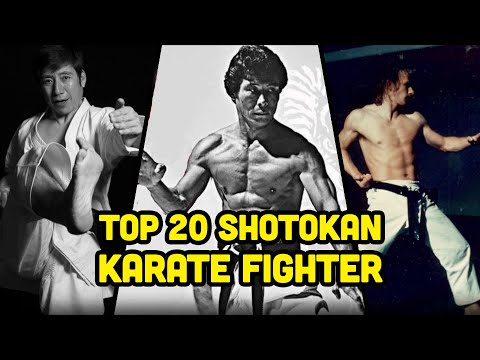
The Pantheon of Shotokan: Unveiling the Top 20 Masters Who Defined Budo

The air in the dojo crackles with a silent intensity. It's the hum of discipline, the echo of countless hours spent honing the body and mind. Shotokan Karate, a name synonymous with power, precision, and an unbroken lineage stretching back to the dawn of modern martial arts, is more than just a fighting style; it's a philosophy etched in motion. But who are the titans, the individuals whose very names evoke awe and respect within the hallowed halls of Budo? Who are the fighters who didn't just practice Shotokan, but embodied its spirit, pushing its boundaries and leaving an indelible mark on the world of martial arts? This is not merely a list; it is an investigation into the soul of a discipline that has shaped warriors and fostered self-mastery for generations.

The Genesis of Shotokan Greatness

Shotokan Karate, a cornerstone of modern martial arts, didn't spring into existence fully formed. It was forged in the crucible of Okinawa, refined by visionary masters, and disseminated across the globe by dedicated practitioners. Its very name, "Shoto," meaning "waving pine," reflects the serene yet powerful nature that its founder, Gichin Funakoshi, sought to instill. When we speak of the "greatest fighters," we're not just referring to those who dominated competitions, but to individuals who exemplified the highest ideals of Shotokan: technical brilliance, unwavering spirit, and a profound commitment to the principles of Budo.

But let's cut through the polite introductions. Are we talking about pure sport Karate, or does the definition of "fighter" encompass those who preserved the art's combative integrity? The line can blur, and it's precisely this tension that makes dissecting Shotokan's legacy so compelling. In this deep dive, we will not shy away from controversy, but rather embrace it, for it is through rigorous debate that true understanding is born.

The Pillars: Funakoshi and Nakayama

No discussion of Shotokan greatness can begin without acknowledging its spiritual and practical architects. Gichin Funakoshi (1868-1957) is, without question, the linchpin. His journey from Okinawa to mainland Japan, introducing *Te* (hand techniques) as Karate, fundamentally altered the martial landscape. Funakoshi wasn't just a fighter; he was a philosopher-warrior who translated the raw effectiveness of Okinawan fighting into a structured system, emphasizing the moral and ethical dimensions alongside the physical.

"Karate is not a copy of other arts, just as the pine is not a copy of the willow. Its strength is not merely in its execution, but in its perfection." - Gichin Funakoshi

His student, Masatoshi Nakayama (1913-1987), inherited this monumental task. Nakayama was the organizational genius and the driving force behind the Japan Karate Association (JKA). He not only codified the techniques and katas, ensuring a degree of standardization that allowed Shotokan to spread universally, but he also championed the competitive aspect, recognizing its power in testing and refining techniques under pressure. Nakayama's vision was pragmatic: to ensure Shotokan's relevance and effectiveness in a changing world. His influence on competitive Karate is undeniable.

Masters of the Golden Age

The decades following Funakoshi and Nakayama's foundational work saw an explosion of talent. These were the men who took the established framework and infused it with their unique fire, forging careers that would inspire generations. The late 20th century, in particular, was a fertile period for Shotokan fighters who excelled not only in kata but in the intense, high-speed combat of kumite.

We speak of:

  • Hirokazu Kanazawa (b. 1931): A student of Nakayama, Kanazawa is a legend for his technical prowess and dynamic energy. His mastery of both kata and kumite, coupled with his extensive international teaching, solidified his place in history. His influence transcends mere fighting; he is an educator of Budo.
  • Taiji Kase (1935-2004): Known for his powerful techniques and dynamic stances, Kase was another prominent figure within the JKA. He later developed his own style, encouraging innovation while staying true to Shotokan principles. His approach to the art was often described as forceful and direct, reflecting a deep understanding of combat application.
  • Hidetaka Nishiyama (1928-2008): A student of Funakoshi, Nishiyama was instrumental in establishing Karate in the United States and was a key figure in the formation of the International Traditional Karate Federation (ITKF). He advocated for Karate as a path to self-development, not just a fighting sport.
  • Keinosuke Enoeda (1935-1993): Often dubbed the "Tiger of Shotokan," Enoeda was renowned for his incredible speed, powerful techniques, and fierce fighting spirit. His presence on the mat was electrifying, a true testament to the combative potential of Shotokan.

These names, and many others like Tetsuhiko Asai, Takashi Mikami, and Yoshiaki Ushiro, represent a golden era where the theoretical principles of Shotokan were put to the ultimate test in live combat scenarios, both in dojo sparring and international tournaments. Their dedication to rigorous training, often involving punishing physical conditioning and repetitive drilling, is a lesson in itself. Are you putting in that level of commitment, or are you content with superficial understanding?

Contemporary Icons and Their Legacies

While the "golden age" produced many legends, the evolution of Shotokan has continued. Modern fighters, often competing in highly specialized sport Karate circuits, continue to push the envelope. Names like Antonio Oliva, Shinji Nagaki, and Toru Shimizu have carved out significant legacies. Their ability to adapt Shotokan's principles to the demands of modern competition, where milliseconds matter and strategy is paramount, is a testament to the art's enduring viability.

However, a word of caution: does the intense focus on sport Karate sometimes dilute the deeper philosophical aspects that Funakoshi emphasized? This is a question that sparks heated debate in martial arts circles. Some argue that the scoring system and rulesets can inadvertently encourage techniques that are less effective in a real self-defense scenario, while others contend that competitive pressure refines techniques to their most efficient form. Where do you stand on this crucial distinction?

The Philosophical Underpinnings of Mastery

To truly understand the "greatest" Shotokan fighters, one must look beyond their physical prowess. At its heart, Shotokan is a discipline rooted in the principles of Budo – the Way of the Warrior. This path emphasizes not only the combat skills but also moral development, mental fortitude, and spiritual growth. Concepts like Mushin (no mind), Zanshin (continuous awareness), and Fudoshin (immovable mind) are not mere buzzwords; they are the guiding principles that separate a mere fighter from a true martial artist.

"The ultimate aim of Karate is not winning or losing, but the perfection of the human character." - Gichin Funakoshi

The dedication required to achieve mastery in Shotokan is immense. It demands not only physical training but also deep introspection and an unwavering commitment to self-improvement. This is where the true "fighting" occurs – the internal battle against one's own limitations, fears, and ego. It is this internal struggle that, when conquered, allows the external techniques to flow with true power and purpose. Think of the discipline required for Kyokushin Karate's legendary conditioning; Shotokan, while different in its expression, demands a similar internal fortitude.

Sharpening Your Own Blade: Training for Excellence

The path to becoming a formidable Shotokan practitioner, whether for competition or personal development, is paved with consistent and intelligent training. While the specific techniques and approaches of the masters differ, certain core principles remain universal:

  1. Master the Fundamentals: Do not underestimate the power of the basics. Perfect your stances (dachi), punches (tsuki), blocks (uke), and kicks (geri). This is the bedrock upon which all advanced techniques are built.
  2. Kata as a Blueprint: Treat each kata not as a dance, but as a detailed combat simulation. Understand the bunkai (applications) behind every movement. Practice it repeatedly until the techniques become instinctive.
  3. Kumite Dynamics: Engage in sparring (kumite) with a focus on strategy, timing, and control. Seek partners who challenge you, forcing you to adapt and think on your feet. Learn from both your successes and your failures.
  4. Physical Conditioning is Non-Negotiable: Develop explosive power, endurance, and flexibility. Incorporate cardiovascular training, strength conditioning, and flexibility exercises into your routine. The body is the weapon; it must be honed.
  5. Mental Fortitude is Key: Cultivate focus, discipline, and resilience. Practice meditation or mindfulness techniques to enhance your awareness and composure under pressure.

Remember, the journey is as important as the destination. The greatest fighters weren't born; they were made through relentless dedication. Are you willing to make that commitment?

Essential Gear for the Dedicated Budoka

While Shotokan Karate can be practiced with minimal equipment, certain items can significantly enhance your training experience and help you emulate the dedication of the masters.

  • Karategi (Uniform): A high-quality, durable Karategi is essential. Look for one made from heavy-duty cotton that can withstand the rigors of intense training and frequent washing. Brands like Karate Merchandise or specific Kyokushin Gi manufacturers often offer excellent options.
  • Karate Belt: As you progress, your belt signifies your level of dedication and understanding. Ensure it's securely tied – a loose belt is a sign of a loose mind.
  • Mouthguard: For sparring (kumite), a properly fitting mouthguard is non-negotiable for protecting your teeth and jaw.
  • Groin Protector: Essential for protecting against accidental strikes during sparring.
  • Training Mats (optional): If you're practicing at home, especially dynamic techniques or falling drills, padded mats can provide a safer training environment and reduce the risk of injury.

Sensei's Verdict: The Enduring Impact

The concept of a definitive "Top 20" is inherently subjective, a testament to the diverse interpretations and expressions of Shotokan Karate throughout history. What unites these masters, from the foundational figures like Funakoshi and Nakayama to the titans of competition like Enoeda and Kanazawa, is their unwavering commitment to the art. They didn't just perform techniques; they lived the philosophy. They demonstrated that Shotokan Karate is a powerful combative system, a rigorous physical discipline, and a profound path to personal growth. Their legacies are not merely in the records they set, but in the countless practitioners they have inspired to take up the mantle of Budo.

Score: Black Belt in Legacy and Influence

Frequently Asked Questions

Who is considered the founder of Shotokan Karate?
Gichin Funakoshi is widely regarded as the founder of Shotokan Karate. He introduced the style from Okinawa to mainland Japan.
What is the difference between Shotokan and other Karate styles?
Shotokan is characterized by its deep stances, powerful linear techniques, and emphasis on strong fundamental movements. While all Karate styles share common roots, Shotokan's specific approach to stances, kihon (basics), and kata differentiates it.
Is Shotokan Karate effective for self-defense?
Yes, Shotokan Karate, when practiced with a focus on practical application and combative principles, can be highly effective for self-defense. However, like any art, its effectiveness depends on the practitioner's training, intent, and understanding of real-world situations.
What does "Budo" mean in the context of Shotokan?
Budo translates to "the Way of the Warrior." In Shotokan, it signifies that the practice of Karate extends beyond physical techniques to encompass discipline, respect, mental fortitude, and personal development.

Deeper Dives into the Budo Path

The journey into the world of Shotokan and the broader martial arts landscape is continuous. For those seeking to deepen their understanding and connect with a vibrant community, the following resources are invaluable:

  • Explore the foundational principles of martial philosophy in our article on BUDO.
  • Understand the physical demands and strategic nuances of modern combat in our analysis of Artes Marciales Mixtas.
  • Discover the importance of mental resilience and self-mastery in our guide to Self Improvement.

In conclusion, Shotokan Karate stands as a monumental pillar in the edifice of martial arts. The fighters we have highlighted are not just practitioners; they are custodians of a legacy, warriors who have not only mastered technique but have also illuminated the profound philosophical depths of this ancient art form. Their dedication serves as a perpetual challenge to us all: to pursue not just strength, but wisdom; not just victory, but character.

Reflexión del Sensei: Tu Próximo Paso

You have walked through the hallowed halls, glimpsed the faces of legends. But true understanding does not come from observation alone. It is forged in sweat, in frustration, in the relentless pursuit of perfection. Now, tell me: which of these masters' spirits resonates most deeply with your own martial aspirations? And more importantly, what single, concrete action will you take today to embody a fraction of their dedication in your own training? The path is yours to walk, but the first step must be taken with intention.

Mikio Yahara: The Unyielding Spirit of Shotokan Karate and the Rediscovery of Budo

The Uncompromising Fighter

Welcome, students of the martial path. Today, we delve into the life and legacy of a man whose name resonates with the very essence of dynamic Shotokan Karate: Mikio Yahara. Born in 1947, Yahara Sensei is not merely a practitioner; he is a force of nature within the dojo and a living testament to the power of unwavering spirit. Masatoshi Nakayama, a titan of Karate himself, recognized this when he declared Yahara "the best fighter of his generation." This is not hyperbole; it is a pronouncement earned through sweat, discipline, and an unshakeable commitment to the principles of martial combat.

But what truly sets Yahara Sensei apart, and what we will explore today, is his profound dedication to reintroducing Karate to its ancient Budo roots. In an era where Karate often drifts towards sport or mere physical exercise, Yahara Sensei stands as a beacon, reminding us of the deeper, combative, and spiritual dimensions of our art. Prepare yourselves for a lesson not just in Karate, but in the enduring philosophy of the warrior.

Forged in the Crucible of the JKA

Mikio Yahara emerged from the prestigious Japan Karate Association (JKA) dojo, an institution synonymous with the standardization and global dissemination of Shotokan Karate. This was no easy environment. The JKA of Yahara's formative years was a breeding ground for exceptional talent, a place where only the strongest, most dedicated, and most skilled could thrive. To be recognized within this elite group, let alone singled out for praise, speaks volumes about Yahara's innate abilities and relentless work ethic.

His achievements within the JKA are legendary. Winning the JKA Grand Championship is not a minor feat; it signifies conquering the highest echelon of competitive Karate. This victory was more than just a trophy; it was a declaration of dominance, a validation of his physical prowess and tactical acumen. He proved himself on the most demanding stage, a feat that solidified his reputation as a formidable competitor.

"The JKA was a proving ground. Every session, every kumite, was a test. Yahara didn't just pass these tests; he redefined them."

His early success wasn't accidental. It was the direct result of countless hours spent honing his techniques, perfecting his timing, and cultivating an indomitable spirit. The intensity of training within the JKA under masters like Nakayama instilled a level of discipline and combat readiness that few could match.

A Style Born of Necessity

What made Mikio Yahara a fan favorite and a feared opponent was his truly unique fighting style. It wasn't simply about executing perfect techniques; it was about a raw, energetic, and often unpredictable approach to kumite. This dynamism wasn't just for show; it was a product of his deep understanding of combat and his commitment to effectiveness.

In the world of martial arts, especially in competition, styles often evolve. Some become more reliant on speed, others on power, and some on strategic point-scoring. Yahara Sensei, however, embodied a style that was both explosive and deeply rooted. He attacked with a ferocity that belied his technical precision, making him a captivating figure to watch. His movements were not just movements; they were manifestations of focused intent, designed to overwhelm and disable an opponent.

This fighting style, described as "energetic" and "dynamic," is a hallmark of true martial artists who understand that combat is not static. It requires adaptability, a willingness to press the advantage, and the courage to face adversity head-on. His approach was a stark contrast to more conservative styles, making him a standout performer and an inspiration to many who sought a more aggressive, yet still principled, way to fight.

The impact of such a style on the perception of Shotokan Karate cannot be overstated. It demonstrated that the art, while possessing a rich tradition, could also be expressed through powerful, modern combat applications. This versatility is key to the longevity of any martial art, and Yahara Sensei was a living embodiment of this principle.

The Path Back to Budo

While his prowess in competition is undeniable, it is Yahara Sensei's later focus on the philosophical underpinnings of Karate that has cemented his status as a modern master. He is a fervent advocate for reintroducing Karate to its original Budo roots. This is a critical distinction and one that resonates deeply with those who believe Karate is more than just a sport.

Budo, the "way of warfare" or "martial way," encompasses not just technical proficiency but also the spiritual, ethical, and mental cultivation of the practitioner. It emphasizes discipline, respect, self-control, and the development of character. In its purest form, Budo is a lifelong path of self-improvement, where combat is a means to an end—the perfection of self—rather than the ultimate goal.

"Karate, in its original Budo context, was not merely about striking. It was about understanding the totality of conflict, both external and internal."

Yahara Sensei's commitment to this philosophy is not just theoretical; it's a guiding principle in his teachings and his personal practice. He believes that by returning to these core principles, Karate can regain its profound depth and continue to be a transformative force in practitioners' lives. This perspective challenges many modern interpretations of Karate, which may focus heavily on sport Karate or self-defense without fully embracing the holistic development inherent in traditional Budo.

His exploration of Budo Karate has made him a pivotal figure today, guiding Karateka toward a more complete understanding of their art. This is crucial in a world that often separates physical training from mental and spiritual growth. Yahara Sensei bridges this gap, reminding us that the strongest fighter is not just the one with the most powerful technique, but the one with the most disciplined and enlightened mind.

The journey back to Budo is a call to arms for martial artists worldwide. It is an invitation to look beyond the immediate rewards of competition or self-defense and to embrace the lifelong pursuit of wisdom and character development that martial arts, at their best, offer.

Enduring Influence and the Future of Karate

Mikio Yahara's influence extends far beyond his competitive achievements. His dedication to the Budo aspect of Karate ensures that his teachings will continue to shape the art for generations to come. He represents a vital bridge between the historical roots of Karate and its future potential.

As Karate continues to evolve, with its inclusion in the Olympic Games and its diverse manifestations across the globe, voices like Yahara Sensei's are essential. They serve as a reminder of the art's origins and its potential for profound personal development. His legacy is not just in the techniques he performed, but in the philosophical direction he champions for Karate.

The question for practitioners today is: How do we integrate the dynamism and competitive spirit, for which Yahara Sensei is renowned, with the depth and wisdom of Budo? It is a challenge that requires careful consideration, dedication, and a willingness to look beyond superficial achievements. The path forward for Karate, as championed by masters like Yahara, involves a holistic approach that nourishes both the body and the spirit.

Sensei's Verdict: A Champion's Legacy

Mikio Yahara is more than just a decorated Karateka; he is a living embodiment of the martial spirit. His career exemplifies the peak of Shotokan competition, earning him accolades and the respect of his peers. Yet, it is his unwavering commitment to the deeper principles of Budo that truly elevates his status. He reminds us that true mastery lies not only in victory but in the continuous pursuit of self-perfection and the preservation of an art's soul.

Rating: 10th Dan in Legacy & Philosophy

Essential Training Gear for Karateka

To emulate the dedication of masters like Mikio Yahara, having the right equipment is fundamental. Quality training gear not only enhances performance but also ensures safety and respect for the dojo.

  • High-Quality Karate Gi: Look for a double-weave or heavyweight gi for durability during intense kumite and kata. Brands offering a good balance of tradition and modern fit are ideal.
  • Protective Gear: For sparring (kumite), ensure you have proper sparring gear including mitts, foot protectors, and a chest protector. Safety is paramount.
  • Training Mats (if applicable): For home practice or specific dojo drills, consider mats that offer good cushioning and grip.
  • Bokken or Bo Staff (for related disciplines): While not always central to Shotokan, if exploring weapons-based Budo, a wooden sword (bokken) or staff (bo) is essential.
  • Books on Budo and Karate History: Supplement your physical training with knowledge. Understanding the philosophy and history deepens your practice.

Investing in quality Karate merchandise is an investment in your own development.

Frequently Asked Questions

Who is Mikio Yahara?
Mikio Yahara is a highly respected 10th Dan Shotokan Karate practitioner, renowned for his dynamic fighting style and his advocacy for returning Karate to its Budo roots.
What is Budo Karate?
Budo Karate emphasizes the martial way, focusing not only on combat techniques but also on the spiritual, ethical, and mental development of the practitioner, akin to traditional samurai disciplines.
What was Yahara's significance in the JKA?
Yahara was considered "the best fighter of his generation" by Masatoshi Nakayama and won the prestigious JKA Grand Championship, showcasing exceptional skill and competitive spirit.
Why is his focus on Budo important today?
In a landscape where Karate can sometimes lean heavily towards sport or self-defense without deeper philosophical engagement, Yahara Sensei's emphasis on Budo reminds practitioners of the art's holistic potential for character development and spiritual growth.

To Dive Deeper Into Your Journey

The path of the martial artist is one of continuous learning. To further enrich your understanding and practice, explore these related topics:

Reflexión del Sensei: Tu Próximo Paso

Yahara Sensei's life is a testament to the idea that true martial arts mastery is a blend of fierce combat effectiveness and profound philosophical depth. He urges us to look beyond the immediate victory and seek the enduring lessons of the path. Now, I ask you:

Can the fierce warrior and the contemplative sage truly coexist within a single martial artist? And if so, how does one cultivate both without sacrificing the essence of the other?

Share your thoughts, your doubts, and your insights. Let us engage in a discussion that honors the spirit of Budo and the legacy of masters like Mikio Yahara.

``` GEMINI_METADESC: Explore the dynamic fighting style and profound Budo philosophy of 10th Dan Shotokan Karate master Mikio Yahara, hailed as the best fighter of his generation.

Top 5 Shotokan Karate Masters: Pillars of a Global Martial Art

Is Shotokan Karate merely a series of powerful techniques, or is it a profound path to self-mastery? Many practitioners chase the perfect punch, the crispest block, or the most dynamic kick, yet often miss the deeper currents that flow beneath the surface of this venerable martial art. Are we truly living the Budo spirit, or are we just performing movements? Today, we delve into the very heart of Shotokan, not just by dissecting its techniques, but by honoring the titans who shaped it, challenged its evolution, and ensured its survival through sheer dedication. Prepare to confront the legacy of the masters.

Introduction: The Unwavering Spirit of Shotokan

Karate, a discipline born on the shores of Okinawa, Japan, has transcended its origins to become a global phenomenon. Among its myriad styles, Shotokan stands as a colossus, a testament to the vision of its founder, Gichin Funakoshi. Forged in the early 20th century, Shotokan is characterized by its thunderous strikes, acrobatic kicks, and an almost monastic devotion to rigorous training and unwavering discipline. But what truly elevates Shotokan beyond mere physical combat? It's the philosophy, the character development, the Budo spirit that these masters embodied and transmitted.

In this exposé, we move beyond a simple list. We dissect the contributions of five titans whose influence reverberates through every dojo today. These are not just names in a history book; they are the architects of a martial art that continues to shape minds and bodies worldwide. Are they truly the "best," or were they simply the most *influential*? That's a debate for the ages, one we'll certainly ignite.

1. Gichin Funakoshi: The Father of Modern Karate

To speak of Shotokan is to speak of Gichin Funakoshi. Born in Okinawa in 1868, this visionary is not merely the founder; he is the very bedrock upon which modern Karate is built. Often hailed as the "father of modern Karate," Funakoshi dedicated his life to refining and popularizing this art form. His journey began at a young age, immersed in the traditional Okinawan fighting arts. Yet, it was his move to Tokyo in 1922 that proved pivotal, introducing Karate to mainland Japan and setting the stage for its global ascent.

Funakoshi’s approach transcended mere physical prowess. He stressed the paramount importance of character development, believing that the true essence of Karate lay not in defeating an opponent, but in perfecting oneself. His teachings are encapsulated in his immortal words:

"The ultimate aim of Karate lies not in victory or defeat, but in the perfection of the character of its participants."

This philosophical anchor is what separates true Budo from mere fighting. His legacy is not just in the techniques, but in the enduring spirit of self-improvement that defines Shotokan.

2. Masatoshi Nakayama: Architect of the JKA System

Emerging from the shadow of Funakoshi, Masatoshi Nakayama stands as one of the most crucial figures in shaping Shotokan into the structured, globally recognized art it is today. Born in 1913, Nakayama was not just a student; he was an innovator, a strategist, and the driving force behind the establishment of the Japan Karate Association (JKA) in 1949. As its chief instructor for many years, he meticulously codified training methodologies, ensuring a consistent and effective transmission of Funakoshi's teachings.

Nakayama’s contribution extends beyond organizational prowess. He authored several seminal books on Karate, delving deep into the technical nuances and practical application of Shotokan techniques. His work in developing the JKA's comprehensive training program was instrumental in standardizing Karate instruction, making it accessible and replicable across different regions. He understood that for an art to truly flourish, it needs a robust system. Did he achieve that system, or did he inadvertently create rigidity? The debate rages, but his impact is undeniable.

3. Hidetaka Nishiyama: The American Pioneer

While Funakoshi laid the foundation and Nakayama built the structure, Hidetaka Nishiyama carried the torch across the Pacific, becoming a pivotal figure in the development of Karate in the United States. Born in 1928, Nishiyama made his significant move to the U.S. in 1960, armed with a profound understanding of Shotokan and a burning desire to share it.

His entrepreneurial spirit led him to found the All American Karate Federation (AAKF) in 1969. Through relentless promotion via tournaments, demonstrations, and educational initiatives, Nishiyama was instrumental in igniting the Karate boom in America. He wasn't just teaching techniques; he was cultivating a community. Like Nakayama, he authored several influential books, but his particular genius lay in his meticulous focus on the technical intricacies of the martial art, ensuring that the purity of Shotokan remained intact amidst its rapid expansion. How much of the American Karate scene owes its existence to his direct efforts?

"Karate is a martial art that originated in Okinawa, Japan... One of the most popular styles of Karate is Shotokan Karate..."

4. Taiji Kase: The Technical Virtuoso and Spiritual Seeker

Taiji Kase, born in 1929, represents a different facet of Shotokan mastery – a deep technical prowess interwoven with a profound spiritual understanding. While many focused on the competitive aspects or the organizational structures, Kase delved into the *essence* of Karate, exploring its spiritual dimensions alongside its physical manifestations. His understanding of Ki (life force) and its application in martial arts was legendary.

Relocating to Europe in the 1960s, Kase became a crucial catalyst for Karate's growth on the continent. His founding of the European Shotokan Karate Association (ESKA) in 1975 and his long tenure as its chief instructor cemented his influence. Kase’s teachings often emphasized subtle yet powerful principles, encouraging practitioners to look beyond brute force and discover the efficiency and fluidity inherent in well-executed technique. He embodied the idea that true power comes not just from muscle, but from cultivated energy and precise intent.

5. Hirokazu Kanazawa: The Living Legacy

In the pantheon of Shotokan masters, Hirokazu Kanazawa (born 1931) stands as a living embodiment of the art’s technical brilliance and its traditional roots. A top student under Masatoshi Nakayama, Kanazawa honed his skills within the prestigious Japan Karate Association (JKA), serving as an instructor and further refining his understanding of the style.

However, his vision extended beyond the JKA. In 1977, he founded the Shotokan Karate International Federation (SKIF), an organization that has grown to encompass millions of practitioners worldwide. Kanazawa is renowned for his exceptional technique, his dynamic demonstrations, and his unwavering commitment to preserving the traditional spirit of Karate while adapting it for the modern practitioner. He represents continuity and evolution, a master who has not only mastered Shotokan but has also become its global ambassador.

Veredict of the Sensei: Acknowledging the Pillars

To definitively rank these masters as "best" is a fool's errand, akin to asking if a sword is better than a spear – it depends entirely on the wielder and the context. What is undeniable is their collective impact. Funakoshi ignited the flame, Nakayama built the engine, Nishiyama spread the fuel across continents, Kase explored its deeper energies, and Kanazawa continues to fan the flames with unparalleled technical mastery. They are the indispensable pillars upon which modern Shotokan rests. Without them, the landscape of martial arts would be drastically different. They represent different facets of mastery: the visionary founder, the systematic organizer, the international pioneer, the technical-spiritual synthesist, and the living repository of tradition. Each deserves profound respect.

Essential Equipment for Your Training

While the mind and spirit are the ultimate tools in Karate, the right equipment can significantly enhance your training, safety, and progression. For Shotokan practitioners, focusing on durability and proper fit is key:

  • Karate Gi: Look for a double-woven or heavyweight gi (kimono) for sparring and advanced training. A 10-12 oz gi offers good durability and a satisfying snap during technique execution. Brands like Adidas, Mizuno, and Shureido are highly regarded.
  • Belts (Obi): Ensure your belt is strong enough to withstand the rigors of training, especially during grappling or intense kata practice. A multi-layered cotton belt is recommended.
  • Mouthguard: Essential for sparring. A custom-fitted mouthguard offers the best protection and comfort.
  • Groin Protector (for males): A non-negotiable piece of safety gear for any full-contact sparring.
  • Shin and Instep Guards: Increasingly common and recommended for sparring, especially for practitioners focusing on dynamic kicks, to prevent injuries.
  • Training Mats (optional): For practicing falls (ukemi) and some solo drills, especially if training at home.

Training Guide: Mastering the Fundamentals

The essence of Shotokan lies in its foundational techniques. Mastery doesn't come from complexity, but from perfecting the simple. Here’s a basic framework for practicing key elements:

  1. Stances (Dachi):
    • Zenkutsu-dachi (Forward Stance): Focus on a deep, stable base, ensuring the front knee is aligned over the toes and the back leg is straight and firm. Practice transitioning smoothly into and out of this stance.
    • Kiba-dachi (Horse Stance): Maintain a wide, low stance with knees pushed outwards. Ensure the back is straight and the core is engaged. Practice holding this stance for extended periods to build leg strength and stability.
    • Kokutsu-dachi (Backward Stance): Shift weight predominantly to the rear leg, keeping the front leg light for quick retraction or extension. Ensure the back is straight and the hips are relatively square to the front.
  2. Basic Strikes (Tsuki):
    • Choku-zuki (Middle Punch): Practice with a straight, linear motion, focusing on hip rotation and exhaling sharply at the point of impact. Ensure a clean retraction of the fist.
    • Gedan-barai (Downward Block): Execute with power from the shoulder, drawing a straight line downwards to deflect an incoming attack. Maintain a strong, stable stance throughout.
  3. Basic Blocks (Uke):
    • Age-uke (Rising Block): Practice deflecting attacks aimed at the head. Ensure the block travels in a clear upward path, using the forearm as the primary defensive surface.
    • Soto-uke (Outside Block): Visualize deflecting a blow coming from the outside (e.g., across the face). Focus on a circular motion originating from the elbow.
  4. Kata Practice:
    • Begin with the fundamental kata like Taigyoku (if taught in your dojo) or Heian Shodan. Focus on precise movements, correct stances, breathing, and the underlying Budo principles within each sequence.
    • Record yourself practicing kata and analyze your form, looking for improvements in posture, power generation, and fluidity.
  5. Conditioning:
    • Incorporate basic conditioning exercises like push-ups, squats, and core work daily.
    • Practice dynamic stretching before training and static stretching afterwards to improve flexibility and prevent injuries.

Frequently Asked Questions

What is the difference between Shotokan and other Karate styles?

Shotokan, founded by Gichin Funakoshi, is known for its deep, long stances (like Zenkutsu-dachi), powerful linear movements, and strong emphasis on basic techniques (kihon) and kata. Other styles might emphasize different stances, faster or more circular movements, or different philosophical underpinnings.

Is Shotokan Karate effective for self-defense?

Yes, when taught and practiced with the correct intent. While its primary focus is on character development and discipline, the powerful techniques, effective blocking strategies, and physical conditioning inherent in Shotokan provide a solid foundation for self-defense. However, practical application often requires specific training in close-quarters combat and realistic scenarios.

How important is the philosophical aspect of Shotokan?

The philosophical aspect, encapsulated in Funakoshi's quote about character perfection, is arguably the most important element. It elevates Karate from a mere fighting system to a path of personal growth (Do). Without this understanding, one risks practicing only the physical shell without the true Budo spirit.

What is "Ki" in the context of Shotokan?

Ki (or Qi) refers to life force or energy. In Shotokan, understanding and harnessing Ki is crucial for generating power efficiently, moving fluidly, and developing presence. Masters like Taiji Kase specifically emphasized this aspect, showing how focused intent and breath control can amplify physical techniques.

Are Shotokan masters still actively teaching today?

While the foundational masters mentioned have passed on, their students and grand-students continue to teach and lead organizations worldwide. Masters like Hirokazu Kanazawa have been active for decades, preserving and propagating the art. New generations of skilled instructors are also emerging globally.

Veredict of the Sensei: Acknowledging the Pillars

To definitively rank these masters as "best" is a fool's errand, akin to asking if a sword is better than a spear – it depends entirely on the wielder and the context. What is undeniable is their collective impact. Funakoshi ignited the flame, Nakayama built the engine, Nishiyama spread the fuel across continents, Kase explored its deeper energies, and Kanazawa continues to fan the flames with unparalleled technical mastery. They are the indispensable pillars upon which modern Shotokan rests. Without them, the landscape of martial arts would be drastically different. They represent different facets of mastery: the visionary founder, the systematic organizer, the international pioneer, the technical-spiritual synthesist, and the living repository of tradition. Each deserves profound respect.

Essential Equipment for Your Training

While the mind and spirit are the ultimate tools in Karate, the right equipment can significantly enhance your training, safety, and progression. For Shotokan practitioners, focusing on durability and proper fit is key:

  • Karate Gi: Look for a double-woven or heavyweight gi (kimono) for sparring and advanced training. A 10-12 oz gi offers good durability and a satisfying snap during technique execution. Brands like Adidas, Mizuno, and Shureido are highly regarded.
  • Belts (Obi): Ensure your belt is strong enough to withstand the rigors of training, especially during grappling or intense kata practice. A multi-layered cotton belt is recommended.
  • Mouthguard: Essential for sparring. A custom-fitted mouthguard offers the best protection and comfort.
  • Groin Protector (for males): A non-negotiable piece of safety gear for any full-contact sparring.
  • Shin and Instep Guards: Increasingly common and recommended for sparring, especially for practitioners focusing on dynamic kicks, to prevent injuries.
  • Training Mats (optional): For practicing falls (ukemi) and some solo drills, especially if training at home.

Training Guide: Mastering the Fundamentals

The essence of Shotokan lies in its foundational techniques. Mastery doesn't come from complexity, but from perfecting the simple. Here’s a basic framework for practicing key elements:

  1. Stances (Dachi):
    • Zenkutsu-dachi (Forward Stance): Focus on a deep, stable base, ensuring the front knee is aligned over the toes and the back leg is straight and firm. Practice transitioning smoothly into and out of this stance.
    • Kiba-dachi (Horse Stance): Maintain a wide, low stance with knees pushed outwards. Ensure the back is straight and the core is engaged. Practice holding this stance for extended periods to build leg strength and stability.
    • Kokutsu-dachi (Backward Stance): Shift weight predominantly to the rear leg, keeping the front leg light for quick retraction or extension. Ensure the back is straight and the hips are relatively square to the front.
  2. Basic Strikes (Tsuki):
    • Choku-zuki (Middle Punch): Practice with a straight, linear motion, focusing on hip rotation and exhaling sharply at the point of impact. Ensure a clean retraction of the fist.
    • Gedan-barai (Downward Block): Execute with power from the shoulder, drawing a straight line downwards to deflect an incoming attack. Maintain a strong, stable stance throughout.
  3. Basic Blocks (Uke):
    • Age-uke (Rising Block): Practice deflecting attacks aimed at the head. Ensure the block travels in a clear upward path, using the forearm as the primary defensive surface.
    • Soto-uke (Outside Block): Visualize deflecting a blow coming from the outside (e.g., across the face). Focus on a circular motion originating from the elbow.
  4. Kata Practice:
    • Begin with the fundamental kata like Taigyoku (if taught in your dojo) or Heian Shodan. Focus on precise movements, correct stances, breathing, and the underlying Budo principles within each sequence.
    • Record yourself practicing kata and analyze your form, looking for improvements in posture, power generation, and fluidity.
  5. Conditioning:
    • Incorporate basic conditioning exercises like push-ups, squats, and core work daily.
    • Practice dynamic stretching before training and static stretching afterwards to improve flexibility and prevent injuries.

Frequently Asked Questions

What is the difference between Shotokan and other Karate styles?

Shotokan, founded by Gichin Funakoshi, is known for its deep, long stances (like Zenkutsu-dachi), powerful linear movements, and strong emphasis on basic techniques (kihon) and kata. Other styles might emphasize different stances, faster or more circular movements, or different philosophical underpinnings.

Is Shotokan Karate effective for self-defense?

Yes, when taught and practiced with the correct intent. While its primary focus is on character development and discipline, the powerful techniques, effective blocking strategies, and physical conditioning inherent in Shotokan provide a solid foundation for self-defense. However, practical application often requires specific training in close-quarters combat and realistic scenarios.

How important is the philosophical aspect of Shotokan?

The philosophical aspect, encapsulated in Funakoshi's quote about character perfection, is arguably the most important element. It elevates Karate from a mere fighting system to a path of personal growth (Do). Without this understanding, one risks practicing only the physical shell without the true Budo spirit.

What is "Ki" in the context of Shotokan?

Ki (or Qi) refers to life force or energy. In Shotokan, understanding and harnessing Ki is crucial for generating power efficiently, moving fluidly, and developing presence. Masters like Taiji Kase specifically emphasized this aspect, showing how focused intent and breath control can amplify physical techniques.

Are Shotokan masters still actively teaching today?

While the foundational masters mentioned have passed on, their students and grand-students continue to teach and lead organizations worldwide. Masters like Hirokazu Kanazawa have been active for decades, preserving and propagating the art. New generations of skilled instructors are also emerging globally.

For Further Learning on Your Path

Sensei's Reflection: Your Next Step

We have examined the giants upon whose shoulders the edifice of Shotokan Karate stands. Their dedication, their vision, their relentless pursuit of perfection are undeniable. But knowledge without application is like a powerful technique without proper execution – it lacks true meaning.

The question that lingers is not merely about their greatness, but about yours. Are you merely practicing Karate, or are you *living* Budo? How will you honor these masters not just with your fists and feet, but with the cultivation of your character? What single principle learned from these titans will you strive to embody this week, both on and off the mat?

The Karate Edge in MMA: 15 Fighters Who Prove Its Lethal Potential

The Striking Art Meets the Octagon

Is Karate just a traditional art form, a relic of the past? Many outside the dojo might think so. But for those who understand the profound principles and devastating techniques forged over centuries, the answer is a resounding no. Karate, at its core, is about the unification of mind and body, about discipline, and about developing an unshakeable inner strength. It's an art where age is but a number, and continuous practice refines not just physical prowess but mental acuity. As we witness the relentless evolution of Mixed Martial Arts (MMA), a crucial question emerges: how does this ancient striking art fare against the modern, multifaceted combat sports landscape? This is not merely an academic exercise; it's about understanding the practical application of lethal techniques under the brightest lights of the modern combat arena. My journey through the dojo and the fight analytics has shown me time and again that the principles of Karate are not only relevant but foundational. Today, we delve into the heart of this intersection, exploring 15 fighters who have masterfully integrated Karate into their MMA arsenals, proving its efficacy and power.

Why Karate Translates to MMA Success

Karate, in its purest form, is a striking discipline. It emphasizes powerful punches, swift kicks, precise elbow and knee strikes, and the devastating efficiency of open-hand techniques like knife-hands and palm-heels. However, to dismiss it as *just* striking is a grave error. Historically, and in many contemporary styles, Karate also encompasses grappling, throws, joint locks, restraints, and the critical application of pressure to vital points. This comprehensive foundation is precisely why Karate practitioners can adapt so effectively to the demands of MMA. The explosive power generated from Karate stances and movements, the footwork that allows for rapid entry and exit, and the strategic use of distance are invaluable assets. Moreover, the mental fortitude cultivated through Karate training – composure, strategic thinking, and an unyielding confidence – are the bedrock of any successful fighter. It's about more than just throwing a punch; it's about timing, precision, and understanding the opponent's intent. The philosophy of Budo, the warrior's path, imbues Karateka with a resilience that transcends the physical. This is the essence that makes Karate not just viable, but often dominant, in the MMA cage.

"Karate practice strengthens the mind, develops composure, a clearer thought process, deeper insight into one's mental capabilities, and more self-confidence."

The "striking art" label often conjures images of stand-up exchanges, but the principles of Karate extend far beyond this. The ability to maintain distance, to react instantaneously to an incoming threat, and to deliver precise, fight-ending strikes are skills that resonate deeply in MMA. Fighters who possess a strong Karate background often exhibit a unique rhythm and flow in their exchanges, an almost predatory awareness that allows them to exploit openings before their opponents even perceive them. This isn't about adhering strictly to kata; it's about internalizing the principles and applying them dynamically in the chaos of a fight. Many top contenders, while their primary discipline might be grappling or Muay Thai, often possess Karate as a significant secondary or even primary influence, demonstrating its versatility.

The Elite 15: Karate's MMA Vanguard

The integration of Karate into MMA is not theoretical; it's demonstrably present in the performances of numerous elite athletes. These individuals have not only adopted Karate techniques but have internalized its spirit, using it as a weapon to achieve victory. Their success serves as a testament to the enduring power and adaptability of this ancient art. Here are 15 fighters who embody the lethal effectiveness of Karate in the MMA landscape:

  • 1. Lyoto Machida: The undisputed "Dragon," renowned for his traditional Karate approach, exceptional timing, and elusive movement.
  • 2. Georges St-Pierre (GSP): While a master of all disciplines, GSP’s Karate background provided him with exceptional distance control and precise striking.
  • 3. Chuck Liddell: "The Iceman" utilized powerful Karate-based striking, blending it with his wrestling for a dominant era.
  • 4. Gunnar Nelson: A submission specialist with a strong Karate foundation, showcasing effective Karate striking in his grappling setups.
  • 5. Uriah Hall: Known for his spectacular spinning attacks and devastating knockout power, heavily influenced by his Karate training.
  • 6. Seth Petruzelli: A powerful striker whose Karate background led to quick, decisive victories.
  • 7. Kyoji Horiguchi: A dynamic fighter with lightning-fast Karate striking and excellent counter-punching ability.
  • 8. Robert Whittaker: "The Reaper" combines devastating striking power with a solid Karate base, making him a threat from anywhere.
  • 9. Guy Mezger: A pioneer in MMA, Mezger showcased effective Karate striking in his early career.
  • 10. Bas Rutten: While known for his Muay Thai and Pancrase background, Rutten incorporated elements of Karate striking into his aggressive style.
  • 11. Katsunori Kikuno: An elegant striker whose Karate techniques were often breathtaking to watch.
  • 12. Ryo Chonan: Famous for his spinning heel kick knockout, demonstrating the spectacular possibilities of Karate in MMA.
  • 13. Justin Scoggins: A Karateka with dynamic kicking ability and fluid striking.
  • 14. Michelle Waterson: "The Karate Hottie" uses her Karate background effectively, blending it with her Muay Thai and BJJ.
  • 15. Shonie Carter: A veteran who often utilized Karate-based techniques and unique striking approaches.

Spotlight on Lyoto Machida: The Karate Master

When discussing Karate in MMA, Lyoto Machida is the first name that often comes to mind. His fighting style was a direct embodiment of traditional Karate principles, specifically Shotokan Karate. Machida employed a highly defensive, counter-striking strategy, utilizing exceptional footwork and timing to evade attacks and land precise, powerful blows. He masterfully controlled the distance, making his opponents uncomfortable and forcing them to commit to attacks, thereby opening themselves up for devastating counter-strikes. His signature move, the Uraken (reverse punch), delivered with pinpoint accuracy, often ended fights decisively. Machida’s approach proved that a pure Karate style, when executed with discipline and strategic brilliance, could overcome brute force and overwhelming grappling. He taught the world that intelligence and technique, honed through dedicated Karate practice, are formidable weapons in the MMA arena. His career is a masterclass in the philosophy of 'Sen' – initiative and preemptive action – a core concept in martial arts.

Spotlight on Georges St-Pierre: The Versatile Champion

Georges St-Pierre (GSP), often considered one of the greatest MMA fighters of all time, represents a different facet of Karate's integration. While GSP developed a well-rounded game encompassing elite wrestling, Brazilian Jiu-Jitsu, and Muay Thai, his foundation in Karate provided him with a significant advantage in striking. His jab was renowned for its speed and accuracy, his movement was fluid, and his ability to mix up strikes with takedowns was unparalleled. GSP's Karate background allowed him to maintain excellent distance control, keeping opponents where he wanted them and dictating the pace of the fight. He demonstrated how Karate's principles of explosive power, precise targeting, and efficient movement could be seamlessly integrated into a comprehensive MMA strategy, elevating his overall fighting prowess and contributing to his legendary status. His career highlights the versatility of Karate – not just as a standalone style, but as a critical component in a larger combat system.

Spotlight on Michelle Waterson: The "Karate Hottie"

Michelle Waterson, affectionately known as "The Karate Hottie," brings a vibrant Karate influence to the women's atomweight and strawweight divisions. Her style is characterized by fluidity, agility, and a keen sense of timing. Waterson leverages her Karate background to deliver sharp, precise strikes, often utilizing quick combinations and evasive maneuvers. She has a knack for finding angles and creating openings with her Karate-based striking, which she then skillfully blends with her Muay Thai and Brazilian Jiu-Jitsu. Her ability to transition between striking and grappling, all while maintaining the core principles of Karate’s dynamic movement and striking efficiency, makes her a compelling and dangerous opponent. Waterson’s success underscores the fact that Karate is not limited to male fighters or heavyweights; its principles are universally applicable, empowering athletes across all divisions and genders. Her dedication to her martial arts journey is an inspiration to many.

Equipment Essentials for Your Training

To truly harness the power and discipline of Karate, the right equipment can make a significant difference. While the art emphasizes mind and body, proper gear enhances safety, improves technique, and instills a sense of seriousness in your training. For striking practice, investing in quality sparring gloves (16oz is standard for MMA sparring) is paramount for protecting your hands and your training partners. A durable, well-fitting Karate gi or a versatile MMA uniform is essential for drills that involve movement, grips, and throws. For those looking to develop powerful strikes, consider investing in a makiwara or a similar striking pad for home practice. Additionally, a good pair of training shoes that offer support and grip can be beneficial for footwork drills. For conditioning, basic items like a jump rope can dramatically improve cardiovascular fitness and coordination, key elements in Karate.

Frequently Asked Questions

  • Can Karate be effective in a real street fight?

    Yes, Karate can be very effective in self-defense situations. Its focus on powerful strikes, defensive maneuvers, and developing situational awareness are invaluable. However, effectiveness depends heavily on the practitioner's training, adaptability, and the specific context of the confrontation.

  • Is Karate better than other martial arts for MMA?

    There is no single "best" martial art for MMA. Karate offers significant advantages in striking, distance management, and mental discipline. Elite MMA fighters often combine techniques from various arts, including Karate, Judo, BJJ, and Muay Thai, to create a well-rounded skillset.

  • Do I need a traditional Karate gi for MMA training?

    While a traditional Karate gi is excellent for Karate-specific training, for MMA, a more robust gi designed for grappling (like a Judo or BJJ gi) or a dedicated MMA uniform might be more practical for incorporating throws and ground transitions. However, the fundamental principles of Karate can be practiced in any suitable attire.

  • How can Karate improve my mental strength?

    Karate training emphasizes discipline, focus, perseverance, and overcoming challenges. The practice of kata, sparring, and the philosophy behind the art cultivate mental resilience, composure under pressure, and a stronger sense of self-confidence.

Deepen Your Martial Path

Sensei's Final Reflection: Your Next Step

The evidence is clear: Karate is not merely an art of tradition; it is a potent force that has carved its path through the brutal landscape of MMA. The fighters we've highlighted are living proof that the principles of unified mind and body, precision striking, and unyielding spirit are timeless. They have taken the essence of Karate and applied it with devastating success in the modern arena. But this is not just about fighting; it's about the application of disciplined movement and focused intent in all aspects of life. The path of Karate, like the path of any true martial art, is a continuous journey of self-discovery and mastery.

Sensei's Final Reflection: Your Next Step

Now, consider this: Are you merely a spectator of these martial feats, or are you actively engaged in your own journey of refinement? If you train Karate, or any martial art, what one principle have you learned that transcends the dojo and impacts your daily life? And if you don't train, what is stopping you from embracing this transformative path?

``` GEMINI_METADESC: Discover the lethal potential of Karate in MMA. Explore 15 elite fighters who masterfully blend Karate's striking power and discipline into their combat strategies.