Showing posts sorted by relevance for query Psychology of a Fighter. Sort by date Show all posts

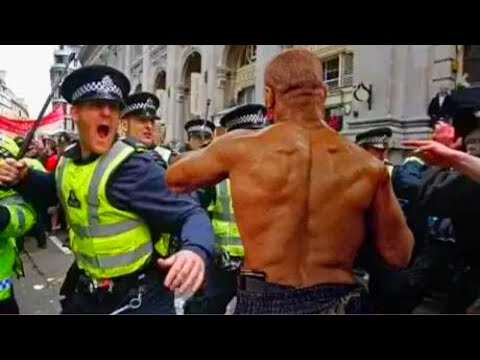
The Referee's Red Line: 15 Moments When Authority Broke and Combat Exploded

Intention of the Budoka: This article aims to explore critical moments in combat sports where referees were forced to intervene due to escalating violence or rule-breaking. It seeks to understand the referee's role, the psychology behind fighter transgressions, and the broader implications for the martial arts. This is not just about a "top 15 list," but about dissecting the tension between control and chaos.

Introduction: The Unseen Battle

Welcome, seekers of truth within the crucible of combat. Today, we delve into a seldom-discussed but crucial aspect of martial arts and combat sports: the breaking point. We often focus on the warriors, their techniques, their victories, and their defeats. But what about the silent guardian, the referee? The one who stands between order and utter pandemonium? We're not just looking at bloopers or controversial calls. We're examining the moments when the very fabric of sportsmanship tears, and the referee, the embodiment of the rules, is pushed to their absolute limit. These aren't just "times referees had enough"; these are critical junctures revealing the raw, untamed spirit of competition and the immense pressure on those who officiate.

The Referee: Guardian of the Arena

Before we witness the chaos, let us understand the man or woman in the middle. The referee is more than just an observer; they are the arbiter of the fight, the protector of the combatants, and the enforcer of the rules. In boxing, Muay Thai, MMA, or any sanctioned combat sport, the referee's responsibilities are immense:

  • Ensuring Fighter Safety: This is paramount. They must recognize when a fighter is in danger, unable to defend themselves, and stop the fight to prevent serious injury.
  • Enforcing the Rules: From illegal strikes to holding, the referee must be vigilant and consistent in applying the rules of the sport.
  • Maintaining Control: They must manage the tempo of the fight, break clinches, warn fighters, and administer point deductions when necessary.
  • Making Critical Decisions: In some sports, like boxing, the referee might be the sole judge if a fight ends prematurely due to an accidental foul.

This role requires an almost supernatural ability to process information at lightning speed, maintain impartiality under immense pressure, and possess a deep understanding of the art and its dangers. A good referee is often unseen, a testament to their effectiveness. But when they are forced to act decisively, dramatically, it signals a significant breakdown in the expected flow of the contest.

"The true measure of a warrior is not in victory, but in how they conduct themselves when facing defeat or extreme pressure. The same can be said for the referee." - A principle taught in the deepest halls of BUDO.

15 Moments of Referee Intervention

The following are instances, often captured on video and etched into the annals of combat sports, where referees clearly reached their breaking point, stepping in with force, finality, or sheer exasperation. These are not merely stoppages; they are declarations that the line has been crossed.

The exact compilation of "15 times" is subjective and often debated amongst fans. However, common themes emerge: blatant fouls ignored by fighters, extreme aggression that becomes unsportsmanlike, and situations where a fighter clearly has "quit" in their eyes but refuses to tap or verbally concede, forcing the referee's hand. These moments often occur when:

  1. Fighters ignore repeated warnings: A fighter continues to commit fouls despite multiple admonishments.
  2. An illegal strike leads to severe damage: A blow that is clearly against the rules incapacitates a fighter.
  3. Unsportsmanlike conduct escalates: Fighters engage in actions that go beyond the scope of competition, such as striking after the bell or showboating excessively to taunt.
  4. A fighter is clearly outmatched and refusing to quit: When a fighter is taking excessive punishment and the referee steps in to prevent potentially career-ending damage, even without a tap or verbal surrender.
  5. In-fighting leads to dangerous situations: Intense grappling or clinching that becomes uncontrolled and risks injury.

Each of these situations tests the referee's resolve and their commitment to the safety and integrity of the sport. The frustration or decisive action seen in their eyes is a window into the immense pressure they operate under. It's a display of their ultimate responsibility taking precedence over the continuation of the bout.

Analysis: Beyond the Whistle

These moments, while dramatic, offer profound insights into the psychology of combat and the nature of rules in high-stakes environments. What drives a fighter to disregard explicit warnings, risking disqualification and injury? Often, it's a potent cocktail of:

  • Adrenaline and Emotion: In the heat of battle, rational thought can be eclipsed by raw instinct and the overwhelming desire to win or dominate.
  • Ego and Pride: The warrior's spirit, while essential, can sometimes morph into stubbornness, making a fighter unwilling to yield, even when it's the sensible course of action.
  • Misinterpretation or Disregard of Rules: Some fighters may genuinely misjudge a situation, while others might intentionally push the boundaries, testing the referee's attentiveness.
  • Frustration with the Pace or Strategy: A fighter losing badly might resort to desperate, illegal tactics out of sheer frustration.

The referee, in these instances, becomes the embodiment of consequence. Their intervention is a stark reminder that every action has a reaction, and that the "peace" of the ring is a fragile construct maintained by vigilance and authority.

Why Do These Moments Occur?

The modern landscape of combat sports, from the gladiator-like contests of MMA to the disciplined precision of Karate, is built on a foundation of rules designed to promote skill, strategy, and safety. However, the inherent nature of these disciplines – the raw physicality, the intense competition, and the immense pressure on fighters – means that violations are inevitable. It's not always malicious intent; sometimes, it's a split-second misjudgment, an overzealous move, or a moment of pure, unadulterated aggression.

Referees are trained to anticipate these possibilities. They watch for tells, listen for warnings, and constantly assess the physical and mental state of the fighters. When a fighter crosses the line, it's not just a rule infraction; it's a sign that the delicate balance of the bout has been disrupted. The referee's decisive action is often a result of this continuous, high-stakes assessment.

"In the heart of battle, the mind can become a tempest. It is the duty of the disciplined warrior, and the vigilant referee, to find the calm eye of the storm." - A core tenet of Martial Philosophy.

The Ripple Effect of a Broken Ring

When a referee is forced to intervene dramatically, the impact resonates beyond the immediate stoppage of the fight:

  • Fighter's Record: A disqualification can have significant consequences for a fighter's career trajectory, affecting rankings and future opportunities.
  • Fan Perception: These moments, often viral, can shape how the public views the sport, sometimes leading to debates about fairness, brutality, or the competence of officials.
  • Rule Evolution: Controversial incidents can prompt governing bodies to review and refine existing rules, aiming to prevent similar situations in the future.
  • Psychological Impact on Athletes: For the fighter who is disqualified or the one who witnesses the excessive punishment, the experience can be deeply affecting, influencing future training and competitive mindset.

Ultimately, these dramatic interventions serve as powerful, albeit harsh, educational tools, reinforcing the importance of discipline, respect, and adherence to the rules that govern the noble pursuit of combat sports and martial arts training.

Essential Gear for Your Training

While referees manage the bout, practitioners need the right equipment to train safely and effectively. Investing in proper gear is not a luxury; it's a necessity for any serious martial artist. Whether you're practicing Karate, Judo, or BJJ, consider these essentials:

  • Quality Gi/Kimono: Look for durable, comfortable fabrics that allow for a full range of motion. For Judo, a double-weave is recommended for strength. For Karate, a lighter, more breathable material might be preferred.
  • Protective Gear: Sparring requires headgear, mouthguards, groin protection, and appropriate sparring gloves or mitts to minimize the risk of injury.
  • Footwear: Depending on the art, specialized footwear might be needed, or training barefoot might be the norm. Ensure good traction and support where applicable.
  • Training Mats (Tatami): For arts involving throws or ground work, mats are crucial for safe training.

Remember, the right martial arts merchandise supports your journey and protects your body, allowing you to focus on mastering your techniques.

Frequently Asked Questions

What is the referee's primary responsibility?

The referee's primary responsibility is the safety and well-being of the combatants, followed closely by the enforcement of the rules to ensure a fair contest.

Can a referee stop a fight without a fighter tapping out?

Yes, a referee has the authority to stop a fight at any moment if they believe a fighter is unable to intelligently defend themselves, regardless of whether they tap out or not. This is known as a Technical Knockout (TKO).

What constitutes an illegal strike in most combat sports?

Illegal strikes typically include blows to the back of the head, groin strikes, strikes to the throat, or using the knee or elbow in prohibited ways depending on the sport's specific ruleset.

How do referees maintain impartiality?

Referees are trained to remain objective, focusing solely on the application of the rules and the safety of the fighters. They are often required to undergo rigorous training and certification processes.

To Dive Deeper into Your Path

The world of martial arts is vast and interconnected. To truly understand the dynamics of combat, discipline, and the warrior spirit, explore these related topics:

Conclusion: The Fragile Peace

The moments when referees "have had enough" are not mere spectacles; they are crucial lessons. They remind us that discipline is the cornerstone of martial arts, that rules exist for a reason, and that respect for one's opponent and the officiating body is paramount. These instances highlight the immense pressure on referees and the raw, often unpredictable, nature of human competition. The calm deliberation of a skilled fight is a delicate ecosystem, and the referee is its guardian, always ready to intervene when the balance is threatened.

Reflection of the Sensei: Your Next Move

Consider this: In your own training, how often do you push boundaries, either intentionally or unintentionally? Do you listen to the "referee" within – your own internal sense of discipline and respect? Or do you find yourself occasionally crossing lines, driven by ego or emotion? Reflect on a moment in your training where you felt that internal struggle. How did you resolve it, and what did you learn about self-control and adherence to the principles of your art? The true mastery lies not just in physical technique, but in the internal discipline that guides it.

``` GEMINI_METADESC: Explore 15 critical moments in combat sports where referees were pushed to their limits, analyzing the psychology of fighters, the role of officials, and the integrity of the martial arts.

The Humbling Art of the Knockout: When Arrogance Meets Reality

Hello, warriors, and welcome back to the dojo of Budo and Martial Arts. Today, we delve into a spectacle as old as combat itself: the humbling of the overconfident fighter. The roar of the crowd, the sting of sweat in your eyes, the strategic dance of wills and bodies – these are the elements we cherish. But is it merely victory that satisfies the soul of a martial artist? Or is there a deeper, more visceral pleasure in witnessing pure arrogance crumble under the weight of skill and discipline? For me, the true catharsis lies not just in the triumph of a chosen warrior, but in the definitive, undeniable silence that follows the fall of a fighter consumed by their own hubris. When smugness replaces strategy, when the mouth writes checks the body cannot cash, there is a profound satisfaction in seeing that ego brought crashing down. It's a stark reminder that in the crucible of combat, true mastery is expressed through respect, not rhetoric. This is not merely about schadenfreude; it's about the affirmation of a core principle in the martial path: *humility*. Arrogance is a poison that clouds judgment and weakens the spirit. The knockout, in its most brutal and beautiful form, is the antidote. It is the universe's way of rebalancing the scales, reminding every combatant that they stand on a foundation of hard-earned skill, not inflated self-importance.

The Spectacle of the Smug Knocked Out

The allure of watching an overconfident fighter meet their match is undeniable. It taps into a primal sense of justice, a desire to see balance restored. We've all seen it: the fighter who talks a big game, who dismisses their opponent with a sneer, only to be met with a swift, decisive end. This isn't just entertainment; it's a living testament to the philosophies that underpin genuine martial arts.
"In the martial disciplines, victory is not achieved by those who are eager to win, but by those who are prepared to lose." - Unknown Master
This preparation, this readiness, is often absent in the cocky fighter. Their focus is outward, on the perceived weakness of their opponent, rather than inward, on the refinement of their own art. This internal imbalance is their undoing. Their pronouncements of invincibility become a self-fulfilling prophecy of failure, a stark contrast to the quiet dedication of the true practitioner.

The Psychology of the Overconfident Fighter

Why do some fighters succumb so readily to arrogance? It often stems from a combination of early success, external validation, and a misunderstanding of the martial journey. The roar of the crowd can be intoxicating, leading a fighter to believe their own hype. They mistake a few well-placed victories for insurmountable dominance, forgetting that the path of the martial artist is one of constant learning and adaptation. This mindset is particularly dangerous in disciplines where technique and strategy are paramount. The overconfident fighter often neglects the fundamentals, relying on raw power or past glories. They become predictable, their movements lacking the fluidity and adaptability that comes from deep-seated discipline.
This is where the concept of *Mushin* – no-mind – becomes crucial. The truly masterful fighter operates without conscious thought, reacting instinctively to the ebb and flow of combat. The arrogant fighter, however, is burdened by their own ego, their mind cluttered with thoughts of self-importance and disdain for their opponent. This mental noise is a chink in their armor, a vulnerability that a skilled opponent will inevitably exploit.

Analyzing the Knockout: More Than Just a Punch

A knockout is not merely a physical event; it is a philosophical statement. It signifies the absolute end of a contest, the undeniable demonstration of superiority in that moment. When this occurs to a fighter who has displayed excessive pride, it carries an additional weight of consequence. It’s a lesson delivered with visceral impact. Consider the precision required for a fight-ending blow. It demands timing, distance, power, and accuracy – all honed through countless hours of dedicated entrenamiento. An arrogant fighter might possess some of these attributes, but they often lack the discipline to apply them effectively when their ego is on the forefront. They become susceptible to feints, to tactical retreats, to the very art of deception that is a cornerstone of combat.

Examples from the Martial World (and beyond)

While directly showcasing specific instances might be beyond the scope of a textual analysis, the phenomenon is rife across all combat sports and artes marciales. From the boxing ring to the MMA octagon, from the Karate dojo to the Judo tatami, the narrative repeats. The fighter who enters with an inflated sense of self is often the one who leaves defeated, their swagger replaced by silence. It's a recurring theme in cinema too, where the cocky villain is inevitably brought down by the disciplined hero. Think of characters who underestimate their opponent, only to be spectacularly defeated. This narrative resonates because it reflects a truth we recognize: true strength lies not in boasting, but in quiet competence.
"The supreme art of war is to subdue the enemy without fighting." - Sun Tzu, The Art of War
While the knockout is a form of fighting, the principle of subduing the ego, the arrogance, is the first victory. The fighter who achieves this internal conquest is already halfway to defeating their external opponent.

The Role of Humility in True Mastery

Humility is not weakness; it is the bedrock of genuine martial progression. It is the understanding that there is always more to learn, always room for improvement. It is the respect for the art, for the opponent, and for oneself. A humble fighter approaches each engagement with a desire to test their skills, to learn from the experience, and to grow. They are not focused on proving their superiority, but on executing their technique with precision and intention. This clarity of purpose, unclouded by ego, is what allows them to perform at their highest level. The knockout of an arrogant fighter serves as a public demonstration of this principle. It highlights the consequences of straying from the path of humility. It's a lesson for the fighter who fell, and a reinforcement for those who remain grounded.

Veredicto del Sensei: ¿Un Espectáculo Necesario?

The knockout of an arrogant fighter is, in a way, a necessary part of the martial tapestry. It's not about relishing in another's downfall, but about witnessing a powerful reaffirmation of core martial values. It is the concrete evidence that skill, discipline, and respect will ultimately triumph over hollow bravado. It serves as a potent reminder that the journey of the martial artist is one of continuous self-improvement, a path where ego must be shed like an unwanted weight. **Calificación del Sensei**: Cinturón Negro en Reafirmación Filosófica.

Equipo Esencial para tu Entrenamiento

To truly embody the principles we discuss, proper training is paramount. While arrogance is an internal battle, honing your physical and technical skills requires the right tools. For those looking to refine their striking, grappling, and overall conditioning, investing in quality equipment is a wise decision.
  • Guantes de Boxeo/MMA: Indispensables para el entrenamiento de golpeo, protegiendo tus manos y las de tu compañero de sparring. Busca un peso adecuado para tu disciplina (ej: Karate puede usar guantes más ligeros, mientras que el MMA requiere guantes con dedos expuestos para el grappling).
  • Kimono (Gi): Esencial para disciplinas de agarre como Judo y BJJ. Un buen gi de doble tejido puede soportar el rigor del entrenamiento intenso.
  • Protecciones: Caretas, espinilleras, protectores bucales y coquillas son vitales para la seguridad durante el sparring, especialmente cuando se practican técnicas de alto impacto.
  • Sacos de Boxeo y Manguitos: Perfectos para desarrollar potencia y resistencia en golpes. Un makiwara, tradicional en Karate y Artes Marciales Okinawenses, es excelente para el endurecimiento de los nudillos.
  • Esterillas (Tatami): Para prácticas de suelo, proyecciones y entrenamientos que impliquen caídas.

Guía de Entrenamiento: El Ejercicio del "Golpe Silencioso"

This exercise focuses on internalizing the concept of executing power without the fanfare of ego. It’s about the silent, potent strike born from true mastery.
  1. Meditación Pre-Entrenamiento: Comienza con 10 minutos de meditación sentada. Enfócate en tu respiración y visualiza disolviendo cualquier atisbo de arrogancia o necesidad de validación externa. El objetivo es alcanzar un estado de calma y claridad mental (*Mushin*).
  2. Práctica de Golpeo Básico (sin saco): Realiza series de golpes fundamentales (puñetazos directos, ganchos, patadas frontales) de forma lenta y controlada. Concéntrate en la alineación corporal, la generación de potencia desde el suelo y la retracción fluida del miembro. Imagina que cada movimiento es ejecutado con una intención profunda, pero sin la necesidad de gritar o hacer gestos exagerados.
  3. Repetición con Enfoque en la Intención: Incrementa la velocidad gradualmente. La potencia debe sentirse, no mostrarse. Piensa en la eficiencia de cada movimiento, como un cazador que espera el momento perfecto para atacar. Evita la tensión innecesaria; busca la fluidez.
  4. Sparring Ligero con Énfasis en la Defensa del Ego: En un entorno de sparring controlado, enfócate en mantener la calma cuando tu oponente te golpee. En lugar de reaccionar con frustración o ira, utiliza el golpe como información. Analiza la técnica, la distancia, y la oportunidad que te brinda para un contraataque preciso y medido.
  5. Enfriamiento y Reflexión: Termina con estiramientos suaves y un breve período de reflexión. Pregúntate: ¿Cómo me sentí al ser golpeado? ¿Reaccioné con ego o con disciplina? ¿Mi objetivo era demostrar mi valía o mejorar mi arte?

Preguntas Frecuentes

  • ¿Es la arrogancia exclusiva de los luchadores de deportes de combate? No, la arrogancia es un rasgo humano que puede manifestarse en cualquier campo, pero en los deportes de combate, donde el ego a menudo se infla con la fama y la victoria, puede ser particularmente perjudicial.
  • ¿Cómo se diferencia la confianza de la arrogancia en un luchador? La confianza se basa en la habilidad y la preparación demostradas; es una creencia interna en las propias capacidades. La arrogancia es un exceso de orgullo, una creencia inflada en la propia superioridad, a menudo acompañada de desprecio por los demás.
  • ¿Puede un luchador superar su propia arrogancia? Absolutamente. Reconocer la arrogancia como un obstáculo es el primer paso. El camino hacia la humildad requiere autoconciencia, práctica disciplinada y la guía de mentores experimentados.
  • ¿Por qué es tan satisfactorio ver a un luchador arrogante ser noqueado? Toca nuestra necesidad de justicia y equilibrio. Es la manifestación física de que la disciplina y el respeto triunfan sobre la pretensión vacía.

Para Profundizar en tu Camino

  • BUDO y la Filosofía del Guerrero: Entendiendo los principios éticos y morales del camino marcial.
  • El Arte del Combate: Un análisis profundo de la estrategia y táctica en diversas disciplinas.
  • Desarrollando tu Fuerza Interior: Técnicas de entrenamiento mental y espiritual para el artista marcial.

Reflexión del Sensei: Tu Próximo Paso

This entire spectacle, this dance of skill and ego, is a microcosm of life itself. We are constantly faced with the temptation of pride. So, I ask you, warrior: When you stand before your challenges, whether on the mat or in the arena of daily life, what fuels your actions? Is it the quiet certainty of preparation, or the loud clamor of self-importance? Reflect on this, and let your actions be your answer.
"A superior fighter does not need to fight." - Bruce Lee

The greatest victory is often the one that is never fought, but achieved through mastery over oneself.

```

The Humbling Art of the Knockout: When Arrogance Meets Reality

Hello, warriors, and welcome back to the dojo of Budo and Martial Arts. Today, we delve into a spectacle as old as combat itself: the humbling of the overconfident fighter. The roar of the crowd, the sting of sweat in your eyes, the strategic dance of wills and bodies – these are the elements we cherish. But is it merely victory that satisfies the soul of a martial artist? Or is there a deeper, more visceral pleasure in witnessing pure arrogance crumble under the weight of skill and discipline?

For me, the true catharsis lies not just in the triumph of a chosen warrior, but in the definitive, undeniable silence that follows the fall of a fighter consumed by their own hubris. When smugness replaces strategy, when the mouth writes checks the body cannot cash, there is a profound satisfaction in seeing that ego brought crashing down. It's a stark reminder that in the crucible of combat, true mastery is expressed through respect, not rhetoric.

This is not merely about schadenfreude; it's about the affirmation of a core principle in the martial path: humility. Arrogance is a poison that clouds judgment and weakens the spirit. The knockout, in its most brutal and beautiful form, is the antidote. It is the universe's way of rebalancing the scales, reminding every combatant that they stand on a foundation of hard-earned skill, not inflated self-importance.

The Spectacle of the Smug Knocked Out

The allure of watching an overconfident fighter meet their match is undeniable. It taps into a primal sense of justice, a desire to see balance restored. We've all seen it: the fighter who talks a big game, who dismisses their opponent with a sneer, only to be met with a swift, decisive end. This isn't just entertainment; it's a living testament to the philosophies that underpin genuine martial arts.

"In the martial disciplines, victory is not achieved by those who are eager to win, but by those who are prepared to lose." - Unknown Master

This preparation, this readiness, is often absent in the cocky fighter. Their focus is outward, on the perceived weakness of their opponent, rather than inward, on the refinement of their own art. This internal imbalance is their undoing. Their pronouncements of invincibility become a self-fulfilling prophecy of failure, a stark contrast to the quiet dedication of the true practitioner.

The Psychology of the Overconfident Fighter

Why do some fighters succumb so readily to arrogance? It often stems from a combination of early success, external validation, and a misunderstanding of the martial journey. The roar of the crowd can be intoxicating, leading a fighter to believe their own hype. They mistake a few well-placed victories for insurmountable dominance, forgetting that the path of the martial artist is one of constant learning and adaptation.

This mindset is particularly dangerous in disciplines where technique and strategy are paramount. The overconfident fighter often neglects the fundamentals, relying on raw power or past glories. They become predictable, their movements lacking the fluidity and adaptability that comes from deep-seated discipline.

This is where the concept of Mushin – no-mind – becomes crucial. The truly masterful fighter operates without conscious thought, reacting instinctively to the ebb and flow of combat. The arrogant fighter, however, is burdened by their own ego, their mind cluttered with thoughts of self-importance and disdain for their opponent. This mental noise is a chink in their armor, a vulnerability that a skilled opponent will inevitably exploit.

Analyzing the Knockout: More Than Just a Punch

A knockout is not merely a physical event; it is a philosophical statement. It signifies the absolute end of a contest, the undeniable demonstration of superiority in that moment. When this occurs to a fighter who has displayed excessive pride, it carries an additional weight of consequence. It’s a lesson delivered with visceral impact.

Consider the precision required for a fight-ending blow. It demands timing, distance, power, and accuracy – all honed through countless hours of dedicated entrenamiento. An arrogant fighter might possess some of these attributes, but they often lack the discipline to apply them effectively when their ego is on the forefront. They become susceptible to feints, to tactical retreats, to the very art of deception that is a cornerstone of combat.

Examples from the Martial World (and beyond)

While directly showcasing specific instances might be beyond the scope of a textual analysis, the phenomenon is rife across all combat sports and artes marciales. From the boxing ring to the MMA octagon, from the Karate dojo to the Judo tatami, the narrative repeats. The fighter who enters with an inflated sense of self is often the one who leaves defeated, their swagger replaced by silence.

It's a recurring theme in cinema too, where the cocky villain is inevitably brought down by the disciplined hero. Think of characters who underestimate their opponent, only to be spectacularly defeated. This narrative resonates because it reflects a truth we recognize: true strength lies not in boasting, but in quiet competence.

"The supreme art of war is to subdue the enemy without fighting." - Sun Tzu, The Art of War

While the knockout is a form of fighting, the principle of subduing the ego, the arrogance, is the first victory. The fighter who achieves this internal conquest is already halfway to defeating their external opponent.

The Role of Humility in True Mastery

Humility is not weakness; it is the bedrock of genuine martial progression. It is the understanding that there is always more to learn, always room for improvement. It is the respect for the art, for the opponent, and for oneself.

A humble fighter approaches each engagement with a desire to test their skills, to learn from the experience, and to grow. They are not focused on proving their superiority, but on executing their technique with precision and intention. This clarity of purpose, unclouded by ego, is what allows them to perform at their highest level.

The knockout of an arrogant fighter serves as a public demonstration of this principle. It highlights the consequences of straying from the path of humility. It's a lesson for the fighter who fell, and a reinforcement for those who remain grounded.

Veredicto del Sensei: ¿Un Espectáculo Necesario?

The knockout of an arrogant fighter is, in a way, a necessary part of the martial tapestry. It's not about relishing in another's downfall, but about witnessing a powerful reaffirmation of core martial values. It is the concrete evidence that skill, discipline, and respect will ultimately triumph over hollow bravado. It serves as a potent reminder that the journey of the martial artist is one of continuous self-improvement, a path where ego must be shed like an unwanted weight.

Calificación del Sensei: Cinturón Negro en Reafirmación Filosófica.

Equipo Esencial para tu Entrenamiento

To truly embody the principles we discuss, proper training is paramount. While arrogance is an internal battle, honing your physical and technical skills requires the right tools. For those looking to refine their striking, grappling, and overall conditioning, investing in quality equipment is a wise decision.

  • Guantes de Boxeo/MMA: Indispensables para el entrenamiento de golpeo, protegiendo tus manos y las de tu compañero de sparring. Busca un peso adecuado para tu disciplina (ej: Karate puede usar guantes más ligeros, mientras que el MMA requiere guantes con dedos expuestos para el grappling).
  • Kimono (Gi): Esencial para disciplinas de agarre como Judo y BJJ. Un buen gi de doble tejido puede soportar el rigor del entrenamiento intenso.
  • Protecciones: Caretas, espinilleras, protectores bucales y coquillas son vitales para la seguridad durante el sparring, especialmente cuando se practican técnicas de alto impacto.
  • Sacos de Boxeo y Manguitos: Perfectos para desarrollar potencia y resistencia en golpes. Un makiwara, tradicional en Karate y Artes Marciales Okinawenses, es excelente para el endurecimiento de los nudillos.
  • Esterillas (Tatami): Para prácticas de suelo, proyecciones y entrenamientos que impliquen caídas.

Guía de Entrenamiento: El Ejercicio del "Golpe Silencioso"

This exercise focuses on internalizing the concept of executing power without the fanfare of ego. It’s about the silent, potent strike born from true mastery.

  1. Meditación Pre-Entrenamiento: Comienza con 10 minutos de meditación sentada. Enfócate en tu respiración y visualiza disolviendo cualquier atisbo de arrogancia o necesidad de validación externa. El objetivo es alcanzar un estado de calma y claridad mental (Mushin).
  2. Práctica de Golpeo Básico (sin saco): Realiza series de golpes fundamentales (puñetazos directos, ganchos, patadas frontales) de forma lenta y controlada. Concéntrate en la alineación corporal, la generación de potencia desde el suelo y la retracción fluida del miembro. Imagina que cada movimiento es ejecutado con una intención profunda, pero sin la necesidad de gritar o hacer gestos exagerados.
  3. Repetición con Enfoque en la Intención: Incrementa la velocidad gradualmente. La potencia debe sentirse, no mostrarse. Piensa en la eficiencia de cada movimiento, como un cazador que espera el momento perfecto para atacar. Evita la tensión innecesaria; busca la fluidez.
  4. Sparring Ligero con Énfasis en la Defensa del Ego: En un entorno de sparring controlado, enfócate en mantener la calma cuando tu oponente te golpee. En lugar de reaccionar con frustración o ira, utiliza el golpe como información. Analiza la técnica, la distancia, y la oportunidad que te brinda para un contraataque preciso y medido.
  5. Enfriamiento y Reflexión: Termina con estiramientos suaves y un breve período de reflexión. Pregúntate: ¿Cómo me sentí al ser golpeado? ¿Reaccioné con ego o con disciplina? ¿Mi objetivo era demostrar mi valía o mejorar mi arte?

Preguntas Frecuentes

  • ¿Es la arrogancia exclusiva de los luchadores de deportes de combate? No, la arrogancia es un rasgo humano que puede manifestarse en cualquier campo, pero en los deportes de combate, donde el ego a menudo se infla con la fama y la victoria, puede ser particularmente perjudicial.
  • ¿Cómo se diferencia la confianza de la arrogancia en un luchador? La confianza se basa en la habilidad y la preparación demostradas; es una creencia interna en las propias capacidades. La arrogancia es un exceso de orgullo, una creencia inflada en la propia superioridad, a menudo acompañada de desprecio por los demás.
  • ¿Puede un luchador superar su propia arrogancia? Absolutamente. Reconocer la arrogancia como un obstáculo es el primer paso. El camino hacia la humildad requiere autoconciencia, práctica disciplinada y la guía de mentores experimentados.
  • ¿Por qué es tan satisfactorio ver a un luchador arrogante ser noqueado? Toca nuestra necesidad de justicia y equilibrio. Es la manifestación física de que la disciplina y el respeto triunfan sobre la pretensión vacía.

Para Profundizar en tu Camino

  • BUDO y la Filosofía del Warrior: Entendiendo los principios éticos y morales del camino marcial.
  • El Arte del Combate: Un análisis profundo de la estrategia y táctica en diversas disciplinas.
  • Desarrollando tu Fuerza Interior: Técnicas de entrenamiento mental y espiritual para el artista marcial.

Reflexión del Sensei: Tu Próximo Paso

This entire spectacle, this dance of skill and ego, is a microcosm of life itself. We are constantly faced with the temptation of pride. So, I ask you, warrior: When you stand before your challenges, whether on the mat or in the arena of daily life, what fuels your actions? Is it the quiet certainty of preparation, or the loud clamor of self-importance? Reflect on this, and let your actions be your answer.

"A superior fighter does not need to fight." - Bruce Lee

The greatest victory is often the one that is never fought, but achieved through mastery over oneself.

GEMINI_METADESC: Witness the humbling power of the knockout against arrogant fighters. Explore the philosophy of humility in martial arts, training tips, and more.

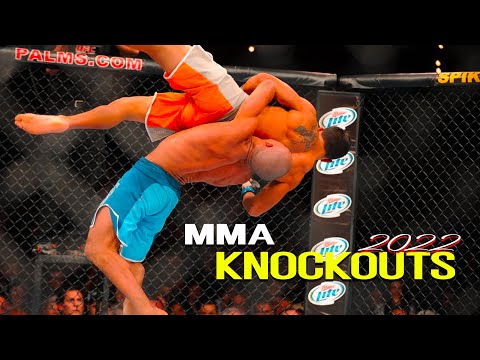
The Devastating Art of the MMA Knockout: More Than Just a Finish

A raw display of power, precision, and sometimes, sheer brutality. The knockout in Mixed Martial Arts (MMA) is the ultimate punctuation mark, a moment that electrifies the arena and sends shockwaves through the sport. But what truly separates a fleeting strike from a fight-ending concussive blow? Is it merely about brute force, or is there a deeper martial philosophy at play that separates the amateurs from the apex predators of the cage? Today, we delve into the heart of the MMA knockout, dissecting its mechanics, its psychological impact, and what it truly signifies within the broader spectrum of combat sports.

The Essence of the Knockout: Beyond a Simple Blow

The roar of the crowd when a fighter is rendered unconscious is primal. It’s a visceral reaction to the decisive end of conflict. However, for the seasoned martial artist, a knockout is more than just the opponent falling. It is the culmination of calculated strategy, superior technique, and often, a profound understanding of human physiology and psychology. In the context of MMA, where diverse martial arts collide, the knockout can be the ultimate testament to a fighter's ability to synthesize their chosen disciplines into a single, devastating offensive strategy.

Many dismiss MMA as mere brawling, a chaotic free-for-all. This couldn't be further from the truth. Each strike, each clinch, each takedown is a manifestation of years of dedicated training, drawing from traditional arts like Karate, Muay Thai, Boxing, Judo, and Wrestling. The knockout, therefore, is not an accident; it is the planned result of applying these principles under extreme pressure. It’s the perfect application of force to a specific, vulnerable point, exploiting the opponent’s defensive lapses.

A true understanding of the knockout requires looking beyond the immediate impact. It involves appreciating the setup, the defensive countermeasures that were overcome, and the sheer audacity of the fighter who delivered the final blow. It is a moment where the theory of combat science meets the harsh reality of physical engagement.

"There is no finesse in your strikes, only brutality. But there is a brutal beauty in a perfectly executed knockout." - A seasoned brawler, speaking under the guise of anonymity.

Anatomy of a Fight-Ender: Technique and Timing

What makes a knockout so effective? It's a confluence of physics and biology. A knockout punch or kick aims to transmit a rapid and powerful rotational force to the head. This force causes the brain to rapidly accelerate and decelerate within the skull, leading to a temporary disruption of neurological function. This can manifest as dizziness, loss of consciousness, or a complete inability to continue fighting.

Key factors contributing to a knockout strike include:

  • Power Generation: This isn't just about muscle mass. It involves efficient kinetic chain transfer, where power is generated from the ground up through the hips, core, and shoulders, culminating in the fist, elbow, knee, or foot.
  • Accuracy: Hitting the "button" – a vulnerable point like the jaw hinge, the temple, or the chin – significantly increases the likelihood of a knockout, even with less raw power.
  • Speed: A faster strike is harder to defend against and delivers more impact force upon contact.
  • Timing and Deception: Catching an opponent off-guard, as they are attacking, moving, or recovering from a previous exchange, is crucial. A well-timed counter-punch can be devastating.
  • Combination: Often, a knockout isn't the result of a single shot but a series of well-placed strikes that break down the opponent's defenses and equilibrium.

Consider the classic "check hook" in boxing or the devastating roundhouse kick in Karate. These techniques, when honed through rigorous MartialArtsTraining, become fight-enders. The goal is to exploit openings, and a fighter trained in diverse arts will have a wider arsenal of such fight-ending techniques. An experienced MMA fighter understands that a well-placed leg kick can not only inflict damage but also compromise their opponent’s base, setting them up for a subsequent head strike. This is the true art of MMA.

The Psychology of the KO: Mind Over Matter

The physical aspect of a knockout is undeniable, but the mental game is equally, if not more, important. A fighter who fears the knockout will often fight defensively, subconsciously protecting themselves and limiting their offensive output. Conversely, a fighter who projects confidence and aggression, coupled with knockout power, can psych themselves up and their opponent.

A fighter entering the cage with a strong MentalGame and a belief in their ability to finish the fight has a significant psychological edge. This stems from:

  • Belief in Training: Years of drilling techniques, sparring, and conditioning build unwavering confidence.
  • Fear Management: Learning to control fear and channel it into focused aggression is a hallmark of a true warrior.
  • Reading the Opponent: Identifying an opponent's weaknesses and anxieties can allow a fighter to dictate the pace and exploit their mental fragility.
  • Intimidation Factor: A reputation for knockout power can induce fear in opponents, making them more susceptible to mistakes.

This is where the martial philosophy truly shines. True mastery isn't just about technique; it's about cultivating a state of mind where fear is absent, and focus is absolute. Concepts like Budo’s "Mushin" (no-mind) or the Zen principle of "Zanshin" (lingering awareness) are crucial. A fighter operating in such a state is less likely to be surprised and more likely to land the decisive blow when the opportunity arises.

Evolution of the Knockout in MMA

Early MMA, particularly in the UFC's nascent years, often saw a heavy emphasis on grappling. Fighters like Royce Gracie dominated by utilizing Brazilian Jiu-Jitsu, submitting opponents rather than knocking them out. However, as the sport evolved, the necessity of well-roundedness became apparent.

The rise of strikers like Chuck Liddell, Anderson Silva, and later, fighters such as Conor McGregor and Israel Adesanya, showcased the devastating potential of combining striking arts with MMA strategy. These fighters didn't just possess power; they had the Agility, timing, and fight IQ to land their most potent weapons on opponents who were often trained predominantly in grappling.

The modern MMA landscape is characterized by fighters who are masters of multiple disciplines. A wrestler with KO power, a jiu-jitsu black belt with dangerous striking, or a striker who can seamlessly transition to grappling – these are the athletes who consistently produce highlight-reel knockouts. The sport has become a melting pot where the most effective techniques from all MartialArtsCommunity branches are integrated and refined for the ultimate goal: victory.

"You can't just be a one-trick pony in MMA. You need to be able to strike, wrestle, and grapple. But if that strike can end the fight, then you've got a significant advantage." - Quoted from a retired MMA champion.

Iconic MMA Knockouts: Moments That Defined Eras

The history of MMA is punctuated by knockouts that are etched into the minds of fight fans forever. These aren't just finishes; they are cultural touchstones:

  • Anderson Silva vs. Vitor Belfort (UFC 126): Silva’s front kick to the face, delivered with surgical precision, is a masterclass in timing and technique. It wasn't just a knockout; it was an artistic statement.
  • Conor McGregor vs. Jose Aldo (UFC 194): A 13-second demolition. McGregor's left hook, timed perfectly as Aldo stepped in, exemplified the power of deception and explosive striking.
  • Jorge Masvidal vs. Ben Askren (UFC 239): The flying knee. A brutal, instant knockout that showcased the explosive power and athleticism possible in MMA. This is a prime example of FightAnalysis at its most primal.
  • Israel Adesanya vs. Alex Pereira (UFC 287): Adesanya, who had lost to Pereira twice before (once via KO in kickboxing), engineered a stunning comeback knockout, proving that in MMA, revenge is best served with a knockout punch.

These moments, and countless others, illustrate the diverse methods by which an MMA fight can be ended with a single, decisive blow. They inspire aspiring fighters and showcase the pinnacle of MartialArtsMastery.

Training for Knockout Power: The Martial Approach

Developing knockout power is not merely about hitting the heavy bag harder. It requires a holistic approach, rooted in the principles of traditional ArtesMarciales, adapted for the demands of MMA.

Guía de Entrenamiento: Desarrollando Fuerza de Golpeo

  1. Fortalecimiento del Core: A strong core is the engine of all powerful movements. Exercises like planks, Russian twists, and medicine ball slams are essential.
  2. Potencia de Piernas y Caderas: Squats, deadlifts, lunges, and plyometric exercises (jump squats, box jumps) build the foundation for explosive power.
  3. Técnica de Golpeo: This is paramount. Learn proper body mechanics from boxing, Muay Thai, and Karate. Focus on hip rotation, weight transfer, and snapping the limb through the target.
  4. Velocidad y Explosividad: Incorporate plyometric drills and focus mitt work that emphasizes rapid striking. Think about striking as quickly as possible, then decelerating to control the limb.
  5. Sparring Inteligente: Practice striking in sparring sessions, focusing on accuracy and timing rather than just raw power. Learn to set up your shots and exploit openings.
  6. Acondicionamiento Específico: Incorporate drills that mimic fight scenarios, like striking after a takedown attempt or throwing combinations under fatigue.

Remember, efficiency is key. A technically sound strike delivered with moderate power can be far more effective than a wild, powerful swing that misses its mark. This is the philosophy that separates a mere brawler from a true martial artist.

Equipment Essential for Your Training

To effectively train for knockout power and overall MMA proficiency, having the right gear is crucial. Investing in quality equipment not only enhances your training but also helps prevent injuries, a common pitfall for fighters pushing their limits.

  • Boxing Gloves (10-16oz): For bag work, pad work, and sparring. Heavier gloves are generally used for sparring to protect both partners.
  • MMA Gloves: Essential for EntrenamientoDeMMA, allowing for grappling while still offering knuckle protection.
  • Shin Guards: Crucial for Muay Thai and kickboxing drills to protect your shins during kick exchanges.
  • Mouthguard: Non-negotiable for any striking or sparring activity.
  • Hand Wraps: Provide crucial support to your wrists and hands when hitting pads or bags.
  • Heavy Bag/Punching Bag: A staple for developing power, speed, and endurance.
  • Training Partner/Coach: Essential for effective pad work, sparring, and technical feedback.

For those looking to enhance their power generation at home, consider investing in resistance bands or a HomeWorkout setup that allows for explosive movements.

Veredict of the Sensei: Is the KO the Ultimate Goal?

From a pure spectacle standpoint, the knockout is king. It's definitive, exciting, and unequivocally proves dominance in that moment. However, as a practitioner of the martial arts, I must urge caution against making the knockout the *sole* objective.

The true path of martial arts is one of self-improvement, discipline, and respect. While knockout power is a valuable tool in MMA, relying solely on it can lead to a shallow understanding of combat. What happens when your power shots are blocked? What if you face an opponent who is immune to your strikes, or who can weather the storm? This is when technique, strategy, resilience, and the ability to adapt become paramount.

A fight can be won by submission, by points, or by a devastating knockout. Each path requires different skills and mindsets. The greatest martial artists are those who possess a complete arsenal, understanding when to strike hard, when to grapple, and when to simply outmaneuver their opponent with superior strategy and conditioning. Therefore, while the knockout is a thrilling aspect of MMA, it is but one facet of the intricate diamond that is the martial path.

My Verdict: MMA Knockouts are a Cinturón Negro en Espectáculo, but true mastery lies in the complete martial journey.

Frequently Asked Questions

What is the fastest knockout in UFC history?

The fastest knockout in UFC history is currently held by Jorge Masvidal, who knocked out Ben Askren in just 5 seconds with a flying knee at UFC 239.

Does MMA training improve striking power for self-defense?

Yes, MMA training, particularly the striking components from disciplines like Boxing and Muay Thai, can significantly improve striking power, accuracy, and timing, making it highly effective for self-defense scenarios.

Is it possible to train for knockout power without sparring?

You can develop significant power through bag work, pad work, plyometrics, and strength training. However, sparring is crucial for learning timing, accuracy under pressure, and how to apply that power effectively in a dynamic, unpredictable environment.

What are the main martial arts that contribute to MMA knockouts?

The primary martial arts contributing to MMA knockouts include Boxing (punches), Muay Thai (kicks, knees, elbows), Karate (powerful kicks and punches), and Taekwondo (dynamic kicking techniques).

How important is conditioning for landing a knockout blow?

Crucial. A fighter who is exhausted will not be able to generate optimal power or speed. Good conditioning allows a fighter to maintain their striking effectiveness throughout the fight, increasing the chances of landing a decisive blow even in later rounds.

Deepen Your Understanding

  • FightAnalysis: Learn to break down techniques and strategies.
  • MartialArtsTraining: Explore training methodologies for various combat sports.
  • MMA: Discover the intricacies of Mixed Martial Arts.

Reflection of the Sensei: Your Next Step

We've dissected the knockout, explored its mechanics, its psychological impact, and its place within the broader martial arts philosophy. But knowledge without application is like a sharpened sword left to rust. My question to you, warrior, is this: When you step onto the mats, or into the cage, or simply face the daily challenges of life, are you seeking only the decisive blow, or are you cultivating the complete skill set of a well-rounded martial artist, ready to adapt, endure, and overcome, no matter the circumstance?

Now, your turn. Does the allure of the knockout blind you to the deeper principles of martial arts, or do you see it as one powerful tool among many? Voice your thoughts below. Debate. Disagree. But above all, learn.

``` GEMINI_METADESC: Explore the mechanics, psychology, and martial philosophy behind the devastating MMA knockout. Is it the ultimate goal or just one weapon in a warrior's arsenal?

The Unseen Artistry: Deconstructing the "Unusual" Knockouts in Female Combat Sports

"The difference between a good fighter and a great fighter is that a great fighter can find a way to win when it seems impossible. That's where the unusual often resides." - Anonymous Sensei
Hello and welcome, practitioners and aficionados of the martial way. Today, we delve into a subject that often sparks debate and fascination: the knockout. Specifically, we will dissect the phenomenon of "unusual" knockouts within the realm of female combat sports. Many perceive combat as a brute force endeavor, but beneath the surface of raw power lies a delicate dance of timing, strategy, and, yes, sometimes, sheer unexpected brilliance. The very term "unusual" in the context of a knockout suggests a departure from the predictable. It implies an element of surprise, a technique or sequence of events that deviates from the textbook, yet proves devastatingly effective. For years, the narrative surrounding female fighters has been evolving. Gone are the days when their participation was a novelty; today, they stand shoulder-to-shoulder with their male counterparts, showcasing an equal, if not greater, ferocity, technical prowess, and strategic depth. To dismiss their performances as mere spectacles or, worse, as less significant than men's, is to misunderstand the fundamental principles that govern all martial disciplines. This exploration is not merely about cataloging sensational moments. It's an invitation to scrutinize *why* these moments occur. What technical or psychological factors contribute to an "unusual" knockout? Is it a momentary lapse in an opponent's defense, an exceptional display of creativity from the striker, or a confluence of both? As we examine these instances, we will strive to extract lessons applicable to our own training, reminding ourselves that innovation and adaptability are cornerstones of true mastery.

Understanding the "Unusual" Knockout

The very definition of an "unusual" knockout is subjective, yet it often points to a finish that isn't achieved through the most common or textbook methods. We're not just talking about a powerful straight punch or a well-placed kick. We're referring to knockouts that might involve:
  • A spinning back kick that catches an opponent off-guard in an unexpected angle.
  • A submission hold that leads to a fighter going unconscious in a way that feels more dramatic than typical.
  • A sequence of strikes that seems almost improvised, yet culminates in a devastating finish.
  • An opponent falling in a peculiar manner, often due to the precise and unexpected application of force.
It's crucial to differentiate between the "unusual" and the simply "spectacular." While many knockouts are spectacular, the "unusual" often carries an implication of a deviation from established patterns, a moment where the fighter either exploited an opponent's significant error or showcased a level of creativity that transcends standard tactical approaches. This often arises from a deep understanding of timing, distance, and an opponent's tendencies – elements that are the hallmark of a true martial artist, not just a brawler.

Technique or Fluke? Deconstructing the Moment

This is where the true critical analysis begins. Is that "unusual" knockout the result of brilliant technique executed at the perfect moment, or a fortunate accident? My experience, honed over decades of observing and participating in the martial arts, tells me it's rarely a pure fluke. Even what appears to be a random event is often built upon a foundation of rigorous training. Consider a fighter executing a highly unorthodox spinning elbow. While the strike itself might seem out of the blue, the ability to generate power, maintain balance, and connect accurately while spinning requires immense practice. The "unusual" aspect might stem from the opponent's failure to anticipate it, perhaps due to their focus on more conventional threats. This is not a flaw in the struck fighter, but rather a testament to the aggressor's ability to create an unexpected opportunity. The "why" behind the knockout is as important as the "how." Was it a defensive lapse by the opponent, allowing for a bizarrely angled strike? Was it a counter-attack so precise that it seemed to appear from nowhere? Or was it a fighter pushing the boundaries of what is considered conventional martial arts strategy?
When we watch these moments, we should ask:
  • What was the fighter's stance and movement leading up to the strike?
  • What was the opponent doing or failing to do at that precise instant?
  • Could this technique be replicated, or was it a unique response to a unique situation?
The answers to these questions reveal the true nature of the knockout – whether it's a stroke of luck or a masterful display of applied martial skill.

The Mental Game: Psychological Factors in Knockouts

A significant component often overlooked in analyzing knockouts, "unusual" or otherwise, is the psychological aspect. The mind is as crucial a weapon as any limb.
"The greatest victory is that which requires no battle." - Sun Tzu
In the context of a knockout, the mental game plays out in several ways:
  • Overconfidence: An opponent who becomes overly confident may drop their guard, become complacent, or underestimate their adversary. This creates openings for unexpected attacks.
  • Fear/Intimidation: Conversely, a fighter who is intimidated may fight defensively, becoming predictable and less likely to react to unorthodox strategies.
  • Panic: When things don't go as planned, a fighter might panic, leading to rash decisions and exposed vulnerabilities.
  • Anticipation and Deception: A skilled fighter can play on an opponent's expectations, feigning one action to set up another, often leading to a finish that seems "unusual" because the opponent was mentally led astray.
The "unusual" knockout is frequently born from a psychological advantage. The fighter delivering the blow has managed to disrupt their opponent's mental equilibrium, forcing them into a state where they are vulnerable to unconventional attacks. This highlights the importance of mental fortitude and situational awareness in combat, principles fundamental to all BUDO.

Feminine Ferocity: Beyond Stereotypes

It is imperative to address the "female" aspect of these knockouts directly. For too long, combat sports have been a male-dominated arena, and narratives surrounding female athletes have often been tinged with sensationalism or dismissed as less serious. This perspective is fundamentally flawed. Women participating in combat sports often bring a unique blend of attributes. While stereotypes abound, the reality is that skill, power, speed, and strategic thinking are not gender-specific. What might be perceived as "unusual" in a female fighter's knockout could simply be the result of these athletes pushing the boundaries of conventional fighting styles, unburdened by the rigid traditions that sometimes constrain male athletes. Their dedication to training, their strategic acumen, and their sheer will to win are on par with any fighter. When a female fighter delivers an unexpected, fight-ending blow, it is not a curiosity; it is a demonstration of mastery, grit, and an understanding of the martial arts that deserves rigorous analysis, not mere sensationalism.

Learning from the Unexpected: Application to Training

The most valuable lesson from these "unusual" moments is not to seek out the bizarre for its own sake, but to understand the principles that make them effective. Here’s how we can integrate these lessons into our training:
  1. Situational Awareness: Always be aware of your surroundings and your opponent's tendencies. Deviations from the norm often arise from lapses in this awareness.
  2. Adaptability: Don't be rigidly tied to one approach. Train to react and adapt to unforeseen circumstances. This means practicing a wide range of techniques and counters.
  3. Exploiting Openings: When your opponent makes a mistake or leaves an opening, be ready to capitalize on it. This might mean using a less conventional technique if it's the most direct path to victory.
  4. Creative Combinations: While mastering fundamental Karate or Judo techniques is paramount, experiment with creative combinations. Understand the principles of leverage, timing, and momentum to link movements in unexpected ways.
  5. Psychological Training: Work on your mental resilience. Learn to stay calm under pressure, anticipate your opponent's strategy, and avoid falling for feints or traps.
An "unusual" knockout often stems from a fighter's ability to think outside the box, a skill that can be cultivated through dedicated and varied training. It’s about understanding the *spirit* of the martial art, not just the physical techniques.

Veredict of the Sensei: Is it Just Spectacle?

Are these "unusual" knockouts mere spectacles designed for shock value? My verdict is a resounding **NO**, with a crucial caveat. While the visual impact can be immense, the underlying principles that lead to such finishes are deeply rooted in martial arts strategy, timing, and an understanding of human psychology. These moments are a testament to the fact that combat sports, in their highest form, are not merely about brute force. They are a complex interplay of physical skill, mental fortitude, and tactical brilliance. The "unusual" often represents the pinnacle of this interplay, where a fighter transcends the conventional to achieve victory. However, it is vital for spectators and practitioners alike to look beyond the surface. Instead of merely being awestruck or dismissive, we should strive to analyze the mechanics, the strategy, and the psychological underpinnings. This critical perspective elevates our appreciation and enhances our own learning. Rating: Cinturón Negro en Análisis Táctico

Equipment Essential for Your Training

To effectively train and understand the nuances of combat sports, having the right equipment is paramount. Whether you're focusing on striking, grappling, or a blend of both, the tools you use can significantly impact your progress and safety.
  • Gloves: For striking disciplines like Kickboxing or MMA, well-fitting training gloves (14-16oz for sparring) are essential for hand protection and developing proper striking form.
  • Shin Guards: Crucial for sparring in Muay Thai or Kickboxing to prevent injuries during kick exchanges.
  • Mouthguard: Non-negotiable for any form of sparring or competition to protect your teeth and jaw.
  • Gi/Kimono: For grappling arts like Judo or BJJ, a durable, well-fitting gi is key. Look for double-weave or reinforced fabrics for longevity.
  • Training Matting: If you're training ground techniques or throws at home, investing in quality Workout mats provides a safer training surface.
  • Punch Mitts and Focus Pads: Excellent for partner drills, honing accuracy, speed, and power in striking.
Remember, investing in quality gear is an investment in your safety and your long-term development as a martial artist. For those looking to start, simple items like a comfortable Workout outfit and dedicated space are often enough to begin.

FAQ About Unusual Knockouts

What is considered an "unusual" knockout in combat sports?

An unusual knockout typically refers to a finish that deviates from common, textbook techniques. This might involve unexpected angles of attack, highly creative combinations, or outcomes influenced by significant psychological shifts in the opponent.

Are "unusual" knockouts more common in female fights?

The perception of "unusual" knockouts is not inherently tied to gender. It's more about a fighter's willingness to employ unconventional tactics and exploit unique opportunities. Any fighter, male or female, who possesses creativity and tactical intelligence can achieve such finishes.

How can I train to perform more effective, perhaps "unusual," techniques?

Focus on mastering fundamental techniques first, then practice combining them creatively. Sparring with varied opponents and scenarios, studying different martial arts, and engaging in tactical drills will broaden your offensive and defensive repertoire.

Is it possible for an "unusual" knockout to be purely accidental?

While a degree of luck can always be a factor, truly effective "unusual" knockouts are rarely pure accidents. They are usually the result of a fighter's training, adaptability, and ability to capitalize on specific moments or opponent errors.

Should fighters prioritize learning "unusual" moves over fundamentals?

Absolutely not. Fundamentals form the bedrock of all martial arts. "Unusual" techniques are built upon this foundation. Master the basics before exploring more unconventional methods.

To Deepen Your Path

  • Martial Artists: Understanding the Mindset of a Champion
  • BUDO: The Philosophy Beyond the Fight
  • MMA: Deconstructing the Striking Game

Reflection of the Sensei: Your Next Step

We have dissected the concept of the "unusual" knockout, moving beyond mere spectacle to understand the interplay of technique, psychology, and strategic brilliance. Now, the true test: When you next step onto the training floor, or even observe a fight, ask yourself: "Am I merely watching a finish, or am I analyzing the *path* that led to it?" Are you training to be predictable, or are you cultivating the adaptability and creativity that allow for the unexpected, the decisive, the martial? The true art lies not just in winning, but in *how* you win. ``` GEMINI_METADESC: Explore the psychology and techniques behind "unusual" knockouts in female combat sports. A Sensei's critical analysis of skill, strategy, and mental fortitude.

Mike Tyson's Meltdowns: A Study in Lost Control

Intención de Búsqueda: Análisis de figuras icónicas del boxeo y su psicología de combate.

Entidad Principal: Mike Tyson, Boxeo.

Palabras Clave: Mike Tyson, boxeo, campeón de peso pesado, control emocional, psicología de combate, disciplina marcial, Budo, artes marciales, comportamiento en el ring, momentos polémicos.

Introduction: The Iron Fist and the Fiery Temper

Mike Tyson. The name alone conjures images of raw power, devastating knockouts, and a ferocity rarely seen in the annals of sport. He remains one of boxing's most electrifying figures, a true heavyweight icon who shattered records and fear alike. Yet, for all his unparalleled skill and dominance, Tyson's career is also indelibly marked by moments of extreme volatility, instances where the "Iron Mike" persona fractured, revealing a volatile temperament that often overshadowed his prowess. This isn't just a story about boxing; it's a profound exploration of control, discipline, and the thin line between warrior spirit and uncontrolled rage. It’s a lesson that resonates far beyond the squared circle and deep into the core principles of Budo and martial arts.

Hello and welcome to Budo and Martial Arts, the most complete and updated martial arts blog on the internet. Today, we dissect a legend whose power was matched only by his unpredictability. We'll delve into what makes a fighter lose their cool, why it matters in the context of true martial spirit, and what we can learn from these explosive, yet often cautionary, tales.

The Legacy of Iron Mike: A Double-Edged Sword

Undeniably, Mike Tyson etched his name in history as the youngest heavyweight champion ever. His early career was a whirlwind of destruction, a testament to his explosive speed, immense power, and intimidating aura. Opponents feared him, not just for his skill, but for the palpable sense of impending doom he exuded. He was a force of nature, a fighter that few dared to face, and fewer still could withstand.

However, this same intensity that propelled him to the pinnacle also became his Achilles' heel. Tyson’s career is punctuated by controversial moments – outbursts, disqualifications, and an almost theatrical inability to contain his emotions under pressure. This duality is what makes him such a compelling, albeit complex, figure. Was his aggression a carefully honed weapon, or a primal force that threatened to consume him? The answer, as with most things in the martial world, is rarely simple.

In the realm of combat sports, discipline is paramount. It’s the bedrock upon which skill is built and honed. While Tyson displayed phenomenal physical attributes and boxing technique, his struggles with emotional regulation raise critical questions about the true nature of mastery.

Analyzing Tyson's Most Infamous Moments

The most glaring example, of course, is the infamous 1997 rematch against Evander Holyfield. The incident where Tyson bit off a piece of Holyfield's ear is seared into the collective memory of sports fans worldwide. It was a moment of pure, unadulterated loss of control, a primal act that defied the rules and the spirit of boxing. This wasn't strategic aggression; it was a descent into savagery.

Beyond the ear-biting incident, Tyson’s career was littered with other instances of temperamental breakdowns. His confrontation with Lennox Lewis during a press conference, his verbal tirades, and his aggressive posturing outside the ring all painted a picture of a fighter constantly on the brink. These weren't isolated incidents; they were patterns that suggested a deeper struggle with managing the immense pressure and emotions that come with elite-level competition.

"When you are in the ring, you have to have a clear mind. If you let your emotions take over, you are lost. You are no longer a fighter; you are a victim of your own fury." - A principle often echoed in traditional dojos.

These moments serve as potent case studies. They highlight how even the most physically gifted athletes can falter when their mental and emotional fortitude crumbles. In a fight, as in life, uncontrolled anger can lead to disastrous decisions, costing not only victory but also one's reputation and integrity.

The Psychology of Lost Control in Combat

What drives a fighter like Tyson, a man trained to exert dominance, to suddenly lose his composure? Several psychological factors come into play:

  • Pressure Cooker Environment: High-stakes fights, the roar of the crowd, the immense expectations – these create an unparalleled level of psychological pressure. For some, this can be a catalyst for peak performance. For others, it can be overwhelming.
  • Frustration and Frustration: When a fight isn't going as planned, when an opponent proves more resilient or skillful than anticipated, frustration can build. This can lead to desperation and impulsive actions. Tyson's aggression often escalated when he felt cornered or outmaneuvered.
  • Ego and Identity: For fighters like Tyson, their identity is deeply intertwined with their power and dominance. Any perceived threat to this can trigger a defensive, often aggressive, response that bypasses rational thought.
  • Lack of Emotional Regulation Tools: While physically trained to perfection, not all fighters are equally equipped with the mental and emotional tools to navigate extreme stress. The discipline required to master oneself is as crucial as the discipline to master a technique.

The psychological battle in martial arts is often more significant than the physical one. A calm, focused mind can overcome brute strength. Rage, conversely, clouds judgment, slows reaction times, and makes one predictable. It’s the enemy within, more formidable than any opponent across the ring.

Lessons from Budo: The Importance of Mushin

In the context of traditional Japanese martial arts, or Budo, the concept of Mushin (無心), often translated as "no-mind" or "mind without mind," is paramount. It describes a state of mental clarity and spontaneity where one acts instinctively and effectively without conscious thought or emotional interference.

Mushin is not about being emotionless; rather, it is about transcending the ego, fear, anger, and doubt. It’s about being fully present, responding to a situation with pure, unadulterated action derived from countless hours of training. A fighter operating in Mushin is fluid, adaptable, and unburdened by psychological noise.

Tyson's meltdowns represent the antithesis of Mushin. They are prime examples of the ego and raw emotion hijacking the martial spirit. While his raw power was undeniable, his inability to consistently achieve and maintain a state of mental calm suggests a deficiency in cultivating this deeper aspect of martial practice. True mastery, according to Budo, lies not just in the power of the blow, but in the purity of the intent and the clarity of the mind behind it.

"To win, you must first defeat yourself." - A timeless martial principle.

Comparing Tyson's Explosiveness to Modern MMA

While boxing is a more focused discipline, the principles of emotional control and strategic aggression are equally, if not more, critical in Mixed Martial Arts (MMA). We see fighters in the UFC and other promotions who possess Tyson-esque power in their strikes, but the multi-faceted nature of MMA demands a broader spectrum of control.

Consider fighters like Jon Jones, known for his strategic brilliance and ability to adapt mid-fight, or Cyril Gane, whose calm demeanor belies his dangerous striking. These athletes, despite facing immense pressure, rarely succumb to uncontrolled rage. They understand that a moment of lost composure can mean the difference between victory and defeat, whether it’s a submission or a knockout.

Fighters who can seamlessly blend power with technique, strategy with instinct, and composure with aggression are the ones who achieve lasting success. Tyson's explosive power was a phenomenal weapon, but without the consistent application of mental discipline, it was ultimately insufficient to guarantee sustained, unblemished dominance. The modern MMA landscape, with its diverse skill sets and strategic depth, further underscores the need for holistic warrior development, encompassing mind, body, and spirit.

Training Your Inner Warrior: Discipline Over Domination

Mike Tyson's journey offers invaluable lessons for anyone aspiring to excel in martial arts or any demanding pursuit. It's a stark reminder that physical prowess is only one component of true strength.

Here's how to cultivate the discipline that even Iron Mike struggled to consistently maintain:

  • Embrace Mindfulness: Practices like meditation (Zazen, for instance) or simply focused breathing exercises can significantly improve your ability to stay calm under pressure. Learn to observe your thoughts and emotions without judgment.
  • Develop Situational Awareness: Understand your triggers. Recognize when frustration or anger is starting to build. Early detection is key to preventing an emotional explosion.
  • Focus on the Process, Not Just the Outcome: While winning is the goal, obsessing over it can create anxiety. Concentrate on executing techniques correctly, learning from each training session, and improving incrementally.
  • Sparring as a Training Ground for Mind: Treat sparring not as a battle to be won at all costs, but as an opportunity to practice emotional control. Experiment with staying calm when things get tough. Your training partners are there to help you grow, not just to be defeated.
  • Seek Knowledge Beyond Physicality: Read about the philosophy behind your chosen art. Understand the principles of respect, humility, and perseverance. This broader perspective can ground you when emotions run high.

True strength is not about overpowering others, but about mastering oneself. It’s about having the discipline to control your impulses and channel your energy constructively, especially when faced with adversity.

Sensei's Verdict: More Than Just a Fighter

Mike Tyson was a phenomenon. His raw power and terrifying speed redefined the heavyweight division and captured the world's imagination. He was a physical specimen unmatched in his era, a devastating force that few could comprehend, let alone withstand. However, his legacy is also a testament to the fact that physical dominance alone is insufficient for true martial greatness. The uncontrolled outbursts, the infamous incidents, all speak to a fighter who, despite his incredible talent, never fully conquered the inner demons that plagued him.

From a martial arts perspective, Tyson's career serves as a powerful, albeit extreme, illustration of what happens when skill is not tempered by discipline and emotional regulation. He was a spectacular performer, a whirlwind of controlled chaos for much of his career, but the moments of uncontrolled rage revealed the fragility beneath the iron exterior. He achieved incredible heights through sheer physical might, but his struggles with self-mastery prevent him from being held as a paragon of the martial spirit.

Overall Rating: A Masterclass in Power, a Cautionary Tale in Control. He earns a high mark for his impact and skill, but the lack of consistent mental fortitude prevents a perfect score in the eyes of Budo.

Frequently Asked Questions

Q1: Was Mike Tyson the greatest heavyweight boxer of all time?
A1: While his physical prowess and knockout power are undeniable and place him among the all-time greats, his career's controversies and inconsistencies make a definitive "greatest of all time" title debatable for many analysts and fans.

Q2: How did Mike Tyson's temper affect his boxing career?
A2: His temper was a double-edged sword. It contributed to his intimidating aura and his overwhelming fighting style in his prime. However, it also led to costly fouls, disqualifications, and moments of poor decision-making that ultimately impacted his legacy and career trajectory.

Q3: What is Mushin in martial arts?
A3: Mushin, or "no-mind," is a state of mental clarity and spontaneity achieved through rigorous training, where one acts instinctively and effectively without conscious thought or emotional interference. It’s a core concept in Budo.

Q4: Can anger be a useful tool in combat?
A4: Controlled aggression can be effective, but uncontrolled rage is detrimental. While a surge of adrenaline can enhance physical capabilities, extreme anger clouds judgment, reduces precision, and makes a fighter predictable and vulnerable.

Q5: What can ordinary people learn from Mike Tyson's emotional struggles?
A5: The most significant lesson is the importance of emotional self-regulation. Like elite athletes, we all face pressure and frustration. Learning to manage these emotions constructively is vital for success and well-being in all aspects of life.

Further Reading on Your Journey

Sensei's Reflection: Your Next Step

Mike Tyson's story is a powerful narrative of human fallibility, even at the peak of physical prowess. He achieved unparalleled power, yet faltered when his inner self was tested. Now, I ask you: In the heat of your own challenges, whether in sparring or in life, are you a master of your emotions, or are you a slave to them? How will you forge the unshakeable mental discipline that true warriors possess?

``` GEMINI_METADESC: Explore Mike Tyson's career beyond the knockouts. Analyze his loss of control, the psychology of rage in combat, and lessons from Budo on achieving Mushin.