Showing posts sorted by relevance for query Philosophy of Budo in modern combat. Sort by date Show all posts

Aikido O Sensei in 1954: A Timeless Warrior's Legacy in Modern Combat Sports

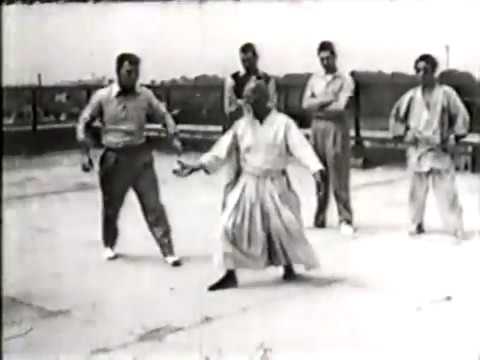
The year 1954 gifted us a rare glimpse into the profound capabilities of Aikido O Sensei through a rediscovered video. This artifact, showcasing his mastery, serves as a potent reminder of the enduring power of traditional martial arts. Today, the echoes of such legends resonate powerfully, not only in dedicated dojos but also within the electrifying arenas of modern martial arts and combat sports. These disciplines, with their rich histories and timeless teachings, continue to captivate us, offering lessons that transcend mere physical prowess.

But what is the true essence of martial arts and Budo? Far beyond the technicalities of striking and grappling, they represent a holistic philosophy, a rigorous discipline, and ultimately, a pathway to self-development. The pursuit of perfection, a core tenet of Budo – the "way of the warrior" – is a journey of constant refinement, both physically and mentally.

The True Essence of Martial Arts and Budo

Martial arts are not merely a collection of techniques designed for conflict. They are a profound system for cultivating the individual. The ultimate aim is to forge a stronger self – physically resilient, mentally sharp, and spiritually grounded. This holistic development is what sets true martial arts apart.

Budo: More Than Just a Fighting Style

"Budo" translates directly to "the way of the warrior." This term encapsulates the spirit that underpins these disciplines. It's about the relentless pursuit of excellence, the mastery of oneself through rigorous training, and the application of these principles in all facets of life. It is a lifelong pursuit, not a destination.

"The ultimate aim of martial arts is not victory or defeat, but the perfection of the character of its practitioners." - A principle echoed across many martial traditions.

The Multifaceted Benefits of Martial Arts Training

The benefits of consistent training in martial arts are vast and touch every aspect of a practitioner's life. Beyond the obvious enhancement of self-defense skills, individuals develop:

  • Improved Physical Health: Increased strength, flexibility, cardiovascular endurance, and coordination.
  • Enhanced Mental Fortitude: Greater focus, discipline, patience, and stress management.
  • Unshakeable Self-Discipline: The ability to set goals and work towards them consistently, overcoming obstacles.
  • A Strong Sense of Community: The shared passion within the martial arts community fosters deep bonds, camaraderie, and mutual respect. This sense of belonging is invaluable.

This supportive environment is crucial. The shared struggles and triumphs in the dojo create a unique connection that strengthens the collective spirit.

Combat Sports: The Arena of Modern Competition

Contrast this with combat sports. While they share the roots of physical confrontation, their primary focus is often on competition and the quantifiable outcome of victory. Disciplines like MMA, boxing, and Judo demand extraordinary levels of physical conditioning, strategic thinking, and mental toughness. They are a testament to the human spirit's capacity to perform under immense pressure.

The athletes in these fields are modern warriors, pushing the boundaries of human potential. Their dedication, sacrifice, and ability to execute under the bright lights are truly inspiring. It is undeniable that these sports showcase incredible athleticism and tactical brilliance.

Showcasing Your Passion: Martial Arts and Combat Sports Merchandise

For enthusiasts and practitioners alike, the passion for martial arts and combat sports often extends beyond the training mat or the ring. This is where merchandise plays a role. From specialized Karate gis and durable Judo uniforms to training equipment and casual apparel, these items allow individuals to express their identity and support their chosen disciplines.

High-quality training equipment, such as punching bags, focus mitts, and protective gear, is essential for effective practice. Wearing apparel that represents your art or sport is a way to connect with the wider community and serve as a constant reminder of your commitment. These items also make fantastic gifts for fellow martial artists or combat sports fans.

Our Commitment at BYAM Budo y Artes Marciales

At BYAM Budo y Artes Marciales, we understand this passion. We are dedicated to providing a wide array of high-quality merchandise tailored for both martial arts practitioners and combat sports aficionados. Our selection is curated to meet the needs of everyone, from the absolute beginner taking their first steps in Aikido or Karate, to the seasoned expert honing their skills. Functionality and durability are paramount in our product design, ensuring that what you choose supports your journey.

We firmly believe that martial arts and combat sports are more than just physical activities; they are transformative life experiences. Our blog serves as a platform to share invaluable insights, including practical training tips, detailed technique breakdowns, and the philosophical underpinnings that make these arts so profound.

Deepen Your Journey: Recommended Resources

To further enrich your understanding and practice, I highly recommend exploring these resources:

Frequently Asked Questions

  • Q: Is Aikido still relevant in modern combat sports?
    A: While Aikido's direct application in MMA is debated, its principles of blending, redirection, and control offer invaluable lessons in balance, spatial awareness, and joint manipulation, which are transferable skills.
  • Q: What is the difference between Budo and just training martial arts?
    A: Budo emphasizes the spiritual and philosophical development of the individual, viewing training as a lifelong path to self-perfection. Simply training martial arts may focus more on the technical or competitive aspects without the deeper philosophical commitment.
  • Q: How can I start training martial arts if I'm a complete beginner?
    A: The best approach is to research local dojos or gyms offering styles that interest you. Many offer introductory classes. Focus on finding qualified instructors and a welcoming community, like those found in martial arts communities globally.

Sensei's Verdict: Is the Legacy Alive?

Looking back at O Sensei’s demonstration in 1954, and observing the dedication in today's dojos and the fierce competition in UFC bouts, one undeniable truth emerges: the warrior spirit, the essence of Budo, is very much alive. The methods evolve, the arenas change, but the fundamental principles of discipline, perseverance, and the quest for self-mastery remain constant.

Whether you are drawn to the intricate flows of Aikido, the powerful stances of Karate, or the dynamic exchanges in MMA, the path of martial arts offers a profound opportunity for growth. It is a journey that builds not just a fighter, but a better human being.

Sensei's Reflection: Your Next Step

O Sensei's movements in that 1954 film were not just physical actions; they were expressions of deep understanding and embodiment. The question for you, the dedicated practitioner and student of the Way, is this: How can you embody the principles you learn on the mat in the unpredictable dojo of your daily life? Do you merely mimic techniques, or do you strive to internalize the philosophy?

```

For Deeper Exploration on Your Path

Mikio Yahara: The Unyielding Spirit of Shotokan Karate and the Rediscovery of Budo

The Uncompromising Fighter

Welcome, students of the martial path. Today, we delve into the life and legacy of a man whose name resonates with the very essence of dynamic Shotokan Karate: Mikio Yahara. Born in 1947, Yahara Sensei is not merely a practitioner; he is a force of nature within the dojo and a living testament to the power of unwavering spirit. Masatoshi Nakayama, a titan of Karate himself, recognized this when he declared Yahara "the best fighter of his generation." This is not hyperbole; it is a pronouncement earned through sweat, discipline, and an unshakeable commitment to the principles of martial combat.

But what truly sets Yahara Sensei apart, and what we will explore today, is his profound dedication to reintroducing Karate to its ancient Budo roots. In an era where Karate often drifts towards sport or mere physical exercise, Yahara Sensei stands as a beacon, reminding us of the deeper, combative, and spiritual dimensions of our art. Prepare yourselves for a lesson not just in Karate, but in the enduring philosophy of the warrior.

Forged in the Crucible of the JKA

Mikio Yahara emerged from the prestigious Japan Karate Association (JKA) dojo, an institution synonymous with the standardization and global dissemination of Shotokan Karate. This was no easy environment. The JKA of Yahara's formative years was a breeding ground for exceptional talent, a place where only the strongest, most dedicated, and most skilled could thrive. To be recognized within this elite group, let alone singled out for praise, speaks volumes about Yahara's innate abilities and relentless work ethic.

His achievements within the JKA are legendary. Winning the JKA Grand Championship is not a minor feat; it signifies conquering the highest echelon of competitive Karate. This victory was more than just a trophy; it was a declaration of dominance, a validation of his physical prowess and tactical acumen. He proved himself on the most demanding stage, a feat that solidified his reputation as a formidable competitor.

"The JKA was a proving ground. Every session, every kumite, was a test. Yahara didn't just pass these tests; he redefined them."

His early success wasn't accidental. It was the direct result of countless hours spent honing his techniques, perfecting his timing, and cultivating an indomitable spirit. The intensity of training within the JKA under masters like Nakayama instilled a level of discipline and combat readiness that few could match.

A Style Born of Necessity

What made Mikio Yahara a fan favorite and a feared opponent was his truly unique fighting style. It wasn't simply about executing perfect techniques; it was about a raw, energetic, and often unpredictable approach to kumite. This dynamism wasn't just for show; it was a product of his deep understanding of combat and his commitment to effectiveness.

In the world of martial arts, especially in competition, styles often evolve. Some become more reliant on speed, others on power, and some on strategic point-scoring. Yahara Sensei, however, embodied a style that was both explosive and deeply rooted. He attacked with a ferocity that belied his technical precision, making him a captivating figure to watch. His movements were not just movements; they were manifestations of focused intent, designed to overwhelm and disable an opponent.

This fighting style, described as "energetic" and "dynamic," is a hallmark of true martial artists who understand that combat is not static. It requires adaptability, a willingness to press the advantage, and the courage to face adversity head-on. His approach was a stark contrast to more conservative styles, making him a standout performer and an inspiration to many who sought a more aggressive, yet still principled, way to fight.

The impact of such a style on the perception of Shotokan Karate cannot be overstated. It demonstrated that the art, while possessing a rich tradition, could also be expressed through powerful, modern combat applications. This versatility is key to the longevity of any martial art, and Yahara Sensei was a living embodiment of this principle.

The Path Back to Budo

While his prowess in competition is undeniable, it is Yahara Sensei's later focus on the philosophical underpinnings of Karate that has cemented his status as a modern master. He is a fervent advocate for reintroducing Karate to its original Budo roots. This is a critical distinction and one that resonates deeply with those who believe Karate is more than just a sport.

Budo, the "way of warfare" or "martial way," encompasses not just technical proficiency but also the spiritual, ethical, and mental cultivation of the practitioner. It emphasizes discipline, respect, self-control, and the development of character. In its purest form, Budo is a lifelong path of self-improvement, where combat is a means to an end—the perfection of self—rather than the ultimate goal.

"Karate, in its original Budo context, was not merely about striking. It was about understanding the totality of conflict, both external and internal."

Yahara Sensei's commitment to this philosophy is not just theoretical; it's a guiding principle in his teachings and his personal practice. He believes that by returning to these core principles, Karate can regain its profound depth and continue to be a transformative force in practitioners' lives. This perspective challenges many modern interpretations of Karate, which may focus heavily on sport Karate or self-defense without fully embracing the holistic development inherent in traditional Budo.

His exploration of Budo Karate has made him a pivotal figure today, guiding Karateka toward a more complete understanding of their art. This is crucial in a world that often separates physical training from mental and spiritual growth. Yahara Sensei bridges this gap, reminding us that the strongest fighter is not just the one with the most powerful technique, but the one with the most disciplined and enlightened mind.

The journey back to Budo is a call to arms for martial artists worldwide. It is an invitation to look beyond the immediate rewards of competition or self-defense and to embrace the lifelong pursuit of wisdom and character development that martial arts, at their best, offer.

Enduring Influence and the Future of Karate

Mikio Yahara's influence extends far beyond his competitive achievements. His dedication to the Budo aspect of Karate ensures that his teachings will continue to shape the art for generations to come. He represents a vital bridge between the historical roots of Karate and its future potential.

As Karate continues to evolve, with its inclusion in the Olympic Games and its diverse manifestations across the globe, voices like Yahara Sensei's are essential. They serve as a reminder of the art's origins and its potential for profound personal development. His legacy is not just in the techniques he performed, but in the philosophical direction he champions for Karate.

The question for practitioners today is: How do we integrate the dynamism and competitive spirit, for which Yahara Sensei is renowned, with the depth and wisdom of Budo? It is a challenge that requires careful consideration, dedication, and a willingness to look beyond superficial achievements. The path forward for Karate, as championed by masters like Yahara, involves a holistic approach that nourishes both the body and the spirit.

Sensei's Verdict: A Champion's Legacy

Mikio Yahara is more than just a decorated Karateka; he is a living embodiment of the martial spirit. His career exemplifies the peak of Shotokan competition, earning him accolades and the respect of his peers. Yet, it is his unwavering commitment to the deeper principles of Budo that truly elevates his status. He reminds us that true mastery lies not only in victory but in the continuous pursuit of self-perfection and the preservation of an art's soul.

Rating: 10th Dan in Legacy & Philosophy

Essential Training Gear for Karateka

To emulate the dedication of masters like Mikio Yahara, having the right equipment is fundamental. Quality training gear not only enhances performance but also ensures safety and respect for the dojo.

  • High-Quality Karate Gi: Look for a double-weave or heavyweight gi for durability during intense kumite and kata. Brands offering a good balance of tradition and modern fit are ideal.
  • Protective Gear: For sparring (kumite), ensure you have proper sparring gear including mitts, foot protectors, and a chest protector. Safety is paramount.
  • Training Mats (if applicable): For home practice or specific dojo drills, consider mats that offer good cushioning and grip.
  • Bokken or Bo Staff (for related disciplines): While not always central to Shotokan, if exploring weapons-based Budo, a wooden sword (bokken) or staff (bo) is essential.
  • Books on Budo and Karate History: Supplement your physical training with knowledge. Understanding the philosophy and history deepens your practice.

Investing in quality Karate merchandise is an investment in your own development.

Frequently Asked Questions

Who is Mikio Yahara?
Mikio Yahara is a highly respected 10th Dan Shotokan Karate practitioner, renowned for his dynamic fighting style and his advocacy for returning Karate to its Budo roots.
What is Budo Karate?
Budo Karate emphasizes the martial way, focusing not only on combat techniques but also on the spiritual, ethical, and mental development of the practitioner, akin to traditional samurai disciplines.
What was Yahara's significance in the JKA?
Yahara was considered "the best fighter of his generation" by Masatoshi Nakayama and won the prestigious JKA Grand Championship, showcasing exceptional skill and competitive spirit.
Why is his focus on Budo important today?
In a landscape where Karate can sometimes lean heavily towards sport or self-defense without deeper philosophical engagement, Yahara Sensei's emphasis on Budo reminds practitioners of the art's holistic potential for character development and spiritual growth.

To Dive Deeper Into Your Journey

The path of the martial artist is one of continuous learning. To further enrich your understanding and practice, explore these related topics:

Reflexión del Sensei: Tu Próximo Paso

Yahara Sensei's life is a testament to the idea that true martial arts mastery is a blend of fierce combat effectiveness and profound philosophical depth. He urges us to look beyond the immediate victory and seek the enduring lessons of the path. Now, I ask you:

Can the fierce warrior and the contemplative sage truly coexist within a single martial artist? And if so, how does one cultivate both without sacrificing the essence of the other?

Share your thoughts, your doubts, and your insights. Let us engage in a discussion that honors the spirit of Budo and the legacy of masters like Mikio Yahara.

``` GEMINI_METADESC: Explore the dynamic fighting style and profound Budo philosophy of 10th Dan Shotokan Karate master Mikio Yahara, hailed as the best fighter of his generation.

PRIDE FC 22: Beasts from the East 2 - A Martial Critic's Deep Dive into a Modern Combat Epic

Welcome, warriors and students of the Way, to a dissection not merely of a sporting event, but of a pivotal moment in the evolution of modern combat. You are watching *PRIDE FC 22: Beasts from the East 2*, an event that, on September 29, 2002, unleashed a torrent of raw power and tactical brilliance upon the Nagoya Rainbow Hall. Published on June 2, 2022, this is more than just a record; it's a living testament to the brutal ballet that is professional mixed martial arts. Prepare yourselves, for we are about to peer into the heart of the beast.

Table of Contents

Introduction: The Dawn of a New Combat Era

Hello and welcome to Budo and Martial Arts. You are watching PRIDE FC 22 - Beasts from the East 2 (2002), an event published on June 2, 2022. Welcome to the most complete and updated martial arts blog on the internet. The martial world is a vast ocean, and while the shores of traditional karate, judo, and kung fu have been charted for centuries, new continents of combat are constantly being discovered. PRIDE FC wasn't just a promotion; it was a crucible where diverse martial disciplines were forged into a new, explosive art form. This event, *Beasts from the East 2*, was a prime example, showcasing a roster of fighters who embodied the very essence of combat prowess. But what truly separates these warriors from mere brawlers? It's the underlying principles, the mental fortitude, the *Budo* spirit, even in its most modern, high-octane manifestation.

The Genesis of PRIDE FC: A Clash of Cultures and Combat

Before we delve into the specific bouts, it's crucial to understand the landscape. PRIDE FC emerged from Japan, a nation with a profound martial heritage. It was a stage where Western wrestling met Eastern striking, where submission grappling found its ultimate test against powerful knockouts. Unlike many of its contemporaries, PRIDE embraced the spectacle, the larger-than-life personalities, and the sheer, unadulterated ferocity that defined combat sports in the early 2000s. This event, held in Nagoya, was a testament to that philosophy, bringing together a melting pot of styles and nations, each fighter a representative of their own unique martial journey. The energy in the Nagoya Rainbow Hall on that day was palpable, a testament to the growing global fascination with the organized chaos of MMA.

Fight Analysis: Kevin Randleman vs. Michiyoshi Ohara - The Powerbomb Prelude

The card kicks off with a bang: Kevin Randleman vs. Michiyoshi Ohara. Randleman, a powerhouse collegiate wrestler, was known for his explosive athleticism and devastating slams. Ohara, a judoka and sambist, brought a different kind of power to the ring. This fight, though short (6:46), set the tone. Randleman's ability to transition from striking to takedowns, culminating in his notorious slams, was a preview of the physical dominance that would define his PRIDE career. While Ohara attempted to impose his grappling, Randleman's sheer strength and drive to finish proved overwhelming. It was a stark reminder that in MMA, the ability to dictate where the fight takes place, and how, is paramount.
"The supreme art of war is to subdue the enemy without fighting." - Sun Tzu, The Art of War. While Sun Tzu spoke of strategy, Randleman demonstrated that in MMA, a decisive, overwhelming physical action *can* be the "subduing" that ends the conflict before it truly begins.

Fight Analysis: Guy Mezger vs. Yoshihisa Yamamoto - The Veteran's Grasp

Next, we see Guy Mezger facing Yoshihisa Yamamoto (39:59). Mezger, a seasoned veteran from the early days of MMA, brought a wealth of experience in striking and submission grappling. Yamamoto, a Japanese fighter with a background in judo and karate, was known for his resilience. This bout showcased the chess match that MMA can become. Mezger used his striking to set up his takedowns, controlling the pace and looking for openings. Yamamoto, however, displayed incredible toughness, weathering Mezger's offense and looking for his own counter-attacks. The fight eventually went to the judges, highlighting Mezger's control and Yamamoto's enduring spirit. It’s a bout that emphasizes the importance of patience and strategic accumulation of advantage in a longer fight.

Fight Analysis: Anderson Silva vs. Alexander Otsuka - The Spider's Web Begins to Form

At 1:09:29, we witness a young Anderson Silva taking on Alexander Otsuka. This fight is particularly fascinating through the lens of history. Even at this stage, Silva's fluidity and striking accuracy were evident. His ability to weave in and out of range, using feints and dynamic kicks, was already a hallmark. Otsuka, a fighter known for his grit and submission skills, represented a significant challenge. Silva's victory here was a powerful statement, hinting at the superstardom that awaited him. The way Silva managed distance and landed precise shots, breaking down his opponent's defense before securing the finish, was a masterclass in striking fundamentals applied to the chaotic MMA environment. This wasn't just a win; it was a declaration of intent from a future legend.

Fight Analysis: Paulo Filho vs. Akira Shoji - Submission Mastery

Following that, at 1:41:41, we have Paulo Filho against Akira Shoji. Filho, a Brazilian Jiu-Jitsu prodigy, was a submission specialist. Shoji, a Japanese fighter known for his toughness and Muay Thai base, presented a challenge that required tactical brilliance rather than brute force. This fight was a prime example of grappling dominance. Filho systematically worked his way into dominant positions, using his Brazilian Jiu-Jitsu expertise to control Shoji and ultimately secure a submission. It’s a vital lesson for aspiring grapplers: understanding leverage, body mechanics, and patience can overcome even the most tenacious of opponents. The precision of Filho's transitions and final lock was a testament to the effectiveness of well-honed submission techniques.

Fight Analysis: Heath Herring vs. Yuriy Kochkine - The "Texas Crazy Horse" Stampede

At 1:49:54, the "Texas Crazy Horse," Heath Herring, enters the ring against Yuriy Kochkine. Herring was known for his aggressive, crowd-pleasing style, often involving wild exchanges and powerful strikes. Kochkine, a Russian fighter with a background in combat sambo, brought a dangerous blend of striking and grappling. This fight was a display of raw aggression and power. Herring's Muay Thai-infused striking and takedown defense were put to the test, but his signature style, characterized by relentless pressure and heavy hands, ultimately prevailed. It’s a fight that exemplifies the heart and determination required to compete at this level, where sheer will can often be as potent a weapon as technique.

Fight Analysis: Mario Sperry vs. Andrei Kopylov - The Brazilian Jiu-Jitsu Dominance

Moving on to 2:03:38, we have Mario Sperry facing Andrei Kopylov. Sperry, another prominent figure from the Brazilian Jiu-Jitsu scene, was a master of ground fighting. Kopylov, a Russian fighter, was known for his striking prowess and sambo background. This bout was a stylistic clash that highlighted the effectiveness of ground-based martial arts. Sperry's ability to control the grappling exchanges and exploit transitions was evident throughout the fight. He used his superior mat skills to nullify Kopylov's striking threat and eventually secure a victory through submission. This fight underscores the importance of understanding grappling mechanics, as it can be the deciding factor in MMA bouts.

Fight Analysis: Quinton "Rampage" Jackson vs. Igor Vovchanchyn - A War of Attrition

At 2:20:42, we witness what many consider a legendary clash: Quinton "Rampage" Jackson vs. Igor Vovchanchyn. Both fighters were renowned for their devastating power and aggressive fighting styles. Vovchanchyn, a fearsome striker with a sambo background, was a PRIDE legend. "Rampage" Jackson, a powerful wrestler and striker, was emerging as a major force. This fight was a brutal war, a true test of wills. Both fighters exchanged heavy blows, with takedown attempts and scrambles adding to the intensity. It was a back-and-forth affair that showcased the resilience and heart of both competitors. Ultimately, Jackson secured the victory, but the fight left an indelible mark on the history of MMA. This is the kind of fight that makes you appreciate the sheer physical and mental fortitude required to step into the ring.
"In the heat of battle, you cannot be concerned with what might happen. You must act. You must commit." - A sentiment embodied by both Jackson and Vovchanchyn in their relentless exchange.

Fight Analysis: Ryan Gracie vs. Shungo Oyama - The Gracie Legacy in Action

Finally, at 2:34:28, the card concludes with Ryan Gracie vs. Shungo Oyama. As a member of the legendary Gracie family, Ryan carried the torch of Brazilian Jiu-Jitsu and its effectiveness in combat. Oyama, a Japanese fighter, represented the diverse martial arts landscape of PRIDE. This bout was a demonstration of the Gracie Jiu-Jitsu philosophy: control the fight on the ground and exploit the opponent's weaknesses. Ryan Gracie's tactical approach, focused on clinching and grappling, eventually led to a submission victory. It was a fitting end to a card that showcased a variety of martial disciplines, proving that the Gracie lineage's impact on combat sports was profound and enduring.

The Spirit of Budo in MMA: Beyond the Knockout

Now, some might scoff. "Where is the *Budo*," they might ask, "in this modern spectacle?" I say to you: it is everywhere, for those with eyes to see. *Budo* is not merely about tradition; it is about the cultivation of character through rigorous training and the pursuit of mastery. In MMA, we see this in the dedication of fighters like Anderson Silva, honing his striking with relentless precision. We see it in the submission artistry of Paulo Filho, a testament to years spent perfecting the craft of grappling. We see it in the sheer resilience of fighters like Igor Vovchanchyn, who absorb punishment and continue to fight with unwavering resolve. The discipline to cut weight, the mental fortitude to step into the cage knowing you might face pain, the respect shown to opponents even after a fierce battle – these are all threads of *Budo* woven into the fabric of modern combat. This event, *PRIDE FC 22*, was a vibrant canvas illustrating the evolution of martial practice. It showed that while the methods evolve, the core tenets of courage, discipline, and the pursuit of excellence remain timeless. The fighters are not just combatants; they are modern-day samurai, gladiators, and warriors, each bringing their unique heritage and skill set to the ultimate test.

Veredicto del Sensei: A Blueprint for Modern Warriors

*PRIDE FC 22: Beasts from the East 2* is more than just a collection of fights; it's a historical document of a golden era in MMA. It showcases a diverse array of martial arts talent, from Olympic-level wrestlers and submission experts to seasoned strikers. The event successfully blended the raw spectacle PRIDE was known for with genuine martial artistry. The pacing of the card, the caliber of the fights, and the presence of emerging and established legends make it a must-watch for any serious student of combat sports. **Cinturón Negro en Legacy and Raw Combat.**

Equipo Esencial para tu Entrenamiento

To emulate the dedication of these fighters, a solid training regimen is crucial. Here's some equipment that will serve you well:
  • Guantes de MMA: Essential for striking and grappling without hindering submissions. Look for durable, well-padded options.
  • Protector bucal: Non-negotiable for safety during sparring.
  • Espilleras y protectores de empeine: Protect your lower legs and feet during striking drills.
  • Kimono de Judo o Jiu-Jitsu: For ground grappling training. A durable, double-weave Gi is recommended for longevity.
  • Esterillas o tatami: Crucial for safe falling and grappling practice.
  • Comba de saltar: For improving footwork, conditioning, and explosive power.

Guía de Entrenamiento: Desarrollando la Resiliencia del Guerrero

To truly absorb the lessons of PRIDE FC 22, one must train not just the body, but the mind and spirit. Here’s a basic framework for developing the kind of resilience seen in these bouts:
  1. Calentamiento Dinámico (15 minutos): Prioritize mobility and explosive movements. Think jumping jacks, high knees, butt kicks, arm circles, leg swings, and light jogging.
  2. Striking Drills (20 minutos): Focus on fundamental punches, kicks, and knee strikes. Practice combinations with a partner or on heavy bags. Emphasize proper form and power generation from the hips.
  3. Wrestling & Takedown Practice (20 minutos): Work on basic takedowns (single leg, double leg) and defensive sprawl techniques. If you have a partner, practice controlled takedown attempts and defenses.
  4. Grappling & Submission Drills (30 minutos): Focus on positional control (mount, side control, guard) and basic submissions like armbars and chokes. Work from safe positions to build technique and control.
  5. Conditioning Circuit (15 minutos): Incorporate exercises like burpees, push-ups, squats, and sit-ups with minimal rest. This builds the stamina needed for prolonged combat.
  6. Cool-down & Stretching (10 minutos): Static stretching to improve flexibility and aid recovery. Hold each stretch for 30 seconds.
  7. Mental Fortitude Exercise: End each session with 5 minutes of focused breathing or meditation. Visualize success and resilience.
Remember, consistency is key. Aim to train at least 3-4 times a week, gradually increasing the intensity and duration as your conditioning improves.

Preguntas Frecuentes

  • Q: Was PRIDE FC 22 a significant event in MMA history?
    A: Yes, PRIDE FC 22 was part of a highly influential era for mixed martial arts, showcasing top talent and contributing to the sport's global growth.
  • Q: What martial arts styles were most prominent in PRIDE FC 22?
    A: The event featured a diverse mix, including wrestling, judo, sambo, Brazilian Jiu-Jitsu, Muay Thai, and karate, reflecting the cross-disciplinary nature of MMA.
  • Q: How did PRIDE FC differ from modern MMA organizations?
    A: PRIDE was known for its unique ruleset (e.g., soccer kicks on downed opponents), emphasis on ring entrances, and larger roster of international stars, creating a distinct spectacle.
  • Q: Is Kevin Randleman's slam still considered one of the most powerful in MMA?
    A: Absolutely. Randleman's slams, particularly his signature "Randleplex," are legendary and remain some of the most impactful takedowns ever seen in MMA.
  • Q: Can I still watch PRIDE FC 22?
    A: Full fights and highlights are often available on platforms like YouTube and specialized MMA streaming services, though licensing can vary.

Para Profundizar en tu Camino

Embarking on the path of martial arts is a lifelong journey. To continue your exploration and understanding of the martial world, I recommend delving into these related topics:

Reflexión del Sensei: Tu Próximo Paso

You have witnessed the raw power, the calculated strategy, and the indomitable spirit displayed at PRIDE FC 22. But watching is passive. The true lesson lies not in spectating, but in embodying. Ask yourself: When faced with an overwhelming opponent, whether in the ring or in life, do you resort to chaos, or do you find your center? Do you rely solely on brute force, or do you weave in the precision of technique, the wisdom of experience, and the quiet strength of your spirit? The next step is not merely to train harder, but to train smarter, to train with intention. Analyze your own approach to challenges. Where do you falter? Where can you integrate the lessons of these warriors into your own daily practice? The arena of life demands just as much courage and skill as any fighting ring. What will be your decisive move? GEMINI_METADESC: An in-depth martial arts critique of PRIDE FC 22: Beasts from the East 2, analyzing key fights, fighter techniques, and the enduring spirit of Budo in modern combat sports.

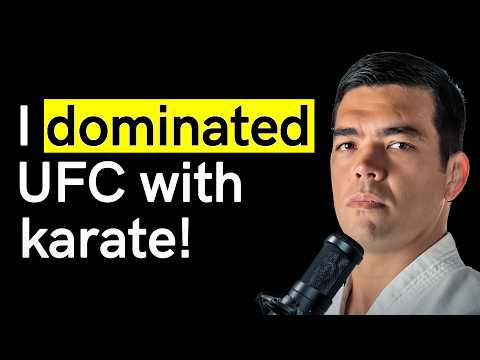
Lyoto Machida's Fighting Philosophy: A Masterclass in Karate's Application in MMA

Introduction: The Brazilian Samurai

Hello, warriors, and welcome to Budo and Martial Arts. Today, we dissect a phenomenon: Lyoto Machida. The "Dragon" of MMA, a man who has consistently proven that the ancient principles of Karate are not only relevant but devastatingly effective in the modern, brutal arena of mixed martial arts. Forget the flashy, often impractical interpretations of Karate seen in some circles. Machida embodies the warrior's spirit – disciplined, strategic, and lethal. He doesn't just fight; he moves with a calculated grace, a testament to his deep understanding of his craft. This is not merely about knockouts; it's about the philosophy, the training, and the unwavering dedication that transforms a martial artist into a legend.

The question often arises: Can traditional martial arts truly stand against the hybridized onslaught of MMA? Machida's career, particularly the explosive moments we're about to analyze, offers a resounding "yes." But the true lesson lies not just in his victories, but in the 'how' and 'why' behind them. This is a deep dive into the mind and methods of a fighter who bridges the gap between tradition and the cage.

Lyoto Machida's Highlight Reel: A Study in Precision

Let's not mince words. Lyoto Machida's career is a highlight reel of tactical brilliance and devastating finishing power. He moves like a ghost, appearing when least expected, and striking with the precision of a surgeon. His ability to transition seamlessly between defensive postures and explosive offensive maneuvers is a masterclass in timing and distance management.

Consider his front kick knockout of Vitor Belfort. This wasn't a wild, desperate strike. It was a perfectly timed counter, exploiting Belfort's forward momentum. The technique was pure Karate, delivered with the force and accuracy honed through years of dedicated practice. This single strike encapsulates Machida's fighting style: patience, observation, and explosive execution.

"The ultimate aim of martial arts is not victory or defeat, but the perfection of the character of its practitioners." - Gichin Funakoshi

His leg trip knockout of Thiago Silva showcased another layer of his strategy. While often lauded for his striking, Machida's understanding of grappling and takedowns, particularly those that flow organically from striking exchanges, is often underestimated. This wasn't just about power; it was about understanding angles and leverage, a critical component of any effective martial art.

The knockout of Rashad Evans demonstrated his uncanny ability to exploit openings with his hands. While Karate is primarily known for its kicks, Machida's proficiency with punches, particularly the counter-punch, is undeniable. He doesn't waste movement. Every feint, every jab, every cross is designed to set up the next, more significant strike or to create an opening.

We see this pattern repeated: Vitor Belfort's front kick KO, Thiago Silva's leg trip, Rashad Evans' punch KO, Randy Couture's crane kick KO, Ryan Bader's Gyaku Zuki KO, Mark Munoz's high kick KO, CB Dollaway's liver kick KO, and Chael Sonnen's jump knee KO. Each of these moments is a testament to his adaptability and his deep well of knowledge drawn from Karate.

The Infamous Crane Kick: More Than Just Spectacle

Ah, the crane kick. Immortalized in pop culture, but brought to a brutal, high-stakes reality by Lyoto Machida against Randy Couture. Many dismiss it as a showy technique. But in Machida's hands, it's a calculated weapon. The effectiveness of such a kick in an MMA context relies on impeccable timing and the ability to create the necessary distance and balance.

The visual element of the crane kick – balancing on one leg with the other raised – is deceiving. It requires immense core strength, balance, and leg control, all cultivated through rigorous Karate training. Machida's application of this kick wasn't gratuitous; it was a strategic strike aimed at a vulnerable target, exploiting Couture's defensive posture and the moment of transition in the fight. It's a prime example of how a seemingly esoteric technique from traditional Karate can be adapted for devastating effect in a modern combat sport.

The legend of Daniel LaRusso's crane kick in "The Karate Kid" might have planted the seed in the public imagination, but Machida actualized its potential in the professional fighting world, proving its efficacy beyond the silver screen.

The Philosophy Behind the Technique: Karate Meets Combat

Machida's success is not just about physical prowess; it's deeply rooted in the philosophy of Budo. He embodies the concept of 'Mushin' – a mind free from distraction, fear, or anger, allowing for natural, instinctive action. This is the essence of a true warrior's mindset. His serene demeanor in the face of intense pressure is not apathy; it is the embodiment of calm focus.

Karate, at its core, is about efficient movement and maximum impact with minimal effort. Machida translates this principle into the cage. He doesn't engage in prolonged, energy-draining exchanges. Instead, he waits, observes, and strikes with devastating precision when the opportunity arises. This is the strategic application of Karate's principles: distance, timing, and focus.

The Karate he practices is not merely a collection of techniques; it's a way of life, a path to self-improvement. This philosophical underpinning is what elevates his fighting from mere athleticism to an art form. It’s why he’s often referred to as the "Brazilian Samurai," a modern warrior carrying the torch of ancient traditions.

Training Regimen: Honing the Warrior's Edge

The spectacular finishes we see from Lyoto Machida are the product of an extraordinary training regimen. While the specifics are often guarded, his career trajectory points to a dedication that transcends the typical MMA fighter's routine. He emphasizes conditioning, flexibility, and, crucially, the repetition of fundamental Karate techniques until they become instinctual.

This involves extensive drills focused on balance, footwork, and striking precision. The body must be conditioned to execute complex movements under duress. His training likely incorporates:

  • Kihon (Fundamentals): Endless repetition of basic punches, kicks, blocks, and stances to perfect form and power.
  • Kata: Practicing choreographed forms not just for technique, but for developing flow, rhythm, and mental focus. This is where the 'spirit' of Karate is truly cultivated.
  • Sparring: Applying techniques in a controlled, yet realistic, combat scenario.
  • Conditioning: A rigorous approach to cardiovascular health, muscular endurance, and explosive power.
  • Flexibility and Mobility: Essential for executing high kicks and maintaining a low, stable base.

His discipline in maintaining this rigorous schedule, even into the later stages of his career, is a testament to his warrior's commitment. It underscores the idea that true martial arts mastery is a lifelong pursuit.

Veredicto del Sensei: Is Machida's Karate the Future?

Lyoto Machida is not just a fighter; he is a living embodiment of how traditional martial arts, when understood and applied correctly, can thrive in the modern combat landscape. His ability to integrate Karate principles with the demands of MMA is nothing short of masterful. He proves that technique, discipline, and strategic application of fundamentals can overcome brute force and volume striking.

While some might argue that pure Karate rarely features in today's top-tier MMA, Machida demonstrates that the core principles – timing, distance, economy of motion, and decisive striking – are universally applicable. He doesn't force Karate into MMA; he allows MMA to be enhanced by his Karate.

Cinturón Negro en Filosofía Marcial y Aplicación Táctica. Machida's legacy is a powerful argument for the enduring relevance of traditional martial arts training, emphasizing that the journey of perfection of self is as crucial as any victory in the ring.

Equipment Essentials for Your Training

To emulate the dedication and precision of a fighter like Lyoto Machida, you need the right tools. Whether you're training Karate, MMA, or any combat sport, investing in quality gear is crucial for both performance and safety.

  • Karate Gi: A durable, high-quality Karate Gi is essential for traditional training. Look for double-weave options for intense sparring or single-weave for kata.
  • MMA Gloves: For sparring and when transitioning to MMA-specific drills, well-padded MMA gloves are a must to protect your hands and your training partners.
  • Shin Guards: Crucial for protecting your shins during kicking drills and sparring.
  • Mouthguard: Non-negotiable for any combat sport training involving contact.
  • Training Mats: For safe execution of ground techniques and falls.

Resources to Deepen Your Understanding

To truly grasp the depth of Lyoto Machida's approach and the philosophy of Budo, further study is essential. Here are some resources that can illuminate your path:

Frequently Asked Questions

Q1: Is Lyoto Machida still fighting?
A1: Lyoto Machida has competed in professional MMA for many years and, while his active career has seen fewer bouts, he remains a respected figure in the sport. His last fight was in 2023.

Q2: Can I learn effective fighting techniques solely from Karate?
A2: Karate provides a strong foundation in striking, discipline, and conditioning. For a comprehensive MMA skillset, integrating grappling and wrestling techniques is crucial. Machida himself incorporates elements beyond traditional Karate.

Q3: What is the "Karate Nerd" brand?
A3: "The Karate Nerd" is the persona and brand of Jesse Enkamp, an author and martial artist who focuses on promoting Karate lifestyle and its practical applications, often through educational content and merchandise.

Q4: What does "Gyaku Zuki" mean?
A4: Gyaku Zuki (逆突き) is a Japanese term for a reverse punch, a fundamental offensive technique in Karate, where the fist strikes from the rear hand relative to the stance.

Sensei's Reflection: Your Next Step

Lyoto Machida's journey is a powerful reminder that the essence of martial arts lies not in the spectacle of the fight, but in the discipline of the training and the depth of the philosophy. He shows us that ancient wisdom can indeed carve a path through modern challenges.

Now, I pose a question to you: In your own training, are you merely practicing techniques, or are you striving to embody the principles behind them? Are you seeking victory in the ring, or are you seeking the perfection of your own character? The true battle is within. What will you do to cultivate your inner warrior this week?

GEMINI_METADESC: Explore Lyoto Machida's fighting philosophy, from Karate origins to MMA dominance. Analyze his signature techniques, including the crane kick, and understand the Budo principles behind his success.

The Forgotten Crucible: 1800s Jujutsu Shiai and the Birth of Modern Martial Arts

Before the gleaming dojos and televised tournaments, before the structured katas and the refined philosophies, there existed a rawer, more perilous form of grappling. We speak of the 1800s Jujutsu Shiai (試合), the often brutal and deadly contests that forged the foundations of what we now recognize as modern martial arts. Forget the sanitized image of grappling; these were not mere sparring sessions. These were often high-stakes encounters, where skill, strategy, and sheer will determined not just victory, but survival.

The Genesis of Lethal Grappling

Many practitioners today, steeped in the structured world of Judo, Brazilian Jiu-Jitsu (BJJ), or even Sambo, may not fully grasp the evolutionary leap that brought us here. The path was paved with danger. The Shiai of the 1800s were a critical, albeit often grim, stepping stone. They were the proving grounds where techniques were tested not against compliant partners, but against determined opponents with the intent to incapacitate or worse. This raw reality shaped the very DNA of combat sports.

A World Without Rules: Jujutsu in Feudal Japan

During the Edo period and beyond, Japan was a land where martial prowess was not just a skill, but a necessity. Samurai, warriors, and even common folk seeking self-protection relied on systems of unarmed combat. Jujutsu, or Yawara (柔), encompassing a vast array of grappling techniques – throws, joint locks, chokes, and strikes – was the primary art for close-quarters combat. When disputes arose, or when a master sought to prove the superiority of his school (ryu), the Shiai became the ultimate arbiter. These were not always sanctioned events; they could be informal duels born of honor, rivalry, or desperation.

"The ultimate aim of the art of Jujutsu is to subdue the enemy by the slightest possible effort." - Attributed to various masters of the era, reflecting a core principle.

The context was crucial. In an era without modern law enforcement, the ability to defend oneself was paramount. The Shiai were the ultimate test of this ability, serving a dual purpose: honing the skills of the practitioners and weeding out ineffective methods. This environment fostered a culture of innovation and ruthless efficiency, demanding that techniques work under the most extreme pressure.

The Nature of the 1800s Shiai

The term "death match" is not hyperbole for many of these contests. While not every encounter ended in fatality, the stakes were incredibly high. Rules, if any, were often rudimentary. The objective was simple: defeat the opponent. This often meant applying techniques until submission was forced, or until the opponent was rendered unconscious or unable to continue. Some accounts speak of contests held in enclosed spaces, with no referee to intervene, allowing for a brutal display of skill and force.

The "Grand Prix" or "Grand Slam" of its time, these encounters served as a public spectacle, a demonstration of a school's efficacy and a master's skill. They attracted large crowds, and the reputations of both individuals and their associated ryu were on the line. This pressure cooker environment undoubtedly accelerated the refinement of grappling techniques.

Unlike modern combat sports with their clearly defined weight classes and rulesets, the 1800s Shiai could be more unpredictable. While masters might engage opponents of similar stature, the lines were often blurred. A skilled practitioner could overcome a larger, less skilled adversary through superior technique. This emphasis on *how* one fought, rather than just *how strong* one was, is a legacy that continues to resonate in martial arts philosophy.

Core Techniques and Forbidden Arts

The repertoire of techniques employed in these Shiai was vast. It included:

  • Nage-waza (投げ技): Throws and takedowns, designed to destabilize the opponent and bring them to the ground. Techniques like Uchi-Mata (inner thigh throw) were likely common.
  • Katame-waza (固め技): Grappling techniques on the ground, including joint locks (Kansetsu-waza, 関節技) such as wrist locks, elbow locks, and even potentially dangerous leg locks, and chokeholds (Shime-waza, 絞技).
  • Atemi-waza (当て身技): Striking techniques, though often secondary to grappling in pure Jujutsu Shiai, could be used to set up throws or inflict damage.
  • Kyusho-jitsu (急所術): Targeting vital points, though this aspect was often considered extremely dangerous and potentially outside the scope of sanctioned, albeit brutal, contests.
"The true art of Jujutsu lies not in the power of the fist, but in the understanding of the body's structure and pressure points." - Paraphrased wisdom from historical texts.

Certain techniques, deemed too dangerous or likely to cause permanent injury, were often relegated to the realm of "forbidden arts" or reserved only for the most dire self-defense situations. The line between a disabling lock and a bone-shattering break was thin. This is where the philosophy of Budo (武道) began to take shape, emphasizing control, restraint, and the ethical application of force, even in the face of extreme violence.

Beyond the Fight: The Warrior's Mindset

These Shiai were more than just physical contests; they were crucibles of character. The mental fortitude required to face an opponent knowing the potential consequences was immense. Concepts of Mushin (無心 - no mind) and Zanshin (残心 - lingering mind) were not abstract ideals but practical necessities for survival. A practitioner had to remain calm under pressure, react instinctively without overthinking, and maintain awareness even after a technique was applied.

The rigorous training demanded by these contests instilled a deep sense of discipline and perseverance. Masters pushed their students relentlessly, understanding that only through intense suffering and dedication could true martial skill be forged. This dedication to self-mastery is a cornerstone of the BUDO philosophy, a path of lifelong learning and self-improvement through martial arts.

The Lingering Echo: From Shiai to Modern Combat Sports

The impact of these 1800s Jujutsu Shiai cannot be overstated. They provided the raw material and the testing ground for the development of Judo by Jigoro Kano (嘉納治五郎) at the Kodokan (講道館). Kano, himself a practitioner of various Jujutsu schools, systematized the art, removing the most dangerous techniques (Kinjutsu, 禁止技) and establishing a safer, more sport-oriented framework for competition, leading to the Olympic sport we know today. However, the spirit of intense competition and technical application remains, influencing not only Judo but also BJJ, Sambo, and the burgeoning field of MMA.

Think of modern grappling competitions, like those in UFC or other Combat Sports. While the rules are vastly different, the fundamental goal of controlling and submitting an opponent through skillful application of leverage and technique owes a direct debt to the grappling duels of the past. Even the concept of Grand Prix events echoes the competitive spirit of those historical encounters.

The transition from potentially lethal duels to regulated sport was a complex process, but the core elements of grappling – throws, submissions, and positional control – were preserved. The emphasis on technique over brute strength, a hallmark of Jujutsu Shiai, remains a defining characteristic of successful grapplers across disciplines.

Training for the Crucible: Essential Equipment and Practices

While the original Shiai were often conducted with minimal equipment, modern training requires specific gear to ensure safety and efficacy. To delve into the world of grappling, whether Judo, BJJ, or a modern interpretation of Jujutsu, consider the following:

  • Kimono (Gi): A durable, double-woven gi is essential for Judo and BJJ training. Look for kimonos that can withstand the rigors of pulling and resisting. For Judo, specifically, ensure it meets IJF standards if you plan to compete.
  • Training Mats (Tatami): Safe, shock-absorbent mats are crucial for practicing throws and falls safely.
  • Mouthguard: Protect your teeth and jaw, especially when incorporating striking or sparring in a more dynamic, MMA-inspired context.
  • Shin Guards and MMA Gloves: If your training incorporates striking elements similar to MMA, these are vital for safe practice.
  • Books and Resources: To understand the history and philosophy, consider delving into texts on BUDO, the philosophy of Judo, or historical accounts of Japanese martial arts.

Practicing fundamental techniques like Uchi-Mata (内股) or developing ground control through positional sparring are key. Understanding foundational principles of leverage and body mechanics is paramount. For those interested in the historical context, studying Kodokan Judo (講道館柔道) and its roots in older Jujutsu styles provides invaluable insight.

Frequently Asked Questions

Q: Were all 1800s Jujutsu Shiai intended to be fights to the death?
A: While many were extremely dangerous and could result in severe injury or death, not all were explicitly designed as "death matches." However, the lack of strict rules and the emphasis on incapacitating the opponent meant that the potential for lethal outcomes was significantly higher than in modern sport grappling.

Q: How did these Shiai influence modern Judo?
A: Jigoro Kano, the founder of Judo, studied various Jujutsu styles and incorporated many of their throwing and grappling techniques into Judo. However, he removed the most dangerous techniques and added emphasis on safety and moral development, transforming Jujutsu into a more accessible and less lethal sport.

Q: Are techniques like joint locks still considered dangerous in modern grappling?
A: Yes, joint locks can be very dangerous if applied incorrectly or without control. In sports like BJJ and Judo, there are strict rules regarding which joint locks are permitted and how they can be applied to prevent injury. In a self-defense context, however, the application can be far more severe.

Q: What is the difference between Jujutsu and Judo in this historical context?
A: In the 1800s, "Jujutsu" was an umbrella term for a variety of unarmed combat systems. Judo, as established by Kano in the late 19th century, was a specific system derived from and designed to refine these older Jujutsu styles, making them safer for broader practice and competition.

The Unseen Foundation

The 1800s Jujutsu Shiai represent a vital, often overlooked, chapter in the history of martial arts. They were the crucible where techniques were tested by fire, where the abstract principles of combat were hammered into practical, effective methods. The echoes of these perilous contests can still be felt today, in the respect for technical mastery, the pursuit of efficiency, and the inherent danger that lends a profound seriousness to the art of grappling. Understanding this past is not just an academic exercise; it is essential for appreciating the journey of the martial arts from deadly duels to the sophisticated combat sports we see today.

Reflection of the Sensei: Your Next Step

If these historical contests were the raw forge, what is your dojo today? Are you merely polishing old techniques, or are you still testing their effectiveness against the pressures of modern life? Where does your training truly test your character, not just your body? Is it in the controlled environment of the dojo, or is it in the moments of adversity you face outside its walls? Contemplate this, and let the spirit of the Shiai inspire a deeper, more potent commitment to your training, both on and off the mat.

For Deeper Study on Your Path

``` GEMINI_METADESC: Explore the brutal and fascinating world of 1800s Jujutsu Shiai, the deadly contests that laid the foundation for modern martial arts like Judo and MMA.

Unleashing the Warrior Within: Beyond the Hype of "Fight Night Ft. Lauderdale"

The Roar of the Crowd: More Than Just a Spectacle

The electric atmosphere of a fight night. The palpable tension. The raw display of human will pushed to its limits. "Fight Night Ft. Lauderdale" promises all of this and more. But as practitioners of the martial arts, we know that beneath the surface of any contest lies a tapestry woven with discipline, strategy, and a deep-seated philosophy. Is BKFC simply a modern iteration of primal combat, or does it echo the ancient codes of the warrior? Today, we dissect this event, not just as spectators, but as students of the Budo, seeking the lessons hidden within the squared circle.

Many see these events as mere entertainment, a fleeting spectacle of aggression. But I ask you: Does the pursuit of combat excellence ever truly stop evolving? The question itself should stir something within you. We will explore the fighters, the styles, and crucially, the underlying principles that make such contests resonate, even for those of us who train for different reasons.

BKFC: Bare Knuckle's Bold Return

The Bare Knuckle Fighting Championship (BKFC) has carved out a unique niche in the modern combat sports landscape, reviving a brutal yet historically significant form of fighting. Unlike the glove-clad pugilism or the grappling-heavy disciplines, BKFC strips combat down to its essence: fists meeting flesh. This raw, unfiltered approach demands a particular type of warrior, one who understands the immediate and visceral consequences of every strike. It's a testament to the enduring appeal of direct confrontation, a concept as old as humanity itself.

While the spectacle is undeniable, it's crucial to understand BKFC's place within the broader martial arts spectrum. It harkens back to traditions where gloves were not always a fixture, emphasizing timing, power, and an almost terrifying acceptance of pain. However, the *intent* behind training for BKFC differs significantly from the self-cultivation found in traditional arts like Karate or Judo. Yet, the principles of timing, distance, and commitment to action are universal. We must ask ourselves: Can we find echoes of Bushido in the modern bare-knuckle fighter?

The art of war is of vital importance to the State. It is a matter of life and death, a road to survival or ruin. Hence, it is a subject of inquiry which can on no account be neglected.
– Sun Tzu, The Art of War

Main Event Deep Dive: Beltran vs. Tate - A Clash of Styles

At the heart of "Fight Night Ft. Lauderdale" lies the main event: Joey Beltran (5-2-1) against Frank Tate (1-1-1). Beltran, a veteran known for his toughness and relentless pressure, brings a wealth of experience from various combat sports disciplines. His style often involves walking down opponents, absorbing punishment, and delivering his own with concussive force. Tate, while less experienced in the BKFC arena, possesses a sharp and strategic approach, aiming to outmaneuver and capitalize on openings.

The dynamic here is classic: the experienced brawler versus the technically sharp challenger. Beltran's commitment to forward momentum and Tate's ability to counter-strike will make for a fascinating tactical battle. In the world of bare-knuckle, such differences in approach can be amplified. A missed counter by Tate could lead to immediate danger, just as a failure by Beltran to cut off the ring could allow Tate to dictate the pace. How does the strategic element of a fight like this compare to the calculated movements in a Kata or the flow of a Judo randori?

Co-Main Event: Shoaff's Return Against the Unorthodox Lutchmedial

The co-main event signals the return of Tom Shoaff (3-3) and his encounter with the enigmatic Bruce Lutchmedial (1-1). Shoaff, having navigated a mixed record, understands the importance of a strong performance. Lutchmedial, on the other hand, is known for his unpredictable techniques and unconventional fighting style. This pairing presents a classic test of adaptability. Can Shoaff impose his game plan against an opponent who might fight by his own set of rules?

The "unorthodox style" often refers to fighters who don't adhere strictly to established patterns, employing unusual angles, strikes, or defensive maneuvers. In bare-knuckle, this can be particularly effective, disrupting an opponent's rhythm and creating openings that wouldn't exist in a more structured fight. Shoaff's challenge will be to remain composed, identify Lutchmedial's patterns – or lack thereof – and exploit them. This requires a high level of sensory awareness and mental fortitude, qualities central to any true martial artist's development.

Beneath the Surface: Analyzing the Full Fight Card

Beyond the marquee bouts, the entire "Fight Night Ft. Lauderdale" card offers a spectrum of styles and experiences. From the seasoned veterans like Howard Davis and Josh Wright to emerging talents stepping into the spotlight, each bout represents a unique narrative. James Lilley vs. Adam Pellerano, Terry Janoski vs. Jay Jackson, Eduardo Concepcion vs. Harry Coltrane, Jeremy Smith vs. Davian Green, Vinny Turiello vs. Anthony Sanchez, and the yet-to-be-determined matchups for Shaun Brown, Christine Vicens, and Mario Vargas – each pairing is a microcosm of combat strategy.

Consider the sheer variety. We have fighters with backgrounds in boxing, MMA, and wrestling, all converging in the bare-knuckle format. This cross-pollination of skills is what makes modern combat sports so compelling. The core question remains: Which fundamental martial principles are being tested and refined in each of these contests? The commitment to each strike, the ability to absorb impact, the tactical use of space – these are all elements that transcend specific disciplines.

The Spirit of Budo in the Bare-Knuckle Arena

The term "Budo" encompasses more than just fighting techniques; it represents a way of life, a path of self-development through martial discipline. While BKFC might seem far removed from the serene gardens of a Zen dojo or the precise forms of Okinawan Karate, certain principles remain relevant. The discipline required to train for such a physically demanding sport, the mental fortitude to face an opponent with bare fists, and the respect for the contest itself – these are all facets of the warrior's spirit.

Can we find elements of Mushin (no-mind) in the fluid, reactive exchanges of a bare-knuckle fight? Can the concept of Zanshin (lingering awareness) be observed in a fighter's readiness even after a flurry of punches? These are provocative questions, designed to make you think beyond the surface. While BKFC emphasizes aggression and spectacle, the underlying commitment to honing one's physical and mental capabilities connects it, however tenuously, to the broader martial tradition. Is the warrior's spirit inherent in the act of dedicated training and courageous combat, regardless of the stylistic trappings?

"Defeat is not the opposite of victory; it is part of victory."
– Jigoro Kano, Founder of Judo

Essential Gear for Your Training

While BKFC is about bare fists, your own martial arts training likely involves specific equipment. Investing in the right gear is crucial for safety, performance, and progression. For striking arts, proper hand protection is paramount. For grappling, a durable and comfortable gi is essential.

  • Striking Gloves: For any combat sport involving punches, high-quality training gloves (e.g., 16oz for sparring) are non-negotiable. They protect your hands and wrists and mitigate some of the impact on your training partners. Brands like Everlast, Title Boxing, and Hayabusa offer excellent options.
  • Hand Wraps: Crucial for added wrist support and knuckle protection beneath your gloves. Cotton or elastic wraps are standard.
  • Mouthguard: Essential for all combat sports to protect your teeth and jaw. Custom-fitted mouthguards offer the best protection.
  • Shin Guards: If your training involves kicks (e.g., Kickboxing, Taekwondo), quality shin guards are vital to prevent injuries.
  • Durable Gi: For disciplines like BJJ, Judo, or even some forms of Karate that involve grappling or close-quarters work, a reinforced gi (e.g., double-weave for BJJ) is a worthwhile investment. Brands like Shoyoroll, Fuji, or Adidas are popular choices.
  • Training Shoes: Depending on the discipline, specialized shoes might be necessary for grip and agility.

Practical Training: Mastering the Clinch (A Bare-Knuckle Primer)

While BKFC emphasizes striking, the clinch is an integral part of many combat scenarios, including bare-knuckle fighting where fighters often tie up to land short, powerful shots or to gain positional advantage. Mastering the clinch requires strength, balance, and an understanding of leverage. This drill can be adapted for various martial arts.

  1. Stance and Grip: Assume a stable fighting stance, knees slightly bent, core engaged. Practice establishing dominant grips on your opponent's neck, arms, or upper torso. Experiment with over-hooks, under-hooks, and collar ties.
  2. Maintaining Balance: Focus on keeping your base wide and your center of gravity low. Resist your opponent's attempts to unbalance you. Imagine roots growing from your feet into the ground.
  3. Applying Pressure: Use your body weight and grips to control your opponent's posture and movement. Drive forward or sideways to disrupt their balance and create striking opportunities.
  4. Striking within the Clinch: Practice short, sharp strikes – knees to the body, elbows, and uppercuts. The goal is to land damaging blows while maintaining control. Think about power generation from your hips and core, not just your arms.
  5. Escaping the Clinch: Learn to break grips and create space to return to a striking or grappling range. Techniques often involve using frames, angling your body, and powerful hip movement.
  6. Partner Drills: Practice this with a partner, starting slow and gradually increasing intensity. Focus on technique and control before speed and power. The key is to feel the resistance and learn to adapt.

Remember: Safety is paramount. Always train under qualified supervision and communicate with your partner.

Frequently Asked Questions

  • What is BKFC and how is it different from boxing? BKFC stands for Bare Knuckle Fighting Championship. It is distinct from boxing in that fighters do not wear gloves, striking with the bare fist is permitted, and the ruleset allows for a wider range of punches and fighting styles, often incorporating elements closer to traditional pugilism or even historical combat.
  • Is bare-knuckle fighting a traditional martial art? While bare-knuckle fighting has historical roots and requires immense skill and courage, it is generally not categorized as a traditional martial art in the same vein as Karate, Judo, or Kung Fu, which typically emphasize self-cultivation, philosophy, and a broader range of techniques beyond just striking. However, it shares the core elements of discipline, commitment, and the pursuit of combative proficiency.
  • What kind of training is involved for BKFC fighters? BKFC fighters undergo rigorous training regimes that include boxing, Muay Thai, wrestling, and conditioning. They focus on developing powerful striking, resilience to impact, effective clinching techniques, and superior cardiovascular endurance.
  • What are the risks associated with bare-knuckle fighting? The risks are significantly higher than in gloved combat sports due to the direct impact on bone and tissue. Injuries can include severe cuts, broken hands, facial fractures, and concussions. Proper training, conditioning, and medical supervision are critical.

For a Deeper Dive into Your Journey

Sensei's Reflection: Your Next Step

This event, "Fight Night Ft. Lauderdale," is more than just a collection of fights. It's a modern manifestation of humanity's age-old engagement with combat. It highlights the raw courage and physical dedication required to step into the arena, bare-fisted. But as we move beyond the spectacle, the true lesson lies in introspection.

We've discussed the techniques, the fighters, and the raw courage. Now, I pose a question to you, my students, my fellow travelers on the path of the warrior: Beyond the win or the loss, the roar of the crowd or the sting of the strike, what is the ultimate purpose of your own martial journey? Is it solely about victory in the ring, or is it about the transformation that occurs when you face your own limits, day after day, in the dojo?

The answer lies not in my words, but in your actions. Go forth and train. Train with purpose. Train with the spirit of Budo, no matter what form your combat takes.

``` GEMINI_METADESC: Explore the martial arts significance of BKFC's Fight Night Ft. Lauderdale. Analyze fighters, strategies, and the enduring spirit of Budo in bare-knuckle combat.