Showing posts sorted by relevance for query Jeet Kune Do. Sort by date Show all posts

Wing Chun vs. Jeet Kune Do: A Philosophical Duel of Styles

The Legacy of Bruce Lee

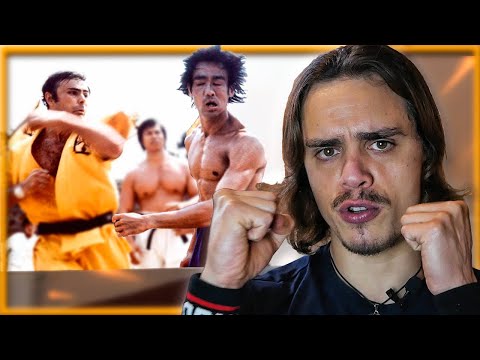
If you have immersed yourself in the world of martial arts, even for a fleeting moment, the name Bruce Lee inevitably surfaces. And for good reason. The martial arts, a tapestry woven over millennia, stand as a unique, often deadly, symbol of culture, class, and warfare. Yet, when Bruce Lee emerged in the mid-20th century, he didn't just enter the arena; he fundamentally reshaped it. By masterfully blending profound philosophy with practical physics, Lee demonstrated a revolutionary concept: that by refusing to be confined by the rigid doctrines of a single art or style, one could achieve a far more devastating level of combat efficiency. This was the genesis of Jeet Kune Do.
"It's not the daily increase, but the daily decrease. Hack away the wood, leave the excess." - Bruce Lee
This philosophy, often misunderstood as mere aggression, was in fact a deep dive into efficiency, economy of motion, and adaptation. It challenged the orthodoxy that had governed martial arts for centuries.

Wing Chun: The Root of Simplicity

To truly appreciate Jeet Kune Do, we must first understand its primary wellspring: Wing Chun. This Southern Chinese art is characterized by its directness, efficiency, and emphasis on simultaneous blocking and striking. Forget elaborate kicks or flashy movements; Wing Chun is about economy of motion, centerline theory, and the devastating power generated from a stable, yet mobile, structure. Key principles include: * **Centerline Control**: Dominating the opponent's central axis to control their movement and create openings. * **Simultaneous Block and Strike**: Defending and attacking in a single, fluid motion, maximizing offensive pressure. * **Economy of Force**: Using the least amount of energy to achieve the maximum result. * **Structure and Balance**: Maintaining a grounded, stable base while allowing for rapid shifts in weight and direction. Wing Chun, in its purest form, is a testament to the idea that simplicity is the ultimate sophistication. It strips away the non-essential, leaving behind a core of pure combat effectiveness. Think of the famous sticky hands (Chi Sao) training – not a fight, but a sensory drill to develop sensitivity, reflexes, and the ability to feel an opponent's intentions.

Jeet Kune Do: The Art of No Art

Bruce Lee, a master of Wing Chun, recognized its inherent strengths but also its limitations when placed in the diverse landscape of combat. His journey led him to explore various other arts – boxing, fencing, wrestling, and more. This cross-pollination wasn't about adding more techniques; it was about extracting the *principles* that made each art effective. Jeet Kune Do (JKD) isn't a style in the traditional sense. It's a concept, a philosophy, a toolset for combat. Lee famously described it as:
"Jeet Kune Do is not a fixed style. It is simply a name given to the processes that lead to greater self-awareness and effectiveness."
The core tenets of JKD include: * **Simplicity**: Removing anything that is superfluous. * **Directness**: Attacking the opponent's attack, or striking with the most direct line possible. * **Efficiency**: Using the least amount of energy to achieve the desired result. * **Adaptability**: The ability to flow and adapt to any situation, opponent, or style. Lee broke JKD down into "the four ranges of combat": kicking, punching, trapping, and grappling, advocating proficiency in all. JKD encourages practitioners to "absorb what is useful, discard what is useless, and add what is specifically your own." It’s about breaking free from the dogma of any single martial art and becoming a complete fighter.

Core Philosophical Divergences

While both Wing Chun and Jeet Kune Do value efficiency and directness, their philosophical underpinnings lead to crucial distinctions: * **Form vs. Freedom**: Wing Chun, while emphasizing directness, still operates within a structured framework of forms and established techniques. Jeet Kune Do, conversely, actively seeks to transcend form, encouraging practitioners to develop their own unique combat expression based on universal principles. * **Prescription vs. Prescription Removal**: Wing Chun provides a prescriptive approach – "do it this way because it works." Jeet Kune Do, through its emphasis on "no-art," seeks to remove prescription, asking "why does it work?" and encouraging the individual to find what works best for *them*. * **Specialization vs. Generalization**: Wing Chun is a highly specialized art focusing on close-range combat. JKD, by its very nature, is a generalized approach, aiming for proficiency across all ranges and scenarios, drawing from the best elements of various disciplines.

Application and Adaptability

This philosophical difference has tangible implications for application. A pure Wing Chun practitioner might excel in a close-quarters brawl where trapping and simultaneous strikes are paramount. However, against an opponent skilled in long-range kicking, boxing, or grappling, a rigid adherence to Wing Chun forms might prove insufficient without adaptation. Jeet Kune Do, on the other hand, is designed precisely for this kind of scenario. A JKD practitioner is trained to recognize the range of combat, adapt their strategy, and utilize the most effective tools available – be it a boxing jab, a Muay Thai kick, a Judo throw, or a Wing Chun trapping sequence. Consider the evolution of MMA. Fighters today are not specialists in one art. They are JKD-esque in their approach, cross-training in boxing, Muay Thai, BJJ, and wrestling to become well-rounded. Bruce Lee was, in essence, the progenitor of this modern MMA mindset, long before the sport itself existed.
"The best fighter is not a product of a gym. It is a product of the will." - Bruce Lee

Sensei's Verdict: Beyond the Styles

The debate between Wing Chun and Jeet Kune Do is less about which is "superior" and more about understanding their relationship. Wing Chun is a foundational art, a deep well of principles that informed Lee's revolutionary JKD. To criticize Wing Chun is to misunderstand its purpose. Its beauty lies in its focused efficacy within its defined parameters. Jeet Kune Do, however, is Lee's ultimate expression: a philosophy of combat that transcends any single style. It is the *application* of martial principles, honed through experience and stripped of dogma. For the practitioner, the lesson is clear: understand your roots, respect the foundational arts like Wing Chun, but never let them become a cage. Embrace the spirit of Jeet Kune Do – be adaptable, be efficient, and forge your own path. This is the true martial way. **Rating**: ★★★★★ (5/5 Stars) - Not for the style, but for the philosophy it represents.

Essential Training for Martial Minds

While JKD is about adapting, certain fundamental tools and training methodologies are crucial for any serious martial artist, regardless of their chosen path:
  • Striking Equipment: High-quality punching mitts and Thai pads for developing power and accuracy.
  • Protection: Sparring gloves of appropriate weight (16oz for most sparring) and headgear are essential for safe, realistic training.
  • Focus Mitts: For hand-eye coordination, reflex training, and drilling specific combinations.
  • Training Partner: The most critical piece of equipment. Consistent, intelligent sparring is where principles are tested and refined.
  • Conditioning Gear: Resistance bands, a jump rope, and perhaps a makiwara for striking conditioning (use with extreme caution and proper instruction).

Frequently Asked Questions

Q1: Is Jeet Kune Do just a collection of techniques from other martial arts? A: No. While JKD draws from various arts, it is fundamentally a philosophy and a process for developing personal combat efficiency, emphasizing principles over fixed techniques. Q2: Can I learn Wing Chun and Jeet Kune Do simultaneously? A: You can, but it's often more beneficial to gain a strong foundation in one (like Wing Chun) before fully embracing the expansive philosophy of JKD. Many JKD practitioners have a background in Wing Chun or other arts. Q3: Is Wing Chun practical for self-defense? A: Yes, Wing Chun's directness and emphasis on close-range efficiency can be very practical for self-defense. However, like any art, its effectiveness depends on the practitioner's skill level and understanding of real-world scenarios. Q4: Does Jeet Kune Do have katas or forms? A: Pure JKD, as envisioned by Bruce Lee, does not have set forms or katas. The "forms" are the dynamic interactions and movements developed by the individual practitioner based on universal combat principles. Q5: What is the main difference between "classical" Wing Chun and JKD? A: Classical Wing Chun adheres to its traditional structure and methods, while JKD is Bruce Lee's post-classical interpretation, emphasizing adaptability and drawing from a wider range of combat knowledge to create a more fluid, personalized system.

To Deepen Your Path

The philosophical underpinnings of Bruce Lee's Jeet Kune Do encourage a constant state of learning and adaptation. Understanding the historical context and influences is vital. Explore these related concepts to further your journey:
Sensei's Reflection: Your Next Step

Bruce Lee said, "To know and not to do is to not know." You have read about Wing Chun and Jeet Kune Do, understood their philosophical divergence and practical implications. Now, the true lesson begins. Do you merely gather knowledge like a collector, or do you *apply* it? When faced with a challenge – in training, in life – do you freeze within the confines of a single "style," or do you instinctively adapt, drawing from the entirety of your experience, discarding the useless, and embracing the essential? What is the "useless" you are clinging to in your training or your life right now? GEMINI_METADESC: Explore the philosophical duel between Wing Chun and Bruce Lee's Jeet Kune Do. Understand their core principles, practical applications, and impact on modern combat.

Is This Truly Jeet Kune Do? A Critical Examination of Bruce Lee's Art

"Adapt what is useful, reject what is useless, and take what is specifically your own." - Bruce Lee
The art of Jeet Kune Do (JKD), born from the philosophical and physical genius of Bruce Lee, is often misunderstood. Many practitioners, and even observers, reduce it to a mere collection of techniques from various martial arts. But is JKD simply a patchwork quilt of styles, or does it embody a deeper, more dynamic martial philosophy? As your Sensei, I aim to dissect this question, separating the legend from the tangible principles, and to ignite a discussion that goes beyond superficial mimicry. This isn't just an exploration of kicks and punches; it's an inquiry into the very essence of martial effectiveness. Are you truly training in JKD, or are you merely collecting an arsenal of moves without understanding the underlying strategy? Let's delve into the heart of the matter.

Table of Contents

The Core Philosophy: Beyond Technique

Bruce Lee himself stated, "Jeet Kune Do is not a style. It is a philosophical approach to combat." This is the fundamental truth often overlooked. JKD is not about mastering a fixed set of katas or a rigid curriculum. Instead, it's about cultivating an adaptable, intelligent, and efficient approach to self-expression in combat. It's about understanding the principles of movement, timing, distance, and leverage, and applying them universally.

Think of it like water, as Bruce Lee famously advocated. Water takes the shape of its container, but it also possesses immense power and can carve through stone. JKD practitioners are encouraged to be like water: fluid, formless, and ever-adapting to the opponent and the situation. This means constantly questioning, experimenting, and refining one's methods. It's a path of continuous self-discovery, not a destination of static perfection.

Debunking the Myth of Eclectic Borrowing

The most common misconception about JKD is that it's simply a collection of the "best" techniques from boxing, Wing Chun, fencing, and other arts. While JKD does draw inspiration from various disciplines, this borrowing is not arbitrary. It's a selective process guided by the principle of "using no way as way, having no limitation as limitation."

Bruce Lee identified the core elements of effective combat and distilled them into foundational principles. He didn't just take a punch from boxing; he understood the mechanics of a straight punch and its efficiency. He didn't just adopt a Wing Chun trapping technique; he understood the concept of intercepting an opponent's attack before it lands. The "borrowing" is about extracting the *essence* of effectiveness, not just the superficial form. A true JKD practitioner integrates these principles into their own unique expression, creating a style that is truly their own, not just a imitation of others.

The danger lies when individuals, claiming to practice JKD, simply stitch together techniques without understanding the underlying principles. This creates a fragmented, inefficient, and ultimately, ineffective approach. They might know a kick from Taekwondo and a punch from Boxing, but lack the understanding of *when* and *how* to use them cohesively within the dynamic flow of combat. This is where the true "art" of JKD lies – in the intelligent application and synthesis.

The Five Ways of Fighting: A Framework for Adaptation

To understand the practical application of JKD's philosophy, Bruce Lee outlined the "Five Ways of Fighting," a framework for analyzing and engaging in combat:

  1. Single Direct Attack (SDA): The most direct and simple attack. This involves attacking the opponent's anticipated position or intended movement before they can execute their own attack. It's about timing and closing the distance quickly and efficiently.
  2. Attack by Combination (ABC): A series of rapid-fire attacks, often exploiting openings created by the opponent's defenses or counter-attacks. This emphasizes fluidity and continuous offensive pressure.
  3. Progressive Indirect Attack (PIA): Attacking the opponent's limb or weapon, not their body directly, to create an opening for a subsequent attack on their center. This is a more sophisticated strategy requiring excellent timing and control.
  4. Interception or Improvised Attack (IA): Attacking the opponent while they are in the process of attacking. This is the highest form of JKD, requiring exceptional reflexes, awareness, and the ability to anticipate an opponent's intentions. It is the embodiment of "intercepting force."
  5. Free Style (FS): This is the ultimate expression of JKD, where the practitioner fluidly moves between all the above, adapting their strategy in real-time based on the opponent's actions. It is the true manifestation of "using no way as way."

Understanding these "ways" provides a conceptual map for navigating combat. A true JKD practitioner doesn't just memorize them; they internalize them, allowing them to flow naturally in response to any situation. This adaptability is what separates genuine JKD from a mere collection of moves.

Jeet Kune Do in Practice: What to Look For

When evaluating a JKD practitioner or instructor, consider these points:

  • Efficiency: Are the movements economical and direct, with minimal wasted motion?
  • Adaptability: Can the practitioner adjust their approach based on the opponent and the situation? Do they seem rigid or fluid?
  • Directness: Is there an emphasis on attacking the opponent's center line and exploiting openings quickly?
  • Simplicity: While JKD can incorporate complex techniques, the underlying principles are often simple and direct. Does the teaching emphasize complexity for its own sake, or clarity and effectiveness?
  • Awareness: Does the practitioner demonstrate a high level of awareness of their surroundings and their opponent's intentions?

If a JKD school focuses solely on teaching a specific set of "JKD techniques" without emphasizing the principles of adaptation, interception, and efficiency, it's likely falling short of Bruce Lee's vision. It becomes a rigid system, ironically contradicting the very spirit it aims to embody.

Training Jeet Kune Do: A Sensei's Guidance

Mastering JKD is a lifelong journey. Here’s how to approach it with the right mindset:

  1. Study the Principles: Don't just learn techniques. Understand *why* they work. Study Bruce Lee's writings, philosophy, and training methods.
  2. Cross-Train Wisely: Explore various martial arts – Boxing for punching, Fencing for footwork and timing, Wing Chun for close-range trapping, Muay Thai for kicks and clinch work. However, always filter what you learn through the lens of JKD principles.
  3. Sparring is Crucial: Regular, intelligent sparring (with appropriate rules and safety precautions) is essential for developing timing, distance, and adaptability. This is where theory meets reality.
  4. Develop Physical Attributes: JKD requires a high level of conditioning, flexibility, strength, and speed. Incorporate a balanced fitness regimen into your training.
  5. Cultivate Mental Fortitude: JKD is as much a mental discipline as a physical one. Develop focus, awareness, and the ability to remain calm under pressure.
  6. Embrace the "No Way": Constantly question your own techniques and assumptions. Be willing to discard what doesn't work and adopt what does, regardless of its origin.

Remember, JKD is not about "winning" a fight by outdoing your opponent in a prescribed manner. It's about expressing your martial potential with maximum efficiency and minimum wasted effort, ensuring you get through the encounter safely and effectively.

Equipment Essential for Your Training

While JKD emphasizes adaptability and can be practiced with minimal equipment, certain items can significantly enhance your training and understanding:

  • Training Dummy (Wing Chun Dummy): Excellent for developing trapping, close-range striking, and proper body mechanics.
  • Punch Mitts and Focus Mitts: Essential for partner drills, developing speed, accuracy, and timing.
  • Sparring Gear: Headgear, mouthguard, shin guards, and MMA gloves are crucial for safe and effective sparring. Invest in quality protective gear to prevent injuries.
  • Resistance Bands: Versatile for strength training, explosive power development, and mimicking certain combat movements.
  • Weights and Kettlebells: For building foundational strength and power necessary for explosive JKD techniques. Consider starting with basic dumbbell sets or adjustable kettlebells for home workouts.
  • Training Shoes: Lightweight, flexible shoes that allow for good footwork and grip.

For those looking to start their JKD journey or enhance their current training, consider exploring options for high-quality martial arts training equipment. Investing in the right gear can make a significant difference in your progress and safety. If you're looking for specific recommendations, exploring best MMA gloves or Wing Chun dummy alternatives might be a good starting point.

Veredicto del Sensei: ¿Merece la pena?

The question "Is this Jeet Kune Do?" is not a simple yes or no. If it's a rigid adherence to a specific set of techniques mimicking Bruce Lee without understanding the underlying principles, then the answer is a resounding NO. However, if it embodies the spirit of adaptation, efficiency, directness, and constant self-improvement, then it is JKD. The true measure lies not in the flashy moves, but in the intelligent application and the fluid expression of martial principles. Bruce Lee's art is not a style to be copied, but a philosophy to be lived and evolved. If the training emphasizes this dynamic approach, then it is a worthy pursuit.

Rating: Cinturón Negro en Filosofía Marcial

Frequently Asked Questions

Is Jeet Kune Do considered an art or a sport?

Jeet Kune Do is primarily a martial philosophy and a method of training for combat. While it can be adapted for sport combat (like MMA), its core is about practical self-defense and self-expression, not competition rules.

Do you need to be an expert in other martial arts to train JKD?

No, you do not need to be an expert. JKD is designed to build upon the practitioner's existing strengths and adapt. Instructors teach the core principles and guide students on how to integrate them, often drawing from various arts as examples.

How is JKD different from MMA?

While both emphasize practicality, MMA focuses on a ruleset within a competitive sport, often dictating ranges and techniques. JKD is broader, a philosophy for all combat ranges and situations, emphasizing interception and efficiency above all, and is not bound by sport rules.

Is it possible to teach yourself Jeet Kune Do from books and videos?

While books and videos can be valuable resources for understanding the *concepts* of JKD, true mastery requires hands-on training, sparring, and feedback from a qualified instructor. Self-teaching can lead to developing bad habits or a superficial understanding.

To Deepen Your Path

Preguntas Frecuentes

Is Jeet Kune Do considered an art or a sport?

Jeet Kune Do is primarily a martial philosophy and a method of training for combat. While it can be adapted for sport combat (like MMA), its core is about practical self-defense and self-expression, not competition rules.

Do you need to be an expert in other martial arts to train JKD?

No, you do not need to be an expert. JKD is designed to build upon the practitioner's existing strengths and adapt. Instructors teach the core principles and guide students on how to integrate them, often drawing from various arts as examples.

How is JKD different from MMA?

While both emphasize practicality, MMA focuses on a ruleset within a competitive sport, often dictating ranges and techniques. JKD is broader, a philosophy for all combat ranges and situations, emphasizing interception and efficiency above all, and is not bound by sport rules.

Is it possible to teach yourself Jeet Kune Do from books and videos?

While books and videos can be valuable resources for understanding the *concepts* of JKD, true mastery requires hands-on training, sparring, and feedback from a qualified instructor. Self-teaching can lead to developing bad habits or a superficial understanding.

Reflexión del Sensei: Tu Próximo Paso

Bruce Lee asked, "Do you want to be a disciple or a master?" The disciple imitates. The master understands and creates. Are you content with merely imitating techniques, or are you ready to embark on the path of understanding and authentic self-expression? Your next training session is not just about drilling movements; it's an opportunity to ask: How can I make this more direct? More efficient? More *me*?

``` GEMINI_METADESC: Explore the true meaning of Jeet Kune Do beyond mere techniques. This critical examination delves into Bruce Lee's philosophy, principles, and practical application for authentic martial expression.

Bruce Lee: El Dragón Enigmático y la Filosofía del Jeet Kune Do

El Rugido del Dragón: Despertando la Conciencia Marcial

¿Qué define a un verdadero guerrero? ¿Es la potencia de su golpe, la elegancia de su defensa, o la profundidad de su pensamiento? Cuando hablamos de Bruce Lee, nos referimos a mucho más que un actor carismático o un prodigio de las artes marciales. Hablamos de un *filósofo del movimiento*, un *revolucionario* que desafió los dogmas de su tiempo y nos legó una filosofía de combate y de vida que resuena con una fuerza inusitada incluso hoy. Mi intención al abordar la figura de Bruce Lee y su Jeet Kune Do no es solo desgranar su biografía o analizar sus películas, sino despertar en vosotros, practicantes y aficionados, una chispa de esa misma conciencia marcial. ¿Qué buscáis realmente en las artes marciales? ¿Una técnica para la defensa, un camino de autoconocimiento, o quizás, como Bruce Lee, la libertad de ser uno mismo en el fragor del combate y en la calma de la vida? Prepárense, porque no abordaremos esto como un mero tributo, sino como una disección crítica y apasionada.

Jeet Kune Do: Más Allá del Estilo, la Ciencia de la Adaptación

La mayoría de las artes marciales tradicionales se estructuran en torno a "estilos": una serie de katas, técnicas y filosofías predefinidas. Bruce Lee, tras años de estudio y práctica rigurosa del Wing Chun, se dio cuenta de las limitaciones de encasillarse. El resultado fue el **Jeet Kune Do (JKD)**, que se traduce literalmente como "El Camino del Puño Interceptor" o "El Camino que Intercepta el Puño". Pero no se dejen engañar por la aparente agresividad del nombre. El JKD no es un estilo más, sino una *filosofía* que aboga por la *simplicidad*, la *directividad* y la *eficacia*. Lee entendió que el combate real es caótico, impredecible y está en constante evolución. Por ello, el JKD rechaza la rigidez de los estilos tradicionales y promueve la adaptación continua. Sus principios fundamentales, que a menudo se resumen en tres: **simplicidad**, **directividad** y **eficacia** (S.D.E.), son una llamada a eliminar lo superfluo y enfocarse en lo esencial. * **Simplicidad**: Eliminar todo movimiento o técnica innecesaria. Hacer lo que funciona, sin adornos. * **Directividad**: El camino más corto entre dos puntos es una línea recta. Atacar y defender por la ruta más directa. * **Eficacia**: Lograr el objetivo con el mínimo esfuerzo y el máximo resultado. Buscar la victoria, no la estética. Bruce Lee a menudo utilizaba la metáfora del agua: "Debes estar sin forma, como el agua. Si pones el agua en una taza, se convierte en la taza. Si la pones en una botella, se convierte en la botella. Si la pones en una tetera, se convierte en la tetera. El agua puede fluir o puede aplastar. Sé como el agua, mi amigo." Esta es la esencia del JKD: fluir con la situación, adaptarse al oponente y no oponer resistencia inútil. Rechaza la idea de una "técnica perfecta" universal, ya que lo que es perfecto contra un oponente puede ser desastroso contra otro.
"No se trata de estilos, sino de la ciencia del combate." - Bruce Lee
El JKD se inspira en una amplia gama de artes marciales, incluyendo el boxeo, la esgrima, el judo y, por supuesto, el Wing Chun. Lee no buscaba crear una amalgama de técnicas, sino extraer los principios universales que subyacen en todas las formas efectivas de combate y aplicarlos de manera lógica y eficiente. Esta búsqueda incansable de la verdad en el movimiento y la desconfianza hacia las tradiciones ciegas es lo que hace al JKD tan relevante y, a la vez, tan incomprendido.

El Dragón en la Pantalla: Bruce Lee como Ícono Cultural y Marcial

No se puede hablar de Bruce Lee sin mencionar su impacto monumental en el cine. Películas como "The Big Boss" (El Gran Jefe), "Fist of Fury" (Furia Oriental), "Way of the Dragon" (El Regreso del Dragón) y, especialmente, "Enter the Dragon" (Operación Dragón), no solo lo catapultaron a la fama mundial, sino que también introdujeron el cine de artes marciales a una audiencia global de una manera sin precedentes.
Su carisma en pantalla era innegable, pero lo que realmente distinguía sus actuaciones era la autenticidad y la intensidad de sus secuencias de lucha. A diferencia de muchas películas de kung fu de la época, que a menudo recurrían a coreografías estilizadas y un tanto artificiales, las peleas de Bruce Lee destilaban una brutalidad coreografiada y una fluidez asombrosa. Sus movimientos eran rápidos, precisos y cargados de *intención*. Se sentía que cada golpe, cada patada, tenía el potencial de causar daño real. Su famoso **"golpe de una pulgada"** es un ejemplo perfecto de su enfoque en la potencia generada desde el centro del cuerpo y la transferencia de energía. No se trataba solo de exhibición, sino de demostrar principios biomecánicos y de *ki* (energía vital) que él mismo había estudiado y perfeccionado. La representación de Bruce Lee en el cine tuvo un efecto doble: por un lado, inspiró a millones de personas a interesarse por las artes marciales y, por otro, generó debates entre los puristas. ¿Era el cine de Lee una representación fiel de las artes marciales, o una versión hollywoodense que sacrificaba la sustancia por el espectáculo?

Veredicto del Sensei: ¿Un Documental digno del Dragón?

El contenido al que este post hace referencia —un "enigmático documental y más"— nos invita a reflexionar sobre cómo se ha documentado y presentado la figura de Bruce Lee. Si bien la fama de Lee es indiscutible, la calidad de los documentales y material biográfico sobre él puede variar drásticamente. Desde mi perspectiva como practicante y crítico de cine marcial, la clave para evaluar cualquier obra sobre Bruce Lee, ya sea un documental, una película o un libro, reside en su capacidad para capturar no solo el *fenómeno* sino también la *filosofía*. ¿Se enfoca solo en sus hazañas físicas y su legado cinematográfico, o profundiza en sus ideas sobre el combate, la autodisciplina y la adaptación? Un buen documental sobre Bruce Lee debería: 1. **Analizar el JKD con rigor**: Explicar sus principios fundamentales, su evolución y por qué se considera un "arte marcial sin arte" o una "filosofía de combate". 2. **Contextualizar su época**: Mostrar las presiones sociales, raciales y culturales que Lee enfrentó y cómo estas moldearon su perspectiva. 3. **Demostrar su impacto real**: Ir más allá de las películas y mostrar cómo sus enseñanzas han influido en practicantes, atletas de **MMA**, y personas en su vida cotidiana. 4. **Evitar la glorificación vacía**: Presentar a Lee como un ser humano complejo, con sus virtudes y sus luchas, no como un semidios intocable. En cuanto a la frase "y más", esto sugiere que el contenido original podría incluir material adicional, quizás entrevistas, análisis de técnicas o reflexiones sobre su vida. Si este "más" ofrece una profundidad genuina y una perspectiva crítica, podría elevar el valor del contenido. Sin embargo, si solo se trata de anécdotas superficiales o material promocional, su impacto será menor. **Veredicto del Sensei: ¿Merece la pena?** La pregunta sobre si un "documental enigmático" y material adicional sobre Bruce Lee "merece la pena" es compleja. Depende enteramente de la calidad y profundidad del contenido. Si logra desentrañar el enigma de Lee más allá del mito, analizando su filosofía con la seriedad que merece, entonces sí, merece la atención de cualquier estudioso de las artes marciales. Pero si se queda en la superficie, replicando clichés o centrándose únicamente en el espectáculo, será solo otro intento fallido de capturar la esencia del Dragón. **Calificación:** Depende del contenido específico, pero si el enfoque es la filosofía y el rigor marcial, podría aspirar a un **"Cinturón Negro en Perspectiva"**. Si solo es espectáculo, quizás un "Cinta Blanca en Profundidad".

Equipo Esencial para tu Entrenamiento

El Jeet Kune Do, al ser un sistema adaptable, no se ciñe a un equipo rígido. Sin embargo, ciertos elementos pueden potenciar tu entrenamiento y ayudarte a comprender mejor los principios que Bruce Lee defendía. Si buscas refinar tu técnica y prepararte de manera integral, considera lo siguiente: * **Guantes de entrenamiento y sparring**: Indispensables para proteger tus manos y muñecas, ya sea practicando golpes básicos o participando en sesiones de **sparring** más intensas. Unos guantes de 16 oz son ideales para el entrenamiento general, mientras que modelos más ligeros pueden ser útiles para la velocidad y la precisión. * **Equipo de protección (casco, espinilleras, coquilla)**: Fundamental para el **combate** simulado. Un practicante de **MMA** o **kickboxing** sabe que la seguridad es primordial para poder entrenar de forma continua y progresiva. * **Balón medicinal y mancuernas ligeras**: Útiles para desarrollar la fuerza explosiva y la potencia en golpes y movimientos de torsión, emulando la fuerza concentrada que Lee promovía. * **Esterilla de entrenamiento**: Proporciona amortiguación y comodidad para ejercicios de suelo, **grappling** o técnicas de caída. * **Makiwara o saco de boxeo**: Para desarrollar la potencia de impacto, la precisión y la resistencia de tus golpes. Lee mismo utilizó y desarrolló sus propias herramientas de entrenamiento para perfeccionar la fuerza de su puño.

Guía Práctica: Integrando la Filosofía del Jeet Kune Do en tu Práctica

¿Cómo puedes aplicar la esencia del Jeet Kune Do en tu entrenamiento diario, sin importar el arte marcial que practiques? Aquí te presento una guía paso a paso: 1. **Analiza tu práctica actual**: Dedica tiempo a observar tus propios movimientos. ¿Hay alguna técnica que realices de manera ineficiente? ¿Algún movimiento que sea puramente estético y no funcional? Cuestiona tus hábitos. 2. **Identifica lo superfluo**: En cada técnica, kata o drill, busca eliminar lo que no contribuye directamente a la eficacia. Esto requiere honestidad brutal contigo mismo. ¿Ese movimiento de mano adicional sirve para algo más que adornar? 3. **Encuentra la línea recta**: Cuando practiques golpes o desplazamientos, enfócate en la ruta más directa. Piensa en cómo un esgrimista ataca o en la forma en que un boxeador lanza un jab directo. La eficiencia es clave. 4. **Entrena la adaptabilidad**: Practica tus técnicas contra diferentes oponentes (si es posible), o visualiza cómo las adaptarías contra un oponente zurdo, uno más alto, o uno que prefiera el suelo. No te aferres a una sola forma de ejecutar algo. 5. **Desarrolla tu "arma principal"**: ¿Cuál es tu golpe más potente? ¿Tu patada más rápida? ¿Tu llave más efectiva? El JKD aboga por refinar las herramientas que te son más naturales y efectivas. Dedica tiempo a perfeccionar tus puntos fuertes. 6. **Integra conceptos de otras disciplinas**: Si practicas Karate, **Taekwondo** o **Judo**, explora cómo los principios de la **lucha** en pie del boxeo o la economía de movimiento de la esgrima pueden mejorar tu **combate**. Si practicas **BJJ** o **Grappling**, observa cómo la **directividad** del JKD puede aplicarse para transiciones más rápidas y eficientes. 7. **Practica la "no-mente" (Mushin)**: Intenta alcanzar un estado donde la acción fluya sin pensamiento consciente. Esto se logra a través de la repetición y la comprensión profunda de los principios, permitiendo que el cuerpo responda instintivamente.

Preguntas Frecuentes sobre Bruce Lee y Jeet Kune Do

¿El Jeet Kune Do es un estilo de pelea o una filosofía?

Aunque a menudo se le llama un "estilo", Bruce Lee lo concebía más como una filosofía o un enfoque hacia el combate, enfatizando la adaptabilidad y la eliminación de lo innecesario, en lugar de un conjunto rígido de técnicas.

¿Se puede aprender Jeet Kune Do hoy en día?

Sí, existen organizaciones y escuelas dedicadas a enseñar los principios del Jeet Kune Do. Sin embargo, es crucial encontrar instructores que realmente comprendan y apliquen la filosofía, no solo un conjunto de movimientos.

¿Fue Bruce Lee el peleador más grande de la historia?

En términos de impacto cultural y filosófico en las artes marciales y el cine, es innegable. Como peleador de competición en un contexto moderno de **MMA** o **UFC**, es difícil de comparar directamente debido a la falta de registro competitivo formal en esa arena, pero su dominio técnico y su genialidad eran evidentes.

¿Qué diferencia al Jeet Kune Do del Wing Chun?

El Wing Chun es un arte marcial chino tradicional con un sistema definido, mientras que el Jeet Kune Do fue desarrollado por Bruce Lee como una evolución del Wing Chun, rompiendo con las estructuras de estilo para abrazar la adaptabilidad y la fusión de principios de diversas artes marciales.

Reflexión del Sensei: Tu Próximo Paso

Bruce Lee nos enseñó que la verdadera maestría no reside en la acumulación de técnicas, sino en la eliminación de lo inútil y la búsqueda constante de la verdad. Su legado no son solo películas icónicas, sino un llamado a la autenticidad en el movimiento y en la vida. Nos desafió a cuestionar lo establecido, a ser flexibles como el agua y directos como un rayo.

Reflexión del Sensei: Tu Próximo Paso

Ahora te pregunto: ¿Estás permitiendo que los "estilos" y las convenciones te limiten en tu camino marcial o en tu vida? ¿O te atreves a ser como el agua, a fluir, a adaptarte y a encontrar tu propio camino interceptor hacia la efectividad y la verdad? Piensa en ello. La respuesta, y la acción que de ella se derive, solo pueden venir de ti.

Para Profundizar en tu Camino

``` GEMINI_METADESC: Descubre el enigmático legado de Bruce Lee y su revolucionario Jeet Kune Do. Análisis marcial del impacto cinematográfico y consejos prácticos para aplicar su filosofía en tu entrenamiento.

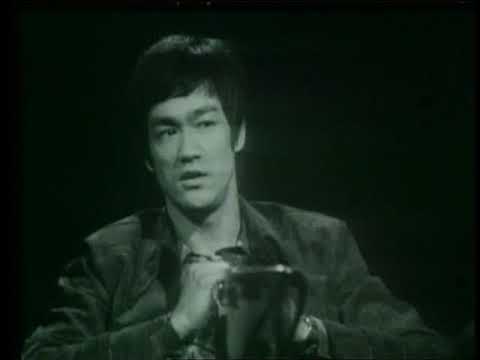
Bruce Lee en 1967: La Chispa de una Revolución Marcial

El año es 1967. El mundo de las artes marciales se tambalea ante una visión que, para muchos, es radicalmente nueva, pero para otros, es la inevitable evolución del combate. En el tatami, un joven Bruce Lee, ya poseedor de un carisma magnético y una velocidad pasmosa, no solo exhibe técnicas; está gestando una filosofía, un sistema que trascenderá nombres y estilos para convertirse en una fuerza imparable: el Jeet Kune Do.
Este material de 1967 no es solo un registro histórico; es el ADN de una revolución. Aquí, Lee no se limita a demostrar katas perfeccionadas o movimientos preestablecidos. Lo que vemos es la manifestación pura de su concepto del "puño interceptor", la esencia de golpear antes de ser golpeado, de adaptar y fluir como el agua, de ser "sin forma, como la forma". Los que se deleitan observando un clásico `youtube` de artes marciales, encontrarán en esta demostración la semilla de todo lo que vendría después.

Tabla de Contenidos

El Contexto de la Demostración de 1967

Estamos en una época donde los estilos de artes marciales tradicionales reinaban supremos. El Karate Kyokushin con su dureza, el Judo con su dominio del agarre, el Kung Fu con su vasta diversidad de formas. Bruce Lee, instructor de artes marciales que ya había entrenado a figuras de renombre, estaba en un punto crucial de su desarrollo. Las demostraciones públicas eran comunes, pero la que realizó en 1967 sentó las bases para algo diferente. No era solo una exhibición de habilidad técnica, sino una declaración de intenciones. Observar este material es como ver el nacimiento de un nuevo paradigma en el mundo de la `lucha` y la `pelea`.
"Las artes marciales no son un conjunto de técnicas; son una forma de vida, una filosofía en movimiento." - Bruce Lee
La década de 1960 fue una época de cambios sociales y culturales profundos, y Lee, un visionario, captó ese espíritu. Su arte marcial no se ataba a las cadenas de la tradición por la tradición misma. Buscaba la efectividad, la simplicidad y la adaptabilidad. Esta demostración es una ventana a ese proceso de pensamiento, un vistazo a la génesis del `Jeet Kune Do`.

Jeet Kune Do: Anatomía de una Filosofía

El término "Jeet Kune Do" se traduce a menudo como "El Camino del Puño Interceptor". Sin embargo, va mucho más allá de una simple traducción. Es un enfoque que rechaza la rigidez de los estilos predefinidos. Lee observó el mundo del combate y se dio cuenta de que la efectividad residía en la capacidad de adaptarse a cualquier oponente y situación. Su famoso lema, "Sé como el agua", encapsula esta idea. El agua no tiene forma propia, pero puede adoptar la de cualquier recipiente. Se adapta, fluye, golpea con fuerza cuando es necesario, pero ante todo, es incontrolable en su esencia. En la demostración de 1967, podemos ver cómo Lee aplica esto. No se adhiere a un único estilo de `artes marciales`. Incorpora la economía de movimiento del boxeo, la potencia del Kickboxing, y un entendimiento intuitivo del `grappling` y las transiciones. Es una amalgama que parece caótica para el ojo no entrenado, pero que para un verdadero artista marcial, es la manifestación de una comprensión profunda de los principios del combate. Esto resuena fuertemente con la mentalidad `BUDO` que busca la maestría a través de la adaptación continua.

Principios Clave de la Demostración

Al desglosar la demostración de Bruce Lee de 1967, podemos identificar varios principios fundamentales que definirían su legado:
  • Economía de Movimiento: Cada golpe, cada parada, cada desplazamiento tiene un propósito. No hay movimientos superfluos. Es la aplicación directa de la eficiencia marcial que se espera de cualquier `artes marciales` de alto nivel.
  • Simplicidad y Directividad: El camino más corto entre dos puntos es una línea recta. Lee privilegia los ataques directos, sin adornos innecesarios, buscando la efectividad inmediata.
  • Intercepción: El concepto de "Jeet Kune" en sí. Lee demuestra la capacidad de atacar al oponente en el momento en que él inicia su propio ataque, neutralizando su acción y golpeando simultáneamente. Esto requiere un timing excepcional y una gran `Agilidad`.
  • Adaptabilidad: Aunque es una demostración individual, la filosofía subyacente es clara: la técnica debe ser adaptable a cualquier oponente, ya sea un experto en `Judo`, un practicante de Karate, o un luchador de la calle.
  • Velocidad y Fuerza Explosiva: La capacidad de Bruce Lee para generar potencia a partir de movimientos aparentemente simples y fluidos es asombrosa. Vemos destellos de la explosividad que lo haría legendario.
Estos principios son la antítesis de la rigidez. Son el motor que impulsa la evolución constante, algo que se discute en foros de `MMA` y `UFC` hasta el día de hoy.

Impacto en el Cine y el Mundo Marcial

La demostración de 1967, aunque quizás no tan conocida como sus películas posteriores, fue una piedra angular. Proporcionó a muchos artistas marciales y cineastas una visión tangible de lo que sería el `Jeet Kune Do`. Este estilo radicalmente diferente influyó profundamente en el cine de artes marciales, alejándolo de las coreografías a menudo poco realistas hacia algo con más impacto y credibilidad. Además de su impacto cinematográfico, inspiró a generaciones de practicantes a cuestionar los dogmas de los estilos tradicionales. Figuras como Georges St-Pierre o Conor McGregor, si bien no practican `JKD` directamente, exhiben una mentalidad similar de `versatility` y adaptación, fusionando elementos de diferentes disciplinas para lograr la efectividad. Esto es un legado directo de la visión de Lee. El `entrenamiento` que promueve el `entrenamiento de MMA` hoy en día, buscando la competencia global, bebe de esta fuente.

Veredicto del Sensei: ¿Más que una Demostración?

Esta grabación de 1967 no es simplemente una demostración de Bruce Lee. Es una lección magistral de filosofía marcial aplicada. Es la semilla de un árbol frondoso que sigue dando frutos hoy en día. Lo que Lee presenta aquí es un enfoque pragmático al combate, despojado de misticismos innecesarios y enfocado en la eficacia pura. Es un recordatorio de que, sin importar el estilo, la meta es dominar el arte de la `pelea` y la `lucha`, entendiendo sus principios fundamentales. Para cualquier persona interesada en `artes marciales`, `BUDO`, `combate` o `defensa personal`, este material es esencial. No solo muestra habilidades físicas, sino una mentalidad. **Calificación:** ¡Cinturón Negro en Filosofía Marcial Aplicada!

Equipo Esencial para tu Entrenamiento (Inspirado en la Versatilidad de Bruce Lee)

Aunque Bruce Lee era un defensor de la simplicidad y a menudo entrenaba sin equipo específico, su enfoque en la adaptabilidad y la preparación integral del cuerpo sugiere que ciertos elementos pueden potenciar tu camino:
  • Guantes de Sparring (16 oz): Para la práctica segura de técnicas de golpeo, esenciales en el `entrenamiento` de cualquier disciplina de `combate`.
  • Kimono de Judo o Jiu Jitsu Brasileño (BJJ): Un buen `kimono de judo` o Gi de `BJJ` es fundamental si exploras el `grappling` y las artes de sumisión.
  • Par de Mancuernas Ligeras: Útiles para el `conditioning` y el desarrollo de la fuerza funcional, un pilar en la preparación de cualquier peleador.
  • Cuerda de Saltar: Un clásico para mejorar la resistencia, la coordinación y la agilidad, herramientas indispensables para la `resistencia`.
  • Makiwara (Casero o Comprado): Para desarrollar la potencia de golpeo y endurecer los nudillos, si buscas emular la potencia de los golpes de Lee.
Para aquellos que buscan una línea de ropa inspirada en la filosofía y el estilo de vida marcial, considera buscar `KarateMerchandise` o `MartialArtsMerchandise` que capturen esa esencia, desde `kimonos de judo` hasta camisetas con motivos de `BUDO`.

Taller Práctico: Cultivando la Adaptabilidad

La esencia de `Jeet Kune Do` es la adaptabilidad. Aquí te presento un ejercicio simple para cultivar esta cualidad en tu `entrenamiento`:
  1. Establece una Base: Comienza con un movimiento o técnica fundamental de tu arte marcial principal. Por ejemplo, un bloqueo bajo de Karate (`gedan barai`).
  2. Introduce una Variación: Ahora, intenta ejecutar ese mismo bloqueo, pero con una pequeña variación. ¿Puedes hacerlo mientras te desplazas hacia atrás? ¿O incorporarlo en una secuencia fluida con un golpe?
  3. Cambia el Contexto: Imagina que tu oponente no usa un puño, sino una patada baja. ¿Cómo adaptarías tu bloqueo bajo original para defenderte de esa nueva amenaza?
  4. Practica con Objetos Ligeros: Intenta golpear o bloquear pelotas que caen, o incluso un juguete ligero en movimiento, forzándote a reaccionar de forma instintiva y fluida.
  5. Simulación de Combate Limitado: Realiza `sparring` con reglas muy específicas. Por ejemplo, solo se permiten golpes de puño, o solo se permiten técnicas de `grappling` de cintura para abajo. Esto te obliga a pensar y adaptar tu `entrenamiento de MMA` o `jiujitsu`.
La clave es no quedarse en una sola forma de hacer las cosas. Experimenta, cuestiona y adapta. Esta mentalidad es lo que separa a un mero practicante de un verdadero artista marcial.

Preguntas Frecuentes

  • ¿Es el Jeet Kune Do un estilo de artes marciales formalmente reconocido?

    Bruce Lee lo describió no como un estilo, sino como un proceso de pensamiento y un método para refinar un arte marcial personal. Por lo tanto, no tiene las estructuras rígidas de un estilo tradicional, sino una filosofía de adaptación y experimentación.

  • ¿Por qué Bruce Lee decidió crear su propio sistema en lugar de perfeccionar uno existente?

    Lee sentía que los estilos tradicionales se habían vuelto demasiado dogmáticos y limitados, enfocándose en la forma sobre la función. Buscaba un sistema que fuera universalmente aplicable y que permitiera al practicante ser libre en su expresión marcial.

  • ¿Qué significa "ser sin forma" en Jeet Kune Do?

    Significa no estar limitado por las convenciones de ningún estilo particular. Es la capacidad de adaptarse y cambiar según la situación, sin aferrarse a técnicas preestablecidas, fluyendo con el oponente y el entorno.

  • ¿Puedo aprender Jeet Kune Do solo viendo videos de Bruce Lee?

    Ver videos como la demostración de 1967 es inspirador y educativo, pero la verdadera comprensión del JKD requiere instrucción práctica de un instructor calificado que pueda guiarte en la aplicación de sus principios y técnicas.

Para Profundizar en tu Camino

Reflexión del Sensei: Tu Próximo Paso

La demostración de Bruce Lee en 1967 es un faro. Nos recuerda que la verdadera maestría marcial no reside en la adherencia ciega a una técnica o estilo, sino en la comprensión profunda de los principios que subyacen a todo combate. Lee nos desafió a ser como el agua, a adaptarnos, a evolucionar. Ahora, te pregunto: ¿Te conformas con seguir un camino ya trazado, o te atreves a forjar el tuyo propio, inspirado por la flexibilidad y la eficacia? ¿Estás listo para cuestionar tus propias limitaciones y buscar la verdad en tu entrenamiento, sin importar cuán incómoda sea? La respuesta está en tu disciplina y tu coraje. ``` GEMINI_METADESC: Descubre la histórica demostración de Bruce Lee de 1967 y la filosofía del Jeet Kune Do. Un análisis marcial profundo sobre su impacto y legado.

Jeet Kune Do vs. Wrestling: Pressure Testing for Real Self-Defense

Introduction: The Uncomfortable Truths of Combat

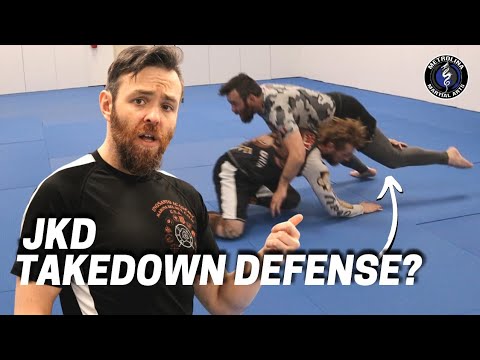
Welcome, warriors, to Budo and Martial Arts. Today, we tackle a question that echoes in the training halls and alleys of conflict: Jeet Kune Do versus Wrestling for self-defense. Many are drawn to the flashy techniques of striking arts, the elegant flow of empty-hand combat. Yet, when the adrenaline surges, when survival is the only prize, what truly prevails? Do the philosophical underpinnings of Bruce Lee’s art stand against the raw, grappling power of wrestling? This isn't about theory; it's about what works when the stakes are highest. Our friend, Thomas Marx, with his deep understanding of Original Jeet Kune Do, proposed a challenge: pressure test specific JKD tools – the eye jab and the groin kick – and crucially, integrate the sprawl, a fundamental wrestling defense. We accepted, and the findings are… illuminating. Prepare for a dose of reality.

Jeet Kune Do: The Philosophy of Bruce Lee

Bruce Lee’s Jeet Kune Do, often translated as "The Way of the Intercepting Fist," is more than a style; it’s a philosophy of combat adaptation. Lee famously stated, "Absorb what is useful, discard what is useless, and add what is specifically your own." JKD advocates for simplicity, directness, and adaptability. It draws from various martial arts, emphasizing linear attacks, trapping, and efficient footwork. The core idea is to be formless, like water, adapting to any situation. The eye jab and groin kick are classic JKD tools designed for immediate incapacitation of a larger, aggressive opponent, exploiting vulnerable targets to create an opening for escape or further action. They are built on the principle of intercepting the opponent's attack with a devastating counter.
"Empty your mind, be formless, shapeless – like water. If you put water into a cup, it becomes the cup. You put water into a bottle and it becomes the bottle. You put it into a teapot, it becomes the teapot. Now, water can flow or it can crash. Be water, my friend." - Bruce Lee

The Brutal Efficiency of Wrestling

Wrestling, in its various forms (Freestyle, Greco-Roman, Folkstyle), is arguably one of the oldest and most effective combat sports. Its objective is singular: control and dominate the opponent. There are no flashy kicks, no elaborate hand strikes. It's about leverage, strength, balance, and relentless pressure. In a self-defense context, wrestling's value lies in its ability to control distance, negate striking, and end the confrontation on the ground or in a dominant clinch. The "sprawl," a defensive maneuver to counter a takedown attempt by extending the legs back and absorbing the opponent's weight, is a cornerstone of wrestling defense. It’s designed to prevent being taken off your feet, a critical factor in surviving a street altercation.

Pressure Testing the Concepts: Eye Jab, Groin Kick, and the Sprawl

The experiment was straightforward: replicate a street confrontation scenario. One individual, trained in JKD principles, would attempt to engage, utilizing the eye jab and groin kick as primary tools. The other, with a wrestling background, would focus on defending and, critically, executing the sprawl against potential striking and then attempting to control the fight. * **Scenario 1: Eye Jab vs. Sprawl**: The JKD practitioner initiated with a rapid, linear eye jab. The wrestler, anticipating a strike, executed a quick sprawl. The sprawl, if timed correctly, drives the attacker's head down and away from the target, negating the jab. However, if the jab lands first, it can temporarily blind or disorient the wrestler, potentially creating an opening. * **Scenario 2: Groin Kick vs. Sprawl**: The low line attack. The JKD practitioner aimed for the groin. The wrestler’s sprawl, while primarily a takedown defense, also serves to protect the lower body. As the legs extend backward, they can inadvertently block or deflect a low kick. The effectiveness depends heavily on the angle and speed of the kick versus the timing of the sprawl. * **Integrating the Sprawl into JKD**: The crucial element was observing how the JKD practitioner would react *after* attempting a strike and encountering a sprawl. In JKD, if a strike is defended or blocked, the next logical step is to transition. The test involved the JKD practitioner attempting to flow from a missed strike into a grappling exchange or a follow-up strike, while the wrestler aimed to maintain dominant control.

Analysis of Findings: What the Pressure Test Revealed

The pressure test yielded several key observations. Firstly, the effectiveness of the eye jab and groin kick is heavily reliant on surprise and the opponent’s reaction. Against a trained wrestler expecting a fight, these techniques are not the guaranteed fight-enders they might appear in theory. A well-timed sprawl can nullify the strike entirely, or at least severely diminish its impact. Secondly, the sprawl is an incredibly potent tool for *negating offense*. Its primary purpose is to prevent the takedown, but it effectively acts as a shield against many low-line and mid-line strikes. The physicality required to execute a consistent sprawl is immense, highlighting the conditioning advantage wrestling provides. Thirdly, and perhaps most controversially, the transition from a defended strike into a dominant grappling position proved challenging for the JKD practitioner. While JKD emphasizes adapting, the pure, relentless pressure of wrestling in close quarters is a beast of its own. The JKD practitioner might aim to "trap and strike," but a skilled wrestler’s goal is to *control* and *neutralize*, often by getting inside the striking range and clinching.
"In a real fight, there are no referees to call the action. The only goal is to survive. This means understanding not just what *you* can do, but what your opponent can do, and how to stop it." - A principle often debated in martial arts circles.
The raw power and commitment behind a wrestling takedown attempt, coupled with the defensive sprawl, can overwhelm someone focused solely on striking exchanges. The question then becomes: can JKD truly "intercept" this kind of pressure? Our findings suggest that while JKD *can* adapt, it requires immense training and foresight to counter the sheer force and control offered by wrestling. The eye jab and groin kick, while potentially effective against an unprepared assailant, are less reliable against someone specifically trained to counter them, especially if that training emphasizes close-quarters control.

Veredict of the Sensei: Adapting for Survival

This isn't about declaring one art "superior." It's about understanding their applications in the crucible of self-defense. Wrestling, with its emphasis on control and positional dominance, offers a robust foundation for survival. Its core techniques directly address the fundamental threat of being overpowered and controlled. Jeet Kune Do's strength lies in its adaptability and its focus on exploiting openings. However, our pressure test suggests that the classic JKD tools, while valuable, need to be integrated within a broader framework that acknowledges and prepares for the reality of grappling resistance. Simply aiming for the eyes or groin against a trained grappler may not be enough. The "intercepting" must also account for the interceptor being grappled. For self-defense, the ideal practitioner integrates principles from both. Learn to strike effectively, yes, but also understand how to defend against takedowns and control the fight. A JKD practitioner who incorporates wrestling defense (like the sprawl) and basic grappling escapes will be exponentially more dangerous than one who relies solely on linear attacks. Conversely, a wrestler who learns effective, simple striking tools and how to employ them *while* controlling an opponent adds another deadly dimension to their arsenal. **Cinturón Negro en Realismo Crítico.** The true art of self-defense lies not in the purity of a style, but in the intelligent synthesis of effective principles.

Essential Gear for Your Training

To truly pressure test and develop skills like those discussed, the right equipment is paramount. Investing in quality gear not only enhances your training experience but also provides safety.
  • Wrestling Shoes: For superior grip and ankle support during grappling drills.
  • Sparring Gloves: Essential for any striking practice, protecting both your hands and your training partner. 16oz gloves are standard for most sparring.
  • Mouthguard: Non-negotiable for protecting your teeth and jaw during any form of combat training.
  • Groin Protector: Vital for any training that involves strikes to the lower body, ensuring safe practice of techniques like the groin kick.
  • Durable Training Pants/Shorts: Allowing for full range of motion without restriction.

Training Guide: Developing Reactive Defenses

Here’s a practical approach to integrating these concepts into your training. This isn't about learning full styles, but about tactical integration for self-defense.
  1. Sprawl Drills: Practice the sprawl repeatedly. Start slow, focusing on the mechanics – driving hips back, creating space, absorbing impact. Progress to explosive drills against mock takedown attempts.
  2. Reactionary Striking: Have a partner initiate a sprawl motion. As their hips move back, practice a quick, snapping eye jab or a low groin kick. Focus on timing and accuracy over power initially.
  3. Striking Defense and Flow: Once you encounter a sprawl, practice transitioning. Can you immediately follow with a knee if they sprawl low? Can you circle out? Can you "trap" their extended leg? This requires dynamic movement and understanding of body mechanics.
  4. Wrestler's Perspective: If you train wrestling, practice maintaining control even if your opponent attempts a quick strike. How do you secure the hips, prevent them from creating space, and keep them from landing their blows?
  5. Conditioning for Combat: Both arts are physically demanding. Incorporate cardio, strength training, and explosive power exercises. A strong core is vital for both sprawling and striking effectively.

Frequently Asked Questions

  • Q: Is Jeet Kune Do ineffective for self-defense?
    A: No. JKD's principles of adaptability and directness are highly effective. However, its practical application in high-intensity, close-quarters combat requires integration with principles from grappling arts, especially for dealing with raw physical control.
  • Q: Can a wrestler learn effective self-defense striking?
    A: Absolutely. Wrestlers often possess excellent timing, balance, and physical conditioning, which are great bases for learning simple, effective striking techniques.
  • Q: Are eye jabs and groin kicks truly useful in a real fight?
    A: They can be, particularly against an unprepared or significantly larger opponent, as they target critical vulnerabilities. However, against a trained individual expecting such tactics, their effectiveness diminishes without proper setup and timing.
  • Q: Should I focus on striking or grappling for self-defense?
    A: For comprehensive self-defense, a balanced approach is best. Understanding both striking and grappling principles significantly increases your survivability.

To Dive Deeper Into Your Journey

Exploring the nuances of combat requires continuous learning and understanding. Here are some resources to further your martial arts education:

Reflection of the Sensei: Your Next Step

We’ve pressure-tested concepts, dissected techniques, and confronted uncomfortable truths. The real fight rarely adheres to the clean lines of a dojo demonstration. Wrestling offers a stark reality of control; JKD, a vision of adaptable freedom. The question is not which is "better," but how do you synthesize their strengths to become a more complete, survivable combatant? Now, consider this: In a situation where you are suddenly on the ground, with an opponent attempting to control you, what is your immediate, instinctive reaction? Is it a strike, a defense, or a desperate attempt to regain footing? Your answer will reveal the gaps in your training. How will you bridge them? GEMINI_METADESC: Pressure test Jeet Kune Do's eye jab/groin kick vs. Wrestling's sprawl for street self-defense. Sensei analysis of effectiveness, integration, and survival.

Bruce Lee: Las 5 Peleas Reales que Forjaron al Dragón (Análisis Crítico del Sensei)

La Lucha Eterna del Pequeño Dragón

¿Qué define a un guerrero? ¿La cantidad de títulos, la ausencia de derrotas, o la capacidad de levantarse tras cada caída? Hoy no vamos a hablar de combates coreografiados para la pantalla grande, sino de las **peleas reales de Bruce Lee**. Esos enfrentamientos, a menudo turbulentos y llenos de la crudeza de la vida misma, que moldearon no solo su cuerpo sino también su mente, dando origen a la filosofía que revolucionaría las artes marciales: el Jeet Kune Do. Muchos se quedan con la imagen mítica del hombre inmortal que volaba en el aire, pero la verdad es que Bruce Lee fue un luchador, un hombre que se encontró con la adversidad cara a cara, y en estas escaramuzas callejeras y confrontaciones personales, residen algunas de las lecciones más valiosas de su legado.
Prepárense, porque vamos a desmantelar mitos y a analizar, con la frialdad del experto pero la pasión del budoka, cinco de los enfrentamientos más significativos en la vida real del Pequeño Dragón.

Bruce Lee vs. Chung (1958): El Fuego Inicial

Corría el año 1958, en las bulliciosas calles de Hong Kong. Un joven Bruce Lee, aún lejos de ser el ícono mundial que conocemos, se vio envuelto en una confrontación física con un practicante de Choy Li Fut. No se trataba de un torneo ni de un desafío público, sino de la cruda realidad de un altercado. Las crónicas sugieren que este combate, ocurrido en una azotea, fue una de las primeras veces que Lee puso a prueba sus habilidades en un contexto de conflicto abierto. Fue aquí donde aprendió, de manera visceral, que la teoría sin práctica es un sueño vacío. La agilidad y la velocidad de Lee se enfrentaron a la potencia de un estilo tradicionalmente más arraigado.
"En el fragor de la batalla, las palabras se desvanecen y solo queda la acción. La verdadera maestría se demuestra no en la teoría, sino en la aplicación bajo presión."
Este enfrentamiento, aunque menor en la escala de su leyenda, fue un crisol. Demostró la necesidad de un sistema de combate adaptable, que no se basara en formas rígidas sino en la eficiencia del movimiento y la anticipación del oponente. Fue un primer pulso de la realidad que lo impulsaría a buscar algo más allá de las tradiciones establecidas.

Bruce Lee vs. Gary Elms (1959): El Ring y la Disciplina del Boxeo

El destino llevó a Bruce Lee a cruzar caminos con Gary Elms, un boxeador, en un campeonato de boxeo escolar en St. George. Esto es crucial: Lee, un artista marcial consumado con una base de Wing Chun, se enfrentó a un practicante de una disciplina centrada en el golpeo con los puños, con sus propias reglas y técnicas. No era una pelea callejera; era una competición reglamentada. La diferencia en los enfoques es palpable. El boxeo se basa en la potencia de los puños, la defensa con guantes, el juego de pies específico y el control de la distancia para el intercambio de golpes. Lee, por su parte, poseía una velocidad de manos pasmosa y una precisión inusual. Este combate es un testimonio temprano de su adaptabilidad y su valentía para competir en terrenos ajenos. Si bien los detalles específicos del resultado varían en las narrativas, lo que queda claro es que Lee no rehuyó la confrontación dentro de un sistema diferente al suyo. Fue una prueba de su capacidad para integrar su propio estilo con los principios universales del combate.

Bruce Lee vs. El Karateka Desafiante (1959): Honor y Orgullo

El año 1959 fue testigo de otro encuentro para Bruce Lee, esta vez contra un karateka. La chispa que encendió esta confrontación fue, según los relatos, una ofensa percibida por el karateka durante una exhibición de Lee. Esto nos habla de la profunda importancia que se daba al honor y al respeto en la cultura marcial de la época. El Karate, con sus golpes directos, contundentes y sus posturas firmes, presentaba un contraste interesante con el Wing Chun de Lee, más enfocado en la economía de movimiento, la defensa y el contraataque simultáneo. Este tipo de enfrentamientos, nacidos de la vanidad y el orgullo herido, eran comunes. Lee, con su estatura y su agresividad latente, a menudo se sentía obligado a defender su posición y su arte. Analizar este combate significa entender el contexto social y cultural donde las artes marciales eran una extensión directa de la reputación y el carácter personal. La victoria, o incluso la mera participación digna, era un marcador de respeto.

Bruce Lee vs. Wong Jack Man (1964): El Mito y la Realidad del Kung Fu

Probablemente el enfrentamiento más legendario en la historia del Kung Fu, la pelea entre Bruce Lee y Wong Jack Man en 1964 sigue siendo un tema de intenso debate y especulación. La narrativa popular cuenta una batalla épica entre Lee, el innovador, y Wong, el guardián de las tradiciones del Norte Shaolin. Las razones de la contienda son objeto de mitos: algunos hablan de un desafío para determinar quién era el mejor luchador de Kung Fu en San Francisco, otros de una disputa sobre la enseñanza de Lee a estudiantes no chinos. Lo que sí es incuestionable es que esta pelea fue un punto de inflexión. Bruce Lee mismo admitiría más tarde que el combate fue más difícil de lo esperado. Este encuentro, más allá de su resultado específico (que él mismo buscó mantener ambiguo para no alimentar egos), fue el catalizador para la creación del Jeet Kune Do. Al darse cuenta de las limitaciones de cualquier sistema estandarizado frente a un oponente hábil y con un estilo distinto, Lee decidió que su arte debía ser "como el agua": adaptable, fluido y libre de formas fijas. La confrontación con Wong Jack Man no fue solo un intercambio de golpes, sino un choque filosófico que impulsó la evolución del pensamiento marcial de Lee.

Bruce Lee vs. Especialista de "Operación Dragón" (1973): El Precio de la Fama

En 1973, el año de su trágica muerte, Bruce Lee se encontraba en la cúspide de su fama mundial gracias a "Operación Dragón". En este contexto, surgió un incidente con un especialista de la propia película. El especialista, un individuo descrito como arrogante, habría desafiado a Lee. Lo que comenzó como un intercambio de técnicas, un entrenamiento mutuo entre compañeros de set, terminó mal. La narrativa indica que Lee se vio obligado a usar la fuerza para defenderse, hiriendo al especialista. Este episodio, ambientado en el apogeo de su carrera cinematográfica, es un recordatorio sombrío de que incluso en un entorno controlado, la interacción humana puede escalar. Muestra la constante prueba a la que se sometían las habilidades de Lee, incluso por parte de aquellos con quienes trabajaba. La fama trae consigo admiración, pero también envidia y desafíos. Este incidente subraya la tensión inherente a ser el hombre más grande del cine de artes marciales y el peso que eso conllevaba.

Análisis Filosófico: El Jeet Kune Do en la Batalla Real

Estas cinco peleas, desde el altercado juvenil hasta el encuentro con un colega de filmación, son más que meros incidentes. Son las lecciones prácticas que nutrieron la filosofía del Jeet Kune Do, o "El Camino del Puño que Intercepta". Lee observó que todos los estilos, por tradicionales y venerables que fueran, tenían limitaciones inherentes. El Karate con su rigidez, el boxeo con su enfoque en el puño, el Choy Li Fut con sus movimientos expansivos. Su genio residió en ver más allá de las etiquetas. En sus propias palabras, "usa lo que sea útil, rechaza lo que no lo sea, y añade lo que sea únicamente tuyo". Las peleas reales le enseñaron la importancia de la adaptación, la economía de movimiento, la lectura del oponente y la brutal simplicidad de la auto-defensa efectiva. No se trataba de ganar por puntos o por estética, sino de neutralizar la amenaza de la manera más eficiente posible.
"No me preocupo por la fuerza de mil patadas diferentes, sino por la patada única dada mil veces con fuerza." - Bruce Lee
El Jeet Kune Do no es un estilo con un conjunto de técnicas, sino un concepto. Es la aplicación de principios universales a la situación específica. Cada pelea real de Bruce Lee fue un experimento en este laboratorio viviente, refinando su entendimiento de lo que realmente funciona cuando las cámaras se apagan y la adrenalina fluye.

Veredicto del Sensei: ¿La Leyenda es la Verdad?

La leyenda de Bruce Lee es colosal, a veces tan grande que eclipsa al hombre. Estas cinco peleas reales nos ofrecen una visión más terrenal, más humana. Demuestran que, a pesar de su genio y su extraordinario talento, Bruce Lee no era invulnerable ni estaba por encima de los conflictos mundares. Era un hombre que se enfrentó a desafíos físicos y existenciales, y que utilizó cada uno de ellos como una oportunidad para aprender y crecer. Su capacidad para absorber estas experiencias y transformarlas en una filosofía marcial revolucionaria es lo que lo eleva a la categoría de leyenda. No ganó todas las batallas en un sentido convencional, pero en cada una de ellas, ganó una porción invaluable de conocimiento que eventualmente le permitiría redefinir el arte de la lucha. Calificación del Sensei: ¡Cinturón Negro en Adaptación y Legado!

Equipo Esencial para tu Entrenamiento (Inspirado en la Versatilidad)

Si bien Bruce Lee abogaba por la simplicidad, su entrenamiento era riguroso y a menudo requería equipamiento para mejorar sus capacidades. Para honrar su espíritu de adaptabilidad, considera lo siguiente para tu propio camino:
  • Guantes de Entrenamiento Versátiles: Ideales para practicar golpes y mejorar la protección. Busca unos que permitan buen tacto para técnicas de Artes Marciales Mixtas (MMA) o Kickboxing.
  • Esterilla de Entrenamiento: Fundamental para ejercicios en el suelo, estiramientos y trabajo de Grappling, sin importar dónde te encuentres. La posibilidad de entrenar en casa (ver #AtHomeWorkout) es clave.
  • Bandas de Resistencia: Una herramienta fantástica para mejorar la fuerza, la potencia y la flexibilidad con un equipo mínimo, perfecto para un enfoque como el suyo de "sin equipo" (#NoEquipment).
  • Equipo de Boxeo Básico: Guantes de boxeo, vendas y quizás un saco de boxeo, si el espacio lo permite, para desarrollar la potencia y la técnica de puño, como Lee hizo.
  • Ropa Cómoda y Transpirable: La libertad de movimiento es primordial. Prendas que permitan la fluidez de gestos, esenciales para estilos como el suyo o el Wing Chun.

Preguntas Frecuentes

  • ¿Realmente Bruce Lee era invencible en peleas reales? No, aunque su habilidad era extraordinaria, tuvo enfrentamientos donde la experiencia de sus oponentes y la naturaleza impredecible de las peleas reales presentaron desafíos significativos.
  • ¿Cuántas peleas reales tuvo Bruce Lee? Se documentan al menos cinco confrontaciones significativas a lo largo de su vida, pero es probable que haya tenido otras no registradas o de menor importancia.
  • ¿El Jeet Kune Do es un estilo de combate? No, el Jeet Kune Do es más una filosofía de combate. Bruce Lee lo describió como "un marco conceptual, no un estilo con sus técnicas y disciplinas".
  • ¿Por qué la pelea con Wong Jack Man es tan famosa? Se considera un punto de inflexión crucial en la carrera de Bruce Lee, impulsando su desarrollo hacia el Jeet Kune Do al confrontar las limitaciones de los sistemas tradicionales.
  • ¿Bruce Lee realmente hirió al especialista de "Operación Dragón"? Según los relatos, sí, el incidente escaló hasta el punto en que Lee tuvo que usar fuerza considerable, resultando en heridas para el especialista.

Para Profundizar en tu Camino

  • BUDO y la Filosofía Marcial: Exploramos los principios que subyacen a las artes marciales tradicionales.
  • El Legado de Bruce Lee en el MMA Moderno: Cómo sus ideas siguen influyendo a los peleadores de hoy.
  • Historia del Karate: Un análisis de sus orígenes y su evolución hasta la actualidad.

Ahora, la pregunta que resuena en el dojo: Estas peleas reales de Bruce Lee, ¿son meros incidentes de su juventud y adultez, o son la chispa que encendió la revolución del Jeet Kune Do? ¿Es la leyenda una exageración o la manifestación de una verdad marcial profunda?

Reflexión del Sensei: Tu Próximo Paso

Hemos analizado las batallas del Pequeño Dragón, desmantelando mitos y extrayendo lecciones de cada enfrentamiento. Pero el conocimiento sin aplicación es como un arma sin filo. ¿Cómo llevarás tú estas verdades al tatami, al ring, o incluso a los desafíos cotidianos de tu propia existencia? ¿Estás preparado para cuestionar tus propias formas y adoptar la adaptabilidad que Bruce Lee predicó con su vida? **Comenta abajo: ¿Cuál de estas peleas crees que tuvo el mayor impacto en la evolución de Bruce Lee y por qué? ¡Demuestra tu conocimiento y desafía mis conclusiones si te atreves!** ``` GEMINI_METADESC: Análisis crítico de las 5 peleas reales de Bruce Lee: Chung, Gary Elms, Karateka, Wong Jack Man y Operación Dragón. Descubre su impacto en el Jeet Kune Do.