Showing posts sorted by relevance for query Defensive Strategies. Sort by date Show all posts

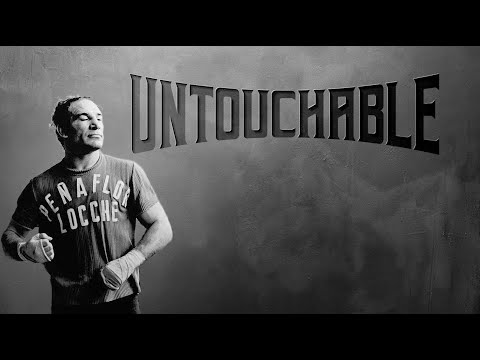
Nicolino Locche: The Untouchable Defensive Maestro - A Budo & AM Analysis

In the hallowed halls of pugilism, certain names echo with a reverence reserved for those who transcend mere physicality. Nicolino Locche, the Argentine maestro of the boxing ring, is one such legend. His defensive prowess wasn't just a tactic; it was an art form, a philosophical statement on evasion and counter-attack that left opponents grasping at air. This analysis delves into the heart of Locche's "untouchable" style, dissecting the principles that made him a defensive icon and exploring what modern martial artists can glean from his masterful performances. Are you seeking to elevate your own defensive game, understand the psychology of an elusive fighter, or simply appreciate the artistry of combat? Then prepare yourself for a lesson that transcends boxing, touching upon core tenets of Budo and the broader martial philosophy.

Table of Contents

The Philosophy of Evasion: Locche's Defensive Genius

Nicolino Locche didn't just avoid punches; he orchestrated their failure. His approach was deeply rooted in a philosophical understanding of space, timing, and intention. In the realm of Budo, as exemplified in texts like Miyamoto Musashi's "The Book of Five Rings," mastery lies not only in the execution of strikes but in the ability to control the engagement, to dictate the flow of combat. Locche embodied this through his unparalleled defensive conditioning. He understood that a fighter's true strength isn't solely in their offensive power, but in their ability to remain unfazed, to absorb pressure without breaking, and to capitalize on the slightest opening created by an overcommitted opponent.

His style was a testament to the principle of "Sen no Sen" (anticipating the opponent's intention and striking before them) and even "Go no Sen" (striking after the opponent's attack, but still seizing the initiative). Locche often allowed his opponents to initiate, to expend energy and reveal their intentions, only to slip, weave, or pivot away, leaving them vulnerable and often frustrated. This wasn't passive defense; it was active control, a psychological warfare waged through movement. It teaches us that sometimes, the most powerful offensive is the one that disarms the opponent's will to fight before a single blow lands effectively.

"The supreme art of war is to subdue the enemy without fighting." - Sun Tzu. While Locche fought, his defensive mastery often made the "fight" a foregone conclusion before it truly began for his opponents.

Technical Breakdown: The "Untouchable" Style

What constituted Locche's "untouchable" style? It was a symphony of subtle yet devastating techniques:

  • The Slipping and Weaving Masterclass: Locche moved his head and upper body with a fluid, almost hypnotic grace. Instead of simply blocking, he'd let punches "kiss" past his guard, or "slip" them entirely by moving his head off the centerline. This kept him in range to counter while making his opponent miss wildly, disrupting their rhythm and balance. This is akin to the evasive footwork seen in many Taijutsu disciplines, where displacement is key.
  • The "Bob and Weave": A fundamental defensive maneuver, Locche elevated it to an art. He used it not just to avoid headshots but to create angles for his own counters, often ducking under a jab to come up with a powerful hook or uppercut.
  • The Parry and Rip: While not a pure blocker, Locche possessed exquisite timing for parries. A subtle deflection of an incoming punch would not only negate its force but often set up a devastating counter-punch of his own.
  • Footwork and Distance Control: His footwork was impeccable. He understood the geometry of the ring, using pivots and angles to constantly adjust the distance, ensuring his opponents were always slightly out of optimal range for their power shots while keeping himself in position to land his own. This relates to the concept of Maai (distance and timing) in Japanese martial arts.
  • The Counter-Punching Prowess: The ultimate payoff for his defense. By making opponents miss, he opened them up. His counters were often sharp, precise, and delivered with surprising power, capitalizing on the momentum of his opponent's failed attack.

Compare this to the defensive strategies in Judo or Brazilian Jiu-Jitsu (BJJ), where controlling an opponent's posture and balance through grips and movement is paramount. While the methods differ, the underlying principle of nullifying an opponent's attack through superior positioning and timing remains consistent across various martial disciplines.

Locche's Legacy and Impact on Modern Combat

Nicolino Locche's influence extends far beyond the boxing world. His defensive philosophy resonates with practitioners of all combat sports and martial arts. In MMA, fighters like Dominick Cruz have showcased similar elusive styles, emphasizing movement, distance control, and counter-striking. The ability to evade damage, conserve energy, and capitalize on an opponent's mistakes is a universal martial principle.

His career serves as a powerful reminder that defense is not merely about blocking; it's about intelligence, timing, and control. In an era often dominated by brute force and aggressive offense, Locche proved that a masterful defense could be equally, if not more, devastating. His legacy encourages us to study the nuances of movement, the psychology of combat, and the art of making an opponent's strengths irrelevant. For anyone interested in the deeper aspects of combat, studying Locche is as crucial as studying the offensive techniques of a Tyson or a GSP.

His seemingly effortless evading drew comparisons to the mythical untouchability of legendary figures, much like the legendary defensive capabilities attributed to some fictional martial arts masters. It raises the question: can true martial mastery render an opponent incapable of effectively engaging?

Training Principles Inspired by Locche

While you may not be a professional boxer, the principles behind Locche's success are highly transferable to your training regimen. Incorporate these ideas:

  • Focus on Evasion Drills: Practice slipping, weaving, and head movement without relying on guards. Visualize punches coming and move *away* from the danger.
  • Develop Footwork and Angular Movement: Train to pivot, move laterally, and cut angles. Understand how to control distance effectively. This is crucial for any stand-up martial art, from Karate to Kickboxing.
  • Master the Art of Timing: Study your training partners. Learn to anticipate their movements and exploit the milliseconds after they commit to an attack.
  • Counter-Punching Practice: Once you've evaded, have a swift, precise counter ready. Don't just evade; punish the miss.
  • Mental Fortitude: Cultivate patience and discipline. A defensive master remains calm under pressure, waiting for the opportune moment. This echoes the Zen concept of Mushin (no mind).

Remember, consistent practice of these principles will build a more robust and intelligent defense. The goal is not just to survive an attack, but to control the exchange.

Veredicto del Sensei: Was Locche Truly Untouchable?

Was Nicolino Locche truly "untouchable"? In the context of his era and his specific style, one could argue he came remarkably close. His defensive wizardry was not a fluke but the result of intense dedication, strategic brilliance, and an innate understanding of his craft. While no fighter is *absolutely* untouchable, Locche's ability to neutralize the offense of elite opponents with such consistency and artistry earned him that moniker. He demonstrated that defense, when executed with such profound skill and intelligence, could be a fight-ending weapon in itself. He was a master of nullification, making his opponents fight his fight, on his terms, and often, to their utter futility.

Cinturón Negro en Evasión y Contragolpe.

Equipment Essential for Your Defensive Training

To hone your defensive skills, inspired by masters like Locche, consider the following:

  • Boxing Gloves (14-16oz): Essential for sparring and developing power in your counters without risking injury. Look for brands known for good padding and wrist support.
  • Speed Bag: Excellent for developing timing, rhythm, and hand-eye coordination – crucial for slipping and blocking.
  • Double-End Bag: Perfect for practicing evasive head movement and countering combinations.
  • Headgear: When sparring, especially for practicing evasive techniques, headgear is vital to protect against accidental impacts.
  • Jump Rope: The foundation of boxing footwork and conditioning. Locche's fluid movement started with a strong base.

Investing in quality Martial Arts Merchandise for training will not only enhance your practice but also serve as a constant reminder of your commitment to mastery.

Frequently Asked Questions

What made Nicolino Locche's style unique?
His exceptional defensive ability, characterized by fluid head movement, masterful footwork, and precise counter-punching, which made him incredibly difficult to hit cleanly.
Can Locche's techniques be applied to other martial arts?
Yes, the core principles of evasion, distance control, timing, and counter-attack are universal in combat sports and Artes Marciales Mixtas (MMA).
Was Locche known for his knockout power?
While not primarily known as a power puncher, Locche possessed accurate and timely counters that often resulted in knockouts, as opponents were exposed after missing.
How did Locche's defense affect his opponents psychologically?
His elusiveness and ability to frustrate opponents led to psychological wear and tear, often causing them to become reckless or lose confidence.

Deepen Your Understanding

To continue your journey into the philosophy and practice of martial arts, explore these related topics:

Reflexión del Sensei: Tu Próximo Paso

Locche's "untouchable" style reminds us that true mastery often lies not in overwhelming force, but in subtle control and intelligent adaptation. In your own training, whether it's boxing, Judo, or any discipline that involves combat, how can you cultivate a more profound defensive awareness? Are you merely reacting to attacks, or are you actively shaping the engagement, dictating the terms of the encounter through your movement and timing? Reflect on this: The greatest offense is often born from the most impenetrable defense. Now, go and put this knowledge into practice, not just in the dojo, but in how you navigate the challenges of life.

GEMINI_METADESC: Explore the legendary defensive mastery of Nicolino Locche. An in-depth analysis of his "untouchable" boxing style and its profound lessons for Budo and modern martial arts.
Kyokushin Karate vs. Muay Thai: A Budo Master's Analysis of Striking Prowess

Osu!

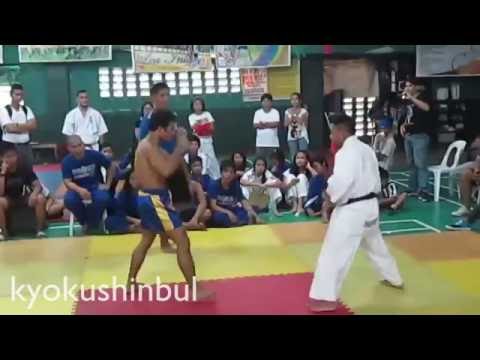
Today, we confront a question that ignites the dojo floor and echoes in the minds of many martial artists: How does the unyielding spirit and foundational power of Kyokushin Karate stand against the relentless, devastating efficacy of Muay Thai? This isn't merely a theoretical debate; it's a clash of philosophies, training methodologies, and raw combat application. We've seen glimpses of this, like the legendary encounters featuring figures such as Sensei Artemio Mancol of Kyokushin Philippines facing Muay Thai practitioners. The question is not if one art is "better," but how their distinct approaches to combat fare when directly contrasted.

The Core Philosophies: Resilience vs. Ruthlessness

At its heart, martial arts training is a journey of self-discovery and self-mastery. Kyokushin, founded by Masutatsu Oyama, embodies the principle of Osu – perseverance, resilience, and unwavering spirit. It emphasizes full-contact sparring with minimal protection, forging mental fortitude and physical toughness. The goal is not just to win, but to become a stronger individual through rigorous challenge. This philosophy cultivates a deep, grounded power, a resilience akin to ancient oak.

Muay Thai, the national sport of Thailand, is often dubbed the "Art of Eight Limbs" due to its use of fists, elbows, knees, and shins. Its history is steeped in battlefield application, evolving into a highly effective combat sport. The philosophy here is direct and brutal: to inflict damage, control the clinch, and break down the opponent efficiently. It's a pragmatic, battle-hardened art that prioritizes devastating impact and tactical aggression.

"Karate is a study in power, the ultimate application of force. Muay Thai is the ultimate expression of that force, refined for brutal efficiency."

Kyokushin: The Way of the Ultimate Truth

Kyokushin Karate is characterized by its emphasis on spirit, discipline, and physical conditioning. Its practitioners develop incredible leg strength and power through relentless kicking drills and conditioning exercises. The iconic 1000-man kumite is a testament to this dedication, pushing the limits of human endurance and mental strength. Techniques are often direct, powerful, and delivered with a strong emphasis on body conditioning, especially the shins and forearms, to withstand impact.

A core tenet is the development of a strong, unbroken spirit. This is cultivated through harsh training, constant sparring (kumite), and the strict adherence to dojo etiquette. The spiritual development is as crucial as the physical. Techniques are not merely movements; they are expressions of a hardened will. Concepts like Mushin (no-mind) are sought, where actions flow instinctively without conscious thought, born from thousands of hours of repetition and genuine combat experience.

Key Tenets of Kyokushin:

  • Osu: The spirit of perseverance, respect, and determination.
  • Full Contact Kumite: Sparring with minimal protective gear to simulate real combat.
  • Physical Conditioning: Intense training of the entire body, focusing on leg and shin conditioning.
  • Spiritual Development: Cultivating mental fortitude, humility, and discipline.
  • Simplicity and Power: Techniques are direct, powerful, and designed for maximum impact.

Muay Thai: The Art of Eight Limbs

Muay Thai is celebrated for its comprehensive arsenal. The strategic use of punches, kicks (particularly the roundhouse kick delivered with the shin), elbows, and knee strikes, combined with devastating clinch work, makes it a formidable striking art. The conditioning is intense and geared towards power, speed, and the ability to absorb and deliver punishment. Practitioners develop exceptionally strong shins, capable of delivering bone-shattering kicks.

Unlike the sometimes rigid stances of traditional Karate, Muay Thai often involves a more fluid, evasive stance, allowing for quick movement and rapid attacks. The clinch is a critical element, where fighters grapple, deliver knees and elbows, and wear down their opponents. This makes Muay Thai a complete striking system, adaptable to various ranges of combat.

Key Principles of Muay Thai:

  • Art of Eight Limbs: Maximizing offensive and defensive tools with fists, elbows, knees, and shins.
  • Clinch Work: Dominating the opponent in close-range grappling situations.
  • Devastating Kicks: Powerful roundhouse kicks delivered with the shin for maximum impact.
  • Aggressive Offense: Constant pressure and a focus on overwhelming the opponent.
  • Adaptability: Effective in both striking exchanges and close-quarters combat.

Striking Analysis: Power, Speed, and Application

In a direct confrontation, the differences in striking become apparent. Kyokushin strikes, particularly punches and kicks, are trained for devastating power. The emphasis on hip rotation and a stable base generates immense force behind each blow. However, the lack of open-hand techniques and a more restricted kicking repertoire (compared to Muay Thai's wide range) can be a limiting factor against a skilled Muay Thai practitioner.

Muay Thai excels in variety and speed of striking. The lightning-fast jab, the powerful roundhouse, the vicious elbow strikes, and the piercing knee strikes offer a diverse offensive threat. A key difference lies in the *intent*. Kyokushin aims to incapacitate through power and spirit. Muay Thai aims to break down the opponent, often targeting specific areas like the legs, ribs, and head with a relentless barrage.

Comparison of Striking:

  • Power: Both arts possess immense power, but Kyokushin's power is often more grounded and explosive, while Muay Thai's is more about rapid, cumulative damage.
  • Variety: Muay Thai has a significant advantage in the variety of strikes available (elbows, knees, varied kicks).
  • Speed: Muay Thai often appears faster due to its emphasis on fluid transitions and evasive footwork.
  • Targeting: Kyokushin focuses on direct, powerful strikes, while Muay Thai often employs strategic targeting to weaken the opponent over time.

Defensive Strategies: Blocking, Evasion, and Absorption

Kyokushin Karate's defense relies heavily on strong blocks, parries, and a resilient stance. Practitioners train to absorb blows, especially to the body and legs, developing a remarkable pain tolerance. The philosophy is often to stand your ground and meet force with force. This can be effective but can also lead to absorbing more damage than necessary if the opponent is skilled at feinting or changing attack angles.

Muay Thai incorporates sophisticated defensive techniques, including catching kicks, checking leg kicks with hardened shins, slipping punches, and using elbows and knees to deter close-range attacks. The clinch also serves as a defensive mechanism, allowing a fighter to stall, reset, or deliver counter-attacks. The ability to "check" kicks with their shin is a hallmark of Muay Thai defense, turning an offensive weapon into a defensive barrier.

"In combat, a defense that relies solely on absorption is a failing defense. True mastery lies in deflection, evasion, and the opportune counter."

Conditioning and Training Regimens

The training regimens are worlds apart, yet both forge warriors. Kyokushin's training is brutal and repetitive, focusing on building raw strength, stamina, and an unshakeable will. This includes extensive basic training (kihon), kata, and, most importantly, kumite. The emphasis on conditioning the body – especially the shins, forearms, and torso – to withstand heavy blows is paramount. This might include hitting makiwara, striking heavy bags, and endurance exercises.

Muay Thai conditioning is equally rigorous, but with a distinct focus. It involves intense roadwork, shadowboxing, bag work, pad work (focus mitts and Thai pads), and sparring. A significant portion of training is dedicated to developing the "eight limbs" and the clinch. Strength and conditioning often include bodyweight exercises, explosive movements, and core work, all designed to maximize power and resilience for the specific demands of Muay Thai fighting.

Training Regimen Differences:

  • Kyokushin: Emphasis on Kihon, Kata, Kumite, and intense body conditioning.
  • Muay Thai: Emphasis on Pad Work, Bag Work, Clinch Training, and explosive conditioning.

Combative Scenarios: Where Styles Collide

In a hypothetical matchup between a top Kyokushin Karateka and a top Muay Thai fighter, several factors would come into play:

  • Range: Muay Thai fighters are generally more comfortable at all ranges, especially close. Kyokushin practitioners might prefer a slightly more distanced striking exchange.
  • Kicking Game: Muay Thai's shin-to-shin kicks are designed to wear down the opponent's legs, while Kyokushin's kicks, though powerful, might not have the same debilitating effect if the Muay Thai fighter can check them effectively.
  • Hands and Elbows: Muay Thai's use of elbows and a wider variety of punching combinations could pose a significant threat.
  • Clinch: This is a clear advantage for Muay Thai. A Kyokushin practitioner would need to develop strong defenses against clinching or find a way to escape it quickly.
  • Spirit: This is where Kyokushin could shine. The sheer willpower and refusal to quit, the essence of Osu, could see a Kyokushin fighter endure tremendous pressure.

The outcome would likely depend on the specific individuals, their training levels, and their ability to adapt. A Kyokushin fighter who has trained extensively in cross-training or has faced diverse styles might fare better. Similarly, a Muay Thai fighter with a strong defensive structure and mental resilience could counter the power of Kyokushin.

Veredicto del Sensei: ¿Merece la pena?

This stylistic comparison is not about declaring a definitive "winner." It is about understanding the strengths and weaknesses of each art. Kyokushin Karate offers unparalleled resilience, mental fortitude, and grounded power, forged through rigorous, full-contact training. Muay Thai provides a devastatingly effective, versatile striking arsenal honed on the battlefield and refined in the ring.

If your goal is to develop unwavering spirit, immense physical toughness, and a foundational power that can withstand anything, Kyokushin is a path of profound transformation. If you seek a practical, aggressive striking system with a wide array of weapons and proven effectiveness in combat sports, Muay Thai is an excellent choice. Many a martial artist today benefits from cross-training, drawing the best from systems like these to create a more complete fighter.

Cinturón Negro en Resistencia y Poder vs. Maestría en el Arte de los Ocho Miembros. Ambas son dignas de estudio.

Equipo Esencial para tu Entrenamiento

While the spirit of Kyokushin thrives on simplicity, and Muay Thai emphasizes bare-knuckle effectiveness, certain equipment can significantly enhance your training:

  • Guantes de entrenamiento: Para sparring en Kyokushin, guantes ligeros pero protectores son útiles. Para Muay Thai, guantes de 14-16oz son estándar para sparring, y guantes más ligeros para trabajo de saco y pads.
  • Espinilleras: Absolutamente esenciales para Muay Thai para proteger tus espinillas y las de tu compañero durante el entrenamiento de patadas. En Kyokushin, se utilizan para proteger durante el sparring intenso si es permitido por el dojo.
  • Bucal: Imprescindible para cualquier tipo de sparring para proteger tus dientes y mandíbula.
  • Kimono de Karate/Gi: Para la práctica de Kyokushin, un Gi resistente es fundamental. Busca uno de doble tejido (#KarateMerchandise, #MartialArtsMerchandise).
  • Vendajes para manos: Cruciales para proteger tus muñecas y nudillos durante el entrenamiento de boxeo y Muay Thai.

Guía de Entrenamiento: El "Push-Up" de Kyokushin para Resistencia

This exercise is a staple in many Kyokushin dojos to build explosive power and stamina. It simulates the controlled, powerful movements of Karate strikes.

  1. Positioning: Start in a standard push-up position, hands slightly wider than shoulder-width apart. Ensure your body forms a straight line from head to heels.
  2. The Drop: Lower your chest towards the floor, aiming to go as low as possible while maintaining control. Keep your elbows tucked slightly, not flared out wide.
  3. The Explosive Push: This is key. Instead of a standard push-up, push off the ground with enough force to lift your hands off the floor briefly. Aim for a distinct *clap* of your hands if you are advanced, or simply a clear separation from the ground.
  4. Controlled Landing: Absorb the impact of your landing by bending your elbows slightly. Do not let your body crash down.
  5. Repetition: Continue for a set number of repetitions or for a timed interval. Focus on quality over quantity.

This exercise, when done consistently, builds the explosive power needed for Kyokushin's signature strikes and enhances shoulder and chest endurance.

Preguntas Frecuentes

¿Es el Karate Kyokushin efectivo para defensa personal?
Sí, Kyokushin enseña principios de combate directo, resistencia al dolor y poder de impacto que son muy efectivos para la defensa personal. Su énfasis en el combate real (kumite) lo prepara para situaciones de estrés.

¿Puede un practicante de Muay Thai usar patadas bajas contra un Karateka Kyokushin?
Absolutamente. Las patadas bajas (low kicks) son una herramienta fundamental en Muay Thai, diseñadas para inmovilizar y debilitar al oponente. Un Karateka Kyokushin necesitaría desarrollar una defensa sólida contra ellas, ya sea bloqueando con las espinillas o aprendiendo a contraatacar.

¿Qué arte es más rápido, Kyokushin o Muay Thai?
Muay Thai a menudo parece más rápido debido a su fluidez, variedad de ataques y uso de combinaciones rápidas. Kyokushin se enfoca en la potencia y la intención detrás de cada golpe, lo que puede parecer menos "rápido" pero igualmente devastador.

¿Cuál es la principal diferencia filosófica entre ambos?
La principal diferencia radica en el énfasis. Kyokushin se centra en el desarrollo del espíritu indomable y la resiliencia a través de la superación personal. Muay Thai se enfoca en la eficacia pragmática y la dominación a través de un arsenal de técnicas letales.

Para Profundizar en tu Camino

Reflexión del Sensei: Tu Próximo Paso

Has contemplado las fortaleques de dos titanes del combate: la férrea voluntad de Kyokushin y la implacable precisión de Muay Thai. Ahora, la pregunta que resuena en el silencio de tu dojo personal es: ¿Cómo integras estas lecciones, no solo en tu entrenamiento físico, sino en la batalla diaria contra tus propias limitaciones y miedos? ¿Serás tú la roca inamovible o la tormenta imparable?

``` GEMINI_METADESC: Analyze the striking prowess, philosophies, and training of Kyokushin Karate vs. Muay Thai. Discover their strengths, weaknesses, and combative applications from a Budo master's perspective.

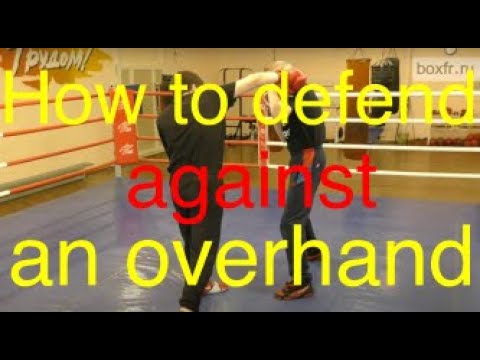
The Overhand Right: A Masterclass in Countering the Wild Swing

In the brutal ballet of combat, few strikes carry the raw, deceptive power of the overhand right. It's a blow born of desperation, a haymaker flung with a primal urge to end the engagement with a single, devastating impact. Many a skilled practitioner has faltered, caught off guard by its unorthodox trajectory and sheer force. But true mastery lies not just in offense, but in understanding and neutralizing the opponent's most dangerous weapons. Today, we delve deep into the anatomy of the overhand, not merely to defend against it, but to dissect its weaknesses and turn its strength against the aggressor. This is not about mere survival; it's about dominance.

Understanding the Overhand: The Savage Art of the Wild Swing

The overhand right, often referred to by its more visceral descriptions like "windmill" or "battering ram," is characterized by its looping, arcing motion. Unlike a straight punch, which travels directly from point A to point B, the overhand begins with a dramatic elevation of the fist, often accompanied by a significant body turn and weight transfer. This wind-up is what gives it its devastating power, but it's also its Achilles' heel. The telegraphing of such a motion, the distinct shift in balance, and the extended wind-up provide crucial milliseconds for a well-trained defender to react. Historically, it's a punch seen across numerous combat disciplines, from the raw exchanges in street brawls to the powerful hooks of Western boxing and even the dynamic strikes in some older Karate katas, albeit with different applications.

Why is it such a persistent threat? Because it's designed to bypass traditional guards. A high, tight guard can be vulnerable to a powerful overhand that comes *over* the forearms and helmet. It’s a punch that carries weight, leverage, and a certain desperation that can overwhelm a less experienced opponent. Think of it as a brute force instrument – effective when it connects, but often leaving the attacker exposed.

Timing is Everything: When to Evade and When to Intercept

The golden rule of countering the overhand is timing. You cannot simply react; you must anticipate. The attacker's commitment to such a powerful, committed strike is their undoing. As the arm begins its descent, the defender has several options, each dependent on distance and the attacker's momentum.

Early Warning Signs:

  • A sudden, exaggerated shift of weight to the back leg.
  • A distinct upward movement of the punching shoulder.
  • The "tensing" of the body as it coils for the strike.

Once these signs are perceived, your reaction must be swift and precise. Trying to block an overhand head-on is like trying to stop a runaway train with your bare hands. The impact will be jarring, potentially causing injury or at least disrupting your balance. Therefore, evasion and interception are key.

Defensive Strategies: The Art of Slipping and Rolling

The most effective defenses against the overhand are those that move *with* the punch, redirecting its energy or evading its path entirely. This requires a keen sense of timing and body awareness.

  • Slipping: This involves subtly moving your head and upper body *offline* as the punch travels past. Imagine a slight bob or weave. As the overhand swings, you lean your head and torso to the side, allowing the punch to whistle harmlessly through the air where your head was moments before. This is particularly effective if you can simultaneously step slightly offline, breaking the attacker's direct line of sight and balance.
  • Rolling (The "Duck"): A more pronounced evasion, the duck involves dropping your level significantly, bending at the knees and waist, so the overhand passes *over* your head. This is a powerful defensive maneuver, but it requires excellent core strength and balance to execute without falling or being thrown off. Successfully ducking can put you in a prime position to attack the opponent's legs or body.

Key Principle: Never stand and brace. The overhand's power is in its momentum. Trying to stop it directly is often futile and dangerous. Instead, use its own momentum against it by moving out of its path.

"The supreme art of war is to subdue the enemy without fighting." - Sun Tzu, The Art of War. While this quote speaks of strategy, its essence applies to defense. The ultimate defense neutralizes the attack before it even lands, rendering it ineffective.

Counter-Attack Principles: Turning the Tide

Defense is only half the battle. A true martial artist seizes the moment of vulnerability created by the opponent's failed attack. When an overhand misses:

  • Exploit the Opening: The attacker is often off-balance and their guard is down after a missed overhand. This is your prime opportunity to strike.
  • Target the Body: A common counter is a hard shot to the ribs or solar plexus, capitalizing on the attacker's forward momentum.
  • Inside Strikes: If you've slipped effectively, you might be inside the arc of their swing. A quick uppercut or hook to the body or head can be devastating.
  • The Clinch/Grapple: If the overhand is part of a more desperate, wild exchange, a successful evasion can lead to an immediate clinch, allowing you to control the opponent and potentially take them down. This is a crucial element in close-quarters combat, where the overhand is often a last-ditch effort.

Remember, the most effective counter is not necessarily the most powerful, but the most timely and opportunistic. A sharp jab or a well-placed knee can be far more effective than a wild, desperate swing.

Practical Drills: Sharpening Your Defense

Theoretical knowledge is vital, but it must be honed through rigorous practice. Here are drills to develop your ability to counter the overhand:

  1. Shadow Boxing with Intent: Visualize an opponent throwing an overhand. Practice slipping and rolling, focusing on smooth, controlled movements. Exaggerate the evasion initially, then refine it to be more subtle.
  2. Partner Drills (Controlled): With a willing and skilled partner, have them throw slow, deliberate overhands. Focus on timing your evasions and stepping offline. Gradually increase the speed. Communication is key here to ensure safety.
  3. Reactive Slipping/Rolling: Have a partner stand at a safe distance and call out "Overhand!" just as they begin the motion. Your task is to react with the appropriate evasion. This trains your reflex time.
  4. Counter-Punch Integration: Combine the evasion with a counter-strike. After a successful slip or roll, immediately throw a pre-determined counter, such as a jab to the nose or a body hook.
  5. The "Wildman" Drill: One partner throws a series of wild, committed strikes, including overhands. The defender's sole job is to evade, stay safe, and look for a single opening to land one clean, decisive counter. This simulates a desperate attacker.

Advanced Concepts: The Philosophical Edge

Beyond the physical mechanics, understanding the overhand touches upon deeper martial principles. The attacker's reliance on the overhand often stems from a lack of discipline, control, or refined technique. They are using raw power because they lack precision.

Conversely, the defender's ability to evade and counter comes from discipline, focus, and a calm mind. This is where concepts like Mushin (no-mind) become relevant. When the overhand is thrown, the defender doesn't overthink; they simply react from instinct honed by thousands of repetitions. The chaotic energy of the overhand meets the stillness and adaptability of the trained martial artist.

"There are no secrets. The overhand is a power shot, but it is slow. Speed and timing defeat it. If you are always moving, always aware, it cannot land." - A common saying among old-school boxers and fighters.

The commitment to an overhand often means the attacker is also committed to their position. This commitment can be exploited. A fighter who throws an overhand is vulnerable to attacks that exploit their posture – sweeps, trips, or simply capitalizing on their unstable base.

Veredict of the Sensei: Is the Overhand a True Threat?

The overhand right, in its raw, untrained form, is a dangerous weapon primarily for those who lack the awareness, timing, and defensive skills to deal with it. It's the punch of the desperate, the untrained, or the bully. However, for the disciplined martial artist, it is a predictable pattern, an opportunity disguised as a threat. Its power can be neutralized, its energy redirected, and its user left exposed. While it demands respect and careful observation, it is far from an insurmountable force. It is a testament to the fact that raw power, without technique and timing, is often clumsy and ultimately defeatable.

Rating: Cinturón Negro en Potencial de Contra-Ataque

Essential Equipment for Your Training

While many drills can be done with minimal equipment, certain items can enhance your training and safety:

  • Sparring Gloves: For partner drills, 14oz to 16oz gloves are essential for protecting both your hands and your partner's face.
  • Mouthguard: Non-negotiable for any sparring or contact drill.
  • Focus Mitts and Thai Pads: Ideal for practicing evasions and developing power counters. Your partner can hold these to give you a solid target.
  • Training Partners: The most crucial piece of equipment! A dedicated and skilled training partner is invaluable for developing defensive and counter-attacking skills.
  • Instructional DVDs/Books: To deepen your understanding of striking defense and counter-offense.

Frequently Asked Questions

What is the best martial art for defending against an overhand?

Many arts teach effective counters. Boxing's slipping and countering, Muay Thai's devastating elbow and knee checks, Judo's ability to off-balance and throw, and Karate's evasive footwork are all highly relevant. The effectiveness depends more on the individual practitioner's skill and dedication to training these specific counters than on the art itself.

Can I block an overhand?

Directly blocking a full-power overhand is ill-advised. It's like blocking a falling tree. Evasion (slipping, rolling) is far more effective and safer. If you must block, it should be a deflection rather than a dead stop, using your forearm to guide the punch away.

What should I do if I get hit by an overhand?

If you are hit and stunned, your immediate priority is to recover your guard and composure. If possible, clinch your opponent or create distance to clear your head. Do not continue to fight wildly; focus on regaining your defensive posture and assessing the situation.

Is the overhand used in MMA?

Absolutely. While often less telegraphed due to the varied threats in MMA, powerful overhand rights are a staple in striking arsenals. Fighters like Derrick Lewis are known for their devastating overhand power.

Further Learning on Your Path

To continue your journey in understanding combat and martial philosophy, explore these related topics:

If you resonate with our pursuit of authentic martial arts knowledge, consider supporting us by exploring our exclusive NFT offerings.

The Russian version of this instructional video can be found here.

Welcome to Budo and Martial Arts, your definitive source for martial arts insights and training. Follow us on social media and remember to visit our main page for the latest updates.

We also invite you to explore our other dedicated blogs for niche insights:

Reflection of the Sensei: Your Next Step

The overhand is a testament to raw power, but power unguided is chaos. Your defense against it, your ability to slip, roll, and counter, is a reflection of your discipline, your timing, and your understanding of the opponent's commitment. So, I ask you: When you face your own "overhands" in life – those sudden, overwhelming challenges – do you brace for impact, or do you move with the grace of a seasoned warrior, turning the chaos into your advantage?

GEMINI_METADESC: Master the overhand right defense with this comprehensive guide. Learn to evade, counter, and turn this powerful strike into an advantage. Expert analysis for martial artists.

Mike Tyson's Explosive Power: Unpacking the Drills That Forged Knockouts

Iron Mike Tyson. The name alone conjures images of raw power, lightning-fast combinations, and opponents crumbling before him. For many, he remains the epitome of destructive force in the boxing ring. But what separated Tyson from the rest? Was it just brute strength, or was there a deeper methodology at play? Today, we delve into the unique, often unconventional, training regimens that Cus D'Amato and Kevin Rooney forged for "Iron Mike," drills that didn't just build muscle, but directly translated into the spectacular knockouts that defined his legendary career. Prepare yourselves, for we are about to dissect the very essence of Tyson's devastating arsenal.

The Genesis of 'Iron Mike'

Welcome, seekers of martial wisdom, to Budo and Martial Arts! You've stumbled upon a dissection of Mike Tyson, a fighter whose name is synonymous with concussive power and a brutal, almost primal, efficiency in the ring. The date of publication might be December 24, 2018, but the lessons drawn from Tyson's career are timeless. We aim to be the most complete and updated resource on martial arts, and dissecting figures like Tyson is crucial to understanding the evolution of combat.
"Every kid around here dreams of being a heavyweight boxer, because that's the biggest, toughest guy. He's going to be the richest guy. He's going to be the toughest guy. He's going to be the best fighter. He's going to be the most famous guy." - Mike Tyson
Tyson's journey from a troubled youth in Brooklyn to the undisputed heavyweight champion of the world is a narrative steeped in discipline, harsh realities, and unparalleled dedication. But beyond the captivating story, lies a tactical and technical foundation laid by two brilliant minds: Cus D'Amato and Kevin Rooney.

D'Amato's Peekaboo: More Than Just a Style

Cus D'Amato's "Peekaboo" style is often misunderstood. It wasn't merely about keeping your hands near your face, though that was a component. It was a defensive and offensive philosophy designed to make the fighter an elusive yet devastatingly powerful attacker. * **The "Peekaboo" Stance**: Hands held high, close to the face, creating a "shell." This protected the head and chin while allowing for explosive, short-range attacks. * **Head Movement**: Constant, subtle bobbing and weaving, making the fighter an incredibly difficult target. This wasn't just evasion; it was strategic movement to create angles of attack. * **Explosive Power Generation**: D'Amato emphasized generating power from the ground up, through hip rotation and core engagement, rather than just arm strength. This allowed smaller fighters, like Tyson, to possess devastating knockout power. * **Psychological Warfare**: The style was also about intimidation. The constant, almost playful, head movement could unnerve opponents, making them hesitant and predictable. Tyson’s mastery of this style, under D’Amato's tutelage, was profound. It was the bedrock upon which his terrifying reputation was built.

Unveiling Tyson's Knockout-Forging Drills

While the Peekaboo style provided the framework, it was the specific drills, often adapted and intensified by Kevin Rooney, that honed Tyson's raw talent into fight-ending weapons. These weren't standard bag work or pad sessions; they were exercises designed to exploit weaknesses, build specific reflexes, and condition the body for maximum impact.
These drills were not about learning new techniques in isolation, but about refining existing ones to an almost inhuman degree of precision and power. They focused on repetition, timing, and the development of explosive kinetic chains, turning muscle memory into a destructive force.

Drill 1: The Phantom Jab and Its Devastating Echo

One of the most talked-about drills involved Tyson practicing a "phantom jab." This was essentially a jab thrown without full commitment, often feigned, designed to draw a reaction from his sparring partner or opponent. The genius lay not in the jab itself, but in what came *after*. * **The Setup**: Tyson would throw this almost imperceptible, or feinted, jab. * **Drawing the Reaction**: Experienced fighters might instinctively try to parry, block, or even counter this perceived threat. * **The Payoff**: As the opponent reacted, their guard would momentarily shift, or they would expose an opening. This was Tyson's cue to unleash his devastating power shots – the thunderous right hand, the uppercut, or a vicious body blow. This drill was instrumental in setting up his signature knockouts. It taught him to read his opponent's reactions in fractions of a second and exploit them ruthlessly. It’s a prime example of how understanding reaction timing can turn a simple feint into a fight-ending sequence. Many spectacular knockdowns in boxing history owe their existence to such subtle, yet powerful, setups.

Drill 2: The Rolling Thunder Combination

This drill focused on developing Tyson's ability to string together powerful, rapid combinations while maintaining his defensive posture. It wasn’t just about throwing punches; it was about flowing from one to the next with seamless integration. * **Execution**: Tyson would practice a sequence of power punches, often starting with a hook, transitioning into an uppercut, and then following with another hook or a devastating right hand. Crucially, this was done with continuous head movement, exemplifying the Peekaboo style. * **Power Transfer**: The emphasis was on transferring weight and momentum through each punch. The "roll" of the head and upper body generated rotational force, amplifying the impact of each strike. * **Endurance and Power**: This drill also built incredible stamina and the ability to deliver concussive power throughout the round, not just in the opening moments. This repetitive, high-intensity drilling instilled a brutal rhythm that opponents struggled to match. It’s the kind of training that transforms a boxer into a relentless offensive machine.

Drill 3: The Shell Game and Evasion

While Tyson was known for his offense, his defense, rooted in the Peekaboo style, was equally critical. Drills focused on maintaining the defensive shell and evading punches were paramount. * **The Drill**: Sparring partners would aim at specific targets on Tyson's high guard. Tyson's job was to block, slip, or roll with the punches, keeping his core protected and his body moving. * **Developing Reflexes**: This cultivated lightning-fast reflexes. He learned to anticipate punches and move his head and body just enough to avoid significant impact, often making opponents miss wildly. * **Creating Counter Opportunities**: Crucially, this constant evasion was not passive. As opponents overextended or missed, it created openings for Tyson to unleash his own devastating counters, often from unexpected angles. This wasn't just about taking punches; it was about *not* taking punches, while simultaneously setting traps for his adversaries. The ability to weave and slip while remaining in a position to counter is a hallmark of true defensive mastery.

The Enduring Impact on Boxing History

Mike Tyson's drills, as implemented by D'Amato and Rooney, were more than just training exercises. They were a masterclass in applied physiology, psychology, and combat strategy. They transformed a gifted athlete into one of the most feared and effective knockout artists the world has ever seen.
"He who is not courageous enough to take risks will accomplish nothing in life." - Muhammad Ali
These methods highlight a crucial principle in martial arts and combat sports: the effectiveness of specialized training tailored to an individual's strengths and a specific combat philosophy. It’s a testament to the idea that true mastery comes not just from talent, but from relentless, intelligent, and often unconventional, practice. The "crazy drills" were, in fact, brilliantly executed strategies designed to maximize impact and minimize risk.

Veredicto del Sensei: Tyson's Place in Martial Lore

Mike Tyson’s approach, while rooted in boxing, embodies principles that resonate across all combat disciplines. The fusion of Peekaboo's defensive artistry with drills designed for explosive, decisive offense is a powerful lesson. His ability to translate training into fight-ending power, particularly through clever setups and relentless pressure, earns him a high place not just in boxing history, but in the broader narrative of martial effectiveness. **Cinturón Negro en Poder Destructivo y Estrategia de Combate.** Tyson's legacy is a stark reminder that innovation in training, combined with a deep understanding of an opponent's psychology, can create unparalleled dominance. His "crazy drills" were, in fact, the result of profound insight into the mechanics of combat and the human psyche.

Equipo Esencial para tu Entrenamiento (Boxing Focus)

While Tyson's intensity is legendary, proper equipment is crucial for anyone looking to emulate his dedication safely. For those aspiring to develop similar power and technique in boxing or related striking arts:
  • Guantes de Boxeo (16oz para sparring, 10-12oz para entrenamiento en saco/pads): Protegen tus manos y las de tu compañero.
  • Vendas para Manos: Imprescindibles para dar soporte a tus muñecas y nudillos.
  • Protector Bucal: La seguridad es primordial. Nunca entrenes sin él.
  • Saco de Boxeo Pesado: Para desarrollar potencia y resistencia.
  • Manoplas (Focus Mitts): Esenciales para trabajar precisión, velocidad y combinaciones con un compañero.
  • Ropa Deportiva Transpirable: Permite la máxima libertad de movimiento y ayuda a regular la temperatura corporal.
  • Calzado Deportivo de Boxeo: Ofrece soporte para tobillos y tracción en el ring.
Investing in quality equipment is not just about comfort; it’s about injury prevention and optimizing your training.

Guía de Entrenamiento: Simulating Tyson's Intensity

While replicating Tyson's exact drills without expert supervision is ill-advised, we can adapt principles for intensity and specificity. This guide focuses on simulating the *spirit* of his training: explosive power, defensive integration, and relentless offense.
  1. Warm-up (15 mins): Dynamic stretching, light shadow boxing focusing on head movement, and skipping rope to increase heart rate.
  2. Focus Mitt Simulation (3 Rounds x 3 mins):
    • Partner calls out a *feint jab* (mimicking Tyson's setup).
    • You immediately *slip* or *weave*, then throw a strong counter combination (e.g., right cross, left hook, right uppercut).
    • Focus on explosiveness and rapid transition from defense to offense.
  3. Heavy Bag Power Rounds (3 Rounds x 3 mins):
    • Focus on short, brutal combinations with maximum power.
    • Incorporate Tyson-esque head movement between punches. Think "roll-hook-uppercut-cross."
    • Maintain high intensity throughout the round.
  4. Defensive Drills (2 Rounds x 3 mins):
    • Have a partner throw *controlled* punches at your guard.
    • Practice blocking, slipping, and rolling with the punches.
    • Focus on keeping your chin tucked and core tight. Transition immediately to a counter punch if an opening appears.
  5. Cool-down (10 mins): Static stretching, focusing on shoulders, back, and legs.
Remember, intensity is key, but proper form and safety always come first. This is about building explosive power and intelligent defense, not reckless aggression.

Preguntas Frecuentes

  • Was Mike Tyson's Peekaboo style truly unique?
    While the core principles of head movement and defensive posture existed, D'Amato's specific application and Tyson's natural athleticism made it uniquely devastating. It was more than a style; it was a philosophy tailored for maximum impact.
  • Are Tyson's drills safe for beginners?
    Directly replicating some of Tyson's most intense drills without proper conditioning and supervision can be dangerous. The drills discussed are for understanding the principles behind his success, not for direct imitation without expert guidance.
  • How did Tyson generate so much power?
    A combination of factors: Cus D'Amato's emphasis on hip and core rotation, Kevin Rooney's adaptation of specific explosive drills, Tyson's natural strength and speed, and his compact, powerful physique allowed for immense force generation in short, explosive bursts.
  • Can principles from Tyson's training be applied to other martial arts?
    Absolutely. The emphasis on explosive power generation from the ground up, intelligent defense, reading opponents, and the importance of specific, high-intensity drills are universal principles applicable to striking arts, grappling, and even self-defense.

Para Profundizar en tu Camino

Dive deeper into the world of combat science and martial philosophy with these related articles:

Reflexión del Sensei: Tu Próximo Paso

We've dissected the drills that turned Mike Tyson into a force of nature. But knowledge without application is mere trivia. The question you must ask yourself is: how can the *principle* of specialized, intense, and intelligent training be integrated into *your* practice? Are you merely going through the motions, or are you forging your own "crazy drills" that directly translate to your desired outcomes? What aspect of your current training regime most desperately needs a Tyson-esque re-evaluation? ``` GEMINI_METADESC: Explore the groundbreaking training drills that forged Mike Tyson's legendary knockout power. An in-depth analysis of Peekaboo style and its application.

Mastering the Uppercut: Defense and Deception in Close Combat

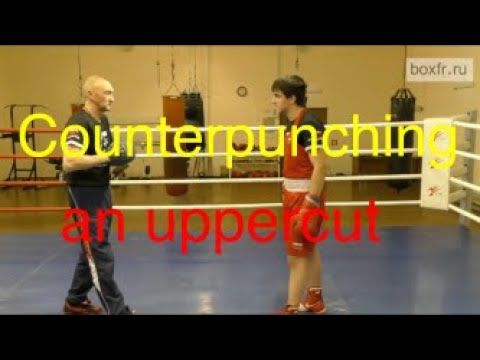
In the unforgiving crucible of close-quarters combat, where inches can mean the difference between victory and defeat, the uppercut emerges as a brutal, often decisive weapon. But what happens when the tide turns, and you're faced with an incoming upward strike? This is where the art of the counterpunch becomes paramount. Today, we dissect the anatomy of countering an uppercut, and then, for the truly audacious, we explore how to unleash your own unexpected uppercut from the infighting clinch. Welcome, warriors, to a lesson that will sharpen your instincts and elevate your fighting prowess. You are watching Budo and Martial Arts, where we delve into the deepest currents of combat science and philosophy.

Understanding the Uppercut: A Close-Range Menace

The uppercut is a vertical punch delivered with a powerful upward thrust, typically targeting the chin or solar plexus. Unlike a straight punch that travels forward, the uppercut's trajectory is inherently less telegraphed, making it a potent surprise. Its effectiveness is amplified in close quarters, where opponents are within grappling or infighting range. From a technical standpoint, the uppercut requires a pivot of the hips and core, a slight bend in the knees, and a whip-like motion of the arm. It’s a testament to the principle that power often comes from the ground up, channeled through the entire kinetic chain.

The Danger of the Uppercut

Why is the uppercut so feared? Firstly, its angle of attack makes it difficult to see coming, especially when initiated from a static guard or a tight clinch. Secondly, when landed correctly, it can cause significant rotational force on the head, leading to disorientation, knockdowns, or knockouts. Many fighters have had their night ended by a well-timed uppercut, often when they were pressing forward or recovering from a different exchange. Mastering its defense is not merely about survival; it's about seizing opportunities when an opponent overcommits to this dangerous strike.

Defensive Principles: Evade, Block, and Counter

Facing an uppercut demands a multi-layered defensive approach. We can break this down into three core principles: evasion, blocking, and, crucially, the counter. Each layer serves a distinct purpose, but their true power lies in their seamless integration. A fighter who can fluidly transition between these can neutralize even the most aggressive uppercut barrages.

Evasion Techniques

The most elegant defense is often to not be there when the punch lands. Evasion involves subtle, often explosive, movements of the head and body. The most common evasive maneuver against an uppercut is the "pull back" or "slip." This involves slightly arching your back and moving your head back and slightly to the side, away from the incoming punch. It's not a dramatic bob and weave; it's a precise, minimal adjustment. Think of a snake dodging a strike – quick, economical, and precise. Another effective evasion is the "chin tuck," bringing your chin down and slightly towards your lead shoulder, making it a harder target to connect with cleanly. The key is anticipation. You must read the opponent's body language, the shift in their weight, the tightening of their core – these are the tells that an uppercut is coming.

Blocking Strategies

When evasion isn't possible or feasible, blocking becomes essential. The primary block for an incoming uppercut involves bringing your forearm or elbow up to intercept the strike. This is often referred to as an "elbow block" or "forearm check." You want to meet the punch with a firm, raised guard. Imagine creating a solid wall just as the uppercut reaches its apex. This requires significant core engagement and shoulder stability. A common mistake is to be too passive; the block must be an active, firm interception to absorb and deflect the force. In some martial arts, like Wing Chun or some styles of Karate, specialized forearm blocks exist, utilizing the entire forearm to deflect or absorb the incoming energy. The crucial element here is not just to stop the punch, but to redirect its energy, potentially creating an opening for your own subsequent action.

"The supreme art of war is to subdue the enemy without fighting." - Sun Tzu, The Art of War. While this applies to strategy, the principle of making an opponent's attack ineffective without absorbing its full force is a physical manifestation of this wisdom.

The Counterpunch Opportunity

The true beauty of martial arts lies not just in defense, but in turning defense into offense. The moment an opponent throws an uppercut, they are inherently committing their weight and opening themselves up. This commitment is your window of opportunity. As you evade or block their upward strike, their guard is often momentarily compromised, especially their head and body. This is the moment to strike. The timing is critical – too early, and you'll be countered yourself; too late, and you miss the opening.

Executing the Counter-Uppercut

This is where the concept comes full circle. When an opponent throws an uppercut, and you successfully evade or block it, their upward momentum can be exploited. As their punch misses or is checked, their head might naturally come slightly forward. This is the prime setup for your own uppercut. From your defensive posture, you can pivot, drive through with your hips and shoulders, and deliver a powerful uppercut that capitalizes on their commitment. Imagine their punch traveling upwards and then, with a sudden shift, your own punch meets it, driving downwards or horizontally into their now exposed target area. This counter-uppercut is devastating because it's delivered as the opponent is still recovering from their failed offensive attempt. It requires exceptional timing and an understanding of leverage.

Key elements for a successful counter-uppercut:

  • Timing: Strike as their punch is finishing or missing.
  • Leverage: Drive power from the ground and hips.
  • Accuracy: Target the chin or jawline.
  • Speed: The counter should be explosive.

Offensive Strategy: The Unexpected Uppercut

Now, let's pivot to the offensive. Throwing an unexpected uppercut, especially from infighting range, can be a fight-changer. It requires deception and a solid understanding of body mechanics. The goal is to make your opponent believe you are going for a different type of strike, or to simply catch them off guard when they aren't expecting an upward attack.

Infighting and the Clinch

Infighting refers to combat at very close range, often within the range where punches, elbows, and knees can be exchanged, and where grappling and clinching can occur. The clinch is a situation where fighters have locked onto each other, limiting mobility but creating opportunities for specific strikes. In Muay Thai, boxing, or even some styles of Karate, the clinch is a tactical space where strategic strikes can be delivered.

Throwing an Unexpected Uppercut

The element of surprise is your greatest ally. In a clinch, or during a tight exchange, an opponent often expects straight punches, hooks, or knee strikes. To throw an effective uppercut from this range, consider these methods:

  1. Deception: Feint a jab or hook, drawing their guard up, then drop your level slightly and explode upwards with the uppercut.
  2. Underhook Control: If you secure an underhook and control their head, you can create a slight opening. Use this to drive your uppercut upwards into their body or chin.
  3. Body Shot Setup: Land a hard shot to the body. As they instinctively recoil or drop their guard to protect their midsection, follow up immediately with an uppercut to the head.
  4. The "Slipping" Uppercut: While clinching or in tight infighting, an opponent might lean forward. Instead of a straight punch, drive an uppercut into their jaw as they lean in, using their own forward momentum against them.

This requires immense body control and precision. You need to maintain your balance while generating power from your legs and core, all within a confined space. The visual cue is often a slight dip, a shift in weight, and then the sudden, explosive upward motion of your fist.

"The sword is the soul of the samurai." - A common proverb, emphasizing the connection between the weapon and the warrior. In modern combat, the fist, the elbow, the knee – these become extensions of our will, honed through relentless practice.

Training for Uppercut Defense and Offense

Mastering these techniques demands dedicated practice. Your training regimen should incorporate:

  • Heavy Bag Work: Practice uppercuts with proper form, focusing on hip drive and speed.
  • Pad Work: Work with a partner to drill counter-uppercuts after simulated evasions and blocks. Practice throwing unexpected uppercuts from various ranges.
  • Sparring: Apply these techniques in controlled sparring sessions. This is where timing and reading your opponent truly develop.
  • Drills for Clinch/Infighting: Specific drills focusing on control and striking within the clinch are crucial for offensive uppercuts.
  • Shadowboxing: Visualize the scenarios and practice the movements fluidly, focusing on the transitions between defense and offense.

Equipment Essential for Your Training

To effectively train for uppercut defense and offense, consider the following gear:

  • Boxing Gloves: Essential for all striking practice, from heavy bag work to sparring. Look for gloves that offer good wrist support and adequate padding for your training type (e.g., 14-16oz for bag work and sparring, 10-12oz for pad work).
  • Focus Mitts: Invaluable for developing timing, accuracy, and defensive reactions against strikes like the uppercut.
  • Heavy Bag: A good heavy bag allows you to practice power generation for your offensive uppercuts and defensive checks.
  • Double-End Bag: Excellent for improving hand speed, timing, and accuracy, helping you to land those quick counters.
  • Groin Protector: When practicing offensive uppercuts in close quarters or sparring, especially targeting the body, a protector is crucial for safety.
  • Headgear: For sparring sessions, headgear is vital to protect against accidental impacts, including uppercuts.

Resources to Deepen Your Knowledge

To further your understanding of striking, defense, and the philosophy of combat, I highly recommend exploring these resources:

Frequently Asked Questions

Q: Is it possible to block an uppercut with just your shoulder?

A: While a shoulder roll can deflect some of the force and angle, a dedicated uppercut block typically involves the forearm or elbow for more solid interception. Relying solely on the shoulder can still leave you vulnerable to injury or follow-up strikes.

Q: How can I make my uppercut more powerful?

A: Power comes from proper kinetic chain mechanics. Focus on driving through your hips and core, keeping your elbow tucked initially, and exploding upwards with a snapping wrist action. Ensure you’re pivoting your foot and rotating your torso.

Q: When is the best time to throw a counter-uppercut?

A: The ideal moment is immediately after you have successfully evaded or blocked your opponent's uppercut, as they are still committing their weight and their guard is likely compromised. It’s a fleeting window.

Q: What is the difference between an infighting uppercut and a standard uppercut?

A: An infighting uppercut is typically delivered at much closer range, often from within a clinch or tight pocket. It may have less range but can be more sudden and brutal, relying heavily on trapping and body mechanics rather than a full body rotation.

Reflection of the Sensei: Your Next Step

We have dissected the mechanics of countering the uppercut and explored the art of delivering this powerful strike with surprise. The uppercut, whether defensive or offensive, is a testament to the brutal efficiency that close-range combat demands. It is a strike that embodies commitment, power, and precision. But knowledge, as we know, is only potent when applied. Are you content to be a passive observer, reacting to the attacks thrown at you, or will you become the architect of the exchange, turning defense into a springboard for devastating offense? This is the true test.

Your challenge: In your next training session, consciously practice one defensive maneuver against an imagined uppercut, followed immediately by a counter-strike. Then, dedicate five minutes to practicing the setup and execution of an unexpected uppercut from a static position or mock clinch. Feel the difference. Internalize the lesson.

Now, I pose this to you, the diligent student: Have you ever been caught by a surprise uppercut, or landed one that changed the course of a fight? Share your experiences, your triumphs, and your failures in the comments below. Let us learn from each other, for the path of Budo is one of shared struggle and collective growth. Are you ready to engage in this dialogue, or will you remain silent in the face of opportunity?

``` GEMINI_METADESC: Master the uppercut: Learn defensive evasion, blocking, and how to land devastating counter-uppercuts. Discover offensive strategies for unexpected uppercuts in infighting and clinching.

Streetbeefs: The Raw, Unfiltered Crucible of Combat

"In the brutal arena of street disputes, where pride and ego often dictate the narrative, offering a controlled outlet for aggression isn't just entertainment; it's a pragmatic, albeit dangerous, form of conflict resolution."

The modern martial artist is often a scholar of forms, a student of philosophy, and a practitioner of discipline. We delve into the intricacies of a kata, ponder the wisdom of ancient masters, and strive for a harmonious balance of mind, body, and spirit. Yet, the primal roots of our disciplines, the raw confrontation that forged them, often remain a distant echo. Today, we venture into a different kind of dojo, a place where the stakes are immediate and the consequences palpable: Streetbeefs.

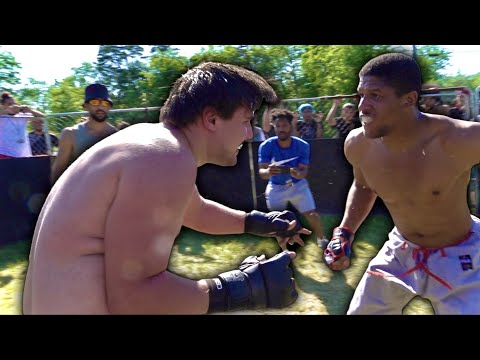
This isn't a pristine dojang with polished floors and hushed reverence. This is "Satan's Backyard," a crucible where disputes are settled not with polite bows, but with gloved fists. The encounter between Fairplay and Hayden, captured and broadcast by Streetbeefs, offers a stark, unfiltered look at the immediate, visceral nature of conflict resolution that predates modern martial arts federations and formal competitions. It’s a raw display that begs the question: what can we, as martial artists, learn from such unvarnished combat?

Understanding Streetbeefs: More Than Just a Fight Club

Streetbeefs, founded by Scarface, operates on a principle that is both ancient and, in its context, surprisingly practical. Scarface, a figure documented in the New York Times and ESPN Magazine, recognized a pervasive issue: individuals resorting to extreme violence, often with lethal consequences, to settle grievances. His solution? To provide a controlled, albeit raw, environment where disputes could be settled through physical confrontation under specific rules.

The core tenets are clear: no guns, no knives, no gang involvement. It’s one-on-one, with a referee, in front of spectators. This structure, while eschewing the formal etiquette of traditional dojos, brings a semblance of order to chaos. It’s a method that Scarface claims has settled hundreds of disputes. The matches themselves vary; some are presented as pure sport, while others stem from genuine "beefs." The entertainment value, however, is a constant, drawing parallels to historical pugilistic contests and early forms of organized fighting.

More than just a spectacle, Streetbeefs aims to foster a sense of community and camaraderie among its participants. It’s described as a club where bonds are formed, and friendships develop. This aspect is crucial: it posits Streetbeefs not merely as a venue for violence, but as a structured social outlet, offering a safer alternative to potentially fatal street altercations or incarceration. It’s a fascinating study in how primal human aggression can be channeled, albeit crudely, into a more contained, if still dangerous, activity.

The emphasis on legality and participant age (18+) underscores an attempt at legitimacy within a system that exists on the fringes. This careful framing aims to distinguish Streetbeefs from random, lawless violence, presenting it as a formalized, albeit amateur, exhibition. The founder’s recognition in mainstream media suggests an underlying narrative of addressing a societal problem through an unconventional, attention-grabbing method.

Fairplay vs. Hayden: A Technical Breakdown

Now, let us turn our critical gaze to the specific encounter between Fairplay and Hayden. From a martial arts perspective, unvarnished street fights are often a brutal test of fundamental principles, stripped of elaborate choreography. What we observe here is less about refined technique and more about raw will, physical conditioning, and the application of basic combative instincts.

Fairplay, as his moniker suggests, may have entered the bout with an intention to adhere to the spirit of the contest. Hayden, on the other hand, represents the raw, unbridled energy that often characterizes such encounters. Observing the exchange requires us to look beyond the aesthetic of traditional martial arts and focus on the efficacy of movement under pressure.

Initial Engagement: The opening moments typically reveal the fighters’ foundational conditioning and their primary offensive or defensive strategies. Are they aggressive, seeking to impose their will immediately? Or are they more cautious, probing for weaknesses? In a Streetbeefs match, the initial phase can be particularly explosive, as participants may feel the pressure to establish dominance quickly. We often see wild swings, a lack of defensive structure, and a heavy reliance on power over precision.

Striking Mechanics: The effectiveness of punches and kicks is paramount. In Streetbeefs, while formal boxing or Muay Thai techniques might be present, they are often diluted by desperation and adrenaline.:

  • Power vs. Accuracy: Fighters tend to prioritize throwing heavy shots rather than precise, targeted strikes. This can lead to fatigue and missed opportunities.
  • Defensive Posture: A common failing in unsanctioned bouts is a weak defensive guard. The "peek-a-boo" style or a tight cross-armed guard might be absent, leaving fighters vulnerable to clean shots.
  • Footwork: Proper weight distribution and movement are crucial for both offense and defense. In these contests, footwork can be clumsy, often characterized by shuffling or static stances, making fighters easy targets.

Clinch and Close-Quarters: If the fight moves into close range, the principles of grappling and infighting become relevant. Though not a formal grappling match, the ability to control an opponent in the clinch, deliver short, effective strikes, or break free strategically can be decisive. The Streetbeefs environment often features a less refined version of this, devolving into messy clinches where raw strength can overwhelm technique.

Stamina and Conditioning: The brutal nature of these contests, often without strict round limits or rest periods as seen in professional MMA, places immense demands on cardiovascular and muscular endurance. A fighter who starts strong but fades quickly is at a significant disadvantage. The raw, extended nature of some Streetbeefs bouts makes conditioning a critical, if often overlooked, factor.

Mental Fortitude: Beyond the physical, the mental game is laid bare. Fear, anger, determination, and the will to continue despite pain are all on display. The ability to maintain composure under duress, to think clearly when hurt, separates those who simply fight from those who can strategically overcome their opponent.

The Role of Striking in Unsanctioned Combat

In the context of Streetbeefs, where the goal is to settle a dispute decisively, striking often becomes the primary tool. Unlike martial arts that emphasize joint locks, throws, or submissions, the raw, often less technical environment of unsanctioned fights lends itself to the direct application of punching and kicking power. This is not to say these contests are devoid of strategy, but rather that the strategies tend to be more rudimentary, focusing on overwhelming the opponent through brute force and persistence.

The **"Fairplay vs. Hayden"** bout, like many in the Streetbeefs series, showcases a spectrum of striking capabilities. Some participants may have a background in boxing or kickboxing, bringing a degree of technical proficiency. Others, however, rely on raw aggression, swinging with maximum force, often sacrificing form for power. This can lead to spectacular, albeit short-lived, exchanges. The lack of formal referees dictating safe striking zones (e.g., no striking to the back of the head or groin, though some rules exist) means fighters must be acutely aware of their own vulnerability.

The psychological aspect of striking in these encounters cannot be overstated. A powerful, well-placed strike can end a fight instantly, but the fear of being struck can also paralyze a less experienced combatant. Conversely, absorbing punishment and continuing to press forward can break an opponent's will. This dynamic is often what draws viewers to platforms like Streetbeefs – the raw, unpredictable nature of human beings pushed to their physical and emotional limits.

From a martial arts perspective, analyzing these exchanges offers valuable insights into the effectiveness of basic offensive techniques when divorced from complex systems. It underscores the enduring power of a well-timed punch or kick, and the importance of the physical conditioning required to deliver and withstand such blows repeatedly.

The Philosophy of Conflict Resolution: Budo vs. Streetbeefs

This is where the true controversy and fascination lie. How does the raw, often chaotic nature of Streetbeefs compare to the philosophical underpinnings of traditional martial arts, or Budo? Budo, the "Martial Way," is not merely about fighting; it's a path of self-cultivation, discipline, and moral development. Its ultimate aim is to transcend conflict, to achieve inner peace, and to use martial skills only as a last resort for self-defense or upholding justice.

"The ultimate aim of martial arts is not victory or defeat, but the perfection of the character." - Gichin Funakoshi

Streetbeefs, while offering a "safer" outlet than uncontrolled street violence, operates on a fundamentally different philosophical plane. It acknowledges and facilitates physical confrontation as the primary means of resolving disputes. The "fair play" aspect, the one-on-one rule set, and the presence of a referee introduce a structured element, but the core principle remains: settling disagreements through physical combat. This starkly contrasts with Budo's emphasis on avoiding conflict, de-escalation, and the cultivation of inner virtues like humility, patience, and compassion.

Can Streetbeefs be considered a form of martial art or Budo? By a strict definition, no. It lacks the deep philosophical traditions, the emphasis on character development, and the ultimate goal of spiritual refinement. However, it does engage with certain primal aspects that are foundational to all martial disciplines: courage, resilience, the physical management of aggression, and the testing of one's mettle under pressure.

The founder’s narrative, seeking to prevent worse violence, adds a layer of utilitarian justification. It’s a pragmatic response to a societal problem, using the inherent human drive for competition and conflict resolution in a (relatively) controlled manner. The debate here is not about whether Streetbeefs is "good" or "bad," but about its place in the broader spectrum of human conflict and its relationship, however distant, to the principles that guide traditional martial arts.

Is there a "Way" in Streetbeefs? Perhaps a brutal, rudimentary one focused on immediate physical resolution and survival. But it is a far cry from the disciplined, character-building path of Budo. This stark difference invites us to reflect on the evolution of combat, from ancient duels to modern MMA, and to consider the enduring human need to test ourselves, and to settle scores, by any means necessary.

Equipment Essential for Your Training

While Streetbeefs operates on the fringes, the participants are still engaging in physical combat that requires basic protective gear. Even for training in more traditional martial arts, the right equipment is crucial for safety, effectiveness, and progression. Investing in quality gear not only enhances your training experience but also minimizes the risk of injury, allowing you to focus on skill development.

  • Gloves: For any striking-based art or sparring, appropriate gloves are non-negotiable. For boxing or MMA sparring, 14oz-16oz sparring gloves offer excellent knuckle protection and wrist support. For bag work, lighter 10oz-12oz training gloves are suitable. Ensure they fit snugly and provide adequate padding.
  • Hand Wraps: Worn underneath gloves, hand wraps are essential for stabilizing the small bones in your hands and wrists, preventing sprains and fractures during heavy striking.
  • Mouthguard: A professional, boil-and-bite mouthguard is vital for protecting your teeth, jaw, and even preventing concussions by absorbing impact. Never spar without one.
  • Shin Guards: If your training involves kicking (e.g., Karate, Taekwondo, Muay Thai, Kickboxing), padded shin guards are essential to protect against bruising and impact from both your own kicks and those of your training partners.
  • Groin Protector: A vital piece of safety equipment for male practitioners of most combat sports, protecting the most vulnerable area.
  • Headgear: Especially important during high-intensity sparring sessions, headgear helps to mitigate cuts, bruises, and reduce the impact of blows to the head.
  • Footwear: Depending on the art, you might need specialized footwear. For Karate or Taekwondo, taekwondo shoes or karate shoes offer grip and flexibility. For Judo or BJJ, a clean dojo floor is often sufficient, but thin-soled wrestling shoes can provide extra grip and protection.
  • Kimono (Gi): For Judo, BJJ, Karate, Taekwondo, and Aikido, a durable, well-fitting Gi is paramount. Look for double-weave fabrics for Judo and BJJ if you plan on rigorous sparring, and lighter, breathable fabrics for striking arts. A high-quality Karate Gi is essential for any serious Karate practitioner.

For those interested in the raw aspect of combat, even basic training equipment can make a significant difference. While Streetbeefs often features participants with minimal gear, understanding the role of protection is key to appreciating the physical demands. For structured martial arts training, however, prioritizing safety through appropriate equipment is a fundamental principle that aligns with the Budo ethos of self-mastery and respect for the training process.

Veredict of the Sensei: Does Streetbeefs Earn a Black Belt?

As a critic of martial arts and their representation, I must assess Streetbeefs not through the lens of formal Budo, but on its own merits as a phenomenon of raw combat. The organization undeniably taps into a primal human drive, offering a cathartic release for pent-up aggression and a raw spectacle for viewers. Scarface's stated intention of providing a safer alternative to deadly street violence is a commendable, albeit controversial, endeavor.

However, when measured against the principles of traditional martial arts – discipline, respect, character development, and the pursuit of self-mastery – Streetbeefs falls woefully short. It is an exhibition of conflict, not a path of cultivation. The "fair play" rules, while providing a semblance of order, do not imbue the combatants with the philosophical depth or ethical framework that defines Budo. The encounters are often brutal, lacking the refined technique and strategic nuance found even in amateur MMA bouts.

Therefore, in the hallowed halls of true martial arts, Streetbeefs does not earn a Black Belt. It does not even earn a white belt. Its value lies in its stark portrayal of human aggression and its unconventional approach to conflict resolution. It serves as a powerful, if disturbing, case study for those who wish to understand the raw, untamed roots from which more formalized combat disciplines eventually emerged.

Rating: Raw Footage of Conflict - Intriguing, but Lacking in Budo.

Frequently Asked Questions

  • What is Streetbeefs?

    Streetbeefs is an organization that provides a platform for individuals to settle personal disputes through one-on-one, unsanctioned fights, emphasizing a controlled environment with strict rules against weapons and gang involvement.

  • Is Streetbeefs a form of martial arts?

    While it involves combat, Streetbeefs is generally not considered a traditional martial art. It lacks the philosophical depth, formal training, and emphasis on character development inherent in disciplines like Karate, Judo, or BJJ. It is more accurately described as unsanctioned fighting or a form of rough combat sport.

  • What are the rules in Streetbeefs fights?

    The primary rules focus on one-on-one combat with gloves, a referee, and spectators. Weapons (guns, knives) and gang involvement are strictly prohibited. Participants must be 18 years or older.

  • What is the goal of Streetbeefs?

    The stated goal of Streetbeefs is to offer a safer alternative to deadly street violence by providing an outlet for individuals to resolve disputes physically, while also entertaining viewers and fostering a sense of community among participants.

Further Exploration of Your Path

The raw energy and immediate stakes presented by Streetbeefs, while different from formal Budo, highlight the universal human element of competition and conflict. To truly understand the spectrum of combat, both refined and unvarnished, consider delving into these related topics:

Reflection of the Sensei: Your Next Step

Having witnessed the raw, unmediated struggle within "Satan's Backyard," ponder this: In the absence of formal rules and established etiquette, what fundamental principle of self-preservation and personal integrity becomes paramount? When the veneer of civilization is stripped away, what truly separates the warrior from the brute?

``` GEMINI_METADESC: Explore the controversial world of Streetbeefs, analyzing the Fairplay vs. Hayden fight and its place alongside traditional Budo. A deep dive into raw combat.